


 购物车
购物车 个人中心
个人中心
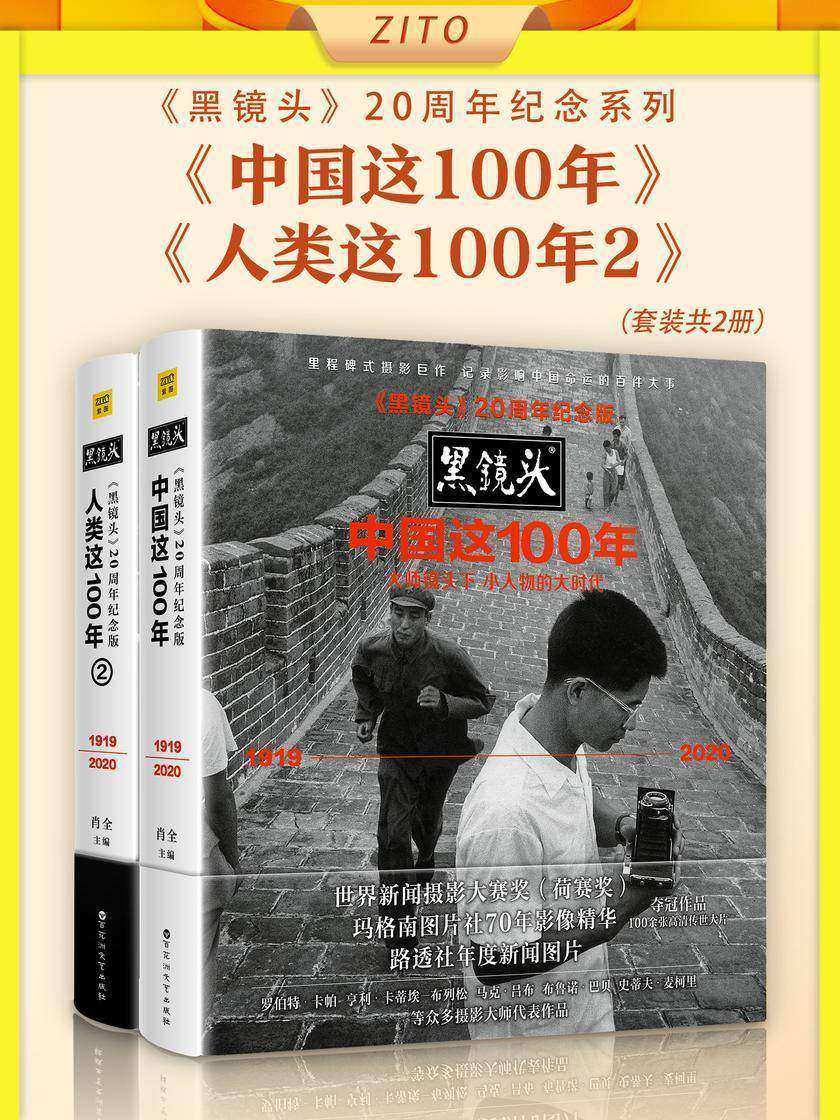
黑镜头20周年纪念系列:中国这100年+人类这100年2(大师镜头下小人物的大时代&历史中的人性之美)
¥256.00
本书收录了罗伯特?卡帕、亨利?卡蒂埃-布列松、马克?吕布、尤金?史密斯、史蒂夫?麦柯里等摄影大师的110幅代表作。这些作品在时间上跨越了一个世纪,地域上跨越了欧洲、美洲、非洲、亚洲以及远东地区。这些图片展示了世界百年重大事件中的微观景象,并通过每个照片主人公的面庞以及他们的人生故事体现坎坷人生以及动荡时代里的人性之美。一张照片,一个故事,一个事件,一段世界史。 这是一本通过历史中小人物的照片和故事从侧面反映中国变迁的摄影故事集,一个世纪以来,中国历史沧桑巨变,很多人都会觉得历史是大人物的局,但是真实的历史是每一个普通人的爱恨情仇、是每一个人的收获与坎坷。这个时代是中国的大时代,也是每一个普普通通中国人的大时代。摄影大师给你带来100余张历史中的面孔,以及中国人的情感与生活。
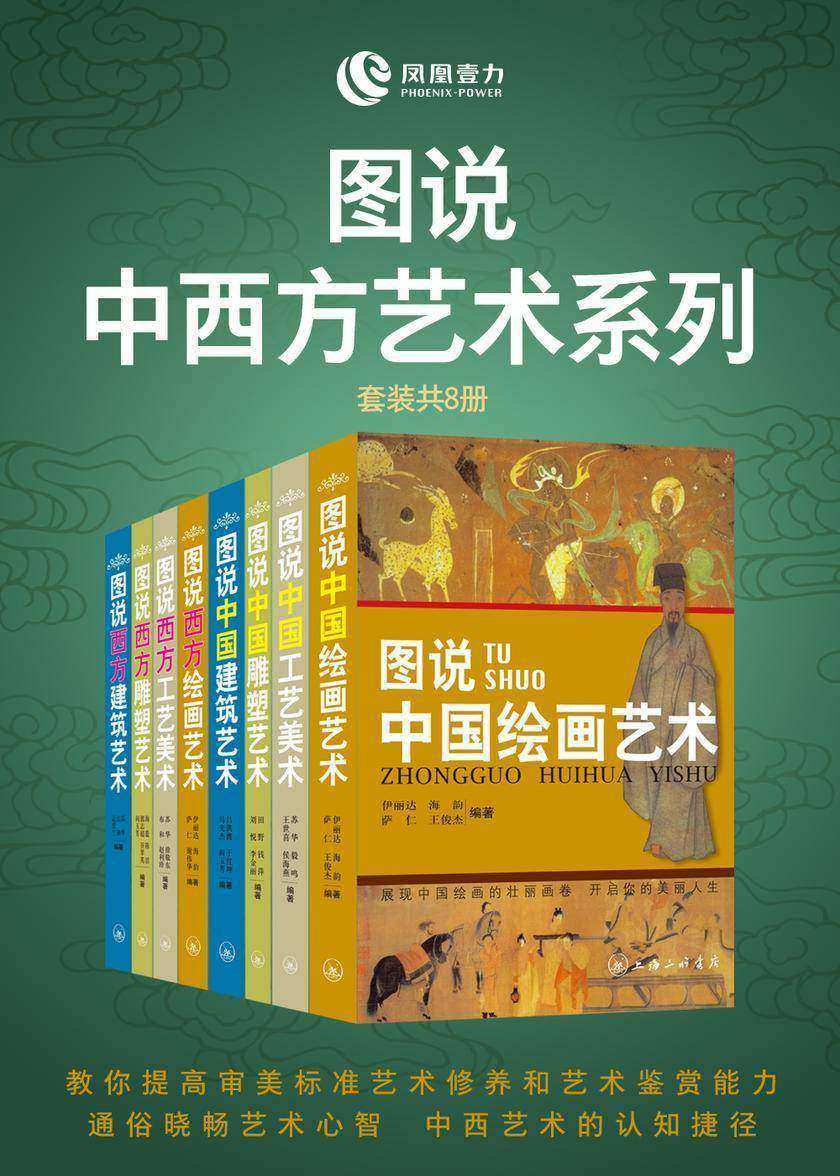
图说中西方艺术系列(套装共8册)
¥255.99
中国绘画艺术的长河,汇聚了中华民族几千年的文化精髓,是中华民族宝贵的精神财富。泛舟其上,你会发现,这里有太平盛世中的淡泊宁静,有忧患的感伤,更有亡国失地的伤痛!欣赏这些艺术珍品,可以激荡心灵,陶冶性情,启你多彩的人生。
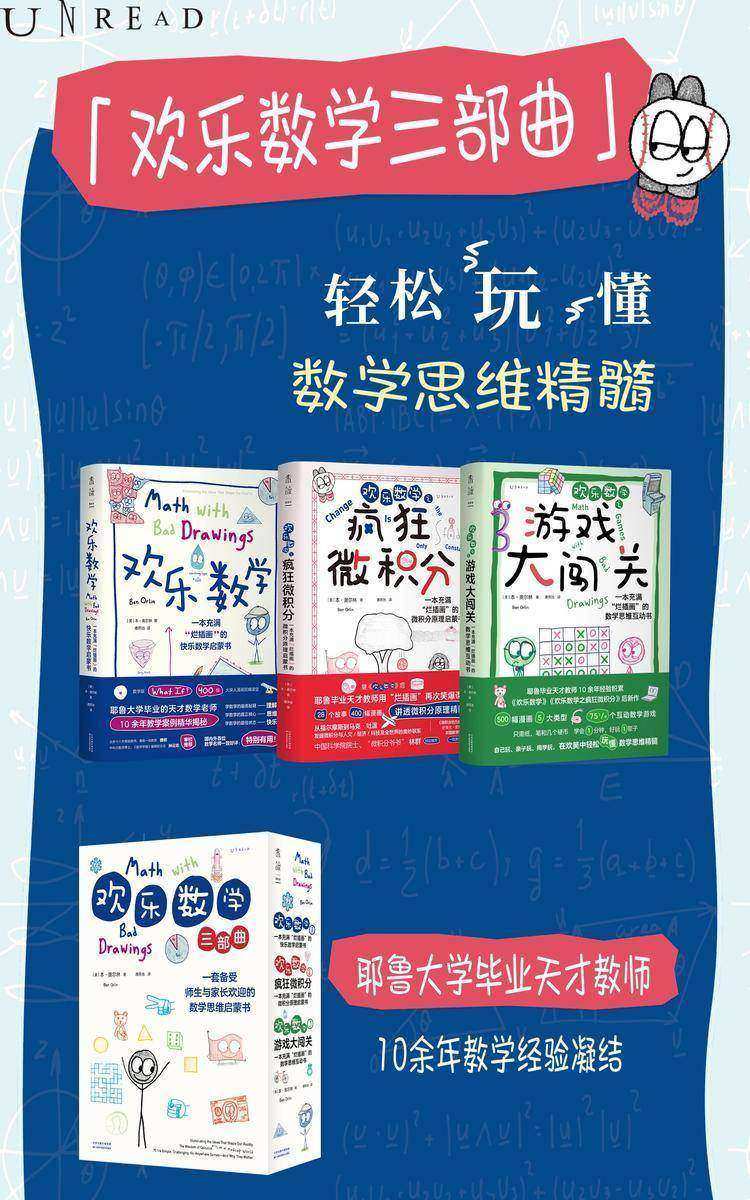
欢乐数学三部曲
¥255.80
《欢乐数学》——兴趣引导,学会用数学的眼光看世界。 数学家眼中的数学是什么样的?A4纸的尺寸为什么是合理的?蚂蚁从高处掉下来为什么摔不死?从烤蛋糕、看球赛、玩桌游到买*、考试、遗传基因,你会发现一切问题都是数学问题。 《欢乐数学之疯狂微积分》——原理入门,形象解读微积分思想精髓。 牛顿和莱布尼茨到底谁的贡献大?用黄瓜片和牙签就可以演示如何求圆的面积和周长?福尔摩斯因为不懂微积分而破不了案?你还会知道为何月亮不会坠落、什么是拐点和指数级增长…… 《欢乐数学之游戏大闯关》——玩即是学,用游戏锻炼数学思维。 终极井字棋、抽芽游戏、收税员、星系棋……70多款世界各国经典数学游戏,从逻辑到概率,从几何到拓扑,从组合到博弈论。只需纸、笔、几个硬币,学会1分钟,好玩1辈子。自己玩、亲子玩、同学玩,在游戏中轻松领会数学思维精髓。
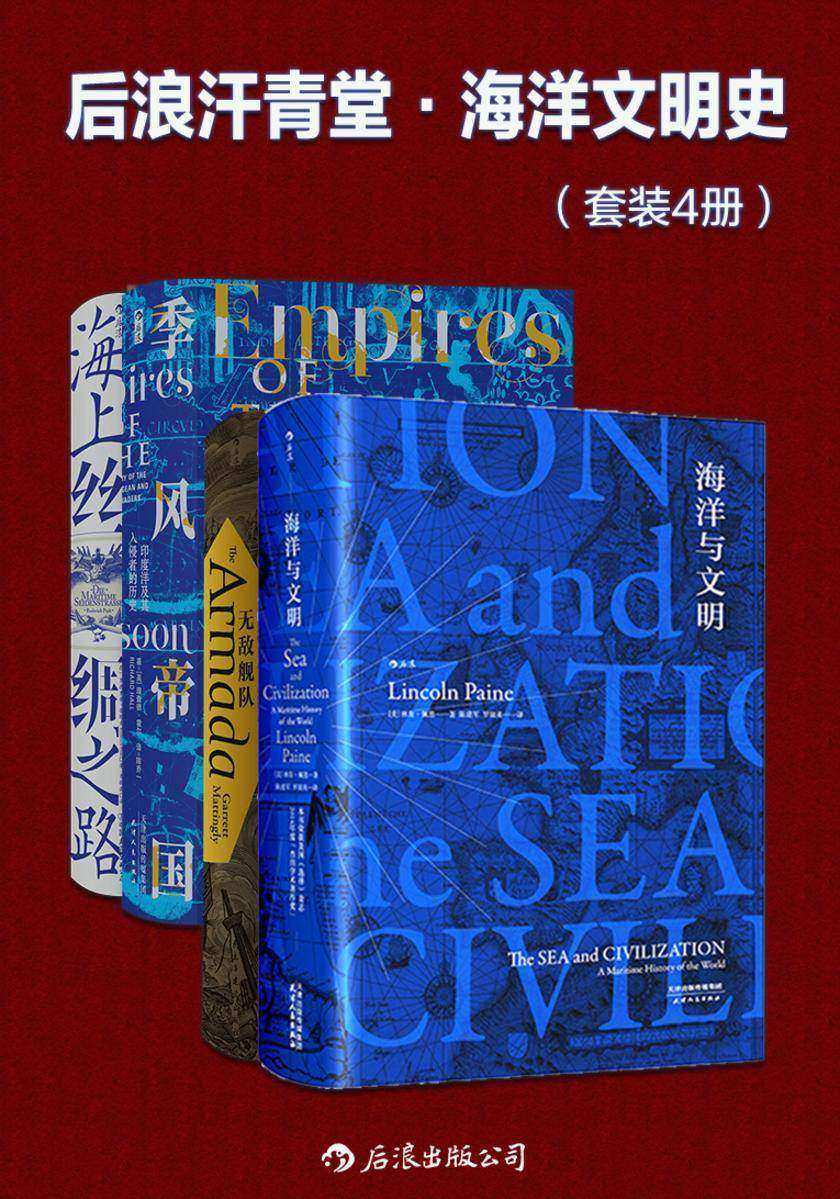
后浪汗青堂·海洋文明史(一套主流历史著作中读不到的海洋视角的世界史, 刻画古代航路变迁历程,一套关于航海者的史诗!套装共4册,后浪出品)
¥255.60
本书从海洋的视角出发,重新讲述世界历史,揭示人们如何通过海洋、河流与湖泊行交流与互动,以及交换和传播商品、物产与文化。旨在揭示,各个人群、民族、国家与文明通过全球范围内的水路通道,在塑造自身文明的同时也在塑造着历史。作者展现了文明的兴衰与海洋之间的联系,引人胜地叙述了人类航海事业的发展历程,谱写出一部关于航海者的史诗。
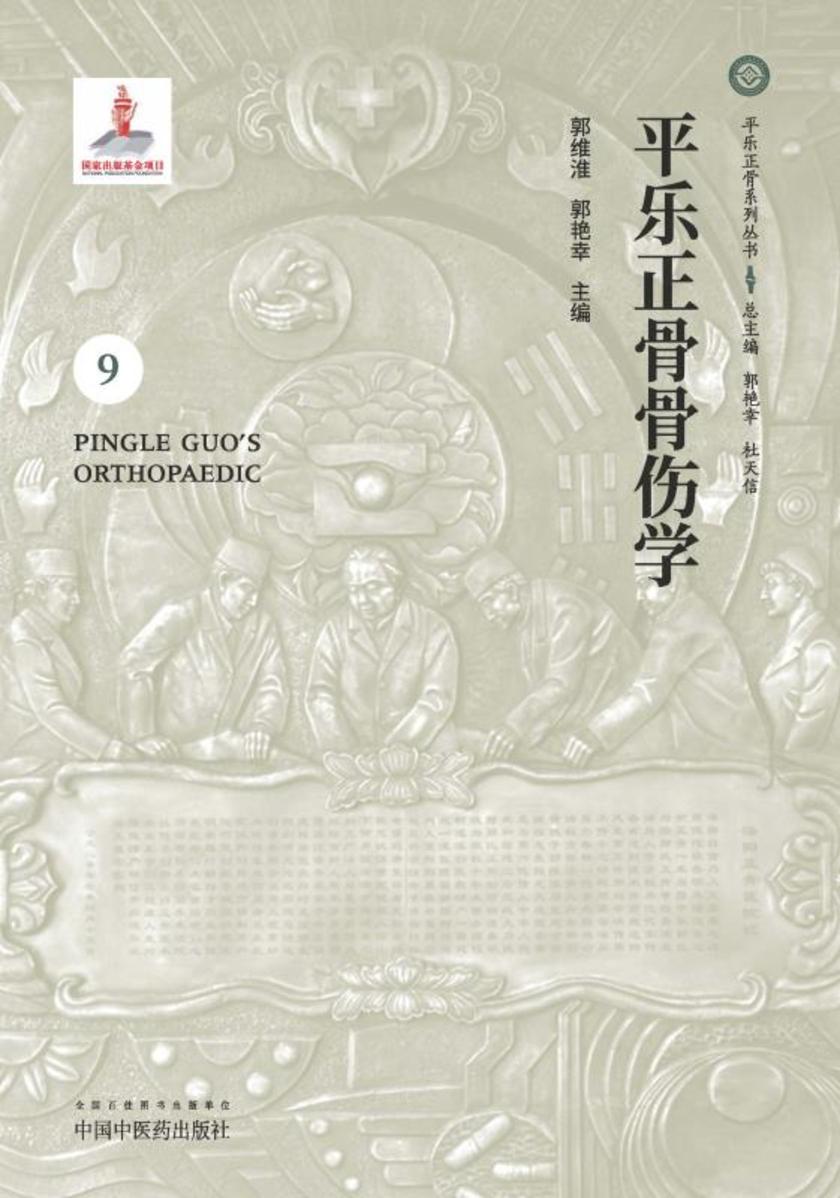
平乐正骨骨伤学
¥255.50
集220余年平乐正骨骨伤临床实践与发展成果,由50余位知名专家编著而成。共3篇15章,内容包括:总论、骨折、关节脱位与错缝及附方等,重对骨伤诊疗行详细的说明。*篇为总论,共8章,重阐述平乐正骨发展概况、学术思想、诊疗原则、基础理论、诊疗方法与特色及骨伤并发症与创伤急救等内容。第二篇为骨折篇,共4章,重介绍了骨折的病因与分类、诊断与治疗、愈合过程与机理以及骨折常见并发症与处理等,并对各部位骨折的诊断、治疗及注意事项等行了详尽的介绍。第三篇为关节脱位与错缝篇,分3章,对常见关节脱位、筋骨错缝的诊治行了详细阐述。全书图文并茂,深浅出,重突出,有利于广大临床医生掌握与运用。
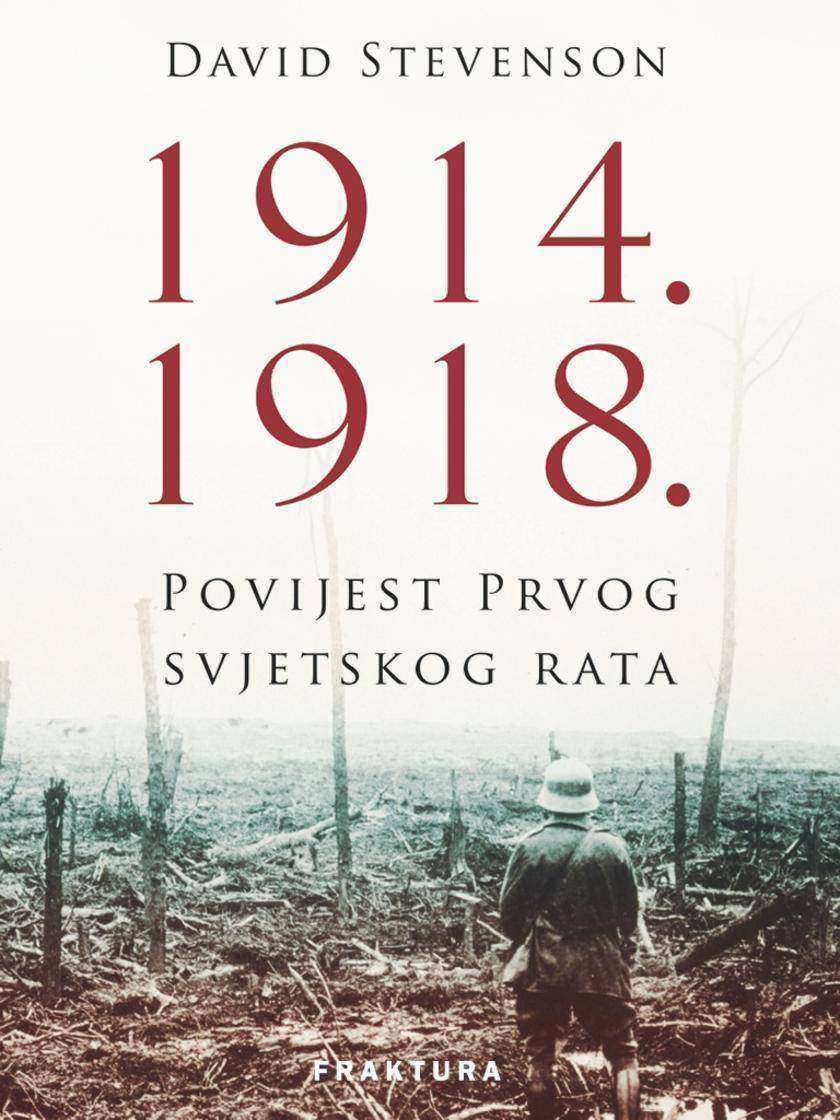
1914.–1918.: Povijest Prvoga svjetskog rata
¥255.39
Iat?, ?n cuvintele Aurei Christi, curg?nd abundent, din surse ascunse, fluidul vivifiant al poeziei, s? nu ne temem de retorica majusculelor, al marei Poezii. (Nicolae Balota).Aici totul e grav. Nici ludicul, nici parodicul, nici oboseala contextului postindustrial ?i nici tendin?ele destructurante ale postmodernilor nu au trecere. Modernitatea Aurei Christi e una esen?ial?, organic?, refractar? modelor, n?zuind spre reinterpretarea semnelor ?i universaliilor; ?ntreb?rile pe care ?i le pune ea au fost ?i ale inainta?ilor, iar r?spunsurile transcend achizi?iile, relev?nd evolu?ia con?tiin?ei ?n mers, relev?nd evolu?ia unei creatoare de m?na ?nt?i, cu totul personal?. Scrieri mai noi, Labirintul exilului (2000), Elegii nordice (2002) ?i altele confirma consecven?a cu sine a unei con?tiin?e exemplare. (Constantin Ciopraga)M? auzi tu, oare, ?nstr?inato? Am citit poeziile tale la ceas de sear?, pe o teras?, av?nd ?n fa?? colinele Ierusalimului. Eu nu sunt un bun comentator de poezie, cei care au scris despre poezia ta te-au “prins“ foarte bine, ai for??, un sim? rar al tragicului ?i antene pentru transcenden??, f?r? s? cazi (din fericire) ?n ceea ce se cheam? “poezie religioas?“. E un instinct p?g?n care te fere?te de o excesiva “cre?tinare“ a poeziei chiar ?i ?n Psalmi. (Leon Volovici). (fragment dintr-o scrisoare)E simplu: ?l vad pe Dumnezeu ca pe un partener de dialog, cu care ma cert nu rareori. Citesc adesea serile din Noul Testament mai ales; ei, ?i atunci ?ncepe fierberea... Nu prea merg la biseric? dec?t atunci c?nd simt imperios nevoia – adev?r pentru care Mama de pilda m? ceart? c?teodat?. Duc biserica mea cu mine; a?a pot s? m? rog oriunde, oric?nd. Spre deosebire de Cioran, eu cred ca nu Diavolul a f?cut lumea, ci Dumnezeu; doar c? spre sf?r?itul Facerii a obosit un pic; se ?nt?mpl? ?ntruc?tva c? ?ntr-o proza a lui Rilke, ?n care cele doua m?ini ale Domnului se iau la ?ntrecere ?i se pare ca st?nga profit? de oboseala dreptei... M? ?i ?ntreb uneori, pe urmele lui Unamuno: cine sunt eu s?-i cer socoteala lui Dumnezeu pentru ca lumea ?n care tr?im e a?a cum e? (Are dreptul, oare, o g?nganie s?-?i aroge obr?znicia de a se ciond?ni cu El, cu nimeni altcineva dec?t cu El?!!) ?i tot ca Unamuno, invoc?ndu-l pe Oberman, ?mi r?spund: da, c?ci pentru lume, pentru univers eu sunt nimeni, nu ?nsemn nimic, pentru mine ?ns? sunt totul.Gr?dini austere a stat – da, incredibil – ?n sertarele c?torva edituri circa ?apte ani; ani de izolare atroce, de singur?tate dorit?, iubit?, hulit? ?i, iar ?i iar, iubit?... E un volum publicat dup? o perioada de secet?, c?nd mi se p?rea – p?n? la o neagr? m?nie! – ca nu voi mai scrie niciodat? poezie... Nici cartea de debut n-am a?teptat-o at?tea... secole. E un volum care a circulat pe internet, prietenii trimi??ndu-mi mesaje, scrisori, cronici ad-hoc despre cartea mea de psalmi ?n r?sp?r. (Aura Christi)Faptul c? Gr?dinile austere au trecut prin PC-ul meu mi-a prilejuit o bucurie, o tulburare de zile aurorale. Nu m-am putut ab?ine ?i am citit c?teva poeme. N-am mai putut apoi s-o las din mana. M-a ?nv?luit ?i m-a luat pe sus cutremurata spiritualitate vital? care str?bate versurile. Asta nu mi se ?nt?mpl? prea des, citind poezie contemporan?. (Zoltan Terner)Mignona ?i b?t?ioas?, cheltuind pasionalitate, r?zboinic? ?n pofida fragilit??ii, ?mpr??tiind texte curajoase pe care amicii internau?i nu ezit? a le califica “dinamit? curat?“, sup?r?nd pe mul?i, scriind febril, asum?ndu-?i riscurile Balcaniei (“lin?at?“, pedepsit?, izolat? etc.), Aura Christi, cit?nd “vorbele atroce“ ale iubitului Nietzsche, vrea s? devin? ceea ce este: poet?. (...) Metamorfoza e izbitoare; discursul a devenit sincopat, auster, de o incanta?ie adumbrit?, celebr?nd “via?a de vis“, test?nd – prin “poemele de iubire“ – temele grave (rela?ia cu maestrul, divinitatea, moartea, poezia) pentru a conchide c?, doar povestit?, via?a e tr?it?. Mul?i dintre exege?ii Aurei Christi au subliniat “fulminant? ascensiune“ a poetei. Penetrant?, Aura Christi a avut ?ansa de a fi fost v?zut? ?n mediile bucure?tene. Dar meritele poetei, dincolo de suportul valoric, stau ?i ?n tenacitatea autoconstruc?iei, promov?nd – programatic – “ruptura“. (Adrian Dinu Rachieru)

中国农村调查(总第51卷村庄类第20卷黄河区域第1卷)
¥255.00
本卷收录了两个村庄的调查报告:一是河北省邯郸市永年县(区)临洺关镇河北铺村,二是河南省新乡市封丘县冯村乡夏侯村。前者属于农商结合型村庄,后者为黄泛区移民型村庄。两份报告均从村庄由来、自然、经济、社会、文化、治理六方面,对村庄的传统形态行深描,兼涉其历史变迁与现状,为深了解黄河区域村户社会的底色与特质提供了翔实的一手资料。
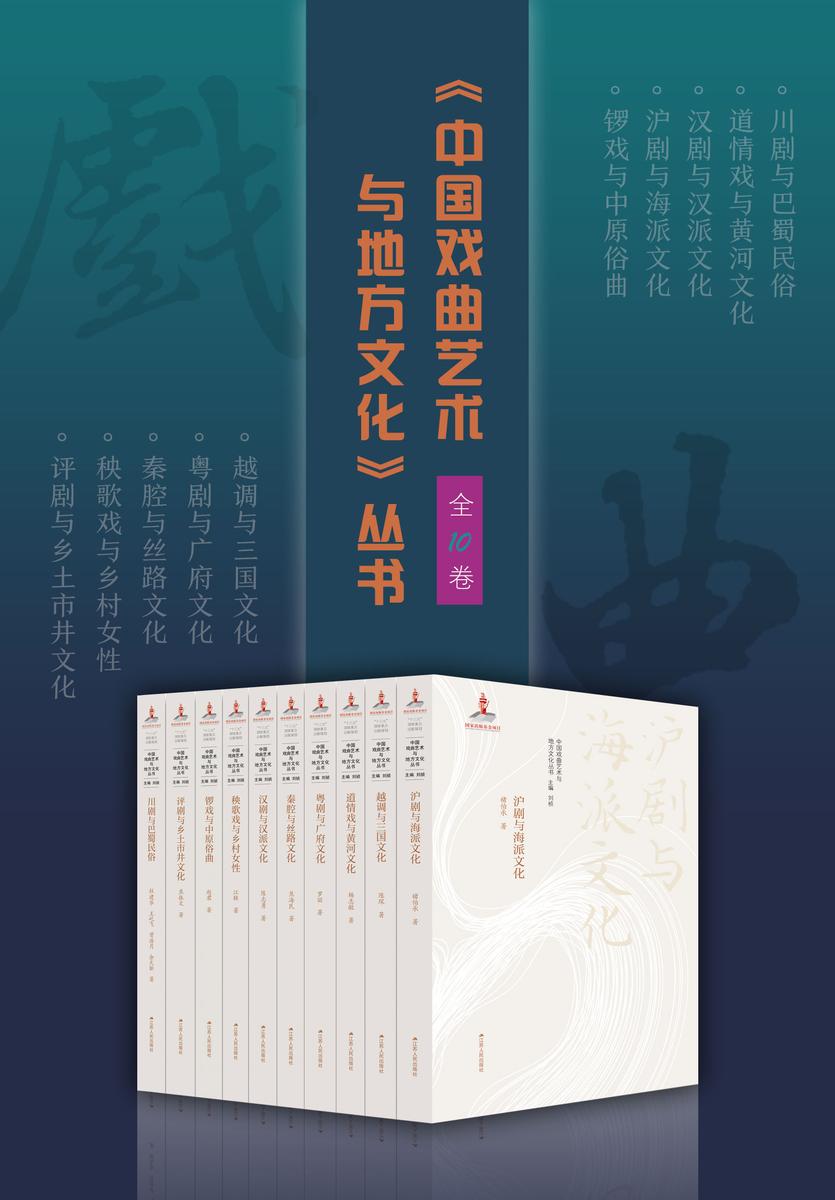
中国戏曲艺术与地方文化丛书(全10卷)
¥255.00
中国戏曲史,就是一部中华民族民俗文化流变史。但随着现代经济社会的快速发展和人们生活方式的不断改变,传统戏曲出现了发展失衡和保护不力等现象。“古调多自爱,今人不多弹。”因此,发掘和加强戏曲这一文化遗产的自觉保护意识已经成为当务之急。 不同于一般的戏剧本位研究,本丛书把戏曲与地方文化有机结合起来,把研究重点聚焦在“历史”与“文化”上,通过对各剧种所处地域的历史分析,突出阐述了各剧种鲜明的地域特色,特别是其反映出的风土人情、审美意趣,并进一步揭示了这些剧种独具的历史价值、文化价值和艺术价值,以及它们在所流传地区业已成为地方名片的积极作用。同时还兼顾学术与通俗、研究与普及、历史与现状,形式上图文并茂、生动活泼,对保护和发扬中国传统优秀文化、提高中国文化软实力,都有十分重要的意义。

中国农村调查 (总第55卷·村庄类第24卷·黄河区域第5卷)
¥255.00
本卷收录了两个村庄的调查报告:一是山西省运城市新绛县三泉镇席村,二是山西省运城市万荣县皇甫乡乌苏村。前者属于晋南平原麦作村,后者属于台塬干旱麦作村。两份报告均从村庄由来、自然、经济、社会、文化、治理六方面,对村庄的传统形态行深描,兼涉其历史变迁与现状,为深了解黄河区域村户社会的底色与特质提供了翔实的一手资料。
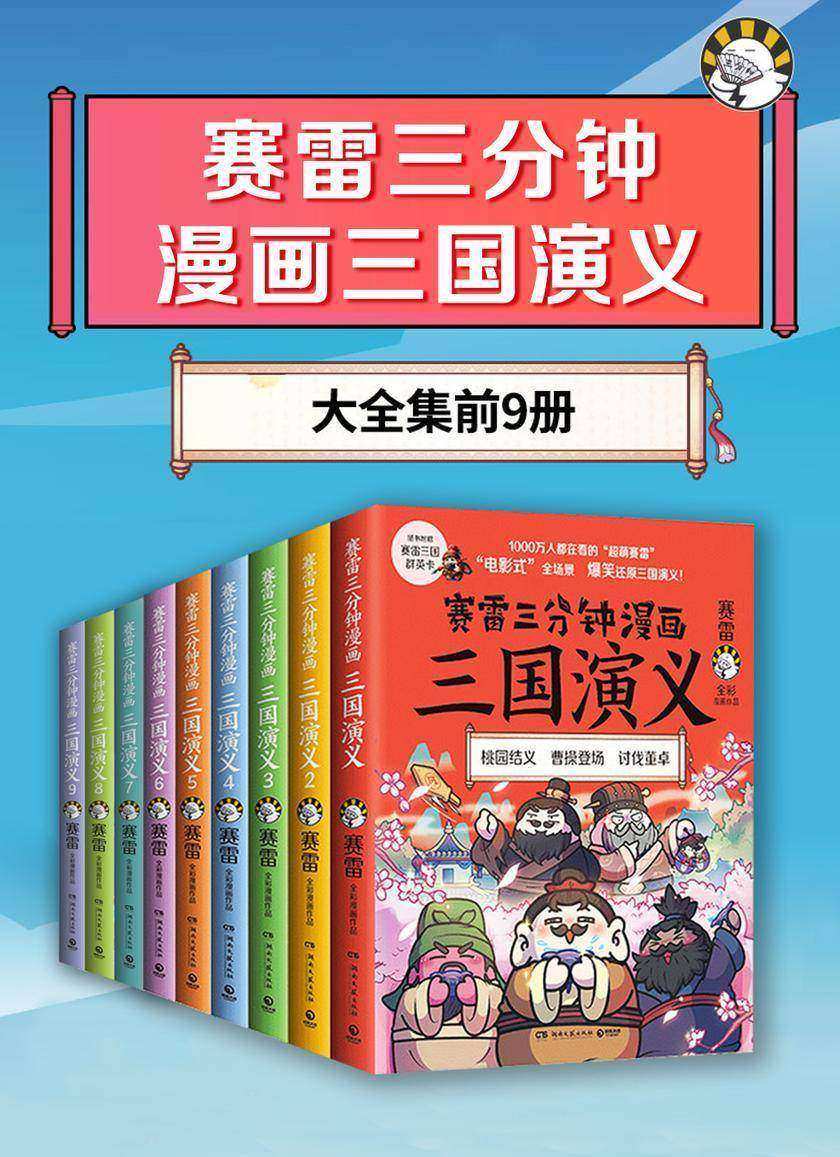
赛雷三分钟漫画三国演义(共9册)
¥254.99
1000万人正在看的“超萌赛雷”,前后创作三年,精心绘制全彩漫画三国演义! 电影式全场景,爆笑还原三国演义!立体,生动,涨知识! 《三国演义》可以说是古代中国重要的长篇章回体历史小说。“三国演义”有多个版本,但一直缺少一套立体生动的漫画版本。 而作为以立体生动为擅长的赛雷,正是要创作这样一套立体生动全场景呈现三国历史的作品。 一本主要集中在桃园三结义,曹操出场,讨伐董卓,三英战吕布等经典场景; 第二本主要集中在连环计,杀父之仇,曹操战吕布等经典场景; 第三本主要集中在李郭内斗,曹操救驾,张飞失徐州等经典场景; 第四本主要集中在孙郎大破严白虎,平定江东,辕门射戟,袁术称帝,小沛危机等经典场景; 第五本主要集中在吕布之死,青梅煮酒,袁术之死,降汉不降曹等经典场景; 第六本主要集中在斩颜良诛文丑,过五关斩六将,孙策之死,官渡之战等经典场景; 第七本主要集中在袁绍之死、皇叔失意、三顾茅庐等经典场景,生动地再现三国场景; 第八本主要集中在赵云单骑救主、张飞大闹长坂桥、诸葛亮舌战群儒等经典场景; 第九本主要集中在赵云单骑救主、张飞大闹长坂桥、诸葛亮舌战群儒等经典场景; 它突出的地方就在于用赛雷漫画的幽默风格按时间线索将三国的历史讲述出来,让读者在哈哈大笑中知晓三国历史的发展脉络。
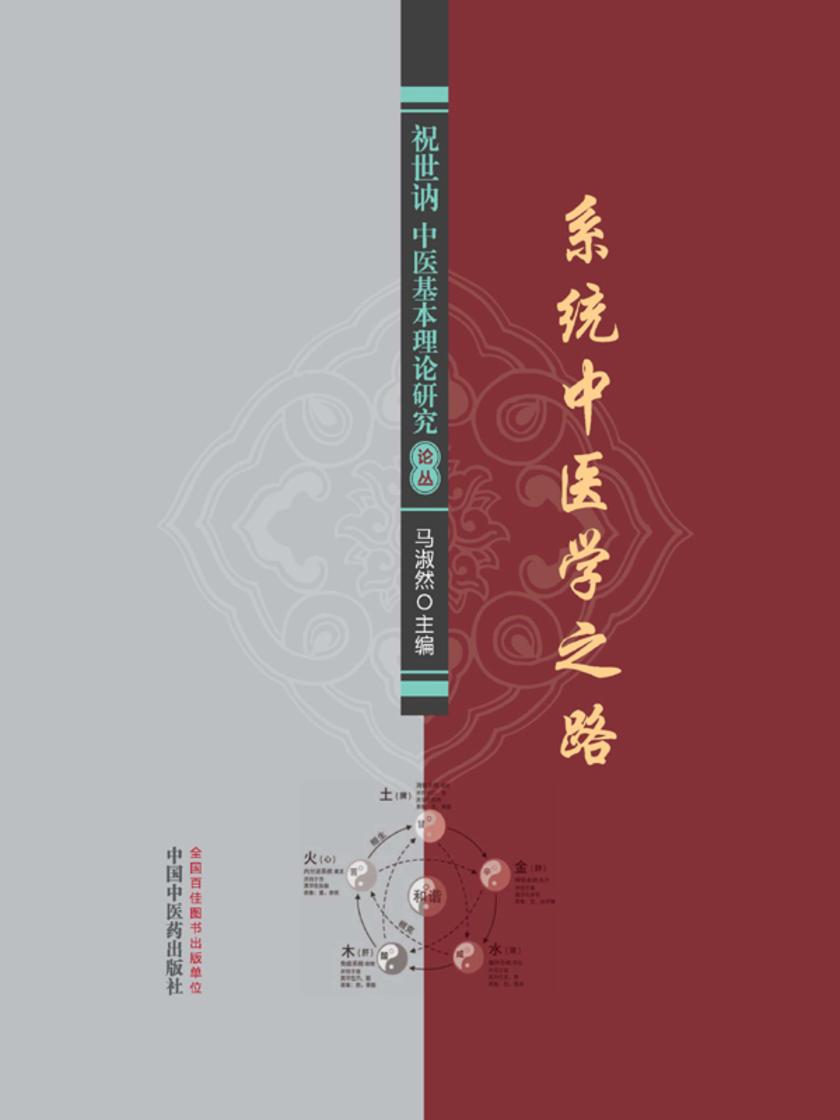
系统中医学之路:祝世讷中医基本理论研究论丛
¥254.50
本书从祝世讷先生对比中西医学的研究始,通过展现中西医学特征与差异,提出引系统科学理论的必要性,总结归纳中医学理论的基本概念元素及其相互之间的关系,从理论源头行梳理。间有老一辈科学家如钱学森等对于中医学理论研究的指导意见,全景展现系统中医学研究的经过与成果,可谓中医理念研究的尖峰之做。
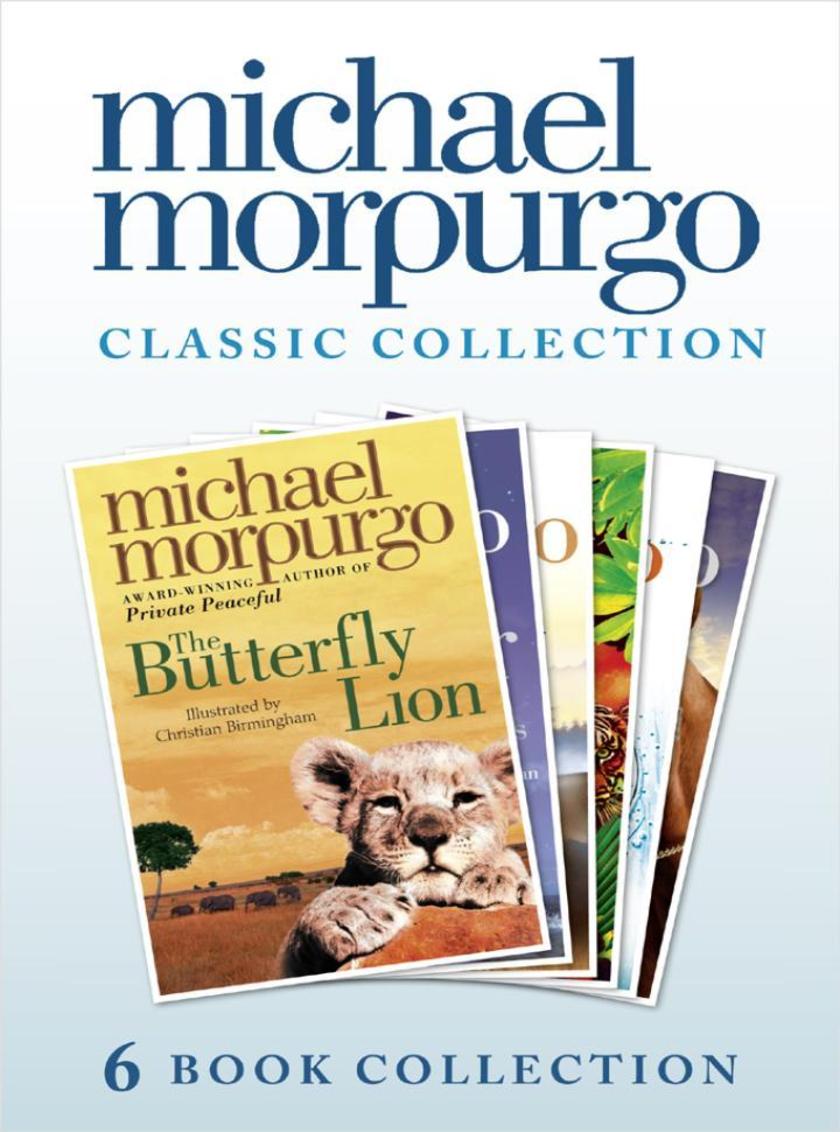
The Classic Morpurgo Collection (six novels)
¥254.28
Six best-loved novels by award-winning author of ‘War Horse’, brought together in this ebook collection. A perfect introduction to Michael Morpurgo’s enthralling storytelling for new readers and a classic collection for fans. ‘Kaspar’: Kaspar the cat first came to the Savoy Hotel in a basket – Johnny Trott knows, because he was the one who carried him in. Johnny was a bellboy, you see, and he carried all of Countess Kandinsky's things to her room, including this very special cat! ‘Born to Run’: When Patrick saves a litter of greyhound puppies from the canal, he convinces his parents to let him keep one. Patrick names his puppy Best Mate, and that’s what he becomes… Until one day Best Mate is kidnapped by a greyhound trainer. The trainer’s step-daughter loves the greyhound and renames him Bright Eyes. But what will happen when he can’t run any more? ‘The Butterfly Lion’: When Bertie is a little boy, he rescues an orphaned white lion cub from the African veld. They are inseparable until Bertie is sent to boarding school far away in England and the lion is sold to a circus. Bertie swears that one day they will see one another again, but it is the butterfly lion which ensures that their friendship will never be forgotten. ‘Alone on a wide, wide sea’: When six-year-old orphan Arthur Hobhouse was shipped to Australia after WWII he lost his sister, his country and everything he knew. Now he has built a special boat for his daughter Allie – a yacht designed to carry her to England, in search of his long-lost sister… ‘Running Wild’: For Will and his mother, going to Indonesia isn't just a holiday. It's an escape, a new start, a chance to put things behind them. Until Oona, the elephant Will is riding on the beach, begins acting strangely, shying away from the sea. That's when the tsunami comes crashing in, and Oona begins to run. But when the tsunami is gone, Oona just keeps on running. ‘Farm Boy’: The fascinating sequel to ‘War Horse’. Set on a farm in rural Devon, this is the story of Grandpa’s memories. Family secrets come to light as Michael’s wonderful writing depicts the moving relationship between grandfather and grandson.

医学养生大百科(套装10册)
¥254.00
该套装包括:《医路向前巍子给中国人的救护指南》《你是你吃出来的2》《你是你吃出来的》《手到病自除1:常见病反射区自愈疗法(上)》《手到病自除2:常见病反射区自愈疗法(下)》《手到病自除3:人体反射区简明自疗图典》《五味子》《医目了然》《医学就会》《医本正经:珍藏版》 《医路向前巍子给中国人的救护指南》讲的是:针对大众对急救常识的缺乏,作为急救医生的巍子没有等待,他开始动笔科普日常生活中的疾病知识和急救技能,用简单、通俗的文字,写就了这本健康科普书,涉及春夏秋冬容易出现的急救问题、儿童急救知识、外伤、心脏养护、如何正确拨打120等,近400页健康知识详细解读,满足一家人的健康知识需求,文章有温度,有血有肉,体现出了医生的情怀与责任,同时加入手绘漫画、视频演示等新式,轻松学习,简单有效。 《你是你吃出来的2》讲的是:本书是一本针对高血压、高脂血、糖尿病、痛风等慢病患者、亚健康人群从临床医学角度提出营养治病调理思路和方案的临床营养实践类图书。营养专家夏萌老师总结几十年临床经验,从营养学角度辨别诊治多种慢病和亚健康的成因,破除营养认知误区,深入浅出地剖析疾病的饮食根源,带给慢病患者科学的营养指导。 《你是你吃出来的》讲的是:夏萌总结自身患病经历和10万+临床病例写成。高血压、高血脂、糖尿病、冠心病等慢病人群都曾陷入同一个误区——误以为低油低脂保健康,其实多是蛋白质缺乏式营养不良;误以为只能终生服药或手术,忽略了饮食等生活方式改变带来的真正康复。 《手到病自除》讲的是:涵盖了80多种常见亚健康症状和慢性疾病的预防和自我调理方法;500多幅全彩真人示范图,详细展示了每套手法的步骤分解动作。 《五味子》讲的是:你是你好的医生,你一定可以把自己治好。这是老钱跟吴畏说过多的话。现在,这句话成了遗训,也成了吴畏心里的灯。 《医目了然》讲的是:这本书是一本日常生活中实用且有效的工具书,可以帮助你解决很多常见的身体健康问题。小到常见的感冒发烧,如果在生病初期没有选对正确的药品不及时对症治疗,极可能会引发其他严重疾病。中医复杂的就是,所有的病都要辨证,没有一个方子能治一个病的所有证型…… 《医学就会》讲的是:本书从中医基础知识入手,帮助你把中医知识的星星点点,慢慢的连在一起,先连成线,再连成面。等整合成了一个系统在你心里时,不需要学习所有病的治疗方法,只需要根据症状归类就能查准病因。 《医本正经:珍藏版》讲的是:《医本正经:珍藏版》新增了5篇作者自科普中医以来的感悟,更希望能通过这本书让大家用中医的思维去生活,健康快乐每一天。

关于未来的答案系列套装(10册)(未来学家、社会科学家玛蒂娜·罗斯布拉特、詹姆斯·坎顿、马克·冯·里吉门纳姆、迈克斯·泰格马克为你揭秘那些你看不见、看不懂的未来重要趋势)
¥253.80
虚拟人 人类躯体死亡,思维是否有可能继续存在,从而实现思维不朽?思维克隆人、网络人等虚拟人将如何颠覆人类对“我”的定义? 利用思维克隆技术,我们能否重新构建所爱之人的记忆、行为方式以及人格特征?思维克隆人和其生物学原型有着怎样的区别?未来,我们该如何界定思维克隆人的社会地位和法律地位? 毫无疑问,思维克隆人的出现将会对传统人类社会产生深刻的哲学影响、社会影响、法律影响以及伦理影响,人类传统社会将被彻底颠覆。那么,作为人类的我们该如何应对这些问题?如何“给思维克隆人一个说法”? 元宇宙概念大爆发,虚拟人成为zui受入局者关注的切入点,玛蒂娜·罗斯布拉特《虚拟人》一书将帮助你quan面了解虚拟人,了解人类未来与自己的虚拟人分身共生的未来! 比史蒂夫·乔布斯、埃隆·马斯克更偏执的“科技狂人”,现实版“弗兰肯斯坦”,美国知名生物制药公司联合治疗公司创始人兼CEO玛蒂娜·罗斯布拉特缔造不死未来的世纪争议之作,在元宇宙打造你的di二分身,掌握未来世界的数字化生存指南! 指数型商机 新技术的出现将如何改变社会?哪些能源将改变未来的世界?医学技术的发展将为人类提供何种可能性?气候变化如何影响人类社会?以及zui重要的,你希望自己的生活、事业或者地球发生什么样的改变?……这些关于自主经济、社会企业、创新经济体、quan球化2.0、创新生态系统、人工智能、后奇点未来、企业家精神、医学2.0、终身学习、气候危机、气候工程、可持续能源系统、神经未来,以及3大技术突破:超级智能网络、纳米、基因编辑等15个方面的重要趋势,作者quan球未来研究院创始人、奇点大学创始董事、苹果公司顾问詹姆斯·坎顿将在《指数型商机》中为你一一揭秘。 区块链蓝图 区块链是一项与互联网同样重要的发明。在人类历史上,我们终于看到一种数字技术能真正为所有人创造更美好的世界:区块链不仅将极大程度地优化我们现有的商业业务,包括优化供应链、物流、身份验证、数字签名、支付系统、合规性、企业治理、保险、医疗服务以及商品溯源等。同时,更有助于缓解气候变化带来的影响,给贫困人群提供改善生活的机会,降低进入金融体系的壁垒,以及解决身份信息被盗等社会问题。 quan球大数据影响力人物马克·冯·里吉门纳姆与世界知名区块链专家菲利帕·瑞安深入探讨了“区块链应用的六大场景“,指出了区块链在构建更公平、更普惠的世界中如何发挥关键性作用。而关于区块链如何为所有人创造更美好、更公平的世界,《区块链蓝图》这本书无疑提供了一份蓝图。而对于关心quan世界或自己业务的人来说,这也无疑是一本之书。 区块链的真正商机 quan球知名研究咨询公司Gartner的两位杰出副总裁大卫·弗隆和克里斯托夫·乌聚罗强强联合之作,通过金融、物流、房地产、汽车、文娱、医疗、智慧城市等区块链创新实例,他们会揭开区块链真正落地会走过的3大阶段,以及未来20年内,区块链究竟会如何改变你的组织。《区块链的真正商机》不是一步到位的落地捷径,而是写给所有商业领袖的让区块链真正落地的商业寻宝图,是区块链版《大数据时代》。 大卫·弗隆和克里斯托夫·乌聚罗两位作者指出,无论是简化多方流程、创造和交易新资产,还是利用人工智能和物联网,区块链都能带来quan新的商业机会。当然,这仅仅是个开始。随着区块链被更广泛地采用,它有可能彻底改变公司和社会的运作方式,就像互联网的出现带来的范式转变一样。 捍卫隐私 你的密码可以被轻易破解? 除了你,还有谁在读你的电子邮件? 你的手机就是一个窃听器? 勒索病毒是如何一步步诱惑你落入陷阱的? 你是否意识到了隐私的重要性?在你不知情的情况下发生了什么? …… 你的每一次鼠标点击、浏览的每一个网站,都有人看在眼里。 人脸识别、无人机、智能联网汽车、社交网络……都在泄露你的隐私。 你可以跑,却无处躲藏! 《捍卫隐私》将为你揭示关于数据时代的真相,那就是:每个人的隐私都处在被泄漏的危险边缘。作者凯文·米特尼克和罗伯特·瓦摩西首先从个人角度出发,科普每个人都应该掌握的隐私安quan之道;并运用生活中真实的故事和生动的案例,描绘出与隐私zui为相关的6大未来场景,教你如何掌握隐身的艺术。 如何创造可信的AI 作者盖瑞·马库斯是人工智能领域的专家,同时还是心理学和神经科学教授,在计算机科学、认知科学、语言学、人工智能等领域都练就了相当深厚的学术功底,并敢于挑战学术界的主流观点。当整个人工智能学术界都在过分乐观地高歌猛进时,他不断撰文和发表演讲来指出以深度学习为代表的当下AI的弊端和局限性,《如何创造可信的AI》这本书正是马库斯对他关于人工智能观点的zui佳总结。 盖瑞·马库斯和欧内斯特·戴维斯从深度学习算法固有的缺陷出发,阐述了当下 AI 技术发展的桎梏,对当前 AI 的场景应用和研究范式中的问题进行了分析,他指出AI真正的问题在于信任,常识才是深度理解的关键。zui终从认知科学中提炼出了11条对人工智能发展方面的启示,以通用人工智能为发展目标,给出了未来 AI 技术的一种发展方向。 宇宙的结构 我们的宇宙是一首即兴创作吗?宇宙结构与音乐之间有着什么样的秘密联系?我们的宇宙本质上是一个音乐宇宙吗?《宇宙的结构》一书是理论宇宙学家、萨克斯演奏家斯蒂芬?亚历山大的颠覆式新作,他在书中创新地揭示了音乐和宇宙结构之间的秘密联系,非常独特。 物理与音乐看似是对立的,但在《宇宙的结构》一书中,斯蒂芬?亚历山大将带领我们走过他非凡的探秘旅程——从毕达哥拉斯到爱因斯坦,从爵士乐到理论物理学,从天籁之音到弦理论,并揭示出:宇宙结构的起源实际上可能与爵士乐的即兴演奏有着很大的相似之处,那就是都是一种振动与共振! 生命3.0 在人工智能崛起的当下,你希望看到一个什么样的未来?当超越人类智慧的人工智能出现时,人类将何去何从?你是否希望我们创造出能自我设计的生命3.0,并把它散播到宇宙各处?人工智能时代,生而为人的意义究竟是什么?在《生命3.0》中,麻省理工学院物理系终身教授、未来生命研究所创始人迈克斯·泰格马克将带领我们参与这个时代zui重要的对话。 《生命3.0》一书中,作者迈克斯·泰格马克作为一位ding尖的物理学家,基于zui严密的逻辑推理和zui大尺度的想象力,对人类的终极未来进行了quan方位的畅想。从我们能活到的近未来穿行至1万年乃至10 亿年及其以后,从可见的智能潜入不可见的意识,重新定义了“生命”“智能”“目标”“意识”,并澄清了常见的对人工智能的误解,将帮你构建起应对人工智能时代动态的quan新思维框架,抓住人类与人工智能共生演化的焦点。 穿越平行宇宙 平行宇宙理论研究权威——迈克斯·泰格马克教授告诉我们,这一切都可能发生!苍茫宇宙可分为四层多重宇宙,每一层多重宇宙又包含无数层平行宇宙。也就是说,所有已经发生的和即将可能发生的,都有可能在不同平行宇宙中重演!而生命、宇宙和万物的终极问题的答案也隐藏其中! 在这场物理学和宇宙学的终极智力冒险中,迈克斯·泰格马克教授从“实在是什么”开始,从极大的尺度和极小的尺度开始,带领读者踏上了探索宇宙终极本质的神秘旅程,并得出了堪称“惊世骇俗”的结论:宇宙不只是被数学所描述,宇宙本身就是数学!无论你能否接受他的假说,这一幅宏大的宇宙图景都将让我们感慨宇宙与生命的微不足道! 星际穿越 在《星际穿越》之后,这一系列问题quan世界都在问!本书将会告诉你答案! 为什么黑洞会吞噬一切,甚至连光都不能幸免? 为什么虫洞不是一个洞,而是一个球? 又是什么神奇的力量,让米勒星球上的一小时等于地上七年? zui简明清晰的时间与空间理论入门读本。基普·索恩教授,电影《星际穿越》的唯yi科学顾问,以浅显易懂的语言一一破解了宇宙中让人瞠目结舌的奇景——大爆炸、黑洞、时空弯曲、潮汐力、虫洞、引力弹弓、星际旅行等,解释了所有推动剧情的天体物理学理论,还就内容的真实性将书中的科学知识分为三种:科学事实、有根据的推测和猜想,并做了明确的标注,以帮助我们解开所有剧情设计与时空旅行之谜! 《星际穿越》是继《时间简史》之后天体物理学领域的又一里程碑式著作。
施今墨医学全集
¥253.50
为了继承和弘扬名老中医学术成就和临床经验,发扬中医学在防治疾病和提高人体健康素质的良好作用,“施今墨名家研究室”决心将施先生学术成就和临床经验进行研究整理,以供学习中医者、从事中医药临床工作者以及热爱中医药事业者学习和参考。本书主要内容:一、施今墨先生生平传略;二、施今墨医案集锦;三、施今墨对药与验方;四、施今墨文稿与墨迹。全书比较全面系统地反映了“四大名医”之一施今墨先生学术思想、学术成就及临床经验。
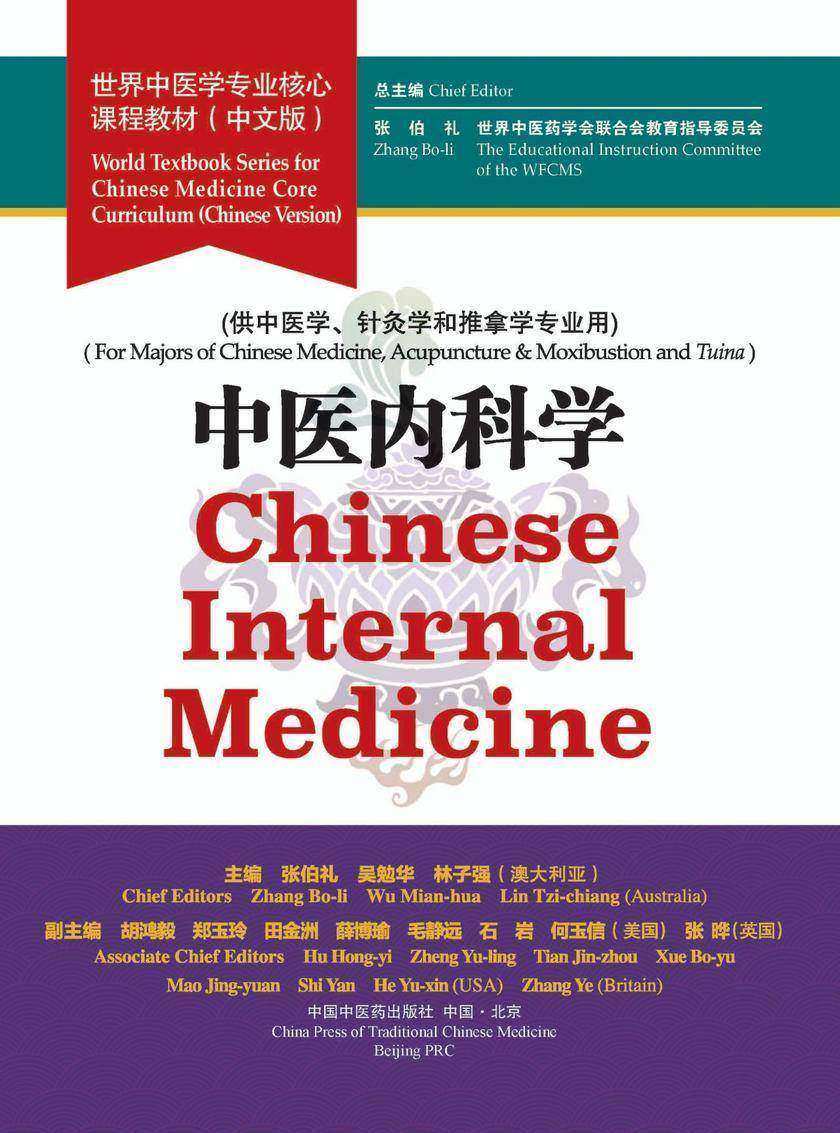
中医内科学(世界中医学专业核心课程教材)
¥253.50
本套丛书由张伯礼会长、世界中联教育指导委员会担任总主编,由1本教学大纲和13本教材组成,主编会议、编写会议、审稿会、定稿会分别已于2015年3月、5月底以及2016年1月、6月在北京举行,由世界中联教指委和我社联合举办,我社具体承办,费用由天津中医药大学资助的出版费承担。按照《世界中医学本科教育标准》要求编写。编写人员由世界中联教指委和我社联合在世界范围精心遴选的来自海内外*中医药院校和机构的具有丰富教材编写经验和国际化教学经验的一线、一流*专家、学者,来自15个国家和地区的74所高等中医药院校及研究院(所),合计283人,其中境内34个机构、226人;境外40个机构,57人。英文版教材已陆续编辑加工、出版。现申报的中文版教材内容有国际化特色,强调规范性、实用性、安全性,部分内容为国内教材所缺,如洁针技术等。海外华人中医从业者众,且学习中文的外国人日众,与该套教材的英文版配套,很有必要。市场需求和前景较好。两个效益均佳。《中医内科学》由张伯礼、吴勉华、林子强主编。
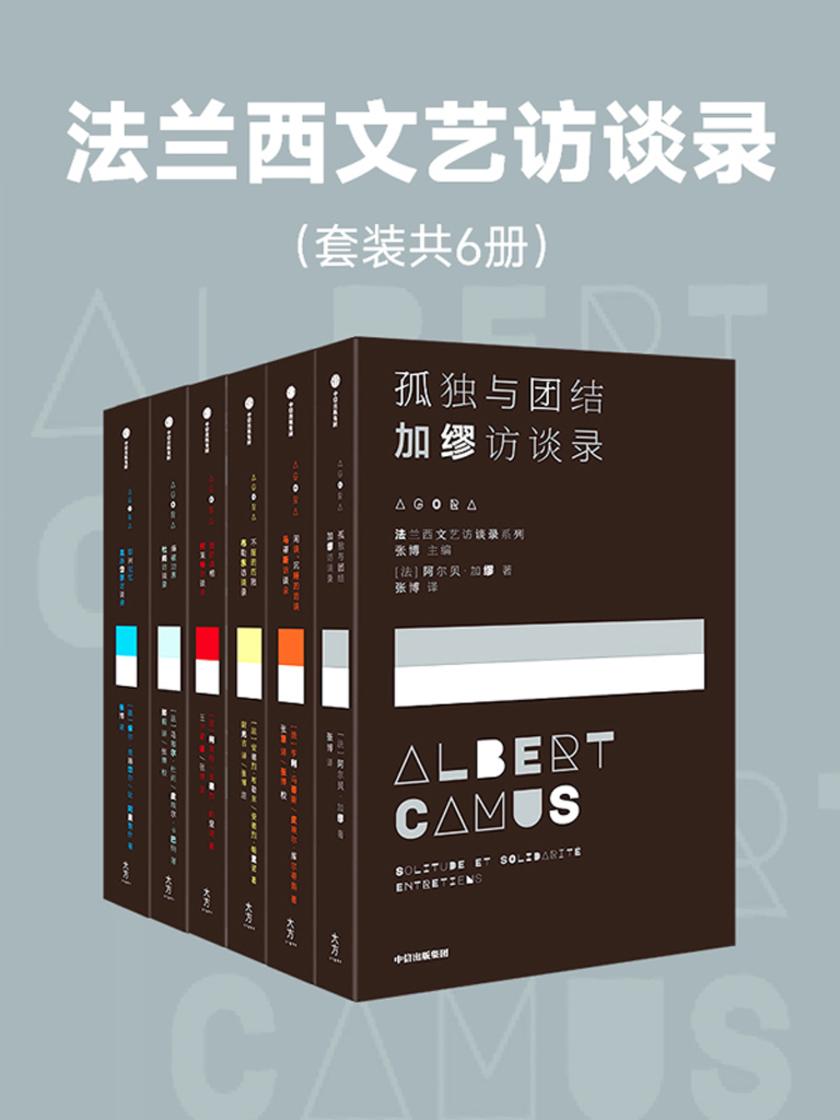
法兰西文艺访谈录(套装共6册)
¥253.40
N
Prevention of Child Poverty with Public Health Leadership Theory and Systems Thi
¥253.34
Prevention of Child Poverty with Public Health Leadership Theory and Systems Thinking Approach
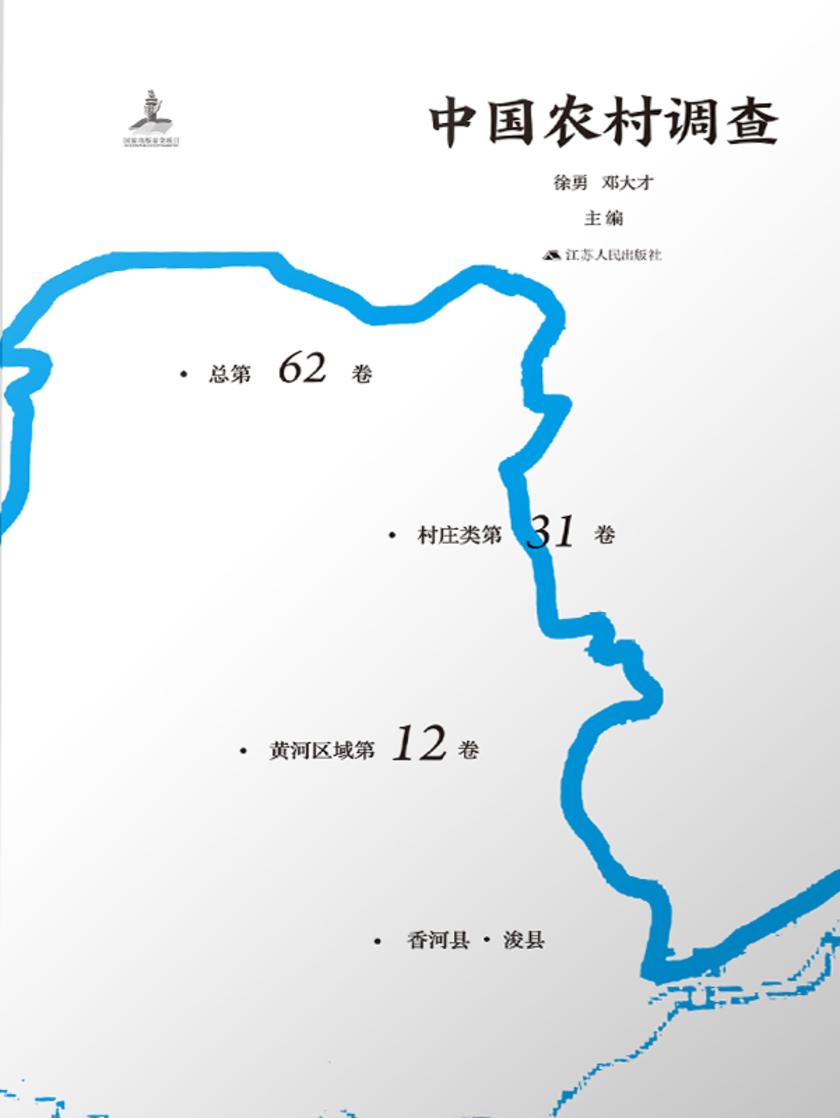
中国农村调查(总第62卷.村庄类第31卷.黄河区域第13卷)
¥253.33
本卷收录了两个村庄的调查报告,二百户村和白寺村。两份报告均从村庄由来、自然、经济、社会、文化、治理六方面,重对村庄的传统形态行深描,兼涉其历史变迁与现状,全景式展现了相应地区乡村社会的生产、生活与组织形态,为深了解黄河区域村户社会的底色与特质提供了翔实的一手资料。两篇报告末尾均附有调查小记与调查日记,着重记录驻村期间的见闻,内容自选,没有框架束缚,灵活而真实地反映了当下乡村的状况。
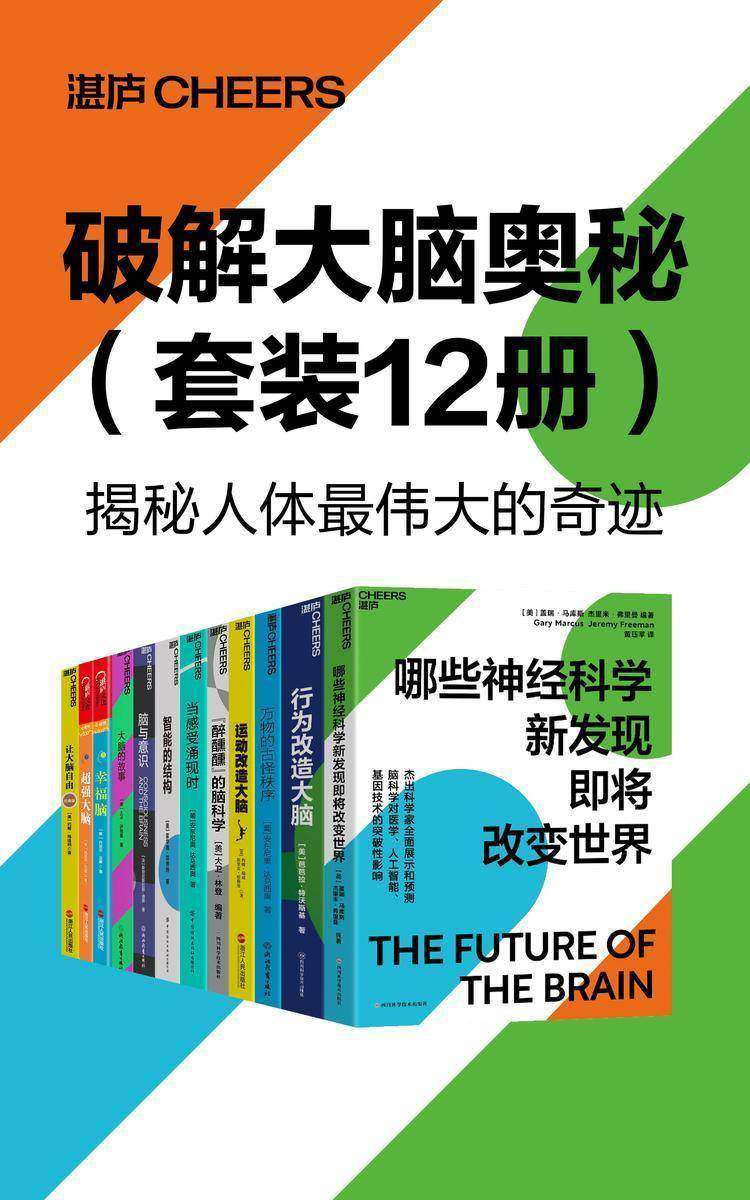
破解大脑奥秘(套装12册)
¥253.20
《哪些神经科学新发现即将改变世界》一场改天换地的科研突破,正在悄然来临。数千年来,人类一直在试图破解自己的大脑,却因种种局限而步履维艰。现今,随着技术的飞速发展,脑科研先驱者们不仅开发出能够深度探索大脑之谜的工具与方法,而且已经取得了令人振奋的关键进展。 通过《哪些神经科学新发现即将改变世界》,你便可以一睹大脑的研究走到了多远。书中,33位杰出科学家记录了他们对历史级难题的挑战,比如绘制大脑图谱、全脑神经成像、全脑模拟等,这些技术获得了哪些全新进展?神经技术如何应用于抑郁症等疾病的治疗?大脑计划、人类大脑工程等雄心勃勃的研究项目究竟在做些什么? 在取得惊人成果的同时,他们也陈述了自己乐观又谨慎的预想与反思,指明了我们需要跨越的困难和前进的方向。 《哪些神经科学新发现即将改变世界》是展现未来技术突破口的重要依据,也是展望21世纪人类社会和科学前景的一扇窗口。普通读者和专业人士都将从中获得面向明天的知识与领悟。
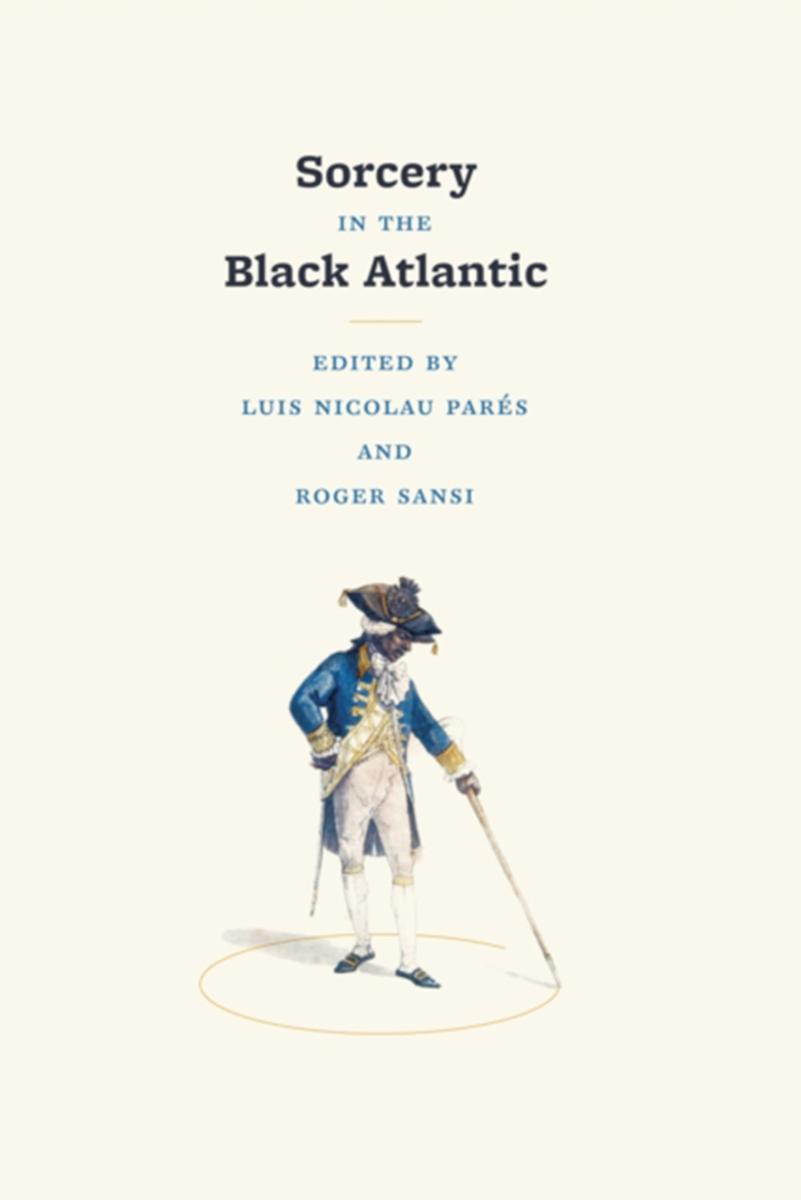
Sorcery in the Black Atlantic
¥253.10
Girls abused in London and torsos of black boys found in the Thames; African boys disappearing from school and child traffic in Africa; child sacrifice and Brazilian Pentecostal exorcism. Unrelated events are swiftly connected in an uncanny work of prestidigitation, including hitech digital images of torsos and forensic drawings of abused children. Les correspondances symboliques, Baudelaire would say, or contiguous magic, in Frazer’s more prosaic de*ion. It all could make sense, if we believe in our fears, suspicions, gossip, and prejudices. Furthermore, this incredible work of prestidigitation was engineered by two respectable institutions, known for their enlightened search of truth: the BBC and Scotland Yard. But where was the evidence that all these things were connectedThe “exorcism scandal” bewitched the media in Britain for the whole month of June, until some dissenting voices started to talk about a “racist witch hunt.” 5 By then, however, a population of hundreds of thousands of Africans, in particular Pentecostal Africans, was already under suspicion. “What if some of that was true?” some people still may ask. In fact, shortly before completing this introduction, the local London newspaper Evening Standard published a two-page report on an African church in the United Kingdom, with the title “Miracles and claims of baby-snatching,” mixing rumors of child trafficking, sorcery, syncretism, and extreme wealth. 6 That is how sorcery works: not by fully demonstrating its power, but by opening a possible doubt; one is never fully sure it is not true.


