


 购物车
购物车 个人中心
个人中心

Unity 2017 Game Optimization - Second Edition: Optimize all aspects of Unity per
¥334.25
Master a series of performance-enhancing coding techniques and methods that help them improve the performance of their Unity3D applications About This Book Discover features and techniques to optimize Unity Engine's CPU cycles, memory usage, and the GPU throughput of any application Explore multiple techniques to solve performance issues with your VR projects Learn the best practices for project organization to save time through an improved workflow Who This Book Is For This book is intended for intermediate and advanced Unity developers who have experience with most of Unity's feature-set, and who want to maximize the performance of their game. Familiarity with the C# language will be needed. What You Will Learn Use the Unity Profiler to find bottlenecks anywhere in your application, and discover how to resolve them Implement best practices for C# scripting to avoid common pitfalls Develop a solid understanding of the rendering pipeline, and maximize its performance by reducing draw calls and avoiding fill rate bottlenecks Enhance shaders in a way that is accessible to most developers, optimizing them through subtle yet effective performance tweaks Keep your scenes as dynamic as possible by making the most of the Physics engine Organize, filter, and compress your art assets to maximize performance while maintaining high quality Discover different kinds of performance problems that are critical for VR projects and how to tackle them Use the Mono Framework and C# to implement low-level enhancements that maximize memory usage and avoid garbage collection Get to know the best practices for project organization to save time through an improved workflow In Detail Unity is an awesome game development engine. Through its massive feature-set and ease-of-use, Unity helps put some of the best processing and rendering technology in the hands of hobbyists and professionals alike. This book shows you how to make your games fly with the recent version of Unity 2017, and demonstrates that high performance does not need to be limited to games with the biggest teams and budgets. Since nothing turns gamers away from a game faster than a poor user-experience, the book starts by explaining how to use the Unity Profiler to detect problems. You will learn how to use stopwatches, timers and logging methods to diagnose the problem. You will then explore techniques to improve performance through better programming practices. Moving on, you will then learn about Unity's built-in batching processes; when they can be used to improve performance, and their limitations. Next, you will import your art assets using minimal space, CPU and memory at runtime, and discover some underused features and approaches for managing asset data. You will also improve graphics, particle system and shader performance with a series of tips and tricks to make the most of GPU parallel processing. You will then delve into the fundamental layers of the Unity3D engine to discuss some issues that may be difficult to understand without a strong knowledge of its inner-workings. The book also introduces you to the critical performance problems for VR projects and how to tackle them. By the end of the book, you will have learned to improve the development workflow by properly organizing assets and ways to instantiate assets as quickly and waste-free as possible via object pooling. Style and approach This practical book will help readers understand the essentials of the Unity3D engine and how to build games while improving the performance of their applications.
Scala High Performance Programming
¥334.25
Leverage Scala and the functional paradigm to build performant softwareAbout This Book·Get the first book to explore Scala performance techniques in depth!·Real-world inspired use cases illustrate and support the techniques studied and the language features·This book is written by Vincent Theron and Michael Diamant, software engineers with several years of experience in the high-frequency trading and programmatic advertising industriesWho This Book Is ForThis book assumes a basic exposure to the Scala programming language and the Java Virtual Machine. You should be able to read and understand moderately advanced Scala code. No other knowledge is required.What You Will Learn·Analyze the performance of JVM applications by developing JMH benchmarks and profiling with Flight Recorder·Discover use cases and performance tradeoffs of Scala language features, and eager and lazy collections·Explore event sourcing to improve performance while working with stream processing pipelines·Dive into asynchronous programming to extract performance on multicore systems using Scala Future and Scalaz Task·Design distributed systems with conflict-free replicated data types (CRDTs) to take advantage of eventual consistency without synchronization·Understand the impact of queues on system performance and apply the Free monad to build systems robust to high levels of throughputIn DetailScala is a statically and strongly typed language that blends functional and object-oriented paradigms. It has experienced growing popularity as an appealing and pragmatic choice to write production-ready software in the functional paradigm. Scala and the functional programming paradigm enable you to solve problems with less code and lower maintenance costs than the alternatives. However, these gains can come at the cost of performance if you are not careful.Scala High Performance Programming arms you with the knowledge you need to create performant Scala applications. Starting with the basics of understanding how to define performance, we explore Scala's language features and functional programming techniques while keeping a close eye on performance throughout all the topics.We introduce you as the newest software engineer at a fictitious financial trading company, named MV Trading. As you learn new techniques and approaches to reduce latency and improve throughput, you'll apply them to MV Trading's business problems. By the end of the book, you will be well prepared to write production-ready, performant Scala software using the functional paradigm to solve real-world problems.Style and approachThis step-by-step guide will help you create high performance applications using Scala. Packed with lots of code samples, tips and tricks, every topic is explained in a detailed, easy-to-understand manner.
C++ Game Development Cookbook
¥334.25
Over 90 recipes to get you creating modern, fast, and high-quality games with C++About This Book·Level up your game programming skills with insightful recipes on building games in C++·Analyze the less commonly discussed problems with C++ applications to develop the best games·Improve the performance of your games with the new multi-threading and networking features of C++11Who This Book Is ForThis book is ideal for aspiring game developers who are proficient in C++ programming and are interested in developing games with C++. Some basic knowledge of game programming will be useful but is not necessary.What You Will Learn·Explore the basics of game development to build great and effective features for your game·Develop your first text-based game using the various concepts of object-oriented programming·Use algorithms when developing games with various sorting and searching techniques·Exploit data structures in a game's development for data storage·Create your first 2D game using GDI library and sprite sheet.·Build your first advanced 2D game of space invaders using patterns such as observer, fly-weight, abstract factory, command, state, and moreIn DetailC++ is one of the preferred languages for game development as it supports a variety of coding styles that provides low-level access to the system. C++ is still used as a preferred game programming language by many as it gives game programmers control of the entire architecture, including memory patterns and usage. However, there is little information available on how to harness the advanced features of C++ to build robust games.This book will teach you techniques to develop logic and game code using C++. The primary goal of this book is to teach you to create high-quality games using C++ game programming scripts and techniques, regardless of the library or game engine you use. It will show you how to make use of the object-oriented capabilities of C++ so you can write well-structured and powerful games of any genre. The book also explores important areas such as physics programming and audio programming, and gives you other useful tips and tricks to improve your code.By the end of this book, you will be competent in game programming using C++, and will be able to develop your own games in C++.Style and approachEvery recipe of this guide covers a task that will help you build different aspects of a game, such as taking player input and displaying the output, using control flow to implement decision making, and so on. Each recipe begins with gentle introduction and key concepts, has illustrated examples of use, and ends with a detailed but informative description of the inner workings.
Expert Python Programming - Second Edition
¥334.25
Become an ace Python programmer by learning best coding practices and advance-level concepts with Python 3.5About This Book·Based on the latest stable version of Python (version 3.5)·Creating well manageable code that will run in various environments with different sets of dependencies·Packed with advanced concepts and best practices to write efficient Python codeWho This Book Is ForThe book would appeal to web developers and Python programmers who want to start using version 3.5 and write code efficiently. Basic knowledge of Python programming is expected.What You Will Learn·Conventions and best practices that are widely adopted in the python community·Package python code effectively for community and production use·Easy and lightweight ways to automate code deployment on remote systems·Improve your code's quality, reliability, and performance·Write concurrent code in python·Extend python with code written in different languagesIn DetailPython is a dynamic programming language, used in a wide range of domains by programmers who find it simple, yet powerful. Even if you find writing Python code easy, writing code that is efficient and easy to maintain and reuse is a challenge.The focus of the book is to familiarize you with common conventions, best practices, useful tools and standards used by python professionals on a daily basis when working with code.You will begin with knowing new features in Python 3.5 and quick tricks for improving productivity. Next, you will learn advanced and useful python syntax elements brought to this new version. Using advanced object-oriented concepts and mechanisms available in python, you will learn different approaches to implement metaprogramming. You will learn to choose good names, write packages, and create standalone executables easily.You will also be using some powerful tools such as buildout and vitualenv to release and deploy the code on remote servers for production use. Moving on, you will learn to effectively create Python extensions with C, C++, cython, and pyrex. The important factors while writing code such as code management tools, writing clear documentation, and test-driven development are also covered.You will now dive deeper to make your code efficient with general rules of optimization, strategies for finding bottlenecks, and selected tools for application optimization.By the end of the book, you will be an expert in writing efficient and maintainable code.Style and approach An easy-to-follow guide that covers industry followed best practices in Python programming
ASP.NET Core 2 and Angular 5: Full-Stack Web Development with .NET Core and Angu
¥334.25
Develop a simple, yet fully-functional modern web application using ASP.NET Core MVC, Entity Framework and Angular 5. About This Book Based on the best-selling book ASP.NET Core and Angular 2 Easily build a complete single page application with two of the most impressive frameworks in modern development, ASP.NET Core and Angular Bring together the capabilities and features of both Angular 5 and ASP.NET Core 2 for full stack development Discover a comprehensive approach to building your next web project-From managing data, to application design, through to SEO optimization and security Who This Book Is For This book is for seasoned ASP.NET developers who already know about ASP.NET Core and Angular in general, but want to know more about them and/or understand how to blend them together to craft a production-ready SPA. What You Will Learn Use ASP.NET Core to its full extent to create a versatile backend layer based on RESTful APIs Consume backend APIs with the brand new Angular 5 HttpClient and use RxJS Observers to feed the frontend UI asynchronously Implement an authentication and authorization layer using ASP.NET Identity to support user login with integrated and third-party OAuth 2 providers Configure a web application in order to accept user-defined data and persist it into the database using server-side APIs Secure your application against threats and vulnerabilities in a time efficient way Connect different aspects of the ASP. NET Core framework ecosystem and make them interact with each other for a Full-Stack web development experience In Detail Become fluent in both frontend and backend web development by combining the impressive capabilities of ASP.NET Core 2 and Angular 5 from project setup right through the deployment phase. Full-stack web development means being able to work on both the frontend and backend portions of an application. The frontend is the part that users will see or interact with, while the backend is the underlying engine, that handles the logical flow: server configuration, data storage and retrieval, database interactions, user authentication, and more. Use the ASP.NET Core MVC framework to implement the backend with API calls and server-side routing. Learn how to put the frontend together using top-notch Angular 5 features such as two-way binding, Observables, and Dependency Injection, build the Data Model with Entity Framework Core, style the frontend with CSS/LESS for a responsive and mobile-friendly UI, handle user input with Forms and Validators, explore different authentication techniques, including the support for third-party OAuth2 providers such as Facebook, and deploy the application using Windows Server, SQL Server, and the IIS/Kestrel reverse proxy. Style and approach More than just a technical manual, this guide takes you through the most important technical facets of developing with these two hugely popular frameworks and then demonstrates how to put those skills into practice. It's a book that recognizes that what's really important is the end product.
Learning Apache Apex: Real-time streaming applications with Apex
¥334.25
Designing and writing a real-time streaming publication with Apache Apex About This Book Get a clear, practical approach to real-time data processing Program Apache Apex streaming applications This book shows you Apex integration with the open source Big Data ecosystem Who This Book Is For This book assumes knowledge of application development with Java and familiarity with distributed systems. Familiarity with other real-time streaming frameworks is not required, but some practical experience with other big data processing utilities might be helpful. What You Will Learn Put together a functioning Apex application from scratch Scale an Apex application and configure it for optimal performance Understand how to deal with failures via the fault tolerance features of the platform Use Apex via other frameworks such as Beam Understand the DevOps implications of deploying Apex In Detail Apache Apex is a next-generation stream processing framework designed to operate on data at large scale, with minimum latency, maximum reliability, and strict correctness guarantees. Half of the book consists of Apex applications, showing you key aspects of data processing pipelines such as connectors for sources and sinks, and common data transformations. The other half of the book is evenly split into explaining the Apex framework, and tuning, testing, and scaling Apex applications. Much of our economic world depends on growing streams of data, such as social media feeds, financial records, data from mobile devices, sensors and machines (the Internet of Things - IoT). The projects in the book show how to process such streams to gain valuable, timely, and actionable insights. Traditional use cases, such as ETL, that currently consume a significant chunk of data engineering resources are also covered. The final chapter shows you future possibilities emerging in the streaming space, and how Apache Apex can contribute to it. Style and approach This book is divided into two major parts: first it explains what Apex is, what its relevant parts are, and how to write well-built Apex applications. The second part is entirely application-driven, walking you through Apex applications of increasing complexity.
RESTful Java Web Services - Third Edition
¥334.25
Master core REST concepts and create RESTful web services in Java About This Book Build efficient and secure RESTful web APIs in Java.. Design solutions to produce, consume and visualize RESTful web services using WADL, RAML, and Swagger Familiarize the role of RESTful APIs usage in emerging technology trends like Cloud, IoT, Social Media. Who This Book Is For If you are a web developer with a basic understanding of the REST concepts and envisage to get acquainted with the idea of designing and developing RESTful web services, this is the book for you. As all the code samples for the book are written in Java, proficiency in Java is a must. What You Will Learn Introduce yourself to the RESTful software architectural style and the REST API design principles Make use of the JSR 353 API, JSR 374 API, JSR 367 API and Jackson API for JSON processing Build portable RESTful web APIs, making use of the JAX-RS 2.1 API Simplify API development using the Jersey and RESTEasy extension APIs Secure your RESTful web services with various authentication and authorization mechanisms Get to grips with the various metadata solutions to describe, produce, and consume RESTful web services Understand the design and coding guidelines to build well-performing RESTful APIs See how the role of RESTful web services changes with emerging technologies and trends In Detail Representational State Transfer (REST) is a simple yet powerful software architecture style to create lightweight and scalable web services. The RESTful web services use HTTP as the transport protocol and can use any message formats, including XML, JSON(widely used), CSV, and many more, which makes it easily inter-operable across different languages and platforms. This successful book is currently in its 3rd edition and has been used by thousands of developers. It serves as an excellent guide for developing RESTful web services in Java. This book attempts to familiarize the reader with the concepts of REST. It is a pragmatic guide for designing and developing web services using Java APIs for real-life use cases following best practices and for learning to secure REST APIs using OAuth and JWT. Finally, you will learn the role of RESTful web services for future technological advances, be it cloud, IoT or social media. By the end of this book, you will be able to efficiently build robust, scalable, and secure RESTful web services using Java APIs. Style and approach Step-by-step guide to designing and developing robust RESTful web services. Each topic is explained in a simple and easy-to-understand manner with lots of real-life use-cases and their solutions.
Mastering JavaScript Single Page Application Development
¥334.25
An in-depth guide to exploring the design, architecture, and techniques behind building sophisticated, scalable, and maintainable single-page applications in JavaScriptAbout This Book·Build large-scale, feature-complete SPAs by leveraging widely used tools and techniques.·Gain a solid understanding of architecture and SPA design to build applications using the library or framework of your choice.·Explore the various facets of SPA development to build web apps that are fast, scalable, and easy to test.Who This Book Is ForThis book is ideal for JavaScript developers who want to build complex single-page applications in JavaScript. Some basic understanding of SPA concepts will be helpful but not essential.What You Will Learn·Organize your development environment using the command line with NPM, Bower, and Grunt.·Choose an accurate design pattern for your app·Understand modular JavaScript programming and Node.js·Interact with a REST API using JavaScript and AJAX with practical examples·Build a single page application using the MEAN stack·Connect your app across popular social media platforms such as Facebook, Twitter, and LinkedIn·Test your app, both on the server side and in views·Prepare your app for the real world and deploy it to HerokuIn DetailSingle-page web applications—or SPAs, as they are commonly referred to—are quickly becoming the de facto standard for web app development. The fact that a major part of the app runs inside a single web page makes it very interesting and appealing. Also, the accelerated growth of browser capabilities is pushing us closer to the day when all apps will run entirely in the browser.This book will take your JavaScript development skills to the next level by teaching you to create a single-page application within a full-stack JavaScript environment. Using only JavaScript, you can go from being a front-end developer to a full-stack application developer with relative ease.You will learn to cross the boundary from front-end development to server-side development through the use of JavaScript on both ends. Use your existing knowledge of JavaScript by learning to manage a JSON document data store with MongoDB, writing a JavaScript powered REST API with Node.js and Express, and designing a front-end powered by AngularJS.This book will teach you to leverage the MEAN stack to do everything from document database design, routing REST web API requests, data-binding within views, and adding authentication and security to building a full-fledged, complex, single-page web application.In addition to building a full-stack JavaScript app, you will learn to test it with JavaScript-powered testing tools such as Mocha, Karma, and Jasmine. Finally, you will learn about deployment and scaling so that you can launch your own apps into the real world.Style and approachFollowing a structured approach, this book helps readers gain expertise in SPA development. Its thorough coverage of SPA architecture and design, along with practical use cases, provides readers with a clear path to building applications with the library of their choice. For readers who are afraid to take the plunge straightaway, the book also offers step-by-step guidance on developing a complex web app.
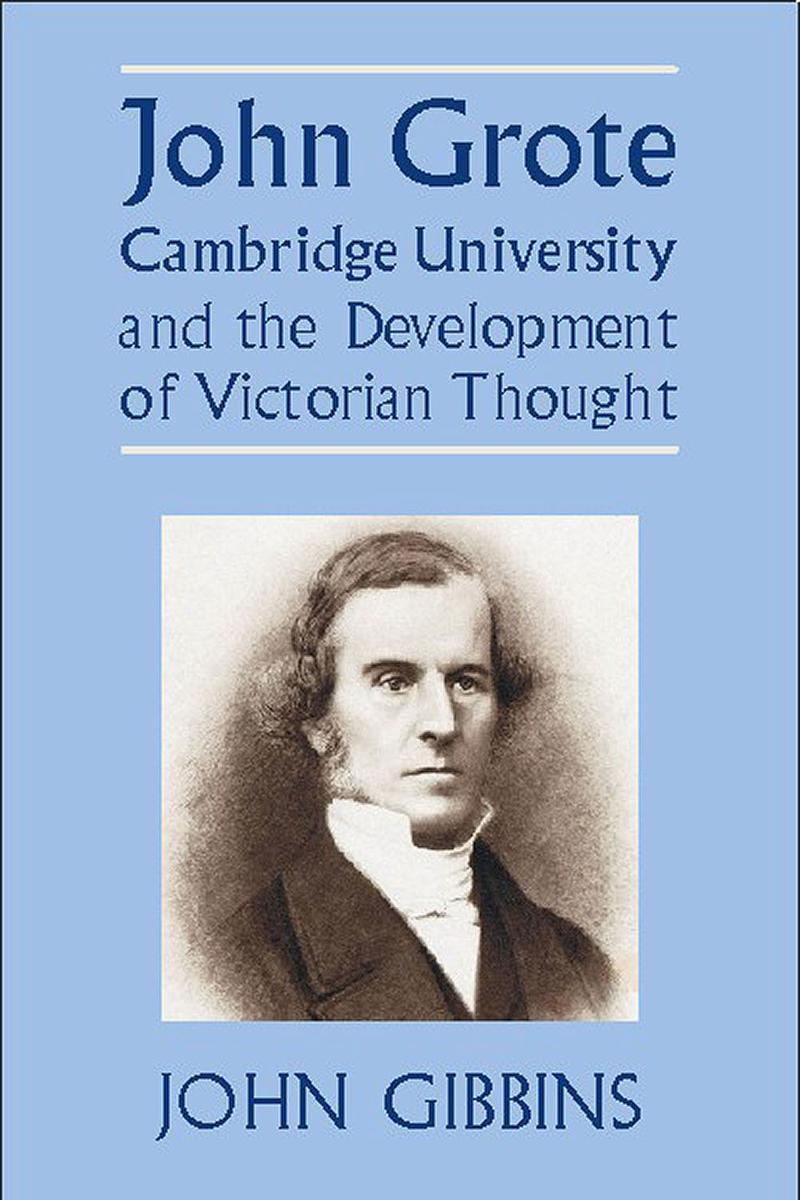
John Grote, Cambridge University and the Development of Victorian Thought
¥333.44
John Grote struggled to construct an intelligible account of philosophy at a time when radical change and sectarian conflict made understanding and clarity a rarity. This book answers three questions:* How did John Grote develop and contribute to modern Cambridge and British philosophy?* What is the significance of these contributions to modern philosophy in general and British Idealism and language philosophy in particular?* How were his ideas and his idealism incorporated into the modern philosophical tradition?Grote influenced his contemporaries, such as his students Henry Sidgwick and John Venn, in both style and content; he forged a brilliantly original philosophy of knowledge, ethics, politics and language, from a synthesis of the major British and European philosophies of his day; his social and political theory provide the origins of the 'new liberal' ideas later to reach their zenith in the writings of Green, Sidgwick, and Collingwood; he founded the 'Cambridge style' associated with Moore, Russell, Broad, McTaggart and Wittgenstein; and he was also a major influence on Oakeshott.
Translation as Muse
¥329.62
Poetry is often said to resist translation, its integration of form and meaning rendering even the best translations problematic. Elizabeth Marie Young disagrees, and with?Translation as Muse, she uses the work of the celebrated Roman poet Catullus to mount a powerful argument that translation can be an engine of poetic invention.Catullus has long been admired as a poet, but his efforts as a translator have been largely ignored. Young reveals how essential translation is to his work: many poems by Catullus that we tend to label as lyric originals were in fact shaped by Roman translation practices entirely different from our own. By rereading Catullus through the lens of translation, Young exposes new layers of ingenuity in Latin poetry even as she illuminates the idiosyncrasies of Roman translation practice, reconfigures our understanding of translation history, and questions basic assumptions about lyric poetry itself.
Stations in the Field
¥329.62
When we think of sites of animal research that symbolize modernity, the first places that come to mind are grand research institutes in cities and near universities that house the latest in equipment and technologies, not the surroundings of the bird's nest, the octopus's garden in the sea, or the parts of inland lakes in which freshwater plankton reside. Yet during the late nineteenth and early twentieth centuries, a group of zoologists began establishing novel, indeed modern ways of studying nature, propagating what present-day ecologists describe as place-based research.Raf De Bont's Stations in the Field focuses on the early history of biological field stations and the role these played in the rise of zoological place-based research. Beginning in the 1870s, a growing number of biological field stations were founded-first in Europe and later elsewhere around the world-and thousands of zoologists received their training and performed their research at these sites. Through case studies, De Bont examines the material and social context in which field stations arose, the actual research that was produced in these places, the scientific claims that were developed there, and the rhetorical strategies that were deployed to convince others that these claims made sense. From the life of parasitic invertebrates in northern France and freshwater plankton in Schleswig-Holstein, to migratory birds in East Prussia and pest insects in Belgium, De Bont's book is fascinating tour through the history of studying nature in nature.

Posthumous Love
¥329.62
For Dante and Petrarch, posthumous love was a powerful conviction. Like many of their contemporaries, both poets envisioned their encounters with their beloved in heaven-Dante with Beatrice, Petrarch with Laura. But as Ramie Targoff reveals in this elegant study, English love poetry of the Renaissance brought a startling reversal of this tradition: human love became definitively mortal. Exploring the boundaries that Renaissance English poets drew between earthly and heavenly existence, Targoff seeks to understand this shift and its consequences for English poetry.?Targoff shows that medieval notions of the somewhat flexible boundaries between love in this world and in the next were hardened by Protestant reformers, who envisioned a total break between the two. Tracing the narrative of this rupture, she focuses on central episodes in poetic history in which poets developed rich and compelling compensations for the lack of posthumous love-from Thomas Wyatt's translations of Petrarch's love sonnets and the Elizabethan sonnet series of Shakespeare and Spencer to the?carpe diem?poems of the seventeenth century. Targoff's centerpiece is?Romeo and Juliet, where she considers how Shakespeare's reworking of the Italian story stripped away any expectation that the doomed teenagers would reunite in heaven. Casting new light on these familiar works of poetry and drama, this book ultimately demonstrates that the negation of posthumous love brought forth a new mode of poetics that derived its emotional and aesthetic power from its insistence upon love's mortal limits.
All Edge
¥329.62
Work is changing. Speed and flexibility are more in demand than ever before thanks to an accelerating knowledge economy and sophisticated communication networks. These changes have forced a mass rethinking of the way we coordinate, collaborate, and communicate. Instead of projects coming to established teams, teams are increasingly converging around projects. These "e;all-edge adhocracies"e; are highly collaborative and mostly temporary, their edge coming from the ability to form links both inside and outside an organization. These nimble groups come together around a specific task, recruiting personnel, assigning roles, and establishing objectives. When the work is done they disband their members and take their skills to the next project.Spinuzzi offers for the first time a comprehensive framework for understanding how these new groups function and thrive. His rigorous analysis tackles both the pros and cons of this evolving workflow and is based in case studies of real all-edge adhocracies at work. His provocative results will challenge our long-held assumptions about how we should be doing work.
Black Metropolis
¥329.62
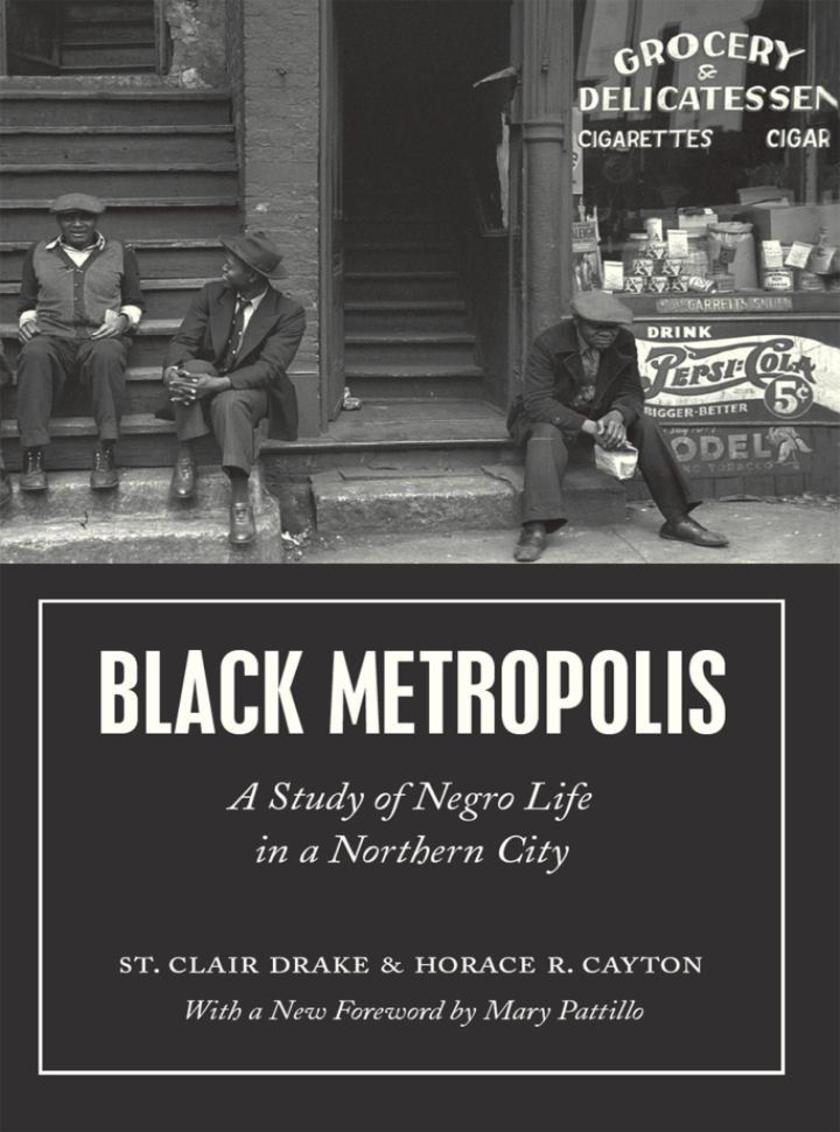
Ground-breaking when first published in 1945, Black Metropolis remains a landmark study of race and urban life. Few studies since have been able to match its scope and magnitude, offering one of the most comprehensive looks at black life in America. Based on research conducted by Works Progress Administration field workers, it is a sweeping historical and sociological account of the people of Chicago's South Side from the 1840s through the 1930s. Its findings offer a comprehensive analysis of black migration, settlement, community structure, and black-white race relations in the first half of the twentieth century. It offers a dizzying and dynamic world filled with captivating people and startling revelations.A new foreword from sociologist Mary Pattillo places the study in modern context, updating the story with the current state of black communities in Chicago and the larger United States and exploring what this means for the future. As the country continues to struggle with race and our treatment of black lives, Black Metropolis continues to be a powerful contribution to the conversation.
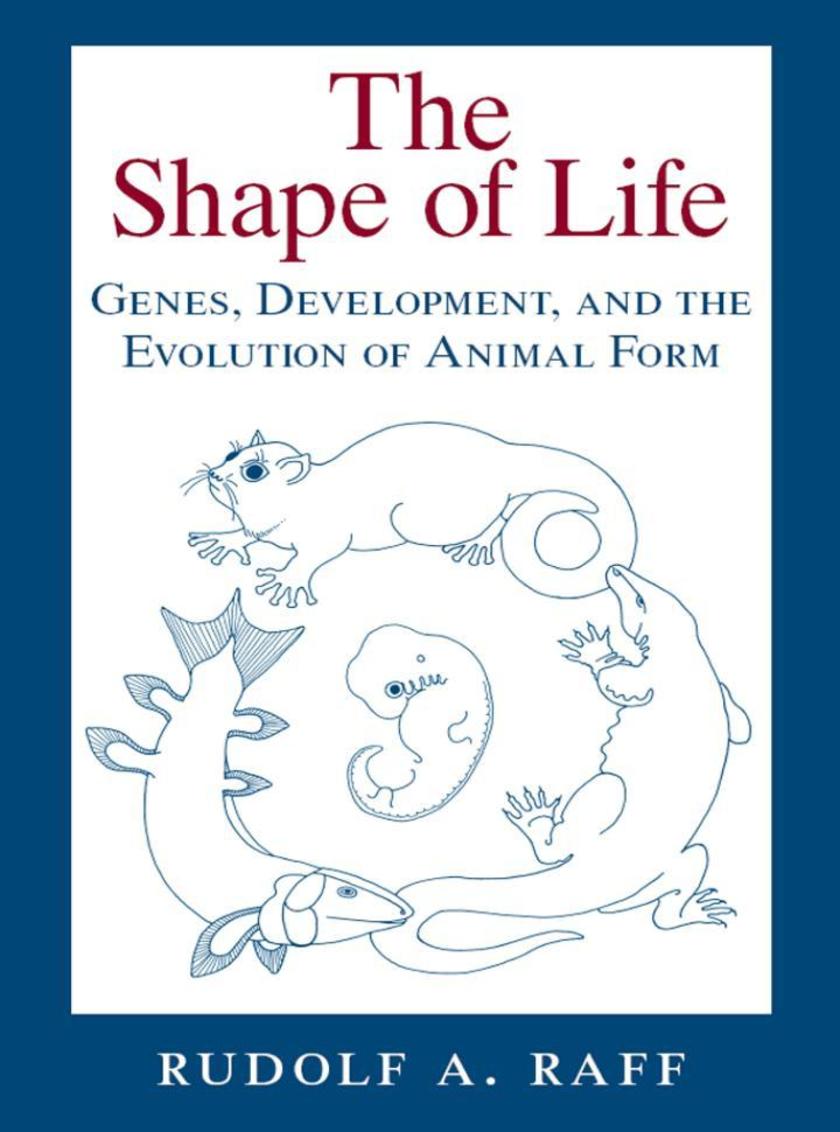
Shape of Life
¥329.62
Rudolf Raff is recognized as a pioneer in evolutionary developmental biology. In their 1983 book, Embryos, Genes, and Evolution, Raff and co-author Thomas Kaufman proposed a synthesis of developmental and evolutionary biology. In The Shape of Life, Raff analyzes the rise of this new experimental discipline and lays out new research questions, hypotheses, and approaches to guide its development.Raff uses the evolution of animal body plans to exemplify the interplay between developmental mechanisms and evolutionary patterns. Animal body plans emerged half a billion years ago. Evolution within these body plans during this span of time has resulted in the tremendous diversity of living animal forms.Raff argues for an integrated approach to the study of the intertwined roles of development and evolution involving phylogenetic, comparative, and functional biology. This new synthesis will interest not only scientists working in these areas, but also paleontologists, zoologists, morphologists, molecular biologists, and geneticists.

Ignoring Nature No More
¥329.62
For far too long humans have been ignoring nature. As the most dominant, overproducing, overconsuming, big-brained, big-footed, arrogant, and invasive species ever known, we are wrecking the planet at an unprecedented rate. And while science is important to our understanding of the impact we have on our environment, it alone does not hold the answers to the current crisis, nor does it get people to act. In Ignoring Nature No More, Marc Bekoff and a host of renowned contributors argue that we need a new mind-set about nature, one that centers on empathy, compassion, and being proactive.?This collection of diverse essays is the first book devoted to compassionate conservation, a growing global movement that translates discussions and concerns about the well-being of individuals, species, populations, and ecosystems into action. Written by leading scholars in a host of disciplines, including biology, psychology, sociology, social work, economics, political science, and philosophy, as well as by locals doing fieldwork in their own countries, the essays combine the most creative aspects of the current science of animal conservation with analyses of important psychological and sociocultural issues that encourage or vex stewardship. The contributors tackle topics including the costs and benefits of conservation, behavioral biology, media coverage of animal welfare, conservation psychology, and scales of conservation from the local to the global. Taken together, the essays make a strong case for why we must replace our habits of domination and exploitation with compassionate conservation if we are to make the world a better place for nonhuman and human animals alike.
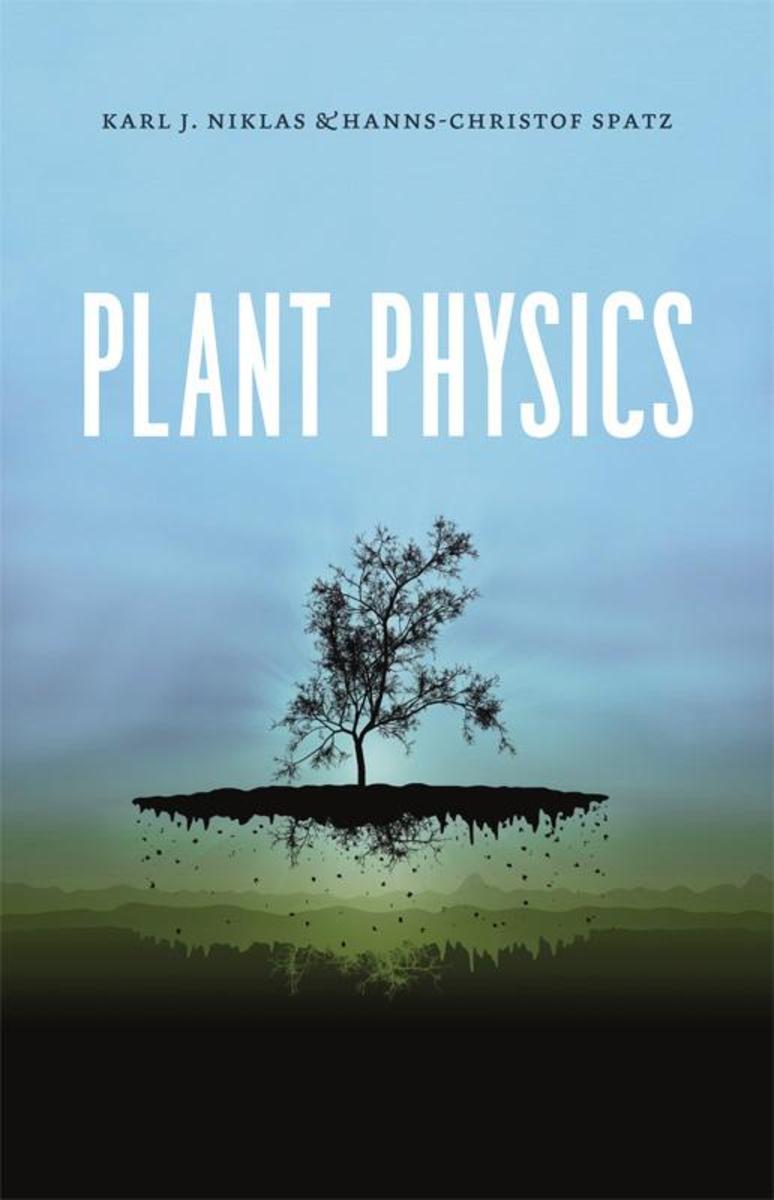
Plant Physics
¥329.62
From Galileo, who used the hollow stalks of grass to demonstrate the idea that peripherally located construction materials provide most of the resistance to bending forces, to Leonardo da Vinci, whose illustrations of the parachute are alleged to be based on his study of the dandelion's pappus and the maple tree's samara, many of our greatest physicists, mathematicians, and engineers have learned much from studying plants.?A symbiotic relationship between botany and the fields of physics, mathematics, engineering, and chemistry continues today, as is revealed in Plant Physics. The result of a long-term collaboration between plant evolutionary biologist Karl J. Niklas and physicist Hanns-Christof Spatz, Plant Physics presents a detailed account of the principles of classical physics, evolutionary theory, and plant biology in order to explain the complex interrelationships among plant form, function, environment, and evolutionary history. Covering a wide range of topics-from the development and evolution of the basic plant body and the ecology of aquatic unicellular plants to mathematical treatments of light attenuation through tree canopies and the movement of water through plants' roots, stems, and leaves-Plant Physics is destined to inspire students and professionals alike to traverse disciplinary membranes.
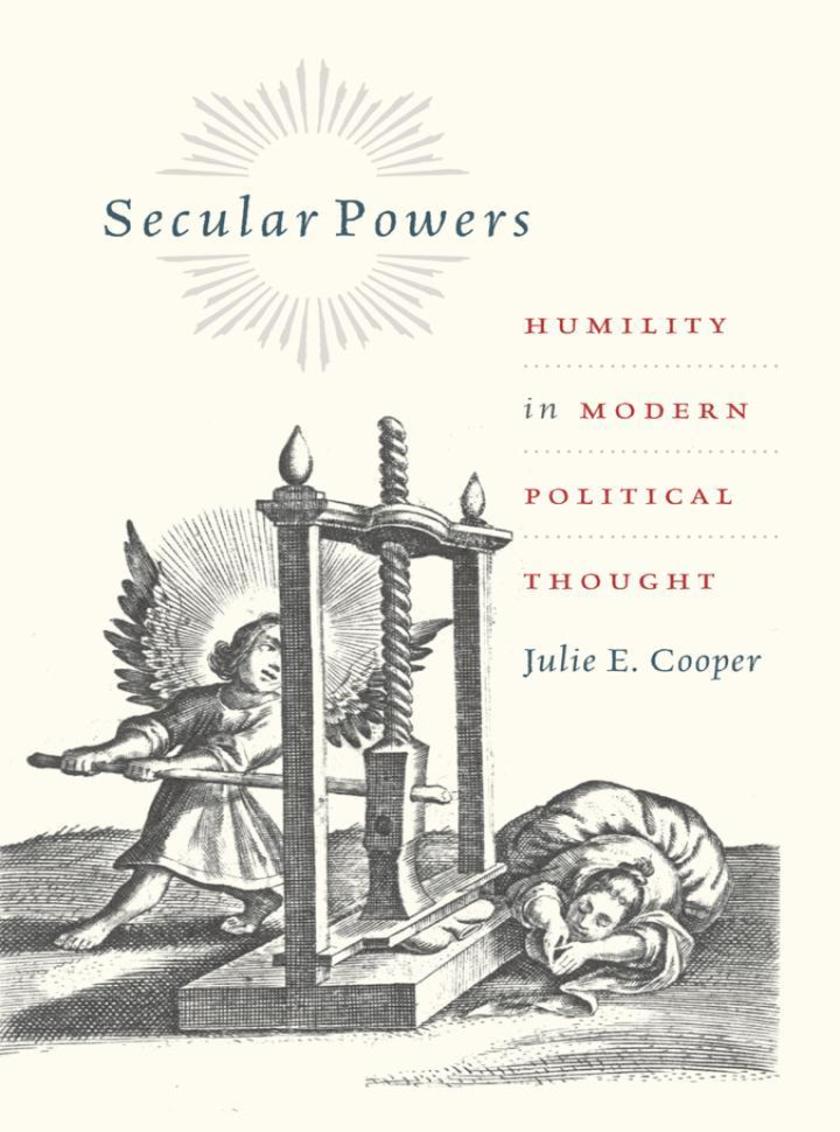
Secular Powers
¥329.62
Secularism is usually thought to contain the project of self-deification, in which humans attack God's authority in order to take his place, freed from all constraints. Julie E. Cooper overturns this conception through an incisive analysis of the early modern justifications for secular politics. While she agrees that secularism is a means of empowerment, she argues that we have misunderstood the sources of secular empowerment and the kinds of strength to which it aspires.Contemporary understandings of secularism, Cooper contends, have been shaped by a limited understanding of it as a shift from vulnerability to power. But the works of the foundational thinkers of secularism tell a different story. Analyzing the writings of Hobbes, Spinoza, and Rousseau at the moment of secularity's inception, she shows that all three understood that acknowledging one's limitations was a condition of successful self-rule. And while all three invited humans to collectively build and sustain a political world, their invitations did not amount to self-deification. Cooper establishes that secular politics as originally conceived does not require a choice between power and vulnerability. Rather, it challenges us-today as then-to reconcile them both as essential components of our humanity.
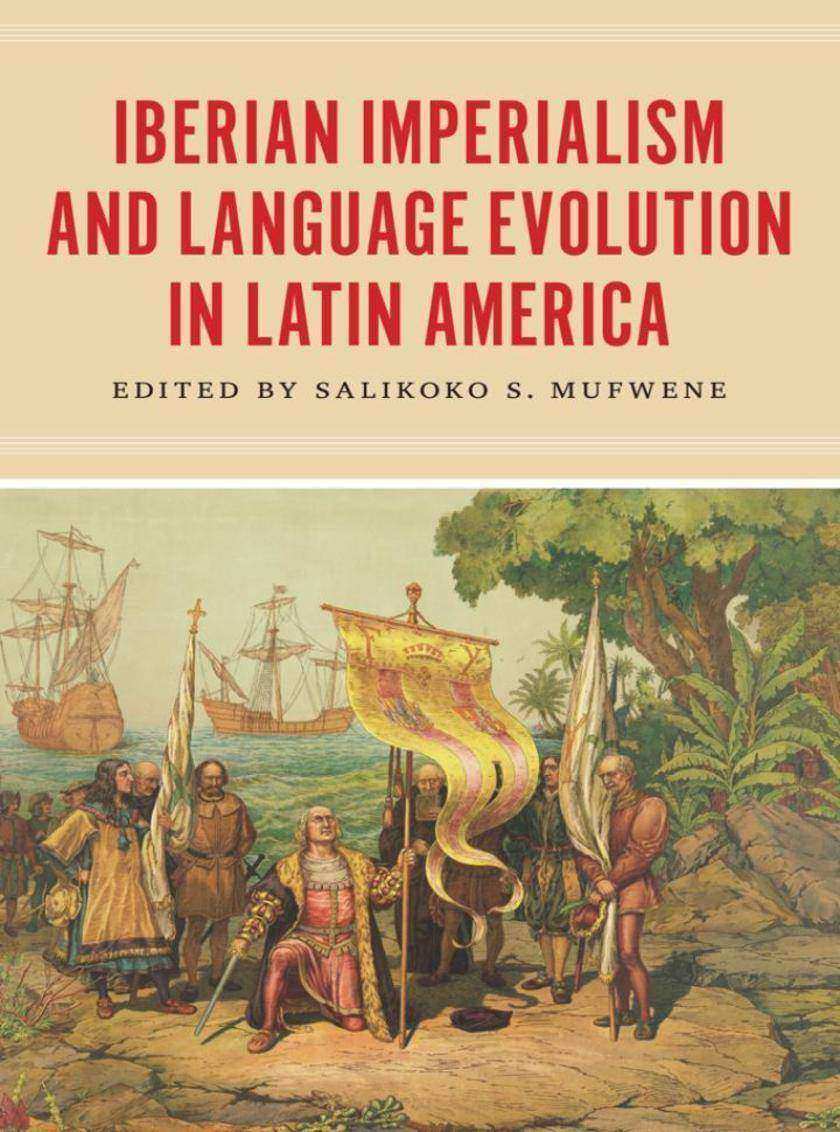
Iberian Imperialism and Language Evolution in Latin America
¥329.62
As rich as the development of the Spanish and Portuguese languages has been in Latin America, no single book has attempted to chart their complex history. Gathering essays by sociohistorical linguists working across the region, Salikoko S. Mufwene does just that in this book. Exploring the many different contact points between Iberian colonialism and indigenous cultures, the contributors identify the crucial parameters of language evolution that have led to today's state of linguistic diversity in Latin America.?The essays approach language development through an ecological lens, exploring the effects of politics, economics, cultural contact, and natural resources on the indigenization of Spanish and Portuguese in a variety of local settings. They show how languages adapt to new environments, peoples, and practices, and the ramifications of this for the spread of colonial languages, the loss or survival of indigenous ones, and the way hybrid vernaculars get situated in larger political and cultural forces. The result is a sophisticated look at language as a natural phenomenon, one that meets a host of influences with remarkable plasticity. ?
Paleobiological Revolution
¥329.62
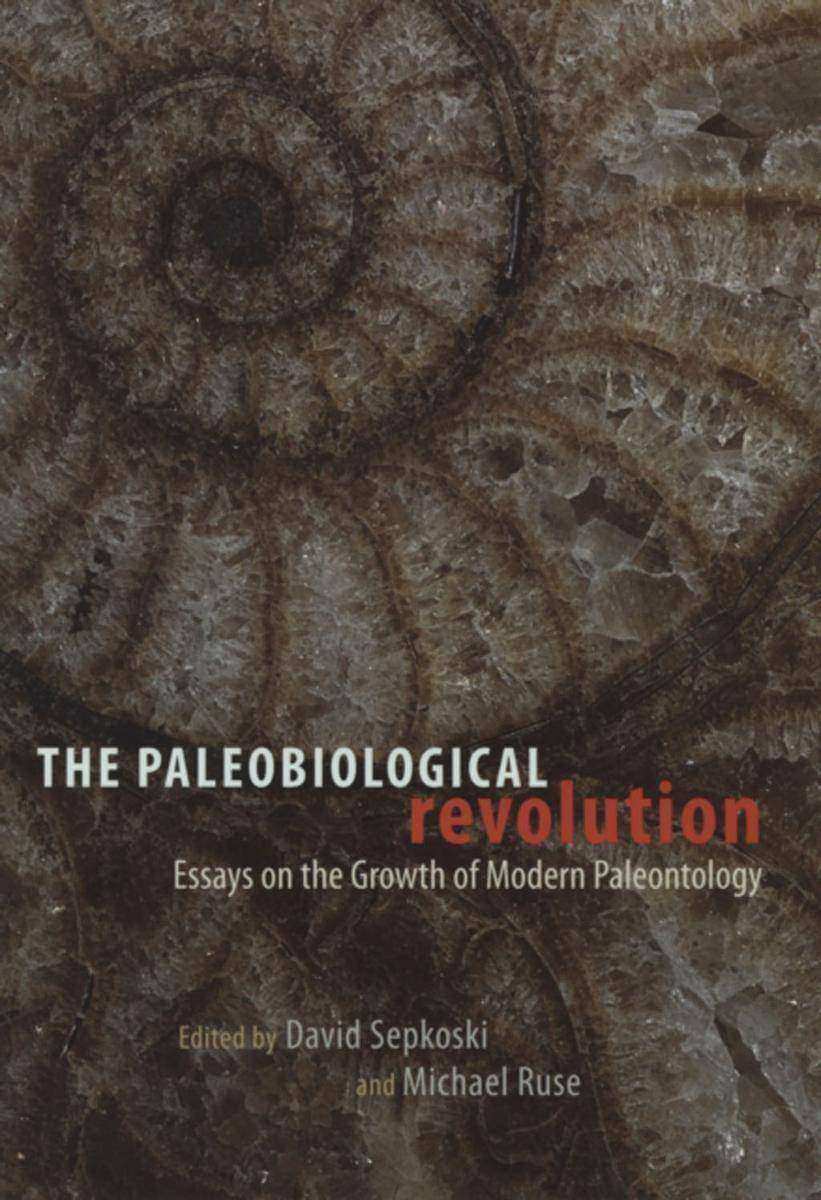
establishment of the modern synthesis in the 1940s and the pioneering work of George Gaylord Simpson, Ernst Mayr, and Theodosius Dobzhansky, as well as the subsequent efforts of Stephen Jay Gould, David Raup, and James Valentine, paleontology became embedded in biology and emerged as paleobiology, a first-rate discipline central to evolutionary studies. Pairing contributions from some of the leading actors of the transformation with overviews from historians and philosophers of science, the essays here capture the excitement of the seismic changes in the discipline. In so doing, David Sepkoski and Michael Ruse harness the energy of the past to call for further study of the conceptual development of modern paleobiology.
Sacred Relics
¥329.62
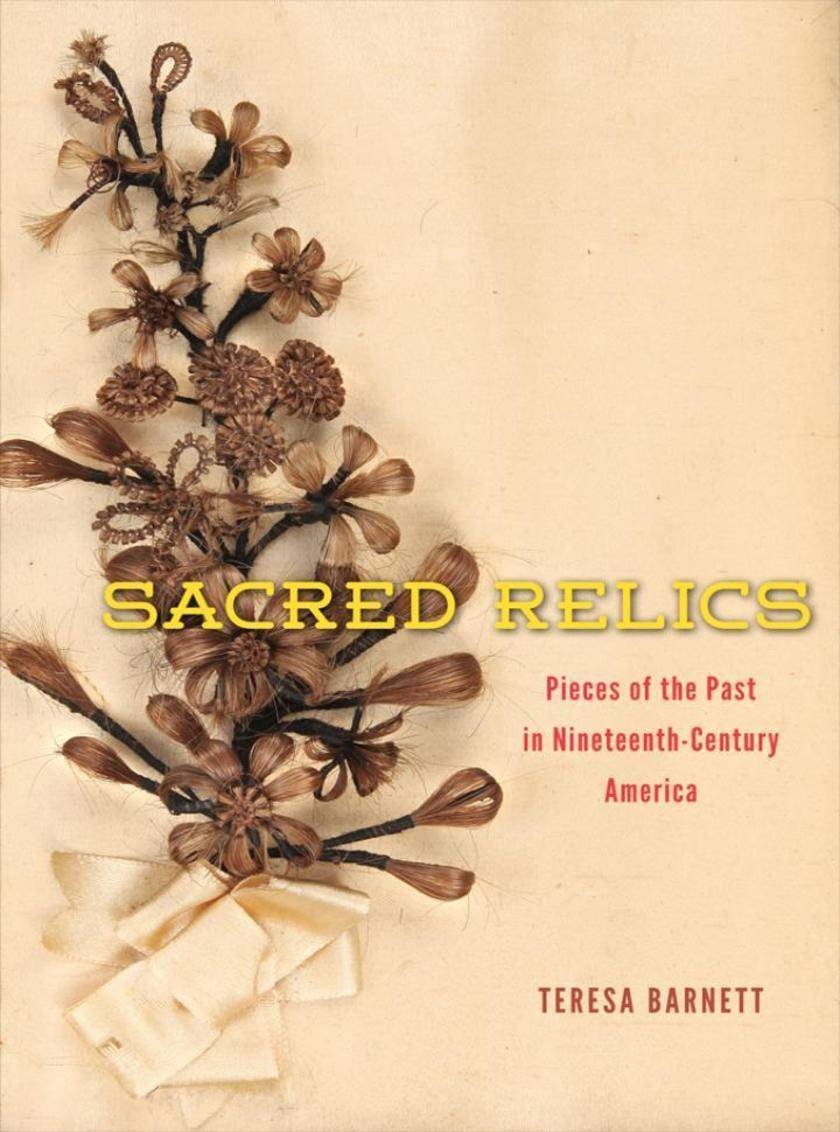
A piece of Plymouth Rock. A lock of George Washington's hair. Wood from the cabin where Abraham Lincoln was born. Various bits and pieces of the past-often called "e;association items"e;-may appear to be eccentric odds and ends, but they are valued because of their connections to prominent people and events in American history. Kept in museum collections large and small across the United States, such objects are the touchstones of our popular engagement with history.In Sacred Relics, Teresa Barnett explores the history of private collections of items like these, illuminating how Americans view the past. She traces the relic-collecting tradition back to eighteenth-century England, then on to articles belonging to the founding fathers and through the mass collecting of artifacts that followed the Civil War. Ultimately, Barnett shows how we can trace our own historical collecting from the nineteenth century's assemblages of the material possessions of great men and women.


