


 购物车
购物车 个人中心
个人中心
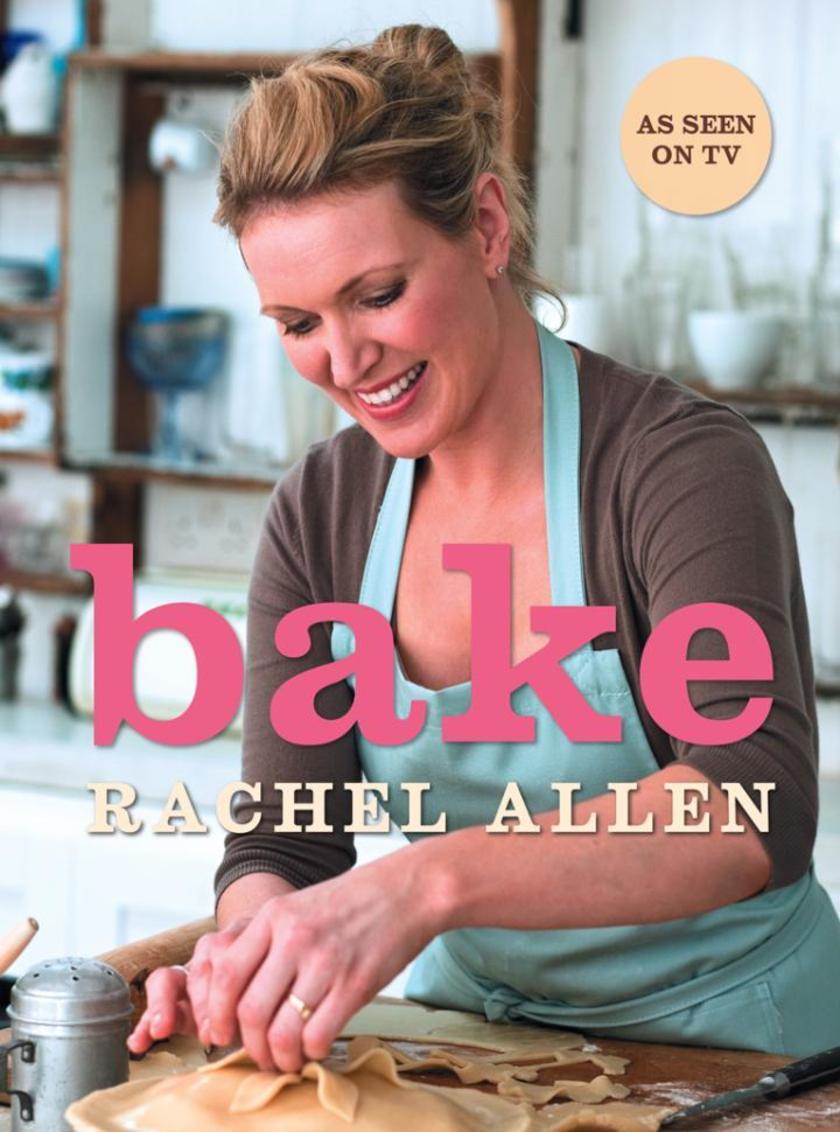
Bake
¥147.35
Your best friend in the kitchen and bestselling author, Rachel Allen, is back with a collection of delicious and easy cakes and bakes, tarts and pies, quiches and casseroles from her brand new TV series. What could be better than the smell of freshly baked bread or the joy of eating warm cookies straight from the oven? Do you pine for the pleasures of gingerbread houses and holiday delights or the warming goodness of home baked casseroles? These are just some of the treats that await in Bake, which ties in with Rachel’s brand new TV series. She shares both the sweet and the savoury sides of baking, whether quick snacks, wholesome breads and pies, exotic cakes and tarts or easy baked meals for friends and family. Fully illustrated with beautiful food photography including step-by-steps to take the mystery out of traditional baking and pastry making. Rachel also offers troubleshooting techniques for common problems and wheat or gluten-free recipes so nobody is left out of the fun! Rachel’s friendly and expert tuition make this easy-to-use book the best friend to every home baker. Recipes include: ? Cardamon bread ? Crispy bacon and cheddar bread ? Cheese straws and pretzels ? Pork, chorizo and spinach pie ? Beef pasties with mint, ginger and peas ? Baked cheese fondue in a squash ? Seville orange meringue pie ? Cornish saffron bread ? Lime and yoghurt cake with rosewater and pistachios
Gordon Ramsay’s Great British Pub Food
¥147.35
In his outstanding new cookbook, Gordon Ramsay teams up with Mark Sargeant to showcase the best of British cooking. Packed full of sumptuous and hearty traditional recipes, Gordon Ramsay's Great British Pub Food is perfect for relaxed, homely and comforting cooking. Pubs were once a place where you could always guarantee good, simple, cheap food and a great Sunday roast, but when the steak houses and fast food chains arrived the good home cooking from the pub kitchens was replaced with tasteless, defrosted meals. Then came the gastropubs, which weren't much better, serving mediocre food at restaurant prices. That's why when Gordon Ramsay and Mark Sargeant set up the Gordon Ramsay pubs in London they wanted to produce the sort of simple but delicious British classics that warm the cockles of your heart and to serve them at affordable pub prices. Dishes like rich, hearty Chicken and Smoked Bacon Pie, mouth-watering Gloucestershire Sausages with Grainy Mustard Mash and Red Onion Marmalade and indulgent Treacle Tart - classics that have stood the test of time. Now Gordon has gathered his favourite British recipes into one sumptuous collection so you can invite your friends round, serve some good, English ale and cook the best in traditional pub food classics in your own home.
You’ll Miss Me When I’m Gone: The life and work of Eric Morecambe
¥147.35
To mark the 25th anniversary of Eric Morecambe’s death, You’ll Miss Me When I’m Gone is the first book to cover Eric’s whole life and untimely death, including unseen family photographs and new insights by Eric’s son Gary Morecambe. Published in the 25th anniversary year of Eric Morecambe’s death, You’ll Miss Me When I’m Gone is a celebration of Eric Morecambe’s life in words and previously unseen personal family photographs. Eric Morecambe and Ernie Wise are to this day still regarded as Britain’s most successful and best loved comedy duo, and their television shows from the 1970’s and 80’s are undoubtedly their finest work. For the first time, Eric Morecambe’s whole life, from his earliest days in his home-town of Morecambe right up to his death in Gloucestershire in 1984 are appraised by his son Gary. Included are photographs not seen by the family until recently – poignantly one of Eric at a friend’s wedding the day before he would collapse and die on stage. As the final and definitive book on Eric Morecambe,You’ll Miss Me features interviews with those who knew and loved Eric, including his wife Joan, Ronnie Corbett, Hamish McColl who wrote and starred in The Play What I Wrote and a foreword by Judi Dench. ’You’ll miss me when I’m gone’ was Eric’s oft repeated plaintive remark when he’d been annoying the Morecambe family with his gags.The irony is that, 25 years after his death, the viewing nation still misses Eric Morecambe.
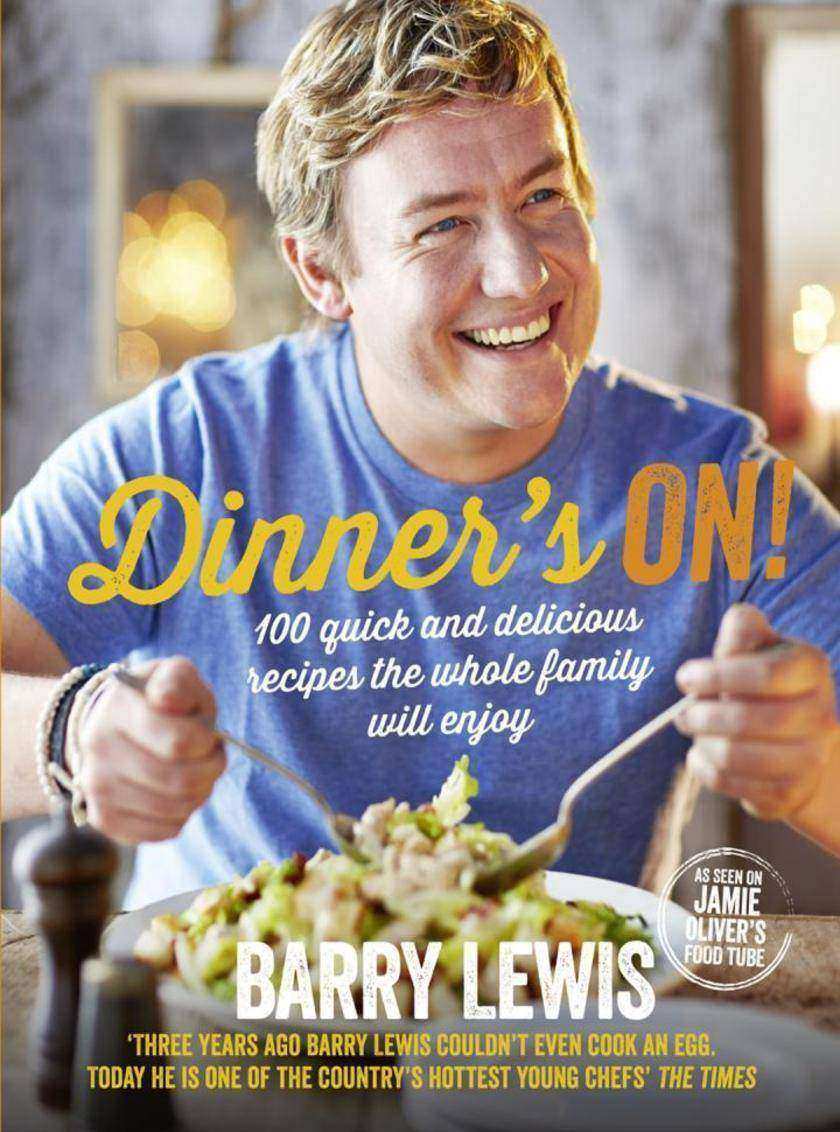
Dinner’s On!: 100 quick and delicious recipes the whole family will enjoy
¥147.35
‘He’s a regular guy – he’s not a chef and he’s not formally a cook, and he was a virgin in the kitchen … I love his enthusiasm for food, having a laugh and for family, and I think, at the end of the day, that’s what food is about. Viva Virgin Kitchen!’ Jamie Oliver Three years ago Barry Lewis couldn’t boil an egg. Now he’s a rising star of the food world and one of the country’s hottest new cooks. In 2010 Barry taught himself to cook step-by-step, filming the process and posting the videos on his YouTube channel My Virgin Kitchen. The channel became an overnight hit, racking up millions of views and inspiring thousands of new cooks to pick up the ladle. Before long, Barry had attracted media attention and been given the seal of approval by his idol, Jamie Oliver. He’s now a regular on Jamie’s Food Tube Channel. Barry Lewis is all about delicious ingredients, healthy meals and having fun. These recipes are for everyone: young or old, seasoned pros or those who are terrified of setting foot in the kitchen. Whether you’re looking for family favourites like Beef & Ricotta Pasta Shells, heartwarmers like Bangers & Mustard Mash Casserole, or melt-in-your-mouth treats like Vanilla & Honeycomb Semifreddo, here you’ll find all the ingredients, inspiration and confidence you need. So what are you waiting for? Get stuck in, because Dinner’s ON!

Feasts From the Middle East
¥147.35
Tony Kitous arrived in London for the first time on August 6, 1988, aged 18, he spent his 1st night sleeping in Victoria coach station and spent the next fortnight living off chocolate. The self-styled Algerian “street boy” had just ?70 in his pocket and was meant to be on a holiday with a school friend. More than 29 years later, the now hugely successful owner of the Comptoir Libanais canteen and delicatessen chain has 24 branches in and London and around the UK, employing around 1000 staff. They are part of an empire which also encompasses three Shawa - Lebanese grill outlets, as well as prestige restaurants such as Levant on Wigmore Street and Kenza in the city of London.

Marcus at Home
¥147.35
MARCUS WAREING is one of the most respected and acclaimed chefs and restaurateurs in Britain today. Originally from Southport, Merseyside, Marcus began his career at the age of 16. An incredible talent, he started acquiring Michelin stars aged just 26 – one of only a handful of chefs to be recognised at such a young age. Over the last 30 years Marcus has been involved in the creation of many of London’s most iconic and celebrated restaurants, including his own restaurant group, Marcus Wareing Restaurants, which he founded in 2008. With two Michelin stars at his flagship restaurant, Marcus, in the Berkeley Hotel, he also owns and operates two other London restaurants, The Gilbert Scott and Tredwell’s.Alongside his Michelin stars, Marcus has also won numerous coveted awards. These include the Acorn Award, Chef of the Year with Caterer and Hotelkeeper, Tatler Restaurateur of the Year and GQ Chef of the Year. A familiar face on our TV screens, Marcus took on the new role as judge on MasterChef:The Professionals in 2014. Marcus lives in London with his wife and three children.

Citizen Reporters:S.S. McClure, Ida Tarbell, and the Magazine That That Rewrote
¥160.56
A fascinating history of the rise and fall of influential Gilded Age magazine McClure’s and the two unlikely outsiders at its helm—as well as a timely, full-throated defense of investigative journalism in AmericaThe president of the United States made headlines around the world when he publicly attacked the press, denouncing reporters who threatened his reputation as “muckrakers” and “forces for evil.” The year was 1906, the president was Theodore Roosevelt—and the publication that provoked his fury was McClure’s magazine.One of the most influential magazines in American history, McClure’s drew over 400,000 readers and published the groundbreaking stories that defined the Gilded Age, including the investigation of Standard Oil that toppled the Rockefeller monopoly. Driving this revolutionary publication were two improbable newcomers united by single-minded ambition. S. S. McClure was an Irish immigrant, who, despite bouts of mania, overthrew his impoverished upbringing and bent the New York media world to his will. His steadying hand and star reporter was Ida Tarbell, a woman who defied gender expectations and became a notoriously fearless journalist.The scrappy, bold McClure's group—Tarbell, McClure, and their reporters Ray Stannard Baker and Lincoln Steffens—cemented investigative journalism’s crucial role in democracy. From reporting on labor unrest and lynching, to their exposés of municipal corruption, their reporting brought their readers face to face with a nation mired in dysfunction. They also introduced Americans to the voices of Willa Cather, Arthur Conan Doyle, Robert Louis Stevenson, Joseph Conrad, and many others. Tracing McClure’s from its meteoric rise to its spectacularly swift and dramatic combustion, Citizen Reporters is a thrillingly told, deeply researched biography of a powerhouse magazine that forever changed American life. It’s also a timely case study that demonstrates the crucial importance of journalists who are unafraid to speak truth to power.
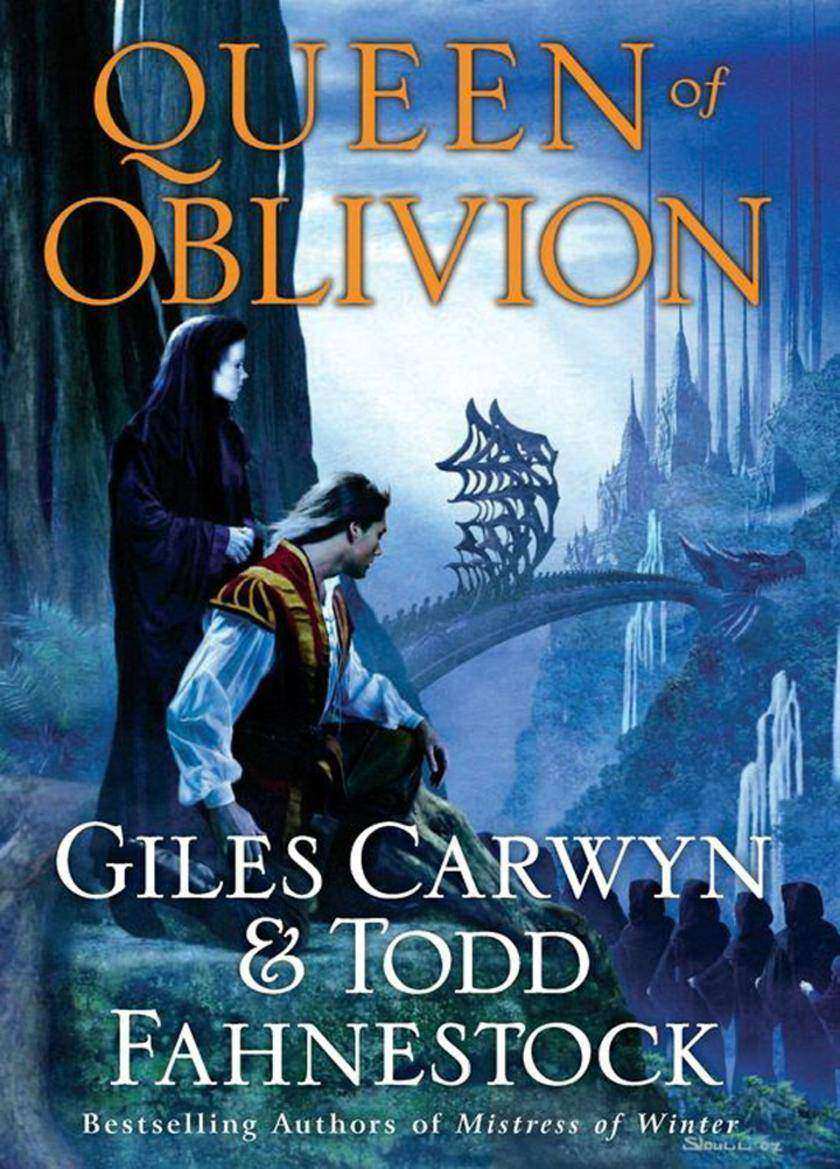
Queen of Oblivion
¥147.25
Journey beyond Ohndarien to the fallen city of Efften in the stunning conclusion to the epic Heartstone TrilogyA fallen hero defies his destiny . . . A scarred sorceress fights for love . . . A vindictive lover clings to hope . . .And a father of lies calls his family home . . ."You must teach a lost child how to love." With his dying words, the Opal Emperor leaves Brophy, the Heir of Autumn, with an impossible choice: betray his heart by seducing the enchantress Arefaine Morgeon, or watch her ruthless ambitions destroy the world.As Brophy fights to stop Arefaine from unleashing the ancient menace trapped within the silver towers of Efften, the sorceress-concubine Shara returns to her beloved city of Ohndarien to find its people enslaved by the same sinister voice leading Arefaine to her doom. Shara and Brophy rush to bring the truth to Arefaine before the horrors of Efften are reborn, but the darkness within their own hearts may prove the greatest threat . . .
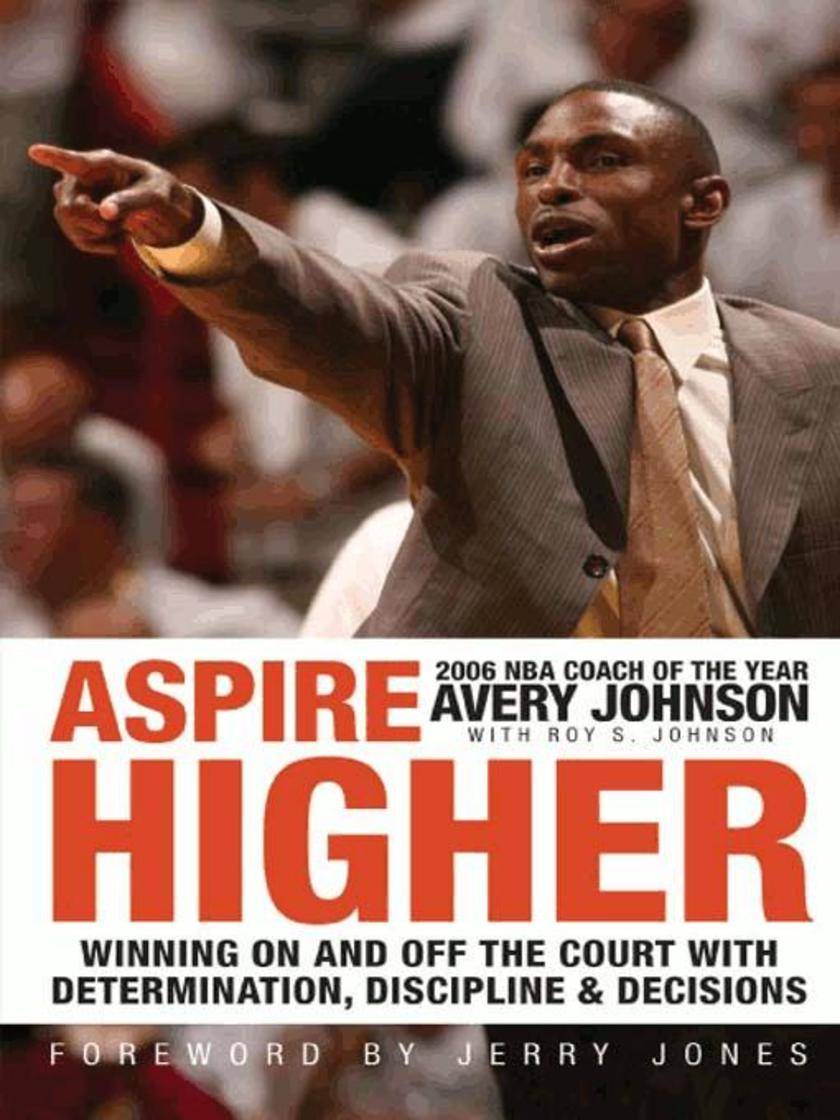
HarperCollins e-books
¥147.25
Avery Johnson is a coach, a teacher, and sometimes even a preacher, but most of all, he is a motivator, driving his team with the same fiery passion that allowed him to earn his championship credentials as an NBA player. Growing up in New Orleans's Lafitte Housing Project, he was never the biggest, fastest, or strongest, but by the strength of his will and character, he persevered. Now he offers the lessons he learned on his journey from the bottom of the bayou to the heights of success in this inspiring book. Aspire Higher is the essential game plan for reaching your goals. Johnson begins by outlining what it takes to get to the top: determination and discipline provide the foundation that allows you to make the right decisions, on the basketball court or in the boardroom. The goal isn't just to be successful, however; it's also about caring for other people along the way. I care about you more than I care about winning, Johnson often tells his players.Avery Johnson's personal and professional experiences illuminate crucial lessons, inspiring readers just as he has inspired teammates and players. His spirited message is for anyone looking for the tools and secrets of success in business, school, sports, and more anyone looking to aspire higher.
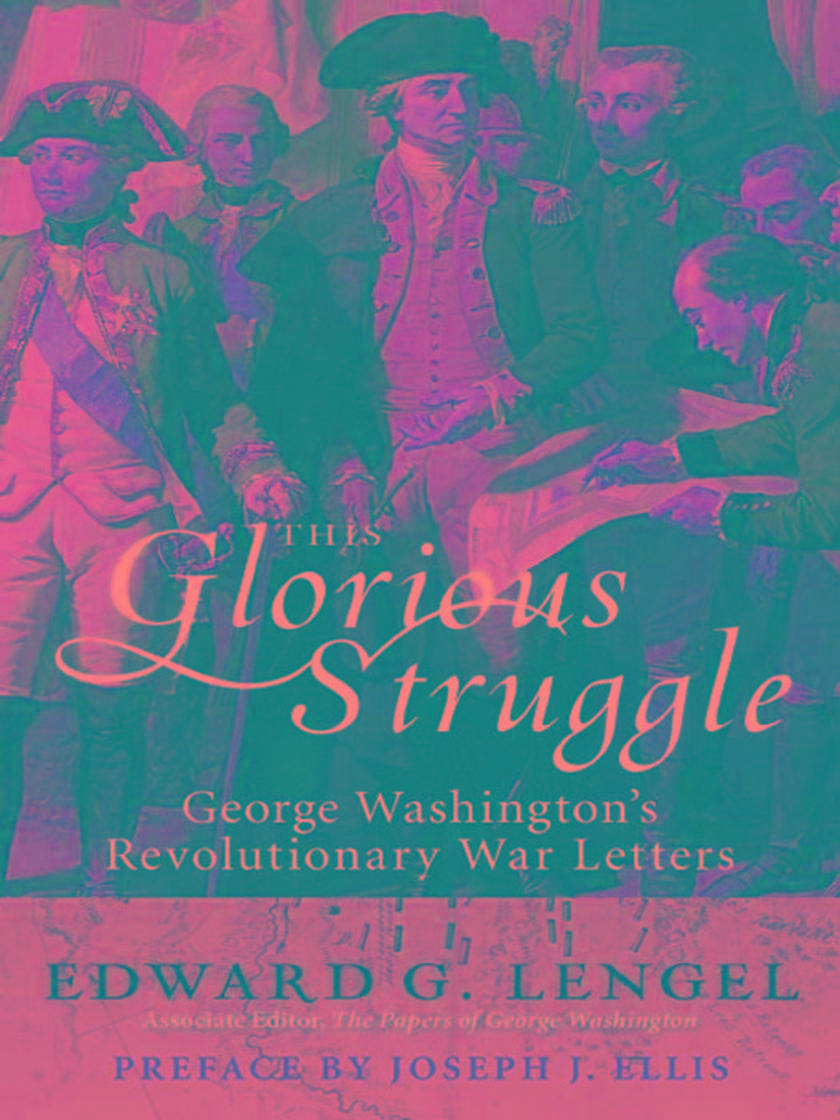
HarperCollins e-books
¥147.25
George Washington wrote an astonishing number of letters, both personal and professional. The majority about 140,000 documents are from his years as commander in chief during the Revolutionary War, from 1775 to 1783. This Glorious Struggle presents a selection of Washington's most important and interesting letters from that time, including many that have never been published.Washington's lively and often surprisingly candid notes to his wife and family, friends, Congress, fellow soldiers and even the enemy chronicle his most critical tactical and strategic decisions, while offering a rare glimpse of the extremes of depression and exultation into which he was cast by the fortunes of war. The letters are arranged chronologically and give a dramatic sense of the major phases of the war, from Boston, Trenton, and Valley Forge, to Monmouth and Yorktown. The more personal missives show us a Washington who worried about his wife's well-being and who appreciated a good joke and a well-laid table, not to mention the company of the ladies.This Glorious Struggle brings Washington to vivid life, offering a fresh and intimate sense of this most towering American figure and the critical role he played in the creation of our country.
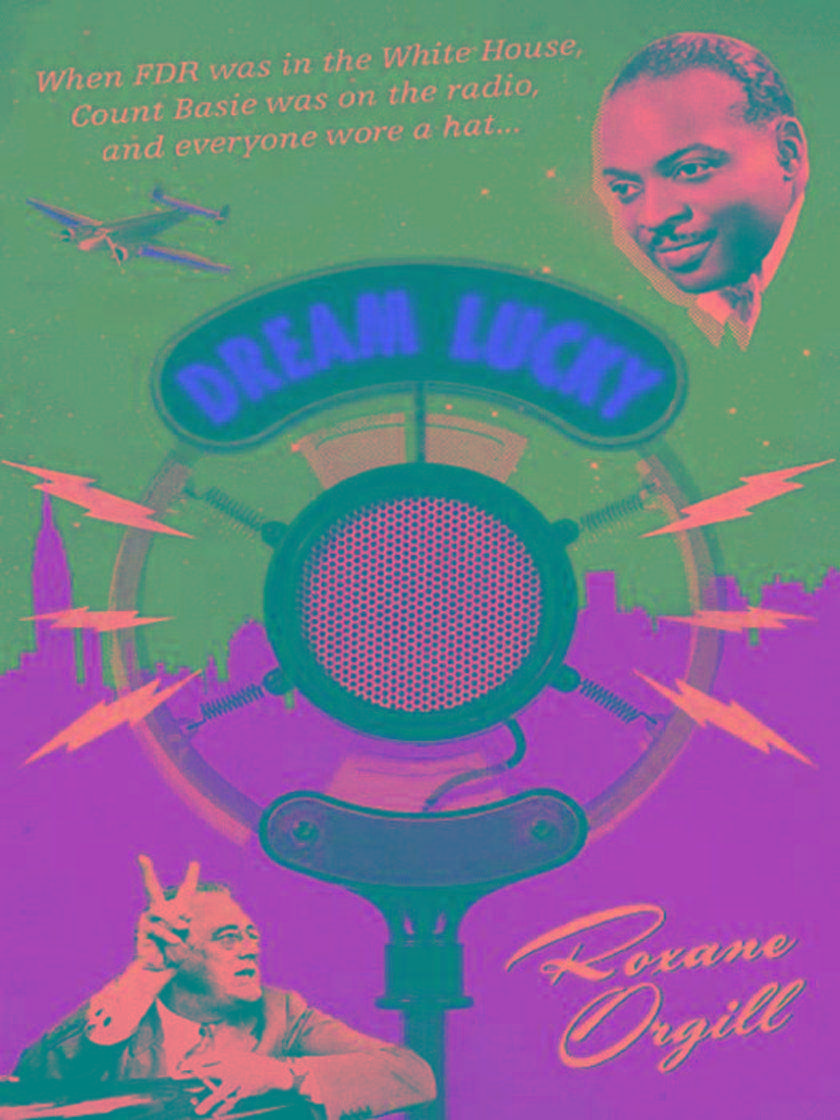
HarperCollins e-books
¥147.25
The time: 1936-1938. The mood: Hopeful. It wasn't wartime, not yet. The music: The incomparable Count Basie and Benny Goodman, among others. The setting: Living rooms across America and, most of all, New York City.Dream Lucky covers politics, race, religion, arts, and sports, but the central focus is the period's soundtrack specifically big band jazz and the big-hearted piano player William "Count" Basie. His ascent is the narrative thread of the book how he made it and what made his music different from the rest. But many other stories weave in and out: Amelia Earhart pursues her dream of flying "around the world at its waistline." Adam Clayton Powell, Jr., stages a boycott on 125th Street. And Mae West shocks radio listeners as a naked Eve tempting the snake.Critic Nat Hentoff praises the "precise originality" with which Roxane Orgill writes about music. In Dream Lucky, she magically lets readers hear the past.
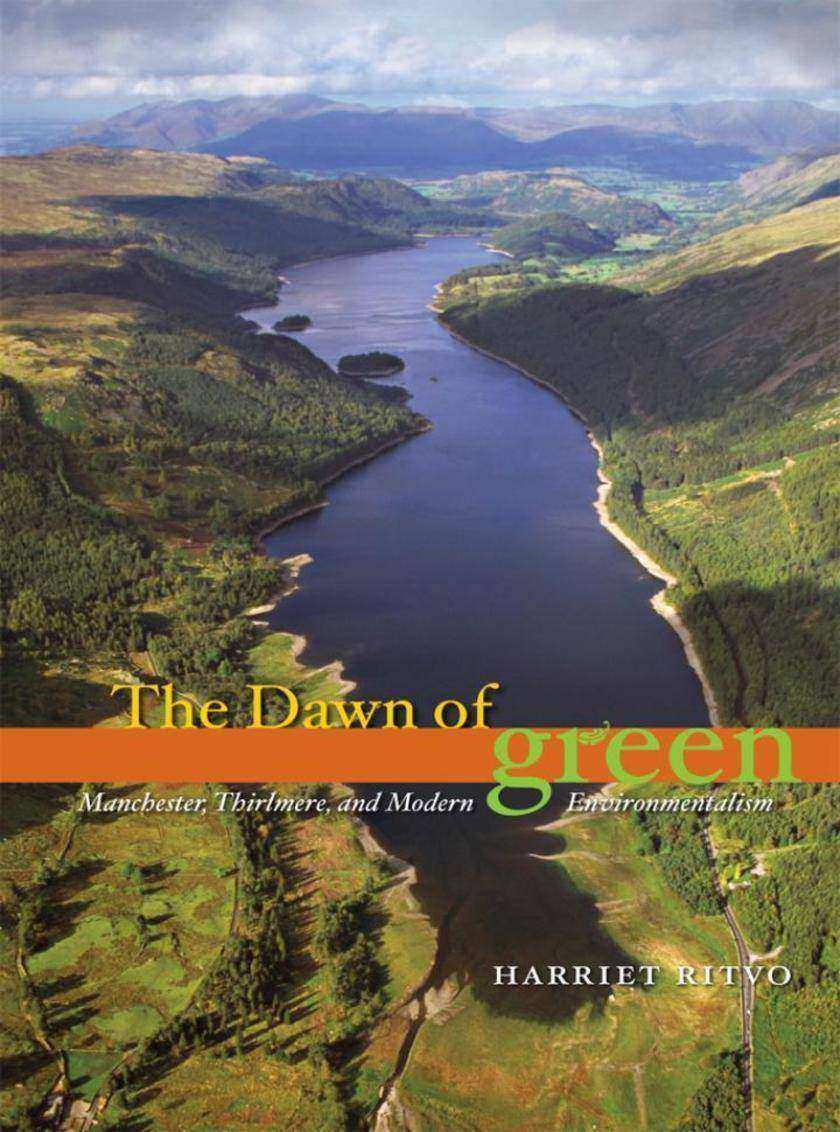
Dawn of Green
¥147.15
Located in the heart of England's Lake District, the placid waters of Thirlmere seem to be the embodiment of pastoral beauty. But under their calm surface lurks the legacy of a nineteenth-century conflict that pitted industrial progress against natural conservation-and helped launch the environmental movement as we know it. Purchased by the city of Manchester in the 1870s, Thirlmere was dammed and converted into a reservoir, its water piped one hundred miles south to the burgeoning industrial city and its workforce. This feat of civil engineering-and of natural resource diversion-inspired one of the first environmental struggles of modern times. The Dawn of Green re-creates the battle for Thirlmere and the clashes between conservationists who wished to preserve the lake and developers eager to supply the needs of a growing urban population. Bringing to vivid life the colorful and strong-minded characters who populated both sides of the debate, noted historian Harriet Ritvo revisits notions of the natural promulgated by romantic poets, recreationists, resource managers, and industrial developers to establish Thirlmere as the template for subsequent-and continuing-environmental struggles.

Narration
¥147.15
Newly famous in the wake of the publication of her groundbreaking Autobiography of Alice B. Toklas, Gertrude Stein delivered her Narration lectures to packed audiences at the University of Chicago in 1935. Stein had not been back to her home country since departing for France in 1903, and her remarks reflect on the changes in American culture after thirty years abroad.In Stein's trademark experimental prose, Narration reveals the legendary writer's thoughts about the energy and mobility of the American people, the effect of modernism on literary form, the nature of history and its recording, and the inventiveness of the English language-in particular, its American variant. Stein also discusses her ambivalence toward her own literary fame as well as the destabilizing effect that notoriety had on her daily life. Restored to print for a new generation of readers to discover, these vital lectures will delight students and scholars of modernism and twentieth-century literature."e;Narration is a treasure waiting to be rediscovered and to be pirated by jolly marauders of sparkling texts."e;-Catharine Stimpson, NYU

Scientific Babel
¥147.15
English is the language of science today. No matter which languages you know, if you want your work seen, studied, and cited, you need to publish in English. But that hasn't always been the case. Though there was a time when Latin dominated the field, for centuries science has been a polyglot enterprise, conducted in a number of languages whose importance waxed and waned over time-until the rise of English in the twentieth century.?So how did we get from there to hereHow did French, German, Latin, Russian, and even Esperanto give way to EnglishAnd what can we reconstruct of the experience of doing science in the polyglot pastWith Scientific Babel, Michael D. Gordin resurrects that lost world, in part through an ingenious mechanism: the pages of his highly readable narrative account teem with footnotes-not offering background information, but presenting quoted material in its original language. The result is stunning: as we read about the rise and fall of languages, driven by politics, war, economics, and institutions, we actually see it happen in the ever-changing web of multilingual examples. The history of science, and of English as its dominant language, comes to life, and brings with it a new understanding not only of the frictions generated by a scientific community that spoke in many often mutually unintelligible voices, but also of the possibilities of the polyglot, and the losses that the dominance of English entails.?Few historians of science write as well as Gordin, and Scientific Babel reveals his incredible command of the literature, language, and intellectual essence of science past and present. No reader who takes this linguistic journey with him will be disappointed.

Accounts
¥147.15
The death of a mother alters forever a family's story of itself. Indeed, it taxes the ability of a family to tell that story at all. The Accounts narrates the struggle to speak with any clear understanding in the wake of that loss. The title poem attempts three explanations of the departure of a life from the earth-a physical account, a psychological account, and a spiritual account. It is embedded in a long narrative sequence that tries to state plainly the facts of the last days of the mother's life, in a room that formerly housed a television, next to a California backyard. The visual focus of that sequence, a robin's nest, poised above the family home, sings in a kind of lament, giving its own version of ways we can see the transformation of the dying into the dead. In other poems, called "e;Arguments,"e; two voices exchange uncertain truths about subjects as high as heaven and as low as crime. Grief is a problem that cannot be solved by thinking, but that doesn't stop the mind, which relentlessly carries on, trying in vain to settle its accounts. The death of a well-loved person creates a debt that can never be repaid. It reminds the living of our own psychological debts to each other, and to the dead. In this sense, the death of this particular mother and the transformation of this particular family are evocative of a greater struggle against any changing reality, and the loss of all beautiful and passing forms of order.

El Dorado
¥147.15
In El Dorado, Peter Campion explores what it feels like to live in America right now, at the beginning of the twenty-first century. Splicing cell-phone chatter with translations of ancient poems, jump-cutting from traditional to invented forms, and turning his high-res lens on everything from box stores to trout streams to airport lounges, Campion renders both personal and collective experience with capacious and subtle skill.
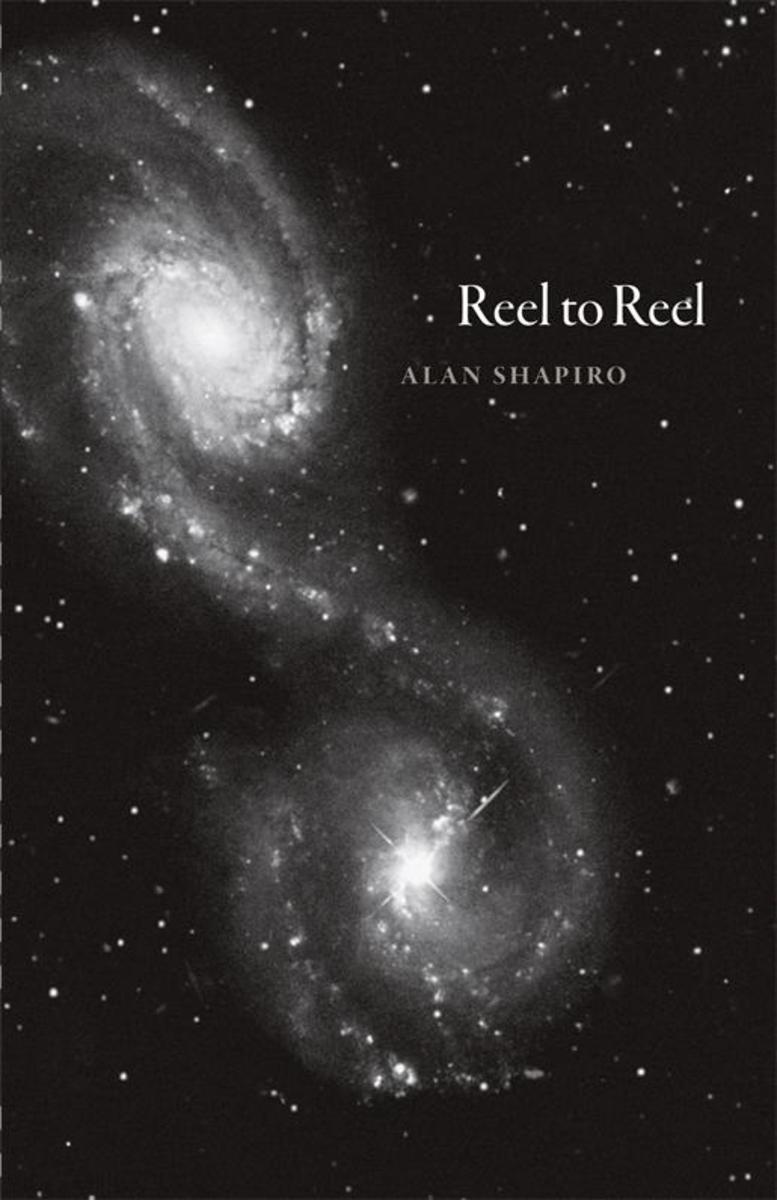
Reel to Reel
¥147.15
Reel to Reel, Alan Shapiro's twelfth collection of poetry, moves outward from the intimate spaces of family and romantic life to embrace not only the human realm of politics and culture but also the natural world, and even the outer spaces of the cosmos itself. In language richly nuanced yet accessible, these poems inhabit and explore fundamental questions of existence, such as time, mortality, consciousness, and matter. How did we get hereWhy is there something rather than nothingHow do we live fully and lovingly as conscious creatures in an unconscious universe with no ultimate purpose or destination beyond returning to the abyss that spawned usShapiro brings his humor, imaginative intensity, characteristic syntactical energy, and generous heart to bear on these ultimate mysteries. In ways few poets have done, he writes from a premodern, primal sense of wonder about our postmodern world.
Anyone
¥147.15
Milton's GodWhere I-95 meets The Pike,a ponderous thunderhead flowered-?stewed a minute, then flippedlike a flash card, tatterededges crinkling in, linings so darkwith excessive bright?that, standing, waiting, at the overpass edge,the onlooker couldn't decide?until the end, or even then,what was revealed and what had been hidden.Using a variety of forms and achieving a range of musical effects, Nate Klug's Anyone traces the unraveling of astonishment upon small scenes-natural and domestic, political and religious-across America's East and Midwest. The book's title foregrounds the anonymity it seeks through several means: first, through close observation (a concrete saw, a goshawk, a bicyclist); and, second, via translation (satires from Horace and Catullus, and excerpts from Virgil's Aeneid). Uniquely among contemporary poetry volumes, Anyone demonstrates fluency in the paradoxes of a religious existence: "e;To stand sometime / outside my faith . . . or keep waiting / to be claimed in it."e; Engaged with theology and the classics but never abstruse, all the while the poems remain grounded in the phenomenal, physical world of "e;what it is to feel: /moods, half moods, / swarming, then darting loose."e;
Disorder
¥147.15
MidsummerCambridge, MA, 2008?Midsummer. Finally, you are used to disappointment.A baby touches phlox. Many failures, many botched attempts,?A little success in unexpected forms. This is how the rest will go:The gravel raked, bricks ashen, bees fattened-honey not for babes.?All at once, a rustling, whole trees in shudder, clouds pulledWestward. You are neither here nor there, neither right nor?Wrong. The world is indifferent, tired of your insistence.Garter snakes swallow frogs. The earthworms coil.?On your fingers, the residue of red pistils. What have you made?What have you kept aliveGreen, a secret, occult,?Grass veining the hands. Someone's baby toddling.And the phlox white. For now. Midsummer.A remarkable first book, Disorder tells the story, by turns poignant and outrageous, of a family's dislocation over four continents during the course of a hundred years. In short lyrics and longer narrative poems, Vanesha Pravin takes readers on a kaleidoscopic trek, from Bombay to Uganda, from England to Massachusetts and North Carolina, tracing the path of familial love, obsession, and the passage of time as filtered through the perceptions of family members and a host of supporting characters, including ubiquitous paparazzi, amorous vicars, and a dubious polygamist. We experience throughout a speaker forged by a deep awareness of intergenerational, multicontinental consciousness. At once global and personal, crossing ethnic, linguistic, and national boundaries in ways that few books of poetry do, Disorder bristles with quiet authority backed by a skeptical intelligence.
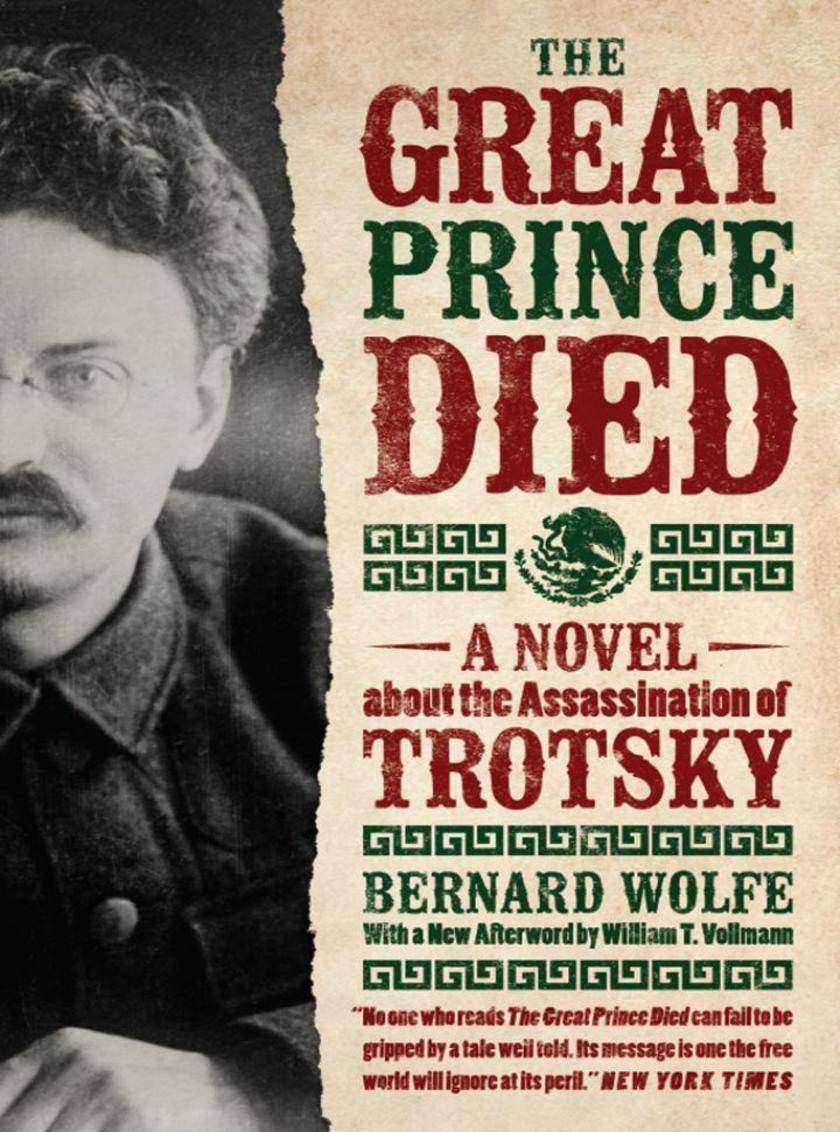
Great Prince Died
¥147.15
On August 20, 1940, Marxist philosopher, politician, and revolutionary Leon Trotsky was attacked with an ice axe in his home in Coyoacan, Mexico. He died the next day.In The Great Prince Died, Bernard Wolfe offers his lyrical, fictionalized account of Trotsky's assassination as witnessed through the eyes of an array of characters: the young American student helping to translate the exiled Trotsky's work (and to guard him), the Mexican police chief, a Rumanian revolutionary, the assassin and his handlers, a poor Mexican "e;pen,"e; and Trotsky himself. Drawing on his own experiences working as the exiled Trotsky's secretary and bodyguard and mixing in digressions on Mexican culture, Stalinist tactics, and Bolshevik history, Wolfe interweaves fantasy and fact, delusion and journalistic reporting to create one of the great political novels of the past century.
After Preservation
¥147.15
From John Muir to David Brower, from the creation of Yellowstone National Park to the Endangered Species Act, environmentalism in America has always had close to its core a preservationist ideal. Generations have been inspired by its ethos-to encircle nature with our protection, to keep it apart, pristine, walled against the march of human development. But we have to face the facts. Accelerating climate change, rapid urbanization, agricultural and industrial devastation, metastasizing fire regimes, and other quickening anthropogenic forces all attest to the same truth: the earth is now spinning through the age of humans. After Preservation takes stock of the ways we have tried to both preserve and exploit nature to ask a direct but profound question: what is the role of preservationism in an era of seemingly unstoppable human development, in what some have called the AnthropoceneBen A. Minteer and Stephen J. Pyne bring together a stunning consortium of voices comprised of renowned scientists, historians, philosophers, environmental writers, activists, policy makers, and land managers to negotiate the incredible challenges that environmentalism faces. Some call for a new, post-preservationist model, one that is far more pragmatic, interventionist, and human-centered. Others push forcefully back, arguing for a more chastened and restrained vision of human action on the earth. Some try to establish a middle ground, while others ruminate more deeply on the meaning and value of wilderness. Some write on species lost, others on species saved, and yet others discuss the enduring practical challenges of managing our land, water, and air.From spirited optimism to careful prudence to critical skepticism, the resulting range of approaches offers an inspiring contribution to the landscape of modern environmentalism, one driven by serious, sustained engagements with the critical problems we must solve if we-and the wild garden we may now keep-are going to survive the era we have ushered in. ?Contributors include: Chelsea K. Batavia, F. Stuart (Terry) Chapin III, Norman L. Christensen, Jamie Rappaport Clark, William Wallace Covington, Erle C. Ellis, Mark Fiege, Dave Foreman, Harry W. Greene, Emma Marris, Michelle Marvier, Bill McKibben, J. R. McNeill, Curt Meine, Ben A. Minteer, Michael Paul Nelson, Bryan Norton, Stephen J. Pyne, Andrew C. Revkin, Holmes Rolston III, Amy Seidl, Jack Ward Thomas, Diane J. Vosick, John A. Vucetich, Hazel , and Donald Worster.?


