


 购物车
购物车 个人中心
个人中心
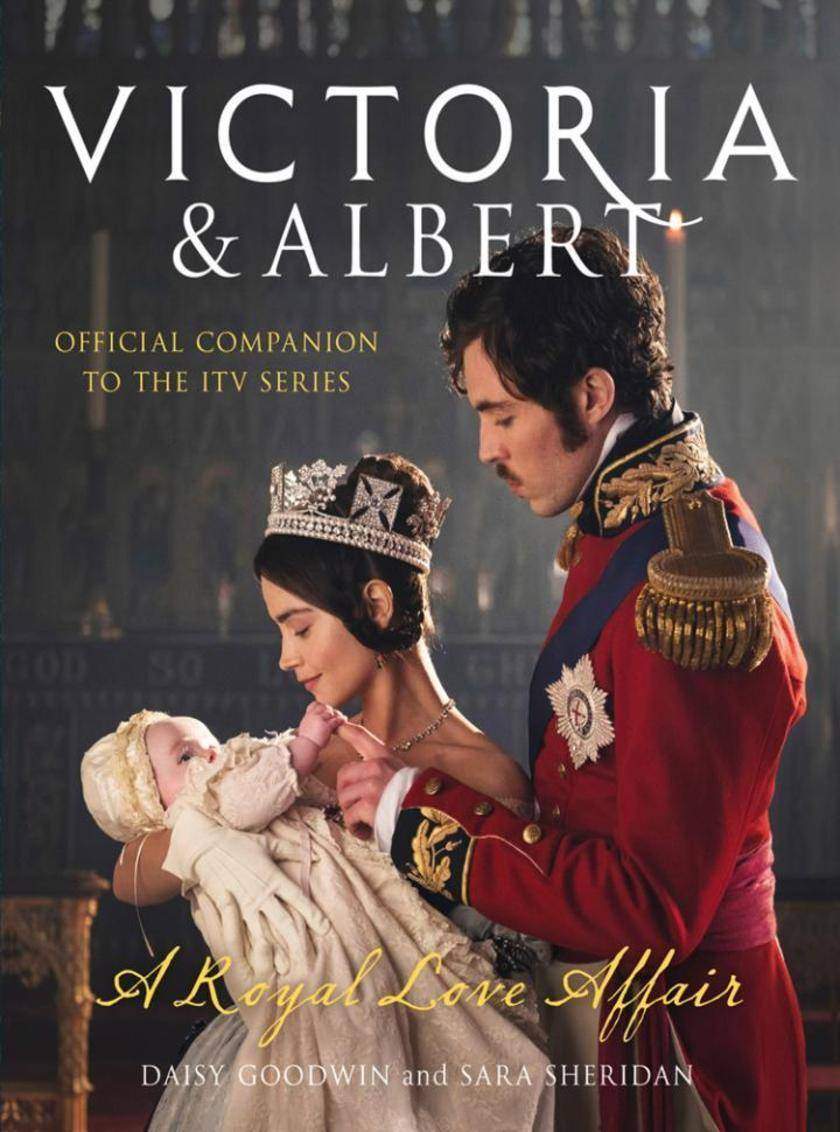
Victoria and Albert - A Royal Love Affair: Official companion to the ITV series
¥147.35
The second tie-in to ITV drama Victoria unveils the complex, passionate relationship of Victoria and Albert. What happened after the Queen married her handsome prince? Did they live happily ever after, or did their marriage, like so many royal marriages past and present fizzle into a loveless bond of duty? Victoria and Albert were the royal couple that broke the mould – it may have been an arranged match, yet their union was a passionate, tempestuous relationship between two extremely strong-willed individuals. Despite the fact that they were first cousins they could not have been more different people – she was impulsive, emotional, capricious, while he was cautious, self-controlled, and logical. But together they became the most successful royal couple there had ever been, and this book reveals the private and the public face of Victoria and Albert’s marriage. Using their letters and diaries, Victoria and Albert charts the constant ebb and flow of power between the couple, and presents a picture of a very modern marriage. This companion book, full of rich historical detail, takes fans deeper into that period than ever before. Discover the inner workings behind the scenes, with profiles of all the major characters, interviews with the actors and fascinating, in-depth information on the production, the costumes and the props.
Unmasked
¥147.35
“You have the luck of Croesus on stilts (as my Auntie Vi would have said) if you’ve had the sort of career, ups and downs, warts and all that I have in that wondrous little corner of show business called musical theatre.” One of the most successful and distinguished artists of our time, Andrew Lloyd Webber has reigned over the musical theatre world for nearly five decades. The winner of numerous awards, including multiple Tonys and an Oscar, Lloyd Webber has enchanted millions worldwide with his music and numerous hit shows, including Jesus Christ Superstar, Evita, Cats, The Phantom of the Opera―Broadway’s longest running show―and most recently, School of Rock. In Unmasked, written in his own inimitable, quirky voice, the revered, award-winning composer takes stock of his achievements, the twists of fate and circumstance which brought him both success and disappointment, and the passions that inspire and sustain him. The son of a music professor and a piano teacher, Lloyd Webber reveals his artistic influences, from his idols Rodgers and Hammerstein and the perfection of South Pacific’s ‘Some Enchanted Evening,’ to the pop and rock music of the 1960s and Puccini’s Tosca, to P. G. Wodehouse and T. S. Eliot. Lloyd Webber recalls his bohemian London youth, reminiscing about the happiest place of his childhood, his homemade Harrington Pavilion―a make-believe world of musical theatre in which he created his earliest entertainments. A record of several exciting and turbulent decades of British and American musical theatre and the transformation of popular music itself, Unmasked is ultimately a chronicle of artistic creation. Lloyd Webber looks back at the development of some of his most famous works and illuminates his collaborations with luminaries such as Tim Rice, Robert Stigwood, Harold Prince, Cameron Mackintosh, and Trevor Nunn. Taking us behind the scenes of his productions, Lloyd Webber reveals fascinating details about each show, including the rich cast of characters involved with making them, and the creative and logistical challenges and artistic political battles that ensued. Lloyd Webber shares his recollections of the works that have become cultural touchstones for generations of fans: writings songs for a school production that would become his first hit, Joseph and the Amazing Technicolor Dreamcoat; finding the coterie of performers for his classic rock opera Jesus Christ Superstar; developing his first mega-hit, Evita, which would win seven Tonys Awards, including Best Musical; staking his reputation and fortune on the groundbreaking Cats; and making history with the dazzling The Phantom of the Opera. Reflecting a life that included many passions (from architecture to Turkish Swimming Cats), full of witty and revealing anecdotes, and featuring cameo appearances by numerous celebrities―Elaine Paige, Sarah Brightman, David Frost, Julie Covington, Judi Dench, Richard Branson, A.R. Rahman, Mandy Patinkin, Patti LuPone, Richard Rodgers, Norman Jewison, Milos Forman, Plácido Domingo, Barbra Streisand, Michael Crawford, Gillian Lynne, Betty Buckley, and more―Unmasked at last reveals the true face of the extraordinary man beneath the storied legend.

Anything You Can Imagine: Peter Jackson and the Making of Middle-earth
¥147.35
The definitive history of Peter Jackson’s Middle-earth saga, Anything You Can Imagine takes us on a cinematic journey across all six films, featuring brand-new interviews with Peter, his cast & crew. From the early days of daring to dream it could be done, through the highs and lows of making the films, to fan adoration and, finally, Oscar glory. Lights A nine-year-old boy in New Zealand’s Pukerua Bay stays up late and is spellbound by a sixty-year-old vision of a giant ape on an island full of dinosaurs. This is true magic. And the boy knows that he wants to be a magician. Camera Fast-forward twenty years and the boy has begun to cast a spell over the film-going audience, conjuring gore-splattered romps with bravura skill that will lead to Academy recognition with an Oscar nomination for Heavenly Creatures. The boy from Pukerua Bay with monsters reflected in his eyes has arrived, and Hollywood comes calling. What would he like to do next? ‘How about a fantasy film, something like The Lord of the Rings…?’ Action The greatest work of fantasy in modern literature, and the biggest, with rights ownership so complex it will baffle a wizard. Vast. Complex. Unfilmable. One does not simply walk into Mordor – unless you are Peter Jackson. Anything You Can Imagine tells the full, dramatic story of how Jackson and his trusty fellowship of Kiwi filmmakers dared take on a quest every bit as daunting as Frodo’s, and transformed JRR Tolkien’s epic tale of adventure into cinematic magic, and then did it again with The Hobbit. Enriched with brand-new interviews with Jackson, his fellow filmmakers and many of the films’ stars, Ian Nathan’s mesmerising narrative whisks us to Middle-earth, to gaze over the shoulder of the director as he creates the impossible, the unforgettable, and proves that film-making really is ‘anything you can imagine’.
You’ll Miss Me When I’m Gone: The life and work of Eric Morecambe
¥147.35
To mark the 25th anniversary of Eric Morecambe’s death, You’ll Miss Me When I’m Gone is the first book to cover Eric’s whole life and untimely death, including unseen family photographs and new insights by Eric’s son Gary Morecambe. Published in the 25th anniversary year of Eric Morecambe’s death, You’ll Miss Me When I’m Gone is a celebration of Eric Morecambe’s life in words and previously unseen personal family photographs. Eric Morecambe and Ernie Wise are to this day still regarded as Britain’s most successful and best loved comedy duo, and their television shows from the 1970’s and 80’s are undoubtedly their finest work. For the first time, Eric Morecambe’s whole life, from his earliest days in his home-town of Morecambe right up to his death in Gloucestershire in 1984 are appraised by his son Gary. Included are photographs not seen by the family until recently – poignantly one of Eric at a friend’s wedding the day before he would collapse and die on stage. As the final and definitive book on Eric Morecambe,You’ll Miss Me features interviews with those who knew and loved Eric, including his wife Joan, Ronnie Corbett, Hamish McColl who wrote and starred in The Play What I Wrote and a foreword by Judi Dench. ’You’ll miss me when I’m gone’ was Eric’s oft repeated plaintive remark when he’d been annoying the Morecambe family with his gags.The irony is that, 25 years after his death, the viewing nation still misses Eric Morecambe.

Scientific Babel
¥147.15
English is the language of science today. No matter which languages you know, if you want your work seen, studied, and cited, you need to publish in English. But that hasn't always been the case. Though there was a time when Latin dominated the field, for centuries science has been a polyglot enterprise, conducted in a number of languages whose importance waxed and waned over time-until the rise of English in the twentieth century.?So how did we get from there to hereHow did French, German, Latin, Russian, and even Esperanto give way to EnglishAnd what can we reconstruct of the experience of doing science in the polyglot pastWith Scientific Babel, Michael D. Gordin resurrects that lost world, in part through an ingenious mechanism: the pages of his highly readable narrative account teem with footnotes-not offering background information, but presenting quoted material in its original language. The result is stunning: as we read about the rise and fall of languages, driven by politics, war, economics, and institutions, we actually see it happen in the ever-changing web of multilingual examples. The history of science, and of English as its dominant language, comes to life, and brings with it a new understanding not only of the frictions generated by a scientific community that spoke in many often mutually unintelligible voices, but also of the possibilities of the polyglot, and the losses that the dominance of English entails.?Few historians of science write as well as Gordin, and Scientific Babel reveals his incredible command of the literature, language, and intellectual essence of science past and present. No reader who takes this linguistic journey with him will be disappointed.
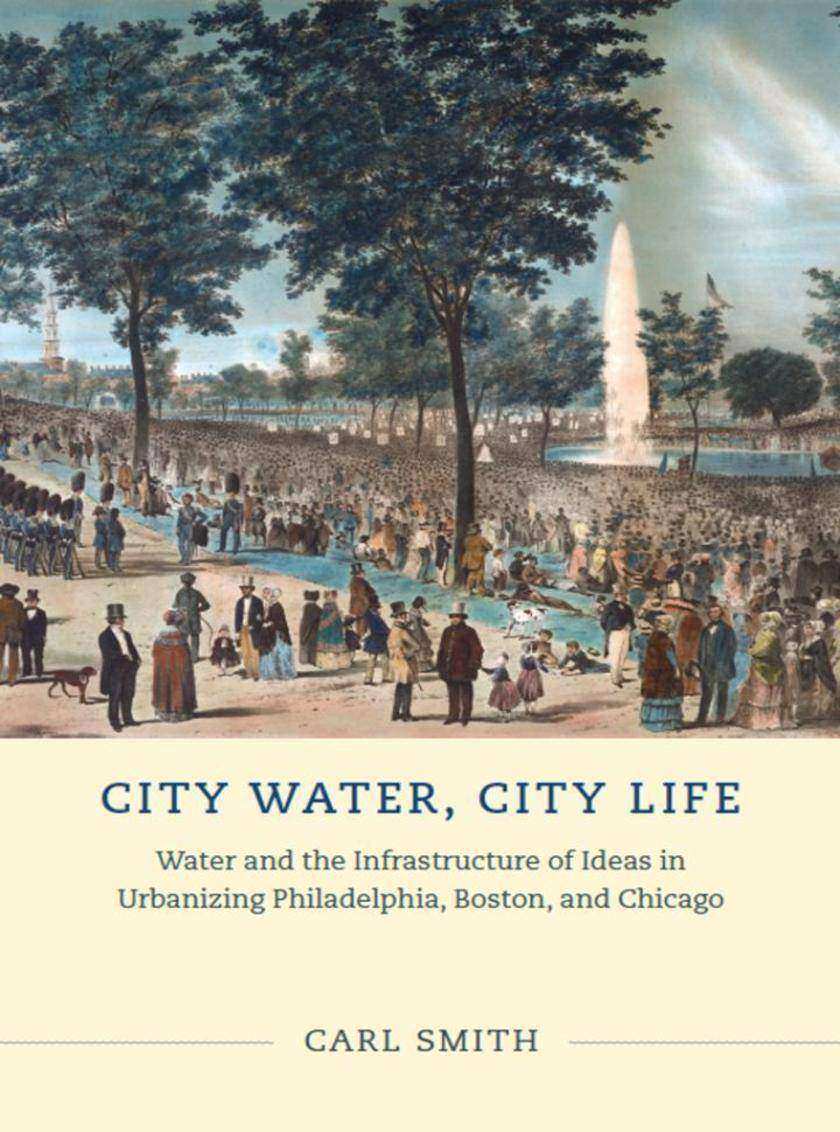
City Water, City Life
¥147.15
A city is more than a massing of citizens, a layout of buildings and streets, or an arrangement of political, economic, and social institutions. It is also an infrastructure of ideas that are a support for the beliefs, values, and aspirations of the people who created the city. In City Water, City Life, celebrated historian Carl Smith explores this concept through an insightful examination of the development of the first successful waterworks systems in Philadelphia, Boston, and Chicago between the 1790s and the 1860s. By examining the place of water in the nineteenth-century consciousness, Smith illuminates how city dwellers perceived themselves during the great age of American urbanization.?But City Water, City Life is more than a history of urbanization.?It is also a refreshing meditation on water as a necessity, as a resource for commerce and industry, and as an essential-and central-part of how we define our civilization.
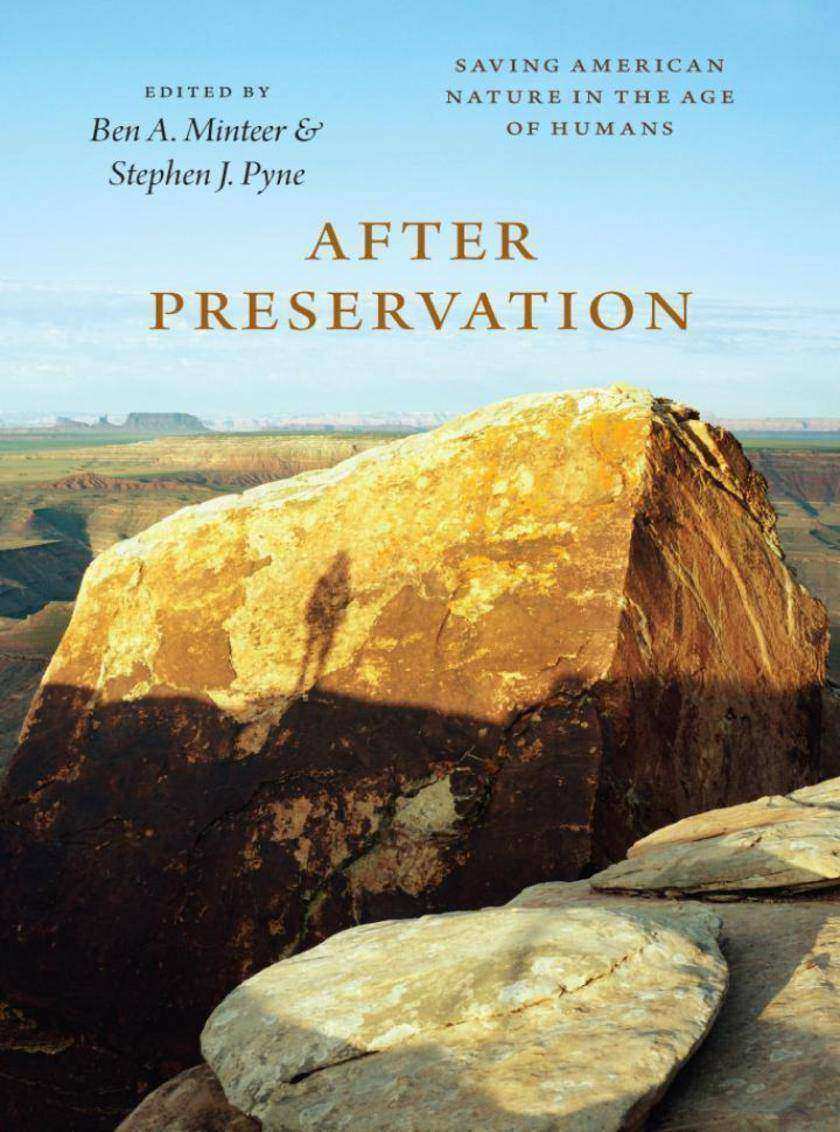
After Preservation
¥147.15
From John Muir to David Brower, from the creation of Yellowstone National Park to the Endangered Species Act, environmentalism in America has always had close to its core a preservationist ideal. Generations have been inspired by its ethos-to encircle nature with our protection, to keep it apart, pristine, walled against the march of human development. But we have to face the facts. Accelerating climate change, rapid urbanization, agricultural and industrial devastation, metastasizing fire regimes, and other quickening anthropogenic forces all attest to the same truth: the earth is now spinning through the age of humans. After Preservation takes stock of the ways we have tried to both preserve and exploit nature to ask a direct but profound question: what is the role of preservationism in an era of seemingly unstoppable human development, in what some have called the AnthropoceneBen A. Minteer and Stephen J. Pyne bring together a stunning consortium of voices comprised of renowned scientists, historians, philosophers, environmental writers, activists, policy makers, and land managers to negotiate the incredible challenges that environmentalism faces. Some call for a new, post-preservationist model, one that is far more pragmatic, interventionist, and human-centered. Others push forcefully back, arguing for a more chastened and restrained vision of human action on the earth. Some try to establish a middle ground, while others ruminate more deeply on the meaning and value of wilderness. Some write on species lost, others on species saved, and yet others discuss the enduring practical challenges of managing our land, water, and air.From spirited optimism to careful prudence to critical skepticism, the resulting range of approaches offers an inspiring contribution to the landscape of modern environmentalism, one driven by serious, sustained engagements with the critical problems we must solve if we-and the wild garden we may now keep-are going to survive the era we have ushered in. ?Contributors include: Chelsea K. Batavia, F. Stuart (Terry) Chapin III, Norman L. Christensen, Jamie Rappaport Clark, William Wallace Covington, Erle C. Ellis, Mark Fiege, Dave Foreman, Harry W. Greene, Emma Marris, Michelle Marvier, Bill McKibben, J. R. McNeill, Curt Meine, Ben A. Minteer, Michael Paul Nelson, Bryan Norton, Stephen J. Pyne, Andrew C. Revkin, Holmes Rolston III, Amy Seidl, Jack Ward Thomas, Diane J. Vosick, John A. Vucetich, Hazel , and Donald Worster.?
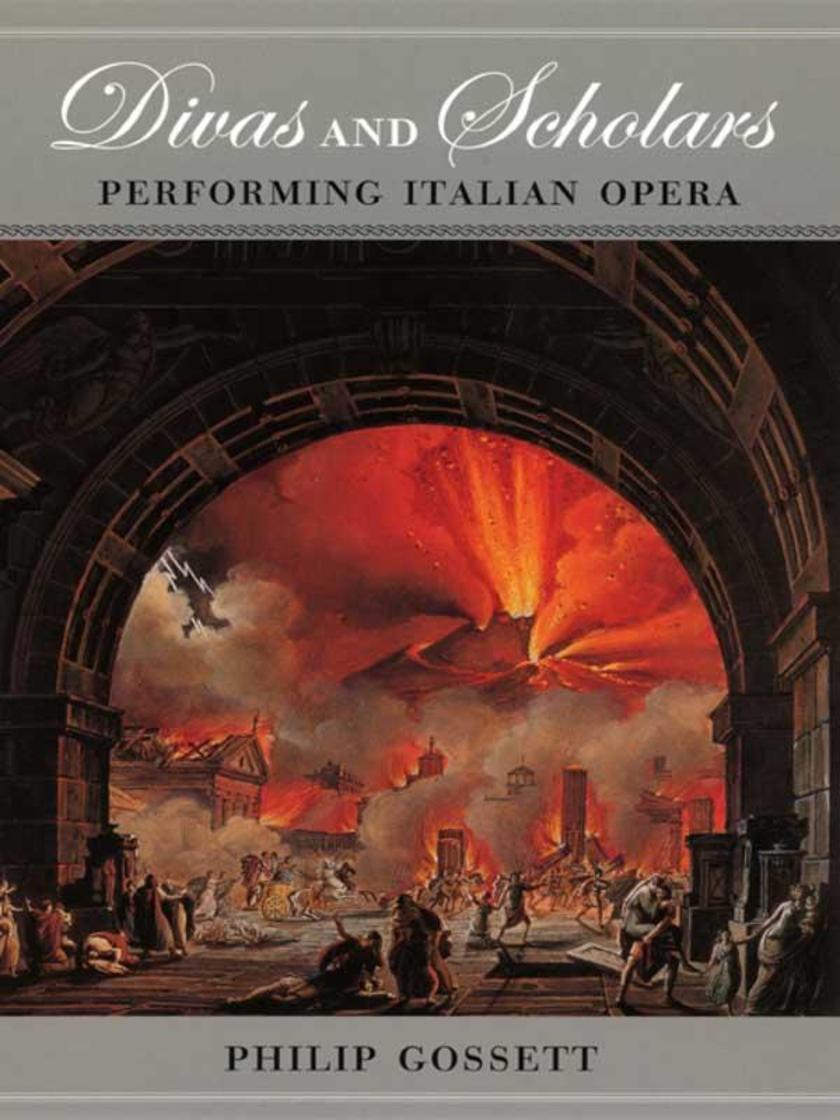
Divas and Scholars
¥147.15
Winner of the 2007 Otto Kinkeldey Award from the American Musicological Society and the 2007 Deems Taylor Award from the American Society of Composers, Authors, and Publishers.Divas and Scholars is a dazzling and beguiling account of how opera comes to the stage, filled with Philip Gossett's personal experiences of triumphant-and even failed-performances and suffused with his towering and tonic passion for music. Writing as a fan, a musician, and a scholar, Gossett, the world's?leading authority on the performance of Italian opera, brings colorfully to life the problems, and occasionally the scandals, that attend the production of some of our most favorite operas.?Gossett begins by tracing the social history of nineteenth-century Italian theaters in order to explain the nature of the musical scores from which performers have long worked. He then illuminates the often hidden but crucial negotiations opera scholars and opera conductors and performers: What does it mean to talk about performing from a critical editionHow does one determine what music to perform when multiple versions of an opera existWhat are the implications of omitting passages from an opera in a performanceIn addition to vexing questions such as these, Gossett also tackles issues of ornamentation and transposition in vocal style, the matters of translation and adaptation, and even aspects of stage direction and set design.?Throughout this extensive and passionate work, Gossett enlivens his history with reports from his own experiences with major opera companies at venues ranging from the Metropolitan and Santa Fe operas to the Rossini Opera Festival at Pesaro. The result is a book that will enthrall both aficionados of Italian opera and newcomers seeking a reliable introduction to it-in all its incomparable grandeur and timeless allure.?
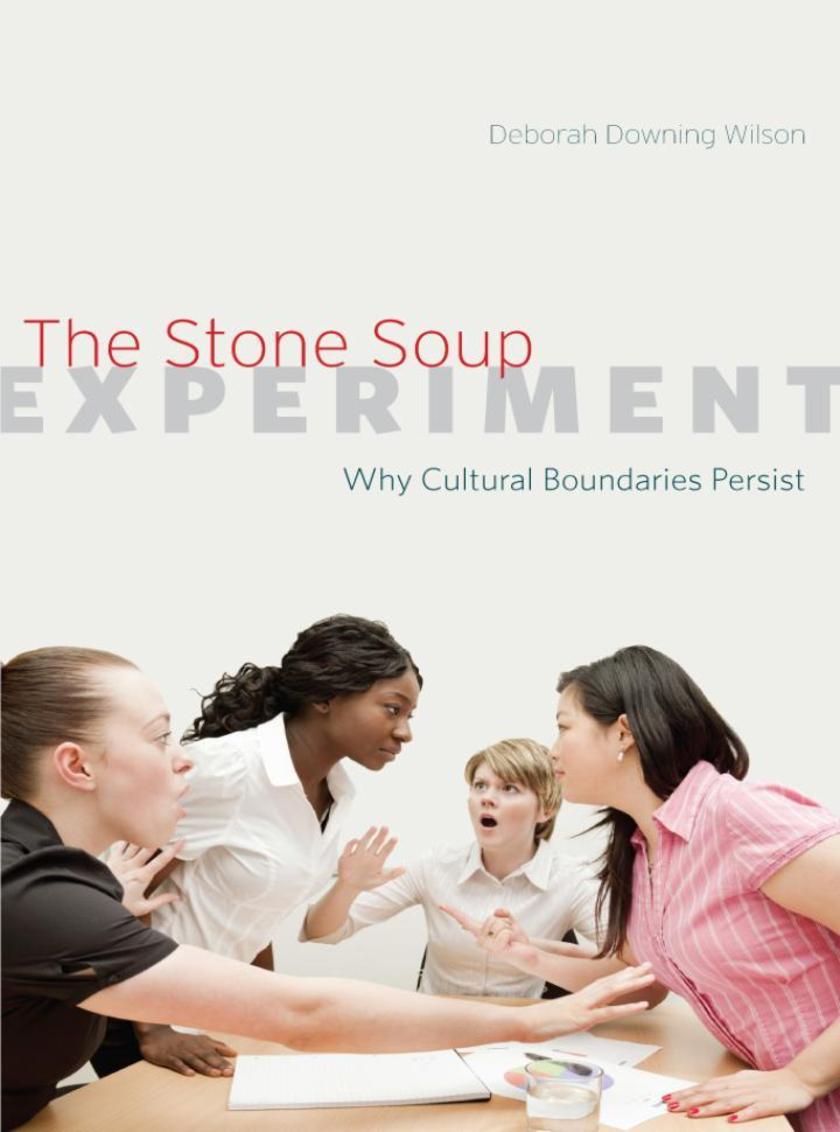
Stone Soup Experiment
¥147.15
The Stone Soup Experiment is a remarkable story of cultural difference, of in-groups, out-groups, and how quickly and strongly the lines between them are drawn. It is also a story about simulation and reality, and how quickly the lines between them can be dismantled.?In a compulsively readable account, Deborah Downing Wilson details a ten-week project in which forty university students were split into two different simulated cultures: the carefree Stoners, and the market-driven Traders. Through their eyes we are granted intimate access to the very foundations of human society: how group identities are formed and what happens when opposing ones come into contact.?The experience of the Stoners and Traders is a profound testament to human sociality. Even in the form of simulation, even as a game, the participants found themselves quickly-and with real conviction-bound to the ideologies and practices of their in-group. The Stoners enjoyed their days lounging, chatting, and making crafts, while the Traders-through a complex market of playing cards-competed for the highest bankrolls. When they came into contact, misunderstanding, competition, and even manipulation prevailed, to the point that each group became so convinced of its own superiority that even after the simulation's end the students could not reconcile. Throughout her riveting narrative, Downing Wilson interweaves fascinating discussions on the importance of play, emotions, and intergroup interaction in the formation and maintenance of group identities, as well as on the dynamic social processes at work when different cultural groups interact. A fascinating account of social experimentation, the book paints a vivid portrait of our deepest social tendencies and the powers they have over how we make friends and enemies alike.?
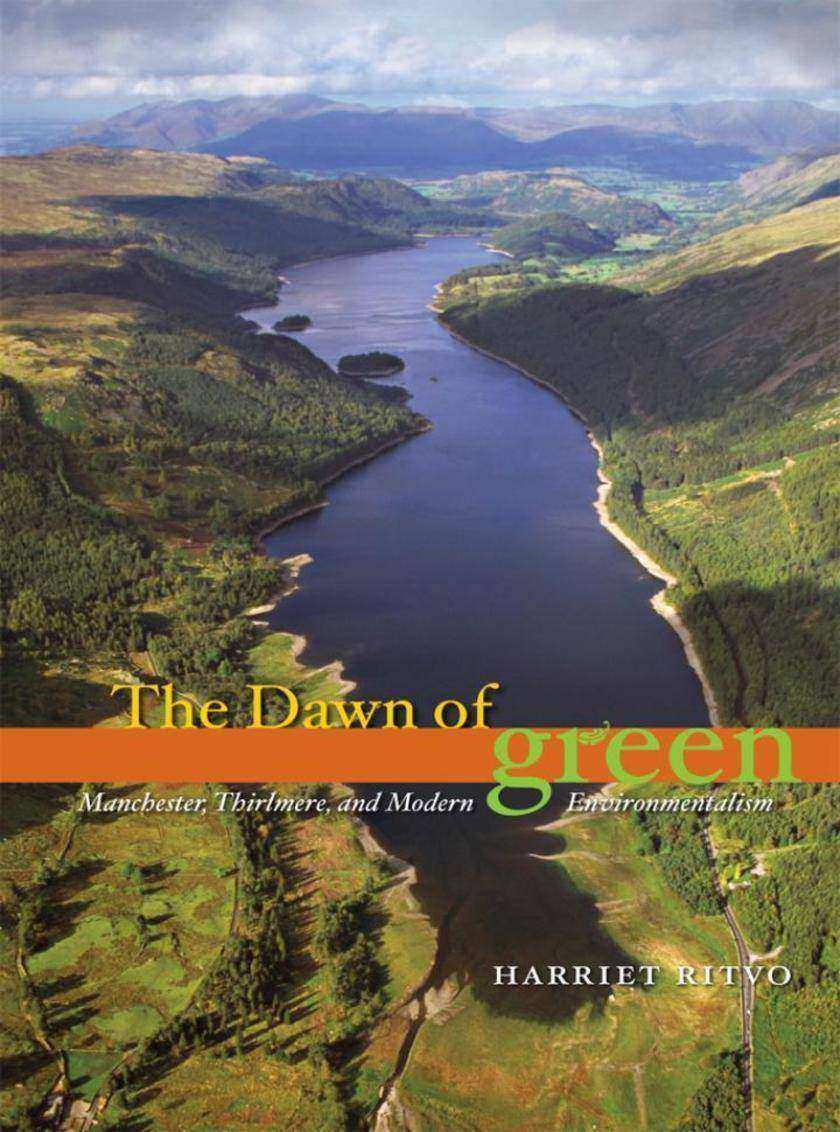
Dawn of Green
¥147.15
Located in the heart of England's Lake District, the placid waters of Thirlmere seem to be the embodiment of pastoral beauty. But under their calm surface lurks the legacy of a nineteenth-century conflict that pitted industrial progress against natural conservation-and helped launch the environmental movement as we know it. Purchased by the city of Manchester in the 1870s, Thirlmere was dammed and converted into a reservoir, its water piped one hundred miles south to the burgeoning industrial city and its workforce. This feat of civil engineering-and of natural resource diversion-inspired one of the first environmental struggles of modern times. The Dawn of Green re-creates the battle for Thirlmere and the clashes between conservationists who wished to preserve the lake and developers eager to supply the needs of a growing urban population. Bringing to vivid life the colorful and strong-minded characters who populated both sides of the debate, noted historian Harriet Ritvo revisits notions of the natural promulgated by romantic poets, recreationists, resource managers, and industrial developers to establish Thirlmere as the template for subsequent-and continuing-environmental struggles.
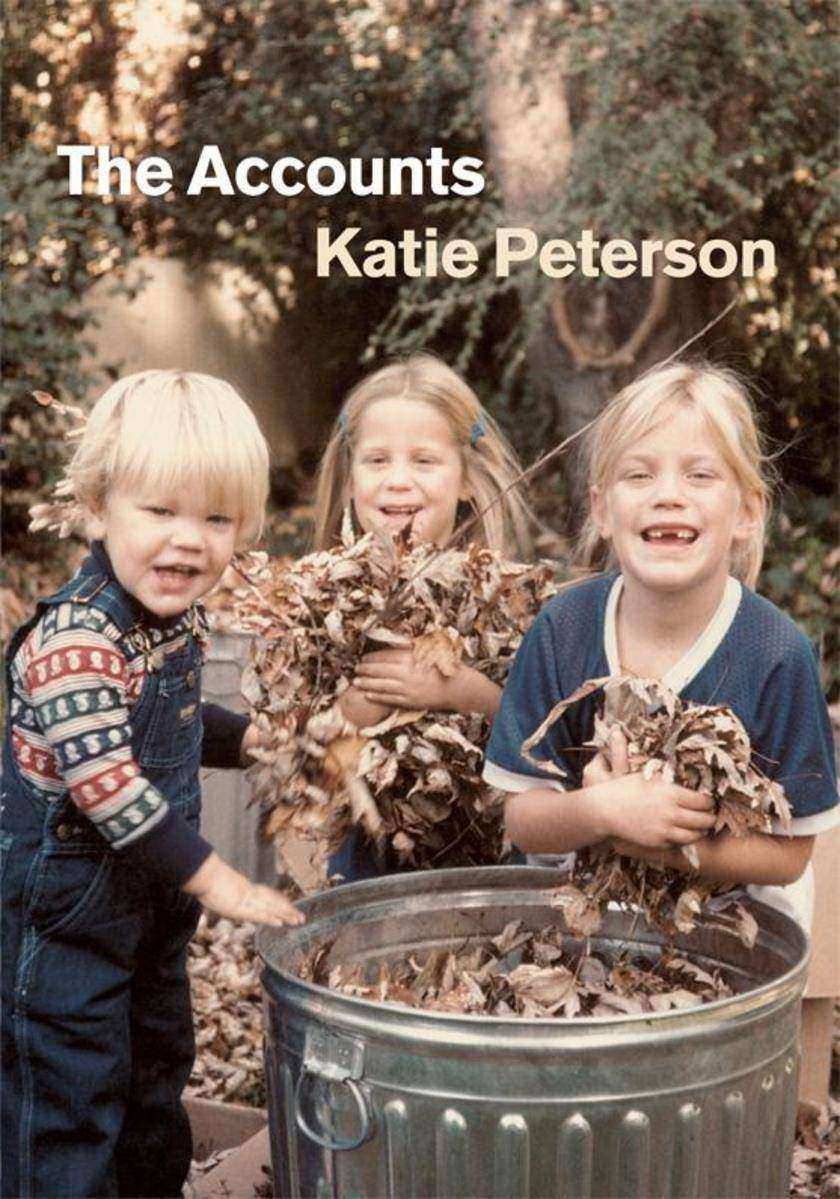
Accounts
¥147.15
The death of a mother alters forever a family's story of itself. Indeed, it taxes the ability of a family to tell that story at all. The Accounts narrates the struggle to speak with any clear understanding in the wake of that loss. The title poem attempts three explanations of the departure of a life from the earth-a physical account, a psychological account, and a spiritual account. It is embedded in a long narrative sequence that tries to state plainly the facts of the last days of the mother's life, in a room that formerly housed a television, next to a California backyard. The visual focus of that sequence, a robin's nest, poised above the family home, sings in a kind of lament, giving its own version of ways we can see the transformation of the dying into the dead. In other poems, called "e;Arguments,"e; two voices exchange uncertain truths about subjects as high as heaven and as low as crime. Grief is a problem that cannot be solved by thinking, but that doesn't stop the mind, which relentlessly carries on, trying in vain to settle its accounts. The death of a well-loved person creates a debt that can never be repaid. It reminds the living of our own psychological debts to each other, and to the dead. In this sense, the death of this particular mother and the transformation of this particular family are evocative of a greater struggle against any changing reality, and the loss of all beautiful and passing forms of order.

El Dorado
¥147.15
In El Dorado, Peter Campion explores what it feels like to live in America right now, at the beginning of the twenty-first century. Splicing cell-phone chatter with translations of ancient poems, jump-cutting from traditional to invented forms, and turning his high-res lens on everything from box stores to trout streams to airport lounges, Campion renders both personal and collective experience with capacious and subtle skill.
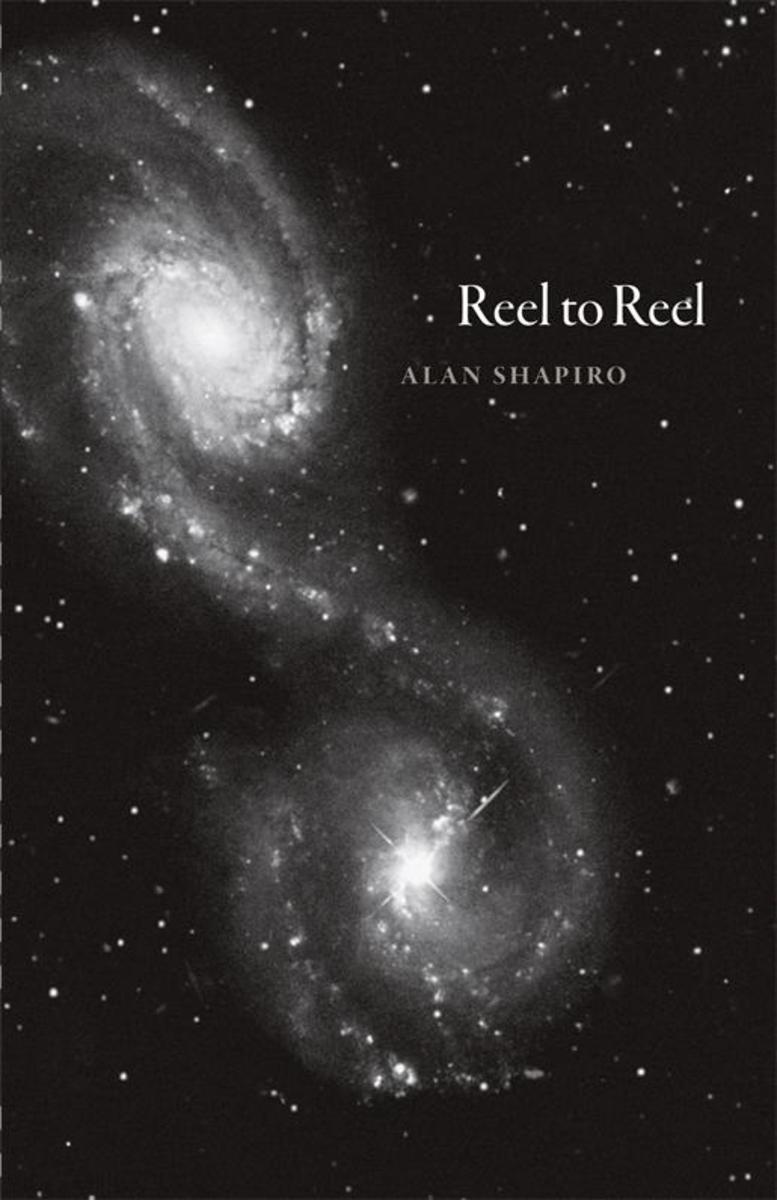
Reel to Reel
¥147.15
Reel to Reel, Alan Shapiro's twelfth collection of poetry, moves outward from the intimate spaces of family and romantic life to embrace not only the human realm of politics and culture but also the natural world, and even the outer spaces of the cosmos itself. In language richly nuanced yet accessible, these poems inhabit and explore fundamental questions of existence, such as time, mortality, consciousness, and matter. How did we get hereWhy is there something rather than nothingHow do we live fully and lovingly as conscious creatures in an unconscious universe with no ultimate purpose or destination beyond returning to the abyss that spawned usShapiro brings his humor, imaginative intensity, characteristic syntactical energy, and generous heart to bear on these ultimate mysteries. In ways few poets have done, he writes from a premodern, primal sense of wonder about our postmodern world.
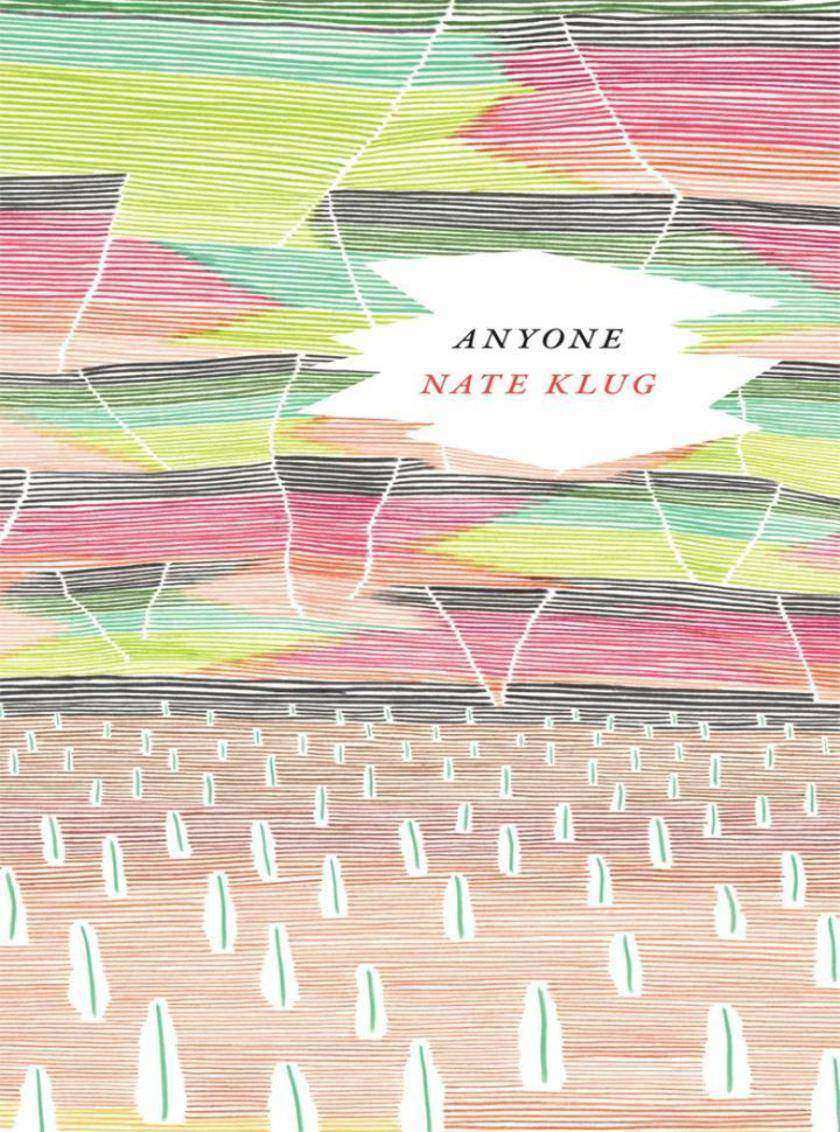
Anyone
¥147.15
Milton's GodWhere I-95 meets The Pike,a ponderous thunderhead flowered-?stewed a minute, then flippedlike a flash card, tatterededges crinkling in, linings so darkwith excessive bright?that, standing, waiting, at the overpass edge,the onlooker couldn't decide?until the end, or even then,what was revealed and what had been hidden.Using a variety of forms and achieving a range of musical effects, Nate Klug's Anyone traces the unraveling of astonishment upon small scenes-natural and domestic, political and religious-across America's East and Midwest. The book's title foregrounds the anonymity it seeks through several means: first, through close observation (a concrete saw, a goshawk, a bicyclist); and, second, via translation (satires from Horace and Catullus, and excerpts from Virgil's Aeneid). Uniquely among contemporary poetry volumes, Anyone demonstrates fluency in the paradoxes of a religious existence: "e;To stand sometime / outside my faith . . . or keep waiting / to be claimed in it."e; Engaged with theology and the classics but never abstruse, all the while the poems remain grounded in the phenomenal, physical world of "e;what it is to feel: /moods, half moods, / swarming, then darting loose."e;
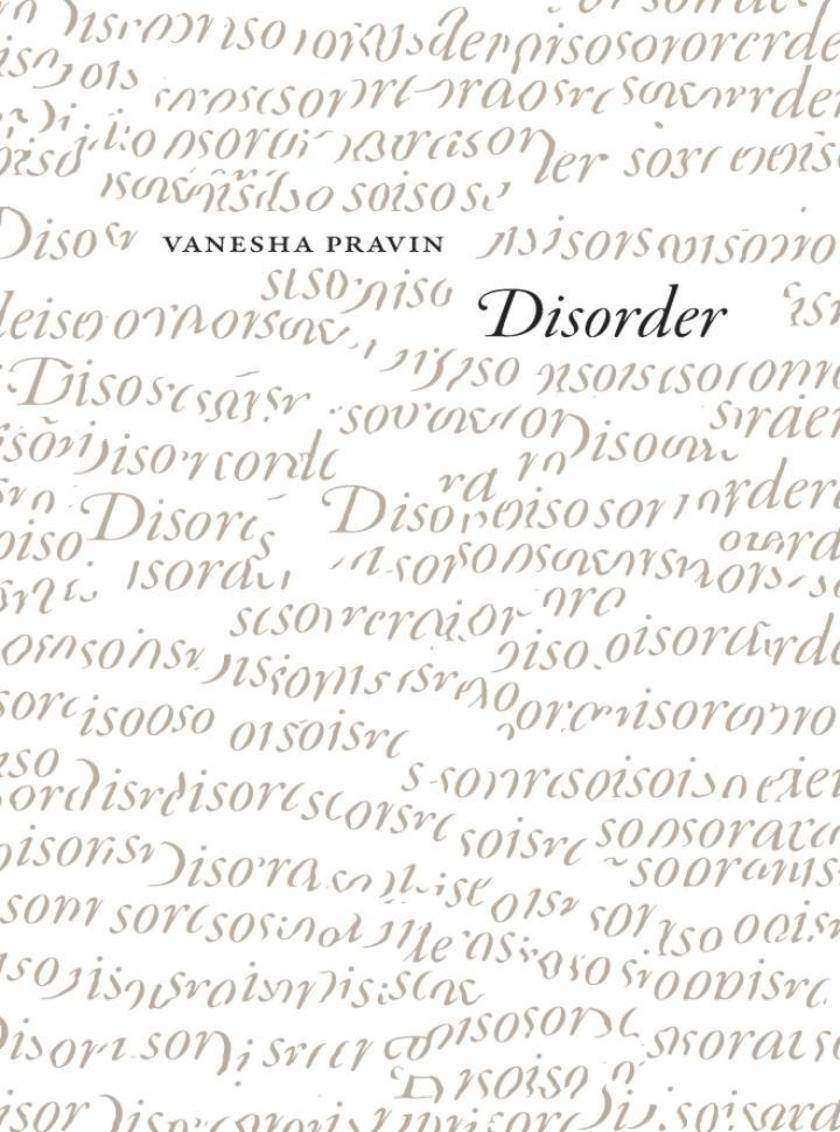
Disorder
¥147.15
MidsummerCambridge, MA, 2008?Midsummer. Finally, you are used to disappointment.A baby touches phlox. Many failures, many botched attempts,?A little success in unexpected forms. This is how the rest will go:The gravel raked, bricks ashen, bees fattened-honey not for babes.?All at once, a rustling, whole trees in shudder, clouds pulledWestward. You are neither here nor there, neither right nor?Wrong. The world is indifferent, tired of your insistence.Garter snakes swallow frogs. The earthworms coil.?On your fingers, the residue of red pistils. What have you made?What have you kept aliveGreen, a secret, occult,?Grass veining the hands. Someone's baby toddling.And the phlox white. For now. Midsummer.A remarkable first book, Disorder tells the story, by turns poignant and outrageous, of a family's dislocation over four continents during the course of a hundred years. In short lyrics and longer narrative poems, Vanesha Pravin takes readers on a kaleidoscopic trek, from Bombay to Uganda, from England to Massachusetts and North Carolina, tracing the path of familial love, obsession, and the passage of time as filtered through the perceptions of family members and a host of supporting characters, including ubiquitous paparazzi, amorous vicars, and a dubious polygamist. We experience throughout a speaker forged by a deep awareness of intergenerational, multicontinental consciousness. At once global and personal, crossing ethnic, linguistic, and national boundaries in ways that few books of poetry do, Disorder bristles with quiet authority backed by a skeptical intelligence.
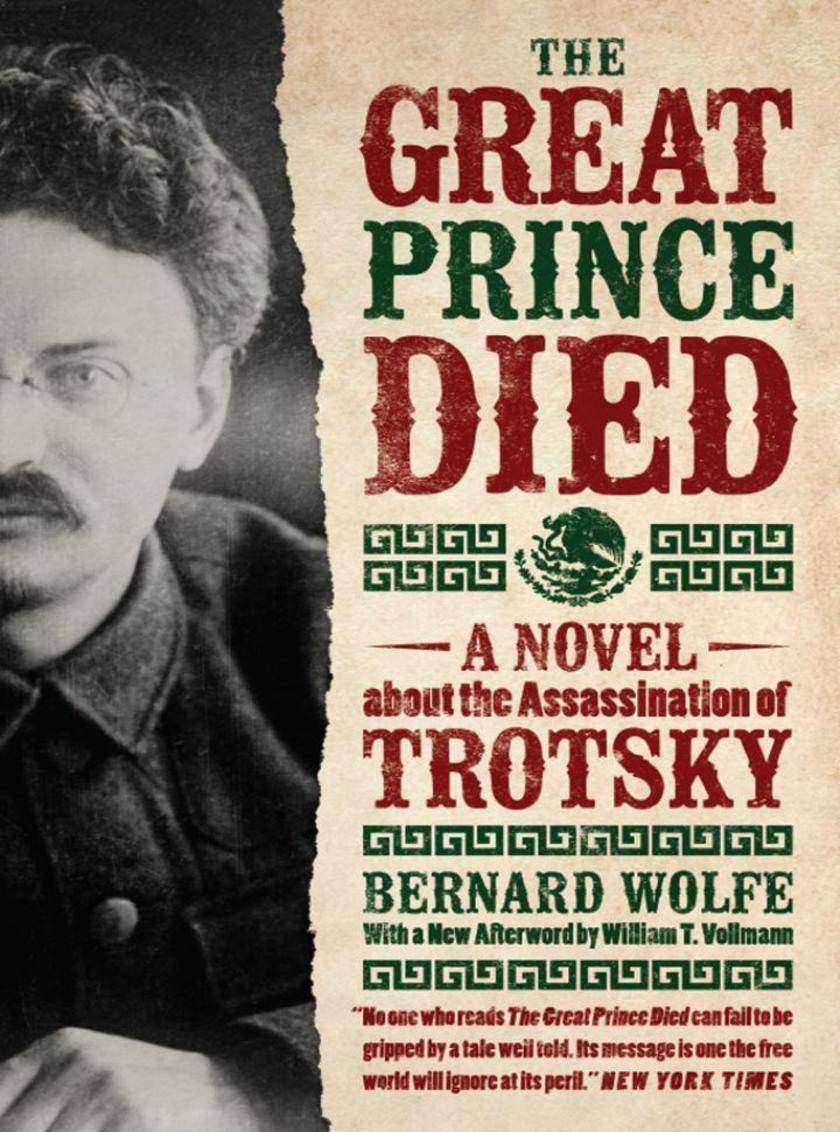
Great Prince Died
¥147.15
On August 20, 1940, Marxist philosopher, politician, and revolutionary Leon Trotsky was attacked with an ice axe in his home in Coyoacan, Mexico. He died the next day.In The Great Prince Died, Bernard Wolfe offers his lyrical, fictionalized account of Trotsky's assassination as witnessed through the eyes of an array of characters: the young American student helping to translate the exiled Trotsky's work (and to guard him), the Mexican police chief, a Rumanian revolutionary, the assassin and his handlers, a poor Mexican "e;pen,"e; and Trotsky himself. Drawing on his own experiences working as the exiled Trotsky's secretary and bodyguard and mixing in digressions on Mexican culture, Stalinist tactics, and Bolshevik history, Wolfe interweaves fantasy and fact, delusion and journalistic reporting to create one of the great political novels of the past century.

Hidden Wealth of Nations
¥147.15
We are well aware of the rise of the 1% as the rapid growth of economic inequality has put the majority of the world's wealth in the pockets of fewer and fewer. One much-discussed solution to this imbalance is to significantly increase the rate at which we tax the wealthy. But with an enormous amount of the world's wealth hidden in tax havens-in countries like Switzerland, Luxembourg, and the Cayman Islands-this wealth cannot be fully accounted for and taxed fairly. No one, from economists to bankers to politicians, has been able to quantify exactly how much of the world's assets are currently hidden-until now. Gabriel Zucman is the first economist to offer reliable insight into the actual extent of the world's money held in tax havens. And it's staggering.In The Hidden Wealth of Nations, Zucman offers an inventive and sophisticated approach to quantifying how big the problem is, how tax havens work and are organized, and how we can begin to approach a solution. His research reveals that tax havens are a quickly growing danger to the world economy. In the past five years, the amount of wealth in tax havens has increased over 25%-there has never been as much money held offshore as there is today. This hidden wealth accounts for at least $7.6 trillion, equivalent to 8% of the global financial assets of households. Fighting the notion that any attempts to vanquish tax havens are futile, since some countries will always offer more advantageous tax rates than others, as well the counter-argument that since the financial crisis tax havens have disappeared, Zucman shows how both sides are actually very wrong. In The Hidden Wealth of Nations he offers an ambitious agenda for reform, focused on ways in which countries can change the incentives of tax havens. Only by first understanding the enormity of the secret wealth can we begin to estimate the kind of actions that would force tax havens to give up their practices.Zucman's work has quickly become the gold standard for quantifying the amount of the world's assets held in havens. In this concise book, he lays out in approachable language how the international banking system works and the dangerous extent to which the large-scale evasion of taxes is undermining the global market as a whole. If we are to find a way to solve the problem of increasing inequality, The Hidden Wealth of Nations is essential reading.

Last Asylum
¥147.15
In the late 1970s, Barbara Taylor, then an acclaimed young historian, began to suffer from severe anxiety. In the years that followed, Taylor's world contracted around her illness. Eventually, her struggles were severe enough to lead to her admission to what had once been England's largest psychiatric institution, the infamous Friern Mental Hospital in North London.The Last Asylum is Taylor's breathtakingly blunt and brave account of those years. In it, Taylor draws not only on her experience as a historian, but also, more importantly, on her own lived history at Friern- once known as the Colney Hatch Lunatic Asylum and today the site of a luxury apartment complex. Taylor was admitted to Friern in July 1988, not long before England's asylum system began to undergo dramatic change: in a development that was mirrored in America, the 1990s saw the old asylums shuttered, their patients left to plot courses through a perpetually overcrowded and underfunded system of community care. But Taylor contends that the emptying of the asylums also marked a bigger loss, a loss of community. She credits her own recovery to the help of a steadfast psychoanalyst and a loyal circle of friends- from Magda, Taylor's manic-depressive roommate, to Fiona, who shares tips for navigating the system and stories of her boyfriend, the "e;Spaceman,"e; and his regular journeys to Saturn. The forging of that network of support and trust was crucial to Taylor's recovery, offering a respite from the "e;stranded, homeless feelings"e; she and others found in the outside world.A vivid picture of mental health treatment at a moment of epochal change, The Last Asylum is also a moving meditation on Taylor's own experience, as well as that of millions of others who struggle with mental illness.
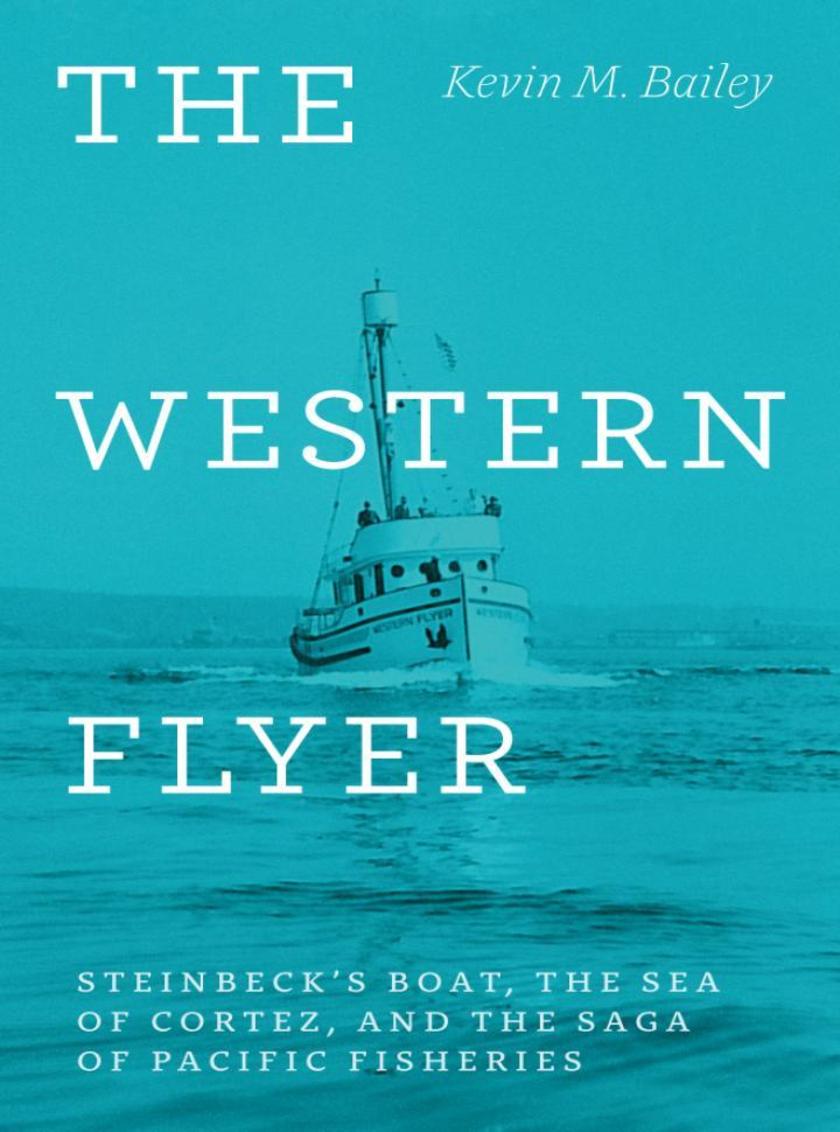
Western Flyer
¥147.15
In January 2010, the Gemini was moored in the Swinomish Slough on a Native American reservation near Anacortes, Washington. Unbeknownst to almost everyone, the rusted and dilapidated boat was in fact the most famous fishing vessel ever to have sailed: the original Western Flyer, immortalized in John Steinbeck's nonfiction classic The Log from the Sea of Cortez.In this book, Kevin M. Bailey resurrects this forgotten witness to the changing tides of Pacific fisheries. He draws on the Steinbeck archives, interviews with family members of crew, and more than three decades of working in Pacific Northwest fisheries to trace the depletion of marine life through the voyages of a single ship. After Steinbeck and his friend Ed Ricketts-a pioneer in the study of the West Coast's diverse sea life and the inspiration behind "e;Doc"e; in Cannery Row-chartered the boat for their now-famous 1940 expedition, the Western Flyer returned to its life as a sardine seiner in California. But when the sardine fishery in Monterey collapsed, the boat moved on: fishing for Pacific ocean perch off Washington, king crab in the Bering Sea off Alaska, and finally wild Pacific salmon-all industries that would also face collapse.As the Western Flyer herself faces an uncertain future-a businessman has bought her, intending to bring the boat to Salinas, California, and turn it into a restaurant feature just blocks from Steinbeck's grave-debates about the status of the California sardine, and of West Coast fisheries generally, have resurfaced. A compelling and timely tale of a boat and the people it carried, of fisheries exploited, and of fortunes won and lost, The Western Flyer is environmental history at its best: a journey through time and across the sea, charting the ebb and flow of the cobalt waters of the Pacific coast.

Nut Country
¥147.15
On the morning of November 22, 1963, President Kennedy told Jackie as they started for Dallas, "e;We're heading into nut country today."e; That day's events ultimately obscured and revealed just how right he was: Oswald was a lone gunman, but the city that surrounded him was full of people who hated Kennedy and everything he stood for, led by a powerful group of ultraconservatives who would eventually remake the Republican party in their own image.In Nut Country, Edward H. Miller tells the story of that transformation, showing how a group of influential far-right businessmen, religious leaders, and political operatives developed a potent mix of hardline anticommunism, biblical literalism, and racism to generate a violent populism-and widespread power. Though those figures were seen as extreme in Texas and elsewhere, mainstream Republicans nonetheless found themselves forced to make alliances, or tack to the right on topics like segregation. As racial resentment came to fuel the national Republican party's divisive but effective "e;Southern Strategy,"e; the power of the extreme conservatives rooted in Texas only grew.Drawing direct lines from Dallas to DC, Miller's captivating history offers a fresh understanding of the rise of the new Republican Party and the apocalyptic language, conspiracy theories, and ideological rigidity that remain potent features of our politics today.
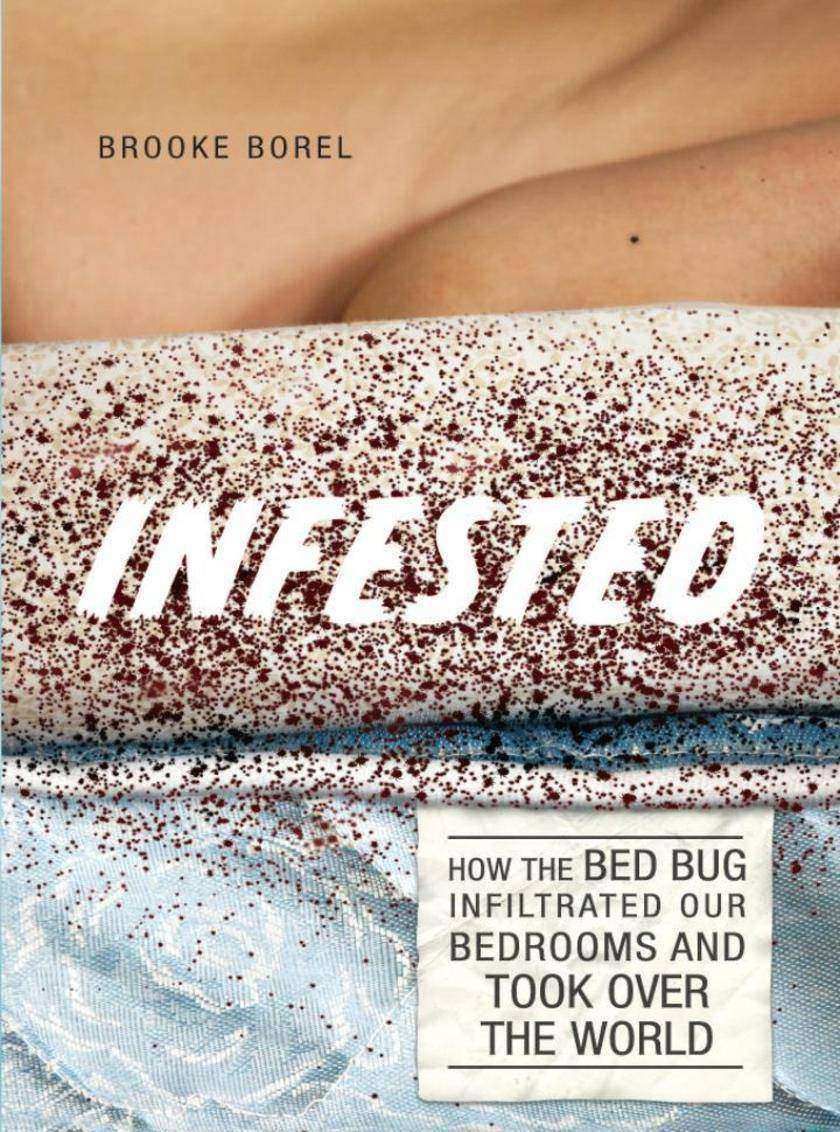
Infested
¥147.15
Bed bugs. Few words strike such fear in the minds of travelers. In cities around the world, lurking beneath the plush blankets of otherwise pristine-looking hotel beds are tiny bloodthirsty beasts just waiting for weary wanderers to surrender to a vulnerable slumber. Though bed bugs today have infested the globe, the common bed bug is not a new pest at all. Indeed, as Brooke Borel reveals in this unusual history, this most-reviled species may date back over 250,000 years, wreaking havoc on our collective psyche while even inspiring art, literature, and music-in addition to vexatious red welts.?In Infested, Borel introduces readers to the biological and cultural histories of these amazingly adaptive insects, and the myriad ways in which humans have responded to them. She travels to meet with scientists who are rearing bed bug colonies-even by feeding them with their own blood (ouch!)-and to the stages of musicals performed in honor of the pests. She explores the history of bed bugs and their apparent disappearance in the 1950s after the introduction of DDT, charting how current infestations have flourished in direct response to human chemical use as well as the ease of global travel. She also introduces us to the economics of bed bug infestations, from hotels to homes to office buildings, and the expansive industry that has arisen to combat them.Hiding during the day in the nooks and seams of mattresses, box springs, bed frames, headboards, dresser tables, wallpaper, or any clutter around a bed, bed bugs are thriving and eager for their next victim. By providing fascinating details on bed bug science and behavior as well as a captivating look into the lives of those devoted to researching or eradicating them, Infested is sure to inspire at least a nibble of respect for these tenacious creatures-while also ensuring that you will peek beneath the sheets with prickly apprehension.


