


 购物车
 个人中心

Egy bolond száz bajt csinál
¥14.39
A Buenos Aires-i h?ségben olvad a jégpáncél, amelybe évekkel ezel?tt zártam magam szégyenemben, amiért már nem vagyok fiatal… ?jjel-nappal tangózom! A testemen rég nem látott izmok rajzolódnak ki újra, az arcomról elt?nik a keménység, amellyel egész életemben azt üzentem a világnak, hogy er?s vagyok. Ha egyszer?bben akarnám kifejezni, amit érzek, azt mondanám: itt boldog vagyok! Megengedem magamnak, amit azel?tt soha: k?vetem a férfit, megadóan és feltétel nélkül. Táncolok, érzek, azaz élek! Pár hét alatt fokozatosan hántotta le rólam a rétegeket ez a város. Eleinte csak a h?ség: levettem zárt, hosszú ujjú ruhámat, és felvettem egy ujjatlan, mélyen dekoltáltat. Majd j?tt a meglepetés, hogy tetszem – így, ahogy vagyok! Bátran érezhetem magam megint szépnek, amir?l otthon már leszoktam. Túl az ?tvenen, ujjatlan ruhában, szarkalábakkal a szemem alatt. Ezen a helyen N? vagyok a férfiak szemének tükrében. Buenos Airesben az élet újra felkért egy táncra… ?desanyám k?nyvtáros volt egy vidéki kisvárosban, és iskola után sokat vártam rá a munkahelyén. Egyszer elhatároztam, hogy a teljes gyerekk?nyvtárat végigolvasom, válogatás nélkül. A pár év alatt aztán alaposan ?sszen?ttünk, a k?nyvek és én. Talán nem véletlen, hogy végül magam is az írást választottam hivatásul. 2011-ben végigjártam az El Caminót, ami új fejezetet nyitott az életemben. Egy másik, boldogabb élet kapuja tárult ki el?ttem, amely tele van csodával. Igaz t?rténeteimmel szeretném másoknak is megmutatni, hogy igenis lehet ezt másképpen is…

V?r?s bet?kkel
¥68.83
Aki a s?tétség éveit elfelejti, nem érdemli meg azt a napot, amely ma rásüt. Egy fájón búgó hang valahonnan az ?gb?l. A szívre helyezett parázs perg? hamuja. Akinek lábánál a tenger álmodott. Diz?z és nemzeti intézmény: Karády Katalin. Olyan gyémántragyogású csillag volt, amit itthon és a halált süv?lt? orosz hómez?n ugyanúgy látni lehetett. Mert a legszebb csók volt, amit meg nem adott az élet. ?gve dobták el, mert mindig izzott valami jéghideg forrósággal. Nem volt jó színészn?, csupán elhitet? színészn? volt. Sz?gletes mozgású, tündéri trampli. Mégis talán maga Ady Endre is beleszeretett volna. Dalaival az emberek szívét csókolta meg, hogy tovább tudjanak dobogni... A háta volt zseniális, ahogy elmenni tudott. Elvitte vállán az id?t, a filmjeit, a legendáját... Az ítéletet, a rá mért titokzatos büntetést kutatta, a Labirintus bejáratát. A b?n?s n?, aki elkárhozni nem tud, s ezért a férfiak végzetévé lesz. De ez a végzet mindig k?z?s. Elment, elrohant, mert elégett a szíve. Játszott a t?rténelemmel, játszott és énekelt. Majd odahagyott huszonvalahány filmet, sikert, álmokat, s egy elveszített háborút. ?tkelt az óceánon, hogy kalaposn? legyen. Ne kérdezd, ki voltam, / A csókodat én akartam, / ha majd egyszer megsokalltad, / azt mondom agy?!" Lehullott a parázs a hamvadó cigarettavégr?l. Végigszívták. ? vissza sem nézett, és nem mondhatta senki, hogy AGY?. (Mihalicza Tamás, 1990)
A magyar népi mozgalom t?rténete
¥57.31
Márton László új regénye, A mi kis k?ztársaságunk a t?kéletes állam megalapításának groteszk-tragikus kísérletét jeleníti meg. 1944 végén, amikor a felszabadító és egyben megszálló szovjet csapatok megérkeztek a Viharsarokba, az ott él? agrárproletárok létrehozták a saját kis k?ztársaságukat. A regényben a t?rténelmi tények és az írói képzelet t?rténetei keverednek – a keser? szatírában tegnapi-mai ?nmagunkra ismerhetünk és saját kisszer?ségünk?n nevethetünk.

Rū?ītis
¥9.32
Cartea e ca o pies? de teatru alc?tuit? din personaje, parantezele autorului, dialoguri, secven?e, scene, acte, cu leg?tura necesar?, intre acestea. ?n treac?t fie spus, critica poate s? ?ntre?in? longevitatea operei, dac? are destul? vigoare ?i dac? opera e de calitate. Sunt vorbe optimiste la vremea Internetului care, deocamdat?, nu de?ine puterea controlului critic ?i nici nu se ?ntrev?d ?anse de aceast? natur?. Tocmai de aceea pericolul dispari?iei c?rt?ii de h?rtie pare anun?area unui cataclism. Noi mai credem ?n ceva. R?m?ne hot?r?t c? interpretarea critic?, pentru a fi c?t mai aproape de text, trebuie s? se asocieze cu "partea estetic?" a demersului, care e scriitura, citatul, descrierea ?i altele. O "conversa?ie", pe c?t posibil neretoric?.
Un trib glorios ?i muribund
¥100.53
Mai ales inteligena speculativ i iueala fixrii prioritilor n cmpul de idei au facut din Rzvan Voncu un critic de ntmpinare imposibil de ignorat n peisajul literar romnesc.“ (Eugen Negrici)O panoram literar a ultimului deceniu. Istorie literar, evenimente editoriale. Cri de excepie i autori de excepie. Istoria ultimului deceniu de literatur romn semnat de Rzvan Voncu ofer un peisaj exact, descris n cunotin de cauz.
Le Destin et l'apothicaire
¥1.74
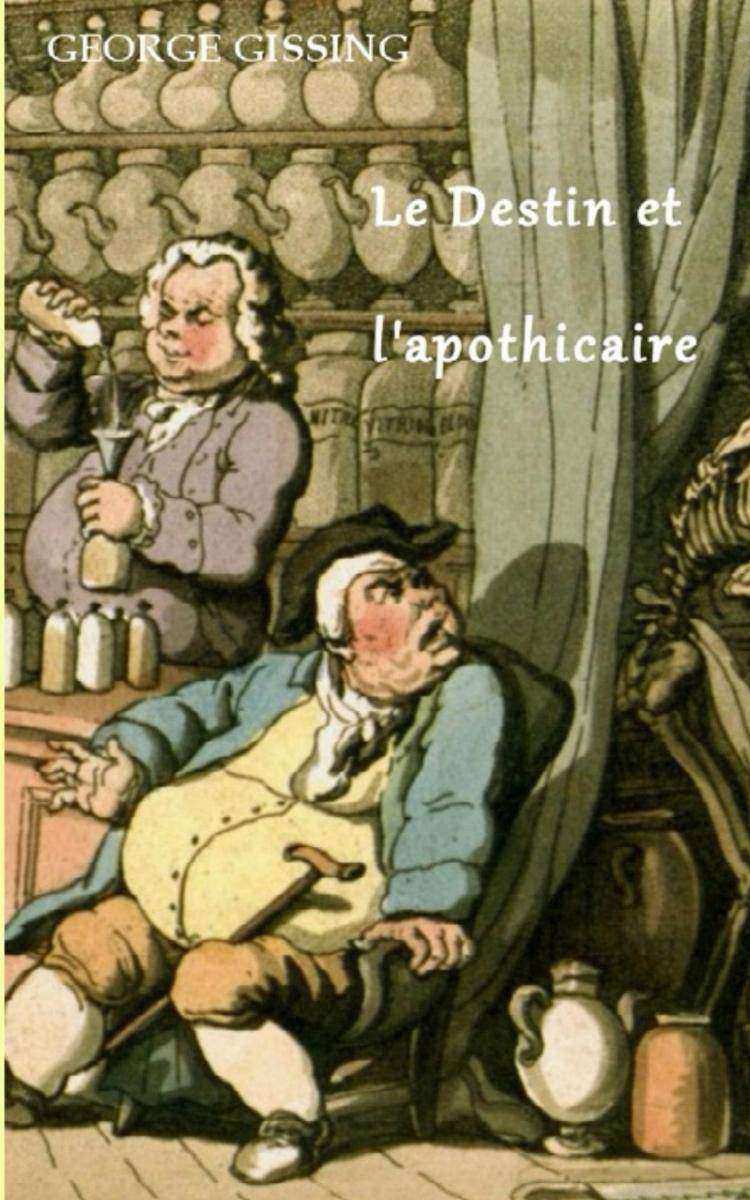
George Gissing est un auteur anglais estimé, dont les livres ont cependant été peu traduits et, souvent, relativement peu vendus, y compris dans sa contrée d'origine. Son ?uvre, comme sa biographie, est restée marginale, comme la plupart des écrivains, dont il a régulièrement décrit l'existence dans ses romans. Pourtant, il entretenait et dans une certaine mesure, en tant que sujet d'études, de recherche, entretient toujours des liens privilégiés avec la France, où il a passé les dernières années de sa vie. Revitrans fait revivre par la traduction en langue fran?aise des auteurs oubliés ou en marge, dont l'oeuvre ne trouve pas sa place dans l'édition classique. Cette brève nouvelle de Gissing, qu'on peut interpréter comme une forme de danse macabre, est sa première expérience, dont les suites dépendront des capacités du traducteur et des éventuelles réactions des lecteurs.
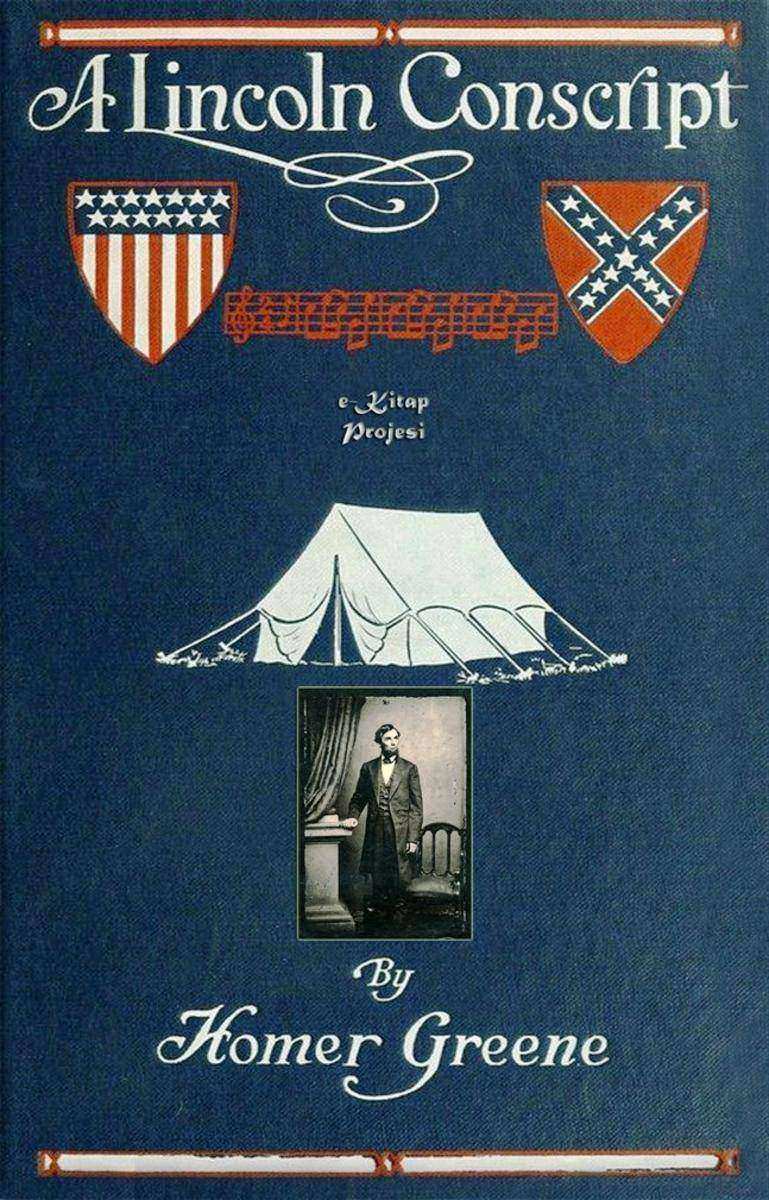
A Lincoln Conscript
¥27.88
On the second day of July in the year 1863 the Civil War in America was at its height. Late in the preceding month Lee had turned his face northward, and, with an army of a hundred thou-sand Confederate soldiers at his back, had marched up into Penn-sylvania. There was little to hinder his advance. Refraining, by reason of strict orders, from wanton destruction of property, his soldiers nevertheless lived on the rich country through which they passed. York and Carlisle were in their grasp. Harrisburg was but a day’s march away, and now, on this second day of July, flushed with fresh victories, they had turned and were giving desperate battle, through the streets and on the hills of Gettysburg, to the Union armies that had followed them. The old commonwealth was stirred as she had not been stirred before since the fall of Sumter. Every town and village in the state responded quickly to the governor’s call for emergency troops to defend the capital city. Mount Hermon, already depleted by gen-erous early enlistments, and by the draft of 1862, gathered to-gether the bulk of the able-bodied men left in the village and its surroundings, and sent them forth in defense of the common-wealth. Not that Mount Hermon was in especial danger from Lee’s invasion, far from it. Up in the northeastern corner of the state, on a plateau of one of the low foot-hills of the Moosic range, sheltered by the mountains at its back, it was well protected, both by reason of distance and location, from the advancing foe. But Mount Hermon was intensely patriotic. In the days preceding the Revolution the sturdy pioneers from Connecticut had met the equally sturdy settlers from the domain of Penn, and on this plateau they had fought out their contentions and settled their differences; the son of the Pennamite had married the daughter of the Yankee; and the new race, with love of country tingeing every drop of its blood a deeper red, had stayed on and possessed the land. So, on this July day, when the armies of North and South were striving and struggling with each other in bloody combat back and forth across the plain and up the hills of Gettysburg, Mount Hermon’s heart beat fast. But it was not for themselves that these people were anxious. It was for the fathers, husbands, sons, lovers in that army with which Meade, untried and unproven, was endeavoring to match the strategy and strength of Lee. News of the first day’s skirmishing had reached the village, and it was felt that a great battle was imminent. In the early evening, while the women were still busy at their household tasks, the men gathered at the post-office and the stores, eager for late news, anxious to discuss the situation as they had learned it. In the meantime the boys of the town had congregated on the village green to resume the military drills which, with more or less frequency, they had carried on during the summer. These drills were not wholly without serious intent. It was play, indeed; but, out of the ranks of these boys, three of the older ones had already gone to the front to fight real battles; and it was felt, by the men of the town, that the boys could not be too thoroughly imbued with the military spirit. So, on this July evening, wakened into new ardor by the news from Gettysburg, they had gathered to resume their nightly work—and play.There were thirty-three of them, ranging in years all the way from eight to eighteen. They were eager and enthusiastic. At the command to fall in there was much pushing and jostling, much striving for desirable places, and even the young captain, with great show of authority, could not quite adjust all differences to the complete satisfaction of his men.Before the confusion had wholly ceased, and while there were still awkward gaps in the ranks, a tall, straight, shy-mannered boy of seventeen, who had remained hitherto on the outskirts of the group, quietly slipped into one of the vacant places.
Laboratuardaki ?blis: ?iir
¥27.71
Yirmi birinci yüzy?lda, teknolojik geli?melerin de etkisiyle, büyük bir "öz güven patlamas?" ya?ayan insanl?k; kurulu?undan bu yana kendi yasalar?na göre çal??an ba?ta ekolojik sistem olmak üzere: Biyolojik ve jeolojik sistemlere müdahale ederek; kendi kurallar?na göre de?i?tirmeye kalkt?. ??te, ba?ta baz? hastal?klar olmak üzere; birçok sorunlar da burada ortaya ç?kt?. Maalesef bugün nerede ise hepimiz, hastay?z! Hastal?klar?m?z?n ise çe?it çe?it ad? olsa bile en yayg?n olan?: "Parçalama Hastal???" olup çok da kolay tedavi edilebilecek gibi de görünmemektedir.Günümüzde, teknolojik geli?mi?li?in de etkisiyle: ?nsano?lu, bütünü anlamak için onu parçalamay? seçti. Parçalar? üzerinden bütünü; anlamaya ve tan?maya çal??maktad?r.. Oysa ki, parçalar? birle?tirerek bütünü tan?mak hem daha kolay, hem de daha do?al bir yöntem oldu?unu da bilmesine ra?men.Y?llard?r; maddeleri parçalad?k yetmedi. Atomlar? parçalad?k bitmedi. Bu i? daha nereye kadar gidecek? Ve ne kadar daha sürecek? Bilinmez! Ancak bizler, bir an önce maddeleri ve sistemleri parçalamaktan vazgeçmek mecburiyetindeyiz! Yoksa: Korkar?m çok yak?nda, yeryüzündeki ya?am? kökünden bitirece?iz!..Bu arada, baz? "Laboratuvar Ka?iflerine" de birkaç hat?rlatmada bulunmak isterim:Hani; Sizlerin, mikro organizmalar? incelemek için hergün bakt???n?z o devasa büyüteçler'iniz (Dev Elektron Mikroskoplar?n?z) var ya! ??te o büyüteçler; inceledi?iniz o organizmalar?, sizlerin gözünde milyonlarca kez büyütmekte iken; sizleri de belki onlar?n "gözünde" milyonlarca kez küçültüyor olmas?nlar (?) Yine: Belki de sizler; onlar? tan?maya çal???rken; onlar da bizleri anlamaya çabal?yor olmas?nlar? Dahas?: Belki de onlar da bizleri merak ediyorlard?r (?) Kim bilir? Ne dersiniz? Bir de böyle dü?ünmeyi denemelisiniz!.."LABORATUARDAK? ?BL?S"{???R L?STES? & ?Ç?NDEK?LER}:YAZAR HAKKINDA {ÖZ GEÇM??}TANITMALIK {PROSPEKTÜS}T?N VE TENZERRELABORATUARDAK? ?BL?SB?ZDEN M?D?R?RUH YARASIKONDUNEFES?ST?R?DYEN?N HÜNER?MOLEKÜLER SEYAHATYARI?L?NÇHIZ/HAZ ÇEL??MECES?HAL?S YAPAYLIKLAR D?YARINDA -1MAZ?DEK? AYAK ?ZLER?MMAN?SA TARZANIARKA KAPAK?a’irin Yay?nlanm?? Di?er Kitaplar?VEYSEL TOPALO?LU (?A?R; SADEKUL)
Poezii
¥23.14
ncercarea de a ptrunde n magmele clocotirilor artistice este o ispitire mai veche a mea. Adncimile au n ele murmur de siren. Sigur a fost semea ncercarea mea i, probabil, neinspirat. Germinarea crii de fa mi pare acum un experiment al bucuriei. Doi preoi i doi slujitori ai literei, totodat doi duhovnici fiecare cu ucenicul su, au vrut s cltoreasc pentru o clip n inefabilul chenozelor, al deertrilor de sine. Nu tiu dac are armonie, mi este greu acum s precizez. Atunci prea c rezonm. Depun doar mrturie i gnd mulumitor c a fost o sear unic. (Preot Niculae Constantin)
A tenger munkásai
¥8.83
El?sz?r futni tanítanak meg. Ez mindennek az alapja minden hadseregben szerte a világon. Megtanulsz futni, megtanulod bírni. Hegynek fel-le. Futsz erd?ben, tó- és folyóparton, futsz sportpályán. Együtt a szakasszal, és amikor valaki nem bírja és lemarad, nyomod a fekv?támaszt. Majd ha megérkezett, újra futsz.Ha már tudsz futni, van mire építeni a t?bbit. Megtanítanak, hogy bánj a fegyverrel, hogyan élesítsd a gránátot, vezess harcjárm?vet és telepíts m?szaki akadályt. De arra nem tanítanak meg, hogy amikor évekkel kés?bb a háború után, emlékeidt?l verejtékben úszva egyedül ébredsz jéghideg ágyadban, azt hogyan dolgozd fel. Amikor olyan s?tét az éj hajnali háromkor, hogy még az utcáról besz?r?d? lámpa fénye se hoz világosságot, amikor már rég kialudt az a mécses, amit a halott bajtársaid emlékére gyújtasz minden este. Akkor hiába tanítottak meg futni. Amikor arra ébredsz, hogy skorpiók vannak az ágyadban, és hallod az ellenség suttogását, mintha csak méterekre lennének t?led a l?vészárokban. Amikor minden olyan csendes, hogy már mar ez a hangtalanság. Akkor már nincs hova futnod. ?vek után rád?bbensz, hogy meg kell állnod és szembenézned a múltaddal. Mindennel, amit tettél, vagy nem tettél. ?n, mintha gyóntam volna, megírtam ezt a k?nyvet. Elszámoltam magammal, mert megtanultam egy fontos dolgot: a lelkedért csak te felelsz! Ezt senkinek se tanították meg. Erre nekünk kellett ráj?nnünk.
A fattyú
¥67.20
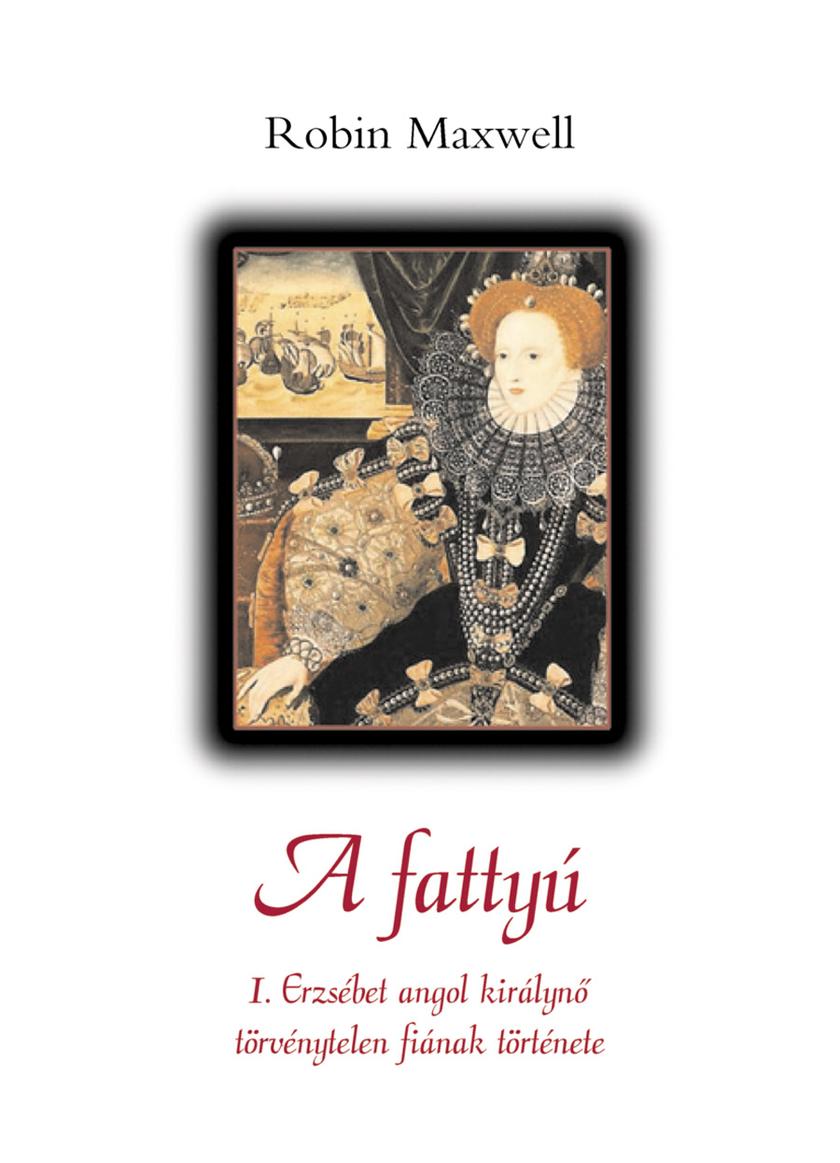
A New York Times bestseller életrajzírójának, J. Randy Taraborrellinek minden részletet felvillantó, briliánsan megírt k?tete nem egyszer?en a legsikeresebb popsztárok egyikének, Beyoncénak az életrajza. Bepillantás egy olyan világba, ahová szinte mindenki vágyik, de csak nagyon kevesen juthatnak el; az amerikai show-business világába. A végtelenül tehetséges Beyoncé Knowles már nyolcéves korában ebben a világban él, gyerek szépségversenyek és tehetségkutató vetélked?k résztvev?je. Egy pillanatra sem szakad el a színpadtól, és tizenhat évesen a Destiny's Child énekeseként már világsztár. Ontja a slágereket, 2014-ben a Forbes magazin szerint a világ leggazdagabb és legkeresettebb sztárja, az ? fényképével jelenik meg a híres Time magazin. Ez a k?nyv megmutatja a sikereket, de az emberfeletti er?feszítést is, az ?r?k?s harcot az érvényesülésért, az áskálódásokat, pletykákat; beszámol viharos és vad szerelmér?l a híres rapperrel, Jay-Z-vel, a csalódásokról és a meghatározó pillanatokról. ?s mik?zben olvassuk ezt a nyílt, olykor szívszorító, olykor felemel? beszámolót, ?r?kre megváltozik a véleményünk Beyoncéról és a távoli és csillogó show-businessr?l. A szerz?r?l J. Randy Taraborrelli a New York Times bestseller szerz?je, írt már k?nyvet Michael Jacksonról, Marilyn Monroe-ról, Madonnáról, és a Kennedy famíliáról is. K?ztiszteletben álló író, újságíró, a szórakoztatóipar jó nev? és állandó szerepl?je, és jó néhány televízióm?sor, k?ztük a Today, a Good Morning America, a CBS This Morning, az Entertainment Tonight és a CNN Headline News s?r?n felt?n? vendégszerepl?je.

?ngrijirea sugarului ?i a copilului.
¥114.37
n lucrarea sa, care a ctigat premiul Pulitzer n 1981, Robert K. Massie prezint detaliat viaa acestui captivant personaj istoric i evideniaz evenimentele cruciale care au transformat un biat ntr-o legend, inclusiv cltoriile sale incognito prin Europa, curiozitatea sa de nepotolit fa de obiceiurile occidentale, obsesia pentru mare i constituirea mreei flote ruseti, modul n care a creat o armat de nenvins i relaiile sale cu cei pe care i-a iubit cel mai mult: Ecaterina, iubita sa tandr, i Menikov, prinul fermector i lipsit de scrupule care a ajuns la putere prin intermediul prieteniei cu Petru. Un loc special n carte l ocup relaia dificil a lui Petru cu fiul su Aleksei, care a fost judecat i condamnat la moarte n 1718. Autorul nu neglijeaz nici viaa politic, social, cultural i religioas din Rusia pe parcursul jumtii secunde a secolului al XVII-lea i primei pri a secolului al XVIII-lea. Astfel, Massie i conduce cititorii n lumea ruseasc medieval i premodern schimbat iremediabil, uneori n mod violent, de reformele iniiate de monarhul autocrat Petru cel Mare. Fie c sunt schimbri care au afectat n primul rnd individul, precum obligativitatea tierii brbilor, sau iniiative care au vizat consolidarea forei statului, de exemplu, nfiinarea marinei ruseti i a Sankt-Petersburgului, reorganizarea administrativ inspirat de modelul occidental, toate acestea au transformat Rusia medieval ntr-un stat modern. n acelai timp, multe dintre reformele din timpul lui Petru au avut o influen ndelungat asupra societii ruseti. Cartea lui Massie nu ofer doar o perspectiv intern a societii ruseti, ci urmrete i aciunile lui Petru n planul politicii externe, la nivel european sau chiar global. Astfel, dou dintre cele cinci seciuni ale lucrrii se ocup de relaiile Rusiei cu celelalte state europene. Poate cel mai important conflict din timpul domniei lui Petru a fost cel mpotriva Suediei. n urma Marelui Rzboi Nordic (1700-1721), Rusia a obinut o serie de teritorii (Estonia, Livonia i Ingria). Totodat, deznodmntul acestui lung rzboi a nsemnat i ascensiunea Rusiei la rangul de putere continental. Pe plan militar, ns, domnia lui Petru nu a fost scutit de eecuri. Campania arului din Moldova, pornit mpotriva Imperiului Otoman, s-a terminat prin nfrngerea de la Stnileti (1711). Nu de puine ori, autorul american i aduce n prim-plan pe actorii politici importani din Europa sfritului secolului al XVIII-lea i nceputului secolului al XVIII-lea. Regi, comandani militari, nobili, toi sunt prezentai cititorilor, care pot astfel nelege mai bine aciunile sau atitudinile lor. arul Aleksei, tatl lui Petru, Ludovic al XIV-lea, Wilhelm de Orania, Carol al XII-lea, Augustus de Saxonia, ducele de Marlborough, prinul Eugeniu de Savoia sau feldmarealul Rehnskild se numr printre figurile ilustre descrise de Massie. De regul, atunci cnd analizeaz anumite perioade, istoricii pun accentul pe rolul proceselor i al fenomenelor de lung durat, lsnd cumva n umbr personalitile excepionale. Tocmai pentru a sugera impactul lui Petru cel Mare asupra istoriei Rusiei, n special, putem face apel la istoria contrafactual i s ne ntrebm: Cum ar fi artat Rusia contemporan dac n-ar fi existat Petru cel Mare

Reglarea emo?ional? ?i importan?a ei clinic?
¥57.14
Cum ?i-au crescut regii britanici copiii din 1066 p?n? ?n prezent Lumea ?ntreag? a fost uimit? c?nd Prin?esa Diana s-a dovedit a fi o mam? bun? ?i afectuoas?. Ea a constituit o excep?ie: Familia Regal? a Marii Britanii este cunoscut? mai cur?nd pentru rela?iile reci ?i chiar tensionate dintre genera?iile de p?rin?i ?i copii. ?nc? din vremea Reginei Victoria ?i a Regelui George al VI-lea, p?rin?ii ?i-au exprimat ?n mod f??i? dezam?girea fa?? de mo?tenitori. David Cohen folose?te materiale noi ?i documente descoperite recent, ce dateaz? ?nc? din vremea dinastiei Tudor, ?i realizeaz? ?n Educa?ia regal? o combina?ie captivant? ?ntre istorie ?i telenovel?. ?O bog??ie de anecdote – de la lec?iile de scrim? p?n? la faptul c? Prin?ul Charles a avut valet de la v?rsta de trei ani.“

Faraday As A Discoverer: [Illustrated & Biography Added]
¥27.80
Michael Faraday (1791 –1867) was an English scientist who contributed to the fields of electromagnetism and electrochemistry. His main discoveries include those of electromagnetic induction, diamagnetism and electrolysis. Although Faraday received little formal education, he was one of the most influential scientists in history. It was by his research on the magnetic field around a conductor carrying a direct current that Faraday established the basis for the concept of the electromagnetic field in physics. Faraday also established that magnetism could affect rays of light and that there was an underlying relationship between the two phenomena. He similarly discovered the principle of electromagnetic induction, diamagnetism, and the laws of electrolysis. His inventions of electromagnetic rotary devices formed the foundation of electric motor technology, and it was largely due to his efforts that electricity became practical for use in technology. As a chemist, Faraday discovered benzene, investigated the clathrate hydrate of chlorine, invented an early form of the Bunsen burner and the system ofoxidation numbers, and popularised terminology such as anode, cathode, electrode, and ion. Faraday ultimately became the first and foremost Fullerian Professor of Chemistry at the Royal Institution of Great Britain, a life-time position.. Faraday was an excellent experimentalist who conveyed his ideas in clear and simple language; his mathematical abilities, however, did not extend as far as trigonometry or any but the simplest algebra. James Clerk Maxwell took the work of Faraday and others, and summarized it in a set of equations that is accepted as the basis of all modern theories of electromagnetic phenomena. On Faraday's uses of the lines of force, Maxwell wrote that they show Faraday "to have been in reality a mathematician of a very high order – one from whom the mathematicians of the future may derive valuable and fertile methods." The SI unit of capacitance is named in his honour: the farad. Albert Einstein kept a picture of Faraday on his study wall, alongside pictures of Isaac Newton and James Clerk Maxwell. Physicist Ernest Rutherford stated; "When we consider the magnitude and extent of his discoveries and their influence on the progress of science and of industry, there is no honour too great to pay to the memory of Faraday, one of the greatest scientific discoverers of all time". ABOUT AUTHOR: John Tyndall (1820 – 1893) was a prominent 19th-century Irish physicist. His initial scientific fame arose in the 1850s from his study of diamagnetism. Later he made discoveries in the realms of infrared radiation and the physical properties of air. Tyndall also published more than a dozen science books which brought state-of-the-art 19th century experimental physics to a wide audience. From 1853 to 1887 he was professor of physics at the Royal Institution of Great Britain in London. Tyndall was born in Leighlinbridge, County Carlow, Ireland. His father was a local police constable, descended from Gloucestershire emigrants who settled in southeast Ireland around 1670. Tyndall attended the local schools in County Carlow until his late teens, and was probably an assistant teacher near the end of his time there. Subjects learned at school notably included technical drawing and mathematics with some applications of those subjects to land surveying. He was hired as a draftsman by the Ordnance Survey of Ireland in his late teens in 1839, and moved to work for the Ordnance Survey for Great Britain in 1842. In the decade of the 1840s, a railroad-building boom was in progress, and Tyndall's land surveying experience was valuable and in demand by the railway companies. Between 1844 and 1847, he was lucratively employed in railway construction planning. In 1847 Tyndall opted to become a mathematics and surveying teacher at a boarding school (Queenwood College) in Hampshire. Recalling this decision later, he wrote: "the desire to grow intellectually did not forsake me; and, when railway work slackened, I accepted in 1847 a post as master in Queenwood College." Another recently arrived young teacher at Queenwood was Edward Frankland, who had previously worked as a chemical laboratory assistant for the British Geological Survey. Frankland and Tyndall became good friends. On the strength of Frankland's prior knowledge, they decided to go to Germany to further their education in science. Among other things, Frankland knew that certain German universities were ahead of any in Britain in expe-rimental chemistry and physics. (British universities were still focused on classics and mathematics and not laboratory science.)The pair moved to Germany in summer 1848 and enrolled at the University of Marburg, where Robert Bunsen was an influential teacher. Tyndall studied under Bunsen for two years.

Speaking of Poetry...
¥15.40
A book of poetry on various themes. Springtime I shall wait for you springtimeWhen winter has passed awayRosebuds will be dancing in the nightBeneath the Milky Way Lovers kissing and holding handsWaltzing a brisk and lively danceUnderneath the crescent moon that shownAs Orpheus sings a joyful song Mockingbirds will send forth merry soundsAwakening nature's dreary brownChildren playing games while folksLaugh and tell their silly jokes
Simply Dirac
¥65.32
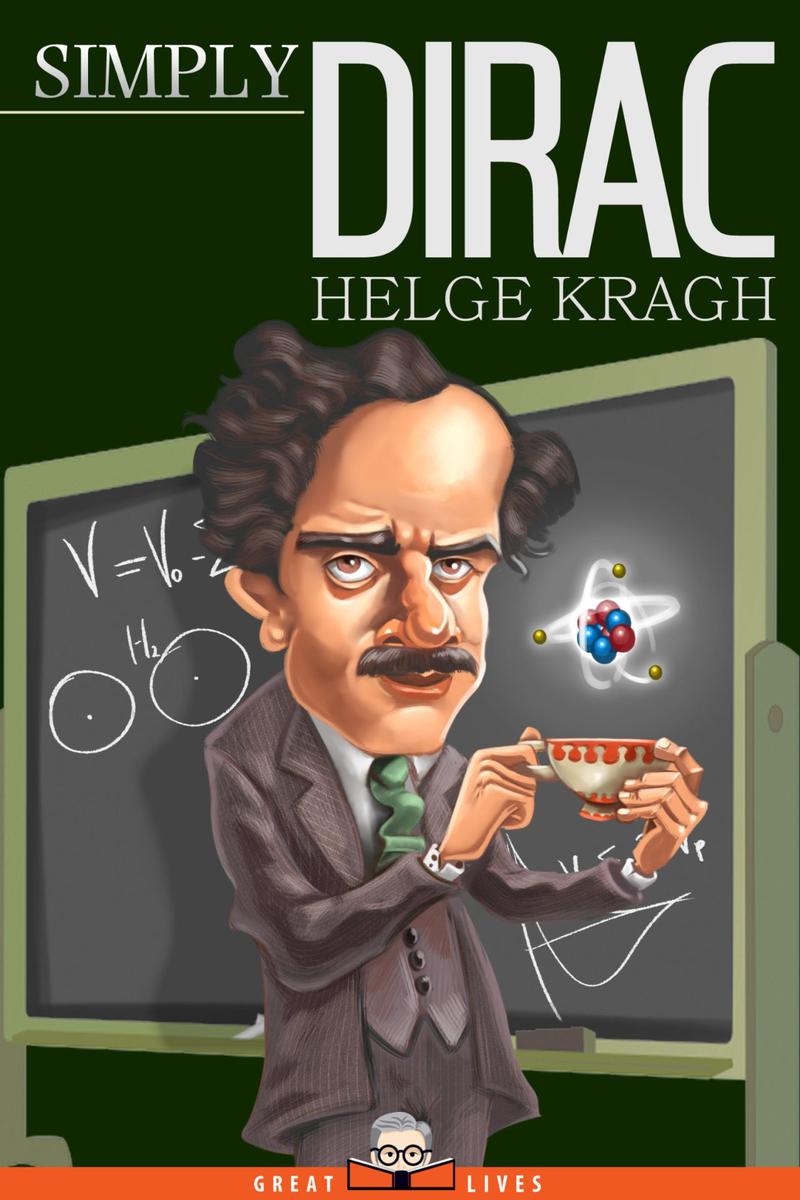
Paul Dirac?(1902–1984) was a brilliant mathematician and a 1933 Nobel laureate whose work ranks alongside that of Albert Einstein and Sir Isaac Newton. Although not as well known as his famous contemporaries Werner Heisenberg and Richard Feynman, his influence on the course of physics was immense. His landmark book,?The Principles of Quantum Mechanics, introduced that new science to the world and his “Dirac equation” was the first theory to reconcile special relativity and quantum mechanics. Dirac held the Lucasian Chair of Mathematics at Cambridge University, a position also occupied by such luminaries as Isaac Newton and Stephen Hawking. Yet, during his 40-year career as a professor, he had only a few doctoral students due to his peculiar personality, which bordered on the bizarre. Taciturn and introverted, with virtually no social skills, he once turned down a knighthood because he didn’t want to be addressed by his first name. Einstein described him as “balancing on the dizzying path between genius and madness.” In?Simply Dirac, author?Helge Kragh?blends the scientific and the personal and invites the reader to get to know both Dirac the quantum genius and Dirac the social misfit. Featuring cameo appearances by some of the greatest scientists of the 20th century and highlighting the dramatic changes that occurred in the field of physics during Dirac’s lifetime, this fascinating biography is an invaluable introduction to a truly singular man.

A Kis Herceg
¥8.18
La ora la care scriu aceste r?nduri, revista Contemporanul se apropie de aniversarea a 130 de ani de la fondare, si ne ?ntreb?m, cu to?ii, iar??i ?i iar??i, ce schimb?ri s-au produs ?n peisajul cultural, literar, social ?n ultimii 20 de ani? Ce viitor vor avea cultura, literatura rom?n? vie ?n contextul acestor schimb?ri? Cum ??i va reveni din criza actuala, mai grav?, mai dramatic? dec?t criza economic? propriu-zisa fiind, f?r? ?ndoiala, profunda criz? moral? de care este cuprins? societatea rom?neasc?? R?spunsurile formulate de participan?ii la anchet? – precum ?i celelalte articole, eseuri, reportaje etc. – cuprinse ?n acest supliment aniversar vizeaz? ?i aceste aspecte, greu de neglijat, din v?rtejul evenimentelor istorice, din acest dramatic prezent, rezist?nd, spre gloria na?iunii rom?ne, Excelen?a Sa, cultura, literatur? rom?n? vie. (Aura Christi)
Un albastru infinit
¥11.04
Adrian Punescu scrie proz cu degetele arse de miracolul poeziei, i de aici succesul tulburtor, care, n loc s mntuie, nspimnt, oblig i rtcete. Poet al fluenelor de liliac n grle de piatr rar, al brumelor de bronz, al cderii n rnile dorului i n hohote de chihlimbar, grav despicat de neiertare i de rzvrtire, Adrian Punescu intr n hotarele prozei prin vijelia reportajului. (...) Puin i pas dac lumea l aplaud sau l njur, el vrea s rstoarne i s cldeasc, i n-are timp s cpieze stnd ntr-un picior, viaa e scurt i, dac nu vrea s se ndrepte prin cntec (i nu vrea), trebuie rezidit din mers i nvat s cnte. Reportajul lui Punescu e, nainte de toate, unul de atitudine, adevrul sare din pagin ca miezul dintr-o ceap zdrobit cu pumnul (...), fulgerul, aparent liric i aparent hrnit de curcubeie, e un arc al ndoielii, un crlig veninos umblnd prin crpturile pmntului, strigtul doare, suspinul are ghimpi n cretet, gerul frige, apsarea nghea.Durabila for a reporterului Adrian Punescu vine de acolo c el n-are chef, n nici o pagin, s fie ru de but n apte linguri, ci numai fluviu azvrlindu-se n mare, cu toate aluviunile i rzboaiele sufletului.“
Mite. B?l?uca
¥33.03
Alexandru Sf?rlea arat? ?ntr-o recent? recenzie a versiunii tip?rite a c?r?ii 101 poeme: ?[...] S? mai spun c? unii ?i al?ii s-au ?inspirat? din texte ale lui Vasile Poenaru pentru a-?i etala ?prospe?imile? propriilor crea?ii, ?n vreme ce acest excelent poet st?tea ?pitit? sub obrocul impasibilit??ii ?i ignor?rii tenace a criticilor?Pentru c?, ?n via?a noastr? literar?, am ajuns s? cred c? asemenea practici sunt uzitate cu... sistem?, ca s? zic a?a, pentru ca lipsi?ii de har ?i inspira?ie, proteja?ii ?i coteri?tii s?-?i ?edifice? constructele de chirpici lingvistic, cu o jalnic? ?i penibil? non?alan??, cu un tupeu de-a dreptul incalificabil!Se vorbe?te cu asiduitate ?n presa literar? despre c?r?i ale unor a?a-zi?i nou?zeci?ti sau dou?mii?ti lipsite de semnifica?ii, sens ?i substan?ialitate poetic? ?i care pur ?i simplu bat apa-n piu? ?i nu spun nimic dec?t, poate, celor ce nu vor s? aud? nimic, adul?nd – ?ntr-un nefericit paradox – nevolniciile , nonsensurile ?i vacuitatea, ?n timp ce sunt ignorate cu cerbicie c?r?i valoroase ale unor autentici poe?i, precum Vasile Poenaru. Iat? , ?nc? un elocvent fragment poenaristic: ?Mergeam pe str?zi de lung? diminea??/ Cu p?inea mea de poezie sub bra?,/ Mergeam pe str?zi de lung? diminea??/ ?i m? ardeau de foame ochii min?ii/ Mergeam pe str?zi de lung? diminea??/ Tot forfoteau p?rerile sub pietre/ Din loc ?n loc o balt? de adverbe/ Ca p?s?rile clocotitor ardeau/ Spre vie?i izvor?toare-n alte trupuri/ Mergeam pe str?zi de lung? diminea??/ ?i nu se mai cr?pa odat’ de ziu? / ?i m? ardeau de foame ochii min?ii/ ?i-am ?nceput s?-mi rod ?nt?i din unghii/ Apoi din os din inim? din creier/ Mergeam pe str?zi de lung? diminea?? (...)? (R?sfirare). Sau, ?nc?, ni?te versuri de-a dreptul subversive – s? nu uit?m c? volumul din care citez a ap?rut ?n 1984 – care, poate c? fie ?i numai acestea, ar fi trebuit s?-i r?m?n? precum o aur? de zv?cnire iconoclast?, de nu protestatar?, poetului Vasile Poenaru: ?(...) Ora?ul ?n care m-ai ademenit/ E o sonat? a mor?ii/ ?n care doar miezul vie?ii trozne?te,/ Toat? noaptea am s? ard de frig ?n avanscen?/ C-un dirijor mai lent ca o statuie (...)??n fine, ce pot s? mai spun dec?t c? – ?n acest areal literar rom?nesc care seam?n? izbitor cu cel politicesc – poetul Vasile Poenaru este un mare nedrept??it, pe care cititorii one?ti, dac? ar ajunge, sau ar vrea s? ?i citeasc? volumele de poezie, l-ar pre?ui la adev?rata sa valoare...“
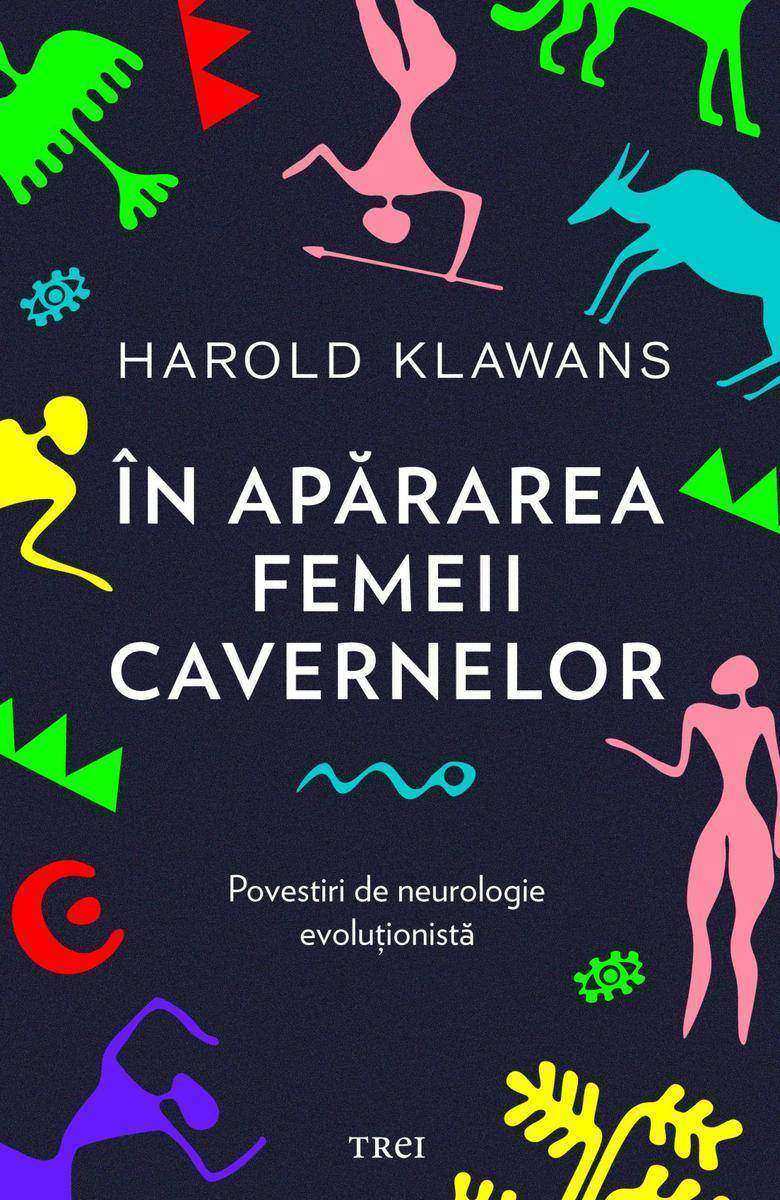
?n ap?rarea femeii cavernelor
¥65.32
Proiectul acestei cri m frmnta de mai muli ani. n ultimul timp am tot cutat motivaii pentru care o asemenea carte merit s fie scris. Iat ce am gsit.n primul rnd, chiar dac printr-o fereastr foarte ngust, ea este o mrturie a ultimilor 20 de ani. Conine o frm din istoria acestor dou decenii, mici instantanee ale devenirii Romniei dup 1989.n al doilea rnd, exist n mintea fiecrui romn – i aici m includ i pe mine – preconcepia c toate afacerile postrevoluionare sunt mnjite, nscute din privatizri dubioase sau dezvoltate la umbra unor reele de influen care-i ntind rdcinile n era comunist. Povestea din aceast carte arta contrariul. S-au putut constitui i iniiative independente i curate, cum sunt convins c mai exist cu miile. Povestea de fa poate fi o contribuie la schimbarea de mentalitate, att de necesar pentru intrarea n normalitate.“ (Mihail Penescu)
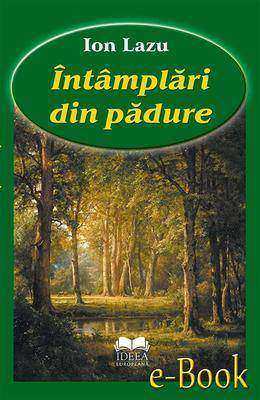
?nt?mpl?ri din p?dure
¥46.36
Lidia Lazu semneaz? o poezie delicat-confesiv?, parcelat? pe momente distincte, cu o structur? de jurnal. De?i termenul structur? e oarecum inadecvat acestei materii de fr?gezimi ce se transcriu ca atare, f?r? grija unei osaturi, a unui tipar ce i-ar st?njeni fluiditatea, evanescent?. Fiin?a respir? neconstr?ns? de nimic, supus? doar clipei, ?nc?nta?iei tranzitoriului. A?tept?rile sale sunt naiv-fabuloase, ?n continuitatea unei copil?rii care nu s-a epuizat, care-?i tr?ie?te intens uimirile, dezvolt?ndu-le fin imaginativ... O atare autoscopie fantezista este rodul unei virtuozit??i a simplit??ii. Coeziunea textului se produce ?n jurul acestei neputin?e de a accepta ordinea pragmatic?, meschin?ria, ?n numele unei candori funciare. La polul opus criticismului luciferic, poeta se d?ruie lumii nu doar prin contempla?ie, ci ?i printr-un soi de automatism existen?ial, l?s?ndu-se ?n voia lui, sublim lipsit? de voin??. Ceea ce e o moral? a extazului. (Gheorghe Grigurcu)


