


 购物车
购物车 个人中心
个人中心
Subway Girl
¥96.50
He is shy. Unassuming. Inexperienced.She is Subway Girl. Cool. Unattainable.From the moment he sees her on a Hong Kong subway, Simon is intrigued by Amy, but he doesn't have the nerve to talk to her. When he finally works up the courage, he realizes he can't. Because Amy doesn't speak Chinese, and Simon is failing English.But somehow, Amy and Simon connect, and they find that they understand each other. Enough for Simon to admit that he is dropping out of school. Enough for Amy to confess that she is pregnant with her ex-boyfriend's baby. Amy and Simon feel lost in a world so much bigger than they are, and yet they still have each other.In this brilliant debut by P. J. Converse, two unlikely teenagers discover that love has a language all its own.
The Dyerville Tales
¥96.50
"Kozlowsky deftly intertwines imagination and adventure with sobering realities; while the story arc itself engrosses and the grandfather's fairy tale–like quest enchants, he underpins the novel with an unceasing melancholy that remembers the human heart, its pain, and its need for hope."—The Bulletin of the Center for Children's Books (starred review)M. P. Kozlowsky's The Dyerville Tales is a powerfully imaginative middle grade novel that blurs the line between fairy tale and reality. Vince Elgin is an orphan, having lost his mother and father in a fire when he was young. With only a senile grandfather he barely knows to call family, Vince was interned in a group home, dreaming that his father, whose body was never found, might one day return for him. When a letter arrives, telling Vince his grandfather has passed away, he is convinced that if his father is still alive, he'll find him at the funeral. He strikes out for the small town of Dyerville, carrying only one thing with him: his grandfather's journal. The journal tells a fantastical story of witches and giants and magic, one that can't be true. But as Vince reads on, he finds that his very real adventure may have more in common with his grandfather's than he ever could have known.
The Backlash
¥96.50
They Think Obama Isn't an American Citizen.They Think Obama Wants to Put Americans in Concentration Camps.They Think Obama Is the Anti-Christ.This Isn't Just the Tea Party Welcome to the Backlash. In November 2008, the election of Barack Obama was supposed to usher in a new age of hope, optimism, and postpartisan politics. Instead it provoked unparalleled anger on the far right that eventually twisted important national discussions and pushed ideas from the conservative fringe into the mainstream media. In the ensuing months, countless pollsters and reporters have tried to understand the heart of this mob that appeared so suddenly, but none of them has successfully accounted for the hard-right movement's rapid growth or explained the hidden connections between its parts. Until now.In this gripping expose, Pulitzer Prize-winning reporter Will Bunch reveals the secrets behind the crusade against Obama, exploring how forces like radical militia groups, the Tea Party, pro-gun zealots, and Glenn Beck have combined old-fashioned populist outrage with digital-age phobias to produce a wave of resentment that many have ridden straight to the bank. Pulling back the curtain on the paranoid politicsof a new generation, Bunch shows how events such as the election of America's first African-American president, the economic recession, the rise of social networking, and the phenomenon of Glenn Beck have created a dangerous political moment that poses legitimate risks to democracy in America. From conspiracy theorists to secessionists, birthers to "independent" Tea Partiers, Bunch illuminates the ties among this new array of groups. Going beyond easy caricature, he strips away layers of rhetoric to reveal politicians like Paul Broun, who, as one of the most extreme members of Congress, works as hard for right-wing ideologues as he does for his economically battered constituents, and groups like the Oath Keepers, a fast-growing, ultraradical organization that spreads unsubstantiated fears of Obama confiscating guns and placing U.S. citizens in concentration camps. In addition, Bunch exposes the opportunists who have embraced a new brand of apocalyptic fearmongering, which has made them millions but has also led to the widespread paranoia that has helped fuel a rise in antigovernment violence.The end result shows the true stakes of this political perfect storm, demonstrating how the anger of the far right now threatens to consume America. Powerful, shocking, and thought-provoking, The Backlash is a controversial look at where our democracy is and where it may be heading.
The Miracles of Exodus
¥96.50
The Real Story of the ExodusColin Humphreys, a world-renowned Cambridge University scientist, reveals for the first time the concrete, scientific truth behind the Exodus miracles. The Burning Bush: Caused by a volcanic vent that opened up under the bush. Crossing the Red Sea: The water was pushed back by a very strong wind blowing all night. This is a known physical phenomenon called wind setdown. The details given in the Bible mean we can pinpoint where the Red Sea crossing occurred. Drowning Pharaoh's Army: When the very strong wind suddenly stopped blowing, the water rushed back in the form of a rapidly returning "bore" wave, sweeping Pharaoh's army into the sea. Mount Sinai: The real Mount Sinai is in present-day Saudi Arabia, not the Sinai Desert as is generally assumed.
The Rare and the Beautiful
¥96.50
Like the better-known Mitfords, the Garman sisters took center stage in Bohemian London during the first half of the twentieth century. Beautiful, flamboyant, and headstrong, they broke away from middle-class conventions, seducing and inspiring a generation of artists. Kathleen, an enigmatic artist's model and aspiring pianist, was the lover and, later, wife of controversial American-born sculptor Jacob Epstein. Mary married the maverick poet Roy Campbell, whose verse attack on the Bloomsbury group following Mary's affair with Vita Sackville-West was the literary scandal of the epoch. Lorna, the youngest and most beautiful of the sisters, was the lover of both the painter Lucian Freud and the poet Laurie Lee.The Rare and the Beautiful offers the first portrait of a beguiling band of eccentric siblings who possessed an uncanny ability to turn heads, break hearts, and spark creative genius. Set against the exciting backdrop of London's decadent subculture, it evokes their extraordinary milieu of high culture, drama, and scandal.
The Life and Times of Benny Alvarez
¥96.50
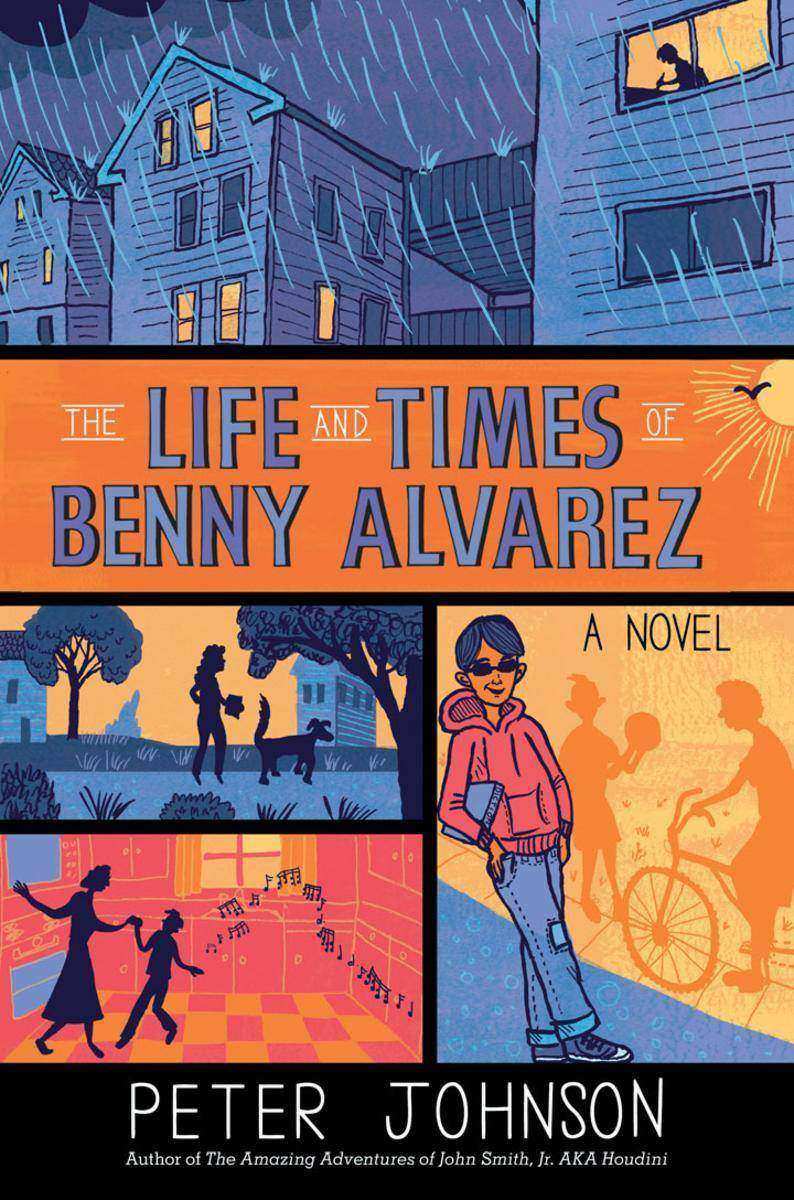
This heartfelt story about school, friendship, and family is perfect for readers who can't get enough of such middle grade favorites as Jerry Spinelli and Gary D. Schmidt. From acclaimed author Peter Johnson, The Life and Times of Benny Alvarez is a novel that will make you laugh, cry, and appreciate your family all the more.Everyone thinks Benny Alvarez is Mr. Negativity. According to Benny, he's just realistic about seeing the "other side" of things—when it comes to just about everything. But maybe there's another way to deal with the things Benny can't control—like his ailing grandfather, his wild younger brother, and the know-it-all girls at school. In this poignant novel about acceptance, Benny Alvarez will have to decide . . . is the glass half empty or half full?

Riding the Universe
¥96.50
Chloé Rodriguez values three things above all else—her family; her best friend, Rock; and Lolita, her Harley-Davidson 1200 Sportster. With a black body, blue airbrushed flames, and perfect sloping ape hangers, Lolita is Chloé's last connection to her beloved uncle, Seth, who left her the bike when he died last summer. So when a failing chemistry grade threatens to separate Chloé from her motorcycle, she vows not to let that happen . . . no matter what. Enter Gordon. Ridiculously organized, übersmart, and hot in a casual, doesn't-know-it kind of way, Chloé's peer tutor may have a thing or two to teach her besides chemistry. But she has to stop falling for Gordon . . . and get Rock to act mature whenever he's around . . . and pass chemistry so she doesn't lose Lolita forever. Just when Chloé thinks she's got it all figured out, a bump in the road comes out of nowhere and sends her skidding.
Pound for Pound
¥96.50
Following his remarkable fiction debut, Rope Burns, author F. X. Toole's Pound for Pound is a big, brawny novel of honor, perseverance, family, and forgiveness, set in towns where violence is the norm and success stories take on an almost mythic importance. It is the story of Dan Cooley, an aging, legendary Los Angeles trainer, who takes on Chicky Garza, a troubled young fighter hungry for glory in the notoriously corrupt San Antonio boxing circuit. Written in the masterful style that has earned the author glowing comparisons to Ernest Hemingway, Raymond Carver, and Frank McCourt, this unforgettable posthumous novel celebrates a unique and powerful bond, and the courage that overcomes insurmountable obstacles in and out of the ring.
Seth Baumgartner's Love Manifesto
¥96.50
Seth Baumgartner just had the worst day of his life. His girlfriend dumped him (at Applebee's), he spied his father on a date with a woman who is not his mother (also at Applebee's!), and he lost his fourth job of the year. It's like every relationship he cares about is imploding, and he can't figure out what's going on.To find answers, Seth decides to start an anonymous podcast called The Love Manifesto, exploring "what love is, why love is, and why we're stupid enough to keep going back for more." Things start looking up when Seth gets a job at a golf club with his hilarious and smut-minded best friend, Dimitri, and Dimitri's sister, Audrey. With their help, Seth tracks down his father's mystery date, hits the most infamous bogey in the history of golf, and discovers that sometimes love means eating the worst chicken-salad sandwich you can ever imagine.
Freak Magnet
¥96.50
A novel about freaks, geeks, crushes, and friends—and how sometimes you can be all of them at once.Charlie is the freak. Gloria is the freak magnet. They're pretty much destined to meet. And when they do, sparks fly . . . for Charlie. Gloria, well, she just thinks he's like every other freak who feels compelled to talk to her, although a little better-looking than most.While Charlie has his head in the clouds, Gloria's got hers in a book: her Freak Folio—a record of every weirdo who's talked to her in the last year (it's a big book). But never before has she felt the pull to get to know one of them better. Until now.In this he-said-she-said tale of love, loss, and lucky signs from the author of the ac-claimed Funny Little Monkey, two young strangers at a crossroads in their lives become friends by happy accident (okay, maybe some harmless stalking is involved—and not by the person you'd think!) and forever change each other.

What You Don't Know Can Kill You
¥96.50
In 2003, Dr. Laura Nathanson was widowed after the misdiagnosis of her beloved husband. After this tragedy, she was determined to help others protect themselves and their loved ones from similarly preventable health care disasters—and help them benefit from health care miracles.In What You Don't Know Can Kill You, Dr. Nathanson provides a guide to getting the best medical care and navigating our frustrating and often impenetrable health care system. In clear, non-medical language, she shows how to:Flag any signs of misdiagnosis and misleading analysis of symptomsPrevent miscommunication among specialists from having dire consequencesStay safe in the hospital and bypass its dangers· Choose a health care plan without falling into the "uncovered services" trapFull of empathy for each individual patient and caregiver, What You Don't Know Can Kill You will empower patients to be their own best advocates.
Forget-Her-Nots
¥96.50
Something—some power—is blooming inside Laurel. She can use flowers to do things. Like bringing back lost memories. Or helping her friends ace tests. Or making people fall in love.Laurel suspects her newfound ability has something to do with an ancient family secret, one that her mother meant to share with Laurel when the time was right. But then time ran out.Clues and signs and secret messages seem to be all around Laurel at Avondale School, where her mother had also boarded as a student. Can Laurel piece everything together quickly enough to control her power, which is growing more potent every dayOr will she set the stage for the most lovestruck, infamous prom in the history of the school?
A Disorder Peculiar to the Country
¥96.50
Joyce and Marshall each think the other is killed on September 11—and must swallow their disappointment when the other arrives home. As their bitter divorce is further complicated by anthrax scares, suicide bombs, and foreign wars, they suffer, in ways unexpectedly personal and increasingly ludicrous, the many strange ravages of our time. In this astonishing black comedy, Kalfus suggests how our nation’s public calamities have encroached upon our most private illusions.
The Commissariat of Enlightenment
¥96.50
Russia, 1910. Leo Tolstoy lies dying in Astapovo, a remote railway station. Members of the press from around the world have descended upon this sleepy hamlet to record his passing for a public suddenly ravenous for celebrity news. They have been joined by a film company whose cinematographer, Nikolai Gribshin, is capturing the extraordinary scene and learning how to wield his camera as a political tool. At this historic moment he comes across two men -- the scientist, Professor Vorobev, and the revolutionist, Joseph Stalin -- who have radical, mysterious plans for the future. Soon they will accompany him on a long, cold march through an era of brutality and absurdity. The Commissariat of Enlightenment is a mesmerizing novel of ideas that brilliantly links the tragedy and comedy of the Russian Revolution with the global empire of images that occupies our imaginations today.

In Mike We Trust
¥96.50
Honesty.He wanted it. He craved it.He could barely remember what it was.When Garth's uncle comes to visit, he's like a breath of very needed fresh air. Mike is laid-back and relaxed—and willing to accept Garth for who he is, without question. For the first time in a long while, Garth feels like he's around someone who understands him.But before long Garth is helping Mike with some pretty mysterious things and finds himself keeping secrets from everyone around him. He's forced to wonder: Is his uncle Mike really who he says he is, and can Garth trust himMore importantly, can Garth trust the person he's becoming?P. E. Ryan has crafted a clever and compelling novel that asks the question: How far will you go for your family, to find yourself?
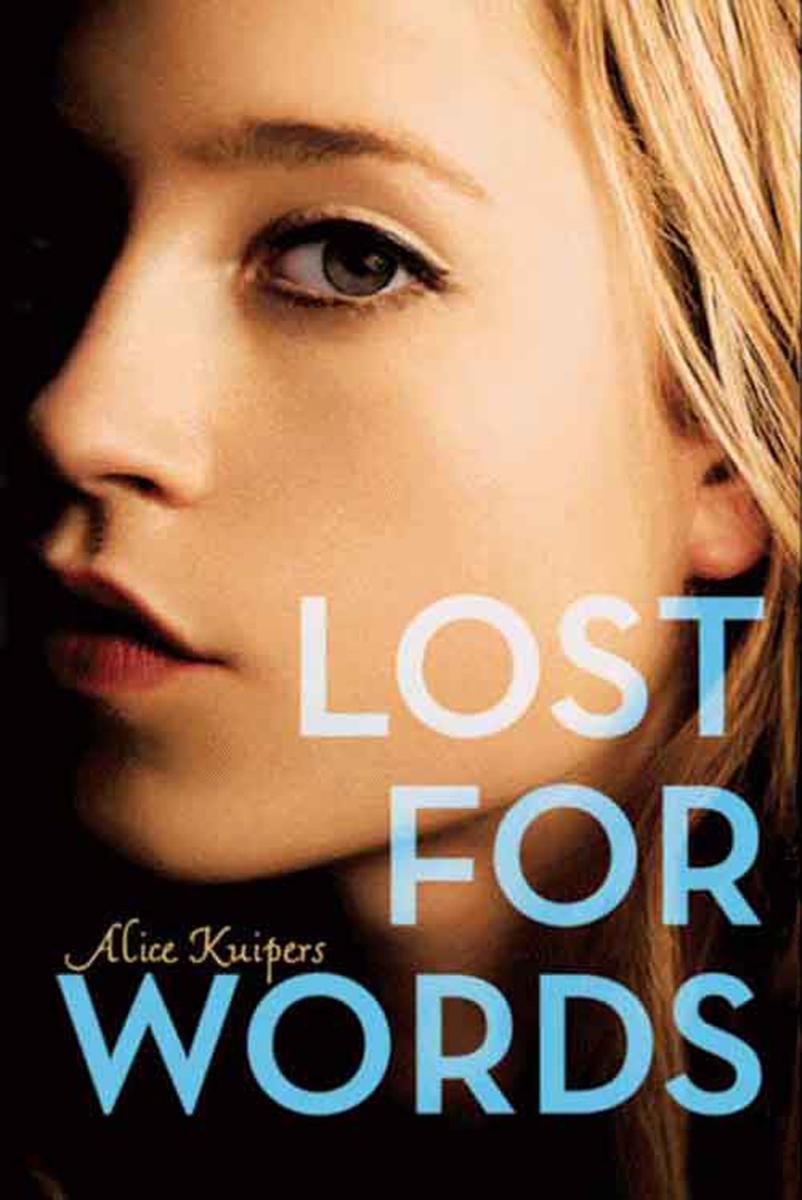
Lost for Words
¥96.50
My New Year's resolution: I'm moving on from everything that's happened. I'm not going to talk about it, think about it, let the memory pounce upon me like a waiting tiger, nothing.All Sophie wants to do is forget. But it's not easy now that everything's changed. The house feels too big, school drags on for too long, lights are too bright, the room spins, and her hands get sweaty for no reason. And she can't remember why she was ever best friends with Abigail, who is obsessed with parties and boys. Only the new girl, Rosa-Leigh, with her prose poems and utter confidence, might understand. But talking to her seems impossible.Lost in memories of the life she once had, Sophie retreats into herself. But there's only so long she can keep everything bottled up inside before she explodes. Maybe by confronting the tragedy of her past she'll figure out how to fix her future.
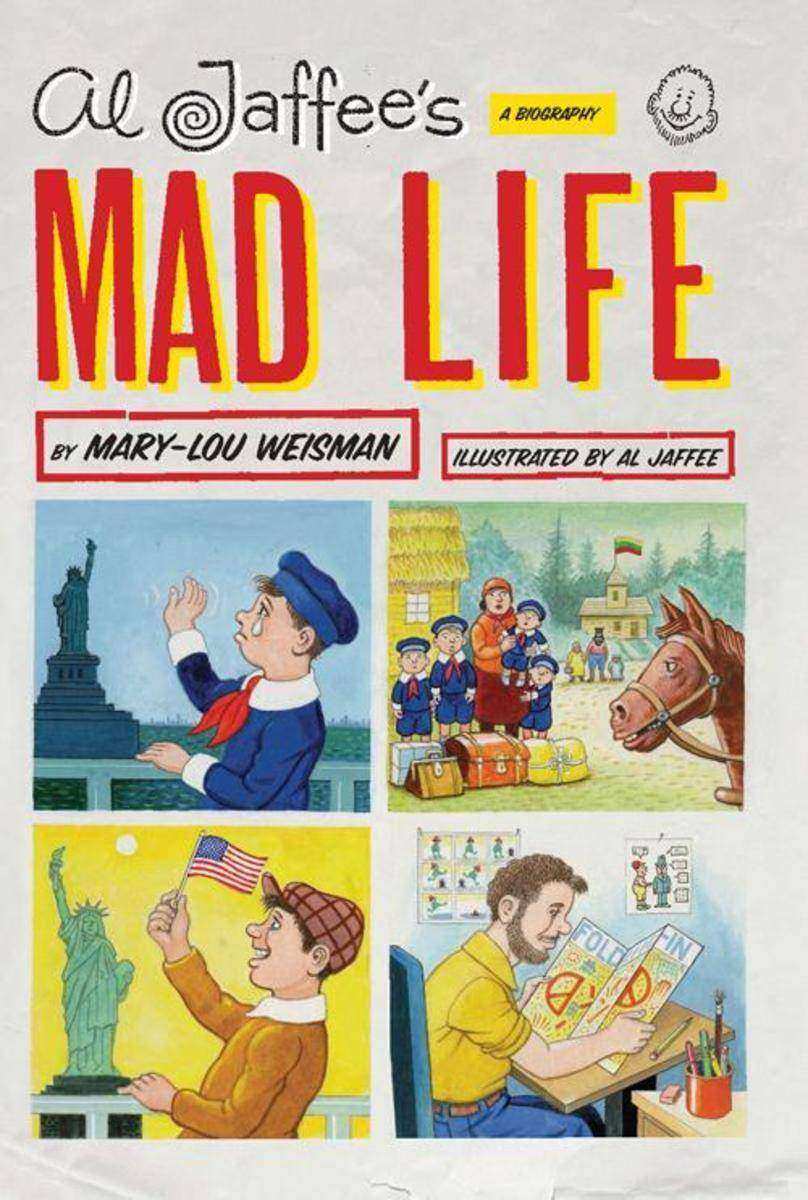
Al Jaffee's Mad Life
¥96.50
Jaffee's inventive work has enlivened the pages of MAD since 1955. To date he has pickled three generations of American kids in the brine of satire, and continues to bring millions of childhoods to untimely ends with the knowledge that parents are hypocrites, teachers are dummies, politicians are liars, and life isn't fair. Jaffee's work for MAD has made him a cultural icon, but the compelling and at times bizarre story of his life has yet to be told. A synopsis of Jaffee's formative years alone reads like a comic strip of traumatic cliff-hangers with cartoons by Jaffee and captions by Freud. Six-year-old Jaffee was separated from his father, uprooted from his home in Savannah, Georgia, and transplanted by his mother to a shtetl in Lithuania, a nineteenth-century world of kerosene lamps, outhouses, physical abuse, and near starvation. He would be rescued by his father, returned to America, taken yet again by his mother back to the shtetl, andonce again rescued by his father, even as Hitler was on the march. When he finally settled back in America as a twelve-year-old wearing cobbled shoes and speaking his native English with a Yiddish accent, schoolmates called him greenhorn. He struggled with challenges at least as great as those he had met in Europe. His luck changed, however, when he was chosen to be amember of the first class to attend New York City's High School of Music and Art. There his artistic ability saved him. He would go on to forge relationships with Stan Lee, Harvey Kurtzman, and Will Elder, launching a career that would bring him to MAD magazine. There he found himself at the forefront of a movement that would change the face of humor and cartooning in America. A cliff-hanger of a life deserves a page-turner of a biography, and that is what Mary-Lou Weisman and Al Jaffee have delivered.
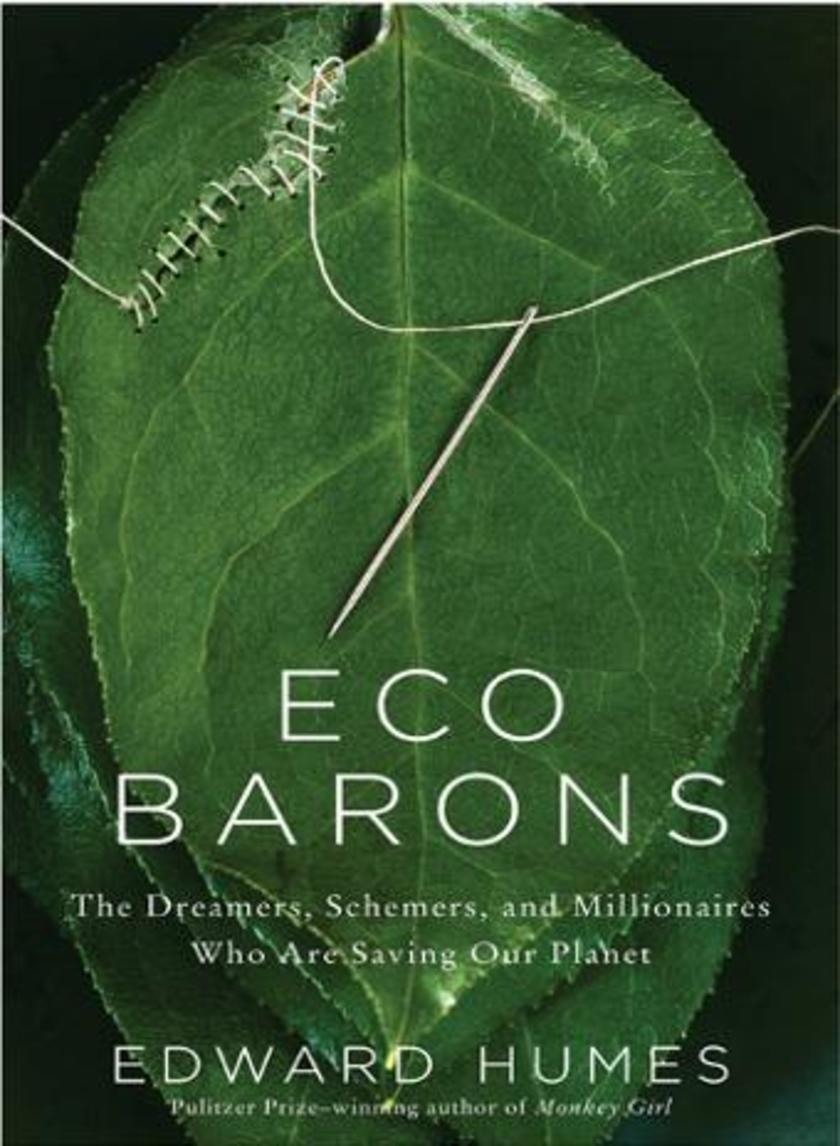
Eco Barons
¥96.50
From Pulitzer Prize winner Edward Humes comes Eco Barons, the story of the remarkable visionaries who have quietly dedicated their lives and their fortunes to saving the planet from ecological destruction.While many people remain paralyzed by the scope of Earth's environmental woes, eco barons a new and largely unheralded generation of Rockefellers and Carnegies are having spectacular success saving forests and wildlands, pulling endangered species back from the brink, and pioneering the clean and green technologies needed if life and civilization are to endure.A groundbreaking account that is both revealing and inspiring, Eco Barons tells of the former fashion magnate and founder of Esprit who has saved more rainforests than any other person and of the college professor who patented the "car that can save the world," the plug-in hybrid. There are the impoverished owl wranglers who founded the nation's most effective environmental group and forced a reluctant President George W. Bush to admit that humans cause global warming. And there is the former pool cleaner to Hollywood stars who became the guiding force behind a worldwide effort to reduce greenhouse gas emissions.At a time when there is no shortage of dire news about the environment, Eco Barons offers a story of hope, redemption, and promise proof that one person with determination and vision can make a difference.
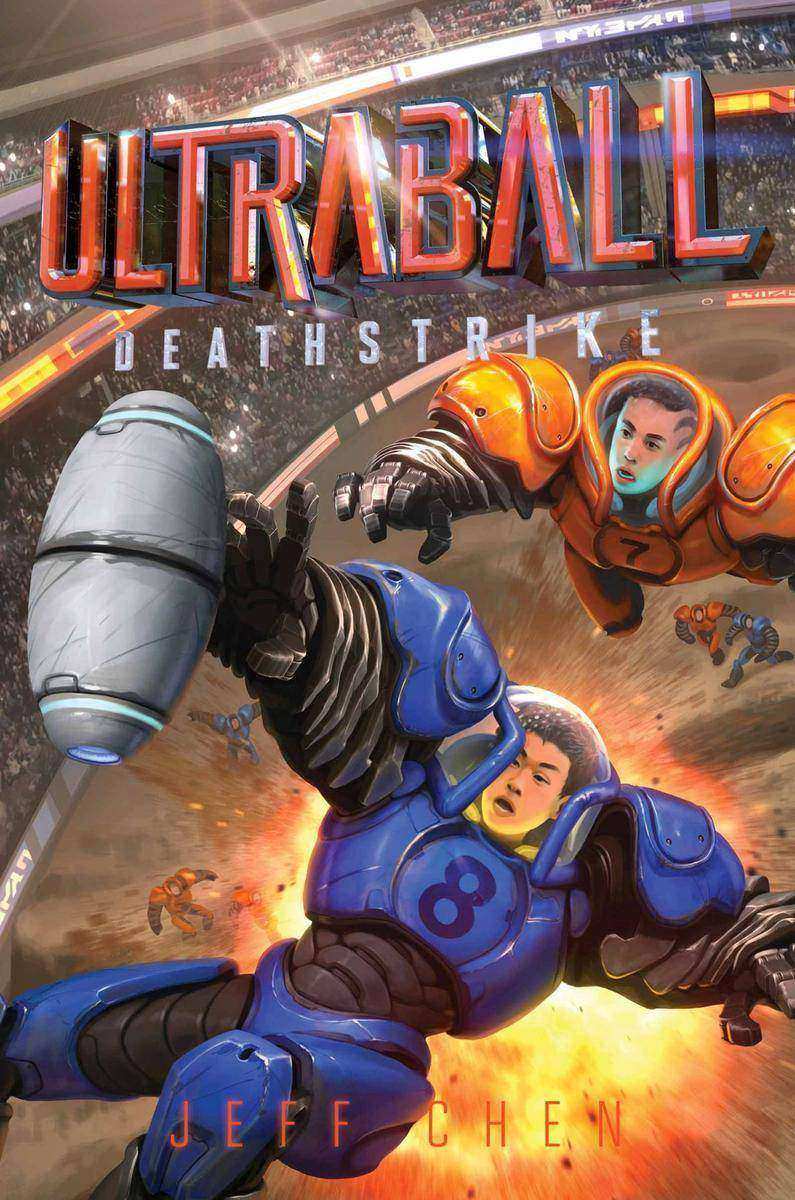
Ultraball #2: Deathstrike
¥96.50
The stakes are extreme in the second book of Jeff Chen’s futuristic, action-packed Ultraball series. Win-or-lose turns into life-or-death in this thrilling middle grade adventure tailor-made for sports and sci-fi fans.Strike and the Miners are hungrier than ever for a championship after losing yet another Ultrabowl. When they suffer a shocking defeat in their season opener, Strike knows that something is off with his game, but the secret hampering his play is too large to reveal.If he can’t perform at the highest level, what chances do the Miners have against the unstoppable Neutrons?Worse yet, his powerful enemy, Raiden Zuna, knows Strike is hiding something. Zuna offers to help, and Strike is tempted—but the information Zuna wants in return threatens Strike’s friend Boom, as well as the growing Dark Side resistance. When rumors surface about Zuna’s mysterious grand plan, code-named Operation Deathstrike, Strike’s choice could have consequences he never anticipated.Even as the Ultraball games ratchet up in intensity, with teams using explosive new tactics to reach the Ultrabowl, Strike has bigger decisions to make if he wants to keep his teammates—and the moon—safe.

Flawless Execution
¥96.28
Your business can take a lesson from the American military's fighter pilots. At Mach 2, the instrument panel of an F-15 is screaming out information, the horizon is a blur, the wingman is occupied, the jet is hanging on the edge -- and yet fighter pilots routinely handle the stress. It's not much different in today's unforgiving business world. One slipup and your company is bankrupt before your employees know what hit them.What works on the squadron level for F-15 pilots will also work for your marketing team, sales force, or research and development group. By analyzing the work environment and attacking its centers of gravity in parallel, you'll begin to utilize the Plan-Brief-Execute-Debrief-Win cycle that will rapidly impact your business's future success. U.S. fighter squadrons have been using this program for nearly fifty years to reduce their mistake rate, cut casualties and equipment losses, and rack up an envious victory record. Now, with Flawless Execution, your business can too.
Parables and Portraits
¥96.18
A revised edition of the first book of poems by Stephen Mitchell, the renowned translator of Rilke's poetry, The Book of Job, and the Tao Te Ching. --This text refers to an out of print or unavailable edition of this title.


