


 购物车
购物车 个人中心
个人中心
Cooking Outside the Box: The Abel and Cole Seasonal, Organic Cookbook
¥95.75
A cookbook to love, a cookbook to read. Delicious, beautiful, organic, seasonal recipes from Britain’s organic food hero! A cookbook to love, a cookbook to read. Delicious, beautiful, seasonal recipes from Keith Abel, the utterly charismatic co-founder of Abel & Cole, Britain's most successful organic home delivery company. Cooking Outside the Box : The Abel & Cole Seasonal, Organic Cookbook provides mouth-watering excuses for eating glorious food exactly when it comes into its best. These are inspiring yet unfussy recipes that let simple ingredients speak for themselves (but don't try to stop him speaking on their behalf). Brilliantly written and entertaining, even the most timid cook can approach these recipes with gusto. Who wouldn't want to cook Keith's way? So throw out your measuring cups, get rid of your scales, and get to know your food! Recipes include Pork Loin Chops on a Bed of Sweet Orchard Apples, Husk-Wrapped and Roasted Garlic Corn, Venison Fillet with Black Kale and Port, 45-Minute Pumpkin & Parmesan Bread, Chargrilled Asparagus and Halloumi with a Citrus Dressing, and Rhubarb Bread and Butter Pudding. Keith also suggests delicious smoothies and soups to help you find a use for that inevitable glut of leftover fruit and veggies at the end of the week. Fully illustrated with beautiful finished food shots, inspiring atmospheric pictures and charming visual references to Keith's own quirky style. Cooking Outside the Box also features Keith's anecdotes on organic farms and small producers, stories about the friends and family who have inspired him, and hilarious suggestions for getting the most out of your cooking experience. So eat with the seasons and eat well!

Woodlands
¥95.75
‘Trees are wildlife just as deer or primroses are wildlife. Each species has its own agenda and its own interactions with human activities …’ Written by one of Britain’s best-known naturalists, Woodlands offers a fascinating new insight into the trees of the British landscape that have filled us with awe and inspiration throughout the centuries. Looking at such diverse evidence as the woods used in buildings and ships, and how woodland has been portrayed in pictures and photographs, Rackham traces British woodland through the ages, from the evolution of wildwood, through man’s effect on the landscape, modern forestry and its legacy, and recent conservation efforts and their effects. In his lively and thoroughly engaging style, Rackham explores woodlands and their history, through names, surveys, mapping and legal documents, archaeology, photographs and works of art, thus offering an utterly compelling insight into British woodlands and how they have come to shape a national obsession.
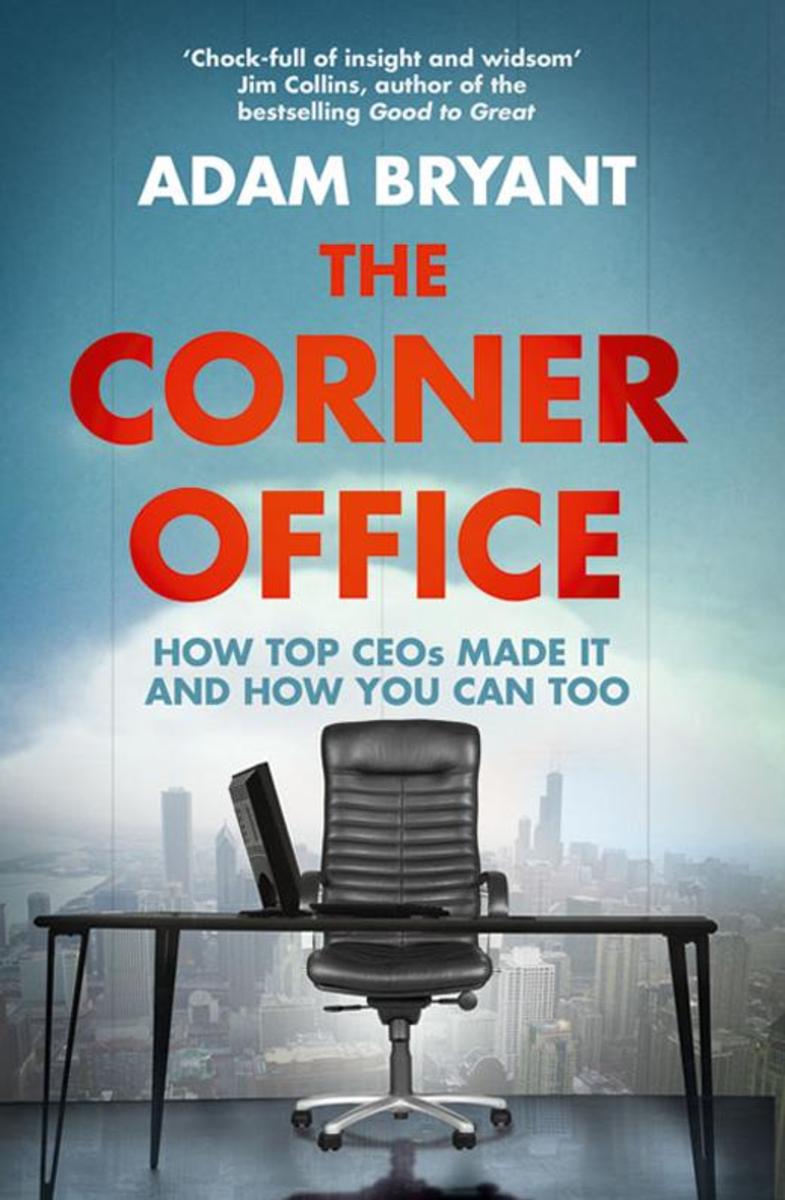
The Corner Office: How Top CEOs Made It and How You Can Too
¥95.75
Aspirational business book based on interviews with over 75 leading American CEOs. What does it take to succeed in business and to inspire others? Adam Bryant of The New York Times sat down with more than seventy-five CEOs and asked them how they do their jobs and the most important lessons they learned as they rose through the ranks. The Corner Office draws together lessons, memorable stories, and eye-opening insights from chief executives like Steven Ballmer (Microsoft), Carol Bartz (Yahoo), Jeffrey Katzenberg (DreamWorks), and Alan Mulally (Ford), as Bryant reveals the keys to success in the business world, including the five qualities CEOs value most in their employees, and shows how executives at the top of their game get the most out of others. For aspiring executives, of any age, The Corner Office offers perspectives that will help anyone who seeks to be a more effective leader and employee, and a path to future success.
The Age of Wonder: How the Romantic Generation Discovered the Beauty and Terror
¥95.75
Shortlisted for the Samuel Johnson Prize and winner of the Royal Society Prize for Science Books, Richard Holmes’s dazzling portrait of the age of great scientific discovery is a groundbreaking achievement. The book opens with Joseph Banks, botanist on Captain Cook’s first Endeavour voyage, who stepped onto a Tahitian beach in 1769 fully expecting to have located Paradise. Back in Britain, the same Romantic revolution that had inspired Banks was spurring other great thinkers on to their own voyages of artistic and scientific discovery – astronomical, chemical, poetical, philosophical – that together made up the ‘age of wonder’. In this breathtaking group biography, Richard Holmes tells the stories of the period’s celebrated innovators and their great scientific discoveries: from telescopic sight to the miner’s lamp, and from the first balloon flight to African exploration.
The Earth: An Intimate History (Text Only)
¥95.75
This ebook edition does not include illustrations. ‘The Earth is a true delight: full of awe-inspiring details… it blends travel, history, reportage and science to creat an unforgettable picture of our ancient earth.’ Sunday Times The face of the Earth, criss-crossed by chains of mountains like the scars of old wounds has changed constantly over billions of years, and the testament of the remote past is all around us. In this book, Richard Fortey teaches us how to read its character, laying out the dominions of the world before us. He shows how everything – human culture, natural history, even the shape of cities – roots back to a deeper geological truth. Far from being the driest of sciences, he proves that geology informs all our lives in the most intimate way. Nothing in this book seems to be at rest. The surface of the Earth dilates and collapses; seas and mountains rise and fall; continents move. We climb the Alps, wallow in Icelandic hot springs, dive down to the ocean floor; we explore the barren rocks of Newfoundland, walk through the lush ecosystems of Hawaii, cross the salt flats of Oman and saunter along the San Andreas Fault. And Fortey is the ideal guide, his de*ions of natural beauty as memorable as the best travel-writers, his prose as gripping as the best novelist, his crystal-clear scientific explanations fascinating and often surprising. Note that it has not been possible to include the same picture content that appeared in the original print version.
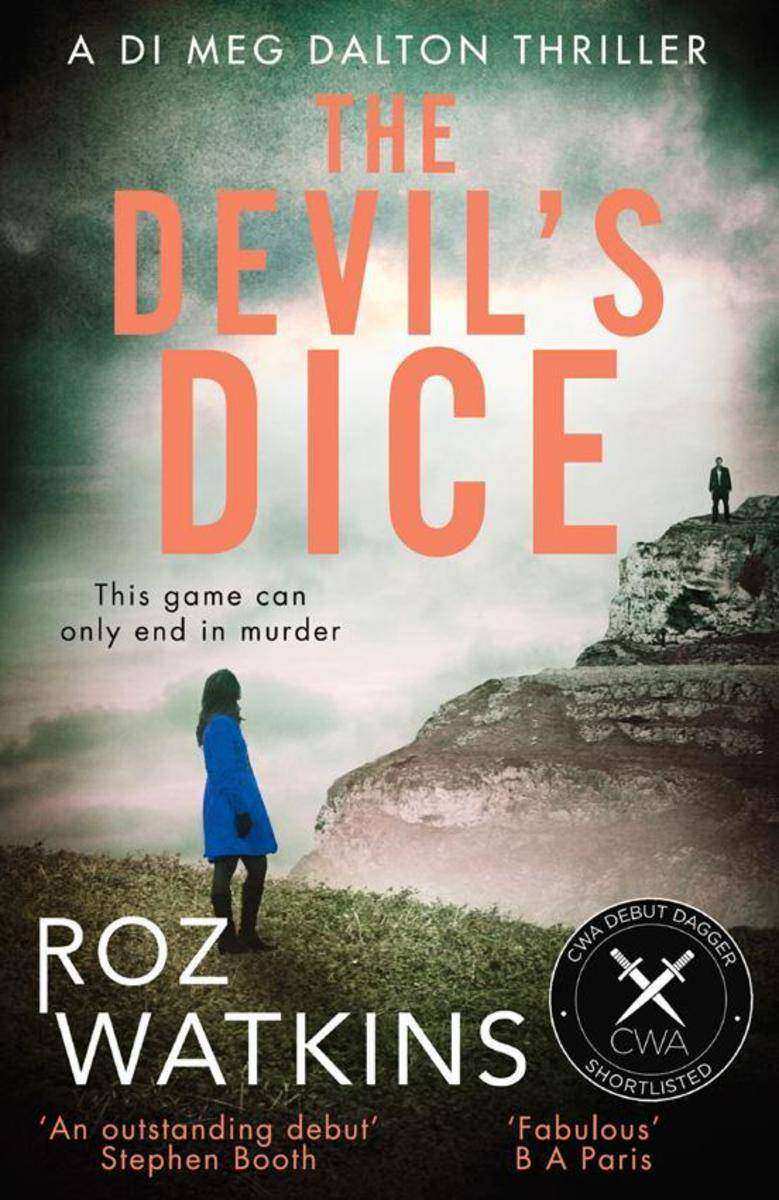
The gripping new crime thriller book – a must read for 2018
¥95.75
The Times Crime Book of the Month, April 2018 ‘A fascinating debut’ Sunday Times ‘A touch of Agatha Christie, a dash of Ann Cleeves’s Vera and a suitably moody setting in the Peaks…bring a formidable newcomer to British crime writing.’ Daily Mail A SHOCKING DEATH A lawyer is found dead in a Peak District cave, his face ribboned with scratches. A SINISTER MESSAGE Amidst rumours of a local curse, DI Meg Dalton is convinced this is cold-blooded murder. There's just one catch – chiselled into the cave wall above the body is an image of the grim reaper and the dead man's initials, and it's been there for over a century. A DEADLY GAME As Meg battles to solve the increasingly disturbing case, it's clear someone knows her secrets. The murderer is playing games with Meg – and the dice are loaded… A white-knuckle crime debut introducing DI Meg Dalton, perfect for fans of Broadchurch and Happy Valley.

Witchsign (Ashen Torment, Book 1)
¥95.75
From celebrated fantasy author Den Patrick comes WITCHSIGN, the first novel in a fresh and exciting new fantasy trilogy It has been seventy-five years since the dragons’ rule of fire and magic was ended. Out of the ashes, the Solmindre Empire was born. Since then, the tyrannical Synod has worked hard to banish all manifestations of the arcane from existence. However, children are still born bearing the taint of the arcane, known to all as witchsign. Vigilants are sent out across the continent of Vinterkveld to find and capture all those bearing the mark. No one knows when the Vigilants of the Synod will appear and enforce the Empire’s laws. But today they’re coming. And gods help those who bear the sign of the witch.
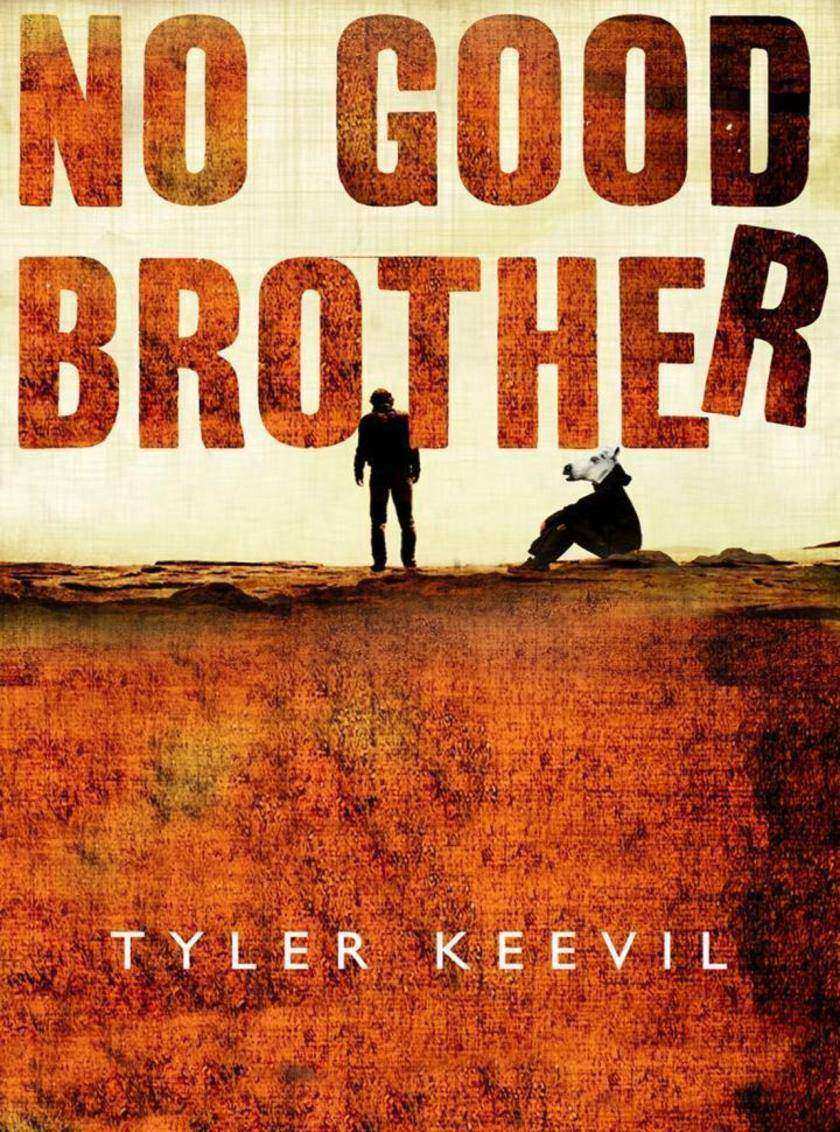
No Good Brother
¥95.75
SHORTLISTED FOR THE WILBUR SMITH ADVENTURE WRITING PRIZE 2018 The Coen Brothers meets Patrick deWitt in this glorious novel from award-winning author Tyler Keevil: a high-stakes adventure of love, loss and morality, introducing two unlikely outlaws… Tim Harding has spent the fishing season in Canada working as a deckhand, making an honest living. When his hot-headed younger brother tracks him down at the shipyards in Vancouver, Tim senses trouble. Jake is a drifter, a dreamer, an ex-con, and now he needs help in repaying a debt to the notorious Delaney gang. So begins an epic, unpredictable odyssey across land and sea as the brothers journey down to the Delaney’s ranch in the U.S., chased by customs officials, freak storms and the gnawing feeling that their luck is about to run out. But while they may be able to outrun the law, there’s no escaping the ghosts of their tragic family past and neither is prepared for who and what awaits them at the other end. Quick-witted and beautifully observed, No Good Brother is an exquisite portrait of brotherly love and loyalty, examining the loss of innocence and the ties that bind us.
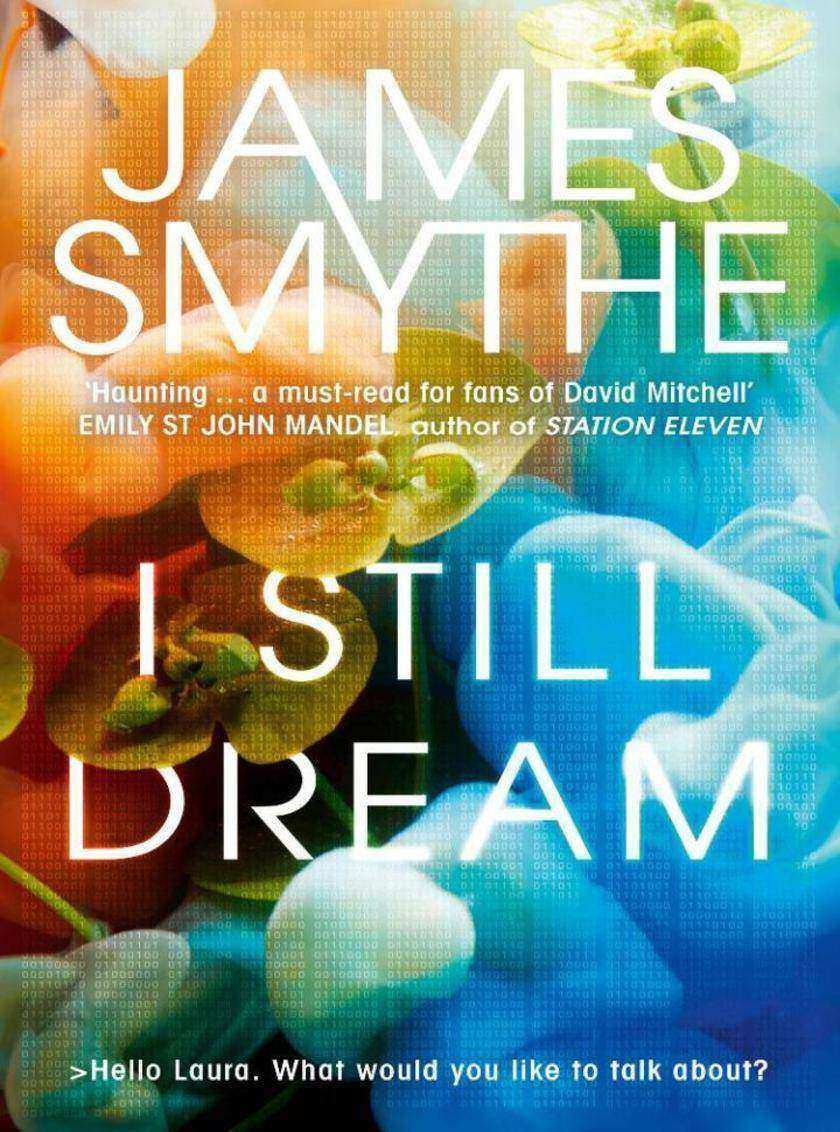
I Still Dream
¥95.75
“A strikingly intelligent book about intelligence itself” – Sarah Perry, author of The Essex Serpent 1997. 17-year-old Laura Bow has invented a rudimentary artificial intelligence, and named it Organon. At first it’s intended to be a sounding-board for her teenage frustrations, a surrogate best friend; but as she grows older, Organon grows with her. As the world becomes a very different place, technology changes the way we live, love and die; massive corporations develop rival intelligences to Laura’s, ones without safety barriers or morals; and Laura is forced to decide whether to share her creation with the world. If it falls into the wrong hands, she knows, its power could be abused. But what if Organon is the only thing that can stop humanity from hurting itself irreparably? I STILL DREAM is a powerful tale of love, loss and hope; a frightening, heartbreakingly human look at who we are now – and who we can be, if we only allow ourselves.
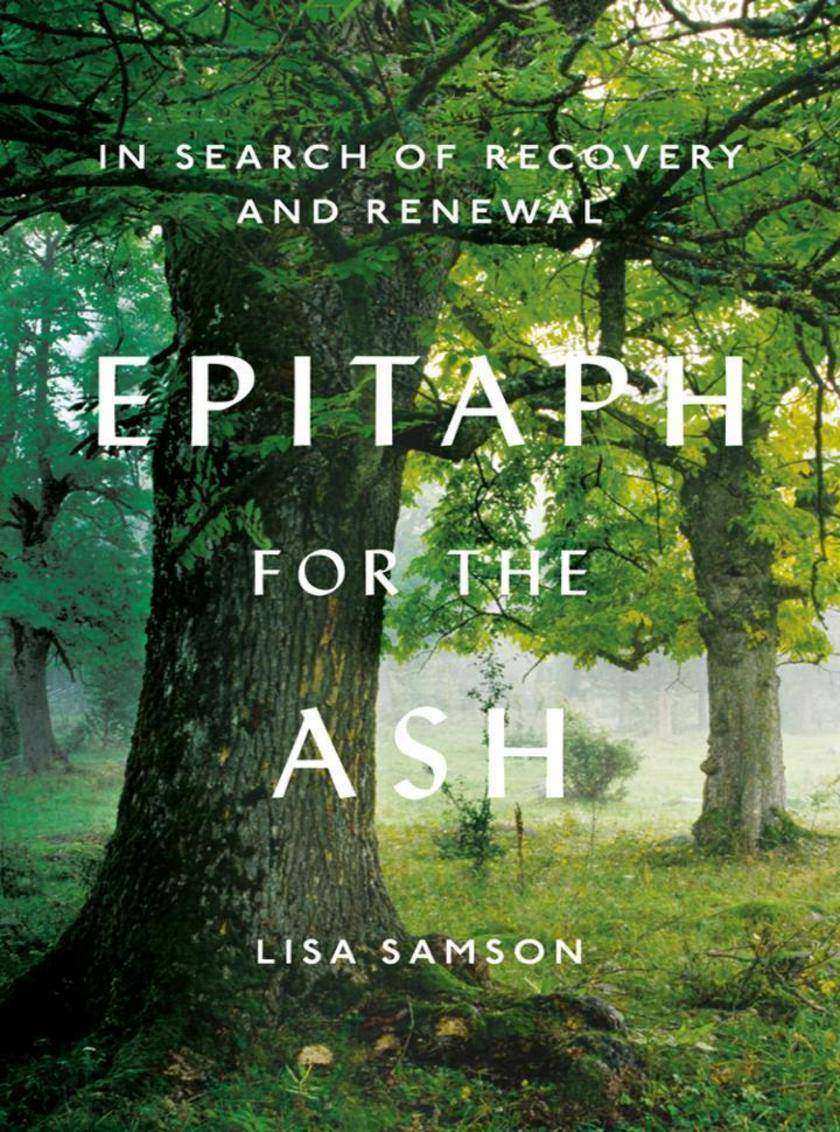
Epitaph for the Ash: In Search of Recovery and Renewal
¥95.75
An English language and literature specialist with many years’ experience of teaching English and Italian, Lisa Samson is a Senior Lecturer in Writing at Leeds Beckett University. Lisa's first novel, Talk To Me, came second in the Virginia Prize for Fiction 2011. She has been published in short form both in print and online.
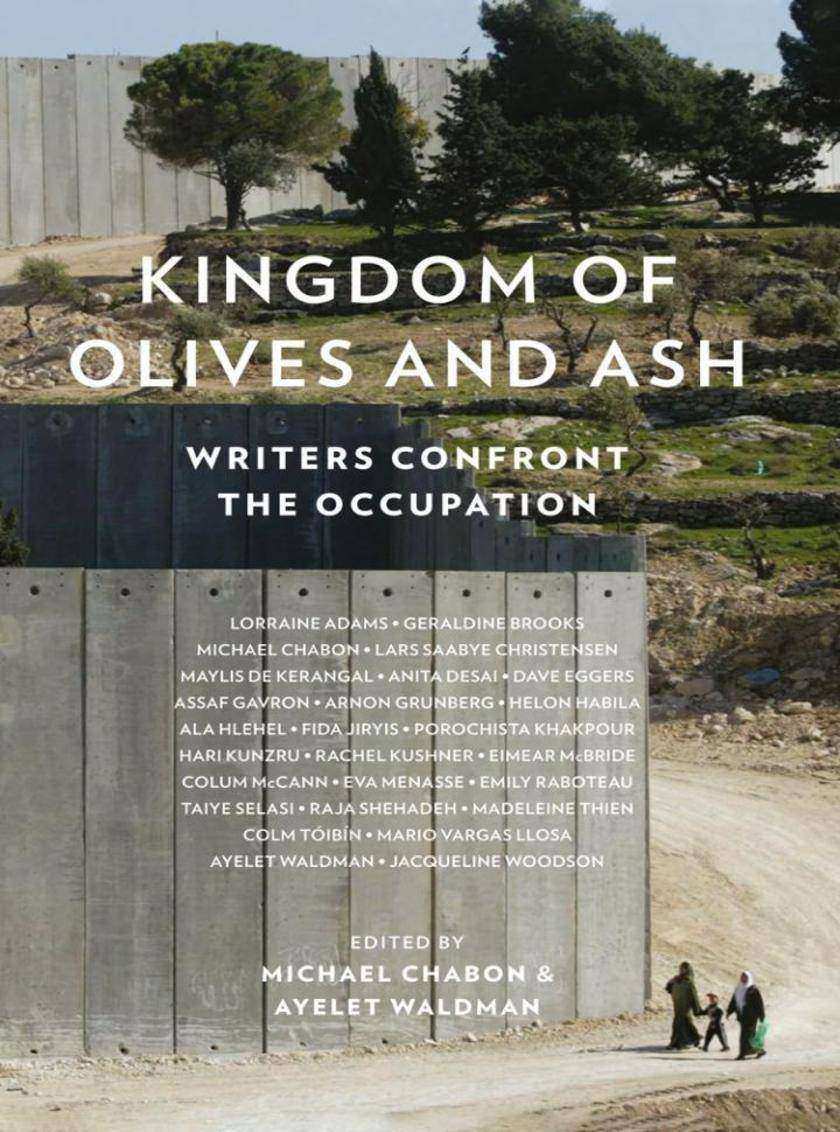
Kingdom of Olives and Ash: Writers Confront the Occupation
¥95.75
Published to coincide the with 50th anniversary of the Israel occupation of the West Bank, an anthology that explores the human cost of the conflict there as witnessed by such notable writers as Colum McCann, Colm Toibin, Dave Eggers, Madeleine Thien, Eimear McBride, Taiye Selasi and editors Michael Chabon and Ayelet Waldman. June 2017 marks the 50th anniversary of the Israel occupation of the West Bank. The violence on both sides of the conflict has been horrific, the casualties catastrophic. Michael Chabon and Ayelet Waldman, two of today's most renowned novelists and essayists, have joined forces with the Israeli NGO Breaking the Silence―an organization comprised of former Israeli soldiers who served in the occupied territories and saw firsthand the injustice there―and a host of illustrious writers to tell the stories of the people on the ground in the contested territories. KINGDOM OF OLIVES AND ASH includes contributions from some of our most esteemed storytellers, including essays from editors Chabon and Waldman. Their writing enables readers to understand the human narratives behind the litany of grim destruction broadcasted nightly on the news. Together they all stand witness to the human cost of the occupation.
Boundaries: How to Draw the Line in Your Head, Heart and Home
¥95.75
About Jennie MillerJennie Miller MSc is a Transactional Analysis psychotherapist, trainer and relationship expert with 20 years’ experience specialising in depression, working one-to-one with personality disorders, and seeing couples. She is also the founder of the very popular ‘The Key to Couples Work’, a TA-based training programme that she delivers in this country and abroad. She works with the Armed Forces training their welfare officers, and is currently designing a training programme for solicitors’ practices and other professional offices. In her private practice, she sees individuals for long-term psychotherapy, couples, and small family groups. Jennie is well known internationally for her work in relationships and creative use of boundaries. About Victoria LambertVictoria Lambert is an international award-winning journalist, and has written for most of the UK’s national newspapers, principally the Daily Telegraph, the Guardian and the Daily Mail. She has written for numerous magazines including Woman & Home, The Spectator and Saga, and has been a columnist for Geographical and education magazine School House where she is the agony aunt. Staff positions have included Health Editor of the Daily Telegraph and Health Editor of the Daily Mail, plus Foreign Editor, in Australia, of the Sydney Daily Telegraph. Victoria Lambert’s work is syndicated worldwide and she has been recognised with awards including the Best Cancer Reporter Award 2011 presented by the European School of Oncology.
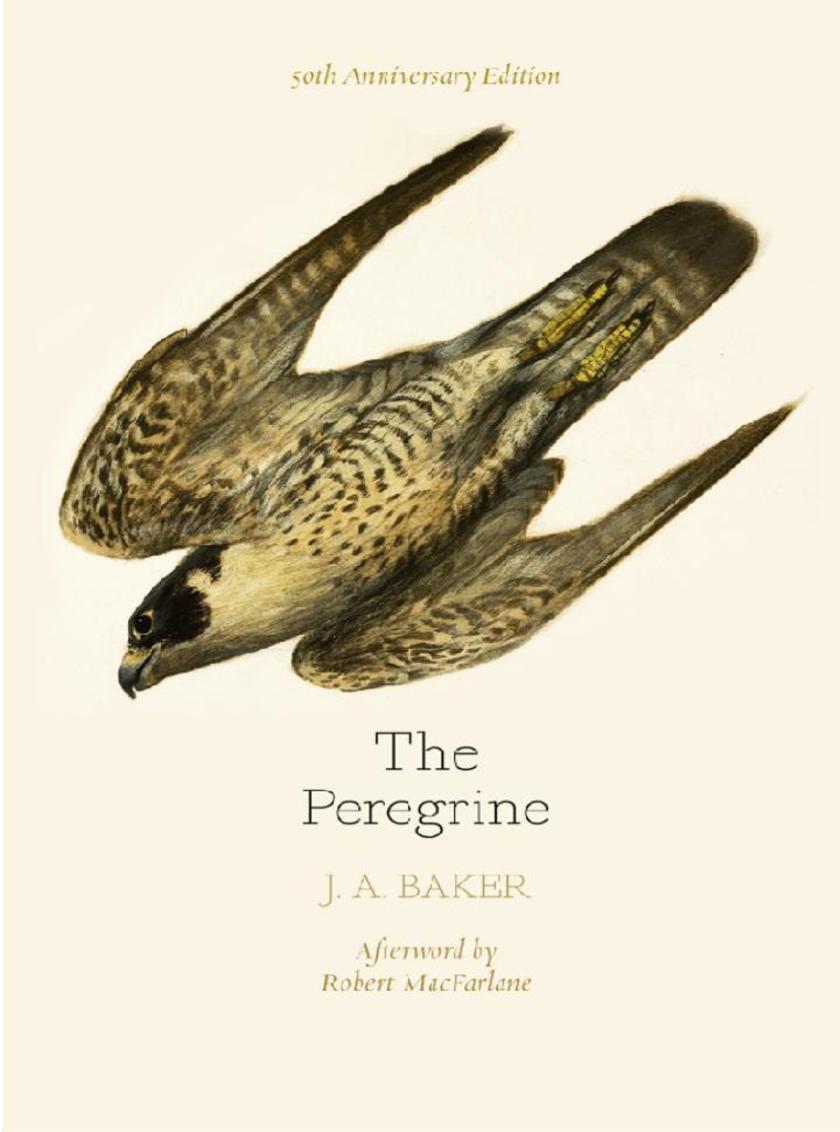
The Peregrine: 50th Anniversary Edition: Afterword by Robert Macfarlane
¥95.75
J.A. Baker (1926-1987) is now widely acknowledged as one of the most important British writers on nature in the twentieth century. When his first book, The Peregrine, appeared in 1967 with all the unexpected power and vertiginous daring of its eponymous bird, it was instantly recognised as a masterpiece. Today it is viewed by many as the gold standard for all nature writing and, in many ways, it transcends even this species of praise. A case could easily be made for its greatness by the standards of any literary genre.
![The Five Giants [New Edition]: A Biography of the Welfare State](https://platform-permanent.ddimg.cn/pt-media-info-soa-resource/digital/product/91/9/1901079109_ii_cover.jpg?version=35ee7947-a8b0-4eae-94f5-aa2ad644e56e)
The Five Giants [New Edition]: A Biography of the Welfare State
¥95.75
Nicholas Timmins has been Public Policy Editor of the Financial Times since 1996. Before that he was with the Independent for a decade from its foundation., working variously as its health and social services correspondent , politcal correspondent and its public policy editor. He previously held similar posts at The Times. He has also worked for the Press Association and Nature. He has therefore been reporting on the events covered in this, his first book, for twenty years.
The Queens of Innis Lear
¥95.75
A KINGDOM AT RISK, A CROWN DIVIDED, A FAMILY DRENCHED IN BLOOD Tessa Gratton's debut epic adult fantasy, The Queens of Innis Lear, brings to life a world that hums with ancient magic, and characters as ruthless as the tides. The erratic decisions of a prophecy-obsessed king have drained Innis Lear of its wild magic, leaving behind a trail of barren crops and despondent subjects. Enemy nations circle the once-bountiful isle, sensing its growing vulnerability, hungry to control the ideal port for all trade routes. The king’s three daughters – battle-hungry Gaela, master manipulator Reagan, and restrained, starblessed Elia – know the realm’s only chance of resurrection is to crown a new sovereign, proving a strong hand can resurrect magic and defend itself. But their father will not choose an heir until the longest night of the year, when prophecies align and a poison ritual can be enacted. Refusing to leave their future in the hands of blind faith, the daughters of Innis Lear prepare for war – but regardless of who wins the crown, the shores of Innis will weep the blood of a house divided.
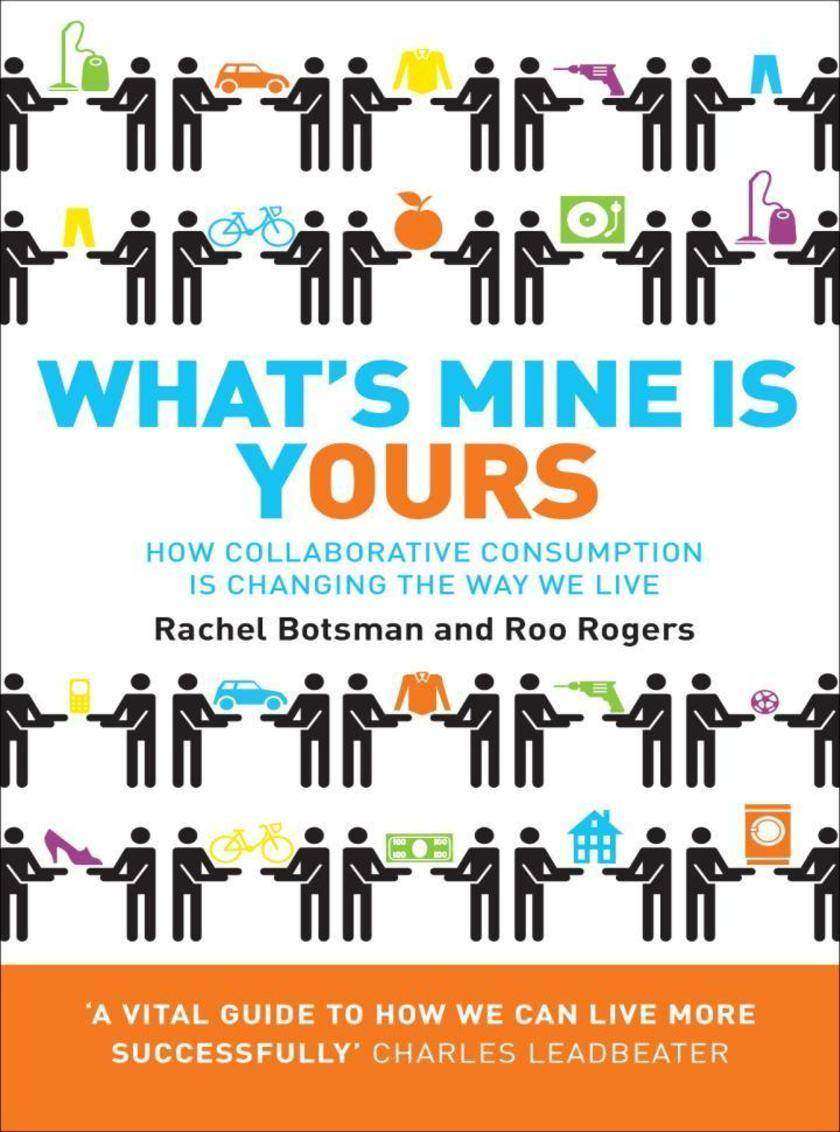
What’s Mine Is Yours: How Collaborative Consumption is Changing the Way We Live
¥95.75
In the 20th century humanity consumed products faster than ever, but this way of living is no longer sustainable. This new and important book shows how technological advances are driving forms of ‘collaborative consumption’ which will change forever the ways in which we interact both with businesses and with each other. The average lawn mower is used for four hours a year. The average power drill is used for only twenty minutes in its entire lifespan. The average car is unused for 22 hours a day, and even when it is being used there are normally three empty seats. Surely there must be a way to get the benefit out of things like mowers, drills and even cars, without having to carry the huge up-front costs of ownership? There is indeed. Collaborative consumption is not just a buzzword, it is a new win-win way of life. This insightful and thought-provoking new book by Rachel Rogers and Roo Botsman is an important and fast-moving survey of the dramatic changes we are seeing in the way we consume products. Many of us are familiar with freecycle, eBay, couchsurfing and Zipcar. But these are just the beginning of a new phenomenon. Rachel Botsman and Roo Rogers have interviewed business leaders and opinion formers around the world to draw together the many strands of Collaborative Consumption into a coherent and challenging argument to show that the way we did business and consumerism in the 20th century is not the way we will do it in the 21st century.
Ting Tang Tommy
¥95.75
Good games are like good jokes. They get remembered and passed on from person to person. But sometimes they get forgotten. ‘Ting Tang Tommy!’ is about remembering the best games we’ve ever known This book sets out to prove that you can play games anywhere – on the beach, having dinner with friends, at a barbeque, with your family at Christmas. It will equip you with loads of simple, memorable games that you can share at any moment of the day – no equipment required. Beautifully produced and designed, ‘Ting Tang Tommy!’ is both a handbook of games and a personal exploration of them, full of potted histories and interesting facts. Each game featured has been tried and tested – and, most importantly, loved.
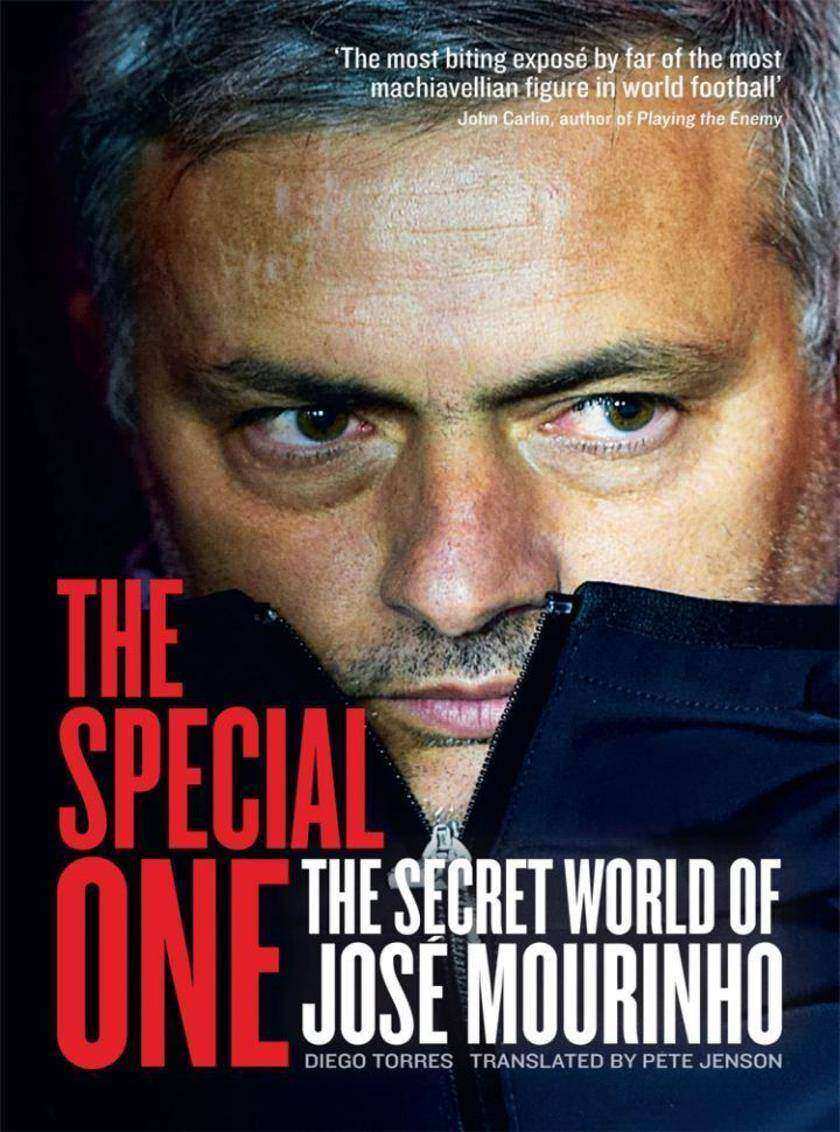
The Special One: The Dark Side of Jose Mourinho
¥95.75
An explosive and shocking biography of Jose Mourinho - revealing the dark side of 'the special one'. When José Mourinho announced his return to English football, it sparked celebrations from fans and press alike. As one of the most charismatic figures in the game, his reappearance could surely only be a good thing… But is there a darker side to the Mourinho? A mischievous, scheming, even tyrannical quality to the man beneath the veneer of charm? As part of El Pais, Diego Torres is one of the premier investigative journalists in Spanish football, and in this explosive biography of 'the special one' he uncovers secrets and lies that will change the way we see Mourinho. From dodgy dealings to assassinations of players both outside and within his own team, and other shocking revelations, Prepare To Lose reveals Mourinho as a man far removed from the hero so many people consider him to be.
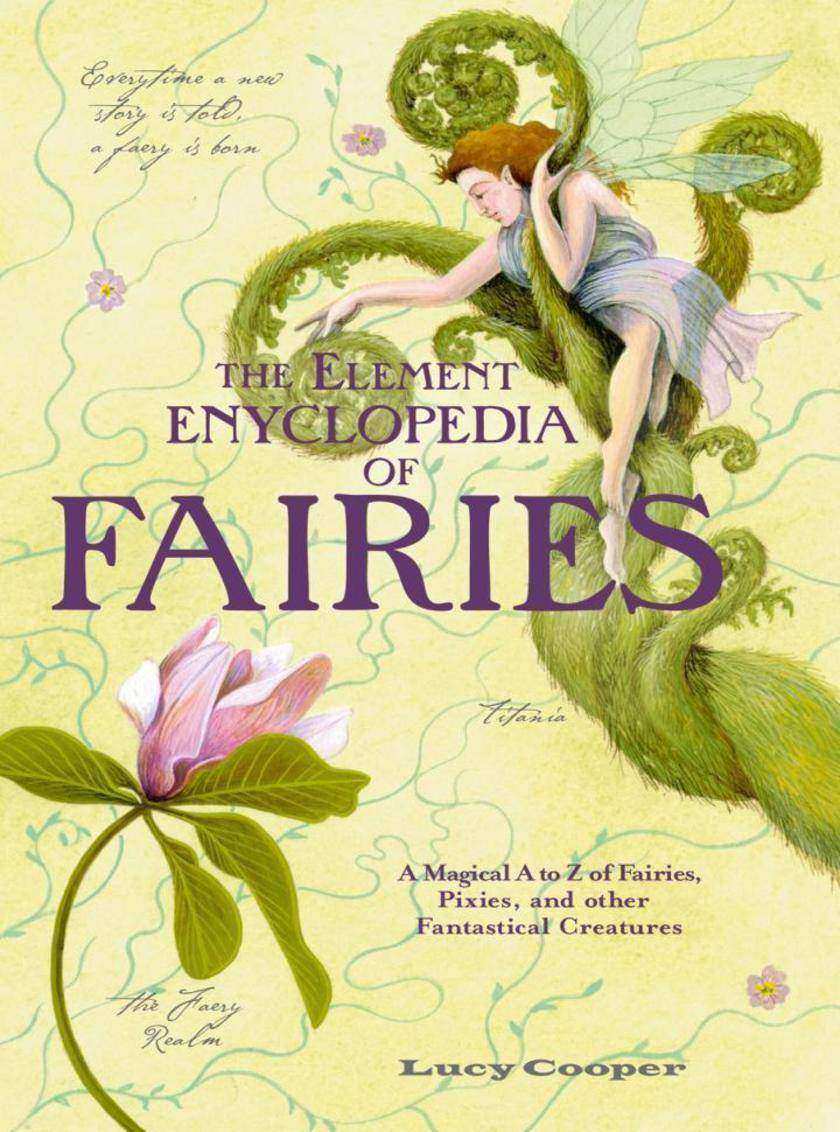
THE ELEMENT ENCYCLOPEDIA OF FAIRIES
¥95.75
The latest title in the much-loved Element Encyclopedia series, The Element Encyclopedia of Fairies explores the history, legends, and mythology of these little peoples. In the latest instalment of the best-selling Element Encyclopedia series, fairy expert Lucy Cooper examines the long history of fairies in our world, both ancient and modern. From the Fates of ancient Greece and the Sidhe of the Celts to the Cottingley Fairies of Yorkshire and the Djinn of Arabia. Loaded with hundreds upon hundreds of fascinating entries, this is the most comprehensive and definitive book on fairies available today. In addition to the essential A to Z reference guide, The Element Encyclopedia of Fairies also features a series of essays which will illuminate for readers: ? How to see a fairy ? Fairies in literature and legend ? The difference between a “fairy” and a “faerie” ? Fairies from around the world ? What and where is Fairyland? Whether you’re a seasoned fairy spotter or a new visitor to Fairyland, The Element Encyclopedia of Fairies is an essential addition to your fantastical bookshelf.
How To Make Good Food Go Further
¥95.75
Rose Prince’s The New English Kitchen was a modern classic and a house-hold gem. Collected here are its most essential recommendations and recipes for making good food go further. From how to stretch a native breed, properly hung cut of beef to eight meals, to making stock from prawn or langoustine shells, to saving by making your own bread (and using it right up to the last crumb), How to Make Good Food Go Further will inspire you make the absolute most of the food you buy. With brilliantly simple recipes for leftovers, cheaper cuts, and making nourishing meals from the simplest of components, it will help you discover that it is possible to eat well, and eat economically, without compromising on quality or the simple pleasure of eating good food.
A Fish Dinner in Memison (Zimiamvia, Book 2)
¥95.75
The second volume in the classic epic trilogy of parallel worlds, admired by Tolkien and the great prototype for The Lord of the Rings and modern fantasy fiction. A lady strays from a garden path and enters a different realm. A king wages dynastic war for control of three kingdoms. As villains plot to take control of an alternate world inhabited by the souls of the dead, a mysterious, magical woman seeks her destiny, igniting a splendid pageantry of battles and quests, poisonous love and triumphant passion, doomed loyalties and unsurpassed courage. And while Edward Lessingham engages in an earthly romance in twentieth-century England, seduction in Zimiamvia takes place over the most lavish of banquets…


