


 购物车
购物车 个人中心
个人中心
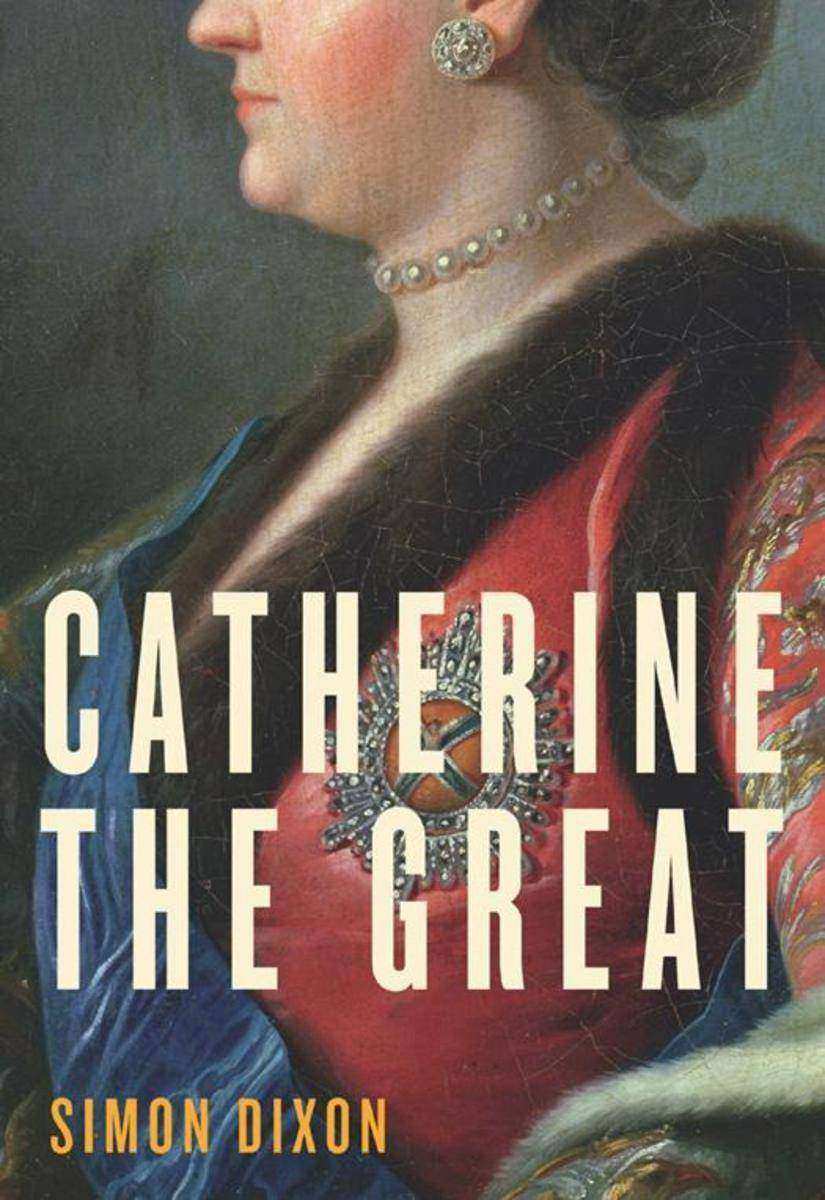
Catherine the Great
¥95.11
In 1745 a little-known German princess named Sophie of Anhalt-Zerbst married the nephew of Empress Elizabeth of Russia. Seventeen years later she overthrew her husband to become Catherine the Great, one of the most celebrated monarchs in history, turning eighteenth-century Russia into arguably the largest and most powerful state since the fall of the Roman Empire.Admired for her achievements and satirized for her personal life, she wrote the most revealing memoirs by any European ruler. She promoted radical political ideas and emphasized moderation in government. Ruthless when necessary, she charmed everyone she met, joking at private dinner parties in the Hermitage, which she had built for her own use. Determined to endear herself to the Russians, she made religious devotions in which she never believed. Intimate and revealing, Simon Dixon's new biography examines the lifelong friendships that sustained the empress throughout her personal life, and places her within the context of the royal court: its politics, its flourishing literature, and the very culture that became central to her exercise of absolute power.

The Loyal Lieutenant
¥95.11
George Hincapie is one of the most recognized cyclists in the world a record seventeen-time Tour de France participant, Olympian, beloved teammate, and celebrated lead-out man for Lance Armstrong. It was his sterling reputation that enabled him to publicly rise above a doping confession that shocked not only the cycling community but the entire sports world when he became a key witness in the case of Lance Armstrong and drugs in cycling. For the first time since that confession, "Big George" reflects on his years as a world-class rider, offering an honest and compelling account of not only a dark period in professional cycling but the demands required of the best in the field. Hincapie's life has been intrinsically tied to the sport he loves. Raised in Queens, New York, in a tight-knit Colombian family, he grew up with his father's love of cycling and the Colombian "cycling warrior" archetype. Chronicling the exhilarating ride of his career, he takes us through his adrenaline-junkie amateur years to the Olympics, going professional, and reaching his true calling as Lance Armstrong's most prized "domestique" a role in which Hincapie would lead his then best friend to seven straight Tour de France victories. In The Loyal Lieutenant, Hincapie speaks openly about his relationship with Armstrong, which was so integral to both of their successes. He addresses how he himself began doping and why he chose to quit long before the headline-making revelations and, finally, what led to the testimony that broke Armstrong's case. The Loyal Lieutenant is George Hincapie's story: the per-sonal evolution of a cycling superhero coming clean about his past to, he hopes, help restore honor to the sport he loves.
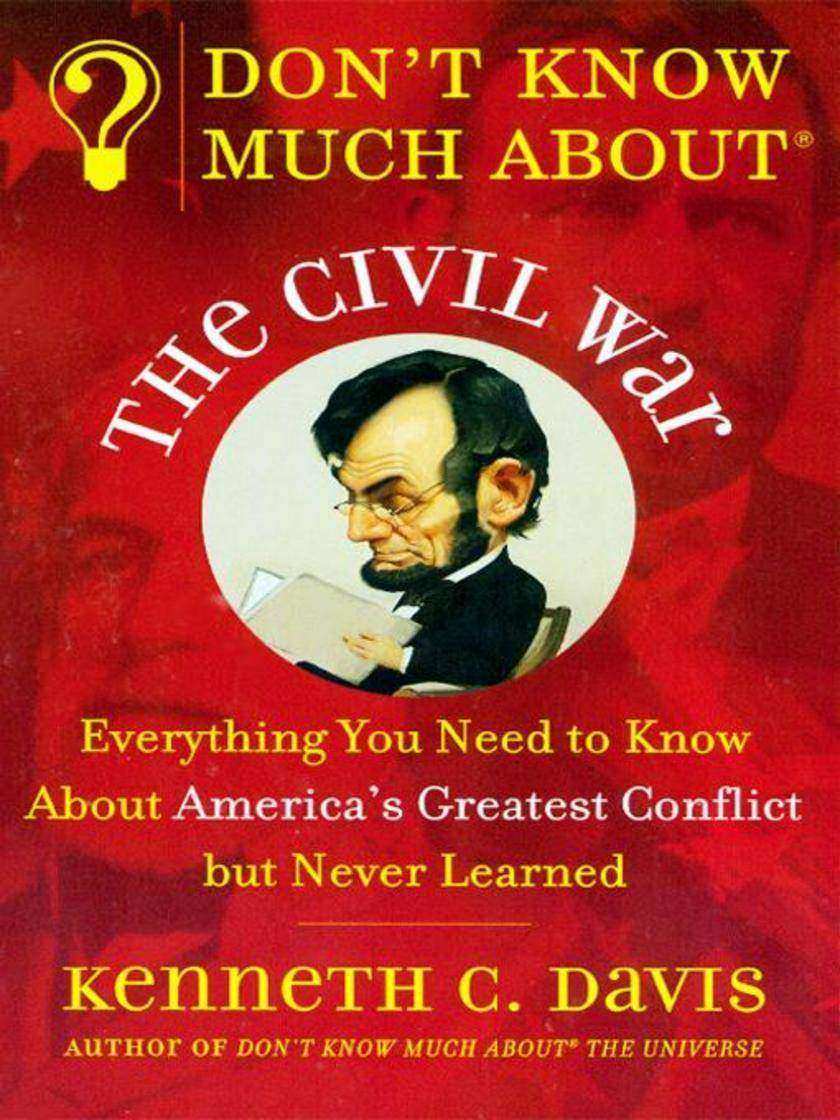
Don't Know Much About the Civil War
¥95.11
Why did Abraham Lincoln sneak into Washington for his inaugurationWas the Gettysburg Address written on the back of an envelope?Where did the Underground Railroad run?Can you answer these questionsIf not, you're not alone! New York Times-bestselling author Kenneth C. Davis comes to the rescue, deftly sorting out the players, the politics, the key events -- Emancipation and Reconstruction, Shiloh and Gettysburg, Generals Grant and Lee, Harriet Beecher Stowe -- and providing little-known facts that will enthrall even learned Civil War buffs. Vivid, informative, and hugely entertaining, Don't Know Much About? the Civil War is the only book you'll ever need on "the war that never ended."

Viper Pilot
¥95.11
151 combat missions 21 hard kills on surface-to-air-missile sites 4 Distinguished Flying Crosses with Valor 1 Purple HeartSure to rank as one of the greatest aviation memoirs ever written, Viper Pilot is an Air Force legend's thrilling eyewitness account of modern air warfareFrom 1986 to 2006, Lt. Col. Dan Hampton was a leading member of the Wild Weasels, the elite Air Force fighter squadrons whose mission is recognized as the most dangerous job in modern air combat. Weasels are the first planes sent into a war zone, flying deep behind enemy lines purposely seeking to draw fire from surface-to-air missiles and artillery. They must skillfully evade being shot down and then return to destroy the threats, thereby making the skies safe for everyone else to follow. Today these vital missions are more hazardous than direct air-to-air engagement with enemy aircraft. Hampton's record number of strikes on high-value targets make him the most lethal F-16 Wild Weasel pilot in American history. This is his remarkable story.Taught to fly at an early age by his father, Hampton logged twenty years and 608 combat hours in the world's most iconic fighter jet: the F-16 "Fighting Falcon," or "Viper" as its pilots call it. Hampton spearheaded the 2003 invasion of Iraq, leading the first flight of fighters over the border en route to strike Baghdad. In the war that followed, he engaged in a series of brilliantly executed missions that earned him three Distinguished Flying Crosses with Valor; he notably saved a U.S. Marine unit from certain death by taking out the surrounding enemy forces near Nasiriyah. Two years earlier, on 9/11, Hampton's father was inside the Pentagon when it was attacked; with his dad's fate unknown, Hampton was scrambled into American skies and given the unprecedented orders to shoot down any unidentified aircraft. Hampton also flew critical missions in the first Gulf War, served on the Air Combat Command staff during the Kosovo War, and was injured in the 1996 Khobar Towers terrorist attack.With manned missions rapidly giving way to remote-controlled UAV drones, Viper Pilot may be the last memoir by a true hero of the skies. Gripping and irreverently humorous, it is an unforgettable look into the closed world of fighter pilots and modern air combat.
Welcome to the Real World
¥95.11
It's a challenging time to be young and new in the workplace. Your parents can't help the rules have all changed. In Welcome to the Real World, career expert and entrepreneur Lauren Berger arms you with the tools you need to succeed. She's been in your shoes just a few years ago she was you. This handbook tells you everything you need to know to make the most of your first on-the-job experience, including how to think about the big picture deal with rejection effectively manage your time navigate sticky situations in the office and communicate with different personality types embrace entrepreneurship regardless of position, rank, or title organize your financial situation and personal life get promoted and (one day) take your boss's job! In a world defined by uncertainty, Lauren shows you how to be bold, take risks, and understand your value.

The Trees in My Forest
¥95.11
Ina book destined to become a classic, biologist and acclaimed nature writer Bernd Heinrich takes readers on an eye-opening journey through the hidden life of a forest.
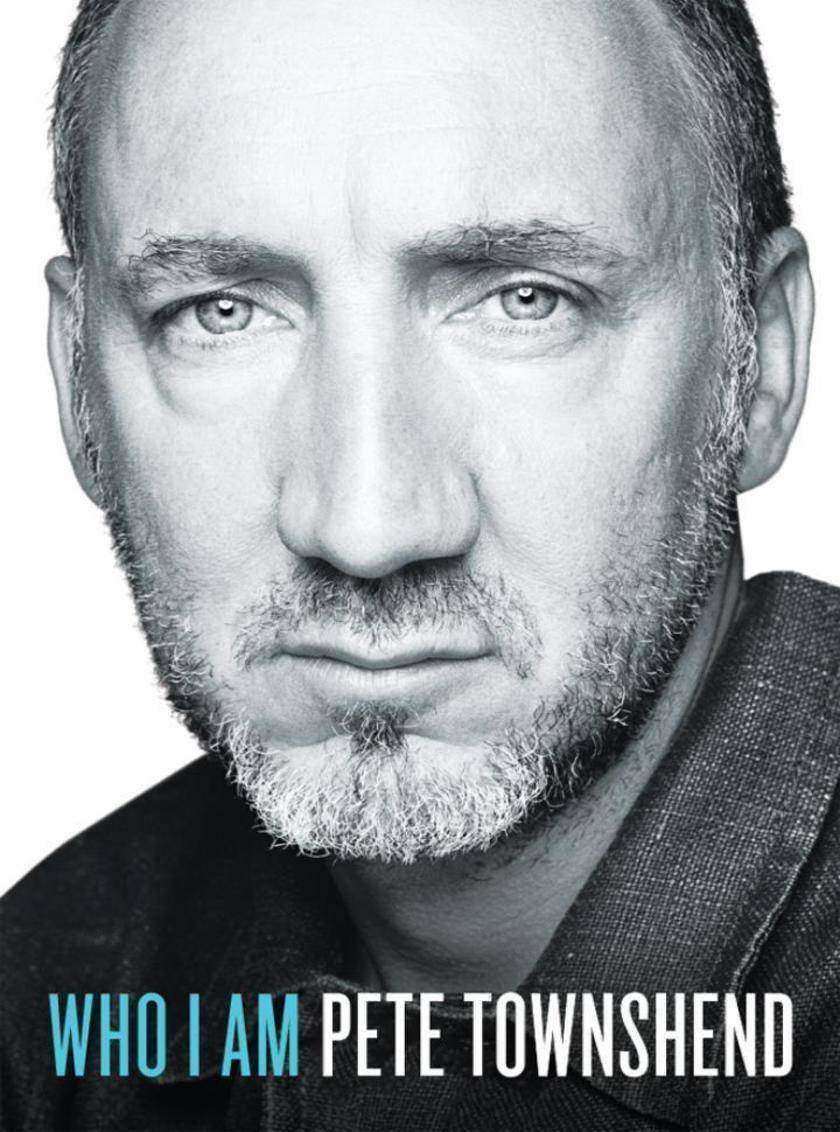
Who I Am
¥95.11
From the voice of a generation: The most highly anticipated autobiography of the year, and the story of a man who... is a Londoner and a Mod.... wanted The Who to be called The Hair.... loved The Everly Brothers, but not that "drawling dope" Elvis.... wanted to be a sculptor, a journalist, a dancer and a graphic designer.... became a musician, composer, librettist, fiction writer, literary editor, sailor.... smashed his first guitar onstage, in 1964, by accident.... heard the voice of God on a vibrating bed in rural Illinois.... invented the Marshall stack, feedback and the concept album.... once speared Abbie Hoffman in the neck with the head of his guitar.... inspired Jimi Hendrix's pyrotechnical stagecraft.... is partially deaf in his left ear.... stole his windmill guitar playing from Keith Richards.... followed Keith Moon off a hotel balcony into a pool and nearly died.... did too much cocaine and nearly died.... drank too much and nearly died.... detached from his body in an airplane, on LSD, and nearly died.... helped rescue Eric Clapton from heroin.... is banned for life from Holiday Inns.... was embroiled in a tabloid scandal that has dogged him ever since.... has some explaining to do.... is the most literary and literate musician of the last 50 years.... planned to write his memoir when he was 21.... published this book at 67.
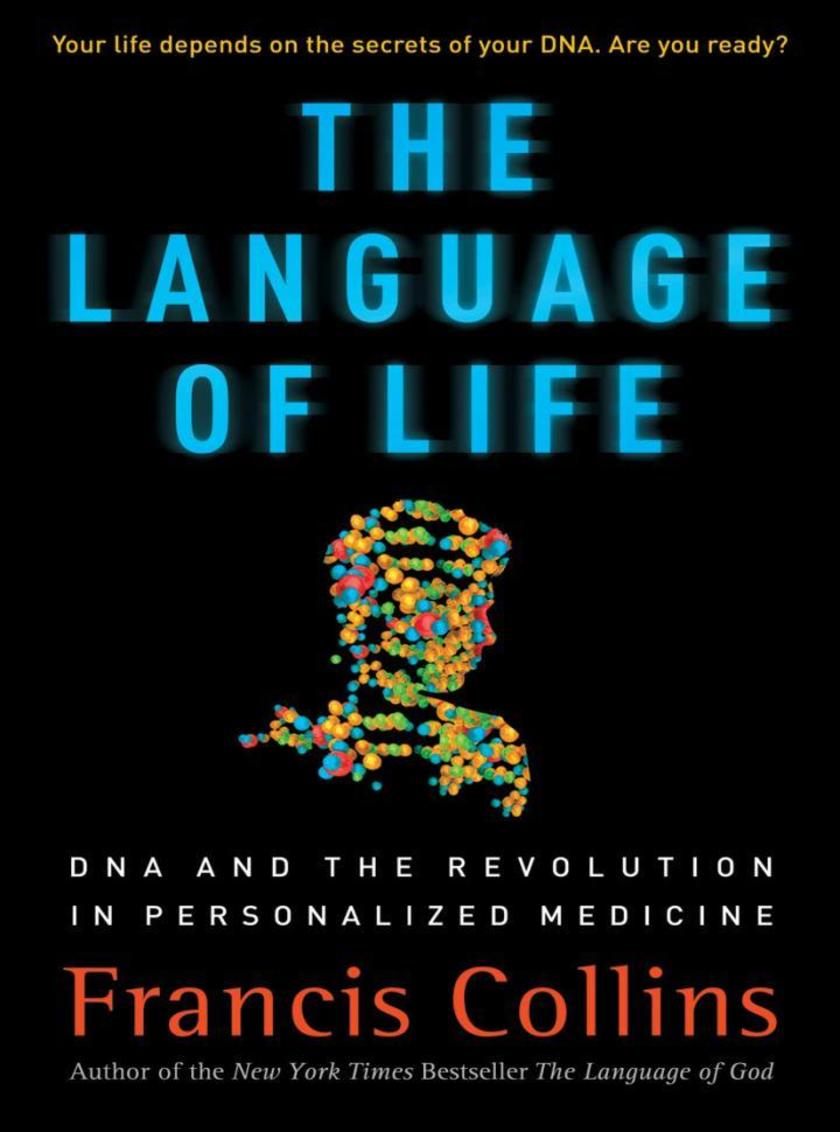
The Language of Life
¥95.11
From New York Times bestselling author and world-renowned doctor and geneticist Francis Collins, a book that will forever change how you think about your body, your health, and the future of medicine.A scientific and medical revolution has crept up on us, based on study after study, from hundreds of laboratories around the world. It is no longer just a theoretical shift: every one of us will be touched by it, and many of us already have been. The meaning of disease, our understanding of the human body, and crucial decisions about what we all need to know and what choices we make about our health are at stake. Welcome to the new world of personalized medicine.Twenty-one million Americans are affected by 6,000 so-called rare and orphan diseases, many of which are primarily attributable to misspelled genes. And virtually all diseases have a significant hereditary component. There have been many stories in the media about women who are testing to see if they have a mutation that leads to breast cancer, or family members who are strongly at risk for heart disease or Huntington's disease. Yet the revolution is much more fundamental than this: diabetes, heart disease, the common cancers, mental illness, asthma, arthritis, Alzheimer's disease, and more all of these diseases are having their secrets unlocked. Now, with a simple home test, costing a few hundred dollars, you can learn the secrets of your own DNA.Francis Collins has been at the forefront of this revolution. He was, for fifteen years, the head of the international Human Genome Project, and he now serves as the Director of the National Institutes of Health. He knows, better than anyone, how widespread are the misperceptions about human genetics. Just in the past decade, most of what you think you know about DNA has been overturned. Much of the advice given routinely by health care providers is ill informed, so you need to educate yourself about this rapidly moving area of medicine. You are guaranteed to face some surprises, and some difficult choices about personal knowledge, treatment, and family risk.Yet this book is overwhelmingly hopeful and inspiring, offering helpful advice in every chapter. Nearly every day, diseases that were barely understood, or completely misunderstood, are being redefined. Families that faced common problems, without hope, are now discovering a new world of understanding, treatment, and prevention. You owe it to yourself to learn about your DNA: how it works, what it reveals, and the benefits and limits of this new knowledge.
Inner Work
¥95.11
A noted author and Jungian analyst teaches how to use dreams and inner exercises to achieve personal wholeness and a more satisfying life.
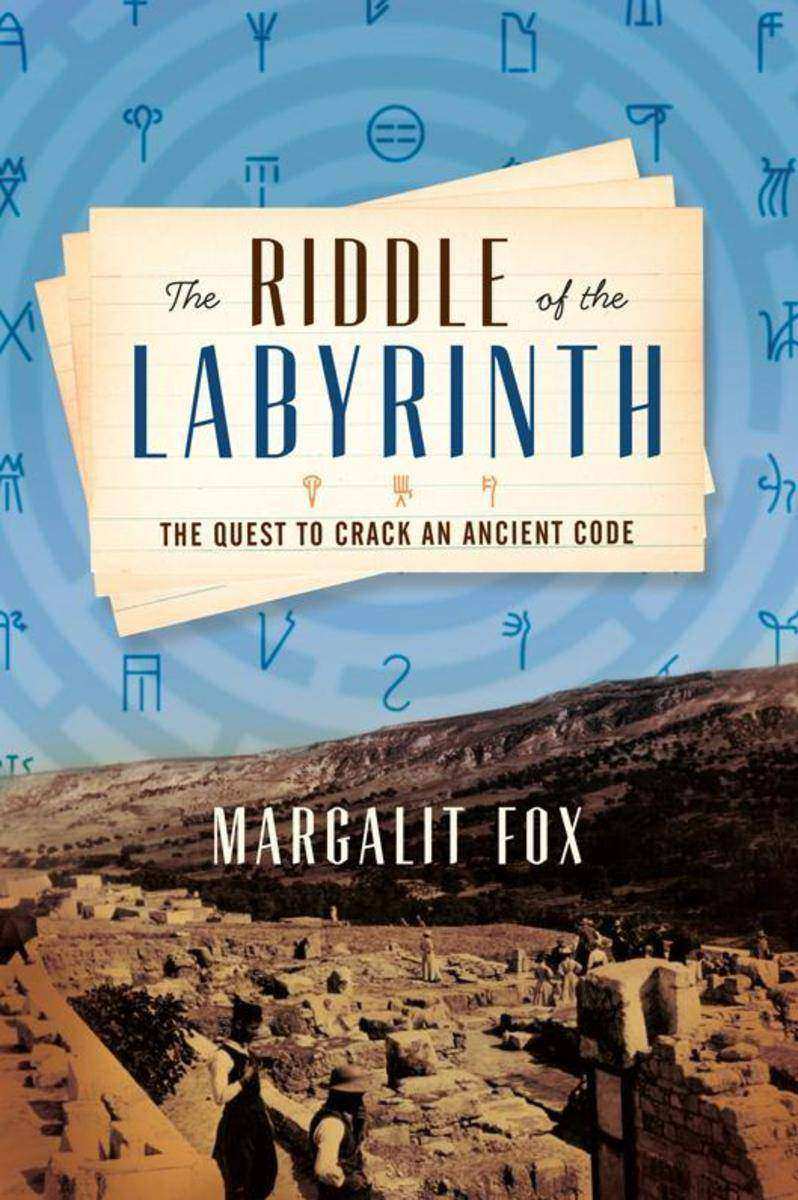
The Riddle of the Labyrinth
¥95.11
In 1900, while excavating on Crete, the charismatic Victorian archaeologist Arthur Evans unearthed inscribed clay tablets amid the ruins of a lavish Bronze Age palace. Written by palace scribes circa 1450 b.c., the * they displayed featuring outline drawings of swords, chariots, and horses' heads, as well as other tiny pictograms resembled no alphabet ever seen. Evans named the * Linear B, and from the start it posed a deep mystery. No one knew what language Linear B recorded, much less what the curious in*ions meant. If the tablets could be deciphered, they would open a portal onto a refined, wealthy, and literate society that had flourished in Greek lands three thousand years earlier, a full millennium before the glories of the Classical Age.The Riddle of the Labyrinth is the true story of the quest to solve one of the most mesmerizing riddles in history Linear B and of the three brilliant, obsessed, and ultimately doomed investigators whose combined work would eventually crack the code. There was Evans, who had discovered the * but could never unravel it; Alice Kober, the fiery American scholar whose vital work on Linear B never got the recognition it deserved; and Michael Ventris, the haunted English architect who would solve the riddle triumphantly at the age of thirty only to die four years later under circumstances that remain the subject of speculation even now.For half a century some of the world's foremost scholars tried to coax the tablets to yield their secrets. Then, in 1952, the * was deciphered seemingly in a single stroke not by a scholar but by Ventris, an impassioned amateur whose obsession with the tablets had begun in childhood. The decipherment brought him worldwide acclaim. But it also cost him his architectural career, his ties to his family, and quite possibly his life.That is the narrative of the decipherment as it has been known thus far. But a major actor in the drama has long been missing: Alice Kober, a classicist at Brooklyn College. Though largely forgotten today, she came within a hair's breadth of deciphering Linear B before her own untimely death in 1950. As The Riddle of the Labyrinth reveals, it was Kober who built the foundation on which Ventris's decipherment stood, an achievement that until now has been all but lost to history. Drawing on a newly opened archive of Kober's papers, Margalit Fox restores this unsung heroine to her rightful place at last.Above all, this book is a detective story in the tradition of Dava Sobel and Simon Winchester. As Fox narrates the lives of Evans, Kober, and Ventris, she takes readers step-by-step through the forensic process involved in cracking a secret code from the past. Following the three investigators as they hunt down, analyze, and interpret a series of linguistic clues hidden within the * itself, The Riddle of the Labyrinth offers the first complete account of one of the most fascinating conundrums of all time.
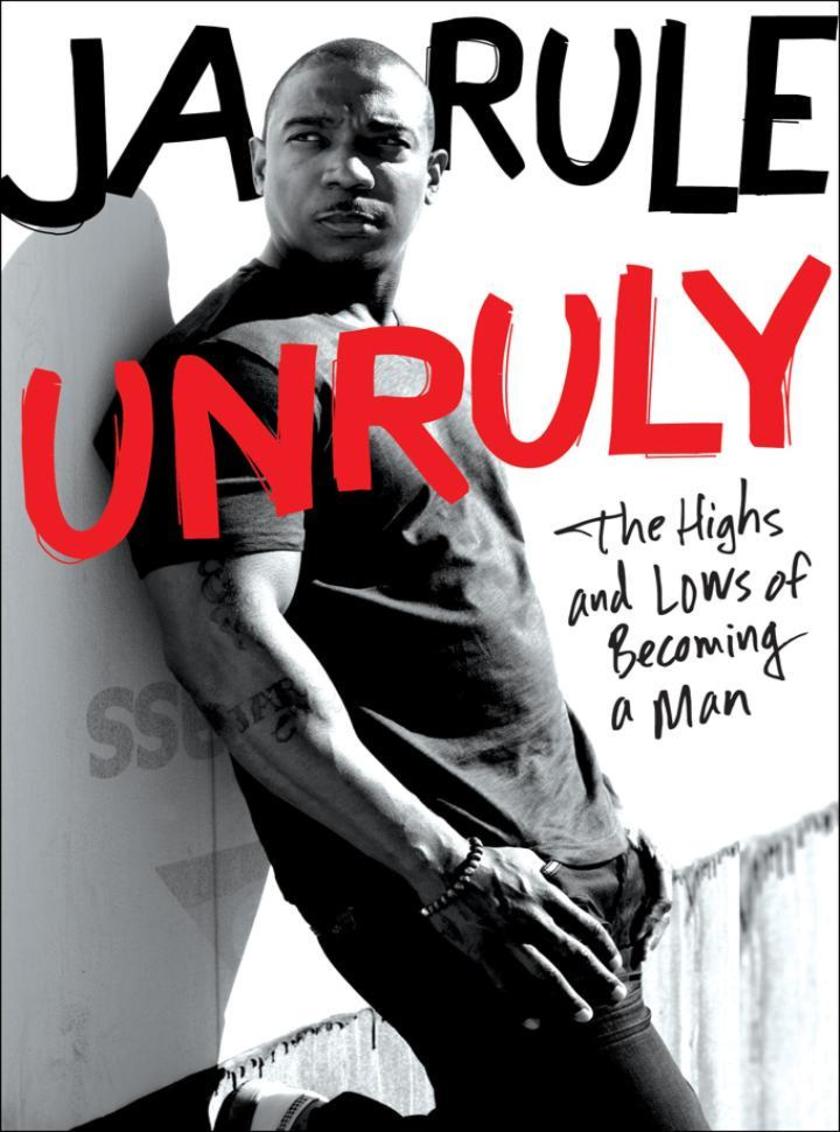
Unruly
¥95.11
Ja RuleInternational Platinum Recording StarJa Rule has sold 30 million records worldwide. His unwavering talent has relentlessly captured our attention with his addictive beats, clever lyrics and his undeniable presence. Ja Rule has been performing for over a decade to audiences that can't get enough of his distinctively raw sound. His triumphs have brought him undreamed-of success and celebrity; his tribulations have visited upon him notoriety and unforgiving media attention. But who is Ja Rule?Multiple-Award-Winning ArtistUnruly reveals the real man behind the persona that dominates the stage and emerges from his music. In this emotive page-turner, we get to know who lives behind the performer. Ja Rule, honestly and unapologetically, delves into the pain of being a fatherless child, raised by a single mother, and eventually growing to fulfill his dreams of becoming an iconic figure in hip-hop and beyond. He shares his humble and bold reflections, which are meant to be proof for young people everywhere that if you can see it, you can be it. And he speaks with brutal candor of his own staggering mistakes, including gun possession, senseless violence, drug dealing, petty theft, substances and alcohol, and, ultimately, landing behind bars. Hip-Hop ImpresarioUnruly is riveting and humorous as Ja Rule shares stories close to his heart: losing his virginity in a stairwell landing, falling head over heels in love with his junior high school sweetheart and going on to make her his wife and the mother of his children and refreshing and surprising, with rich stories ranging from renting $30,000-a-month mansions, to scrubbing his own prison cell, to traveling the world, becoming enriched by foreign cultures and sounds. Husband, Father, SonThis intimate book is a collection of powerful memories and lessons, reflecting a certain vulnerability that can only be interpreted as inner strength. Here we see Ja Rule for the sensitive, loving person that he has become. Unruly shows that the souls of young urban men are often unseen. Here is a truly revolutionary effort from a gifted, passionate artist.
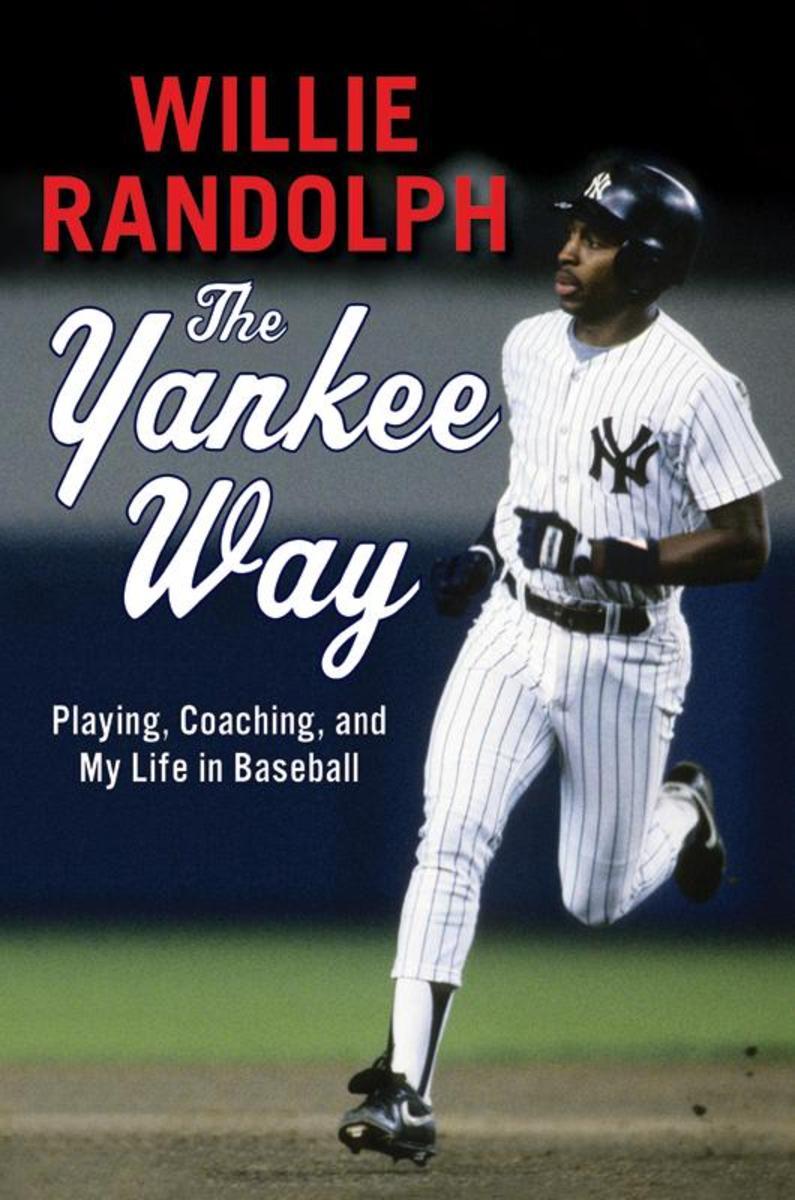
The Yankee Way
¥95.11
From a dusty diamond in Brooklyn to the hallowed grounds of Yankee Stadium, Willie Randolph has always loved the game of baseball, and over the course of his storied career, he has amassed a remarkable list of accomplishments All-Star second baseman, World Series champion, manager but, above all, he has been a Yankee. For almost thirty years, Randolph was a part of Yankee lore and mythology, whether playing with the legends Thurman Munson and Reggie Jackson and witnessing the infamous Bronx Zoo at its rowdiest, or coaching as the Core Four of Derek Jeter, Mariano Rivera, Andy Pettitte, and Jorge Posada rose to fame and ushered in a new era of Yankee dominance.In his long-awaited memoir, Willie Randolph shares stories from his life in pinstripes, opening up about the team that raised him and the city that molded him. With unparalleled perspective into three generations of team history, the former Yankee captain offers fresh, firsthand insight into some of the greatest players to ever play the game and the greatest teams ever to call the Bronx their home. From Don Mattingly to Bernie Williams, Goose Gossage to Mariano Rivera, and Billy Martin to Joe Torre, Randolph presents a view of baseball history from the inside, describing how teams became dynasties and managers became legends all in the shadow of the man who brought them together, the Boss, George Steinbrenner.But though Randolph is a Yankee through and through, he is first and foremost a quintessential New Yorker. Brooklyn raised and groomed, he shares memories of a rise that could only happen in the Big Apple from the projects of East New York to the house that Ruth built. Along the way, he discusses his triumphs and struggles on and off the field, as well as his time spent as manager of the Mets.As fascinating and thoughtful as Randolph himself, The Yankee Way is a moving portrait of a legendary team, a unique city, and a remarkable man.
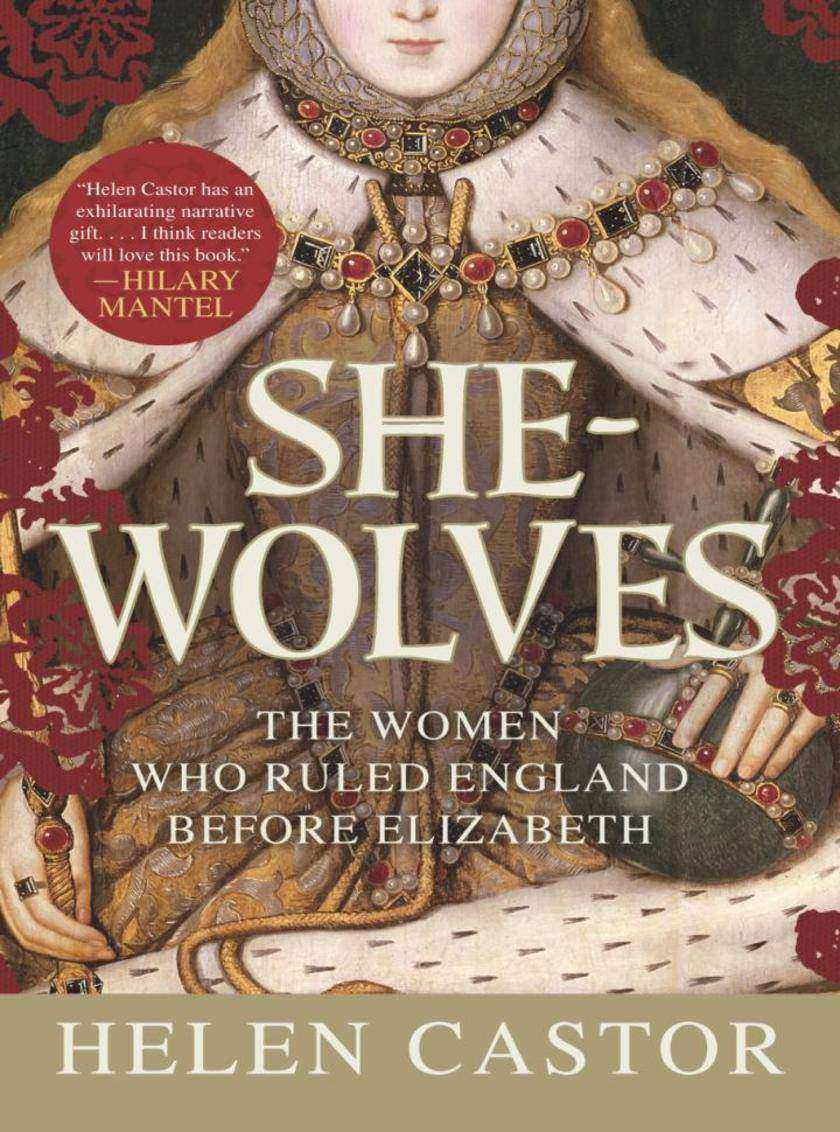
She-Wolves
¥95.11
When Edward VI died in 1553, the extraordinary fact was that there was no one left to claim the title of king of England. For the first time, England would have a reigning queen but the question was which one: Katherine of Aragon's daughter, Mary; Anne Boleyn's daughter, Elizabeth; or one of their cousins, Lady Jane Grey or Mary, Queen of Scots. But female rule in England also had a past. Four hundred years before Edward's death, Matilda, daughter of Henry I and granddaughter of William the Conqueror, came tantalizingly close to securing the crown for herself. And between the twelfth and fifteenth centuries three more exceptional women Eleanor of Aquitaine, Isabella of France, and Margaret of Anjou discovered how much was possible if pre-sumptions of male rule were not confronted so explicitly and just how quickly they might be vilified as "she-wolves" for their pains.The stories of these women, told here in all their vivid detail, expose the paradox that female heirs to the Tudor throne had no choice but to negotiate. Man was the head of woman, and the king was the head of all. How, then, could royal power lie in female hands?
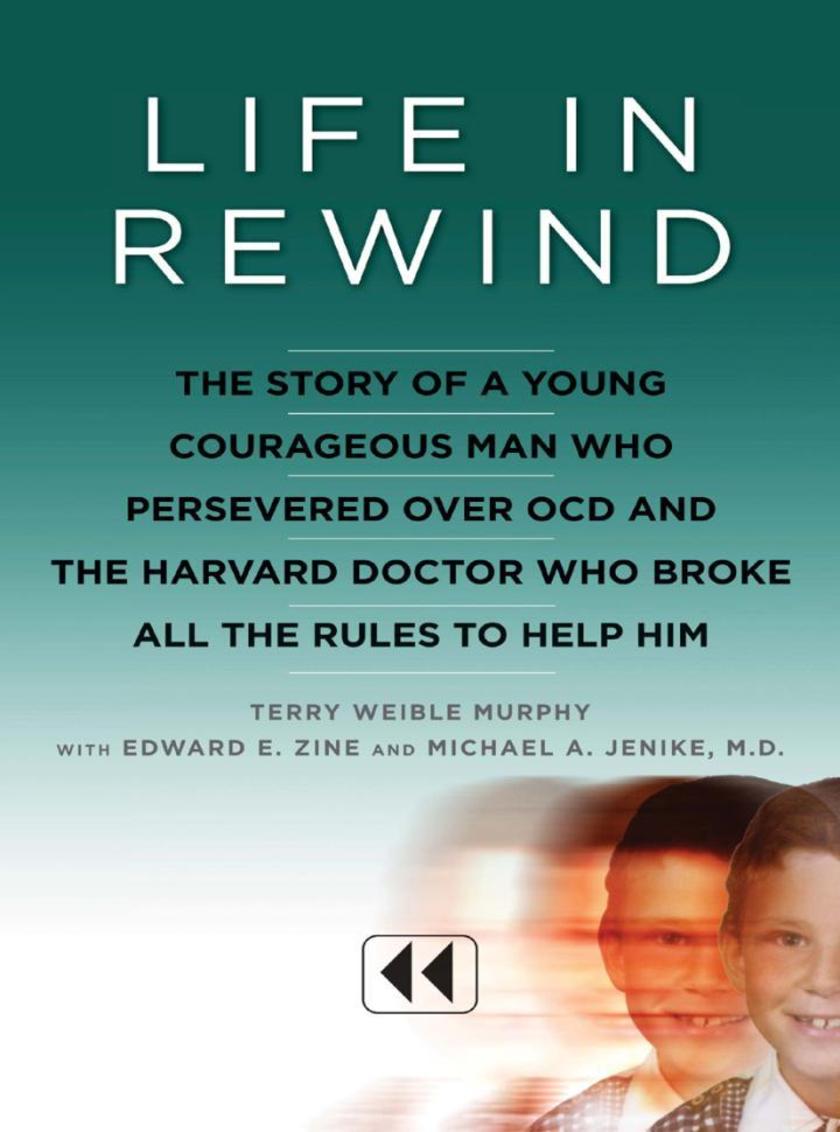
Life in Rewind
¥95.11
"Time equals progression progression equals death."The equation is logical. But few of us think of each moment and each physical movement as comprising a path to our certain end. Surely such torture would drive us mad. But for Ed Zine, who suffers from a debilitating form of obsessive-compulsive disorder (OCD), this statement is a mantra that holds him prisoner figuratively and literally. Ed's OCD tells him, illogically, that if going forward in time moves him closer to death, reversing the action will carry him away from it, and if he can hold back the progression of time he will not age. If he doesn't age, the people he loves will never die. This obsession, triggered by the horrific experience of having secretly witnessed his mother's death at the age of eleven, keeps him trapped in a nightmare of perpetual rewinding rituals. Walking from his bed to the bathroom takes seven to ten hours and 16,384 precise, but necessary, movements forward and backward, with each step and turn having potentially dire, even fatal, consequences or so his OCD convinces him. The tens of thousands of exacting rituals stop him from showering altogether for two years, as he lives isolated in the chaos of a basement littered with refuse and human waste. But the filth in which Ed lives and the placement of the things he hoards from a tiny ball of lint to an unopened bar of soap to an unwashed pair of sweatpants all represent important placeholders of time in the grand scheme of irrationally keeping his loved ones alive and well.It would be a full year from their first meeting before Ed would come to fully trust world-renowned OCD specialist, Harvard professor, and decorated Vietnam War hero Michael Jenike enough to allow him to enter the dark prison created by his isolating obsession. Breaking the rules of traditional medicine, Michael, who was carrying emotional scars from his own traumatic past, from the loss of too many young men Ed's age with whom he served in the war, would travel many long hours from Boston to Ed's home, and spend countless hours treating him. Finally, with all treatments exhausted, and all hope lost, the unconditional friendship between Ed and Michael remains. The bond of honor that intertwines their lives enables Ed to use his amazing mind to break down OCD and heal himself as a way to reward Dr. Jenike for his compassion.
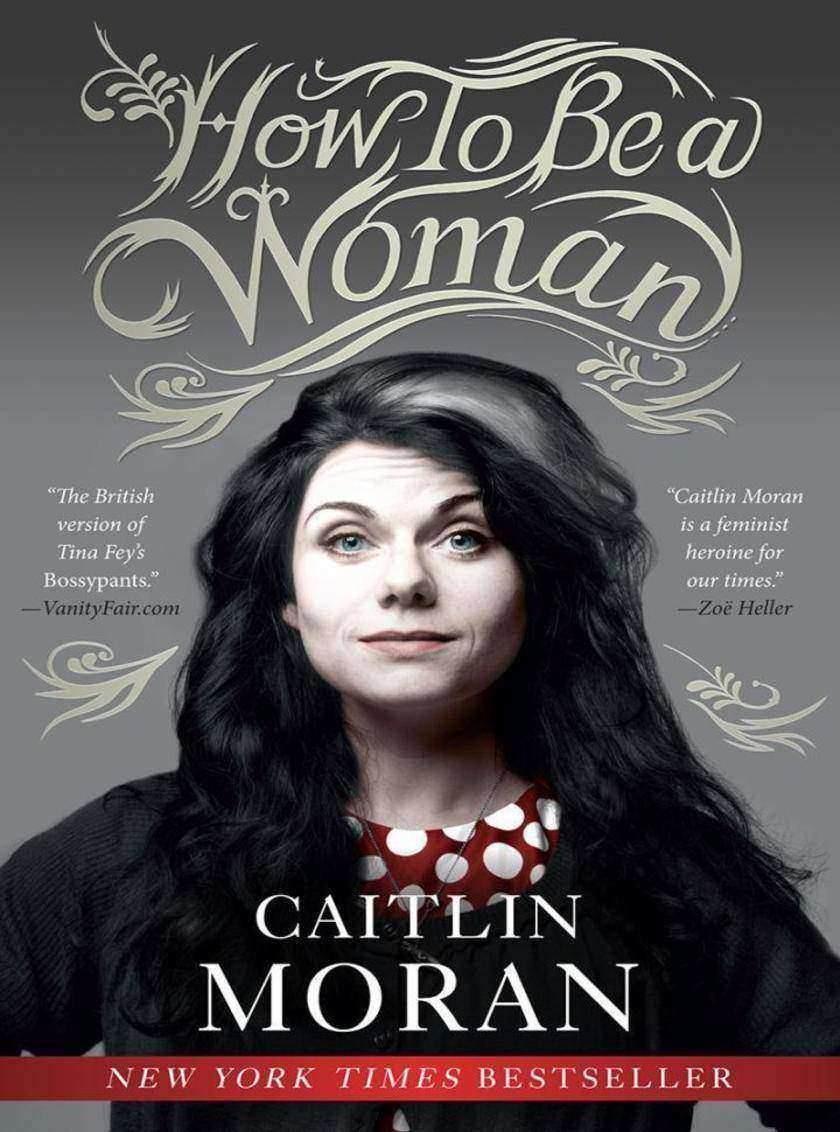
How to Be a Woman
¥95.11
Though they have the vote and the Pill and haven't been burned as witches since 1727, life isn't exactly a stroll down the catwalk for modern women. They are beset by uncertainties and questions: Why are they supposed to get BraziliansWhy do bras hurtWhy the incessant talk about babiesAnd do men secretly hate them?Caitlin Moran interweaves provocative observations on women's lives with laugh-out-loud funny scenes from her own, from the riot of adolescence to her development as a writer, wife, and mother. With rapier wit, Moran slices right to the truth whether it's about the workplace, strip clubs, love, fat, abortion, popular entertainment, or children to jump-start a new conversation about feminism. With humor, insight, and verve, How To Be a Woman lays bare the reasons why female rights and empowerment are essential issues not only for women today but also for society itself.

Psychology Through the Eyes of Faith
¥95.11
Identifies the major ideas that college and university students will encounter in a basic psychology course and explores connections with Christian belief.
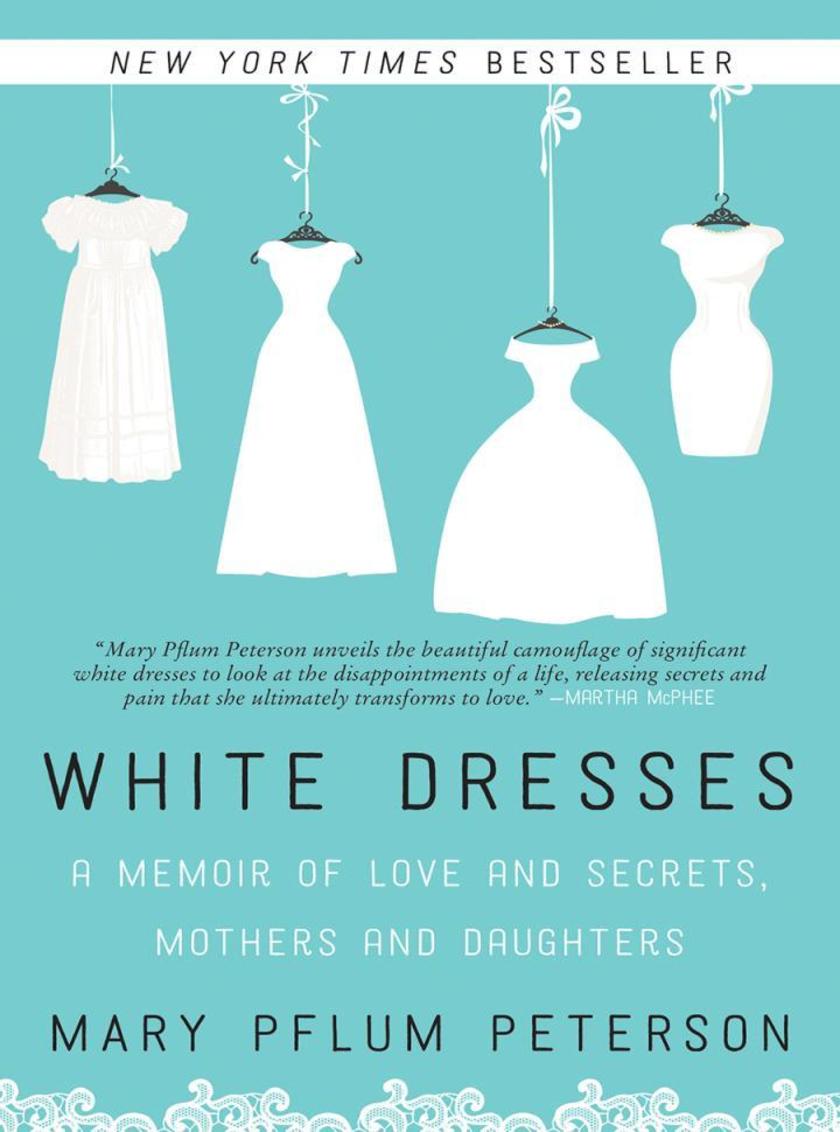
White Dresses
¥95.11
A poignant memoir of three generations of women and the white dresses that adorned them As a successful journalist at Good Morning America, Mary Pflum Peterson's persona is at odds with her complicated childhood, where she watched her brilliant yet emotionally vulnerable mother, Anne, unravel before her eyes. But their love of white dresses always united them—from their baptism dresses to their wedding gowns, white dresses embodied hope and new beginnings. After her mother's sudden death, Mary dug deep to understand the events that led to Anne's breakdown. At twenty-one, Anne entered a convent, but lengthy periods of enforced fasting, isolation, and constant humiliation drove her to flee almost a decade later. Hoping to find new purpose as a wife and mother, she married, and was devastated when Mary's father revealed himself to be gay. Anne retreated into chaos. By the time Mary was ten, their house was cluttered with broken appliances, stacks of mail, and teetering piles of assorted "treasures." But in spite of everything, their bond endured. Through the white dresses, pivotal events in their lives were celebrated, marking the journey through loss and redemption as Mary tried to save Anne from herself.
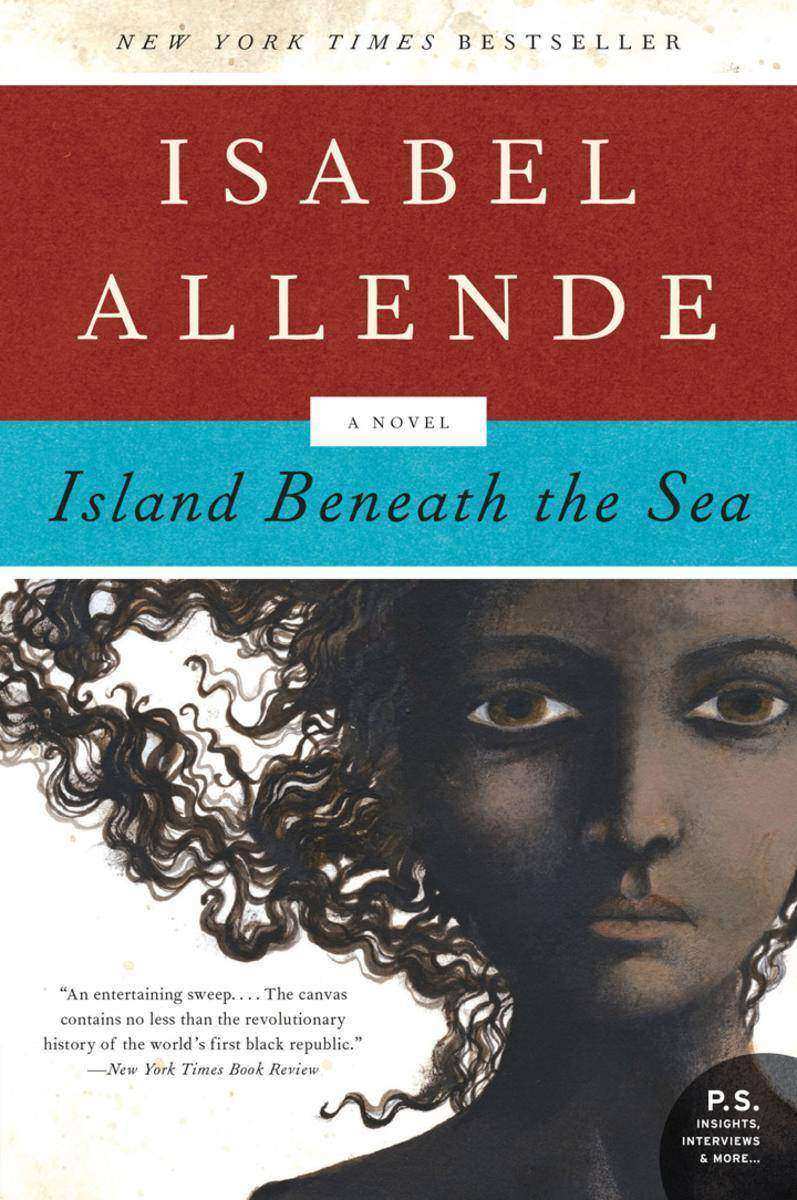
Island Beneath the Sea
¥95.11
Born on the island of Saint-Domingue, Zarité—known as Tété—is the daughter of an African mother she never knew and one of the white sailors who brought her into bondage. Though her childhood is one of brutality and fear, Tété finds solace in the traditional rhythms of African drums and the voodoo loa she discovers through her fellow slaves. When twenty-year-old Toulouse Valmorain arrives on the island in 1770, it’s with powdered wigs in his trunks and dreams of financial success in his mind. But running his father’s plantation, Saint Lazare, is neither glamorous nor easy. Although Valmorain purchases young Tété for his bride, it is he who will become dependent on the services of his teenaged slave.Against the merciless backdrop of sugarcane fields, the lives of Tété and Valmorain grow ever more intertwined. When the bloody revolution of Toussaint Louverture arrives at the gates of Saint Lazare, they flee the brutal conditions of the French colony, soon to become Haiti, for the raucous, free-wheeling enterprise of New Orleans. There Tété finally forges a new life, but her connection to Valmorain is deeper than anyone knows and not easily severed. With an impressive richness of detail, and a narrative wit and brio second to none, Allende crafts the riveting story of one woman’s determination to find love amid loss, to offer humanity though her own has been so battered, and to forge a new identity in the cruelest of circumstances.
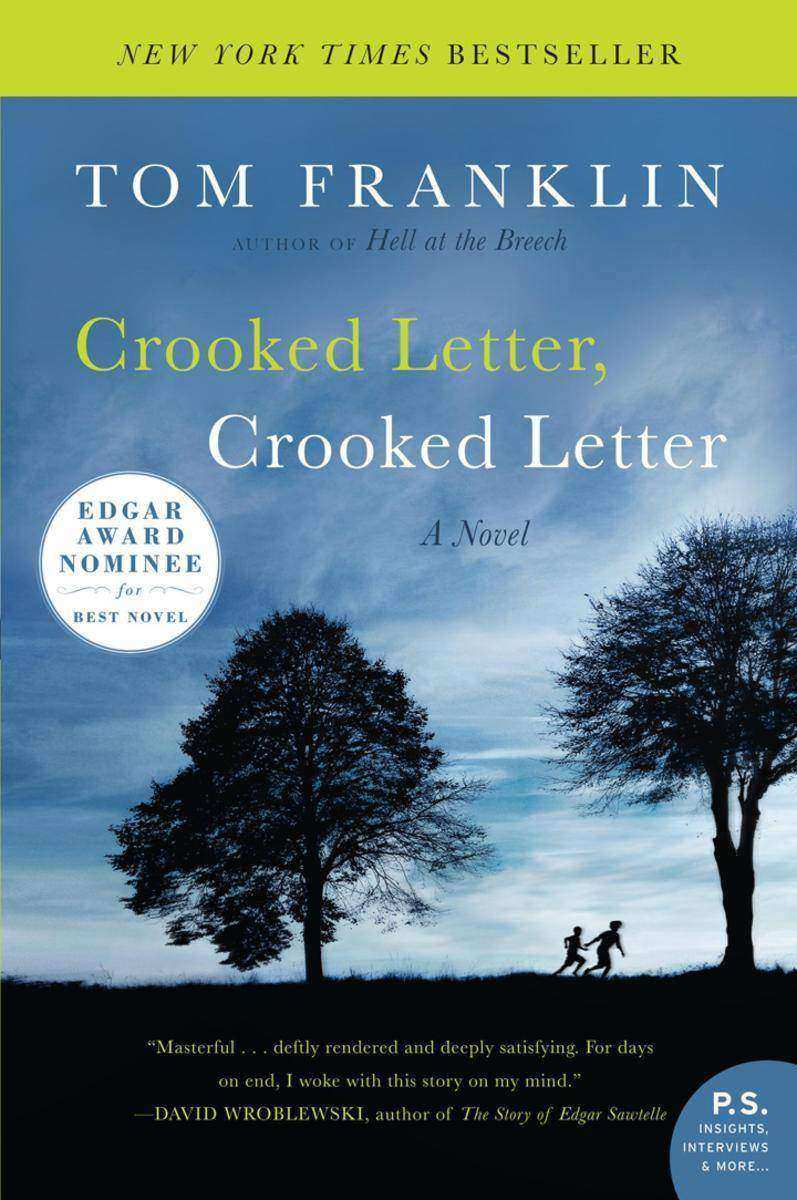
Crooked Letter, Crooked Letter
¥95.11
Tom Franklin's extraordinary talent has been hailed by the leading lights of contemporary literature—Philip Roth, Richard Ford, Lee Smith, and Dennis Lehane. Reviewers have called his fiction "ingenious" (USA Today) and "compulsively readable" (Memphis Commercial Appeal). His narrative power and flair for character-ization have been compared to the likes of Harper Lee, Flannery O'Connor, Elmore Leonard, and Cormac McCarthy.Now the Edgar Award-winning author returns with his most accomplished and resonant novel so far—an atmospheric drama set in rural Mississippi. In the late 1970s, Larry Ott and Silas "32" Jones were boyhood pals. Their worlds were as different as night and day: Larry, the child of lower-middle-class white parents, and Silas, the son of a poor, single black mother. Yet for a few months the boys stepped outside of their circumstances and shared a special bond. But then tragedy struck: Larry took a girl on a date to a drive-in movie, and she was never heard from again. She was never found and Larry never confessed, but all eyes rested on him as the culprit. The incident shook the county—and perhaps Silas most of all. His friendship with Larry was broken, and then Silas left town.More than twenty years have passed. Larry, a mechanic, lives a solitary existence, never able to rise above the whispers of suspicion. Silas has returned as a constable. He and Larry have no reason to cross paths until another girl disappears and Larry is blamed again. And now the two men who once called each other friend are forced to confront the past they've buried and ignored for decades.
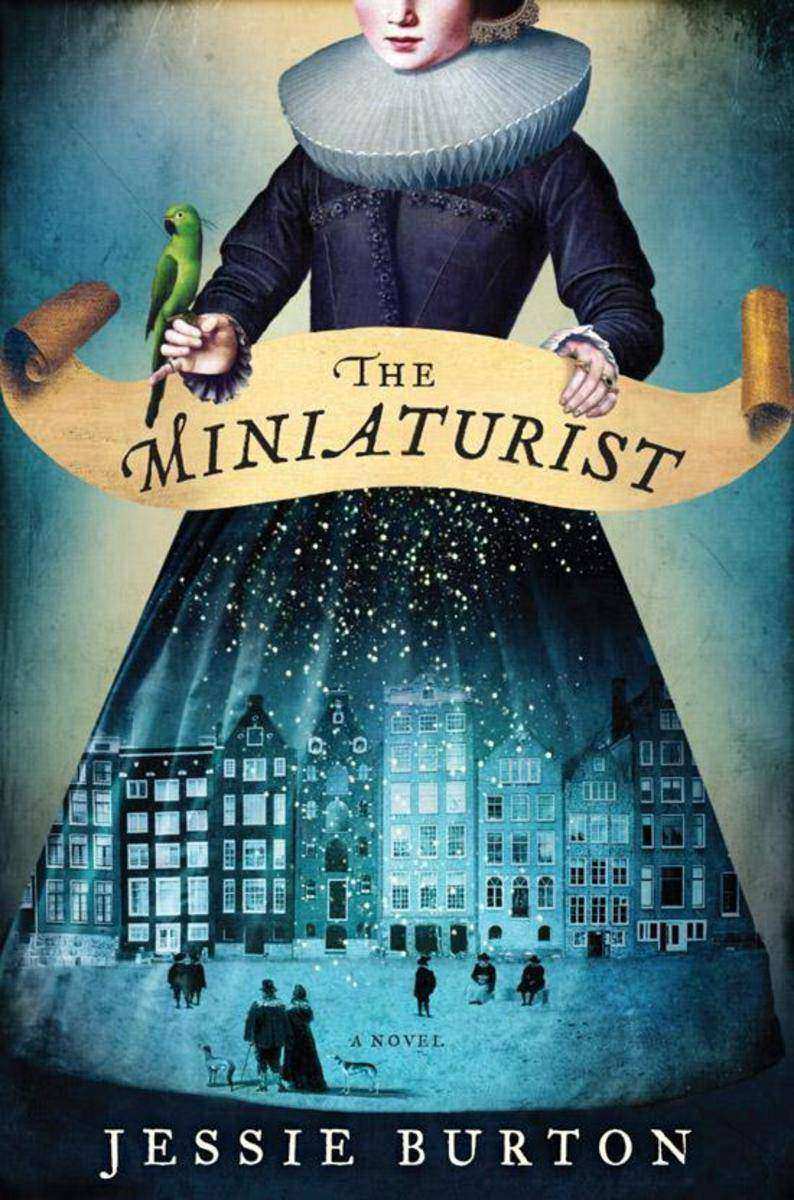
The Miniaturist
¥95.11
On a brisk autumn day in 1686, eighteen-year-old Nella Oortman arrives in Amsterdam to begin a new life as the wife of illustrious merchant trader Johannes Brandt. But her new home, while splendorous, is not welcoming. Johannes is kind yet distant, always locked in his study or at his warehouse office–leaving Nella alone with his sister, the sharp-tongued and forbidding Marin.But Nella's life changes when Johannes presents her with an extraordinary wedding gift: a cabinet-sized replica of their home. To furnish her gift, Nella engages the services of a miniaturist–an elusive and enigmatic artist whose tiny creations mirror their real-life counterparts in eerie and unexpected ways...Johannes's gift helps Nella pierce the closed world of the Brandt household. But as she uncovers its unusual secrets, she begins to understand–and fear–the escalating dangers that await them all. In this repressively pious society where gold is worshipped second only to God, to be different is a threat to the moral fabric of society, and not even a man as rich as Johannes is safe. Only one person seems to see the fate that awaits them. Is the miniaturist the key to their salvation...or the architect of their destruction?Enchanting, beautifully written, and exquisitely suspenseful, The Miniaturist is a magnificent story of love and obsession, betrayal and retribution, appearance and truth.
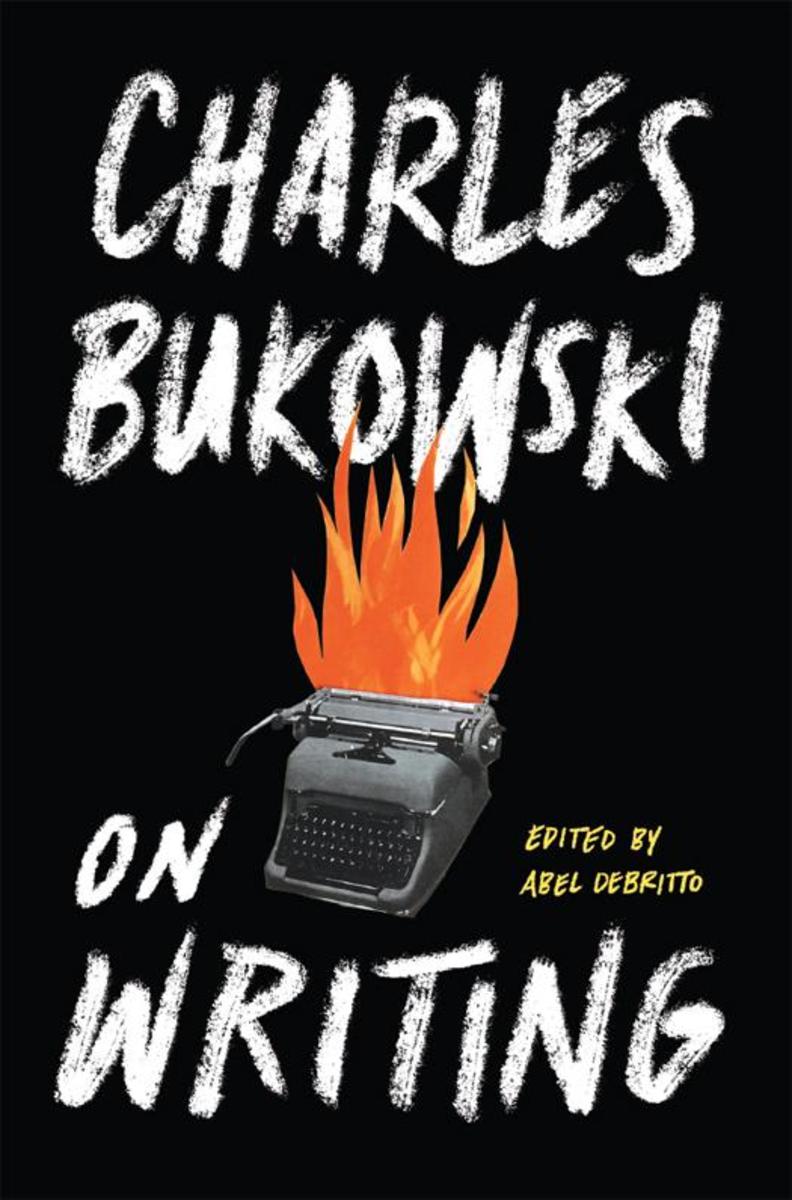
On Writing
¥95.11
Sharp and moving reflections and ruminations on the artistry and craft of writing from one of our most iconoclastic, pivoting, and celebrated masters.Charles Bukowski's stories, poems, and novels have left an enduring mark on our culture. In this collection of previously unpublished material—letters to publishers, editors, friends, and fellow writers—Bukowski shares his insights on the art of creation.On Writing reveals an artist brutally frank about the drudgery of work and canny and uncompromising about the absurdities of life—and of art. It illuminates the hard-edged, complex humanity of a true American legend and countercultural icon—the "laureate of American lowlife" (Time)—who stoically recorded society's downtrodden and depraved. It exposes an artist grounded in the visceral, whose work reverberates with his central ideal: "Don't try."Piercing, poignant, and often hilarious, On Writing is filled not only with memorable lines but also with Bukowski's trademark toughness, leavened with moments of grace, pathos, and intimacy.


