


 购物车
购物车 个人中心
个人中心

Well Worth Saving
¥288.41
The urgent demand for housing after World War I fueled a boom in residential construction that led to historic peaks in home ownership. Foreclosures at the time were rare, and when they did happen, lenders could quickly recoup their losses by selling into a strong market. But no mortgage system is equipped to deal with credit problems on the scale of the Great Depression. As foreclosures quintupled, it became clear that the mortgage system of the 1920s was not up to the task, and borrowers, lenders, and real estate professionals sought action at the federal level.Well Worth Saving tells the story of the disastrous housing market during the Great Depression and the extent to which an immensely popular New Deal relief program, the Home Owners' Loan Corporation (HOLC), was able to stem foreclosures by buying distressed mortgages from lenders and refinancing them. Drawing on historical records and modern statistical tools, Price Fishback, Jonathan Rose, and Kenneth Snowden investigate important unanswered questions to provide an unparalleled view of the mortgage loan industry throughout the 1920s and early '30s. Combining this with the stories of those involved, the book offers a clear understanding of the HOLC within the context of the housing market in which it operated, including an examination of how the incentives and behaviors at play throughout the crisis influenced the effectiveness of policy.?More than eighty years after the start of the Great Depression, when politicians have called for similar programs to quell the current mortgage crisis, this accessible account of the Home Owners' Loan Corporation holds invaluable lessons for our own time.
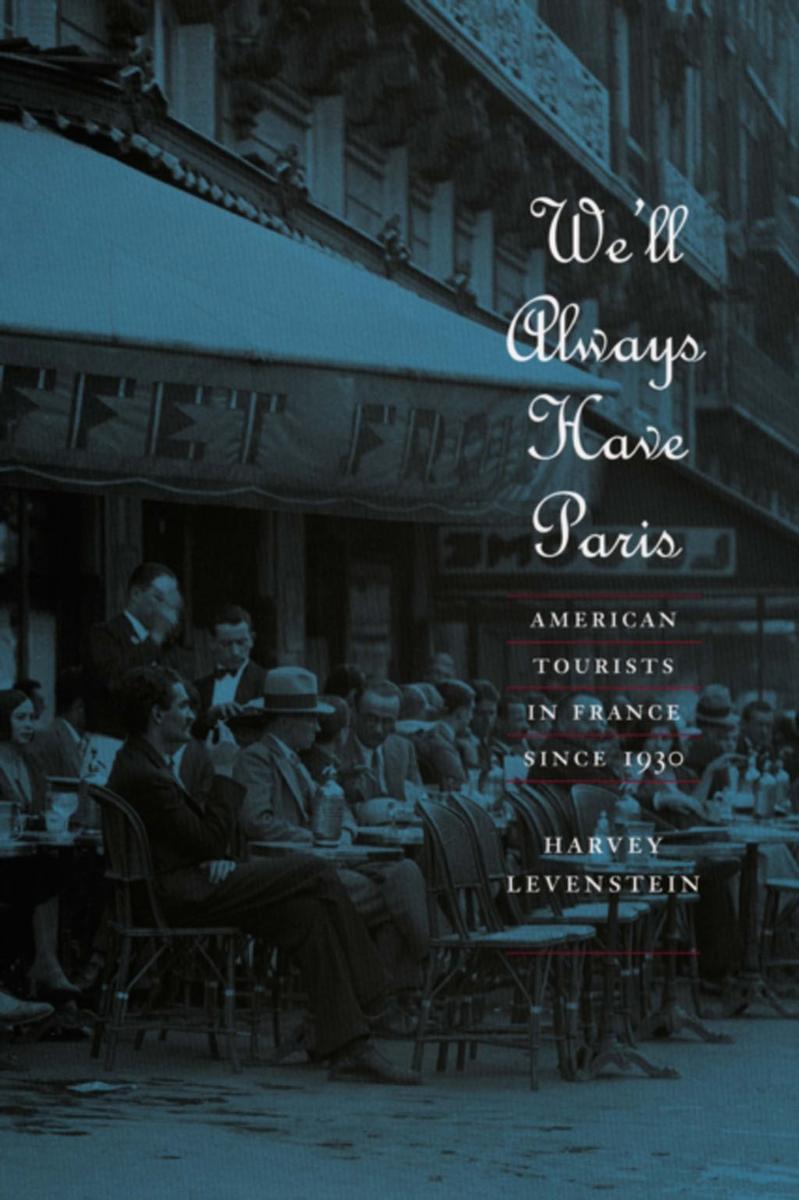
We'll Always Have Paris
¥288.41
For much of the twentieth century, Americans had a love/hate relationship with France. While many admired its beauty, culture, refinement, and famed joie de vivre, others thought of it as a dilapidated country populated by foul-smelling, mean-spirited anti-Americans driven by a keen desire to part tourists from their money. We'll Always Have Paris explores how both images came to flourish in the United States, often in the minds of the same people.Harvey Levenstein takes us back to the 1930s, when, despite the Great Depression, France continued to be the stomping ground of the social elite of the eastern seaboard. After World War II, wealthy and famous Americans returned to the country in droves, helping to revive its old image as a wellspring of sophisticated and sybaritic pleasures. At the same time, though, thanks in large part to Communist and Gaullist campaigns against U.S. power, a growing sensitivity to French anti-Americanism began to color tourists' experiences there, strengthening the negative images of the French that were already embedded in American culture. But as the century drew on, the traditional positive images were revived, as many Americans again developed an appreciation for France's cuisine, art, and urban and rustic charms.Levenstein, in his colorful, anecdotal style, digs into personal correspondence, journalism, and popular culture to shape a story of one nation's relationship to another, giving vivid play to Americans' changing response to such things as France's reputation for sexual freedom, haute cuisine, high fashion, and racial tolerance. He puts this tumultuous coupling of France and the United States in historical perspective, arguing that while some in Congress say we may no longer have french fries, others, like Humphrey Bogart in Casablanca, know they will always have Paris, and France, to enjoy and remember.
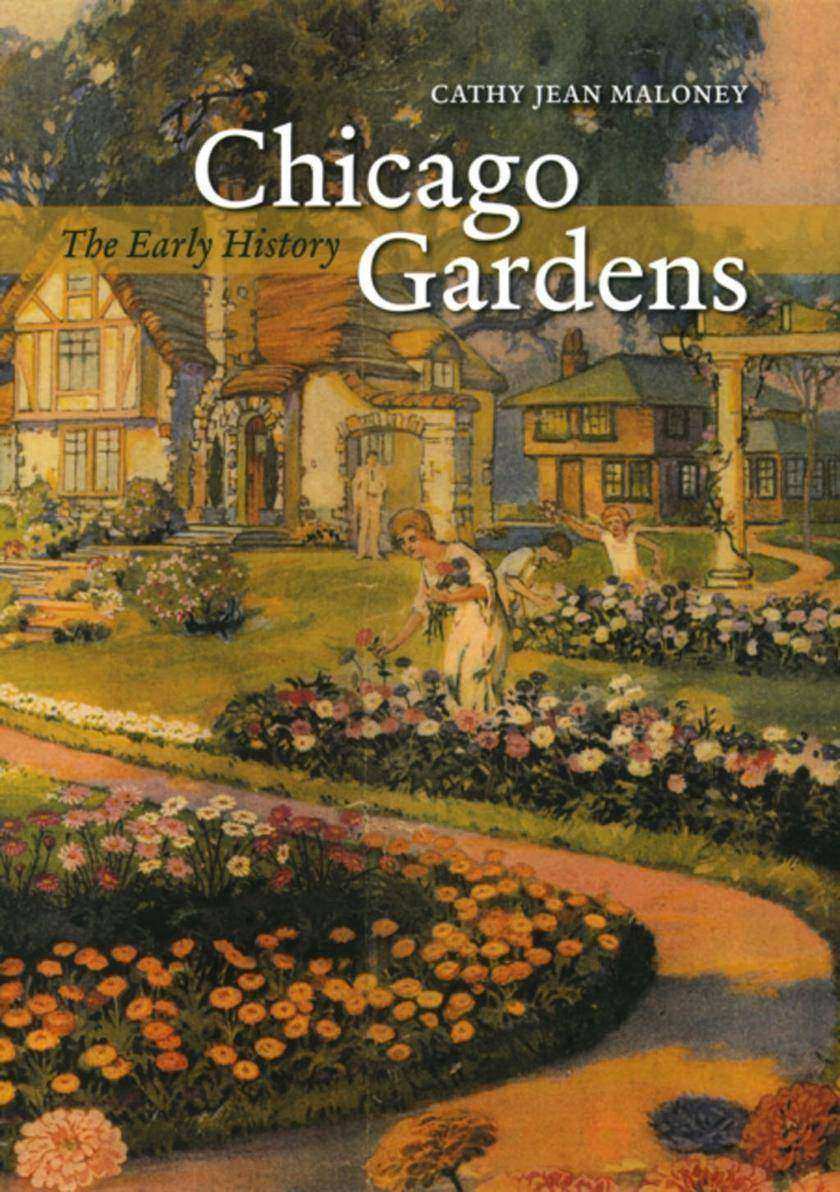
Chicago Gardens
¥288.41
Once maligned as a swampy outpost, the fledgling city of Chicago brazenly adopted the motto Urbs in Horto or City in a Garden, in 1837. Chicago Gardens shows how this upstart town earned its sobriquet over the next century, from the first vegetable plots at Fort Dearborn to innovative garden designs at the 1933 World's Fair. Cathy Jean Maloney has spent decades researching the city's horticultural heritage, and here she reveals the unusual history of Chicago's first gardens. Challenged by the region's clay soil, harsh winters, and fierce winds, Chicago's pioneering horticulturalists, Maloney demonstrates, found imaginative uses for hardy prairie plants. This same creative spirit thrived in the city's local fruit and vegetable markets, encouraging the growth of what would become the nation's produce hub. The vast plains that surrounded Chicago, meanwhile, inspired early landscape architects, such as Frederick Law Olmsted, Jens Jensen, and O.C. Simonds, to new heights of grandeur. Maloney does not forget the backyard gardeners: immigrants who cultivated treasured seeds and pioneers who planted native wildflowers. Maloney's vibrant depictions of Chicagoans like "Bouquet Mary," a flower peddler who built a greenhouse empire, add charming anecdotal evidence to her argument-that Chicago's garden history rivals that of New York or London and ensures its status as a world-class capital of horticultural innovation. With exquisite archival photographs, prints, and postcards, as well as field guide de*ions of living legacy gardens for today's visitors, Chicago Gardens will delight green-thumbs from all parts of the world.

Selected Poetry and Prose
¥288.41
Chiara Matraini (1515-1604?) was a member of the great flowering of poetic imitators and innovators in the Italian literary heritage begun by Petrarch, cultivated later by the lyric poet Pietro Bembo, and supplanted by the epic poet Torquato Tasso. Though without formal training, Matraini excelled in a number of literary genres popular at the time-poetry, religious meditation, discourse, and dialogue. In her midlife, she published a collection of erotic love poetry, but later in life her work shifted toward a search for spiritual salvation. Near the end of her life, she published a new poetry retrospective.Mostly available in only a handful of rare book collections, her writings are now adeptly translated here for an English-speaking audience and situated historically in an introduction by noted Matraini expert Giovanna Rabitti. Selected Poetry and Prose allows the poet to finally take her place as one of the seminal authors of the Renaissance, next to her contemporaries Vittoria Colonna and Laura Battiferra, also published in the Other Voice series.
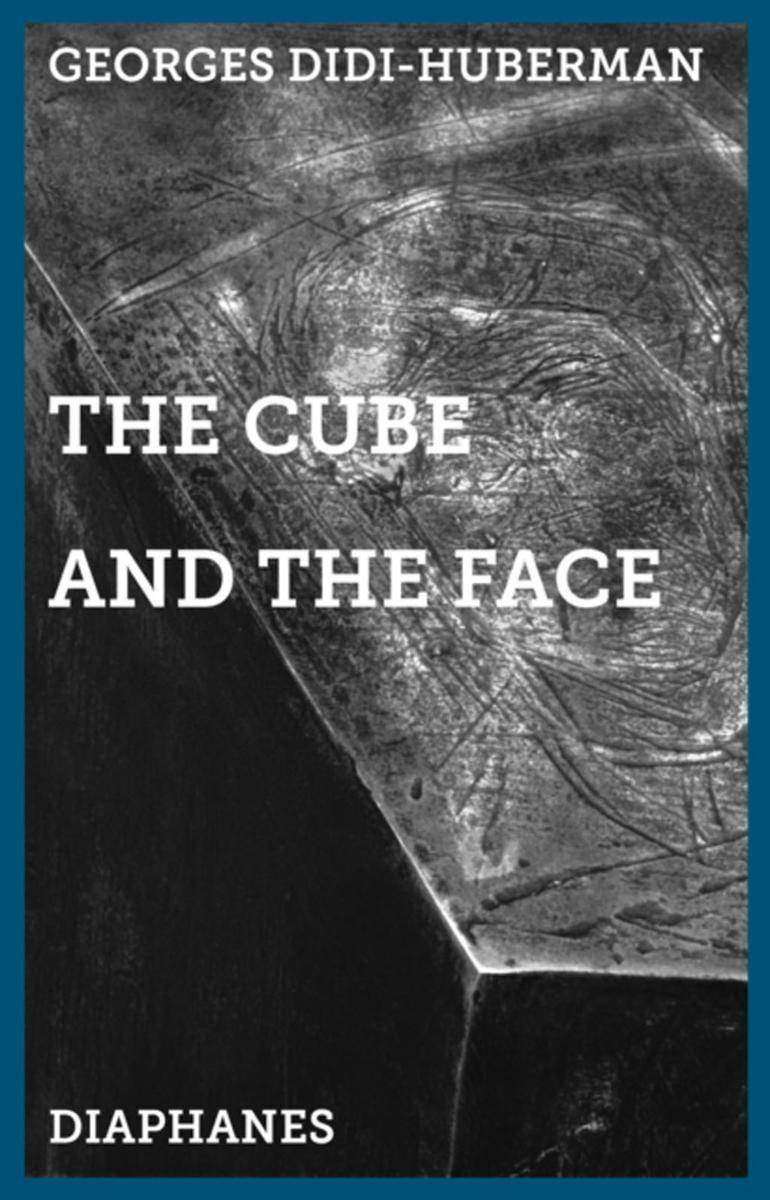
Cube and the Face
¥288.41
Alberto Giacometti's 1934 Cube stands apart for many as atypical of the Swiss artist, the only abstract sculptural work in a wide oeuvre that otherwise had as its objective the exploration of reality. With The Cube and the Face, renowned French art historian and philosopher Georges Didi-Huberman has conducted a careful analysis of Cube, consulting the artist's sketches, etchings, texts, and other sculptural works in the years just before and after Cube was created. Cube, he finds, is indeed exceptional-a work without clear stylistic kinship to the works that came before or after it. At the same time, Didi-Huberman shows, Cube marks the transition between the artist's surrealist and realist phases and contains many elements of Giacometti's aesthetic consciousness, including his interest in dimensionality, the relation of the body to geometry, and the portrait-or what Didi-Huberman terms "abstract anthropomorphism." Drawing on Freud, Bataille, Leiris, and others Giacometti counted as influence, Didi-Huberman presents fans and collectors of Giacometti's art with a new approach to transitional work.
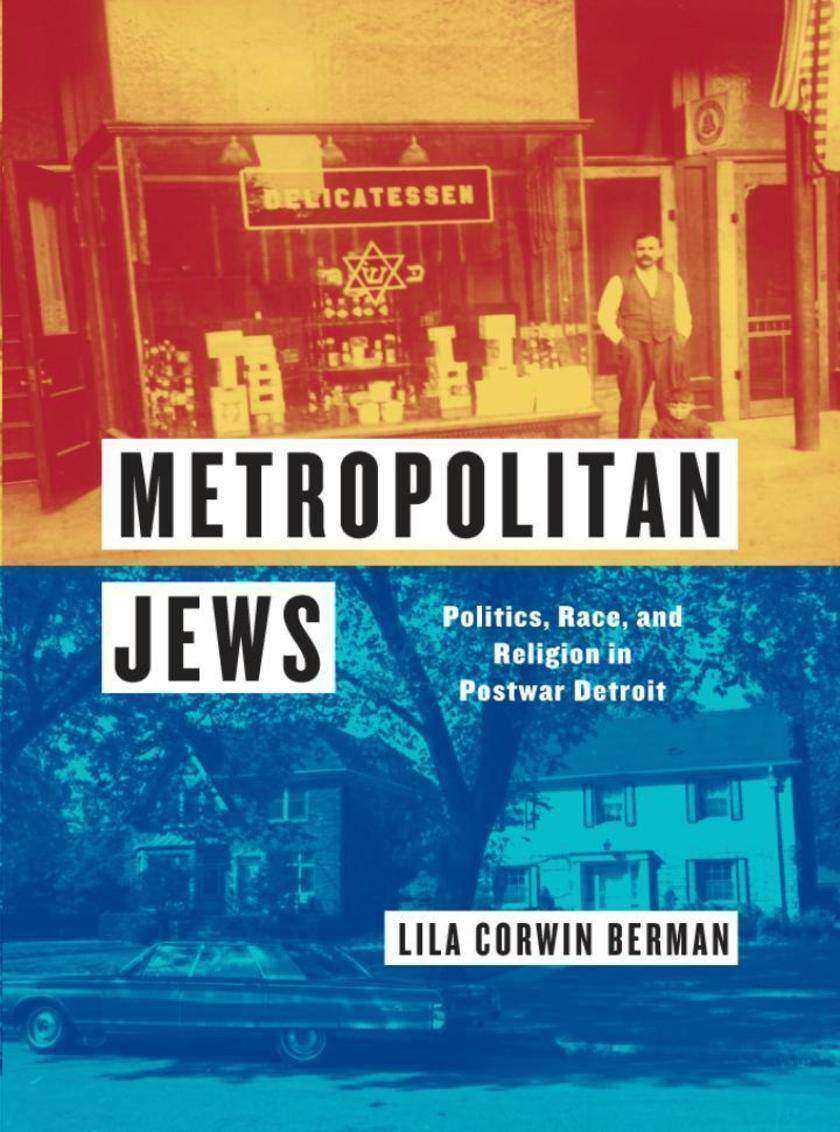
Metropolitan Jews
¥288.41
In this provocative and accessible urban history, Lila Corwin Berman considers the role that Detroit's Jews played in the city's well-known narrative of migration and decline. Taking its cue from social critics and historians who have long looked toward Detroit to understand twentieth-century urban transformations, Metropolitan Jews tells the story of Jews leaving the city while retaining a deep connection to it. Berman argues convincingly that though most Jews moved to the suburbs, urban abandonment, disinvestment, and an embrace of conservatism did not invariably accompany their moves. Instead, the Jewish postwar migration was marked by an enduring commitment to a newly fashioned urbanism with a vision of self, community, and society that persisted well beyond city limits.Complex and subtle, Metropolitan Jews pushes urban scholarship beyond the tenacious black/white, urban/suburban dichotomy. It demands a more nuanced understanding of the process and politics of suburbanization and will reframe how we think about the American urban experiment and modern Jewish history.
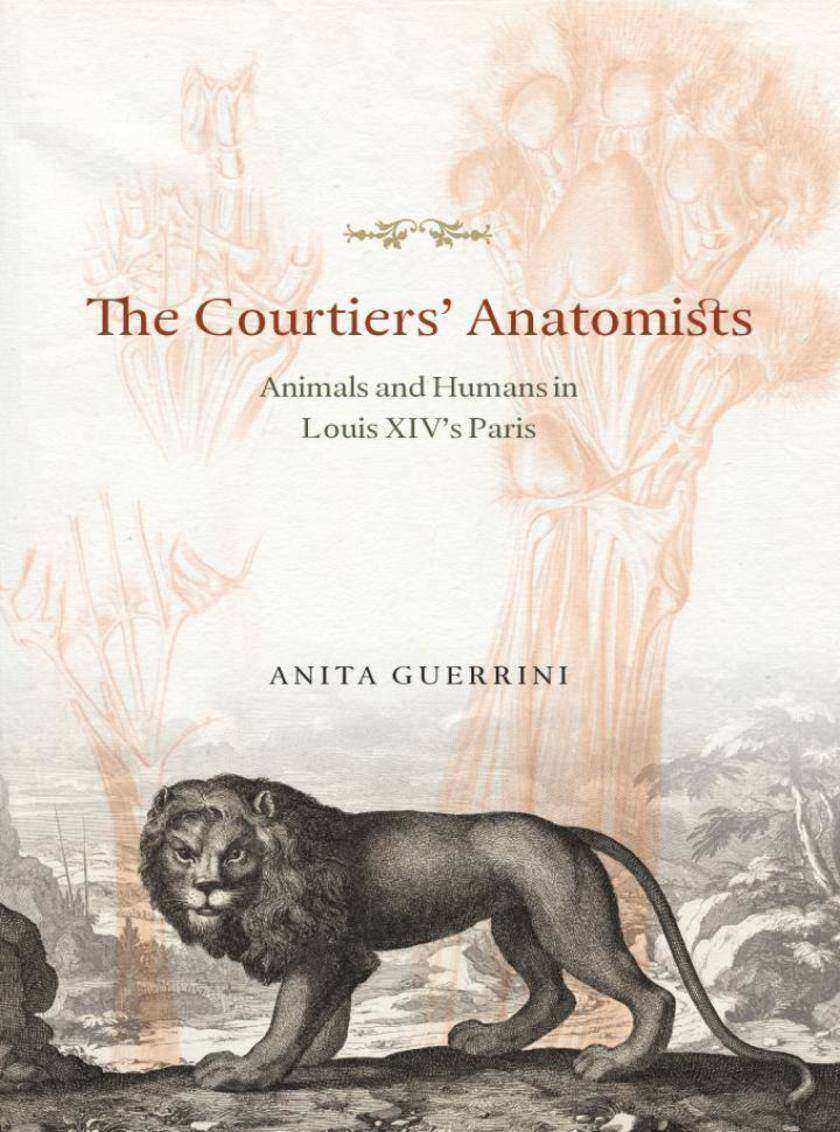
Courtiers' Anatomists
¥288.41
The Courtiers' Anatomists is about dead bodies and live animals in Louis XIV's Paris--and the surprising links between them. Examining the practice of seventeenth-century anatomy, Anita Guerrini reveals how anatomy and natural history were connected through animal dissection and vivisection. Driven by an insatiable curiosity, Parisian scientists, with the support of the king, dissected hundreds of animals from the royal menageries and the streets of Paris. Guerrini is the first to tell the story of Joseph-Guichard Duverney, who performed violent, riot-inducing dissections of both animal and human bodies before the king at Versailles and in front of hundreds of spectators at the King's Garden in Paris. At the Paris Academy of Sciences, meanwhile, Claude Perrault, with the help of Duverney's dissections, edited two folios in the 1670s filled with lavish illustrations by court artists of exotic royal animals.Through the stories of Duverney and Perrault, as well as those of Marin Cureau de la Chambre, Jean Pecquet, and Louis Gayant, The Courtiers' Anatomists explores the relationships between empiricism and theory, human and animal, as well as the origins of the natural history museum and the relationship between science and other cultural activities, including art, music, and literature.
Reformation of Emotions in the Age of Shakespeare
¥288.41
The crises of faith that fractured Reformation Europe also caused crises of individual and collective identity. Structures of feeling as well as structures of belief were transformed; there was a reformation of social emotions as well as a Reformation of faith.As Steven Mullaney shows in?The Reformation of Emotions in the Age of Shakespeare, Elizabethan popular drama played a significant role in confronting the uncertainties and unresolved traumas of Elizabethan Protestant England. Shakespeare and his contemporaries-audiences as well as playwrights-reshaped popular drama into a new form of embodied social, critical, and affective thought. Examining a variety of works, from revenge plays to Shakespeare's first history tetralogy and beyond, Mullaney explores how post-Reformation drama not only exposed these faultlines of society on stage but also provoked playgoers in the audience to acknowledge their shared differences. He demonstrates that our most lasting works of culture remain powerful largely because of their deep roots in the emotional landscape of their times.
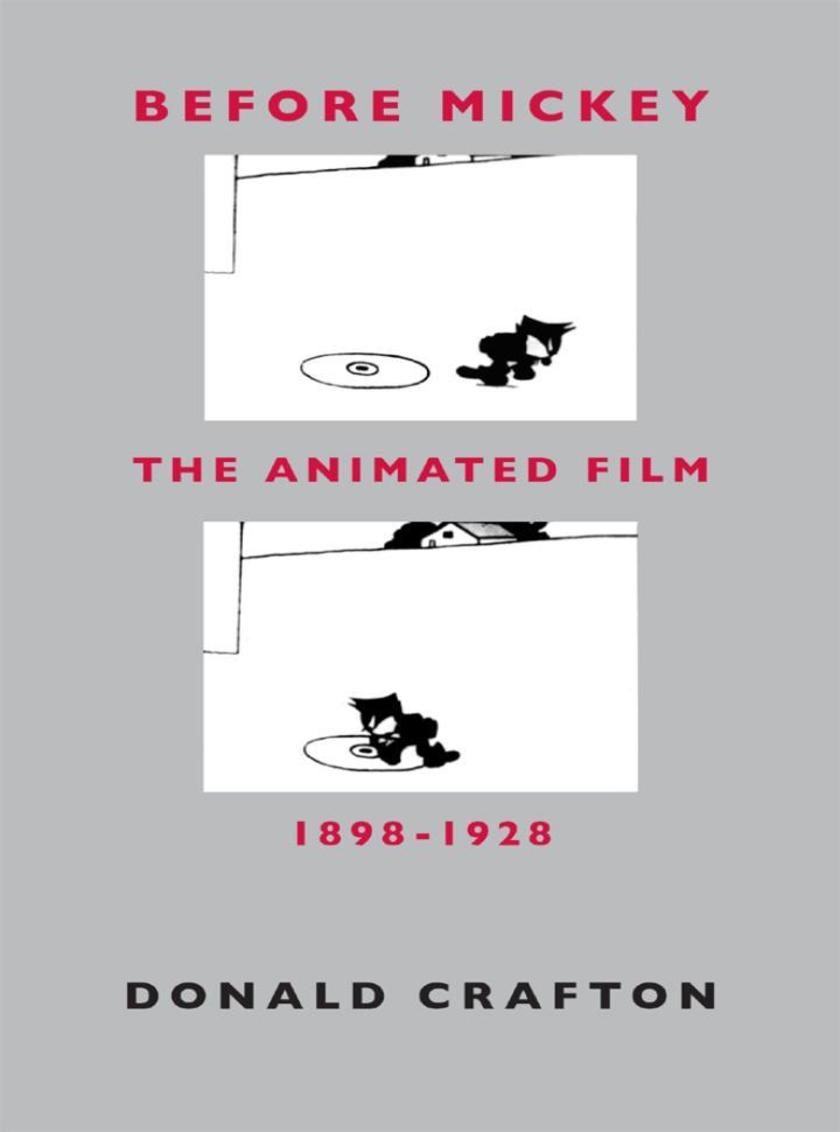
Before Mickey
¥288.41
This witty and fascinating study reminds us that there was animation before Disney: about thirty years of creativity and experimentation flourishing in such extraordinary work as Girdie the Dinosaur and Felix the Cat. Before Mickey, the first and only in-depth history of animation from 1898-1928, includes accounts of mechanical ingenuity, marketing and art. Crafton is equally adept at explaining techniques of sketching and camera work, evoking characteristic styles of such pioneering animators as Winsor McCay and Ladislas Starevitch, placing work in its social and economic context, and unraveling the aesthetic impact of specific cartoons."e;Before Mickey's scholarship is quite lively and its de*ions are evocative and often funny. The history of animation coexisted with that of live-action film but has never been given as much attention."e;-Tim Hunter, New York Times
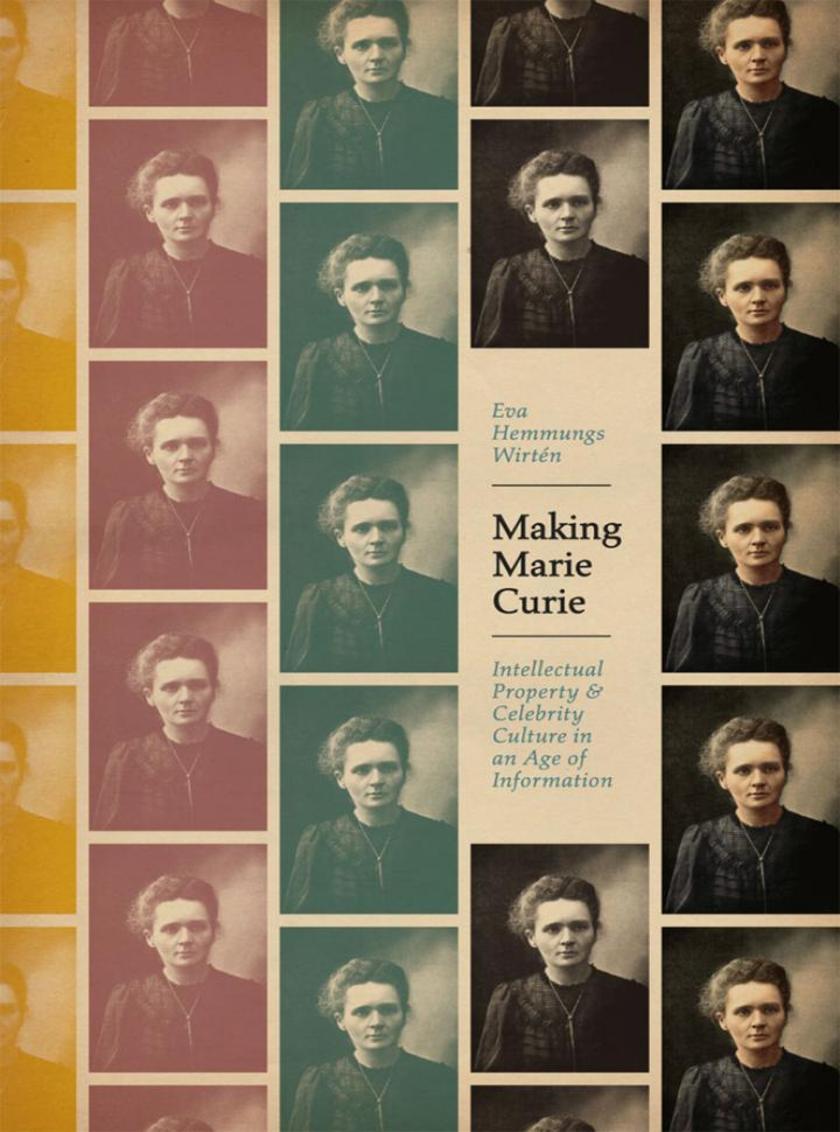
Making Marie Curie
¥288.41
In many ways, Marie Curie represents modern science. Her considerable lifetime achievements-the first woman to be awarded a Nobel Prize, the only woman to be awarded the Prize in two fields, and the only person to be awarded Nobel Prizes in multiple sciences-are studied by schoolchildren across the world. When, in 2009, the New Scientist carried out a poll for the "e;Most Inspirational Female Scientist of All Time,"e; the result was a foregone conclusion: Marie Curie trounced her closest runner-up, Rosalind Franklin, winning double the number of Franklin's votes. She is a role model to women embarking on a career in science, the pride of two nations-Poland and France-and, not least of all, a European Union brand for excellence in science.Making Marie Curie explores what went into the creation of this icon of science. It is not a traditional biography, or one that attempts to uncover the "e;real"e; Marie Curie. Rather, Eva Hemmungs Wirtn, by tracing a career that spans two centuries and a world war, provides an innovative and historically grounded account of how modern science emerges in tandem with celebrity culture under the influence of intellectual property in a dawning age of information. She explores the emergence of the Curie persona, the information culture of the period that shaped its development, and the strategies Curie used to manage and exploit her intellectual property. How did one create and maintain for oneself the persona of scientist at the beginning of the twentieth centuryWhat special conditions bore upon scientific women, and on married women in particularHow was French identity claimed, established, and subvertedHow, and with what consequences, was a scientific reputation secured?In its exploration of these questions and many more, Making Marie Curie provides a composite picture not only of the making of Marie Curie, but the making of modern science itself.
Pure Intelligence
¥288.41
William Hyde Wollaston made an astonishing number of discoveries in an astonishingly varied number of fields: platinum metallurgy, the existence of ultraviolet radiation, the chemical elements palladium and rhodium, the amino acid cystine, and the physiology of binocular vision, among others. Along with his colleagues Humphry Davy and Thomas Young, he was widely recognized during his life as one of Britain's leading scientific practitioners in the first part of the nineteenth century, and thedeaths of all three within a six-month span, between 1828 and 1829, were seen by many as the end of a glorious period of British scientific supremacy. Unlike Davy and Young, however, Wollaston was not the subject of a contemporary biography, and his many impressive achievements have fallen into obscurity as a result.Pure Intelligence is the first book-length study of Wollaston, his science, and the environment in which he thrived. Drawing on previously-unstudied laboratory records as well as historical reconstructions of chemical experiments and discoveries, and written in a highly accessible style, Pure Intelligence will help to reinstate Wollaston in the history of science, and the pantheon of its great innovators.

Nature of Selection
¥288.41
The Nature of Selection is a straightforward, self-contained introduction to philosophical and biological problems in evolutionary theory. It presents a powerful analysis of the evolutionary concepts of natural selection, fitness, and adaptation and clarifies controversial issues concerning altruism, group selection, and the idea that organisms are survival machines built for the good of the genes that inhabit them."e;Sober's is the answering philosophical voice, the voice of a first-rate philosopher and a knowledgeable student of contemporary evolutionary theory. His book merits broad attention among both communities. It should also inspire others to continue the conversation."e;-Philip Kitcher, Nature"e;Elliott Sober has made extraordinarily important contributions to our understanding of biological problems in evolutionary biology and causality. The Nature of Selection is a major contribution to understanding epistemological problems in evolutionary theory. I predict that it will have a long lasting place in the literature."e;-Richard C. Lewontin
Analyzing Animal Societies
¥288.41
Animals lead rich social lives. They care for one another, compete for resources, and mate. Within a society, social relationships may be simple or complex and usually vary considerably, both between different groups of individuals and over time. These social systems are fundamental to biological organization, and animal societies are central to studies of behavioral and evolutionary biology.?But how do we study animal societies How do we take observations of animals fighting, grooming, or forming groups and produce a realistic de*ion or model of their societies?Analyzing AnimalSocieties presents a conceptual framework for analyzing social behavior and demonstrates how to put this framework into practice by collecting suitable data on the interactions and associations of individuals so that relationships can be described, and, from these, models can be derived.In addition to presenting the tools, Hal Whitehead illustrates their applicability using a wide range of real data on a variety of animal species-from bats and chimps to dolphins and birds. The techniques that Whitehead describes will be profitably adopted by scientists working with primates, cetaceans, birds, and ungulates, but the tools can be used to study societies of invertebrates, amphibians, and even humans.?Analyzing AnimalSocieties will become a standard reference for those studying vertebrate social behavior and will give to these studies the kind of quality standard already in use in other areas of the life sciences.

Stitching the West Back Together
¥288.41
News headlines would often have us believe that conservationists are inevitably locked in conflict with the people who live and work on the lands they seek to protect. Not so. Across the western expanses of the United States, conservationists, ranchers, and forest workers are bucking preconceptions to establish common ground. As they join together to protect the wide open spaces, diverse habitats, and working landscapes upon which people, plants, and animals depend, a new vision of management is emerging in which the conservation of biodiversity, ecosystem integrity, and sustainable resource use are seen not as antithetical, but as compatible, even symbiotic goals.Featuring contributions from an impressive array of scientists, conservationists, scholars, ranchers, and foresters, Stitching the West Back Together explores that expanded, inclusive vision of environmentalism as it delves into the history and evolution of Western land use policy and of the working landscapes themselves. Chapters include detailed case studies of efforts to promote both environmental and economic sustainability, with lessons learned; de*ions of emerging institutional frameworks for conserving Western working landscapes; and implications for best practices and policies crucial to the future of the West's working forests and rangelands. As economic and demographic forces threaten these lands with fragmentation and destruction, this book encourages a hopeful balance between production and conservation on the large, interconnected landscapes required for maintaining cultural and biological diversity over the longterm.
Becoming Mead
¥288.41
George Herbert Mead is a foundational figure in sociology, best known for his book Mind, Self, and Society, which was put together after his death from course notes taken by stenographers and students and from unpublished manu*s. Mead, however, never taught a course primarily housed in a sociology department, and he wrote about a wide variety of topics far outside of the concerns for which he is predominantly remembered-including experimental and comparative psychology, the history of science, and relativity theory.In short, he is known in a discipline in which he did not teach for a book he did not write.In Becoming Mead, Daniel R. Huebner traces the ways in which knowledge has been produced by and about the famed American philosopher. Instead of treating Mead's problematic reputation as a separate topic of study from his intellectual biography, Huebner considers both biography and reputation as social processes of knowledge production. He uses Mead as a case study and provides fresh new answers to critical questions in the social sciences, such as how authors come to be considered canonical in particular disciplines, how academics understand and use others' works in their research, and how claims to authority and knowledge are made in scholarship. Becoming Mead provides a novel take on the history of sociology, placing it in critical dialogue with cultural sociology and the sociology of knowledge and intellectuals.
Five Words
¥288.41
Blood. Invention. Language. Resistance. World. Five ordinary words that do a great deal of conceptual work in everyday life and literature. In this original experiment in critical semantics, Roland Greene considers how these five words changed over the course of the sixteenth century and what their changes indicate about broader forces in science, politics, and other disciplines.?Greene discusses a broad swath of Renaissance and transatlantic literature-including Shakespeare, Cervantes, Cames, and Milton-in terms of the development of these words rather than works, careers, or histories. He creates a method for describing and understanding the semantic changes that occur, extending his argument to other words that operate in the same manner. Aiming to shift the conversation around Renaissance literature from current approaches to riskier enterprises, Greene also challenges semantic-historicist scholars, proposing a method that takes advantage of digital resources like full-text databases but still depends on the interpreter to fashion ideas out of ordinary language. Five Words is an innovative and accessible book that points the field of literary studies in an exciting new direction.

Reasons of Conscience
¥288.41
The implicit questions that inevitably underlie German bioethics are the same ones that have pervaded all of German public life for decades: How could the Holocaust have happenedAnd how can Germans make sure that it will never happen againIn Reasons of Conscience, Stefan Sperling considers the bioethical debates surrounding embryonic stem cell research in Germany at the turn of the twenty-first century, highlighting how the country's ongoing struggle to come to terms with its past informs the decisions it makes today.?Sperling brings the reader unmatched access to the offices of the German parliament to convey the role that morality and ethics play in contemporary Germany. He describes the separate and interactive workings of the two bodies assigned to shape German bioethics-the parliamentary Enquiry Commission on Law and Ethics in Modern Medicine and the executive branch's National Ethics Council-tracing each institution's genesis, projected image, and operations, and revealing that the content of bioethics cannot be separated from the workings of these institutions. Sperling then focuses his discussion around three core categories-transparency, conscience, and Germany itself-arguing that without fully considering these, we fail to understand German bioethics. He concludes with an assessment of German legislators and regulators' attempts to incorporate criteria of ethical research into the German Stem Cell Law.
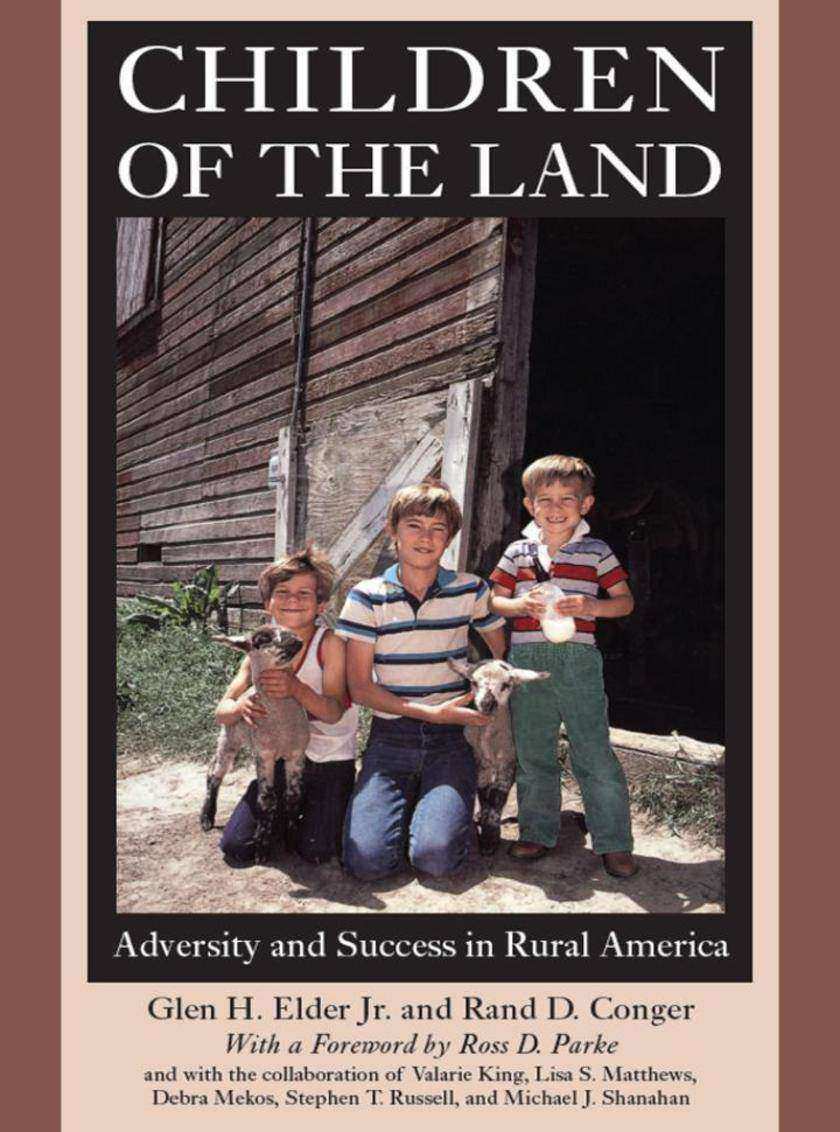
Children of the Land
¥288.41
A century ago, most Americans had ties to the land. Now only one in fifty is engaged in farming and little more than a fourth live in rural communities. Though not new, this exodus from the land represents one of the great social movements of our age and is also symptomatic of an unparalleled transformation of our society.In Children of the Land, the authors ask whether traditional observations about farm families-strong intergenerational ties, productive roles for youth in work and social leadership, dedicated parents and a network of positive engagement in church, school, and community life-apply to three hundred Iowa children who have grown up with some tie to the land. The answer, as this study shows, is a resounding yes. In spite of the hardships they faced during the agricultural crisis of the 1980s, these children, whose lives we follow from the seventh grade to after high school graduation, proved to be remarkably successful, both academically and socially.A moving testament to the distinctly positive lifestyle of Iowa families with connections to the land, this uplifting book also suggests important routes to success for youths in other high risk settings.
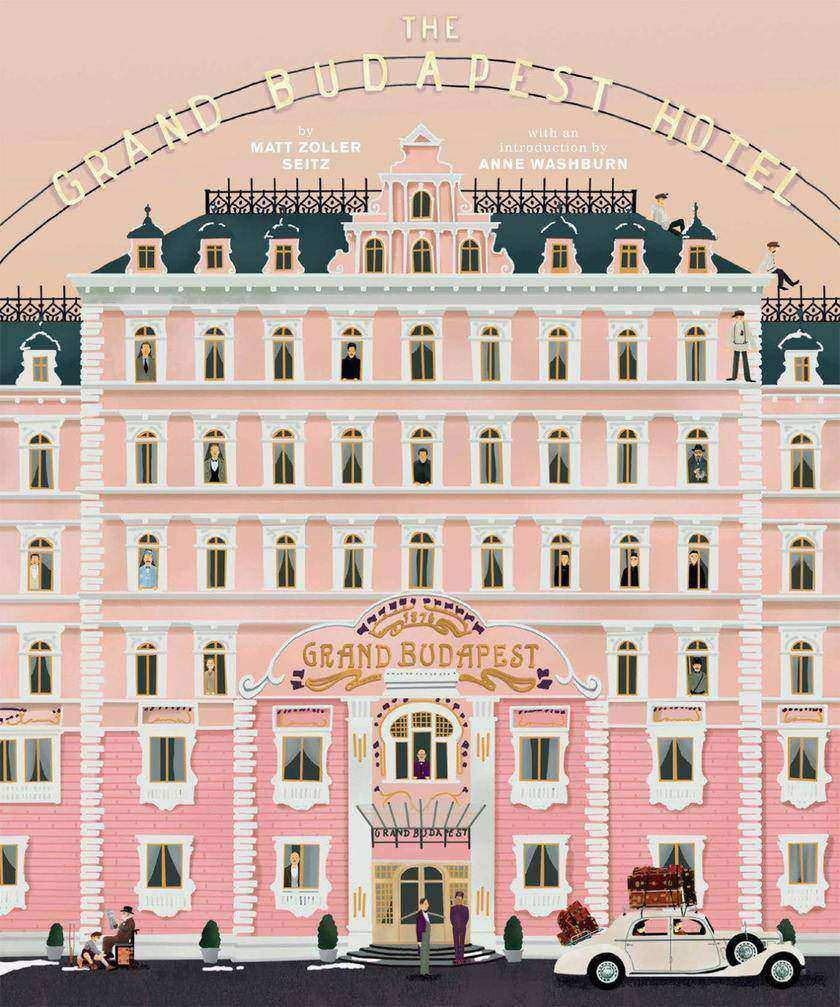
Wes Anderson Collection: The Grand Budapest Hotel
¥285.57
This companion to the New York Times bestselling bookThe Wes Anderson Collectiontakes readers behind the scenes of the Oscar(R)-winning filmThe Grand Budapest Hotelwith a series of interviews between writer/director Wes Anderson and movie/television critic Matt Zoller Seitz. Learn all about the films conception, hear personal anecdotes from the set, and explore the wide variety of sources that inspired the screenplay and imageryfrom author Stefan Zweig to filmmaker Ernst Lubitsch to photochrom landscapes of turn-of-the-century Middle Europe. Also inside are interviews with costume designer Milena Canonero, composer Alexandre Desplat, lead actor Ralph Fiennes, production designer Adam Stockhausen, and cinematographer Robert Yeoman;essays by film critics Ali Arikan and Steven Boone, film theorist and historian David Bordwell, music critic Olivia Collette, and style and costume consultant Christopher Laverty; and an introduction by playwright Anne Washburn.Previously unpublished production photos, artwork, and ephemera illustrate each essay and interview.The Wes Anderson Collection: The Grand Budapest Hotel stays true to Seitzs previous book on Andersons first seven feature films,The Wes Anderson Collection,with an artful, meticulous design and playful, original illustrations that capture the spirit of Andersons inimitable aesthetic. Together, they offer a complete overview of Andersons filmography to date.Praise for the film,The Grand Budapest Hotel: Four Academy Awards(R), including Costume Design, Music - Original Score, and Production Design;Nine Academy Award nominations, including Best Picture, Directing, and Writing - Original Screenplay; Best Film - Musical or Comedy, Golden Globe Awards; Best Original Screenplay, BAFTA, WGA, NYFCC, and LAFCA AwardsPraise for the book,The Wes Anderson Collection: ';The Wes Anderson Collectioncomes as close as a book can to reading like a Wes Anderson film. The design is meticulously crafted, with gorgeous full-page photos and touches . . .' Eric Thurm,The A.V. Club Also available from Matt Zoller Seitz: Mad Men Carousel, The Oliver Stone Experience, The Wes Anderson Collection: Bad Dads, andThe Wes Anderson Collection.

Mackenzie Blue Complete Collection
¥283.49
Tween readers will love following the adventures of Mackenzie "Zee" Blue. California girl Zee is an expert shopper, plays the guitar and writes songs, and makes purses and jewelry. She knows how it feels to have a huge crush. And she knows how to be a good friend and keeps in touch via texts and emails. Tween fans of the Dork Diaries and Diary of a Wimpy Kid series will love the Mackenzie Blue books. This collection includes books 1 through 5.Mackenzie Blue: Meet Mackenzie Blue, aka Zee. She has it all—smarts, talent, humor, and style. Is it enough to survive middle schoolCountdown to a 7th Grade Meltdown. . .Mackenzie Blue #2: The Secret Crush: Mackenzie Blue has a crush! But how can she get Landon—the cutest boy in school—to notice herThe class's new rock-and-roll musical is her chance. Between her crush, the musical, and her friends—not to mention school work—Zee is torn in a thousand different directions. With all the real-life drama going on, will she lose sight of what's really important?Mackenzie Blue #3: Friends Forever?: Zee and the rest of her class from the Brookdale Academy are off on a camping trip to compete in an environmental scavenger hunt. Zee is extra psyched because her best friend, Ally, is visiting from Paris. It should be fabulous having all her friends in one place, but for some reason everyone is fighting!Mackenzie Blue #4: Mixed Messages: Zee and her friends from Brookdale Academy launch Bluetopia, a fab social media site—which is perfect, because Zee's band, The Beans, is about to have its biggest show ever. Everyone is talking about it on Bluetopia. At least it would be perfect if a glitch in the Bluetopia system didn't threaten to ruin the show—and Zee's life!Mackenzie Blue #5: Double Trouble: Mackenzie Blue is a star! Or she will be . . . as soon as she gets the part of an aspiring singer on a new TV pilot! But juggling auditions and the rest of her life turns out to be harder than Zee thought. Zee's friends are helping her hold everything together. But Zee doesn't like having to bail on plans—and her friends—to run to another audition. Is being a star worth it?

The Fate of Texas
¥282.63
The Civil War in the West has a single goal: to promote historical writing about the war in the western states and territories. It focuses most particularly on the Trans-Mississippi theater, which consisted of Missouri, Arkansas, Texas, most of Louisiana (west of the Mississippi River), Indian Territory (modern-day Oklahoma), and Arizona Territory (two-fifths of modern-day Arizona and New Mexico), but also encompasses adjacent states, such as Kansas, Tennessee, and Mississippi, that directly influenced the Trans-Mississippi war. It is a wide swath to be sure, but one too often ignored by historians and consequently too little understood and appreciated.


