


 购物车
购物车 个人中心
个人中心

生活中的逻辑学(修订版)
¥40.80
生活中的逻辑学(修订版)


街头哲学:人间清醒的底层逻辑与顶层认知(心悦读丛书)
¥40.80
哲学是两千多年前一群人在希腊城邦的街头集会,试图将思想实践于生活中的学问。人们自由地讨论各种问题,得到答案和指引,以此引导自己的行为。它不是形而上学的理论,而是实实在在解决人们生活中的问题。 本书重塑了古希腊化的哲学探讨方式,用轻松幽默而又不失思想深度的笔触面对当代生活中让我们困惑的各种问题,为其提供众多伟大思想家如康德、边沁、卢梭、波伏瓦、柏拉图等角度不同的解答,促使我们对问题行更深层的思考,从而获得人生真正的解脱和提高自己的思辨力。

Madam How and Lady Why
¥40.79
A delightful children's classic dealing with questions of natural life with plentiful and colourful examples of how things work, and more importantly, why such things as rain, snow, wind and others happen.
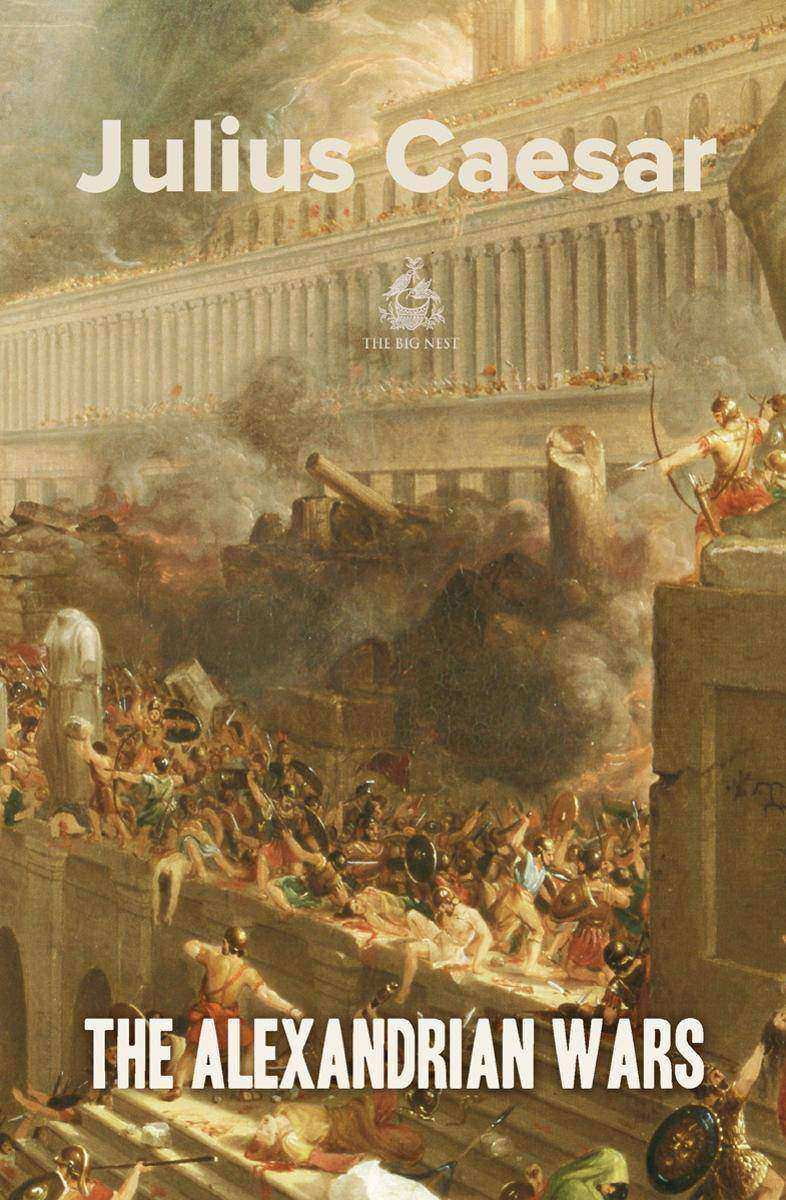
The Alexandrian Wars: English and Latin Language
¥40.79
When the war broke out at Alexandria, Caesar sent to Rhodes, Syria, and Cilicia, for all his fleet; and summoned archers from Crete, and cavalry from Malchus, king of the Nabatheans. He likewise ordered military engines to be provided, corn to be brought, and forces dispatched to him. Meanwhile he daily strengthened his fortifications by new works; and such parts of the town as appeared less tenable were strengthened with testudos and mantelets. Openings were made in the walls, through which the battering-rams might play; and the fortifications were extended over whatever space was covered with ruins, or taken by force. For Alexandria is in a manner secure from fire, because the houses are all built without joists or wood, and are all vaulted, and roofed with tile or pavement.
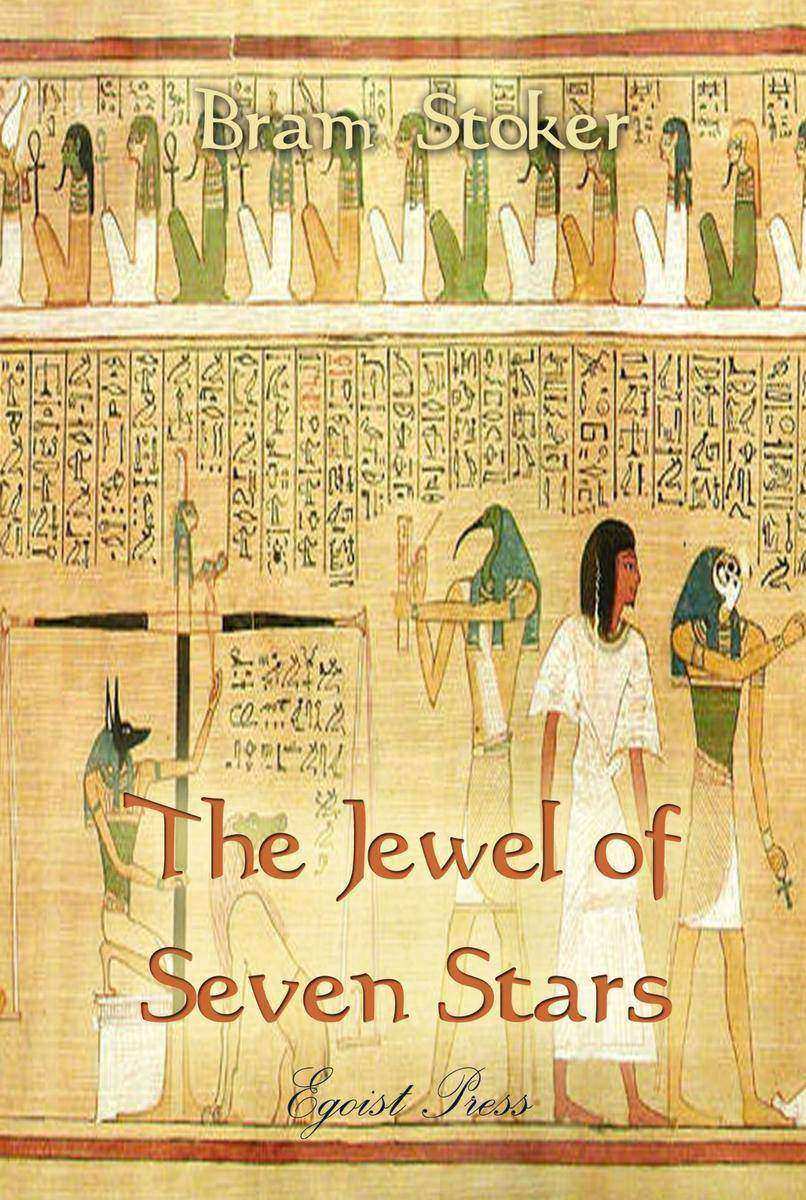
The Jewel of Seven Stars
¥40.79
Malcolm Ross, a young barrister, is awakened in the middle of the night and summoned to the house of famous Egyptologist Abel Trelawny at the request of his daughter, Margaret, with whom Malcolm is enamored. Once Malcolm arrives at the house, he meets Margaret, Superintendent Dolan, and Doctor Winchester, and learns why he has been called: Margaret, hearing strange noises from her father’s bedroom, woke to find him unconscious and bloodied on the floor of his room, under some sort of trance.

Bobok
¥40.79
Ivan Ivanovitch attends the funeral of a casual acquaintance and falls to contemplation in the graveyard. He hears the voices of the recently deceased and buried, and he listens to their conversation. They discuss card games and political scandals. As the deceased entertain themselves by revealing all of the shameful details of their earthly lives, Ivan Ivanovitch sneezes.

Puterea miraculoas? a apei. Nu e?ti bolnav, doar ?nsetat! Nu trata setea cu medi
¥40.79
Cartea publicat? ?n 1983 este ?mp?r?it? ?n cinci p?r?i (ce cuprind treisprezece capitole). Fiecare capitol este constituit dintr-un dialog sau dialoguri, povestiri sau ra?ionamente ce abordeaz?, ?n general, paradoxuri, probleme de filosofie, logic? ?i matematic?. Printre temele redate ?n aceast? lucrare se num?r? problema p?catului ?i a virtu?ii (capitolul 4, intitulat ,,O ?ntrebare“), percep?ia ?i reprezentarea realit??ii (capitolul 7 ,,O fantezie minte-corp“), ontologia (capitolul 10 ,,Ce este existen?a?“), solipsismul (capitolul 12 ,,Solipsismul luminat“), problema adev?rului (capitolul 1 ,,De ce spui adev?rul?“ ?i capitolul 2 ,,O problem?“), problema vie?ii ?i a mor?ii (capitolul 9 ,,Zen de via?? ?i de moarte“). Lucrarea se remarc? printr-o formul? dens? ?i, ?n egal? m?sur?, elegant?, care ?i permite autorului s? prezinte chestiuni de altfel complexe ?n c?teva pagini revelatoare, prin povestiri sau dialoguri, f?r? a-?i plictisi cititorii. Ca ?ntr-un num?r de magie, art? de care autorul nu este str?in, publicul este atras ?i captivat de aparenta simplitate ?i ingeniozitate a ra?ionamentelor expuse. Probabil, ceea ce face cartea mai u?or de citit este atitudinea autorului, tonul s?u glume?, ludic ?n cea mai mare parte din cele 200 de pagini. Putem ilustra aceast? idee prin c?teva exemple. ?n cadrul capitolului 3, denumit ,,C?teva fragmente“, Raymond Smullyan poveste?te c? le-ar fi declarat studen?ilor ?n timpul unui examen c? dac? ei ?i-ar da cuv?ntul de onoare c? nu vor copia, atunci el ?i-ar da cuv?ntul c? nu va raporta mai departe dac? ei ar ?ncerca s? copieze. Cineva l-ar fi ?ntrebat la un moment dat dac? crede ?n astrologie. El a r?spuns c? nu crede ?n astrologie deoarece este ?n zodia Gemeni. Lista de propozi?ii care se contrazic singure, a lui Saul Gorn, un specialist ?n informatic?, pe care Smullyan le citeaz?, reprezint? ?i ele o mostr? de umor. Printre acestea se reg?sesc afirma?ii precum: ,,?nainte de a ?ncepe s? vorbesc, a? vrea s? v? spun ceva.“, ,,Jum?tate dintre minciunile pe care ei le spun despre mine sunt adev?rate.“ sau ,,Te ai dep??it pe tine ?nsu?i, ca de obicei.“

The Critique of Pure Reason
¥40.79
One of the most influential works in the history of philosophy. Known as Kant's First Critique, dealing with questions concerning the foundations and extent of human knowledge, Kant builds on the work of empiricist philosophers such as John Locke and David Hume, as well as taking into account the theories of rationalist philosophers such as Gottfried Wilhelm Leibniz and Christian Wolff.
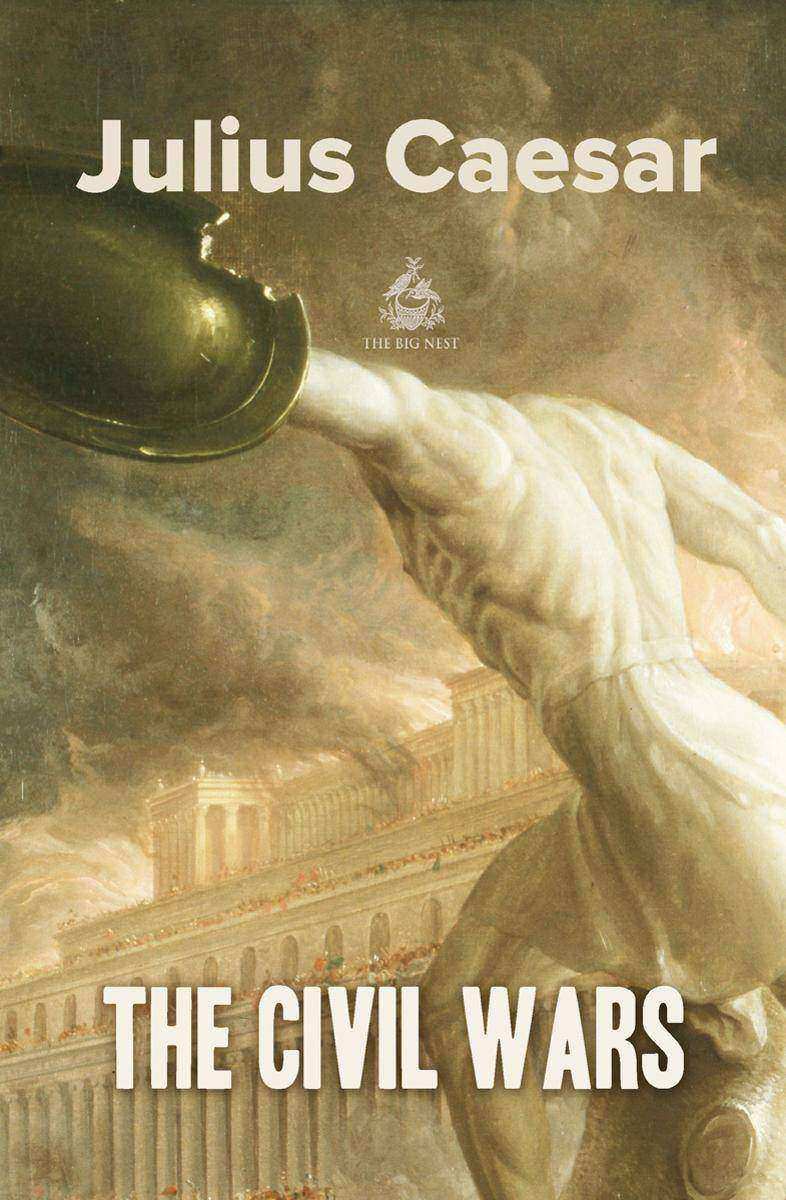
The Civil Wars, Book 1
¥40.79
Caesar, although he was not as yet at open enmity with him, determined neither to aid him by his influence nor openly oppose him on this occasion. But the consuls Lentulus and Marcellus, who had previously been on unfriendly terms with Caesar, resolved to use all means in their power to prevent him from gaining his object. Marcellus in particular did not hesitate to offer Caesar other insults. Caesar had lately planned the colony of Novumcomum in Gaul: Marcellus, not content with taking from it the right of citizenship, ordered the principal man of the colony to be arrested and scourged at Rome, and sent him to make his complaints to Caesar: an insult of this description had never before been offered to a Roman citizen.
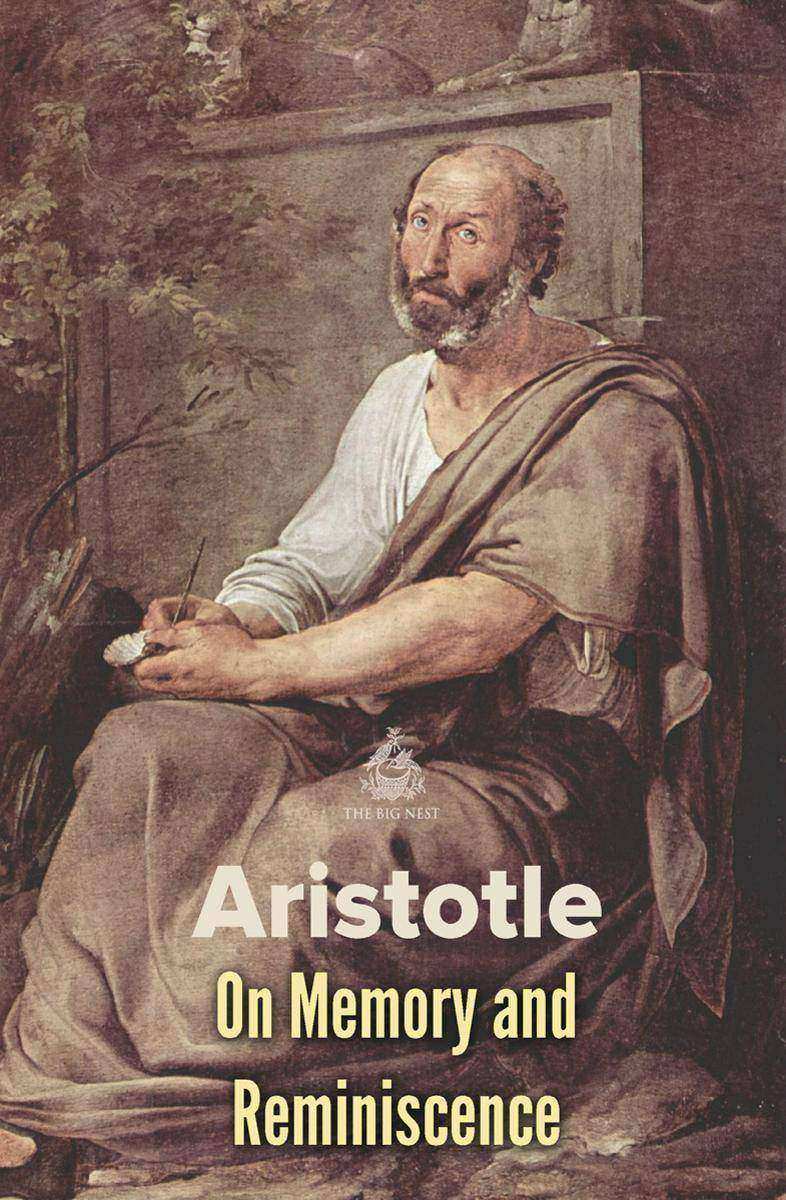
On Memory and Reminiscence
¥40.79
We have, in the next place, to treat of Memory and Remembering, considering its nature, its cause, and the part of the soul to which this experience, as well as that of Recollecting, belongs. For the persons who possess a retentive memory are not identical with those who excel in power of recollection; indeed, as a rule, slow people have a good memory, whereas those who are quick-witted and clever are better at recollecting.
Metaphysics
¥40.79
All men by nature desire to know. An indication of this is the delight we take in our senses; for even apart from their usefulness they are loved for themselves; and above all others the sense of sight. For not only with a view to action, but even when we are not going to do anything, we prefer seeing (one might say) to everything else. The reason is that this, most of all the senses, makes us know and brings to light many differences between things.
The African Wars: English and Latin Language
¥40.79
Caesar, advancing by moderate journeys, and continuing his march without intermission, arrived at Lilybaeum, on the 14th day before the calends of January. Designing to embark immediately, though he had only one legion of new levies, and not quite six hundred horse, he ordered his tent to be pitched so near the sea-side that the waves lashed the very foot of it. This he did with a view that none should think he had time to delay, and that his men might be kept in readiness at a day or an hour's warning. Though the wind at that time was contrary, he nevertheless detained the soldiers and mariners on board, that he might lose no opportunity of sailing; the rather, because the forces of the enemy were announced by the inhabitants of the province, to consist of innumberable cavalry not to be numbered; four legions headed by Juba, together with a great body of light-armed troops; ten legions under the command of Scipio; a hundred and twenty elephants, and fleets in abundance. Yet he was not alarmed, nor lost his confident hopes and spirits. Meantime the number of galleys and transports increased daily; the new-levied legions flocked in to him from all parts; among the rest the fifth, a veteran legion, and about two thousand horse.
The Alexandrian Wars
¥40.79
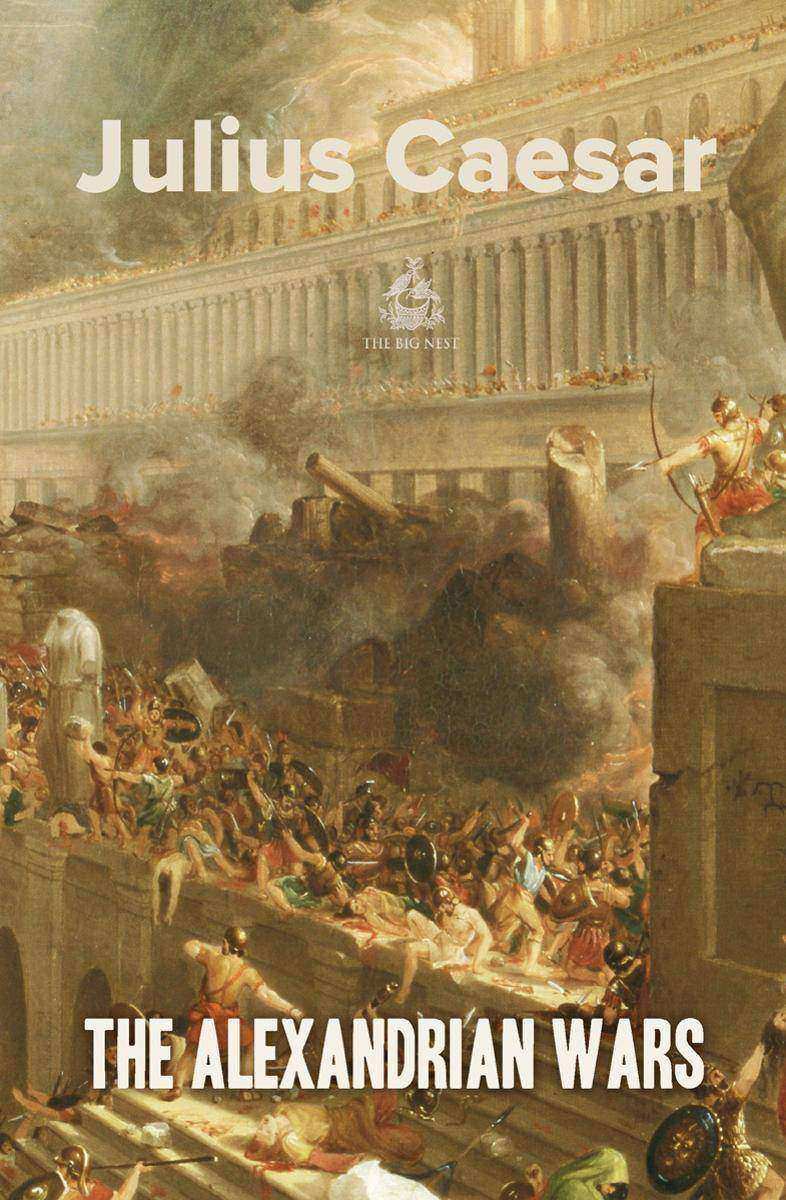
When the war broke out at Alexandria, Caesar sent to Rhodes, Syria, and Cilicia, for all his fleet; and summoned archers from Crete, and cavalry from Malchus, king of the Nabatheans. He likewise ordered military engines to be provided, corn to be brought, and forces dispatched to him. Meanwhile he daily strengthened his fortifications by new works; and such parts of the town as appeared less tenable were strengthened with testudos and mantelets. Openings were made in the walls, through which the battering-rams might play; and the fortifications were extended over whatever space was covered with ruins, or taken by force. For Alexandria is in a manner secure from fire, because the houses are all built without joists or wood, and are all vaulted, and roofed with tile or pavement.

Lord Arthur Savile's Crime and Other Stories
¥40.79
Lord Arthur Savile's Crime is the opening story in this volume of Oscar Wilde tales and this collection will delight the reader with slightly darker undertones of Wilde's hugely enjoyable humorous tales. Also included in this collection: The Canterville Ghost, The Sphinx Without a Secret, The Modle Millionaire, The Protrait of Mr. W.H.

Our Friend the Charlatan
¥40.79
As he waited for his breakfast, never served to time, Mr. Lashmar drummed upon the window-pane, and seemed to watch a blackbird lunching with much gusto about the moist lawn of Alverholme Vicarage. But his gaze was absent and worried. The countenance of the reverend gentleman rarely wore any other expression, for he took to heart all human miseries and follies, and lived in a ceaseless mild indignation against the tenor of the age.

Emelian And The Empty Drum
¥40.79
Emelian was a labourer and worked for a master. He was walking through a field one day on his way to work, when a frog hopped in front of him and he just missed crushing it by stepping across. Suddenly some one called to him from behind. He turned, and there stood a beautiful maiden, who said to him, 'Why don’t you marry, Emelian?'

The Mysterious Island
¥40.79
The story follows adventures of five Americans on an uncharted island in the South Pacific. The five Americans escape from prison during the siege of Richmond, Virginia, by hijacking a balloon.

An Antarctic Mystery
¥40.79
A wealthy American Jeorling is looking for a passage back to the USA after private studies of the wildlife on the Kerguelen Islands. Halbrane is one of the first ships to arrive at Kerguelen, and its captain Len Guy somewhat reluctantly agrees to have Jeorling as a passenger as far as Tristan da Cunha. Underway, they meet a stray iceberg with a dead body on it, which turns out to be a sailor from Jane. A note found with him indicates that he and several others including Jane's captain William Guy had survived the assassination attempt at Tsalal and are still alive.

Eugenie Grandet
¥40.79
Eugenie's father Felix is a former cooper who has become wealthy through both business ventures and inheritance. However, he is very miserly, and he, his wife, daughter and their servant Nanon live in a run-down old house which he is too miserly to repair. His banker des Grassins wishes Eugenie to marry his son Adolphe, and his lawyer Cruchot wishes Eugenie to marry his nephew President Cruchot des Bonfons, both parties eyeing the inheritance from Felix.

Symposium
¥40.79
Of all the works of Plato the Symposium is the most perfect in form, and may be truly thought to contain more than any commentator has ever dreamed of; or, as Goethe said of one of his own writings, more than the author himself knew. For in philosophy as in prophecy glimpses of the future may often be conveyed in words which could hardly have been understood or interpreted at the time when they were uttered.
Euthyphro
¥40.79
In the Meno, Anytus had parted from Socrates with the significant words: 'That in any city, and particularly in the city of Athens, it is easier to do men harm than to do them good;' and Socrates was anticipating another opportunity of talking with him. In the Euthyphro, Socrates is awaiting his trial for impiety. But before the trial begins, Plato would like to put the world on their trial, and convince them of ignorance in that very matter touching which Socrates is accused. An incident which may perhaps really have occurred in the family of Euthyphro, a learned Athenian diviner and soothsayer, furnishes the occasion of the discussion.


