


 购物车
购物车 个人中心
个人中心
Politics: A Treatise on Government
¥40.79
The Politics of Aristotle is the second part of a treatise of which the Ethics is the first part. It looks back to the Ethics as the Ethics looks forward to the Politics. For Aristotle did not separate, as we are inclined to do, the spheres of the statesman and the moralist. In the Ethics he has described the character necessary for the good life, but that life is for him essentially to be lived in society, and when in the last chapters of the Ethics he comes to the practical application of his inquiries, that finds expression not in moral exhortations addressed to the individual but in a description of the legislative opportunities of the statesman.
Poetics
¥40.79
Aristotle's Poetics is the earliest surviving work of dramatic theory and the first extant philosophical treatise to focus on literary theory. In it, Aristotle offers an account of what he calls poetry.
On Dreams
¥40.79
We must, in the next place, investigate the subject of the dream, and first inquire to which of the faculties of the soul it presents itself, i.e. whether the affection is one which pertains to the faculty of intelligence or to that of sense-perception; for these are the only faculties within us by which we acquire knowledge.
On the Heavens
¥40.79
The science which has to do with nature clearly concerns itself for the most part with bodies and magnitudes and their properties and movements, but also with the principles of this sort of substance, as many as they may be. For of things constituted by nature some are bodies and magnitudes, some possess body and magnitude, and some are principles of things which possess these. Now a continuum is that which is divisible into parts always capable of subdivision, and a body is that which is every way divisible.
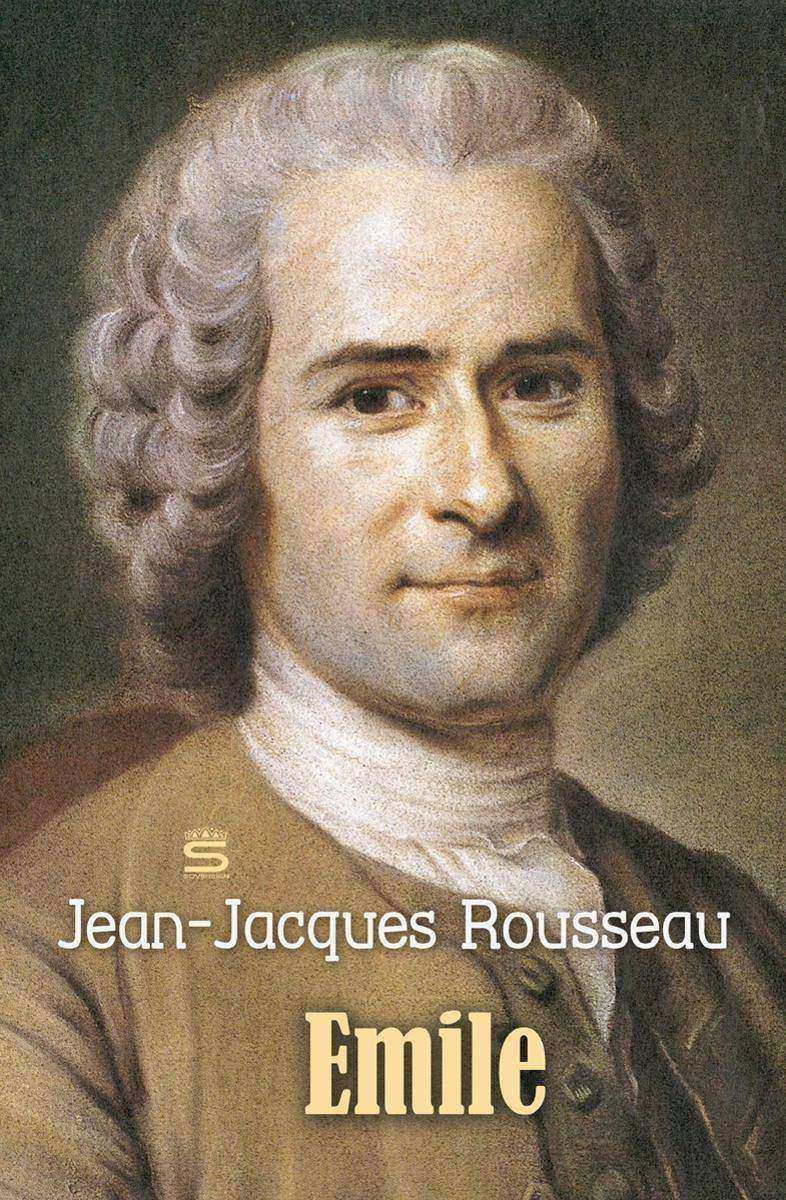
Emile
¥40.79
Emile is a treatise on the nature of education and on the nature of man written by Jean-Jacques Rousseau, who considered it to be the best and most important of all his writings. During the French Revolution, Emile served as the inspiration for what became a new national system of education.

Walden
¥40.79
I went to the woods because I wished to live deliberately, to front only the essential facts of life, and see if I could not learn what it had to teach, and not, when I came to die, discover that I had not lived. I did not wish to live what was not life, living is so dear; nor did I wish to practice resignation, unless it was quite necessary. I wanted to live deep and suck out all the marrow of life, to live so sturdily and Spartan-like as to put to rout all that was not life, to cut a broad swath and shave close, to drive life into a corner, and reduce it to its lowest terms, and, if it proved to be mean, why then to get the whole and genuine meanness of it, and publish its meanness to the world; or if it were sublime, to know it by experience, and be able to give a true account of it in my next excursion.
Timaeus
¥40.79
Of all the writings of Plato the Timaeus is the most obscure and repulsive to the modern reader, and has nevertheless had the greatest influence over the ancient and mediaeval world. The obscurity arises in the infancy of physical science, out of the confusion of theological, mathematical, and physiological notions, out of the desire to conceive the whole of nature without any adequate knowledge of the parts, and from a greater perception of similarities which lie on the surface than of differences which are hidden from view.
Ion
¥40.79
The Ion is the shortest, or nearly the shortest, of all the writings which bear the name of Plato, and is not authenticated by any early external testimony. The grace and beauty of this little work supply the only, and perhaps a sufficient, proof of its genuineness. The plan is simple; the dramatic interest consists entirely in the contrast between the irony of Socrates and the transparent vanity and childlike enthusiasm of the rhapsode Ion.
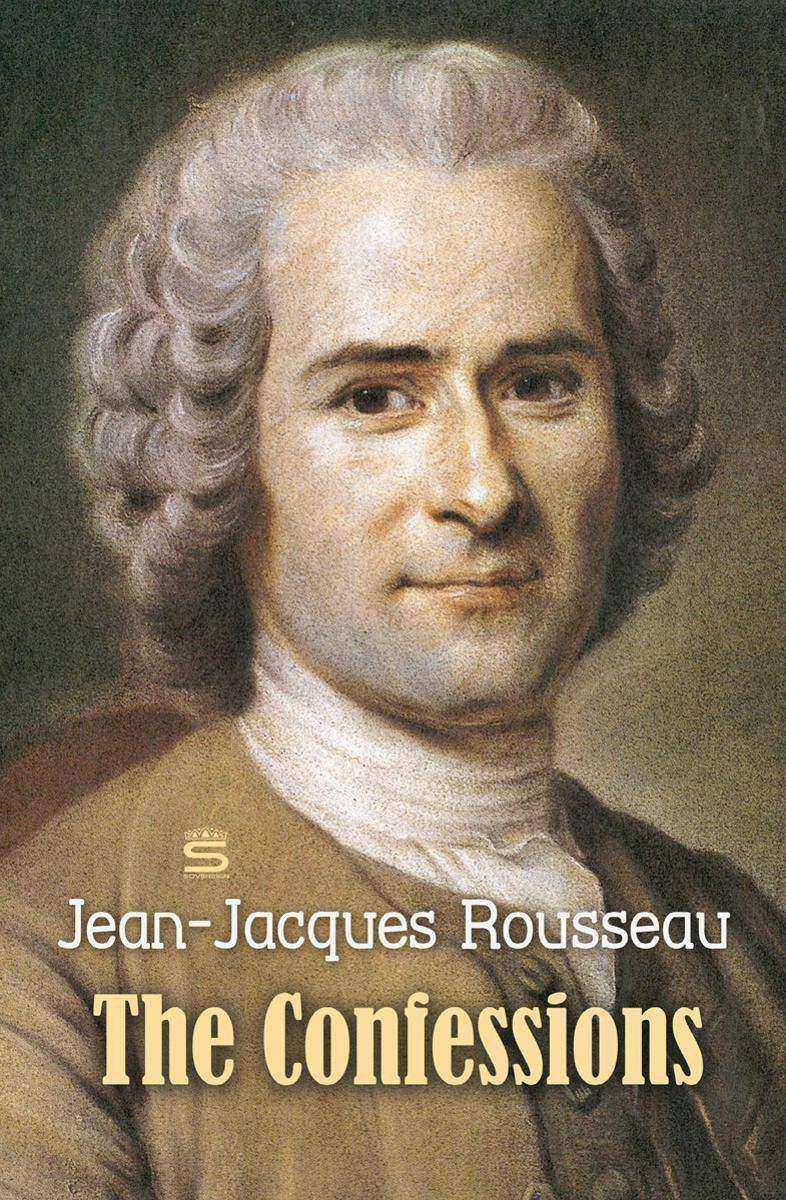
The Confessions
¥40.79
The Confessions is an autobiographical work of Jean-Jacques Rousseau which initiated modern autobiography. Covering the first fifty-three years of Rousseau's life the book provides an account of the experiences that shaped his personality and ideas.
Areopagitica
¥40.79
Areopagitica is among history's most influential and impassioned philosophical defences of the principle of a right to freedom of speech and expression. Today, Areopagitica is regarded as one of the most eloquent defences of press freedom ever written – and as one of the most influential, because many of its expressed principles have formed the basis for modern justifications.
On the Motion of Animals
¥40.79
Elsewhere we have investigated in detail the movement of animals after their various kinds, the differences between them, and the reasons for their particular characters (for some animals fly, some swim, some walk, others move in various other ways); there remains an investigation of the common ground of any sort of animal movement whatsoever.
Meteorology
¥40.79
We have already discussed the first causes of nature, and all natural motion, also the stars ordered in the motion of the heavens, and the physical element-enumerating and specifying them and showing how they change into one another-and becoming and perishing in general. There remains for consideration a part of this inquiry which all our predecessors called meteorology. It is concerned with events that are natural, though their order is less perfect than that of the first of the elements of bodies. They take place in the region nearest to the motion of the stars. Such are the milky way, and comets, and the movements of meteors.
Reverie cu flori de cire
¥40.79
A fi rom?n? ?E o ru?ine!“, exclama Cioran. ?n ce m?sur? filosoful de la Paris avea dreptate? Ce ?nseamn? ?a fi rom?n“ ?ntr-o fals? tranzi?ie care aparent nu se mai termin?? La aceste ?i multe alte ?ntreb?ri ?ncearc? s? r?spund? scriitorul Ionel Necula ?n opus-ul de fa??, care ?nsumeaz? analize ale r?sturn?rilor sociale evidente, ?nregistrate ?n ultimii ?aptesprezece ani. Nu ?ntotdeauna comod, spiritul coroziv al autorului ??i spune cuv?ntul, av?nd uneori accente incendiare.
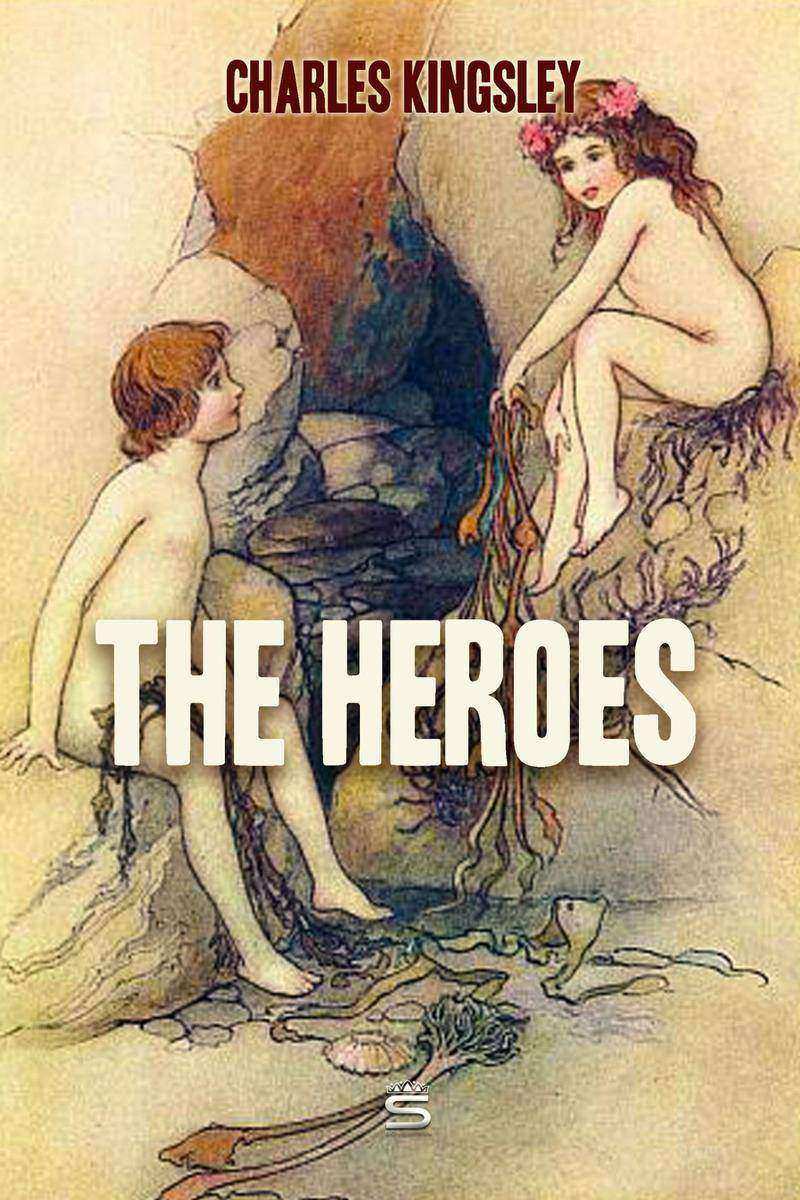
The Heroes: Greek Fairy Tales for My Children
¥40.79
A collection of magical stories based on old Greek fairy tales including: The Story of Perseus, The Story of The Argonauts, The Story of Theseus. Written by Charles Kingsley and dedicated to his children Rose, Maurice, and Mary. A little present of old Greek Fairy Tales.
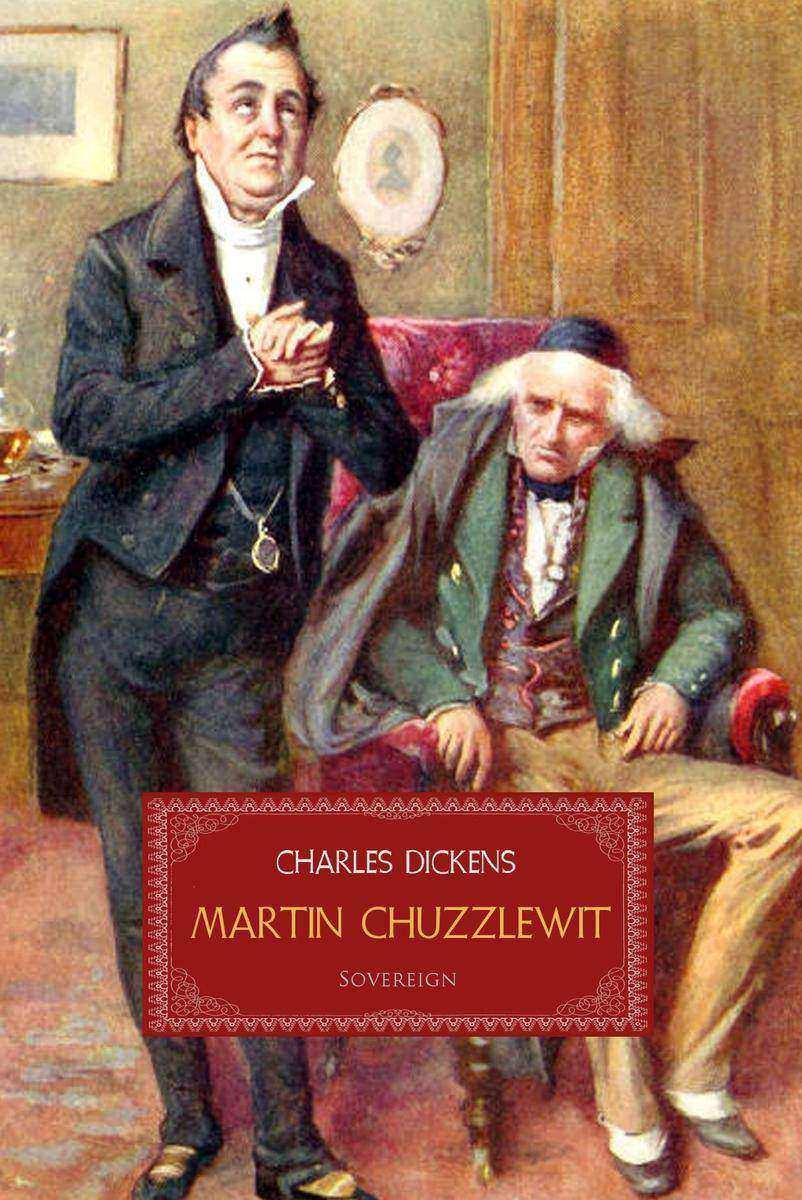
Martin Chuzzlewit
¥40.79
The last of Dickens' picaresque novels which exposes selfishness, portrayed in a satirical fashion using all the members of the Chuzzlewit family. The novel was written after taking a year off during which Charles Dickens visited America. Similarly, young Martin Chuzzlewit, the old man's grandson, goes off to America to live through events which Dickens himself perhaps experienced or observed during his own travels.

Eve's Ransom
¥40.79
Eve's Ransom is the story of a mechanical draughtsman named Maurice Hilliard, who comes into some money, which enables him to live without working. As part of his resulting travels, he meets and falls in love with Eve Madeley, a book keeper.
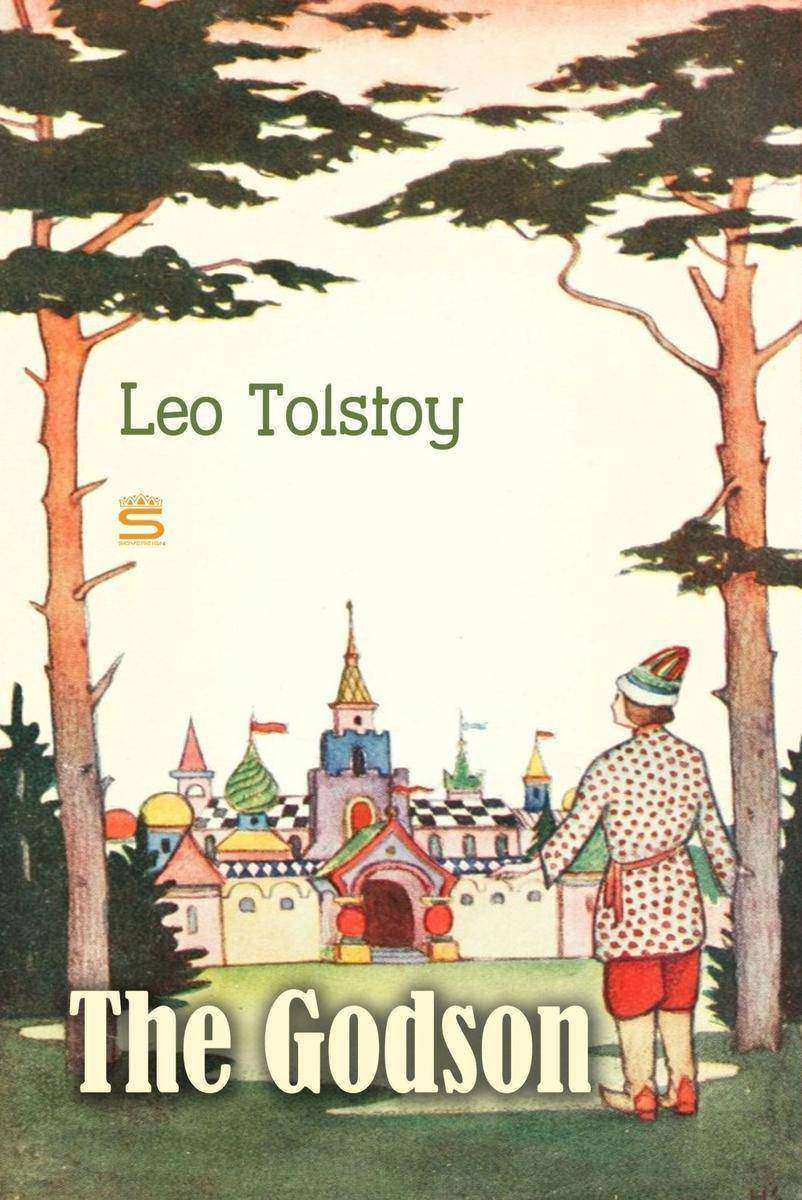
The Godson
¥40.79
A son was born to a poor peasant. He rejoiced and went to a neighbour to ask him to stand as godfather to the boy. The neighbour refused. He did not want to be godfather to a poor man’s son. So the peasant went to another neighbour and he, too, refused. He walked from house to house, but could find no one who would be godfather to his son, so he set out to another village.
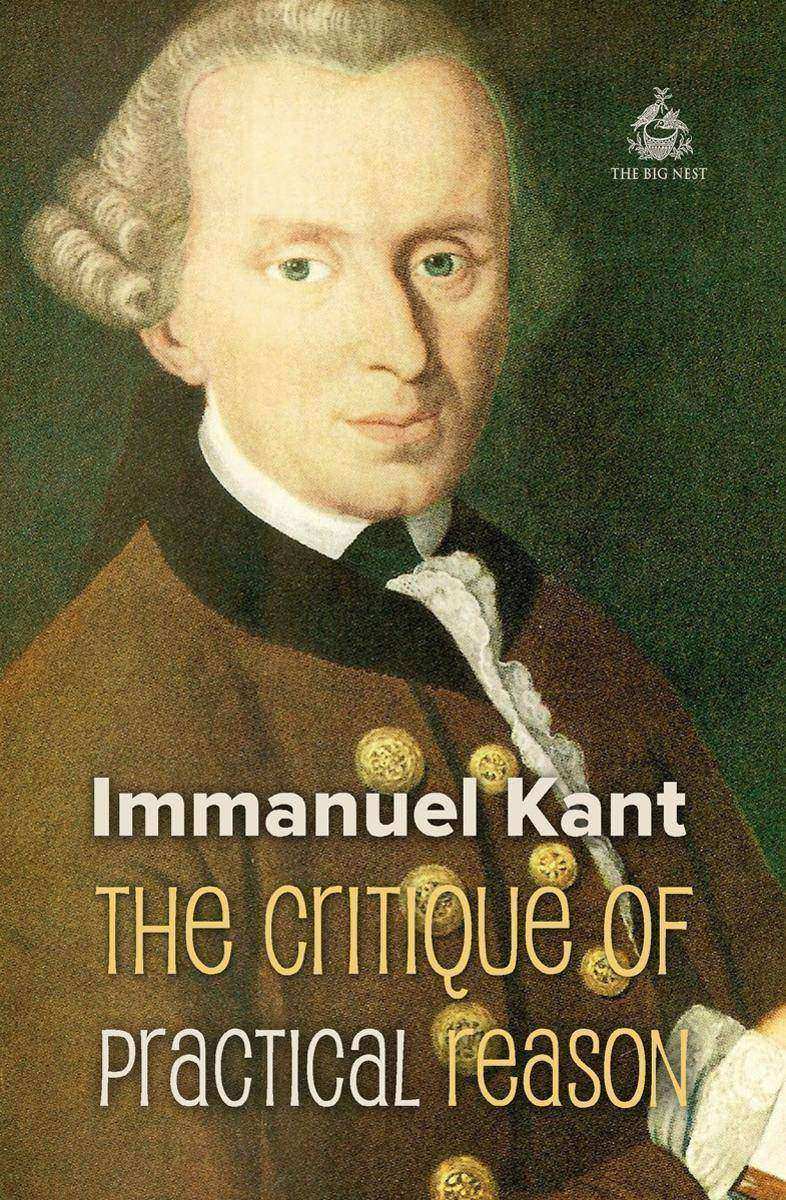
The Critique of Practical Reason
¥40.79
The Critique of Practical Reason follows on from Kant's Critique of Pure Reason and deals with his moral philosophy. The second Critique exercised a decisive influence over the subsequent development of the field of ethics and moral philosophy, beginning with Johann Gottlieb Fichte's Doctrine of Science and becoming, during the 20th century, the principal reference point for deontological moral philosophy.
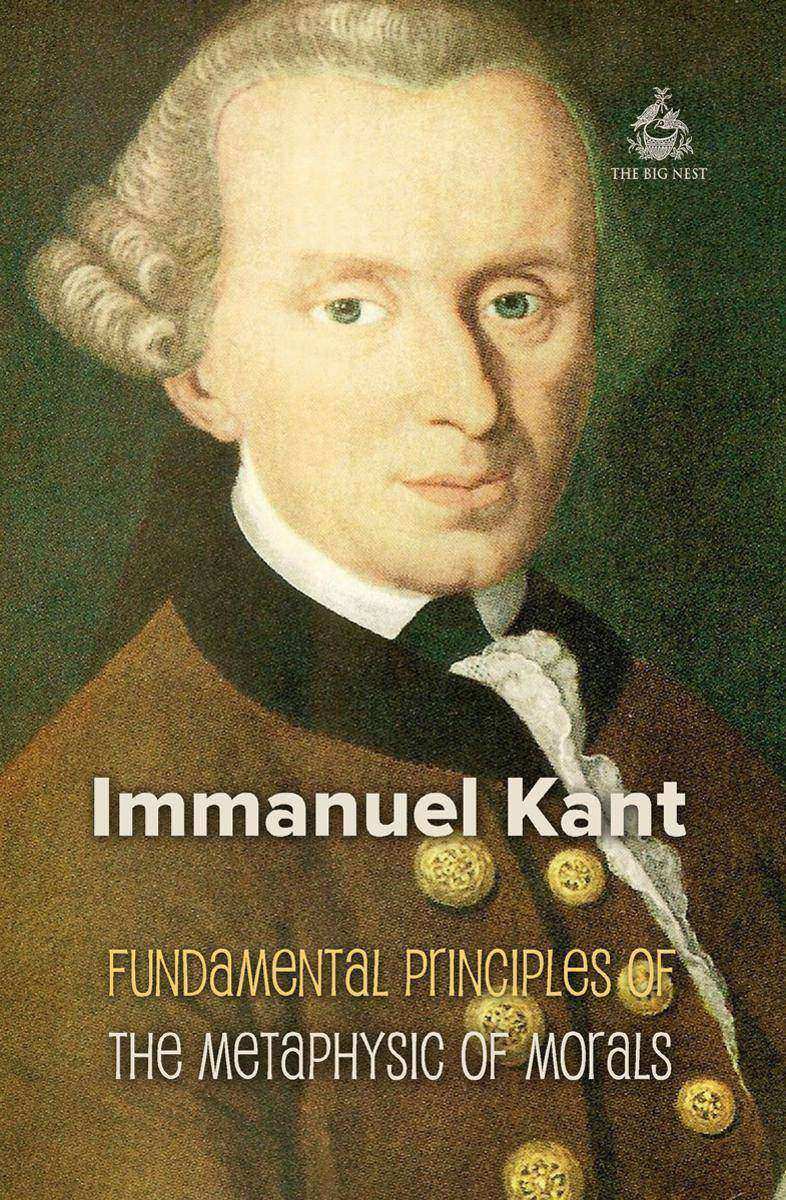
Fundamental Principles of the Metaphysic of Morals
¥40.79
The first of Immanuel Kant's mature works on moral philosophy and remains one of the most influential in the field. Kant conceives his investigation as a work of foundational ethics, one that clears the ground for future research by explaining the core concepts and principles of moral theory and showing that they are normative for rational agents. Kant aspires to nothing less than this: to lay bare the fundamental principle of morality and show that it applies to us.

The Great Learning
¥40.79
What the great learning teaches, is to illustrate illustrious virtue; to renovate the people; and to rest in the highest excellence. The point where to rest being known, the object of pursuit is then determined; and, that being determined, a calm unperturbedness may be attained to. To that calmness there will succeed a tranquil repose. In that repose there may be careful deliberation, and that deliberation will be followed by the attainment of the desired end.
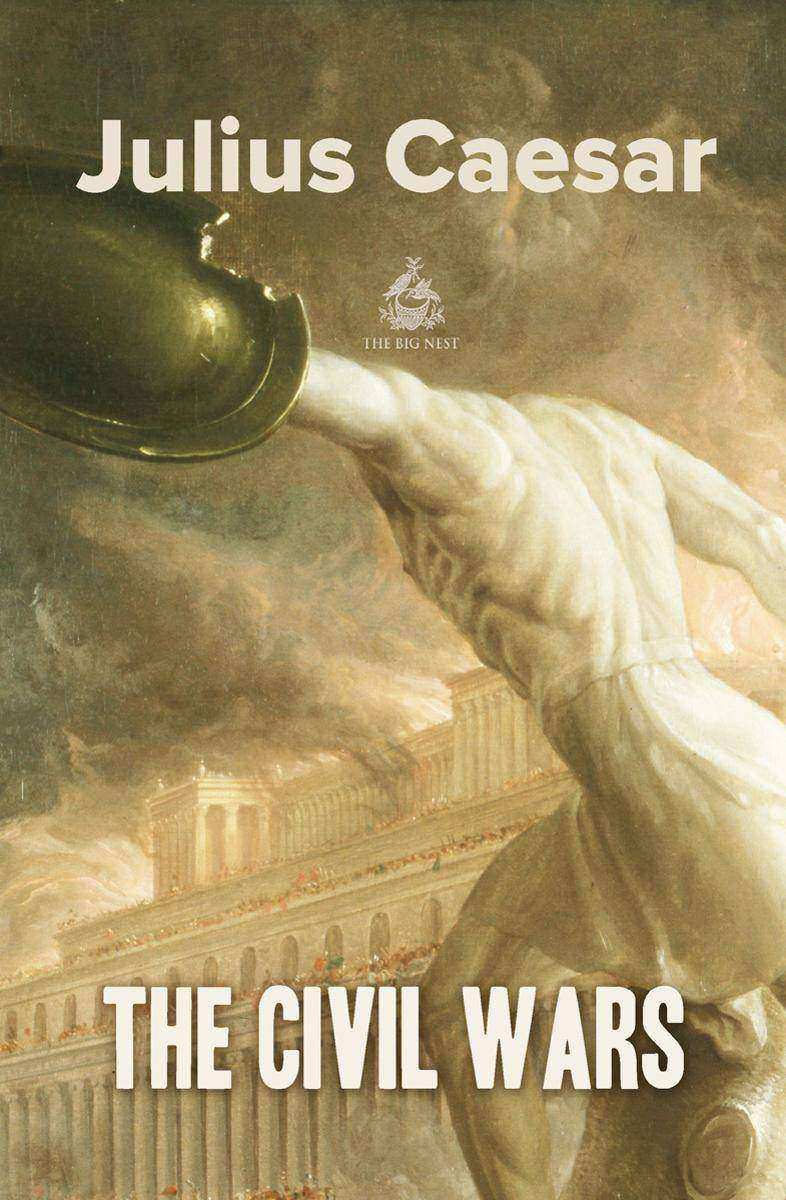
The Civil Wars, Book 3
¥40.79
Julius Caesar, holding the election as dictator, was himself appointed consul with Publius Servilius; for this was the year in which it was permitted by the laws that he should be chosen consul. This business being ended, as credit was beginning to fail in Italy, and the debts could not be paid, he determined that arbitrators should be appointed: and that they should make an estimate of the possessions and properties of the debtors, how much they were worth before the war, and that they should be handed over in payment to the creditors. This he thought the most likely method to remove and abate the apprehension of an abolition of debt, the usual consequence of civil wars and dissensions, and to support the credit of the debtors.


