


 购物车
购物车 个人中心
个人中心
Virgin Soil by Ivan Turgenev - Delphi Classics (Illustrated)
¥8.09
This eBook features the unabridged text of ‘Virgin Soil by Ivan Turgenev - Delphi Classics (Illustrated)’ from the bestselling edition of ‘The Collected Works of Ivan Turgenev’. Having established their name as the leading publisher of classic literature and art, Delphi Classics produce publications that are individually crafted with superior formatting, while introducing many rare texts for the first time in digital print. The Delphi Classics edition of Turgenev includes original annotations and illustrations relating to the life and works of the author, as well as individual tables of contents, allowing you to navigate eBooks quickly and easily. eBook features: * The complete unabridged text of ‘Virgin Soil by Ivan Turgenev - Delphi Classics (Illustrated)’ * Beautifully illustrated with images related to Turgenev’s works * Individual contents table, allowing easy navigation around the eBook * Excellent formatting of the text Please visit www.delphiclassics.com to learn more about our wide range of titles
The Royal Book of Oz by Ruth Plumly Thompson by L. Frank Baum - Delphi Classics
¥8.09
This eBook features the unabridged text of ‘The Royal Book of Oz by Ruth Plumly Thompson by L. Frank Baum - Delphi Classics (Illustrated)’ from the bestselling edition of ‘The Complete Works of L. Frank Baum’. Having established their name as the leading publisher of classic literature and art, Delphi Classics produce publications that are individually crafted with superior formatting, while introducing many rare texts for the first time in digital print. The Delphi Classics edition of Baum includes original annotations and illustrations relating to the life and works of the author, as well as individual tables of contents, allowing you to navigate eBooks quickly and easily. eBook features: * The complete unabridged text of ‘The Royal Book of Oz by Ruth Plumly Thompson by L. Frank Baum - Delphi Classics (Illustrated)’ * Beautifully illustrated with images related to Baum’s works * Individual contents table, allowing easy navigation around the eBook * Excellent formatting of the text Please visit www.delphiclassics.com to learn more about our wide range of titles

Hamlet, Prinz von Dannemark
¥8.09
Die Shakespeare-Trag?die, auf Deutsch übersetzt von Christoph Martin Wieland. Laut Wikipedia: "Die Trag?die von Hamlet, Prinz von D?nemark ist eine Trag?die von William Shakespeare. Im K?nigreich D?nemark dramatisiert das Stück die Rache, die Prinz Hamlet an seinen Onkel Claudius wegen Mordes an K?nig Hamlet, Claudius 'Bruder und Prinz Hamlets Vater richtet Danach tritt er als Thronfolger in Erscheinung und nimmt Gertrude, die Witwe des alten K?nigs und die Mutter von Prinz Hamlet, mit, die den wahren und vorget?uschten Wahnsinn - von überw?ltigender Trauer bis zu brodelndem Zorn - anschaulich darstellt und Themen wie Verrat, Rache, Inzest, und moralische Korruption.

Die Irrungen oder die Doppelten Zwillinge
¥8.09
Shakespeare-Kom?die in deutscher ?bersetzung. Laut Wikipedia: "The Comedy of Errors ist eines der frühesten Stücke William Shakespeares. Es ist seine kürzeste und eine seiner absurdesten Kom?dien, wobei ein Gro?teil des Humors aus Slapstick und falscher Identit?t stammt, zus?tzlich zu Wortspielen und Wortspielen Die Kom?die der Irrungen (zusammen mit The Tempest) ist eines von nur zwei von Shakespeares Stücken, um die klassischen Einheiten zu beobachten. "
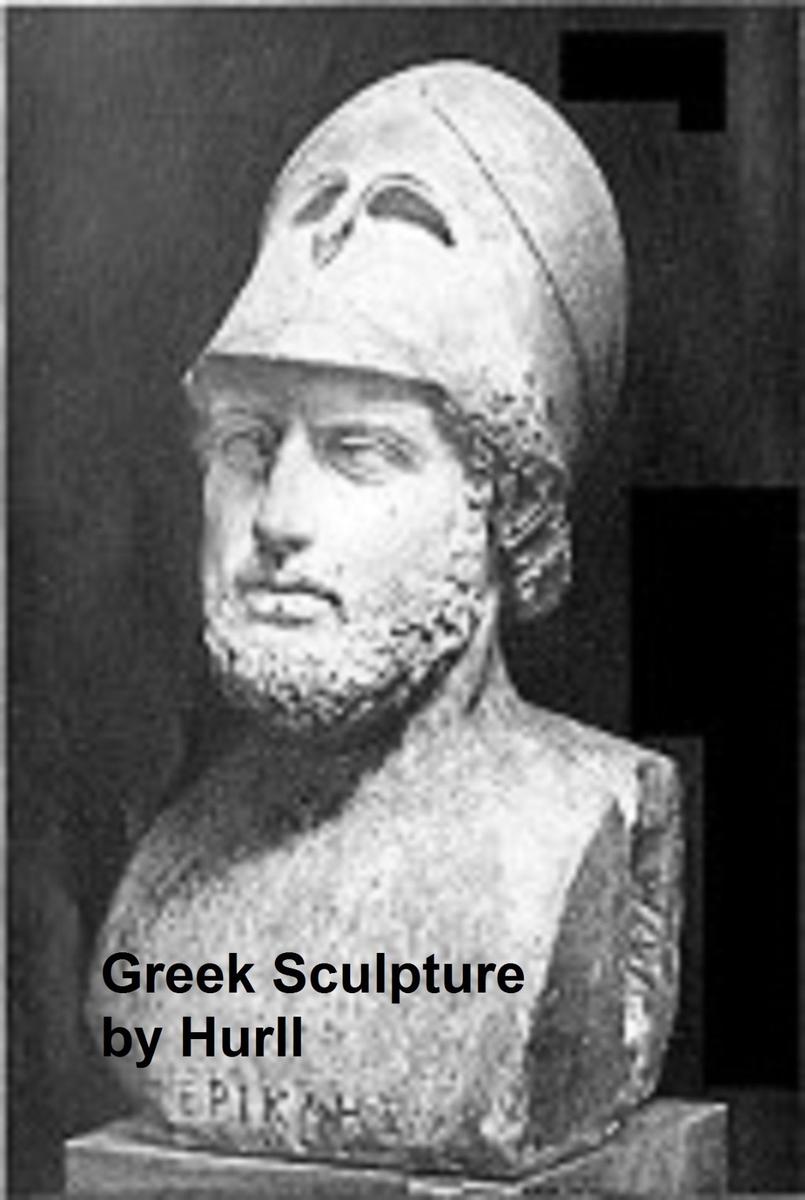
Greek Sculpture: A Collection of 16 Pictures of Greek Marbles (Illustrated)
¥8.09
A collection of 16 pictures of Greek marbles (black and white), with introduction and interpretation by Estelle Hurll. According to Wikipedia: "Estelle May Hurll (1863–1924), a student of aesthetics, wrote a series of popular aesthetic analyses of art in the early twentieth century.Hurll was born 25 July 1863 in New Bedford, Massachusetts, daughter of Charles W. and Sarah Hurll. She attended Wellesley College, graduating in 1882. From 1884 to 1891 she taught ethics at Wellesley. Hurll received her A.M. from Wellesley in 1892. In earning her degree, Hurll wrote Wellesley's first master's thesis in philosophy under Mary Whiton Calkins; her thesis was titled "The Fundamental Reality of the Aesthetic." After earning her degree, Hurll engaged in a short career writing introductions and interpretations of art, but these activities ceased before she married John Chambers Hurll on 29 June 1908."
Three Books of Poetry
¥8.09
This collection includes: The Ballad of Reading Gaol, Charmides and Other Poems, and Selected Poems. According to Wikipedia: "Oscar Fingal O'Flahertie Wills Wilde (16 October 1854 – 30 November 1900) was an Irish writer and poet. After writing in different forms throughout the 1880s, he became one of London's most popular playwrights in the early 1890s. Today he is remembered for his epigrams, plays and the circumstances of his imprisonment, followed by his early death."
Seven Plays
¥8.09
This collection includes the plays: The Duchess of Padua, An Ideal Husband, The Importance of Being Earnest, Lady Windermere's Fan, Salome, Vera, and A Woman of No Importance. According to Wikipedia: "Oscar Fingal O'Flahertie Wills Wilde (16 October 1854 – 30 November 1900) was an Irish writer and poet. After writing in different forms throughout the 1880s, he became one of London's most popular playwrights in the early 1890s. Today he is remembered for his epigrams, plays and the circumstances of his imprisonment, followed by his early death."
Shelley's Poetical Works
¥8.09
The 3-volume Oxford edition, edited by Thomas Hutchinson, and first published in 1914. According to Wikipedia: "Percy Bysshe Shelley (August 4, 1792 – July 8, 1822) was one of the major English Romantic poets and is widely considered to be among the finest lyric poets of the English language. He is perhaps most famous for such anthology pieces as Ozymandias, Ode to the West Wind, To a Skylark, and The Masque of Anarchy. However, his major works were long visionary poems including Alastor, Adonais, The Revolt of Islam, Prometheus Unbound and the unfinished The Triumph of Life."
Five Plays
¥8.09
The Adulateur, a five-act play, published in 1773; The Defeat, excerpts from a play, published 1773; The Group, a three-act play, published in 1775; The Blockheads, a three-act play, published in 1776, shortly after the British withdrew from Boston The Motley Assembly, a farce, published in 1779. Mercy Warren (1728-1814) was sister of James Otis and wife of James Warren, both leaders in the early stages of the American Revolution. These plays of hers are of historical, not dramatic interest. Her main work is her history of the American Revolution (The Rise, Progress and Termination of the American Revolution Interspersed with Biographical, Political, and Moral Observations).
The Age of Shakespeare
¥8.09
The book begins with a chapter on Marlowe: "The first great English poet was the father of English tragedy and the creator of English blank verse. Chaucer and Spenser were great writers and great men: they shared between them every gift which goes to the making of a poet except the one which alone can make a poet, in the proper sense of the word, great. Neither pathos nor humor nor fancy nor invention will suffice for that: no poet is great as a poet whom no one could ever pretend to recognize as sublime. Sublimity is the test of imagination as distinguished from invention or from fancy: and the first English poet whose powers can be called sublime was Christopher Marlowe."
The Comedy of Errors, with line numbers
¥8.09
The classic comedy. According to Wikipedia: "The Comedy of Errors is one of William Shakespeare's earliest plays, believed to have been written between 1589 and 1594. It is his shortest and one of his most farcical, with a major part of the humour coming from slapstick and mistaken identity, in addition to puns and wordplay. The Comedy of Errors (along with The Tempest) is one of only two of Shakespeare's plays to observe the classical unities. It has been adapted for opera, stage, screen and musical theatre. The Comedy of Errors tells the story of two sets of identical twins. Antipholus of Syracuse and his servant, Dromio of Syracuse, arrive in Ephesus, which turns out to be the home of their twin brothers, Antipholus of Ephesus and his servant, Dromio of Ephesus. When the Syracusans encounter the friends and families of their twins, a series of wild mishaps based on mistaken identities lead to wrongful beatings, a near-incestuous seduction, the arrest of Antipholus of Ephesus, and accusations of infidelity, theft, madness, and demonic possession."
Henry VIII, with line numbers
¥8.09
The classic Shakespeare history play, with line numbers. According to Wikipedia: "William Shakespeare (baptised 26 April 1564 – died 23 April 1616) was an English poet and playwright, widely regarded as the greatest writer in the English language and the world's pre-eminent dramatist. He is often called England's national poet and the "Bard of Avon" (or simply "The Bard"). His surviving works consist of 38 plays, 154 sonnets, two long narrative poems, and several other poems. His plays have been translated into every major living language, and are performed more often than those of any other playwright."
Childe Harold's Pilgrimage
¥8.09
Byron's classic narrative poem. According to Wikipedia: "George Gordon Byron, later Noel, 6th Baron Byron FRS (1788 – 1824) was a British poet and a leading figure in Romanticism. Amongst Byron's best-known works are the brief poems When We Two Parted, She Walks in Beauty, and So, we'll go no more a roving, in addition to the narrative poems Childe Harold's Pilgrimage and Don Juan. He is regarded as one of the greatest European poets and remains widely read and influential, both in the English-speaking world and beyond. Byron's fame rests not only on his writings but also on his life, which featured extravagant living, numerous love affairs, debts, separation, and marital exploits. He was famously described by Lady Caroline Lamb as "mad, bad, and dangerous to know". Byron served as a regional leader of Italy's revolutionary organization, the Carbonari, in its struggle against Austria. He later traveled to fight against the Ottoman Empire in the Greek War of Independence, for which Greeks revere him as a national hero. He died from a fever in Messolonghi in Greece."
Great German Composers
¥8.09
First published in 1878. Chapters cover: Bach, Handel, Gluck, Haydn, Mozart, Beethoven, Schubert, Schumann, Chopin, Web, Mendelssohn, and Wagner.
Great Italian and French Composers
¥8.09
Chapters cover: Palestrixa, Puccini, Paisiello, Cimarosa, Rossini, Donizetti, Bellini, Verdi, Cherubini, Meiuel, Spontini, Halevy, Boieldieu, Auber, Meyerbeer, Founod, Thomas, and Berlioz. First published in 1878
Hernani
¥8.09
1411/5000 Le drame classique a d'abord joué et publié en 1830. La pièce elle-même est en fran?ais, mais l'introduction est en anglais. Selon Wikipedia: ? Hernani est un drame du poète fran?ais Victor Hugo Le jeu est ouvert à Paris le 25 Février, 1830 Aujourd'hui est le drame pour les manifestations qui ont accompagné la première, et pour l'opéra de Verdi Ernani l'inspiration que pour son .. mérites est ... Victor-Marie Hugo (26 Février 1802-1822 mai 1885) était un poète fran?ais, auteur dramatique, romancier, essayiste, artiste plasticien, homme d'?tat, des militants des droits de l'homme et des représentants du mouvement romantique en France en France, Hugo est littéraire renommée principalement de ses poèmes, mais aussi de ses romans et ses Leistungen.Von dramatique de nombreux livres de poésie sont Contemplations et la Légende des particulièrement élevé en siècle le prestige et Hugo parfois, il est considéré comme le plus grand poète fran?ais, ses ?uvres les plus célèbres hors de France les romans Les Misérables et Notre-Dame de Paris (aussi connu comme le bossu de Notre-Dame) royal quand il était jeune, Hugo est devenu plus libéral que les décennies passées; il est devenu un partisan passionné de républicanisme, et son travail touche les questions les plus politiques et sociales et les tendances artistiques de son époque. Il est enterré au Panthéon. "

Le Roi S'Amuse
¥8.09
Drame classique dans le texte original, publié en 1832. Selon Wikipedia: "Victor-Marie Hugo (26 février 1802 - 22 mai 1885) était un poète, dramaturge, romancier, essayiste, artiste visuel, homme d'?tat, militant des droits de l'homme et En France, la renommée littéraire de Hugo vient en premier lieu de sa poésie, mais repose aussi sur ses romans et ses réalisations dramatiques Parmi les nombreux volumes de poésie, Les Contemplations et La Légende des siècles tiennent particulièrement haut dans l'estime critique, et Hugo est parfois identifié comme le plus grand poète fran?ais.A l'extérieur de la France, ses ?uvres les plus connues sont les romans Les Misérables et Notre-Dame de Paris (connu aussi en anglais sous le nom de Le Bossu de Notre Dame). était jeune, Hugo devint plus libéral au fil des décennies, il devint un partisan passionné du républicanisme et son travail touche à la plupart des questions politiques et sociales et aux tendances artistiques de son temps. Il est enterré au Panthéon. "

Die Mitschuldigen, Ein Lustspiel in drei Aufzugen
¥8.09
Klassisches Spiel im originalen Deutsch. Laut Wikipedia: "Johann Wolfgang von Goethe (28. August 1749 - 22. M?rz 1832) war ein deutscher Schriftsteller. George Eliot nannte ihn" Deutschlands gr??ten Literaten ... und der letzte wahre Universalgelehrte auf der Erde. "Goethes Werke die Gebiete der Poesie, des Dramas, der Literatur, der Theologie, des Humanismus und der Wissenschaft, Goethes Hauptwerk, das als einer der H?hepunkte der Weltliteratur gepriesen wird, ist das zweiteilige Drama Faust. Goethes andere bekannte literarische Werke sind seine zahlreichen Gedichte, der Bildungsroman Wilhelm Meister und der Briefroman Die Leiden des jungen Werther. "
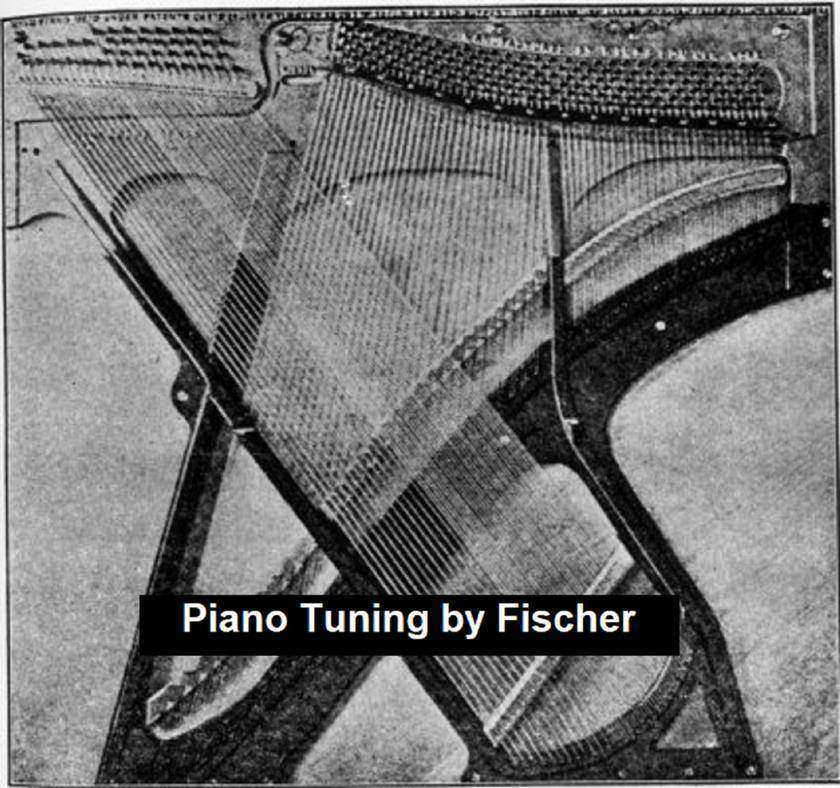
Piano Tuning
¥8.09
Piano Tuning
Chapters of Opera
¥8.09
Chapters of Opera
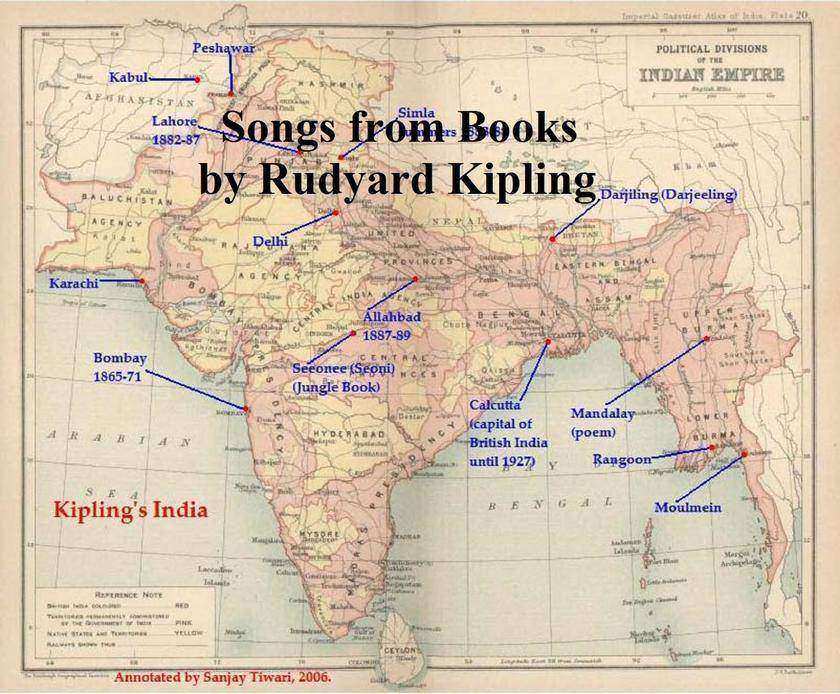
Songs from Books
¥8.09
Songs from Books


