


 购物车
购物车 个人中心
个人中心

Vesztegzár a Grand Hotelben
¥14.39
1944. május k?zepét?l sz?k két hónap leforgása alatt a magyar csend?r?k, rend?r?k és hivatalnokok hatékony k?zrem?k?désével t?bb mint 430 ezer, zsidónak min?sített magyar állampolgárt deportáltak. Túlnyomó t?bbségüket Auschwitz-Birkenauba vitték és meg?lték. Vajon az események milyen láncolata vezetett ehhez a holokauszt t?rténetében is példátlan méret? és gyorsaságú akcióhoz? Hol határoztak a magyarországi ?végs? megoldásról”? Berlinben vagy Budapesten? Kik, mikor és milyen k?rülmények k?z?tt hoztak végs? d?ntést a magyar zsidók deportálásáról? K?D?R G?BOR és V?GI ZOLT?N az etnikai tisztogatásokat és népirtásokat, valamint a világháborús német és magyar d?ntéshozatali mechanizmust elemezve keres válaszokat a kérdésekre. ?gy vélik, hogy a tragédia hátterében két er?, két szándék találkozása állt. Az egyik a német népirtási program volt, amelynek gy?kerei Hitler és a nácik radikális antiszemitizmusában, fajhigiéniai és etnopolitikai elképzeléseiben lelhet?k fel. A másik pedig az a mára szinte elfelejtett magyar t?rténeti attit?d, amely évszázadok óta az ?idegennek” tekintett népcsoportok beolvasztására, kiszorítására és el?zésére t?rekedett, és amely rabul ejtette a hazai fajvéd?k és a politikai elit gondolkodását. A t?rténészpáros szerint 1944-ben e két t?rekvést leginkább megszemélyesít? szerepl?k, a német Adolf Eichmann és a magyar Endre László végzetes találkozása radikalizálta tovább azt a folyamatot, amely az európai zsidóüld?zés egyik leggyilkosabb d?ntéséhez vezetett.

Démoni doki
¥65.97
Németh Miklós és Pozsgay Imre egy k?tetben! Mellettük pedig Mayer Péter, Markovics Ferenc, Arató István, Kajli Béla, Kerezsi István és még sokan mások. Ismert, k?zismert és kevésbé ismert nevek egy beszélget?k?nyvben, amely a munkás?rség t?rténetét ?leli fel. A szerz?k megfogalmazásában: t?bb szempontból sem hagyományos interjúk?tetet készítettünk, vállalva ennek el?nyeit és hátrányait egyaránt. K?sz?nhet? volt ez annak is, hogy a k?nyv megírását megel?zte egy, a testület teljes t?rténetét feldolgozó kétrészes, ?sszesen k?zel egyórás dokumentumfilm elkészítése a Munkás?rség - Egy párthadsereg t?rténete címmel. A munkás?r?k nehéz ládát cipelnek. Amikor letették, hogy megpihenjenek, épp arra j?n János bácsi, a téesz juhásza és megkérdi: Mit cipelnek fiaim? Hadititok!, feleli az egyik munkás?r. ?s nagyon nehéz a láda? Már hogyne lenne nehéz, mikor tele van kézigránáttal?, válaszol az egyik munkás?r. A korabeli viccben és t?bbek emlékezetében is úgy él a Munkás?rség, mint egy kissé esetlen, sokszor id?s embereknek a gy?jt?helye vagy klubja. De a valóságban ez egyáltalán nem így volt. Az '56-os forradalom leverését k?vet?en létrehozott szervezet feladata sokáig kizárólag a rend(szer) védelmének a biztosítása volt. A kádári állam kiépülését k?vet?en kidolgozták háborús, határ?rizeti és polgári védelmi feladataikat is. A kezdetben harminc-, majd hatvanezer f?s párthadsereg létszámát tekintve a korabeli Magyar Néphadseregéhez képest is jelent?s volt! A rendszerváltás során a hatalom részér?l felmerült a testület átmentése is, de erre végül nem került sor. A Munkás?rség felszámolását 1989-ben a teljes ellenzék k?vetelte, leszerelésük jelent?s izgalommal t?lt?tte el a magyar társadalmat. De hogy látták mindezt a korabeli vezet? politikusok, katonák, és nem utolsó sorban maguk a munkás?r?k? Az interjúk?tet erre próbál választ találni.

У полум’?: 7 крок?в до найяскрав?шого життя
¥22.74
Aganetha Smart, a 104 éves egykori olimpikon futón? elfeledve él egy nyugdíjasotthonban. Gy?zelmével annak idején mindenkit leny?g?z?tt: a kanadai versenyz? abban az évben nyert aranyat, amikor el?sz?r szerepelhettek n?i atléták az olimpián. Sorsát azonban legalább ennyire meghatározták az els? világháború komor évei, valamint vágya, hogy szembeszálljon korának konvencióival. Egy napon két idegen keresi fel, akik dokumentumfilmet készítenek a régi id?k n?i sportolóiról. A múlt eseményeit megismerve lassan megértjük, miként segített az aranyérem Aganethának megszabadulni a titkokkal terhelt családi ház béklyóitól. ?m a hajdani bajnokn?nek még egy kihívással szembe kell néznie: a filmesek talán nem is azok, mint akiknek mutatják magukat… Carrie Snydert valós t?rténelmi helyzetek inspirálták, hogy megírja fordulatokban gazdag regényét, a becsvágy és a n?i emancipáció t?rténetét, amelyb?l kiderül, hogyan képes határait átlépve a saját életét élni egy n?.

ДНК особистост?
¥33.03
Na prostorima nekada?nje Jugoslavije u posljednjih sto godina dogodile su se vi?estruke promjene, nastajale su? i nestajale dr?ave i politi?ki sistemi, doga?ali su se brojni ratovi i prevrati, povijest je nemilice mar?irala ulicama razdvajaju?i obitelji i tra?e?i od pojedinca da joj se povinuje ili suprotstavi. O jednoj takvoj povijesti pi?e Igor ?tiks? u svojoj kapitalnoj knjizi Dr?avljanin, gra?anin, stranac, neprijatelj. Nastala kao plod dugogodi?njeg bavljenja temama dr?avljanstva i gra?anstva na doktorskim? i postdoktorskim studijima, niza predavanja i referata te iznimnoga terenskog rada, ova knjiga kao nijedna do sada propituje pravo pojedinca i njegovu ulogu unutar dr?ave. ?tiks iz pojma dr?avljanina i gra?anina razvija i dokazuje tezu o mijenama politi?kih sistema i zajednica te koliko su i kako utjecali na poziciju i ?ivot pojedinca. Odgovara na pitanja ?to uop?e zna?i biti dr?avljanin, biti uklju?en ili pak isklju?en, kako se osje?ati u poziciji gra?anina i ?to se doga?a kada se ona mijenja u onu stranca ili pak neprijatelja. Knjiga Dr?avljanin, gra?anin, stranac, nepri?jatelj povijesna je, kulturolo?ka i sociolo?ka, ali prije svega politi?ka studija koja pokazuje koliko su krhki identiteti, kako se lako stvaraju i grade novi te koliko je pitanje dr?avljanstva i gra?anstva va?no i danas.
Кап?тал?зм ? свобода
¥28.61
Europa, 1900.–1914.: svijet u tra?enju, pulsiraju?e razdoblje kreativ?nosti i suprotnosti. Glavne su teme terorizam, globalizacija, imigranti, konzumerizam, propast moralnih vrijednosti i suparni?tvo velikih sila. Dvadeseto stolje?e nije se rodilo u rovovima kod Somme ili Passchendaela, nego u petnaest vrtoglavih godina koje su prethodile Prvome svjetskom ratu. U kratkom razdoblju novi svjetski poredak proiza?ao je iz tragi?nih suprotnosti staroga. Posljedice industrijske revolucije, na politi?kom i osobnom planu, osje?ale su se u cijelom svijetu: gradovi rastu zbog pristizanja seoskog stanovni?tva koje napu?ta svoje tradicionalne vrijednosti, znanost donosi napredak, ali i izume iz no?nih mora, obrazovanje je milijunima ljudi otvorilo nove mogu?nosti, masovno proizvedeni predmeti promijenili su svakodnevni ?ivot, radnici zahtijevaju udio u politi?koj vlasti, ?ene ?ele promijeniti svoj polo?aj u dru?tvu i prirodu seksualnih odnosa. Od nevjerojatne nade u novo stolje?e koju je utjelovio Svjetski sajam u Parizu 1900. do atentata na austrijskog nadvojvodu u Sarajevu 1914., povjesni?ar Philipp Blom ovo razdoblje istra?uje godinu po godinu. Premijeri i seljaci, anarhisti i glumice, znanstvenici i psihopati susre?u se na pozornici novoga stolje?a u ovom prikazu rasko?noga, nestabilnog doba na rubu katastrofe. Prelijepo napisana i puna vje?to ispri?anih anegdota, knjiga Vrtoglave godine o?ivljava ?udesa, u?ase i strahove ranoga dvadesetog stolje?a.

У л?с?-л?с? темному
¥24.93
The Interrelation Between Art Worlds is a part of PhD thesis and it deals with the simultaneous and successive art using the illustrations of Bhagavad Gita, in 18 chapters, where each chapter has two versions. The substance of the author's interest is a transfer of thoughts and feelings from the ancient Indian epic, through visual elements, that is, the visualization of temporal arts. She tried to explain the philosophy of Bhagavad Gita?through composition, color, contrast, third dimension, structure, texture, proportion, rhythm and dynamics, which is particular because in India philosophy equals religion, and vice versa. Described is also the analogy between temporal and spatial arts, such as color (valeur), music (chord). Through the synergy of meaning and radiation on the illustrations, we can achieve experience of "reading the image". ? Tatjana Burzanovi? is a writer, artist, graphics designer, and interior designer, professor at the Faculty of Culture and Tourism, where she teaches Indian culture, and Faculty of Design and Multimedia, at the University of Donja Gorica in Podgorica, Montenegro. She graduated from Academy of Fine Arts in Sarajevo, and acquired her PhD at Faculty of Art and Design at the University of Belgrade. She presented her works in numerous solo and group exhibitions, and took part in several artistic and pedagogical colonies. She received several awards for her book designs. The book The Interrelation Between Art Worlds?was awarded at 11th Book Fair in Podgorica for the best designed art book.
Джерело
¥34.83
Idu?i ?enskom stranom hrvatske knji?evnosti Lidija Duji? sla?e koncizan i zanimljiv pregled izabranog segmenta doma?e knji?evne povijesti. Ocrtava sociolo?ke krokije hrvatskih knji?evnica, iznosi kratke karakterizacije, uzgred problematiziraju?i ?enski geto didakti?ke i dje?je knji?evnosti. Analiziraju?i i ponovno vrednuju?i neka djela, prihva?ena pod etiketom ??enskog pisma“, autorica dovodi u pitanje mnoga op?a mjesta, ne ?tite?i se krinkom autoriteta znanstvene objektivnosti – pi?u?i u prvom licu. Knjiga se temelji na njezinoj doktorskoj disertaciji, ali je pisana popularno te je namijenjena ?iroj publici.

Szoros emberfogás
¥57.31
"Ugyanabban az id?ben, és ugyanazon a napon, amelyen a nemzetek megszentégtelenítették, ugyanakkor szentelték fel a templomot énekszóvel, lantok, hárfák és cintányérok kíséretével. Az egész nép arcra borult, imádta és áldotta at Eget, hogy szerencséssé tette útjukat. Az oltár újraszentelését nyolc napig végezték, és ?r?mmel áldoztak ég?álozatokat és dícs?it? áldozatokat a szabadulásért. A templom homlokzatát aranykoszorúkkal és -pajzsocskákkal díszítették fel, megújították a kapukat és a papi kamrákat, és ajtókkal láttál el ?ket. Igen nagy ?r?m t?lt?tte le a népet, mivel sikerült elhárítaniuk magukról a nemzetek gyalázatát. Júdás és testvérei Izrael egész gyülekezetével együtt elhatározták, hogy évr?l évre megünnepilik az oltár újraszentelésének napjait a maga idején a Kiszlév hónap huszon?t?dik napjától kezdve nyolc napon át vidámsággal és ?r?mmel."? A Makkabeusok els? k?nyve Izrael népe t?rténelmének olyan fejezetét mutatja be, amikor az ?s?k hitéért való harc egyben a nemzeti ?nrendelkezésért való küzdelmet is jelentett a hellenizmus globális trendjével szemben.?

Maidanul cu dragoste
¥0.01
Organizarea, activitatea ?i orientarea ?n coresponden?? diplomatic? rom?n? ?i note ale SSIVolumul are ca subiect principal organizarea, activitatea ?i orientarea emigra?iei politice din fostul Imperiu Rus ?n Europa, considerat? ca un pericol permanent la adresa regimului comunist, emigra?ie ai c?rei lideri au f?cut obiectul ?ncerc?rilor permanente de terorizare, lichidare sau discreditare.Documentele selectate, ?n cea mai mare parte, din Arhiva Diplomatic?, reprezint? rapoarte ale lega?iilor ?i oficiilor consulare rom?ne din Atena, Belgrad, Berlin, Berna, Bratislava, Budapesta, Istanbul, Lisabona, Madrid, Paris, Praga, Roma, Rusciuk, Skopje, Sofia, Stockholm, Vichy sau Zagreb, precum ?i note ale Serviciului Special de Informa?ii, c?tre Ministerul Afacerilor Str?ine, ?n timpul campaniei germano-rom?ne ?mpotriva Uniunii Sovietice. Sursele reflect? nu doar starea de fapt ?i de spirit a emigran?ilor, for?a?i s? aleag? ?ntre regimul totalitar comunist ?i cel nazist, dar ?i pozi?ia Bucure?tiului fa?? de problemele rus? ?i ucrainean?, cu profunde implica?ii geopolitice.

Abaddon kapuja
¥73.49
ARCHITECTURE seems to me to be the most wonderful of all the arts. We may not love it as much as others, when we are young perhaps we cannot do so, because it is so great and so grand; but at any time of life one can see that in Architecture some of the most marvellous achievements of men are displayed. The principal reason for saying this is that Architecture is not an imitative art, like Painting and Sculpture. The first picture that was ever painted was a portrait or an imitation of something that the painter had seen. So in Sculpture, the first statue or bas-relief was an attempt to reproduce some being or object that the sculptor had seen, or to make a work which combined portions of several things that he had observed; but in Architecture this was not true. No temples or tombs or palaces existed until they had first taken form in the mind and imagination of the builders, and were created out of space and nothingness, so to speak. Thus Painting and Sculpture are imitative arts, but Architecture is a constructive art; and while one may love pictures or statues more than the work of the architect, it seems to me that one must wonder most at the last. We do not know how long the earth has existed, and in studying the most ancient times of which we have any accurate knowledge, we come upon facts which prove that men must have lived and died long before the dates of which we can speak exactly. The earliest nations of whose Architecture we can give an account are called heathen nations, and their art is called Ancient or Heathen Art, and this comes down to the time when the Roman Emperor Constantine was converted to Christianity, and changed the Roman Capitol from Rome to Constantinople in the year of our Lord 328. The buildings and the ruins which still remain from these ancient times are in Egypt, Assyria, Persia, Judea, Asia Minor, Greece, Etruria, and Rome. Many of these have been excavated or uncovered, as, during the ages that have passed since their erection, they had been buried away from sight by the accumulation of earth about them. These excavations are always going on in various countries, and men are ever striving to learn more about the wonders of ancient days; and we may hope that in the future as marvellous things may be revealed to us as have been shown in the past. EGYPT: As we consider the Architecture of Egypt, the Great Pyramid first attracts attention on account of its antiquity and its importance. This was built by Cheops, who is also called Suphis, about 3000 years before Christ. At that distant day the Egyptians seem to have been a nation of pyramid-builders, for even now, after all the years that have rolled between them and us, we know of more than sixty of these mysterious monuments which have been opened and explored. Of all these the three pyramids at Ghizeh are best known, and that of Cheops is the most remarkable among them. Those of you who have studied the history of the wars of Napoleon I. will remember that it was near this spot that he fought the so-called Battle of the Pyramids, and that in addressing his soldiers he reminded them that here the ages looked down upon them, thus referring to the many years during which this great pyramid had stood on the border of the desert, as if watching the flight of Time and calmly waiting to see what would happen on the final day of all earthly things. There have been much speculation and many opinions as to the use for which these pyramids were made, but the most general belief is that they were intended for the tombs of the powerful kings who reigned in Egypt and caused them to be built.The pyramid of Cheops was four hundred and eighty feet and nine inches high, and its base was seven hundred and sixty-four feet square. It is so difficult to understand. CLARA ERSKINE CLEMENTAUTHOR OF "HANDBOOK OF LEGENDARY AND MYTHOLOGICAL ART," "PAINTERS, SCULPTORS, ENGRAVERS, ARCHITECTS AND THEIR WORKS," "ARTISTS OF THE NINETEENTH CENTURY"

Numele meu este Hanako. Aventurile c??elu?ei din Bucure?ti ajunse ?n Japonia
¥40.79
In The Beginner's American History, D. H. Montgomery provides a wide-ranging and authoritative history of America, capturing in a compact space the full story of our nation. The Beginner's American History offers an illuminating account of politics, diplomacy, and war as well as the full spectrum of social, cultural, and scientific developments that shaped our country.?Illustrated, Maps, Full-Page Illustrations. Contents start with Columbus, last chapter is Since the Civil War. Some of the other contents: Captian Sutter, General Sam Houston, General Andrew Jackson, General George Rogers Clark and lots more.
Karl Marx ?n 1234 de fragmente alese de Ion Iano?i
¥65.32
Volumul cuprinde un amplu studiu introductiv (aprox. 50 pag.) si o selectie – pe tema stabilita in titlu – de 200 documente inedite descoperite in arhivele britanice, americane, franceze, germane si foste sovietice.

Marea amiaz?. Studii ?i eseuri despre Nietzsche
¥40.79
The work represents a synthesis published and printed in two volumes (the 1st volume in 2002, the second one, in 2004) under the aegis of Mica Valahie Publishing House in Bucharest. Being elaborated on the basis of some documents discovered in the Romanian and foreign archives, the two volumes cover the period up to 1929 in the first volume and the period from 1929 to 2005 in the second one. The paper reveals the role and place of Romanian oil in the evolution of the national and worldwide history, especially during the World War between 1939 and 1945 and in the development of the so-called “cold war”. The book insists upon the prospects of the specific “black gold” evolution.In the addendum there are to be found some interesting documents and the complete bibliography of oil.
Aesop Fables: {Illustrated}
¥24.44
This book, re-edited and illustrated by e-kitap projesi and published again in ebook format. In this book, telling that Boyhood stories of the Most famous persons in the world, and so These 21 famous persons lay out from Christopher Colombus –The pre-founder of the America- to Otto von Bismarc. For example: “When he was sixteen Napoleon and his best friend, a boy named Desmazis, were ordered to join the regiment of La Fère which was then quartered in the south of France. Napoleon was glad of this change which brought him nearer to his island home, and he also felt that he would now learn something of actual warfare. The two boys were taken to their regiment in charge of an officer who stayed with them from the time they left Paris until the carriage set them down at the garrison town. The regiment of La Fère was one of the best in the French army, and the boy immediately took a great liking to everything connected with it. He found the officers well educated and anxious to help him. He declared the blue uniform with red facings to be the most beautiful uniform in the world. He had to work hard, still studying mathematics, chemistry, and the laws of fortification, mounting guard with the other subalterns, and looking after his own company of men. He seemed very young to be put in charge of grown soldiers, but his great ability had brought about this extraordinarily rapid promotion. He had a room in a boarding-house kept by an old maid, but took his meals at the Inn of the Three Pigeons. Now that he was an officer he began to be more interested in making a good appearance before people. He took dancing lessons and suddenly blossomed out into much popularity among the garrison. Older people could not help but see his great strength of character, and time and again it was predicted that he would rise high in the army.”
The Arabian Nights: "The Orient Magic"
¥27.55
AUTHOR OF "POOR BOYS WHO BECAME FAMOUS," "GIRLS WHO BECAME FAMOUS," "STORIES FROM LIFE," "FAMOUS AMERICAN AUTHORS," "FAMOUS AMERICAN STATESMEN," "SOCIAL STUDIES IN?ENGLAND," "FROM HEART AND NATURE,"?"FAMOUS MEN OF SCIENCE," ETC. "Do not act as if you had ten thousand years to throw away. Death stands at your elbow. Be good for something while you live, and it is in your power." —Marcus Aurelius. "Every line, every road, every gable, every tower, has some story of the past present in it. Every tocsin that sounds is a chronicle; every bridge that unites the two banks of the river, unites also the crowds of the living with the heroism of the dead."The beauty of the past goes with you at every step in Florence. Buy eggs in the market, and you buy them where Donatello bought those which fell down in a broken heap before the wonder of the crucifix. Pause in a narrow by-street in a crowd, and it shall be that Borgo Allegri, which the people so baptized for love of the old painter and the new-born art. Stray into a great dark church at evening time, where peasants tell their beads in the vast marble silence, and you are where the whole city flocked, weeping, at midnight, to look their last upon the dead face of their Michael Angelo. Buy a knot of March anemones or April arum lilies, and you may bear them with you through the same city ward in which the child Ghirlandaio once played amidst the gold and silver garlands that his father fashioned for the young heads of the Renaissance. Ask for a shoemaker, and you shall find the cobbler sitting with his board in the same old twisting, shadowy street-way where the old man Toscanelli drew his charts that served a fair-haired sailor of Genoa, called Columbus." Florence, Shelley's "Smokeless City," was the ardently loved home of Michael Angelo. He was born March 6, 1475, or, according to some authorities, 1474, the Florentines reckoning time from the incarnation of Christ, instead of his birth. Lodovico Buonarotti, the father of Michael Angelo, had been appointed governor of Caprese and Chiusi, and had moved from Florence to the Castle of Caprese, where this boy, his second child, was born. The mother, Francesca, was, like her husband, of noble family, and but little more than half his age, being nineteen and he thirty-one. After two years they returned to Florence, leaving the child at Settignano, three miles from the city, on an estate of the Buonarottis'. He was intrusted to the care of a stone-mason's wife, as nurse. Living among the quarrymen and sculptors of this picturesque region, he began to draw as soon as he could use his hands. He took delight in the work of the masons, and they in turn loved the bright, active child. On the walls of the stone-mason's house he made charcoal sketches, which were doubtless praised by the foster-parents.
The Colonists
¥9.24
Leonardo Da Vinci, the many-sided genius of the Italian Renaissance, was born, as his name implies, at the little town of Vinci, which is about six miles from Empoli and twenty miles west of Florence. Vinci is still very inaccessible, and the only means of conveyance is the cart of a general carrier and postman, who sets out on his journey from Empoli at sunrise and sunset. Outside a house in the middle of the main street of Vinci to-day a modern and white-washed bust of the great artist is pointed to with much pride by the inhabitants. Leonardo's traditional birthplace on the outskirts of the town still exists, and serves now as the headquarters of a farmer and small wine exporter.Leonardo di Ser Piero d'Antonio di Ser Piero di Ser Guido da Vinci—for that was his full legal name—was the natural and first-born son of Ser Piero, a country notary, who, like his father, grandfather, and great-grandfather, followed that honourable vocation with distinction and success, and who subsequently—when Leonardo was a youth—was appointed notary to the Signoria of Florence. Leonardo's mother was one Caterina, who afterwards married Accabriga di Piero del Vaccha of Vinci. His BirthLeonardo Da Vinci, the many-sided genius of the Italian Renaissance, was born, as his name implies, at the little town of Vinci, which is about six miles from Empoli and twenty miles west of Florence. Vinci is still very inaccessible, and the only means of conveyance is the cart of a general carrier and postman, who sets out on his journey from Empoli at sunrise and sunset. Outside a house in the middle of the main street of Vinci to-day a modern and white-washed bust of the great artist is pointed to with much pride by the inhabitants. Leonardo's traditional birthplace on the outskirts of the town still exists, and serves now as the headquarters of a farmer and small wine exporter. His ArtLeonardo, whose birth antedates that of Michelangelo and Raphael by twenty three and thirty-one years respectively, was thus in the forefront of the Florentine Renaissance, his life coinciding almost exactly with the best period of Tuscan painting.Leonardo was the first to investigate scientifically and to apply to art the laws of light and shade, though the preliminary investigations of Piero della Francesca deserve to be recorded.He observed with strict accuracy the subtleties of chiaroscuro—light and shade apart from colour; but, as one critic has pointed out, his gift of chiaroscuro cost the colour-life of many a noble picture. Leonardo was "a tonist, not a colourist," before whom the whole book of nature lay open. His MindWe can readily believe the statements of Benvenuto Cellini, the sixteenth-century Goldsmith, that Francis I. "did not believe that any other man had come into the world who had attained so great a knowledge as Leonardo, and that not only as sculptor, painter, and architect, for beyond that he was a profound philosopher." Leonardo anticipated many eminent scientists and inventors in the methods of investigation which they adopted to solve the many problems with which their names are coupled. Among these may be cited Copernicus' theory of the earth's movement, Lamarck's classification of vertebrate and invertebrate animals, the laws of friction, the laws of combustion and respiration, the elevation of the continents, the laws of gravitation, the undulatory theory of light and heat, steam as a motive power in navigation, flying machines, the invention of the camera obscura, magnetic attraction, the use of the stone saw, the system of canalisation, breech loading cannon, the construction of fortifications, the circulation of the blood, the swimming belt, the wheelbarrow, the composition of explosives, the invention of paddle wheels, the smoke stack, the mincing machine! It is, therefore, easy to see why he called "Mechanics the Paradise of the Sciences."Leonardo was a SUPERMAN.
The Life and Adventures of Nicholas Nickleby
¥28.04
The Winter's Tale is a play by William Shakespeare, originally published in the First Folio of 1623. Although it was grouped among the comedies, some modern editors have relabelled the play as one of Shakespeare's late romances. Some critics consider it to be one of Shakespeare's "problem plays", because the first three acts are filled with intense psychological drama, while the last two acts are comedic and supply a happy ending. The play has been intermittently popular, revived in productions in various forms and adaptations by some of the leading theatre practitioners in Shakespearean performance history, beginning after a long interval with David Garrick in his adaptation called Florizel and Perdita (first performed in 1754 and published in 1756). The Winter's Tale was revived again in the 19th century, when the third "pastoral" act was widely popular. In the second half of the 20th century The Winter's Tale in its entirety, and drawn largely from the First Folio text, was often performed, with varying degrees of success. Short Summary of the Tale: John Fawcett as Autolycus in "The Winter's Tale" (1828) by Thomas Charles WagemanFollowing a brief setup scene the play begins with the appearance of two childhood friends: Leontes, King of Sicilia, and Polixenes, the King of Bohemia. Polixenes is visiting the kingdom of Sicilia, and is enjoying catching up with his old friend. However, after nine months, Polixenes yearns to return to his own kingdom to tend to affairs and see his son. Leontes desperately attempts to get Polixenes to stay longer, but is unsuccessful. Leontes then decides to send his wife, Queen Hermione, to try to convince Polixenes. Hermione agrees and with three short speeches is successful. Leontes is puzzled as to how Hermione convinced Polixenes so easily, and Leontes suddenly goes insane and suspects that his pregnant wife has been having an affair with Polixenes and that the child is a bastard. Leontes orders Camillo, a Sicilian Lord, to poison Polixenes. Camillo instead warns Polixenes and they both flee to Bohemia. Furious at their escape, Leontes now publicly accuses his wife of infidelity, and declares that the child she is bearing must be illegitimate. He throws her in prison, over the protests of his nobles, and sends two of his lords, Cleomenes and Dion, to the Oracle at Delphi for what he is sure will be confirmation of his suspicions. Meanwhile, the queen gives birth to a girl, and her loyal friend Paulina takes the baby to the king, in the hopes that the sight of the child will soften his heart. He grows angrier, however, and orders Paulina's husband, Lord Antigonus, to take the child and abandon it in a desolate place. Cleomenes and Dion return from Delphi with word from the Oracle and find Hermione publicly and humiliatingly put on trial before the king. She asserts her innocence, and asks for the word of the Oracle to be read before the court. The Oracle states categorically that Hermione and Polixenes are innocent, Camillo an honest man, and that Leontes will have no heir until his lost daughter is found. Leontes shuns the news, refusing to believe it as the truth. As this news is revealed, word comes that Leontes' son, Mamillius, has died of a wasting sickness brought on by the accusations against his mother. Hermione, meanwhile, falls in a swoon, and is carried away by Paulina, who subsequently reports the queen's death to her heartbroken and repentant husband. Leontes vows to spend the rest of his days atoning for the loss of his son and his queen.

Невидимець. Машина часу
¥5.72
A obra encadeia associa??es entre os valores técnicos da língua e os valores estéticos da literatura. Realiza, ent?o, duas abordagens complementares, defi nida a unidade língua/literatura como uma díade com polos inseparáveis – a língua sustentando um código limitativo e prescritivo; a literatura alimentando a reprodu??o artística do sistema linguístico –, da fus?o de ambas resultando um efeito de sentido.
Az ?sfák fiainak lombjai alatt
¥36.54
A rock and roll nem csupán egy zenei m?faj, ?nem egy tánc”: maga az ?r?k fiatalság. Alkotás és feloldódás, amit nem magányos farkasoknak találtak ki. Csapatmunka, melyben zenész és hallgatósága egyaránt részt vesz. ?Mindenki itt van?” – kiáltja a sztár a színpadról, a t?meg pedig harsogva feleli: ?Mindenki!” Mert ahhoz, hogy egy dal megszülessen, hogy ezernyi torok visszhangozza az énekes mágikus szavait, valóban mindenkire szükség van. Az Azok a régi csibészek a hazai pop és rock legendáinak arcképcsarnoka. Csatári Bence t?rténész és Poós Zoltán író faggatja a popkultúra olyan ikonikus alakjait és nagyágyúit, mint Bródy János, Nagy Feró, Sz?rényi Levente, T?r?k ?dám, Pataky Attila, Zalatnay Sarolta és még sokan mások. Az interjúkból kirajzolódik a magyarországi rock and roll els? negyedszázadának íve Nógrádver?cét?l Londonig. A megszólalók mesélnek és mesélnek – a legvidámabb barakk k?nny?zenei szcénájáról, ?rületes bulikról, rend?rpofonokról és persze a rock and roll iránti olthatatlan szerelemr?l...
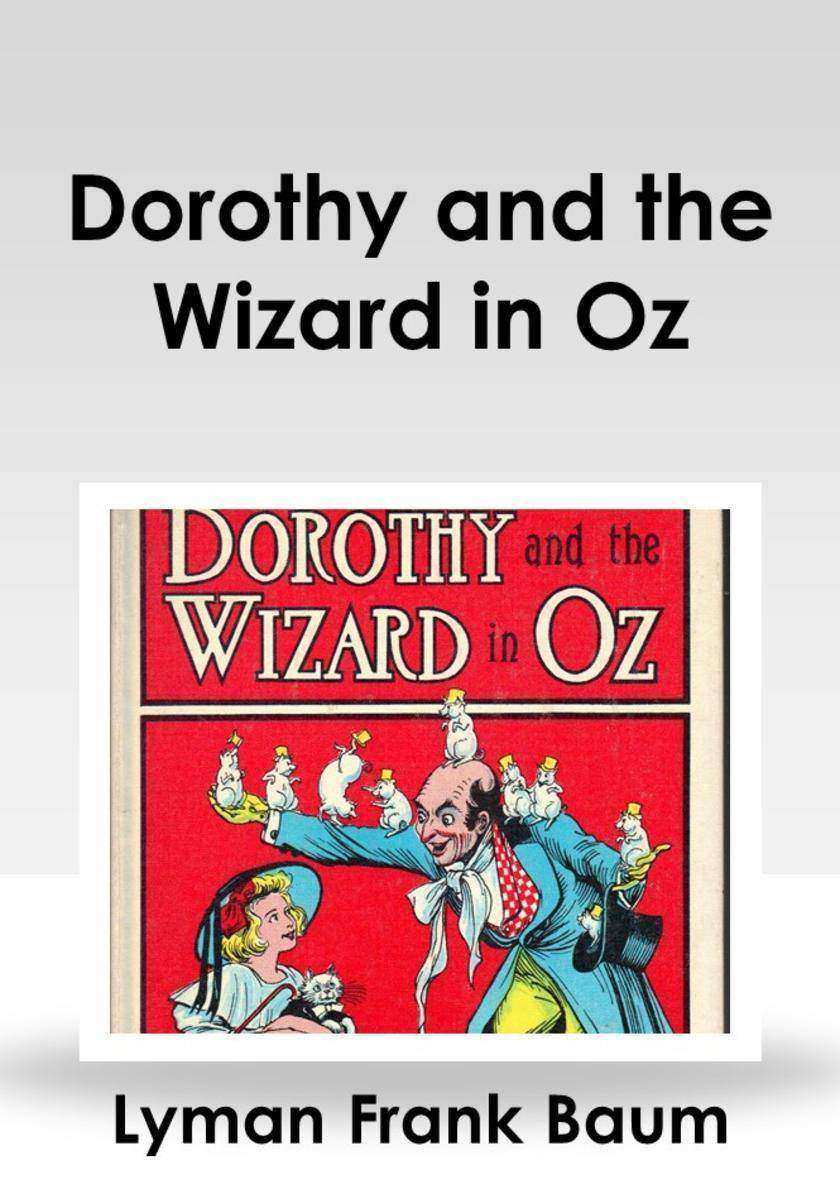
Dorothy and the Wizard in Oz
¥8.67
Kijárat az Adriára cím? nagysiker? munkája után Lovas Ildikó újabb regénye a mai divatos n?irodalommal száll szembe, a test, az érzékiség nyelvét nem radikalizálja tovább, hanem ?visszavesz” bel?le, mivel rendkívüli tudatossággal újra és újra az ártatlanság nyelvén akar szólni. A Spanyol menyasszony az erotikus krimi és a klasszikus lányregény mesteri ?tv?zete. A regény két síkon játszódik, az egyik az én-elbeszél? kiskamaszkoráig vezet vissza, míg a másik a neves orvos-író Csáth Géza feleségének, Jónás Olgának az utolsó napját beszéli el, abból próbálja megfejteni az író és felesége kegyetlenül túlf?t?tt, és tragédiába torkolló kapcsolatát.
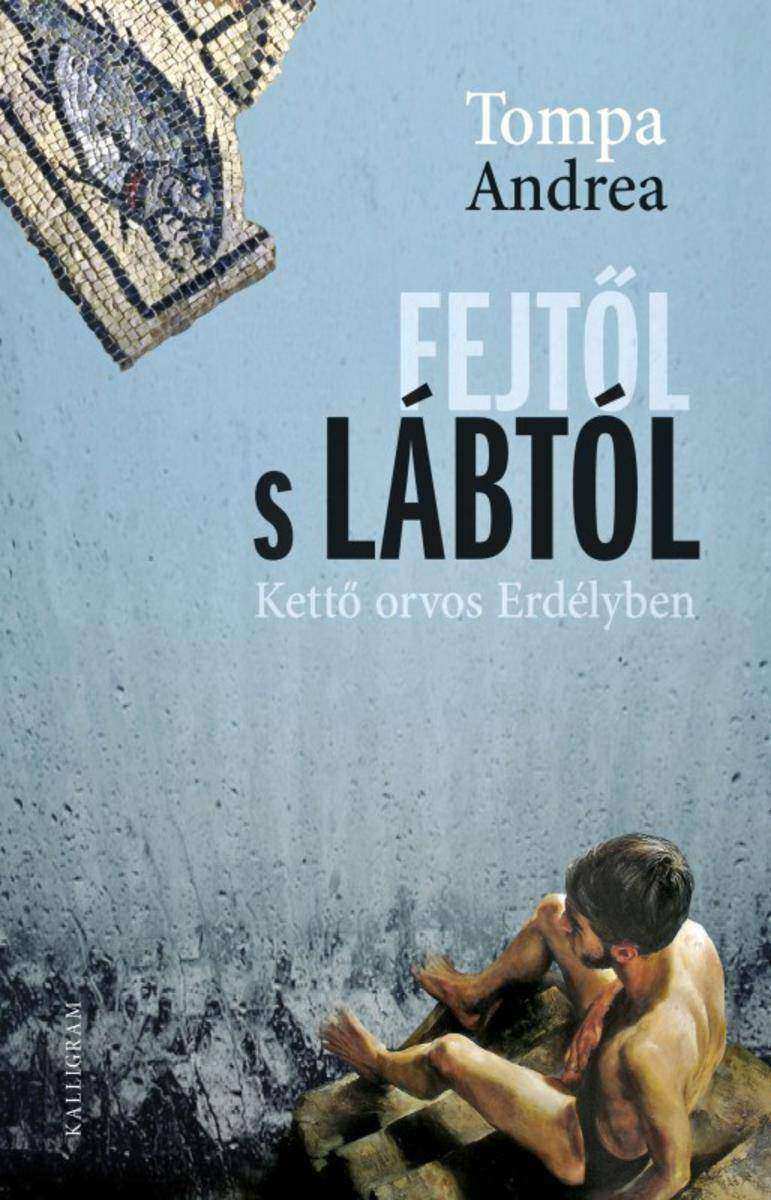
Fejt?l s lábtól
¥73.25
1974-ben az Emmanuelle meghódította a francia mozikat, és r?vid id?n belül az egész világon hatalmas sikert aratott. A korabeli plakátokról egy húsz év k?rüli, r?vid hajú, félmeztelen szépség nézett kihívóan egy fonott karosszékéb?l. Ekkor még senki sem sejtette, hogy SYLVIA KRISTEL, ez az akkor még ismeretlen holland lány hamarosan a szexuális forradalom egyik emblematikus alakjává válik. A hírnévt?l és a sikert?l megrészegült színészn? egy csapásra a nemzetk?zi filmvilág ünnepelt sztárja lett, azonban nem kapott elég id?t, hogy feldolgozza a hirtelen j?tt népszer?séget, sem pedig a gyermekkorában ?t ért sérelmeket. A sztárok fény?z? és gondtalan életét élte, udvarlók seregei hevertek a lába el?tt, bejáratos volt a legcsillogóbb hollywoodi fogadásokra. Magánéletében azonban már k?zel sem volt ilyen szerencsés. Házasságai zátonyra futottak, a sorozatos sorscsapások és a múlt démonai el?l az alkoholba és drogokba menekült. Kicsapongásainak végül egy súlyos betegség vetett véget. Visszaemlékezéseiben ?szintén tárja elénk egy olyan asszony felemel? és megrendít? t?rténetét, akinek nem csak meztelen teste érdemel figyelmet.


