


 购物车
购物车 个人中心
个人中心
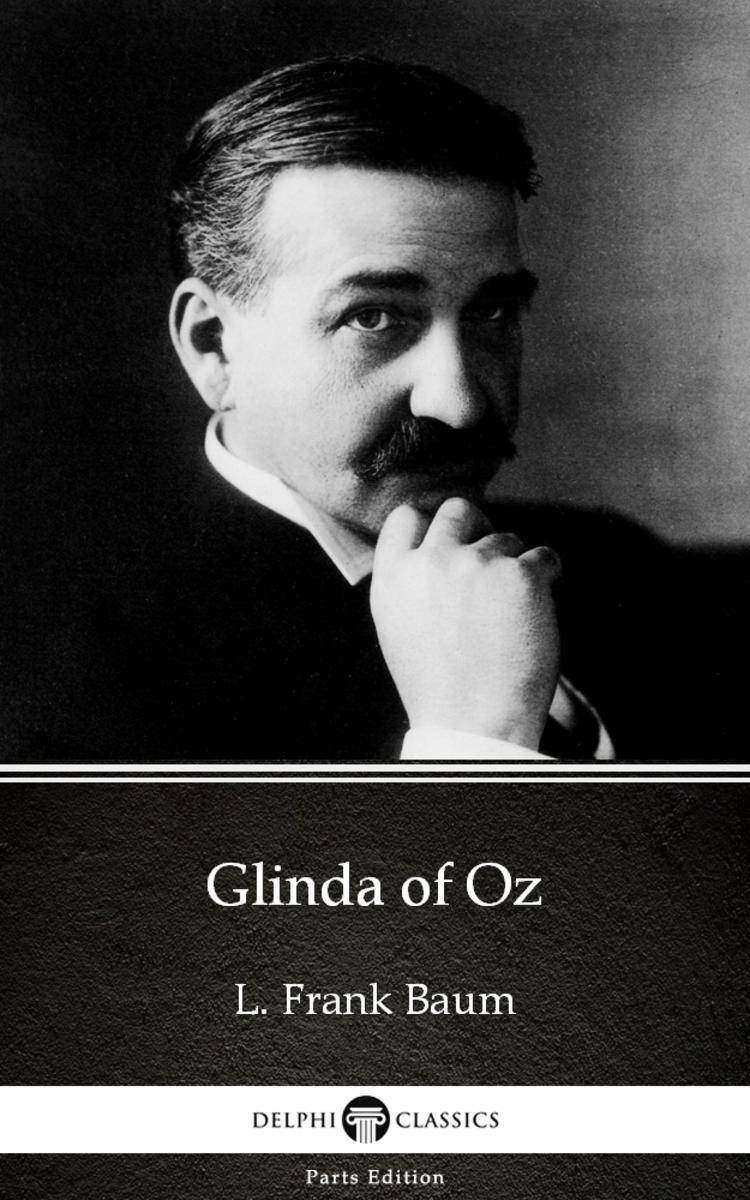
Glinda of Oz by L. Frank Baum - Delphi Classics (Illustrated)
¥8.09
This eBook features the unabridged text of ‘Glinda of Oz by L. Frank Baum - Delphi Classics (Illustrated)’ from the bestselling edition of ‘The Complete Works of L. Frank Baum’. Having established their name as the leading publisher of classic literature and art, Delphi Classics produce publications that are individually crafted with superior formatting, while introducing many rare texts for the first time in digital print. The Delphi Classics edition of Baum includes original annotations and illustrations relating to the life and works of the author, as well as individual tables of contents, allowing you to navigate eBooks quickly and easily. eBook features: * The complete unabridged text of ‘Glinda of Oz by L. Frank Baum - Delphi Classics (Illustrated)’ * Beautifully illustrated with images related to Baum’s works * Individual contents table, allowing easy navigation around the eBook * Excellent formatting of the text Please visit www.delphiclassics.com to learn more about our wide range of titles
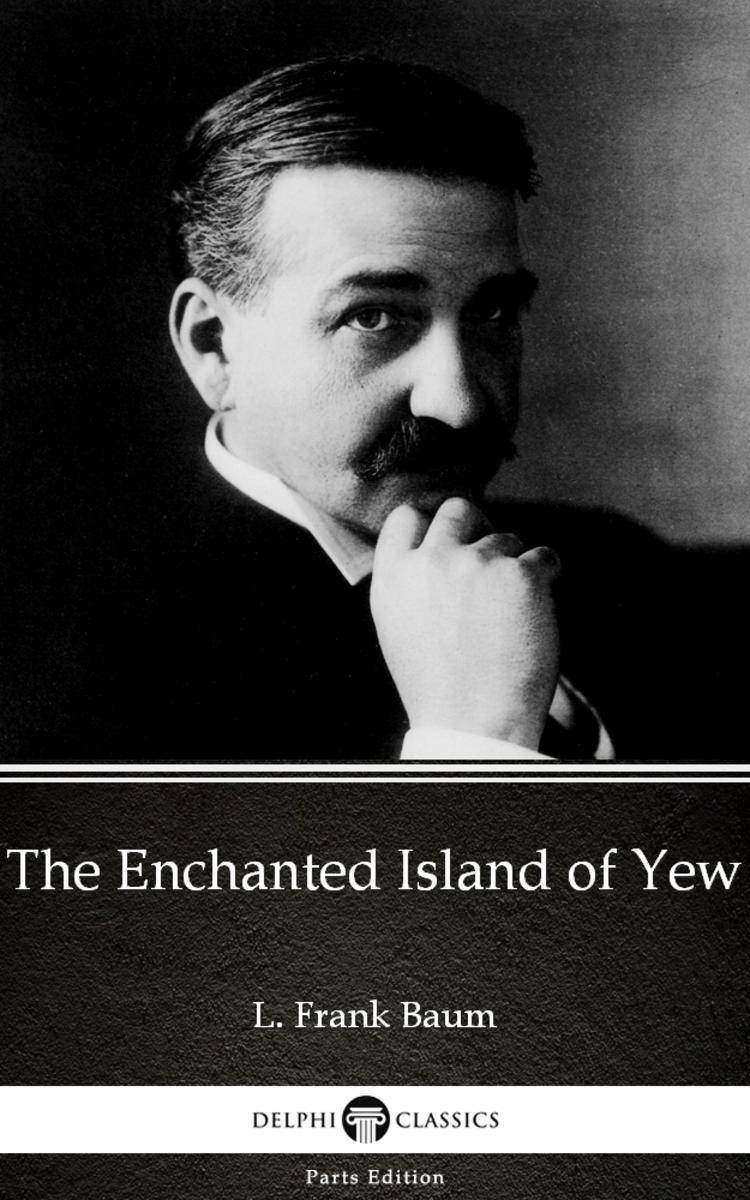
The Enchanted Island of Yew by L. Frank Baum - Delphi Classics (Illustrated)
¥8.09
This eBook features the unabridged text of ‘The Enchanted Island of Yew by L. Frank Baum - Delphi Classics (Illustrated)’ from the bestselling edition of ‘The Complete Works of L. Frank Baum’. Having established their name as the leading publisher of classic literature and art, Delphi Classics produce publications that are individually crafted with superior formatting, while introducing many rare texts for the first time in digital print. The Delphi Classics edition of Baum includes original annotations and illustrations relating to the life and works of the author, as well as individual tables of contents, allowing you to navigate eBooks quickly and easily. eBook features: * The complete unabridged text of ‘The Enchanted Island of Yew by L. Frank Baum - Delphi Classics (Illustrated)’ * Beautifully illustrated with images related to Baum’s works * Individual contents table, allowing easy navigation around the eBook * Excellent formatting of the text Please visit www.delphiclassics.com to learn more about our wide range of titles
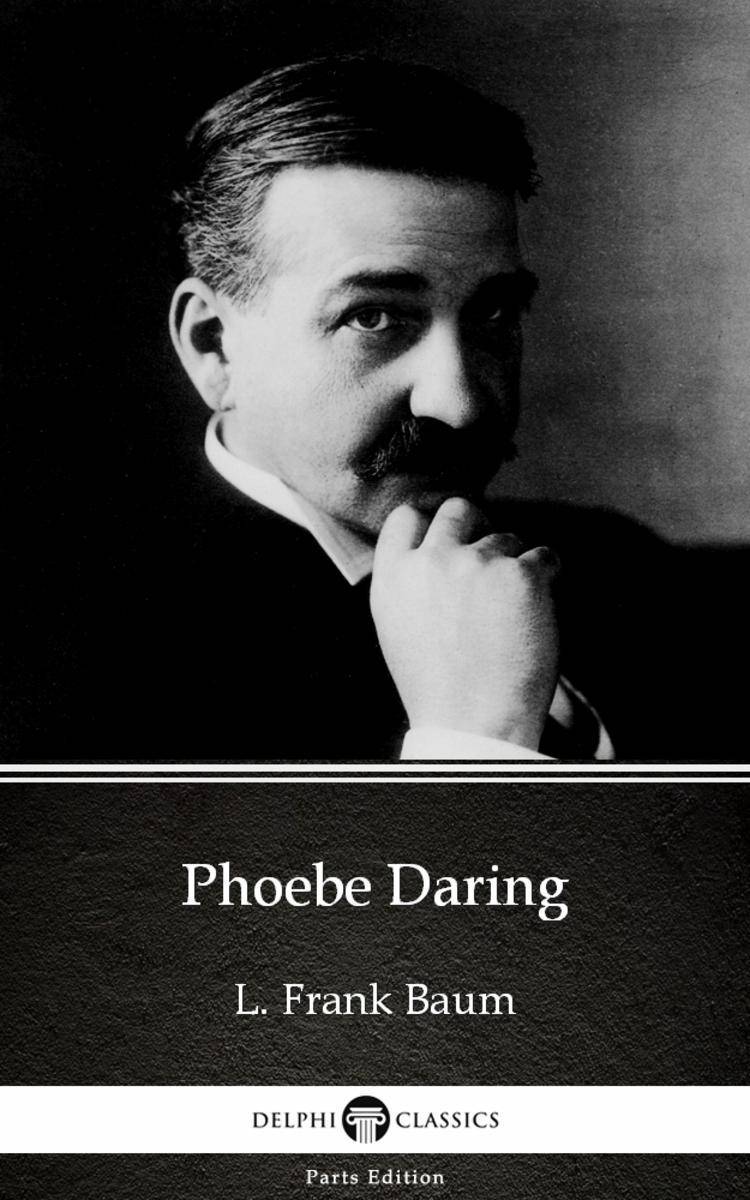
Phoebe Daring by L. Frank Baum - Delphi Classics (Illustrated)
¥8.09
This eBook features the unabridged text of ‘Phoebe Daring by L. Frank Baum - Delphi Classics (Illustrated)’ from the bestselling edition of ‘The Complete Works of L. Frank Baum’. Having established their name as the leading publisher of classic literature and art, Delphi Classics produce publications that are individually crafted with superior formatting, while introducing many rare texts for the first time in digital print. The Delphi Classics edition of Baum includes original annotations and illustrations relating to the life and works of the author, as well as individual tables of contents, allowing you to navigate eBooks quickly and easily. eBook features: * The complete unabridged text of ‘Phoebe Daring by L. Frank Baum - Delphi Classics (Illustrated)’ * Beautifully illustrated with images related to Baum’s works * Individual contents table, allowing easy navigation around the eBook * Excellent formatting of the text Please visit www.delphiclassics.com to learn more about our wide range of titles
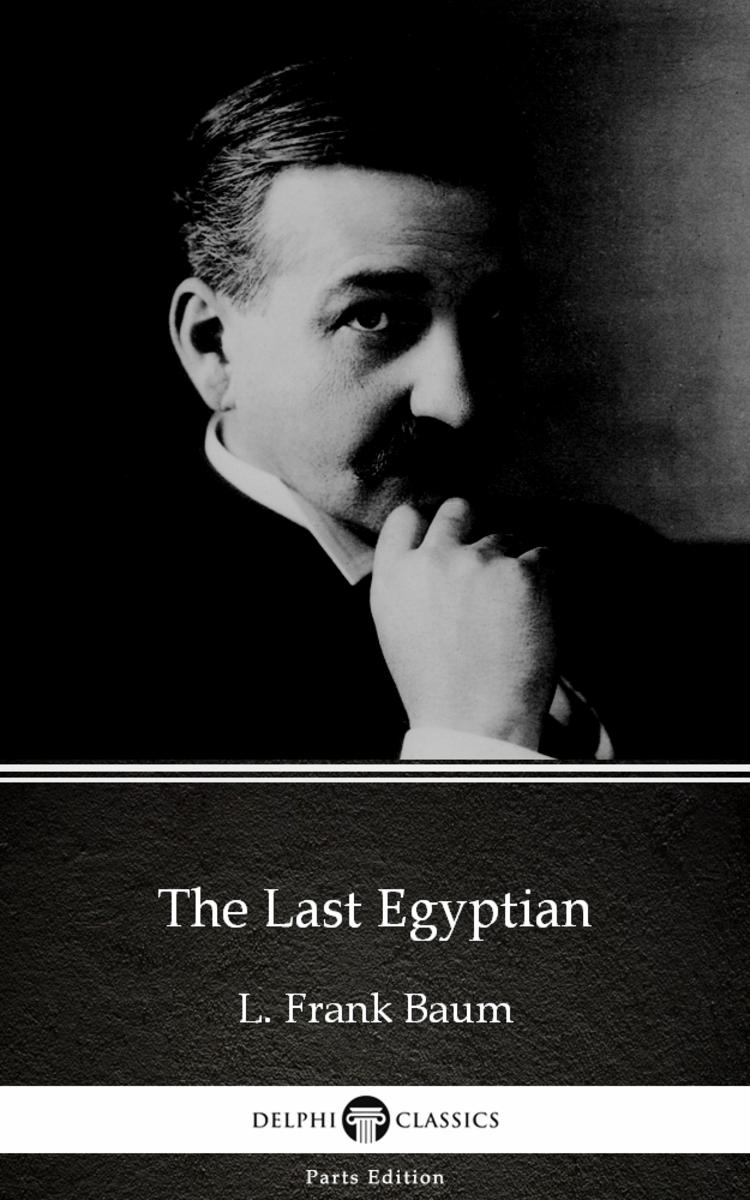
The Last Egyptian by L. Frank Baum - Delphi Classics (Illustrated)
¥8.09
This eBook features the unabridged text of ‘The Last Egyptian by L. Frank Baum - Delphi Classics (Illustrated)’ from the bestselling edition of ‘The Complete Works of L. Frank Baum’. Having established their name as the leading publisher of classic literature and art, Delphi Classics produce publications that are individually crafted with superior formatting, while introducing many rare texts for the first time in digital print. The Delphi Classics edition of Baum includes original annotations and illustrations relating to the life and works of the author, as well as individual tables of contents, allowing you to navigate eBooks quickly and easily. eBook features: * The complete unabridged text of ‘The Last Egyptian by L. Frank Baum - Delphi Classics (Illustrated)’ * Beautifully illustrated with images related to Baum’s works * Individual contents table, allowing easy navigation around the eBook * Excellent formatting of the text Please visit www.delphiclassics.com to learn more about our wide range of titles
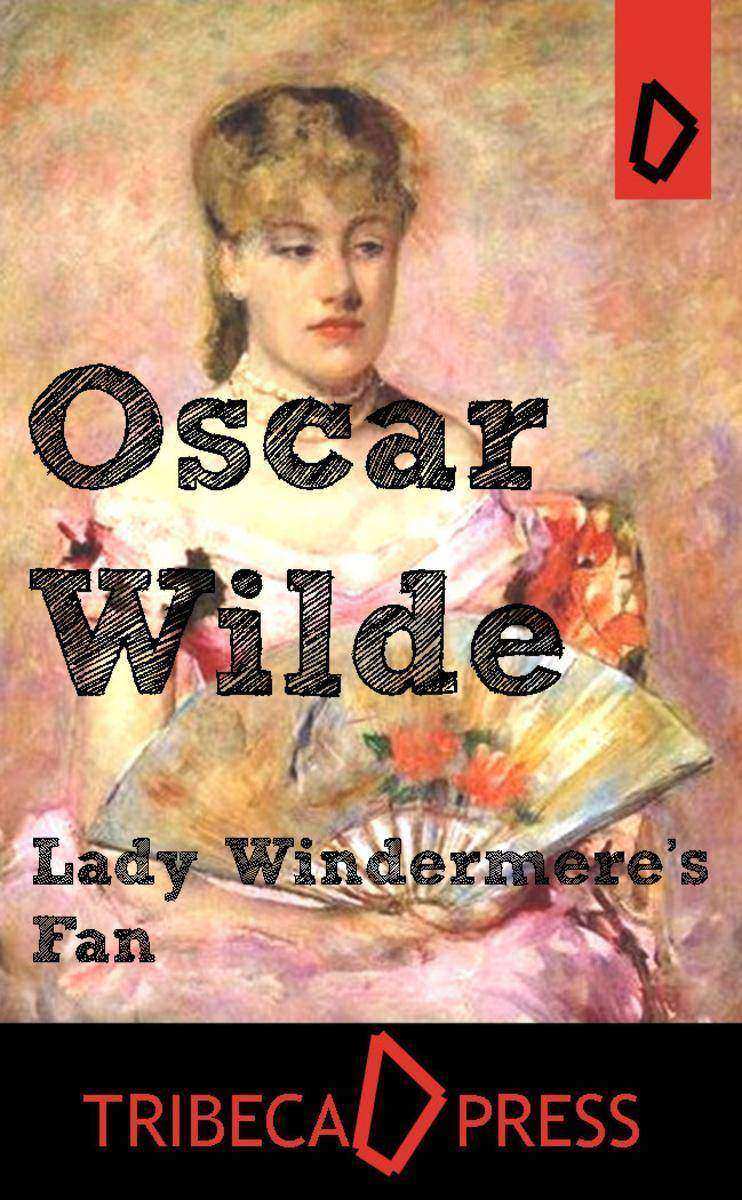
Lady Windermere's Fan
¥8.09
This Tribeca Press edition includes the full original text as well as exclusive images exclusive to this edition and an easy to use interactive table of contents.

February:A Screenplay
¥8.09
In FEBRUARY, together, Sergeant Femi Kolawole and investigative journalist Chioma Okafor solves Emeka's Valentine-day murder, and on doing so, Chioma is exposed to Femi's heroic personality, which makes her eventually fall in love with him.The Plot:Chioma Okafor, a young investigative journalist, is pressured by her over-ambitious mother into an unwanted romantic relationship with Uche, a young sophisticated university lecturer. Chioma yields to her mother’s pressure, hoping she would eventually fall in love with Uche as her mother assured, but she never did. On a Valentine date with Uche, Chioma gets a glimpse of what her relationship has been missing, as she feels love for the first time with Emeka, a handsome stranger who’s unfortunately expecting a baby with Amara, a girl who Uche used to date in university. Uche turns a relationship that he intended to blow up into an engagement on Valentine's day, into a blood bath before midnight. Chioma who survives the near-death experience, narrates her Valentine dilemma to Femi, a clever Police Sergeant. The Twist:Everybody thinks Uche died that night, but a strange text message sent from Chioma’s phone to Emeka, triggers a series of twisted events, which proves that the jealous and malicious Uche is still alive and in the wind, and that the life of Chioma is hanging down by a thin thread. The ultimate question is: 'Since Uche is alive, then who is the man laying lifeless in the mortuary?' Chioma is certainly not pleased with the answer. Femi forcefully becomes Chioma’s personal bodyguard, while he hunts down Uche, an innocent-looking man who Femi had met a day ago and poorly judged. Follow Femi as he uncovers this intriguing murder mystery that nobody even knew happened.The Play:The screenplay starts with a scene of a couple whose faces aren’t revealed to the screen, laying MOTIONLESS in a wrecked car, covered in their own blood, and ends in a conference room, as Chioma calls Femi to tell him how she feels about him.FEBRUARY is a unique blend of romance, comedy, suspense, and adventure. A beautifully crafted story of love, jealousy, betrayal, conspiracy, and ambition.
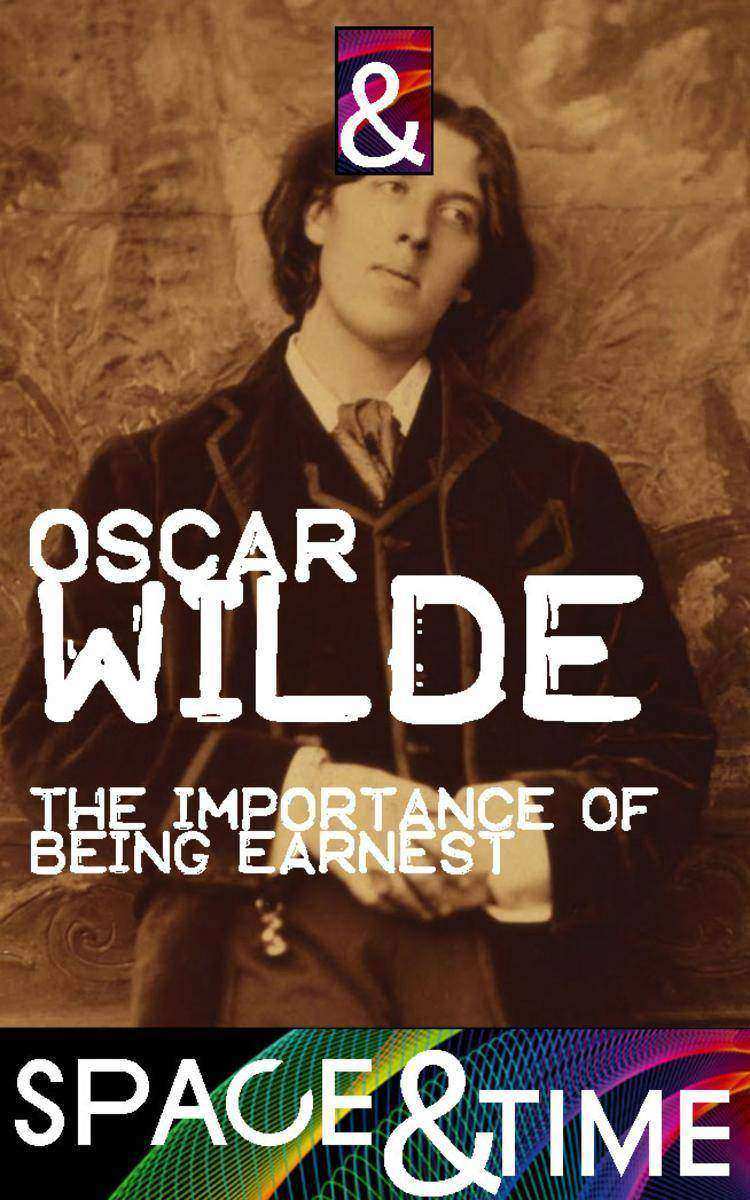
The Importance of Being Earnest
¥8.09
Space and Time are pleased to bring you this classic presented as a wonderfully presented edition with a fully interactive table of contents.

The Alchemist
¥8.09
The Alchemist is a comedy by English playwright Ben Jonson. First performed in 1610 by the King's Men, it is generally considered Jonson's best and most characteristic comedy; Samuel Taylor Coleridge claimed that it had one of the three most perfect plots in literature. The play's clever fulfilment of the classical unities and vivid depiction of human folly have made it one of the few Renaissance plays (except the works of Shakespeare) with a continuing life on stage (except for a period of neglect during the Victorian era).
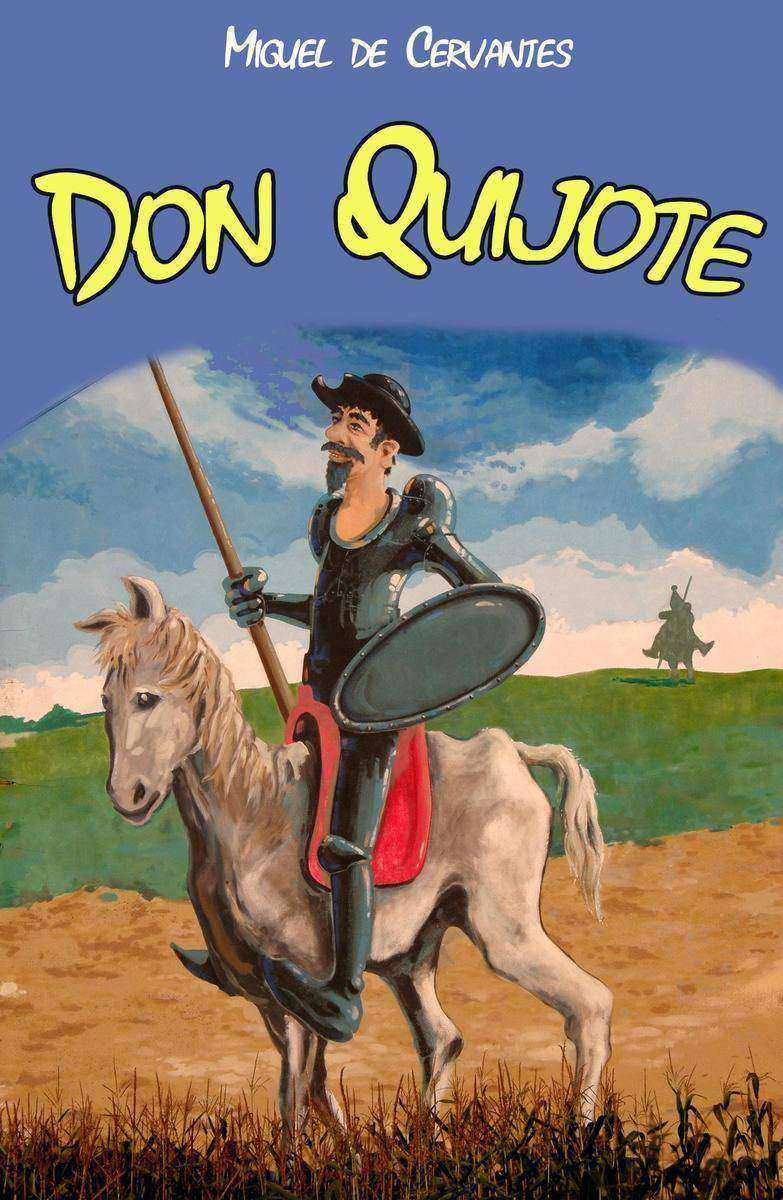
Don Quijote
¥8.09
Cartea pe care o ?ine?i ?n m?n? este periculoas?. Incomod?, scor?oas?, incendiar? fiind, ?n mod cert, va deranja unele personaje, nelipsite de importan??, din arena politicii rom?ne?ti, care confund? adeseori politica cu diletantismul, tr?d?nd interesele sus?inute cu at?ta patos ?n campaniile electorale. ?n mod sigur, Nu tr?da?i, v? rog! va alarma edilii capitalei ce se ?ntrec ?n a distruge ?micul Paris“ de pe vremuri. Aceast? carte, a?adar, va deranja nu pu?in? lume prin scenele din via?a social-politic? post-decembrist?, cu at?t mai mult, cu c?t umorul ?fichiuitor nu-i este str?in nici pe departe autorului. Nici deta?area…
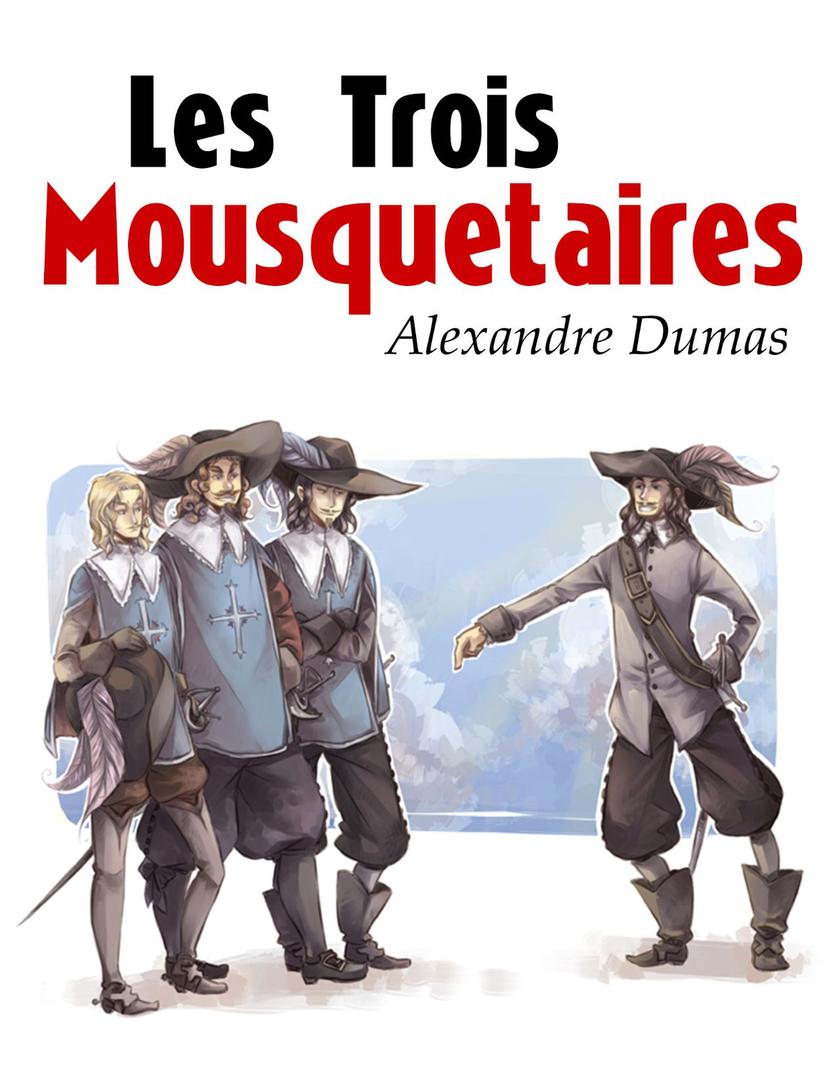
Les Trois Mousquetaires
¥8.09
Vreau s? cred c? drumul lui Eugenio Barba este cel ?n care ?nt?lne?te copacul de care at?rn? pe creanga cea mai de sus un m?r de aur ?i f?r? s? ?i pese de cei din jurul lui, de privirile lor arogante sau sc?nteind a dispre?, se ca??r? ?n copac, ?n plin? lumin? de zi, ?i culege m?rul. M?rul norocos al destinului. Curaj, perseveren??, credin?? de nezdruncinat ?n vocea l?untrului care mereu ?i ?opte?te drumul pe care s?-l urmeze, c?ci este drumul lui.Eugenio Barba, vizionar, reformator, artist, dramaturg-regizor, maestru, scriitor, ?n dramaturgia sa, ?n cuvintele sale imortalizate ?n reflec?ii asupra sensului ?i condi?iei artei teatrului ?i a artistului, ?n cercet?rile de natur? artistic? ?i ?tiin?ific?, ?n laboratorul de teatru, sesiunile ?colii Interna?ionale de Antropologie Teatral? forjeaz? un act artistic unificator prin coprezen?e ale contrariilor, ?ntrup?ri ale simultaneit??ilor, combin?ri temporale ?i spa?iale, dintre trecut ?i viitor, dintre Est ?i Vest, declan??nd ?o revolu?ie copernician? f?r? de care ?tiin?a teatrului de la sf?r?itul secolului XX ar fi incomprehensibil?“. (Diana Cozma)
![Arizona's Yesterday: [Illustrated]](https://platform-permanent.ddimg.cn/pt-media-info-soa-resource/digital/product/73/24/1901167324_ii_cover.jpg?version=c64b4722-1085-4db6-b41f-ac670a5886a7)
Arizona's Yesterday: [Illustrated]
¥8.09
This story belongs to the year 1837, and was regarded by the generations of that and a succeeding time as the most miraculous of all the recorded deliverances from death at sea. It may be told thus: Mr. Montagu Vanderholt sat at breakfast with his daughter Violet one morning in September. Vanderholt's house was one of a fine terrace close to Hyde Park. He was a rich man, a retired Cape merchant, and his life had been as chequered as Trelawney's, with nothing of romance and nothing of imagination in it. He was the son of honest parents, of Dutch extraction, and had run away to sea when about twelve years old. Nothing under the serious heavens was harsher, more charged with misery, suffering, dirt, and wretchedness, than seafaring in the days when young Vanderholt, with an idiot's cunning, fled to it from his father's comfortable little home. He got a ship, was three years absent, and on his return found both his father and mother dead. He went again to sea, and, fortunately for him, was shipwrecked in the neighbourhood of Simon's Bay. The survivors made their way to Cape Town, and presently young Vanderholt got a job, and afterwards a position. He then became a master, until, after some eight or ten years of heroic perseverance, attended by much good luck, behold Mr. Vanderholt full-blown into a colonial merchant prince. How much he was worth when he made up his mind to settle in England, after the death of his wife, and when he had disposed of his affairs so as to leave himself as free a man as ever he had been when he was a common Jack Swab, really signifies nothing. It is certain he had plenty, and plenty is enough, even for a merchant prince of Dutch extraction. Besides Violet, he had two sons, who will not make an appearance on this little brief stage. They are dismissed, therefore, with this brief reference—that both were in the army, and both, at the time of this tale, in India. Violet was Vanderholt's only daughter, and he loved her exceedingly. She was not beautiful, but she was fair to see, with a pretty figure, and an arch, gay smile. You saw the Dutch blood in her eyes, as you saw it in her father's, whose orbs of vision, indeed, were ridiculously small—scarcely visible in their bed of socket and lash. An English mother had come to Violet's help in this matter. Taking her from top to toe, with her surprising quantity of brown hair, soft complexion, good mouth, teeth, and figure, Violet Vanderholt was undoubtedly a fine girl. THE LAST ENTRY "OPINIONS OF THE PRESS ON THE LAST ENTRY": '"The Last Entry" is a rattling good salt-water yarn, told in the author's usual breezy, exhilarating style.'-”Daily Mail. 'In this new novel Mr. Russell has cleverly thrown its events into the year 1837, and there are one or two ingenious passages which add to the Diamond Jubilee interest which that date suggests.... "The Last Entry" is as certain of general popularity as any of Mr. Russell's former tales of the marvels of the sea.'-”Glasgow Herald. 'We do not think it possible for anyone to dip into this novel without desiring to finish it, and it adds another to the long list of successes of our best sea author.'-”Librarian. 'In addition to mutiny and murder, "The Last Entry" contains many of those good things which have made Mr. Russell's pages a joy to so many lovers of the sea during the last twenty years.... "The Last Entry" is a welcome addition to Mr. Clark Russell's library.'-”Speaker. 'The writer is as realistic and picturesque as usual in his vivid descriptions of the stagnant life on board the homeward-bound Indiaman.'-”Times. 'It is full of pleasant vigour.... As is always the case in Mr. Clark Russell's books, the elements are treated with the pen of an artist.'-”Standard. 'We expected plenty of go, of fresh and vigorous description of sea-faring life, coupled with a story which would not be wanting in interest. All this we have here.'”-Tablet.
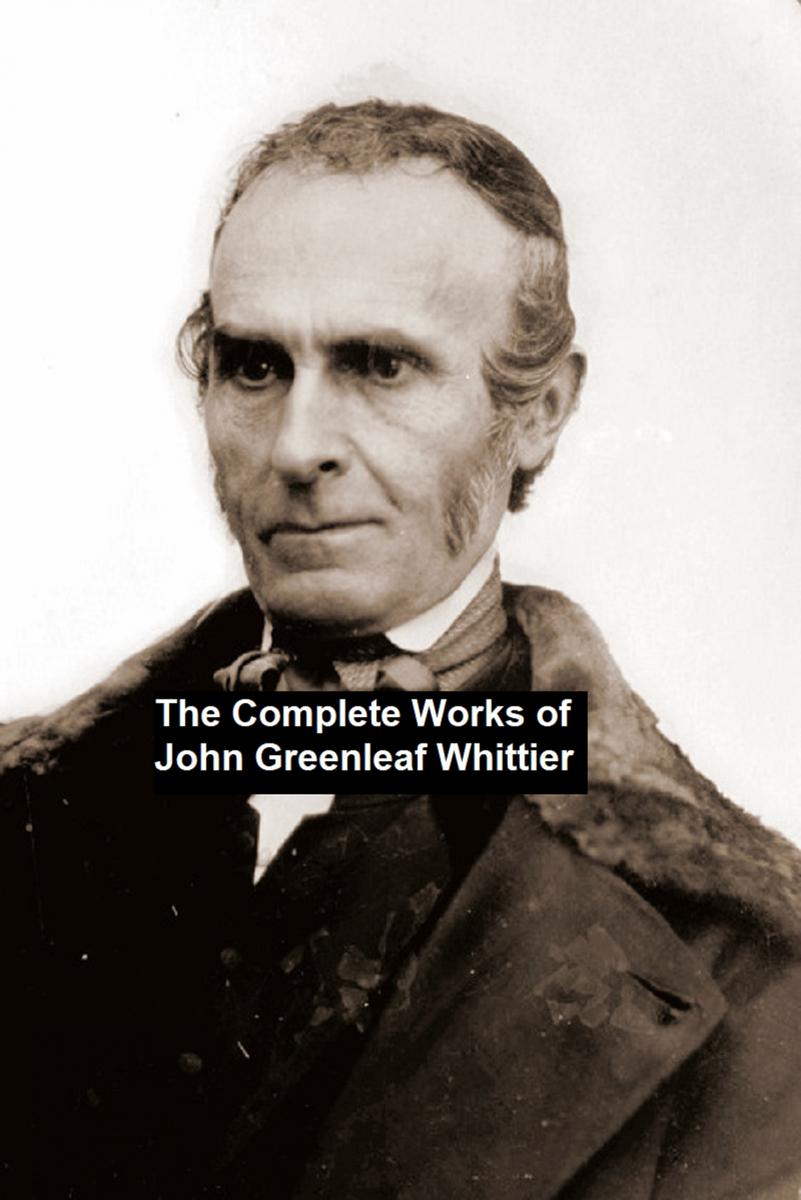
The Complete Works of John Greenleaf Whittier
¥8.09
The Complete Works of John Greenleaf Whittier
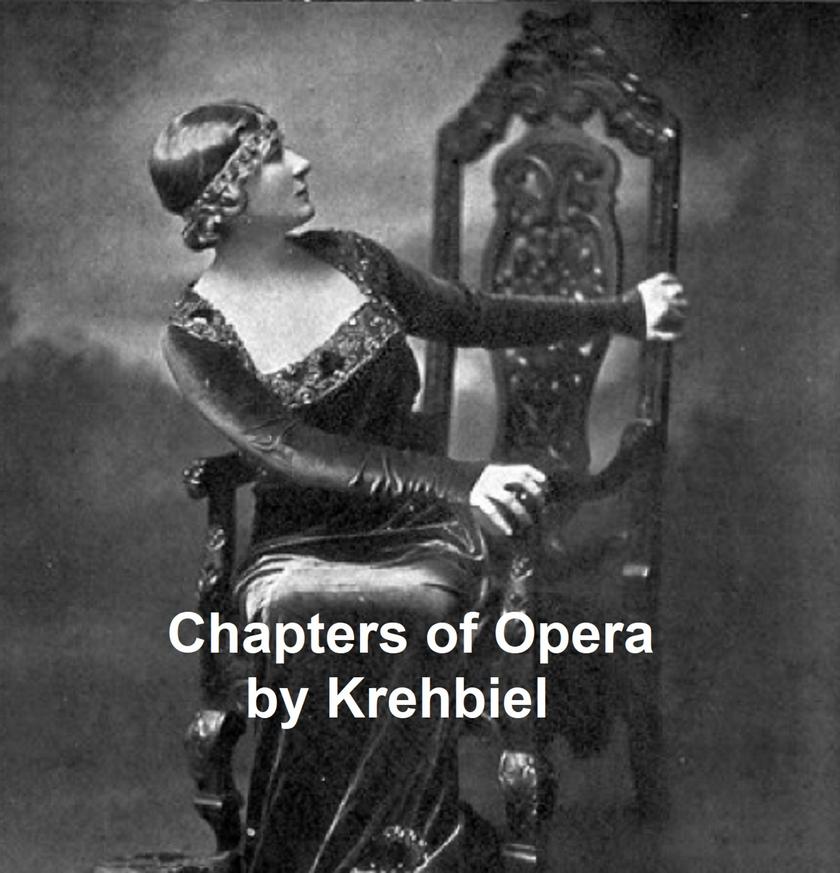
Chapters of Opera
¥8.09
Chapters of Opera
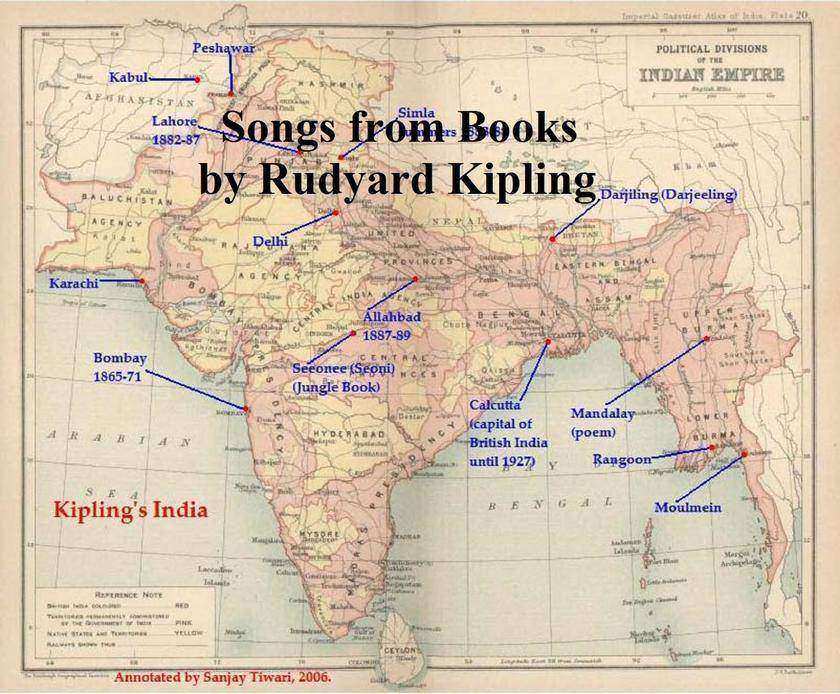
Songs from Books
¥8.09
Songs from Books
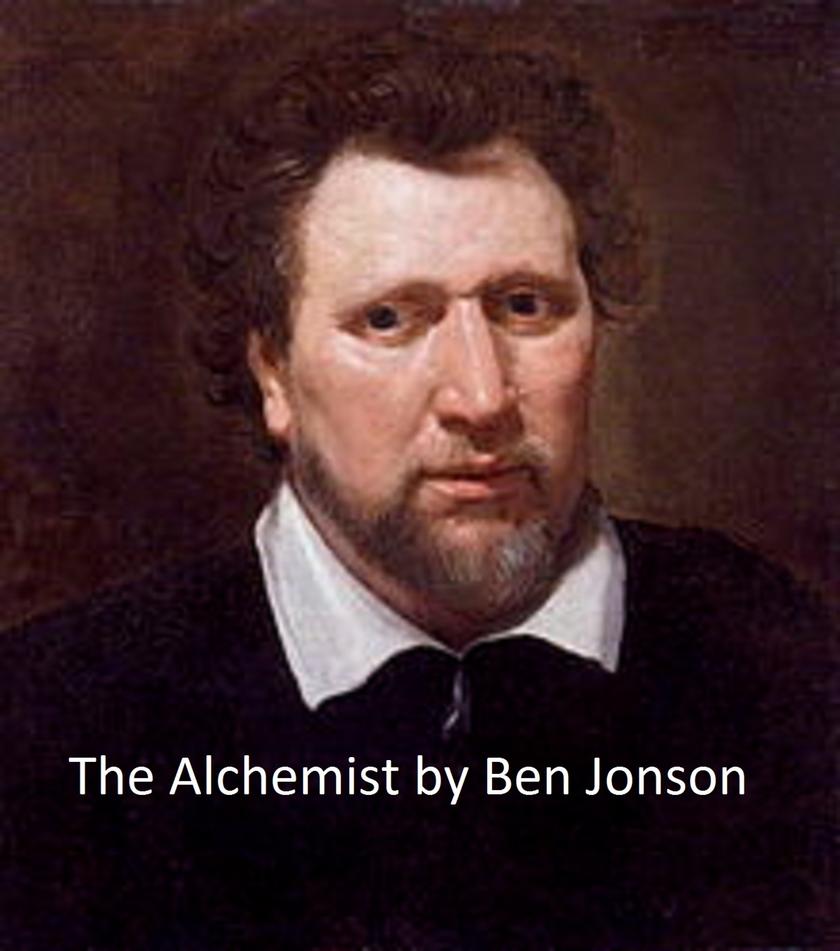
The Alchemist
¥8.09
The Alchemist

The Sot-Weed Factor
¥8.09
The Sot-Weed Factor
Chopin and Other Musical Essays
¥8.09
Chopin and Other Musical Essays
Life of Chopin
¥8.09
Life of Chopin
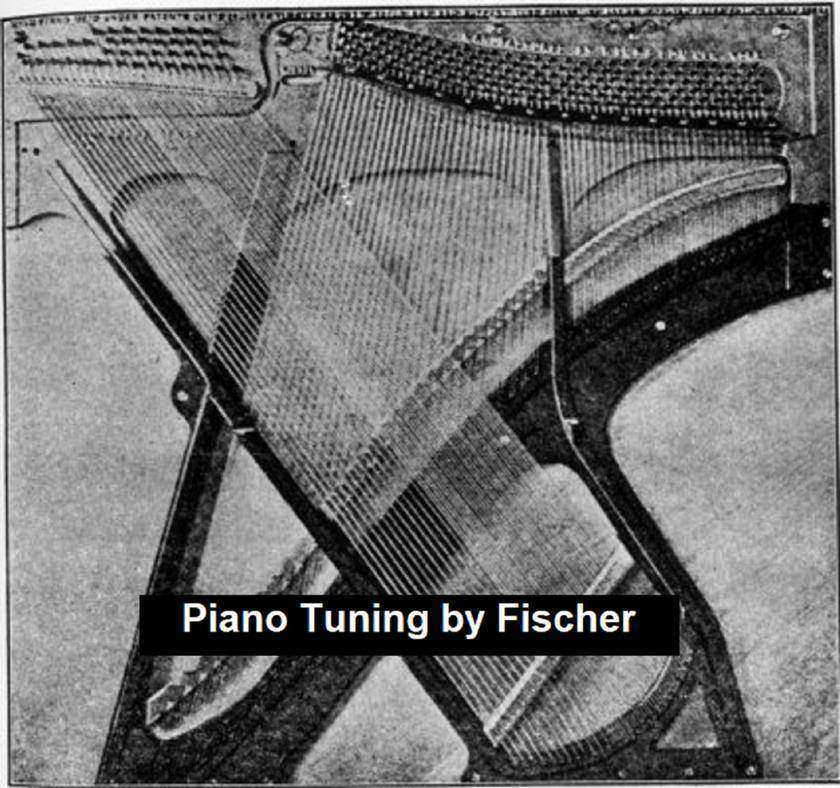
Piano Tuning
¥8.09
Piano Tuning
Titus Andronicus, with line numbers
¥8.09
Titus Andronicus, with line numbers
A Book of Operas
¥8.09
A Book of Operas


