


 购物车
购物车 个人中心
个人中心
HarperCollins e-books
¥280.71
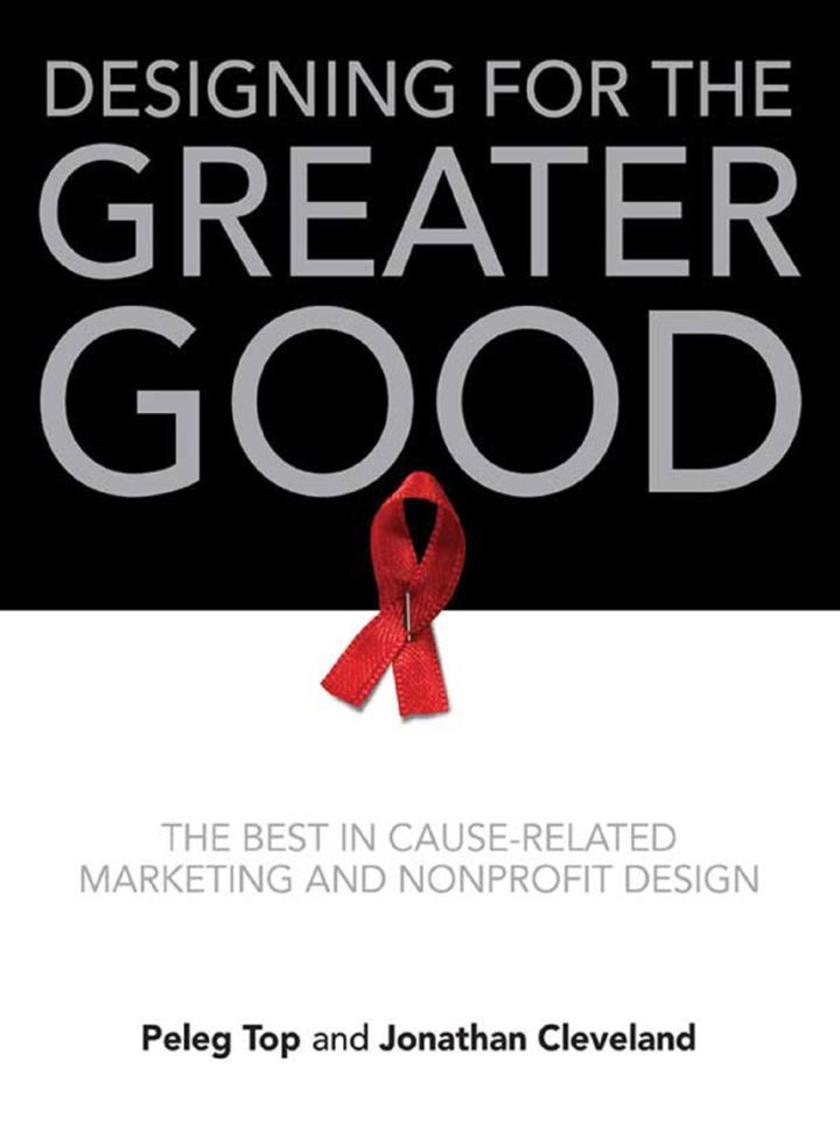
This first-ever book of its kind, Designing for the Greater Good, features hundreds of illustrated examples of the best nonprofit and cause-related design worldwide, plus 24 inspiring case studies and insights into great nonprofit branding campaigns. A comprehensive resource for designers, creative professionals, marketers, corporate communications departments and nonprofit leaders, this book showcases work from a variety of sectors including Family and Community, Animal Causes, Health, Human Rights, Environmental Awareness, Spirituality, and the Arts. The 24 case studies feature interviews with the designers for such campaigns as the Avon Walk for Breast Cancer, The Hurricane Katrina Poster Project and Get London Reading. Materials presented in Designing for the Greater Good include: cause-specific campaigns and case studies; logos and branding for nonprofits; websites, posters, brochures, advertising, and marketing materials for cause-related events and nonprofits; packaging; invitations for fundraisers and events.
Testimony
¥280.71
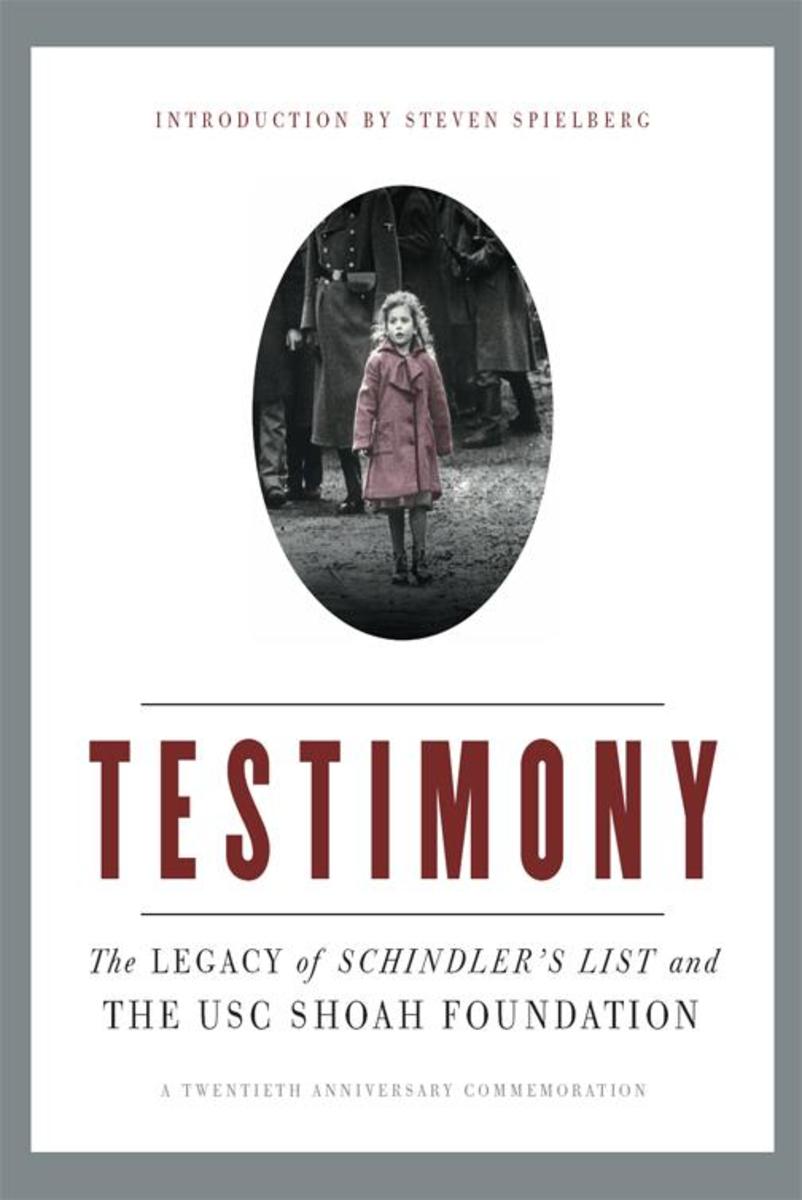
Schindler's List was a success by any Hollywood measure and far surpassed all expectations for a black-and-white film about the Holocaust. Released in 1993, it won seven Oscars, including Best Picture and Best Director, and is ranked ninth in the American Film Institute's 100 Greatest American Movies. But its legacy is a far more enduring one. As director Steven Spielberg says, "The film was to be the prelude to the most important work of my life." Spielberg's encounters with Holocaust survivors who came to the filmmakers' location in Poland and told him their stories set him on a mission to collect and preserve survivor testimonies so that these eyewitnesses could become teachers of humanity for generations to come. This twentieth-anniversary commemorative book presents, for the first time, the behind-the-scenes stories of the making of Schindler's List and the creation of the Shoah Foundation, the remarkable organization that Spielberg established twenty years ago. Drawing from the Universal Pictures archives and exclusive interviews, Part One portrays the filmmaking in dramatic black-and-white photographs that echo the film's acclaimed cinematography; in excerpts from the * and the Thomas Keneally novel; and in the words of the cast and crew, including Liam Neeson, Ben Kingsley, and Spielberg. Part Two relates how the Shoah Foundation, in its first four years, raced against time to videotape nearly 52,000 testimonies in 56 countries and 32 languages, while Holocaust survivors and witnesses were still alive to be interviewed. The book also describes in fascinating detail how this worldwide network of dedicated people used pioneering methods and state-of-the-art technologies to collect, index, and preserve the video recordings. With its Visual History Archive digitized, fully searchable, and hyperlinked to the minute, the foundation then developed countless ways to share the testimonies with the world, especially young people. Since joining the University of Southern California in 2006 and renamed the USC Shoah Foundation—The Institute for Visual History and Education, it expanded its educational initiatives as well as its mission, which is now collecting and preserving testimonies from the Armenian, Cambodian, and Rwandan genocides, as well as the Nanjing Massacre. The ultimate lesson of Schindler's List, and of the USC Shoah Foundation story, is rooted in the deeds of Oskar Schindler, who never planned on becoming a household name for heroism but acted out of his humanity to protect his Jewish workers. As Spielberg writes in his introduction, "One person can change the world, and that person is you."

The Big Book of Packaging
¥280.65
Intended as a comprehensive resource for designers, creative professionals, marketers, and retailers, The Big Book of Packaging contains 384 pages of the most innovative packaging designs from around the world. With over 500 featured designs and profiles of twelve of the world's leading designers, the book is a must-have resource for anyone interested in the future of packaging and design. In light of the recent lift in environmental consciousness, this volume of the Big Book Series will devote one third of its content to the increasingly important subject of green packaging-showing designers and retailers how to package their products creatively, responsibly, and at low cost, factors that will be reflected in the books own packaging/binding as well.The Big Book of Packaging will appeal to designers, students, marketers, retailers, and aesthetes alike, providing a thorough look at what goes into building an effective package and how to think "outside the box."
Defiance Series Complete Collection
¥280.47
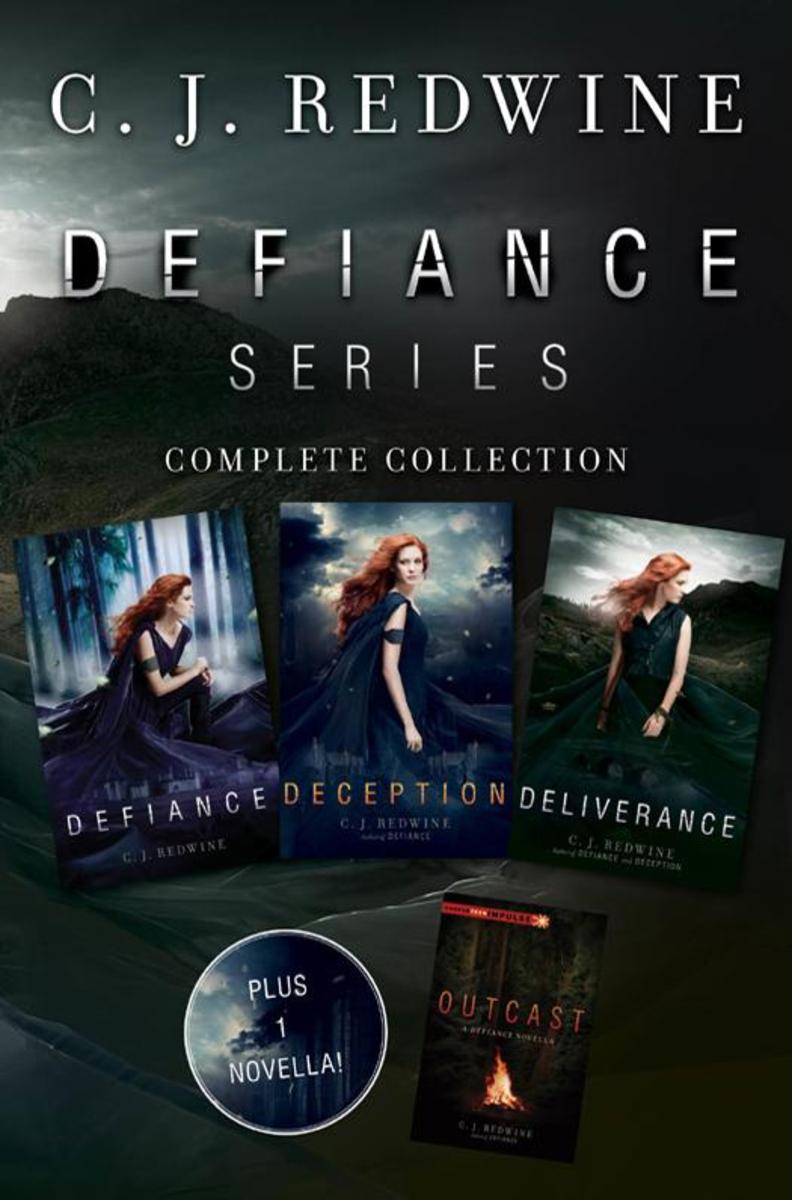
While the other girls in the walled city-state of Baalboden learn to sew and dance, Rachel Adams learns to track and hunt. While they bend like reeds to the will of their male Protectors, she uses hers for sparring practice. The Defiance series by C. J. Redwine is rich postapocalyptic YA fantasy perfect for fans of Graceling and Tamora Pierce. Includes all three novels and one novella in the series.Defiance: When Rachel's father fails to return from a courier mission and is declared dead, the city's brutal Commander assigns Rachel a new Protector: her father's apprentice, Logan—the boy she declared her love to and who turned her down two years before. As Rachel and Logan battle their way through the Wasteland, stalked by a monster that can't be killed and an army of assassins out for blood, they discover romance, heartbreak, and a truth that will incite a war decades in the making.Deception: Abandoning the ruins of their home to take their chances in the Wasteland, the group soon realizes their problems have only begun: an unknown killer —possibly inside their ranks—has begun picking off the survivors one by one. And Rachel and Logan must question whether the price of freedom may be too great—and whether they can make it out of the Wasteland alive.Deliverance: Rachel has been kidnapped by enemy forces and is being taken to Rowansmark while her love, Logan, is imprisoned and awaiting trial, unable to leave Lankenshire. As uneasy alliances are tested and their enemies plot against them, will the two manage to find a way to rid their world of the tyrannical Commander and destroy the tech that controls the deadly Cursed One once and for all?Outcast: A Defiance Novella: A thrilling, dangerous adventure, this digital prequel novella to C. J. Redwine's Defiance and Deception features Quinn, a popular character from the series.

Photo by Sammy Davis, Jr.
¥280.42
Sammy Davis, Jr. will forever be remembered as one of America's finest entertainers. An all–around performer who could sing, dance, and act, Davis broke racial barriers in the entertainment world and became the only non–white member of the Rat Pack. Only now, however, is Davis's talent as a photographer finally being recognized. In this previously unpublished collection of black and white photography, readers will be fascinated by Davis's portrayals of A–list performers, iconic world leaders, and scenes from everyday life. Davis's subjects include dozens of classic celebrities–such as Frank Sinatra, Marilyn Monroe, Paul Newman, and James Dean–who are often photographed at their most casual and revealing moments. Accompanying the pictures is an assortment of remembrances by Burt Boyar, a longtime friend and traveling companion of Davis who collaborated with the entertainer on both of his autobiographies. Through a series of memorable anecdotes, Boyar reflects on Davis's many achievements as well as the private moments they shared as friends. Along with Davis's candid shots of ordinary life–from a group of children laughing to a baseball game at the Washington Monument–these stories reveal a side of the performer far removed from his Rat Pack persona. The release of this book will also coincide with the release of Burt Boyar's upcoming documentary, Sammy Speaks, created from his extensive archive of taped conversations with the star.
HarperCollins e-books
¥280.42
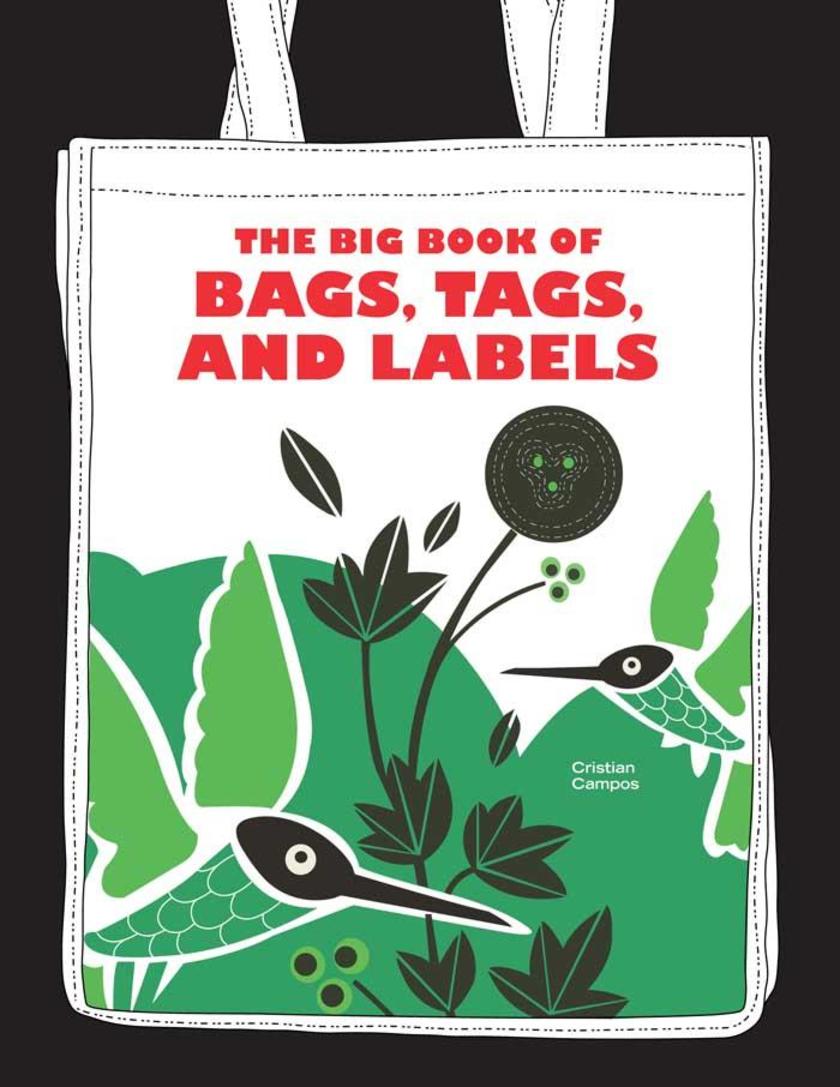
Bag, tag, and label design is critical in the world of marketing and sales, yet can be challenging to execute successfully. The Big Book of Bags, Tags and Labels is a unique visual collection featuring work from top companies around the globe. It offers hundreds of ideas, pages of inspiration, and loads of professional advice from designers on styles ranging from classic to modern, sophisticated to conceptual, with a consistent focus on name recognition and branding.

味道的传承
¥280.00
书籍包括 1901235624,1901235626,1901235628,1901235630

画说金山岭长城
¥280.00
万里长城是中华民族的骄傲和象征。滦平县的金山岭长城是万里长城中气势宏伟、敌楼密集、建筑独特、保存完美的一段,素有『万里长城,金山独秀』之美誉。

桂林中药资源典
¥280.00
本书含总论和各论两个部分, 各论部分共收集桂林道地、 常见的中药材 311 种,总论为桂林市自然地理概况、 生物及矿物资源概况、 药用资源发展简史、 药用资源、 药用资源市场流通与生产利用、 药用资源保护与管理等。各论中中药材条目内容包括药材名、 来源、 别名、 形态特征、 分布、 性能主治、 采收加工等,依次著述, 并附有药材来源植物的彩色照片。

中药对照提取物应用图谱集
¥280.00
中药标准物质是质量标准执行中不可缺少的“标尺”,随着中药产业的发展,中药材、中药饮片、中成药、配方颗粒等领域新标准的制订,标准物质的种类及用量逐年增加。现已有多个中药对照提取物作为标准物质应用在药材、中药饮片、中药配方颗粒标准中。本书主要介绍了多个中药对照提取物在中药材、中药饮片、配方颗粒检测中的薄层色谱与液相色谱的应用方法及图谱分析,为中药材、中药配方颗粒检验、使用、建立标准提供参考。

中国人民大学802经济学综合历年考研真题视频讲解【17小时高清视频】
¥280.00
中国人民大学802经济学综合历年考研真题视频讲解【17小时高清视频】

颈部内镜外科学
¥280.00
近十年来,作者团队完成了1万余例手术和系列的相关解剖学及临床应用研究,积累了的实验资料和临床经验,同时结合外该领域卓有建树的专家的宝贵经验,历时几年,编撰成书。《颈部内镜外科学》从实用的角度出发,密切结合临床实践,力求图文并茂地阐述本专业范围内各种常用手术的操作方法及行手术时的相关知识,将有代表性的、成熟的和在临床上行之有效的手术方法收书内,同时介绍了近年来外能代表当前发展趋势的创新手术和改良的经验。书中配有13个手术视频。

心有半亩花田,藏于烟火人间:6本超治愈的宝藏漫画(共6册)
¥279.99
用治愈而可爱的画风去重现生活日常,那些看起来平平无奇的日子,其实都闪着光呢 热门爆火的治愈系宝藏漫画。分别为《心有花田万事香》《我想偶尔停一会儿》《男友小九岁》《想到你就很开心:汉、英》《谢谢你一直陪着我》《快乐一天是一天》

国民级武侠网游“剑网3”官方小说(全8册)
¥279.99
国民级武侠网游《剑网3》官方小说!包括《催枪问谁·壹》《催枪问谁·贰》《催枪问谁·叁》《洗心问剑·壹》《洗心问剑·贰》《风啸长宁·壹》《四海流云·壹》《万花六记˙壹》

高质量现言甜宠文:五星推荐,告别书荒(共6册)
¥279.99
【五星推荐,告别书荒】高质量现言甜宠文:《陆先生追妻一路开挂》《医笑倾城》《冤家路宰》《相思犹未悔》《小温柔》《*宠爱》
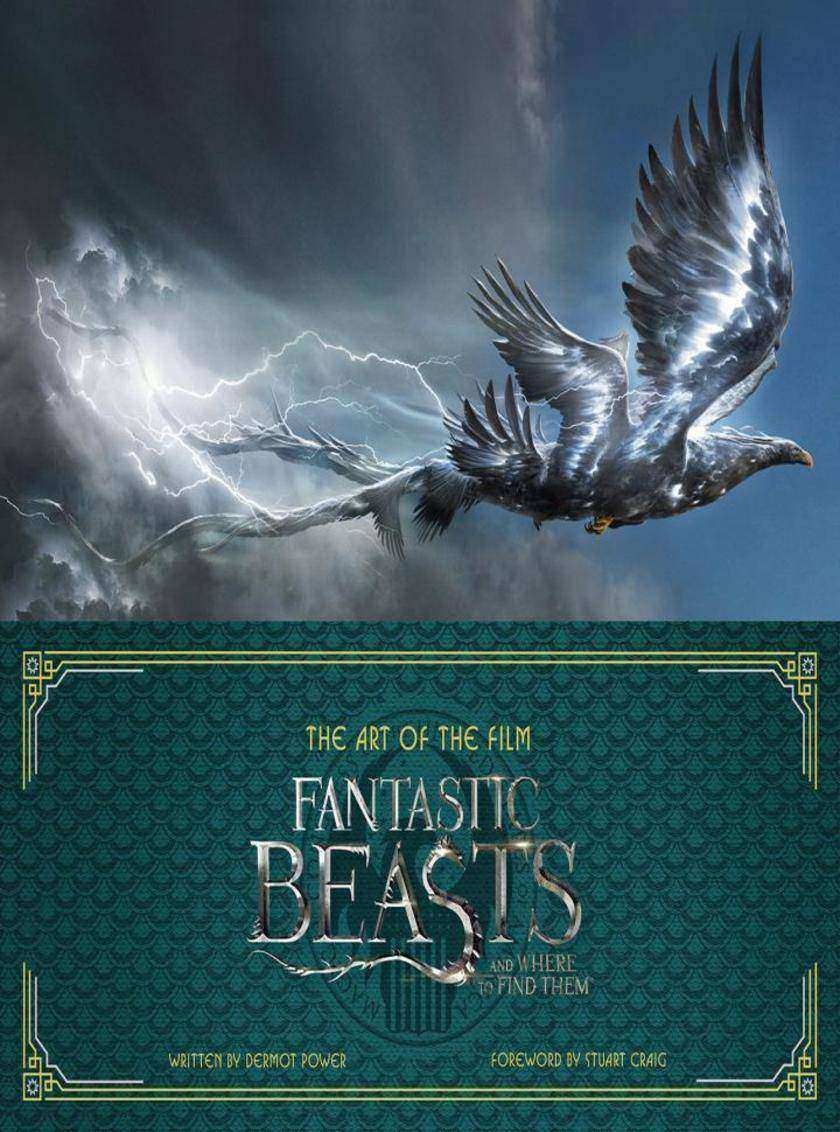
Art of the Film: Fantastic Beasts and Where to Find Them
¥279.90
Step inside the world of the talented art departments who, led by Academy Award?-winning production designer Stuart Craig, were responsible for the creation of the unforgettable characters, locations and beasts from the eagerly anticipated new adventure in J.K. Rowling’s Wizarding World.The Art of Fantastic Beasts and Where to Find Them, edited by Dermot Power, concept artist on the film, takes you on a magical journey through a design process every bit as wonderful as that encountered by Newt Scamander in the wizarding world: from the earliest gatherings of the artists, designers and filmmakers to the magical time of the film’s production itself at Leavesden Studios.Bursting with hundreds of production paintings, concept sketches, storyboards, blueprints and matte paintings, and filled with unique insights about the filmmaking journey from Stuart Craig and the artists themselves, this superb book – officially licensed by Warner Bros. Consumer Products – presents a visual feast for readers, and will welcome fans of Harry Potter films into the world of Fantastic Beasts and Where to Find Them.

The Complete Nose to Tail
¥279.85
"It would be disingenuous to the animal not to make the most of the whole beast; there is a set of delights, textural and flavoursome, which lie beyond the fillet." Thus Fergus Henderson set out his stall when he opened St. John in 1995, now one of the world's most admired restaurants. His Whole Beast and Beyond Nose to Tail books are full of exhilarating recipes for dishes that combine high sophistication with peasant thriftiness. Now the books are to be joined together in a compendious volume, The Complete Nose to Tail, with additional new recipes and more brilliant photography from Jason Lowe.

埃勒里·奎因悲剧四部曲全集
¥279.60
《X的悲剧》:三起众目睽睽之下的犯罪。万千读者心中的推理神作。 《Y的悲剧》:长期生活在畸形家庭的凶手,杀起家人也不留活口。阿加莎直接用某代表作致敬《Y的悲剧》,设定和故事背景完全一致。 《Z的悲剧》:从27个嫌疑人中逐一排除,锁定真凶,排除法推理万世神作。 《哲瑞·雷恩的*后一案》:结局反转堪称伟大,忍不住为凶手泪流满面。伟大的悲剧四部曲终结篇,看哭东野圭吾。

刑警要案手记:因为真实,所以后怕(共10册)
¥279.00
长篇写故事,短篇写人心,根据真实事件改编!陈猛10年作品精选集。 《凝渊之眸1:恶如钩 》:一本罪案集结,在这本小说里,有我,有我的师父,也有我最好的兄弟,他们和我一样,独一无二又平凡无奇,我们曾挥斥方遒,意气风发,我们曾抽丝剥茧,破雾追凶,我们也曾黯然神伤,踟蹰迷惘。 我的师父曾对我说过:我们行走在昼与夜的边界,我们是晴空的仰望者,也是深渊的凝视者,我们的眼眸里藏着烈日与寒冬。 《特案侦查组》系列:这个世界上,最恐怖的往往不是疯狂者屠戮时手里的斧子,而是普通人微笑时露出的獠牙…… 深渊的凝视、漆黑夜之凶、小雏菊迷因…… 如果你曾听过或经历过类似诡异事件,请勿搜索或调查! 《夜谭》系列:小心来自身边的恶意。有时候,我们与他人的距离,可能就是人间与地狱的距离。 一个四目交接就能卷起一场风暴,一个善意微笑就能引发一起杀戮,一个擦肩而过就能制造一件惨案。 他人的恐怖之处在于,不是你心里想了什么,而是他们心里想了什么。 《安东巷44号》:你知道安东巷44号吗? 你看过,听过或者去过那里吗? 它可能是河北的一处民房,也可能是陕西的一所病院,可能是湖南的一家宾馆,也可能是江苏的一间超市。 总之,它可能在任何地方,也可能是任何地方,可能就近在眼前,也可能远在天边。 此时此刻,就有一个人在安东巷44号,每时每刻,总有一个人在安东巷44号,经历着不可思议的故事。 《潜梦者》:“没错,我确实做了不该做的事情,我没有经过他们的同意,就看到了他们的梦境。”小有名气的心理咨询师王朗,通过恩师结识了特案组刑警吴岩,背负着同样秘密的二人,为了正义联手解码离奇罪案。 《黑涡》:见习民警俞小菁因一起失踪死亡案件结识了富二代大学生陆之帆,在追寻案件真相的过程中,两个人渐生情愫,与此同时,又有多起离奇死亡案件发生,继子弑母,学生杀师等等,背后真凶在利用“心理剧”诱发人心的负面情绪,进而制造死亡案件。随着调查深入,更多人,更多案件被牵扯其中,所有涉案人均来自一家福利院,迷雾越来越浓之时,陆之帆的母亲自杀,父亲被害,他也成了最大嫌疑人,为了洗脱陆之帆嫌疑,为了查明真相,孤立无援的俞小菁独自调查,发现这一切都与一个叫做“黑涡”的计划有关,十九个孤儿,被卷入一场跨越三十年的吃人阴谋中,人与恶魔,往往只是昼与夜的连接。

许纪霖知识分子三部曲
¥279.00
何以安身?以其精神为火焰,在历史的演变与脉络中照亮出一条道路。为谁立命?以其气节与尊严,重燃日益幽暗之人性、维系民族之文化。《安身立命》从20世纪中国六代知识分子的个案研究出发,进而关照到整个知识分子群体和中国的社会变迁与思想转型,既是一幅宏观的近现代中国知识分子群像,亦是一张张纤毫毕现的知识分子个体的心灵图景。 《家国天下》旨在思想史中探寻中国近现代国家认同所受到的冲击和和转变。作者从传统的“天下观念”遭受现代性冲击入手,讨论了儒家、晚清立宪派与革命派、晚清的地方认同和个人认同、五四的“世界主义”、文明与富强之间的竞争、民族主义等等中国近现代思想革命中的尝试。*终,作者设计出“新天下主义”的认同模式,用来解决国家认同这个悬而未决的问题。 《有为有守》聚焦于1895—1949年间中国知识分子的人际交往、私人脉络、团体组织以及与城市公共媒体的关系,是一部近代中国知识分子的社会文化史。本书以丰富的史料,生动的笔墨介绍了梁启超、陈独秀等众多著名知识分子的社会交往,亲疏聚分。

家居色彩意象 150个家的配色方案与灵感随想 精装珍藏版
¥278.99
本书从国际杰出家装案例中,精选出150 10套配色方案,为需要家居装潢的用户和设计师提供丰富的灵感来源和实际的配色指导。书中介绍了9大色系下的相关配色方案,不仅奉献了实用的色彩搭配和法则,同时阐述不同的色彩搭配带来的文化内涵、性格倾向、氛围格调等,为广大设计师和业主带来丰富的灵感启发。此外还配合有丰富的实景展示案例,帮助读者更好地把握从配色创意到家居实景的实现,具有极大的参考价值。


