


 购物车
购物车 个人中心
个人中心

A Garden of Marvels
¥94.10
A witty and engaging history of the first botanists, interwoven with stories of today's extraordinary plants found in the garden and the labIn Paradise Under Glass, Ruth Kassinger recounts with grace and humor her journey from brown thumb to green, sharing the lessons that she learned from building a home conservatory in the wake of a devastating personal crisis. In A Garden of Marvels, she extends the story. "This book was born of a murder, a murder I committed," she begins. The victim was a kumquat tree. Though she diligently did her best watering, fertilizing, repotting, and pruning the plant turned brown and brittle. Why did the kumquat die when other plants in the garden that received the same attention thrivedshe wondered. It was an experience that offered invaluable insight. While she knew the basic rules of caring for indoor plants, Kassinger realized that she understood very little about plant physiology how roots, stems, leaves, and flowers actually function. Determined not to repeat her failure, she set out to learn the fundamentals of botany in order to become a better gardener. A Garden of Marvels is the story of her wise and enchanting odyssey to discover the secret life of plants. Kassinger retraces the progress of the first botanists including a melancholy Italian anatomist, a renegade French surgeon, a stuttering English minister, an obsessive German schoolteacher, and Charles Darwin who banished myths and misunderstandings and discovered that flowers have sex, leaves eat air, roots choose their food, and hormones make morning glories climb fence posts. She goes out into the world as well, visiting modern gardens, farms, and labs to discover the science behind extraordinary plants like one-ton pumpkins, truly black petunias, ferns that eat the arsenic in contaminated soil, biofuel grass that grows twelve feet tall, and the world's only photosynthesizing animal. Kassinger also introduces us to modern scientific research that offers hope for combatting climate change and alleviating world hunger. She then transfers her insights to her own garden, where she nurtures a "cocktail" tree that bears five kinds of fruit, cures an ailing Buddha's Hand plant with beneficial fungi, and gets a tree to text her when it's thirsty. Intertwining personal anecdotes, accessible science, and little-known history, A Garden of Marvels takes us on an eye-opening journey into Kassinger's garden and yours offering us a new appreciation of this exquisite gift of nature: "Our garden is more than a marvel. It's as close to a miracle as there is on Earth."
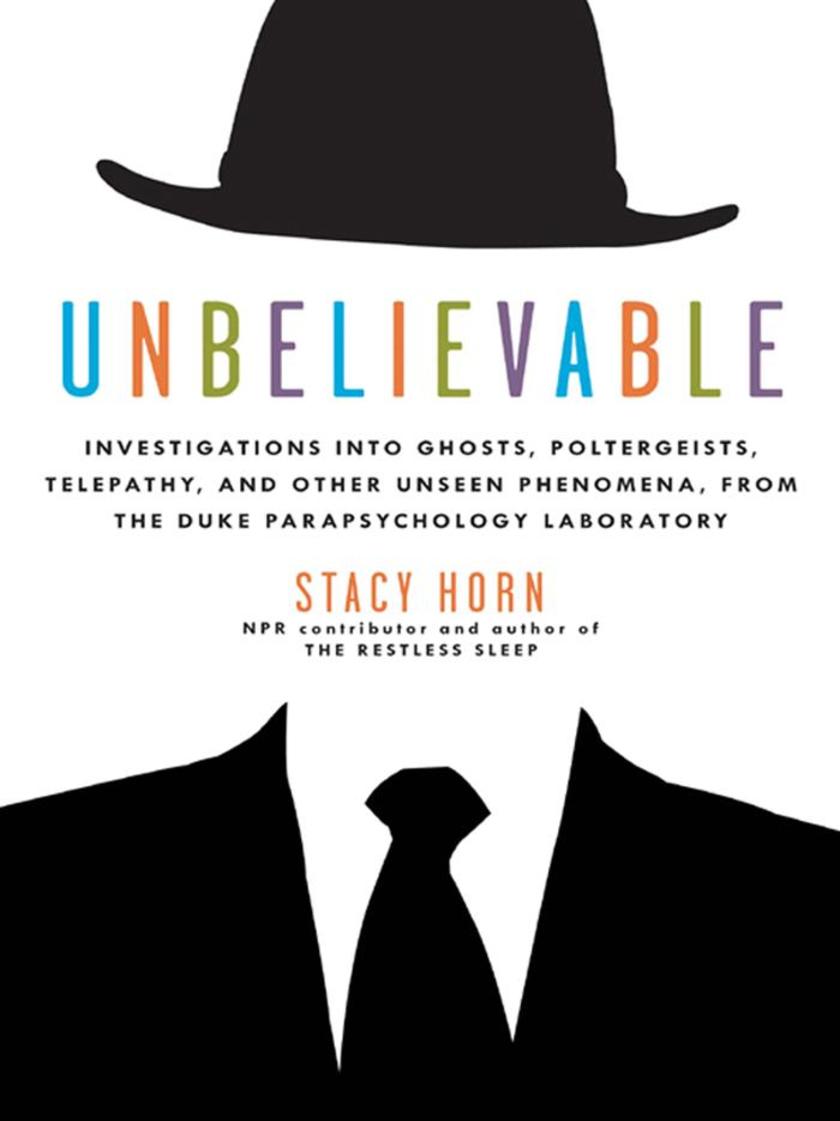
Unbelievable
¥94.10
From The Sixth Sense to Medium, Ghost Whisperer to Ghost Hunters, the paranormal stirs heated debate, spawning millions of believers and skeptics alike. Nearly half of us say we believe in ghosts, and two-thirds of us believe in life after death. What would you make of rain barrels that refill themselvesPsychic horsesMind-reading Cold War spiesFor a group of scientists at the Duke Parapsychology Lab under the leadership of Dr. J. B. Rhine considered the Einstein of the paranormal such mysteries demanded further investigation. From 1930 to 1980, these dedicated men and women attempted to test the bizarre, the frightening, and the unexplainable against the rigors of science, ultimately finding proof that the human mind possesses telepathic powers.
Letters from the Earth
¥94.10
I have told you nothing about man that is not true. You must pardon me if I repeat that remark now and then in these letters; I want you to take seriously the things I am telling you, and I feel that if I were in your place and you in mine, I should need that reminder from time to time, to keep my credulity from flagging.In Letters from the Earth, Twain presents himself as the Father of History -- reviewing and interpreting events from the Garden of Eden through the Fall and the Flood, translating the papers of Adam and his descendants through the generations. First published fifty years after his death, this eclectic collection is vintage Twain: sharp, witty, imaginative, complex, and wildly funny.
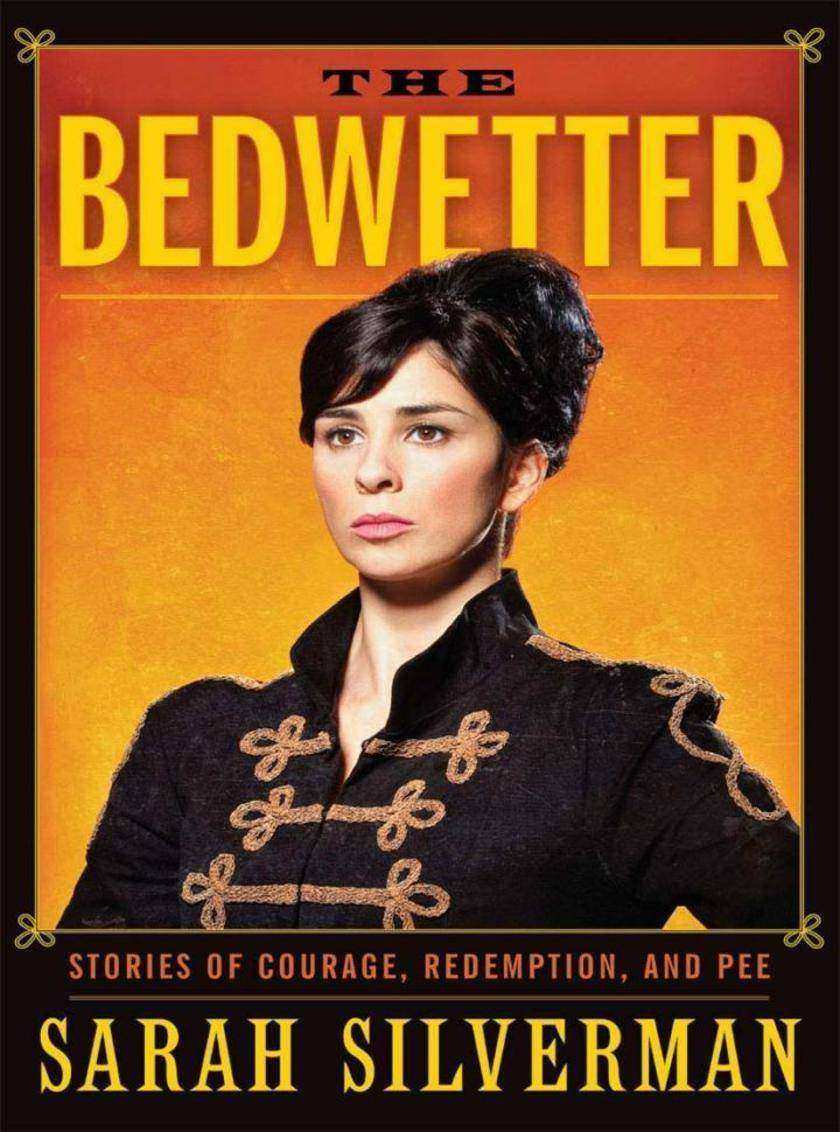
The Bedwetter
¥94.10
Warning from publisher to reader: At HarperCollins, we are committed to customer satisfaction. Before proceeding with your purchase, please take the following questionnaire to determine your likelihood of enjoying this book:1. Which of the following do you appreciate?(a) Women with somewhat horse-ish facial features.(b) Women who, while not super Jew-y, are more identifiably Jewish than, say, Natalie Portman.(c) Frequent discussion of unwanted body hair. 2. Are you offended by the following behavior?(a) Instructing one's grandmother to place baked goods in her rectal cavity.(b) Stripping naked in public eleven times in a row.(c) Stabbing one's boss in the head with a writing implement. 3. The best way to treat an emotionally fragile young girl is:(a) Murder the main course of her Thanksgiving dinner before her very eyes.(b) Tell her that her older sister is prettier than she, and then immediately die.(c) Prevent her suicide by recommending she stay away from open windows. If you read the above questions without getting nauseous or forming a hate Web site, you are ready to buy this book! Please proceed to the cashier.

Teach Your Children Well
¥94.10
Psychologist Madeline Levine brings together cutting-edge research and thirty years of clinical experience to explode once and for all the myth that good grades, high test scores, and college acceptances should define the parenting endgame.Parents, educators, and the media wring their hands about the plight of America's children and teens soaring rates of emotional problems, limited coping skills, disengagement from learning and yet there are ways to reverse these disheartening trends. Teach Your Children Well acknowledges that every parent wants successful children. However, until we are clearer about our core values and the parenting choices that are most likely to lead to authentic, and not superficial, success, we will continue to raise exhausted, externally driven, impaired children who believe they are only as good as their last performance. Real success is always an inside job, argues Levine, and is measured not by today's report card but by the people our children become fifteen or twenty years down the line.Refusing to be diverted by manufactured controversies such as "tiger moms versus coddling moms," Levine confronts the real issues behind the way we push some of our kids to the breaking point while dismissing the talents and interests of many others. She shows us how to shift our focus from the excesses of hyperparenting and the unhealthy reliance on our children for status and meaning to a parenting style that concentrates on both enabling academic success as well as developing a sense of purpose, well-being, connection, and meaning in our children's lives.Teach Your Children Well is a call to action. And while it takes courage to make the changes we believe in, the time has come, says Levine, to return our overwrought families to a healthier and saner version of themselves.

Violins of Hope
¥94.10
A stirring testament to the strength of the human spirit and the power of music, Violins of Hope tells the remarkable stories of violins played by Jewish musicians during the Holocaust and of the Israeli violinmaker dedicated to bringing these inspirational instruments back to life.The violin has formed an important aspect of Jewish culture for centuries, both as a popular instrument with Jewish classical musicians and as a central part of social life, as in the Klezmer tradition. But during the Holocaust, the violin assumed extraordinary roles within the Jewish community. For some musicians, the instrument was a liberator; for others, it was a savior that spared their lives. For many, the violin provided comfort in mankind's darkest hour, and, in at least one case, a violin helped avenge murdered family members. Above all, the violins of the Holocaust represented strength and optimism for the future.Today, these instruments serve as powerful reminders of an unimaginable experience they are memorials to those who perished and testaments to those who survived. In this spirit, renowned Israeli violinmaker Amnon Weinstein has devoted the past twenty years to restoring the violins of the Holocaust as a tribute to those who were lost, including four hundred of his own relatives. Behind each of these violins is a uniquely fascinating and inspiring story. Juxtaposing these narratives against one man's harrowing struggle to reconcile his own family's history and the history of his people, this insightful, moving, and achingly human book presents a new way of understanding the Holocaust.
The Son of Laughter
¥94.10
Rich in family drama, passion, and human affinity, critically acclaimed author Frederick Buechner's contemporary retelling of this captivating and timeless biblical saga revitalizes the ancient story of Jacob, delighted our senses and modern sensibilities and gracing us with his exceptional eloquence and wit.
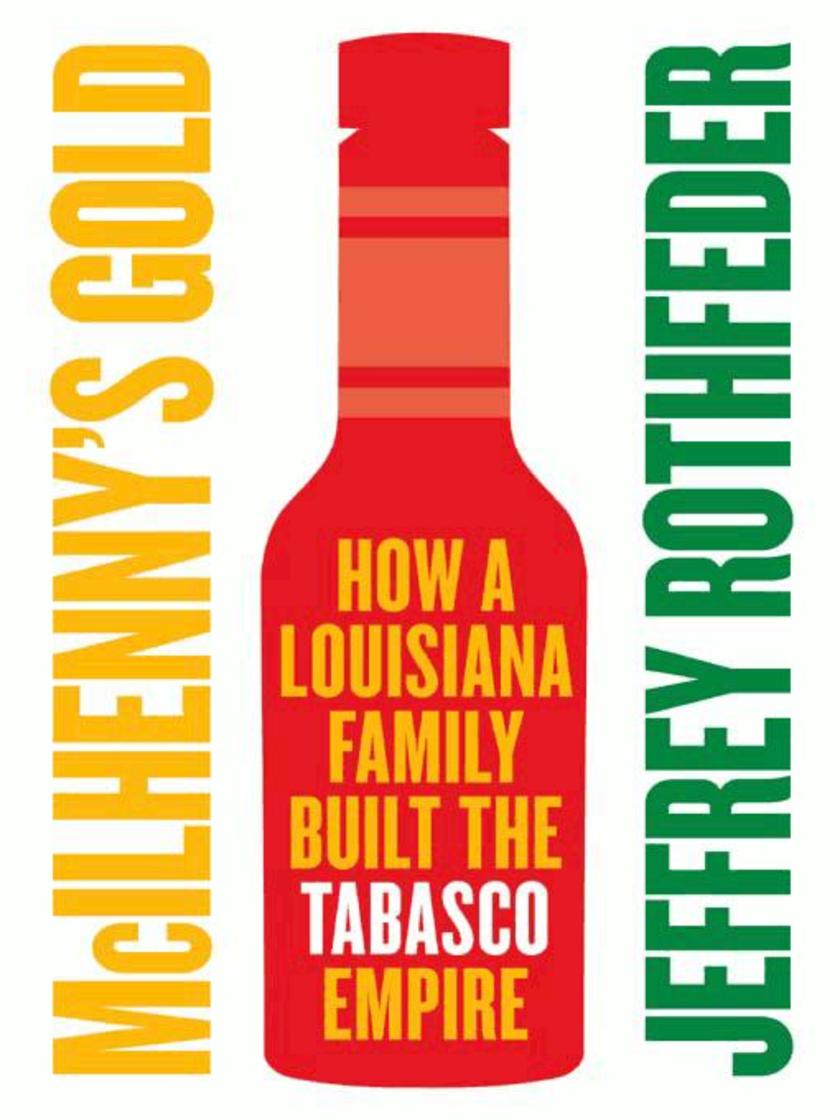
McIlhenny's Gold
¥94.10
In this fascinating history, Jeffrey Rothfeder tells how, from a simple idea the outgrowth of a handful of peppers planted on an isolated island on the Gulf of Mexico a secretive family business emerged that would produce one of the best-known products in the world. A delectable and satisfying read for both Tabasco fans and business buffs, McIlhenny's Gold is the untold story of the continuing success of an eccentric, private company; a lively history of one of the most popular consumer products of all times; and an exploration of our desire to test the limits of human tolerance for fiery foods.
When Generations Collide
¥94.10
If your workplace feels like a battle zone and colleagues sometimes act like adversaries, you ore not alone. Today four generations glare at one another across the conference table, and the potential for conflict and confusion has never been greater. Traditionalist employees with their "heads down, onward and upward" attitude live out a work ethic shaped during the Great Depression. Eighty million Baby Boomers vacillate between their overwhelming need to succeed and their growing desire to slow down and enjoy life. Generation Xers try to prove themselves constantly yet dislike the image of being overly ambitious, disrespectful, and irreverent. Millennials, new to the workforce, mix savvy with social conscience and promise to further change the business landscape. This insightful book provides hands-on methods to close the generation gaps. With effective tools to recruit, retain, motivate, and manage each generation, you can now create teamwork, not war, in today's highperformance workplace . . . where at any age, productivity is what counts.

Water to the Angels
¥94.10
In 1907, Irish immigrant William Mulholland designed and began to build one of the greatest civil engineering feats in history: the aqueduct that carried water 233 miles from the Sierra Nevada Mountains to Los Angeles allowing this small, resource-challenged desert city to grow into a modern global metropolis. Drawing on new research, Les Standiford vividly captures the larger-than-life engineer and the breathtaking scope of his six-year, $23 million project that would transform a region, a state, and a nation at the dawn of its greatest century.Mulholland, a penniless Dublin immigrant who made his way west as a stowaway on a passenger ship, personifies the American rags-to-riches tale, working from a position as a ditchdigger to become chief engineer of the Los Angeles Water Company. Confronted with a decade-long drought that threatened his adopted city's future, the self taught Mulholland found the answer in the rushing snow melt from the Eastern Sierra Nevada Mountains, nearly 250 miles away. He proposed to build an aqueduct that would outdo any such ever conceived, one that would carry an entire river from its source to Los Angeles, through mountains, over chasms, and across an alternately freezing and blistering terra incognita, because he believed it was the city's only hope.The project brought a simmering-to-this-day firestorm of protest from residents of California's Owens Valley where the waters would be taken, as well as an all-out onslaught from political opponents and vested interests in Los Angeles, who were fearful of losing their stranglehold on the city's yield. But after nine years of struggle, including the efforts of thousands of workmen many of whom lost their lives and the use of engineering techniques and strategies never previously employed, Mulholland turned the gates and loosed the waters that brought an unprecedented wave of development and prosperity to his city and the region.Though the landmark film Chinatown touched on the subject, Mulholland was characterized there as Hollis Mulwray, a colorless pipsqueak easily dispatched by archvillain and developer Noah Cross (John Houston). In real life, however, Mulholland was every bit the equal of any of his foes, a colorful, brook-no-nonsense man of the people who accomplished a feat like no other and became a hero in the process. Water to the Angels is not only a book that provides insight into the seeds of significant ecological concerns of this day, it is also a stirring story of accomplishment against all odds, all the more captivating for being true.As Robert Towne, author of the screenplay for Chinatown suggests, the subject is timeless. "I found the ubiquity of water in everyone's lives to be compelling. Everybody needs water."At a time when the importance of water is being recognized as never before considered by many experts to be the essential resource of the twenty-first century Water to the Angels brings into focus the vigor of a fabled era, the might of a larger-than-life individual, and the scale of a priceless construction project, and sheds critical light on a past that offers insights for our future.

You've GOT to Read This Book!
¥94.10
There's nothing better than a book you can't put down or better yet, a book you'll never forget. This book puts the power of transformational reading into your hands. Jack Canfield, cocreator of the bestselling Chicken Soup for the Soul series, and self-actualization pioneer Gay Hendricks have invited notable people to share personal stories of books that changed their lives. What book shaped their outlook and habitsHelped them navigate rough seasSpurred them to satisfaction and successThe contributors include Dave Barry, Stephen Covey, Malachy McCourt, Jacquelyn Mitchard, Mark Victor Hansen, John Gray, Christiane Northrup, Bernie Siegel, Craig Newmark, Michael E. Gerber, Lou Holtz, and Pat Williams, to name just a few. Their richly varied stories are poignant, energizing, and entertaining.Author and actor Malachy McCourt tells how a tattered biography of Gandhi, stumbled on in his youth, offered a shining example of true humility and planted the seeds that would help support his sobriety decades later. Bestselling author and physician Bernie Siegel, M.D., tells how William Saroyan's The Human Comedy helped him realize that, in order to successfully treat his patients with life-threatening illnesses, "I had to help them live not just prevent them from dying."Actress Catherine Oxenberg reveals how, at a life crossroads and struggling with bulimia, a book taught her the transforming difference one person could make in the life of another and why that person for her was Richard Burton.Rafe Esquith, the award-winning teacher whose inner-city students have performed Shakespeare all over the world, recounts his deep self-doubt in the midst of his success and how reading To Kill a Mockingbird strengthened him to continue teaching.Beloved librarian and bestselling author Nancy Pearl writes how, at age ten, Robert Heinlein's science fiction book Space Cadet impressed on her the meaning of personal integrity and gave her a vision of world peace she'd never imagined possible. Two years later, she marched in her first civil rights demonstration and learned that there's always a way to make "a small contribution to intergalactic harmony."If you're looking for insight and illumination or simply for that next great book to read You've Got to Read This Book! has treasures in store for you.
The Way You Wear Your Hat
¥94.10
Within is a masterful assembly of the most personal details and gorgeous minutiae of Frank Sinatra's way of living--matters of the heart and heartbreak, friendship and leadership, drinking and cavorting, brawling and wooing, tuxedos and snap-brims--all crafted from rare interviews with Sinatra himself as well as many other intimates, including Tony Bennett, Don Rickles, Angie Dickinson, Tony Curtis, and Robert Wagner, in addition to daughters Nancy and Tina Sinatra. Illustrated with scores of photos, The Way You Wear Your Hat captures the timeless romance and classic style of the fifties and the loose sixties and is a stunning exploration of the Sinatra mystique.

First Families
¥94.10
What is it like to be America's First FamilyIn this wonderfully engaging book, Bonnie Angelo, Time correspondent and acclaimed author of First Mothers, probes two hundred years of American history to tell the story of real life within the White House walls how presidents, their wives, children, and extended families worked to create a home in an imposing national monument while attempting to keep their private lives from the public domain.First Families chronicles exhilarating moments as well as dark days at the nation's most famous address, with fascinating, behind-the-headline accounts of picture-book weddings, gossipy love affairs, rollicking children, domestic squabbles, and tragic deaths. From activist wives Eleanor Roosevelt and Hillary Clinton to reluctant occupants Bess Truman and Jacqueline Kennedy, to those such as Mary Todd Lincoln, Dolley Madison, and madcap debutante Alice Roosevelt, who embraced their new address and status, here is an unforgettable human portrait of our First Families and how they coped, stumbled, or thrived in the national spotlight.

Choice Theory
¥94.10
Dr. William Glasser offers a new psychology that, if practiced, could reverse our widespread inability to get along with one another, an inability that is the source of almost all unhappiness. For progress in human relationships, he explains that we must give up the punishing, relationship destroying external control psychology. For example, if you are in an unhappy relationship right now, he proposes that one or both of you could be using external control psychology on the other. He goes further. And suggests that misery is always related to a current unsatisfying relationship. Contrary to what you may believe, your troubles are always now, never in the past. No one can change what happened yesterday.
Writing for Your Life
¥94.10
In the tradition of Annie Dillard and Natalie Goldberg, this resource for writers and non-writers alike shows the act of writing to be a dynamic means of knowing, healing, and creating the body, mind, and spirit.

Lost in Shangri-La
¥94.10
On May 13, 1945, twenty-four American servicemen and WACs boarded a transport plane for a sightseeing trip over Shangri-La, a beautiful and mysterious valley deep within the jungle-covered mountains of Dutch New Guinea.Unlike the peaceful Tibetan monks of James Hilton's bestselling novel Lost Horizon, this Shangri-La was home to spear-carrying tribesmen, warriors rumored to be cannibals. But the pleasure tour became an unforgettable battle for survival when the plane crashed. Miraculously, three passengers pulled through. Margaret Hastings, barefoot and burned, had no choice but to wear her dead best friend's shoes. John McCollom, grieving the death of his twin brother also aboard the plane, masked his grief with stoicism. Kenneth Decker, too, was severely burned and suffered a gaping head wound.Emotionally devastated, badly injured, and vulnerable to the hidden dangers of the jungle, the trio faced certain death unless they left the crash site. Caught between man-eating headhunters and enemy Japanese, the wounded passengers endured a harrowing hike down the mountainside a journey into the unknown that would lead them straight into a primitive tribe of superstitious natives who had never before seen a white man or woman.Drawn from interviews, declassified U.S. Army documents, personal photos and mementos, a survivor's diary, a rescuer's journal, and original film footage, Lost in Shangri-La recounts this incredible true-life adventure for the first time. Mitchell Zuckoff reveals how the determined trio dehydrated, sick, and in pain traversed the dense jungle to find help; how a brave band of paratroopers risked their own lives to save the survivors; and how a cowboy colonel attempted a previously untested rescue mission to get them out.By trekking into the New Guinea jungle, visiting remote villages, and rediscovering the crash site, Zuckoff also captures the contemporary natives remembrances of the long-ago day when strange creatures fell from the sky. A riveting work of narrative nonfiction that vividly brings to life an odyssey at times terrifying, enlightening, and comic, Lost in Shangri-La is a thrill ride from beginning to end.
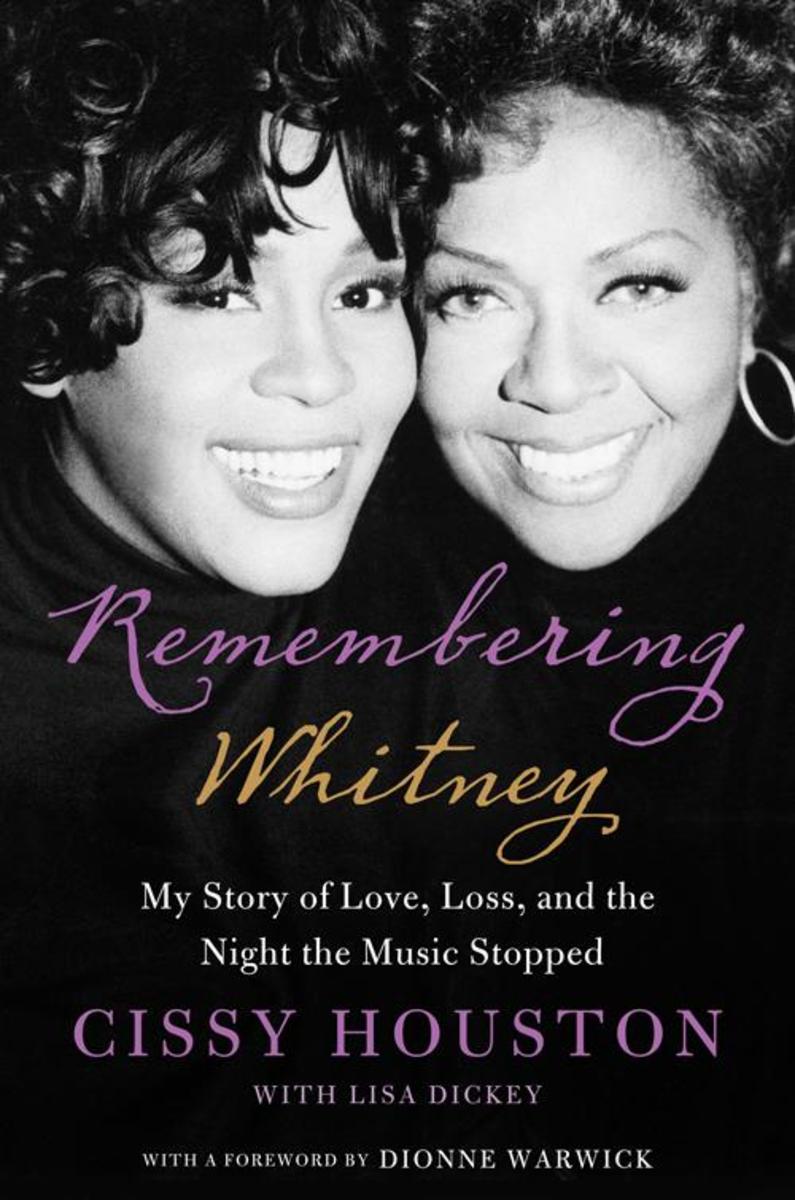
Remembering Whitney
¥94.10
Honest and heartbreaking, a mother's story of tears, joy, and her greatest love of all—her daughter, Whitney On the eve of the 2012 Grammy Awards, the world learned of a stunning tragedy: Whitney Houston, unquestionably one of the most remarkable and powerful voices in all of music, had been silenced forever. Over the weeks and months that followed, family, friends, and fans alike tried to understand how such a magnificent talent and beautiful soul could have been taken so early and so unexpectedly. Glamorous and approachable, captivating and sweet, Whitney had long ago won the hearts of America, but in recent years her tumultuous personal life had grabbed as many headlines as her soaring vocal talents. Her sudden death left behind not only a legacy of brilliance, but also painful questions with no easy answers. Now, for the first time, the beloved superstar's mother, Cissy Houston—a gospel legend in her own right—relates the full, astonishing scope of the pop icon's life and career. From Whitney's earliest days singing in the church choir to her rapid ascent to the pinnacles of music stardom, from her string of number one hits to her topping the Hollywood box office, Cissy recounts her daughter's journey to becoming one of the most popular and successful artists of all time. Setting the record straight, Cissy also speaks candidly about Whitney's struggles in the limelight, revealing the truth about her turbulent marriage to singer Bobby Brown, her public attempts to regain her celebrated voice, and the battle with drugs that ultimately proved too much. In this poignant and tender tribute to her "Nippy," Cissy summons all her strength to reveal not only Whitney the superstar, but also Whitney as a sweet girl, a bright-eyed young woman, and a deeply caring mother. Complete with never-before-seen family photographs, Remembering Whitney is an intimate, heartfelt portrait of one of our most revered artists, from the woman who cherished her most.

You'll See It When You Believe It
¥94.10
Dr. Wayne W. Dyer, psychotherapist, lecturer, and world'famous author of the phenomenal bestseller, Your Erroneous Zones, now takes us to new plateaus of selfawareness in his most powerful book yet. You'll See It When You Believe It will show you how, by tapping the truly amazing power that lies within you, you can direct the course of your own destiny. Using examples from his own highly successful experiences, Wayne Dyer will convince you that, with his proven techniques, you can make your most impossible dreams come true. Believe that you have the power to: Make your life anything you wish it to be; Set real goals and achieve them; Turn obstacles into opportunities; Rid yourself of guilt and inner turmoil; Develop a strong inner confidence; Dramatically improve relationships; Choose a life of abundance; Spend every day doing the things you love to do.

Manifest Your Destiny
¥94.10
From the inspirational leader and author of the international bestsellers Your Sacred Self and the classic Your Erroneous Zones comes this mind-awakening guidebook for making your desires reality. Based on ancient principles and spiritual practices, Manifest Your Destiny introduces the Nine Spiritual Principles that will help you overcome the barriers--both within and around you--that prevent you from getting what you want, including: Developing spiritual awareness Trusting yourself Reconnecting to your environment Attracting your desires Accepting your own worthiness Practicing unconditional love Meditating to unlock the power within you Letting go of demands Filled with warmth and insight, this invaluable book will help you achieve your goals--and take you to a level higher than you've ever dreamed.
The Day Kennedy Was Shot
¥94.10
Jim Bishop's trademark suspenseful, hour-by-hour storytelling style drives this account of an unforgettable day in American history. Culled from interviews with more than three hundred individuals, his retelling tracks all the major and minor characters of that day JFK, Oswald, Ruby, LBJ, Jackie, and others illuminating a human drama that many readers believe they know well. At once moving and terrifying, and filled with vivid detail, it delivers the haunting feeling of being there as the day's events unfolded in both Dallas and Washington.As gripping as fiction but with a journalist's exacting detail, The Day Kennedy Was Shot captures the action, mystery, and drama that unfolded on November 22, 1963.
The Weight of Heaven
¥94.10
When Frank and Ellie Benton lose their only child, seven-year-old Benny, to a sudden illness, the perfect life they had built is shattered. Filled with wrenching memories, their Ann Arbor home becomes unbearable, and their marriage founders. But an unexpected job half a world away offers them an opportunity to start again. Life in Girbaug, India, holds promise—and peril—when Frank befriends Ramesh, a bright, curious boy who quickly becomes the focus of the grieving man's attentions. Haunted by memories of his dead son, Frank is consumed with making his family right—a quest that will lead him down an ever-darkening path with stark repercussions. Filled with satisfyingly real characters and glowing with local color, The Weight of Heaven is a rare glimpse of a family and a country struggling under pressures beyond their control. In a devastating look at cultural clashes and divides, Umrigar illuminates how slowly we recover from unforgettable loss, how easily good intentions can turn evil, and how far a person will go to build a new world for those he loves.


