


 购物车
购物车 个人中心
个人中心

The Country of Ice Cream Star
¥94.10
In the ruins of a future America, fifteen-year-old Ice Cream Star and her nomadic tribe live off the detritus of a fallen civilization. Theirs is a world of children; before reaching the age of twenty, they all die of a disease they call Posies—a plague that has killed for generations.When her brother begins showing signs of the disease, Ice Cream Star sets off to find a cure. Led by a captured prisoner who becomes her devoted protector and friend, she travels hundreds of miles across treacherous territory, fighting to protect the only world she has ever known.Written in a lyrical, inventive patois, The Country of Ice Cream Star is a postapocalyptic literary epic as imaginative as The Passage and as ambitious as Cloud Atlas. This is a breathtaking work from a writer of rare and unconventional talent.“Builds towards a powerful, horrifying, and beautifully written climax, one that’s epic in scope but also feels intensely personal.” —New York Times Book Review“Blends elements of American history, popular culture, and political allegory with romance and thriller pacing. This suspenseful, provocative tale is The Hunger Games meets Lord of the Flies and The Walking Dead, only much, much better.” —Booklist“Ice Cream’s language is as potent and earthy as Chaucerian vernacular. . . . One begins to think in this dialect; it is as sweet and addictive as Ice Cream herself.” —Globe and Mail (Toronto)
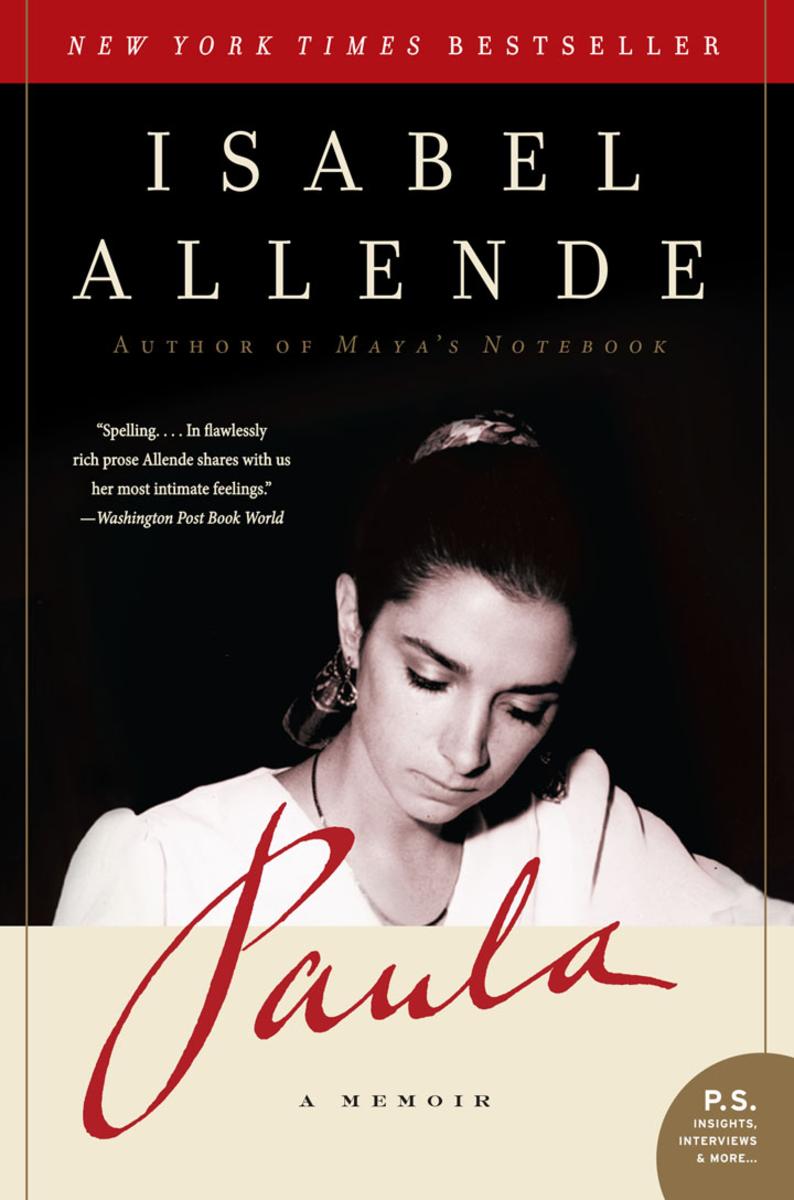
Paula
¥94.10
When Isabel Allende's daughter, Paula, became gravely ill and fell into a coma, the author began to write the story of her family for her unconscious child. In the telling, bizarre ancestors appear before our eyes; we hear both delightful and bitter childhood memories, amazing anecdotes of youthful years, and the most intimate secrets passed along in whispers. With Paula, Allende has written a powerful autobiography whose straightforward acceptance of the magical and spiritual worlds will remind readers of her first book, The House of the Spirits.
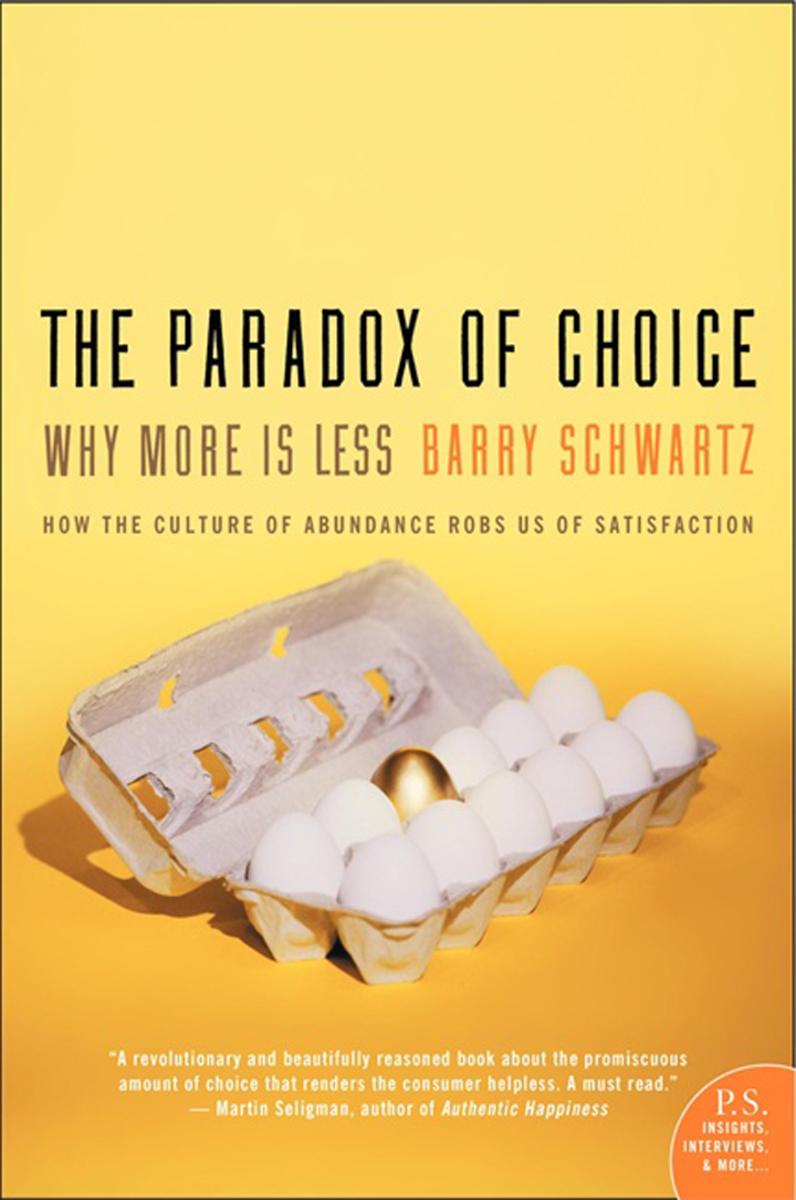
The Paradox of Choice
¥94.10
In the spirit of Alvin Toffler Future Shock , a social critique of our obsession with choice, and how it contributes to anxiety, dissatisfaction and regret. This paperback includes a new P.S. section with author interviews, insights, features, suggested readings, and more. Whether we're buying a pair of jeans, ordering a cup of coffee, selecting a long-distance carrier, applying to college, choosing a doctor, or setting up a 401(k), everyday decisions--both big and small--have become increasingly complex due to the overwhelming abundance of choice with which we are presented. We assume that more choice means better options and greater satisfaction. But beware of excessive choice: choice overload can make you question the decisions you make before you even make them, it can set you up for unrealistically high expectations, and it can make you blame yourself for any and all failures. In the long run, this can lead to decision-making paralysis, anxiety, and perpetual stress. And, in a culture that tells us that there is no excuse for falling short of perfection when your options are limitless, too much choice can lead to clinical depression. In The Paradox of Choice , Barry Schwartz explains at what point choice--the hallmark of individual freedom and self-determination that we so cherish--becomes detrimental to our psychological and emotional well-being. In accessible, engaging, and anecdotal prose, Schwartz shows how the dramatic explosion in choice--from the mundane to the profound challenges of balancing career, family, and individual needs--has paradoxically become a problem instead of a solution. Schwartz also shows how our obsession with choice encourages us to seek that which makes us feel worse. By synthesizing current research in the social sciences, Schwartz makes the counterintuitive case that eliminating choices can greatly reduce the stress, anxiety, and busyness of our lives. He offers eleven practical steps on how to limit choices to a manageable number, have the discipline to focus on the important ones and ignore the rest, and ultimately derive greater satisfaction from the choices you have to make.
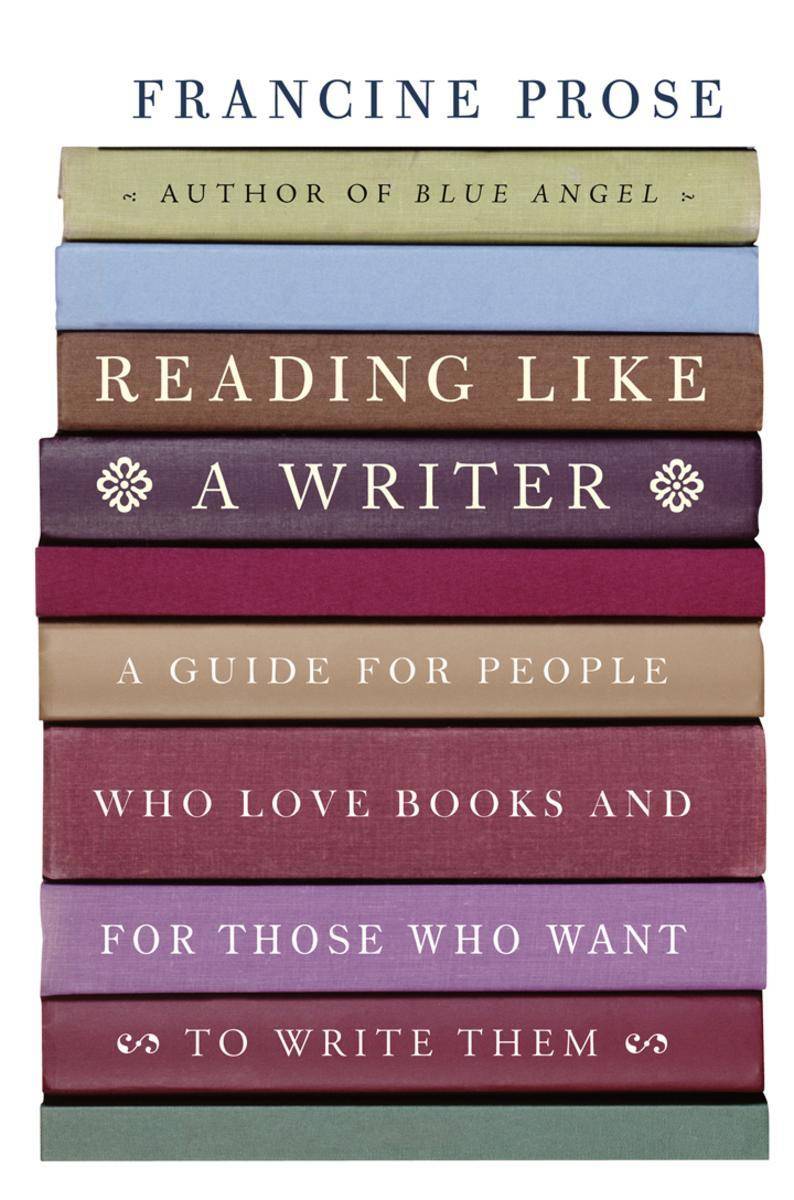
Reading Like a Writer
¥94.10
Long before there were creative-writing workshops and degrees, how did aspiring writers learn to writeBy reading the work of their predecessors and contemporaries, says Francine Prose. In Reading Like a Writer , Prose invites you to sit by her side and take a guided tour of the tools and the tricks of the masters. She reads the work of the very best writers—Dostoyevsky, Flaubert, Kafka, Austen, Dickens, Woolf, Chekhov—and discovers why their work has endured. She takes pleasure in the long and magnificent sentences of Philip Roth and the breathtaking paragraphs of Isaac Babel; she is deeply moved by the brilliant characterization in George Eliot's Middlemarch . She looks to John Le Carr for a lesson in how to advance plot through dialogue, to Flannery O'Connor for the cunning use of the telling detail, and to James Joyce and Katherine Mansfield for clever examples of how to employ gesture to create character. She cautions readers to slow down and pay attention to words, the raw material out of which literature is crafted. Written with passion, humor, and wisdom, Reading Like a Writer will inspire readers to return to literature with a fresh eye and an eager heart.
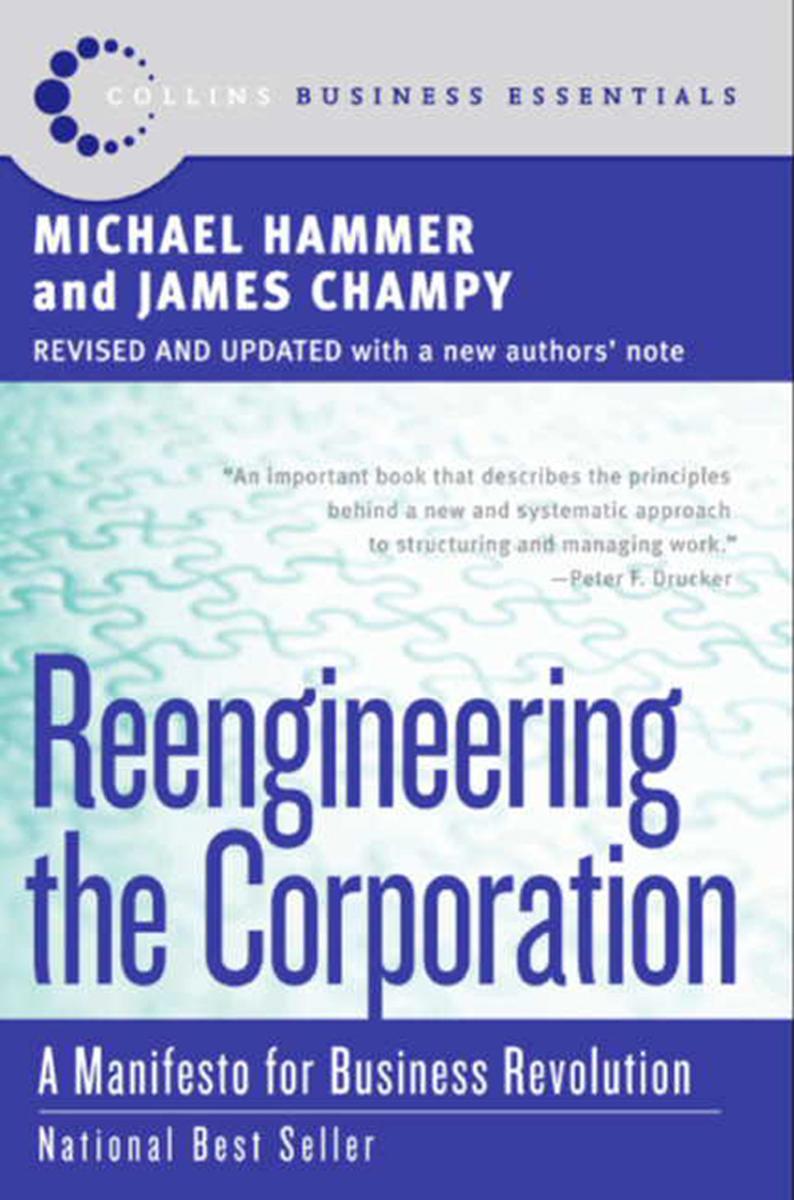
Reengineering the Corporation
¥94.10
The most successful business book of the last decade, Reengineering the Corporation is the pioneering work on the most important topic in business today: achieving dramatic performance improvements. This book leads readers through the radical redesign of a company's processes, organization, and culture to achieve a quantum leap in performance. Michael Hammer and James Champy have updated and revised their milestone work for the New Economy they helped to create -- promising to help corporations save hundreds of millions of dollars more, raise their customer satisfaction still higher, and grow ever more nimble in the years to come.
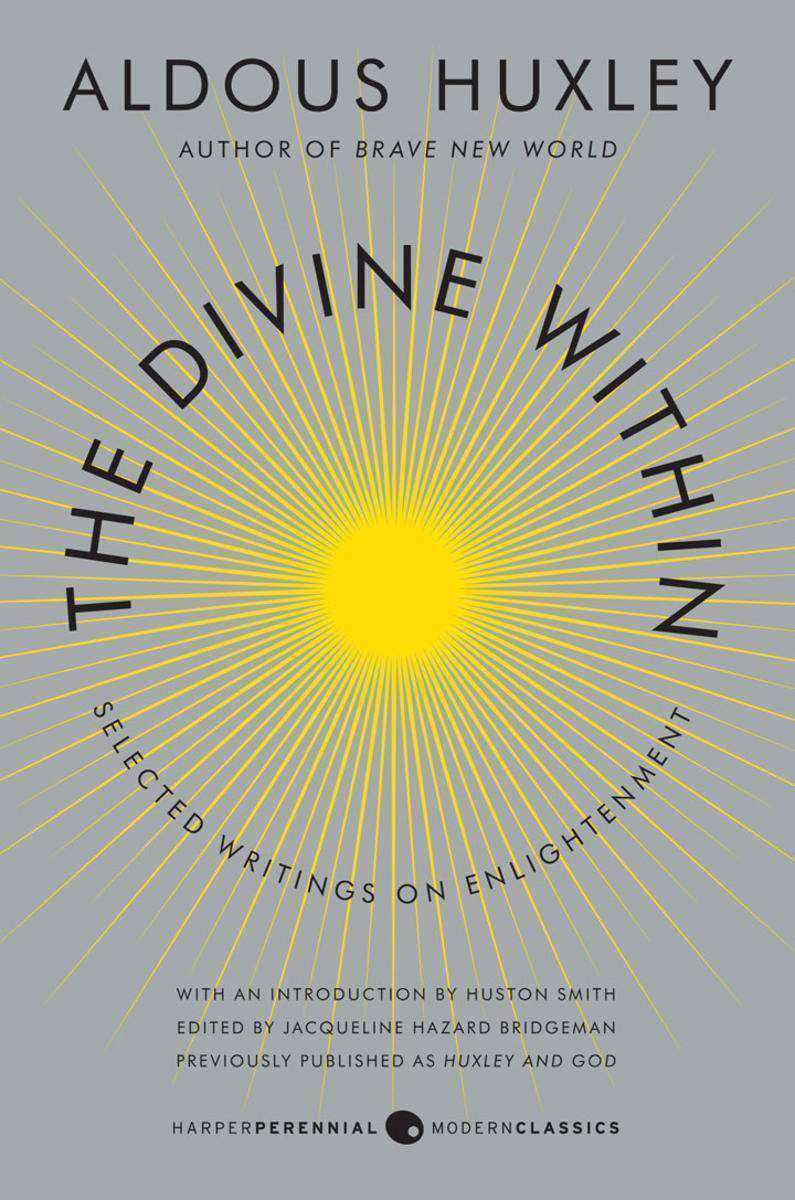
The Divine Within
¥94.10
Brave New World author Aldous Huxley on enlightenment and the "ultimate reality"In this anthology of twenty-six essays and other writings, Huxley discusses the nature of God, enlightenment, being,good and evil, religion, eternity, and the divine. Huxley consistently examined the spiritual basis of both the individual and human society, always seeking to reach an authentic and clearly defined experience of the divine. Featuring an introduction by renowned religious scholar Huston Smith, this celebration of "ultimate reality" proves relevant and prophetic in addressing the spiritual hunger so many feel today.
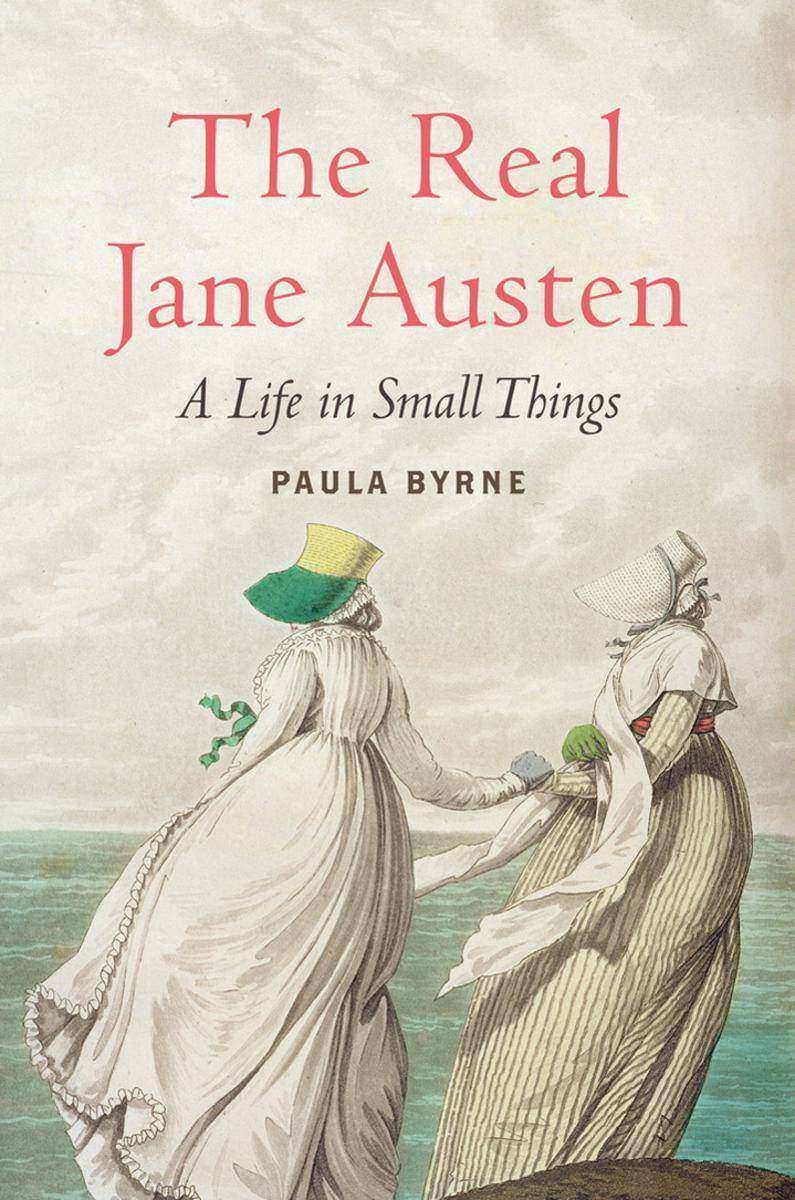
The Real Jane Austen
¥94.10
The Real Jane Austen: A Life in Small Things offers a startlingly original look at the revered writer through a variety of key moments, scenes, and objects in her life and work. Going beyond previous traditional biographies which have traced Austen daily life from Steventon to Bath to Chawton to Winchester, Paula Byrne portrait organized thematically and drawn from the most up-to-date scholarship and unexplored sources explores the lives of Austen extended family, friends, and acquaintances. Through their absorbing stories, we view Austen on a much wider stage and discover unexpected aspects of her life and character. Byrne transports us to different worlds the East Indies and revolutionary Paris and different events from a high society scandal to a petty case of shoplifting, She follows Austen on her extensive travels, setting her in contexts both global and English, urban and rural, political and historical, social and domestic wider perspectives of vital and still under-estimated importance to her creative life. Literary scholarship has revealed that letters and tokens in Austen novel often signal key turning points in the unfolding narrative. This groundbreaking biography explores Jane own story following the same principle. As Byrne reveals, small things in the writer world a scrap of paper, a simple gold chain, an ivory miniature, a bathing machine hold significance in her emotional and artistic development. The Real Jane Austen: A Life in Small Things introduces us to a woman deeply immersed in the world around her, yet far ahead of her time in her independence and ambition; to an author who was an astute commentator on human nature and the foibles of her own age. Rich and compelling, it is a fresh, insightful, and often surprising portrait of an artist and a vivid evocation of the complex world that shaped her.
Savannah Breeze
¥94.10
Southern belle BeBe Loudermilk has lost all her worldly possessions, thanks to a brief but disastrous relationship with the gorgeous Reddy, an "investment counselor" who turns out to be a con man. All that's left is a ramshackle 1950s motel on Tybee Island—an eccentric beach town that calls itself a drinking village with a fishing problem.Breeze Inn is a place where the very classy BeBe wouldn't normally be caught dead, but with no alternative, she moves into the manager's unit, vowing to make magic out of mud. The work is grueling, especially dealing with the bad-tempered caretaker, a fishing captain named Harry who's trying to earn enough dough to get his boat out of hock. With the help of Harry and her junking friend Weezie, BeBe soon has the motel spiffed up and attracting paying guests.Then there's a sighting of Reddy in Fort Lauderdale, and BeBe decides to go after him. She puts together a posse, and with the irrepressible Granddaddy Loudermilk snoring in the backseat of the Buick, heads south. The plan is to carry out a sting that may be just a little bit outside the law but that, with any luck at all, will retrieve BeBe's fortune and put the dastardly Reddy in jail, where he belongs. And maybe Harry, who's looking more hunky every day, will finally get his boat back.
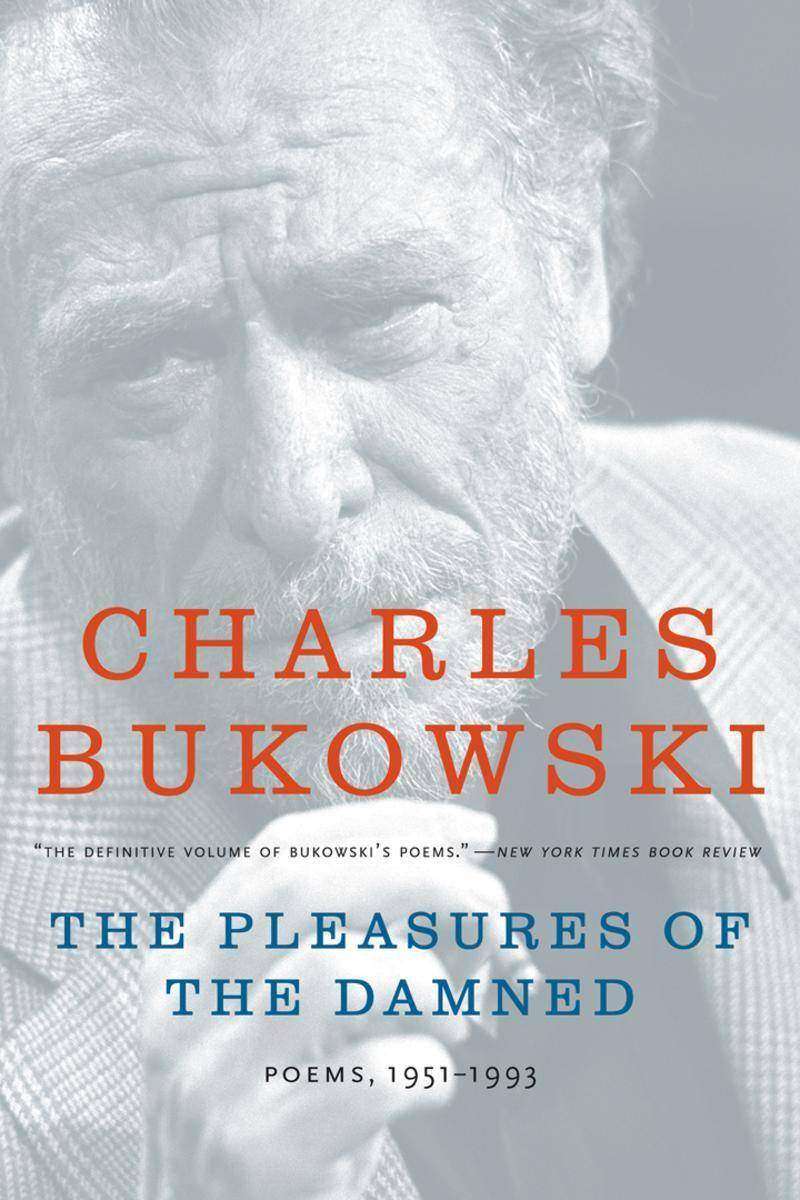
The Pleasures of the Damned
¥94.10
To his legions of fans, Charles Bukowski was and remains the quintessential counterculture icon. A hard-drinking wild man of literature and a stubborn outsider to the poetry world, he wrote unflinchingly about booze, work, and women, in raw, street-tough poems whose truth has struck a chord with generations of readers.Edited by John Martin, the legendary publisher of Black Sparrow Press and a close friend of Bukowski's, The Pleasures of the Damned is a selection of the best works from Bukowski's long poetic career, including the last of his never-before-collected poems. Celebrating the full range of the poet's extraordinary and surprising sensibility, and his uncompromising linguistic brilliance, these poems cover a rich lifetime of experiences and speak to Bukowski's immense intelligence, the caring heart that saw through the sham of our pretenses and had pity on our human condition (New York Quarterly ). The Pleasures of the Damned is an astonishing poetic treasure trove, essential reading for both longtime fans and those just discovering this unique and legendary American voice.

The Nymphos of Rocky Flats
¥94.10
The first and only vampire book to be declassified by the federal government . . .Felix Gomez went to Iraq a soldier. He came back a vampire. Now he finds himself pulled into a web of intrigue when an old friend prompts him to investigate an outbreak of nymphomania at the secret government facilities in Rocky Flats. He'll find out the cause of all these horny women or die trying! But first he must contend with shadowy government agents, Eastern European vampire hunters, and women who just want his body . . .Skewering sexual myths, conspiracy fables, and government bureaucracy, The Nymphos of Rocky Flats reveals the bizarre world of the undead with a humorous slant and a fresh twist.

Hissy Fit
¥94.10
“Laced with humor and a sense of place that oozes the aroma of magnolia blossoms.” —Atlanta Journal-Constitution “[A] Southern-fried romp.” —Entertainment Weekly Whether it’s a mystery, sassy women’s fiction, or a combination of the two, New York Times bestseller Mary Kay Andrews always gives her fans a read to remember. And now she’s throwing a Hissy Fit, in the best possible sense. A delicious tale of revenge and renovation, Hissy Fit tells of a wronged spitfire who’s determined to see that the no-good lowdown, lying, cheating varmint of an ex-fiancé who ruined her life and her business gets the comeuppance he so richly deserves…even as she struggles to revitalize a broken-down antebellum mansion for a hunky, if slightly odd, local businessman. If you like the novels of Fannie Flagg, Jennifer Crusie, Adriana Trigiani, and Emily Giffin, or are a devoted follower of Rebecca Wells or Jill Conner Browne’s Sweet Potato Queens, then Mary Kay’s Hissy Fit is not to be missed.

Middle Age: A Romance
¥94.10
In Salthill-on-Hudson, a half-hour train ride from Manhattan, everyone is rich, beautiful, and -- though they look much younger -- middle-aged. But when Adam Berendt, a charismatic, mysterious sculptor, dies suddenly in a brash act of heroism, shock waves rock the town. But who was Adam BerendtWas he in fact a hero, or someone more flawed and human?

Lost
¥94.10
Winifred Rudge, a bemused writer struggling to get beyond the runaway success of her mass-market astrology book, travels to London to jump-start her new novel about a woman who is being haunted by the ghost of Jack the Ripper. Upon her arrival, she finds that her stepcousin and old friend John Comestor has disappeared, and a ghostly presence seems to have taken over his home. Is the spirit Winnie's great-great-grandfather, who, family legend claims, was Charles Dickens's childhood inspiration for Ebenezer ScroogeCould it be the ghostly remains of Jack the RipperOr a phantasm derived from a more arcane and insidious originWinnie begins to investigate and finds herself the unwilling audience for a drama of specters and shades some from her family's peculiar history and some from her own unvanquished past.In the spirit of A. S. Byatt's Possession,with dark echoing overtones of A Christmas Carol,Lost presents a rich fictional world that will enrapture its readers.
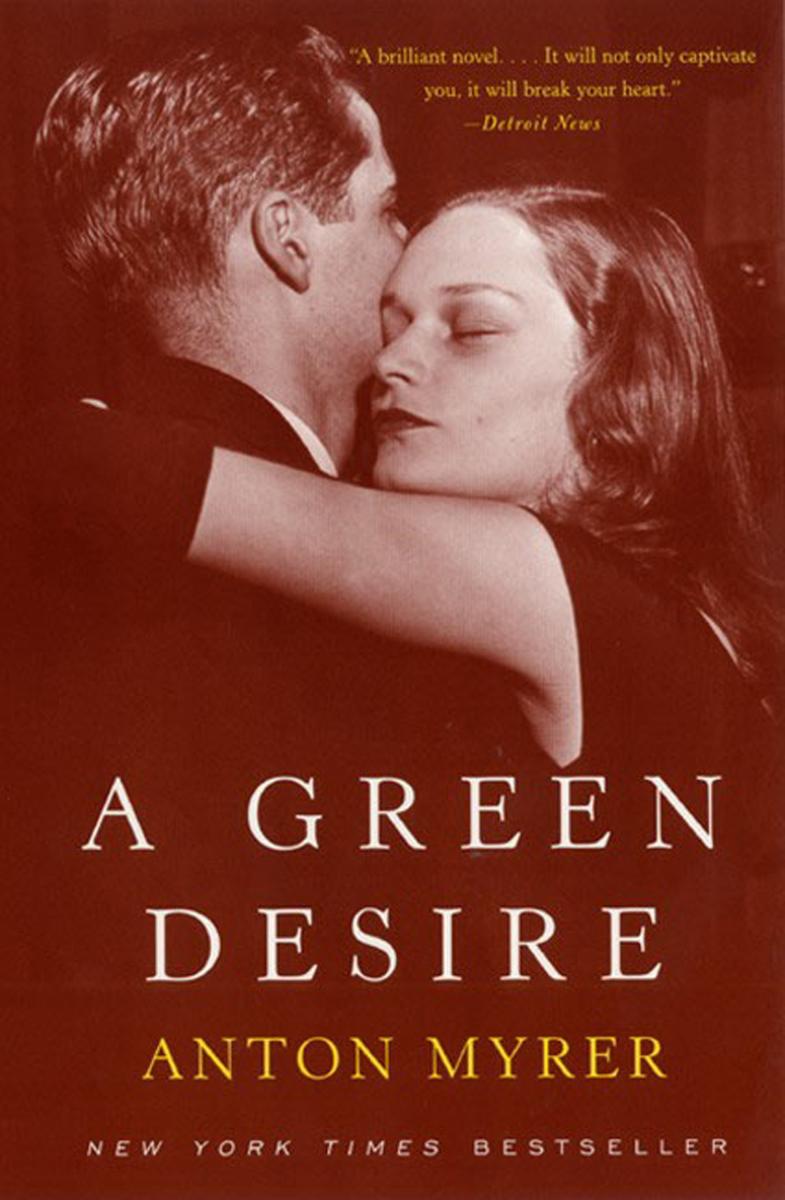
A Green Desire
¥94.10
Two brothers, as different as night and day: one, charming and ruthless, buys his way into Harvard, Wall Street, and high society; the other brother remains by his mother's side and makes his way to the top without the influence of money or prestige.Raised in separate worlds, these brothers are bound by a bitter rivalry for riches and power, but mostly, for the exciting, wildly captivating woman they fight all their lives to possess, a woman whose passion for one destroys her love for the other.Their story consumes an American century, spanning decades of splendor, struggle, upheaval, and war. It's an absorbing saga of innocent dreams and green desire corrupted by gilded temptation.
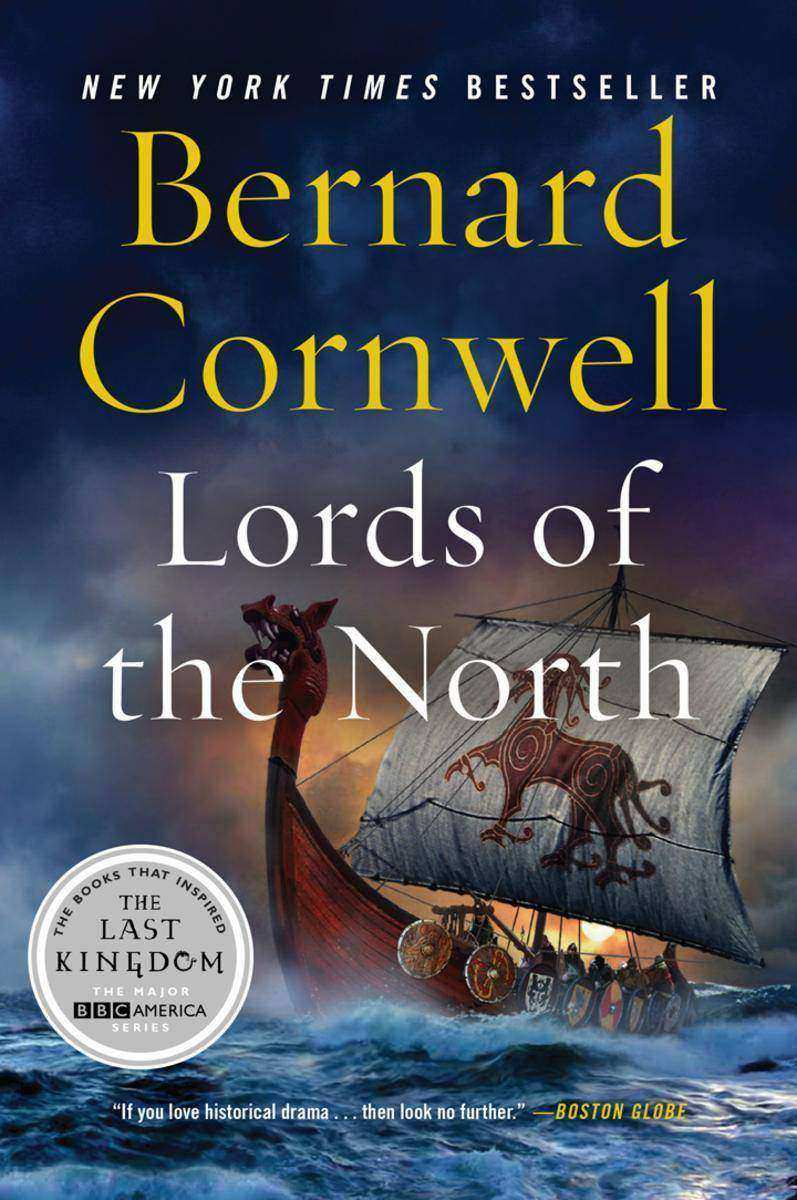
Lords of the North
¥94.10
The year is 878. Uhtred, the dispossessed son of a Northumbrian lord, has helped the Saxons of Wessex defeat the invading Danes. Now, finally free of his allegiance to the victorious, ungrateful King Alfred, he is heading home to rescue his stepsister, a prisoner of Kjartan the Cruel in the formidable Danish stronghold of Dunholm. Uhtred's best hope is his sword, Serpent-Breath, for his only allies are Hild, a West Saxon nun fleeing her calling, and Guthred, a slave who believes himself king. Rebellion, chaos, fear, and betrayal await them in the north, forcing Uhtred to turn once more, reluctantly, to the liege he formerly served in battle and blood: Alfred the Great.
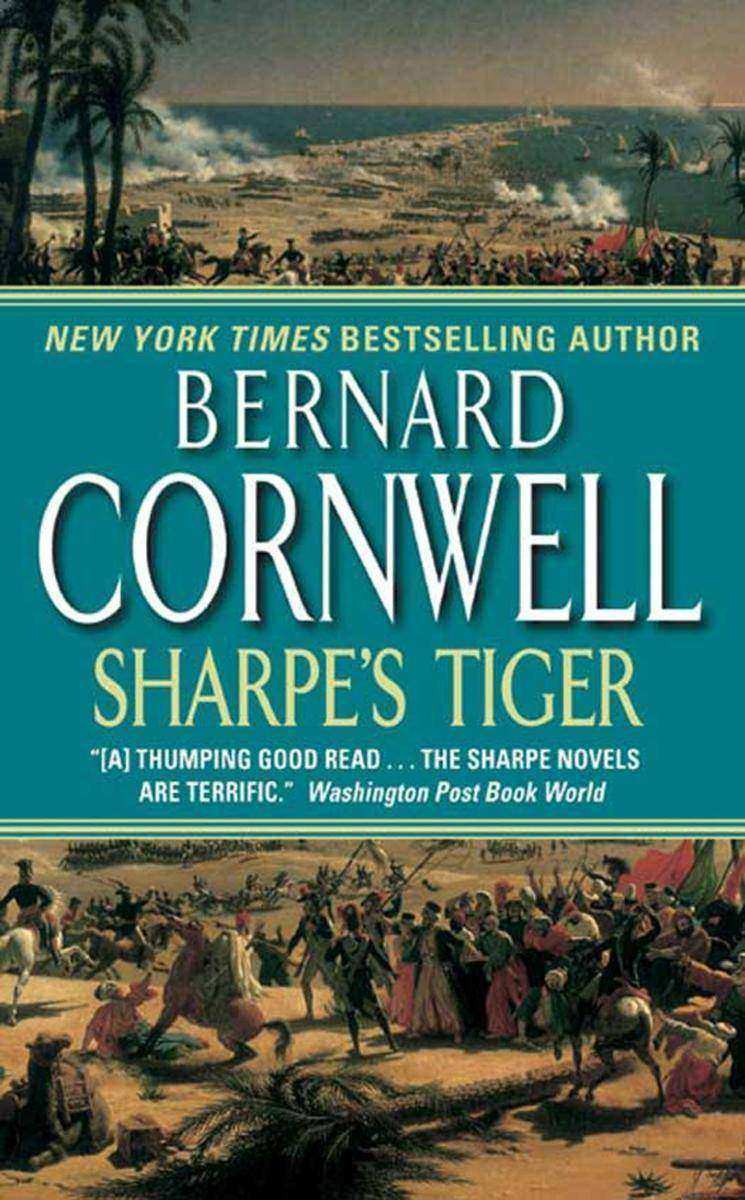
Sharpe's Tiger
¥94.10
In a battery of events that will make a hero out of an illiterate private, a young Richard Sharpe poses as the enemy to bring down a ruthless Indian dictator backed by fearsome French troops. The year is 1799, and Richard Sharpe is just beginning his military career. An inexperienced young private in His Majesty's service, Sharpe becomes part of an expedition to India to push the ruthless Tippoo of Mysore from his throne and drive out his French allies. To penetrate the Tippoo's city and make contact with a Scottish spy being held prisoner there, Sharpe has to pose as a deserter. Success will make him a sergeant, but failure will turn him over to the Tippoo's brutal executioners -- or, worse -- his man-eating tigers. Picking his way through an exotic and alien world. Sharpe realizes that one slip will mean disaster. And when the furious British assault on the city finally begins, Sharpe must take up arms against his true comrades to preserve his false identity, risking death at their hands in order to avoid detection and thus to foil the Tippoo's well-set trap.

Let the Northern Lights Erase Your Name
¥94.10
On the day of her father's funeral, twenty-eight-year-old Clarissa Iver?ton discovers that he wasn't her biological father after all. Her mother disappeared fourteen years earlier, and her fiancé has just revealed a life-changing secret to her. Alone and adrift, Clarissa travels to mystical Lapland, where she believes she'll meet her real father. There, at a hotel made of ice, Clarissa is confronted with the truth about her mother's his?tory, and must make a decision about how—and where—to live the rest of her life.
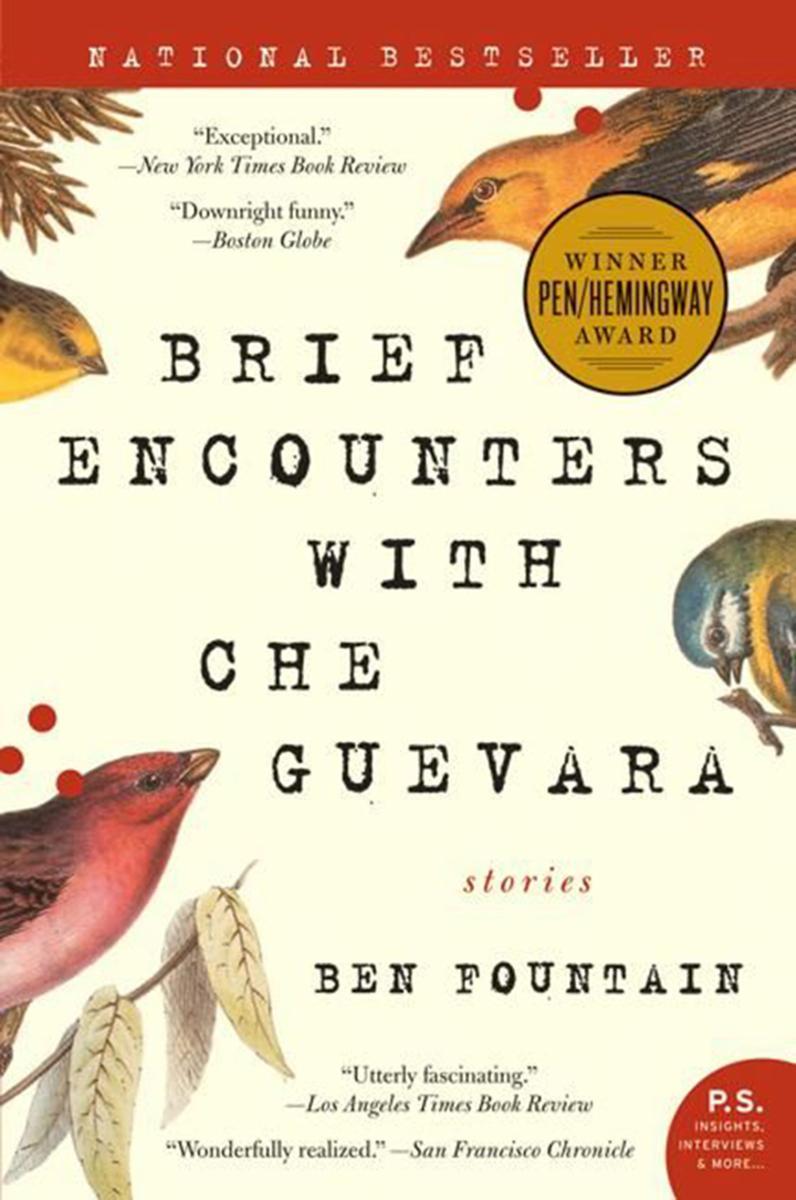
Brief Encounters with Che Guevara
¥94.10
The well-intentioned protagonists of Brief Encounters with Che Guevara are caught -- to both disastrous and hilarious effect -- in the maelstrom of political and social upheaval surrounding them. In "Near-Extinct Birds of the Central Cordillera," an ornithologist being held hostage in the Colombian rain forest finds that he respects his captors for their commitment to a cause, until he realizes that the Revolution looks a lot like big business. In "The Good Ones Are Already Taken," the wife of a Special Forces officer battles a Haitian voodoo goddess with whom her husband is carrying on a not-entirely-spiritual relationship. And in "The Lion's Mouth," a disillusioned aid worker makes a Faustian bargain to become a diamond smuggler for the greater good. With masterful pacing and a robust sense of the absurd, each story in Brief Encounters with Che Guevara is a self-contained adventure, steeped in the heady mix of tragedy and danger, excitement and hope, that characterizes countries in transition.Through Fountain's rounded and novelistic prose, these intelligent and keenly observed stories are painted in provocative and vibrant detail across a global canvas. Brief Encounters with Che Guevara marks the arrival of a striking and resonant new voice that speaks adeptly to the intimate connection between the foreign, the familiar, and the inescapably human.

Bread for the Journey
¥94.10
When beloved author Henri Nouwen set out to record this daybook of totally new reflections, he suddenly found himself on "a true spiritual adventure." For in these 366 original, interlocking morsels of daily wisdom, Nouwen provides both sustenance and a trail for us to follow, as he unveils, to his own surprise, his personal map of faith. From the delicate interplay of human experience to the surrender to Christ and the embrace of Christian community, that journey of Christian spirituality is explored and celebrated here in each eloquent, thought–provoking passage, "The table is one of the most intimate places in our lives. It is there that we give ourselves to one another. When we say, 'Take some more, let me serve you another plate, let me pour you another glass, don't be shy, enjoy it,' we say a lot more than our words express. We invite our friends to become part of our lives. We want them to be nurtured by the same food and drink that nurture us. We desire communion.... Every breakfast, lunch, or dinner can become a time of growing communion with one another." Intimately personal and inspiring, Bread for the Journey is a daily feast of fresh insight into the challenges and deep joys of a life lived in close communion with God. Nouwen is a wise, loving companion who invites us along as he finds joy in the community of loss, true freedom in forgiveness of others, and hope in surprising places. Each daily meditation is a stepping–stone along a path of private discovery, offering Nouwen's seasoned yet fresh ideas on kindness, love, suffering, and prayer, the Church as God's people, and the importance of Jesus in one's life–reflecting, as a whole, Nouwen's own 'personal creed.' Bread for the Journey brims with daily nourishment and guidance for devoted followers and new friends alike –– food for thought on a yearlong journey of discovery and faith.
The Known World
¥94.10
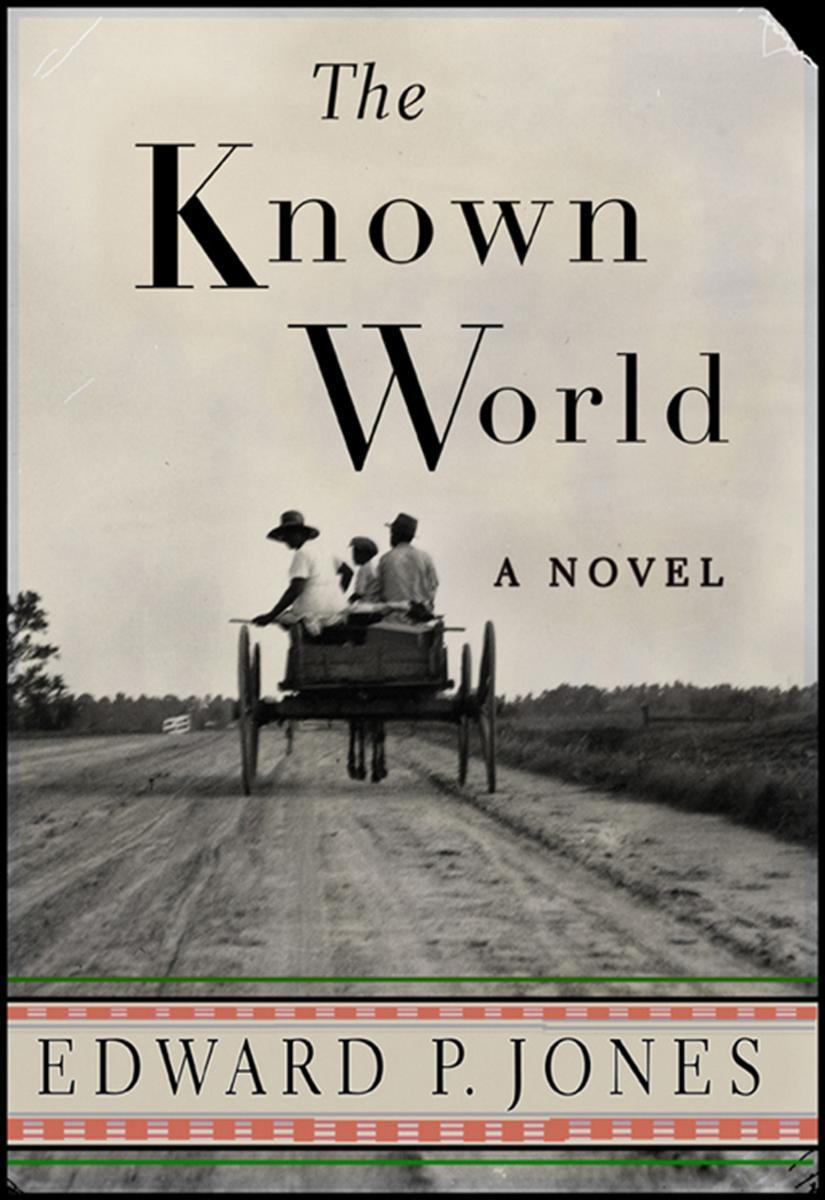
In one of the most acclaimed novels in recent memory, Edward P. Jones, two-time National Book Award finalist, tells the story of Henry Townsend, a black farmer and former slave who falls under the tutelage of William Robbins, the most powerful man in Manchester County, Virginia. Making certain he never circumvents the law, Townsend runs his affairs with unusual discipline. But when death takes him unexpectedly, his widow, Caldonia, can't uphold the estate's order and chaos ensues. In a daring and ambitious novel, Jones has woven a footnote of history into an epic that takes an unflinching look at slavery in all of its moral complexities. This P.S. edition features an extra 16 pages of insights into the book, including author interviews, recommended reading, and more.
Think on These Things
¥94.10
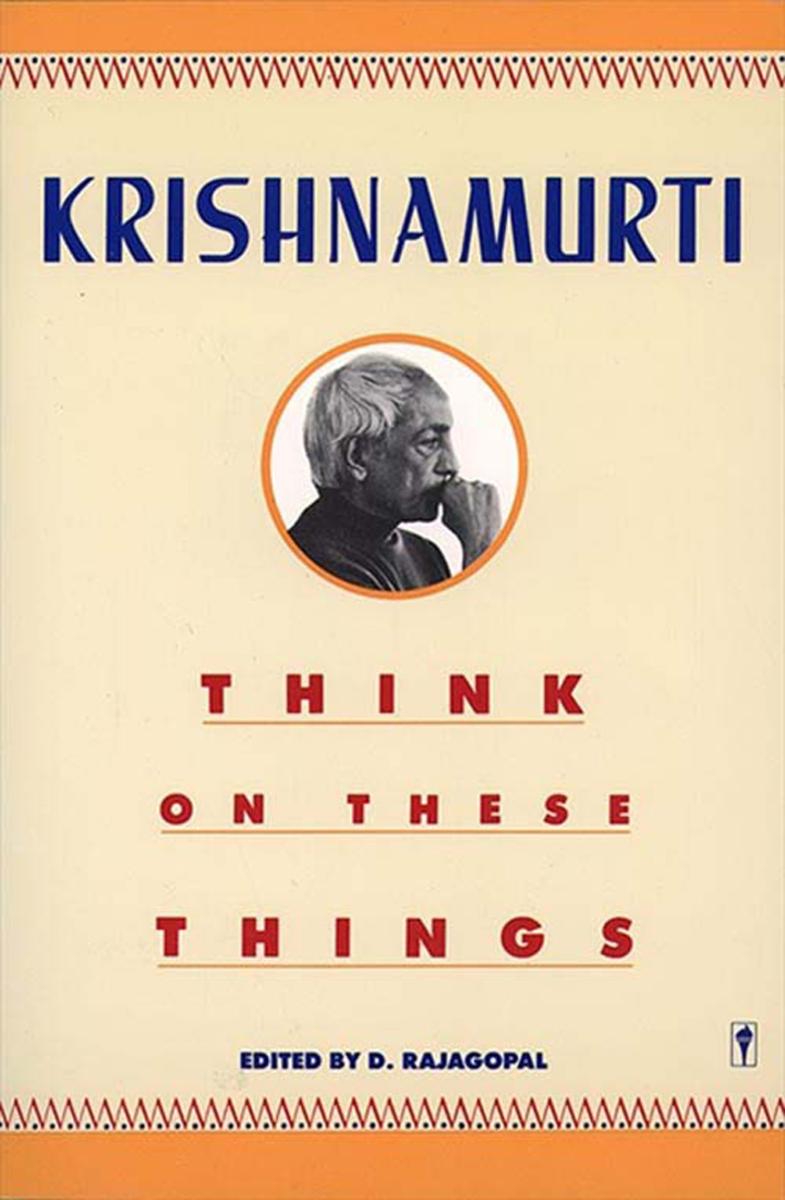
The material contained in this volume was originally presented in the form of talks to students, teachers and parents in India, but its keen penetration and lucid simplicity will be deeply meaningful to thoughtful people everywhere, of all ages, and in every walk of life. Krishnamurti examines with characteristic objectivity and insight the expressions of what we are pleased to call our culture, our education, religion, politics and tradition; and he throws much light on such basic emotions as ambition, greed and envy, the desire for security and the lust for power all of which he shows to be deteriorating factors in human society.From the Editor NoteKrishnamurti observations and explorations of modern man estate are penetrating and profound, yet given with a disarming simplicity and directness. To listen to him or to read his thoughts is to face oneself and the world with an astonishing morning freshness.Anne Marrow Lindbergh


