


 购物车
购物车 个人中心
个人中心
Notes on My Books
¥8.09
Conrad's summaries, prefaces, and ruminations about his books. According to Wikipedia: "Joseph Conrad (1857 – 1924) was a Polish-born English novelist. Many critics regard him as one of the greatest novelists in the English language—a fact that is remarkable, as he did not learn to speak English fluently until he was in his twenties (and always with a strong Polish accent). He became a naturalized British subject in 1886. Conrad is recognized as a master prose stylist. Some of his works have a strain of romanticism, but more importantly he is recognized as an important forerunner of modernist literature. His narrative style and anti-heroic characters have influenced many writers, including Ernest Hemingway, D. H. Lawrence, F. Scott Fitzgerald, Graham Greene, William S. Burroughs, Joseph Heller, V.S. Naipaul, Italo Calvino and J. M. Coetzee."
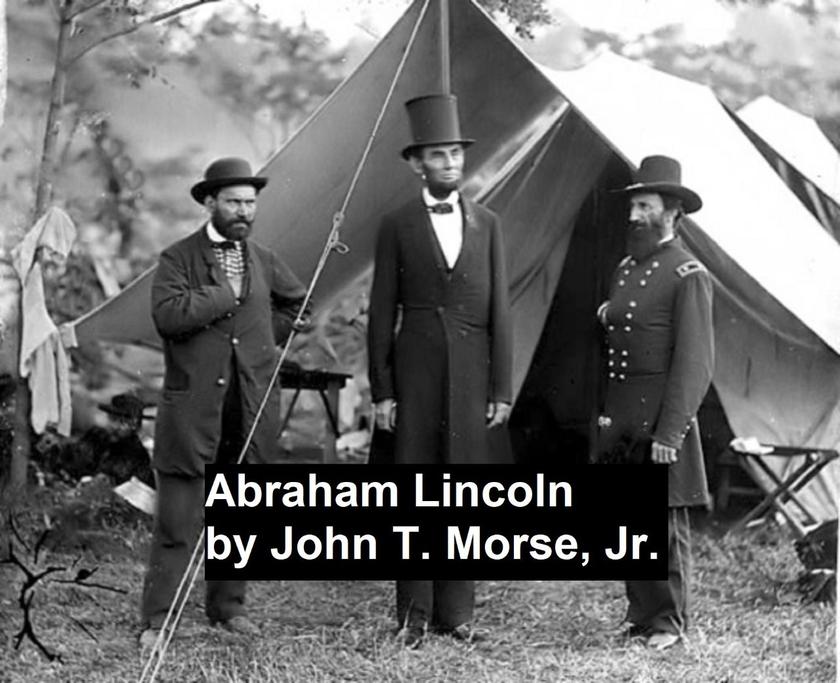
Abraham Lincoln
¥8.09
Classic biography of Lincoln, first published in 1899. According to Wikipedia: "According to Wikipedia: "Abraham Lincoln is a 2-volume biography of Abraham Lincoln written by John Torrey Morse (1840-1937). Originally published in 1893, the New York times found it to be "for its scope, admirable. It will even stand up and appear respectable in the most distinguished company of Lincoln biographies that might be assembled." The author is "a sane biographer, who brings to the task of writing about Lincoln a mind that aspires to see clear and think straight, instead of one held slavishly subject to a heart's desire to make Lincoln out a hero without fault or blemish." The Atlantic Monthly noted that Morse had "attempted a bit of scientific painting and not a portraiture to the life. The book is a criticism, consequently, rather than an appreciation." They also noted that Morse concentrates mostly on the five years that Lincoln was in office... In 1987, Gabor Boritt noted that Morse was the first biographer to have "fully exemplified as well as diagnosed the above ailment [the schism between the self-serving, not very admirable politician that Lincoln was up until 1860 versus the later "unparalleled greatness"]." Morse has written of "the insoluble problem of two men - two lives - one following the other with no visible link... we have physically one creature, morally and mentally two beings."
Heretics
¥8.09
Classic collection of essays. Introductory Remarks on the Importance of Orthodoxy, On the Negative Spirit, On Mr. Rudyard Kipling and Making the World Small, Mr. Bernard Shaw, Mr. H. G. Wells and the Giants, Christmas and the Esthetes, Omar and the Sacred Vine, The Mildness of the Yellow Press, The Moods of Mr. George Moore, On Sandals and Simplicity, Science and the Savages, Paganism and Mr. Lowes Dickinson, Celts and Celtophiles, On Certain Modern Writers and the Institution of the Family, and On Smart Novelists and the Smart Set, On Mr. McCabe and a Divine Frivolity, On the Wit of Whistler, The Fallacy of the Young Nation, Slum Novelists and the Slums, and Concluding Remarks on the Importance of Orthodoxy. According to Wikipedia: "Gilbert Keith Chesterton (29 May 1874 – 14 June 1936) was an influential English writer of the early 20th century. His prolific and diverse output included journalism, philosophy, poetry, biography, Christian apologetics, fantasy and detective fiction. Chesterton has been called the "prince of paradox." Time magazine, in a review of a biography of Chesterton, observed of his writing style: "Whenever possible Chesterton made his points with popular sayings, proverbs, allegories—first carefully turning them inside out."
All Things Considered
¥8.09
Classic collection of essays. According to Wikipedia: "Gilbert Keith Chesterton (1874 - 1936) was an influential English writer of the early 20th century. His prolific and diverse output included journalism, philosophy, poetry, biography, Christian apologetics, fantasy and detective fiction. Chesterton has been called the "prince of paradox." He wrote in an off-hand, whimsical prose studded with startling formulations. For example: "Thieves respect property. They merely wish the property to become their property that they may more perfectly respect it."[2] He is one of the few Christian thinkers who are equally admired and quoted by both liberal and conservative Christians, and indeed by many non-Christians. Chesterton's own theological and political views were far too nuanced to fit comfortably under the "liberal" or "conservative" banner."
In Defense of Women
¥8.09
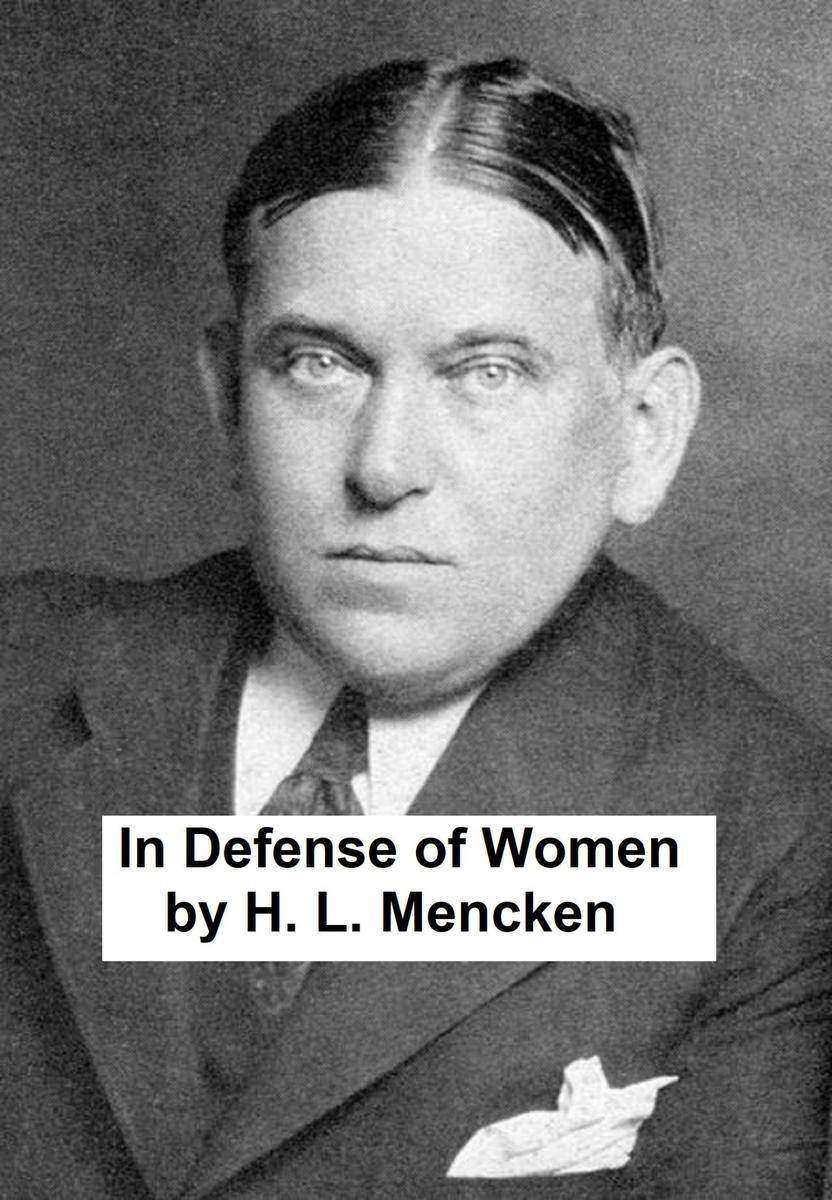
Classic collection of satirical essays, including The Feminine Mind, The War Between the Sexes, Marriage, Woman Sufrage, and The New Age. The Introduction begins: "As a professional critic of life and letters, my principal business in the world is that of manufacturing platitudes for tomorrow, which is to say, ideas so novel that they will be instantly rejected as insane and outrageous by all right thinking men, and so apposite and sound that they will eventually conquer that instinctive opposition, and force themselves into the traditional wisdom of the race."
Utopia of Usurers and Other Essays
¥8.09
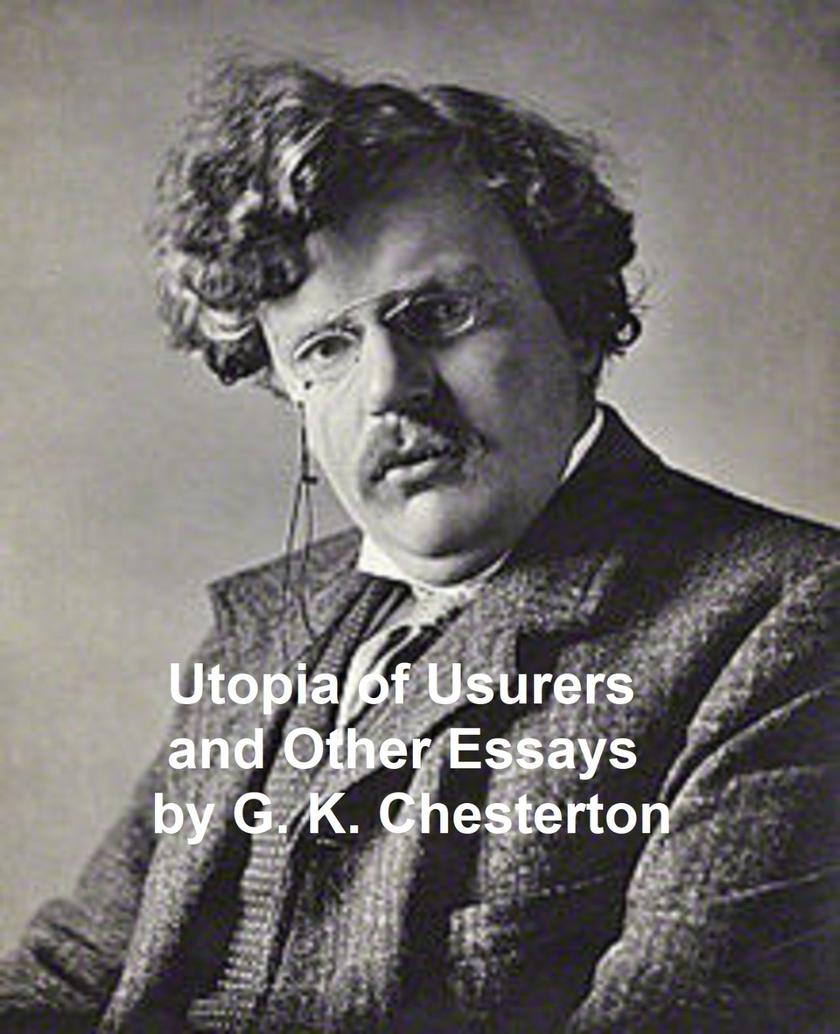
Classic collection of essays. According to Wikipedia: "Gilbert Keith Chesterton (1874 - 1936) was an influential English writer of the early 20th century. His prolific and diverse output included journalism, philosophy, poetry, biography, Christian apologetics, fantasy and detective fiction. Chesterton has been called the "prince of paradox."[1] He wrote in an off-hand, whimsical prose studded with startling formulations. For example: "Thieves respect property. They merely wish the property to become their property that they may more perfectly respect it."[2] He is one of the few Christian thinkers who are equally admired and quoted by both liberal and conservative Christians, and indeed by many non-Christians. Chesterton's own theological and political views were far too nuanced to fit comfortably under the "liberal" or "conservative" banner."
The Appetite of Tyranny
¥8.09
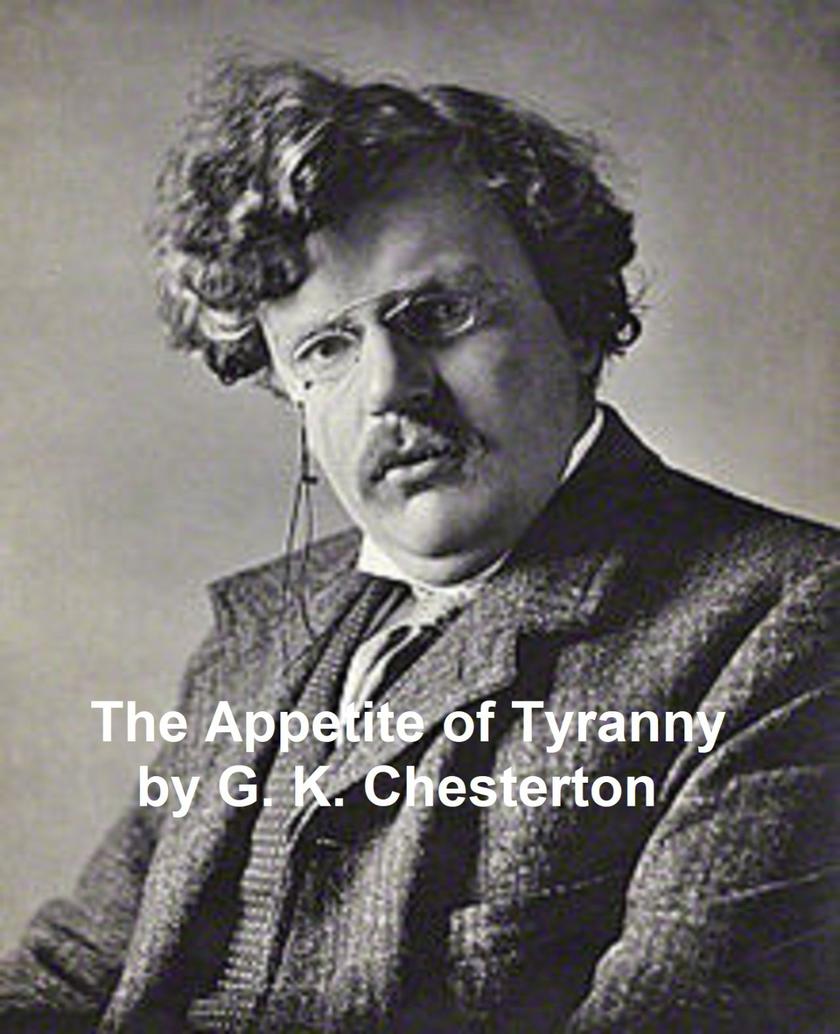
Long satiric essay. According to Wikipedia: "Gilbert Keith Chesterton (1874 - 1936) was an influential English writer of the early 20th century. His prolific and diverse output included journalism, philosophy, poetry, biography, Christian apologetics, fantasy and detective fiction. Chesterton has been called the "prince of paradox."[1] He wrote in an off-hand, whimsical prose studded with startling formulations. For example: "Thieves respect property. They merely wish the property to become their property that they may more perfectly respect it."[2] He is one of the few Christian thinkers who are equally admired and quoted by both liberal and conservative Christians, and indeed by many non-Christians. Chesterton's own theological and political views were far too nuanced to fit comfortably under the "liberal" or "conservative" banner."
Robert Louis Stevenson
¥8.09
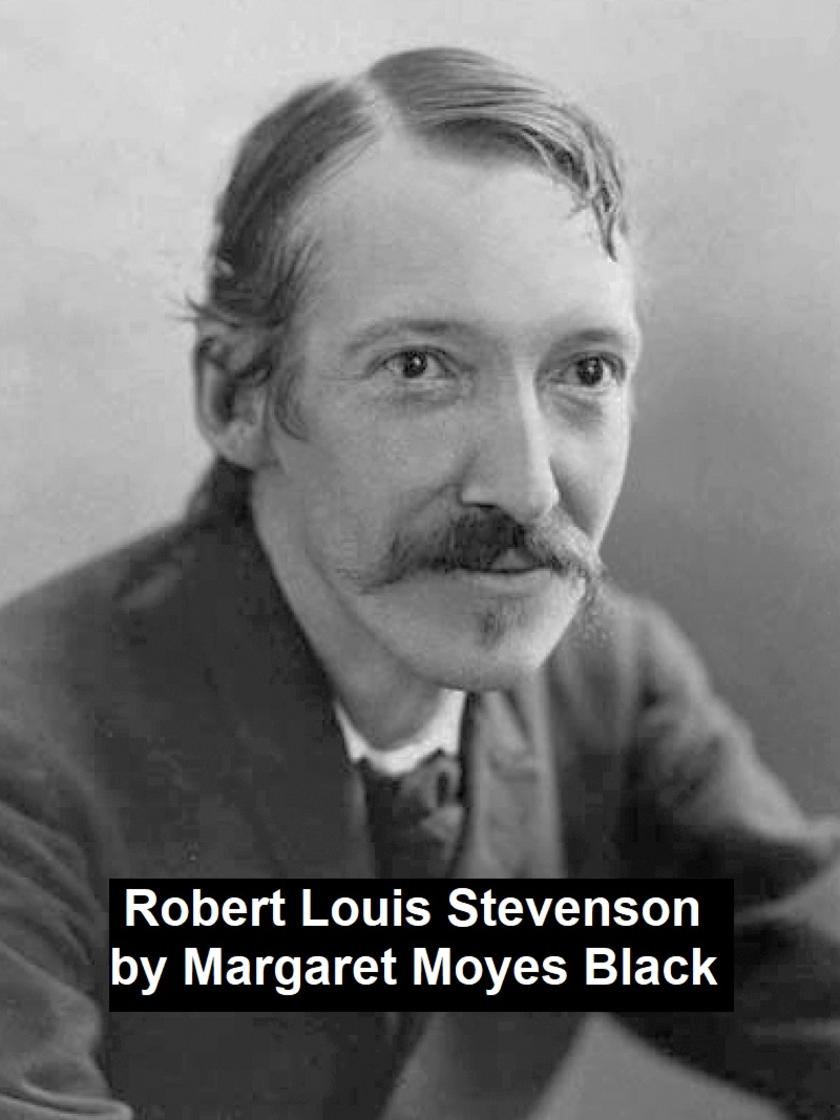
Biography of the author of Treasure Island, from the "Famous Scots Series". According to Wikipedia: "Robert Louis (Balfour) Stevenson ( 1850 - 1894), was a Scottish novelist, poet, and travel writer, and a leading representative of Neo-romanticism in English literature. He was the man who "seemed to pick the right word up on the point of his pen, like a man playing spillikins", as G. K. Chesterton put it. He was also greatly admired by many authors, including Jorge Luis Borges, Ernest Hemingway, Rudyard Kipling, Vladimir Nabokov, and J. M. Barrie. Most modernist writers dismissed him, however, because he was popular and did not write within their definition of modernism. It is only recently that critics have begun to look beyond Stevenson's popularity and allow him a place in the canon."
Revolution and Other Essays
¥8.09
This collection includes Revolution, The Somnambulists, The Dignity of Dollars, Goliah, The Golden Poppy, The Shrinkage of the Planet, The House Beautiful, The Gold Hunters of the North, Foma Gordyeeff, These Bones shall Rise Again, The Other Animals, The Yellow Peril, and What Life Means to Me. According to Wikipedia: "Jack London (1876 – 1916) was an American author who wrote The Call of the Wild, White Fang, and The Sea Wolf along with many other popular books. A pioneer in the then-burgeoning world of commercial magazine fiction, he was one of the first Americans to make a lucrative career exclusively from writing."
Autobiography of Anthony Trollope
¥8.09
Life of the prolific English novelist. According to Wikipedia: "Anthony Trollope ( 1815 – 1882 ) became one of the most successful, prolific and respected English novelists of the Victorian era. Some of Trollope's best-loved works, known as the Chronicles of Barsetshire, revolve around the imaginary county of Barsetshire; he also wrote penetrating novels on political, social, and gender issues and conflicts of his day. Trollope has always been a popular novelist. Noted fans have included Sir Alec Guinness (who never travelled without a Trollope novel), former British Prime Ministers Harold Macmillan and Sir John Major, economist John Kenneth Galbraith, American novelists Sue Grafton and Dominick Dunne and soap opera writer Harding Lemay. Trollope's literary reputation dipped somewhat during the last years of his life, but he regained the esteem of critics by the mid-twentieth century. "Of all novelists in any country, Trollope best understands the role of money. Compared with him even Balzac is a romantic." — W. H. Auden"
The Art of Writing
¥8.09
Long essay that begins: "There is nothing more disenchanting to man than to be shown the springs and mechanism of any art. All our arts and occupations lie wholly on the surface; it is on the surface that we perceive their beauty, fitness, and significance; and to pry below is to be appalled by their emptiness and shocked by the coarseness of the strings and pulleys. In a similar way, psychology itself, when pushed to any nicety, discovers an abhorrent baldness, but rather from the fault of our analysis than from any poverty native to the mind."
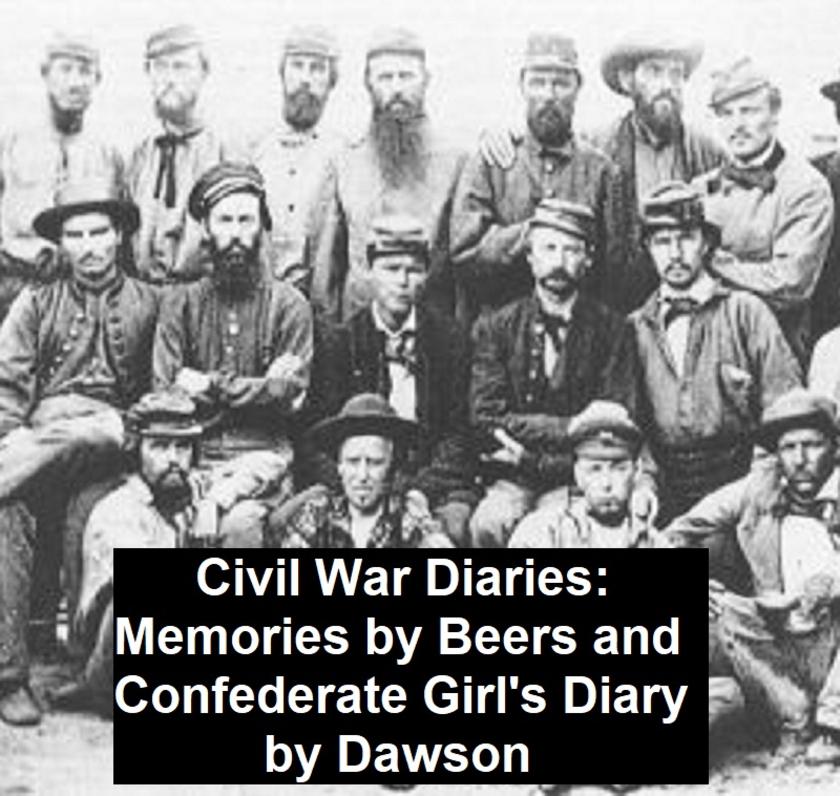
Civil War Diaries: Memories by Bees and Confederate Girl's Diary
¥8.09
Two personal diaries of southern women during the Civil War, first published long after the war. Beers' first-hand account of the Civil War from the perspective of a Confederate woman. According to the Preface: For several years my friends among Confederate soldiers have been urging me to "write up" and publish what I know of the war. By personal solicitation and by letter this subject has been brought before me and placed in the light of a duty which I owe to posterity. Taking this view of it, I willingly comply, glad that I am permitted to stand among the many "witnesses" who shall establish "the truth," proud to write myself as one who faithfully served the defenders of the Cause which had and has my heart's devotion." Plus Dawson's war-time diary of a young girl, first published in 1913.
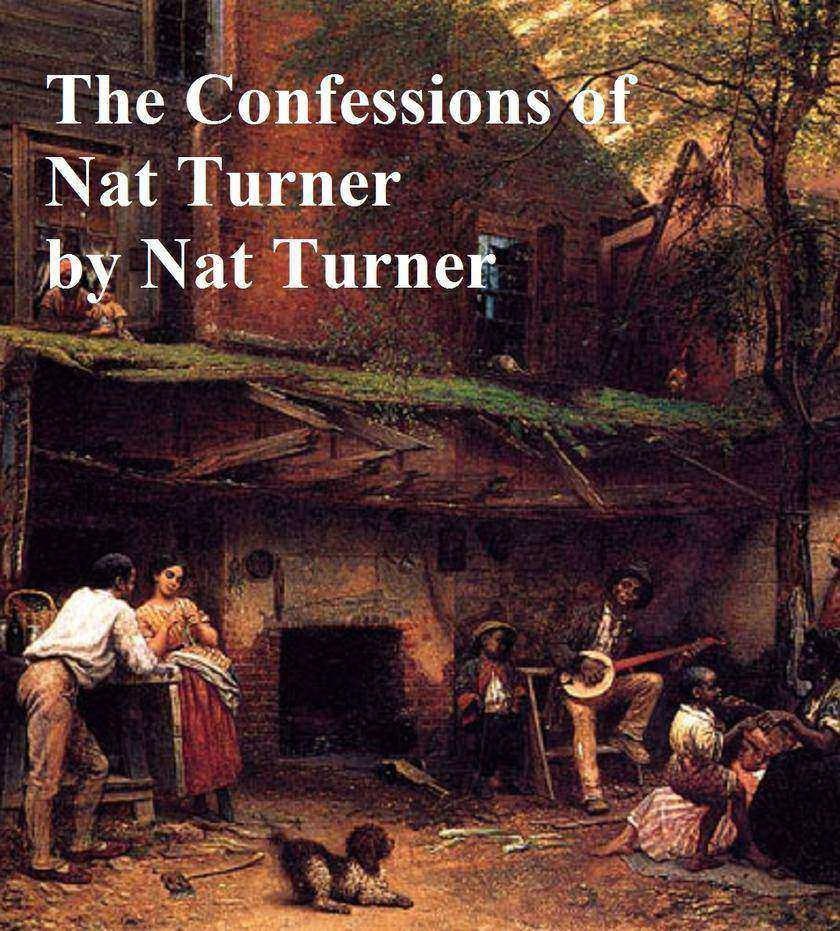
The Confessions of Nat Turner
¥8.09
According to Wikipedia: "Nathaniel "Nat" Turner (October 2, 1800 – November 11, 1831) was an American slave who led a slave rebellion in Virginia on August 21, 1831 that resulted in 56 deaths among their victims, the largest number of white fatalities to occur in one uprising in the antebellum southern United States. He gathered supporters in Southampton County, Virginia. Turner's killing of whites during the uprising makes his legacy controversial. For his actions, Turner was convicted, sentenced to death, and executed. In the aftermath, the state executed 56 blacks accused of being part of Turner's rebellion. Two hundred additional blacks were beaten and killed, as part of overreaction by white militias and mobs. Virginia and other southern states passed legislation reducing rights of free blacks and slaves. Across the South, state legislators passed new laws prohibiting education of slaves and free blacks, restricting rights of assembly and other civil rights for free blacks, and requiring white ministers to be present at black worship services."
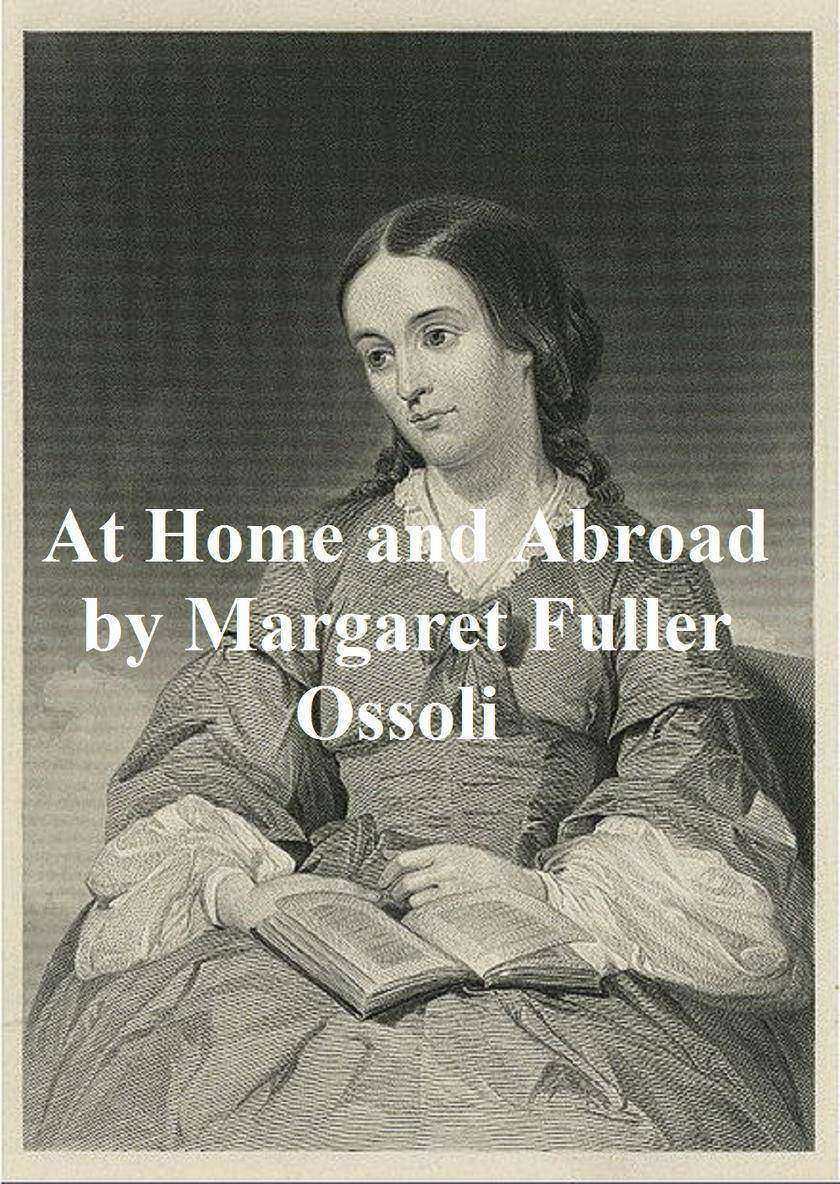
At Home and Abroad
¥8.09
According to Wikipedia: "Sarah Margaret Fuller Ossoli (May 23, 1810 – July 19, 1850) was a journalist, critic and women's rights activist associated with the American transcendental movement. She was the first full-time female book reviewer in journalism. Her book Woman in the Nineteenth Century is considered the first major feminist work in the United States."
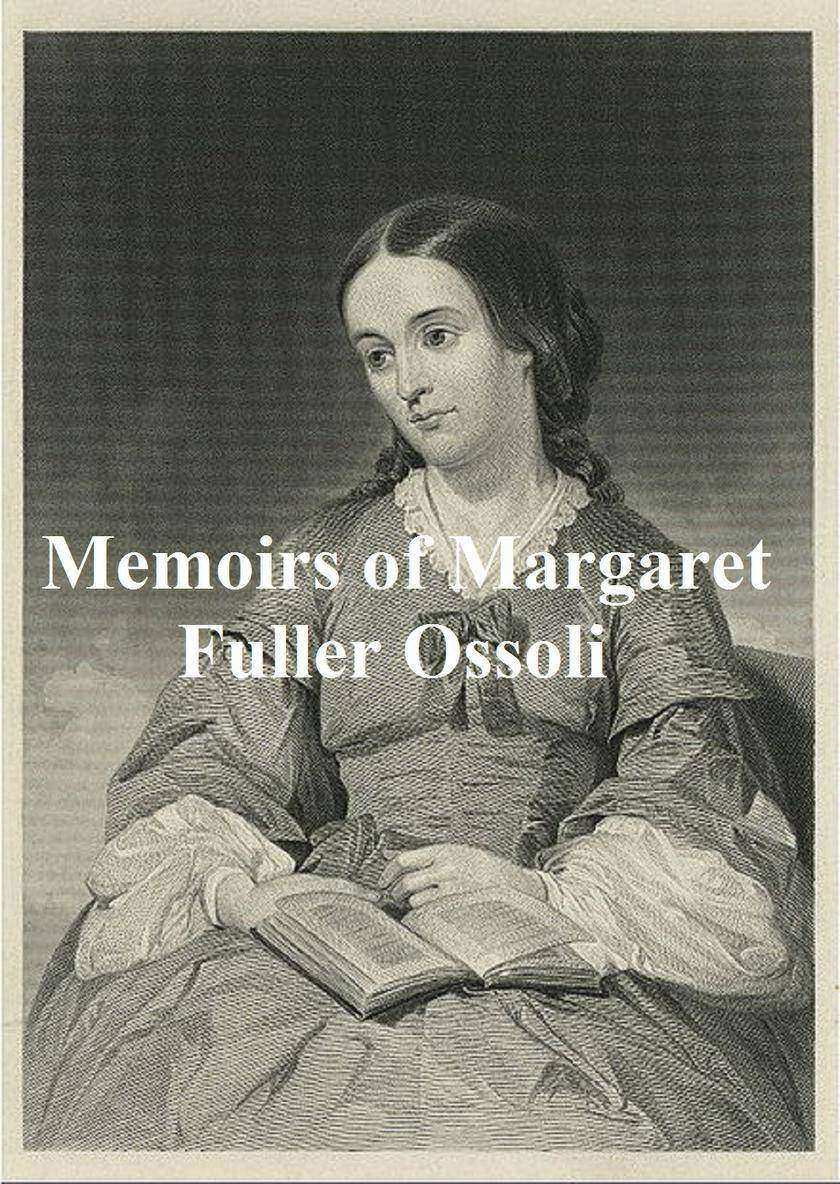
Memoirs of Margaret Fuller Ossoli
¥8.09
According to Wikipedia: "Sarah Margaret Fuller Ossoli (May 23, 1810 – July 19, 1850) was a journalist, critic and women's rights activist associated with the American transcendental movement. She was the first full-time female book reviewer in journalism. Her book Woman in the Nineteenth Century is considered the first major feminist work in the United States."
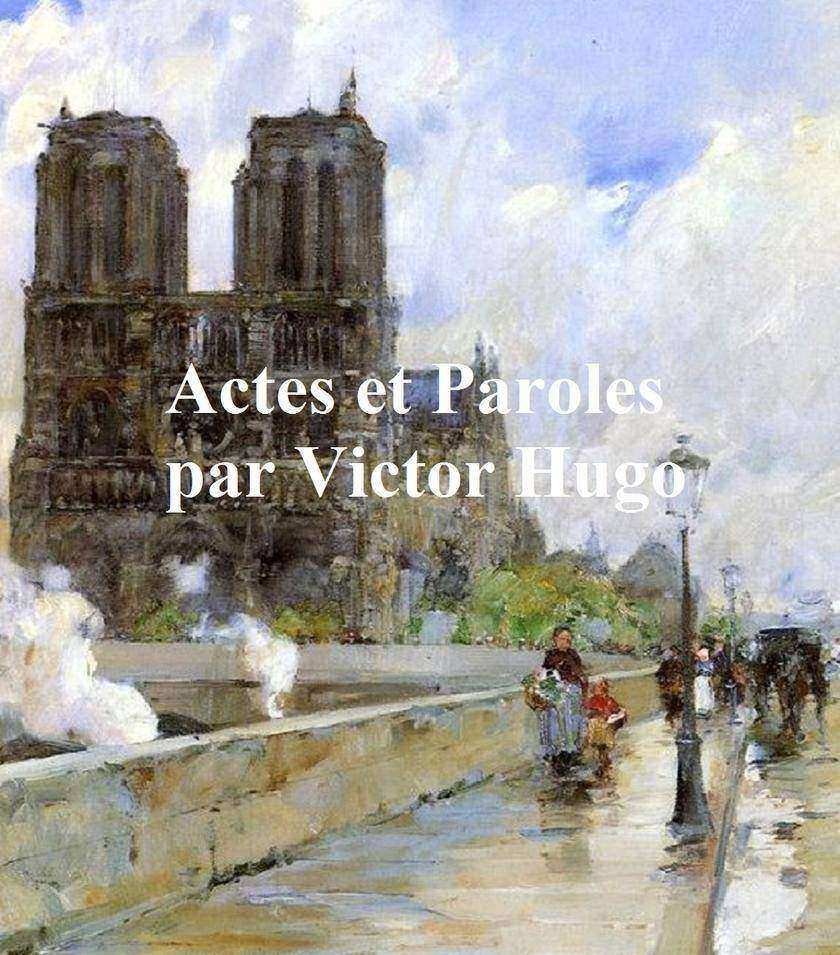
Actes et Paroles
¥8.09
Selon Wikipedia: "Victor-Marie Hugo (26 février 1802 - 22 mai 1885) était un poète, dramaturge, romancier, essayiste, artiste visuel, homme d'?tat, militant des droits de l'homme et représentant du mouvement romantique en France. La renommée littéraire vient d'abord de sa poésie, mais repose aussi sur ses romans et ses réalisations dramatiques Parmi les nombreux volumes de poésie, Les Contemplations et La Légende des siècles sont particulièrement estimés et Hugo est parfois identifié comme le plus grand poète fran?ais. La France, ses ?uvres les plus connues sont les romans Les Misérables et Notre-Dame de Paris (connu aussi en anglais sous le titre de Le Bossu de Notre-Dame), bien que conservateur conservateur dans sa jeunesse, Hugo devint plus libéral au fil des décennies. il est devenu un partisan passionné du républicanisme et son travail touche à la plupart des questions politiques et sociales et aux tendances artistiques de son temps: il est enterré au Panthéon.
The Renaissance: Studies in Art and Poetry
¥8.09
According to Wikipedia: "Walter Horatio Pater (4 August 1839 - 30 July 1894) was an English essayist and critic of art and literary critic....his study of "Aesthetic Poetry" appeared in the Fortnightly Review, to be succeeded by essays on Leonardo da Vinci, Sandro Botticelli, Pico della Mirandola and Michelangelo. These, with other similar studies, were collected in his Studies in the History of the Renaissance in 1873. Pater, now at the centre of a small but interesting circle in Oxford, gained respect in London and elsewhere, numbering the Pre-Raphaelites among his friends.... by the time his philosophical novel Marius the Epicurean appeared, he had gathered quite a following. This, his chief contribution to literature, was published early in 1885. In it Pater displays, with fullness and elaboration, his ideal of the aesthetic life, his cult of beauty as opposed to bare asceticism, and his theory of the stimulating effect of the pursuit of beauty as an ideal of its own. The principles of what would be known as the Aesthetic movement were partly traceable to Pater and his effect was particularly felt on one of the movement's leading proponents, Oscar Wilde, a former student of Pater at Oxford. In 1887 he published Imaginary Portraits, a series of essays in philosophic fiction; Appreciations, with an Essay on Style was published in 1889 with a revised second edition in 1890; in 1893, Plato and Platonism; and in 1894, The Child in the House. His Greek Studies and his Miscellaneous Studies were collected posthumously in 1895; his romance Gaston de Latour appeared posthumously in 1896; and his essays from The Guardian were privately printed in 1897."
George Washington
¥8.09
According to Wikipedia: "Washington is seen as a symbol of the United States and republicanism in practice. His devotion to civic virtue made him an exemplary figure among early American politicians. Washington died in 1799, and in his funeral oration, Henry Lee said that of all Americans, he was "first in war, first in peace, and first in the hearts of his countrymen." Washington has been consistently ranked by scholars as one of the greatest U.S. Presidents."
Thoughts on Man
¥8.09
According to Wikipedia: "William Godwin (3 March 1756 – 7 April 1836) was an English journalist, political philosopher and novelist. He is considered one of the first exponents of utilitarianism, and one of the first modern proponents of anarchism. Godwin is most famous for two books that he published within the space of a year: An Enquiry Concerning Political Justice, an attack on political institutions, and Things as They Are or The Adventures of Caleb Williams, which attacks aristocratic privilege, but also is virtually the first mystery novel. Based on the success of both, Godwin featured prominently in the radical circles of London in the 1790s. In the ensuing conservative reaction to British radicalism, Godwin was attacked, in part because of his marriage to the pioneering feminist writer Mary Wollstonecraft in 1797 and his candid biography of her after her death; their child, Mary Godwin (later Mary Shelley) would go on to author Frankenstein and marry the poet Percy Bysshe Shelley. Godwin wrote prolifically in the genres of novels, history and demography throughout his lifetime."
Memoir of Fleeming Jenkin
¥8.09
Biography by the author of Treasure Island. According to Wikipedia: "Henry Charles Fleeming Jenkin (25 March 1833 - 12 June 1885) was Professor of Engineering at the University of Edinburgh, remarkable for his versatility. Known to the world as the inventor of telpherage, he was an electrician and cable engineer, a lecturer, linguist, critic, actor, dramatist and artist."
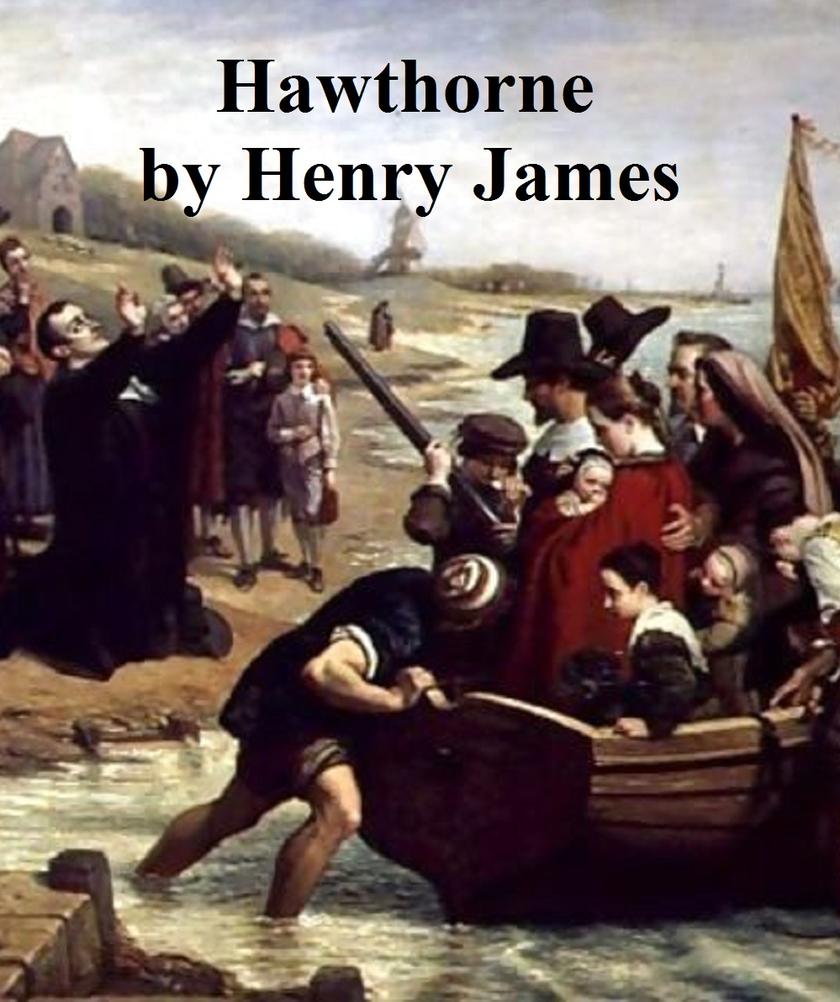
Hawthorne
¥8.09
Biography of one New England author by another.? According to Wikipedia: "Nathaniel Hawthorne (July 4, 1804 – May 19, 1864) was an American novelist, dark romantic, and short story writer. He was born in 1804 in Salem, Massachusetts to Nathaniel Hathorne and the former Elizabeth Clarke Manning. His ancestors include John Hathorne, the only judge involved in the Salem witch trials who never repented of his actions. He entered Bowdoin College in 1821, was elected to Phi Beta Kappa in 1824,[1] and graduated in 1825. He published his first work in 1828, the novel Fanshawe; he later tried to suppress it, feeling that it was not equal to the standard of his later work.[2] He published several short stories in periodicals, which he collected in 1837 as Twice-Told Tales. The next year, he became engaged to Sophia Peabody. He worked at the Boston Custom House and joined Brook Farm, a transcendentalist community, before marrying Peabody in 1842. The couple moved to The Old Manse in Concord, Massachusetts, later moving to Salem, the Berkshires, then to The Wayside in Concord. The Scarlet Letter was published in 1850, followed by a succession of other novels. A political appointment as consul took Hawthorne and family to Europe before their return to Concord in 1860. Hawthorne died on May 19, 1864, and was survived by his wife and their three children."


