


 购物车
购物车 个人中心
个人中心
The New Jerusalem
¥8.09
Travelogue and related essays. According to Wikipedia: "Gilbert Keith Chesterton (1874 - 1936) was an influential English writer of the early 20th century. His prolific and diverse output included journalism, philosophy, poetry, biography, Christian apologetics, fantasy and detective fiction. Chesterton has been called the "prince of paradox."[1] He wrote in an off-hand, whimsical prose studded with startling formulations. For example: "Thieves respect property. They merely wish the property to become their property that they may more perfectly respect it."[2] He is one of the few Christian thinkers who are equally admired and quoted by both liberal and conservative Christians, and indeed by many non-Christians. Chesterton's own theological and political views were far too nuanced to fit comfortably under the "liberal" or "conservative" banner."
Trouble for Lucia by E. F. Benson - Delphi Classics (Illustrated)
¥8.09
This eBook features the unabridged text of ‘Trouble for Lucia by E. F. Benson - Delphi Classics (Illustrated)’ from the bestselling edition of ‘The Collected Works of E. F. Benson’. Having established their name as the leading publisher of classic literature and art, Delphi Classics produce publications that are individually crafted with superior formatting, while introducing many rare texts for the first time in digital print. The Delphi Classics edition of Benson includes original annotations and illustrations relating to the life and works of the author, as well as individual tables of contents, allowing you to navigate eBooks quickly and easily. eBook features: * The complete unabridged text of ‘Trouble for Lucia by E. F. Benson - Delphi Classics (Illustrated)’ * Beautifully illustrated with images related to Benson’s works * Individual contents table, allowing easy navigation around the eBook * Excellent formatting of the text Please visit www.delphiclassics.com to learn more about our wide range of titles
The Son of Tarzan by Edgar Rice Burroughs - Delphi Classics (Illustrated)
¥8.09
This eBook features the unabridged text of ‘The Son of Tarzan by Edgar Rice Burroughs - Delphi Classics (Illustrated)’ from the bestselling edition of ‘The Complete Works of Edgar Rice Burroughs’. Having established their name as the leading publisher of classic literature and art, Delphi Classics produce publications that are individually crafted with superior formatting, while introducing many rare texts for the first time in digital print. The Delphi Classics edition of Burroughs includes original annotations and illustrations relating to the life and works of the author, as well as individual tables of contents, allowing you to navigate eBooks quickly and easily. eBook features: * The complete unabridged text of ‘The Son of Tarzan by Edgar Rice Burroughs - Delphi Classics (Illustrated)’ * Beautifully illustrated with images related to Burroughs’s works * Individual contents table, allowing easy navigation around the eBook * Excellent formatting of the text Please visit www.delphiclassics.com to learn more about our wide range of titles
The Path of a King by John Buchan - Delphi Classics (Illustrated)
¥8.09
This eBook features the unabridged text of ‘The Path of a King by John Buchan - Delphi Classics (Illustrated)’ from the bestselling edition of ‘The Complete Works of John Buchan’. Having established their name as the leading publisher of classic literature and art, Delphi Classics produce publications that are individually crafted with superior formatting, while introducing many rare texts for the first time in digital print. The Delphi Classics edition of Buchan includes original annotations and illustrations relating to the life and works of the author, as well as individual tables of contents, allowing you to navigate eBooks quickly and easily. eBook features: * The complete unabridged text of ‘The Path of a King by John Buchan - Delphi Classics (Illustrated)’ * Beautifully illustrated with images related to Buchan’s works * Individual contents table, allowing easy navigation around the eBook * Excellent formatting of the text Please visit www.delphiclassics.com to learn more about our wide range of titles
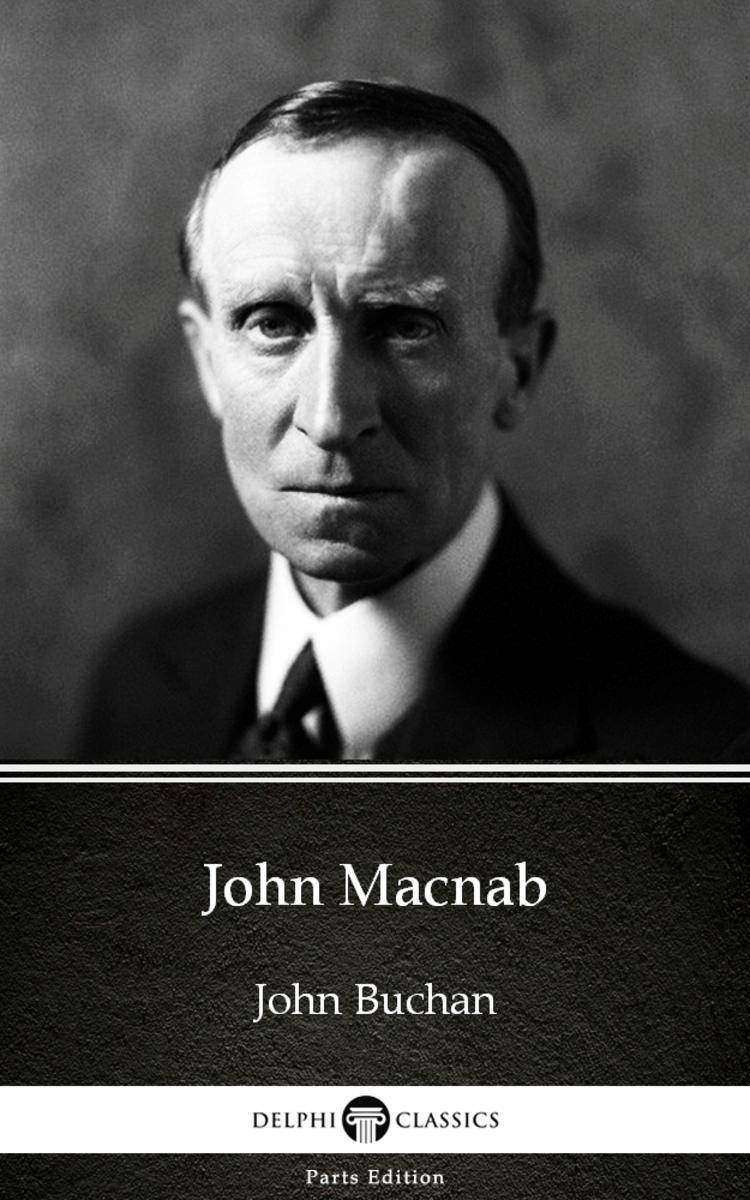
John Macnab by John Buchan - Delphi Classics (Illustrated)
¥8.09
This eBook features the unabridged text of ‘John Macnab by John Buchan - Delphi Classics (Illustrated)’ from the bestselling edition of ‘The Complete Works of John Buchan’. Having established their name as the leading publisher of classic literature and art, Delphi Classics produce publications that are individually crafted with superior formatting, while introducing many rare texts for the first time in digital print. The Delphi Classics edition of Buchan includes original annotations and illustrations relating to the life and works of the author, as well as individual tables of contents, allowing you to navigate eBooks quickly and easily. eBook features: * The complete unabridged text of ‘John Macnab by John Buchan - Delphi Classics (Illustrated)’ * Beautifully illustrated with images related to Buchan’s works * Individual contents table, allowing easy navigation around the eBook * Excellent formatting of the text Please visit www.delphiclassics.com to learn more about our wide range of titles
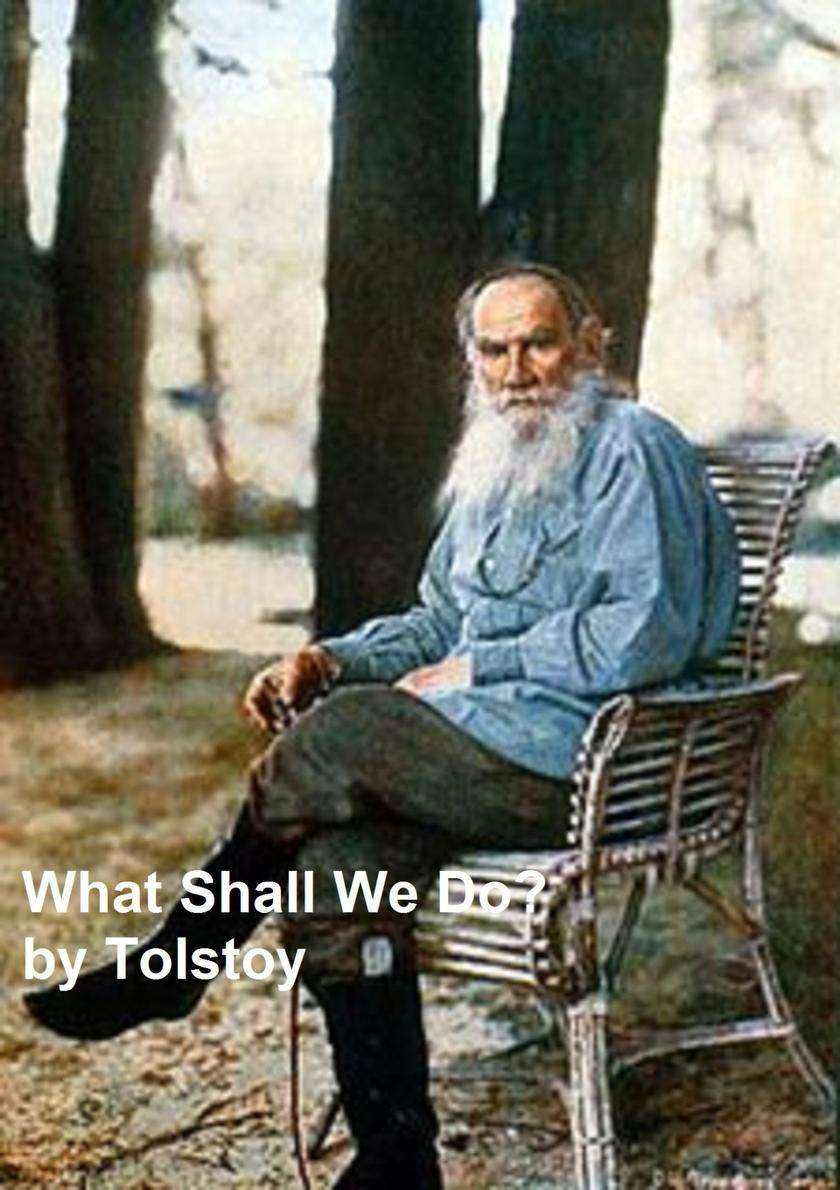
What Shall We Do?
¥8.09
According to Wikipedia: "What Is to be Done? (sometimes translated as What Then Must We Do?) is a non-fiction work by Leo Tolstoy, in which Tolstoy describes the social conditions of Russia in his day. Tolstoy completed the book in 1886, and the first English language publication came in 1887. The English title was also used for two better-known works by Nikolai Chernyshevsky and Vladimir Lenin; Tolstoy's Russian title is similar but not identical to Chernyshevsky's (and Lenin's), both of them sharing the same Biblical reference (Luke 3:10-14)."
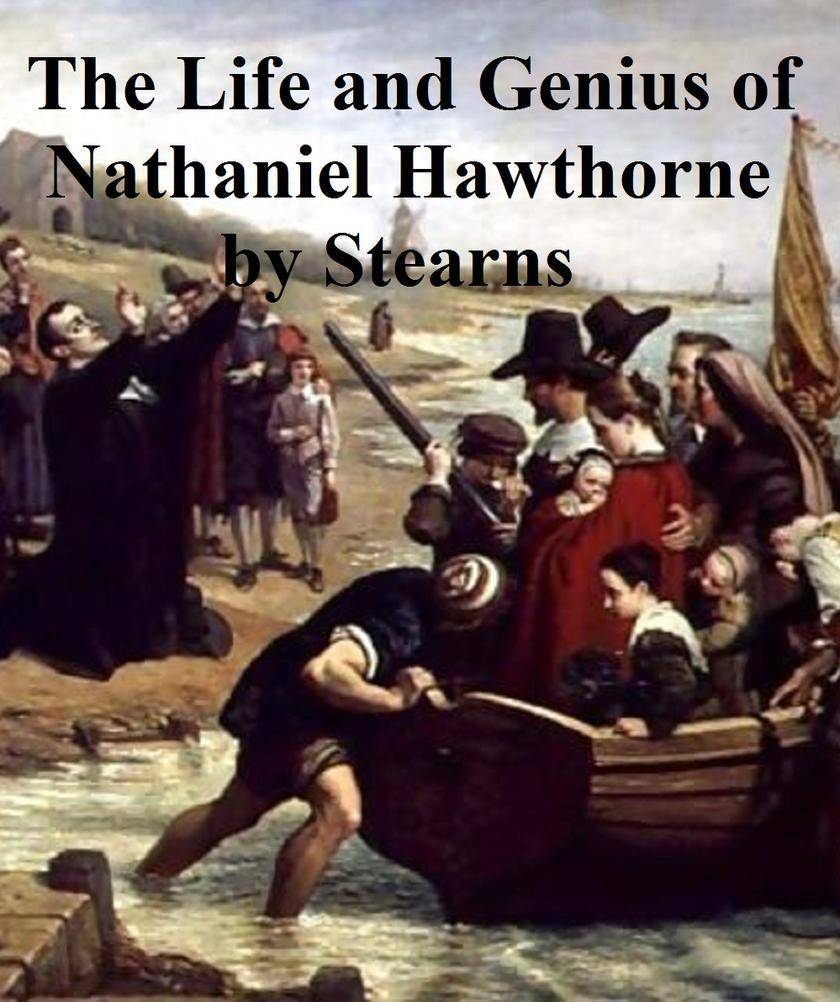
The Life and Genius of Nathaniel Hawthorne
¥8.09
According to Wikipedia: "Frank Preston Stearns (1846-1917), the son of abolitionist George Luther Stearns, was a writer and abolitionist from Massachusetts during the 19th century. In addition to collaborating with Elizur Wright in ambitious abolitionist projects, such as the American Anti-Slavery Society, he is credited with several seminal works exploring the lives and careers of important American public figures and authors of note, including The Life and Genius of Nathaniel Hawthorne and The Life and Public Services of George Luther Stearns."
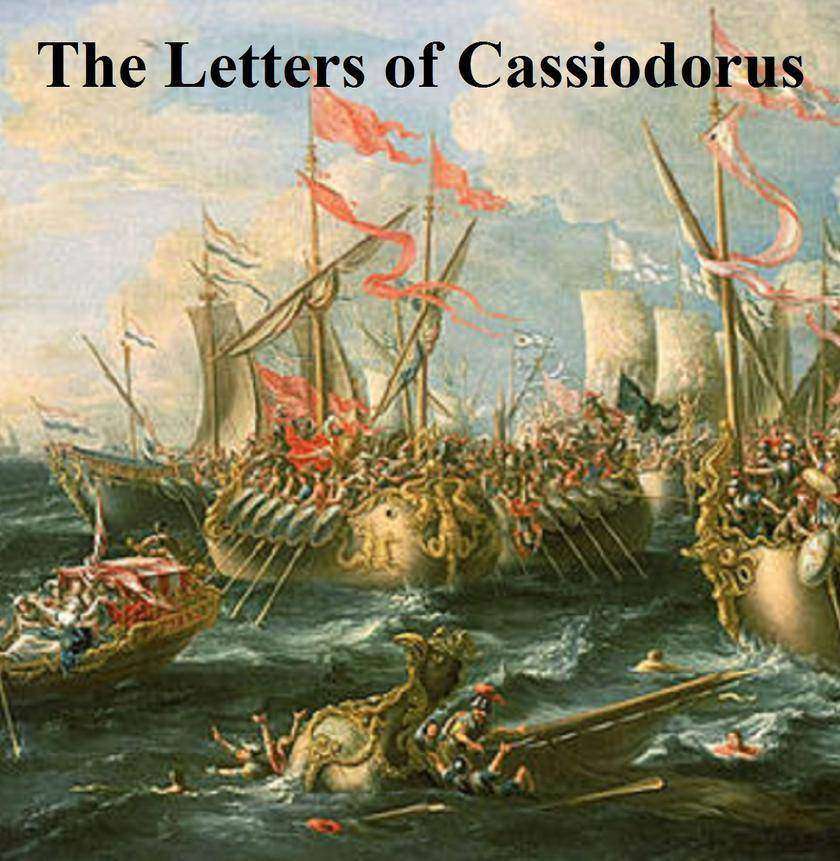
The Letters of Cassiodorus
¥8.09
A condensed translation of the Variae Epistolae of Magnus Aurelius Cassiodorus Senator. According to Wikipedia: "Flavius Magnus Aurelius Cassiodorus Senator (c. 485 – c. 585), commonly known as Cassiodorus, was a Roman statesman and writer, serving in the administration of Theoderic the Great, king of the Ostrogoths. Senator was part of his surname, not his rank."
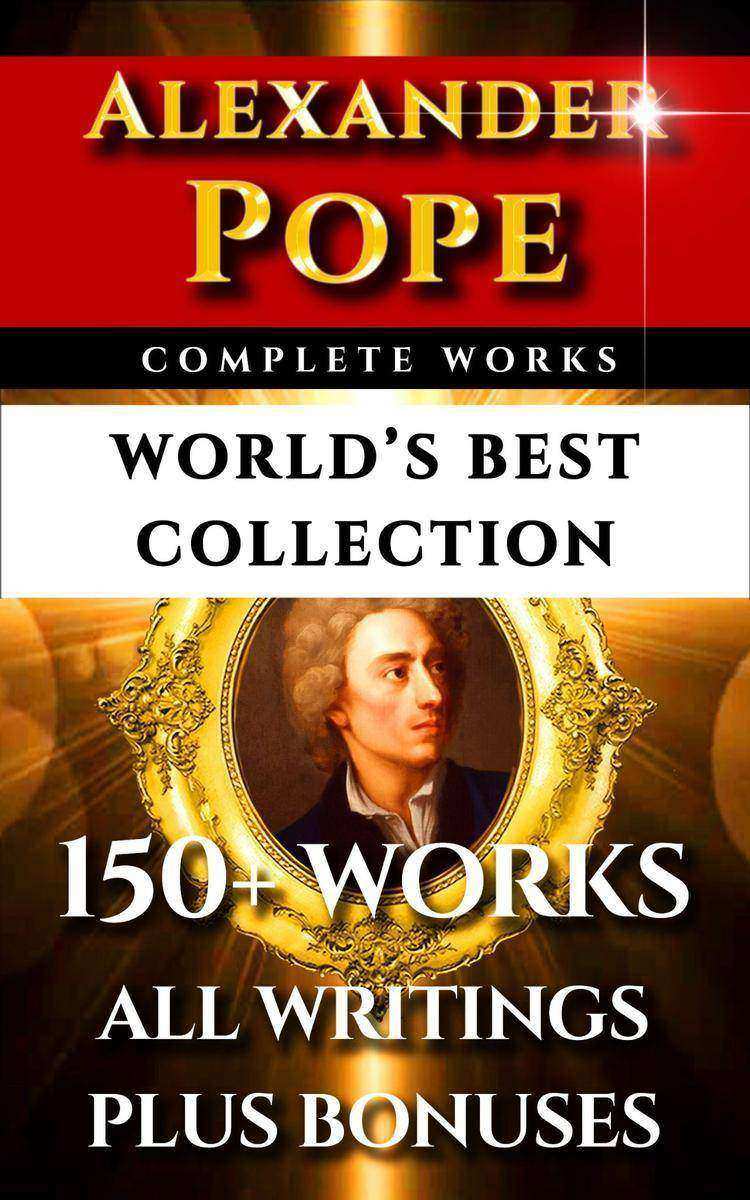
Alexander Pope Complete Works – World’s Best Collection
¥8.09
Alexander Pope Complete Works World's Best Collection This is the world’s best Alexander Pope collection, including the most complete set of Pope’s works available plus many free bonus materials. Alexander Pope Alexander Pope was an 18th-century English poet, best known for his satirical verse and for his translation of Homer. After Shakespeare and Tennyson, he is the third-most frequently quoted writer in The Oxford Dictionary of Quotations. The ‘Must-Have’ Complete Collection In this irresistible collection you get a full set of Pope’s work, All his poems, All his plays, All his legendary translations, Famous satires, Rarities and all his other works. Plus a bonus biography. Works Included: An Essay On Criticism An Essay On Man Moral Essays To Several Persons Satires Poems?Including: The Rape Of The LockOde On Solitude The Temple Of Fame Translations From Ovid Sappho To Phaon The Dying Christian To His Soul Elegy To The Memory Of An Unfortunate Lady Messiah To A Lady, With The Temple Of Fame The Looking-Glass Poems Suggested By Gulliver Epitaphs On Two Lovers Struck Dead By Lightning Universal Prayer Longer Works?Including: The Dunciad The Iliad The Odyssey Three Hours After Marriage Your Free Special Bonus Alexander Pope Biography - a full length biography about Pope’s intriguing and fascinating life. Get This Collection Right Now This is the best Pope collection you can get, so get it now and start enjoying and being inspired by his world like never before!
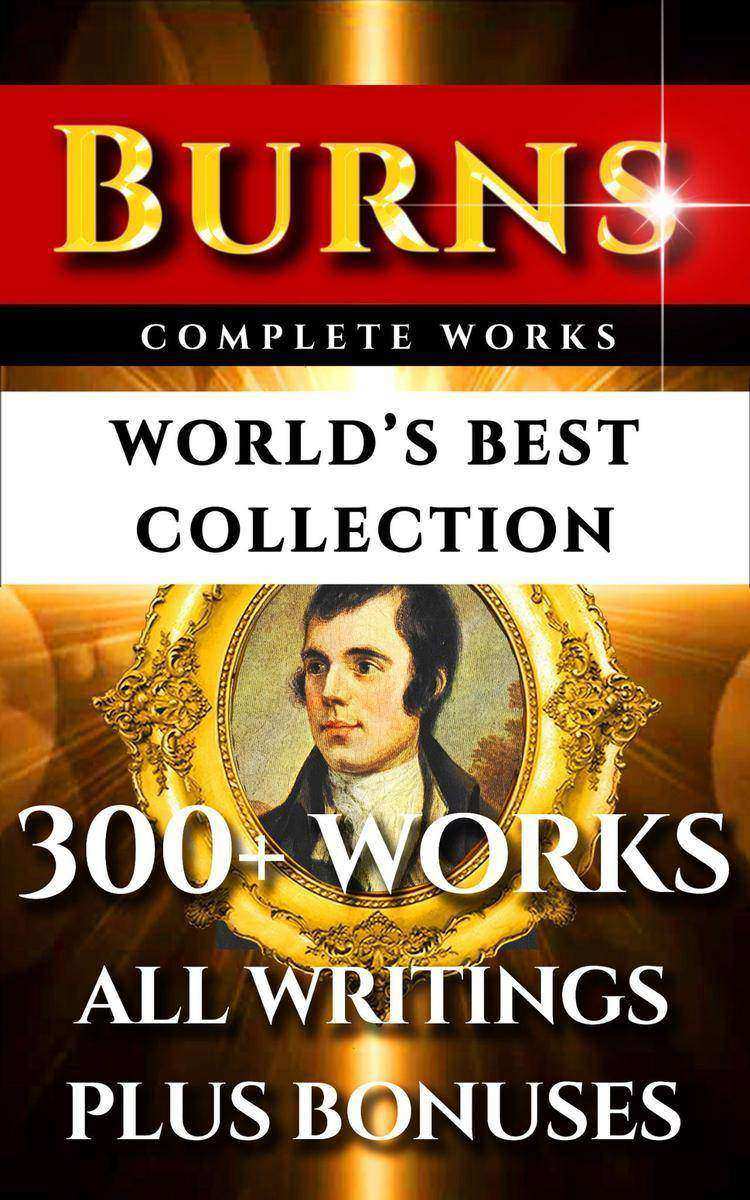
Robert Burns Complete Works – World’s Best Collection
¥8.09
Robert Burns Complete Works World's Best Collection This is the world's best Robert Burns collection, including the most complete set of Burns' works available plus many free bonus materials. Robert Burns Robert Burns, also known as the Scotland's Favorite Son, the Bard of Ayrshire and the Ploughman Poet, was a Scottish poet and lyricist, widely regarded as the national poet of Scotland. He is regarded as a pioneer of the Romantic movement, and after his death he became a great source of inspiration to the founders of both liberalism and socialism The ‘Must-Have' Complete Collection In this irresistible collection you get a full set of Burns' work, with more than 300 works - All his poems, All poetry, All his songs, ballads, rarities, epigrams; and a full length biography. Plus a rare collection of his letters and bonus extra material. There are countless must reads, ranging from the well-known pieces to fantastic and startling new works to discover.. Works Included: Poetical Works -?Over 300 Poems, songs, epigrams and ballads, including among others: A Red, Red Rose A Man's A Man for A' That To a Louse To a Mouse The Battle of Sherramuir Tam o' Shanter Ae Fond Kiss Full Collection Of Burns' Letters Life Of Robert Burns -?A fascinating, ful length biography of Scotland's favourite son, detailing his life from childhood. Your Free Bonuses Glossary?- A glossary of all the terms, phrases and words used in Burns' work Burns And His School?- Literary essay from Charles Kinglsey Historical Context and Literary Context Notes?- Detailed explanations of the Regency Era and Romanticism, written specially for this collection Robert Burns?- the poem about Burns written by Henry Wadsworth Longfellow Get This Collection Right Now This is the best Burns collection you can get, so get it now and start enjoying and being inspired by his words like never before.
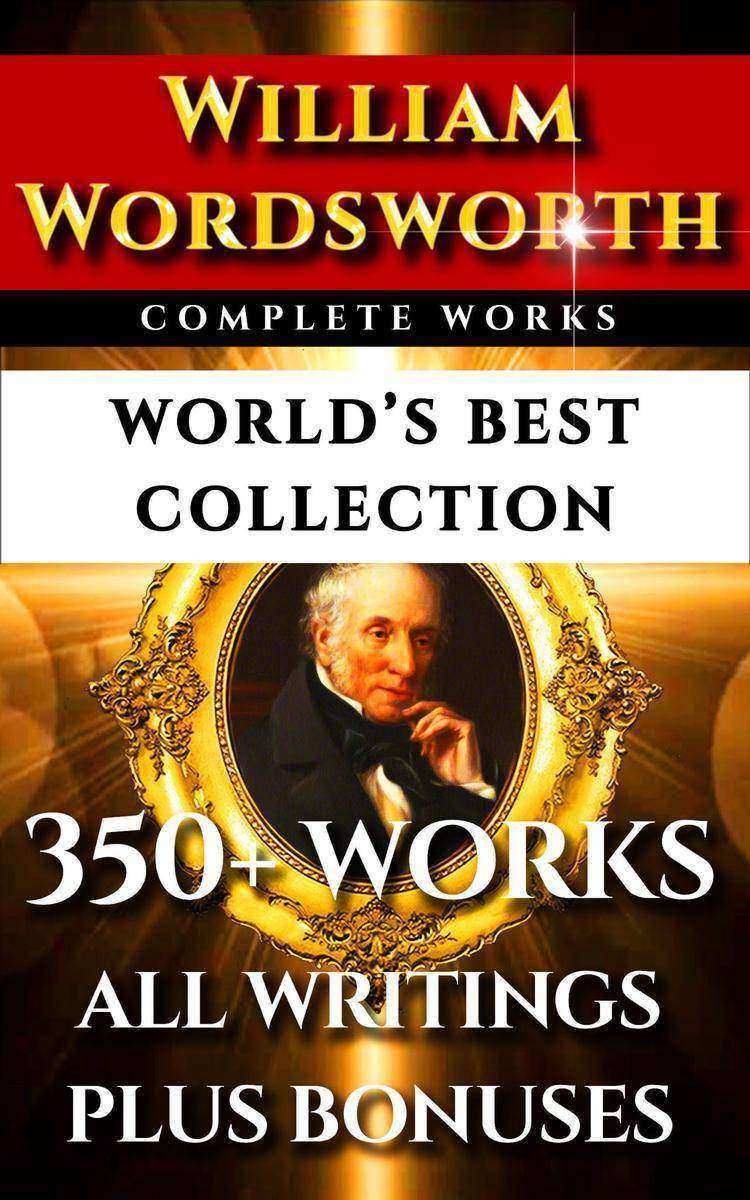
William Wordsworth Complete Works – World’s Best Collection: 300+ Works
¥8.09
William Wordsworth Complete Works World's Best Collection This is the world's best William Wordsworth collection, including the most complete set of Wordsworth's works available plus many free bonus materials. William Wordsworth William Wordsworth was a major English Romantic poet. He, together with Samuel Taylor Coleridge, helped to launch the entire Romantic Age in English literature with their joint publication Lyrical Ballads. In addition, Wordsworth was Britain's poet laureate from 1843 until his death The ‘Must-Have' Complete Collection In this irresistible collection you get a full set of Wordsworth work, with more than 300 works - All his poems, All poetry, All his prose works, and a full length biography. Plus Free Bonus material. Works Included: Poetical Work?Including, among many others: The Recluse The Excursion All Sonnets All Minor And Major Poetry. Including: I Wandered Lonely As A Cloud She Was A Phantom Of Delight Strange Fits Of Pasion Have I Known The Idiot Boy The Russian Fugitive The Prelude - Wordsworth's Magnum Opus, Autobiographical Poem Prose Work?Including works such as: Apology For The French Revolution Advice For The Young Poetry As A Study Of Poetic Diction Your Free Special Bonuses Selections From Oxford Lecture Series On Poetry?- An intriguing selection of a an Oxford lecture series. These selections cover Wordsworth and his poetry in detail. Wordsworth?– Comprehensive biography written by F W H Myers Historical Context and Literary Context Notes?- Detailed explanations of the Regency Era and Romanticism, written specially for this collection. Get This Collection Right Now This is the best Wordsworth collection you can get, so get it now and start enjoying and being inspired by his words like never before.
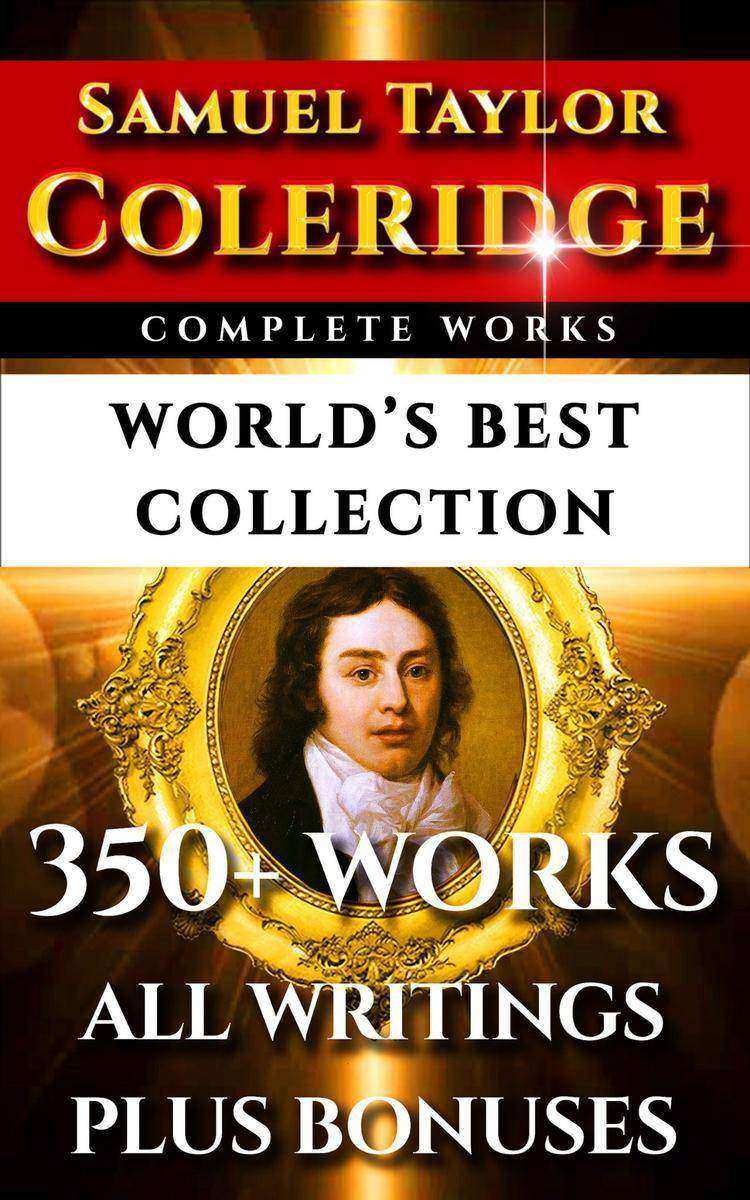
Samuel Taylor Coleridge Complete Works – World’s Best Collection
¥8.09
Samuel Taylor Coleridge Complete Works World's Best Collection This is the world’s best Coleridge collection, including the most complete set of Austen’s works available plus many free bonus materials. Samuel Taylor Coleridge Samuel Taylor Coleridge was an English poet, literary critic and philosopher who, with his friend William Wordsworth, founded the Romantic Movement in England. Some of his works are the most famous in English literature. The ‘Must-Have’ Complete Collection In this irresistible collection you get a full set of Coleridge’s work, All his legendary poems, All his prose, All his famous works, and All his long works. We also include an unusual autobiography written by Coleridge himself, plus other bonus material. Works Included: Poems?Including among others: The Rime Of The Ancient Mariner Kubla Khan To The Evening Star Songs Of The Pixies The Rose Kisses The Death Of The Starling The Faded Flower The Outcast Ode To The Departing Year The Raven To An Unfortunate Woman At The Theatre Christabel Fire, Famine, And Slaughter A War Eclogue The Devil’s Thoughts The Mad Monk Ode To Tranquility Dramatic Works?Including: The Fall Of Robespierre Osorio The Piccolomini The Death Of Wallenstein Epigrams Jeux D’Esprit Metrical Experiments Your Free Special Bonuses Fragments From A Notebook Circa 1796-98- intriguing fragments from Coleridge’s notebooks. Biographia Literaria?- an unusual autobiography written by Coleridge himself The Life Of Samuel Taylor Coleridge?- a biopgraphy of Coleridge and his fascinating life. Historical Context and Literary Context Notes?- Detailed explanations of the Regency Era and Romanticism, written specially for this collection. Get This Collection Right Now This is the best Coleridge collection you can get, so get it now and start enjoying and being inspired by his world like never before!
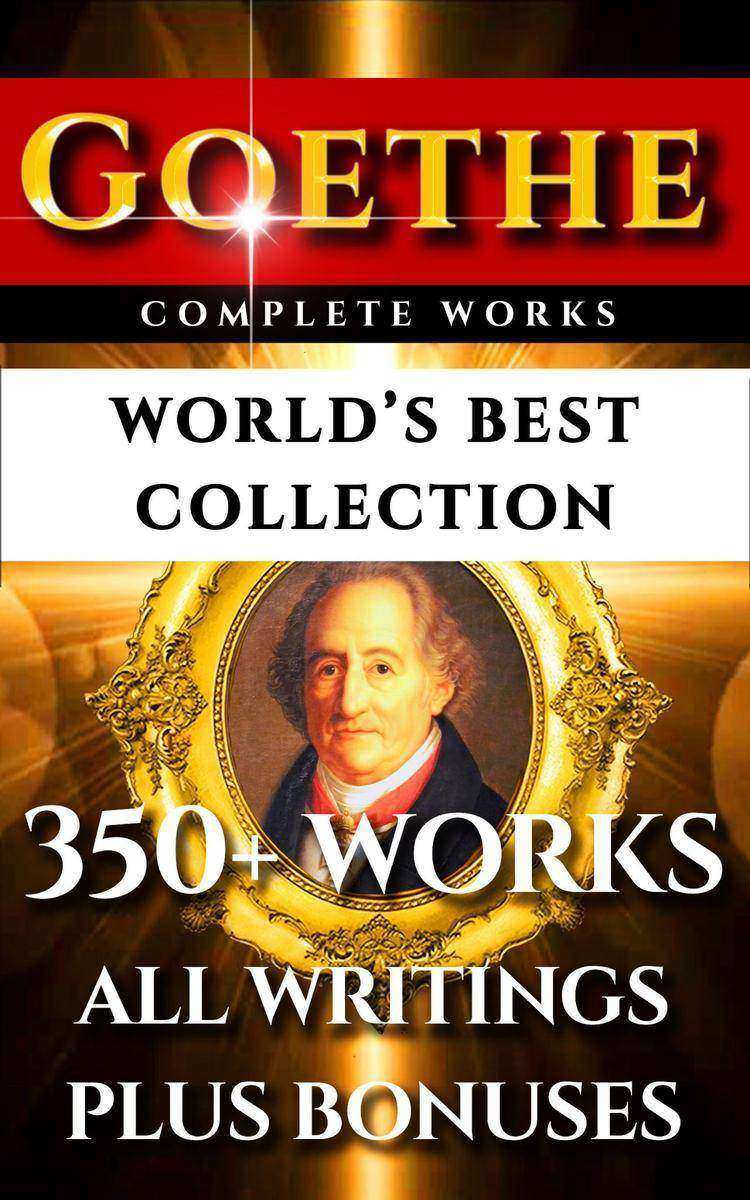
Goethe Complete Works – World’s Best Collection: 350+ Works
¥8.09
Goethe Complete Works World's Best Collection This is the world’s best Goethe collection, including the most complete set of Goethe’s works available plus many free bonus materials. Johann Wolfgang von Goethe Johann Wolfgang von Goethe was a German writer and politician. His body of work includes epic and lyric poetry written in a variety of meters and styles; prose and verse dramas; memoirs His work Wilhelm Meister’s Apprenticeship has been called one of the four greatest novels ever written The ‘Must-Have’ Complete Collection In this irresistible collection you get a full set of Goethe’s work, All his legendary plays, All his poetry, All his famous works and All his rarities, plus an auto biography written by Goethe himself. Plus Extra Bonus Material. Works Included: Poems?Including: The Misanthrope With A Golden Necklace Alexis And Dora Epigrams Sonnets Plays?Including: Faust - A Tragedy The Sorrows Of Young Werther Reynard The Fox The Fairy Tale Of The Green Snake And The Beautiful Lily Wilhelm Meister’s Apprenticeship Your Free Special Bonuses The Life Of Goethe - a fascinating and intriguing look into the life of Goethe. Autobiography Truth And Fiction Relating To My Life - an autobiography by Goethe himself Conversations Of Goethe Letters From Switzerland Letters From Italy Historical Context and Literary Context Notes?- Detailed explanations of the Regency Era and Romanticism, written specially for this collection. Get This Collection Right Now This is the best Goethe you can get, so get it now and start enjoying and being inspired by his world like never before!
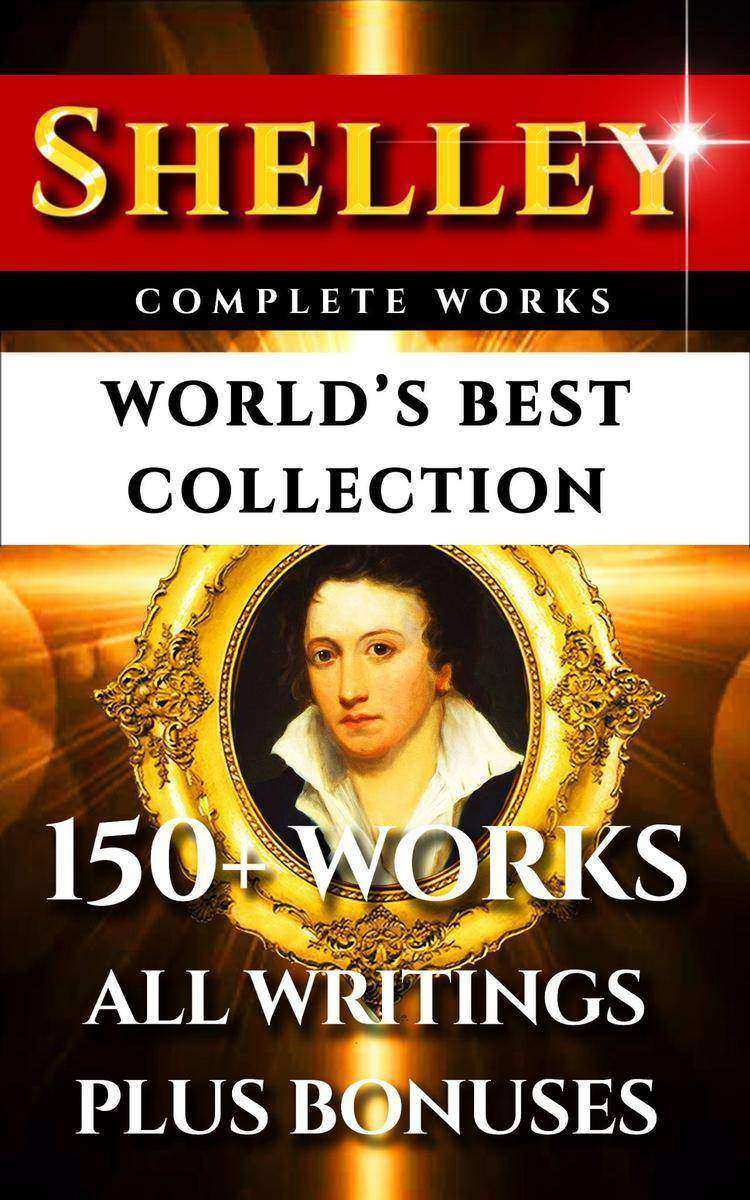
Percy Bysshe Shelley Complete Works – World’s Best Collection
¥8.09
Percy Bysshe Shelley Complete Works World's Best Collection This is the world’s best Shelley collection, including the most complete set of Shelley’s works available plus many free bonus materials. Percy Bysshe Shelley Percy Bysshe Shelley was one of the major English Romantic poets. He was a key member of a close circle of visionary poets and writers that included Lord Byron and Shelley’s own second wife, Mary Shelley, the author of Frankenstein. Percy Bysshe Shelley was a radical in his poetry, as well as in his political and social views, and is regarded by some as among the finest and most influential lyric poets in the English language The ‘Must-Have’ Complete Collection In this irresistible collection you get a full set of Shelley’s work, with more than 150 works - All his poems, All poetry, All posthumous works, All Letters from his trips, All his Prose and Non-Fiction Works. Plus a full length biography, with Free Bonus material. Works Included: Poetry: All Poems, early works and collections from 1810 through later works of 1822 Posthumously Published Poems Fragments and Incomplete Poems All Short and Long Poems, including: The Devil’s Walk Hymn to Intellectual Beauty Ozymandias Love’s Philosophy Prometheus Unbound Epipsychidion Plays: The Cenci Hellas Books: Zastrozzi St. Irvyne Non Fiction: All Prose and Writings, Including: On Love On Life On Metaphysics Letters And Journals: All Letters and Journals from: History of a Six Weeks’ Tour Letters from Italy Your Free Special Bonuses Life Of Shelley?- A biography of Shelley’s intriguing life. Shelley At Oxford?– the story of Shelley and his time at Oxford, written by Shelley’s close friend, Thomas Jefferson Hogg. Adonais?– an analysis of Adonais, the mesmerizing poem that Shelley wrote for John Keats. Notes And Annotations from Mary Shelley?– Throughout the collection (and collected by themselves as a stand-alone chapter) you will find interesting and unique notes from Percy Bysshe Shelley’s wife and closest companion, Mary Shelley, concerning Shelley’s poems and writing. Historical Context and Literary Context Notes?- Detailed explanations of the Regency Era and Romanticism, written specially for this collection. Get This Collection Right Now This is the best Shelley collection you can get, so get it now and start enjoying and being inspired by his words like never before!
3rd Class in Indian Railway
¥8.09
3rd Class in Indian Railway
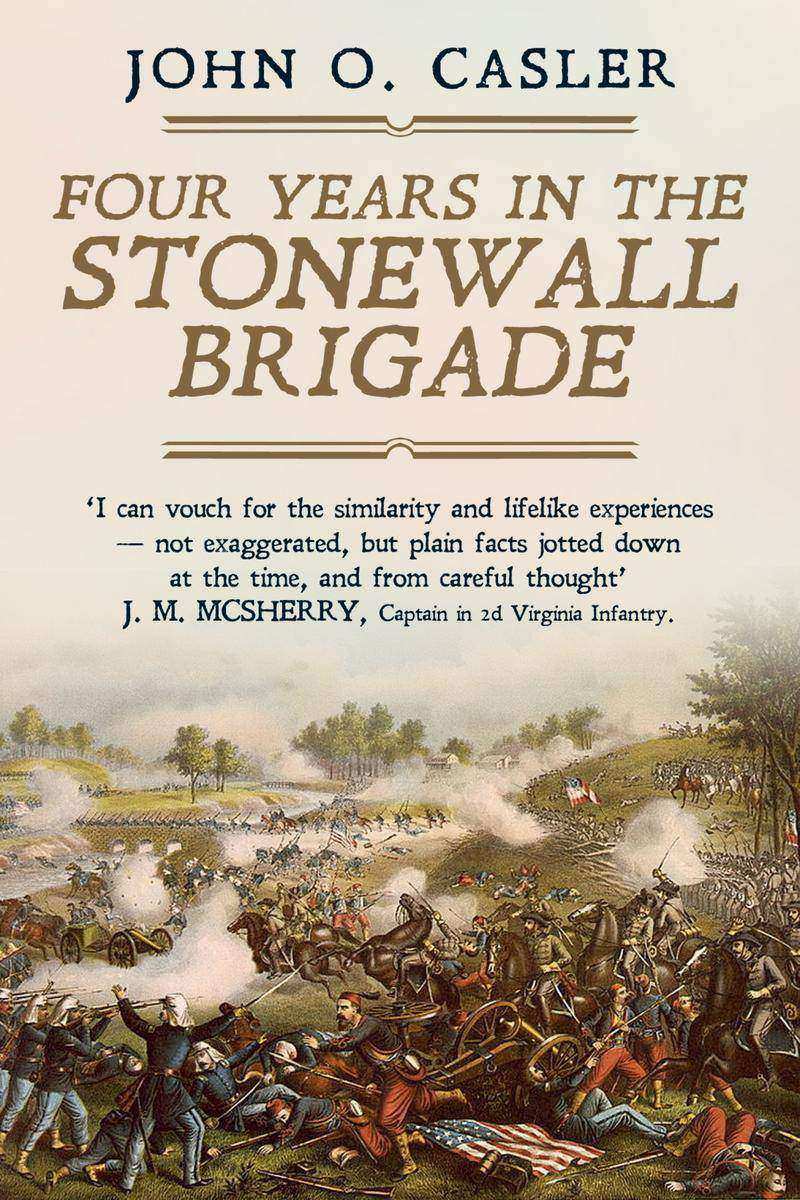
Four Years in the Stonewall Brigade
¥8.09
Four Years in the Stonewall Brigade
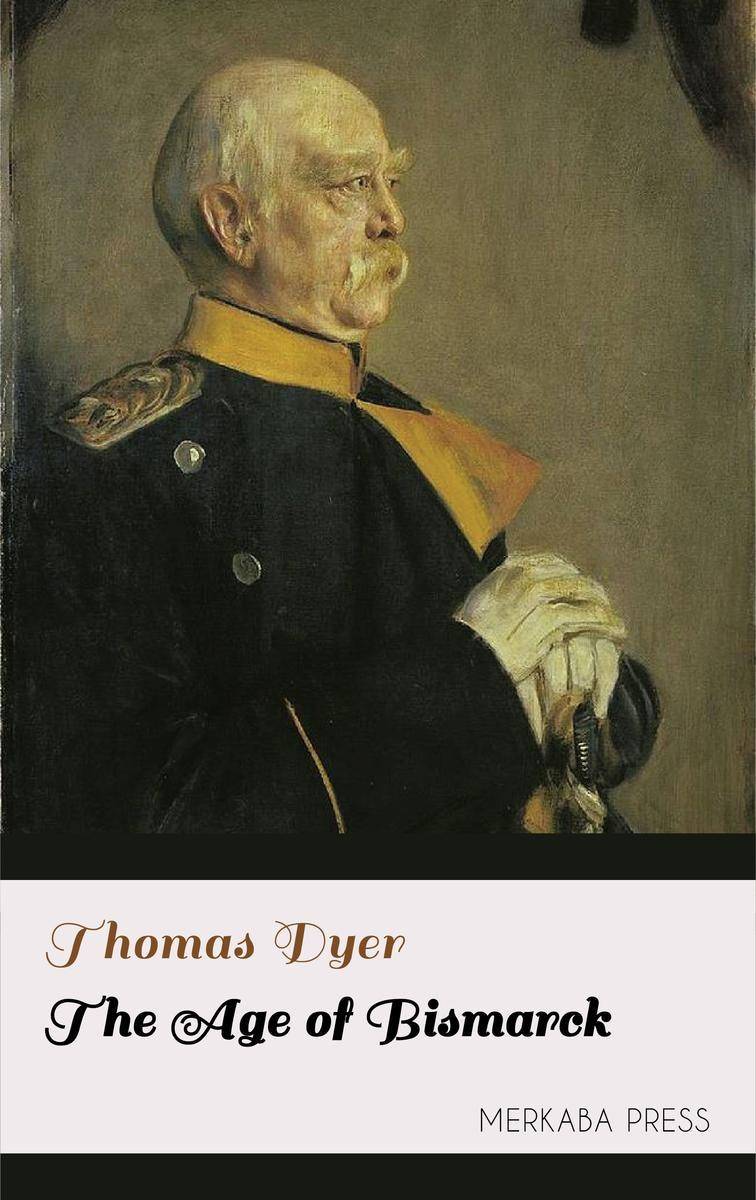
The Age of Bismarck
¥8.09
The Age of Bismarck
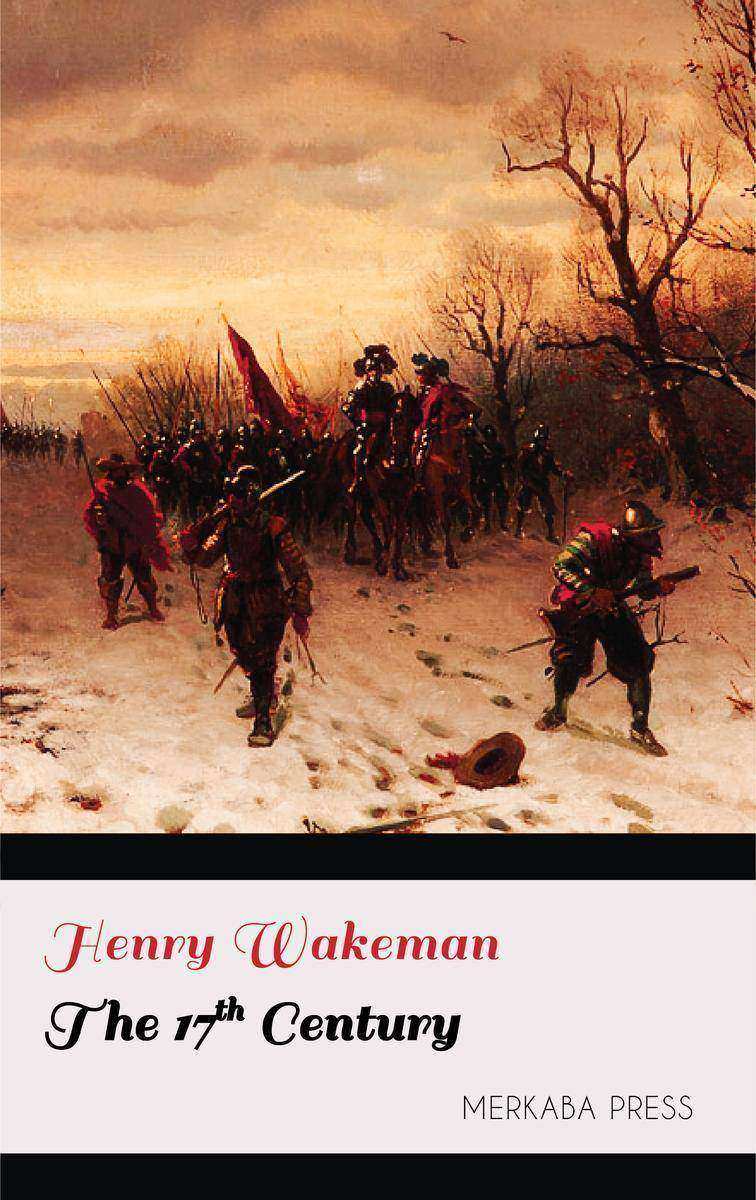
The 17th Century
¥8.09
The 17th Century

The History of Prussia
¥8.09
The History of Prussia
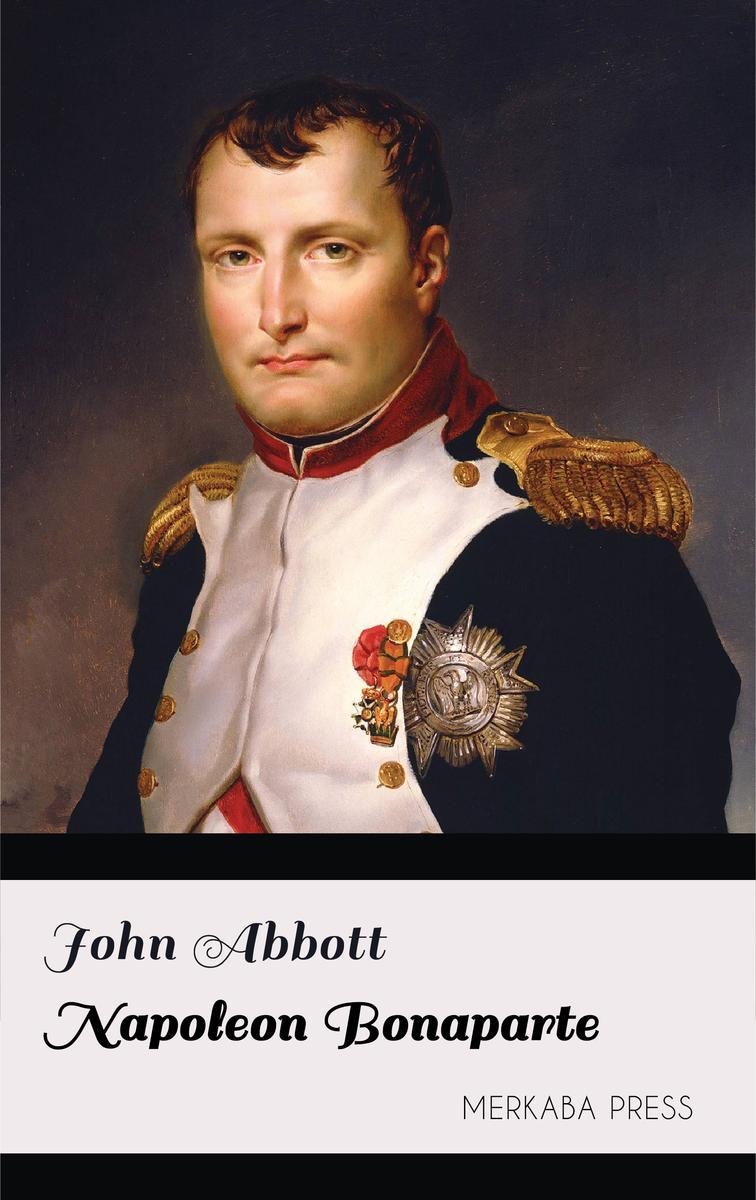
Napoleon Bonaparte
¥8.09
Napoleon Bonaparte
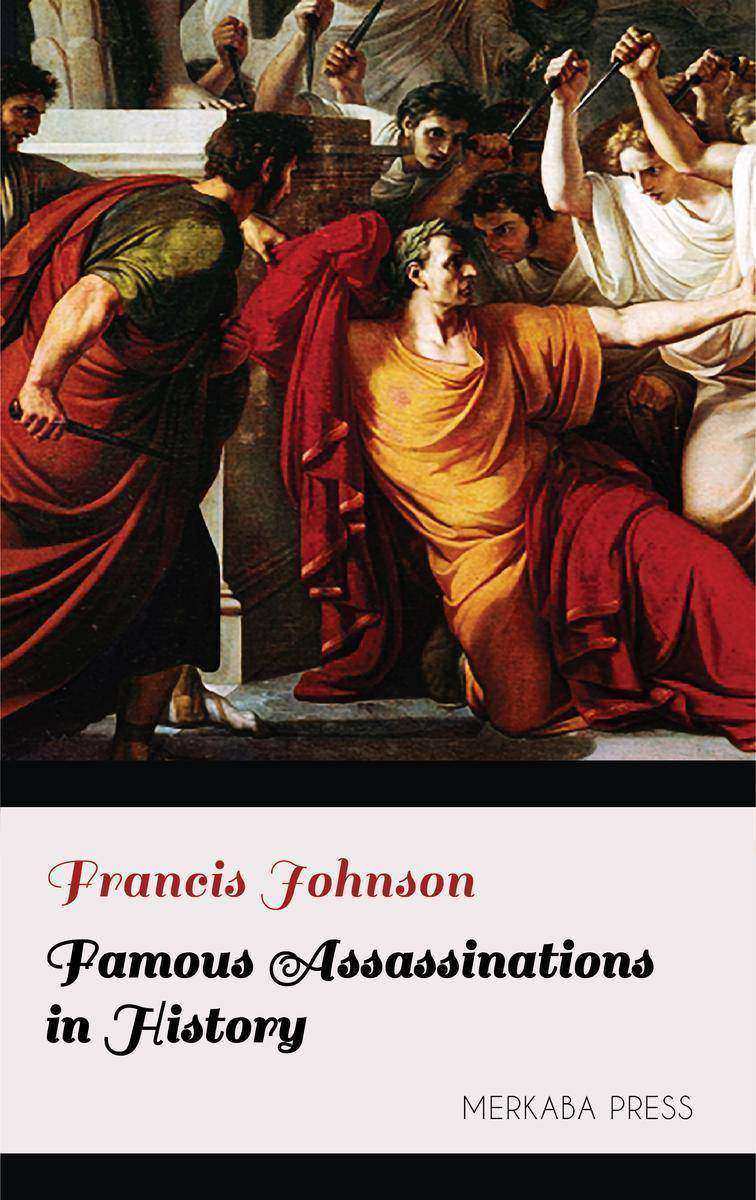
Famous Assassinations in History
¥8.09
Famous Assassinations in History


