


 购物车
购物车 个人中心
个人中心

The Other Side of Israel: My Journey Across the Jewish/Arab Divide
¥63.27
The pioneering autobiographical story of a British Zionist in her fifties who moves to Israel and chooses to live among 25,000 Muslims in the all-Arab Israeli town of Tamra, a few miles from Nazareth. Susan Nathan’s revelatory book about her new life across the ethnic divide in Israel is already creating international interest. At a time when Middle Eastern politics (in many ways central to the current world disorder) have become mired in endless tit-for-tat killings, Susan Nathan is showing – by her own daily example – that it is perfectly possible for Jews and Arabs to live peacefully together in a single community, recognising their common humanity. The author’s familiarity with the former injustices of apartheid South Africa enables her to draw telling comparisons with the state of Israel. The increasing segregation of, and discrimintation against, the million-strong Arabic population of Israel is something she witnesses at first hand, but in describing her experiences in Tamra she is as observant of Arab frailties as of Jewish oppression. Written with warmth, compassion and humour, ‘The Other Side of Israel’ is one courageous woman’s positive life-enhancing response to a situation in which entrenched attitudes lead only to more violence and bloodshed.
Frankie: The Autobiography of Frankie Dettori
¥63.77
Irresistible to the punters, champion jockey Frankie Dettori is a charismatic personality with an easy charm and immaculate dress sense that make him an instant favourite on the track and a household name off it. His autobiography has been fully updated to include Frankie’s record-breaking racing exploits in 2004. In his own words, Frankie Dettori charts his rise from stable lad to champion jockey, revealing the endless hours of hard work, the fun along the way, and his determination to succeed against the odds. Frankie relives his nine Classic winners in the UK and talks about his notable victories at the St Leger, The Breeder’s Cup Mile, the Arc de Triomphe, the Queen Elizabeth II Stakes, and, memorably, his seven winners on the same card at Ascot in 1996. He also shares the secrets of his successful partnerships with trainers like Luca Cumani and John Gosden, and owners such as Sheikh Mohammed of the Goldolphin organisation. This is also a human interest story. Frankie talks openly about using drugs to keep his weight down, his celebrity role as team captain on ‘A Question of Sport’, his rich and varied lifestyle outside of racing, including his family and inner circle, and of the moment when he almost lost his life following a plane crash. Controversial, informative and hugely entertaining, Frankie Dettori’s life story will appeal to the millions of people who follow the sport as well as those intrigued to know more about one of the greatest talents that horse-racing has ever seen.
The Lost Babes: Manchester United and the Forgotten Victims of Munich
¥88.39
Manchester United and the Forgotten Victims of Munich A moving story of how a legendary football team was lost to tragedy - and how this disaster irrevocably altered the lives of the survivors and the bereaved families, and ultimately brought shame on the biggest football club in the world. The Manchester United team Matt Busby had built in the fifties from the club's successful youth policy seemed destined to dominate football for many years. Such was the power of the 'Busby Babes' that they seemed invincible. The average age of the side which won the Championship in 1955-56 was just 22, the youngest ever to achieve such a feat. A year later, when they were Champions again, nothing, it seemed, would prevent this gifted young team from reigning for the next decade. But then came 6 February 1958, the day that eight Manchester United players died on a German airfield in the 'Munich Air Disaster' - a date to be forever etched in the annals of sporting tragedy. Duncan Edwards, Eddie Colman, Tommy Taylor, Roger Byrne...the names were already enshrined in legend before the air crash, but Munich in many ways earned them immortality. They have never grown old. Jeff Connor traces the rise of the greatest Manchester United side of all time, alongside a vibrant portrait of England in the 1950s, but he also paints a dark picture of a club that enriched itself on the myth of Munich while neglecting the families of the dead and the surviving players. The repercussions and the toll the disaster took on so many linger to the present day. Drawing on extensive interviews with the Munich victims and players of that era, The Lost Babes is the definitive account of British football's golden age, a poignant story of the protracted effects of loss and a remorseless dissection of the how the richest football club in the world turned its back on its own players and their families.

Torres: El Ni?o: My Story
¥66.22
Fernando Torres is one of the hottest properties in world football. From local Madrid idol to Kop hero and European Championship winner, he talks here for the first time about the unique challenges faced in his two years in England, with candid snapshots of his life on and off the field. At the age of 25, Spain’s Fernando Torres has already established himself as one of the Liverpool greats and a proud wearer of the fabled No 9 shirt. His first book provides a captivating illustrated story of his career to date, alongside candid snapshots of his early life in Madrid, as a child football prodigy and lifelong fan of local club Atletico. Nicknamed ‘El Nino’ (The Kid), Torres opens up about life on the streets besides Atletico’s Vicente Calderon stadium, signing for the club at the age of 15 and appointed club captain by 19, becoming, as one local journalist put it, ‘one part folk hero, one part native son, one part messiah.’ When Liverpool broke their club transfer record to bring Torres to Anfield in July 2007, it proved the turning point in his career. Competing in the goldfish bowl of the English Premier League, settling into the NorthWest and playing alongside Liverpool heroes like Steven Gerrard and Jamie Carragher, in the company of Spanish team-mates Pepe Reina, Xavi Alonso and Albert Rieira, and performing in front of the Kop who quickly adopted him as one of their own – Torres describes what it means to him to play on one of the greatest stages in world football, and compares and contrasts life in Spain with his new career in England. Away from the football, Torres talks about life out of the spotlight with his childhood sweetheart Ollala, his family and friends, and what inspires and motivates him.
Tony Visconti: The Autobiography: Bowie, Bolan and the Brooklyn Boy
¥72.40
A name synonymous with ground-breaking music, Tony Visconti has worked with the most dynamic and influential names in pop, from T.Rex and Iggy Pop to David Bowie and U2. This is the compelling life story of the man who helped shape music history, and gives a unique, first-hand insight into life in London during the late 1960s and '70s. This memoir takes you on a roller-coaster journey through the glory days of pop music, when men wore sequins and pop could truly rock. Featuring behind-the-scenes stories of big names such as Bowie, Visconti's unique access to the hottest talent, both on stage and off, for over five decades is complemented by unseen photographs from his own personal archive, offering a glimpse at music history that few have witnessed so intimately. Soon after abandoning his native New York to pursue his musical career in the UK, Visconti was soon in the thick of the emerging glam rock movement, launching T.Rex to commercial success and working with the then-unknown David Bowie. Since his fateful move to the land of tea and beer drunk straight from the can, Visconti has worked with such names as T.Rex, Thin Lizzy, Wings, The Boomtown Rats, Marsha Hunt, Procol Harum, and more recently Ziggy Marley, Mercury Rev, the Manic Street Preachers and Morrissey on his acclaimed new album 'Ringleader of the Tormentors'. Even Visconti's personal life betrays an existence utterly immersed in music. Married to first to Siegrid Berman, then to Mary Hopkin and later to May Pang, he counts many of the musicians and producers he has worked with as close friends and is himself a celebrated musician.

If I Don’t Write It Nobody Else Will
¥63.18
The long awaited story of one of Britain’s greatest comic legends. 'Some people walk on stage and the audience warms to them. You can't explain it, and you shouldn't try. It's an arrogant assumption to say you 'decide' to become a comedian. The audience decides for you.' Eric Sykes, December 2001 From his early days writing *s for Bill Fraser and Frankie Howerd through decades of British radio and television comedy – ‘Educating Archie’, ‘Sykes And A …’, ‘Curry and Chips’, ‘The Plank’ – to his present day ventures into film and theatre, starring in ‘The Others’ with Nicole Kidman and appearing in Peter Hall's recent production of ‘As You Like It’, Eric Sykes has carved himself an enduring place as one of Britain's greatest writers and performers. In his much anticipated autobiography, Sykes reveals his extraordinary life working alongside a generation of legendary comedians and entertainers, despite being dogged by deafness and eventually virtual blindness. His hearing problems began in the early days of his career in the 1950s, around the time he wrote, directed and performed in the spoof pantomime ‘Pantomania’ for the BBC. Undeterred however, Sykes learned to lip-read, going on to write and appear in a number of BBC productions including ‘Opening Night’ and Val Parnell's ‘Saturday Spectacular’, the first of two shows he made with Peter Sellers, a great life-long friend. From 1959 until her death in 1980, Syke's starred with Hattie Jacques in one of Britain's best loved sitcoms ‘Sykes and A …’ Throughout the two decade run of this show he continued to work alongside a host of stars including Charlie Drake, Tommy Cooper, Tony Hancock, Spike Milligan, Johnny Speight, Ray Galton and Alan Simpson. Eric Sykes’s comedy has always sported an essential core of warm humanity and this, along with his genuine creative genius, continues to prove an unforgettably winning combination.
You’ll Miss Me When I’m Gone: The life and work of Eric Morecambe
¥147.35
To mark the 25th anniversary of Eric Morecambe’s death, You’ll Miss Me When I’m Gone is the first book to cover Eric’s whole life and untimely death, including unseen family photographs and new insights by Eric’s son Gary Morecambe. Published in the 25th anniversary year of Eric Morecambe’s death, You’ll Miss Me When I’m Gone is a celebration of Eric Morecambe’s life in words and previously unseen personal family photographs. Eric Morecambe and Ernie Wise are to this day still regarded as Britain’s most successful and best loved comedy duo, and their television shows from the 1970’s and 80’s are undoubtedly their finest work. For the first time, Eric Morecambe’s whole life, from his earliest days in his home-town of Morecambe right up to his death in Gloucestershire in 1984 are appraised by his son Gary. Included are photographs not seen by the family until recently – poignantly one of Eric at a friend’s wedding the day before he would collapse and die on stage. As the final and definitive book on Eric Morecambe,You’ll Miss Me features interviews with those who knew and loved Eric, including his wife Joan, Ronnie Corbett, Hamish McColl who wrote and starred in The Play What I Wrote and a foreword by Judi Dench. ’You’ll miss me when I’m gone’ was Eric’s oft repeated plaintive remark when he’d been annoying the Morecambe family with his gags.The irony is that, 25 years after his death, the viewing nation still misses Eric Morecambe.
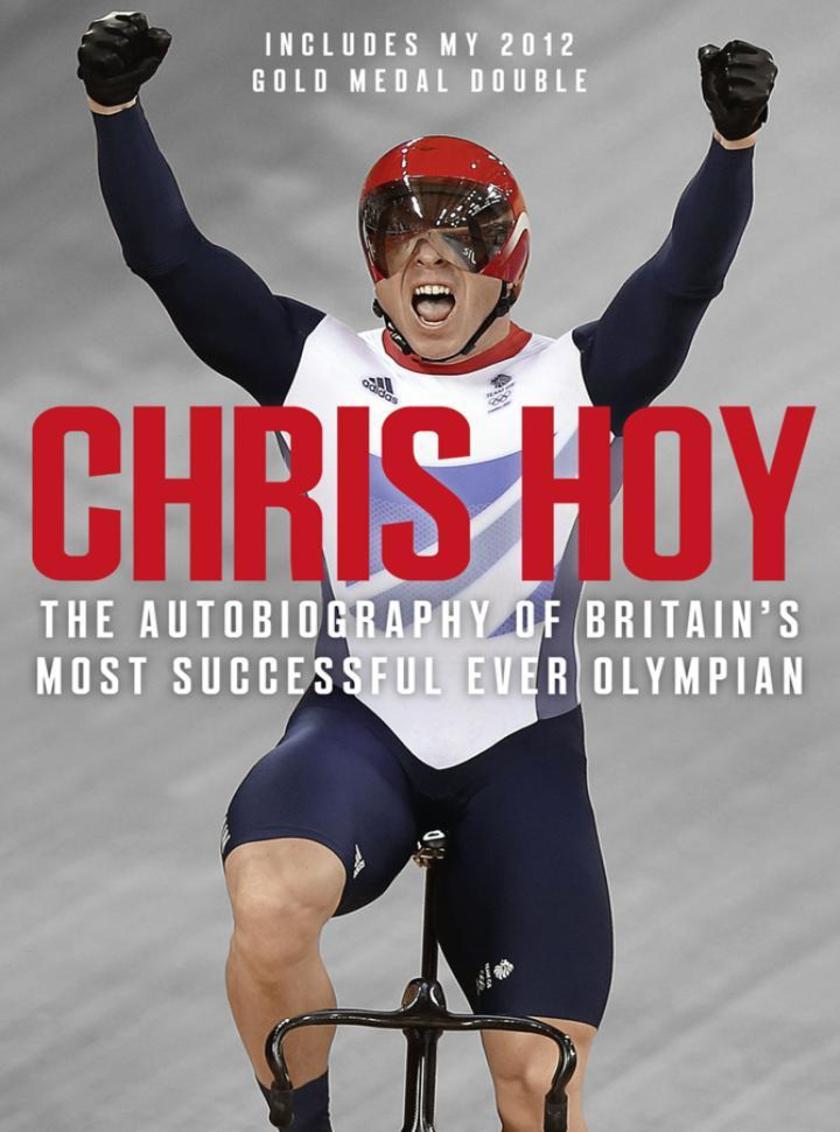
Chris Hoy: The Autobiography
¥68.67
Fully updated to include Sir Chris Hoy’s incredible, record-breaking golds at London 2012 (making him his country’s greatest ever Olympian), this is the story of a sporting legend in his own words. Fully updated to include Sir Chris Hoy’s incredible, record-breaking golds at London 2012 (making him his country’s greatest ever Olympian), this is the story of a sporting legend in his own words. This 33-year-old cycling fanatic from Murrayfield in the suburbs of Edinburgh defied the doubters who thought he would struggle when his specialist discipline, the 1km time trial, was dropped from the Olympics, and went on to reinvent himself as a track cycling sprinter and triple Olympic gold medallist in Beijing. His return to these shores sparked unprecedented celebrations and real admiration that here was a role model who was the epitome of all things that are good in sport. What makes a champion in sport? In his autobiography, Hoy returns to his roots as a child fully engaged with the BMX craze of the Eighties; when, even as a seven year old his will to succeed allied to an unyielding mental strength set him apart from other youngsters of his age. A promising rower and rugby player in school, it was when he joined his first local cycling club and spent most weekends of the year competing in national events from Blackpool to Bristol that the seeds of his future career were sown. With the devoted support of his family, Hoy drove himself to the pinnacle of his sport at the same time as British track cycling established itself as a pioneering force on the world stage. In the wake of his unparalleled achievements at London 2012, which filled the whole country with pride, there is no sporting icon better placed to demonstrate what it takes to reach the top than Chris Hoy.

When Daddy Comes Home
¥45.62
She finally thought she was safe… Toni Maguire, author of Number One Bestseller ‘Don't Tell Mummy’, takes up the story of her tragic childhood where she left off, revealing the awful truth about what happened when her father, sent to jail for abusing her, was released, and came home… Toni Maguire's father abused her from the age of six, and was only found out when she fell pregnant, losing the child from a botched abortion. Jailed for his crimes with the help of her testimony, Antoinette believed she was finally safe, but it was not to last… Being despatched to collect her father from the station by herself marked a new low for young Antoinette. Realising that she was no longer safe at home, she was forced to leave. Her mother did nothing to protect her or prevent her going. Traumatised and alone, Antoinette was unable to cope, and was admitted to a psychiatric hospital, sinking deeper into despair every day. Finally transferred to the dead-end ward with no hope of recovery, Antoinette slowly began to improve, by the sheer force of her indomitable will.
My Father’s Watch: The Story of a Child Prisoner in 70s Britain
¥63.18
The intensely moving memoir of Patrick Maguire, one of the ‘Maguire Seven’ wrongly imprisoned as a teenager for making bombs for the IRA. On the night of October 5 1974, an IRA unit left bombs in two Guildford pubs: five people were killed. On the night of December 3 1974, on the strength of fabricated testimony extracted under duress from Paul Hill and Gerard Conlon (whom the police mistakenly believed had planted the Guildford bombs), Anne and Paddy Maguire, two of their four children, Vincent and Patrick, plus other family members and friends, a total of seven in all, were arrested at their home in West London. On 22 October 1975 the Guildford Four were wrongfully convicted of bombing the two pubs in Guildford. On the 4 March 1976 the Maguire Seven, as they had become known, were found guilty of possession of the nitro-glycerine used in those bombings. On 19 October 1989 the verdicts on the Guildford Four were quashed. On 26 June 1991 the convictions against the Maguire Seven of handling explosives were quashed and just over a year later, Sir John May, after producing a report on the Maguire Seven case, described it as the worst miscarriage of justice he had ever seen. Behind these dates lie human stories – ‘My Father's Watch’ tells that of Patrick, who was the youngest of the accused, at fourteen years old. He was sentenced to four years and when he came out he had no home and no family, as both parents were still in jail. This book takes us through Patrick's entire life, from his working-class childhood in West London to the difficult life he has led since prison, the roots of which go back to the wrongful convictions and the destruction of the family that followed. Patrick Maguire and the novelist Carlo Gébler have written ‘My Father's Watch’ jointly. It is not a ghosted work – told in Patrick's own voice, it is a lucid and inspiring account of one individual's experience of an appalling injustice, as well as a reminder, as the war against terror ratchets up, of just how much harm a state can do to its own innocent citizens in the name of security.
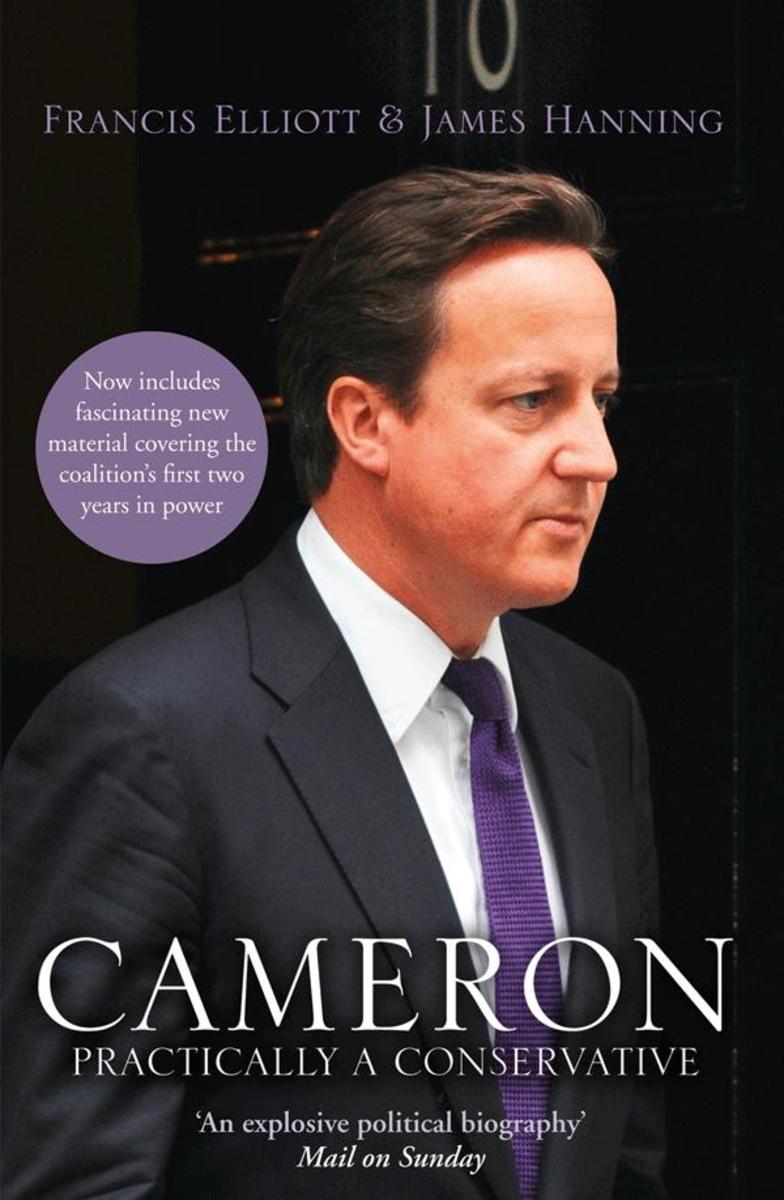
Cameron: Practically a Conservative
¥68.67
A fully updated edition of the first major biography of David Cameron – now covering his first years as Prime Minister and leader of the coalition government. David Cameron is the first Conservative Prime Minister in a generation, and also the first leader of a coalition government for eighty years. But what is the reality behind his brand of repackaged Conservatism? And who is Cameron the man? Here, for the first time, is an independent examination of the ‘saviour’ of the Conservative Party and the life that brought him to Number 10. Based on extensive interviews with his closest friends, his most senior lieutenants and his critics, it traces his meteoric rise from an idyllic, privileged childhood, to the heart of government by the age of 25, to leader of the country. Critical and insightful by turn, this updated edition now covers Cameron’s first year as Prime Minister – a time that has seen unprecedented scandal in the political world, as well as challenges unique to the Conservative leader.
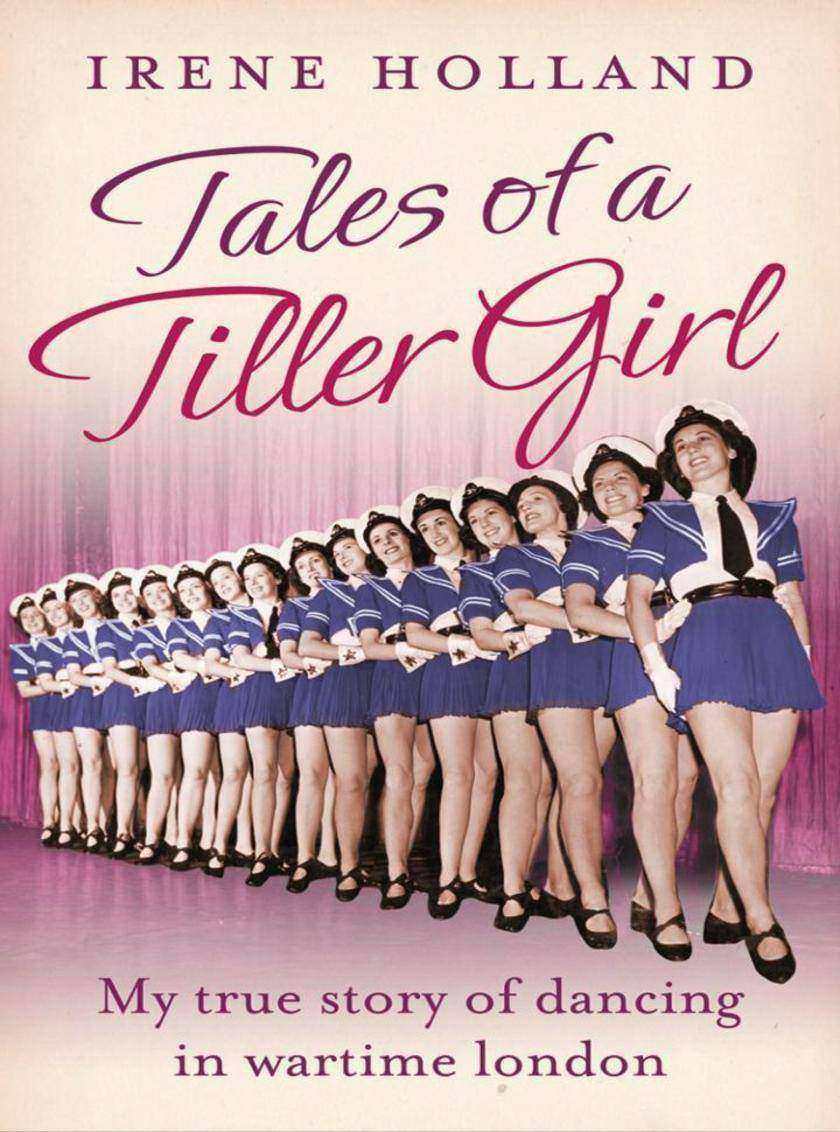
Tales of a Tiller Girl
¥58.86
A heart-warming nostalgia memoir from a member of the world famous dance troupe, The Tiller Girls. Based in London in the 1930s, 40s and 50s, Irene’s story will transport readers back to a more innocent, simple way of life. This is the story of a little girl who loved to dance. Growing up in London in the 1930s, dancing was so much more to Irene than just a hobby. It was her escape and it took her off into another world away from the harsh realities of life. A fairytale world away from the horrors of WW2, from the grief of losing her father and missing her mother who she didn’t see for three years while she was drafted to help with the war effort. And far away from her cold-hearted grandparents who treated her like an inconvenience. Finally it led to her winning a place as a Tiller Girl; the world’s most famous dance troupe known for their 32-and-a-half high kicks a minute and precise, symmetrical routines. For four years she opened and closed the show at the prestigious London Palladium and performed on stage alongside huge stars such as Frank Sinatra, Nat King Cole and Judy Garland. It was a strange mixture of glamour and bloody hard work but it was certainly never dull. And being a Tiller Girl also gave Irene the opportunity to see firsthand the devastating effects of WW2, both here and abroad. Heart-warming, enlightening and wonderfully uplifting, Irene’s evocative story will transport readers back to a time when every town and holiday resort had several theatres and when dance troupes like The Tiller Girls were the epitome of glitz and glamour.
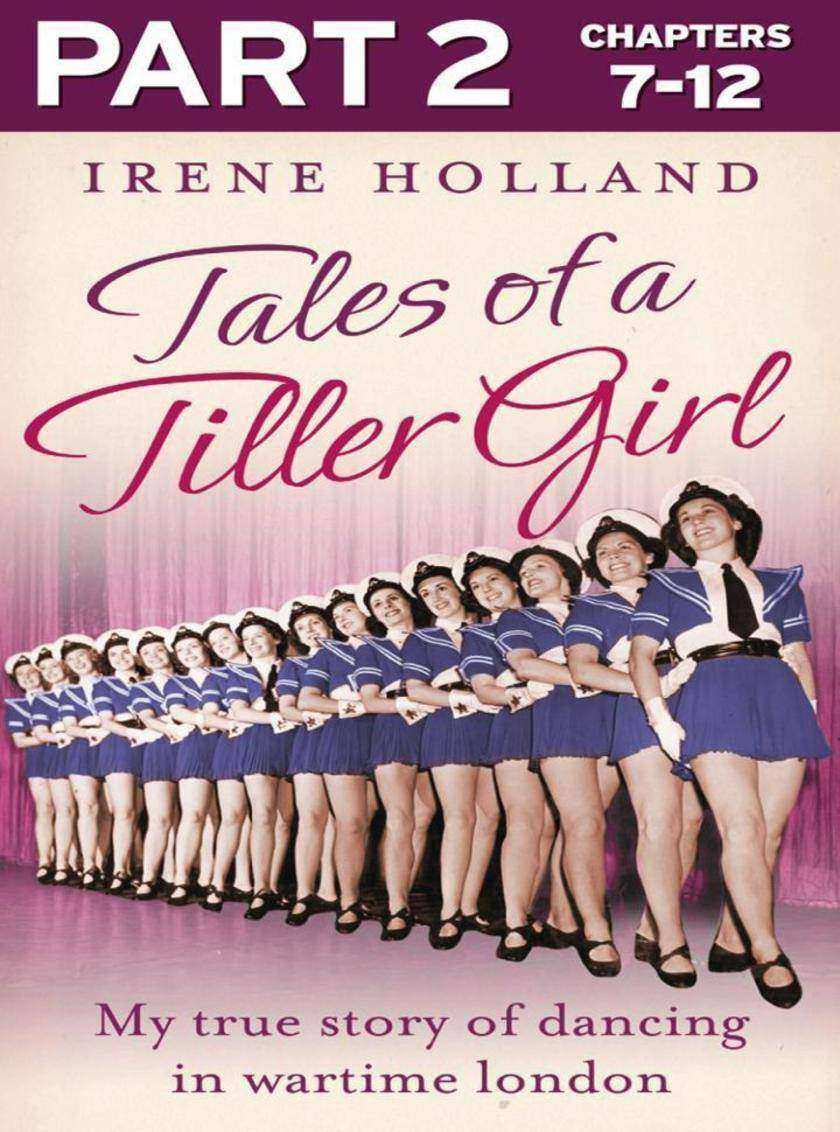
Tales of a Tiller Girl Part 2 of 3
¥28.45
A heart-warming nostalgia memoir from a member of the world famous dance troupe, The Tiller Girls. Based in London in the 1930s, 40s and 50s, Irene’s story will transport readers back to a more innocent, simple way of life. This is the story of a little girl who loved to dance. Growing up in London in the 1930s, dancing was so much more to Irene than just a hobby. It was her escape and it took her off into another world away from the harsh realities of life. A fairytale world away from the horrors of WW2, from the grief of losing her father and missing her mother who she didn’t see for three years while she was drafted to help with the war effort. And far away from her cold-hearted grandparents who treated her like an inconvenience. Finally it led to her winning a place as a Tiller Girl; the world’s most famous dance troupe known for their 32-and-a-half high kicks a minute and precise, symmetrical routines. For four years she opened and closed the show at the prestigious London Palladium and performed on stage alongside huge stars such as Frank Sinatra, Nat King Cole and Judy Garland. It was a strange mixture of glamour and bloody hard work but it was certainly never dull. And being a Tiller Girl also gave Irene the opportunity to see firsthand the devastating effects of WW2, both here and abroad. Heart-warming, enlightening and wonderfully uplifting, Irene’s evocative story will transport readers back to a time when every town and holiday resort had several theatres and when dance troupes like The Tiller Girls were the epitome of glitz and glamour.
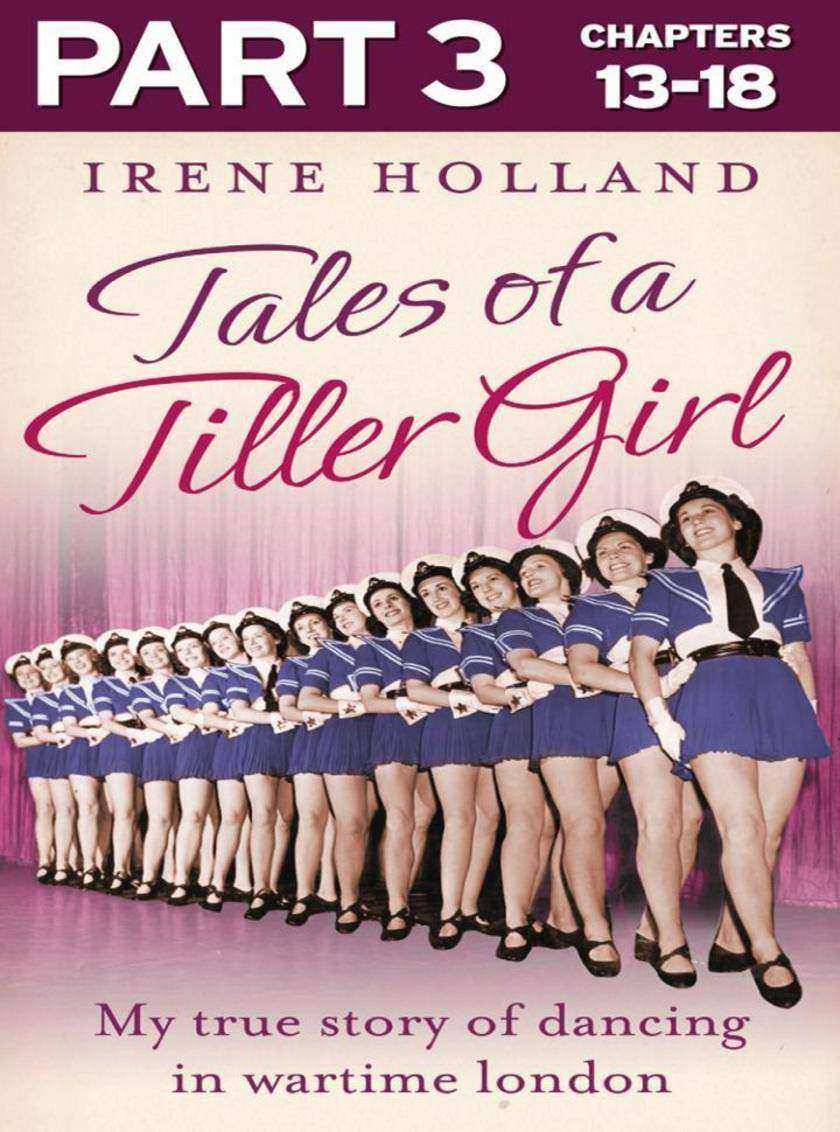
Tales of a Tiller Girl Part 3 of 3
¥47.48
A heart-warming nostalgia memoir from a member of the world famous dance troupe, The Tiller Girls. Based in London in the 1930s, 40s and 50s, Irene’s story will transport readers back to a more innocent, simple way of life. This is the story of a little girl who loved to dance. Growing up in London in the 1930s, dancing was so much more to Irene than just a hobby. It was her escape and it took her off into another world away from the harsh realities of life. A fairytale world away from the horrors of WW2, from the grief of losing her father and missing her mother who she didn’t see for three years while she was drafted to help with the war effort. And far away from her cold-hearted grandparents who treated her like an inconvenience. Finally it led to her winning a place as a Tiller Girl; the world’s most famous dance troupe known for their 32-and-a-half high kicks a minute and precise, symmetrical routines. For four years she opened and closed the show at the prestigious London Palladium and performed on stage alongside huge stars such as Frank Sinatra, Nat King Cole and Judy Garland. It was a strange mixture of glamour and bloody hard work but it was certainly never dull. And being a Tiller Girl also gave Irene the opportunity to see firsthand the devastating effects of WW2, both here and abroad. Heart-warming, enlightening and wonderfully uplifting, Irene’s evocative story will transport readers back to a time when every town and holiday resort had several theatres and when dance troupes like The Tiller Girls were the epitome of glitz and glamour.
A Child Called Hope
¥11.77
A dramatic debut short story from London-based foster carer Mia Marconi. An incredible chain of events that began in Italy during WWII with an illegitimate pregnancy shaped Mia’s destiny. The illegitimate child was her father, a lost soul who she idolised. Protecting him instilled in her an instinct to care for the vulnerable and, after a chance meeting with a chaotic foster family, she decided fostering was her vocation. In an incredible twist of fate, the first baby she fostered was born to an unmarried Italian girl. Then came Hope, so badly damaged by her teenage mother’s alcoholism she was in hospital for a year. Finally discharged and settled in Mia’s happy home, what happened next would make Mia question if she could carry on.
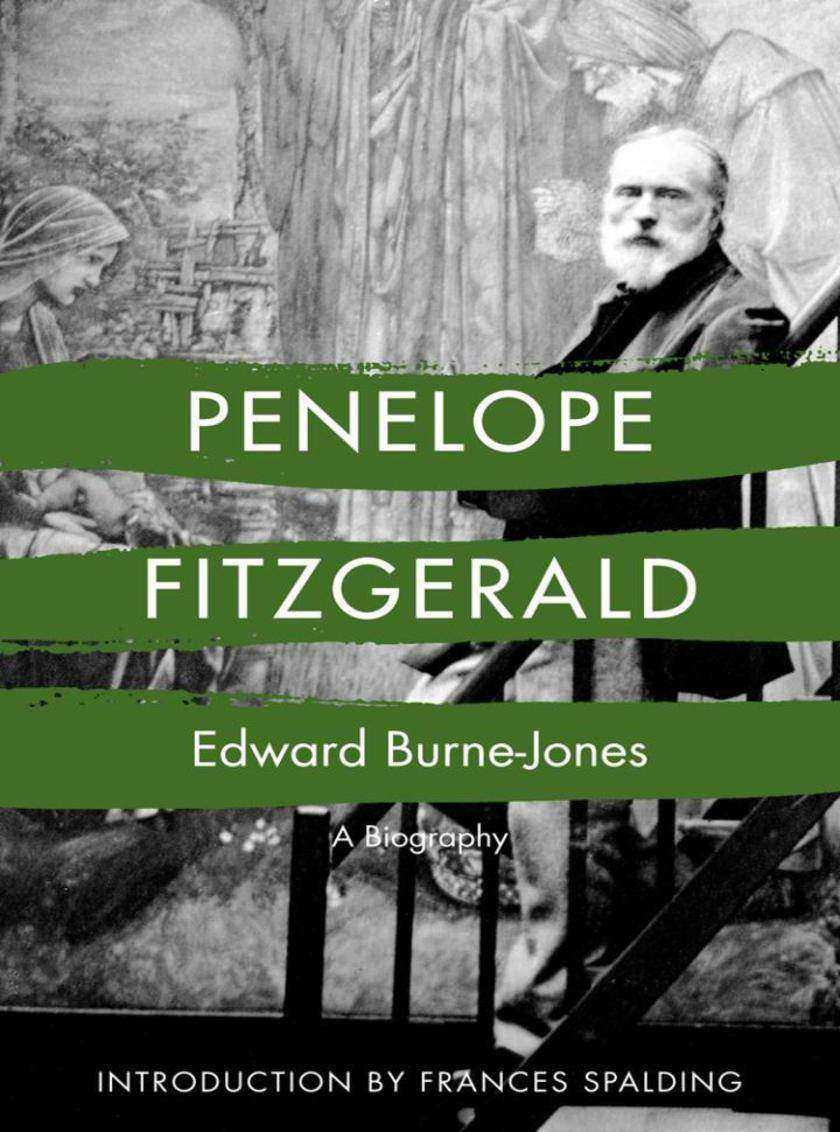
Edward Burne-Jones
¥95.75
Penelope Fitzgerald, the Booker Prize-winning author of ‘Offshore’ and ‘The Blue Flower’, turns her attention to the remarkable life of the Pre-Raphaelite artist Edward Burne-Jones. ‘I mean by a picture a beautiful, romantic dream of something that never was, never will be, in a light better than any light that ever shone – in a land no one can define or remember, only desire’ Edward Burne-Jones Edward Burne-Jones (1833-1898) was the prototypical pre-Raphaelite but with a truly individual sensibility. Penelope Fitzgerald’s delightful biography charts his life from humble beginnings in Birmingham as the son of an unsuccessful framer, through a transformative period at Oxford, where he met his close friend and collaborator William Morris, and on to the apprenticeship with Dante Gabriel Rossetti that would shape his artistic vision. His work harks back to an Arthurian England – an Arcadia that offered solace against the onset of the Industrial Revolution, and on a deeply personal level provided respite from his ever-present melancholia. This is an illuminating portrait of a fascinating figure – artistic genius, doting father, troubled husband – written with all Penelope Fitzgerald’s characteristic sympathy and insight.
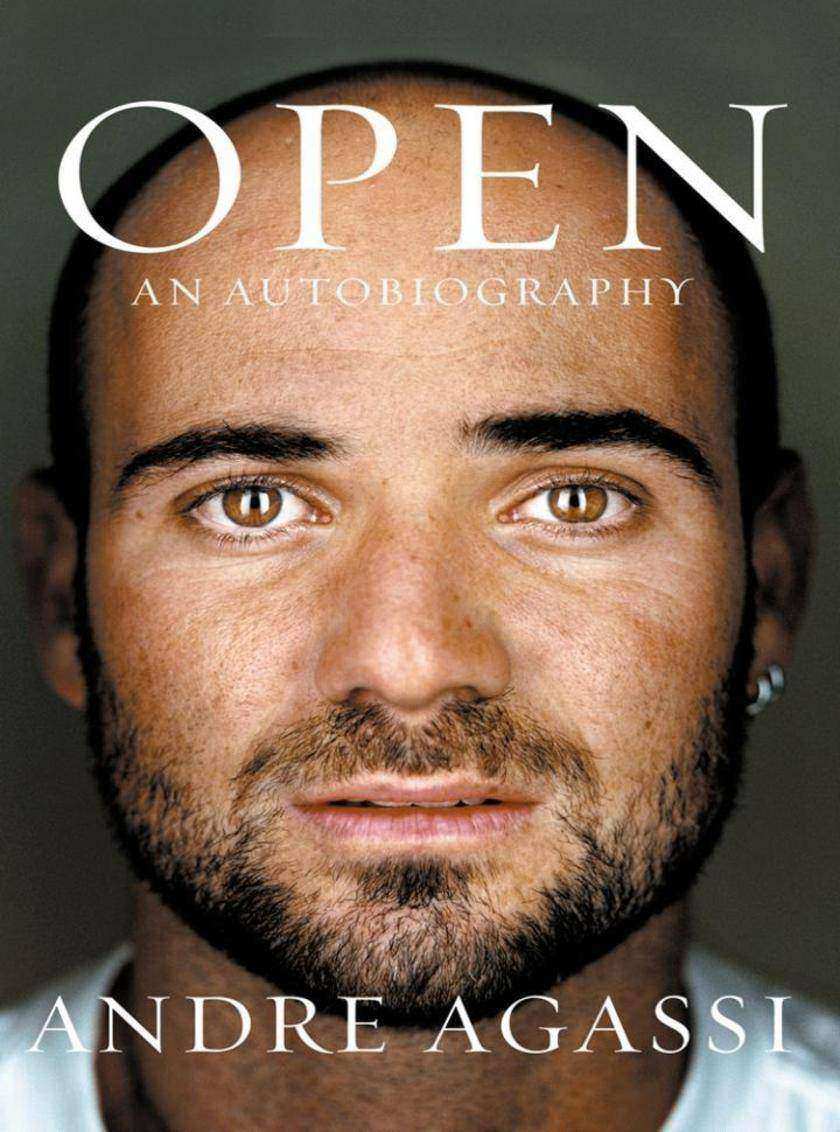
Open: An Autobiography
¥78.38
He is one of the most beloved athletes in history and one of the most gifted men ever to step onto a tennis court – but from early childhood Andre Agassi hated the game. Coaxed to swing a racket while still in the crib, forced to hit hundreds of balls a day while still in grade school, Agassi resented the constant pressure even as he drove himself to become a prodigy, an inner conflict that would define him. Now, in his beautiful, haunting autobiography, Agassi tells the story of a life framed by such conflicts. Agassi makes us feel his panic as an undersized seven-year-old in Las Vegas, practicing all day under the obsessive gaze of his violent father. We see him at thirteen, banished to a Florida tennis camp. Lonely, scared, a ninth-grade dropout, he rebels in ways that will soon make him a 1980s icon. By the time he turns pro at sixteen, his new look promises to change tennis forever, as does his lightning fast return. And yet, despite his raw talent, he struggles early on. We feel his confusion as he loses to the world's best, his greater confusion as he starts to win. After stumbling in three Grand Slam finals, Agassi shocks the world, and himself, by capturing the 1992 Wimbledon. Overnight he becomes a fan favorite and a media target. Agassi brings a near-photographic memory to every pivotal match, and every public relationship. Alongside vivid portraits of rivals, Agassi gives unstinting accounts of his brief time with Barbra Streisand and his doomed marriage to Brooke Shields. He reveals the depression that shatters his confidence, and the mistake that nearly costs him everything. Finally, he recounts his spectacular resurrection and his march to become the oldest man ever ranked number one. In clear, taut prose, Agassi evokes his loyal brother, his wise coach, his gentle trainer, all the people who help him regain his balance and find love at last with Stefanie Graf. With its breakneck tempo and raw candor, Open will be read and cherished for years. A treat for ardent fans, it will also captivate readers who know nothing about tennis. Like Agassi's game, it sets a new standard for grace, style, speed and power.
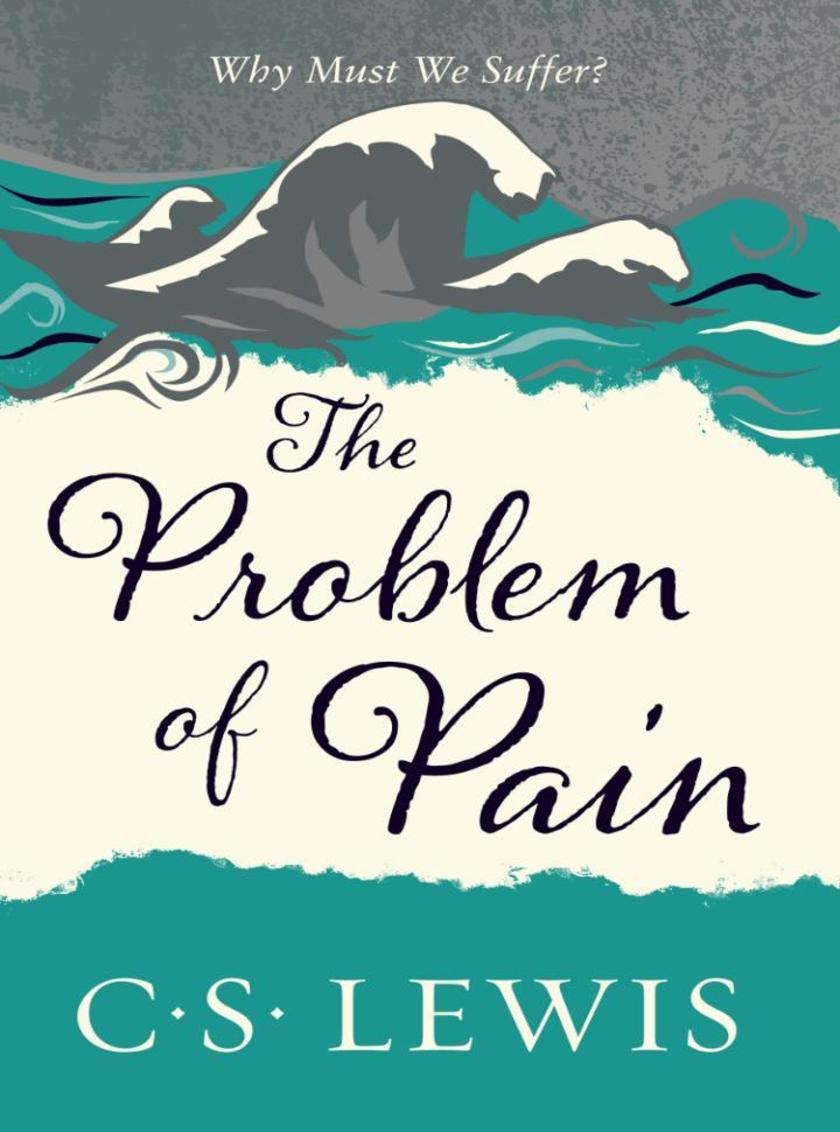
The Problem of Pain
¥61.51
Beutifully repackaged as part of the C.S. Lewis Signature Classic Range, Lewis addresses the question which tortures every generation – Why must we suffer? For centuries people have been tormented by one question above all – ‘If God is good and all-powerful, why does he allow his creatures to suffer pain?’ And what of the suffering of animals, who neither deserve pain nor can be improved by it? The greatest Christian thinker of our time sets out to disentangle this knotty issue. With his signature wealth of compassion and insight, C.S. Lewis offers answers to these crucial questions and shares his hope and wisdom to help heal a world hungering for a true understanding of human nature.
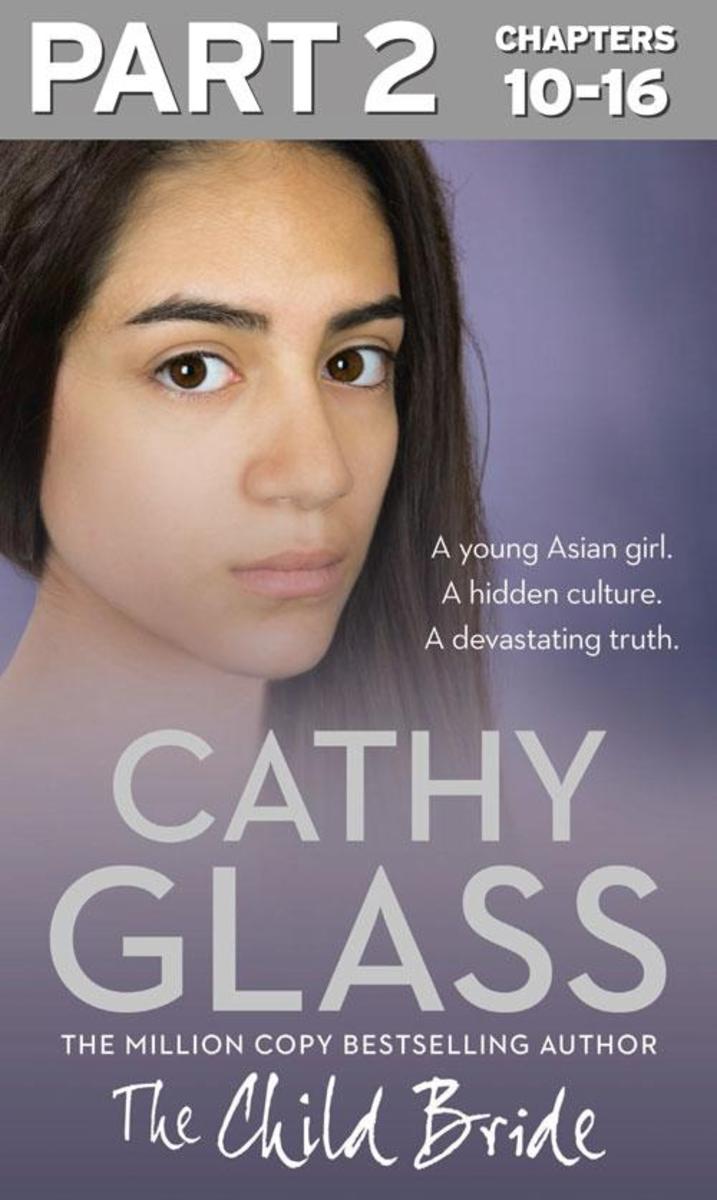
The Child Bride: Part 2 of 3
¥28.45
The Child Bride can either be read as a full-length eBook or in 3 serialised eBook-only parts. This is PART 2 of 3. You can read Part 2 two weeks ahead of release of the full-length eBook and paperback. Cathy Glass, international bestselling author, tells the shocking story of Zeena, a young Asian girl desperate to escape from her family. When 14 -year-old Zeena begs to be taken into care with a non-Asian family, she is clearly petrified. But of what? Placed in the home of experienced foster carer Cathy and her family, Zeena gradually settles into her new life, but misses her little brothers and sisters terribly. Prevented from having any contact with them by her family who insist she has brought shame and dishonour on the whole community, Zeena tries to see them at school. But when her father and uncle find out, they bundle her into a car and threaten to set fire to her if she makes anymore trouble. Zeena is too frightened to press charges against them despite being offered police protection in a safe house. Eventually, Cathy discovers the devastating truth from Zeena, and with devastation she believes there is little she can do to help her.
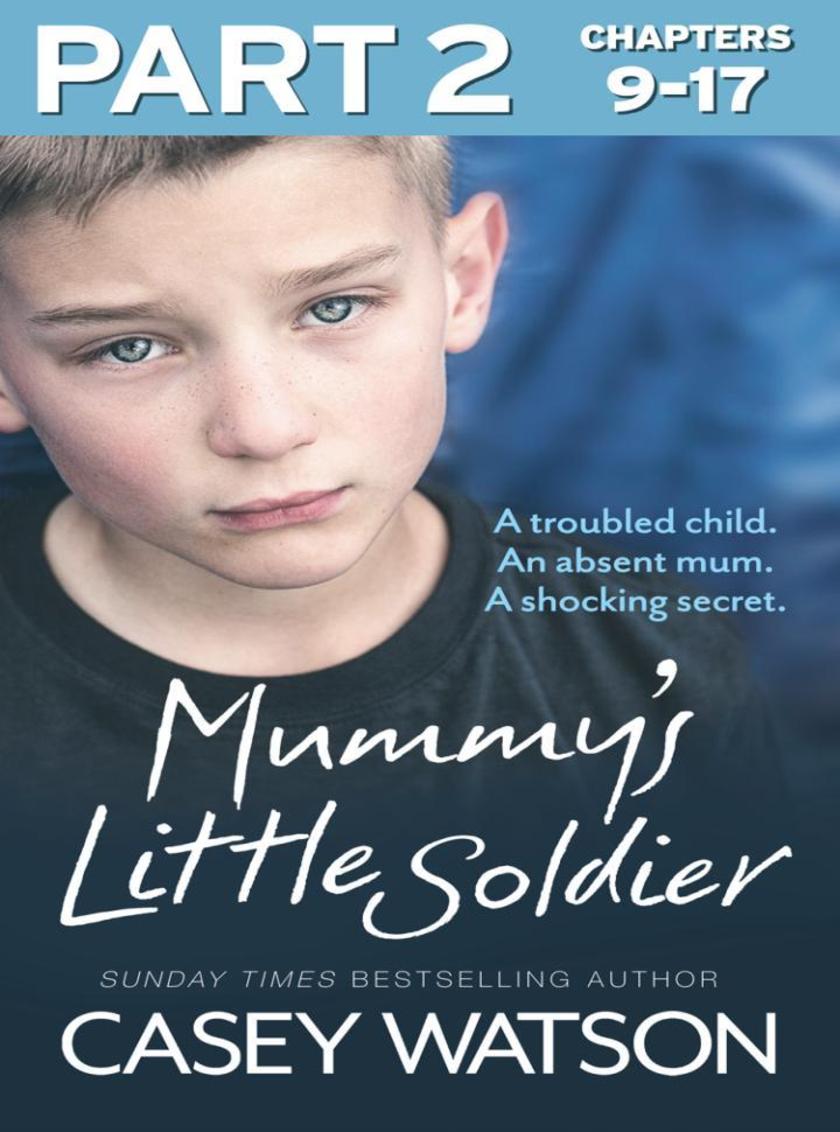
Mummy’s Little Soldier: Part 2 of 3
¥27.47
Casey’s Unit is, as ever, full of troubled, disaffected pupils, and new arrival Leo is something of a conundrum. Thirteen year old Leo isn’t a bad lad – in fact, he’s generally polite and helpful, but he’s in danger of permanent exclusion for repeatedly absconding and unauthorised absences. Despite letters being sent home regularly, his mother never turns up for any appointments, and when the school calls home she always seems to have an excuse. Though Casey has her hands full, she offers to intervene for a while, to try get Leo engaged in learning again and remaining in school. The head’s sceptical though and warns her that this is Leo’s very last chance. But Casey’s determined, because there’s something about Leo that makes her want to fight his corner, and get to the bottom of whatever it is that compels this enigmatic boy to keep running away. With Leo so resolutely tight-lipped and secretive, Casey knows that if she’s going to keep this child in education, she’s going to have to get to the bottom of it herself…
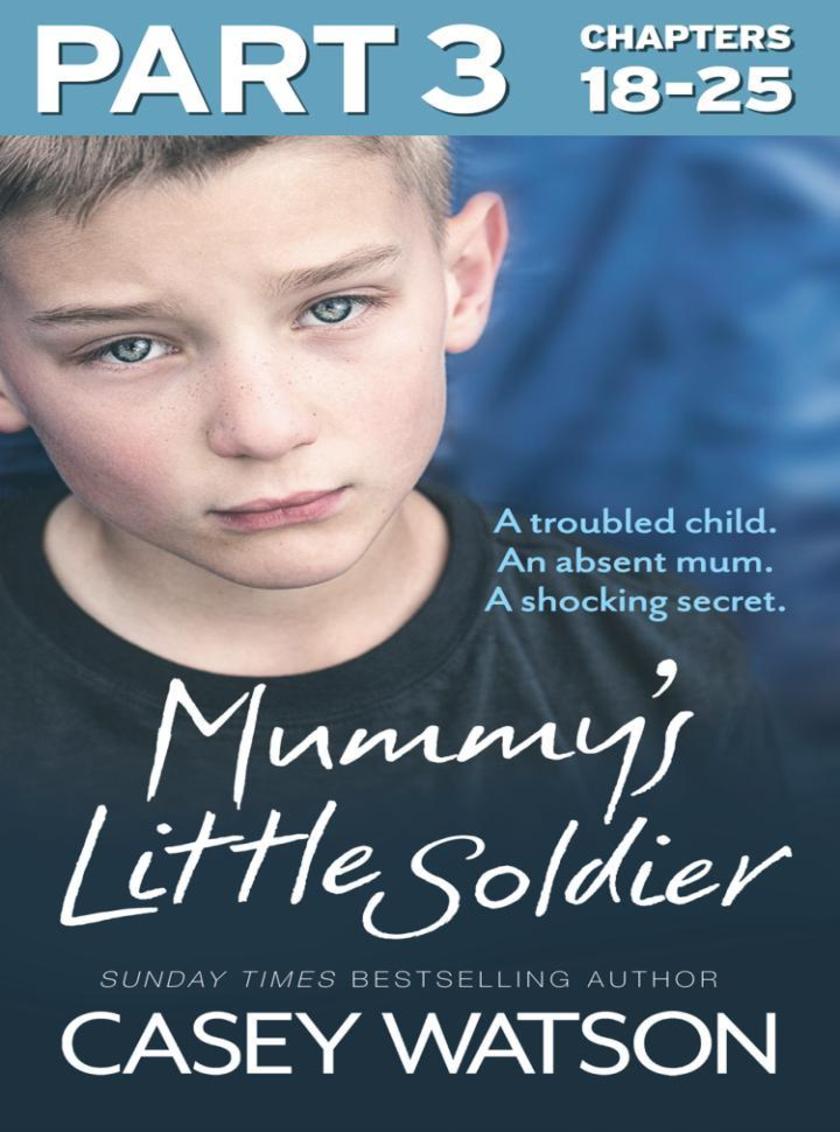
Mummy’s Little Soldier: Part 3 of 3
¥27.47
Casey’s Unit is, as ever, full of troubled, disaffected pupils, and new arrival Leo is something of a conundrum. Thirteen year old Leo isn’t a bad lad – in fact, he’s generally polite and helpful, but he’s in danger of permanent exclusion for repeatedly absconding and unauthorised absences. Despite letters being sent home regularly, his mother never turns up for any appointments, and when the school calls home she always seems to have an excuse. Though Casey has her hands full, she offers to intervene for a while, to try get Leo engaged in learning again and remaining in school. The head’s sceptical though and warns her that this is Leo’s very last chance. But Casey’s determined, because there’s something about Leo that makes her want to fight his corner, and get to the bottom of whatever it is that compels this enigmatic boy to keep running away. With Leo so resolutely tight-lipped and secretive, Casey knows that if she’s going to keep this child in education, she’s going to have to get to the bottom of it herself…


