


 购物车
购物车 个人中心
个人中心
Wild Apples
¥40.79
It is remarkable how closely the history of the Apple-tree is connected with that of man. The geologist tells us that the order of the Rosaceae, which includes the Apple, also the true Grasses, and the Labiatae, or Mints, were introduced only a short time previous to the appearance of man on the globe.
Canoeing in the wilderness
¥40.79
At the time Thoreau made this wilderness canoe trip he was forty years old. The record of the journey is the latter half of his The Maine Woods, which is perhaps the finest idyl of the forest ever written. It is particularly charming in its blending of meditative and poetic fancies with the minute description of the voyager’s experiences.
Gorgias
¥40.79
In several of the dialogues of Plato, doubts have arisen among his interpreters as to which of the various subjects discussed in them is the main thesis. The speakers have the freedom of conversation; no severe rules of art restrict them, and sometimes we are inclined to think, with one of the dramatis personae in the Theaetetus, that the digressions have the greater interest. Yet in the most irregular of the dialogues there is also a certain natural growth or unity; the beginning is not forgotten at the end, and numerous allusions and references are interspersed, which form the loose connecting links of the whole.
Phaedrus
¥40.79
The Phaedrus is closely connected with the Symposium, and may be regarded either as introducing or following it. The two Dialogues together contain the whole philosophy of Plato on the nature of love, which in the Republic and in the later writings of Plato is only introduced playfully or as a figure of speech. But in the Phaedrus and Symposium love and philosophy join hands, and one is an aspect of the other. The spiritual and emotional part is elevated into the ideal, to which in the Symposium mankind are described as looking forward, and which in the Phaedrus, as well as in the Phaedo, they are seeking to recover from a former state of existence.
Protagoras
¥40.79
The Protagoras, like several of the Dialogues of Plato, is put into the mouth of Socrates, who describes a conversation which had taken place between himself and the great Sophist at the house of Callias—'the man who had spent more upon the Sophists than all the rest of the world'—and in which the learned Hippias and the grammarian Prodicus had also shared, as well as Alcibiades and Critias, both of whom said a few words—in the presence of a distinguished company consisting of disciples of Protagoras and of leading Athenians belonging to the Socratic circle.
On Generation and Corruption
¥40.79
Our next task is to study coming-to-be and passing-away. We are to distinguish the causes, and to state the definitions, of these processes considered in general-as changes predicable uniformly of all the things that come-to-be and pass-away by nature. Further, we are to study growth and 'alteration'. We must inquire what each of them is; and whether 'alteration' is to be identified with coming-to-be, or whether to these different names there correspond two separate processes with distinct natures.
Martin Chuzzlewit
¥40.79
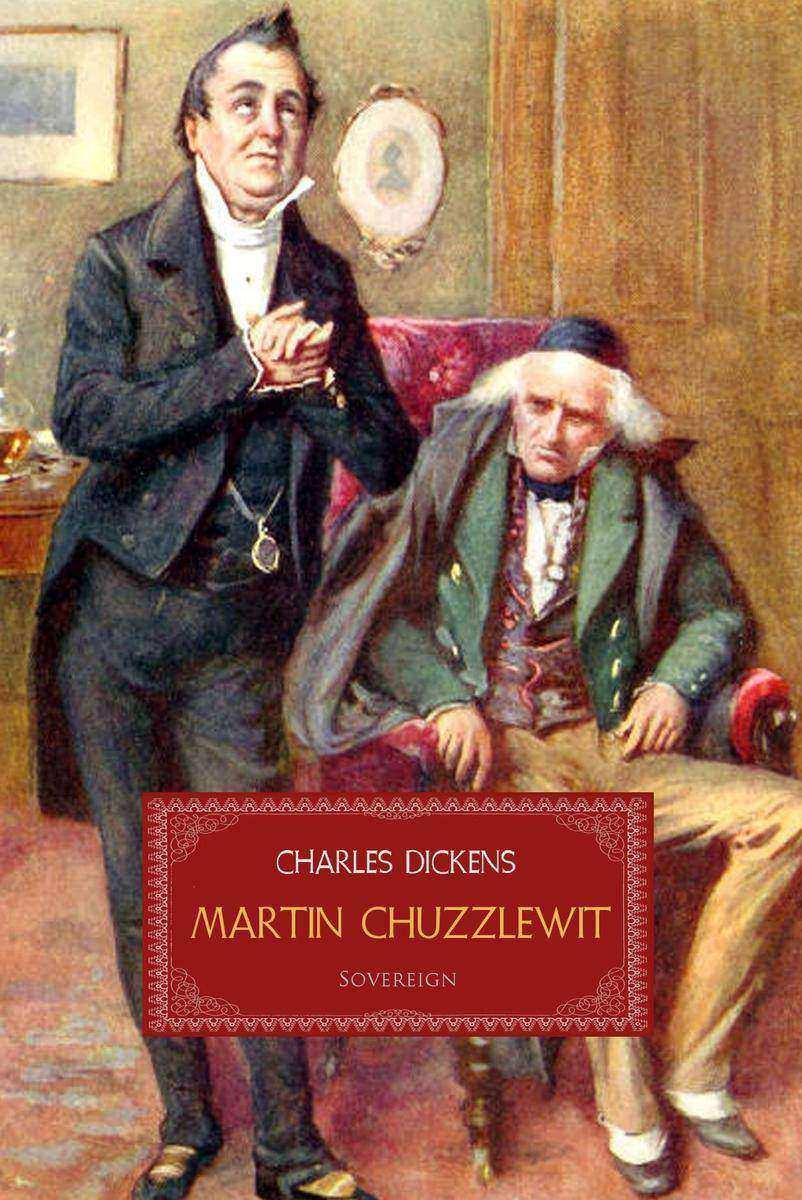
The last of Dickens' picaresque novels which exposes selfishness, portrayed in a satirical fashion using all the members of the Chuzzlewit family. The novel was written after taking a year off during which Charles Dickens visited America. Similarly, young Martin Chuzzlewit, the old man's grandson, goes off to America to live through events which Dickens himself perhaps experienced or observed during his own travels.
Eve's Ransom
¥40.79
Eve's Ransom is the story of a mechanical draughtsman named Maurice Hilliard, who comes into some money, which enables him to live without working. As part of his resulting travels, he meets and falls in love with Eve Madeley, a book keeper.
The Godson
¥40.79
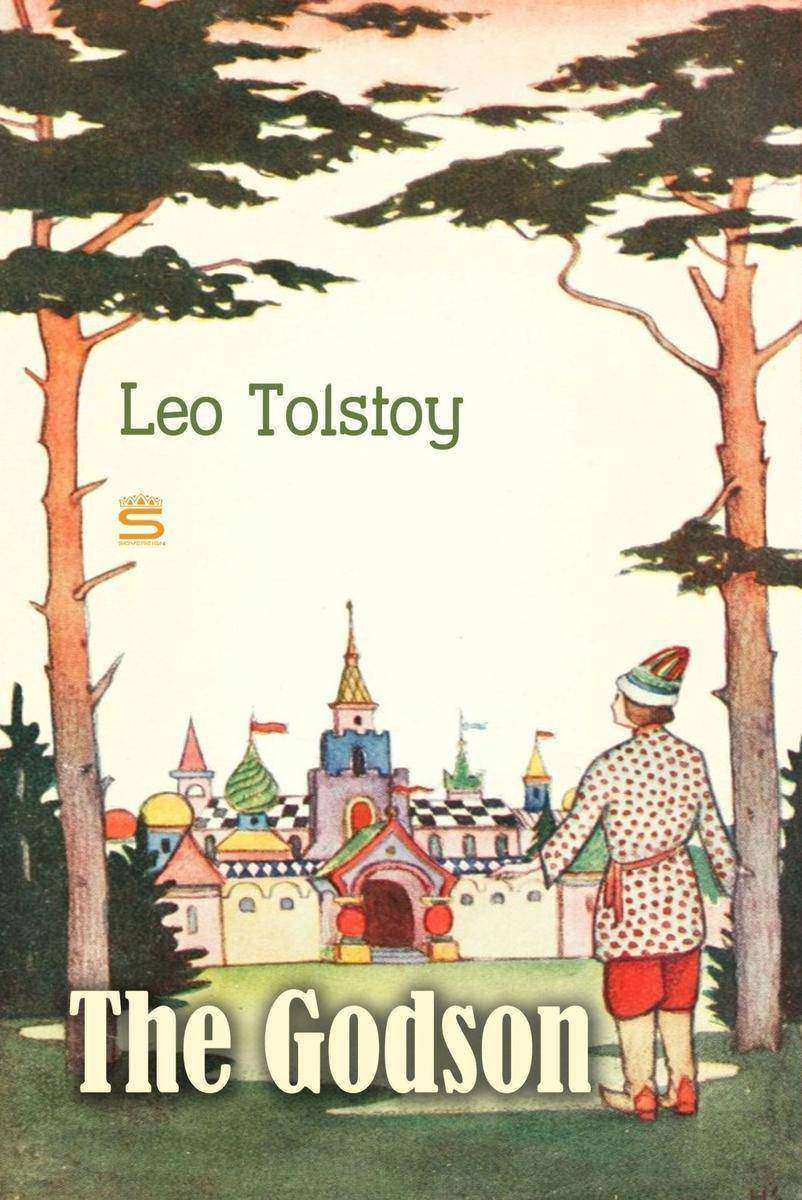
A son was born to a poor peasant. He rejoiced and went to a neighbour to ask him to stand as godfather to the boy. The neighbour refused. He did not want to be godfather to a poor man’s son. So the peasant went to another neighbour and he, too, refused. He walked from house to house, but could find no one who would be godfather to his son, so he set out to another village.
The Heroes: Greek Fairy Tales for My Children
¥40.79
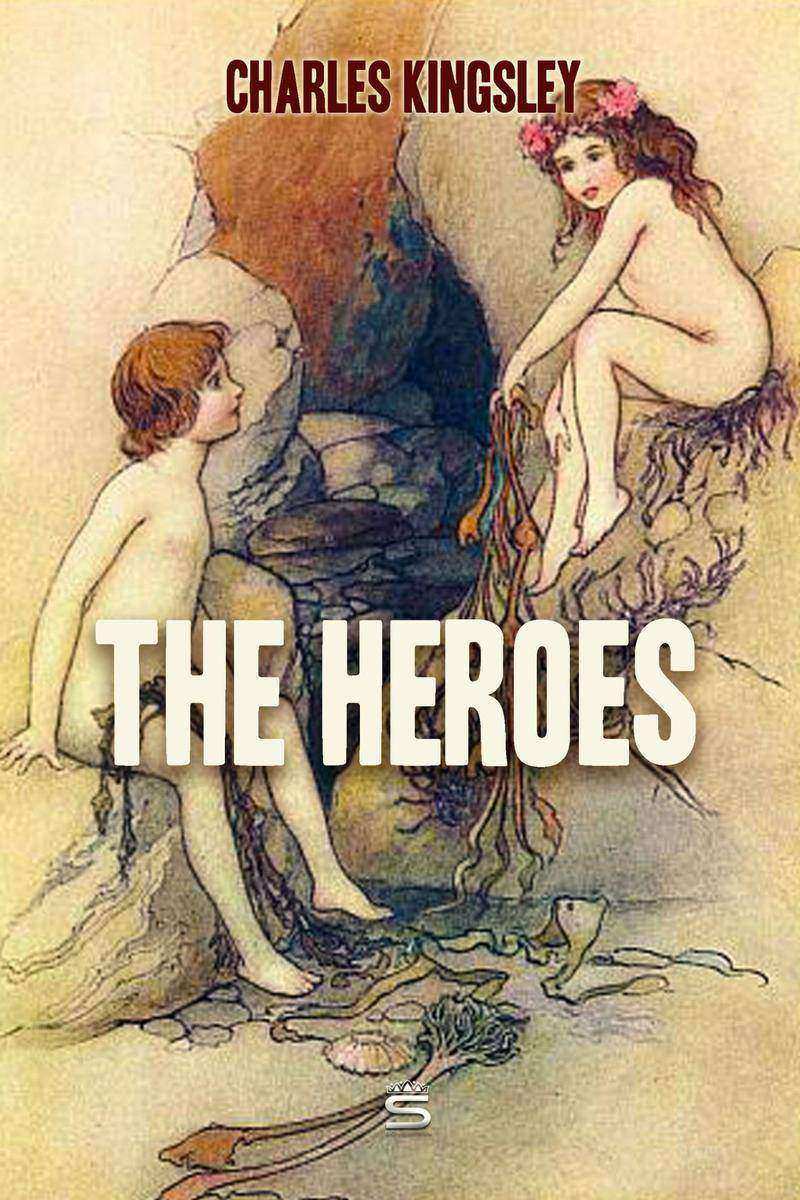
A collection of magical stories based on old Greek fairy tales including: The Story of Perseus, The Story of The Argonauts, The Story of Theseus. Written by Charles Kingsley and dedicated to his children Rose, Maurice, and Mary. A little present of old Greek Fairy Tales.
The Gift of The Magi
¥40.79
The magi, as you know, were wise men – wonderfully wise men – who brought gifts to the new-born King of the Jews in the manger. They invented the art of giving Christmas presents. Being wise, their gifts were no doubt wise ones, possibly bearing the privilege of exchange in case of duplication. And here I have lamely related to you the uneventful chronicle of two foolish children in a flat who most unwisely sacrificed for each other the greatest treasures of their house.
The Analects
¥40.79
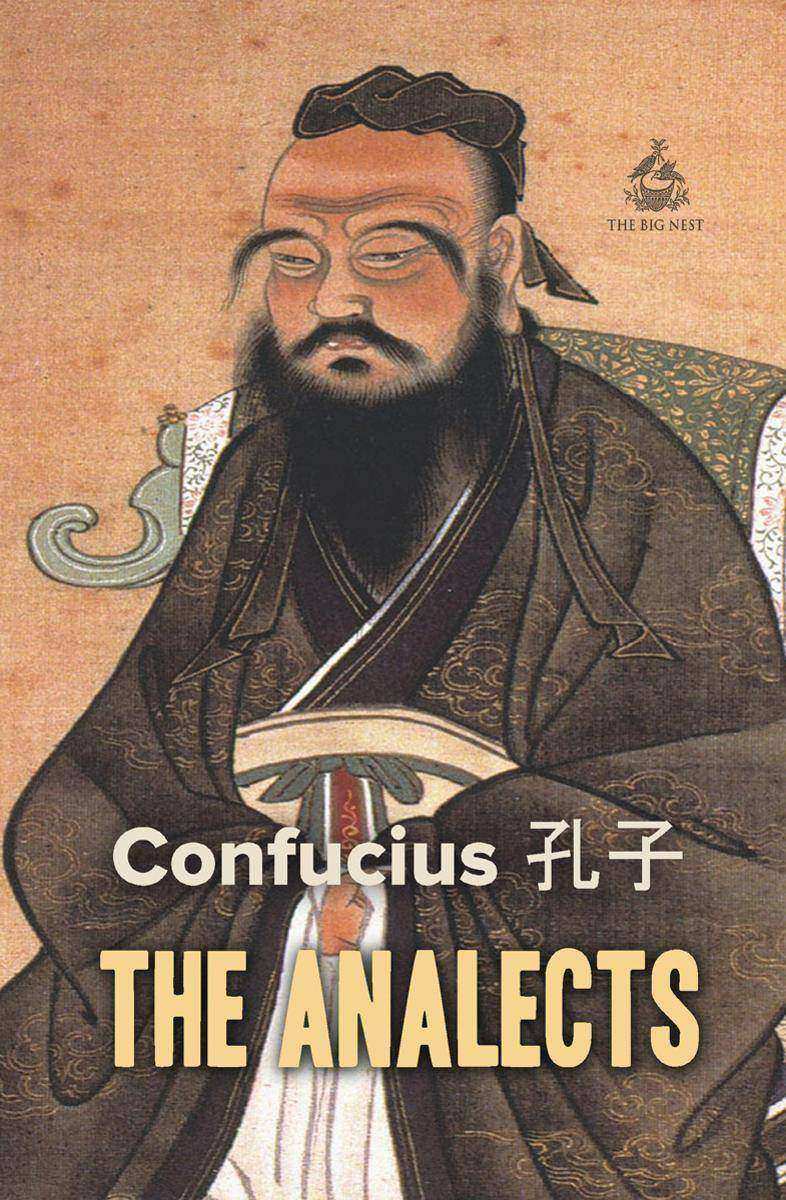
Confucius believed that the welfare of a country depended on the moral cultivation of its people, beginning from the nation's leadership. He believed that individuals could begin to cultivate an all-encompassing sense of virtue through ren, and that the most basic step to cultivating ren was devotion to one's parents and older siblings. He taught that one's individual desires do not need to be suppressed, but that people should be educated to reconcile their desires via rituals and forms of propriety, through which people could demonstrate their respect for others and their responsible roles in society.
On Interpretation
¥40.79
On Interpretation is among the earliest surviving philosophical works in the Western tradition to deal with the relationship between language and logic in a comprehensive, explicit, and formal way.
On Longevity and Shortness of Life
¥40.79
The reasons for some animals being long-lived and others short-lived, and, in a word, causes of the length and brevity of life.
Fundamental Principles of the Metaphysic of Morals
¥40.79
The first of Immanuel Kant's mature works on moral philosophy and remains one of the most influential in the field. Kant conceives his investigation as a work of foundational ethics, one that clears the ground for future research by explaining the core concepts and principles of moral theory and showing that they are normative for rational agents. Kant aspires to nothing less than this: to lay bare the fundamental principle of morality and show that it applies to us.
The Great Learning
¥40.79
What the great learning teaches, is to illustrate illustrious virtue; to renovate the people; and to rest in the highest excellence. The point where to rest being known, the object of pursuit is then determined; and, that being determined, a calm unperturbedness may be attained to. To that calmness there will succeed a tranquil repose. In that repose there may be careful deliberation, and that deliberation will be followed by the attainment of the desired end.

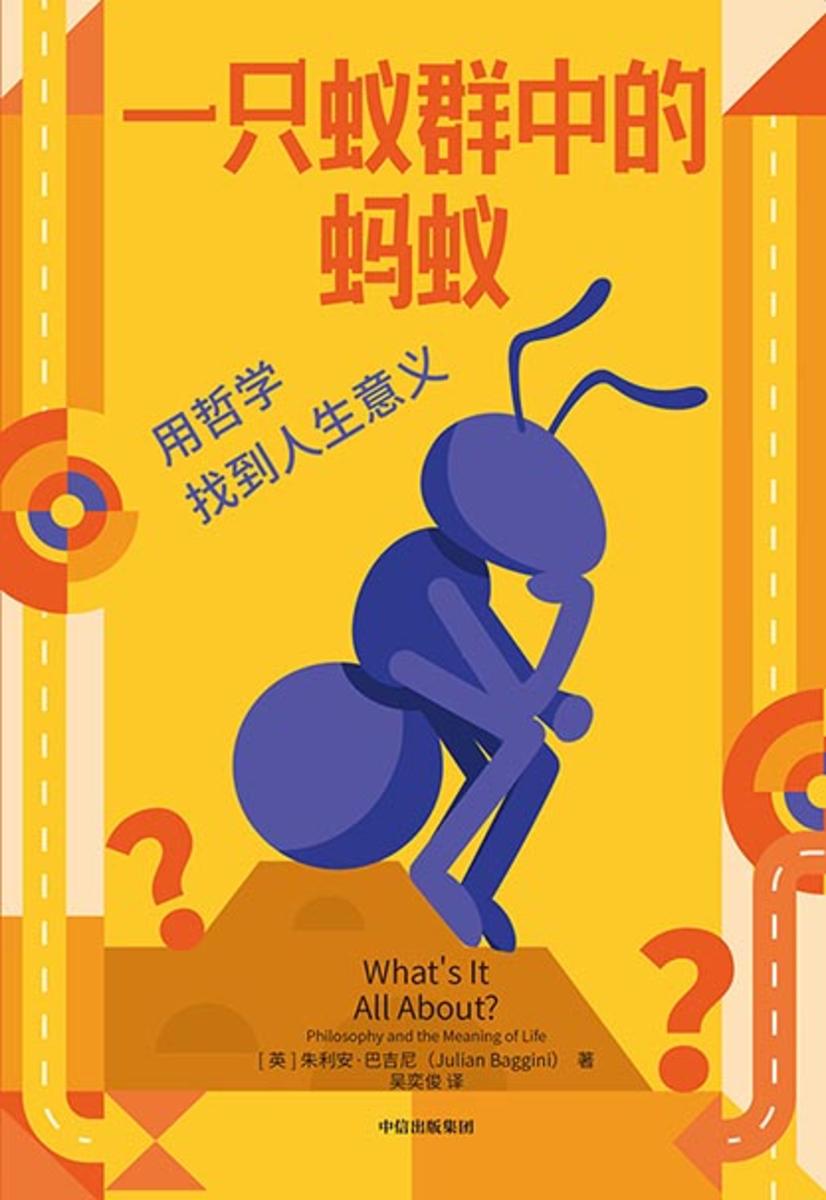
一只蚁群中的蚂蚁
¥40.60
蚁群中为服从集体指令埋头工作的蚂蚁找不到自己的生命意义。集体的发展和进步固然重要,但对每一个个体而言,我们都需要找到自己存在的重要性和价值。 生命的意义究竟是什么?这个问题曾吸引无数伟大哲学家深入探讨,也曾被蒙提·派森剧团以辛辣幽默的方式解构。事实上,许多人觉得追问生命意义本身似乎带着几分浮夸与荒诞——人类的存在背后,真的存在某种深邃的唯 一终 极意义吗? 在这本书中,朱利安·巴吉尼给出了否定答案。他认为,生命并不存在单一的意义,但我们可以通过多种方式在现实世界中寻获意义。通过将虚无缥缈、玄妙深奥的“生命意义”之问,转化为一系列更具体、更贴近现实的追问“什么赋予了生命的目的与价值?”,巴吉尼精辟地剖析了六种常见答案:帮助他人、服务人类、保持快乐、获得成功、珍惜当下以及解放心灵。他经由严密的论证指出,对意义的探寻可以是个性化的、充满力量与希望的。 生命的意义并非空中楼阁,过上有意义的生活本就是我们力所能及之事,只要细心观察,我们便能发现:生命获得意义的途径其实无处不在。我们既能认识到幸福的价值,又能懂得它并非生活的全部;既能理解成功的意义,又不囿于主流价值观对其的狭隘定义;既能体会把握当下的珍贵,又能助力他人活出生命的意义。更重要的是,我们能借由这趟意义探寻之旅,更好地体认爱的价值——它可能是驱使我们做任何事情的* 强 大动因。 巴吉尼不仅援引众多哲学家的思想,还融入日常生活实例,清晰有力地阐明:我们不是蚁群中的蚂蚁,对意义的追寻是一场属于每个人的旅程,而我们每个人都拥有找到答案的能力。

野性心灵,野性大地
¥40.60
我们所栖居的星球,正滑向一场由人类亲手铸就的第六次大灭绝灾难。这一生态危机的源头并非天灾,而是植根于西方文明的形而上学二元论。这种将思维与物质、主观与客观彻底割裂的传统,导致了对心灵与大地原初亲缘的彻底遗忘。 戴维·欣顿以唐诗(杜牧《鹭鸶》)为引,直指核心:阻止这场危机,是关乎精神与哲学的命题。我们必须终结那种将自然贬为工具、引发剥削性破坏的自我预设。欣顿呼吁重拾修复人与地球关系的智慧,尤其是道家-禅宗的“见性”修行,这种洞察要求我们达到“空心”的境界,超越狭隘的自我,去感知山水、风景所蕴含的宇宙生生之力。作者展示了这种古老见解如何在西方得到了充分印证,并为人类提供了一个回归生命本质的生态愿景。 第六次灭绝可能无法扭转,然而欣顿的诗意之思提供了深刻的慰藉。这本作品不仅是对生态危机的警世之言,更是一部指引我们回归内在和谐、在万物流转中实现逍遥游的哲学指南。

恋爱中的苏格拉底:哲学入门十讲
¥40.60
“你怎么证明喜欢我?” “你爱我的条件还是我本人?” “我们是注定在一起吗?” …… 恋人总爱问这些奇怪的问题。如果你给不出答案,对方一定会非常生气。可是,这些问题其实非常艰深——一个人本人真的和条件不同吗?什么又是“注定在一起”?这些其实都是延续了千百年的哲学问题。 本书以恋爱为视角,通过恋人的十个经典提问,讲解十个基础哲学问题,涵盖认识论、形而上学、伦理学等哲学基本领域。原来,恋人们在认真追问的时候,常常和哲学家不谋而合呢。
资本主义与死亡驱力
¥40.60
如今我们所说的增长,实际上是一种漫无目的的癌式扩散。我们正在经历一场生产和增长的迷狂,如同死亡幻觉一般。它佯装生机勃勃,掩藏着迫近的致命性灾难。生产越来越趋同于毁灭。“人类的自我异化已经达到一种能将自身的毁灭当作审美快感来体验的程度。”瓦尔特·本雅明对法西斯主义的评价,同样适用于今天的资本主义。 资本主义受困于死亡。对死亡的无意识恐惧驱使着它。死亡的威胁挟制资本主义不断积累和增长。这种胁迫性不仅带来生态上的灾难,也产生精神灾难。破坏性的绩效压力将自我确证和自我毁灭合而为一。人不断优化自我,直至死亡。肆无忌惮的自我剥削致使精神崩溃。 尽管弗洛伊德与死亡有着矛盾的关系,但他完全意识到了生死和解的必然性。对死亡的下意识排斥必须让位于对死亡的自觉纳:“在现实中,在我们的观念里,给予死亡应有的地位,让我们迄今为止如此小心谨慎地压制在潜意识里的死亡不时显身,难道不是更好吗?这似乎不是一种步,反倒像是某种程度的退步,某种回归;但它也有优,即正确认识真相,让我们的生活变得好过。” -------------------- 韩炳哲作品(第2辑) 《山寨:中国式解构》(2023年1月出版) Shanzhai. Dekonstruktion auf Chinesisch. 《超文化:文化与全球化》(2023年1月出版) Hyperkulturalität. Kultur und Globalisierung. 《妥协社会:今日之痛》(2023年1月出版) Palliativgesellschaft. Schmerz heute. 《不在场:东亚文化与哲学》(2023年7月出版) Abwesen. Zur Kultur und Philosophie des Fernen Ostens. 《禅宗哲学》(2023年8月出版) Philosophie des Zen-Buddhismus. 《什么是权力?》(2023年7月出版) Was ist Macht? 《仪式的消失:当下的世界》(2023年8月出版) Vom Verschwinden der Rituale.Eine Topologie der Gegenwart. 《资本主义与死亡驱力》(2023年8月出版) Kapitalismus und Todestrieb. 《沉思的生活,或无所事事》(2023年7月出版) Vita contemplativa.oder von der Untätigkeit. -------------------- 韩炳哲作品(第3辑) 《大地颂歌:花园之旅》(2024年1月即将出版) Lob der Erde. Eine Reise in den Garten. 《时间的香气:驻留的艺术》(2024年1月即将出版) Duft der Zeit. Ein philosophischer Essay zur Kunst des Verweilens. 《叙事的危机》(2024年1月即将出版) Die Krise der Narration.

日常的深处
¥40.60
在物质生活高度繁荣的今天,人们时常被外物所累,“想”回到相对贫乏的过去,重回人与物的和谐关系。 为什么柴火灶比煤气灶烧菜更香? 为什么自行车比汽车似乎更能承载? 为什么炉子比暖气更暖人心? 这种对过去生活的罗曼蒂克的想法值得玩味。作者王小伟琢磨了一种恰当的、刻画生活的手段,从怀旧的影像中梳理内心,透过自身的经验和长辈的回忆,回顾*十年代以来我们熟悉的技术人工物(俗称“东西”)是如何生灭的,试图解释为什么在之前的岁月物件是如此金贵,仿佛家庭成员,而现在的物件变成了纯粹的商品,不再需要人花心力照顾,只剩下干瘪的使用价值。这或许反映了人们生活底层的逻辑发生了不小的变化。 本书中所谈论的诸多技术物是“70后”“80后”和“90后”共同的回忆,有些是比较单纯的设备,比如电视、手机,有些是直接和生活相关的技术产品,比如住房和穿衣,还有饮食。王小伟以技术哲学为基,打破学术和文学的壁垒,写下这本以日常用品为主角的小书,刻画一段我们共同走过的集体历史。


