万本电子书0元读

万本电子书0元读

满3件6折 马克思“巴黎手稿”再研究(国家社科基金后期资助项目)
马克思“巴黎手稿”再研究(国家社科基金后期资助项目)
刘秀萍
¥28.80
  本书是在当代新的境遇下对马克思所著的思想复杂、影响深远而又毁誉不一的“巴黎手稿”的深度解读和分析。“巴黎手稿”指的是马克思旅居“巴黎时期”(从1843年10月到1845年1月)创作的、与单纯摘录和抄写同时代人以及前人著作的“巴黎笔记”相区别的、大量正面阐述和论证其思想的著述,它包括通常被称为《1844年经济学哲学手稿》的“三个笔记本”和《詹姆斯·穆勒〈政治经济学原理〉一书摘要》。过去由于过于功利的“现实”考量,再加上原始文献资料的欠缺,影响了对这一手稿复杂思想理解的全面性与客观性。为此,本书根据历史考证版(MEGA)及大量权威资料,将“巴黎手稿”作为一个文本个案行了深度研究,从文献疏证、内容解读、思想阐释、逻辑论证多个方面一一给予悉心的探讨,再现了这一著述的原始面貌、深邃意蕴和思想史价值。
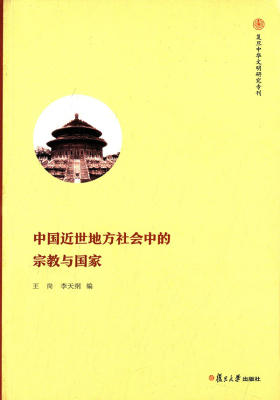
满3件6折 中国近世地方社会中的宗教与国家
中国近世地方社会中的宗教与国家
王岗
¥28.80
  《复旦中华文明研究专刊:中国近世地方社会中的宗教与国家》共收15篇论文,分为三个专题,即:近世国家与江南地方宗教、地方道教与国家、地方宗教与文化。该书一方面对江南宗教给予了一定的关注,填补了学术研究在这一领域的真空地带,另一方面,也对华南宗教进行了研究。该书采用了人类学、社会学以及田野考察和口述访谈等多学科的研究方式,对于学者进行相关的研究有着重要的借鉴和参考意义。
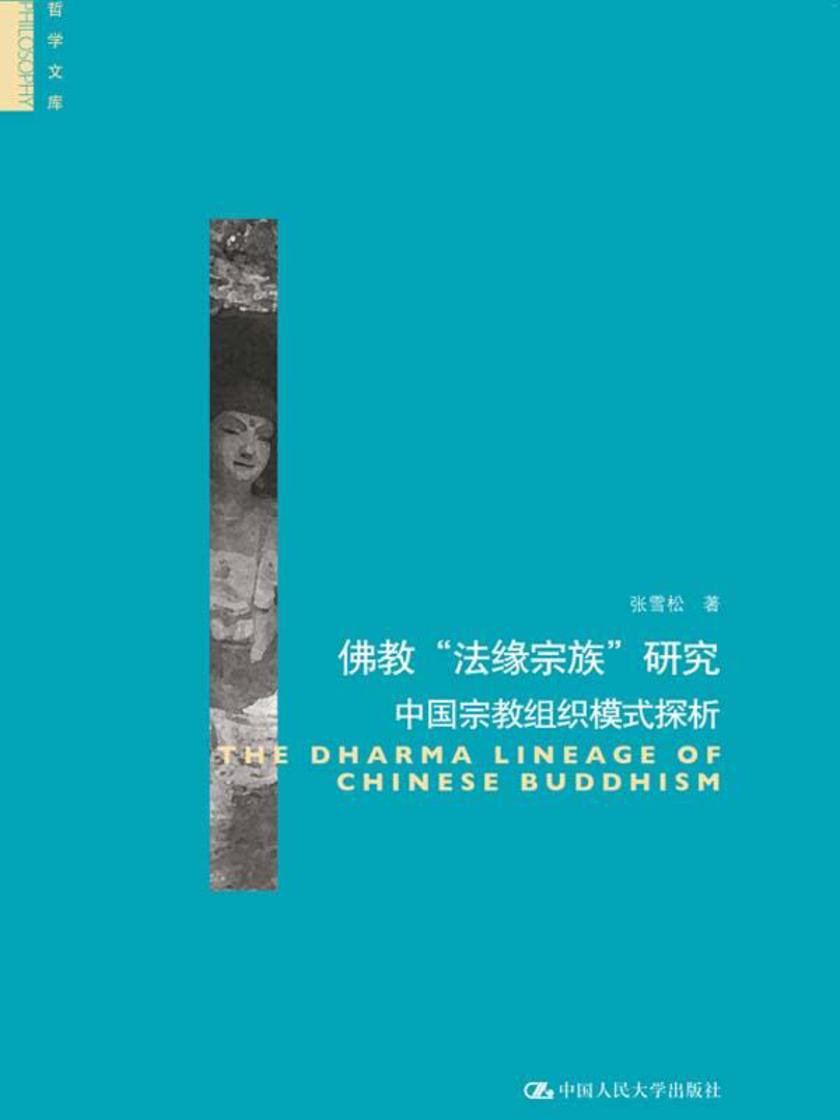
满3件6折 佛教“法缘宗族”研究:中国宗教组织模式探析(哲学文库)
佛教“法缘宗族”研究:中国宗教组织模式探析(哲学文库)
张雪松
¥28.80
本书将宗族概念引入明清以来中国佛教传统宗派的研究之中,提出了“法缘宗族”的命题,全面探讨了模拟宗法制度在中国佛教中的宗派组织、寺院管理、经济文化诸方面的意义。笔者尝试说明在剃度、受戒、传法过程中,同一位僧人有可能产生出多种“法号”的现象,以及彼此之间的相互转换关系,并在此基础上探讨了其背后代表的宗派意义。本书认为:以派辈谱系编制为典型特征的禅宗与“遍利三根”的净土宗之间的“禅净关系”,并非并列的两个教派团体的关系,而是“有之以为利,无之以为用”的互补关系,前者维护了中国佛教僧侣的正统性,后者则成为正统佛教与民间信仰之间交流的重要中介。
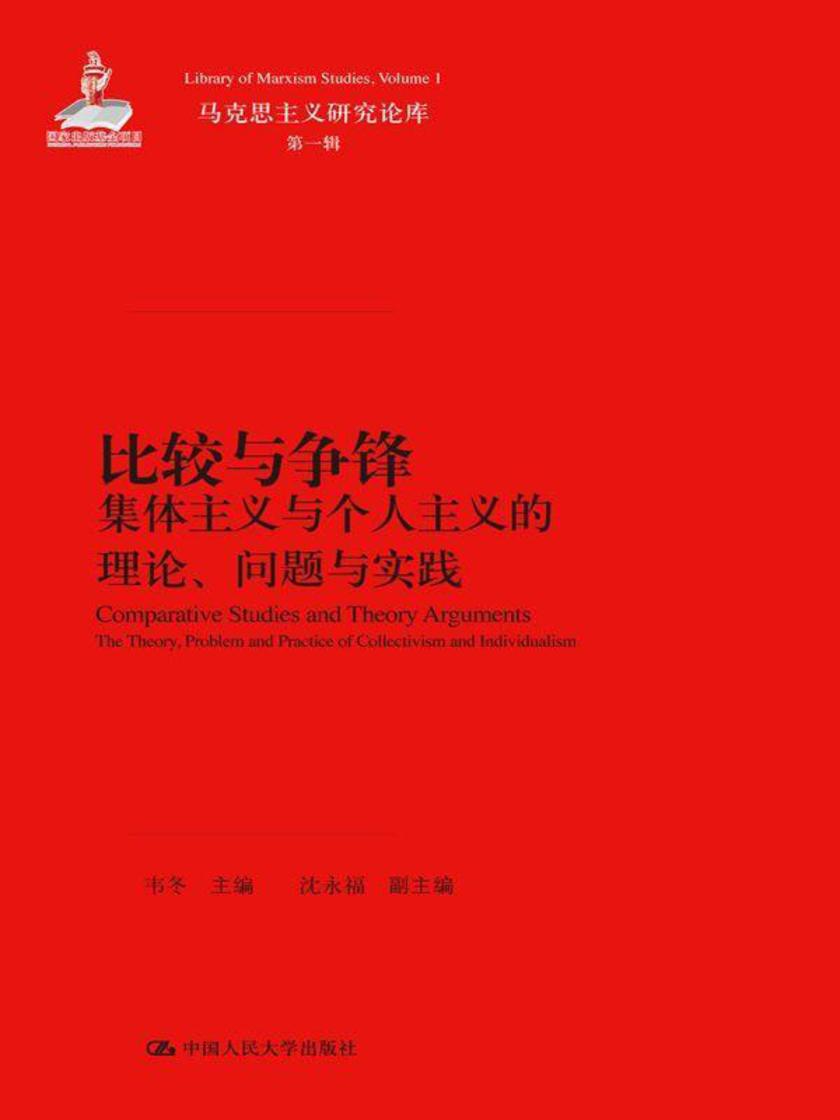
满3件6折 比较与争锋:集体主义与个人主义的理论、问题与实践(马克思主义研究论库·第一辑)
比较与争锋:集体主义与个人主义的理论、问题与实践(马克思主义研究论库·第一辑)
韦冬
¥28.80
  《比较与争锋——集体主义与个人主义的理论、问题与实践》一书基于问题意识,对集体主义和个人主义的来源、产生、发展与内涵上的本质差异进行了深入考察,比较了两者在中西方的不同境遇。本书对集体主义与个人主义的诸多问题、集体主义面临挑战的问题、个人主义日益强势的问题都做了分析与解答,目的在于更好地坚持、发展和完善集体主义,在全社会形成一种良好的道德风气。
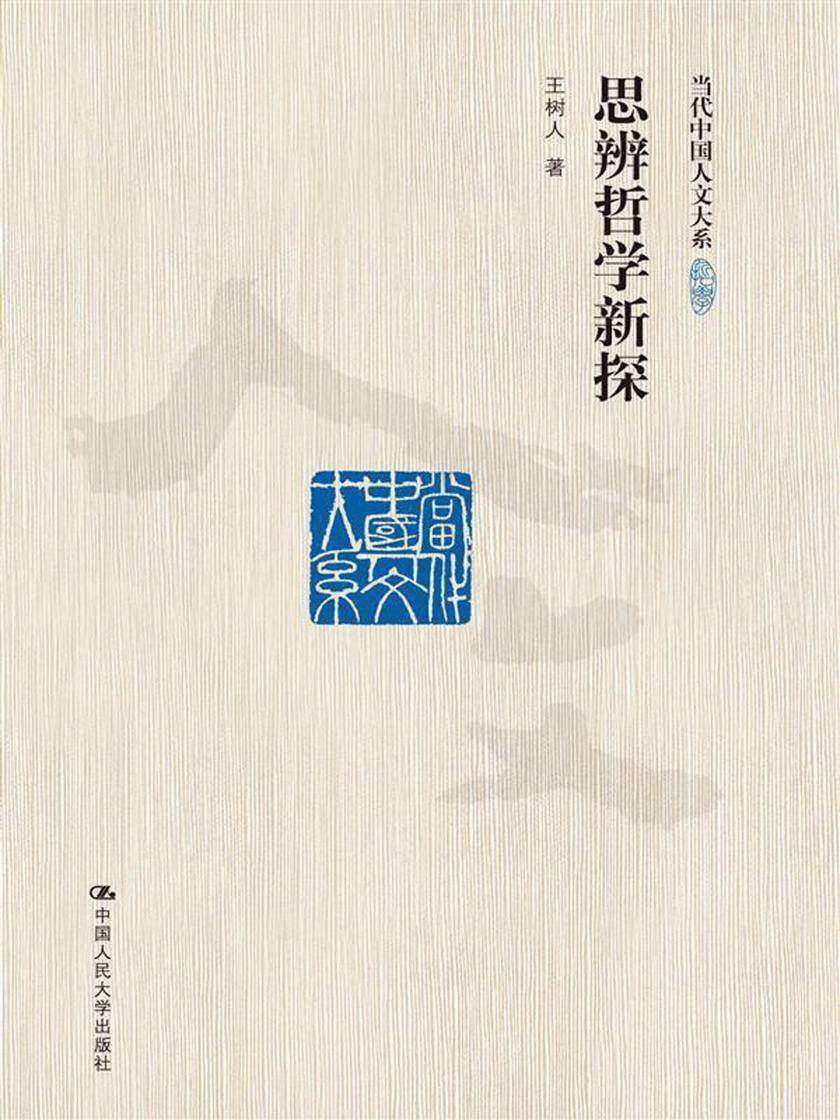
满3件6折 思辨哲学新探(当代中国人文大系)
思辨哲学新探(当代中国人文大系)
王树人
¥28.80
《当代中国人文大系:思辨哲学新探》不拘泥于黑格尔整个哲学体系的一般评述,而是根据作者的眼光,就其具有合理意义的一些方面加以剖析。首先,作者在这些方面确实受到启发,进而把这种启发叙述出来,以求与读者共享。在这些叙述中,不仅包含了作者受到启发的合理思想,而且尽可能地按照这些合理思想的发展趋势加以发挥。
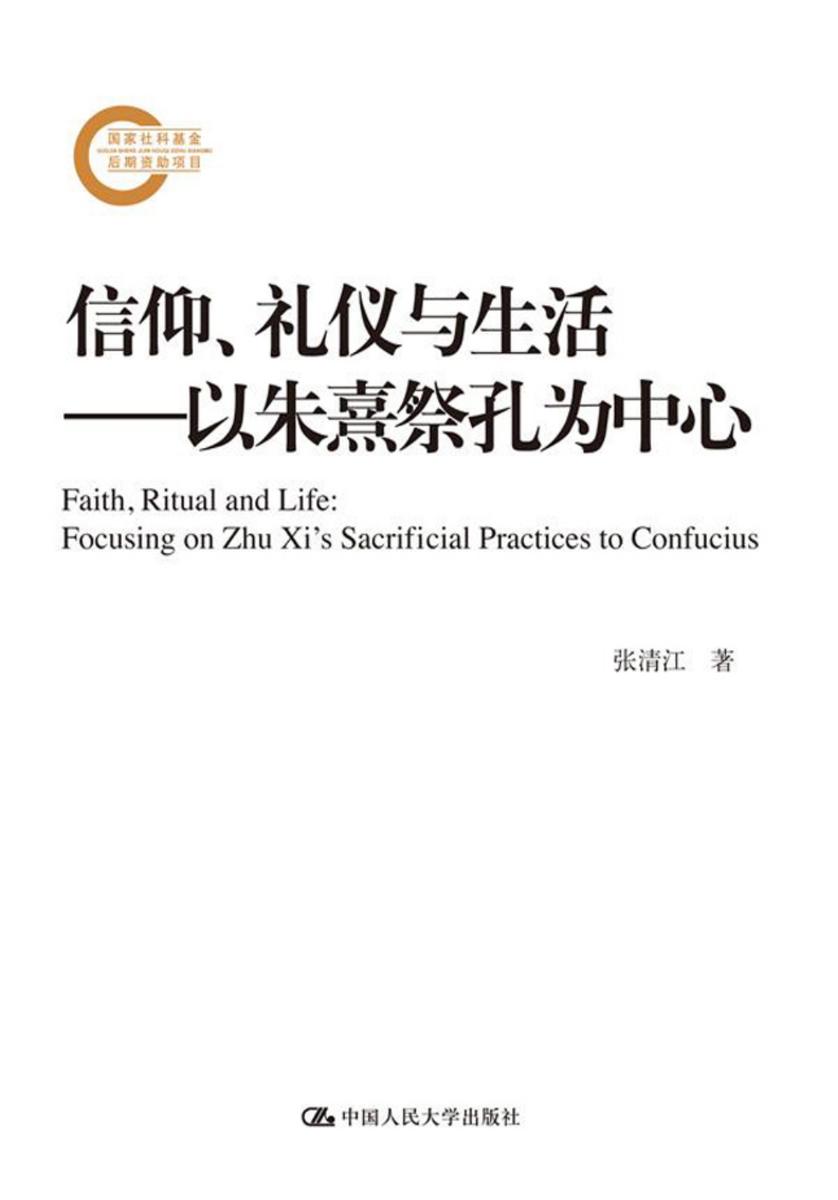
满3件6折 信仰、礼仪与生活——以朱熹祭孔为中心(国家社科基金后期资助项目)
信仰、礼仪与生活——以朱熹祭孔为中心(国家社科基金后期资助项目)
张清江
¥28.80
对朱熹来说,先圣是儒家神圣价值在世的典范,并为后世儒者提供了效法的“原型”,需要不断地回溯和体认。朱熹对先圣的特定信仰,以及对祭祀、鬼神和祈祷等观念的特别认知,在祭祀礼仪的特定氛围下交织建构起一个独特的意义空间,使之成为“遭遇先圣”的神圣时空,在其中,朱熹获得的价值体验,是通过精神反省和超越的真实过程而实现的自我转变,具有深刻的精神性意涵。同时,基于“道-圣-经”三位一体的价值信念,这种与先圣相遇的真实经验,对朱熹回到生活面对道学事业,有着极具根本性意义的影响。经由思想和生活的这种交互呈现,本书希望说明,在朱熹这里,先圣作为“道”的象征,成为“神圣”介其生活世界的基本方式,不仅是用以界别自身与异端的价值根基,更是其实践成圣工夫的意义基础,从中清楚可见朱熹对于神圣价值的信仰和守护方式。正因如此,信仰、礼仪与生活的复杂关联,在朱熹祭祀孔子的实践中获得了很好呈现,由此也可以更深刻地理解儒者生命实践的深层意涵及其展方式。
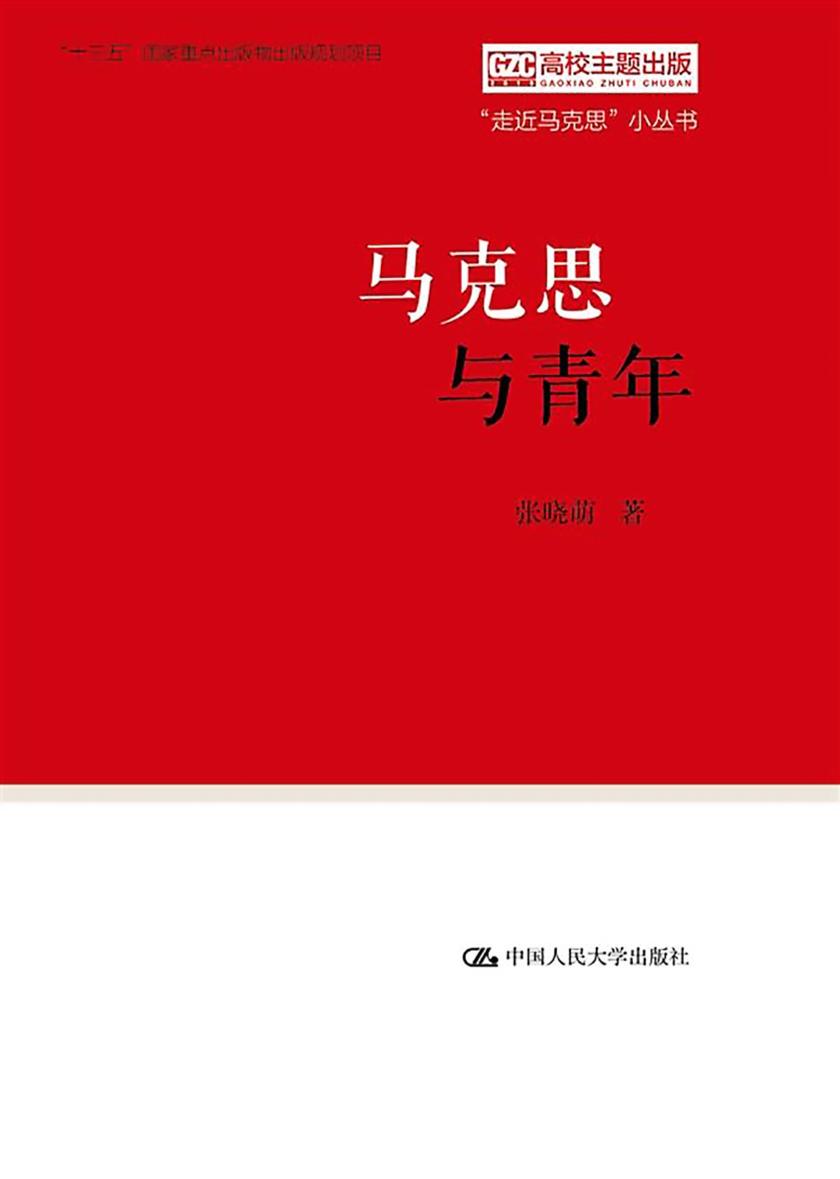
满3件6折 马克思与青年(“走近马克思”小丛书)
马克思与青年(“走近马克思”小丛书)
张晓萌
¥28.80
本书面向青年讲述马克思主义,在重温青年马克思的思想历程和人生之旅中激励青年,在解读马克思主义与世界青年和中国青年的历史渊源中启发青年,在讲好马克思主义中国化的理论与实践中引领青年。 本书分为上、中、下三篇。上篇从马克思的青年时期、马克思和恩格斯论青年、马克思主义的理论特质和历史使命等方面解读马克思的青年观;中篇重阐释青年在马克思主义的世界传播和发展以及马克思主义中国化的壮阔历史中所发挥的重要作用;下篇重解读21世纪马克思主义与新时代青年观,在新时代的历史方位中思考青年的使命担当与价值引领,强调马克思主义信仰对青年的思想引领。 本书蕴含宽广的视域和细腻的笔触,展现了马克思主义的发展与青年的成长奋斗相互交织的壮阔历程,既有严谨的学术探索,又有鲜活的时代特征和问题意识,体现了青年学者坚持和发展马克思主义的理论自觉和时代担当。
满3件6折 本来的孟子:《孟子》新解  中华书局出品
本来的孟子:《孟子》新解 中华书局出品
甘霖著
¥28.80
本书对《孟子》做了全面的注释和翻译,注释尤为重视重要概念的辨析,讲究整体思想的逻辑性。书前有长篇《绪论》一文,介绍了孟子的生平、著作和他与孔子、子思的关系,以及孟子思想的内涵和价值。本书观新颖独特、鞭辟里,语言凝练雅致、清新脱俗,是一部引人胜的《孟子》普及读本。 ?
满3件6折 苏格拉底哲学快车:14位哲学家精选一日生活思辨课程
苏格拉底哲学快车:14位哲学家精选一日生活思辨课程
(美)埃里克·韦纳
¥28.75
我们行哲学思考的原因与旅行的原因是一致的:为了看得更清楚,为了看到更多不同。作者埃里克·韦纳穿越了数千公里,沿着历史上伟大思想家的足迹,在世界上多个城市之间穿行,将自己对哲学的热爱与旅游结合在一起,带读者领略了数千年来塑造人类精神生活的宝贵思想遗产,展了一场探寻生命意义与智慧追求的朝圣之旅。
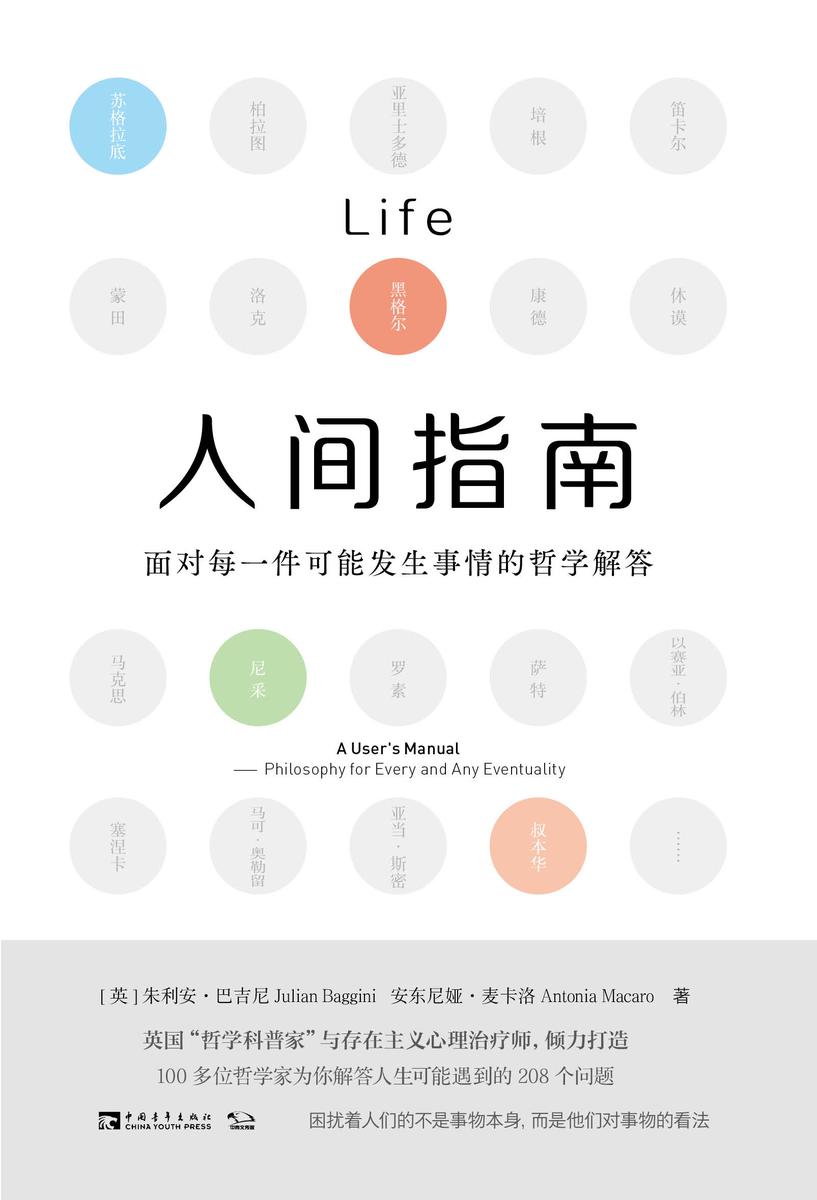
满3件6折 人间指南:面对每一件可能发生事情的哲学解答
人间指南:面对每一件可能发生事情的哲学解答
(英) 朱利安·巴吉尼, (英) 安东尼娅·麦卡洛
¥28.75
本书是一本哲学科普书。全书以“辞典”式的结构,依首字母顺序将人生中可能遇到的问题,如成功、烦躁、年龄增长、抱负、友谊、意义等或具体或抽象的概念作为索引,逐个进行哲学解释。 如果我们有说明书,生活是不是就会好过些? 自古以来,人们都在问应该如何生活?哲学家们也都一直在解决这个问题。他们的智慧可以帮助人们找到自己想要的幸福。本书作者——哲学科普家朱利安·巴吉尼与存在主义心理治疗师、哲学顾问安东尼娅·麦卡洛,从包括丧亲之痛、运气、自由意志和人际关系在内的众多主题中,引导读者了解有史以来伟大哲学家的思想。从斯多葛学派到萨特,将呈现上百位哲学家的思想精华。 本书将会回答你即将遇到的几乎所有的问题。
满3件6折 立法与德性:柏拉图《法义》发微
立法与德性:柏拉图《法义》发微
林志猛
¥28.70
《法义》是柏拉图*长的著作,以探讨“政制与礼法”为主旨。在西方法哲学史上,柏拉图首次考察了立法的目的及其哲学基础、立法与德性等根本问题。本文集选编了潘戈、拉克斯等著名学者的十一篇论文,集中探讨柏拉图《法义》关于立法与德性的问题,主要关注柏拉图这几个方面的论述: 首先,立法不应着眼于战争的胜利和财富,亦即基于*的和片面的德性(勇敢)。克里特和斯巴达之所以如此看待立法的目的,是因为他们将诸城邦间的战争、人人皆敌视为自然状态,从地理性和物质性的“自然”来解释立法的目的,而非依据诸德性的自然秩序和人的自然本性。 其次,真正的立法旨在获得完整的德性:理智、明智、节制、正义和勇敢。立法以完整的德性特别是以理智为目标。因此,柏拉图暗中将哲学设定为立法的基础,也就改变了立法的目的:立法由培养勇敢和追求财富转向追求整体德性和人的完满,立法更应关注灵魂的优异而非身体的需要。 *后,在每一种法律中,都会存在某种德性观,立法的意图应尽量从*的德性转向完整的德性。在此意义上,哲学对立法和政治始终有鉴照作用。指向德政的立法可彰显现实城邦的不足,引领其走向完善。  
Ruins of Ancient Cities: (Volume -II)
Charles Bucke
¥28.61
More’s “Utopia” was written in Latin, and is in two parts, of which the second, describing the place ([Greek text]—or Nusquama, as he called it sometimes in his letters—“Nowhere”), was probably written towards the close of 1515; the first part, introductory, early in 1516. The book was first printed at Louvain, late in 1516, under the editorship of Erasmus, Peter Giles, and other of More’s friends in Flanders. It was then revised by More, and printed by Frobenius at Basle in November, 1518. It was reprinted at Paris and Vienna, but was not printed in England during More’s lifetime. Its first publication in this country was in the English translation, made in Edward’s VI.’s reign (1551) by Ralph Robinson. It was translated with more literary skill by Gilbert Burnet, in 1684, soon after he had conducted the defence of his friend Lord William Russell, attended his execution, vindicated his memory, and been spitefully deprived by James II. of his lectureship at St. Clement’s. Burnet was drawn to the translation of “Utopia” by the same sense of unreason in high places that caused More to write the book. Burnet’s is the translation given in this volume. The name of the book has given an adjective to our language—we call an impracticable scheme Utopian. Yet, under the veil of a playful fiction, the talk is intensely earnest, and abounds in practical suggestion. It is the work of a scholarly and witty Englishman, who attacks in his own way the chief political and social evils of his time. Beginning with fact, More tells how he was sent into Flanders with Cuthbert Tunstal, “whom the king’s majesty of late, to the great rejoicing of all men, did prefer to the office of Master of the Rolls;” how the commissioners of Charles met them at Bruges, and presently returned to Brussels for instructions; and how More then went to Antwerp, where he found a pleasure in the society of Peter Giles which soothed his desire to see again his wife and children, from whom he had been four months away. Then fact slides into fiction with the finding of Raphael Hythloday (whose name, made of two Greek words [Greek text] and [Greek text], means “knowing in trifles”), a man who had been with Amerigo Vespucci in the three last of the voyages to the new world lately discovered, of which the account had been first printed in 1507, only nine years before Utopia was written. Designedly fantastic in suggestion of details, “Utopia” is the work of a scholar who had read Plato’s “Republic,” and had his fancy quickened after reading Plutarch’s account of Spartan life under Lycurgus. Beneath the veil of an ideal communism, into which there has been worked some witty extravagance, there lies a noble English argument. Sometimes More puts the case as of France when he means England. Sometimes there is ironical praise of the good faith of Christian kings, saving the book from censure as a political attack on the policy of Henry VIII. Erasmus wrote to a friend in 1517 that he should send for More’s “Utopia,” if he had not read it, and “wished to see the true source of all political evils.” And to More Erasmus wrote of his book, “A burgomaster of Antwerp is so pleased with it that he knows it all by heart.” Sir Thomas More, son of Sir John More, a justice of the King’s Bench, was born in 1478, in Milk Street, in the city of London. After his earlier education at St. Anthony’s School, in Threadneedle Street, he was placed, as a boy, in the household of Cardinal John Morton, Archbishop of Canterbury and Lord Chancellor. It was not unusual for persons of wealth or influence and sons of good families to be so established together in a relation of patron and client. The youth wore his patron’s livery, and added to his state. The patron used, afterwards, his wealth or influence in helping his young client forward in the world.
满3件6折 视觉美学:眼球时代的美学圣经
视觉美学:眼球时代的美学圣经
陈根
¥28.55
本书在对视觉美学设计行了理论讲解和案例分析,尤其是工业设计的基本构图方法,在行归类的基础上,引用了许多著名的典型案例行补充解释对应的知识。大量的图片使枯燥的文字活跃起来,可以帮助读者对学习现代设计获得更深的感性认知。本书实例丰富,突出了比例运用方法的使用要领和技巧。全书实用性强,可借鉴意义很大,是工业设计师必不可少的参考书和工具书。
人类理解论 (汉译世界学术名著丛书)
人类理解论 (汉译世界学术名著丛书)
(美)洛克
¥28.34
"洛克在这部著作中所提出并要解决的中心问题是关于人类知识的起源,可靠性和范围。本书一开头他首先批判了笛卡尔主张知识起源上的所谓“天赋观念”以及莱布尼兹的所谓“天赋实践原则”这样一个在认识论上的唯心主义观点,并且从而提出了他的那个有名的白板论,即认识的来源是经验这样一个有巨大意义的唯物主义论点。不过,洛克在经验论上的唯物主义是不彻底的,正如他的政治观点、阶级立场是妥协的一样。所以他的哲学观点不仅影响了后来的唯物主义者(特别是法国百科全书派的启蒙思想家),同时也被唯心主义者(特别是贝克莱和休谟)有隙可乘地加以利用和歪曲。
论物体
论物体
托马斯·霍布斯
¥28.34
《论物体》是17世纪英国哲学家霍布斯(1588-1679)的一部专论其物体哲学或自然哲学的著作。该著*初以拉丁文写成,于1655年出版。1668年,该著作为《霍布斯哲学著作全集(拉丁文版)》*部分的内容予以再版。1839年,威廉•莫尔斯沃思将其翻译成英文,作为他所编辑出版的11卷本的《托马斯•霍布斯英文著作集》的第1卷出版。霍布斯不仅对译著行了修订,而且还对原著行了增补,甚至重写了其中两章。因此,莫尔斯沃思强调说,英文版《论物体》表达的“完全”是“作者自己的观念和意思”。本书就是根据这个英译本翻译出来的。 霍布斯是唯物主义第二种形态即机械唯物主义的典型代表。物体观是霍布斯机械唯物主义哲学的基石。因为按照他的机械唯物主义世界观,哲学的*对象是物体,而物体有两类:一类为自然物体,一类为国家。据此,霍布斯将其哲学区分为两个部分:“自然哲学”与“公民哲学”(公民哲学又细分为“伦理学”和“政治学”)。在《论物体》这部著作中,霍布斯在对其哲学的一般原理做出阐述的基础上着重阐述了他的“自然哲学”,其*重要性不言而喻。 《论物体》主体部分共分4篇30章。*篇“计算或逻辑学”共6章;第二篇“哲学的*根据”共含8章;第三篇“论运动与量的比例”共10章;第四篇“物理学,或自然现象”共含6章。
满3件6折 西方哲学史(套装共2册·英汉对照)
西方哲学史(套装共2册·英汉对照)
弗兰克·梯利 (Frank Thilly)
¥28.27
本书是一部讲述西方哲学发展历程的著作,其雏形为梯利教授在大学任教时的讲义。全书分中英文两册,具体分为希腊哲学、中世纪哲学、近代哲学三编。往下又划分为自然哲学、知识和行为问题、重建时期、伦理运动、宗教运动、基督教和中世纪哲学的古典来源、经院哲学的形成期、文艺复兴时期的哲学、英国经验主义的开端、欧洲大陆的唯理论、启蒙运动哲学、康德的批判哲学、德国的唯心主义、黑格尔之后的德国哲学、法国和英国的哲学、法对理性主义和唯心主义等二十篇。篇下设章,讲述更为具体。文后附原书索引,便于读者检索细目。中文字数接近七十万,是一部规模宏大的哲学史著作。此次中英文对照出版,规模浩大,出版方特意延请业内的哲学博士、博士后共同翻译打造校准,力求让此选题更加精准、完善,让更多学人、哲学爱好者,一起了解并传播西方哲学。
美是上帝的名字——中世纪神学美学
美是上帝的名字——中世纪神学美学
阎国忠 著
¥28.16
  此书与西方同类著作的*区别是,从基督教神学原著中挖掘其美学理论层面上的东西,而不是从所谓十字架荣耀意义上行象征性的描述。书中分阶段介绍了时代氛围,代表人物及其观,并做了简要深的评论。
Evolution of the Culture
Augustus Henry Lane-Fox Pitt Rivers
¥28.04
Paradise Lost is an epic poem in blank verse by the 17th-century English poet John Milton (1608–1674). The first version, published in 1667, consisted of ten books with over ten thousand lines of verse. A second edition followed in 1674, arranged into twelve books (in the manner of Virgil's Aeneid) with minor revisions throughout and a note on the versification. It is considered by critics to be Milton's "major work", and helped solidify his reputation as one of the greatest English poets of his time. The poem concerns the Biblical story of the Fall of Man: the temptation of Adam and Eve by the fallen angel Satan and their expulsion from the Garden of Eden. Milton's purpose, stated in Book I, is to "justify the ways of God to men" Short Summary:The poem is separated into twelve "books" or sections, the lengths of which vary greatly (the longest is Book IX, with 1,189 lines, and the shortest Book VII, with 640). The Arguments at the head of each book were added in subsequent imprints of the first edition. Originally published in ten books, a fully "Revised and Augmented" edition reorganized into twelve books was issued in 1674, and this is the edition generally used today. The poem follows the epic tradition of starting in medias res (Latin for in the midst of things), the background story being recounted later.Milton's story has two narrative arcs, one about Satan (Lucifer) and the other following Adam and Eve. It begins after Satan and the other rebel angels have been defeated and banished to Hell, or, as it is also called in the poem, Tartarus. In Pand?monium, Satan employs his rhetorical skill to organise his followers; he is aided by Mammon and Beelzebub. Belial and Moloch are also present. At the end of the debate, Satan volunteers to poison the newly created Earth and God's new and most favoured creation, Mankind. He braves the dangers of the Abyss alone in a manner reminiscent of Odysseus or Aeneas. After an arduous traversal of the Chaos outside Hell, he enters God's new material World, and later the Garden of Eden. At several points in the poem, an Angelic War over Heaven is recounted from different perspectives. Satan's rebellion follows the epic convention of large-scale warfare. The battles between the faithful angels and Satan's forces take place over three days. At the final battle, the Son of God single-handedly defeats the entire legion of angelic rebels and banishes them from Heaven. Following this purge, God creates the World, culminating in his creation of Adam and Eve. While God gave Adam and Eve total freedom and power to rule over all creation, He gave them one explicit command: not to eat from the Tree of the knowledge of good and evil on penalty of death.
Dream Psychology: Psychoanalysis the Dreams for Beginners
Sigmund Freud
¥28.04
Ralph Waldo Emerson, was born at Boston in 1803 into a distinguished family of New England Unitarian ministers. His was the eighth generation to enter the ministry in a dynasty that reached back to the earliest days of Puritan America. Despite the death of his father when Emerson was only eleven, he was able to be educated at Boston Latin School and then Harvard, from which he graduated in 1821. After several years of reluctant school teaching, he returned to the Harvard Divinity School, entering the Unitarian ministry during a period of robust ecclesiastic debate. By 1829 Emerson was married and well on his way to a promising career in the church through his appointment to an important congregation in Boston. However, his career in the ministry did not last long. Following the death of his first wife, Ellen, his private religious doubts led him to announce his resignation to his congregation, claiming he was unable to preach a doctrine he no longer believed and that "to be a good minister it was necessary to leave the ministry."With the modest legacy left him from his first wife, Emerson was able to devote himself to study and travel. In Europe he met many of the important Romantic writers whose ideas on art, philosophy, and literature were transforming the writing of the Nineteenth Century. He also continued to explore his own ideas in a series of voluminous journals which he had kept from his earliest youth and from which virtually all of his literary creation would be generated. Taking up residence in Concord, Massachusetts, Emerson devoted himself to study, writing and a series of public lectures in the growing lyceum movement. From these lyceum addresses Emerson developed and then in 1836 published his most important work, Nature. Its publication also coincided with his organizing role in the Transcendental Club, a group of leading New England educators, clergy, and intellectuals interested in idealistic religion, philosophy, and literature.
满3件6折 听南怀瑾讲《论语》全集
听南怀瑾讲《论语》全集
邢群麟,李敏编著
¥28.00
南怀瑾先生是一位学贯古今的国学大师,他潜心研究《论语》几十年,具有很深的造诣,在国际上享有盛誉。南怀瑾先生对《论语》的解读因迥异于其他人而独树一帜,其语言通俗易懂,所言之事都是人一生中必须面对的事情,在深浅出的文字之间将人生道理阐释得清清楚楚,尤其是对做人与做事有着精辟的见解。每一位读者都可以从南怀瑾先生的精彩讲述中,领悟《论语》的思想内涵,从而将《论语》蕴藏的人生智慧运用到自己的生活中,阔自己的人生视野,在为人处世等方面得到一步的提高,成就成功的人生。
哲思之门:从已知把握未知的可能性
哲思之门:从已知把握未知的可能性
何涛
¥28.00
    本书紧贴“从已知把握未知的可能性”这个在哲学史上由来已久的话题。陈述认识论相关内容,重新诠释以往哲学家的重要思考,试图减少人们关于认识问题的重复性错误,并主要沿着判断、已知、未知、可能性、假设、真理、语言、逻辑、心灵(自我)和伦理的顺序自然推。     本书主要可分为五个篇章:一、从判断到未知。作者从判断问题手,在思考中牵连出认识论、表达和推理、含义观念与价值等一系列问题。二、从已知到可能性。阐明了人们对思维活动的认识将问题推向了深层。三、从假设到真理。本章假设如果从经验起源出发,阐明了理性认识必然就是哲学的任务。四、从语言到逻辑。本章通过直观考察逻辑推理或认识过程中的每一个环节,试图保证意义的准确性。五、从自我到伦理。本章阐述了在单个的*小认识单元中,伦理考察可以伴随任何认识向度而出现。