


 购物车
购物车 个人中心
个人中心

The Hummingbird Bakery Home Sweet Home: 100 new recipes for baking brilliance
¥147.35
Britain’s million-copy bestselling, hugely popular bakery is back with over 100 new tried-and-triple-tested recipes that celebrate home baking. This stunning new cookbook, including step-by-step photos and every foolproof recipe with its own image, offers some of the bakers’ all-time favourite home baking recipes and brand new, inspirational ideas. Our love of baking has been handed down from generation to generation and this collection of gorgeous Hummingbird bakes includes delicious cupcakes, loaves, layer cakes, biscuits, sweets, roulades, pies, puds and savouries – all with the unique Hummingbird twist. Pecan and Toffee Thumbprint Cookies, Custard Cream Cupcakes, and Strawberry Milkshake Cupcakes for afternoon tea; Pineapple Upside-down Cake, Blackbottom Pie, Raspberry and Jelly Roll and for dessert; Blueberry Buns, S’more Brownies or Pinwheels for a delicious pick-me-up; Red Velvet Roulade, Maple and Walnut Streusel Cake, and Chocolate Cake with Vanilla Meringue for something a bit special. From easy-peasy Olive Loaf to gorgeous Lemon Layer Cake, the baker’s original cakes and bakes will appeal to novice bakers and confident pie-makers alike - and offer memorable moments for friends, family or simply to enjoy at home. This gorgeous, mouth-watering cookbook evokes a delightful age of classic home baking and will stand out from the baking shelf with recipes to treat, to give, and to celebrate.

Neuropolis: A Brain Science Survival Guide
¥147.35
Robert Newman has written six books including the novels The Trade Secret and The Fountain at the Centre of the World. His previous book The Entirely Accurate Encyclopaedia of Evolution was made into a radio series which won a BBC Audio Drama Award in 2017 for Best Scripted Comedy. He has been a stand-up comedian for thirty years and has performed to sell-out crowds from London to Paris to Texas. His most recent stand-up show is The Brain Show.
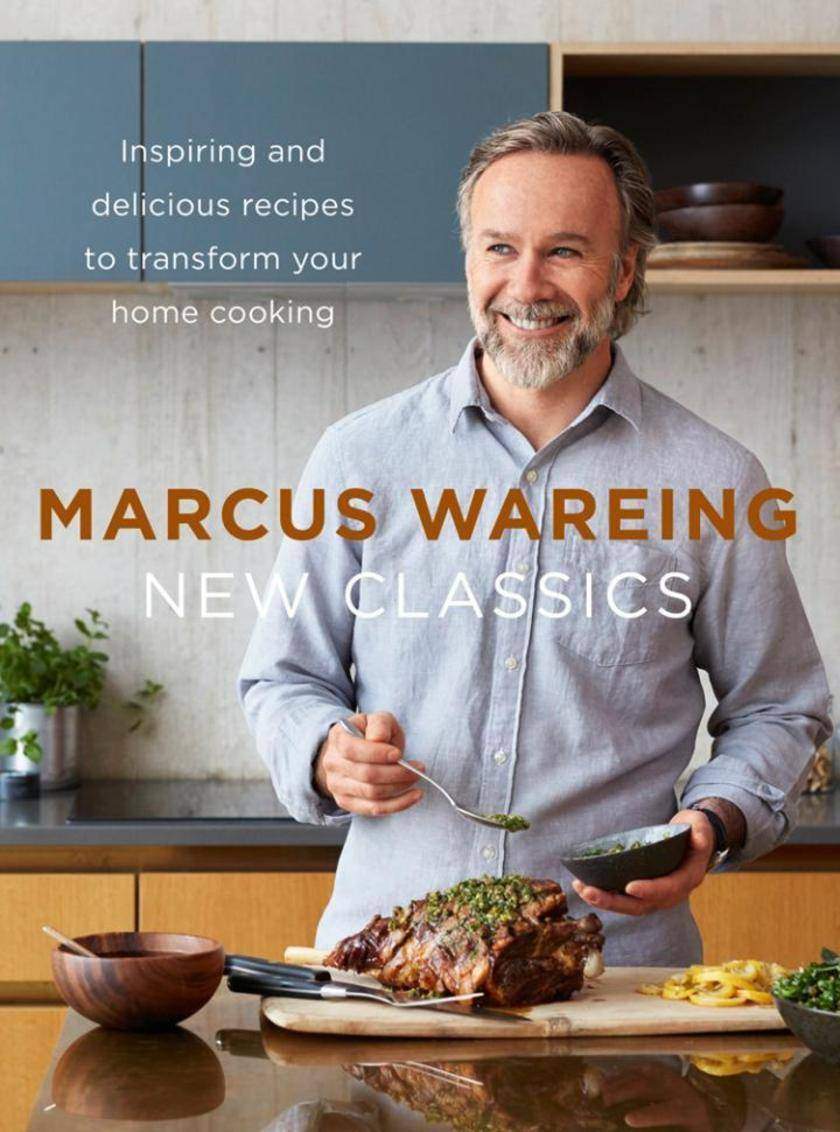
New Classics: Inspiring and delicious recipes to transform your home cooking
¥147.35
MARCUS WAREING is one of the most respected and acclaimed chefs and restaurateurs in Britain today. Originally from Southport, Merseyside, Marcus began his career at the age of 16. An incredible talent, he started acquiring Michelin stars aged just 26 – one of only a handful of chefs to be recognised at such a young age. Over the last 30 years Marcus has been involved in the creation of many of London’s most iconic and celebrated restaurants, including his own restaurant group, Marcus Wareing Restaurants, which he founded in 2008. With two Michelin stars at his flagship restaurant, Marcus, in the Berkeley Hotel, he also owns and operates two other London restaurants, The Gilbert Scott and Tredwell’s. Alongside his Michelin stars, Marcus has also won numerous coveted awards. These include the Acorn Award, Chef of the Year with Caterer and Hotelkeeper, Tatler Restaurateur of the Year and GQ Chef of the Year. A familiar face on our TV screens, Marcus took on the new role as judge on MasterChef:The Professionals in 2014. Marcus lives in London with his wife and three children.

The Grand Tour Guide to the World
¥147.35
The Grand Tour stars Jeremy Clarkson, Richard Hammond and James May as three middle aged men who should know better. The trio previously worked on an obscure BBC car show before hitting the big time with The Grand Tour which is an epic show about adventure, excitement and friendship. As long as you accept that the people you call friends are also the ones you find most annoying.
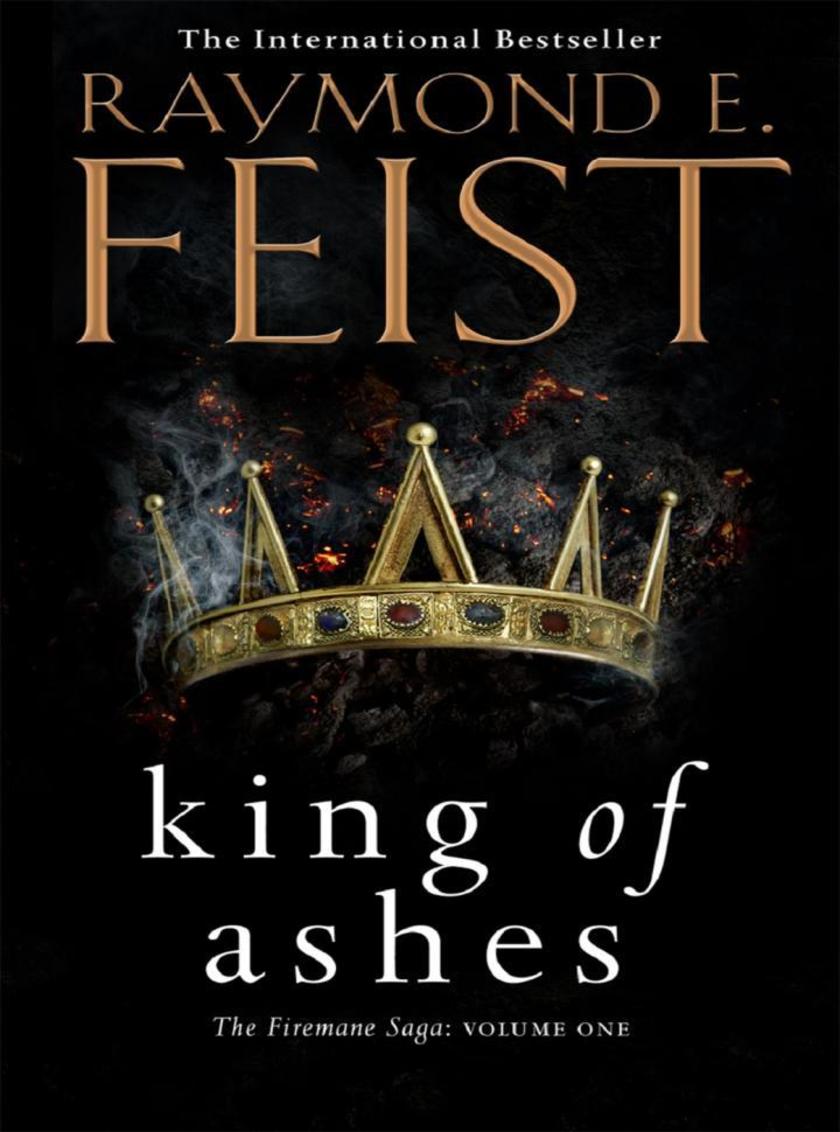
King of Ashes (The Firemane Saga, Book 1)
¥147.35
A new novel from internationally bestselling author Raymond E. Feist. The world of Garn once boasted five great kingdoms, until the King of Ithrace was defeated and every member of his family executed by Lodavico, the ruthless King of Sandura, a man with ambitions to rule the world. Ithrace's ruling family were the legendary Firemanes, and represented a great danger to the other kings. Now four great kingdoms remain, on the brink of war. But rumour has it that the newborn son of the last king of Ithrace survived, carried off during battle and sequestered by the Quelli Nacosti, a secret society whose members are trained to infiltrate and spy upon the rich and powerful throughout Garn. Terrified that this may be true, and that the child will grow to maturity with bloody revenge in his heart, the four kings have placed a huge bounty on the child's head. In the small village of Oncon, Declan is apprenticed to a master blacksmith, learning the secrets of producing the mythical king's steel. Oncon is situated in the Covenant, a neutral region lying between two warring kingdoms. Since the Covenant was declared, the region has existed in peace, until violence explodes as slavers descend upon the village to capture young men to press as soldiers for Sandura. Declan must escape, to take his priceless knowledge to Baron Daylon Dumarch, ruler of Marquensas, perhaps the only man who can defeat Lodavico of Sandura, who has now allied himself with the fanatical Church of the One, which is marching across the continent, imposing its extreme form of religion upon the population and burning unbelievers as they go. Meanwhile, on the island of Coaltachin, the secret domain of the Quelli Nacosti, three friends are being schooled in the deadly arts of espionage and assassination: Donte, son of one of the most powerful masters of the order; Hava, a serious girl with fighting abilities that can set any opponent on their back; and Hatu, a strange, conflicted lad in whom fury and calm war constantly, whose hair is a bright and fiery shade of red…

Anything You Can Imagine: Peter Jackson and the Making of Middle-earth
¥147.35
The definitive history of Peter Jackson’s Middle-earth saga, Anything You Can Imagine takes us on a cinematic journey across all six films, featuring brand-new interviews with Peter, his cast & crew. From the early days of daring to dream it could be done, through the highs and lows of making the films, to fan adoration and, finally, Oscar glory. Lights A nine-year-old boy in New Zealand’s Pukerua Bay stays up late and is spellbound by a sixty-year-old vision of a giant ape on an island full of dinosaurs. This is true magic. And the boy knows that he wants to be a magician. Camera Fast-forward twenty years and the boy has begun to cast a spell over the film-going audience, conjuring gore-splattered romps with bravura skill that will lead to Academy recognition with an Oscar nomination for Heavenly Creatures. The boy from Pukerua Bay with monsters reflected in his eyes has arrived, and Hollywood comes calling. What would he like to do next? ‘How about a fantasy film, something like The Lord of the Rings…?’ Action The greatest work of fantasy in modern literature, and the biggest, with rights ownership so complex it will baffle a wizard. Vast. Complex. Unfilmable. One does not simply walk into Mordor – unless you are Peter Jackson. Anything You Can Imagine tells the full, dramatic story of how Jackson and his trusty fellowship of Kiwi filmmakers dared take on a quest every bit as daunting as Frodo’s, and transformed JRR Tolkien’s epic tale of adventure into cinematic magic, and then did it again with The Hobbit. Enriched with brand-new interviews with Jackson, his fellow filmmakers and many of the films’ stars, Ian Nathan’s mesmerising narrative whisks us to Middle-earth, to gaze over the shoulder of the director as he creates the impossible, the unforgettable, and proves that film-making really is ‘anything you can imagine’.
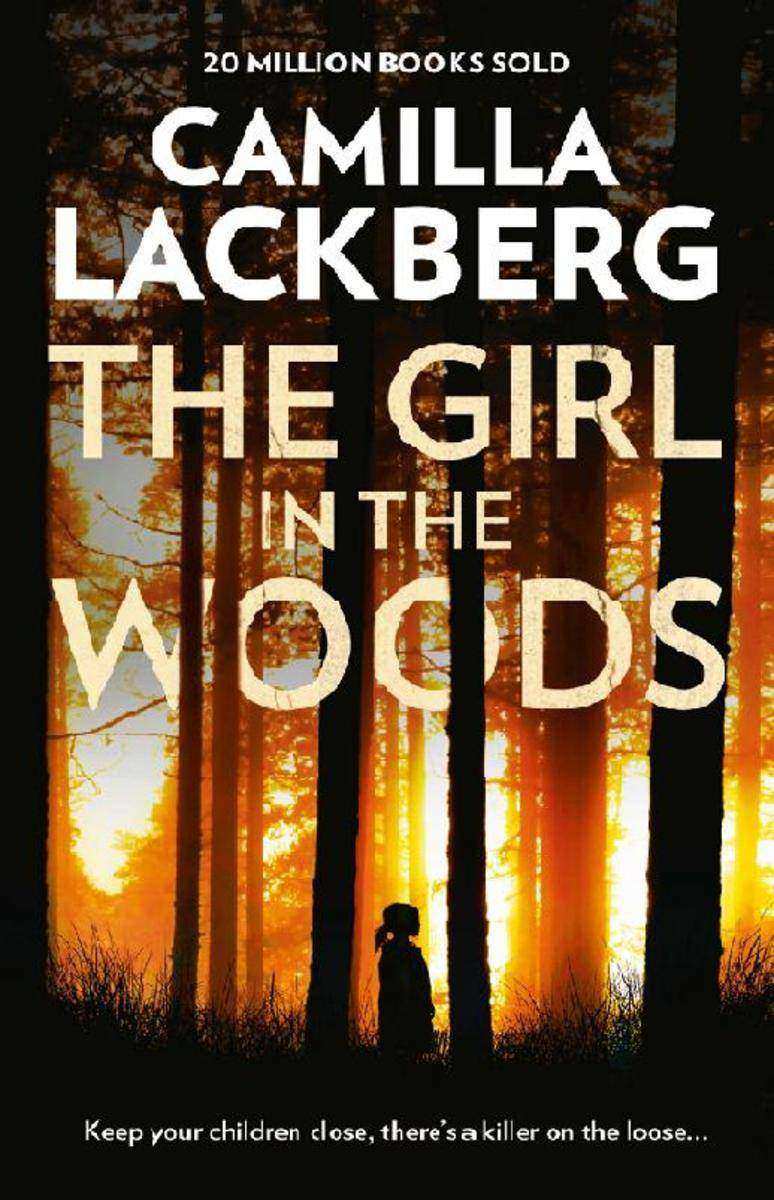
The Girl in the Woods (Patrik Hedstrom and Erica Falck, Book 10)
¥147.35
No. 1 international bestseller and Swedish crime sensation Camilla Lackberg’s new psychological thriller featuring Detective Patrik Hedstr?m and Erica Falck – irresistible for fans of Stieg Larsson and Jo Nesbo. A missing child When a four-year-old girl disappears in the woods just outside Fj?llbacka, the community is horror-struck. Thirty years ago, a young girl went missing from the exact same spot, and was later discovered, murdered. A murder Back then, two teenage girls were found guilty of the killing. Could it really be a coincidence that one of the girls – now a world-famous actress – has just returned to Fj?llbacka? Detective Patrik Hedstr?m starts investigating, with his wife, bestselling crime writer Erica Falck, by his side. A community torn apart But as Patrik and Erica dig deeper, the truth becomes ever murkier, because it seems that everyone in the tight-knit community is hiding something. And soon, the residents must confront the fact that they could be harbouring a murderer in their midst…
Ancient Wonderings: Journeys Into Prehistoric Britain
¥147.35
James Canton teaches the Wild Writing MA course at the University of Essex, exploring the fascinating ties between literature and the landscape of East Anglia. He has run workshops to encourage writing on nature and landscape and is the author of Out of Essex: Re-Imagining a Literary Landscape (2013), which was inspired by rural wanderings in the county.

Home Baking
¥147.35
Rachel Allen was brought up in Dublin and at the age of eighteen left to study at the prestigious Ballymaloe Cookery School. Today, she not only teaches at the school, she also writes regular features for national publications, presents highly acclaimed television programmes which have been broadcast internationally. She is the winner of the 2012 Irish Book Award for Best Non-Fiction for Easy Meals.
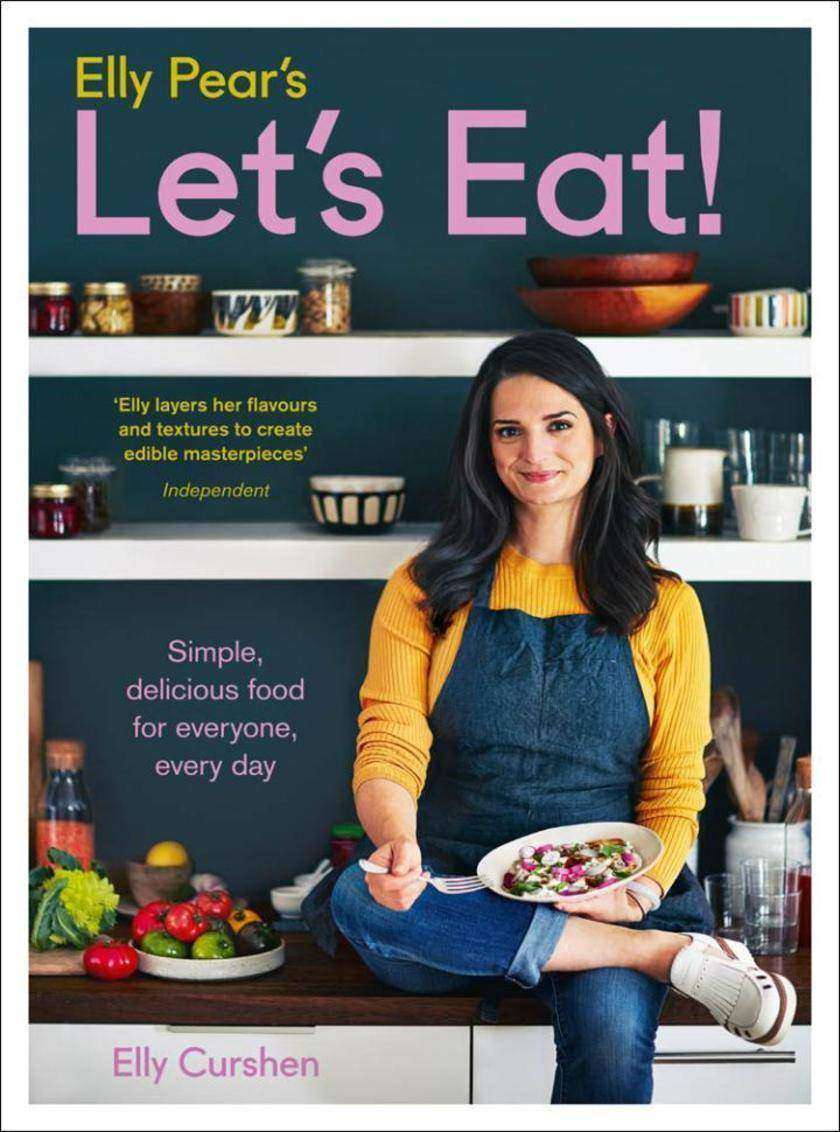
Elly Pear’s Let’s Eat: Simple, Delicious Food for Everyone, Every Day
¥147.35
She is the founding owner of the Pear Café in Bristol, a must-visit destination for fresh, delicious, handmade soups, frittatas, and sandwiches (including the hugely popular Ham, Emmenthal and Chicken Crackling Sandwich, named one of Buzzfeed’s “17 Sandwiches You Must Eat Before You Die”).

Eivissa:The Ibiza Cookbook
¥147.35
Ibiza is on the cusp of a food revolution. The island’s traditional farming and fishing culture has been supplemented with a wave of chefs and producers making artisan products and vibrant food. Now Eivissa, the first recipe book to showcase the incredible Ibicenco dishes Ibiza cuisine has to offer, reveals how to recreate the tastes of the white island in your own home. Divided into seasonal chapters to reflect the ingredients in Ibiza, these are gorgeous recipes reflecting the heritage of the cuisine, yet with contemporary twists. Sample a really simply Grilled Courgette Ribbons, Asparagus & Mint Tostada from Spring, for example, or a Grapefruit & Juniper-Encrusted Pork Salad. Try Steamed Mussels with Samphire or Chicken with Roasted Figs from Autumn. Or treat yourself with a Ricotta Pine Nut Cake or Spiced Chocolate Truffles. Full of stunning photography shot on location in Ibiza, both of the recipes and the island’s beautiful backdrop, these are recipes that are full of energy, warmth and enjoyment.
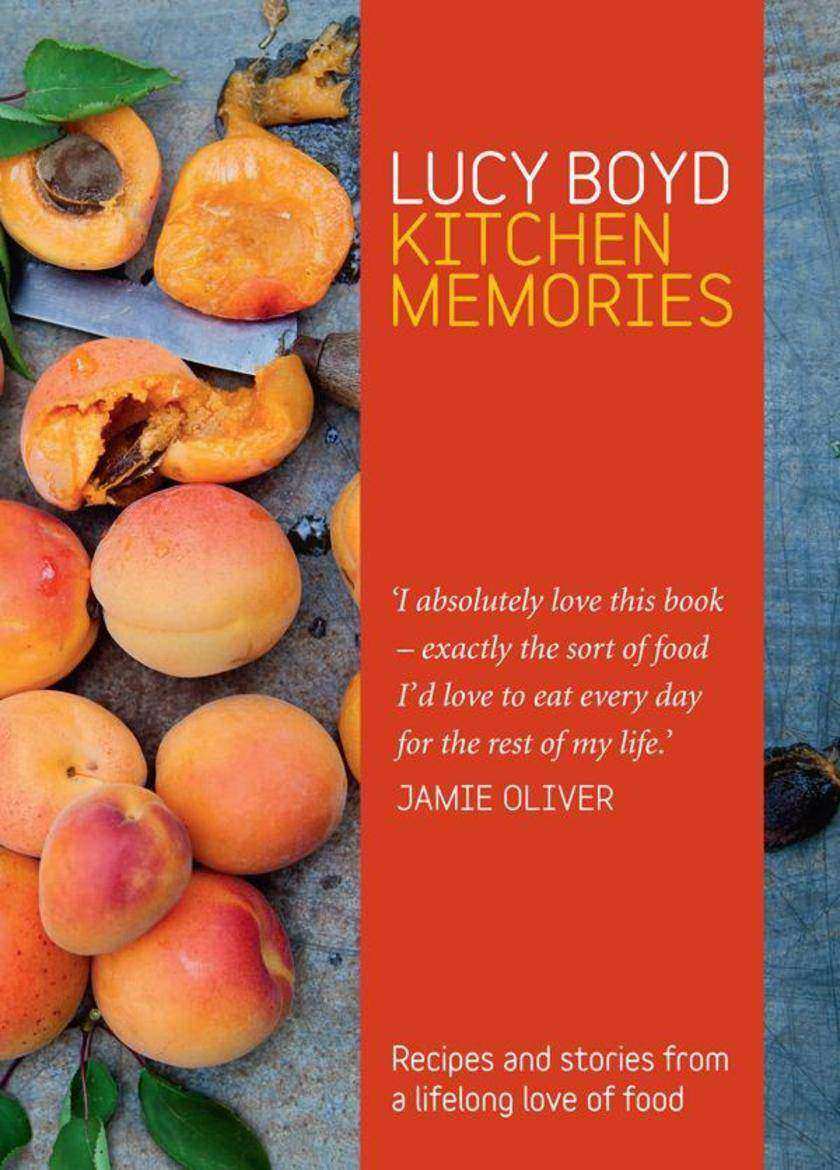
Kitchen Memories
¥147.35
Lucy Boyd, head gardener for Michelin-starred café Petersham Nurseries and trained chef understands ingredients, and knows how to turn them into extraordinary food. Quality ingredients – in season, simply cooked and perfectly prepared – are at the heart of Lucy’s cooking. This beautiful debut collection of irresistible ingredient-inspired recipes is full of Lucy’s passion and knowledge of produce. Following a serendipitous apprenticeship into cookery as the daughter of Rose Gray, founder of the River Café, Lucy went from planning and cooking dishes alongside Rose for both the family and customers, to lovingly creating the much-lauded kitchen garden at Petersham, providing vegetables and salads for the cafe and for Petersham’s owners Francesco and Gael Boglione. Her myriad cooking and gardening experiences has guided Lucy throughout her 8-year partnership with award-winning chef Skye Gyngell as well as nurturing a fascination for Italian vegetables and salads, herbs and edible flowers, a fascination which continues to heavily influence her cooking. This cookery book, complete with stunning, fresh photography and Lucy’s poignant memories describing a recipe’s origins is essential for anyone with a passion for good food. From Summer Girolles, Veal Loin and Rocket to Cicoria, Mozzarella, Tomatoes with Marinated Salted Anchovies, Lucy’s food effortlessly combines quality and simplicity, making this the perfect gift for foodies everywhere.

Adventures Among Birds (Collins Nature Library)
¥147.35
The Collins Nature Library is a new series of classic British nature writing – reissues of long-lost seminal works. The titles have been chosen by one of Britain’s best known and highly-acclaimed nature writers, Robert Macfarlane, who has also written new introductions that put these classics into a modern context. Adventures Among Birds is almost a manifesto for the life of birds. Hudson's experience of different forms of birdlife is prodigious, and he weaves a thousand small anecdotes together into a rallying call against indifference to the beauty of birds. From childhood memories of his first caged bird and his growing passion for them, slowly growing throughout his adolescence in Argentina, to the beauty of the diversity of birdlife in England, Hudson's delight at this particular aspect of nature is palpable. It is in his protests against the hunting of birds for sport that his love for birds is most clearly shown. Their behaviour towards one another convinces Hudson of their friendship, and his powers of observation paint a picture of interaction and emotion between birds that is almost human. Adventures Among Birds is a collection of detailed little pictures of the feathered world and why it matters. Told with an unrelenting passion for its subject, Hudson's book is sure to draw you in with its countless beautiful de*ions in miniature.
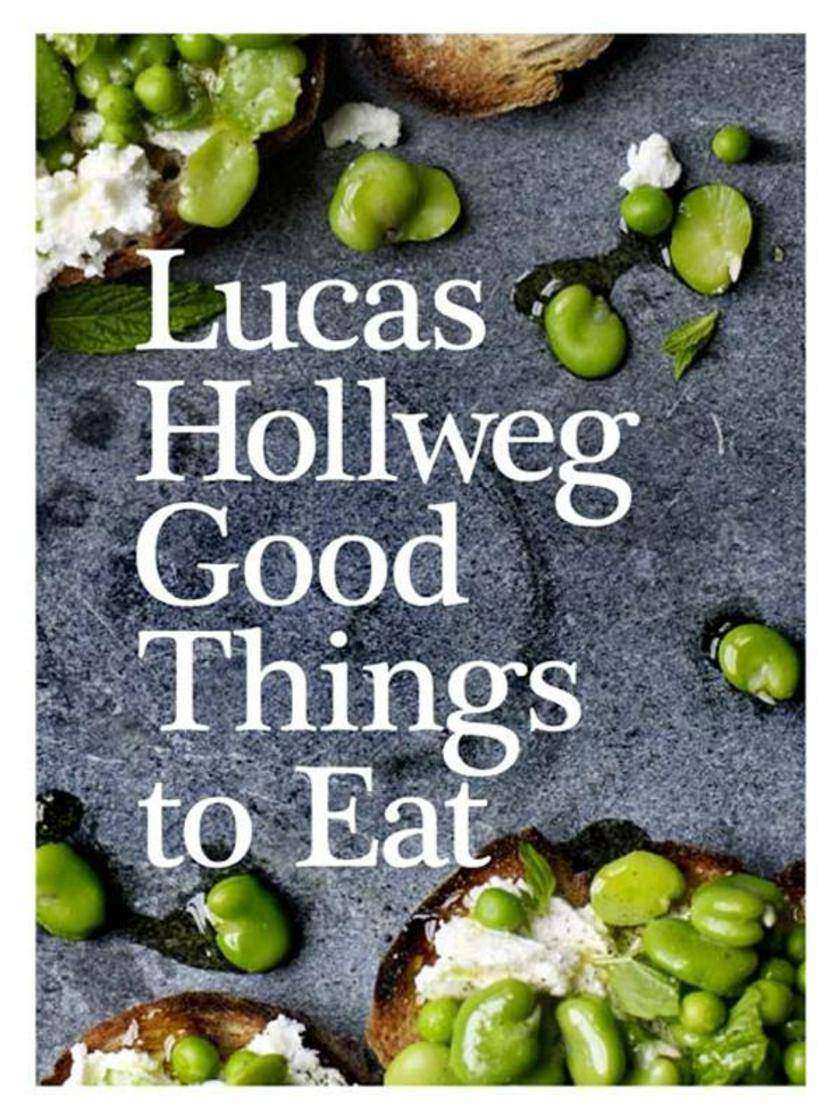
Good Things To Eat
¥147.35
Simple, delicious, unfussy – Sunday Times resident food writer Lucas Hollweg offers good food for real people. Good Things to Eat is just that: great food that focuses on the ever-popular ingredients and types of recipes that home cooks turn to again and again; the dishes that make everyone go 'yum!' From risottos, stews, gratins and things on toast to lamb, fruit, pasta, pies, squashes and puds, Lucas opens up scrumptious new possibilities for the kinds of flavours people know and love. Lucas weaves together his recipes with personal memories, inspiration, gentle advice and the odd joke. His warm, unhurried writing and layman's understanding of what needs explaining and what doesn't, plus his usage of ingredients that people can easily get hold of, ensure he will inspire everyone to make uncomplicated, tasty food – no matter how practised they are in the kitchen. At long last, here is the book his fans have been waiting for. Recipes include: Sea bream with fennel and orange Chicken schnitzel with lemon and thyme Aubergine, courgette and basil gratin Cod with lentils, rocket and salsa verde A bowl of roast quails with spiced yogurt Spiced rack of lamb with butterbean mash Peach, prosciutto and mozzarella salad Veal chops with Roquefort and thyme butter Pot-roast chicken and chicory Beef stew with cinnamon and prunes Raspberry and mint sorbet Autumn mess with blackberries Banana and black pepper tarte tatin A go-with-anything cake (and things to go with it) The 123 cocktail
Collins Tracing Your Family History
¥147.35
The new, fully-updated edition of Collins Tracing Your Family History is the definitive handbook for anyone interested in tracing their family’s past. Firmly practical in its approach, yet entertaining in its style, this reference guide is the indispensable companion for all who are seeking a reliable, one-source volume to use while tracking down their family origins. New and up-to-date content helps you make the most of your resources - such as how best to utilise the internet, and informs you about the most recent records released which could be vital to your search for your ancestry. The book gives comprehensive guidance on the full variety of governmental, religious and more obscure records available to the family history sleuth. The guide also contains highly useful advice on how to expand and reinvigorate a search when the trial runs cold – as it inevitably will. Author Anthony Adolph balances detailed instruction and guidance with humorous anecdotes and illuminating history lessons, ensuring an informative and entertaining read.
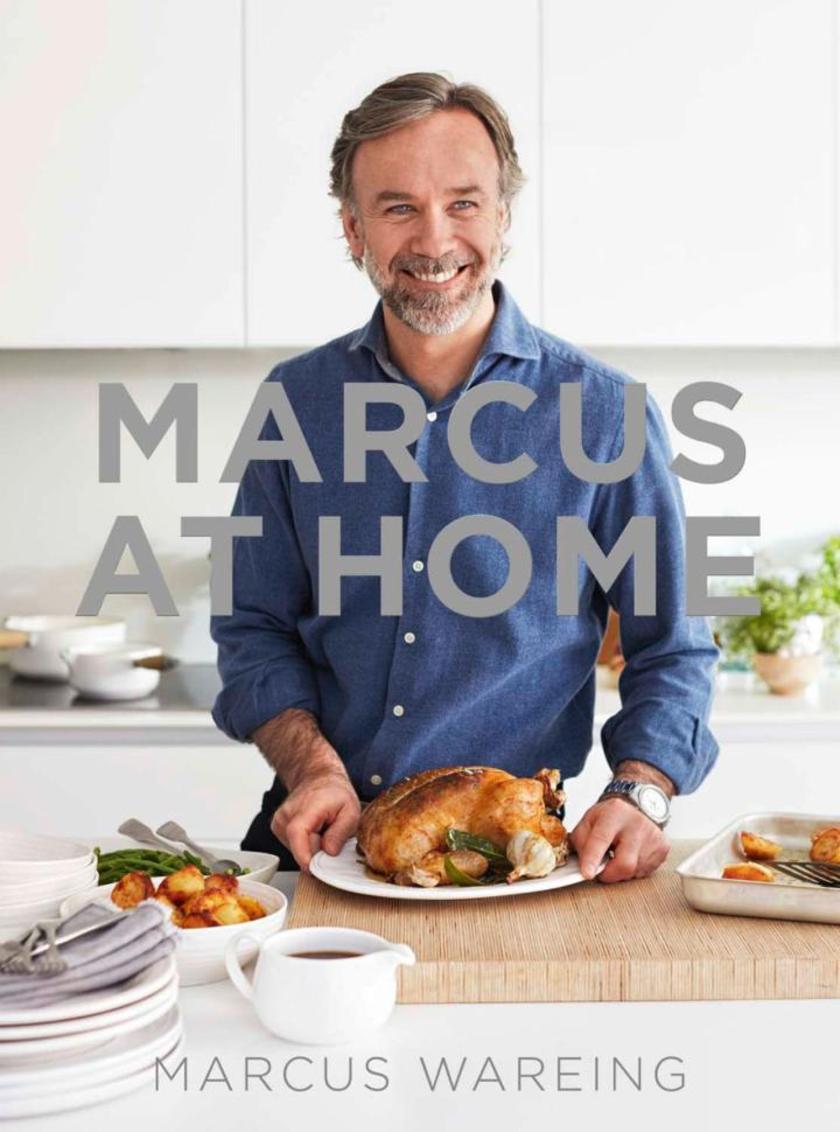
Marcus at Home
¥147.35
MARCUS WAREING is one of the most respected and acclaimed chefs and restaurateurs in Britain today. Originally from Southport, Merseyside, Marcus began his career at the age of 16. An incredible talent, he started acquiring Michelin stars aged just 26 – one of only a handful of chefs to be recognised at such a young age. Over the last 30 years Marcus has been involved in the creation of many of London’s most iconic and celebrated restaurants, including his own restaurant group, Marcus Wareing Restaurants, which he founded in 2008. With two Michelin stars at his flagship restaurant, Marcus, in the Berkeley Hotel, he also owns and operates two other London restaurants, The Gilbert Scott and Tredwell’s.Alongside his Michelin stars, Marcus has also won numerous coveted awards. These include the Acorn Award, Chef of the Year with Caterer and Hotelkeeper, Tatler Restaurateur of the Year and GQ Chef of the Year. A familiar face on our TV screens, Marcus took on the new role as judge on MasterChef:The Professionals in 2014. Marcus lives in London with his wife and three children.
Feasts From the Middle East
¥147.35
Tony Kitous arrived in London for the first time on August 6, 1988, aged 18, he spent his 1st night sleeping in Victoria coach station and spent the next fortnight living off chocolate. The self-styled Algerian “street boy” had just ?70 in his pocket and was meant to be on a holiday with a school friend. More than 29 years later, the now hugely successful owner of the Comptoir Libanais canteen and delicatessen chain has 24 branches in and London and around the UK, employing around 1000 staff. They are part of an empire which also encompasses three Shawa - Lebanese grill outlets, as well as prestige restaurants such as Levant on Wigmore Street and Kenza in the city of London.
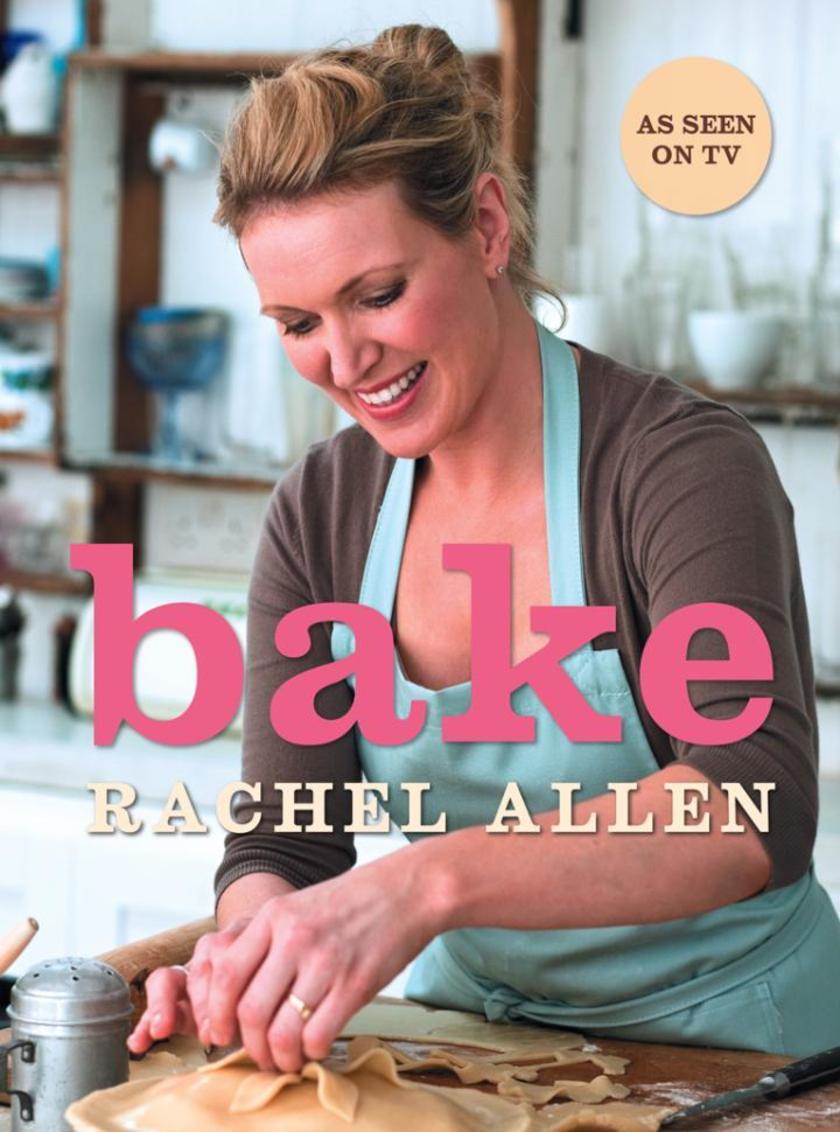
Bake
¥147.35
Your best friend in the kitchen and bestselling author, Rachel Allen, is back with a collection of delicious and easy cakes and bakes, tarts and pies, quiches and casseroles from her brand new TV series. What could be better than the smell of freshly baked bread or the joy of eating warm cookies straight from the oven? Do you pine for the pleasures of gingerbread houses and holiday delights or the warming goodness of home baked casseroles? These are just some of the treats that await in Bake, which ties in with Rachel’s brand new TV series. She shares both the sweet and the savoury sides of baking, whether quick snacks, wholesome breads and pies, exotic cakes and tarts or easy baked meals for friends and family. Fully illustrated with beautiful food photography including step-by-steps to take the mystery out of traditional baking and pastry making. Rachel also offers troubleshooting techniques for common problems and wheat or gluten-free recipes so nobody is left out of the fun! Rachel’s friendly and expert tuition make this easy-to-use book the best friend to every home baker. Recipes include: ? Cardamon bread ? Crispy bacon and cheddar bread ? Cheese straws and pretzels ? Pork, chorizo and spinach pie ? Beef pasties with mint, ginger and peas ? Baked cheese fondue in a squash ? Seville orange meringue pie ? Cornish saffron bread ? Lime and yoghurt cake with rosewater and pistachios
Gordon Ramsay’s Great British Pub Food
¥147.35
In his outstanding new cookbook, Gordon Ramsay teams up with Mark Sargeant to showcase the best of British cooking. Packed full of sumptuous and hearty traditional recipes, Gordon Ramsay's Great British Pub Food is perfect for relaxed, homely and comforting cooking. Pubs were once a place where you could always guarantee good, simple, cheap food and a great Sunday roast, but when the steak houses and fast food chains arrived the good home cooking from the pub kitchens was replaced with tasteless, defrosted meals. Then came the gastropubs, which weren't much better, serving mediocre food at restaurant prices. That's why when Gordon Ramsay and Mark Sargeant set up the Gordon Ramsay pubs in London they wanted to produce the sort of simple but delicious British classics that warm the cockles of your heart and to serve them at affordable pub prices. Dishes like rich, hearty Chicken and Smoked Bacon Pie, mouth-watering Gloucestershire Sausages with Grainy Mustard Mash and Red Onion Marmalade and indulgent Treacle Tart - classics that have stood the test of time. Now Gordon has gathered his favourite British recipes into one sumptuous collection so you can invite your friends round, serve some good, English ale and cook the best in traditional pub food classics in your own home.
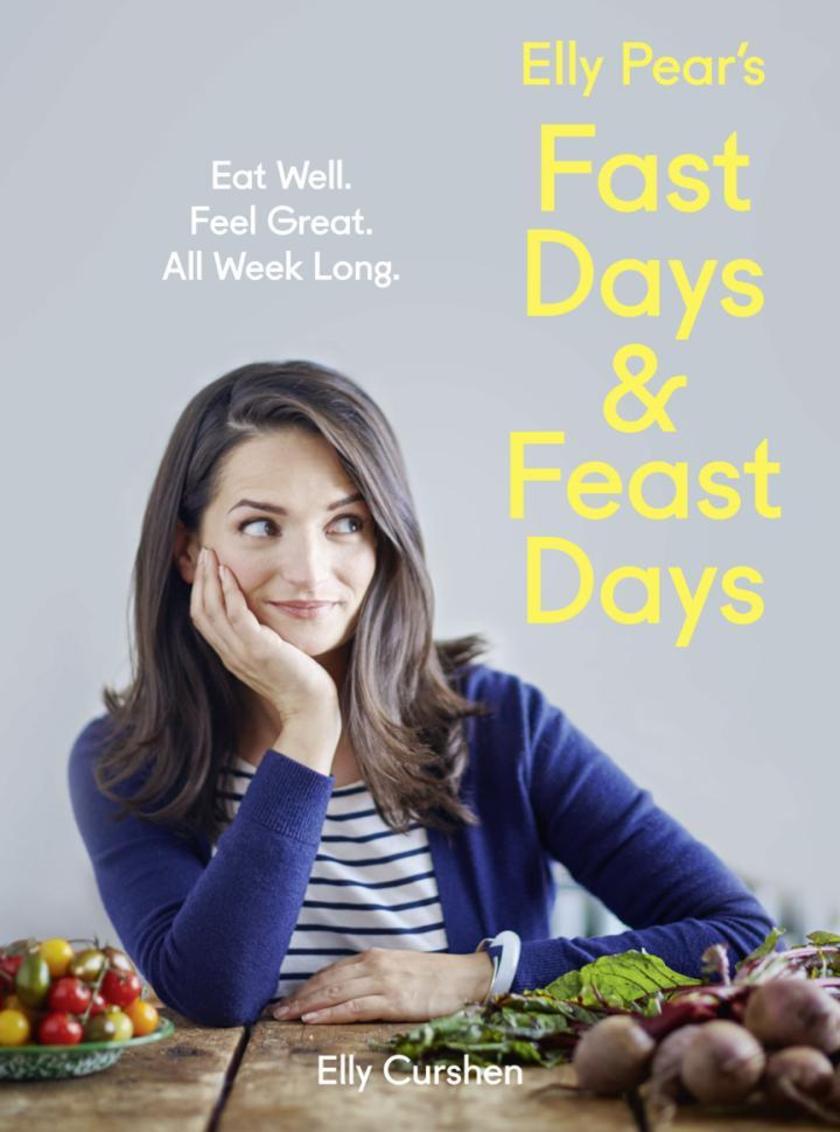
Elly Pear’s Fast Days and Feast Days:Eat Well. Feel Great. All Week Long.
¥147.35
Since opening the hugely popular Pear Café nine years ago, Elly Pear has been on a quest for good food and new ideas. Having found real results sticking to the 5:2 way of eating, Elly shares some of her favourite, most exciting meat-free recipes for eating well and enjoying food on both fast days and feast days. Elly Pear:Fast Days and Feast Days is a collection of more than 100 of Elly’s favourite recipes from both fast days and feast days, her home kitchen and her café, inspired by world cooking but always with an eye on the local greengrocers. With clear and comprehensive advice on shopping well and using your local shops, stocking your fridge and cupboards sensibly and avoiding waste at all costs, this book will guide you to a new way of eating delicious, nutritious food all year round – on fast days and feast days.
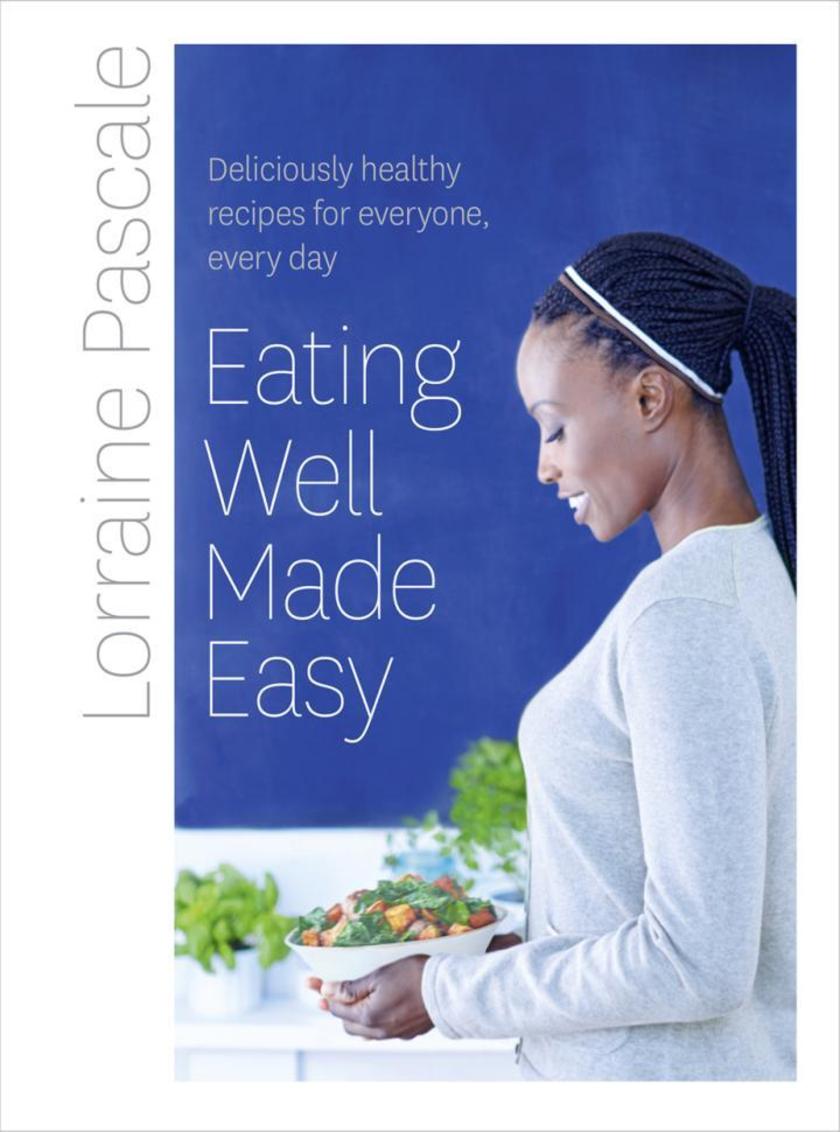
Eating Well Made Easy:Deliciously healthy recipes for everyone, every day
¥147.35
It’s everyone’s meal-time dilemma: how to cook quick, easy, tasty meals that are also good for you? Bestselling TV chef Lorraine Pascale’s brilliant new book Eating Well Made Easy shows you how. Lorraine is famous for putting together delicious recipes that are simple and easy to make, and now she’s gone one step further: creating tasty dishes that are not only perfect for busy lifestyles, but are nutritious, too. Understanding how important it is now for both families and individuals to eat healthily every day, Lorraine gives you all the inspiration you need to eat well all week long, without compromising on taste. Rustle up surprisingly simple breakfasts and delicious midweek dinners, and impress your guests at the weekend with recipes that are properly balanced, with nothing processed – and still decadently full of the flavour Lorraine is known for. Stunningly presented with beautiful photography throughout, this essential cookbook is Lorraine’s most comprehensive to date, full of delicious, nutritious fare for every meal time – made easy!


