


 购物车
购物车 个人中心
个人中心

漫画三国演义(全10册)
¥398.00
《漫画三国演义》(全10册)由亚洲漫画家大会特别奖得主李贤世历时三年倾情绘制,以“三国演义”原著为底本,紧贴原著,从东汉末年群雄逐鹿到司马炎一统天下建立晋朝,全套书用10000 幅“电影级”分镜插画配以通俗的文本,完整地再现了那个金戈铁马、气吞山河的超燃三国群雄世界。经典战争场面张力十足,英雄形象各具特色。本书装帧上采用漫画中少见的16K大开本全彩展示,每一页都如纸上巨幕动漫电影,带来视觉与心灵的冲击。看真正的英雄超燃归来,让英雄精神成为你一生的能量补给站。

脊柱截骨矫形学
¥398.00
本书共分4编53章。*编为绪论,主要讲解脊柱截骨矫形术发展史、脊柱的解剖、生物力学、临床检查与诊断、仿真技术、术后外固定技术、脊柱手术的并发症和脊柱骨刀的应用。第二编为强直性脊柱炎后凸截骨矫形术,对强直性脊柱炎后凸畸形的各种截骨术方法,以图文相结合的形式详细叙述。第三编为其他病因脊柱弯曲截骨矫形术,对先天性、结核性、创伤性、退变性、青年性、特发性和肿瘤等截骨切除术做了详尽的叙述。第四编为其他用骨刀操作的疾病,如椎间盘切除术、椎管扩大术、脊髓前减压术等也需要用骨刀进行刨槽减压的手术。

汉字树(全10册)
¥398.00
★创新突破的内容:作者廖文豪先生创造性地对数万个汉字 进行了大数据整理,彻底突破了传统文字学依托偏旁部首方 式解读汉字的束缚,结合汉字的人文内涵,将有经典常用的 汉字*地联系起来,凝聚成一棵根繁叶茂的“汉字树”。 ★丰富详细的解读:全套书收录4500个经典汉字,不仅详细 解释这些汉字的基本含义、常见用法以及汉字背后的趣味故 事,同时搜集并标注这些汉字的甲骨文、金文、篆文等字体 以及繁简写法等,由简入繁、由浅入深逐步揭示汉字的发展 脉络。
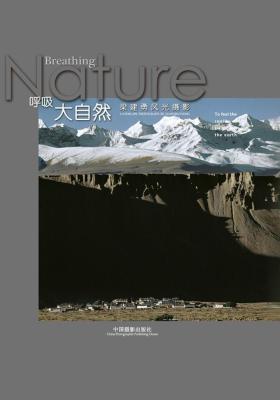
呼吸大自然
¥398.00
回想起来,还有很多令我向往的地方没有涉足,也许是我永远做不完的摄影梦,这份永远不可能了却的心愿,可能成为我今后业余生活的追求。希望这本画册能留下我摄影的足迹、留下我人生的感悟。借着大自然四季的轮回、借着相机观看世界,观看从我身边匆匆离去的美景,呼吸着大自然,感受着活在地球上的真实。
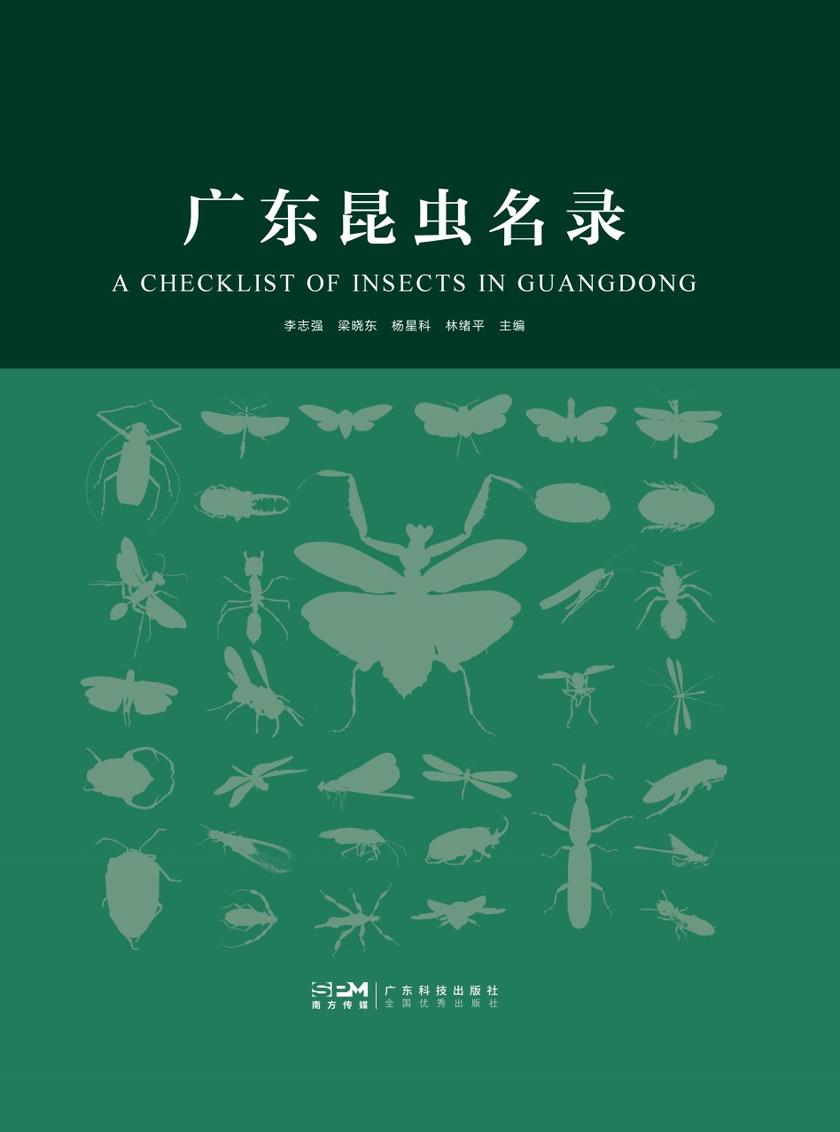
广东昆虫名录
¥398.00
本书系统整理了广东省分布的昆虫物种名录,详细记录了广东省22目600科800属13000种昆虫的中文学名、拉丁名及分布范围。本书为广东省昆虫区系的研究奠定了重要基础,对于从事昆虫学、植物保护、生物多样性研究,以及生物地理学研究的科技工作者具有重要的参考价值。
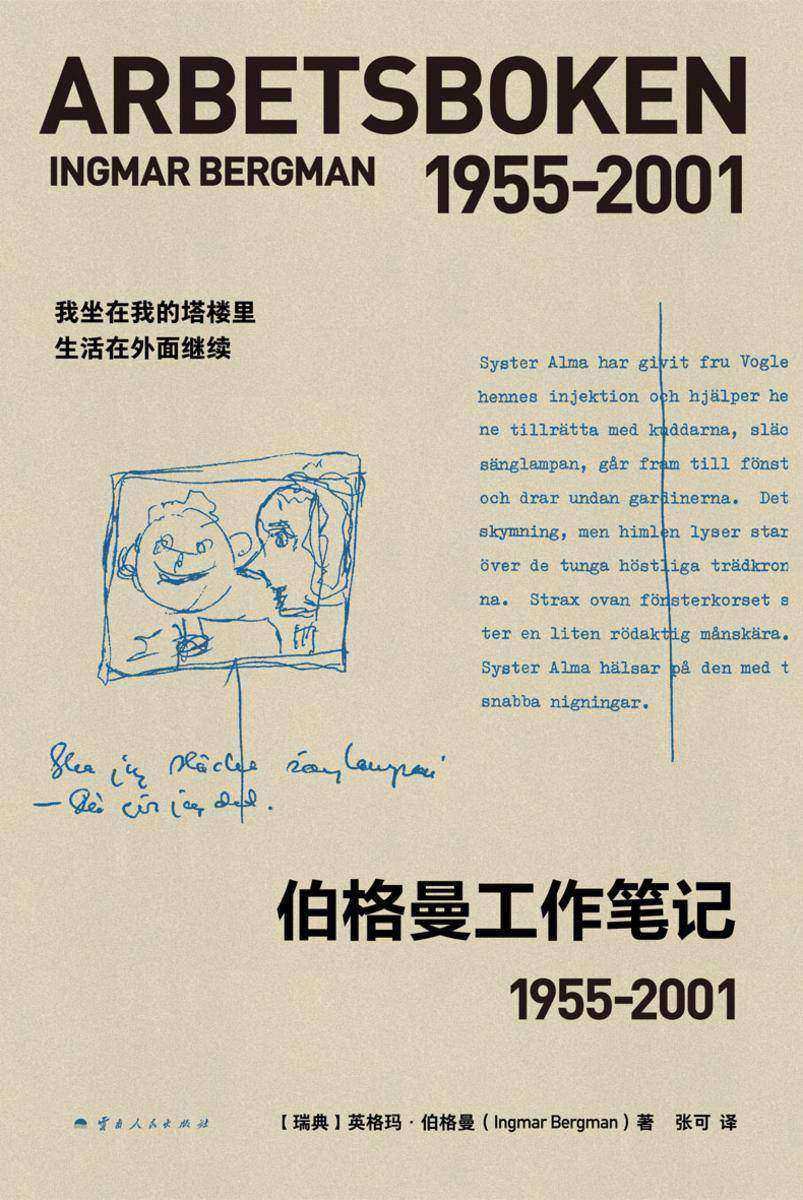
伯格曼工作笔记
¥398.00
英格玛·伯格曼的“工作笔记本”(Arbetsbok),一种长20厘米、宽18厘米的螺旋线圈小本子,一直伴随着他的众多写作项目,几乎无一例外。从1938年到2001年,这样的笔记本积累了将近60册。里面记录了很多东西。草稿、梗概、对白片段——以及来自大小世界的日记式报告。人类登月和晚餐计划混在一起。在一篇因马丁·路德·金遇害而愤愤不平的笔记之后是一篇法罗岛上空万里无云的报道。 《伯格曼工作笔记》上下两册分别收录了1955—1974年,1975—2001年间这位导演未加修饰的日记、备忘录与拍摄札记,中文世界首次完整译介。伯格曼醉心于在笔记中构想影片的走向,与自己虚构的角色对话,思索他们的名字与命运,影迷们可以直观地看到他作为艺术大师的灵感轨迹;他也以一种毫不设防的姿态在笔记里记录了自己对衰老与死亡的畏惧,对混乱与失败的焦虑,它们没有经过任何加工与美化,因为这是伯格曼与自己内心的一场私人谈话。这部工作笔记是他最忠诚的伙伴,也是我们最近他的地方。 《伯格曼工作笔记》里记录的内容为洞察英格玛·伯格曼的创作过程提供了一个独一无二的视角;读者有时会产生一种体验,仿佛伯格曼写作的时候,你就坐在他的身边。在这里,伯格曼爱好者不仅能以最佳的方式追溯那些世界知名影片的创作历程,也能看见一部正在孕育中的作品是如何突发新枝,从而诞生了另一部作品。这里还有些来自未完成项目的零碎片段,其内容引人胜,有的像作品的躯干,有的像拇指,而如今它们全都获得了一次迟到的面世机会。废墟浪漫主义者的愿望或许也就此得到了满足。此外,这份工作笔记是跨越一个人一生的文献,衰老的全部不幸最终亦会显现出来。

要做好投资,必须先读懂投资史(套装12册)
¥395.30
如果你只能读一本关于风险投资的书,那么请读这本。 这是风险投资真实运作的故事。在很多人的印象里,风险投资一直是神话般的存在,掌握着改变风向和创造巨额财富的密码。这本书可以帮助你风险投资神话般的外壳,如穿越时间的虫洞般,窥见其中关于人性、时代、财富甚至资本善恶的秘密。它将硅谷传奇企业与人物的故事与对风投行业发展脉络的洞见交织起来,首度权威揭秘硅谷指数级技术革命背后的千亿资本运作实情。 它揭示了驱动风投行业、整个硅谷乃至整个世界的基本原理——指数法则。风投的蕞大秘密是蕞佳投资所创回报等于或超过基金其他部分的收益总和。成功虽是罕见的,但成功所带来的影响力却是变革性的。也正因如此,风险投资家总是有着异乎常人的洞察力和直觉,有着对于风险的偏好和对失败的宽容,他们面对巨大的不确定性敢于大举押注。对于他们而言,那些看似疯狂的梦想,越是大胆、越是看起来不可能,就越有价值。风险投资不只是一个生意,也是一种能带来社会步的方法、思维方式和哲学,通过大胆支持勇敢的创新者来更好满足人类的需求和欲望,甚至可以说,风险投资本身就是巨大的创新。
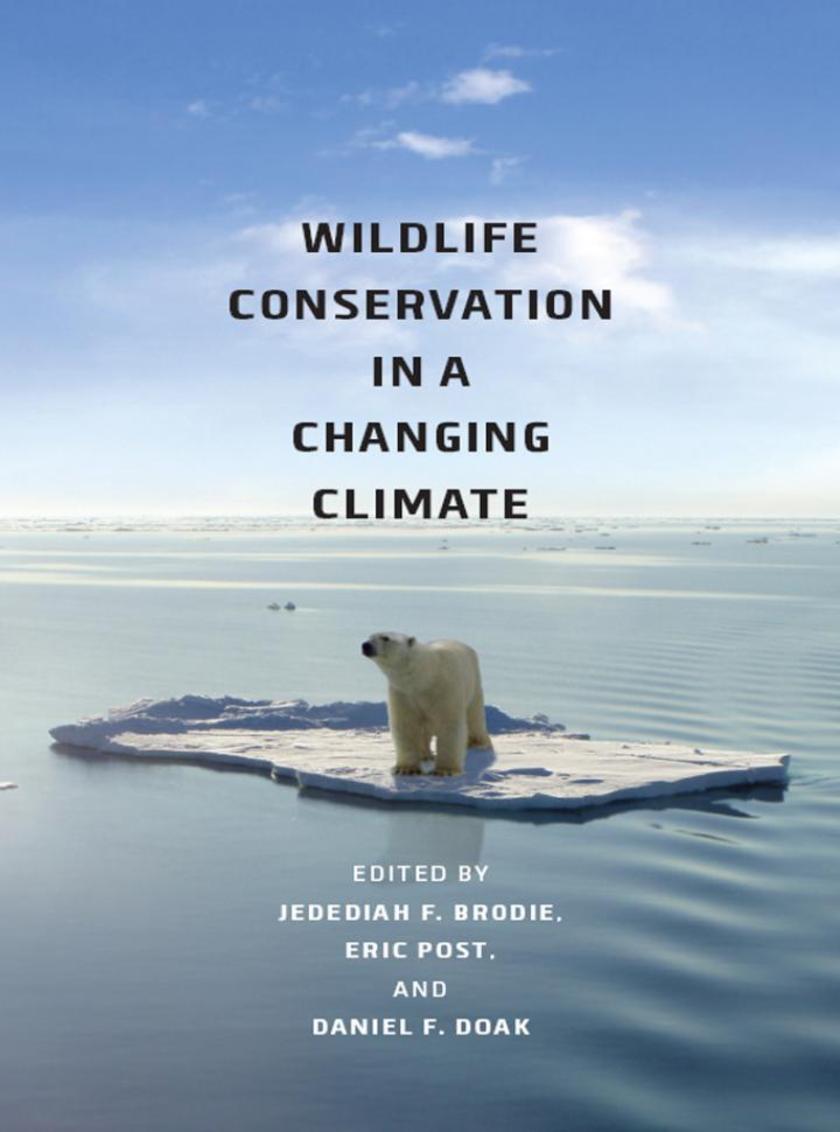
Wildlife Conservation in a Changing Climate
¥394.36
Human-induced climate change is emerging as one of the gravest threats to biodiversity in history, and while a vast amount of literature on the ecological impact of climate change exists, very little has been dedicated to the management of wildlife populations and communities in the wake of unprecedented habitat changes. Wildlife Conservation in a Changing Climate is an essential resource, bringing together leaders in the fields of climate change ecology, wildlife population dynamics, and environmental policy to examine the impacts of climate change on populations of terrestrial vertebrates. Chapters assess the details of climate change ecology, including demographic implications for individual populations, evolutionary responses, impacts on movement patterns, alterations of species interactions, and predicting impacts across regions. The contributors also present a number of strategies by which conservationists and wildlife managers can counter or mitigate the impacts of climate change as well as increase the resilience of wildlife populations to such changes. A seminal contribution to the fields of ecology and conservation biology, Wildlife Conservation in a Changing Climate will serve as the spark that ignites a new direction of discussions about and action on the ecology and conservation of wildlife in a changing climate.
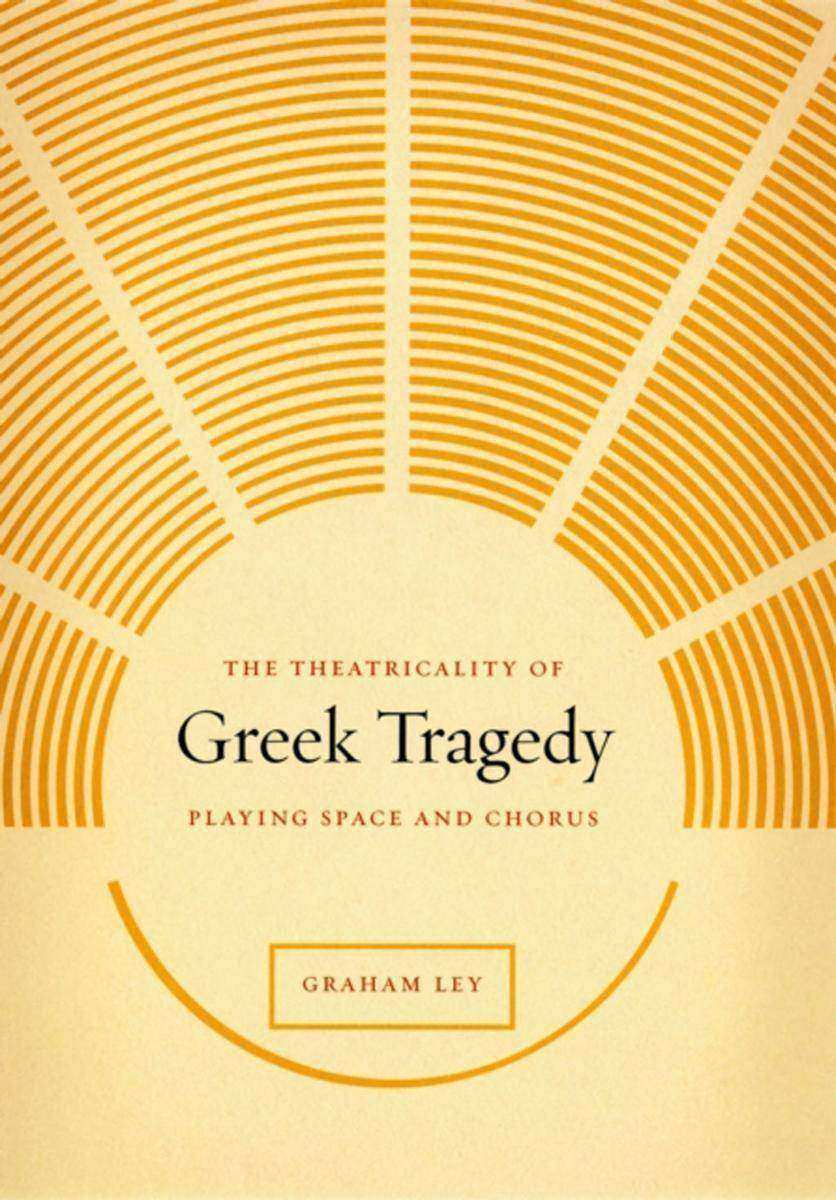
Theatricality of Greek Tragedy
¥394.36
Ancient Greek tragedy has been an inspiration to Western culture, but the way it was first performed has long remained in question. In The Theatricality of Greek Tragedy, Graham Ley provides an illuminating discussion of key issues relating to the use of the playing space and the nature of the chorus, offering a distinctive impression of the performance of Greek tragedy in the fifth century BCE. Drawing on evidence from the surviving texts of tragedies by Aeschylus, Sophocles, and Euripides, Ley explains how scenes with actors were played in the open ground of the orchestra, often considered as exclusively the dancing place of the chorus. In reviewing what is known of the music and dance of Greek antiquity, Ley goes on to show that in the original productions the experience of the chorus-expressed in song and dance and in interaction with the characters-remained a vital characteristic in the performance of tragedy.Combining detailed analysis with broader reflections about the nature of ancient Greek tragedy as an art form, this volume-supplemented with a series of illustrative drawings and diagrams-will be a necessary addition to the bookshelf of anyone interested in literature, theater, or classical studies.
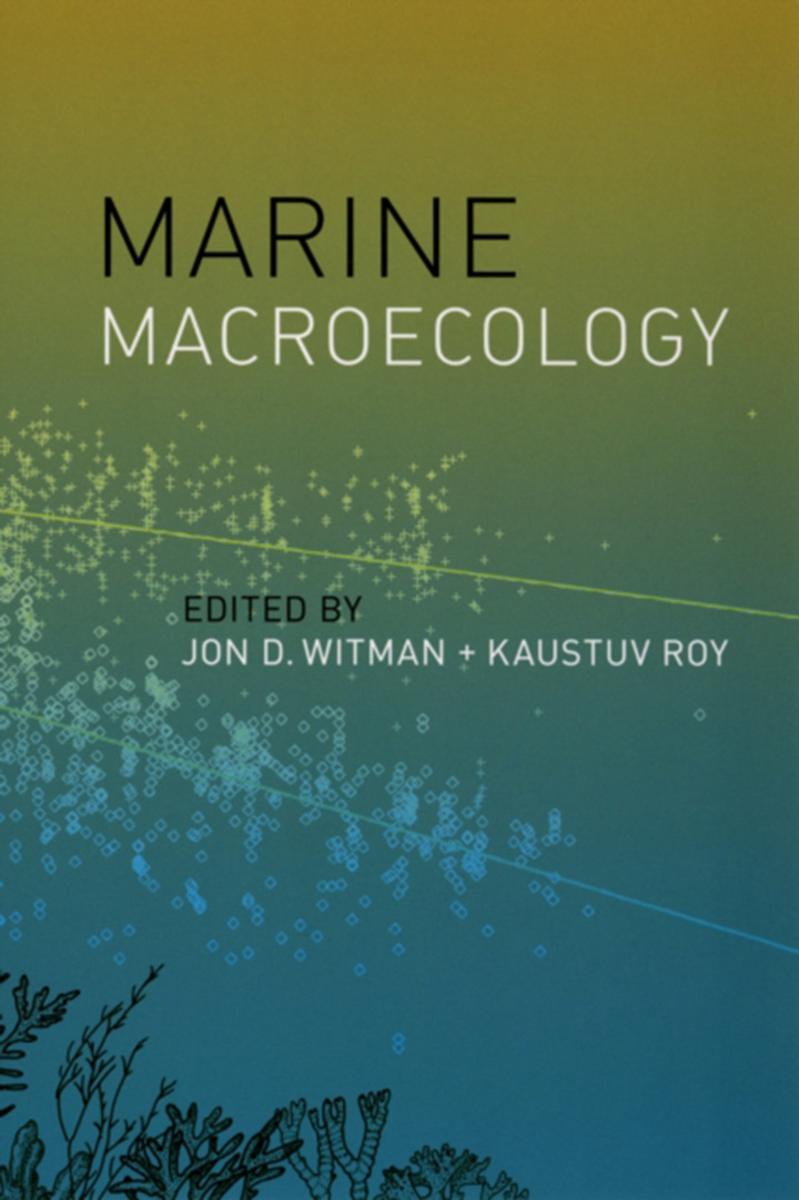
Marine Macroecology
¥394.36
Pioneered in the late 1980s, the concept of macroecology-a framework for studying ecological communities with a focus on patterns and processes-revolutionized the field. Although this approach has been applied mainly to terrestrial ecosystems, there is increasing interest in quantifying macroecological patterns in the sea and understanding the processes that generate them. Taking stock of the current work in the field and advocating a research agenda for the decades ahead, Marine Macroecology draws together insights and approaches from a diverse group of scientists to show how marine ecology can benefit from the adoption of macroecological approaches.Divided into three parts, Marine Macroecology first provides an overview of marine diversity patterns and offers case studies of specific habitats and taxonomic groups. In the second part, contributors focus on process-based explanations for marine ecological patterns. The third part presents new approaches to understanding processes driving the macroecolgical patterns in the sea. Uniting unique insights from different perspectives with the common goal of identifying and understanding large-scale biodiversity patterns, Marine Macroecology will inspire the next wave of marine ecologists to approach their research from a macroecological perspective.

Rebellion in the Backlands
¥394.36
Euclides da Cunha's classic account of the brutal campaigns against religious mystic Antonio Conselheiro has been called the Bible of Brazilian nationality."e;Euclides da Cunha went on the campaigns [against Conselheiro] as a journalist and what he returned with and published in 1902 is still unsurpassed in Latin American literature. Cunha is a talent as grand, spacious, entangled with knowledge, curiosity, and bafflement as the country itself. . . . On every page there is a heart of idea, speculation, dramatic observation that tells of a creative mission undertaken, the identity of the nation, and also the creation of a pure and eloquent prose style."e;-Elizabeth Hardwick, Bartleby in Manhattan
Frankenstein of 1790 and Other Lost Chapters from Revolutionary France
¥394.36
The French Revolution brings to mind violent mobs, the guillotine, and Madame Defarge, but it was also a publishing revolution: more than 1,200 novels were published between 1789 and 1804, when Napoleon declared the Revolution at an end. In this book, Julia V. Douthwaite explores how the works within this enormous corpus announced the new shapes of literature to come and reveals that vestiges of these stories can be found in novels by the likes of Mary Shelley, E. T. A. Hoffmann, Honore de Balzac, Charles Dickens, Gustave Flaubert, and L. Frank Baum.?Deploying political history, archival research, and textual analysis with eye-opening results, Douthwaite focuses on five major events between 1789 and 1794-first in newspapers, then in fiction-and shows how the symbolic stories generated by Louis XVI, Robespierre, the market women who stormed Versailles, and others were transformed into new tales with ongoing appeal. She uncovers a 1790 story of an automaton-builder named Franknsten, links Baum to the suffrage campaign going back to 1789, and discovers a royalist anthem's power to undo Balzac's Pre Goriot. Bringing to light the missing links between the ancien rgime and modernity, The Frankenstein of 1790 and Other Lost Chapters from Revolutionary France is an ambitious account of a remarkable politico-literary moment and its aftermath.
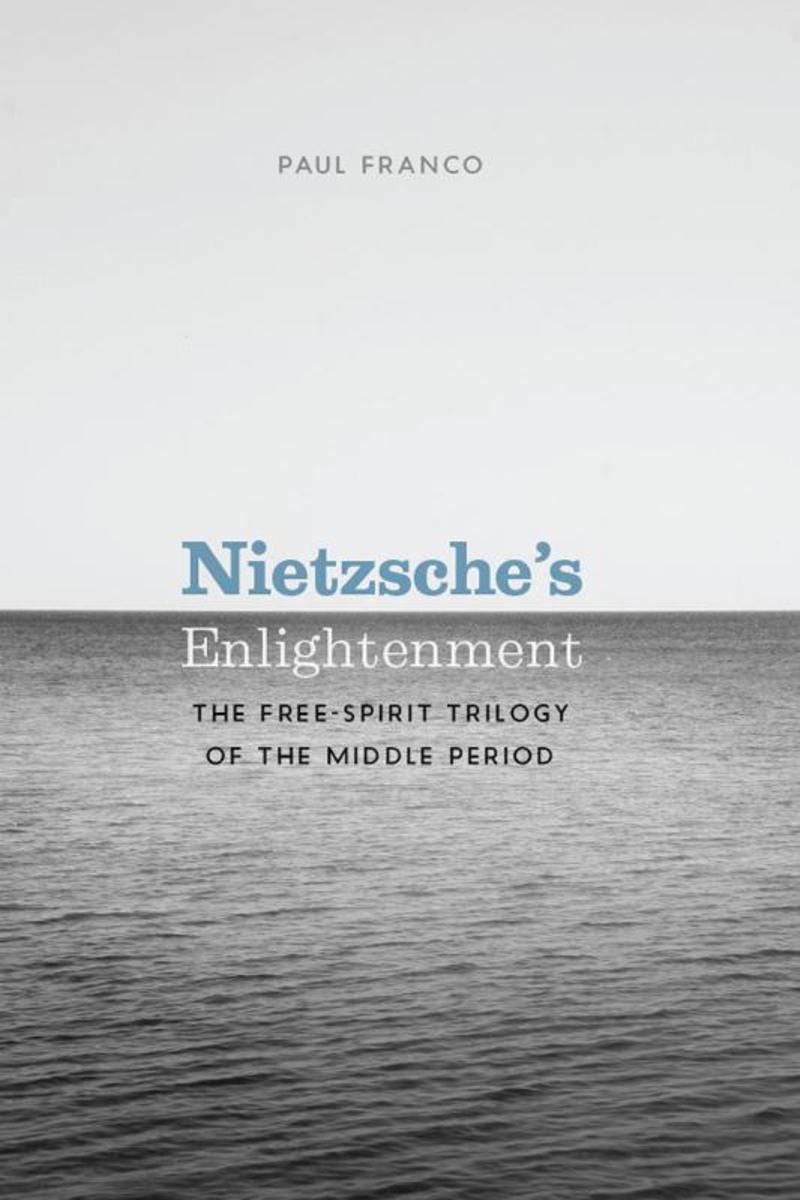
Nietzsche's Enlightenment
¥394.36
While much attention has been lavished on Friedrich Nietzsche's earlier and later works, those of his so-called middle period have been generally neglected, perhaps because of their aphoristic style or perhaps because they are perceived to be inconsistent with the rest of his thought. With Nietzsche's Enlightenment, Paul Franco gives this crucial section of Nietzsche's oeuvre its due, offering a thoughtful analysis of the three works that make up the philosopher's middle period: Human, All too Human; Daybreak; and The Gay Science.?It is Nietzsche himself who suggests that these works are connected, saying that their "e;common goal is to erect a new image and ideal of the free spirit."e; Franco argues that in their more favorable attitude toward reason, science, and the Enlightenment, these works mark a sharp departure from Nietzsche's earlier, more romantic writings and differ in important ways from his later, more prophetic writings, beginning with Thus Spoke Zarathustra. The Nietzsche these works reveal is radically different from the popular image of him and even from the Nietzsche depicted in much of the secondary literature; they reveal a rational Nietzsche, one who preaches moderation instead of passionate excess and Dionysian frenzy. Franco concludes with a wide-ranging examination of Nietzsche's later works, tracking not only how his outlook changes from the middle period to the later but also how his commitment to reason and intellectual honesty in his middle works continues to inform his final writings.
American Sunshine
¥394.36
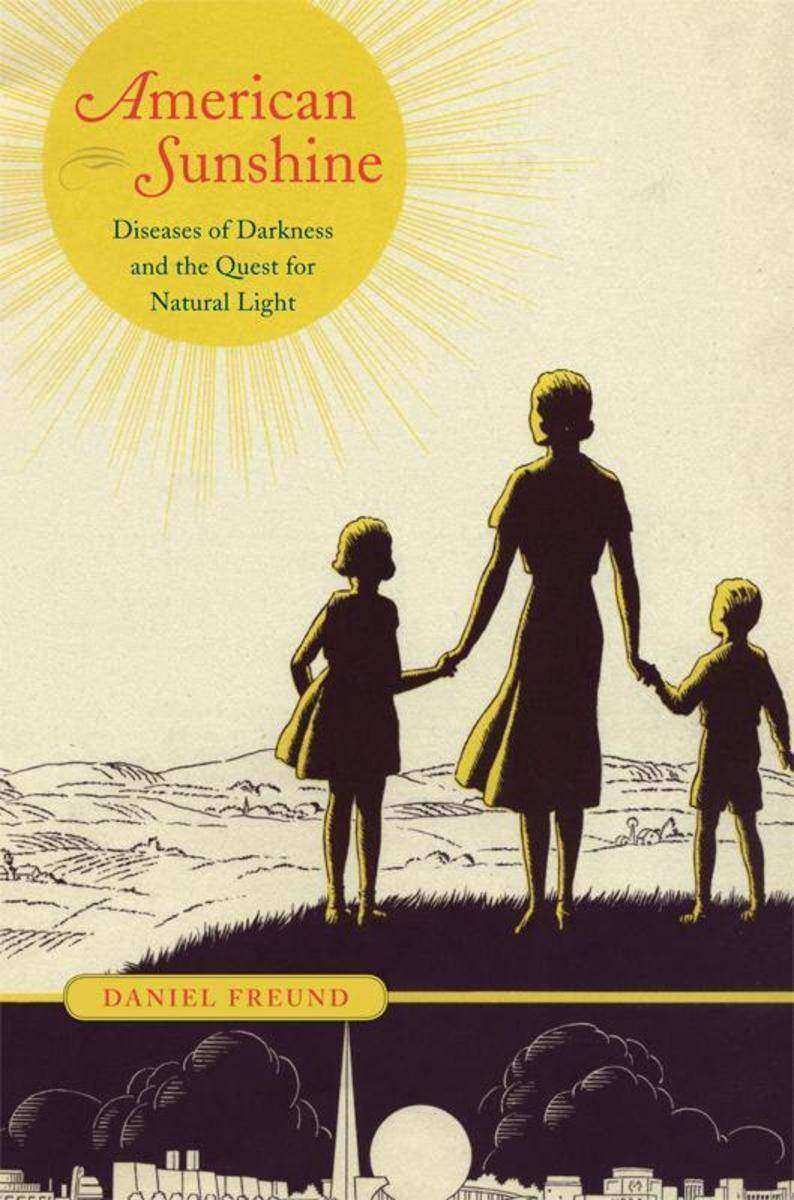
In the second half of the nineteenth century, American cities began to go dark. Hulking new buildings overspread blocks, pollution obscured the skies, and glass and smog screened out the health-giving rays of the sun. Doctors fed anxities about these new conditions with claims about a rising tide of the "e;diseases of darkness,"e; especially rickets and tuberculosis.In American Sunshine, Daniel Freund ?tracks the obsession with sunlight from those bleak days into the twentieth century. ?Before long, social reformers, medical professionals, scientists, and a growing nudist movement proffered remedies for America's new dark age. Architects, city planners, and politicians made access to sunlight central to public housing and public health. and entrepreneurs, dairymen, and tourism boosters transformed the pursuit of sunlight and its effects into a commodity. Within this historical context, Freund sheds light on important questions about the commodification of health and nature and makes an original contribution to the histories of cities, consumerism, the environment, and medicine.

On Sunspots
¥394.36
Galileo's telescopic discoveries, and especially his observation of sunspots, caused great debate in an age when the heavens were thought to be perfect and unchanging. Christoph Scheiner, a Jesuit mathematician, argued that sunspots were planets or moons crossing in front of the Sun. Galileo, on the other hand, countered that the spots were on or near the surface of the Sun itself, and he supported his position with a series of meticulous observations and mathematical demonstrations that eventually convinced even his rival.?On Sunspots collects the correspondence that constituted the public debate, including the first English translation of Scheiner's two tracts as well as Galileo's three letters, which have previously appeared only in abridged form. In addition, Albert Van Helden and Eileen Reeves have supplemented the correspondence with lengthy introductions, extensive notes, and a bibliography. The result will become the standard work on the subject, essential for students and historians of astronomy, the telescope, and early modern Catholicism.

Future of Healthcare Reform in the United States
¥394.36
In the years since the passage of the Patient Protection and Affordable Care Act (PPACA, or, colloquially, Obamacare), most of the discussion about it has been political. But as the politics fade and the law's many complex provisions take effect, a much more interesting question begins to emerge: How will the law affect the American health care regime in the coming years and decades?This book brings together fourteen leading scholars from the fields of law, economics, medicine, and public health to answer that question. Taking discipline-specific views, they offer their analyses and predictions for the future of health care reform. By turns thought-provoking, counterintuitive, and even contradictory, the essays together cover the landscape of positions on the PPACA's prospects. Some see efficiency growth and moderating prices; others fear a strangling bureaucracy and spiraling costs. The result is a deeply informed, richly substantive discussion that will trouble settled positions and lay the groundwork for analysis and assessment as the law's effects begin to become clear.

The Theory of Ecology
¥394.36
Despite claims to the contrary, the science of ecology has a long history of building theories. Many ecological theories are mathematical, computational, or statistical, though, and rarely have attempts been made to organize or extrapolate these models into broader theories. The Theory of Ecology brings together some of the most respected and creative theoretical ecologists of this era to advance a comprehensive, conceptual articulation of ecological theories. The contributors cover a wide range of topics, from ecological niche theory to population dynamic theory to island biogeography theory. Collectively, the chapters ably demonstrate how theory in ecology accounts for observations about the natural world and how models provide predictive understandings. It organizes these models into constitutive domains that highlight the strengths and weaknesses of ecological understanding. This book is a milestone in ecological theory and is certain to motivate future empirical and theoretical work in one of the most exciting and active domains of the life sciences.

Chicago Made
¥394.36
From the lumberyards and meatpacking factories of the Southwest Side to the industrial suburbs that arose near Lake Calumet at the turn of the twentieth century, manufacturing districts shaped Chicago's character and laid the groundwork for its transformation into a sprawling metropolis. Approaching Chicago's story as a reflection of America's industrial history between the Civil War and World War II, Chicago Made explores not only the well-documented workings of centrally located city factories but also the overlooked suburbanization of manufacturing and its profound effect on the metropolitan landscape. Robert Lewis documents how manufacturers, attracted to greenfield sites on the city's outskirts, began to build factory districts there with the help of an intricate network of railroad owners, real estate developers, financiers, and wholesalers. These immense networks of social ties, organizational memberships, and financial relationships were ultimately more consequential, Lewis demonstrates, than any individual achievement. Beyond simply giving Chicago businesses competitive advantages, they transformed the economic geography of the region. Tracing these transformations across seventy-five years, Chicago Made establishes a broad new foundation for our understanding of urban industrial America.

Document Raj
¥394.36
Historians of British colonial rule in India have noted both the place of military might and the imposition of new cultural categories in the making of Empire, but Bhavani Raman, in Document Raj, uncovers a lesser-known story of power: the power of bureaucracy. Drawing on extensive archival research in the files of the East India Company's administrative offices in Madras, she tells the story of a bureaucracy gone awry in a fever of documentation practices that grew ever more abstract-and the power, both economic and cultural, this created.?In order to assert its legitimacy and value within the British Empire, the East India Company was diligent about record keeping. Raman shows, however, that the sheer volume of their document production allowed colonial managers to subtly but substantively manipulate records for their own ends, increasingly drawing the real and the recorded further apart. While this administrative sleight of hand increased the company's reach and power within the Empire, it also bolstered profoundly new orientations to language, writing, memory, and pedagogy for the officers and Indian subordinates involved. Immersed in a subterranean world of delinquent scribes, translators, village accountants, and entrepreneurial fixers, Document Raj maps the shifting boundaries of the legible and illegible, the legal and illegitimate, that would usher India into the modern world.
Animal Personalities
¥394.36
Ask anyone who has owned a pet and they'll assure you that, yes, animals have personalities. And science is beginning to agree. Researchers have demonstrated that both domesticated and nondomesticated animals-from invertebrates to monkeys and apes-behave in consistently different ways, meeting the criteria for what many define as personality. But why the differences, and how are personalities shaped by genes and environmentHow did they evolveThe essays in Animal Personalities reveal that there is much to learn from our furred and feathered friends.?The study of animal personality is one of the fastest-growing areas of research in behavioral and evolutionary biology. Here Claudio Carere and Dario Maestripieri, along with a host of scholars from fields as diverse as ecology, genetics, endocrinology, neuroscience, and psychology, provide a comprehensive overview of the current research on animal personality. Grouped into thematic sections, chapters approach the topic with empirical and theoretical material and show that to fully understand why personality exists, we must consider the evolutionary processes that give rise to personality, the ecological correlates of personality differences, and the physiological mechanisms underlying personality variation.

2008年研究生学术交流会——通信与信息技术会议论文集(试读本)
免费
本论文集收集2008年研究生学术交流会——通信与信息技术会议论文270余篇,内容涉及计算机技术与应用、密码学与信息安全、数字信号处理、通信理论与技术和网络理论与技术等五大类文章。 本书可供通信、计算机、信息技术、企业信息化等领域的科技工作者和高等院校相关专业的生参考。


