


 购物车
购物车 个人中心
个人中心
Extending Docker
¥90.46
Master the art of making Docker more extensible, composable, and modular by leveraging plugins and other supporting tools About This Book Get the first book on the market that shows you how to extend the capabilities of Docker using plugins and third-party tools Master the skills of creating various plugins and integrating great tools in order to enhance the functionalities of Docker A practical and learning guide that ensures your investment in Docker becomes more valuable Who This Book Is For This book is for developers and sys admins who are well versed Docker and have knowledge on basic programming languages. If you can’t wait to extend Docker and customize it to meet your requirements, this is the book for you! What You Will Learn Find out about Docker plugins and the problems they solve Gain insights into creating your own plugin Use Docker tools to extend the basic functionality of the core Docker engine Get to grips with the installation and configuration of third-party tools available to use with Docker plugins Install, configure, and use a scheduling service to manage the containers in your environment Enhance your day-to-day Docker usage through security, troubleshooting, and best practices In Detail With Docker, it is possible to get a lot of apps running on the same old servers, making it very easy to package and ship programs. The ability to extend Docker using plugins and load third-party plugins is incredible, and organizations can massively benefit from it. In this book, you will read about what first and third party tools are available to extend the functionality of your existing Docker installation and how to approach your next Docker infrastructure deployment. We will show you how to work with Docker plugins, install it, and cover its lifecycle. We also cover network and volume plugins, and you will find out how to build your own plugin. You’ll discover how to integrate it with Puppet, Ansible, Jenkins, Flocker, Rancher, Packer, and more with third-party plugins. Then, you’ll see how to use Schedulers such as Kubernetes and Amazon ECS. Finally, we’ll delve into security, troubleshooting, and best practices when extending Docker. By the end of this book, you will learn how to extend Docker and customize it based on your business requirements with the help of various tools and plugins. Style and approach An easy to follow guide with plenty of hands-on practical examples which can be executed both on your local machine or externally hosted services.
ASP.NET Core 1.0 High Performance
¥90.46
Create fast, scalable, and high performance applications with C#, ASP.NET Core 1.0, and MVC 6 About This Book Learn the importance of measuring, profiling, and locating the most impactful problems Discover the common areas you might encounter performance problems and areas you don’t need to worry about Understand the differences between development workstations and production infrastructure and how these can amplify problems Design workflows that run asynchronously and are resilient to transient performance issues Who This Book Is For This book is for ASP.NET and C# developers who have experience with the MVC framework for web application development and are looking to deploy applications that will perform well in live production environments. These could be virtual machines or hosted by a cloud service provider such as AWS or Azure. What You Will Learn Why performance matters and when it should be considered Use different tools to measure performance Spot common performance issues, their root causes, and how to easily mitigate them Improve performance at the network level and I/O level, and how to optimize the application as a whole Work with caching and message queuing tools, including patterns and strategies Discover the dark side of performance improvement and find out how to manage complexity Monitor performance as part of continuous integration and regression testing Assess and solve performance issues with other advanced technologies In Detail ASP.NET Core is the new, open source, and cross-platform, web-application framework from Microsoft. It's a stripped down version of ASP.NET that's lightweight and fast. This book will show you how to make your web apps deliver high performance when using it. We'll address many performance improvement techniques from both a general web standpoint and from a C#, ASP.NET Core, and .NET Core perspective. This includes delving into the latest frameworks and demonstrating software design patterns that improve performance. We will highlight common performance pitfalls, which can often occur unnoticed on developer workstations, along with strategies to detect and resolve these issues early. By understanding and addressing challenges upfront, you can avoid nasty surprises when it comes to deployment time. We will introduce performance improvements along with the trade-offs that they entail. We will strike a balance between premature optimization and inefficient code by taking a scientific- and evidence-based approach. We'll remain pragmatic by focusing on the big problems. By reading this book, you'll learn what problems can occur when web applications are deployed at scale and know how to avoid or mitigate these issues. You'll gain experience of how to write high-performance applications without having to learn about issues the hard way. You'll see what's new in ASP.NET Core, why it's been rebuilt from the ground up, and what this means for performance. You will understand how you can now develop on and deploy to Windows, Mac OS X, and Linux using cross-platform tools, such as Visual Studio Code. Style and approach Starting with a drill down into the nuts and bolts of various performance parameters, you will get an understanding of the ASP.NET MVC 6 framework with the help of rich code-based examples that will equip you to build highly scalable and optimized applications.
Microsoft Dynamics AX 2009 Administration
¥90.46
A practical tutorial, this book shows you how to set up and configure Dynamics AX 2009 and then how to improve and maintain its performance with clear step-by-step instructions, enabling Dynamics AX to fit your company's needs. If you are a network administrator or IT personnel charged with setting up and configuring Dynamics AX 2009 in your company, then this book is for you. A basic knowledge of Dynamics AX 2009 and general Windows Server Administration is required and familiarity with maintaining a SQL Server database server. Additionally, if you are a VAR tasked with implementing Dynamics AX into companies, then this book will provide you with a good overview and details of the whole Dynamics AX 2009 system.
Microsoft Windows Communication Foundation 4.0 Cookbook for Developing SOA Appli
¥90.46
The recipes in this book are easy to understand and follow as the author discusses real-world scenarios. The range of topics covered in this book will bring out the forward-thinking WCF developer in you. It is not a comprehensive reference to the whole of WCF, but a practical guide that boosts proficiency when working with the various features of WCF. The examples are supported by relevant background information for ease of understanding. If you work with Windows Communication Foundation 4.0 and you want to be efficient when working with WCF features such as interoperability, proxy generation, and security, you will find this book very useful. With this book you will be able to find quick and handy solutions for various kinds of service development scenarios using Microsoft Windows Communication Foundation 4.0. To follow the recipes you will need to be comfortable with .NET Framework, C# programming, and the basics of SOA and how to develop them.
Silverlight 4 User Interface Cookbook
¥90.46
Written in a Cookbook style, this book offers learning and techniques through recipes. It contains step-by-step instructions for designers and developers who want to learn about how to design and implement numerous user interface patterns with Silverlight. It will take you a step further by providing you with professional and proven user interface and user experience guidelines wherever possible. The book is designed in such a way that you can explore it chapter-by-chapter, or read it in any order. Written in a Cookbook style, this book offers learning and techniques through recipes. It contains step-by-step instructions for designers and developers who want to learn about how to design and implement numerous user interface patterns with Silverlight. It will take you a step further by providing you with professional and proven user interface and user experience guidelines wherever possible. The book is designed in such a way that you can explore it chapter-by-chapter, or read it in any order.
Flash Multiplayer Virtual Worlds
¥90.46
This is a step-by-step, hands-on guide that is filled with examples and screenshots of building a multiplayer virtual world. The virtual world is built gradually; each chapter in the book sequentially develops the virtual world. The author explains the fundamentals with examples from existing virtual worlds such as Club Penguin, Mole, Dofus, and World of Warcraft. If you are a Flash or an ActionScript developer who wants to build powerful and immersive multiplayer games, this book is for you. This book assumes that you have some experience with ActionScript 3.0.
SketchUp 2014 for Architectural Visualization
¥90.46
Beginning with a quick start tutorial which will get you up and running with SketchUp 2014 quickly, you will move on to learning the key skills you will need to wow your clients with stunning visualizations through a series practical steps, tips and tricks. If you are a SketchUp user, from an amateur right through to an architectural technician, professional architect, or designer, this is the book for you. This book is also suitable as a companion to any architectural design or multimedia course, and is accessible to anyone who has learned the basics of SketchUp.
Microsoft SQL Server 2014 Business Intelligence Development Beginner’s Guide
¥90.46
Written in an easy-to-follow, example-driven format, there are plenty of stepbystep instructions to help get you started! The book has a friendly approach, with the opportunity to learn by experimenting. If you are a BI and Data Warehouse developer new to Microsoft Business Intelligence, and looking to get a good understanding of the different components of Microsoft SQL Server for Business Intelligence, this book is for you. It’s assumed that you will have some experience in databases systems and T-SQL. This book is will give you a good upshot view of each component and scenarios featuring the use of that component in Data Warehousing and Business Intelligence systems.
Expert Cube Development with SQL Server Analysis Services 2012 Multidimensional
¥90.46
An easytofollow guide full of hands on examples of realworld Analysis Services cube development tasks. Each topic is explained and placed in context, and for the more inquisitive reader, there also more indepth details of the concepts used. If you are an Analysis Services cube designer wishing to learn more advanced topic and best practices for cube design, this book is for you.You are expected to have some prior experience with Analysis Services cube development.
Mastering Adobe Captivate 6
¥90.46
This book is a step-by-step tutorial including all the needed assets to build the three sample projects it covers. It is divided into lots of small sub-topics and follows a clear and logical outline to help you structure your new knowledge. Every single feature covered is immediately illustrated by a meaningful exercise. Self-exploration of the software is strongly encouraged through extra exercises and experimentations. The book also introduces you to the Captivate community by providing lots of external reference and tips and tricks from established e-learning professionals. If you are: A teacher wanting to produce high quality e-learning content for your students. Working in a training department and want to implement e-learning in your company. Using a SCORM or AICC-compliant LMS and want to produce e-learning content to track your students’ performance. A webmaster in need of a fun and interactive way to produce an FAQ or a support site. Interested in e-learning. Then, this book is for you! A basic knowledge of your operating system (Mac or Windows) is all it takes to author the next generation of e-learning content with this book.
OData Programming Cookbook for .NET Developers
¥90.46
The recipes in this book are easy to understand and follow as the author discusses real-world scenarios. It is not a comprehensive reference to the whole of OData, but a practical guide that boosts proficiency when working with the various aspects of OData programming. The examples are supported by relevant background information for ease of understanding. If you are a .NET developer and you want to learn how to use OData in real-world data access application development, then this book is for you. To follow the recipes you will need to be comfortable with .NET Framework, Visual Studio IDE, C# language, and the basics of web programming like HTTP, XML, JSON.
Metasploit Penetration Testing Cookbook
¥90.46
Over 80 recipes to master the most widely used penetration testing framework
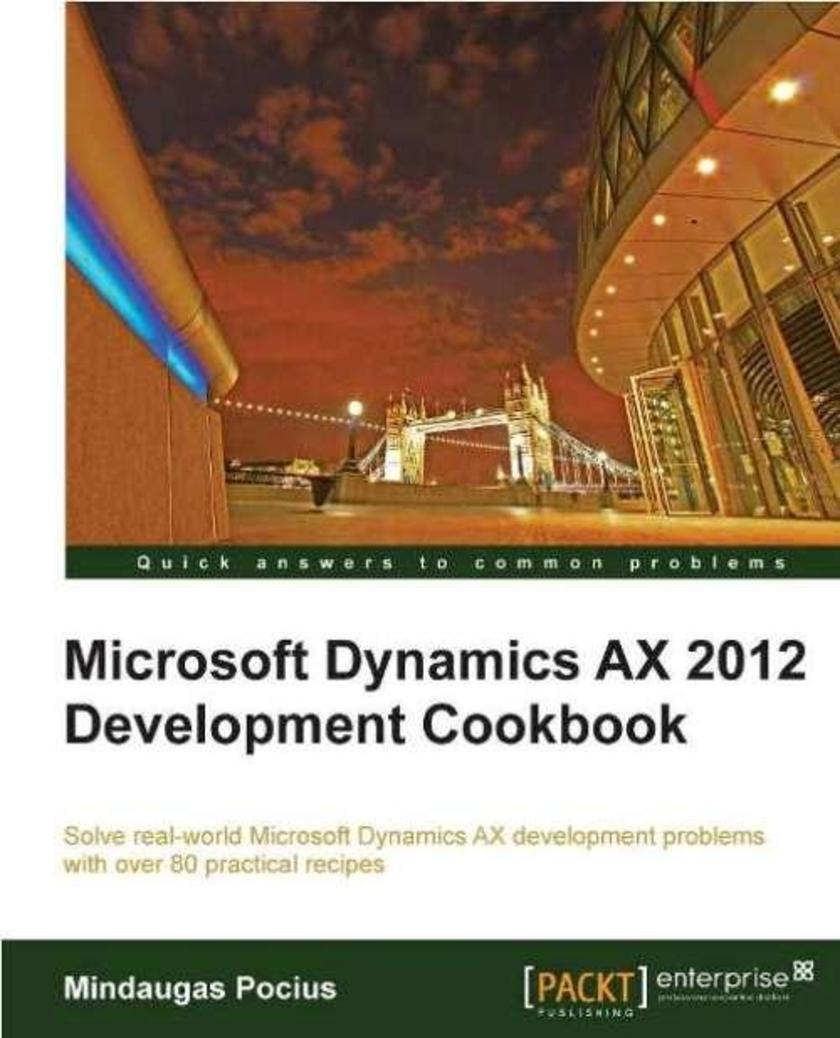
Microsoft Dynamics AX 2012 Development Cookbook
¥90.46
Microsoft Dynamics AX 2012 Development Cookbook' is full of immediately useable recipes showing you how to manage your company’s ERP information and operations efficiently, and solve your business process problems in an effective and quick way. This book contains a list of useful Dynamics AX modifications – recipes – along with all required code and in-depth explanations. Most of the recipes are presented using real-world examples in a variety of Dynamics AX modules. In addition to its cookbook style, which ensures the solutions are presented in a clear step-by-step manner, its explanations go into great detail, which makes it good learning material for everyone who has experience in Dynamics AX and wants to improve. The book is designed in such a way that most of the recipes are presented as separate, standalone entities and reading of other, prior recipes is not required. Some recipes however, are extensions of the prior ones. If you are a Dynamics AX developer who is primarily focused on delivering time-proven application modifications, then this book is for you. Although new X++ developers will find this book useful, this book is focused more towards developers who already know the basics of Dynamics AX programming and want to step up to the next level and at the same time learn the functional aspects of Dynamics AX. Some Dynamics AX coding experience is expected.
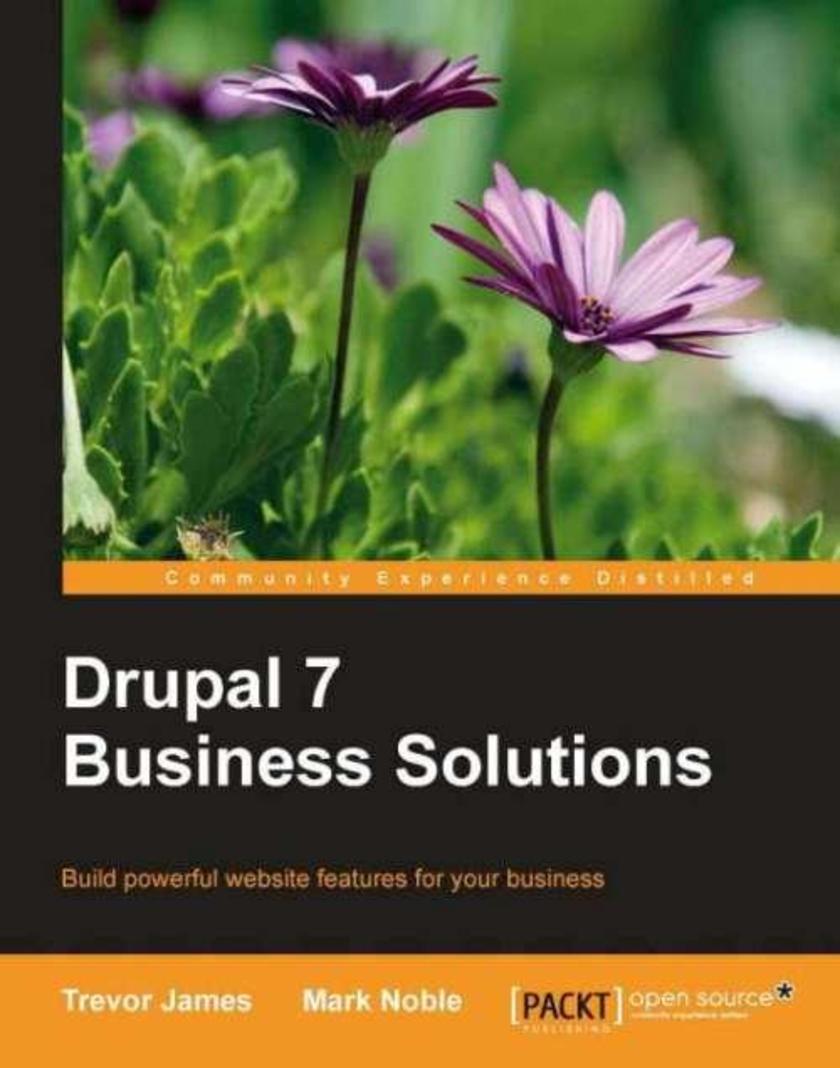
Drupal 7 Business Solutions
¥90.46
This book takes a step-by-step approach to building a complete business website using Drupal and enhancing it to include modern technology used by cutting-edge companies. All instructions are written in such a way that they make sense to readers of any technical level. This book is for anyone who wants to learn how to set up a website quickly for their business using the super powerful Drupal open source content management software.
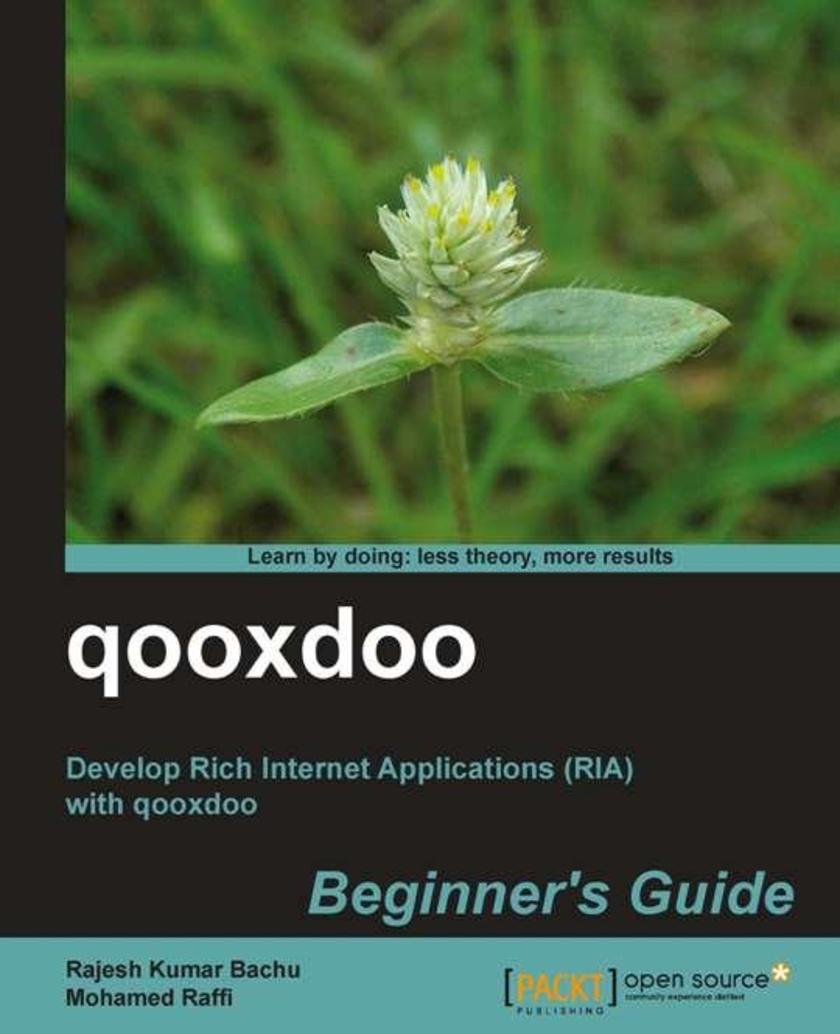
Qooxdoo 1.4 Beginner's Guide
¥90.46
This is a Packt beginner's guide. The unique style of the book is to set the requirements for an application, Team Twitter, in the first chapter and apply the concepts in the application as you learn in the following chapters. When you complete this book, you would have developed a complete application. Although the scope of this book is only on the Qooxdoo framework, which is a client side framework, we have explained how to set up one of the RPC servers and demonstrated the end to end application in the Team Twitter. This book is intended for the client side developers who design and develop internet web applications and enterprise web applications. If you want to start developing RIA applications in Qooxdoo, this book would be a great help to jump start your development. If you are already developing Qooxdoo applications, this book will help you to go through the Qooxdoo framework quickly to improve your contribution to your project. This book is also intended for the desktop application developers who want to move into RIA development and develop internet web applications and rich enterprise web applications. It also provides an idea for the Architects and Lead developers to know about Qooxdoo and evaluate the framework. It helps beginners in Qooxdoo to easily set up the development environment and explains the concepts in an order that is easily graspable by beginners.
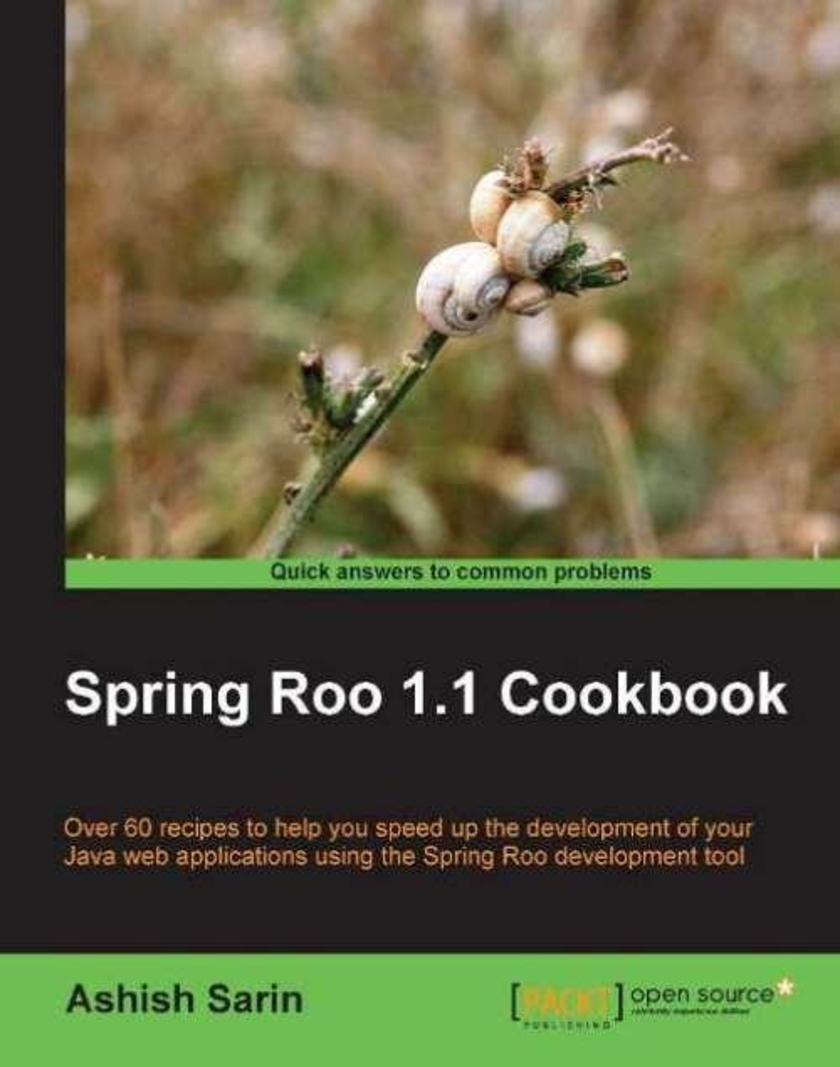
Spring Roo 1.1 Cookbook
¥90.46
This is a cookbook full of recipes with the essential code explained clearly and comprehensively. The recipes are organized so well that you will have no problems in using this cookbook as a reference too. Spring Roo 1.1 Cookbook is for developers new to the Spring Roo tool but with experience developing applications using Spring framework, AspectJ, JPA, GWT, and technologies/frameworks supported by Spring Roo. If you are new to the Spring framework, then it is recommended to refer to a text covering Spring, before reading this Cookbook.
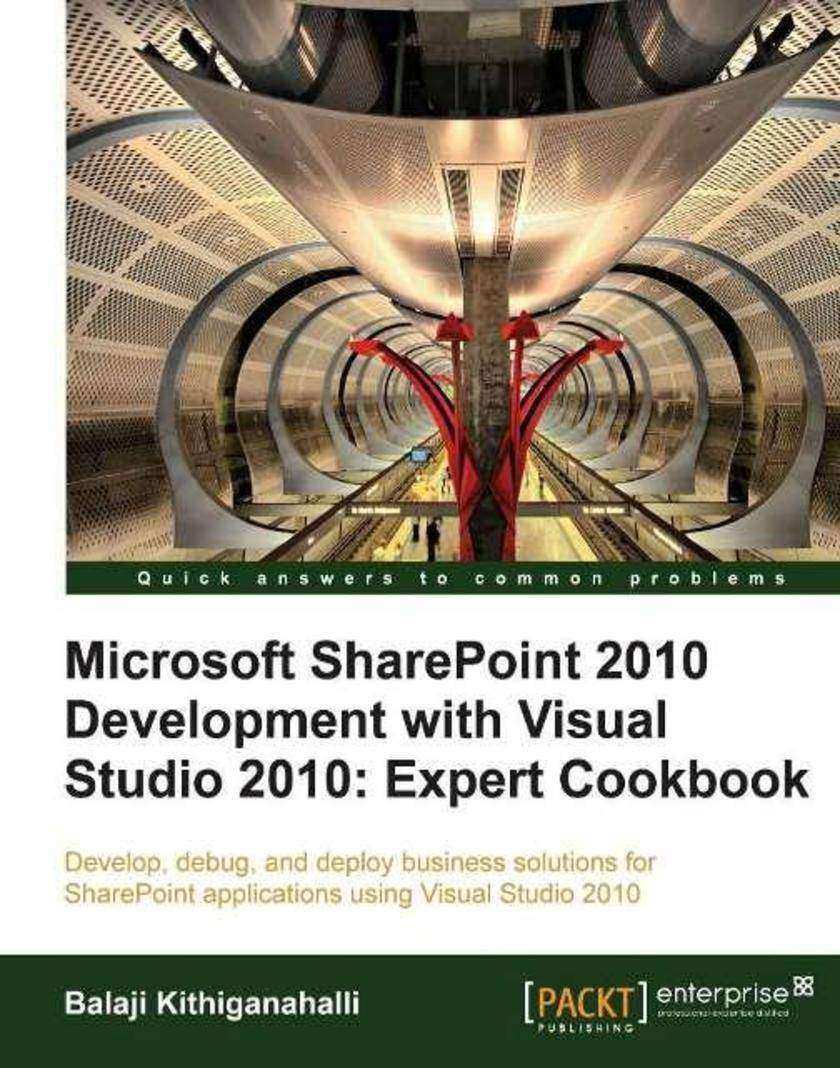
Microsoft SharePoint 2010 Development with Visual Studio 2010: Expert Cookbook
¥90.46
This book follows a step-by-step approach to learning the building blocks of SharePoint application development. This book focuses on SharePoint 2010 development using Visual studio 2010. The book provides a hands-on approach to solving problems and creating business solutions for enhancing SharePoint 2010 environment. This book is for .NET developers to understand the building blocks for SharePoint 2010. Although the book can be used by beginners, it is recommended to have understanding of the previous versions of SharePoint. Developing SharePoint solutions needs solid understanding of ASP.NET architecture. The book assumes that the reader is familiar with ASP.NET technology and development concepts.
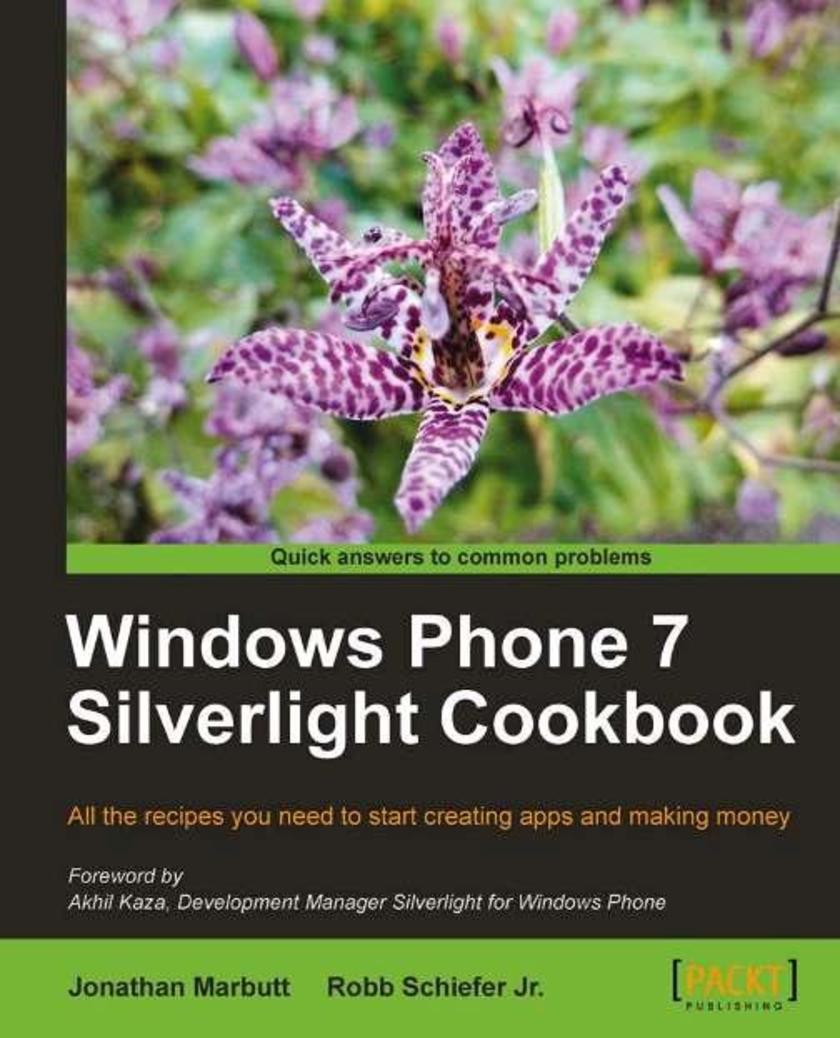
Windows Phone 7 Silverlight Cookbook
¥90.46
The book is written in a cookbook style, presenting examples in the style of recipes, allowing you to go directly to your topic of interest, or follow topics throughout a chapter to gain in-depth knowledge. All levels of developers and designers will be able to utilize this book. The language and examples are written for beginners but there are plenty of deeper concepts to explore and code to master.
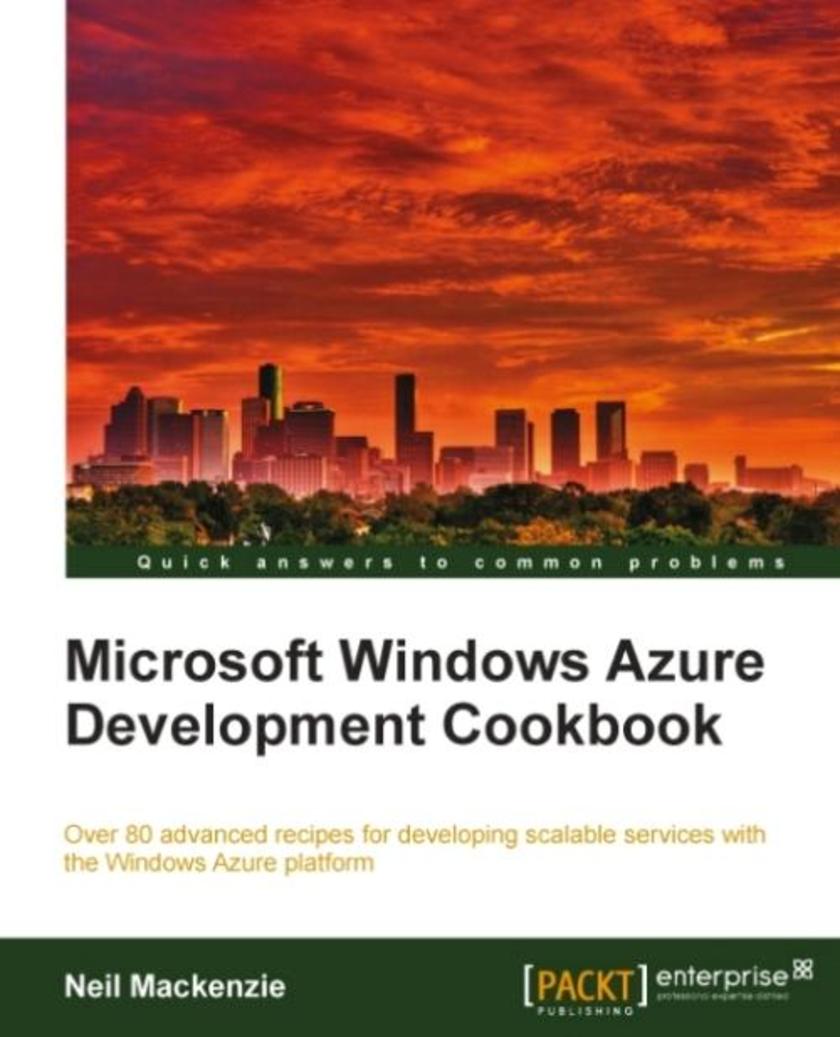
Microsoft Windows Azure Development Cookbook
¥90.46
This cookbook offers practical, immediately usable task-based recipes covering a wide range of advanced development techniques for building highly scalable cloud-based services on the Windows Azure platform. It shows you how to improve these services and how to solve particular problems/scenarios when developing them on the Windows Azure platform. The solutions are presented in a clear step-by-step manner and explained in great detail, which makes them good learning material for everyone who has experience of the Windows Azure platform and wants to improve. The book is designed so that you can read it chapter by chapter or refer to recipes in no particular order. If you are an experienced Windows Azure developer or architect who wants to understand advanced development techniques when building highly scalable services using the Windows Azure platform, then this book is for you. You should have some exposure to Windows Azure and need basic understanding of Visual Studio, C#, SQL, .NET development, XML, and Web development concepts (HTTP, Services).
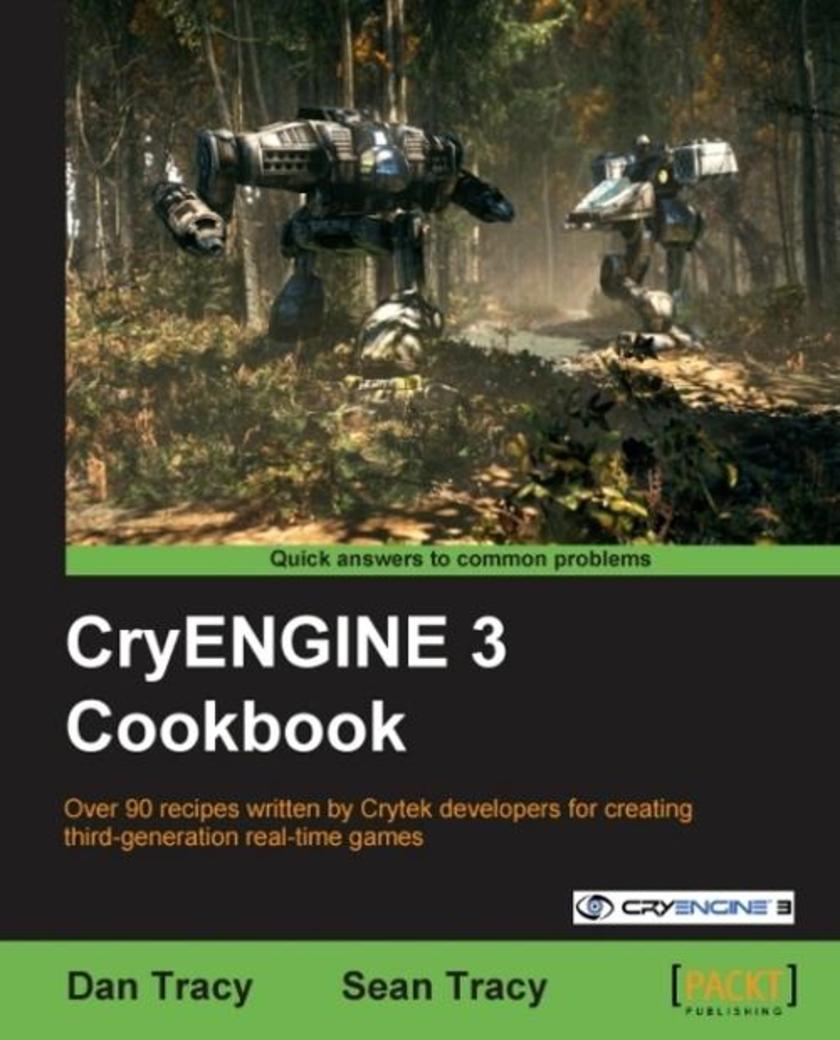
CryEngine 3 Cookbook
¥90.46
Written in a cookbook style, this book offers solutions using a recipe based approach. Each recipe contains step-by-step instructions followed by an analysis of what was done in each task and other useful information. The cookbook approach means you can dive into whatever recipes you want in no particular order. The CryENGINE3 Cookbook is written to be accessible to all developers currently using the CryENGINE3. It also explores the depth and power of the CryENGINE3 and is a useful guide to follow when becoming familiar with this award winning middle-ware game engine. This book is written with the casual and professional developer in mind. Fundamental knowledge of some Digital Content Creation Tools, like Photoshop and 3d Studio Max is required. The Software Development Kit version of the CryENGINE is used for all examples, so the reader should have a version of the development kit to follow the recipes contained in this book.
Flash Development for Android Cookbook
¥90.46
Written in cookbook style, this book offers solutions to all common Flash Android development problems through recipes. Each recipe contains step-by-step instructions followed by analysis of what was done in each task and other useful information. The book is designed so that you can read it chapter by chapter, or you can look at the list of recipes and refer to them in no particular order. This book contains recipes covering a variety of topics from the very simple to those that are more advanced. If you are a seasoned Flash developer, this book will get you quickly up to speed with what is possible with Android. For those who are new to Flash, welcome to the world of visually rich, rapid application development for mobile Android devices! If you have any interest in Flash development for Android, this book is for you.


