


 购物车
购物车 个人中心
个人中心
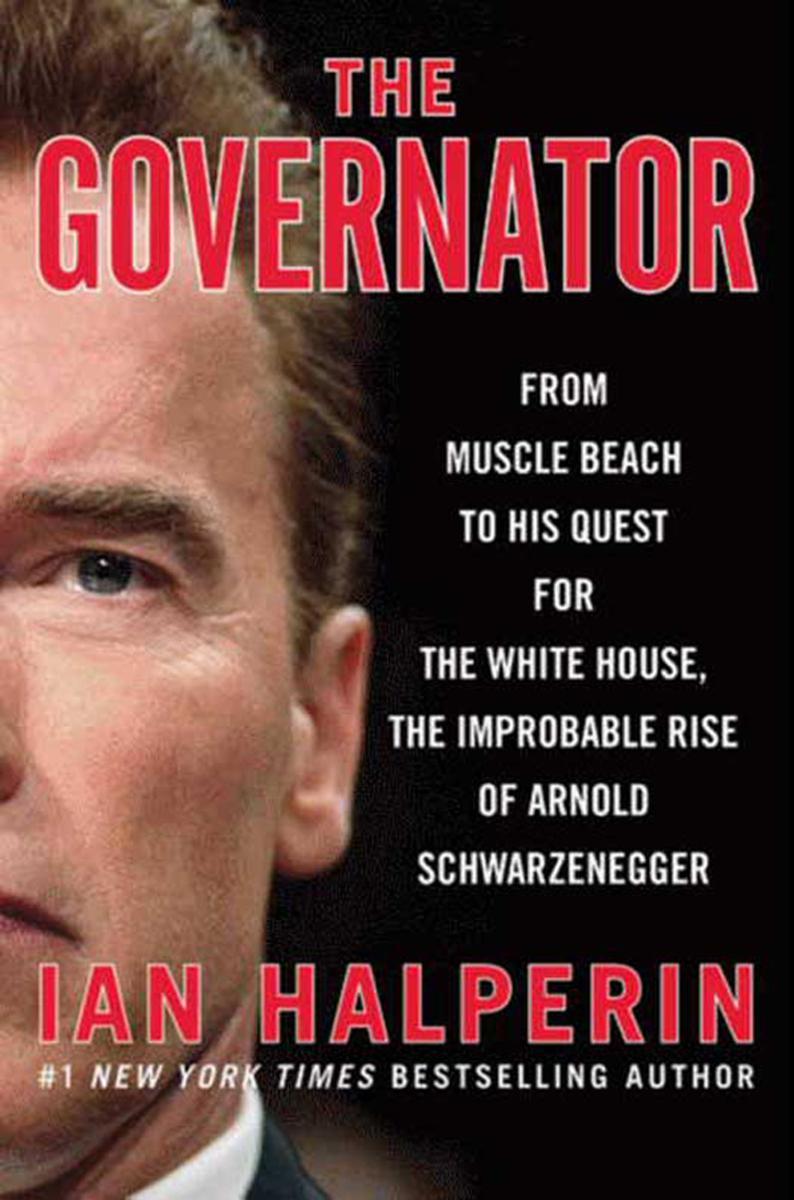
The Governator
¥145.91
Who is the real Arnold SchwarzeneggerInvestigative journalist and number one New York Times bestselling author Ian Halperin reveals the true and untold story about this larger-than-life and often outrageous figure From his childhood in Austria to his rise as a star ofAmerican conservative politics, the story of ArnoldSchwarzenegger life reads like the * of a HollywoodB-movie penned by Horatio Alger. In this exclusivepeek behind the curtain, award-winning scoop hunterIan Halperin wades through the myths and rumors todiscover the real Arnold behind the icon, a man definedby unbridled ambition and an unending quest for power. Based on extensive research, undercover forays, andcandid interviews with many of the Terminator closefriends and peers, Halperin brings the myth to life with: a riveting journey through Schwarzenegger pastto explore his relationship with his abusive father andhis feelings toward the Nazi party. insights into the shadowy world of bodybuildingand Schwarzenegger early steroid use. an investigation of Schwarzenegger reputation asa bully and a womanizer, including his alleged affairs and public accusations of sexual harassment behavior that earned him the nickname the Groper.an in-depth look at his long-standing fascination withthe Kennedys and his remarkably seamless assimilation into his wife fabled family. a detailed look into Maria startling weight loss. an analysis of Schwarzenegger political career,revealing him to be a surprisingly effective and talentedgovernor. the behind-the-scenes machinations of the Kennedyfamily to influence Schwarzenegger political agenda. And finally Halperin uncovers the never-before-told details of an incredible and audacious plan for Schwarzenegger to attempt to rewrite the Constitution and run for president of the United States.

Emeril at the Grill
¥145.91
If you know Emeril, you know that he always takes cooking to the next level. And when it comes to grilling, that means that instead of hamburgers he's making Pork and Chorizo Burgers with Green Chile Mayo. Instead of corn on the cob, he's got Grilled Corn with Cheese and Chile. Anyone can grill a chicken, but only Emeril would come up with Northern Italian–Style Chicken Under a Brick (yes—a brick!). And while we all love peach pie, how about Grilled Peaches with Mascarpone and Honey?You've never grilled like this before. The 158 recipes in this book are easy, fast, and make every meal a party. And why should grilling happen only in the summerEmeril at the Grill is full of techniques for both indoor and outdoor cooking, so you can keep the party going all year round. From drinks (Watermelon Margaritas) to meats (Grilled Marinated Flank Steak with Chimichurri Sauce, anyone?), from salads (Watercress, Avocado, and Mango Salad) to desserts (ever grill a banana split?), this is a grilling book like no other.
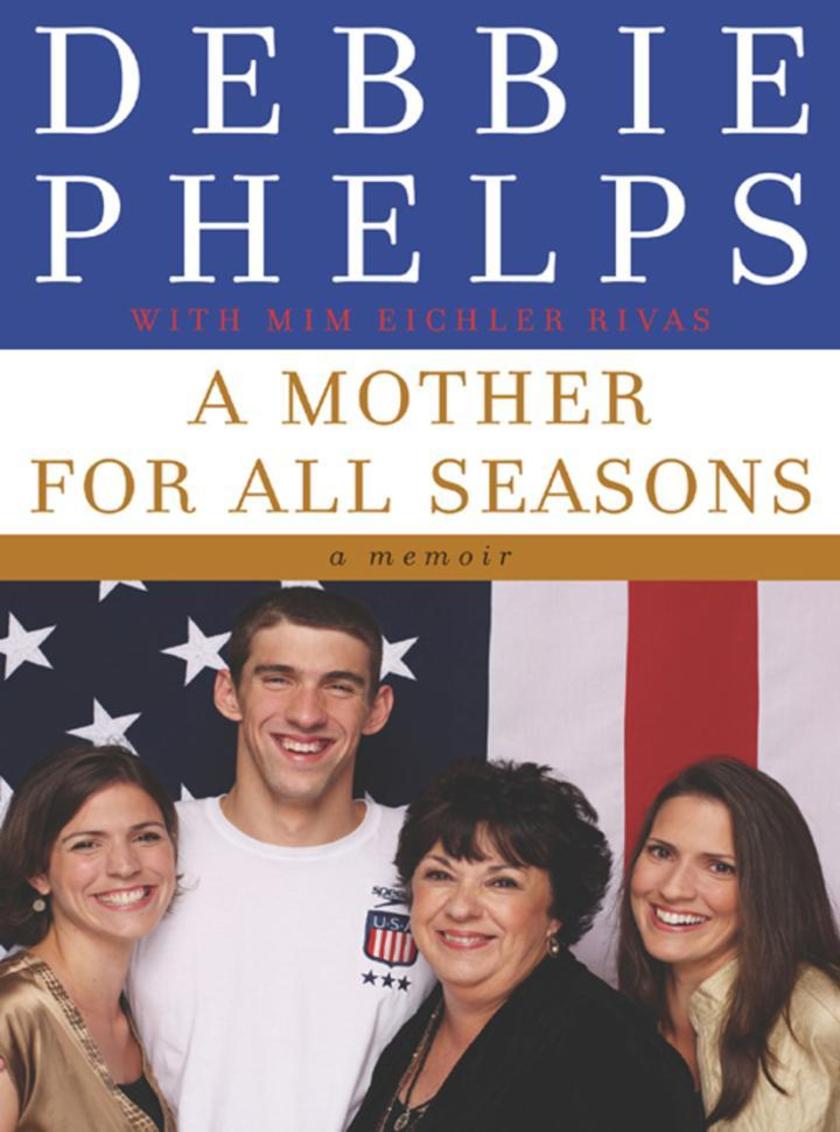
A Mother for All Seasons
¥145.91
The unsinkable Debbie Phelps who captured the hearts of the world when her son, Michael, triumphed at the Beijing Olympic games shares her inspirational story A Mother for All Seasons is the heartfelt, intimate memoir of an everywoman a single mom and an educator who raised three exceptional children, including the greatest Olympian of all time, Michael Phelps.During the 2008 Olympic Games in Beijing, when Michael achieved the impossible with his record-shattering eight gold-medal wins, Debbie Phelps nearly stole the show. For the millions who were riveted to the most watched Olympics in history, few could forget the homage that Michael consistently paid to the one person on Team Phelps most responsible for making it all possible: his mom. Nor can we forget how after each medal ceremony, Michael walked proudly to the stands to reach up to his mother and his sisters, Hilary and Whitney, to deliver his winning bouquets to them. While those highlights will forever be remembered the world over, very few know the behind-the-scenes stories as lived by the members of Team Phelps a roller-coaster ride full of dramatic ups and downs, heartbreaks, and disappointments, yet one guided to triumph by vision, courage, and tenacity. Now at last, in A Mother for All Seasons, we're given the untold story as lived by the mom on the team. An educator in home economics, motivational spokeswoman, visionary middle-school principal, mother of three, and grandmother of two, Debbie Phelps is also the eternal cheerleader who was raised in a small, blue-collar, working-class town. An avid believer that achievement is limitless for each and every child, no matter the odds, Debbie reveals the universal themes of her story, which is rich with struggle, humor, hope, advice, and passion. Infused with the indomitable spirit of America's mom as she has been called, A Mother for All Seasons rallies us to cheer for all of our children at every stage of their growth and in every endeavor. Candid, lively, and charming, it offers timely, commonsense wisdom, lessons, and insights, and provides a much-needed reminder that life doesn't always turn out how you plan it, but in fact it can sometimes turn out even better.

Monster Book of Manga: Boys
¥145.91
From the prestigious comic illustration studio Ikari comes the ultimate guide to how to draw manga boys. Each vivid, full-color character illustration is broken down into six stages accompanied by step-by-step instructions to take the artist from initial black-and-white sketches to a vibrant, fully costumed collection of characters.This detailed manual is a perfect instruction guide for beginning and advanced manga artists alike. It pairs advanced illustration techniques with step-by-step instructions, and features an original cast of manga boys and men, fierce and timeless enough to take the spotlight of any manga cartoon.

Emily Post's Great Get-Togethers
¥145.91
How to Be Party Ready AnytimeThe Host: Producer, Director, and StarPlan to Have Fun: Party Lists and TimetablesClassics with a Twist: Cocktail, Wine, and Cheese PartiesYour Signature Dinner PartyA Breath of Fresh Air: Outdoor Parties With so many things to think about when hosting a party, you really need to have all the answers in one place. Emily Post's Great Get-Togethers is that place. This jam-packed guide shows a whole new generation how to be ready to entertain on short notice, create a welcoming atmosphere, eliminate stress, and plan ahead. You'll even find easy-to-prepare recipes that your guests will rave about.With detailed calendars showing what needs to be done when, shopping and supply lists that detail myriad resources at your disposal, theme ideas, menu suggestions, helpful hints, and social musts and "no-no's," novice and experienced hosts alike will find priceless information and guidance. Most important, though, you will learn to cultivate your confidence as a host. Anna and Lizzie show that entertaining is both fun and easy, and their ideas ensure that every party you throw will be one to remember.

The Man Behind the Nose
¥145.91
Did you hear the one about when Bozo the Clown ran for President and two assassination attempts were made on his lifeHow about the time Bozo flew into the perilous jungles of New Guinea to see if he could not just survive but actually bond with dangerous cannibal tribesWell then, you must know about the time his size 83 AAA shoes saved him from being swallowed whole by a giant, murderous python in Thailand, rightThen I guess you might not know as much as you think about the world's most famous clown. Sure, you know the giant shoes, the red bulbous nose, the big ruby smile, and the twin shocks of red yak-hair bursting from the sides of his head. And obviously you know the many clowns inspired by him, from Ronald McDonald to Krusty the Clown.So perhaps it's time you learned about Bozo, and the man behind the nose. Because the wild, inspirational stories in this book are all true. As real as the nose on your face.One day, Larry Harmon, a World War II private harboring dreams of becoming a doctor, met the most famous entertainer of the time, Al Jolson. After seeing the young man on stage, Jolson told him he shouldconsider a career change."Being a doctor of medicine is honorable," Jolson advised. "But you'll touch so many more lives as a doctor of laughter!"A decade later, Jolson's prophecy came true when Larry Harmon, trying to make it as an actor in Hollywood, auditioned to portray a character named Bozo the Capitol Clown.The character spoke so much to Larry that he simply became it overnight. He soon turned Bozo into a cultural icon, creating one of the biggest children's television franchises in the world. But that was only the beginning. In this unputdownable book, which Harmon completed just before his death at age eighty-three, are far more incredible stories of astronauts, cannibals, celebrities, assassins, and deep-sea divers all encountered in full Bozo regalia, and with photos to prove it. Not only is Harmon's life by turns incredible and hilarious, it's also an inspirational testament to the power of one man's positive attitude, dedication, and work ethic and how he changed the world.
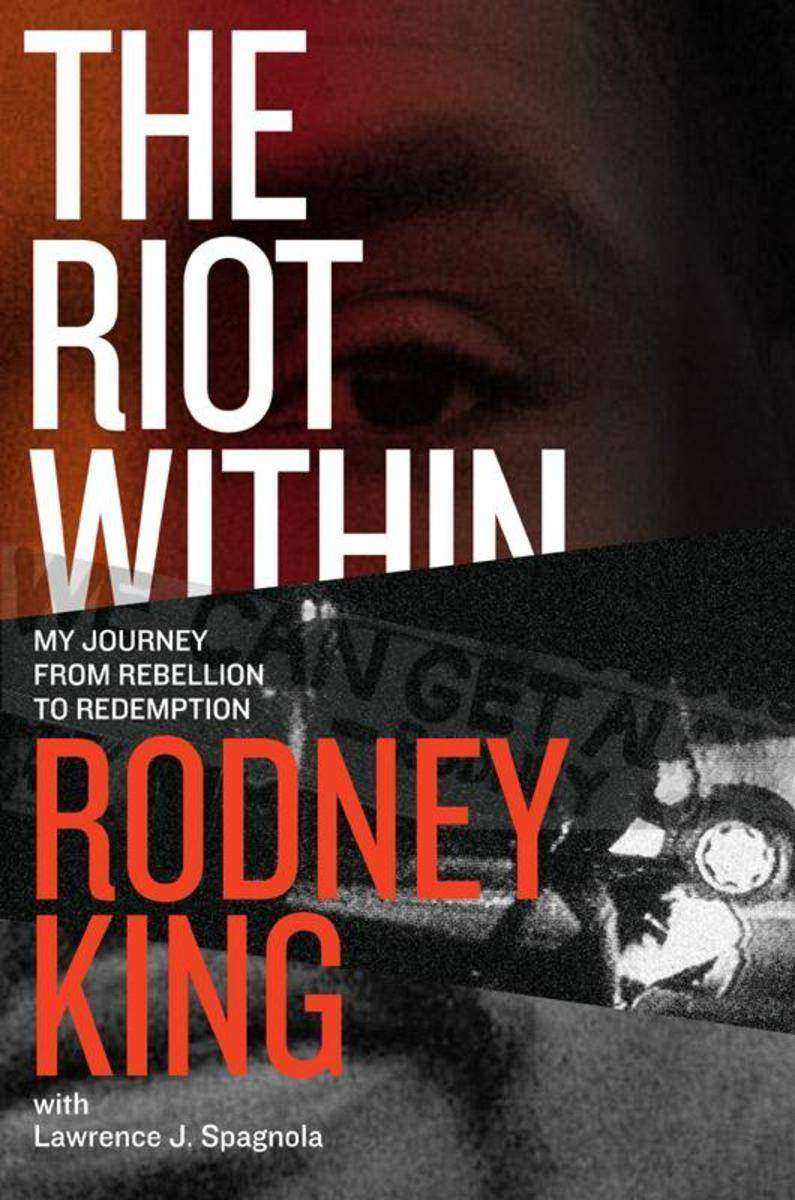
The Riot Within
¥145.91
On a dark street, what began as a private moment between a citizen and the police became a national outrage.Rodney Glen King grew up in the Altadena Pasadena section of Los Angeles with four siblings, a loving mother, and an alcoholic father. Soon young Rodney followed in Dad's stumbling steps, beginning a lifetime of alcohol abuse.King had been drinking the night of March 3, 1991, when he engaged in a high-speed chase with the LAPD, who finally pulled him over. What happened next shocked the nation. A group of officers brutally beat King with their metal batons, Tasered and kicked him into submission all caught on videotape by a nearby resident. The infamous Rodney King Incident was born when this first instance of citizen surveillance revealed a shocking moment of police brutality, a horrific scene that stunned and riveted the nation via the evening news. Racial tensions long smoldering in L.A. ignited into a firestorm thirteen months later when four white officers were acquitted by a mostly white jury. Los Angeles was engulfed in flames as people rioted in the streets. More than fifty people were dead, hundreds were hospitalized, and countless homes and businesses were destroyed.King's plaintive question, "Can we all just get along?" became a sincere but haunting plea for reconciliation that reflected the heartbreak and despair caused by America's racial discord in the early 1990s.While Rodney King is now an icon, he is by no means an angel. King has had run-ins with the law and continues a lifelong struggle with alcohol addiction. But King refuses to be bitter about the crippling emotional and physical damage that was inflicted upon him that night in 1991. While this nation has made strides during those twenty years to heal, so has Rodney King, and his inspiring story can teach us all lessons about forgiveness, redemption, and renewal, both as individuals and as a nation.
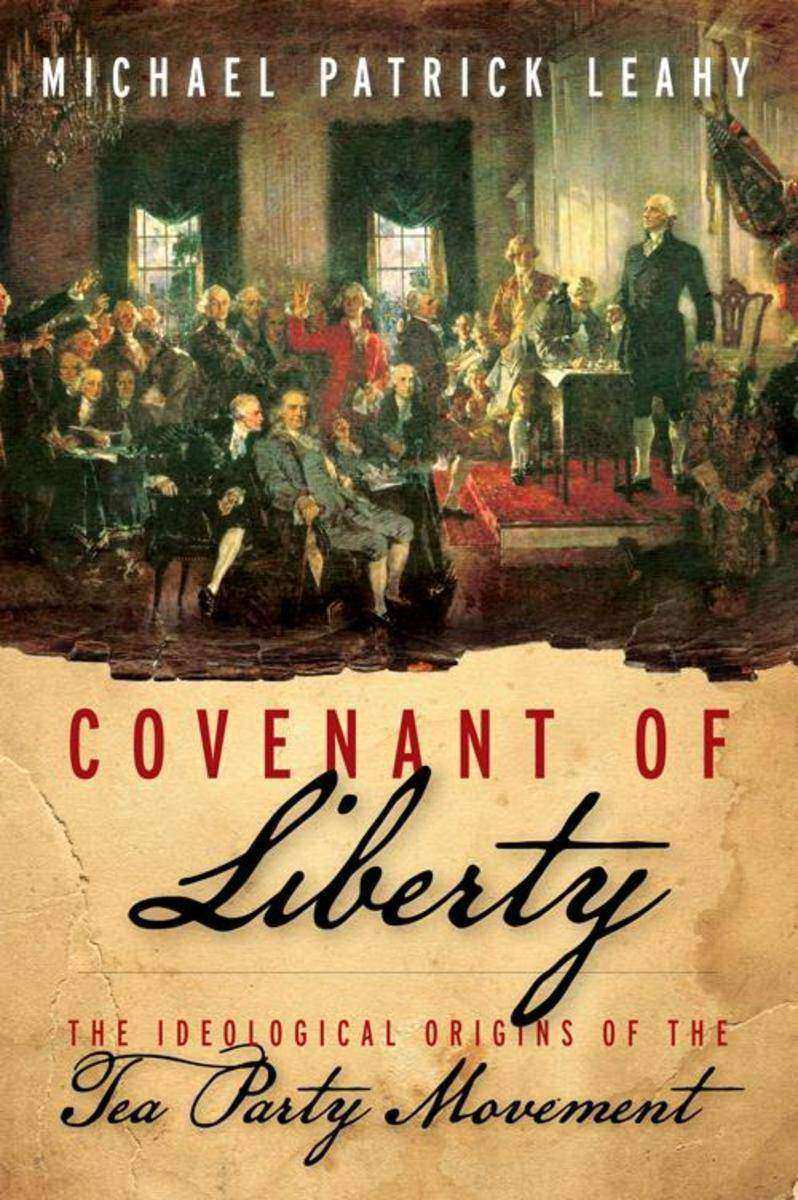
Harper
¥145.91
Today's Tea Party activists are motivated by the same ideological desires as our nation's Founding Fathers, argues Michael Patrick Leahy in this illuminating work of political history.Today's political class in both parties and at all levels of government shows a blatant disregard for both the letter and spirit of the U.S. Constitution. More and more Americans are fed up, and from this sweeping sense of discontent and anger the Tea Party movement has emerged, revitalizing the spirit of constitutionalist activism in the conservative world.According to author and Tea Party activist Michael Patrick Leahy, a similar lack of accountability ignited our nation's Founding Fathers, and they were motivated by the same ideological desires: to constitutionally limit government, ensure fiscal responsibility, and defend individual liberty. These imperatives were at the heart of what he calls a "covenant of liberty," which undergirds our written Constitution. Leahy traces these ideas to the libertarian traditions of the English Civil War. He explains why they were on the minds of Americans at the birth of the republic, and how they passed down largely intact from generation to generation, were broken by a corrupted political class, and have been rediscovered by the modern Tea Party movement.According to Leahy, the American constitutional covenant consists of four unwritten promises that most citizens continue to regard as crucial to our government's legitimacy. The story of how this covenant evolved and how its fundamental promises were broken forms the core of this unique and original work of political history.As Leahy shows, the first promise to abide by the written words of the Constitution was broken before the ink was dry on the nation's founding documents. The second to refrain from interfering in private economic matters was broken by the Republican Party in the 1860s. The third to honor the customs, traditions, and principles that made up the "fiscal constitution" was broken by Herbert Hoover 143 years after the establishment of our republic, a sad rupture conducted on an even grander scale by his successors, beginning with Franklin Roosevelt and continuing through the administration of Barack Obama.The breaking of these promises greatly accelerated the natural tendency of governments to centralize and consolidate power at the expense of individual liberty. Had not the fourth and final promise that members of the legislative branch would exercise thoughtful deliberation while giving respectful consideration to the views of their constituents been broken in such a disdainful and audacious manner in early 2009, the grassroots activists who came to make up the Tea Party would never have been impelled to take action.Drawing on his personal experience as the organizer of the online conservative community that launched the Tea Party movement in February 2009, Leahy documents how the timeless principles of American constitutionalism have been used to grow one of the most active and influential movements in American history.
HarperCollins e-books
¥145.91
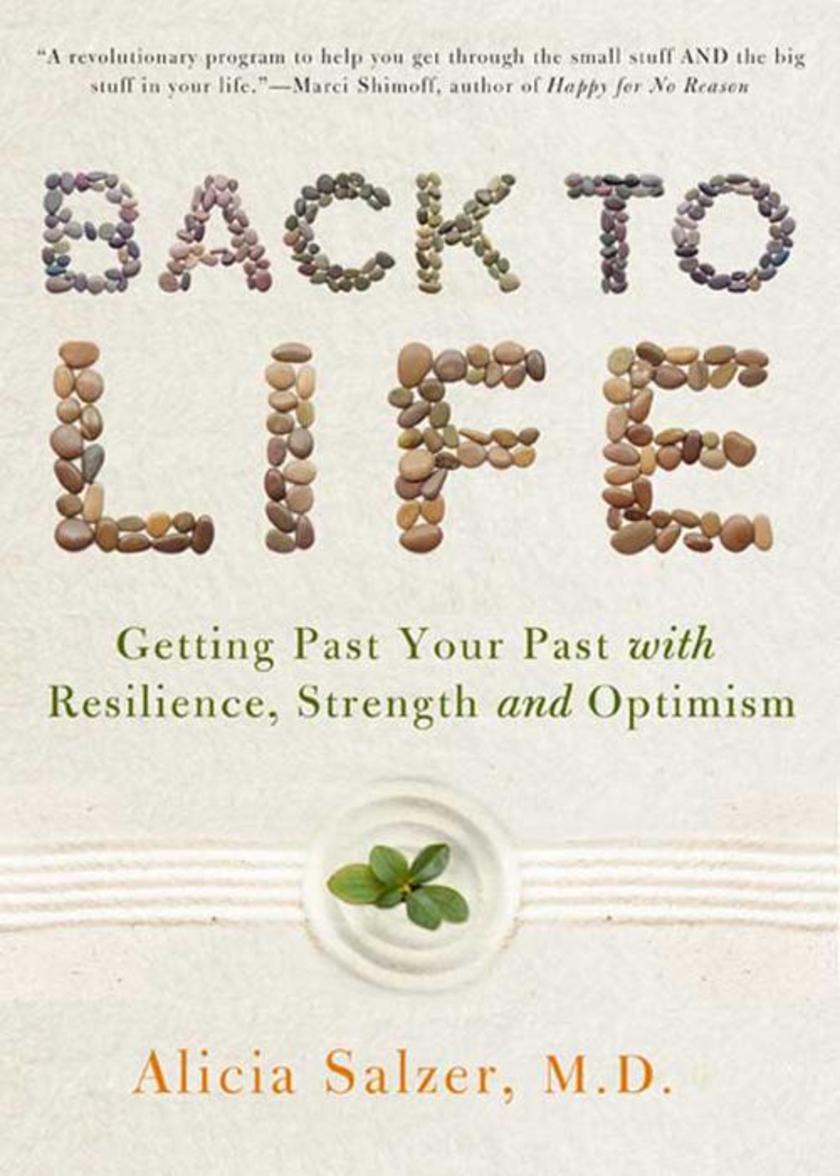
Back to Life is a feel-good approach to overcoming that lets you try on the skills of the heroes you most admire. From icons of survival like Rosa Parks and Nelson Mandela to contemporary heroes like Michael J. Fox and Elizabeth Edwards, this book allows you to see what resilient survivors actually do when they feel lousy.This is a revolutionary approach to feeling better, rooted in the science of positive psychology and resilience theory, and would help anyone get a dose of soul food into their emotional diet; but these techniques are specially tailored to those trying to overcome traumas big and small from Big-T Traumas, such as combat, abuse, and bereavement, to challenges one might think of as little-t traumas, like breakups, betrayals, job loss, health problems, and financial hardships. After years of working in the trenches of psychiatry, it became clear to Dr. Alicia Salzer that we needed some new methods to help people overcome, since the old methods often proved too painful for many to bear. It's all about being in the present and focusing on the future no retelling and revisiting the past, no opening Pandora's box, no picking at old scabs. Back to Life is a creative and empowering way to learn the habits of resilient survivors while getting to know what you stand for, what makes you happy, and what emotions you need in your diet in order to thrive. In this book you will create a "holistic pillbox" of ten stones each symbolizing a healthy new way of coping that you can utilize when your past rears its head.The truth is, there have always been people in our midst who remain positive and passionate despite enormous challenges while others just get stuck. This is the secret playbook of those people, and it's full of accessible and fun exercises to help you try on the rose-colored glasses of those survivors we so admire.

Running on Faith
¥145.91
In 2008, Jason Lester became the first person with a disability to finish the Ultraman World Championship alongside able-bodied competitors. With the use of only three limbs, Jason competed in one of the most demanding endurance races in the world, swimming 6.2 miles, biking 261.4 miles, and running 52.4 miles to the finish line. Jason has completed over seventy triathlons, biathlons, marathons, Ironmans, and Ultramans. In 2009, he became the first male triathlete to win an ESPY Award and the fifteenth athlete in the history of Ultraman to complete both the Ultraman World Championship and Ultraman Canada in the same year. Yet Jason Lester's life as an athlete almost never happened. When a speeding car ran a red light, a bike ride to the local video store nearly became Jason's last, sending him 130 feet into the air and ultimately to the hospital with twenty broken bones. The pain was intense and long rehabilitation grueling, compounded by the sudden death of his father (his best friend and mentor) and the realization that his right arm was paralyzed. Only twelve years old and struggling to heal amid the grief, Jason miraculously found the strength to fight his way back. Without the use of his arm, he refused to give up the sports he'd grown to love, recommitting himself to life and ultimately surpassing goals that few dared to set.Running on Faith reveals how to develop the mind-set of a true competitor and includes riveting stories of the precarious and often unforeseen conditions encountered on the race path jellyfish-infested waters, suffocating heat, and blinding sheets of rain. With passion, dedication, and strength of purpose, Jason shares his experience facing extreme challenges head-on, gleaning insight from each trial. He offers the principles he's learned to live by in order to accomplish his goals and shows how they can be applied to the tests we all face. An inspirational guide to overcoming adversity, recognizing God's guiding hand in our lives, and achieving our dreams, Running on Faith is a spirited testament to the power of faith.
Born to Rise
¥145.91
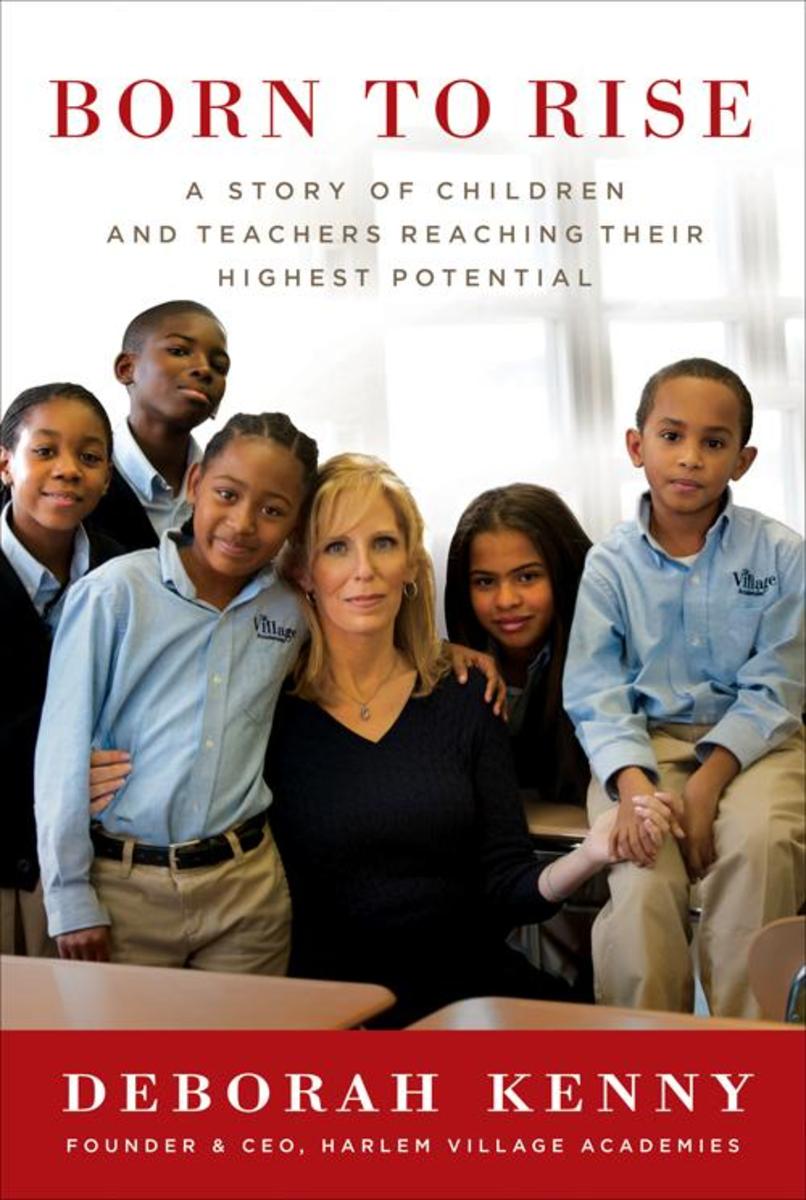
Deborah Kenny was a young mother of three small children seeking to make sense of her life amid the despair of her husband's untimely death when she decided to devote herself to radically reinventing public education. Born to Rise recounts a journey that led Kenny to risk her life savings to open schools in Harlem while proving that all children, regardless of socioeconomic circumstances, can learn at high levels. Students enter Harlem Village Academies several years behind grade level, but in just a few years they are transformed, ranking among the highest in the nation with 99 percent of eighth graders meeting proficiency standards in math, science, and social studies. How do they do itFor the first time, Kenny shares the groundbreaking strategy that took ten years to develop. She reveals the secret to creating a powerful workplace culture that attracts the most talented people and brings out their passion and highest performance a culture that produces stunning student achievement and teachers who regularly use words like magical to describe the workplace environment. Born to Rise is the moving and strikingly candid account of Kenny's deeply personal dream: to pursue social justice for our nation's most vulnerable children. Part memoir, part manifesto, it is a hopeful and practical exposition of what it takes to transform schools and create organizations where the staff lights up with entrepreneurial drive. It is a must-read for anyone who cares about children and the future of this country, as well as for leaders who want to motivate and inspire fierce dedication in their employees.

Monster Book of Manga: Gothic
¥145.91
An extraordinary new volume in the bestselling Monster Book of Manga books Gothic features thirty dark characters and easy-to-follow instructions teaching you how to create them.The Monster Book of Manga: Gothic is the ultimate guide to creating the hottest, most cutting-edge manga. Inside you'll find thirty devious and mysterious manga characters, along with step-by-step instructions taking you from initial line drawings to graphic, full-color designs. The characters include rebellious and subversive youth from rock stars and dancers to gothic cheerleaders and a beautiful, modernized gothic Lolita. There are also dangerous cyberpunks, vampires, and warriors, as well as a gothic space queen and a satanic being. Unique in its content and the elegance of its characters, The Monster Book of Manga: Gothic is the only comprehensive guide to creating gothic manga and a must-have for all new and experienced manga artists alike.
The 20% Doctrine
¥145.91
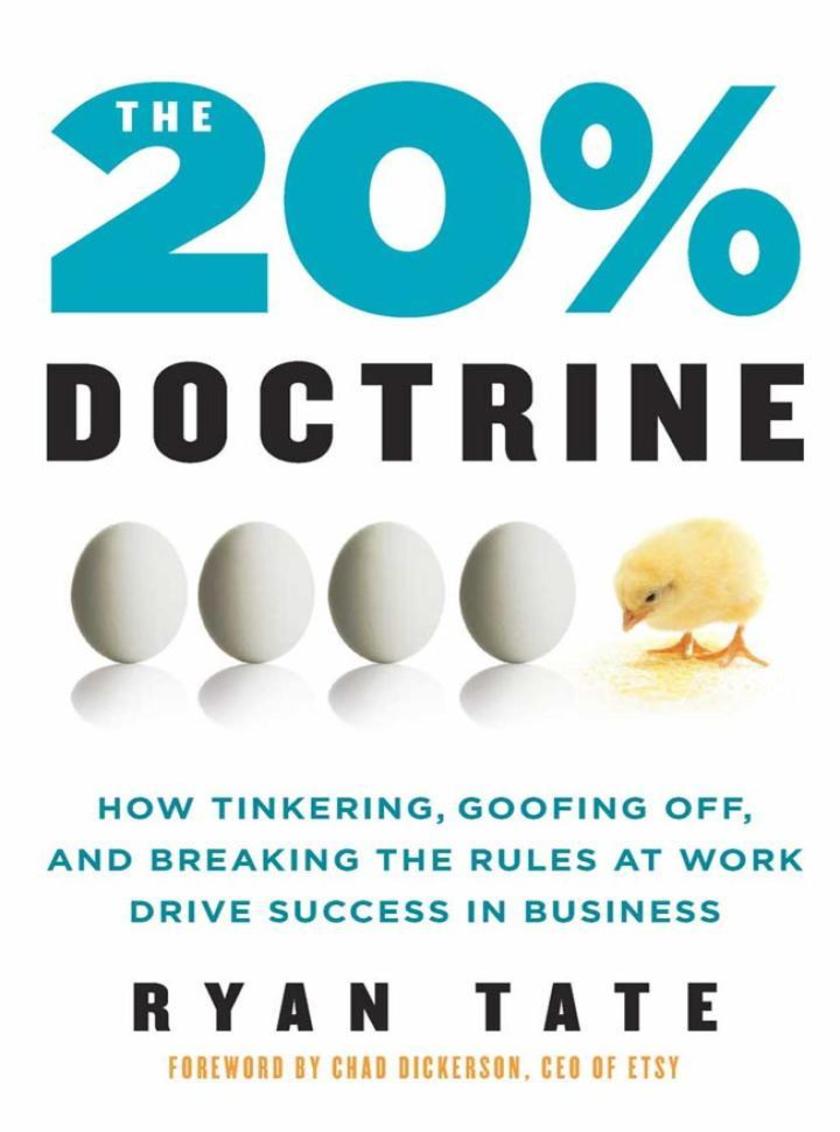
An inspiring exploration of how unorthodox business practices and the freedom to experiment can fuel innovationWe're at a crossroads. Many iconic American companies have been bailed out or gone bankrupt; others are struggling to survive as digitization and globalization remake their industries. At the same time, the tectonic forces disrupting U.S. corporations ubiquitous bandwidth and computing power, cheap manufacturing and distribution have enabled large organizations to foster new innovations and products through experiments that are at once more aggressive and less risky than they would have been twenty years ago. At companies such as Google, employees are encouraged to spend 20% of their work time on projects they're personally interested in. Almost half of Google's new product launches have originated from this policy, including Gmail and AdSense. Now other companies have adopted the concept, providing them a path to innovation and profits at a time of peril and uncertainty and offering employees creative freedom when many are feeling restless.The 20% Doctrine is about goofing off at work, and how that goofing off can drive innovation and profit. Here Ryan Tate examines the origins and implementation of 20% time at Google, then looks at how other organizations such as Flickr, the Huffington Post, and even a school in the Bronx have adapted or reinvented the same overall concept, intentionally and serendipitously. Along the way, he distills a series of common themes and lessons that can help workers initiate successful 20% style projects within their own organizations. Only through a new devotion to the unhinged and the ad hoc can American businesses resume a steady pace of development and profitability.
Getting to It
¥145.91
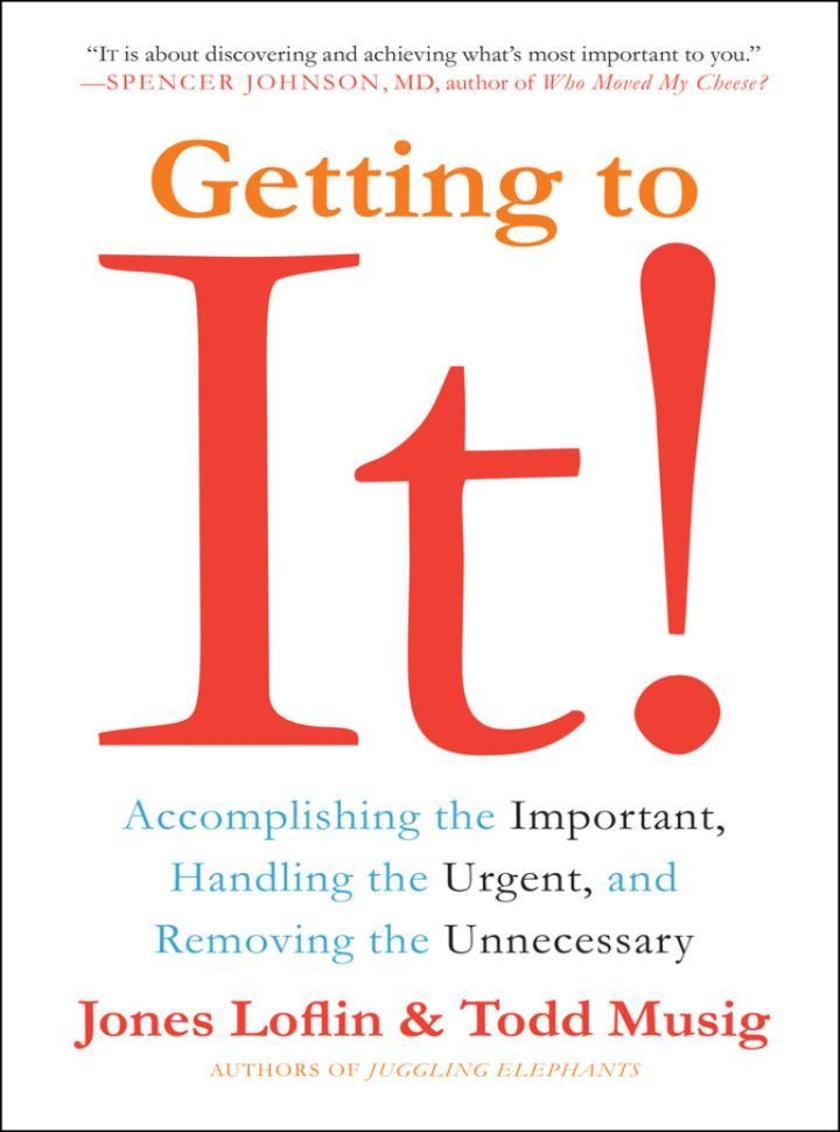
From the authors of Juggling Elephants comes the only guide you need to sort through the many priorities in your life, know what your it (Important Thing) should be, and understand how to get it done.How busy are youIn the daily struggle to get it all done, what are you forgettingIs your mind constantly racing through lists of all the things you could and should be doingDoes your day often feel as though you're treading water in an ocean of rushes and deadlines, trying to keep from drowning while handling the increasing demands of your work and life?Don't give up help is on the way. You just have to find your it. The Important Thing. Define it. Plan it. Focus on it. Get excited about it.Identifying IT isn't just the first step in the process of getting focused and heading in the right direction, it's every step. Getting to It provides the necessary tools to accomplish the important, handle the urgent, and get rid of the unnecessary. Want to enjoy a more fulfilling lifeGet to it.

HarperCollins e-books
¥145.91
"She is my rock the one person who keeps it real." Barack"I don't want anybody to think that it's easy. . . . We have a strong marriage, but it's not perfect." Michelle They exploded onto the world scene and within a matter of a few short years captured the ultimate political prize. In so doing, they became a First Couple like no other: He the biracial son of a free-spirited Kansas-born woman and a mercurial Kenyan father who abandoned him at an early age was raised in Hawaii and Indonesia, educated at Columbia and Harvard, and launched his political career in America's heartland. She, by contrast, was the product of a solidly middle-American family with roots planted firmly in Chicago's working-class South Side paving the way for her to achieve her dreams of an Ivy League education and a position at one of the nation's top law firms.By the time they claimed the White House in one of the most hotly contested presidential races in modern history, Barack and Michelle Obama were seen by millions around the world as the new Jack and Jackie Kennedy brilliant, attractive, elegant, youthful, exciting. Accompanied by their two young daughters, Malia and Sasha, the Obamas would arrive at 1600 Pennsylvania Avenue with the promise of a new Camelot all but assured.Given the obvious historic significance of what they have accomplished together, the marriage of Barack and Michelle stands as one of the great personal and political partnerships in American history. Yet, incredibly, the true nature of that relationship has remained a mystery. Until now.In the style of his No. 1 New York Times bestsellers The Day Diana Died and The Day John Died, as well as his bestselling books about the Kennedys, the Clintons, and the Bushes, author Christopher Andersen draws on important sources some speaking here for the first time to paint the first complete, compelling portrait of America's first black First Family. Among the many intriguing insights and stunning revelations: New behind-the-scenes details of the Obamas' courtship and marriage and the lovers who went before. The early tragedies that shaped both Barack's and Michelle's personalities, and how those events haunt them to this day. Also, new information about Barack's rootless childhood, at times tortured adolescence, and the true extent of his early drug use. How Barack's ambition put a strain on their relationship from the very beginning, how close the Obamas really came to breaking up, and how Michelle made the difficult decision that saved their marriage. The little-known near-tragedy that brought Barack and Michelle closer than they had ever been. How Michelle may have saved her husband's presidential campaign, and her surprising behind-the-scenes role as the president's chief advisor. The pressures and delights of raising two young girls in the relentless glare of the media, and how, like Jack and Jackie Kennedy before them, Barack and Michelle strive to make the lives of America's two most famous children as "normal" as possible. Barack and Michelle: Portrait of an American Marriage is an intimate and ultimately riveting look at their unique partnership, and the humor, faith, fortitude, and grace that defines it. It is, above all, an extraordinary American love story.
HarperCollins e-books
¥145.91
World-renowned interventionist Ken Seeley, one of the hosts of A&E's hit television series Intervention, has spent the past twenty years helping people and their families deal with and overcome life-threatening addictions. His clients have ranged from the homeless to multimillionaires, each needing professional help with every problem imaginable, including alcoholism, drug dependency, excessive gambling, sexual addiction, abusive behavior, and mental disorders. A few years into his career, Ken realized that the one common characteristic with each of his clients was denial. He has since built his success on a proven program for pinpointing and dealing with this core issue. Whether coping with a severe or a soft addiction, a life-threatening situation, or just an impediment to true happiness, we're all in denial about something. It might be small and seemingly innocent, such as the fact that you're not trying to excel in your job as much as you could or should be. Or it could be much larger and even potentially lethal, such as a full-blown addiction that at this very moment is destroying your life. The truth is, no matter who you are, no matter how small or large your problems may seem, denial is holding you back from living your life to the fullest. Denial is the number one symptom of addiction. It's the mask that lets addicts ignore and avoid the consequences of their actions. But what most people don't know is that denial is also the fuel that creates an addiction in the first place as well as nearly every other disorder, behavior, and habit that can negatively affect your life. In Face It and Fix It, Seeley leads readers through a three-step process to remove life-damaging denial in order to live balanced and healthy lives. He helps readers first to identify life-damaging behaviors; next he gives the tools necessary to break down the walls that denial builds up over time; and finally he shows how to maintain balanced lives and relationships.Whether you're looking for help for someone you love or struggling with an addiction of your own, Face It and Fix It will leave you with a greater sense of self-awareness and the skills you need to both improve your relationships and to live the life you deserve.

HarperCollins e-books
¥145.91
The The Rise of the Bulldogs tells the extraordinary story of the unranked 2008 Fresno State Bulldogs and their remarkable journey from a seemingly lost season to NCAA National Champions.Baseball fans across America were held spellbound by Fresno State's nail-biting and improbable adventure through the NCAA playoffs. A record viewing audience of almost 2 million households tuned in to ESPN's live coverage as Fresno State grabbed their crown. Now in this gripping on-the-field account, readers can experience what Baseball America magazine columnist John Manuel described as "the biggest upset winners in College World Series history, perhaps all of college sports." Only a handful of people close to the team know the inside truth about the turmoil the injuries, the conflicts, and the betrayals that took place during the Bulldogs' momentous season. Television sportscaster Dan Taylor is one of those insiders, and he reveals the real story in these pages.Taylor shows how late-season tumult forced a reevaluation of the commitment, direction, and relationships among the players themselves; how the team bonded as a unit and developed leadership from within; and how these changes led to a positive and carefree brand of baseball. Ultimately, the group found the belief they needed in one another in the midst of the most unlikely crowning of a national champion in the history of collegiate sports. This is the ultimate underdog story, with a long shot coming out on top against overwhelming odds.
HarperCollins e-books
¥145.91
America knows Jaime Pressly as Joy Turner, the feisty cheatin' ex-wife of Earl Hickey on the NBC hit show My Name Is Earl. Like her character, the Emmy Award-winning actress is, at heart, a smart, vibrant, small-town Southern girl. In this humorous and honest book, she recalls her journey from Kinston, North Carolina, to Hollywood, California, to motherhood, and the fortitude it took to make her dreams come true, including separating from her troubled past, overcoming her own bad choices, and dealing with success when it finally came her way.Pressly speaks openly of her extremely colorful family and of her growing understanding of how their lives have been shaped by larger forces, including prejudice, power, privilege, love, loss, and longing. She shares how the lessons she learned from their lives impacted her own journey and helped her succeed where so many others have failed. Inspiring, heart-wrenching, and laugh-out-loud funny, It's Not Necessarily Not the Truth offers a slice of American life sure to touch the hearts of readers everywhere.

Shonen Manga
¥145.91
A step-by-step guide to all the tricks-both freehand and digital-to creating the best manga characters, Shonen Manga is a fun, easy to read manga manual for artists of all ages and languages. Focusing on Shonen-style manga and anime (a genre targeting young boys-”Shonen” means young boy, referring to elementary through grade school age groups), Shonen Manga is a practical, hands-on guide to learning the skills of action-packed drawing. It includes detailed information on how to apply digital colour, 3D designs, vectorial drawing, and a host of other fascinating and useful design applications. Each project in Shonen Manga includes step-by-step instructions specifying software, tools, and professional tricks to achieve the gritty eyes, roaring faces, and clenched fists of teen heroes, martial art masters, ninja girls, and violent samurai, integral to the Shonen genre. Shonen Manga will walk an audience of manga artists, illustrators, and graphic designers through the basic stages of manga production, beginning with black-and-white sketches and ending with vibrant, fully costumed characters.

A Healthy You
¥145.91
As the host of A Healthy You & Carol Alt, supermodel, actress, bestselling author, raw food expert, and entrepreneur Carol Alt has teamed up with leading experts and doctors to offer a unique blend of alternative and practical health and wellness advice. Now, for the first time, Carol has collected the very best information, advice, and tips from the show all in one place! In A Healthy You Carol and her top experts show readers how to approach all aspects of life with energy and vitality—from nutrition and fitness, to beauty, skin care, and fashion.Drawing on her years of experience as a raw food advocate and ambassador for a mindful, health-focused lifestyle, Carol guides readers of all ages with simple, effective advice on how to live a more balanced, healthy, beautiful life. She demystifies and takes readers step-by-step through the recipes, regimens, diets, and products—from raw eating to do-it-yourself, chemical-free beauty products—that really work.Carol curates advice from her favorite doctors, fitness gurus, dietitians, and the hundreds of experts she's interviewed on her television show. Never afraid to try the trends that may seem unusual, difficult, or fringe, Carol is devoted to making alternative ideas accessible to everyone. In A Healthy You, she brings readers the best of what she's found. Filled with practical advice, expert guidance on living a cleaner, greener lifestyle, and engaging stories from Carol's own life, A Healthy You will inspire everyone to take charge of his or her health every day, in new and exciting ways.
Keto in an Instant:More Than 80 Recipes for Quick & Delicious Keto Meals Using Y
¥145.91
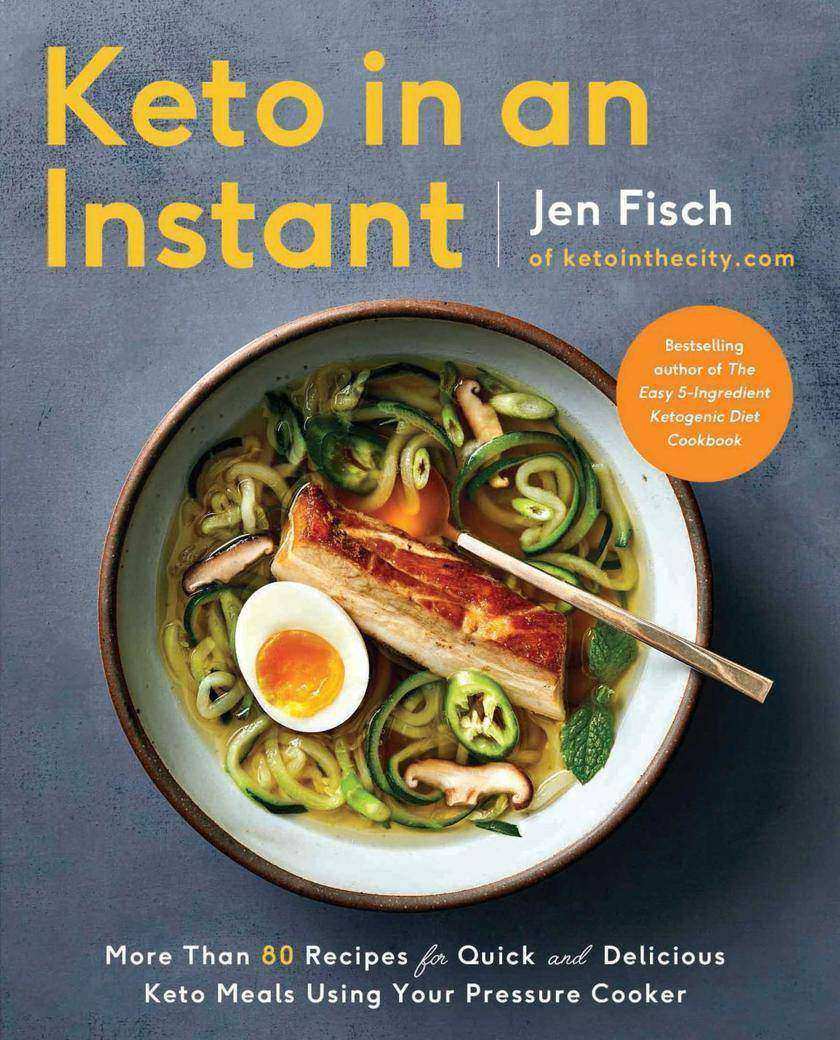
From the bestselling author of The Easy 5-Ingredient Ketogenic Diet Cookbook comes an essential guide to making keto meals in the Instant Pot.Bestselling author Jen Fisch knows that making lifestyle changes is challenging. Several years ago, she was suffering from multiple autoimmune diseases when her doctor suggested she try the keto diet. Her first thought was, That seems too hard, and I don’t want to give up my favorite foods. But soon, after a lot of trial and error and recipe testing and developing, the single working mom figured out how to make a keto eating plan work for her and her daughter. She turned her tips and recipes into a hugely successful blog, Keto in the City—and later included them in her cookbooks. Today, Jen is an established authority in the keto community and regarded as a trusted expert. In her new cookbook, Keto in an Instant, Jen explores one of the time-saving cooking tools her audience loves most: The Instant Pot. Keto in an Instant features more than 80 recipes that make use of the pressure cooker, spanning every meal of the day. From hearty dishes like Short Rib Ragu, Shredded Brisket Bowls, and Chicken Parm Meatballs; to soups and stews like Buffalo Chicken Chowder, Lasagna Soup, and Coconut Shrimp Soup; to treats like Blackberry Pudding Cupcakes, Maple Bacon Pancake Bites, and Strawberry Cinnamon Rolls, Jen offers healthy and delicious dishes that every member of the family can enjoy without feeling deprived.In addition to healthy, mouthwatering recipes, Jen shares her personal success story, the key principles of keto, and a comprehensive guide to foolproof cooking with the Instant Pot. She makes the keto lifestyle simple, delicious, and budget-friendly—for everyone.


