


 购物车
购物车 个人中心
个人中心

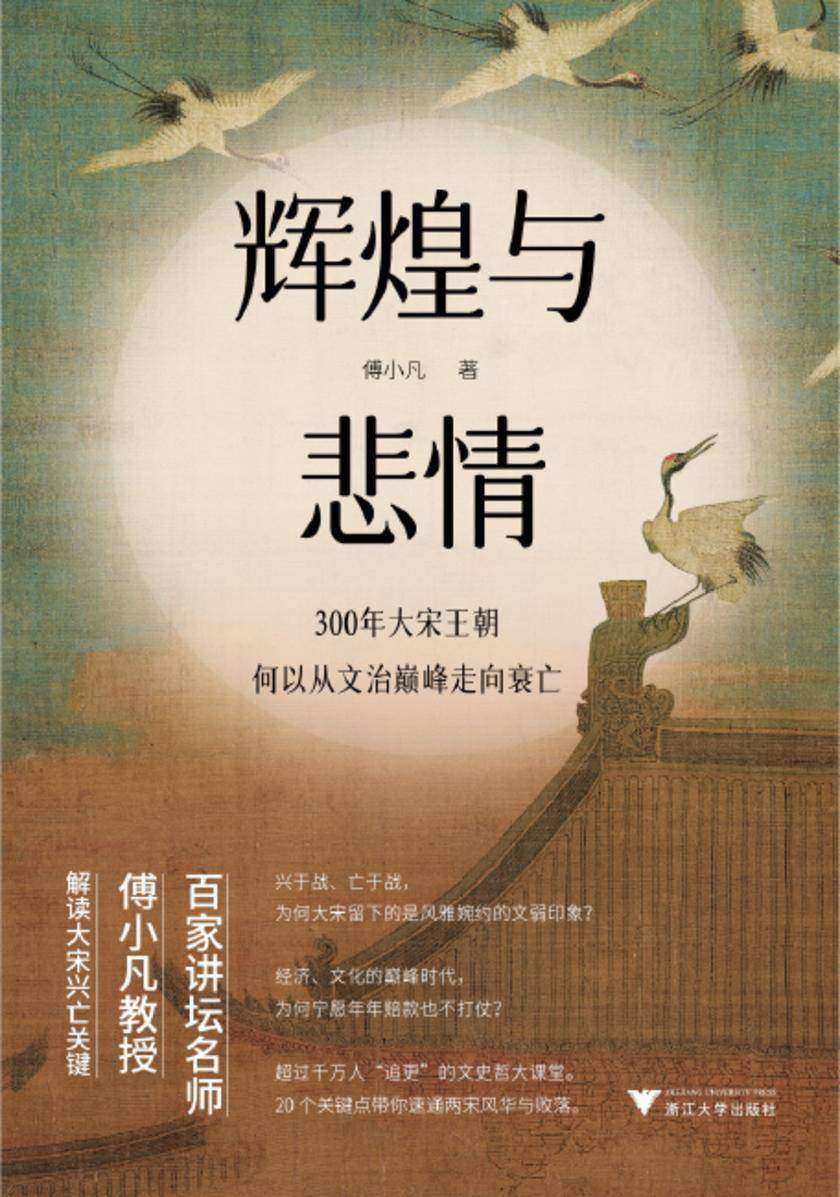
辉煌与悲情:300年大宋王朝何以从文治巅峰走向衰亡
¥41.00
如果回到古代当平民,你愿意去哪个朝代?曾有一位历史学家回答:去宋朝。 为什么宋朝是最适合“穿越者”的时代,它应该被如何定义?是文人的天堂、武将的地狱,还是文化放包容、经济蒸蒸日上的巅峰时代? “辉煌”与“悲情”,正是宋朝的一体两面。它的建立充满传奇性,是中国历史上极少数不经历流血和屠杀而建立的新政权。它四周强敌环伺,文弱到岁岁上供赔款,却延续三百多年屹立不倒,经济与文化高度发达,不仅文豪辈出,还涌现了岳飞、辛弃疾、文天祥等一众人杰。如此成就斐然的朝代,如何走向无可避免的衰亡,是时代环境的必然,还是人力所扰动?

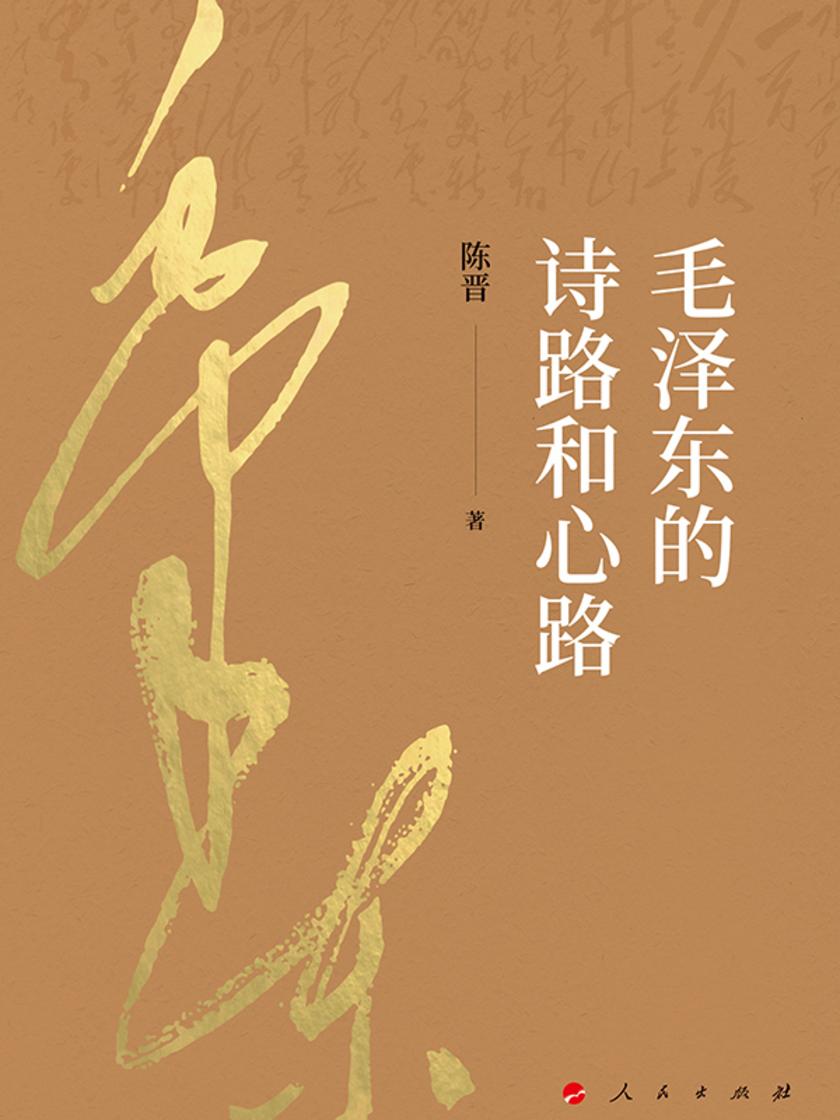
毛泽东的诗路和心路(修订版)
促销价:¥28.69|¥69.00
本书分24章,将公发表的*全部诗词,以年代为序,以历史变革为线,以情感历程为叙述场景,将*激扬文字的青春、婉丽悲欢的爱情、运筹帷幄的决断、抑郁困顿的沉浮、坐地巡天的浪漫、风流人物的慷慨、乱云飞渡的从容、暮年沉思的悲欢一一展现出来。文字优美飘逸,笔触酣畅淋漓。本书分24章,将公发表的*全部诗词,以年代为序,以历史变革为线,以情感历程为叙述场景,将*激扬文字的青春、婉丽悲欢的爱情、运筹帷幄的决断、抑郁困顿的沉浮、坐地巡天的浪漫、风流人物的慷慨、乱云飞渡的从容、暮年沉思的悲欢一一展现出来。文字优美飘逸,笔触酣畅淋漓。
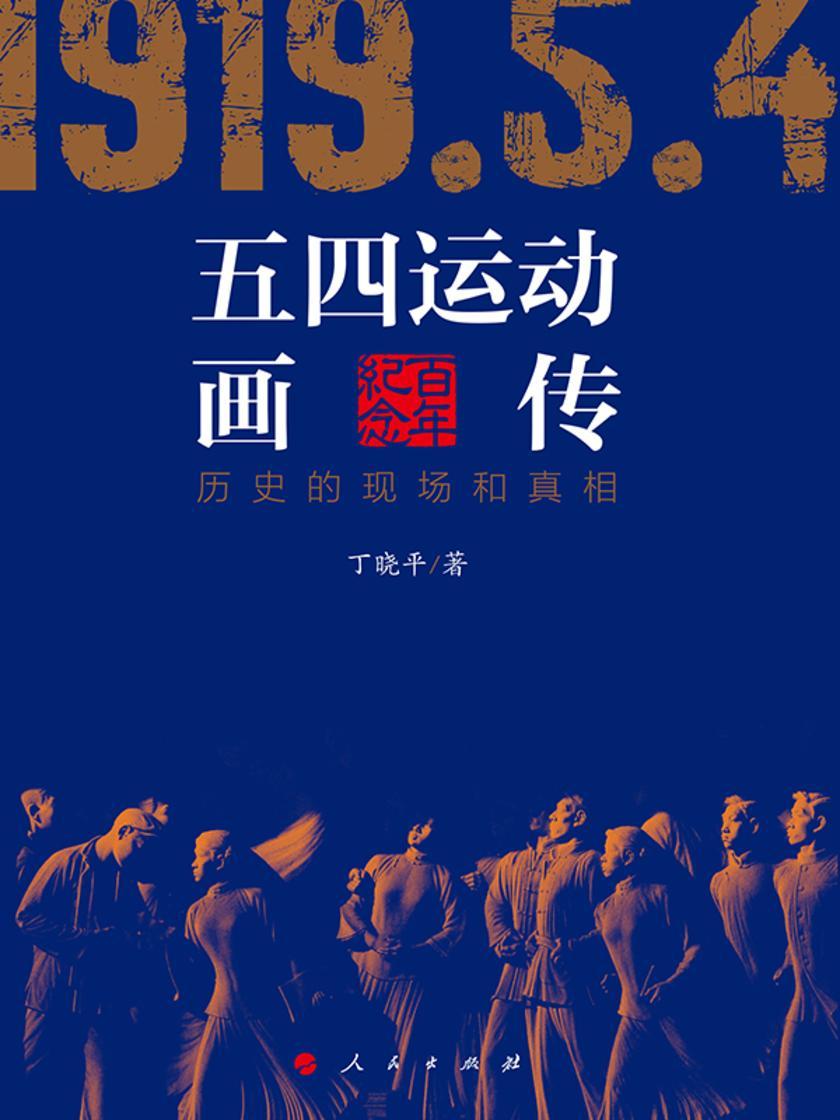
五四运动画传:历史的现场和真相
促销价:¥19.99|¥69.00
100年前的5月4日,以青年为主体的反帝反封建爱国运动拉了中国新民主主义革命的序幕,并诞生了以爱国、步、民主、科学为核心的五四精神,体现了青年学生强烈的社会责任感和使命感。本书从历史的细节着手,以辩证唯物主义和历史唯物主义的方法,用清新可读的文字,大量珍贵的历史文物和史料图片,再现这段人们知道但却并不清晰的历史。通过发掘历史,作者理性地将五四时代的那些人和事系统地还原到历史的现场,力求真实呈现五四运动的细节和原貌。
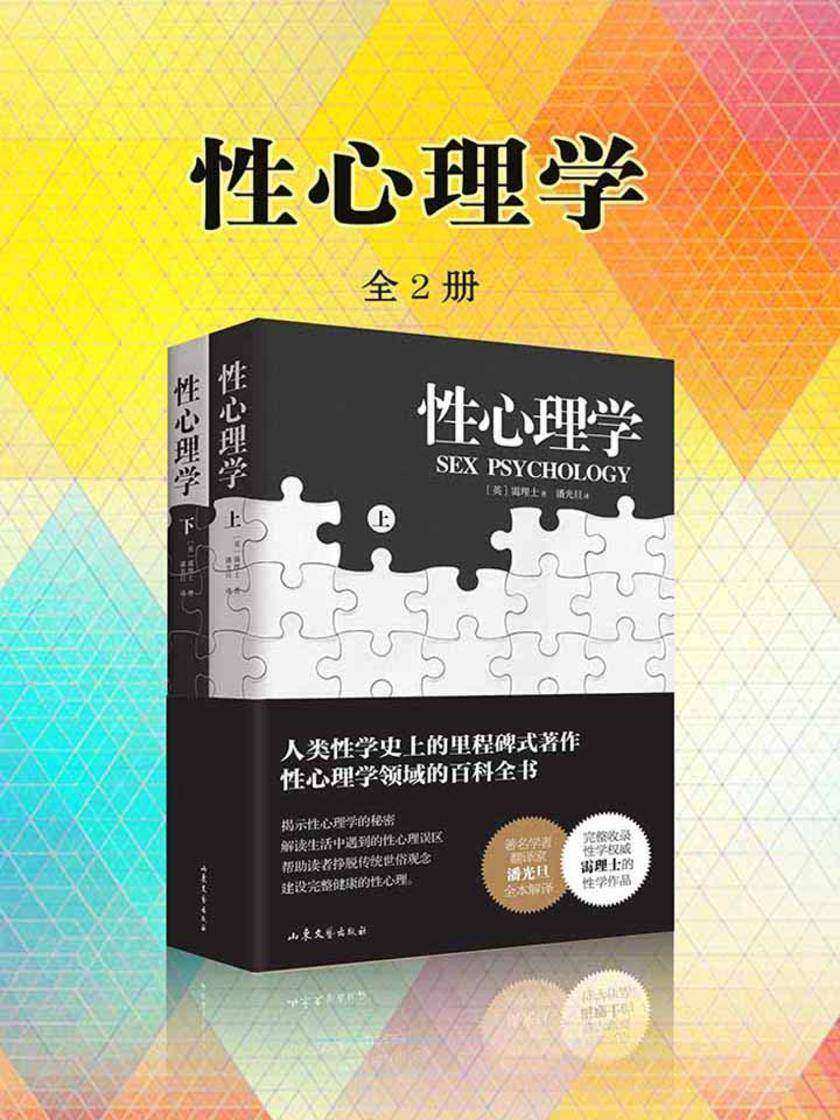
性心理学(全2册)
¥40.99
《性心理学》是霭理士的巨著《研究录》(七部)的“普及本”,是一本关于性心理的百科全书,内容涉及性的生物学基础、性冲动的性质、求爱的生物学、青年期的性冲动、性的教育、性的歧变、婚姻与性、生育问题、恋爱的艺术、性的升华等方方面面。 本书虽然是一本科学著作,但带有浓厚的人文色彩。逻辑清晰,行文优美,兼顾科学性与艺术性,也是一本写给普通读者的教科书。
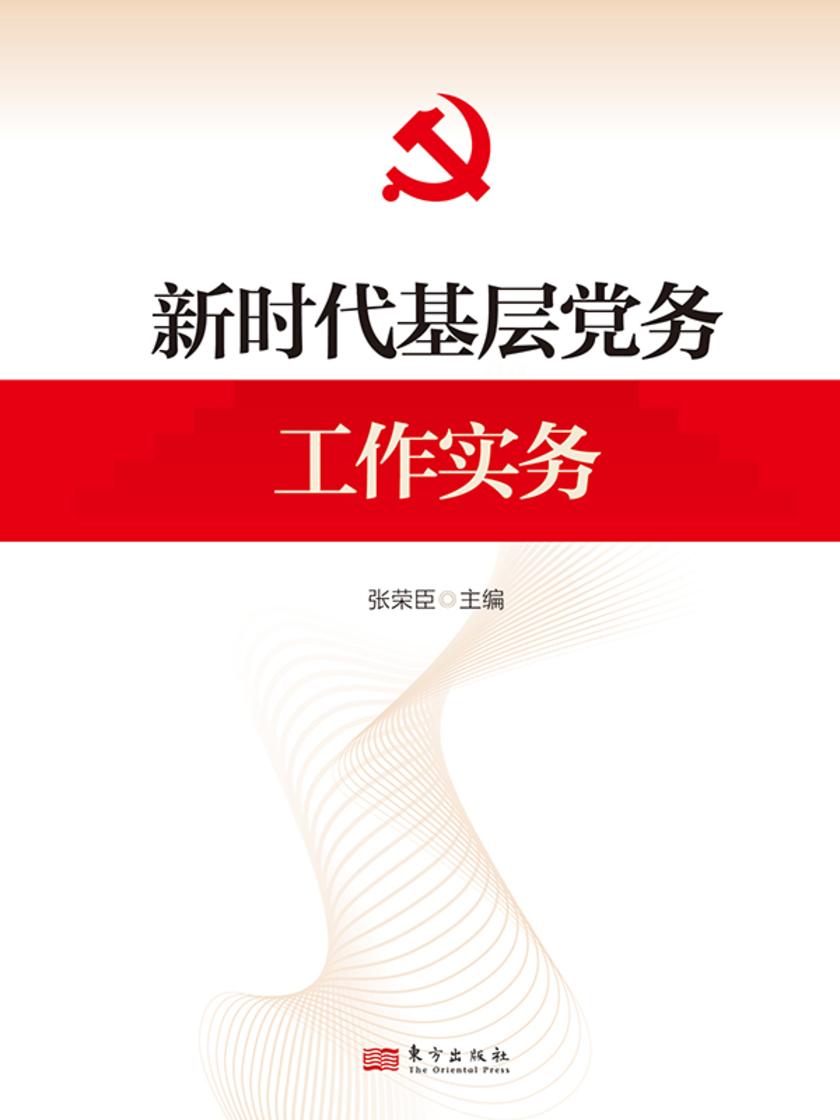
新时代基层党务工作实务
促销价:¥28.69|¥78.00
强国必先强党,强党重在基层。基层党组织是党的全部工作和战斗力的基础,是落实党的路线方针政策和各项工作任务的战斗堡垒。 基层党务工作是党的建设的重要组成部分,做好基层党务工作,对于加强党的建设、推党建工作的深展,具有重要意义。本书根据党中央最新精神和党章以及中央有关部门的文件规定,结合新时代基层党务工作实际,通过通俗易懂的一问一答形式,全面介绍基层党务工作的实用知识,重讲解工作流程、工作实务以及各种疑难问题,涵盖基层党务工作的整个过程和方方面面,实用性、知识性、指导性强,是广大基层党组织和党务工作者学习贯彻党中央有关精神、做好基层党务工作的常用工具书。
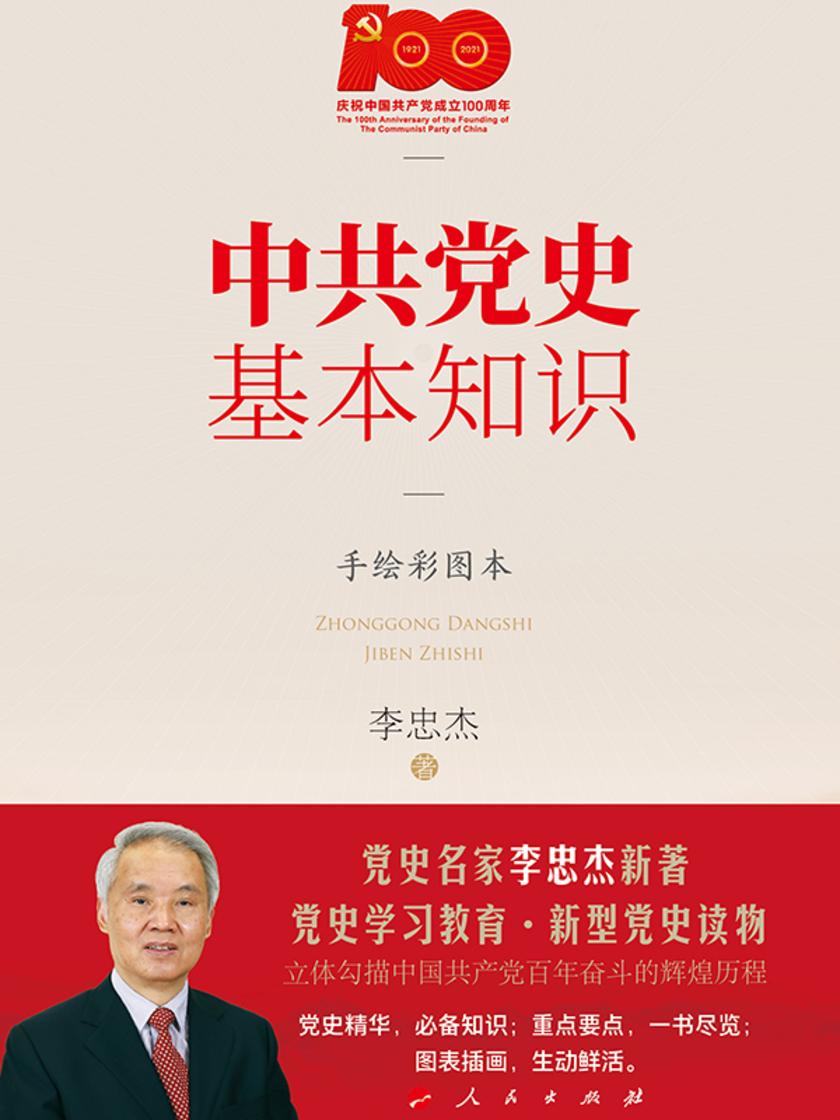
中共党史基本知识(手绘彩图本)
促销价:¥28.69|¥59.00
2021年是伟大的中国共产党诞辰一百周年。为了帮助广大党员干部展党史学习教育,感受一百年来中国共产党辟的伟大道路、建立的伟大功业、创造的中华民族发展史和人类文明步史上的伟大奇迹,著名党史专家李忠杰推出《中共党史基本知识》(手绘彩图本)一书。 本书从百年党史的四个历史时段中精选出近150个关键知识。这些知识,有的是介绍单个事件,有的则是介绍某一个方面的历史过程。作者是资深严谨的历史学家,每个知识都是其在深度挖掘的基础上梳理而成,其间蕴含着历经多年的研究精华和深沉思考。为 为便于读者把握历史全貌,本书每个时段均以“大事辑要”收尾。 本书作者权威、线索明晰、语言凝练、表述精准,对于引导广大党员干部学党史、悟思想,特别是厘清党史知识讹误,梳理党史发展脉络,从党的光辉历史、伟大成就和宝贵经验中汲取智慧和力量,具有积极的指导意义。书中配有80余幅兼具艺术性和趣味性的手绘彩色插图,是一本生动鲜活的党史学习教育参考读物。

拿得起放不下的全球通史:我们生活的世界以及它是怎么形成的
¥40.99
美国著名历史作家格特鲁德·哈特曼的代表作品。它以科技地理为线索来描述自地球形成到现在的世界历史脉络。本书结构清晰,内容充实有趣,语言浅显易懂,用一个个有趣的问题来引发人们的思考,充满趣味性的同时也让人们学到了历史知识。 我们生活的世界是如何产生的? 人类又是从哪里来? 我们来之前地球上曾经发生了什么? 我们来之后,又是如何走出蒙昧,走向文明的? 我们的文字与社会经历了怎样的变化? 我们如何从自己生活的方寸之地走向了整个世界? 赋予了人们强大能力的工业革命是如何产生和发展的? 阅读此书,轻松掌握人类从*初到现在的发展历程。
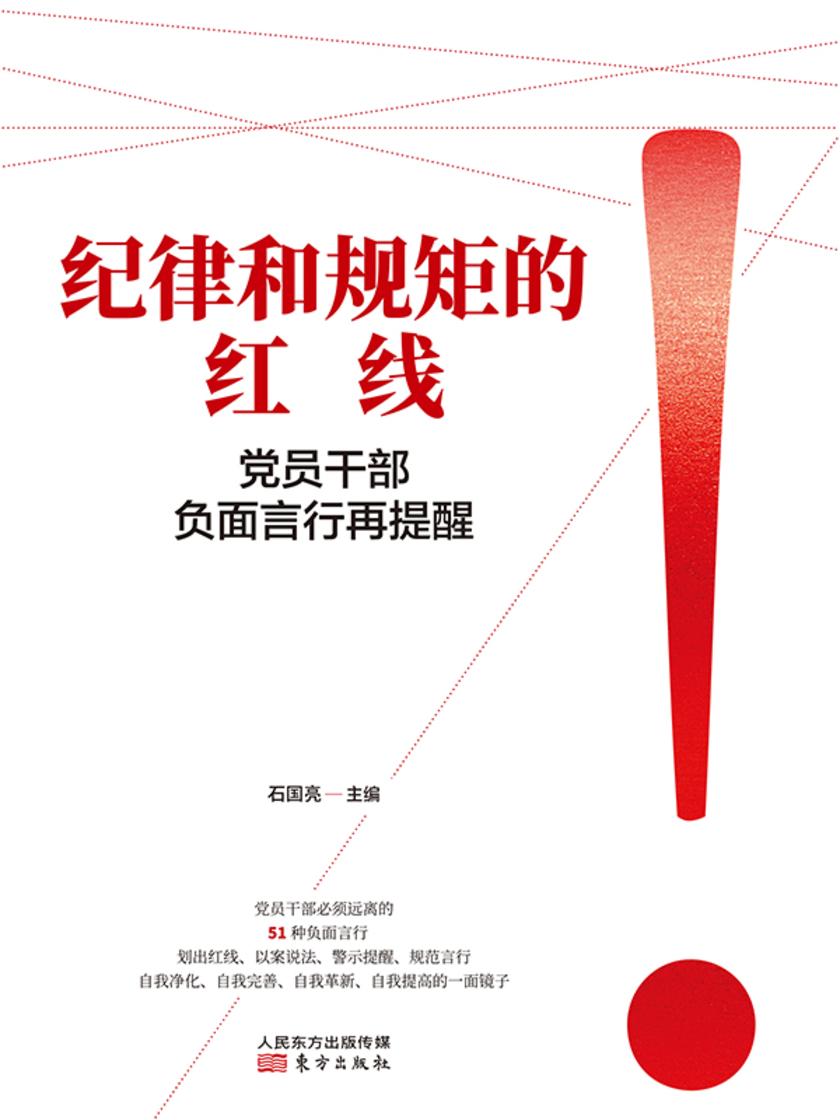
纪律和规矩的红线:党员干部负面言行再提醒
促销价:¥28.69|¥58.00
党员干部的一言一行不只是代表个人,还代表着党和政府的形象。为时刻提醒党员干部规范约束自己的行为,引导党员干部“说合适的话,做合适的事”,提高制度的约束力和警示度,我们组织编写了本书。本书从理论和实践相统一的角度,对党员干部为什么要时刻注意自己的言行行了多层次分析;收集了有关政治纪律、组织纪律、廉洁纪律、群众纪律、工作纪律、生活纪律以及学风等七方面56种日常具有代表性的负面言行,对此行逐一分析;就党员干部言行一致如何保持常态、坚持长效提出了建议。本书图文并茂,特色是“有用、有效、实用、实际”。
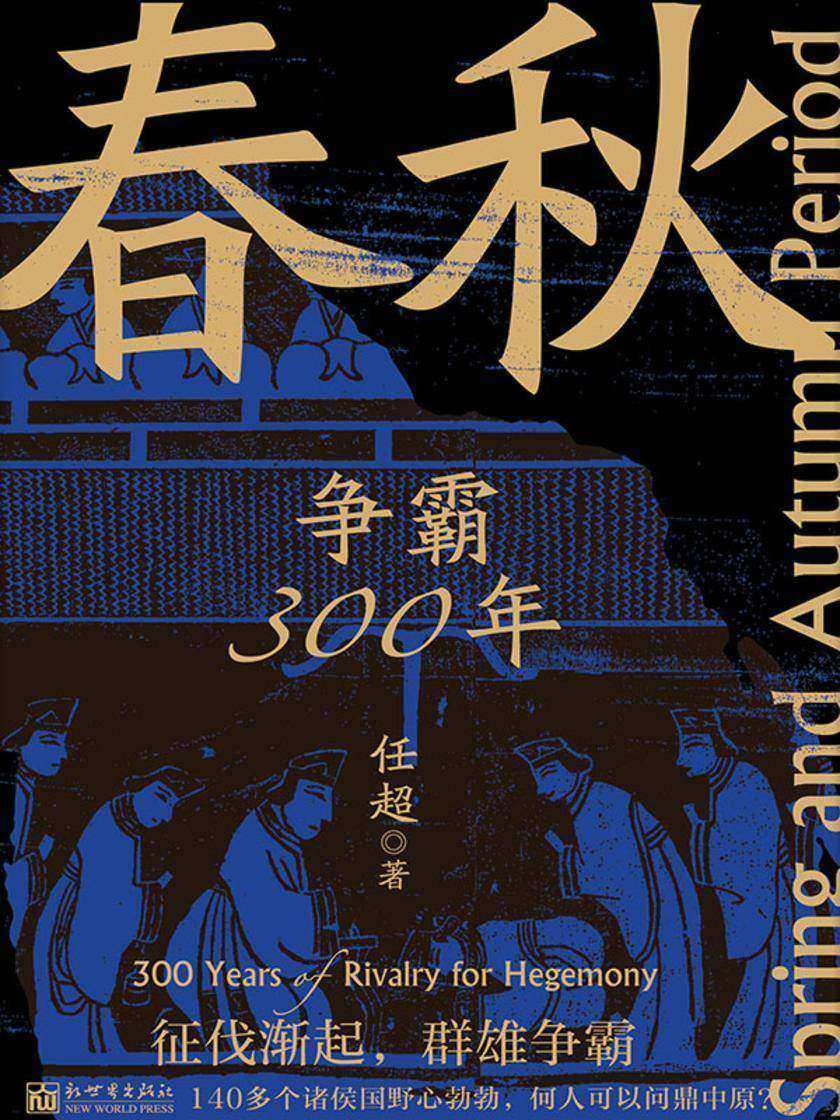
春秋:争霸300年
¥40.99
春秋,中国历史上个乱世的前奏。王室衰微,礼崩乐坏;征伐渐起,诸侯争霸。 300年间,群雄并起,兵锋渐渐染血;百家争鸣,思想自由奔流。 这是一个混乱的时代、反叛的时代。分封制在高峰处始瓦解,一切变革都在酝酿,中国即将走前所未有的新篇章。 本书以春秋五霸为主要线索,时间跨度由公元前771年犬戎攻破西周首都镐京始,到公元前453年三家分晋结束,从政治、军事、地理、经济、文化等多个维度讲述春秋300年乱世。 春秋时期塑造了中国延续2000多年的传统价值观,读过春秋史,才能了解中国人思想的源头。

读懂党章
促销价:¥28.69|¥58.00
学习党章是每一个党组织、每一个党员的基本任务。二十大对党章再次行了修改。学习新党章,是学习二十大精神的重要内容之一。 党章怎么学?有各种方法。党章的每一句话、每一个条款,都经历了长期、复杂的演化过程,背后有许许多多的的故事。光读字面文字,是很难领会其深刻内涵的。 为了帮助广大党员了解党章及其内容的来龙去脉,更好地领会党章精神,本书创造了一种新的学习方式——领读党章,即:以新修订的二十大党章为基础,模拟党支部的学习活动,带领党员从头至尾逐段学习和领会党章内容。每领读一段文字,就从历史、理论和实践相结合的角度作一解读,介绍这一段内容的来龙去脉、修订情况、精髓要义、基本要求、注意事项、有趣知识等,并有针对性地回答党员关心的重要问题。 全书通过对所有段落和条文循序渐的领读、解读、答疑,提供了党章文字背后的丰富知识,不仅有助于增加党员学习党章的兴趣,而且可以使其不仅知其然、更知其所以然,对广大读者更加准确深地理解、把握二十大党章,有很大帮助。
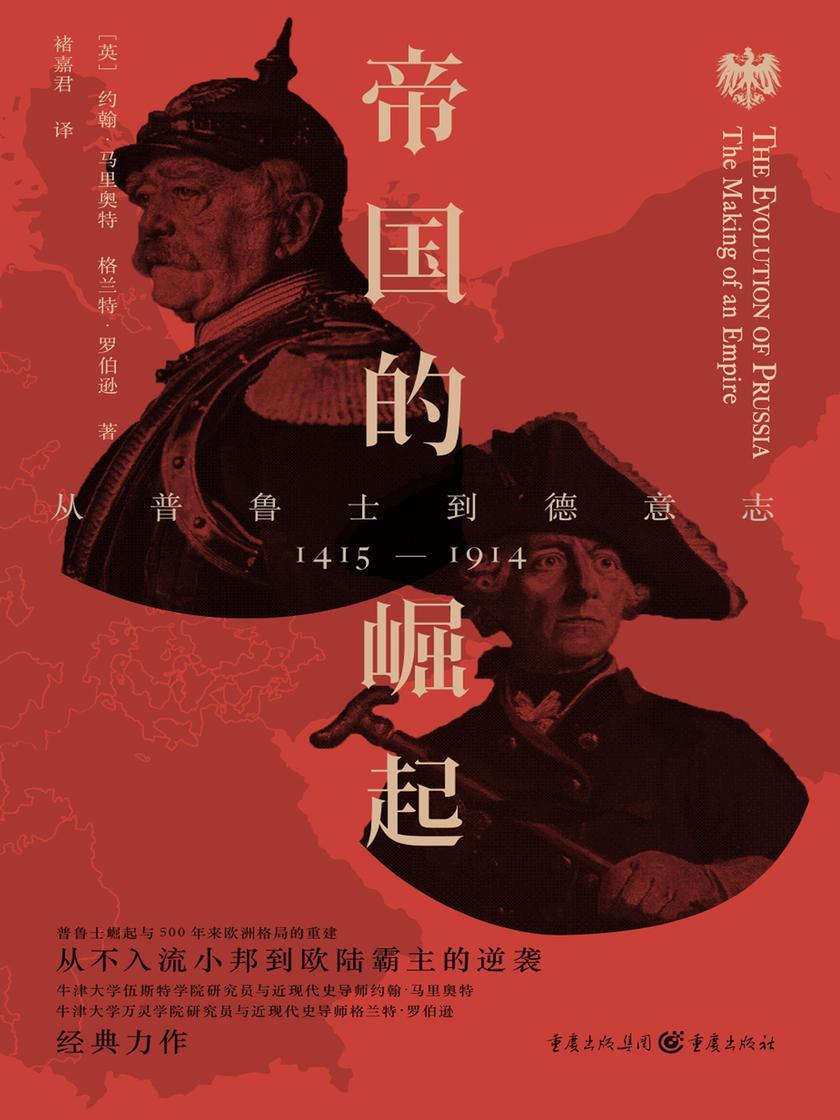
帝国的崛起 : 从普鲁士到德意志
¥40.99
1415年,普鲁士王国的前身勃兰登堡选侯国,还是神圣罗马帝国所有选侯国中不起眼的一个;500年后的“一战”前夕,它已崛起为争夺世界霸主之位的欧洲强国。它是如何一步一步做到的? 在崛起的过程中,普鲁士曾经历了四次衰退期,还一度面临亡国的危险,但在历史紧要关头,大选帝侯、腓特烈大帝、施泰因和沙恩霍斯特、俾斯麦等伟人横空出世。他们是如何力挽狂澜、扭转国运的? 普鲁士500年的崛起史,也是一部霍亨索伦家族的奋斗史。这个统治家族是通过怎样的奋斗,让普鲁士不断崛起的? 在《帝国的崛起:从普鲁士到德意志》这部由英国著名历史学家、牛津大学近现代史导师约翰·马里奥特和格兰特·罗伯逊合著的经典作品中,这些问题和思索都得到了精彩解答。

历朝通俗演义-南北史演义(思维导图版)
¥40.99
中国通史式知识小说《历朝通俗演义》系列 《后汉演义》:大汉复兴!三国鼎立!中华*次大国崛起! 本书为《历朝通俗演义》系列的后汉、三国部分,全书共一百回,从光武中兴到党锢之祸,从官渡之战到赤壁之战,再从曹丕篡汉直至司马炎称帝止,精彩演义了后汉三国近四百余年的兴衰过程,全景描绘出了一幅精彩的历史画卷。 作者叙述平实流畅,有条不紊,语言风趣,情理兼备。翻阅本书,从金戈铁马,列国纷争,温柔缱绻与正邪博弈中读懂中国历史上的*次大国崛起! 随书附送史学专家审校版“阅读思维导图”长卷,旨在通过大数据全景式呈现历史变迁过程,以“解读中华民族的基因密码,揭示国人智慧的精髓真义”为创作理念,对学习历史,增长经典传统文化素养有极大的帮助作用。
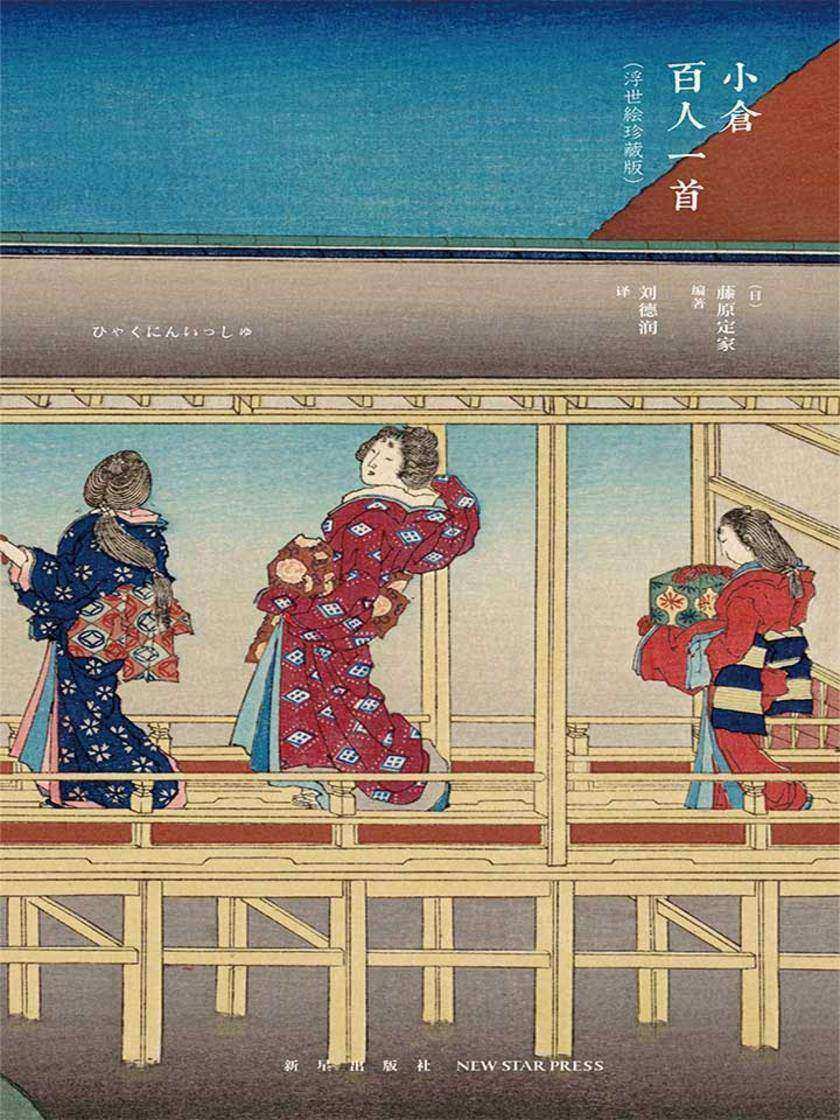
小仓百人一首(被誉为“日本的《唐诗三百首》”,日本国民的心灵故乡)
¥40.99
藤原定家从《古今和歌集》《新古今和歌集》等《敕撰和歌集》中,依年代先后挑选出100位介于天智天皇到顺德天皇间的杰出歌人及其一首作品,结集成《百人一首》,又称《小仓百人一首》。合计有男性歌人79人(包括僧侣13人)及女性21人。江户时代以后,由于浮世绘盛行带动版画技术精,《百人一首》以和歌搭配画作的形态普及于庶民阶层。本书正是由100幅珍品浮世绘画作配100首诗歌而成。
新中国为什么成功
促销价:¥19.99|¥68.00
中国共产党诞生后,带领中国人民成功走出了中国革命和中国特色社会主义建设道路,用几十年的时间走完了发达国家几百年走过的发展历程。尤其是改革放以来,中国在借鉴其他国家成功经验的基础上,坚持从实际出发,创造了人类社会发展史上惊天动地的发展奇迹,为世界提供了一个可资借鉴的成功范例。中国发展奇迹靠什么支撑,中国道路有什么优势,这是世界范围内热议的话题。对此,我们给出了自己的回答。本书即从“党的领导与中国治理”“改革放与中国道路”“现代化与中国实践”“中国成功的世界意义”四个方面着手,精选国内权威学者的文章,阐释中国发展的成功秘诀,并以此庆祝中华人民共和国成立70年。
自我革命 时刻保持解决大党独有难题的清醒和坚定
促销价:¥19.99|¥68.00
自我革命是中国共产党区别于其他政党的显著标志,是我们党跳出治乱兴衰“历史周期率”的第二个答案。本书由权威专家学者从“深刻领悟自我革命的科学内涵和本质要求”“党的自我革命的历史经验和行动逻辑”“找到跳出治乱兴衰历史周期率的‘第二个答案’”“时刻保持解决大党独有难题的清醒和坚定”四个维度阐述自我革命这一重要政治论断的理论基础、历史演、实践路径、现实诉求等,总结了新时代党的建设的新鲜经验。对于广大党员干部深刻认识以自我革命精神破解大党独有难题的时代意义和实践要求,切实增强政治责任感和历史使命感,时刻保持清醒和坚定,积极担当作为,有较强的教育启示意义。
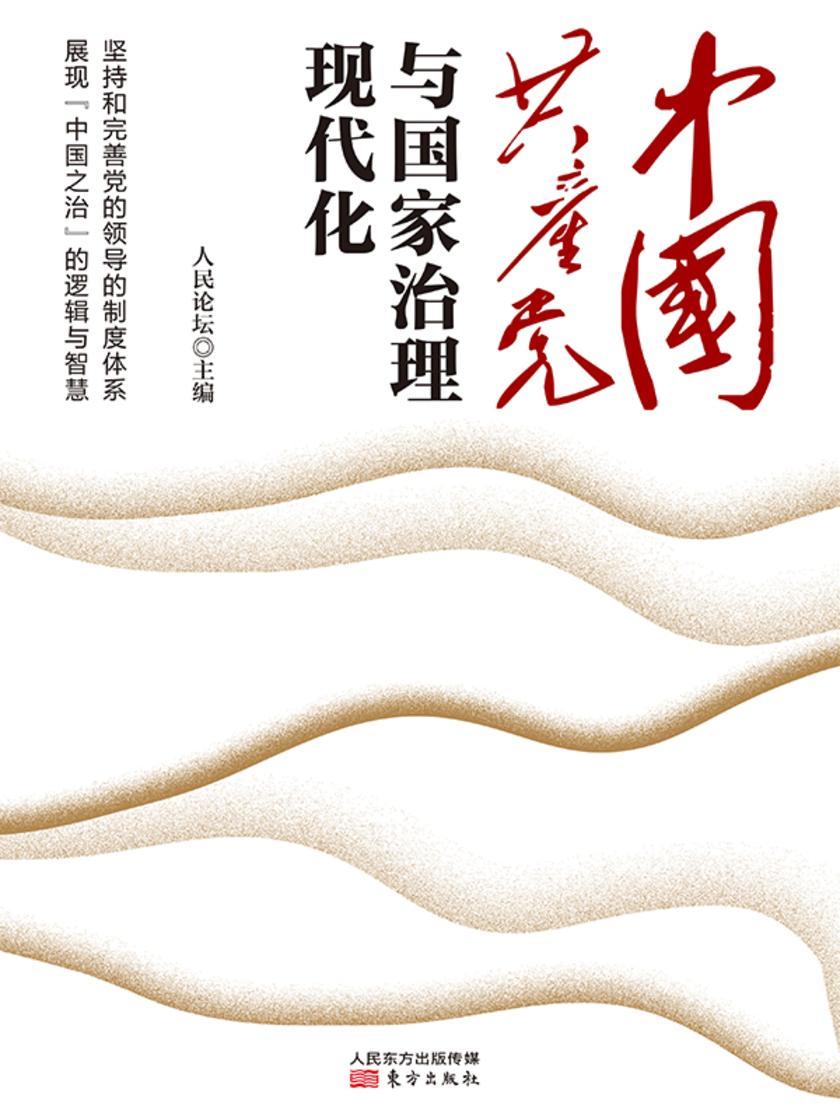
中国共产党与国家治理现代化
促销价:¥28.69|¥68.00
在国家治理体系中,中国共产党处于核心的领导地位,是国家治理现代化的前提。而国家治理现代化又一步促党的建设,二者存在辩证统一的关系。为展现中国共产党70年治国理政的成功经验和基本事实,体现中国共产党人创建国家、治理国家、执政为民、服务社会的光辉业绩,更好地提高治理能力和治理水平,本书分“党的领导与国家治理之道”“党的建设与国家治理现代化”“改革放与国家治理现代化”“国家治理现代化与中国道路”等方面予以阐述。本书汇集当前中国政治学的著名学者对中国共产党与国家治理现代化的回顾与思考,具有理论的权威性,观的前瞻性和极强的实践指导意义。
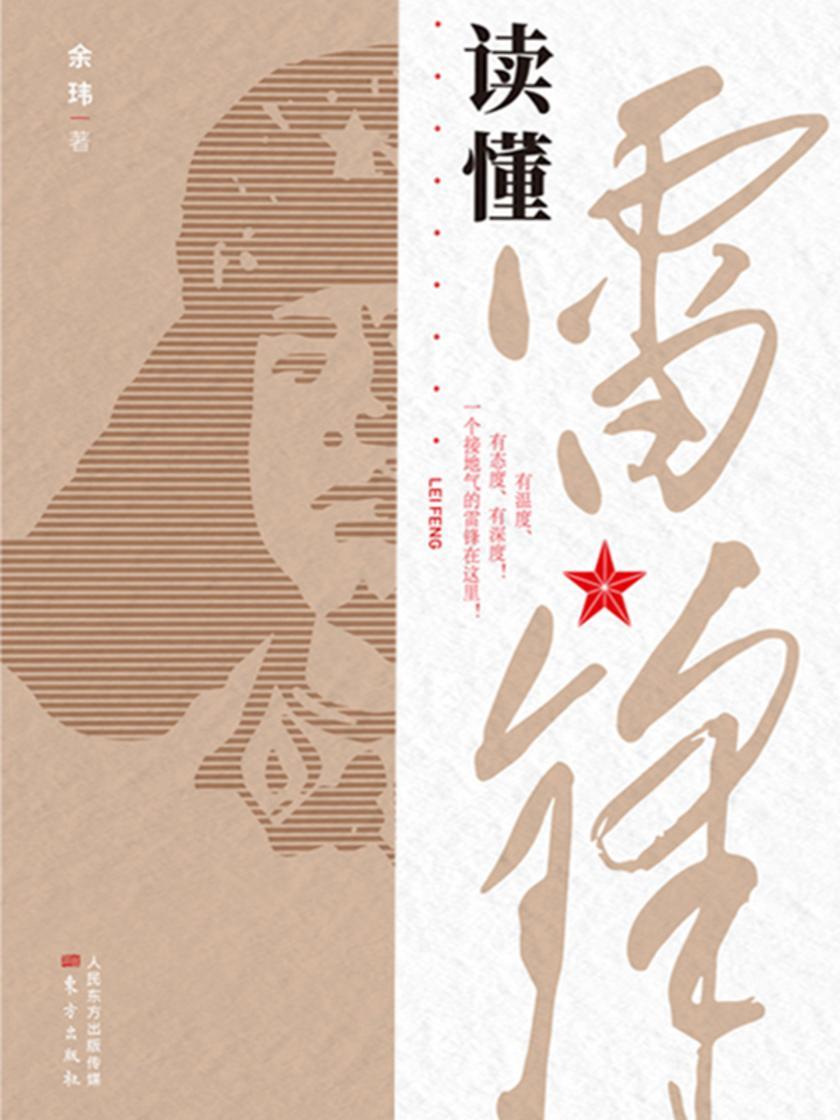
读懂雷锋
促销价:¥28.69|¥69.00
本书作者以探访的方式走近雷锋,赋予雷锋以鲜活的生命。写作中,作者用平实的文字客观、本真地呈现出一个平凡、亲切、可爱的雷锋,回应社会对雷锋生平的一些误解,还原一段英雄传奇,用平等的视角、理性的思考透视一个红色榜样成就非凡人生的心路历程,并以不失细腻的笔墨刻画了雷锋鲜明的个性特和丰富的情感世界,以大量新近发掘的老照片重塑“新”雷锋的形象。 本书厚重而不乏思想性,可读性、时代感强,带给读者感动、震撼与省思,为读者展现了一个立体的、完整的、有血有肉的、熟悉而陌生的雷锋,一个被误解的、有差异性的雷锋。
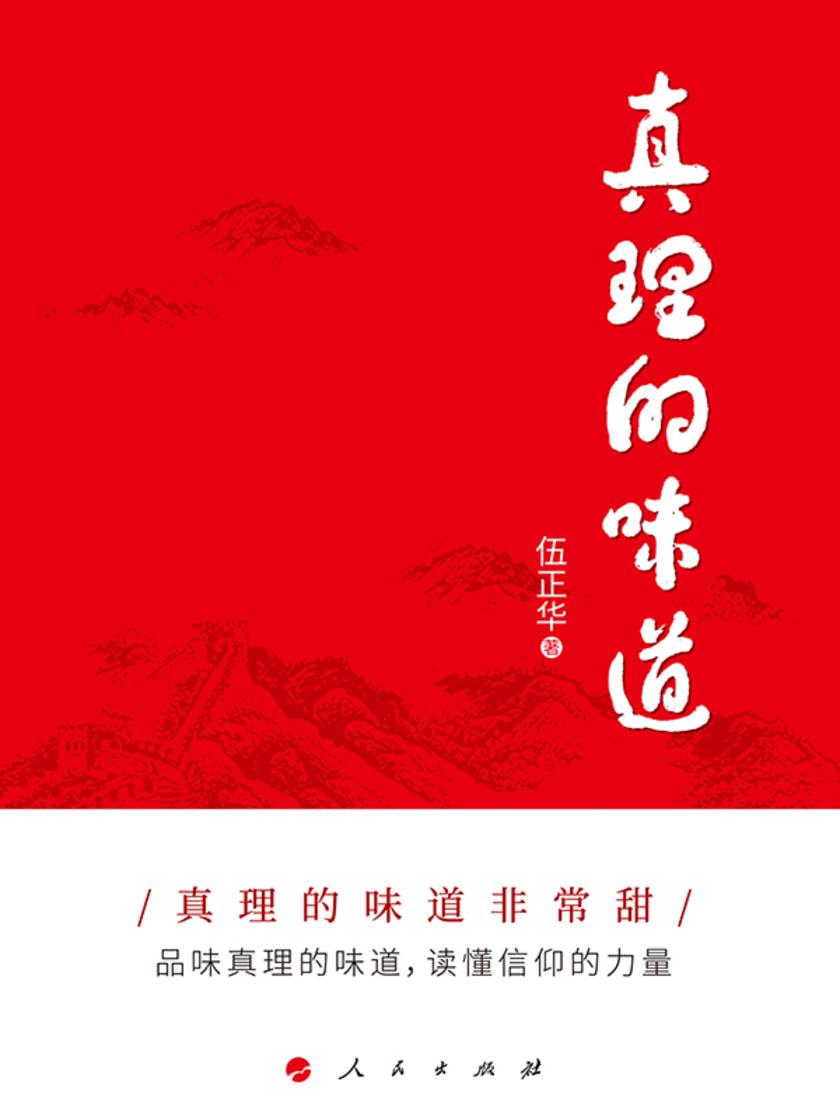
真理的味道
促销价:¥19.99|¥59.00
2021年是中国共产党成立100周年。这100年,是真理传播的100年,是坚定理想信念的100年。学史明理,就是要从党的百年历程中探寻真理的光芒,感悟真理的力量。 本书是我军著名评论员伍正华的评论作品,其中《信仰的味道》讲述陈望道在翻译《共产党宣言》时因全神贯注,误把墨汁当糖水,蘸着墨汁吃粽子的故事。这篇文章曾产生重大影响。总书记多次讲述这个故事,并强调“真理的味道特别甜”。本书以“真理之味”“真理之问”“真理之刃”“真理之歌”四个篇章来讲述中国共产党人的信仰信念、责任担当、纪律作风。作者文思敏捷,用词考究,文章既蕴含大量史实,又饱含理论思辨,读来诗意隽永,回味无穷。
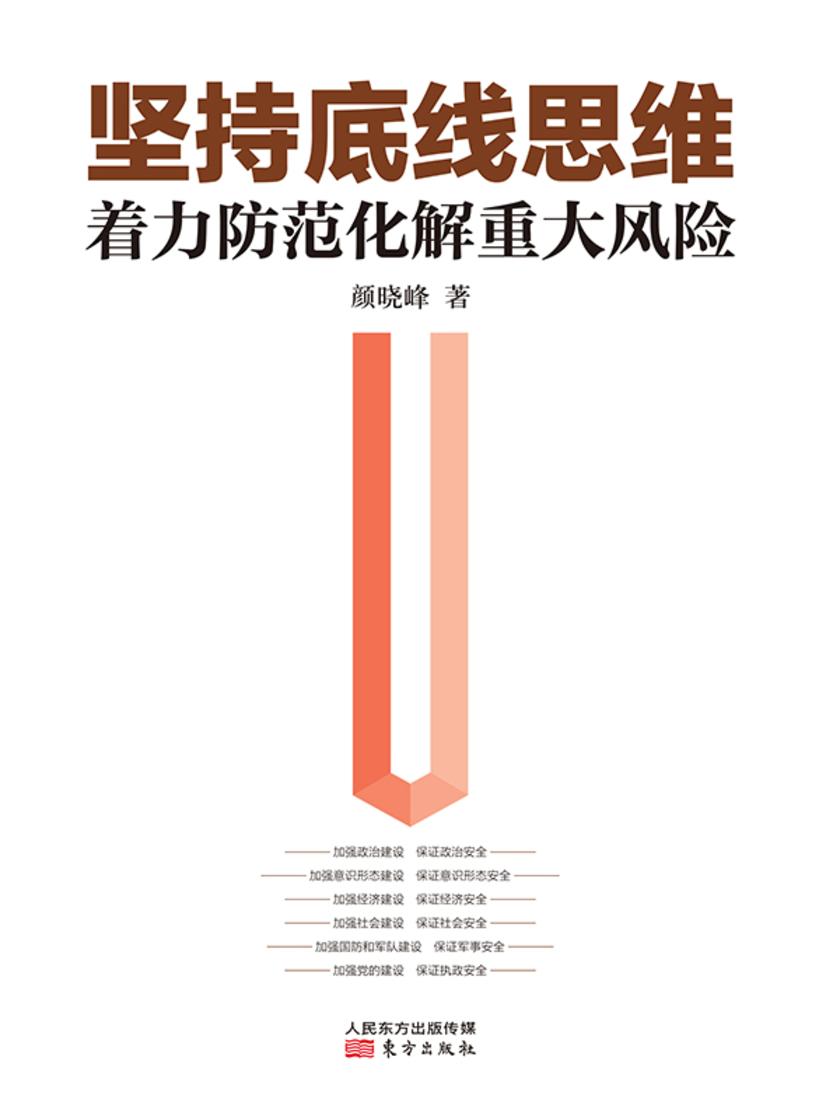
坚持底线思维 着力防范化解重大风险
促销价:¥28.69|¥68.00
增强忧患意识、风险意识,做到居安思危、有备无患,是党员干部工作必须坚持的原则。党员干部要坚持底线思维,增强忧患意识,提高防控能力,着力防范化解重大风险。本书以坚持底线思维,着力防范化解重大风险为主线,既从宏观层面阐述着力防范化解重大风险、坚持总体国家安全观、坚持底线思维等重要思想,又从微观层面,从政治、意识形态、经济、社会、军事、党的建设等领域展详细叙述。本书把坚持发展与确保安全、加强建设与防控风险统一起来,对于各级党委、政府和党员干部学国家安全观,明确负起防范化解重大风险的政治责任,具有很强的指导性意义。
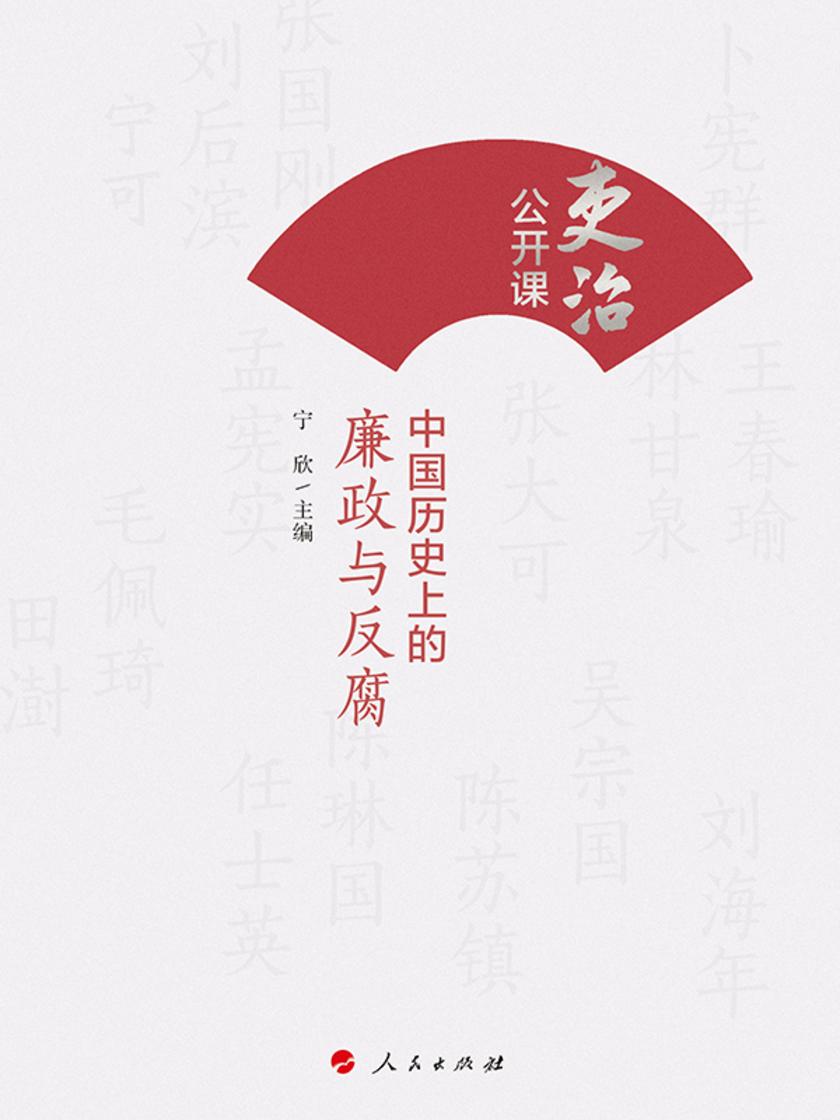
吏治公开课:中国历史上的廉政与反腐
促销价:¥28.69|¥69.00
2018年11月,中共中央政治局就中国历史上的吏治举行第十次集体学习。*总书记强调,用人要严把德才标准,努力造就一支忠诚干净担当的高素质干部队伍。早在2013年6月,*总书记在全国组织工作会议上指出“党要管党,首先是管好干部;从严治党,关键是从严治吏”。 治国安邦、经纬天下,关键在党、关键在人。“吏治”是治国理政的头等大事。中国历代思想家与政治家在“澄清吏治”方面,有着丰富的实践经验。本书选编知名学者的讲稿,试图从多方面讲述中国历史上吏治用人与廉政反腐等方面的经验与得失,为推新时代全面从严治党、选拔用人提供借鉴。

中华人民共和国征收拆迁补偿注释法典(新五版)
¥40.99
“注释法典”丛书是我社集数年法规编撰经验,创新出版的大型实用法律工具书。 本分册涵盖征收拆迁补偿领域重要的法律、行政法规、部门规章、司法解释等文件,收录的文件均为现行有效文本,方便读者全面、及时掌握相关规定。本书对重要法律规定的重难条文行详细阐释,注释内容在吸取全国人大常委会法制工作委员会、最高人民法院等权威解读的基础上,结合最新公布的相关规定及司法实践全新撰写,保证注释内容的准确性与时效性。在相关条文下,根据最高人民法院司法观、相关函复等,提炼实务问答;收录最高人民法院、最高人民检察院指导性案例及公报案例裁判规则。本书重在从多角度全面阐释重要法律规定,并收录相关领域重要法律文件,是掌握、适用相关领域法律文件的实用工具书。


