


 购物车
购物车 个人中心
个人中心
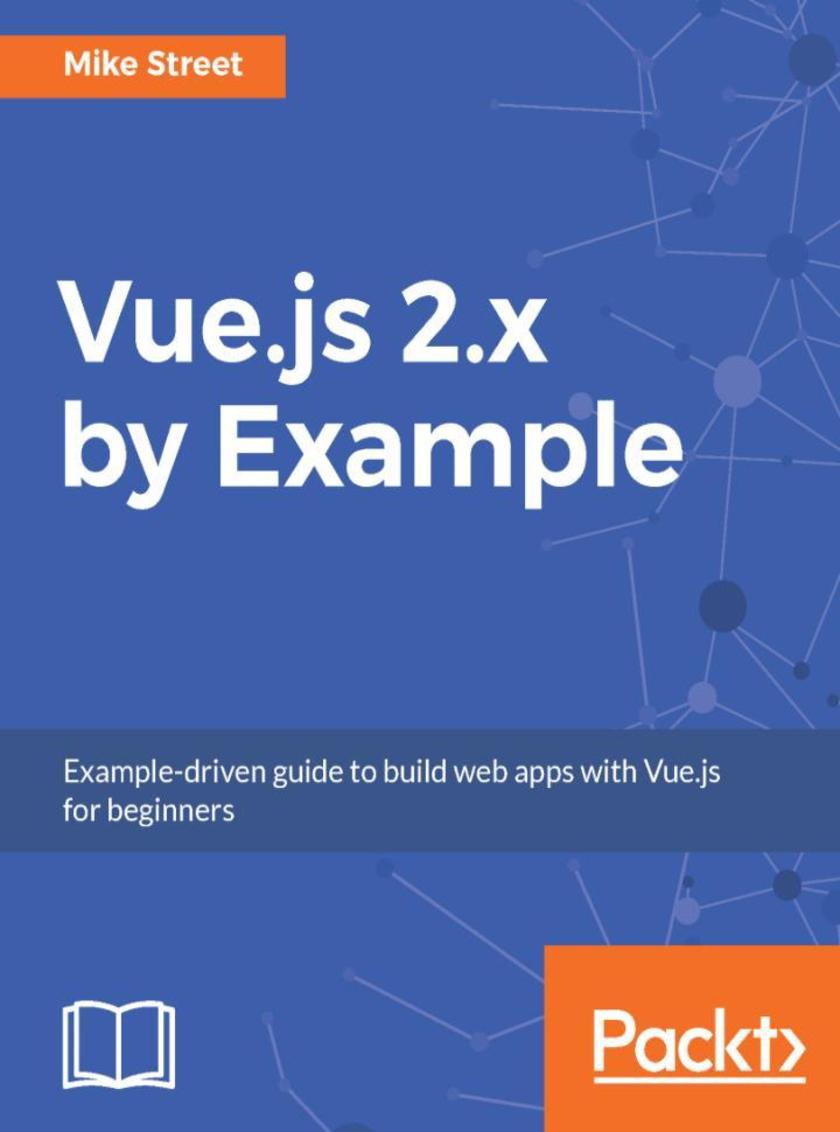
Vue.js 2.x by Example
¥90.46
Learn the fundamentals of vue.js by creating complex SPAs with Vuex, vue-router and more About This Book ? We bridge the gap between "learning" and "doing" by providing real-world examples that will improve your web development skills with Vue.js ? Explore the exciting features of Vue.js 2 through practical and interesting examples ? Explore modern development tools and learn how to utilize them by building applications with Vue.js Who This Book Is For This book is for developers who know the basics of JavaScript and are looking to learn Vue.js with real examples. You should understand the basics of JavaScript functions and variables and be comfortable with using CSS or a CSS framework for styling your projects. What You Will Learn ? Looping through data with Vue.js ? Searching and filtering data ? Using components to display data ? Getting a list of files using the dropbox API ? Navigating through a file tree and loading folders from a URL ? Caching with Vuex ? Pre-caching for faster navigation ? Introducing vue-router and loading components ? Using vue-router dynamic routes to load data ? Using vue-router and Vuex to create an ecommerce store In Detail Vue.js is a frontend web framework which makes it easy to do just about anything, from displaying data up to creating full-blown web apps, and has become a leading tool for web developers. This book puts Vue.js into a real-world context, guiding you through example projects that helps you build Vue.js applications from scratch. With this book, you will learn how to use Vue.js by creating three Single Page web applications. Throughout this book, we will cover the usage of Vue, for building web interfaces, Vuex, an official Vue plugin which makes caching and storing data easier, and Vue-router, a plugin for creating routes and URLs for your application. Starting with a JSON dataset, the first part of the book covers Vue objects and how to utilize each one. This will be covered by exploring different ways of displaying data from a JSON dataset. We will then move on to manipulating the data with filters and search and creating dynamic values. Next, you will see how easy it is to integrate remote data into an application by learning how to use the Dropbox API to display your Dropbox contents in an application In the final section, you will see how to build a product catalog and dynamic shopping cart using the Vue-router, giving you the building blocks of an e-commerce store. Style and approach This book takes you three projects, with step-by-step instructions to help you understand the concepts of Vue and put it into practice.
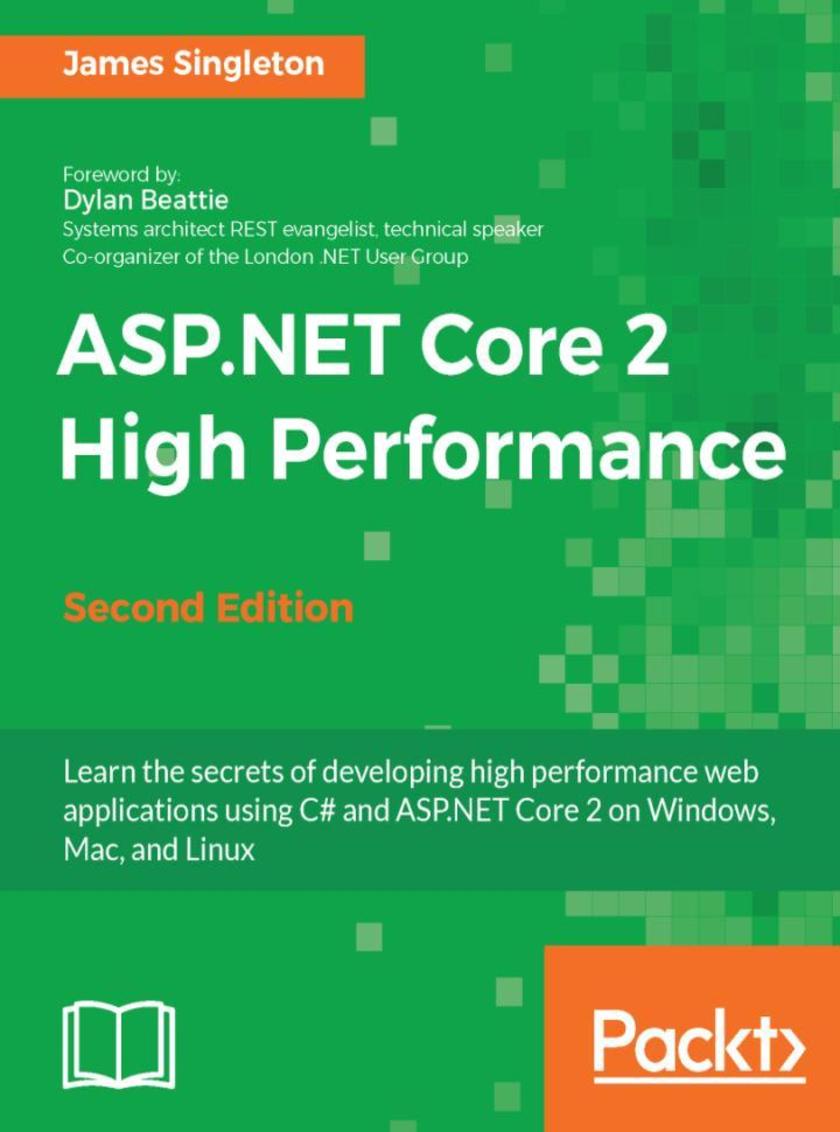
ASP.NET Core 2 High Performance - Second Edition
¥90.46
Learn how to develop web applications that deploy cross-platform and are optimized for high performance using ASP.NET Core 2 About This Book ? Master high-level web app performance improvement techniques using ASP.NET Core 2.0 ? Find the right balance between premature optimization and inefficient code ? Design workflows that run asynchronously and are resilient to transient performance issues Who This Book Is For This book is aimed for readers who can build a web application and have some experience with ASP.NET or some other web application framework (such as Ruby on Rails or Django). They can be people who are happy learning details independently but who struggle to discover the topics that they should be researching. The reader should be interested in improving the performance of their web app and in learning about ASP.NET Core and modern C#. What You Will Learn ? Understand ASP.NET Core 2 and how it differs from its predecessor ? Address performance issues at the early stages of development ? Set up development environments on Windows, Mac, and Linux ? Measure, profile and find the most significant problems ? Identify the differences between development workstations and production infrastructures, and how these can exacerbate problems ? Boost the performance of your application but with an eye to how it affects complexity and maintenance ? Explore a few cutting-edge techniques such as advanced hashing and custom transports In Detail The ASP.NET Core 2 framework is used to develop high-performance and cross-platform web applications. It is built on .NET Core 2 and includes significantly more framework APIs than version 1. This book addresses high-level performance improvement techniques. It starts by showing you how to locate and measure problems and then shows you how to solve some of the most common ones. Next, it shows you how to get started with ASP.NET Core 2 on Windows, Mac, Linux, and with Docker containers. The book illustrates what problems can occur as latency increases when deploying to a cloud infrastructure. It also shows you how to optimize C# code and choose the best data structures for the job. It covers new features in C# 6 and 7, along with parallel programming and distributed architectures. By the end of this book, you will be fixing latency issues and optimizing performance problems, but you will also know how this affects the complexity and maintenance of your application. Finally, we will explore a few highly advanced techniques for further optimization. Style and approach A step-by-step practical guide filled with real-world use cases and examples
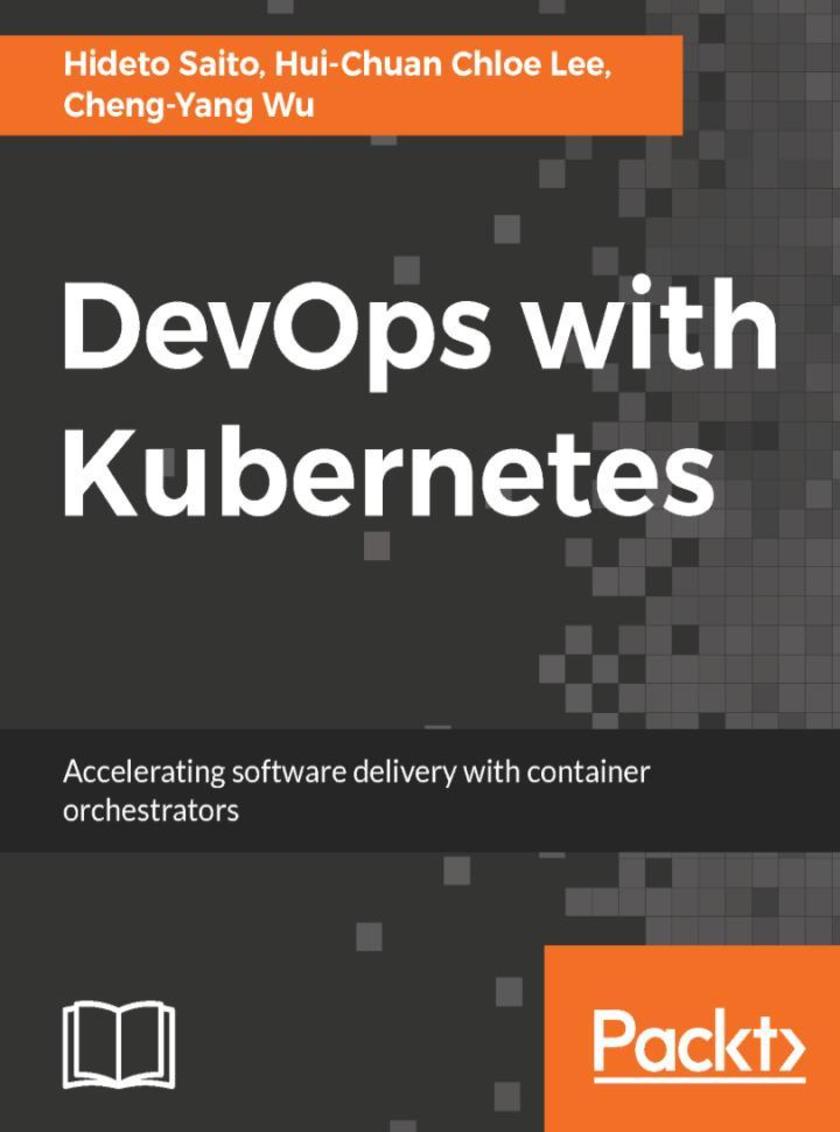
DevOps with Kubernetes
¥90.46
Learn to implement DevOps using Docker & Kubernetes. About This Book ? Learning DevOps, container, and Kubernetes within one book. ? Leverage Kubernetes as a platform to deploy, scale, and run containers efficiently. ? A practical guide towards container management and orchestration Who This Book Is For This book is targeted for anyone, who wants to learn containerization and clustering in a practical way using Kubernetes. No prerequisite skills required, however, essential DevOps skill and public/private Cloud knowledge will accelerate the reading speed. If you’re advanced readers, you can also get a deeper understanding of all the tools and technique described in the book. What You Will Learn ? Learn fundamental and advanced DevOps skills and tools ? Get a comprehensive understanding for container ? Learn how to move your application to container world ? Learn how to manipulate your application by Kubernetes ? Learn how to work with Kubernetes in popular public cloud ? Improve time to market with Kubernetes and Continuous Delivery ? Learn how to monitor, log, and troubleshoot your application with Kubernetes In Detail Containerization is said to be the best way to implement DevOps. Google developed Kubernetes, which orchestrates containers efficiently and is considered the frontrunner in container orchestration. Kubernetes is an orchestrator that creates and manages your containers on clusters of servers. This book will guide you from simply deploying a container to administrate a Kubernetes cluster, and then you will learn how to do monitoring, logging, and continuous deployment in DevOps. The initial stages of the book will introduce the fundamental DevOps and the concept of containers. It will move on to how to containerize applications and deploy them into. The book will then introduce networks in Kubernetes. We then move on to advanced DevOps skills such as monitoring, logging, and continuous deployment in Kubernetes. It will proceed to introduce permission control for Kubernetes resources via attribute-based access control and role-based access control. The final stage of the book will cover deploying and managing your container clusters on the popular public cloud Amazon Web Services and Google Cloud Platform. At the end of the book, other orchestration frameworks, such as Docker Swarm mode, Amazon ECS, and Apache Mesos will be discussed. Style and approach Readers will be taken through fundamental DevOps skills and Kubernetes concept and administration with detailed examples. It introduces comprehensive DevOps topics, including microservices, automation tools, containers, monitoring, logging, continuous delivery, and popular public cloud environments. At each step readers will learn how to leverage Kubernetes in their everyday lives and transform their original delivery pipeline for fast and efficient delivery.
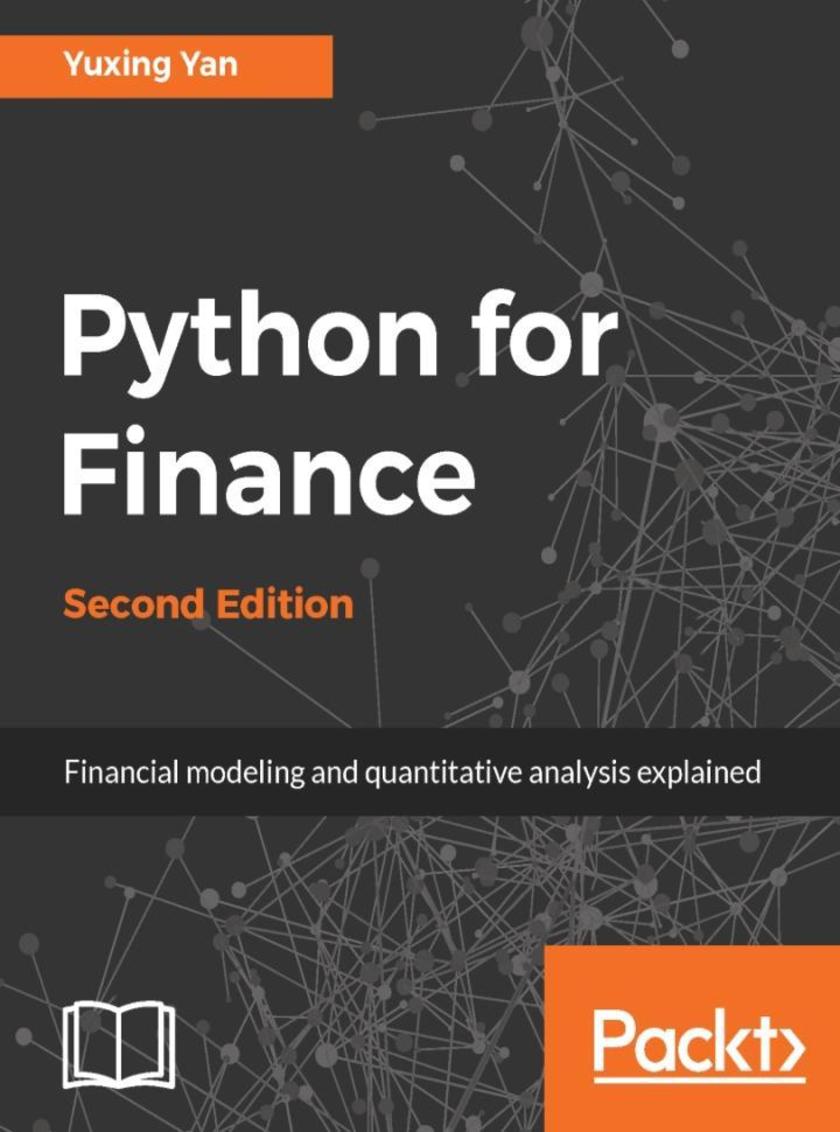
Python for Finance - Second Edition
¥90.46
Learn and implement various Quantitative Finance concepts using the popular Python libraries About This Book ? Understand the fundamentals of Python data structures and work with time-series data ? Implement key concepts in quantitative finance using popular Python libraries such as NumPy, SciPy, and matplotlib ? A step-by-step tutorial packed with many Python programs that will help you learn how to apply Python to finance Who This Book Is For This book assumes that the readers have some basic knowledge related to Python. However, he/she has no knowledge of quantitative finance. In addition, he/she has no knowledge about financial data. What You Will Learn ? Become acquainted with Python in the first two chapters ? Run CAPM, Fama-French 3-factor, and Fama-French-Carhart 4-factor models ? Learn how to price a call, put, and several exotic options ? Understand Monte Carlo simulation, how to write a Python program to replicate the Black-Scholes-Merton options model, and how to price a few exotic options ? Understand the concept of volatility and how to test the hypothesis that volatility changes over the years ? Understand the ARCH and GARCH processes and how to write related Python programs In Detail This book uses Python as its computational tool. Since Python is free, any school or organization can download and use it. This book is organized according to various finance subjects. In other words, the first edition focuses more on Python, while the second edition is truly trying to apply Python to finance. The book starts by explaining topics exclusively related to Python. Then we deal with critical parts of Python, explaining concepts such as time value of money stock and bond evaluations, capital asset pricing model, multi-factor models, time series analysis, portfolio theory, options and futures. This book will help us to learn or review the basics of quantitative finance and apply Python to solve various problems, such as estimating IBM’s market risk, running a Fama-French 3-factor, 5-factor, or Fama-French-Carhart 4 factor model, estimating the VaR of a 5-stock portfolio, estimating the optimal portfolio, and constructing the efficient frontier for a 20-stock portfolio with real-world stock, and with Monte Carlo Simulation. Later, we will also learn how to replicate the famous Black-Scholes-Merton option model and how to price exotic options such as the average price call option. Style and approach This book takes a step-by-step approach in explaining the libraries and modules in Python, and how they can be used to implement various aspects of quantitative finance. Each concept is explained in depth and supplemented with code examples for better understanding.
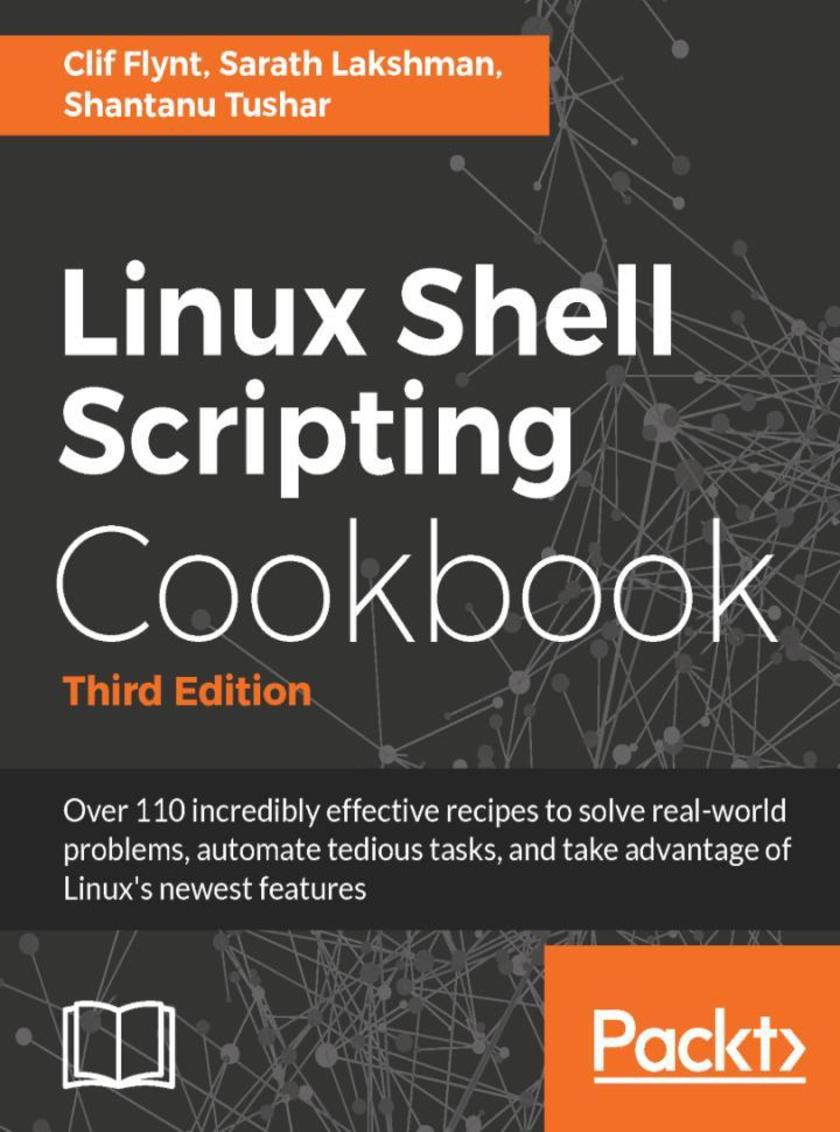
Linux Shell Scripting Cookbook - Third Edition
¥90.46
Do amazing things with the shell About This Book ? Become an expert in creating powerful shell *s and explore the full possibilities of the shell ? Automate any administrative task you could imagine, with shell *s ? Packed with easy-to-follow recipes on new features on Linux, particularly, Debian-based, to help you accomplish even the most complex tasks with ease Who This Book Is For If you are a beginner or an intermediate Linux user who wants to master the skill of quickly writing *s and automate tasks without reading the entire man pages, then this book is for you. You can start writing *s and one-liners by simply looking at the relevant recipe and its de*ions without any working knowledge of shell *ing or Linux. Intermediate / advanced users, system administrators / developers, and programmers can use this book as a reference when they face problems while coding. What You Will Learn ? Interact with websites via *s ? Write shell *s to mine and process data from the Web ? Automate system backups and other repetitive tasks with crontab ? Create, compress, and encrypt archives of your critical data. ? Configure and monitor Ethernet and wireless networks ? Monitor and log network and system activity ? Tune your system for optimal performance ? Improve your system's security ? Identify resource hogs and network bottlenecks ? Extract audio from video files ? Create web photo albums ? Use git or fossil to manage revision control and interact with FOSS projects ? Create and maintain Linux containers and Virtual Machines ? Run a private Cloud server In Detail The shell is the most powerful tool your computer provides. Despite having it at their fingertips, many users are unaware of how much the shell can accomplish. Using the shell, you can generate databases and web pages from sets of files, automate monotonous admin tasks such as system backups, monitor your system's health and activity, identify network bottlenecks and system resource hogs, and more. This book will show you how to do all this and much more. This book, now in its third edition, describes the exciting new features in the newest Linux distributions to help you accomplish more than you imagine. It shows how to use simple commands to automate complex tasks, automate web interactions, download videos, set up containers and cloud servers, and even get free SSL certificates. Starting with the basics of the shell, you will learn simple commands and how to apply them to real-world issues. From there, you'll learn text processing, web interactions, network and system monitoring, and system tuning. Software engineers will learn how to examine system applications, how to use modern software management tools such as git and fossil for their own work, and how to submit patches to open-source projects. Finally, you'll learn how to set up Linux Containers and Virtual machines and even run your own Cloud server with a free SSL Certificate from letsencrypt.org. Style and approach This book will take you through useful real-world recipes designed to make your daily life easier when working with the shell.
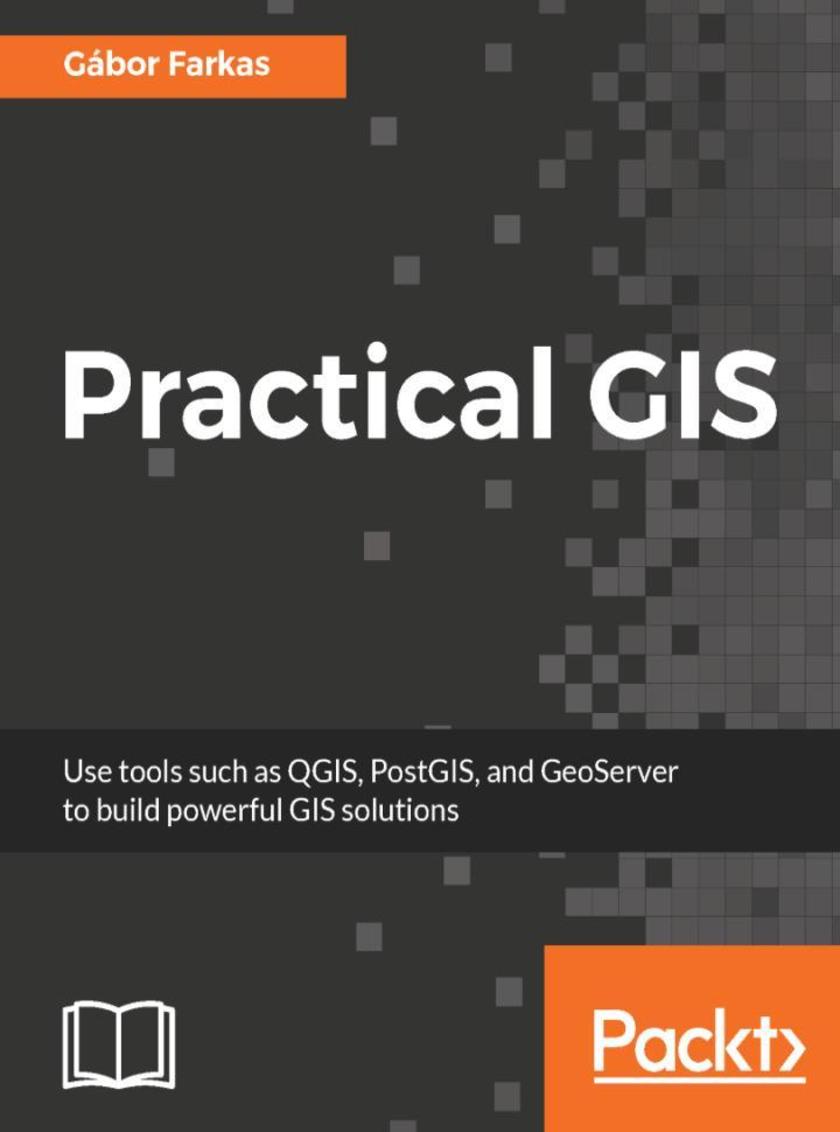
Practical GIS
¥90.46
Learn the basics of Geographic Information Systems by solving real-world problems with powerful open source tools About This Book ? This easy-to-follow guide allows you to manage and analyze geographic data with ease using open source tools ? Publish your geographical data online ? Learn the basics of geoinformatics in a practical way by solving problems Who This Book Is For The book is for IT professionals who have little or no knowledge of GIS. It’s also useful for those who are new to the GIS field who don’t want to spend a lot of money buying licenses of commercial tools and training. What You Will Learn ? Collect GIS data for your needs ? Store the data in a PostGIS database ? Exploit the data using the power of the GIS queries ? Analyze the data with basic and more advanced GIS tools ? Publish your data and share it with others ? Build a web map with your published data In Detail The most commonly used GIS tools automate tasks that were historically done manually—compiling new maps by overlaying one on top of the other or physically cutting maps into pieces representing specific study areas, changing their projection, and getting meaningful results from the various layers by applying mathematical functions and operations. This book is an easy-to-follow guide to use the most matured open source GIS tools for these tasks. We’ll start by setting up the environment for the tools we use in the book. Then you will learn how to work with QGIS in order to generate useful spatial data. You will get to know the basics of queries, data management, and geoprocessing. After that, you will start to practice your knowledge on real-world examples. We will solve various types of geospatial analyses with various methods. We will start with basic GIS problems by imitating the work of an enthusiastic real estate agent, and continue with more advanced, but typical tasks by solving a decision problem. Finally, you will find out how to publish your data (and results) on the web. We will publish our data with QGIS Server and GeoServer, and create a basic web map with the API of the lightweight Leaflet web mapping library. Style and approach The book guides you step by step through each of the core concepts of the GIS toolkit, building an overall picture of its capabilities. This guide approaches the topic systematically, allowing you to build upon what you learned in previous chapters. By the end of this book, you’ll have an understanding of the aspects of building a GIS system and will be able to take that knowledge with you to whatever project calls for it.
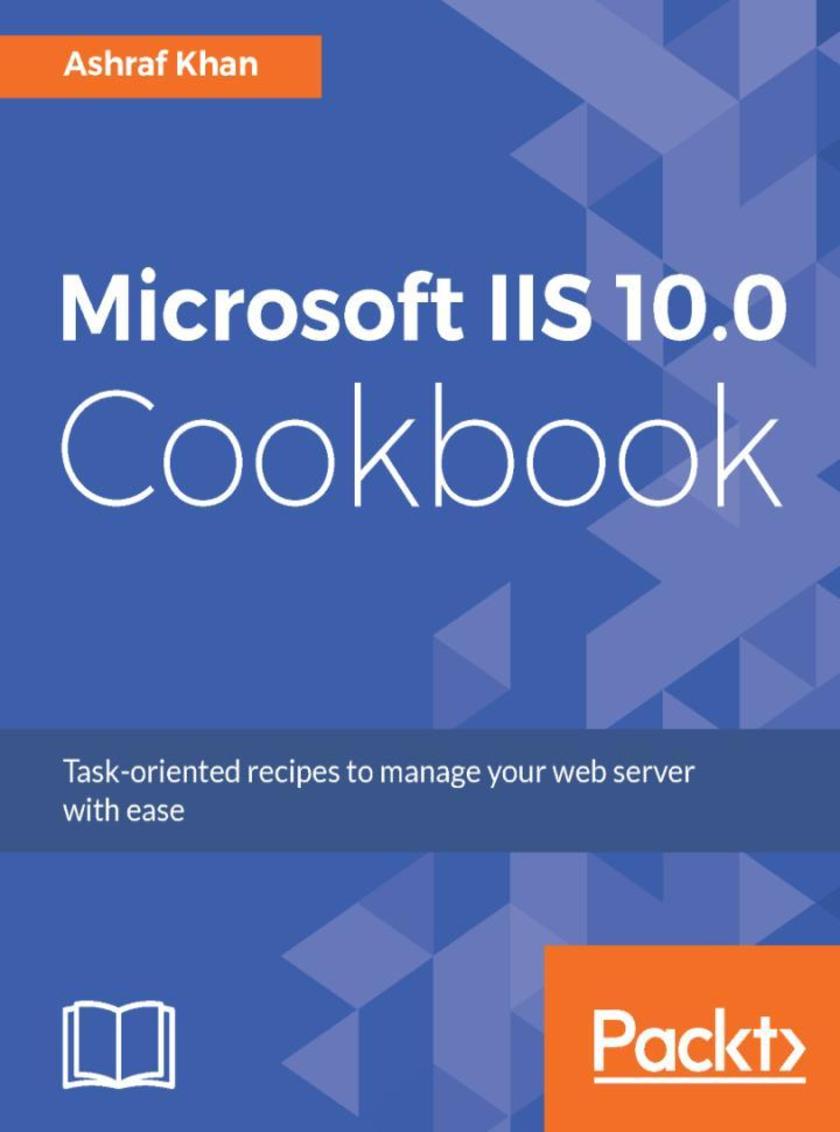
Microsoft IIS 10.0 Cookbook
¥90.46
Over 60 recipes to install, configure, and manage your IIS 10.0 About This Book ? Provide a secure, easy-to-manage extensible platform for hosting your websites ? Leverage IIS 10.0 in order to deploy web site in seconds ? Integrate Windows and Nano Server 2016 and automate it with PowerShell ? Recipes to Manage and monitor your IIS 10.0 Who This Book Is For If you are an administrator or web developer with a basic (or no) knowledge of Microsoft IIS and want to set up your own web server, then this is the book for you. What You Will Learn ? Integrate IIS 10.0 on Windows server 2016 ? Host multiple websites and Wildcard Host on IIS 10.0 ? Deploy and administrate IIS 10.0 on Nano Server. ? IIS administration with Powershell. ? Manage and troubleshoot IIS 10.0 In Detail This book will start with customizing your IIS 10 to various platforms/OS and tune it according to your business requirements. Moving on, we will focus on the functionalities of core fundamentals and perform practical scenarios in order to maximize the use of a reliable web server. Going further we will be covering topics like IIS 10 architecture, IIS modules,hosting web server platforms, virtual directories along with web site deployment, ports, enhanced security. We will also cover new features of IIS 10 like integration with Windows Server 2016 and Nano Server, HTTP/2, PowerShell 5 cmdlets etc . Towards the end, we will cover troubleshooting & diagnostic techniques of IIS 10. By the end of this book you will be well versed with maximizing the reliability of your webserver and will have immense knowledge in using IIS 10 effectively Style and approach A set of exciting recipes on using Microsoft IIS 10.0 effectively..
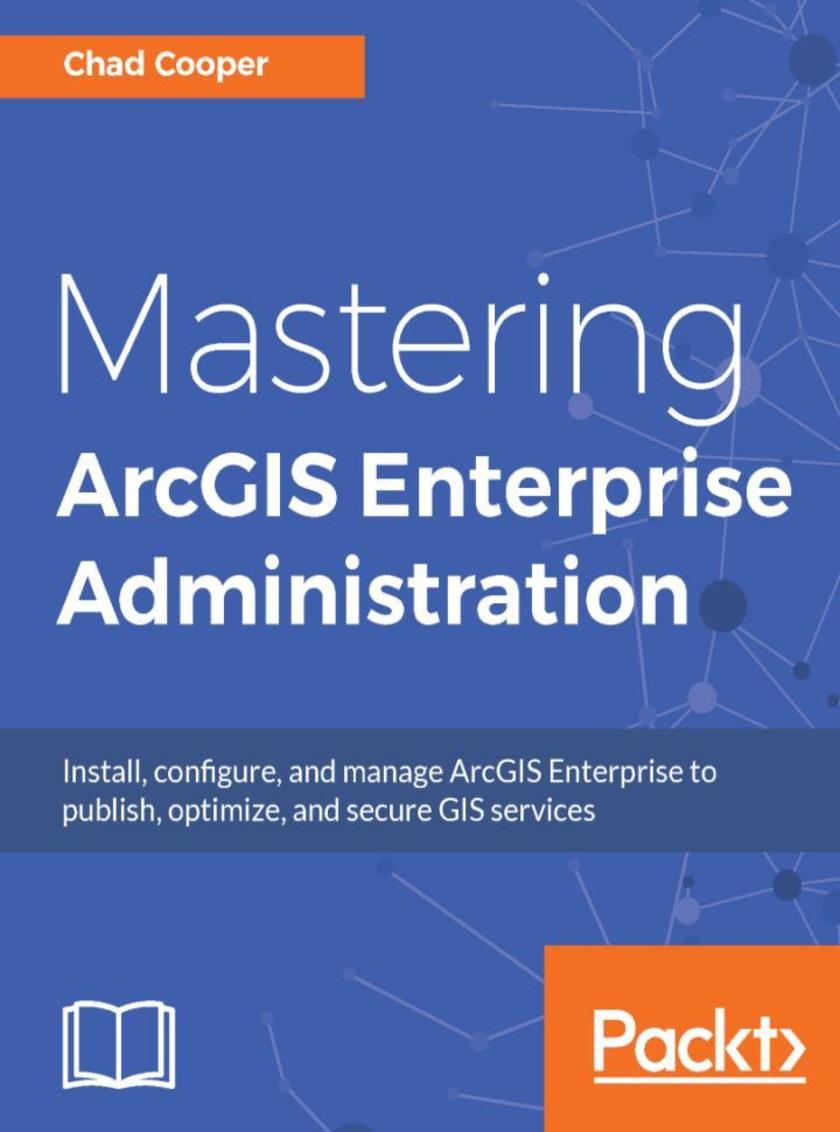
Mastering ArcGIS Enterprise Administration
¥90.46
Learn how to confidently install, configure, secure, and fully utilize your ArcGIS Enterprise system. About This Book ? Install and configure the components of ArcGIS Enterprise to meet your organization's requirements ? Administer all aspects of ArcGIS Enterprise through user interfaces and APIs ? Optimize and Secure ArcGIS Enterprise to make it run efficiently and effectively Who This Book Is For This book will be geared toward senior GIS analysts, GIS managers, GIS administrators, DBAs, GIS architects, and GIS engineers that need to install, configure, and administer ArcGIS Enterprise 10.5.1. What You Will Learn ? Effectively install and configure ArcGIS Enterprise, including the Enterprise geodatabase, ArcGIS Server, and Portal for ArcGIS ? Incorporate different methodologies to manage and publish services ? Utilize the security methods available in ArcGIS Enterprise ? Use Python and Python libraries from Esri to automate administrative tasks ? Identify the common pitfalls and errors to get your system back up and running quickly from an outage In Detail ArcGIS Enterprise, the next evolution of the ArcGIS Server product line, is a full-featured mapping and analytics platform. It includes a powerful GIS web services server and a dedicated Web GIS infrastructure for organizing and sharing your work. You will learn how to first install ArcGIS Enterprise to then plan, design, and finally publish and consume GIS services. You will install and configure an Enterprise geodatabase and learn how to administer ArcGIS Server, Portal, and Data Store through user interfaces, the REST API, and Python *s. This book starts off by explaining how ArcGIS Enterprise 10.5.1 is different from earlier versions of ArcGIS Server and covers the installation of all the components required for ArcGIS Enterprise. We then move on to geodatabase administration and content publication, where you will learn how to use ArcGIS Server Manager to view the server logs, stop and start services, publish services, define users and roles for security, and perform other administrative tasks. You will also learn how to apply security mechanisms on ArcGIS Enterprise and safely expose services to the public in a secure manner. Finally, you’ll use the RESTful administrator API to automate server management tasks using the Python *ing language. You’ll learn all the best practices and troubleshooting methods to streamline the management of all the interconnected parts of ArcGIS Enterprise. Style and approach The book takes a pragmatic approach, starting with installation & configuration of ArcGIS Enterprise to finally building a robust GIS web infrastructure for your organization.
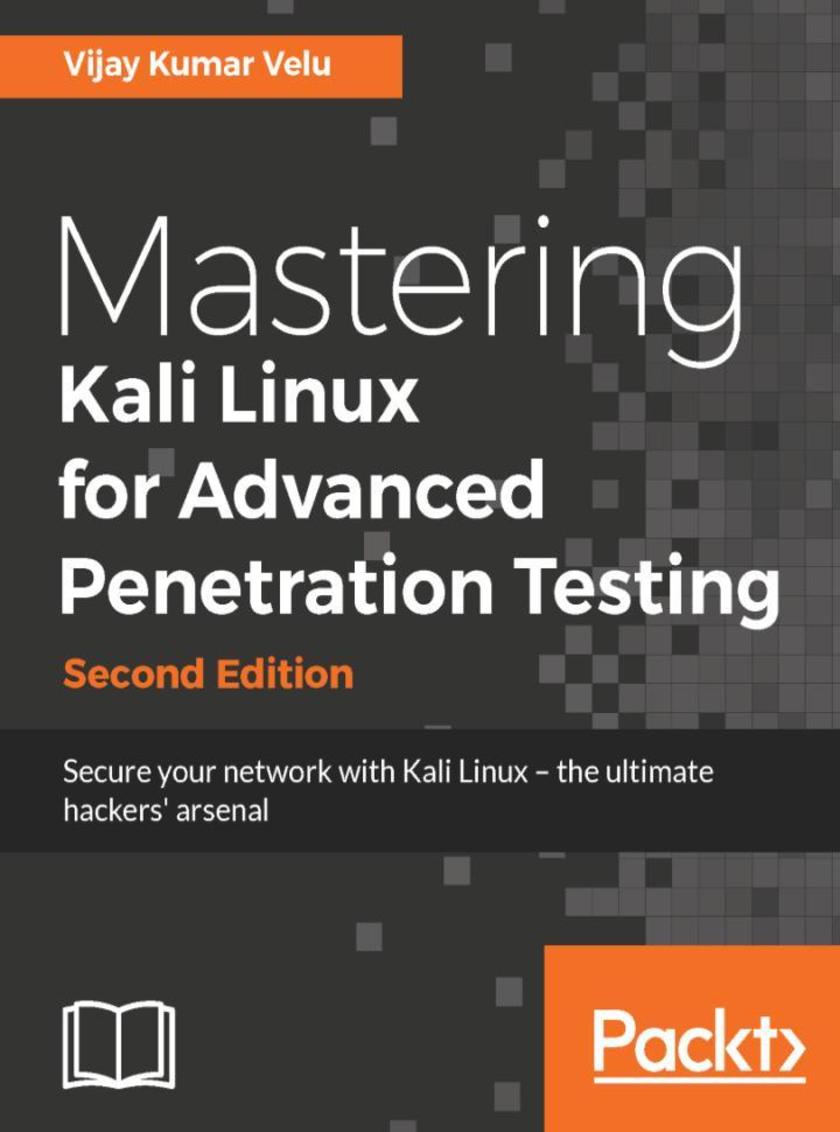
Mastering Kali Linux for Advanced Penetration Testing - Second Edition
¥90.46
A practical guide to testing your network’s security with Kali Linux, the preferred choice of penetration testers and hackers. About This Book ? Employ advanced pentesting techniques with Kali Linux to build highly-secured systems ? Get to grips with various stealth techniques to remain undetected and defeat the latest defenses and follow proven approaches ? Select and configure the most effective tools from Kali Linux to test network security and prepare your business against malicious threats and save costs Who This Book Is For Penetration Testers, IT professional or a security consultant who wants to maximize the success of your network testing using some of the advanced features of Kali Linux, then this book is for you.Some prior exposure to basics of penetration testing/ethical hacking would be helpful in making the most out of this title. What You Will Learn ? Select and configure the most effective tools from Kali Linux to test network security ? Employ stealth to avoid detection in the network being tested ? Recognize when stealth attacks are being used against your network ? Exploit networks and data systems using wired and wireless networks as well as web services ? Identify and download valuable data from target systems ? Maintain access to compromised systems ? Use social engineering to compromise the weakest part of the network—the end users In Detail This book will take you, as a tester or security practitioner through the journey of reconnaissance, vulnerability assessment, exploitation, and post-exploitation activities used by penetration testers and hackers. We will start off by using a laboratory environment to validate tools and techniques, and using an application that supports a collaborative approach to penetration testing. Further we will get acquainted with passive reconnaissance with open source intelligence and active reconnaissance of the external and internal networks. We will also focus on how to select, use, customize, and interpret the results from a variety of different vulnerability scanners. Specific routes to the target will also be examined, including bypassing physical security and exfiltration of data using different techniques. You will also get to grips with concepts such as social engineering, attacking wireless networks, exploitation of web applications and remote access connections. Later you will learn the practical aspects of attacking user client systems by backdooring executable files. You will focus on the most vulnerable part of the network—directly and bypassing the controls, attacking the end user and maintaining persistence access through social media. You will also explore approaches to carrying out advanced penetration testing in tightly secured environments, and the book's hands-on approach will help you understand everything you need to know during a Red teaming exercise or penetration testing Style and approach An advanced level tutorial that follows a practical approach and proven methods to maintain top notch security of your networks.
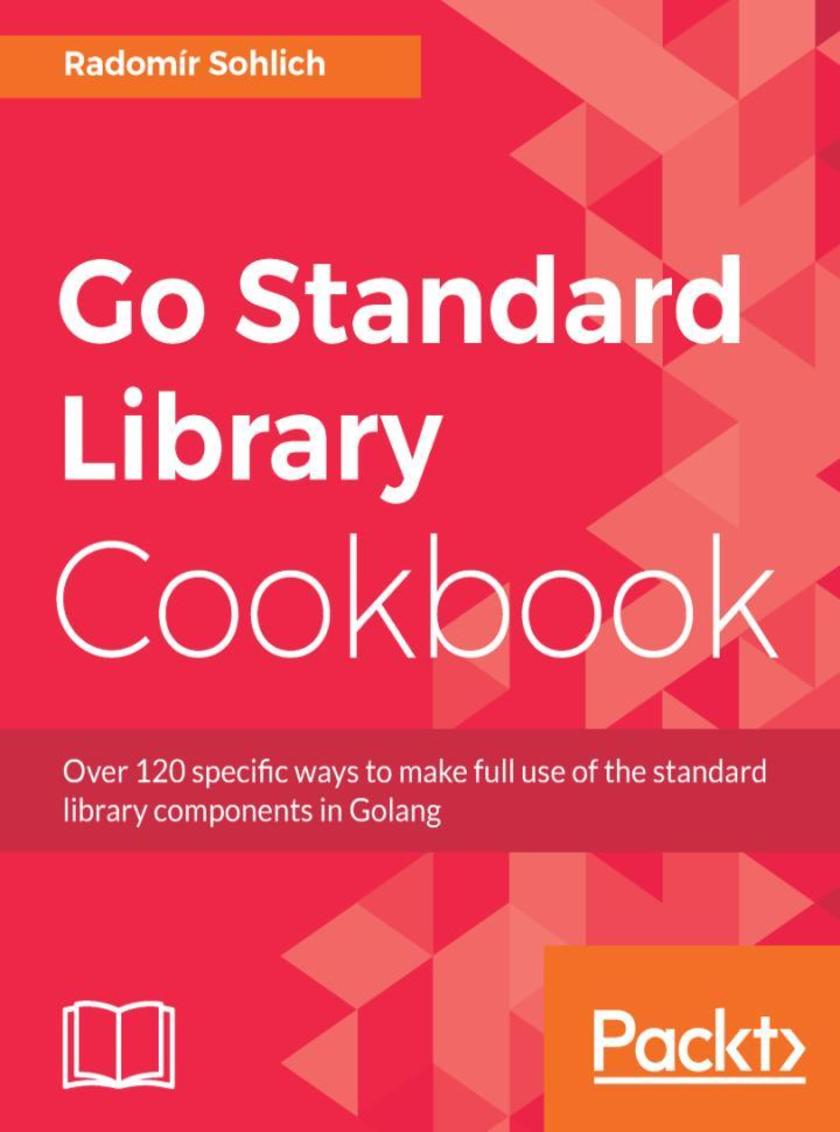
Go Standard Library Cookbook
¥90.46
Implement solutions by leveraging the power of the GO standard library and reducing dependency on external crates About This Book ? Develop high quality, fast and portable applications by leveraging the power of Go Standard Library. ? Practical recipes that will help you work with the standard library algorithms to boost your productivity as a Go developer. ? Compose your own algorithms without forfeiting the simplicity and elegance of the Standard Library. Who This Book Is For This book is for Go developers who would like to explore the power of Golang and learn how to use the Go standard library for various functionalities. The book assumes basic Go programming knowledge. What You Will Learn ? Access environmental variables ? Execute and work with child processes ? Manipulate strings by performing operations such as search, concatenate, and so on ? Parse and format the output of date/time information ? Operate on complex numbers and effective conversions between different number formats and bases ? Work with standard input and output ? Handle filesystem operations and file permissions ? Create TCP and HTTP servers, and access those servers with a client ? Utilize synchronization primitives ? Test your code In Detail Google's Golang will be the next talk of the town, with amazing features and a powerful library. This book will gear you up for using golang by taking you through recipes that will teach you how to leverage the standard library to implement a particular solution. This will enable Go developers to take advantage of using a rock-solid standard library instead of third-party frameworks. The book begins by exploring the functionalities available for interaction between the environment and the operating system. We will explore common string operations, date/time manipulations, and numerical problems. We'll then move on to working with the database, accessing the filesystem, and performing I/O operations. From a networking perspective, we will touch on client and server-side solutions. The basics of concurrency are also covered, before we wrap up with a few tips and tricks. By the end of the book, you will have a good overview of the features of the Golang standard library and what you can achieve with them. Ultimately, you will be proficient in implementing solutions with powerful standard libraries. Style and approach Solution based approach showcasing the power of Go standard library for easy practical implementations.

ASP.NET Core MVC 2.0 Cookbook
¥90.46
Learn to implement ASP.NET Core features to build effective software that can be scaled and maintained easily About This Book ? Practical solutions to recurring issues in the web development world ? Recipes on the latest features of ASP.Net Core 2.0 ? Coverage of Bootstrap, Angular, and JavaScript lets you supercharge your frontend Who This Book Is For This book is written for the ASP.NET developer who wants to deliver professional-standard software, quickly and efficiently. It's filled with hands-on recipes, practical advice, and guidance to help developers with every aspect of the ASP.NET development cycle. Whether you've just started out or are a seasoned pro, the Asp.Net Core 2.0 Cookbook is written for you. What You Will Learn ? Build ASP.Net Core 2.0 applications using HTTP services with WebApi ? Learn to unit-test, load test, and perform test applications using client-side and server-side frameworks ? Debug, monitor and troubleshoot ASP.Net Core 2.0 applications using popular tools ? Reuse components with NuGet and create modular components with middleware ? Create applications using client-side technologies such as HTML5, JavaScript, jQuery, and Angular ? Build responsive and dynamic UIs for your MVC apps using Bootstrap ? Leverage tools like Karma, Jasmine, QUnit, xUnit, Selenium, Microsoft Fakes, and Visual Studio 2017 Enterprise In Detail The ASP.NET Core 2.0 Framework has been designed to meet all the needs of today’s web developers. It provides better control, support for test-driven development, and cleaner code. Moreover, it’s lightweight and allows you to run apps on Windows, OSX and Linux, making it the most popular web framework with modern day developers. This book takes a unique approach to web development, using real-world examples to guide you through problems with ASP.NET Core 2.0 web applications. It covers Visual Studio 2017- and ASP.NET Core 2.0-specifc changes and provides general MVC development recipes. It explores setting up .NET Core, Visual Studio 2017, Node.js modules, and NuGet. Next, it shows you how to work with Inversion of Control data pattern and caching. We explore everyday ASP.NET Core MVC 2.0 patterns and go beyond it into troubleshooting. Finally, we lead you through migrating, hosting, and deploying your code. By the end of the book, you’ll not only have explored every aspect of ASP.NET Core MVC 2.0, you’ll also have a reference you can keep coming back to whenever you need to get the job done. Style and approach Asp.Net Core 2.0 has been redesigned to meet the needs of today's web developers. Open-source, cross-platform, and fully integrated with the most powerful front-end frameworks, it still has all the benefits of ease and speed of development that have made it one of the most popular web frameworks in production today. Asp.Net Core 2.0 Development Cookbook takes a unique approach to web development. Based around the tasks that you will be using every day when making websites, it will guide you through all the common problems you'll face when developing web applications.
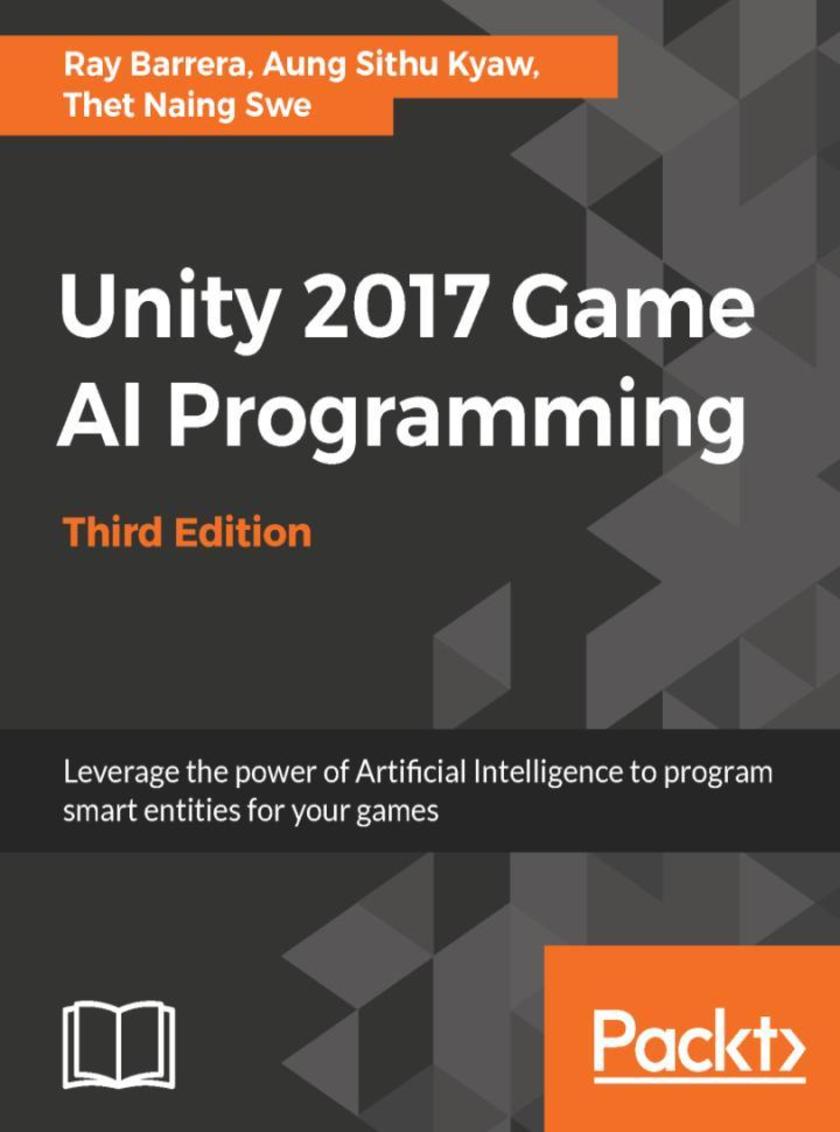
Unity 2017 Game AI Programming - Third Edition
¥90.46
Use Unity 2017 to create fun and unbelievable AI entities in your games with A*, Fuzzy logic and NavMesh About This Book ? Explore the brand-new Unity 2017 features that makes implementing Artificial Intelligence in your game easier than ever ? Use fuzzy logic concepts in your AI decision-making to make your characters more engaging ? Build exciting and richer games by mastering advanced Artificial Intelligence concepts such as Neural Networks Who This Book Is For This book is intended for Unity developers with a basic understanding of C# and the Unity editor. Whether you're looking to build your first game or are looking to expand your knowledge as a game programmer, you will find plenty of exciting information and examples of game AI in terms of concepts and implementation. What You Will Learn ? Understand the basic terminology and concepts in game AI ? Explore advanced AI Concepts such as Neural Networks ? Implement a basic finite state machine using state machine behaviors in Unity 2017 ? Create sensory systems for your AI and couple it with a Finite State Machine ? Wok with Unity 2017's built-in NavMesh features in your game ? Build believable and highly-efficient artificial flocks and crowds ? Create a basic behavior tree to drive a character's actions In Detail Unity 2017 provides game and app developers with a variety of tools to implement Artificial Intelligence. Leveraging these tools via Unity's API or built-in features allows limitless possibilities when it comes to creating your game's worlds and characters. This third edition with Unity will help you break down Artificial Intelligence into simple concepts to give you a fundamental understanding of the topic to build upon. Using a variety of examples, the book then takes those concepts and walks you through actual implementations designed to highlight key concepts, and features related to game AI in Unity 5. Further on you will learn to distinguish the state machine pattern and implement one of your own. This is followed by learning how to implement a basic sensory system for your AI agent and coupling it with a Finite State Machine (FSM). Next you'll learn how to use Unity's built-in NavMesh feature and implement your own A* pathfinding system. You will then learn how to implement simple flocks and crowd's dynamics, key AI concepts. Moving on, you will learn how to implement a behavior tree through a game-focused example. Lastly, you'll combine fuzzy logic concepts with state machines and apply all the concepts in the book to build a simple tank game. Style and approach A self-explanatory practical guide with a series of tips and tricks on creating AI games with ease.
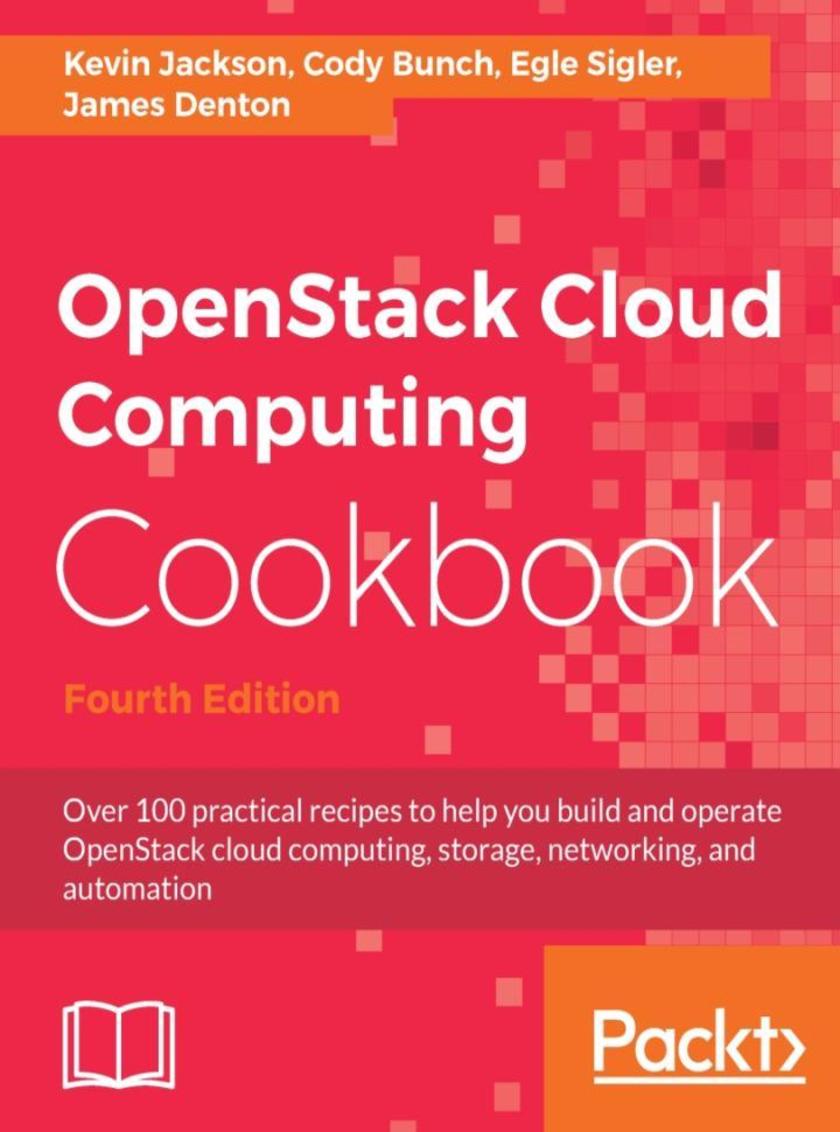
OpenStack Cloud Computing Cookbook - Fourth Edition
¥90.46
The Fourth Edition of the industry-acclaimed OpenStack Cloud Computing Cookbook, from four recognized experts, updated to the latest OpenStack build including Cinder, Nova, and Neutron. About This Book ? Over 100 recipes created by a team of OpenStack experts ? Updated to work with the latest OpenStack builds, with recipes covering the installation and use of OpenStack with Ansible ? It covers topics such as Keystone, Glance, Neutron, Nova, Cinder, and more, plus recipes for OpenStack storage, networking, and orchestrating workloads ? Test drive OpenStack using the accompanying Vagrant environment Who This Book Is For This book is written for cloud system engineers, system administrators, and technical architects who are moving from a virtualized environment to cloud environments. This book assumes that you are familiar with cloud computing platforms, and have knowledge of virtualization, networking, and managing Linux environments. What You Will Learn ? Understand, install, configure, and manage a complete OpenStack Cloud platform using OpenStack-Ansible ? Configure networks, routers, load balancers, and more with Neutron ? Use Keystone to setup domains, roles, groups and user access ? Learn how to use Swift and setup container access control lists ? Gain hands-on experience and familiarity with Horizon, the OpenStack Dashboard user interface ? Automate complete solutions with our recipes on Heat, the OpenStack Orchestration service as well as using Ansible to orchestrate application workloads ? Follow practical advice and examples to run OpenStack in production In Detail This is the fourth edition of the industry-acclaimed OpenStack Cloud Computing Cookbook, created by four recognized OpenStack experts. It has now been updated to work with the latest OpenStack builds, using tools and processes based on their collective and vast OpenStack experience. OpenStack Open Source Cloud software is one of the most used cloud infrastructures to support a wide variety of use cases, from software development to big data analysis. It is developed by a thriving community of individual developers from around the globe and backed by most of the leading players in the cloud space today. We make it simple to implement, massively scalable, and able to store a large pool of data and networking resources. OpenStack has a strong ecosystem that helps you provision your cloud storage needs. Add OpenStack's enterprise features to reduce the cost of your business. This book will begin by showing you the steps to build up an OpenStack private cloud environment using Ansible. You'll then discover the uses of cloud services such as the identity service, image service, and compute service. You'll dive into Neutron, the OpenStack Networking service, and get your hands dirty with configuring networks, routers, load balancers, and more. You’ll then gather more expert knowledge on OpenStack cloud computing by managing your cloud's security and migration. After that, we delve into OpenStack Object storage and you’ll see how to manage servers and work with objects, cluster, and storage functionalities. Finally, you will learn about OpenStack dashboard, Ansible, Keystone, and other interesting topics. Style and approach Clear, step-by-step instructions coupled with practical and applicable recipes that will enable you to use and implement the latest features of OpenStack. The authors provide all the context you need around each recipe so that you can make it part of your own OpenStack solutions.

Learning Einstein Analytics
¥90.46
Learn to confidently setup and create app, lenses, dashboards using Salesforce Einstein Analytics. About This Book ? Explore Einstein analytics on desktop as well as mobile platforms ? Turn data into smarter sales with Einstein Analytics for Sales ? Visualize your data with preloaded as well as customized dashboards Who This Book Is For This book is for data scientists, business users, developers who want to explore business data using the Salesforce Einstein Analytics. Knowledge of the Salesforce platform is required. What You Will Learn ? Create app, lenses, and dashboards using Einstein. ? Visualize data utilizing all the widgets available with Einstein. ? Understand Einstein for Sales, Service, and Marketing separately. ? Use Data monitoring tools to monitor data flow and system jobs. ? Abstract machine learning constructs and make predictions on events In Detail Salesforce Einstein analytics aka Wave Analytics is a cloud-based platform which connects data from the multiple sources and explores it to uncover insights. It empowers sales reps, marketers, and analysts with the insights to make customer interactions smarter, without building mathematical models. You will learn to create app, lenses, dashboards and share dashboards with other users. This book starts off with explaining you fundamental concepts like lenses, step, measures and sets you up with Einstein Analytics platform. We then move on to creating an app and here you will learn to create datasets, dashboards and different ways to import data into Analytics. Moving on we look at Einstein for sales, services, and marketing individually. Here you will learn to manage your pipeline, understand important business drivers and visualize trends. You will also learn features related to data monitoring tools and embedding dashboards with lightning, visualforce page and mobile devices. Further, you will learn advanced features pertaining to recent advancements in Einstein which include machine learning constructs and getting predictions for events. By the end of this book, you will become proficient in the Einstein analytics, getting insights faster and understanding your customer in a better way. Style and approach The book takes a pragmatic approach showing you installation of Salesforce Einstein Analytics, predictive analysis and applications of AI.
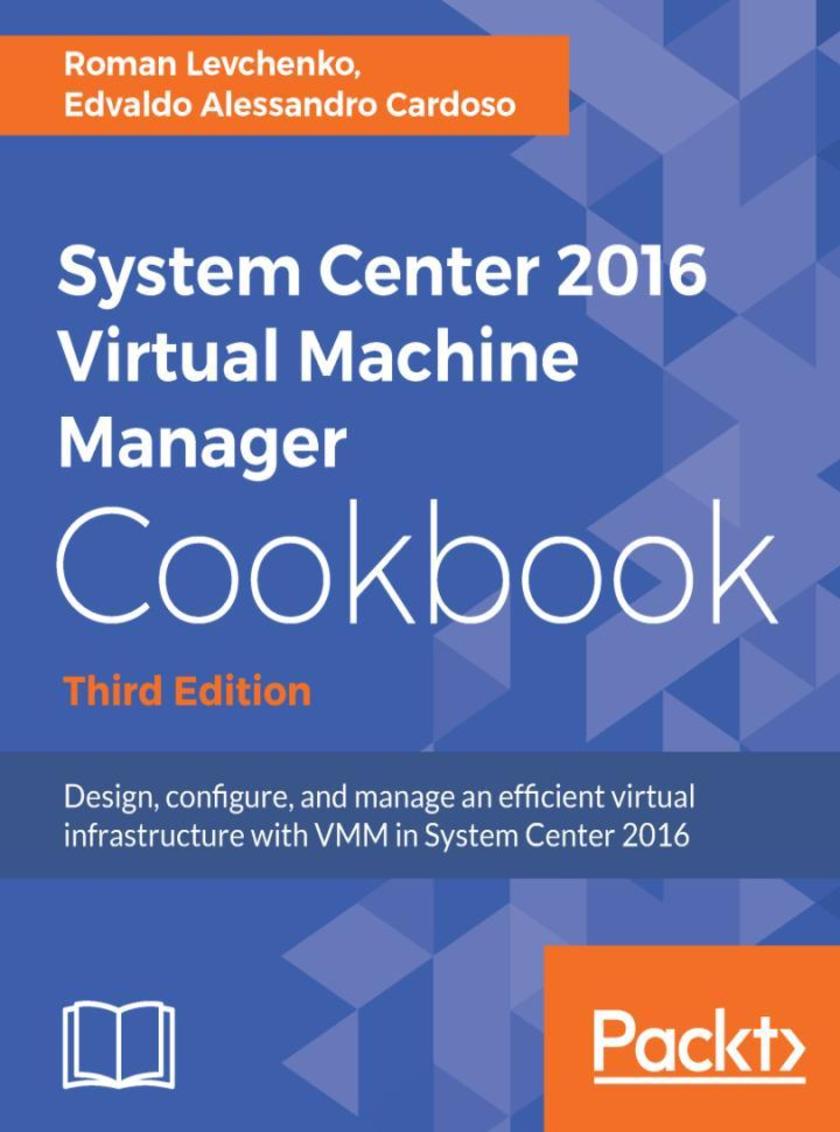
System Center 2016 Virtual Machine Manager Cookbook - Third Edition
¥90.46
Maximize your administration skills effectively and efficiently About This Book ? Implement cost-effective virtualization solutions for your organization with actionable recipes ? Explore the concepts of VMM with real-world use cases ? Use the latest features with VMM 2016 such as Cluster OS Rolling Upgrade, Guarded Fabric and Storage Spaces Direct Who This Book Is For If you are a solutions architect, technical consultant, administrator, or any other virtualization enthusiast who needs to use Microsoft System Center Virtual Machine Manager in a real-world environment, then this is the book for you. What You Will Learn ? Plan and design a VMM architecture for real-world deployment ? Configure fabric resources, including compute, networking, and storage ? Create and manage Storage Spaces Direct clusters in VMM ? Configure Guarded Fabric with Shielded VMs ? Create and deploy virtual machine templates and multi-tier services ? Manage Hyper-V and VMware environments from VMM ? Enhance monitoring and management capabilities ? Upgrade to VMM 2016 from previous versions In Detail Virtual Machine Manager (VMM) 2016 is part of the System Center suite to configure and manage datacenters and offers a unified management experience on-premises and Azure cloud. This book will be your best companion for day-to-day virtualization needs within your organization, as it takes you through a series of recipes to simplify and plan a highly scalable and available virtual infrastructure. You will learn the deployment tips, techniques, and solutions designed to show users how to improve VMM 2016 in a real-world scenario. The chapters are divided in a way that will allow you to implement the VMM 2016 and additional solutions required to effectively manage and monitor your fabrics and clouds. We will cover the most important new features in VMM 2016 across networking, storage, and compute, including brand new Guarded Fabric, Shielded VMs and Storage Spaces Direct. The recipes in the book provide step-by-step instructions giving you the simplest way to dive into VMM fabric concepts, private cloud, and integration with external solutions such as VMware, Operations Manager, and the Windows Azure Pack. By the end of this book, you will be armed with the knowledge you require to start designing and implementing virtual infrastructures in VMM 2016. Style and approach This book follows a recipe-based approach similar to our previous two successful editions, covering the practical application of the major features in VMM 2016.
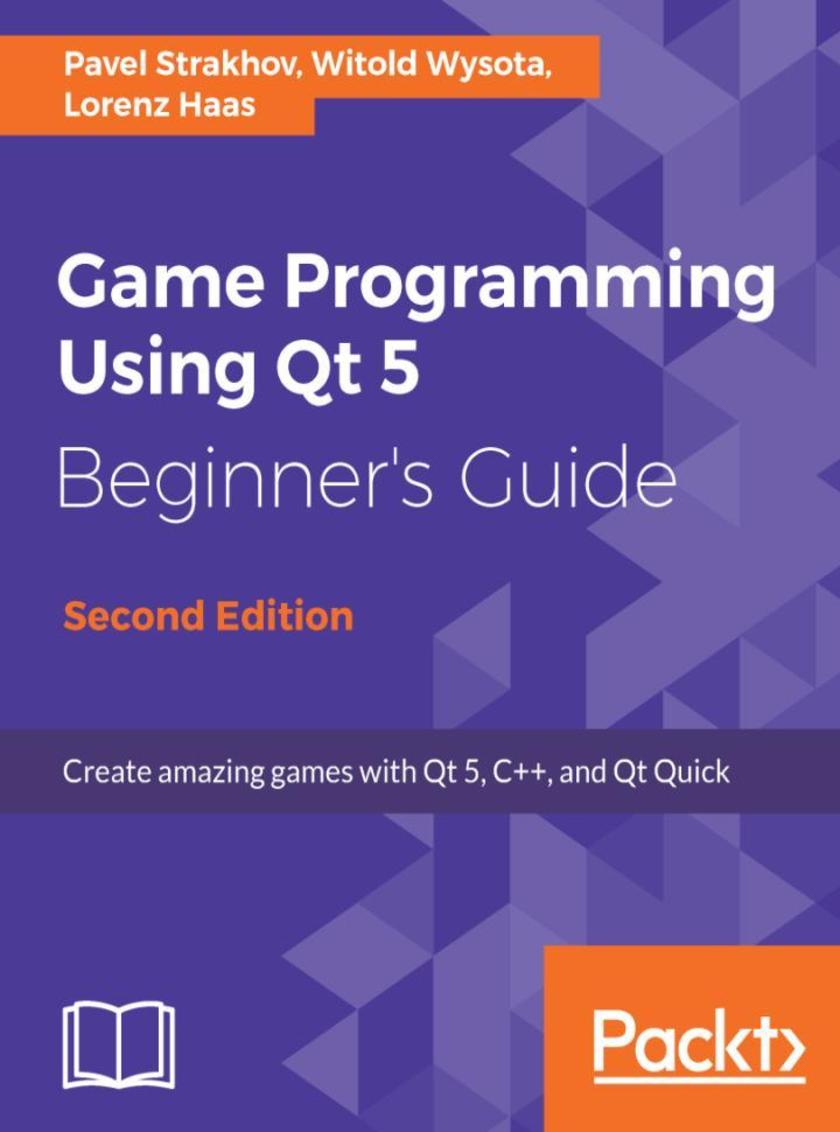
Game Programming using Qt 5 Beginner's Guide
¥90.46
A complete guide to designing and building fun games with Qt and Qt Quick using associated toolsets About This Book ? A step by step guide to learn Qt by building simple yet entertaining games ? Get acquainted with a small yet powerful addition—Qt Gamepad Module, that enables Qt applications to support the use of gamepad hardware ? Understand technologies such as QML, OpenGL, and Qt Creator to design intuitive games Who This Book Is For If you want to create great graphical user interfaces and astonishing games with Qt, this book is ideal for you. No previous knowledge of Qt is required; however knowledge of C++ is mandatory. What You Will Learn ? Install the latest version of Qt on your system ? Understand the basic concepts of every Qt game and application ? Develop 2D object-oriented graphics using Qt Graphics View ? Build multiplayer games or add a chat function to your games with Qt Network module ? Script your game with Qt QML ? Explore the Qt Gamepad module in order to integrate gamepad support in C++ and QML applications ? Program resolution-independent and fluid UIs using QML and Qt Quick ? Control your game flow in line with mobile device sensors ? Test and debug your game easily with Qt Creator and Qt Test In Detail Qt is the leading cross-platform toolkit for all significant desktop, mobile, and embedded platforms and is becoming popular by the day, especially on mobile and embedded devices. It's a powerful tool that perfectly fits the needs of game developers. This book will help you learn the basics of Qt and will equip you with the necessary toolsets to build apps and games. The book begins by how to create an application and prepare a working environment for both desktop and mobile platforms. You will learn how to use built-in Qt widgets and Form Editor to create a GUI application and then learn the basics of creating graphical interfaces and Qt's core concepts. Further, you'll learn to enrich your games by implementing network connectivity and employing scripting. You will learn about Qt's capabilities for handling strings and files, data storage, and serialization. Moving on, you will learn about the new Qt Gamepad module and how to add it in your game and then delve into OpenGL and Vulcan, and how it can be used in Qt applications to implement hardware-accelerated 2D and 3D graphics. You will then explore various facets of Qt Quick: how it can be used in games to add game logic, add game physics, and build astonishing UIs for your games. By the end of this book, you will have developed the skillset to develop interesting games with Qt. Style and approach Learn Qt with the help of numerous sample games, introduced step-by-step in each chapter
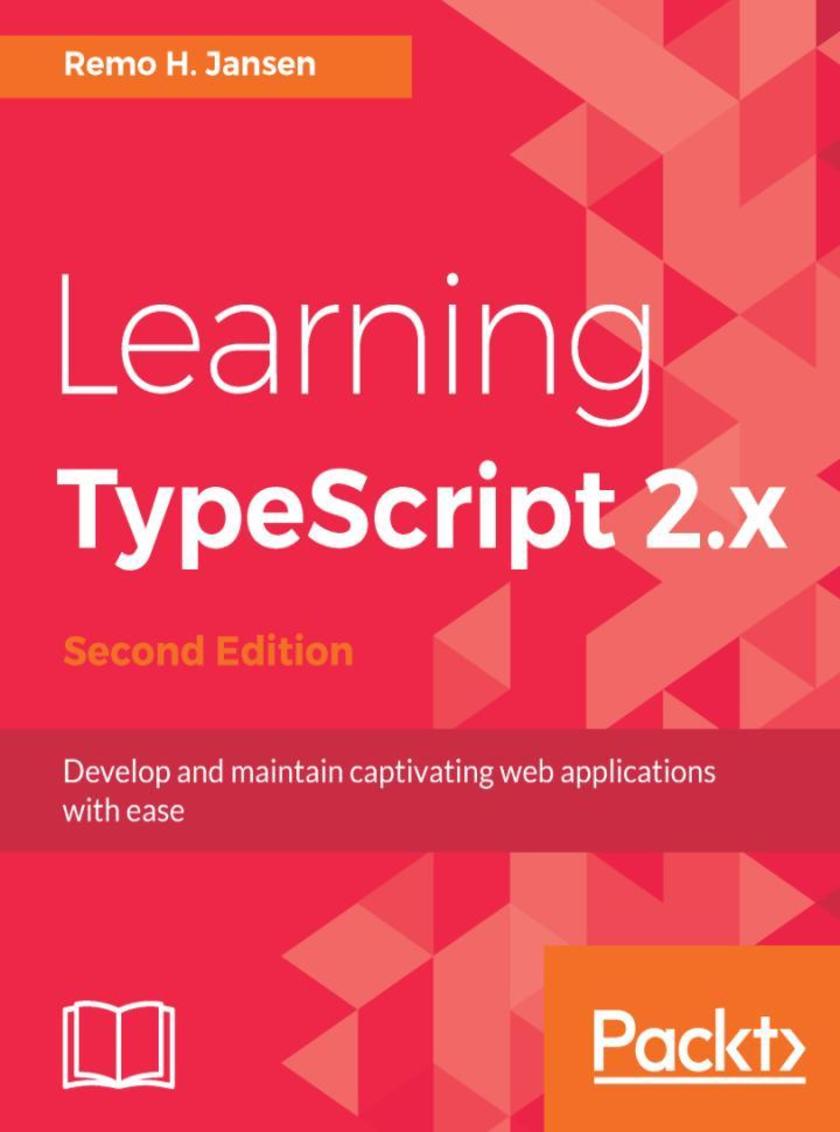
Learning TypeScript 2.x
¥90.46
Exploit the features of TypeScript to easily create your very own web applications About This Book ? Develop modular, scalable, maintainable, and adaptable web applications by taking advantage of TypeScript ? Walk through the fundamentals of TypeScript with the help of practical examples ? Enhance your web development skills using TypeScript 2.x Who This Book Is For If you are a developer aiming to learn TypeScript to build attractive web applications, this book is for you. No prior knowledge of TypeScript is required. However, a basic understanding of JavaScript would be an added advantage. What You Will Learn ? Understand TypeScript in depth, including its runtime and advanced type system features ? Master the core principles of the object-oriented programming and functional programming paradigms with TypeScript ? Save time using automation tools such as Gulp, Webpack, ts-node, and npm scripts ? Develop robust, modular, scalable, maintainable, and adaptable applications with testing frameworks such as Mocha, Chai, and Sinon.JS ? Put your TypeScript skills to practice by developing full-stack web applications with Node.js, React and Angular ? Use the APIs of the TypeScript compiler to build custom code analysis tool In Detail TypeScript is an open source and cross-platform statically typed superset of JavaScript that compiles to plain JavaScript and runs in any browser or host. This book is a step-by-step guide that will take you through the use and benefits of TypeScript with the help of practical examples. You will start off by understanding the basics as well as the new features of TypeScript 2.x. Then, you will learn how to work with functions and asynchronous programming APIs. You will continue by learning how to resolve runtime issues and how to implement TypeScript applications using the Object-oriented programming (OOP) and functional programming (FP) paradigms. Later, you will automate your development workflow with the help of tools such as Webpack. Towards the end of this book, you will delve into some real-world scenarios by implementing some full-stack TypeScript applications with Node.js, React and Angular as well as how to optimize and test them. Finally, you will be introduced to the internal APIs of the TypeScript compiler, and you will learn how to create custom code analysis tools. Style and approach This is a step-by-step guide that covers the fundamentals of TypeScript with practical examples.
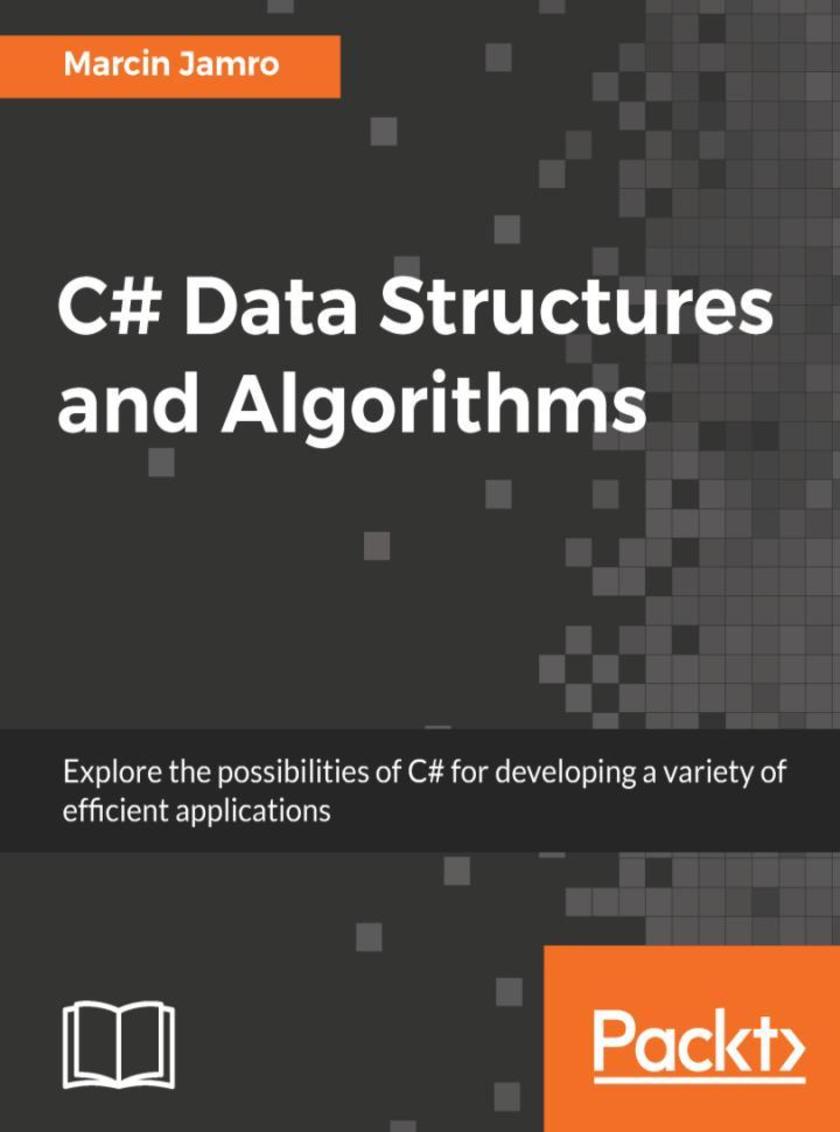
C# Data Structures and Algorithms
¥90.46
A complete guide on using data structures and algorithms to write sophisticated C# code About This Book ? Master array, set and map with trees and graphs, among other fundamental data structures ? Delve into effective design and implementation techniques to meet your software requirements ? Explore illustrations to present data structures and algorithms, as well as their analysis in a clear, visual manner. Who This Book Is For This book is for developers who would like to learn the Data Structures and Algorithms in C#. Basic C# programming knowledge would be an added advantage. What You Will Learn ? How to use arrays and lists to get better results in complex scenarios ? Implement algorithms like the Tower of Hanoi on stacks of C# objects ? Build enhanced applications by using hashtables, dictionaries and sets ? Make a positive impact on efficiency of applications with tree traversal ? Effectively find the shortest path in the graph In Detail Data structures allow organizing data efficiently. They are critical to various problems and their suitable implementation can provide a complete solution that acts like reusable code. In this book, you will learn how to use various data structures while developing in the C# language as well as how to implement some of the most common algorithms used with such data structures. At the beginning, you will get to know arrays, lists, dictionaries, and sets together with real-world examples of your application. Then, you will learn how to create and use stacks and queues. In the following part of the book, the more complex data structures will be introduced, namely trees and graphs, together with some algorithms for searching the shortest path in a graph. We will also discuss how to organize the code in a manageable, consistent, and extendable way. By the end of the book,you will learn how to build components that are easy to understand, debug, and use in different applications. Style and approach Readers will be taken through all the indispensable data structures and algorithms so they can begin their coding journey in C#. At each step, the book will show how to implement these via examples while also discussing the attributes of each algorithm so readers are capable to make an informed choice.
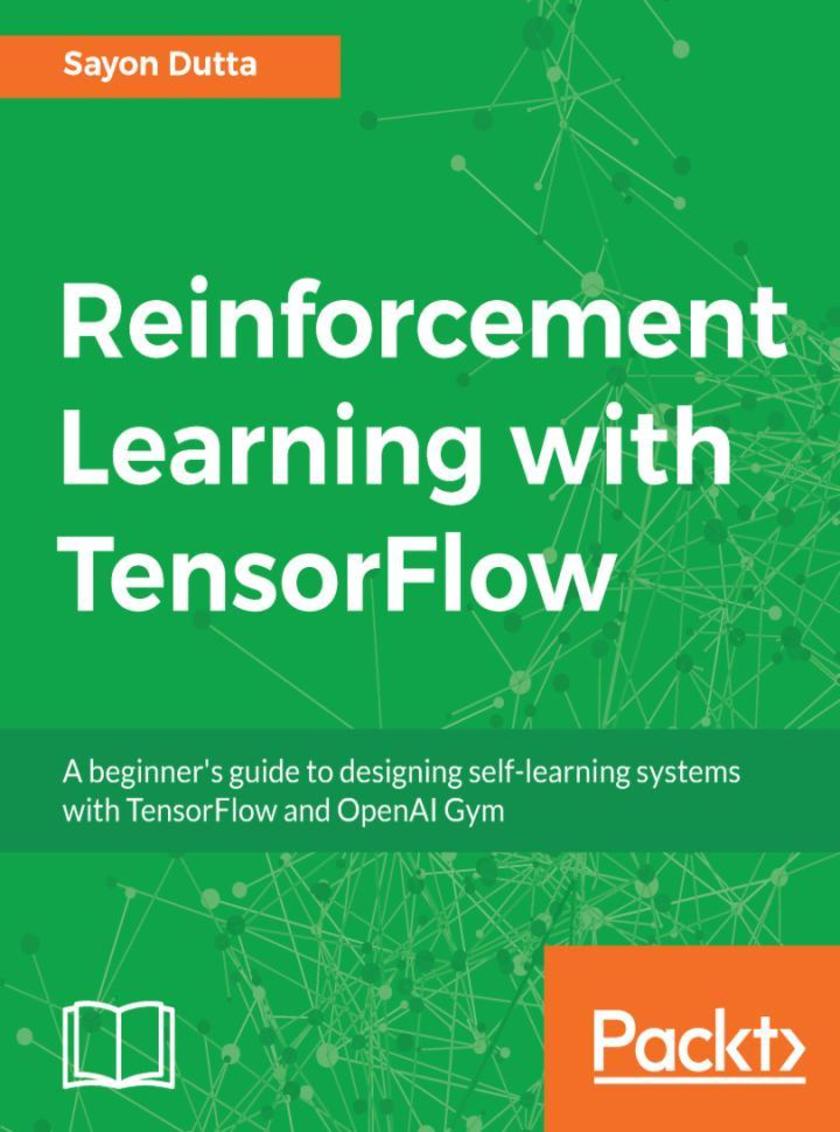
Reinforcement Learning with TensorFlow
¥90.46
Leverage the power of the Reinforcement Learning techniques to develop self-learning systems using Tensorflow About This Book ? Learn reinforcement learning concepts and their implementation using TensorFlow ? Discover different problem-solving methods for Reinforcement Learning ? Apply reinforcement learning for autonomous driving cars, robobrokers, and more Who This Book Is For If you want to get started with reinforcement learning using TensorFlow in the most practical way, this book will be a useful resource. The book assumes prior knowledge of machine learning and neural network programming concepts, as well as some understanding of the TensorFlow framework. No previous experience with Reinforcement Learning is required. What You Will Learn ? Implement state-of-the-art Reinforcement Learning algorithms from the basics ? Discover various techniques of Reinforcement Learning such as MDP, Q Learning and more ? Learn the applications of Reinforcement Learning in advertisement, image processing, and NLP ? Teach a Reinforcement Learning model to play a game using TensorFlow and the OpenAI gym ? Understand how Reinforcement Learning Applications are used in robotics In Detail Reinforcement Learning (RL), allows you to develop smart, quick and self-learning systems in your business surroundings. It is an effective method to train your learning agents and solve a variety of problems in Artificial Intelligence—from games, self-driving cars and robots to enterprise applications that range from datacenter energy saving (cooling data centers) to smart warehousing solutions. The book covers the major advancements and successes achieved in deep reinforcement learning by synergizing deep neural network architectures with reinforcement learning. The book also introduces readers to the concept of Reinforcement Learning, its advantages and why it’s gaining so much popularity. The book also discusses on MDPs, Monte Carlo tree searches, dynamic programming such as policy and value iteration, temporal difference learning such as Q-learning and SARSA. You will use TensorFlow and OpenAI Gym to build simple neural network models that learn from their own actions. You will also see how reinforcement learning algorithms play a role in games, image processing and NLP. By the end of this book, you will have a firm understanding of what reinforcement learning is and how to put your knowledge to practical use by leveraging the power of TensorFlow and OpenAI Gym. Style and approach An Easy-to-follow, step-by-step guide to help you get to grips with real-world applications of Reinforcement Learning with TensorFlow.
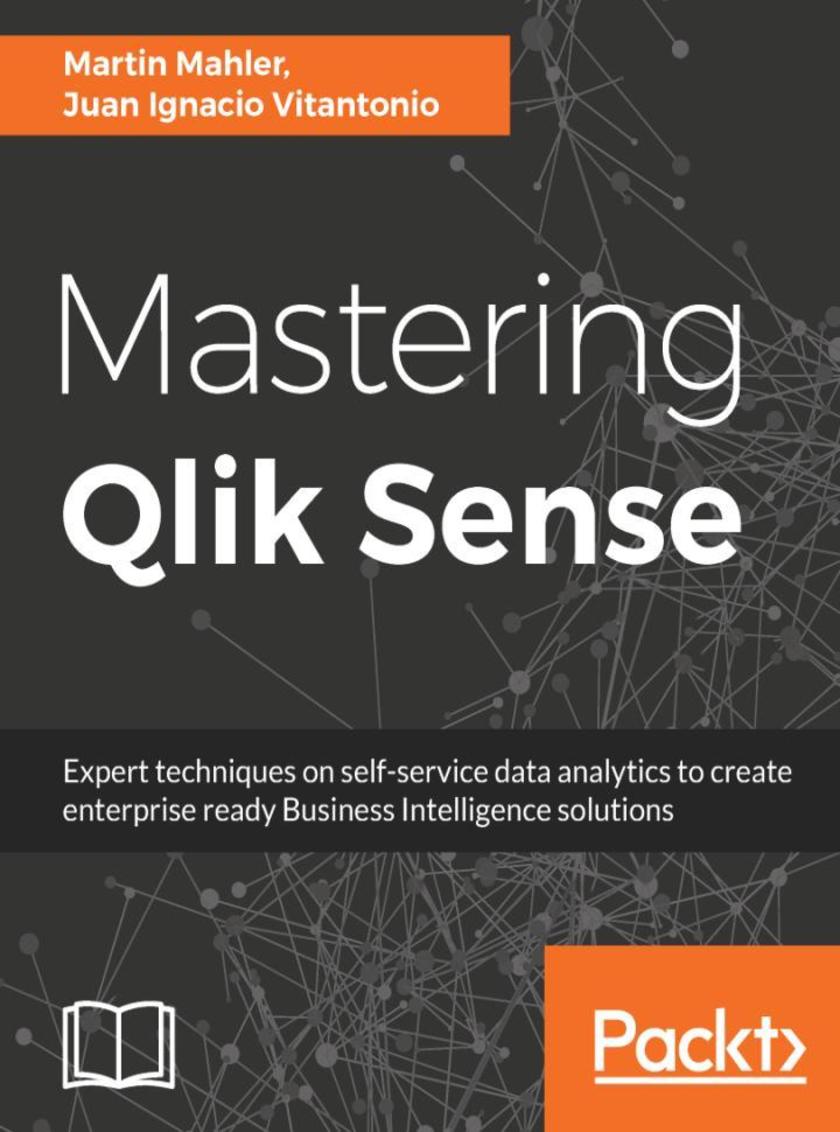
Mastering Qlik Sense
¥90.46
Master the capabilities of Qlik Sense to design and deploy solutions that address all the Business Intelligence needs of your organization About This Book ? Create compelling dashboards and visualizations with your data by leveraging Qlik Sense's self-service model ? Perform data loading and model efficient solutions with faster performance and better governance ? Master Qlik Sense’s APIs and develop powerful mashups and fantastic extensions for visualizations and other components that run across all platforms Who This Book Is For This book is for Business Intelligence professionals and Data Analysts who want to become experts in using Qlik Sense. If you have extensively used QlikView in the past and are looking to transition to Qlik Sense, this book will also help you. A fundamental understanding of how Qlik Sense works and its features is all you need to get started with this book. What You Will Learn ? Understand the importance of self-service analytics and the IKEA-effect ? Explore all the available data modeling techniques and create efficient and optimized data models ? Master security rules and translate permission requirements into security rule logic ? Familiarize yourself with different types of Master Key Item(MKI) and know how and when to use MKI. ? Script and write sophisticated ETL code within Qlik Sense to facilitate all data modeling and data loading techniques ? Get an extensive overview of which APIs are available in Qlik Sense and how to take advantage of a technology with an API ? Develop basic mashup HTML pages and deploy successful mashup projects In Detail Qlik Sense is a powerful, self-servicing Business Intelligence tool for data discovery, analytics and visualization. It allows you to create personalized Business Intelligence solutions from raw data and get actionable insights from it. This book is your one-stop guide to mastering Qlik Sense, catering to all your organizational BI needs. You'll see how you can seamlessly navigate through tons of data from multiple sources and take advantage of the various APIs available in Qlik and its components for guided analytics. You'll also learn how to embed visualizations into your existing BI solutions and extend the capabilities of Qlik Sense to create new visualizations and dashboards that work across all platforms. We also cover other advanced concepts such as porting your Qlik View applications to Qlik Sense,and working with Qlik Cloud. Finally, you'll implement enterprise-wide security and access control for resources and data sources through practical examples. With the knowledge gained from this book, you'll have become the go-to expert in your organization when it comes to designing BI solutions using Qlik Sense. Style and approach This book provides in-depth knowledge on complex visualization processes. This guide will take you straight to complex implementation techniques. While covering the concepts, the use cases will help you understand how they work and how to utilize them.
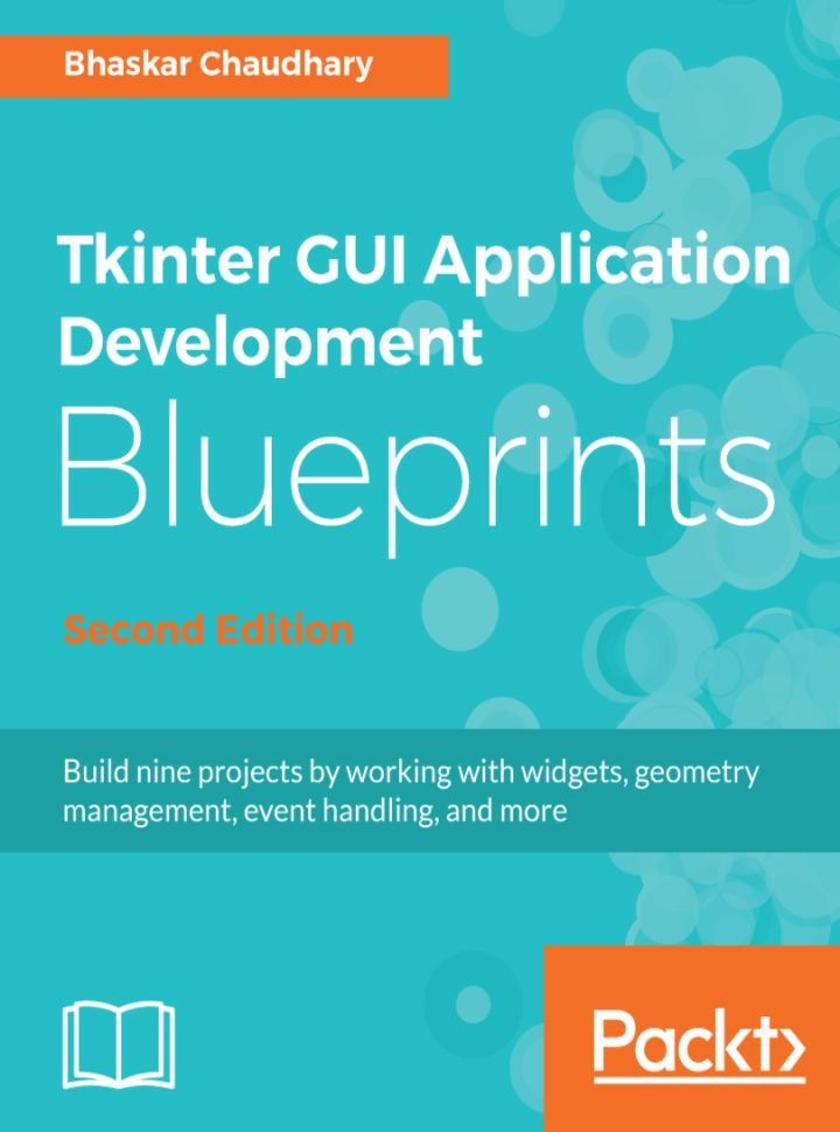
Tkinter GUI Application Development Blueprints - Second Edition
¥90.46
Geometry Management, Event Handling, and more About This Book ? A Practical, guide to learn the application of Python and GUI programming with tkinter ? Create multiple cross-platform real-world projects by integrating host of third party libraries and tools ? Learn to build beautiful and highly interactive user interfaces, targeting multiple devices. Who This Book Is For This book is for a beginner to intermediate-level Pythonists who want to build modern, cross-platform GUI applications with the amazingly powerful Tkinter. Prior knowledge of Tkinter is required. What You Will Learn ? A Practical, guide to help you learn the application of Python and GUI programming with Tkinter ? Create multiple, cross-platform, real-world projects by integrating a host of third-party libraries and tools ? Learn to build beautiful and highly interactive user interfaces, targeting multiple devices. In Detail Tkinter is the built-in GUI package that comes with standard Python distributions. It is a cross-platform package, which means you build once and deploy everywhere. It is simple to use and intuitive in nature, making it suitable for programmers and non-programmers alike. This book will help you master the art of GUI programming. It delivers the bigger picture of GUI programming by building real-world, productive, and fun applications such as a text editor, drum machine, game of chess, audio player, drawing application, piano tutor, chat application, screen saver, port scanner, and much more. In every project, you will build on the skills acquired in the previous project and gain more expertise. You will learn to write multithreaded programs, network programs, database-driven programs, asyncio based programming and more. You will also get to know the modern best practices involved in writing GUI apps. With its rich source of sample code, you can build upon the knowledge gained with this book and use it in your own projects in the discipline of your choice. Style and approach An easy-to-follow guide, full of hands-on examples of real-world GUI programs. The first chapter is a must-read as it explains most of the things you need to get started with writing GUI programs with Tkinter. Each subsequent chapter is a stand-alone project that discusses some aspects of GUI programming in detail. These chapters can be read sequentially or randomly, depending on the reader's experience with Python.


