


 购物车
购物车 个人中心
个人中心

The Lincoln Assassination Encyclopedia
¥112.23
The definitive A to Z reference on the assassination of Abraham Lincoln The first book of its kind, The Lincoln Assassination Encyclopedia is a truly indispensable guide to one of the most dramatic and fascinating events in our nation's history: the murder of the sixteenth president of the United States. Written by Edward Steers, Jr., acclaimed author of Blood on the Moon and one of the world's leading authorities on the subject, here is an exhaustive, highly readable resource that includes: All the known persons, places, events, and conspiracies connected to the tragedy More than 150 period photographs and maps, many never before published The truth behind the hoaxes, myths, and legends surrounding the assassination A comprehensive narrative and timeline of events . . . and more With a foreword by James L. Swanson, bestselling author of Manhunt: The 12-Day Chase for Lincoln's Killer, The Lincoln Assassination Encyclopedia is the perfect addition to every Lincoln library.

Alexander Hamilton
¥112.23
From his less than auspicious start in 1755 on the Caribbean Island of Nevis to his untimely death in a duel with his old enemy Aaron Burr in 1804, Alexander Hamilton, despite his short life, left a huge legacy. Orphaned at thirteen and apprenticed in a counting house, Hamilton learned principles of business that helped him create the American financial system and invent the modern corporation. But first the staunch, intrepid Hamilton served in the American Revolution, acting as General Washington's spymaster. Forging a successful legal career, Hamilton coauthored the Federalist Papers and plunged into politics. Irresistibly attractive, he was a man of many gifts, but he could be arrogant and at times a poor judge of character. In this meticulously researched, illuminating, and lively account, Willard Sterne Randall explores Hamilton’s life his illegitimate birth, little-known military activities, political and diplomatic intrigues, and scandalous affairs and its indelible impact on modern America.

Raising Twins
¥112.23
Raising Twins guides you through the physical, emotional, and cognitive developmental differences and challenges specific to twins. Straightforward and reassuring, this book addresses the key issues that impact twins from babyhood all the way through adolescence: Sharing and comparisons Competition and rivalry The "secret language" of twins The good twin/bad twin myth Teen-specific issues like dating and applying for college And much more including lively, candid discussions with twins and their parents

Healthy Mom, Healthy Baby (A March of Dimes Book)
¥112.23
Having a baby is one of nature's true blessings and miracles. And yet when it comes to getting the facts about pregnancy, it becomes complicated. What you want to have at your fingertips is the most accurate, accessible, up-to-date pregnancy health information available. And now you do. Healthy Mom, Healthy Baby is a no-nonsense, fact-based guide that empowers every mom-to-be. The choices you make, starting now, can have a major impact on your pregnancy and your baby's health. No matter where you start, these clear explanations, research-based advice, and smart recommendations from a leading expert will provide everything you need to know to have a smooth, energetic, joyful pregnancy. Brought to you by the nation's most trusted source on pregnancy, the March of Dimes, which has devoted billions to support scientific research and discover the best health practices for babies and moms, Healthy Mom, Health Baby is the essential guide for any mom-to-be.

The Years of Extermination
¥112.23
The enactment of the German extermination policies that resulted in the murder of six million European Jews depended upon many factors, including the cooperation of local authorities and police departments, and the passivity of the populations, primarily of their political and spiritual elites. Necessary also was the victims' willingness to submit, often with the hope of surviving long enough to escape the German vise. The Years of Extermination , the completion of Saul Friedl?nder's major historical opus on Nazi Germany and the Jews, explores the convergence of the various aspects of this most systematic and sustained of modern genocides. In this unparalleled work based on a vast array of documents and an overwhelming choir of voices from diaries, letters, and memoirs the history of the Holocaust has found its definitive representation.
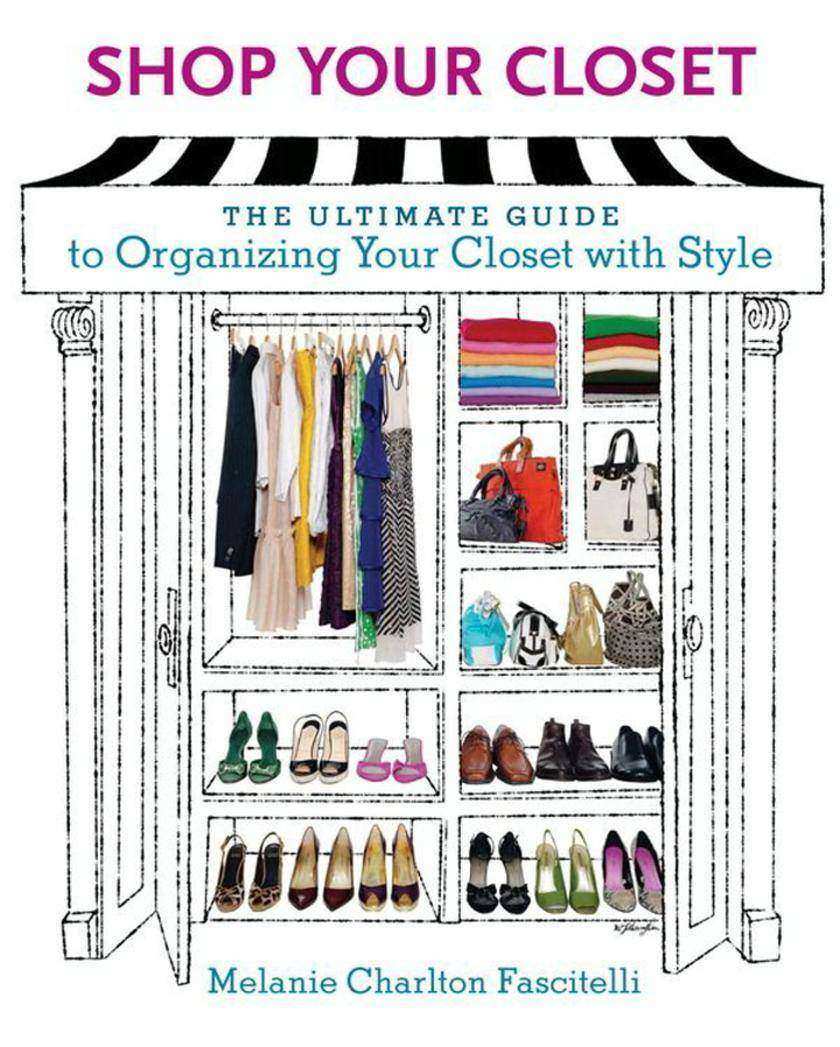
Shop Your Closet
¥112.23
Just when you feared your overstuffed, eyesore of a closet was a lost cause, here's the antidote to all your closet woes. Closet expert and style maven Melanie Charlton Fascitelli is here to help you whip your closet into shape, refreshing your wardrobe and saving you time along the way.With this accessible, stylish guide, you'll find out how to redo your closet and organize your clothes so that you can, yes, go shopping there—sort through shirts, pants, skirts, dresses, scarves, and shoes, all in perfect condition and ready to go.From the first closet face-off to long-term maintenance, Charlton Fascitelli takes you step by step through the entire process of turning your closet into a "safe haven" for your clothes.Learn how to:Face your inner packrat and clean out your closetShop for and pick items that flatter your body Craft the best wardrobe for your lifestyleCreate space in your closet by reworking it logisticallyStore your clothes and shoes so they last longerCharlton Fascitelli also covers consigning or donating all your old stuff; keeping your closet clean and tidy; packing smartly and efficiently; storing your linens; and organizing other areas of your home, including your medicine cabinet, pantry, or CD collection.Clearing clutter, organizing clothes, and remaking your wardrobe has never been so easy or attainable. Shop Your Closet is your go-to source for closet nirvana.
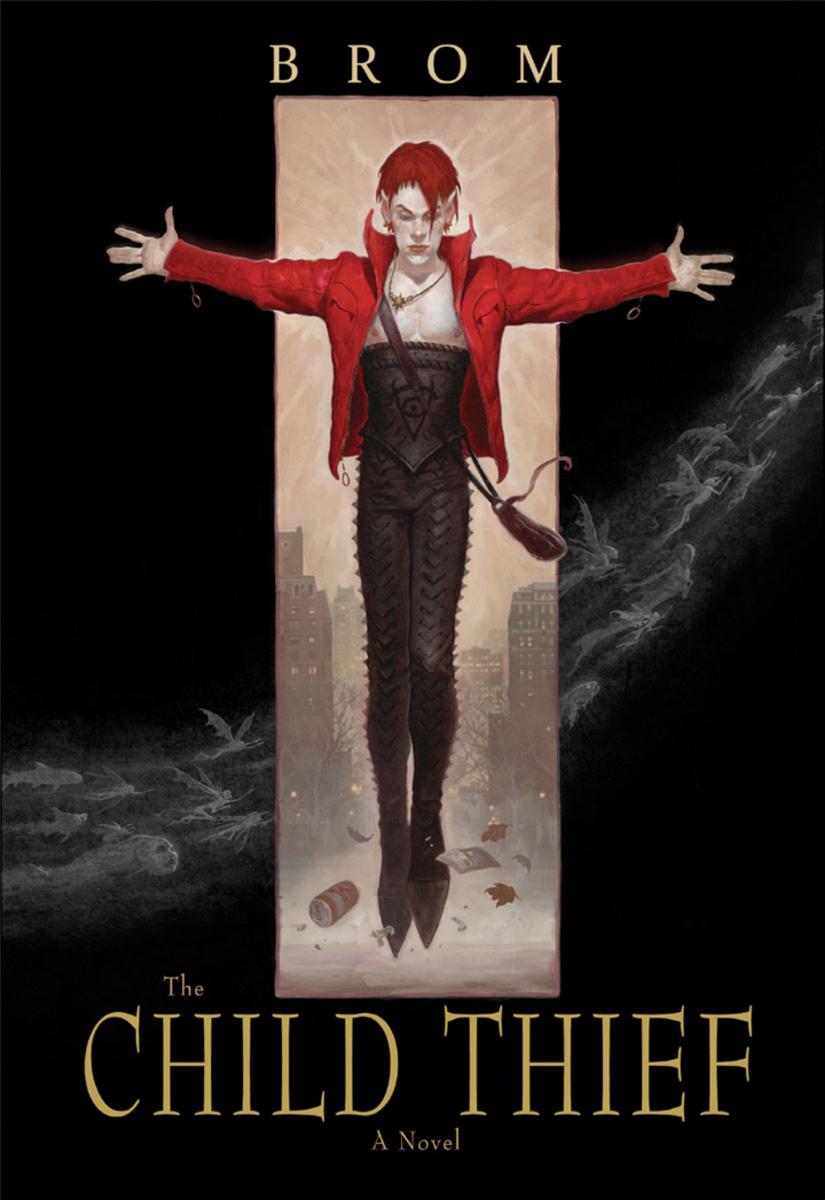
The Child Thief
¥112.23
Peter is quick, daring, and full of mischief—and like all boys, he loves to play, though his games often end in blood. His eyes are sparkling gold, and when he graces you with his smile you are his friend for life, but his promised land is not Neverland.Fourteen-year-old Nick would have been murdered by the drug dealers preying on his family had Peter not saved him. Now the irresistibly charismatic wild boy wants Nick to follow him to a secret place of great adventure, where magic is alive and you never grow old. Even though he is wary of Peter's crazy talk of faeries and monsters, Nick agrees. After all, New York City is no longer safe for him, and what more could he possibly lose?There is always more to lose.Accompanying Peter to a gray and ravished island that was once a lush, enchanted paradise, Nick finds himself unwittingly recruited for a war that has raged for centuries—one where he must learn to fight or die among the "Devils," Peter's savage tribe of lost and stolen children.There, Peter's dark past is revealed: left to wolves as an infant, despised and hunted, Peter moves restlessly between the worlds of faerie and man. The Child Thief is a leader of bloodthirsty children, a brave friend, and a creature driven to do whatever he must to stop the "Flesh-eaters" and save the last, wild magic in this dying land.
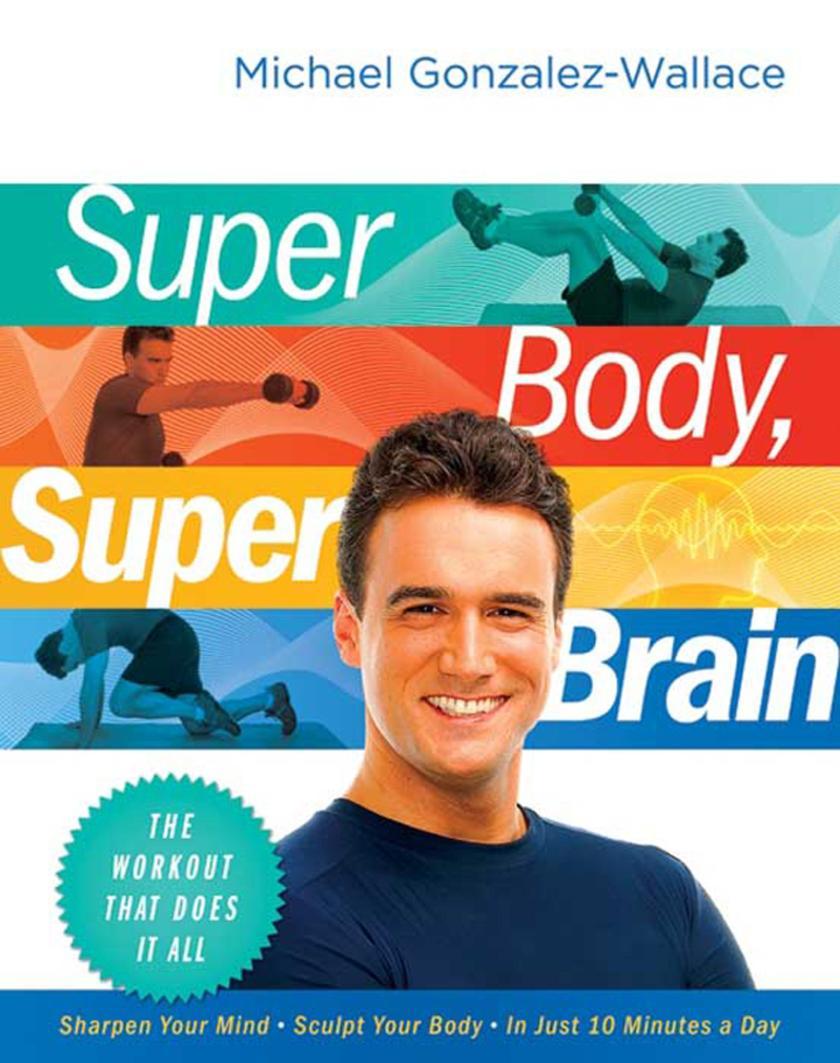
Super Body, Super Brain
¥112.23
Make the Most of Every Moment Not every movement is created equal. Super Body, Super Brain’s targeted exercise circuits make every second of your workout count, harnessing the power of multitasking to sharpen your mind and tone your body in just minutes a day. Crossword puzzles, Sodoku, computer games, and DVDs—there's no end to the products touting their brain-boosting benefits. But in this multimillion-dollar business, one crucial tool has been overlooked: the enormous power of physical movement.Until now. As one of New York City's most popular trainers, Michael Gonzalez-Wallace needed to keep his busy clients happy with engaging, efficient workouts. He quickly noticed that when exercises used several muscles at once, combining coordination and precision with aerobic and strength-training actions, clients were significantly more focused—and achieved better, faster results.Many hours of research and consultations with neuroscientists later, Gonzalez-Wallace had confirmed his instincts: exercises that demand balance and concentration not only tone the body, but actually increase brain activity. In fact, contrary to commonly held beliefs, the brain is constantly rewiring itself and capable of change at any age. This targeted program—the first of its kind—uses a series of carefully designed exercises to do just that. As you move through Super Body, Super Brain's innovative circuits—for little as 10 minutes a day—you will being to:Improve your alertness and lessen fatigueBecome more mentally sharp with improved memory capabilityImprove your moodLose weight and reduce your body fatStrengthen your core muscles and tone your upper and lower bodyStrengthen your heart and lungs and improve your enduranceImprove your balance and coordinationTransform your posture and become more flexibleAs a powerful complement to these circuits, Gonzalez-Wallace has teamed up with a top nutritionist to create brain-boosting recipes that help maximize his program's powerful results.If you have a few minutes to spare, you have the power to look better, feel better, and tackle every day with more energy and efficiency than ever before!
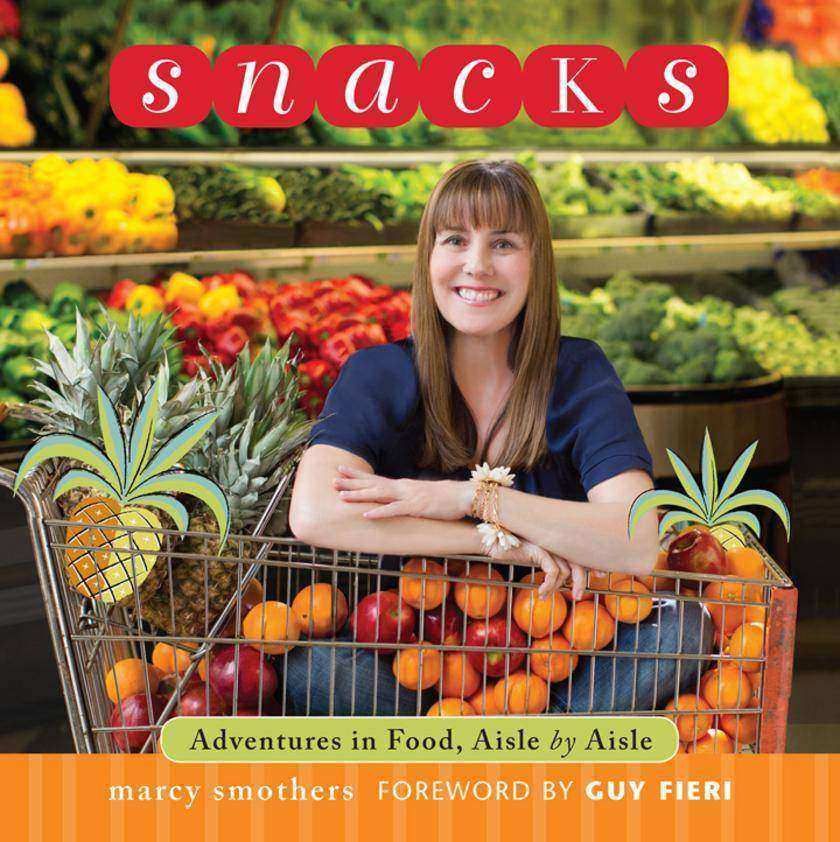
Snacks
¥112.23
When it comes to cooking with Marcy, fun is the first ingredient!Call them snacks, appetizers, or tapas—little bites are the best way to go, and easy-to-carry treats and small-plate servings are all the rage. Marcy Smothers entices you with tidbits of information you won't see anywhere else and with delectable recipes that will make you a better cook, a savvier shopper, and a well-informed foodie.In Snacks, you are given: recipes Marcy has created for dishes and snacks that will delight your family and friends the culinary secrets she's learned from years of researching and talking about food her little-known tips on wine, kitchen gadgets, and cooking methodsSnacks takes you through the grocery store aisle by aisle. Unexpected recipes pop up, guiding you about what's best to put in your cart. From why you should take a bath with your strawberries to what the colored plastic tabs on your bread tell you, Marcy's insider insights will take your culinary passion from a simmer to a boil.
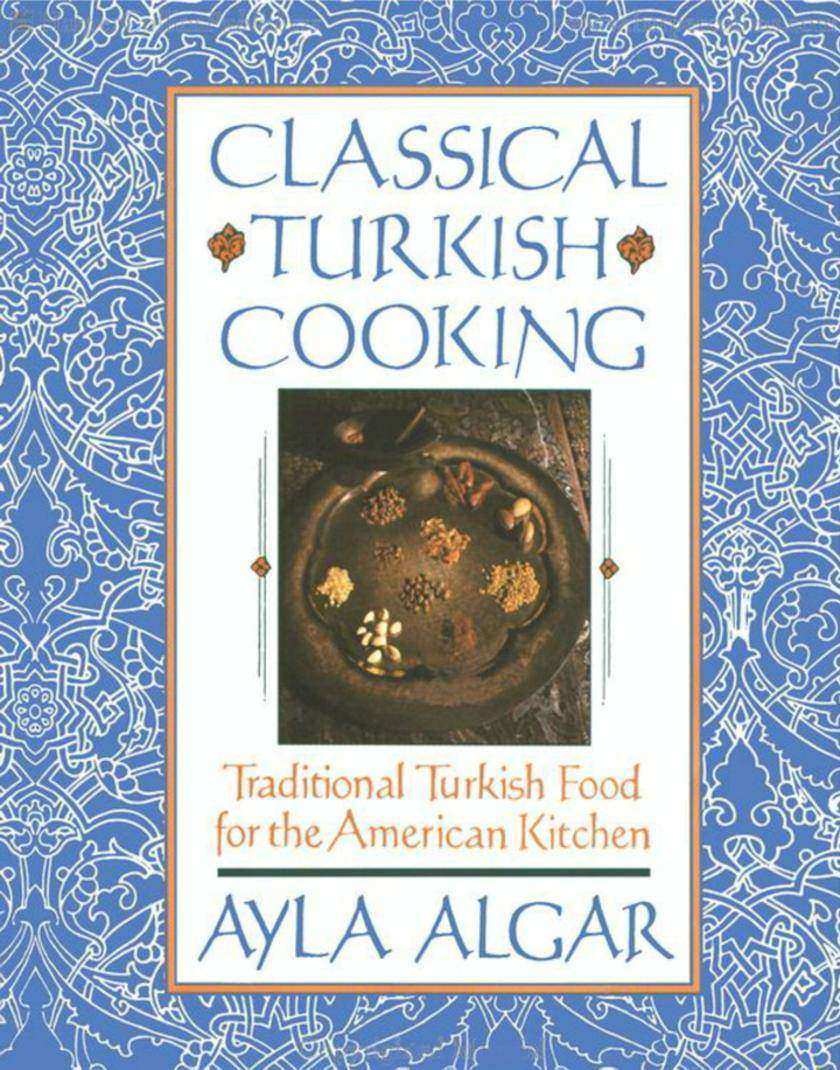
Classical Turkish Cooking
¥112.23
Turkish food is one of the world's great cuisines. Its taste and depth place it with French and Chinese; its simplicity and healthfulness rank it number one. Turkish-born Ayla Algar offers 175 recipes for this vibrant and tasty food, presented against the rich and fascinating backdrop of Turkish history and culture. Tempting recipes for kebabs, pilafs, meze (appetizers), dolmas (those delicious stuffed vegetables or vine leaves), soups, fish, manti and other pasta dishes, lamb, poultry, yogurt, bread, and traditional sweets such as baklava are introduced here to American cooks in accessible form. With its emphasis on grains, vegetables, fruits, olive oil, and other healthful foods, Turkish cooking puts a new spin on familiar ingredients and offers culinary adventure coupled with satisfying and delicious meals.
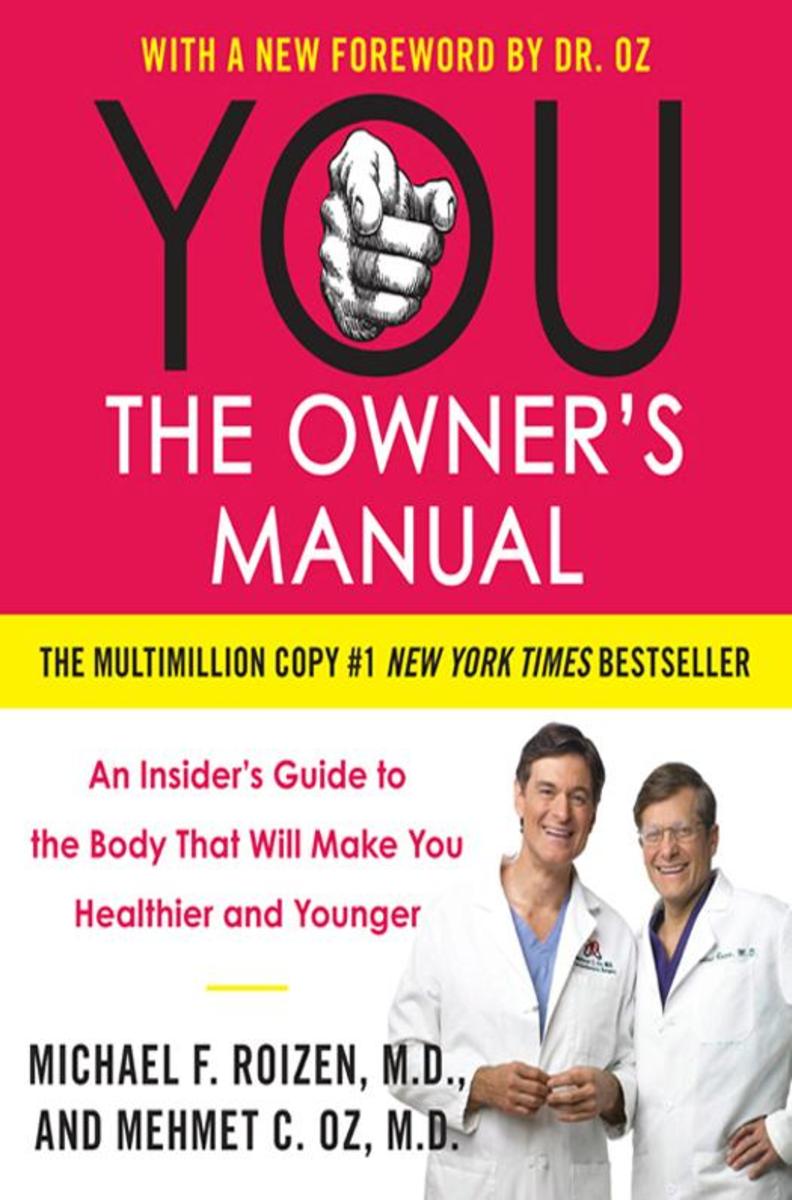
YOU: The Owner's Manual
¥112.23
The #1 bestseller that gives YOU complete control over your body and your healthWith new health studies and advice bombarding us every day, few people know much about what chugs, churns, and thumps throughout the miraculous system that is the human anatomy.YOU: The Owner's Manual challenges preconceived notions about how the human body works and ages, and takes you on a fascinating grand tour of all your blood-pumping, food-digesting, and numbers-remembering systems and organs—including the heart, brain, lungs, immune system, bones, and sensory organs.In this updated and expanded edition, America's favorite doctors, Michael Roizen and Mehmet Oz, discuss how YOU actually have control over your genes. Discover how diseases start and how they affect your body—as well as advice on how to prevent and beat conditions that threaten your quality of life.There are also 100 questions asked by you, and answered by the experts. For instance, do you know which of the following statements are true?As you increase the amount you exercise, the rewards you gain from it increase as well. If you're not a smoker, you have nothing to worry about when it comes to your lungs. Your immune system always knows the difference between your own cells and enemy invaders. The biggest threat to your arteries is cholesterol. Memory loss is a natural, inevitable part of aging. Stress is the greatest ager, and controlling it changes which of your genes is on.Did you answer "true" for any of the aboveThen take a look inside. Complete with exercise tips, nutritional guidelines, simple lifestyle changes, and alternative approaches, YOU: The Owner's Manual debunks myths and gives you an easy, comprehensive, and life-changing How-To plan—as well as great-tasting and calorie-saving recipes—that can help you live a healthier, younger, and better life.Be the best expert on your body

Martin Scorsese Presents The Blues: A Musical Journey
¥112.23
A companion to the groundbreaking PBS documentary series, this volume is a unique and timeless celebration of the blues, from writers and artists as esteemed and revered as the music that moved them.Included in this stunning collection are Essays by David Halberstam, Hilton Als, Suzan-Lori Parks, Elmore Leonard, Luc Sante, John Edgar Wideman, and many others Timeless archival pieces by writers such as Stanley Booth, Paul Oliver, and Mack McCormick Evocative color illustrations and rare vintage photography Illuminating and in-depth conversations and portraits of musicians, ranging from Robert Johnson and Bessie Smith to John Lee Hooker and Eric Clapton Lyrics of legendary blues compositions Personal essays by the series directors Martin Scorsese, Charles Burnett, Richard Pearce, Wim Wenders, Marc Levin, Mike Figgis, and Clint Eastwood Excerpts from literary masters James Baldwin, Ralph Ellison, Eudora Welty, Zora Neale Hurston, Langston Hughes, and William FaulknerTracing the art form's path from juke joints, house parties, and recording studios to musicians such as Elvis Presley, The Rolling Stones, and The Beatles, Martin Scorsese Presents The Blues proves, in the words of Willie Dixon, "The blues are the roots; every-thing else is the fruits."

Gifts of the Spirit
¥112.23
Drawing on the wisdom of teacher from the world's great religious traditions, including Robert Thurman, Sharon Salzberg, Ram Dass, Mother Mary Clare Vincent, Joan Halifax, and Rabbi Jonathan Omer-Man, Gifts of the Spirit deepens our appreciation of such everyday routines as waking up, eating, and working, as well as the abundant rewards of enjoying music, gardening, walking, and being with others. Vivid de*ions of rituals from around the world help us find new spiritual meaning in life's key passages. Discover everyday spiritual riches through: Zen arts of cooking and eating Jewwish and Native American coming-of-age rituals Bedouin rules of hospitality and friendship Mindful approached to pregnancy and birth Ancient Christian practices that nurture the dying Shaker philosophies of daily work and craft The Buddhist way to a peaceful night's sleep
HarperCollins e-books
¥112.23
New York Times bestselling authors and journalists Cokie and Steve Roberts share their Passover traditions in this engaging version of the Haggadah for couples and families of mixed faiths. When they met more than forty years ago, Cokie and Steve Roberts found common ground in their shared values, despite their different religious beliefs. Choosing to honor both of their faiths and traditions, they began hosting a Passover Seder that has evolved from a small family gathering to a veritable event celebrated with loved ones from all walks of life.Based on the time-honored Haggadah the text read throughout the evening that gives order to the ritual meal Our Haggadah is a practical guide for interfaith families, whether they're celebrating their very first Passover or starting a new tradition. Originally composed on a typewriter and stapled together, Our Haggadah has been the Roberts family's handbook for each Seder and comes from years of adapting and expanding their Seders to welcome all who wish to take part in the celebration. From finding a Seder plate to preparing traditional and nontraditional foods, from the customary prayers to new ways for guests to participate, Cokie and Steve share their special approach to the holiday and the lessons they've learned over the years as an interfaith couple.
Harper Design
¥112.23
With The Hip Girl's Guide to Homemaking, it's possible and even convenient to create an inviting space for living and entertaining on a budget. From unique decor ideas to growing strawberries on your fire escape, Kate Payne shares fun, low-cost (and often free!) creative solutions that will make anyone feel more accomplished in minutes.Inside this savvy motivational guide filled to the brim with small-scale creative home projects, Kate's tongue-in-cheek tone will keep you tuned in to her much-needed advice. In three easy sections, you'll learn how to create a comfortable space while being time- and budget-conscious. Section One, Home-ify Your Pad, features quick, convenient ways to make your place cozier with low-cost, special touches to help you tap into and show off your inner artist. Section Two, Impressive Acts of Domesticity, teaches how to impress others (and yourself) with the gratifying pleasures of self-sufficiency a first-time guide to cleaning, sewing, repairing, and other previously out-of-the-question tasks. Section Three, Life After Restaurants, frees you to release the take-out menu, avoid pricey bar tabs, and entertain others in the space you've so thoughtfully and gorgeously created. User-friendly "how-to" sidebars, illustrations, and tips and tricks throughout the book offer easy-to-follow recipes and do-it-yourself craft suggestions for making your home hip, comfortable, and inviting. Keep in mind that this is not your grandmother's handbook and it's not the kind of wisdom your mom knows how to impart. Modern women need a modern approach to domestic pleasures a guide to doing household things on our own terms, because most of this stuff isn't as hard as we've been led to believe. Don't worry, she's not asking you to host Tupperware parties or iron your underwear. But as all beginning home keepers know, a sure fire way to feel bad about ourselves is to consult Martha Stewart. So ditch that 2-inch thick handbook, dust off your pots and pans, and join Kate on this journey to incorporating creativity and self-sufficiency on the home front.
HarperCollins e-books
¥112.23
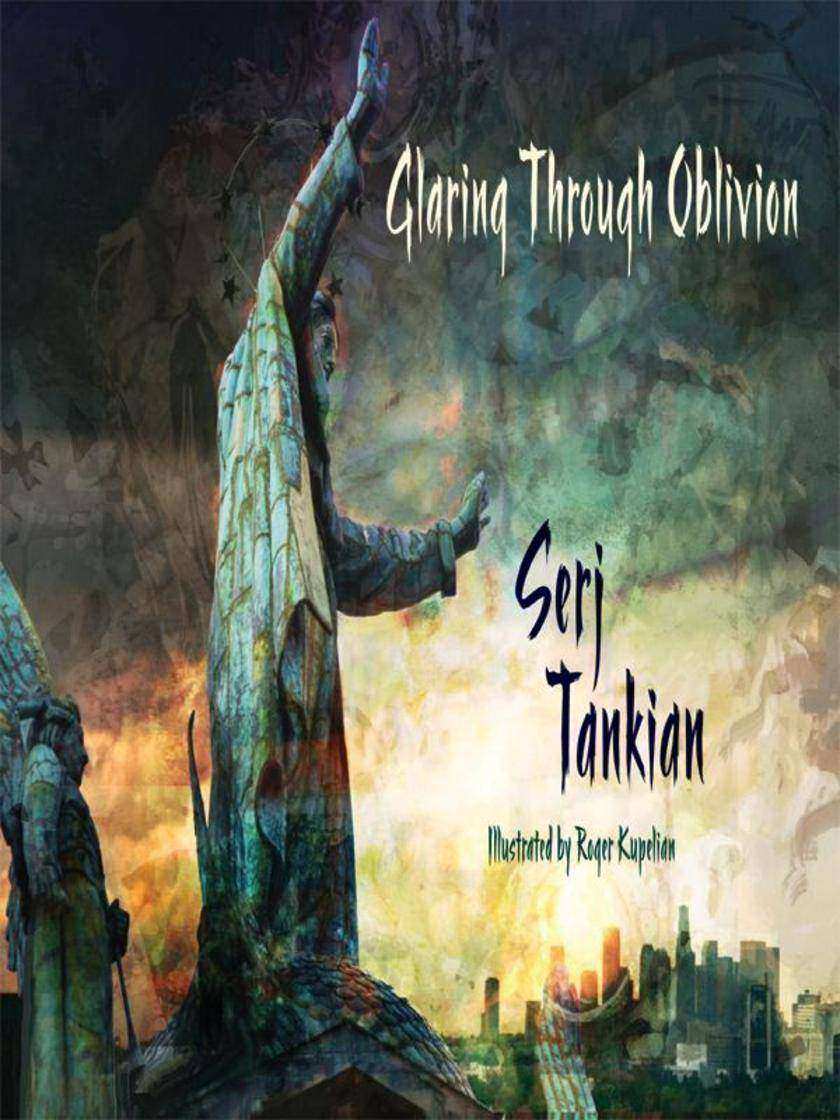
From Serj Tankian Grammy Award–winning lead singer of System Of A Down, songwriter, activist, and poet. Following his critically acclaimed debut poetry book, Cool Gardens, comes this new collection of stunning and original poems of darkness and light. Complemented by the transformative illustrations?of the noted artist Roger Kupelian.
HarperCollins e-books
¥112.23
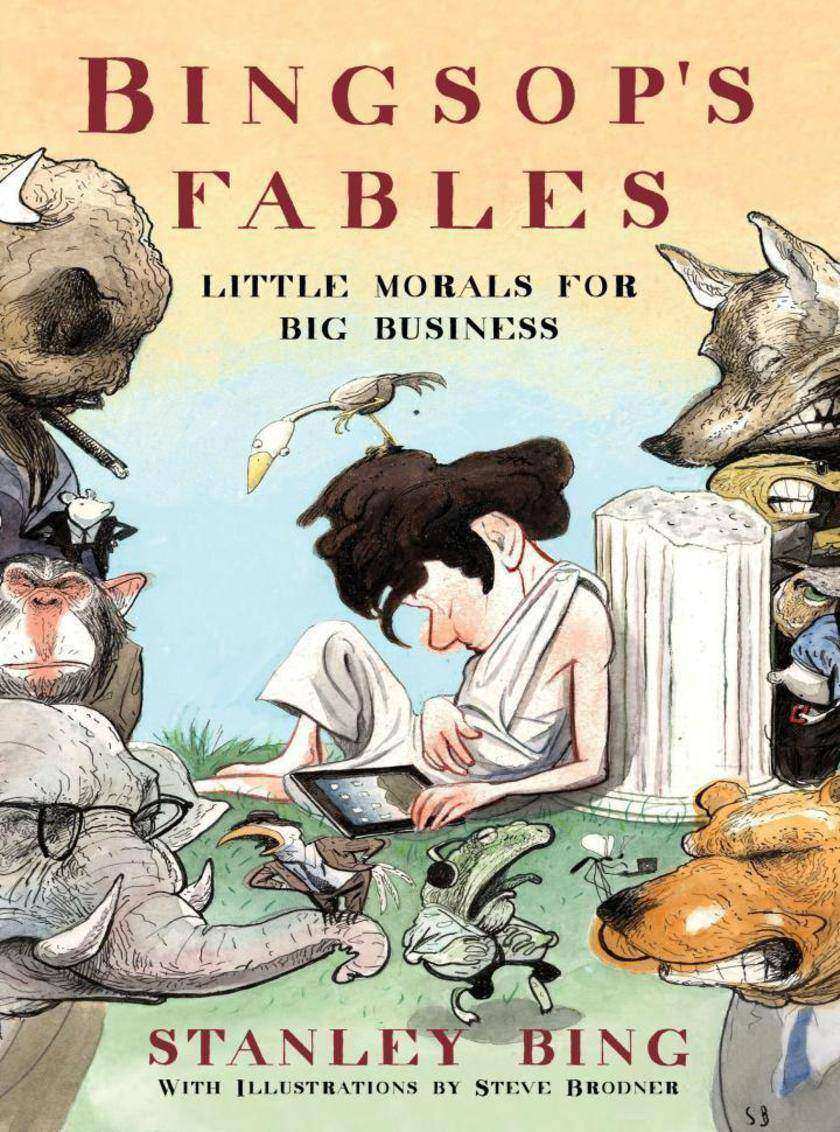
For more than twenty years, Stanley Bing has peerlessly explained corporate culture and strategy with wit and insight. Now he brings us this engaging and instructive book of white-collar fables that have charmed generations of businesspeople since Greece was glorious and Rome was grand, brilliant gems of wisdom flowing from the pen of the mysterious, legendary author known throughout the ancient corporate world by a single name: Bingsop. Bingsop's Fables is animated by a cast of archetypal characters that are as iconic and representative of human nature as were the jackdaw, the dull, the snake, the hare, the lion, the horse, and all the rest of the birds and beasts that populated the stories of that other fabulist, Aesop. The Stupid Investor, the Miserable Misery Mogul, the Ill-Tempered PR Person, and the Potentially Generous CEO each struts and frets his hour upon the stage and, in the end, presents us with a moral that rings so true it would hurt if we were not also laughing. Festooned with provocative, witty illustrations by New Yorker artist Steve Brodner, this lean, muscular edition will equally be at home on the shelves of aspiring hedge fund managers hoping to kill their elders as on the credenzas of those beleaguered executives who hear the next generation coming up fast from behind. No business library should be considered complete without it.

Bon Jovi
¥112.23
You think you know Bon Jovi, but you don't until you open this book. With gorgeous, exclusive photographs and revealing text from the band members themselves, Bon Jovi: When We Were Beautiful captures Jon, Richie, Dave, and Tico at both intimate moments and under the limelight in all aspects of their lives, from the private times backstage and on the road to their stunning and unforgettable live performances. Stretching back to the early days in Jersey, through successes and struggles, this book offers fans a dazzling portrait of rock stars on the road as they reflect on their twenty-five years together as a band of brothers. This insider's portrait of one of America's best-loved rock bands is the subject of a major documentary and this extraordinary book.
Causing a Scene
¥112.23
A fake U2 concert. A deranged hypnotist. A book signing by a dead author.Welcome to the wild world of Improv Everywhere.From the infamous No Pants! Subway Ride to the legendary Grand Central Freeze, Improv Everywhere has been responsible for some of the most original and subversive pranks of the Internet age. In Causing a Scene, the group's agents provide a hilarious firsthand account of their mischievous antics. Learn how they created a time loop in a Starbucks and gave Best Buy eighty extra employees. Join in on the fun with this irreverent, behind-the-scenes look at Improv Everywhere's world-famous missions, and get inspired to create your own memorable mayhem.

What Every BODY is Saying
¥112.23
He says that's his best offer. Is itShe says she agrees. Does sheThe interview went great or did itHe said he'd never do it again. But he did. Read this book and send your nonverbal intelligence soaring. Joe Navarro, a former FBI counterintelligence officer and a recognized expert on nonverbal behavior, explains how to "speed-read" people: decode sentiments and behaviors, avoid hidden pitfalls, and look for deceptive behaviors. You'll also learn how your body language can influence what your boss, family, friends, and strangers think of you. You will discover: The ancient survival instincts that drive body language Why the face is the least likely place to gauge a person's true feelings What thumbs, feet, and eyelids reveal about moods and motives The most powerful behaviors that reveal our confidence and true sentiments Simple nonverbals that instantly establish trust Simple nonverbals that instantly communicate authority Filled with examples from Navarro's professional experience, this definitive book offers a powerful new way to navigate your world.
Specialites de la Maison
¥112.23
A certain widely-travelled New Yorker, a gourmet who sometimes prepares his own dishes, was recently asked his opinion of Spécialités de la Maison, issued by the American Friends of France.His reply: "I enjoyed it tremendously because it is a sort of travelogue of cuisine compounded by a number of gay and intelligent people who have made their mark in the world, and who evidently have a wholesome respect for the pleasures of the table. To me it is valuable for those dread moments when the stove looks cold and uncooperative, the muse of inspiration is mute, and the guests are determined to arrive at a quarter before eight."—from Spécialités de la Maison, 1949 editionFirst published in 1940, Spécialités de la Maison presents a diverse collection of recipes by Hollywood and Broadway celebrities, renowned socialites, noteworthy writers, members of the royalty, famous couturiers, and restaurateurs. With original illustrations by Clement Hurd, Alajalov, and Jean Pagès, and a new foreword by Graydon Carter, editor of Vanity Fair, this charming facsimile edition is an enlightening and entertaining illustration of what the wealthy and famous cooked when eating en famille. The busy host or hostess will appreciate that the recipes are easy, short, no-fuss, and truly fun to make—not to mention tasty conversation starters. Bon appétit!


