


 购物车
购物车 个人中心
个人中心
Getting Started with Python
¥90.46
Harness the power of Python objects and data structures to implement algorithms for analyzing your data and efficiently extracting information Key Features * Turn your designs into working software by learning the Python syntax * Write robust code with a solid understanding of Python data structures * Understand when to use the functional or the OOP approach Book Description This Learning Path helps you get comfortable with the world of Python. It starts with a thorough and practical introduction to Python. You’ll quickly start writing programs, building websites, and working with data by harnessing Python's renowned data science libraries. With the power of linked lists, binary searches, and sorting algorithms, you'll easily create complex data structures, such as graphs, stacks, and queues. After understanding cooperative inheritance, you'll expertly raise, handle, and manipulate exceptions. You will effortlessly integrate the object-oriented and not-so-object-oriented aspects of Python, and create maintainable applications using higher level design patterns. Once you’ve covered core topics, you’ll understand the joy of unit testing and just how easy it is to create unit tests. By the end of this Learning Path, you will have built components that are easy to understand, debug, and can be used across different applications. This Learning Path includes content from the following Packt products: * Learn Python Programming - Second Edition by Fabrizio Romano * Python Data Structures and Algorithms by Benjamin Baka * Python 3 Object-Oriented Programming by Dusty Phillips What you will learn * Use data structures and control flow to write code * Use functions to bundle together a sequence of instructions * Implement objects in Python by creating classes and defining methods * Design public interfaces using abstraction, encapsulation and information hiding * Raise, define, and manipulate exceptions using special error objects * Create bulletproof and reliable software by writing unit tests * Learn the common programming patterns and algorithms used in Python Who this book is for If you are relatively new to coding and want to write scripts or programs to accomplish tasks using Python, or if you are an object-oriented programmer for other languages and seeking a leg up in the world of Python, then this Learning Path is for you. Though not essential, it will help you to have basic knowledge of programming and OOP.
Advanced Python Programming
¥90.46
Create distributed applications with clever design patterns to solve complex problems Key Features * Set up and run distributed algorithms on a cluster using Dask and PySpark * Master skills to accurately implement concurrency in your code * Gain practical experience of Python design patterns with real-world examples Book Description This Learning Path shows you how to leverage the power of both native and third-party Python libraries for building robust and responsive applications. You will learn about profilers and reactive programming, concurrency and parallelism, as well as tools for making your apps quick and efficient. You will discover how to write code for parallel architectures using TensorFlow and Theano, and use a cluster of computers for large-scale computations using technologies such as Dask and PySpark. With the knowledge of how Python design patterns work, you will be able to clone objects, secure interfaces, dynamically choose algorithms, and accomplish much more in high performance computing. By the end of this Learning Path, you will have the skills and confidence to build engaging models that quickly offer efficient solutions to your problems. This Learning Path includes content from the following Packt products: * Python High Performance - Second Edition by Gabriele Lanaro * Mastering Concurrency in Python by Quan Nguyen * Mastering Python Design Patterns by Sakis Kasampalis What you will learn * Use NumPy and pandas to import and manipulate datasets * Achieve native performance with Cython and Numba * Write asynchronous code using asyncio and RxPy * Design highly scalable programs with application scaffolding * Explore abstract methods to maintain data consistency * Clone objects using the prototype pattern * Use the adapter pattern to make incompatible interfaces compatible * Employ the strategy pattern to dynamically choose an algorithm Who this book is for This Learning Path is specially designed for Python developers who want to build high-performance applications and learn about single core and multi-core programming, distributed concurrency, and Python design patterns. Some experience with Python programming language will help you get the most out of this Learning Path.
Building Computer Vision Projects with OpenCV 4 and C++
¥90.46
Delve into practical computer vision and image processing projects and get up to speed with advanced object detection techniques and machine learning algorithms Key Features * Discover best practices for engineering and maintaining OpenCV projects * Explore important deep learning tools for image classification * Understand basic image matrix formats and filters Book Description OpenCV is one of the best open source libraries available and can help you focus on constructing complete projects on image processing, motion detection, and image segmentation. This Learning Path is your guide to understanding OpenCV concepts and algorithms through real-world examples and activities. Through various projects, you'll also discover how to use complex computer vision and machine learning algorithms and face detection to extract the maximum amount of information from images and videos. In later chapters, you'll learn to enhance your videos and images with optical flow analysis and background subtraction. Sections in the Learning Path will help you get to grips with text segmentation and recognition, in addition to guiding you through the basics of the new and improved deep learning modules. By the end of this Learning Path, you will have mastered commonly used computer vision techniques to build OpenCV projects from scratch. This Learning Path includes content from the following Packt books: * Mastering OpenCV 4 - Third Edition by Roy Shilkrot and David Millán Escrivá * Learn OpenCV 4 By Building Projects - Second Edition by David Millán Escrivá, Vinícius G. Mendon?a, and Prateek Joshi What you will learn * Stay up-to-date with algorithmic design approaches for complex computer vision tasks * Work with OpenCV's most up-to-date API through various projects * Understand 3D scene reconstruction and Structure from Motion (SfM) * Study camera calibration and overlay augmented reality (AR) using the ArUco module * Create CMake scripts to compile your C++ application * Explore segmentation and feature extraction techniques * Remove backgrounds from static scenes to identify moving objects for surveillance * Work with new OpenCV functions to detect and recognize text with Tesseract Who this book is for If you are a software developer with a basic understanding of computer vision and image processing and want to develop interesting computer vision applications with OpenCV, this Learning Path is for you. Prior knowledge of C++ and familiarity with mathematical concepts will help you better understand the concepts in this Learning Path.
Numerical Computing with Python
¥90.46
Understand, explore, and effectively present data using the powerful data visualization techniques of Python Key Features *Use the power of Pandas and Matplotlib to easily solve data mining issues *Understand the basics of statistics to build powerful predictive data models *Grasp data mining concepts with helpful use-cases and examples Book Description Data mining, or parsing the data to extract useful insights, is a niche skill that can transform your career as a data scientist Python is a flexible programming language that is equipped with a strong suite of libraries and toolkits, and gives you the perfect platform to sift through your data and mine the insights you seek. This Learning Path is designed to familiarize you with the Python libraries and the underlying statistics that you need to get comfortable with data mining. You will learn how to use Pandas, Python's popular library to analyze different kinds of data, and leverage the power of Matplotlib to generate appealing and impressive visualizations for the insights you have derived. You will also explore different machine learning techniques and statistics that enable you to build powerful predictive models. By the end of this Learning Path, you will have the perfect foundation to take your data mining skills to the next level and set yourself on the path to become a sought-after data science professional. This Learning Path includes content from the following Packt products: *Statistics for Machine Learning by Pratap Dangeti *Matplotlib 2.x By Example by Allen Yu, Claire Chung, Aldrin Yim *Pandas Cookbook by Theodore Petrou What you will learn *Understand the statistical fundamentals to build data models *Split data into independent groups *Apply aggregations and transformations to each group *Create impressive data visualizations *Prepare your data and design models *Clean up data to ease data analysis and visualization *Create insightful visualizations with Matplotlib and Seaborn *Customize the model to suit your own predictive goals Who this book is for If you want to learn how to use the many libraries of Python to extract impactful information from your data and present it as engaging visuals, then this is the ideal Learning Path for you. Some basic knowledge of Python is enough to get started with this Learning Path.
C# 7 and .NET: Designing Modern Cross-platform Applications
¥90.46
Explore C# and the .NET Core framework to create applications and optimize them with ASP.NET Core 2 Key Features *Get to grips with multi-threaded, concurrent, and asynchronous programming in C# and .NET Core *Develop modern, cross-platform applications with .NET Core 2.0 and C# 7.0 *Create efficient web applications with ASP.NET Core 2. Book Description C# is a widely used programming language, thanks to its easy learning curve, versatility, and support for modern paradigms. The language is used to create desktop apps, background services, web apps, and mobile apps. .NET Core is open source and compatible with Mac OS and Linux. There is no limit to what you can achieve with C# and .NET Core. This Learning Path begins with the basics of C# and object-oriented programming (OOP) and explores features of C#, such as tuples, pattern matching, and out variables. You will understand.NET Standard 2.0 class libraries and ASP.NET Core 2.0, and create professional websites, services, and applications. You will become familiar with mobile app development using Xamarin.Forms and learn to develop high-performing applications by writing optimized code with various profiling techniques. By the end of C# 7 and .NET: Designing Modern Cross-platform Applications, you will have all the knowledge required to build modern, cross-platform apps using C# and .NET. This Learning Path includes content from the following Packt products: *C# 7.1 and .NET Core 2.0 - Modern Cross-Platform Development - Third Edition by Mark J. Price *C# 7 and .NET Core 2.0 High Performance by Ovais Mehboob Ahmed Khan What you will learn *Explore ASP.NET Core to create professional web applications *Master OOP with C# to increase code reusability and efficiency *Protect your data using encryption and hashing *Measure application performance using BenchmarkDotNet *Use design techniques to increase your application’s performance *Learn memory management techniques in .NET Core *Understand tools and techniques to monitor application performance Who this book is for This Learning Path is designed for developers who want to gain a solid foundation in C# and .NET Core, and want to build cross-platform applications. To gain maximum benefit from this Learning Path, you must have basic knowledge of C#.
Tableau 10 Complete Reference
¥90.46
Explore and understand data with the powerful data visualization techniques of Tableau, and then communicate insights in powerful ways Key Features *Apply best practices in data visualization and chart types exploration *Explore the latest version of Tableau Desktop with hands-on examples *Understand the fundamentals of Tableau storytelling Book Description Graphical presentation of data enables us to easily understand complex data sets. Tableau 10 Complete Reference provides easy-to-follow recipes with several use cases and real-world business scenarios to get you up and running with Tableau 10. This Learning Path begins with the history of data visualization and its importance in today's businesses. You'll also be introduced to Tableau - how to connect, clean, and analyze data in this visual analytics software. Then, you'll learn how to apply what you've learned by creating some simple calculations in Tableau and using Table Calculations to help drive greater analysis from your data. Next, you'll explore different advanced chart types in Tableau. These chart types require you to have some understanding of the Tableau interface and understand basic calculations. You’ll study in detail all dashboard techniques and best practices. A number of recipes specifically for geospatial visualization, analytics, and data preparation are also covered. Last but not least, you'll learn about the power of storytelling through the creation of interactive dashboards in Tableau. Through this Learning Path, you will gain confidence and competence to analyze and communicate data and insights more efficiently and effectively by creating compelling interactive charts, dashboards, and stories in Tableau. This Learning Path includes content from the following Packt products: *Learning Tableau 10 - Second Edition by N. Milligan *Getting Started with Tableau 2018.x by Tristan Guillevin What you will learn *Build effective visualizations, dashboards, and story points *Build basic to more advanced charts with step-by-step recipes *Become familiar row-level, aggregate, and table calculations *Dig deep into data with clustering and distribution models *Prepare and transform data for analysis *Leverage Tableau’s mapping capabilities to visualize data *Use data storytelling techniques to aid decision making strategy Who this book is for Tableau 10 Complete Reference is designed for anyone who wants to understand their data better and represent it in an effective manner. It is also used for BI professionals and data analysts who want to do better at their jobs.
QlikView: Advanced Data Visualization
¥90.46
Build powerful data analytics applications with this business intelligence tool and overcome all your business challenges Key Features *Master time-saving techniques and make your QlikView development more efficient *Perform geographical analysis and sentiment analysis in your QlikView applications *Explore advanced QlikView techniques, tips, and tricks to deliver complex business requirements Book Description QlikView is one of the most flexible and powerful business intelligence platforms around, and if you want to transform data into insights, it is one of the best options you have at hand. Use this Learning Path, to explore the many features of QlikView to realize the potential of your data and present it as impactful and engaging visualizations. Each chapter in this Learning Path starts with an understanding of a business requirement and its associated data model and then helps you create insightful analysis and data visualizations around it. You will look at problems that you might encounter while visualizing complex data insights using QlikView, and learn how to troubleshoot these and other not-so-common errors. This Learning Path contains real-world examples from a variety of business domains, such as sales, finance, marketing, and human resources. With all the knowledge that you gain from this Learning Path, you will have all the experience you need to implement your next QlikView project like a pro. This Learning Path includes content from the following Packt products: *QlikView for Developers by Miguel ?ngel García, Barry Harmsen *Mastering QlikView by Stephen Redmond *Mastering QlikView Data Visualization by Karl Pover What you will learn *Deliver common business requirements using advanced techniques *Load data from disparate sources to build associative data models *Understand when to apply more advanced data visualization *Utilize the built-in aggregation functions for complex calculations *Build a data architecture that supports scalable QlikView deployments *Troubleshoot common data visualization errors in QlikView *Protect your QlikView applications and data Who this book is for This Learning Path is designed for developers who want to go beyond their technical knowledge of QlikView and understand how to create analysis and data visualizations that solve real business needs. To grasp the concepts explained in this Learning Path, you should have a basic understanding of the common QlikView functions and some hands-on experience with the tool.
Mastering Adobe Captivate 2019
¥90.46
Create responsive eLearning content, including quizzes, demonstrations, simulations and Virtual Reality projects that fit on any device with Adobe Captivate 2019 Key Features * Build responsive, interactive and highly engaging eLearning content with Adobe Captivate 2019 * Build Virtual Reality eLearning experiences with Adobe Captivate 2019 * Assess your student knowledge with interactive and random quizzes * Seamlessly integrate your eLearning content with any SCORM or xAPI compliant LMS Book Description Adobe Captivate is used to create highly engaging, interactive, and responsive eLearning content. This book takes you through the production of a few pieces of eLearning content, covering all the project types and workflows of Adobe Captivate. First, you will learn how to create a typical interactive Captivate project. This will give you the opportunity to review all Captivate objects and uncover the application's main tools. Then, you will use the built-in capture engine of Captivate to create an interactive software simulation and a Video Demo that can be published as an MP4 video. Then, you will approach the advanced responsive features of Captivate to create a project that can be viewed on any device. And finally, you will immerse your learners in a 360o environment by creating Virtual Reality projects of Adobe Captivate. At the end of the book, you will empower your workflow and projects with the newer and most advanced features of the application, including variables, advanced actions, JavaScript, and using Captivate 2019 with other applications. If you want to produce high quality eLearning content using a wide variety of techniques, implement eLearning in your company, enable eLearning on any device, assess the effectiveness of the learning by using extensive Quizzing features, or are simply interested in eLearning, this book has you covered! What you will learn * Learn how to use the objects in Captivate to build professional eLearning content * Enhance your projects by adding interactivity, animations, and more * Add multimedia elements, such as audio and video, to create engaging learning experiences * Use themes to craft a unique visual experience * Use question slides to create SCORM-compliant quizzes that integrate seamlessly with your LMS * Make your content fit any device with responsive features of Captivate * Create immersive 360° experiences with Virtual Reality projects of Captivate 2019 * Integrate Captivate with other applications (such as PowerPoint and Photoshop) to establish a professional eLearning production workflow * Publish your project in a wide variety of formats including HTML5 and Flash Who this book is for If you are a teacher, instructional designer, eLearning developer, or human resources manager who wants to implement eLearning, then this book is for you. A basic knowledge of your OS is all it takes to create the next generation of responsive eLearning content.
Extreme C
¥90.46
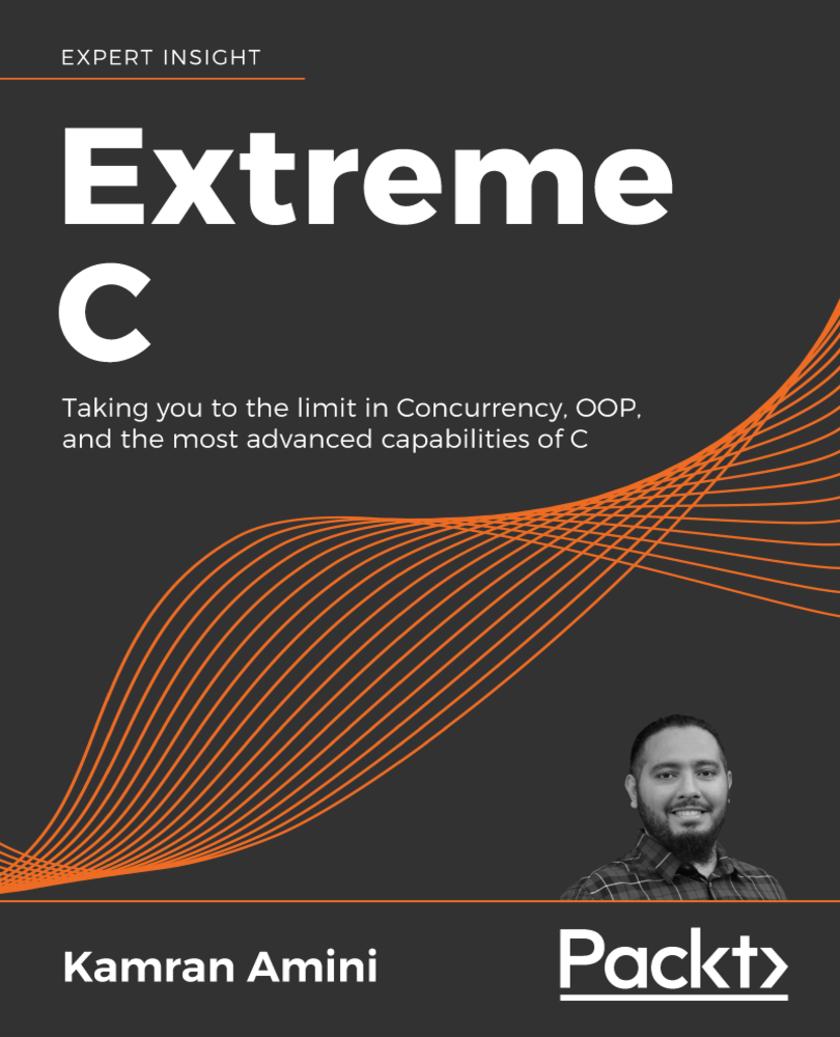
Push the limits of what C - and you - can do, with this high-intensity guide to the most advanced capabilities of C Key Features * Make the most of C’s low-level control, flexibility, and high performance * A comprehensive guide to C’s most powerful and challenging features * A thought-provoking guide packed with hands-on exercises and examples Book Description There’s a lot more to C than knowing the language syntax. The industry looks for developers with a rigorous, scientific understanding of the principles and practices. Extreme C will teach you to use C’s advanced low-level power to write effective, efficient systems. This intensive, practical guide will help you become an expert C programmer. Building on your existing C knowledge, you will master preprocessor directives, macros, conditional compilation, pointers, and much more. You will gain new insight into algorithm design, functions, and structures. You will discover how C helps you squeeze maximum performance out of critical, resource-constrained applications. C still plays a critical role in 21st-century programming, remaining the core language for precision engineering, aviations, space research, and more. This book shows how C works with Unix, how to implement OO principles in C, and fully covers multi-processing. In Extreme C, Amini encourages you to think, question, apply, and experiment for yourself. The book is essential for anybody who wants to take their C to the next level. What you will learn * Build advanced C knowledge on strong foundations, rooted in first principles * Understand memory structures and compilation pipeline and how they work, and how to make most out of them * Apply object-oriented design principles to your procedural C code * Write low-level code that’s close to the hardware and squeezes maximum performance out of a computer system * Master concurrency, multithreading, multi-processing, and integration with other languages * Unit Testing and debugging, build systems, and inter-process communication for C programming Who this book is for Extreme C is for C programmers who want to dig deep into the language and its capabilities. It will help you make the most of the low-level control C gives you.

The Many Deaths of the Firefly Brothers
¥90.45
Jason and Whit Fireson, the notorious, bank-robbing duo known as the Firefly Brothers, wake to find themselves lying on cooling boards in a police morgue. Riddled with bullet wounds, the reality is inescapable: they've been killed. But they're alive. It is August of 1934, in the midst of the Great Depression but in the waning months of the great Crime Wave, during which the newly-created FBI killed such famous outlaws as John Dillinger, Baby Face Nelson, and Pretty Boy Floyd. Across the nation, men are out of work and families are starving, and Americans are stunned and frightened by the collapse of their country's foundations. The Firesons' lovers Darcy and Veronica struggle between grief and an unyielding belief that Jason and Whit have survived, while their stunned mother and straight-arrow third brother desperately try to support their family and evade police spies. And through it all the Firefly Brothers themselves race to find the women they love, and make sense of a world that has come unmoored. Complete with kidnappings and gangsters, heiresses and speakeasies, The Many Deaths of the Firefly Brothers combines the stark realism of a troubled time with all the myth-making magic of the American Dream itself. It is an imaginative and breathless story about being hopelessly outgunned – and tells a tale of danger, redemption, and love that transcends death.
Paddington Novels 1-3 (Paddington)
¥90.45
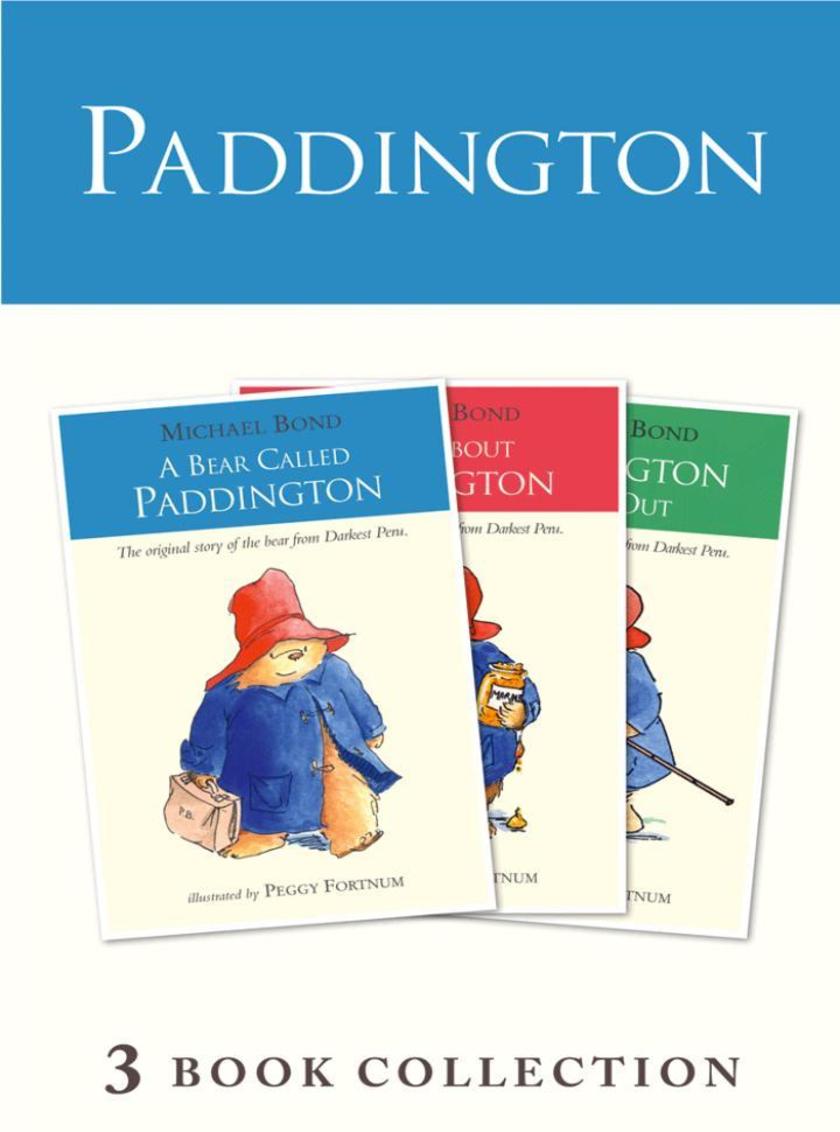
Bringing together three favourite novels about Paddington, the beloved, classic bear from Darkest Peru. Book 1 - A Bear Called Paddington: Paddington Bear travels all the way from Darkest Peru and meets the Brown family on Paddington station for the first time. Since then the Browns’ lives have never been quite the same… for ordinary things become quite extraordinary when a bear called Paddington is around. Book 2 - More About Paddington: Whether he is attempting home decorating, detective work or photography, Paddington always causes his own special brand of chaos! Book 3 - Paddington Helps Out Somehow, trouble comes naturally to Paddington. What other bear could catch a fish in his hat, or cause havoc in the Browns’ kitchen just trying to be helpful? Paddington Bear has been delighting adults and children alike with his earnest good intentions and humorous misadventures for over fifty years.

Deadly Seven
¥90.43
Deadly Seven is a combination of monologues and ‘light’ script engagement of a psychologist with her seven clients, who each represent a deadly sin. Once the psychologist realises she lacks control over each of her clients’ lives, she decides to put an end to their madness. All characters represent an obsession which ultimately destroys them; leading to their deaths.

Arany János – TOLDI
¥90.42
"Reportajele din aceast? carte vorbesc despre aspecte din istoria recent?, cum ar fi migra?ia, corup?ia, via?a ?n penitenciare sau problemele minorit??ilor, ?nchiderea spitalelor sau stresul care schimb? vie?i, crizele din s?n?tate, pove?ti ale unor oameni obi?nui?i, care fac lucruri speciale. Reg?sim, ?ns?, ?i pove?ti de demult, cum e cazul reportajelor despre lupt?torii anticomuni?ti din mun?i, despre tezaurul de la Pietroasele sau istoriile din satele s?se?ti. Reportajele surprind realit??i dintr-o Rom?nie aflat? ?n continu? schimbare, cu enorme discrepan?e. Sunt ca o fotografie a realit??ii. Cine le cite?te afl? cum se tr?ia sau cum se tr?ie?te ?n anumite locuri. Cum se schimb? sau de ce nu se schimb? lucrurile ?i mentalit??ile. Cartea cuprinde 30 de reportaje publicate ?n revista Dilema veche, dar ?i adapt?ri dup? reportaje sau documentare radio difuzate la Europa FM ?i Radio Rom?nia Actualit??i. Reportajul e un gen mai rar ?nt?lnit ast?zi ?n presa din Rom?nia. Dar asta nu se ?nt?mpl? din cauza lipsei de interes a publicului, ci din pricina lipsei de bani ?i de investi?ii ?ntr-o pres? de calitate. De fiecare dat? c?nd totu?i apar reportaje bine f?cute, se constat? c? publicul le urm?re?te cu interes, tot a?a cum urm?re?te reportajele ?i documentarele oferite de televiziunile str?ine. Asta fiindc? oamenii au nevoie de pove?ti. Un reportaj bine f?cut este de fapt o poveste adev?rat?. P?n? la urm?, ?i aceast? carte este o carte cu pove?ti adev?rate." (Liliana Nicolae)

Easy. Tasty. Healthy.:The Ultimate Cooking Without
¥90.35
A classic recipe book which excludes ingredients harmful to those suffering from candida, M.E., and allergy sufferers.
Charmed Life
¥90.29
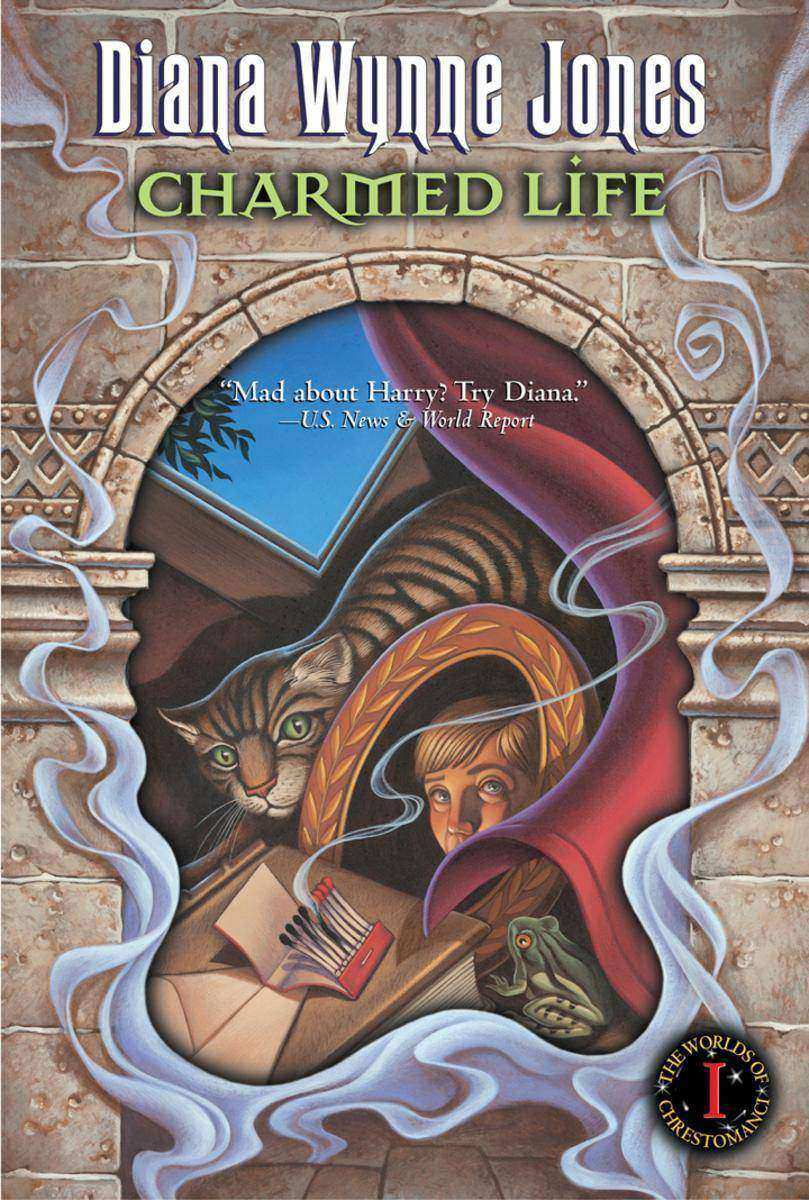
A bewitching comic fantasy by a master of the supernaturalCat doesn't mind living in the shadow of his sister, Gwendolen, the most promising young witch ever seen on Coven Street. But trouble starts brewing the moment the two orphans are summoned to live in Chrestomanci Castle. Frustrated that the witches of the castle refuse to acknowledge her talents, Gwendolen conjures up a scheme that could throw whole worlds out of whack.
Life on the Refrigerator Door
¥90.29
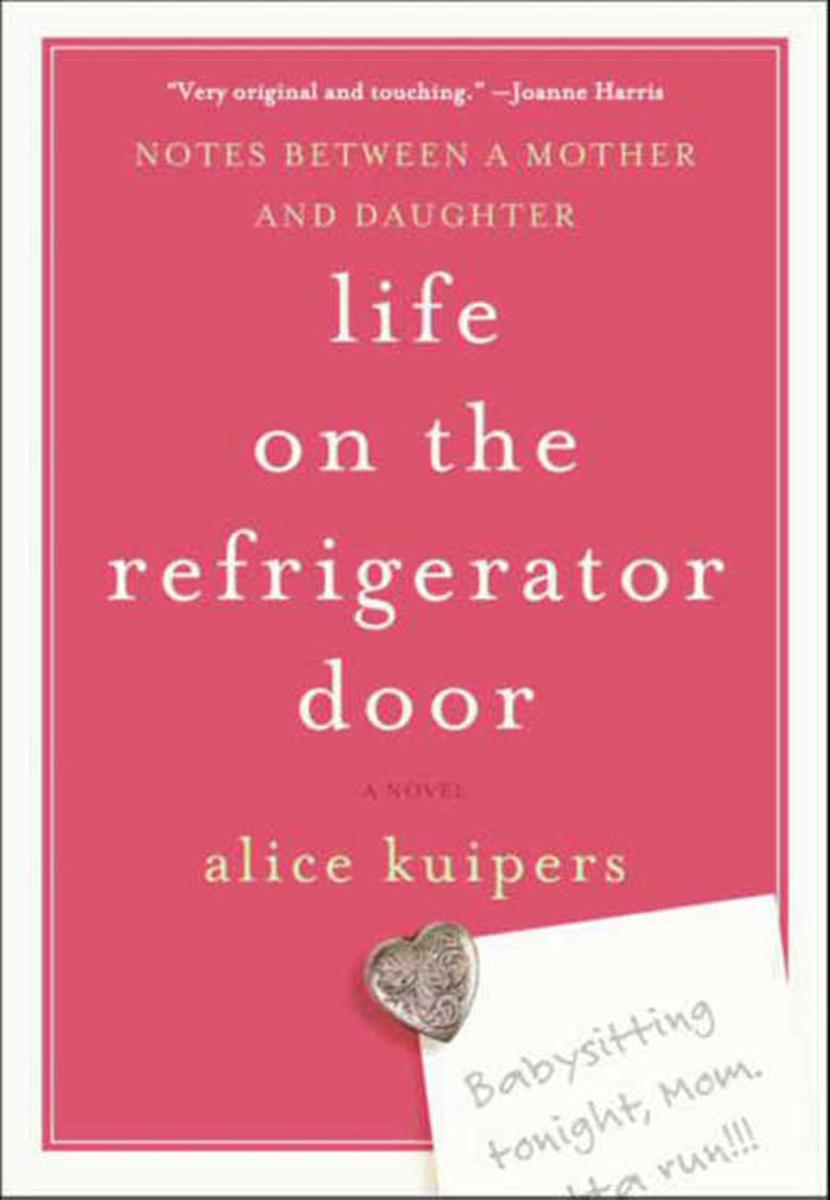
Claire and her mother are running out of time, but they don't know it. Not yet. Claire is wrapped up with the difficulties of her bourgeoning adulthood—boys, school, friends, identity; Claire's mother, a single mom, is rushed off her feet both at work and at home. They rarely find themselves in the same room at the same time, and it often seems that the only thing they can count on are notes to each other on the refrigerator door. When home is threatened by a crisis, their relationship experiences a momentous change. Forced to reevaluate the delicate balance between their personal lives and their bond as mother and daughter, Claire and her mother find new love and devotion for one another deeper than anything they had ever imagined. Heartfelt, touching, and unforgettable, Life on the Refrigerator Door is a glimpse into the lives of mothers and daughters everywhere. In this deeply touching novel told through a series of notes written from a loving mother and her devoted fifteen-year-old daughter, debut author Alice Kuipers deftly captures the impenetrable fabric that connects mothers and daughters throughout the world. Moving and rich with emotion, Life on the Refrigerator Door delivers universal lessons about love in a wonderfully simple and poignant narrative.
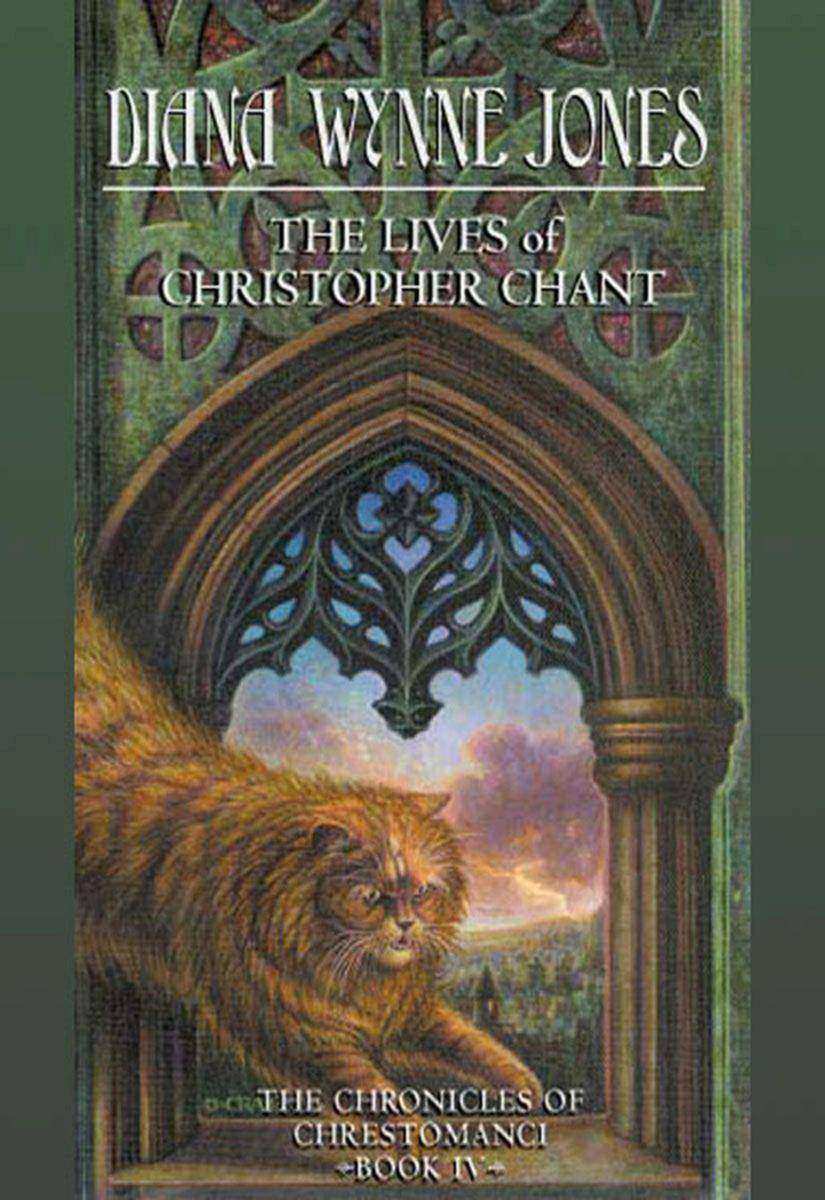
The Lives of Christopher Chant
¥90.29
His father and uncles are enchanters, his mother a powerful sorceress, yet nothing seems magical about Christopher Chant except his dreams. Night after night, he climbs through the formless Place Between and visits marvelous lands he calls the Almost Anywheres. Then Christopher discovers that he can bring real, solid things back from his dreams. Others begin to recognize the extent of his powers, and they issue an order that turns Christopher's life upside down: Go to Chrestomanci Castle to train to be the controller of all the world's magic.The Lives of Christopher Chant is the adventure-filled story of the boyhood of Chretomanci, the famous magician who also appears in Charmed Life, Witch Week, and The Magicians of Caprona.
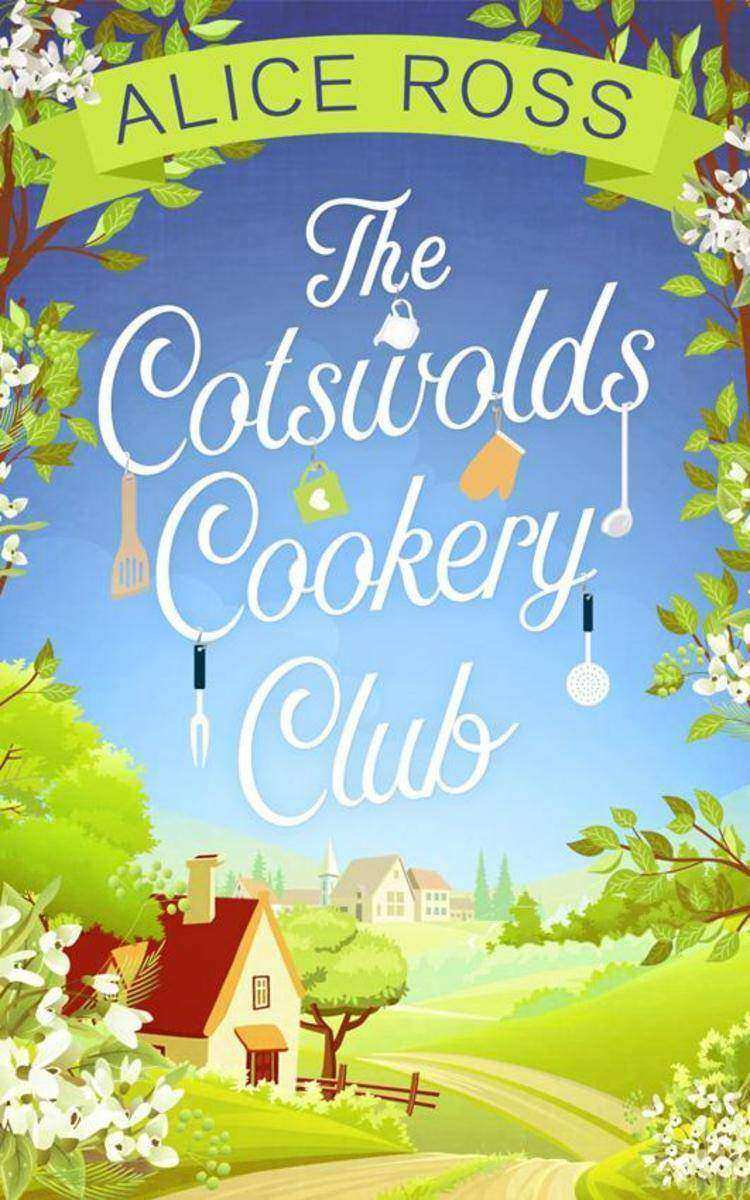
The Cotswolds Cookery Club: a deliciously uplifting feel-good read
¥90.27
‘One of the best stories I’ve read in a long time!’ Stacey Rebecca (NetGalley reviewer) The Cotswolds Cookery Club was originally published as a three-part serial. This is the complete story in one package. The Cotswolds Cookery Club is opening its doors! Connie has had enough. Enough of the city, enough of her job – and most importantly, enough of her cheating boyfriend! Finally free to chase her dreams, Connie sets up her very own Cotswolds Cookery Club – a place to share scrumptious recipes and, more importantly, a lot of wine… Trish always dreamed of living in a little chocolate box village – but she never expected to be starting over at forty. Could joining the Cookery Club be the perfect distraction from her stroppy teenage daughter and her ex-husband’s new girlfriend? Kate spends her life juggling her three young children and running the busy Cotswolds veterinary practice. It’s time to take charge of the disparate ingredients of her life and transform them into the perfect pot-au-feu! But with three delicious men turning up the heat, perhaps the sleepy Cotswolds village has a few surprises in store… Fans of Milly Johnson, Caroline Roberts and Jill Mansell will love this heartwarming read!
A Gift Of Miracles
¥90.06
This treasury of all-new true miracle stories from the bestselling authors of Christmas Miracles, The Magic of Christmas Miracles, and Mothers' Miracles offers the real-life wonder their readers have come to love. Some highlights:A disk jockey's selection of music has an astounding unintended effect a comatose Polish woman begins to softly sing along with a song from her childhood.While body surfing, a man is slammed by a wave and hears his neck snap. Unable to move, he begins to swallow water to hasten death. Instead, he feels himself lifted from the water, gliding safely to shore.A school janitor befriends a student, only to learn that she is the daughter of his long-lost son and his very own granddaughter.A Gift of Miracles, like its predecessors, will remind readers and their families that in the midst of our hectic and sometimes frightening world, magic, mystery, and miracles happen. And that if we look hard enough in the corners of our own lives, we, too, can find miracles.
Asystole
¥90.03
From the first pages it becomes apparent that Asystole is a novel about love of life in its purest, instinctive and intimate form. It’s also a novel about human faith in its existence and a desire to experience this love. Author Oleg Pavlov places his character – a boy who grows to be a man and is clearly personified by the writer’s own outlook on life – in impossible and familiar circumstances, impossible not to relate to. An adult is shaped in childhood. Chaotic, anxious and at the same time withdrawn narration seems to have no direction and no resolution. Except that the life of the people, who are in fact children of a broken destiny, is real and not much needs to be said to make it our own. Laconic and ‘to the point’ observations of Pavlov’s protagonist as he goes, are chilling at times. They pierce through flesh right to the bone – the quality only the naked truth can have. Asystole is moreover about the by-stander effect, about a disconnected and malfunctioning society and a struggle of one not to merge into the faceless mass of many. Modern, deeply thought through and heartfelt, this novel is an examination of the physics of human soul. Pavlov’s Universe has a special arrangement – if it was up to him, humans wouldn’t be allowed in it, for the privilege of being human requires living up to the title.

Alpine Ballad
¥90.03
A handful of families, several generations, more than a few wars. MoscTowards the end of World War II, a Belarusian soldier and an Italian girl escape from a Nazi concentration camp. The soldier wonders if he should get rid of the girl; she is a burden and is slowing him down. However, he cannot bring himself to abandon her in the snowy wilderness. Somewhere along the way, the two develop feelings for each other, but their love is not destined to grow beyond the edge of the mountains. Yet their bond cannot be denied, and in the end it proves stronger than death itself. From the master of psychological narrative whose firsthand experience with World War II enabled him to re-create the ordeal on pages of his books, Alpine Ballad is Vasil Bykau’s most heartfelt story. Bykau sends a powerful message to his readers: human values can be extrapolated and in the context of war people can still uphold their humanity. An altruistic, philanthropic project of Glagoslav Publications, Alpine Ballad is coming out as a gesture of peace and a reminder to all of the human cost of wars that ransack our planet to this day. Translated from Belarusian by Mikalai Khilo. The previous translations of Alpine Ballad were based on the Soviet-censored Russian version of the original manuscript. ow, Kabul, Barcelona. Anna Nemzer announces herself on the literary scene boldly and loudly with this debut novel about the insane, unspeakable nature of war, about human fears, treachery, lies, fateful coincidences and destinies during warfare, when there is no room left for love. The protagonists survived the war and are rescued from captivity. They are not able, however, to leave the experiences of the war behind them and move on with their lives. The novel explores what happens once the conflict is over, as they learn to live without the war, with all their loves, passions and weaknesses.


