


 购物车
购物车 个人中心
个人中心
Lelkünk üzenete
¥81.26
Elég egy váratlan hajnali telefonhívás és egy rég nem hallott a hang a vonal másik végén, hogy Myron Bolitar, a kemény?kl? játékosügyn?k ismét egy els? ránézésre megoldhatatlan rejtély kell?s k?zepén találja magát. Nyolc éve, hogy utoljára találkozott a gy?ny?r? Terese Collinsszal, aki most arra kéri, utazzon Párizsba. Myron sejti, hogy nem csupán egy romantikus randevú várja a szerelem városában, ám amikor a repül?térre érve rend?r?k fogadják, majd hamarosan kiderül, hogy Terese az els? számú gyanúsítottja egy gyilkosságnak, úgy érzi, zsákutcába került. Nem ismeri sem a nyelvet, sem a szokásokat, így aligha tud bármit is kinyomozni. De miel?tt alaposabban végiggondolhatná a helyzetet, t?rténik valami, ami új megvilágításba helyezi az ügyet... ?Ekkor borítottam rá az asztalt. Amint leült mellém, azonnal végiggondoltam a lehet?ségeket. Már tudtam, mir?l van szó: emberrablás. Ha beszállok a furgonba, nekem l?ttek. Hallották már azt a nagy b?lcsességet, hogy az emberrablásoknál mindig az els? negyvennyolc óra a legkritikusabb? Amit nem szoktak hozzátenni - talán mert annyira nyilvánvaló -, hogy minden másodperccel cs?kken az esélye annak, hogy valaha is megtalálják az áldozatot. Itt ugyanez volt a helyzet. Ha beszállok abba a kocsiba, túlélési esélyeim a minimumra cs?kkennek. Ha felállok, és elindulok a furgon felé, szintén romlanak a kilátásaim. Ráadásul Sebhelyes Fej nem számít korai ellencsapásra. Azt hiszi, szépen begyakorolt kis monológját hallgatom. Nem jelentek fenyegetést. ?gy hát a meglepetés erejére építettem. Egy pillanatra ? is odanézett, hogy meggy?z?dj?n, valóban ott áll-e a kocsi. Ennyi elég is volt. Az asztal peremét már korábban megmarkoltam. Lábizmaim megfeszültek. ?gy pattantam f?l, mintha dobbantóról ugranék. Az asztallap egyenesen az arcába csapódott." Harlan Coben napjaink egyik legnépszer?bb krimiírója. Regényeit a m?faj gy?ngyszemeiként tartják számon, eddig negyven kül?nb?z? nyelvre fordították le, és k?zel 50 millió (!) példányt adtak el bel?lük világszerte.
?vegszilánkon táncolni
¥81.26
Harmati Vera gondolatait a gimi utolsó évében f?ként a szerelem k?ti le, k?lcs?n?sen odáig vannak egymásért Balázzsal. Az ?sszes szabadidejüket együtt t?ltenék, ha… Ha Veronika anyja nem vigyázná továbbra is lánya minden lépését, ha nem lenne a jogsitanfolyam, a k?zelg? érettségi, a pingpongbajnokság, na meg Liza és Laura, akik igyekeznek rémálommá változtatni a lány minden egyes percét. ?m mindez elt?rpül egy véletlenül felfedett, hatalmas titok mellett, aminek mindenképpen a végére kell járni. Vera meg akarja ismerni édesanyja s?tét múltjának minden egyes részletét, még akkor is, ha ezzel ? maga is titkolózásra kényszerül. Balázs és a gimis barátok természetesen segítenek, de Verának így is kihívás a szerelem, a suli? és a nyomozás k?z?tt egyensúlyozni.? A Z?r?s társaság nem pihent sokat, a nagy siker? e-k?nyv után immár nyomtatott k?nyv lapjain kerülnek újabb z?r?s helyzetekbe a fiatalok. Ezúttal viszont Vera már pontosan tudja, hogy mit szeretne, a rossz d?ntésekt?l még a józan ész sem tántoríthatja el. ? ? A Z?r?s hétvége bár tinikr?l szól, mégsem korhatáros regény. Biztos vagyok benne, hogy minden tizenéves olvasó kedvence lesz ez a kis csapat, jó velük együtt nevetni, izgulni, lógni, dolgozatra készülni, bulizni, átélni az els? (második, harmadik) szerelmet. A feln?ttek is nosztalgiázhatnak: az imádott-utált, pokolra kívánt és azóta is visszasírt kamaszkorukat újra átélhetik Tolnai Panka szerepl?it kísérve. Fej?s ?va
Me and Earl and the Dying Girl
¥81.23
New York Times Bestseller The book that inspired the hit film! Sundance U.S. Dramatic Audience Award Sundance Grand Jury Prize This is the funniest book you'll ever read about death. It is a universally acknowledged truth that high school sucks. But on the first day of his senior year, Greg Gaines thinks he's figured it out. The answer to the basic existential question: How is it possible to exist in a place that sucks so bad? His strategy: remain at the periphery at all times. Keep an insanely low profile. Make mediocre films with the one person who is even sort of his friend, Earl. This plan works for exactly eight hours. Then Greg's mom forces him to become friends with a girl who has cancer. This brings about the destruction of Greg's entire life.Praise for Me and Earl and the Dying GirlSTARRED REVIEW "e;One need only look at the chapter titles ("e;Let's Just Get This Embarrassing Chapter Out of the Way"e;) to know that this is one funny book."e; -Booklist, starred reviewSTARRED REVIEW "e;A frequently hysterical confessional...Debut novelist Andrews succeeds brilliantly in painting a portrait of a kid whose responses to emotional duress are entirely believable and sympathetic, however fiercely he professes his essential crappiness as a human being. Though this novel begs inevitable thematic comparisons to John Green's The Fault in Our Stars (2011), it stands on its own in inventiveness, humor and heart."e; -Kirkus Reviews, starred review "e;It is sure to be popular with many boys, including reluctant readers, and will not require much selling on the part of the librarian."e; -VOYA "e;Mr. Andrews' often hilarious teen dialogue is utterly convincing, and his characters are compelling. Greg's random sense of humor, terrible self-esteem and general lack of self-awareness all ring true. Like many YA authors, Mr. Andrews blends humor and pathos with true skill, but he steers clear of tricky resolutions and overt life lessons, favoring incremental understanding and growth."e; -Pittsburgh Post-GazetteAwards: Capitol Choices 2013 - Noteworthy Titles for Children and Teens Cooperative Children's Book Center (CCBC) Choices 2013 list - Young Adult Fiction YALSA 2013 Quick Picks for Reluctant Young Adult Readers YALSA 2013 Best Fiction for Young Adults YALSA 2014 Popular Paperbacks for Young Adults
The Tyranny Trilogy: The Black Maria, My Brother the Enemy and Anastasia
¥81.21
The Tyranny Trilogy: The Black Maria, My Brother the Enemy and Anastasia
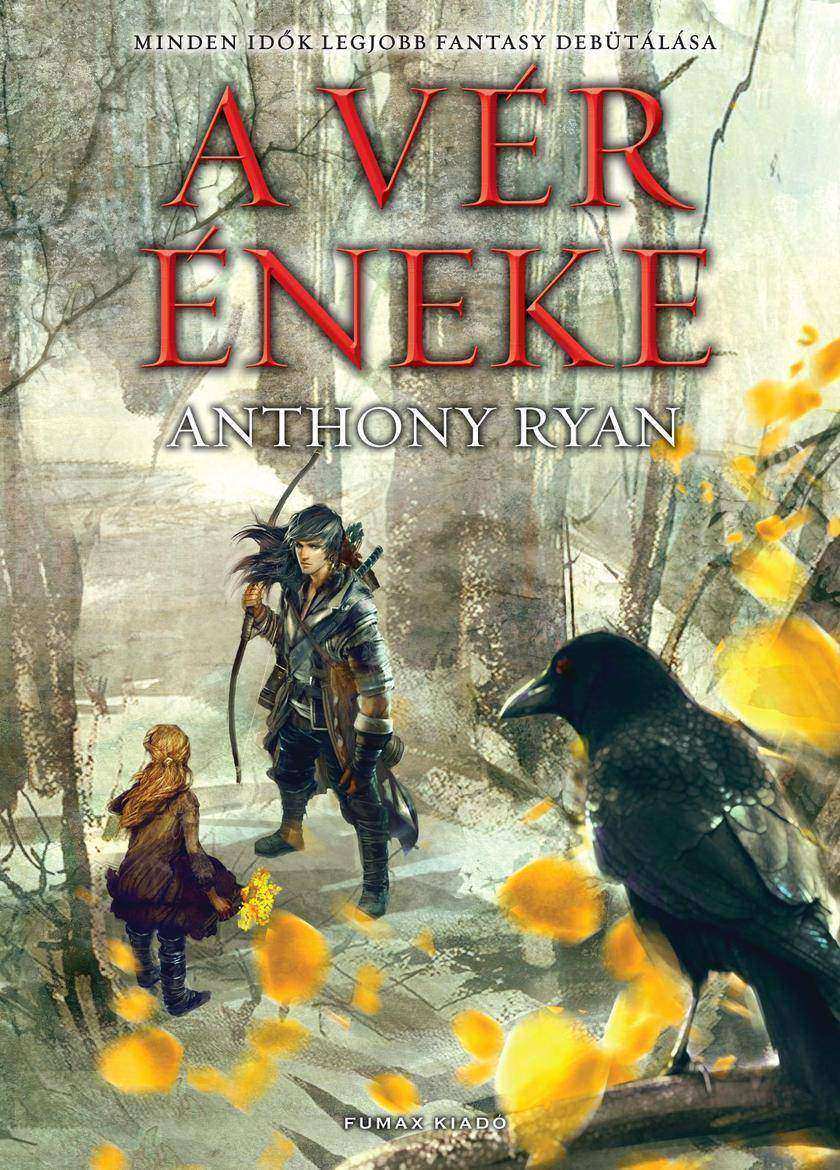
A vér éneke
¥81.18
After the publication of "The Wonderful Wizard of OZ" I began to receive letters from children, telling me of their pleasure in reading the story and asking me to "write something more" about the Scarecrow and the Tin Woodman. At first I considered these little letters, frank and earnest though they were, in the light of pretty compliments; but the letters continued to come during succeeding months, and even years. Finally I promised one little girl, who made a long journey to see me and prefer her request,—and she is a "Dorothy," by the way—that when a thousand little girls had written me a thousand little letters asking for the Scarecrow and the Tin Woodman I would write the book, Either little Dorothy was a fairy in disguise, and waved her magic wand, or the success of the stage production of "The Wizard of OZ" made new friends for the story, For the thousand letters reached their destination long since—and many more followed them. ? ?And now, although pleading guilty to long delay, I have kept my promise in this book. L. FRANK BAUM., Chicago, June, 1904 To those excellent good fellows and comedians David C. Montgomery and Frank A. Stone whose clever personations of the Tin Woodman and the Scarecrow have delighted thousands of children throughout the land, this book is gratefully dedicated by THE AUTHOR Chapter 1 Tip Manufactures a Pumpkinhead ??In the Country of the Gillikins, which is at the North of the Land of Oz, lived a youth called Tip. There was more to his name than that, for old Mombi often declared that his whole name was Tippetarius; but no one was expected to say such a long word when "Tip" would do just as well. This boy remembered nothing of his parents, for he had been brought when quite young to be reared by the old wom-an known as Mombi, whose reputation, I am sorry to say, was none of the best. For the Gillikin people had reason to suspect her of indulging in magical arts, and therefore hesi-tated to associate with her. Mombi was not exactly a Witch, because the Good Witch who ruled that part of the Land of Oz had forbidden any oth-er Witch to exist in her dominions. So Tip's guardian, how-ever much she might aspire to working magic, realized it was unlawful to be more than a Sorceress, or at most a Wizardess. ? Tip was made to carry wood from the forest, that the old woman might boil her pot. He also worked in the corn-fields, hoeing and husking; and he fed the pigs and milked the four-horned cow that was Mombi's especial pride... ? ABOUT AUTHOR: Lyman Frank Baum (May 15, 1856–May 6, 1919) was an American author, actor, and independent filmmaker best known as the creator, along with illustrator W. W. Denslow, of one of the most popular books ever written in American children's literature, The Wonderful Wizard of Oz, better known today as simply The Wizard of Oz. He wrote thirteen sequels, nine other fantasy novels, and a plethora of other works, and made numerous attempts to bring his works to the stage and screen.? Other Books of Author: The Wonderful Wizard of Oz (1900) Dorothy and the Wizard in Oz (1908) American Fairy Tales (1901) The Emerald City of Oz (1910) Ozma of Oz (1907) The Lost Princess of Oz (1917) Glinda of Oz (1920) The Road to Oz (1909) Tik-Tok of Oz (1914)
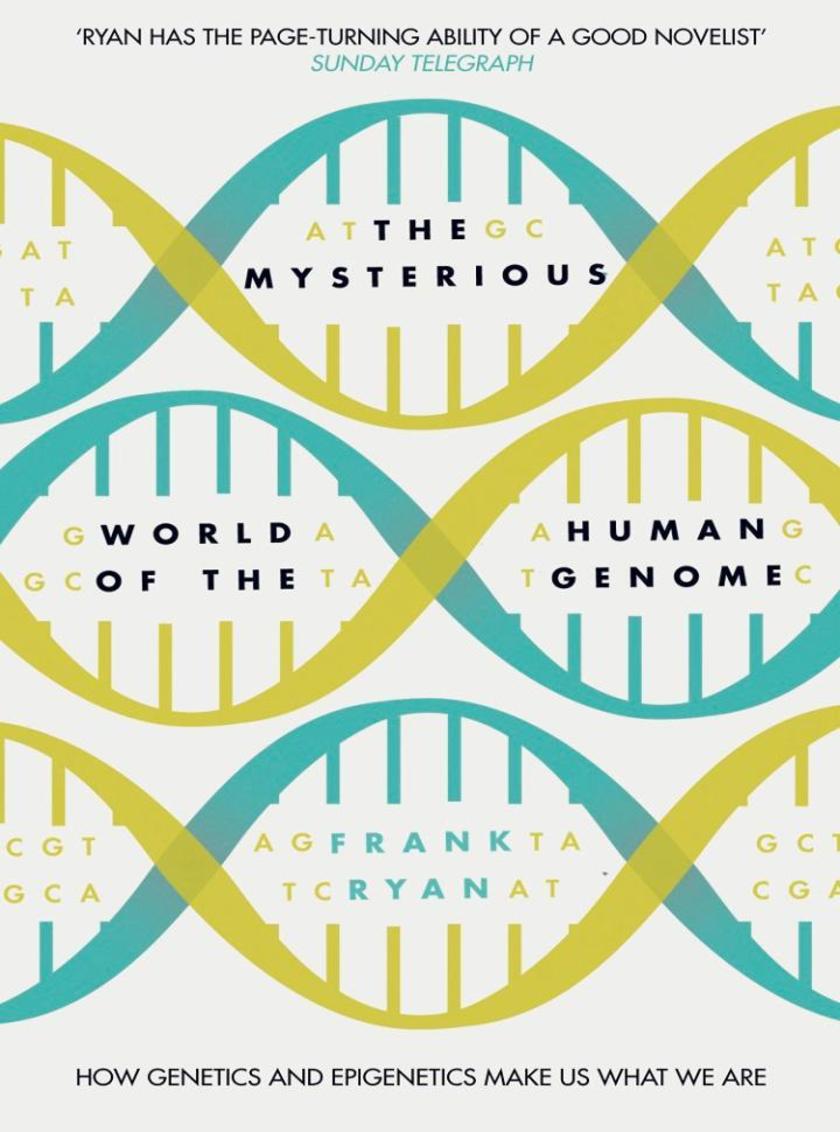
The Mysterious World of the Human Genome
¥81.03
How could a relatively simple chemical code give rise to the complexity of a human being? How could our human genome have evolved? And how does it actually work? Over the past 50 years we have deciphered the inner workings of the human genome. From the basic structure of DNA through to the complete sequence of the code, what first appeared to be simple is actually a complex and beautiful three-dimensional world that makes each of us who we are. In The Mysterious World of the Human Genome acclaimed science writer Frank Ryan leads us through the most exciting scientific discoveries of the last 50 years, revealing how this science has unlocked the cure of some genetic diseases, developed the use of DNA in forensic science and paternity testing, helped us trace our ancestors and provided a definitive map for the movement of humans out of Africa. This scientific journey has had a profound impact on our understanding of the evolution of life itself, through the role of the most ancient of organisms in our basic biology all the way to the revelation that our most recent ancestor, Homo neanderthalensis, lives on in many of us. In the ever more complicated world of the human genome, this is the first book to explain how the human genome actually works as a whole and how that knowledge will have a profound effect on our understanding of where we have come from and where we are likely to be going in the future.
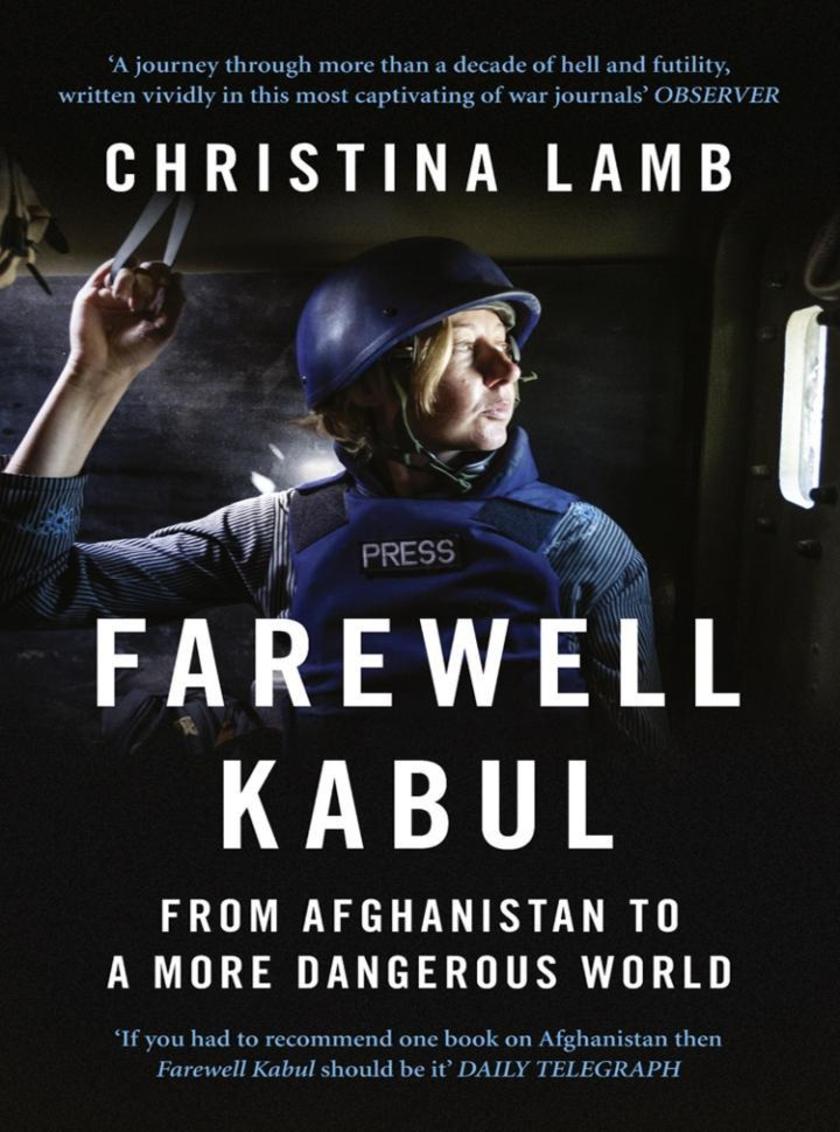
Farewell Kabul: From Afghanistan To A More Dangerous World
¥81.03
From the award-winning co-author of ‘I Am Malala’, this book asks just how the might of NATO, with 48 countries and 140,000 troops on the ground, failed to defeat a group of religious students and farmers? How did it go so wrong? Twenty-seven years ago, Christina Lamb left Britain to become a journalist in Pakistan. She crossed the Hindu Kush into Afghanistan with mujaheddin fighting the Russians and fell unequivocally in love with this fierce country of pomegranates and war, a relationship which has dominated her adult life. Since 2001, Lamb has watched with incredulity as the West fought a war with its hands tied, committed too little too late, failed to understand local dynamics and turned a blind eye as their Taliban enemy was helped by their ally Pakistan. Farewell Kabul tells how success was turned into defeat in the longest war fought by the United States in its history and by Britain since the Hundred Years War. It has been a fiasco which has left Afghanistan still one of the poorest nations on earth, the Taliban undefeated, and nuclear armed Pakistan perhaps the most dangerous place on earth. With unparalleled access to all key decision-makers in Afghanistan, Pakistan, London and Washington, from heads of state and generals as well as soldiers on the ground, Farewell Kabul tells how this happened. In Afghanistan, Lamb has travelled far beyond Helmand – from the caves of Tora Bora in the south to the mountainous bad lands of Kunar in the east; from Herat, city of poets and minarets in the west, to the very poorest province of Samangan in the north. She went to Guantánamo, met Taliban in Quetta, visited jihadi camps in Pakistan and saw bin Laden’s house just after he was killed. Saddest of all, she met women who had been made role models by the West and had then been shot, raped or forced to flee the country. This deeply personal book not only shows the human cost of political failure but explains how short-sighted encouragement of jihadis to fight the Russians, followed by prosecution of ill-thoughtout wars, has resulted in the spread of terrorism throughout the Islamic world

Chicago
¥81.03
Sex, money and politics are the driving forces of society in this new novel from bestselling author Alaa al Aswany. A medley of Egyptian and American lives collides on the campus of the University of Illinois Medical Center in a post-9/11 Chicago, and crises of identity abound. Among the players are an atheistic anti-establishment American professor of the sixties generation, whose relationship with a younger African-American woman becomes a moving target for intolerance; a veiled PhD candidate whose conviction in the code of her traditional upbringing is shaken by her exposure to American society; an emigre who has fervently embraced his new American identity, but who cannot escape his Egyptian roots when faced with the issue of his daughter's 'honour'; an Egyptian State Security informant who spouts religious doctrines while hankering after money and power; and a dissident student poet who comes to America with the sole aim of financing his literary aspirations, but whose experience in Chicago turns out to be more than he bargained for. This tightly plotted page-turner is set far from the downtown Cairo of al Aswany's ‘The Yacoubian Building’, but is no less unflinching an examination of contemporary Egyptian lives.
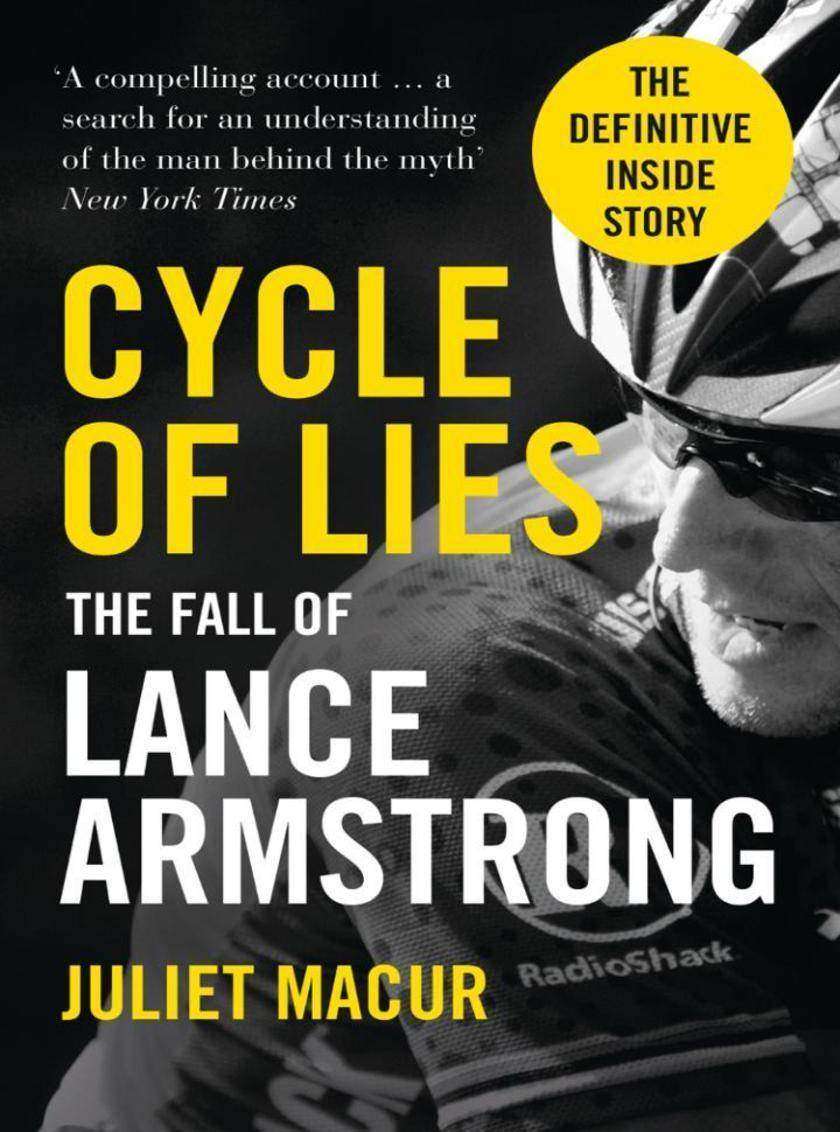
Cycle of Lies: The Fall of Lance Armstrong
¥81.03
A fly-on-the-wall account of the greatest drama in modern sporting history by the New York Times cycling correspondent. As Lance Armstrong’s precipitous fall from grace continues, New York Times sports reporter Juliet Macur takes the reader behind the scenes to bring to life the astonishing twists and turns of the scandal that has rocked the world of cycling. With unprecedented access to the key players in the drama – from Armstrong’s fellow cyclists and top cycling officials to doctors, trainers and wives – Cycle of Lies reveals how Armstrong built a fortress of people around him to protect his image and upend the lives of anybody who stood in his way. As America’s fallen idol faces potential perjury charges, Cycle of Lies widens the focus to expose corruption at all levels of the sport in a thrilling, page-turning work of contemporary narrative history.
The Lost Ark of the Covenant: The Remarkable Quest for the Legendary Ark
¥81.03
Professor Tudor Parfitt, a real-life British Indiana Jones, has made the biggest discovery of the last 3,000 years – the secret location of the fabled Ark of the Covenant. In 2006, he made an incredible journey to its final resting place and in February 2008 he will reveal this to the world. This is the amazing story of his quest. This is the real-life account of Professor Tudor Parfitt's remarkable discovery – of the lost Ark of the Covenant that disappeared from the Temple of Jerusalem centuries ago. The holiest object in the world, the Ark of the Old Testament contains the tablets of law sacred to Judaism, Christianity and Islam. Scholar, orientalist and adventurer, Parfitt embarked on an incredible journey to discover where the Ark is hidden, and when he reveals his discovery history books will be rewritten forever. Parfitt's quest took him on an incredible detective trail across the Middle East and Africa. His search led him to ancient documents and codes in Oxford and Jerusalem, and even to discoveries in modern genetic science, for clues to take him closer to the Ark. But some people didn't want the Ark to be found. In the wilder reaches of the Yemen he narrowly escaped being kidnapped by Islamist fugitives. In Africa he was shot at, ambushed and arrested. Amongst crossing paths with a motley crowd of mystics, holy men, charlatans and politicians, he encountered a strange tribe in the mysterious lands of the Limpopo River who claimed that they knew the Ark's final resting place. When Parfitt finally set eyes on the Ark, it wasn't at all where he expected. His revelation of its whereabouts will cause an international story with an effect on Judaism, Islam and Christianity that may be the most controversial in history.
London Born: A Memoir of a Forgotten City
¥81.03
An extraordinary memoir from a man in his nineties who remembers everyday life in a North London now long gone: the hardships and deprivations of a life of poverty but also the resourcefulness and fortitude of a community determined to survive between the wars. 'When I look back, I can picture the old gels chinwagging on their steps in the Bay like it was yesterday. Little did they think that young Sid, passing by with his arse out of his trousers, would one way publish his memoirs!' 'Ordinary' people do not write their stories, believing their lives to be unremarkable. Some, like Sid, cannot write at all. But, with the aid of his granddaughter Helen Day, Sid has produced an extraordinary memoir of a city and a way of life now lost forever. 'London Born' is a book that has appeared against all the odds - as Sid says, 'When me granddaughter Helen Day said she wanted to record the story of the first half of me life and turn it into a book I was astonished. I thought to meself, Well, I've done a lot of things, but I never dreamt I'd get into the book game. You see, I can't write more than me own name.' In 'London Born', Sid remembers the city that emerged from the First World War and recreates the daily life of the people living in the notorious street known as 'Tiger Bay'. He describes the drinking and merrymaking, the poverty and unemployment - and the 'villainry'. With relish he relates how youthful high spirits and a refusal to accept the hardship of the times sometimes put him and his friends on the wrong side of the law. He goes on to tell of the wartime mayhem endured by Londoners and his determination to survive. His story closes with demobilisation when he returns to his wife and young family - 'the only thing that ever counted'. This is a memoir from a warm and cheeky voice; from someone who remembers, as if it were yesterday, parading down Archway in his fifty-bob suit, or running rings around Ernie Costen, the local policeman.

The Playful Parent
¥81.03
The Playful Parent offers a new solution for parents and carers looking for a calmer, happier and smarter way to parent the under-fives. This activity-led parenting guide shows how to get young children involved and learning, thinking and growing, helping and cooperating without any need for ‘the naughty step’ or punishment at all, but by making play the beating heart of family life. Julia Deering offers support and advice to busy parents, combining down-to-earth practicality with hundreds of simple activities, tips, tricks and fixes, guidance, prompts and brilliant ideas that show parents how to tap into their child's playful instincts. You can use The Playful Parent to: ? Make your little one’s good behaviour become their normal behaviour ? Remove those parent/child battle-of-will situations ? Help steer clear of the flashpoint furies and melt-down moments of the ‘terrible twos’ ? Run fuss-free errands with your toddlers in tow ? Tackle tricky transitions such as bedtimes and car journeys with ease ? Develop your child's independence and unleash their natural creativity ? Bond with a child in the first language they know: play Whether you've forgotten how to play or you're still a child at heart, The Playful Parent equips you with all the know-how you need to make play work for you and your family; transforming parenting during the early years into a more enjoyable, rewarding and memorable experience. Includes: ? A guide to the principles of play and how to use the 7 Ways to Play concept ? Advice on how to organise your home – and your life – for maximum play with minimum stress ? Over a hundred uncomplicated and irresistible activities for your 18 month – 5 year olds ? A Family Favourites chart so you can record favourite activities and start building daily and weekly planners
Son of the Shadows: Book 2 of the Sevenwaters Trilogy
¥81.03
A powerful and entracing romance, set in the Celtic twilight of 10th century Ireland: a new MISTS OF AVALON for readers of historical fantasy. The forests of Sevenwaters have cast their spell over Sorcha's daughter Liadan, who, like her mother, has inherited the talent to heal and to see into the spirit world. The forest spirits warn Liadan that she must remain for ever at Sevenwaters if the sacred isles are to be won back from the Britons who took them by force. For the Lord and Lady of the forest spirits have seen in Liadan's future a doomed romance, death; a child; and a terrible choice to be made. Liadan is taken captive by the Painted Man, who is revealed to be a man quite unlike his legend. Liadan is drawn to him, despite the ancient prophesy of doom, but can she reclaim her life and defy the spirits, or will a curse fall upon Sevenwaters because of her forbidden love? Will the fight for the sacred isles end in tragedy? History and fantasy, myth and magic, legend and love come together in this magical story.
Specimen Days
¥81.03
From the Pulitzer Prize-winning author of ‘The Hours’ and new novel ‘The Snow Queen’, time, technology and love are the central concerns of a provocative novel that calls to mind David Mitchell’s ‘Cloud Atlas’. Lucas, Catherine, Simon: three characters meet time and again in the three linked narratives that form ‘Specimen Days’. The first, a science fiction of the past, tells of a boy whose brother was ‘devoured’ by the machine he operated. The second is a noirish thriller set in our century, as a police psychologist attempts to track down a group of terrorists. And the third and final strand accompanies two strange beings into the future. A novel of connecting and reconnecting, inspired by the writings of the great visionary poet Walt Whitman, ‘Specimen Days’ is a genre-bending, haunting ode to life itself – a work of surpassing power and beauty by one of the most original and daring writers at work today.

The Complete Short Stories:The 1960s (Part 1)
¥81.03
Following on from the 1950s collection, this is the second collection of Brian Aldiss’ short stories, taken from the 1960s. A must-have for collectors. Part one of four. This collection gathers together, for the very first time, Brian Aldiss’ complete catalogue of short stories from the 1960s, in four parts.
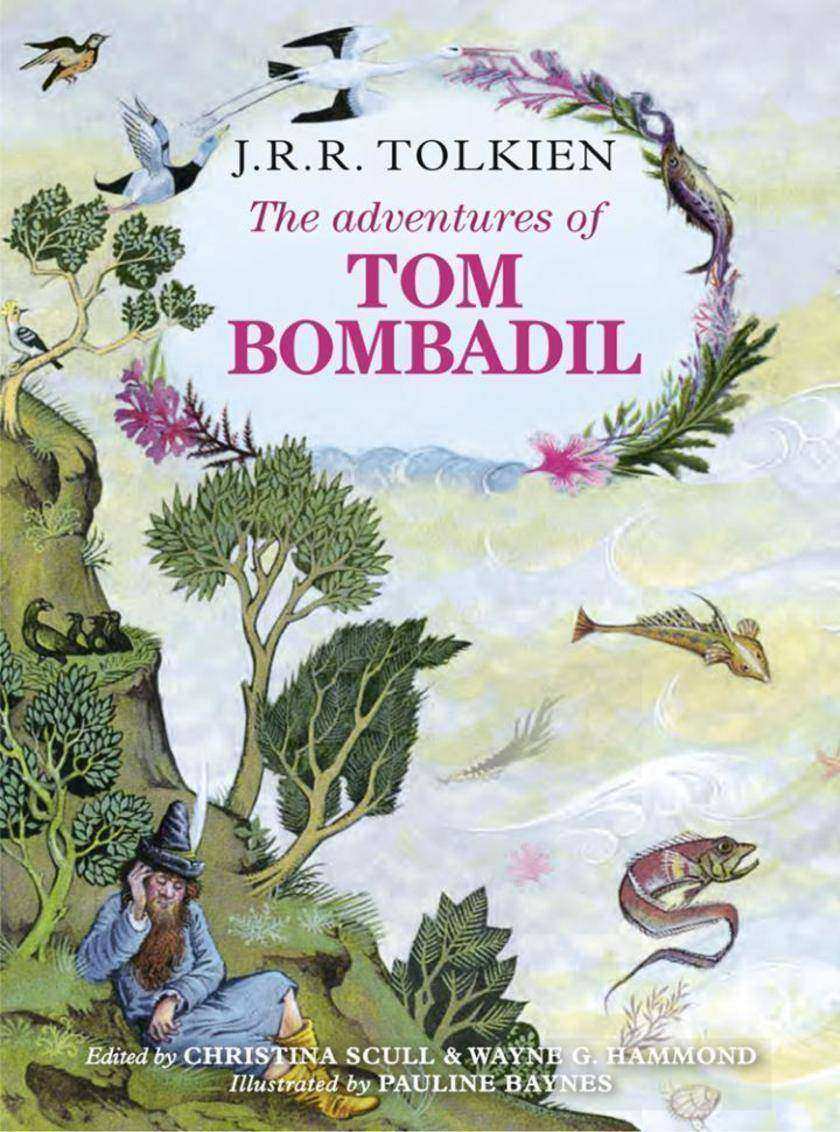
The Adventures of Tom Bombadil
¥81.03
This revised and expanded edition of Tolkien’s own Hobbit-inspired poetry includes previously unpublished poems and notes, and is beautifully illustrated by Narnia artist Pauline Baynes. ‘Here is something that no devotee of the Hobbit epic can afford to miss, while awaiting a further instalment of the history of these fascinating people – a selection [of verses] offered as an ‘interim report’ to those interested in Hobbit-lore, and to any others who may find amusement in this mixed bag of old confections.’ One of the most intriguing characters in The Lord of the Rings, the amusing and enigmatic Tom Bombadil, also appears in verses said to have been written by Hobbits and preserved in the ‘Red Book’ with stories of Bilbo and Frodo Baggins and their friends. The Adventures of Tom Bombadil collects these and other poems, mainly concerned with legends and jests of the Shire at the end of the Third Age. This special edition has been expanded to include earlier versions of some of Tolkien’s poems, a fragment of a prose story with Tom Bombadil, and comprehensive notes by acclaimed Tolkien scholars Christina Scull and Wayne G. Hammond.
The Complete Short Stories: The 1960s (Part 4) (The Brian Aldiss Collection)
¥81.03
Following on from the 1950s collection, this is the second collection of Brian Aldiss’ short stories, taken from the 1960s. A must-have for collectors. Part four of four. This collection gathers together, for the very first time, Brian Aldiss’ complete catalogue of short stories from the 1960s, in four parts. Taken from diverse and often rare sources, the works in this collection chart the blossoming career of one of Britain’s most beloved authors. From the first robot to commit suicide to the tale of a little boy who finds more companionship from his robot Teddy than from his parents – a story which was the literary basis for the first act of Steven Spielberg’s blockbuster feature film A.I. ARTIFICIAL INTELLIGENCE. This book proves once again that Aldiss’ gifted prose and unparalleled imagination never fail to challenge and delight. The four books of the 1960s short story collection are must-have volumes for all Aldiss fans, and an excellent introduction to the work of a true master. THE BRIAN ALDISS COLLECTION INCLUDES OVER 50 BOOKS AND SPANS THE AUTHOR’S ENTIRE CAREER, FROM HIS DEBUT IN 1955 TO HIS MORE RECENT WORK.
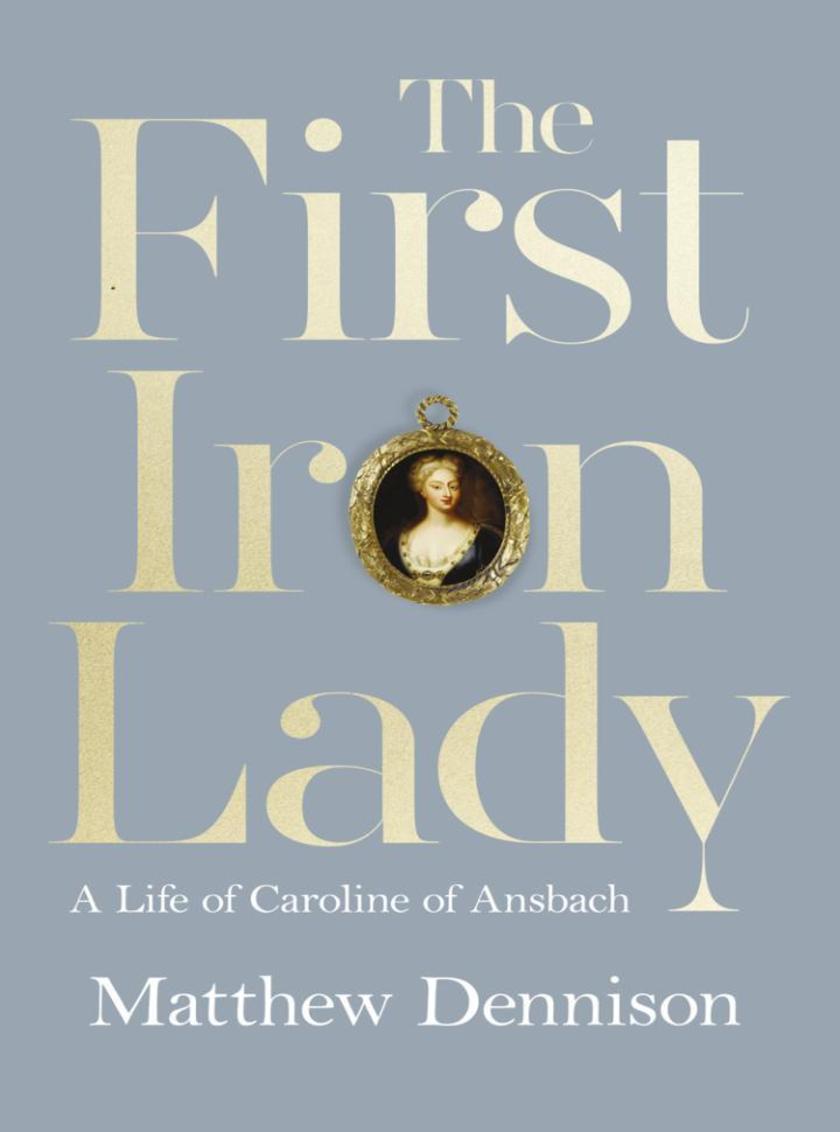
The First Iron Lady: A Life of Caroline of Ansbach
¥81.03
A brilliant study of a brilliant woman' LUCY WORSLEY History has forgotten Caroline of Ansbach, yet in her lifetime she was compared frequently to Elizabeth I and considered by some as ‘the cleverest queen consort Britain ever had’. The intellectual superior of her buffoonish husband George II, Caroline is credited with hastening the Enlightenment to Britain through her sponsorship of red-hot debates about science, religion, philosophy and the nature of the universe. Encouraged by Lady Mary Wortley Montagu, she championed inoculation; inspired by her friends Leibniz and Samuel Clarke, she mugged up on Newtonian physics; she embraced a salon culture which promoted developments in music, literature and garden design; she was a regular theatre-goer who loved the opera, gambling and dancing. Her intimates marvelled at the breadth of her interests. She was, said Lord Egmont, ‘curious in everything’. Caroline acted as Regent four times while her husband returned to Hanover, and during those periods she possessed authority over all domestic matters. No subsequent royal woman has exercised power on such a scale. So why has history forgotten this extraordinary queen? In this magnificent biography, the first for over seventy years, Matthew Dennison seeks to reverse this neglect. The First Iron Lady uncovers the complexities of Caroline’s multifaceted life: the child of a minor German princeling who, through intelligence, determination and a dash of sex appeal, rose to occupy one of the great positions of the world and did so with distinction, élan and a degree of cynical realism. It is a remarkable portrait of an eighteenth-century woman of great political astuteness and ambition, a radical icon of female power.
Genome: The Autobiography of a Species in 23 Chapters
¥81.03
Matt Ridley received his BA and D Phil at Oxford researching the evolution of behaviour. He has been science editor, Washington correspondent and American editor of The Economist. He has a regular column in the Daily Telegraph. He is also the author of The Red Queen (1993) and The Origins of Virtue (1996). Matt Ridley is currently the chairman of The International Centre for Life.
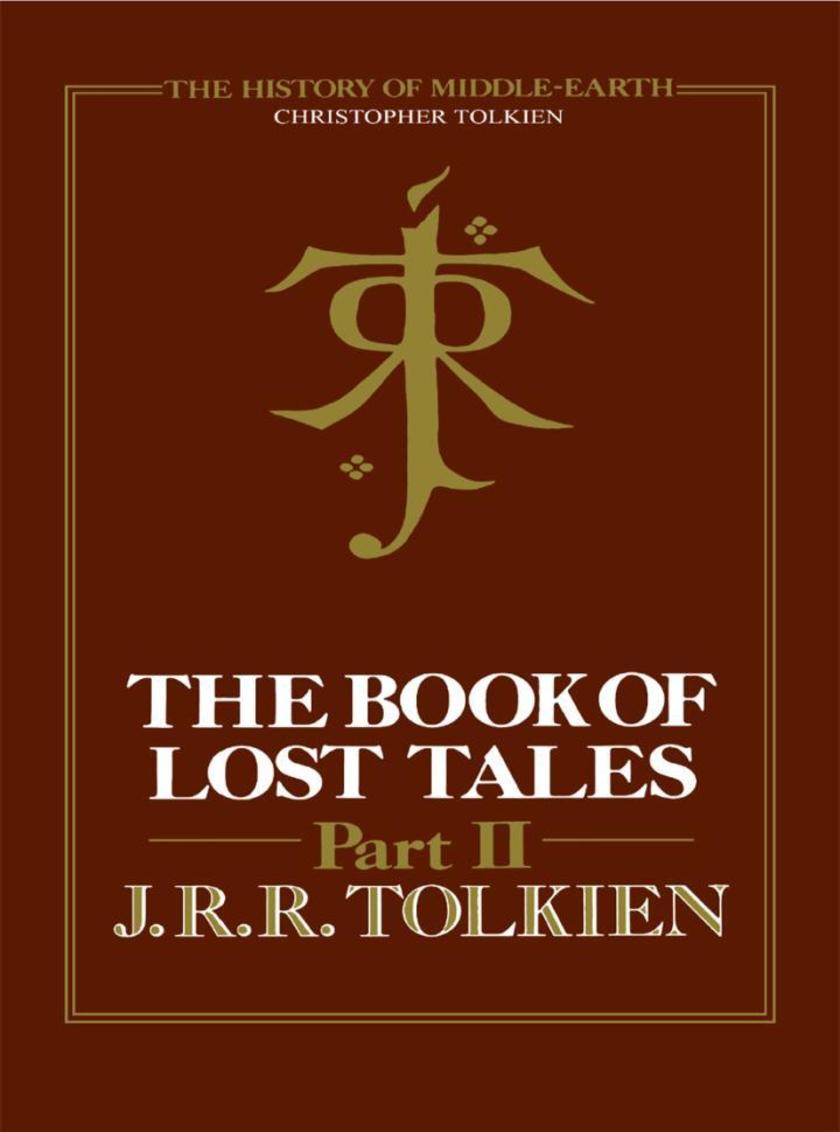
The Book of Lost Tales 2 (The History of Middle-earth, Book 2)
¥81.03
The second of a two-book set that contains the early myths and legends which led to the writing of Tolkien’s epic tale of war, The Silmarillion. This second part of The Book of Lost Tales includes the tale of Beren and Lúthien, Túrin and the Dragon, and the only full narratives of the Necklace of the Dwarves and the Fall of Gondolin, itself the finest and most exciting depiction of a battle that Tolkien ever wrote. Each tale is followed by a commentary in the form of a short essay, together with texts of associated poems, and contains extensive information on names and vocabulary in the earliest Elvish languages. This series of fascinating books has now been repackaged to complement the distinctive and classic style of the ‘black cover’ A-format paperbacks of The Hobbit, The Lord of the Rings, The Silmarillion and Unfinished Tales.

The Second Mrs Darcy
¥81.03
Romance and scandal abound in this warm and witty tale of the young Octavia Darcy. Perfect for Austen addicts everywhere! ‘I am a woman of independent means, definitely in possession of a good fortune, but I am not in the least in want of a husband!’ So declares Octavia Darcy. Raised as a poor relation, she is sent off to India to be married, only to have her brief happiness as the second wife of Captain Darcy dashed by his early death. But an unexpected legacy leaves her extremely well off and for the first time ever she can decide her own fate. Suddenly everyone wants to know her and pay court to her. Who can she rely on? Luckily her new-found acquaintance with her Darcy cousins takes her to Netherfield Hall, which has an argumentative but undoubtedly intriguing new tenant…


