


 购物车
购物车 个人中心
个人中心
The Big House: The Story of a Country House and its Family
¥81.03
Please note that some images were unavailable for the electronic edition. The highly praised biography of an archetypal great house and the family who lived there for over 250 years. ‘The Big House’ is the biography of a great country house and the lives of the Sykes family who lived there, with varying fates, for the next two hundred and fifty years. It is a fascinating social history set against the backdrop of a changing England, with a highly individual, pugnacious and self-determining cast, including: ‘Old Tat’ Sykes, said to be one of the great sights of Yorkshire (the author’s great-great-great-grandfather), who wore 18th-century dress to the day of his death at ninety-one in 1861. His son was similarly eccentric, wearing eight coats that he discarded gradually throughout the day in order to keep his body temperature at a constant. He was forced to marry, aged forty-eight, eighteen-year-old Jessica Cavendish-Bentick – a lively and highly intelligent woman who relieved the boredom of her marriage by acquiring a string of lovers, writing novels and throwing extravagant parties (her nickname became ‘Lady Satin Tights’), all the while accumulating debts that ended in a scandalous court case. Their son, Mark, died suddenly whilst brokering the peace settlement at the Paris Peace Conference at the end of World War I; Sledmere was destroyed by fire shortly afterwards. But the rebuilt Sledmere rose from the flames to resound again with colourful, brilliant characters in the 1920s and 1930s including the author’s grandmother, Lily, who had been a celebrated bohemian in Paris. ‘The Big House’ is vividly written and meticulously researched using the Sykes’ own family’s papers and photographs. In this splendid biography of place and time, Christopher Simon Sykes has resuscitated the lives of his ancestors and their glorious home from the 18th- through to the 20th-century.
Read My Heart
¥81.03
From the bestselling author of ‘Elizabeth and Mary’, the remarkable love story of Dorothy Osborne and Sir William Temple, set against the turbulence and romance of 17th-century England. [Note that the family trees contained in this ebook are best viewed on a tablet.] Sir William Temple (1628-99), handsome and intelligent, son of a staunch Parliamentarian, become a celebrated essayist and diplomat in Charles II’s time. Captivating him from their first meeting, when he was just 20, Dorothy Osborne (1627-1696) was an intellectual romantic from a family of committed Royalists. After a long and at times desperate courtship, in which Dorothy rejected numerous other suitors (including Henry Cromwell, son of the Lord Protector), they married in 1654. Their union had been fiercely opposed by both their families, but they went on to build a passionate marriage that brought personal tragedies and public triumphs and betrayals during the huge political upheavals of the age. Their relationship was intellectually collaborative; both were gifted writers, and possessed of strikingly modern sensibilities. Seventy-seven letters written by Dorothy to William during their long clandestine courtship survive, masterpieces of wit and style, with a conversational intimacy that transports the reader to her side. Both were at the social and political centre of life: confidants of William of Orange and Mary, who were instrumental in promoting their marriage, contemporaries of Pepys, and employers of Jonathan Swift. Drawing upon extensive research and the Temples’ own extraordinary writings, Jane Dunn brings to life their remarkable story, offering a rare perspective on one of the most turbulent periods of British history. In illuminating the personal lives, politics and passions of two endearing and independent-minded people, she brilliantly captures not only the story of a marriage, but the spirit of a dawning modern age.
Bed of Roses
¥81.03
A fun, feelgood romp of country life from bestselling author Daisy Waugh When the restless, rootless Fanny Flynn lands the job as Head Teacher of Fiddleford Village Primary School it feels more like a last resort than another of her new beginnings. She's a great teacher and all the villagers claim to be behind her. But are they really? In no time she's locked in a feud with the gruesome Mrs Guppy, stalked by the pushy newcomers from the Old Rectory, plotted against by Kitty, the predatory children's author at Laurel Cottage, and demonised by her pathologically lazy Deputy Head… Yet Fanny has fallen in love with Fiddleford. Together with her troublesomely handsome best friend, Louis, and with a little help from the deliciously scented Solomon Creasey, Fanny vows to make this new beginning her last…
Chakras (Thorsons Way of)
¥81.03
Following on from First Directions .. this new series provides a more in-depth, sophisticated introduction. An in depth look at chakras. The term chakra comes from the Sanskrit word for `wheel’. They are centres of energy and part of a greater network of subtle energies that pervade the body. The chakras will be placed in a cross-cultural, historical context, showing how knowledge of the chakras can be found in ancient spiritual traditions the world over. The reader will be introduced to a variety of practical exercises. These will include visualizations, meditations, breath awareness and specific postures, all designed to encourage practice and direct experience of the chakras.
I Didn’t Do It For You: How the World Used and Abused a Small African Nation (Te
¥81.03
One small East African country embodies the battered history of the continent: patronised by colonialists, riven by civil war, confused by Cold War manoeuvring, proud, colorful, with Africa's best espresso and worst rail service. Michela Wrong brilliantly reveals the contradictions and comedy, past and present, of Eritrea. Just as the beat of a butterfly’s wings is said to cause hurricanes on the other side of the world, so the affairs of tiny Eritrea reverberate onto the agenda of superpower strategists. This new book on Africa is from the author of the critically acclaimed In the Footsteps of Mr Kurtz. Eritrea is a little-known country scarred by decades of conflict and occupation. It has weathered the world's longest-running guerrilla war, and the dogged determination that secured victory against Ethiopia, its giant neighbour, is woven into the national psyche. Fascist Italy wanted Eritrea as the springboard for a new, racially-pure Roman empire, Britain sold off its industry for scrap, the US needed headquarters for its state-of-the-art spy station and the Soviet Union used it as a pawn in a proxy war. Michela Wrong reveals the breathtaking abuses this tiny nation has suffered and, with the sharp eye for detail that was the hallmark of her account of Mobutu's Congo, she tells the story of colonialism itself. Along the way, we meet a formidable Emperor, a guerrilla fighter who taught himself French cuisine in the bush, and a chemist who arranged the heist of his own laboratory. An arresting blend of travelogue and history, ‘I Didn't Do It For You’ pierces the dark heart of our colonial history.
Arcadia: England and the Dream of Perfection (Text Only)
¥81.03
Adam Nicolson is the author of many books on history, travel and the environment. He is the winner of the Somerset Maugham Award, the British Topography Prize and the WH Heinemann Award. He lives on a farm in Sussex. This is his fith book for HarperCollins – his previous four being ‘Men of Honour’, ‘Sea Room’, ‘Power and Glory’ and ‘Seamanship’.
Out of the Shadow of a Giant: How Newton Stood on the Shoulders of Hooke and Hal
¥81.03
John Gribbin gained a PhD from the Institute of Astronomy in Cambridge (then under the leadership of Fred Hoyle), before working as a science journalist for Nature and later New Scientist. Mary Gribbin is a teacher with a special gift for communicating difficult concepts, and she is a previous winner of the TES Junior Information Book Award. They have co-written several titles for adults and children. John has written many bestselling popular science books, including Erwin Schr?dinger and the Quantum Revolution, In Search of the Multiverse and The Universe: A Biography. John and Mary are both Visiting Fellows at the University of Sussex.

This Fight is Our Fight: The Battle to Save Working People
¥81.03
Elizabeth Warren is the senior U.S. Senator from Massachusetts. A former Harvard Law School professor, she is the author of ten books, including A Fighting Chance, a national bestseller that received widespread critical acclaim. One of nation’s most influential progressives, she has long been a champion of working families and the middle class. The mother of two and grandmother of three, she lives in Cambridge, Massachusetts, with her husband, Bruce Mann.
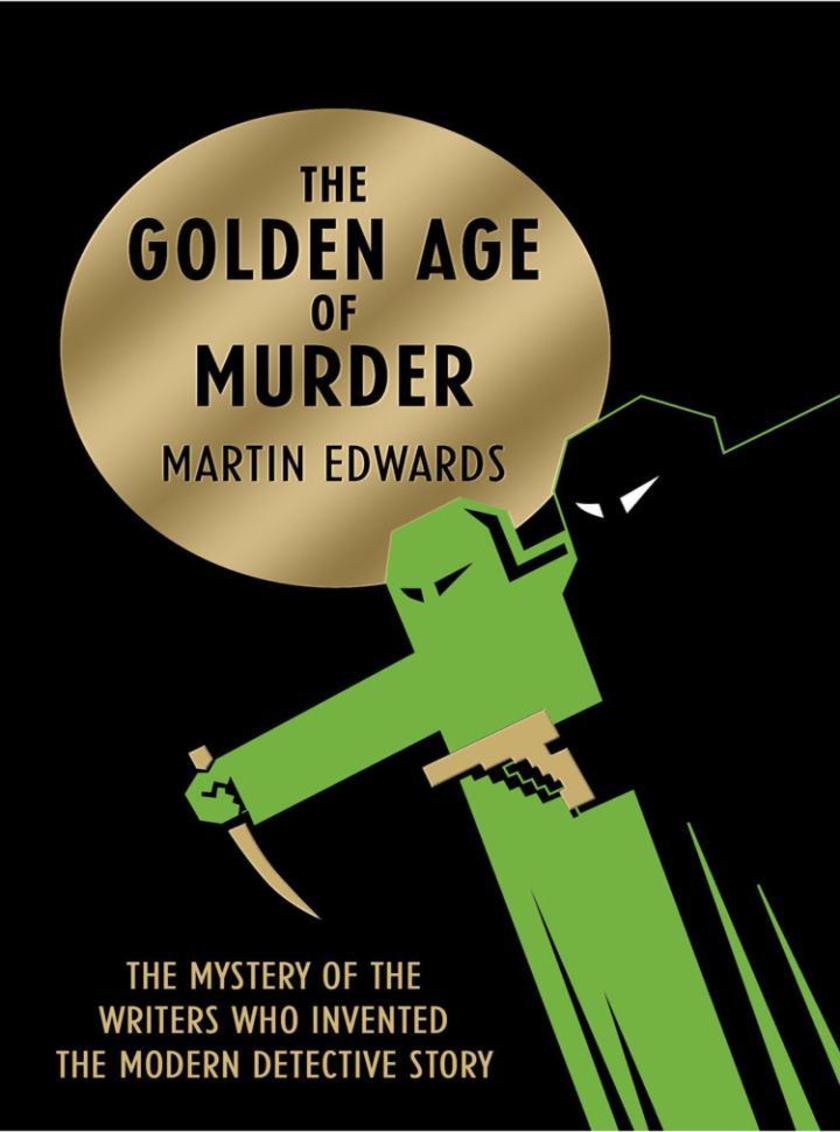
The Golden Age of Murder
¥81.03
Winner of the 2016 EDGAR, AGATHA, MACAVITY and H.R.F.KEATING crime writing awards, this real-life detective story investigates how Agatha Christie and colleagues in a mysterious literary club transformed crime fiction. Detective stories of the Twenties and Thirties have long been stereotyped as cosily conventional. Nothing could be further from the truth. The Golden Age of Murder tells for the first time the extraordinary story of British detective fiction between the two World Wars. A gripping real-life detective story, it investigates how Dorothy L. Sayers, Anthony Berkeley, Agatha Christie and their colleagues in the mysterious Detection Club transformed crime fiction. Their work cast new light on unsolved murders whilst hiding clues to their authors’ darkest secrets, and their complex and sometimes bizarre private lives. Crime novelist and current Detection Club President Martin Edwards rewrites the history of crime fiction with unique authority, transforming our understanding of detective stories, and the brilliant but tormented men and women who wrote them.
The Complete Short Stories: The 1960s (Part 3) (The Brian Aldiss Collection)
¥81.03
The third collection of Brian Aldiss’ short stories, taken from the 1960s. A must-have for collectors. This collection gathers together, for the very first time, Brian Aldiss’ complete catalogue of short stories from the 1960s, in four parts. Taken from diverse and often rare sources, the works in this collection chart the blossoming career of one of Britain’s most beloved authors. From stories of discordant astronauts, approaching a star-swallowing vortex, to a mother and son, in danger of becoming ever younger when they are captured by an alien race and taken to a world where time runs backward, this book proves once again that Aldiss’ gifted prose and unparalleled imagination never fail to challenge and delight. The four books of the 1960s short story collection are must-have volumes for all Aldiss fans, and an excellent introduction to the work of a true master. THE BRIAN ALDISS COLLECTION INCLUDES OVER 50 BOOKS AND SPANS THE AUTHOR’S ENTIRE CAREER, FROM HIS DEBUT IN 1955 TO HIS MORE RECENT WORK.
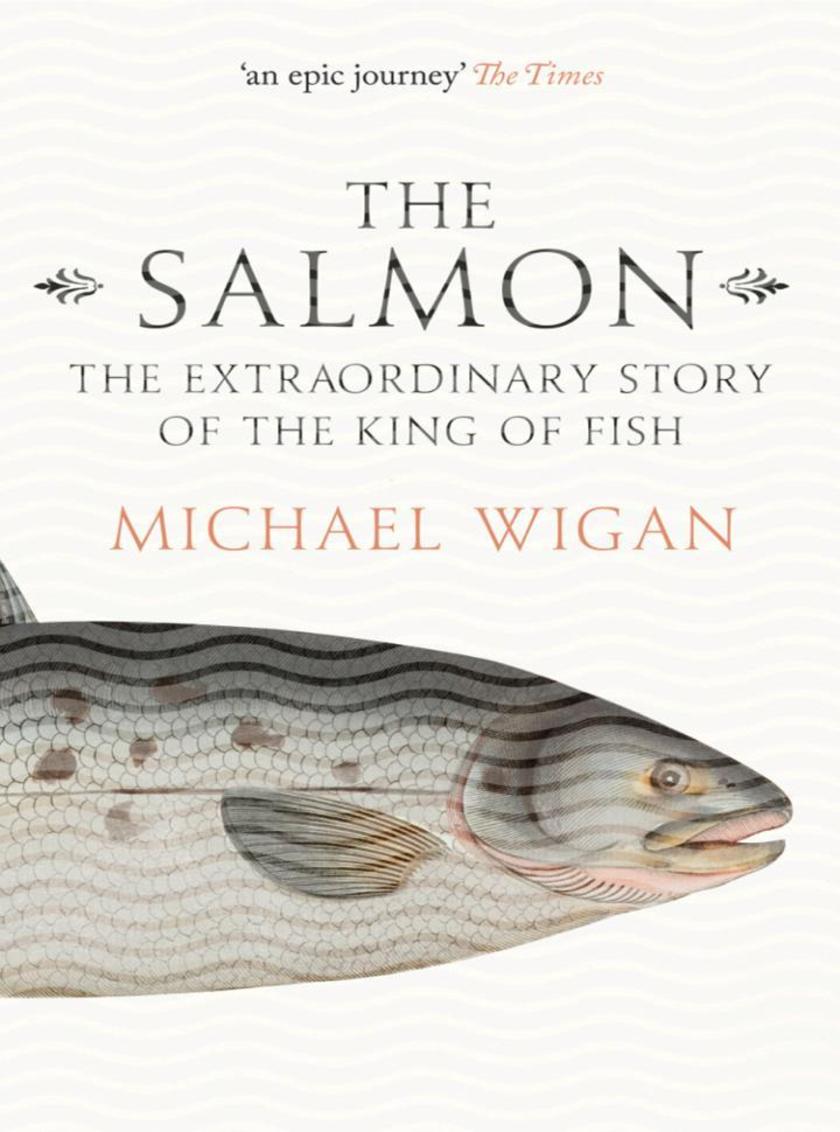
The Salmon:The Extraordinary Story of the King of Fish
¥81.03
A fascinating journey into the extraordinary world of the king of fish: the salmon. This beautiful book explores the natural history of this most mysterious of fishes. Michael Wigan explores the life cycle of the salmon, weaving his own experiences and stories of salmon fishing and spotting into an evocative narrative. Crucially, he addresses the pressing matter of conservation issues and human management, which in the past has led to fast decreasing populations. History suggests it is the pressure of human development which has narrowed down the survival zone of the salmon, and the author questions whether we can go on altering natural systems and freshwater rivers in order to make space for human populations, and do so in sync with fish needs. In his unique and passionate voice, the author transports us to another world – his writing is beautifully evocative and his excitement for the salmon palpable throughout.
Last Words
¥81.03
‘Where are the snows of yesteryear. And the speedballs I useta know? Well, I guess it’s time for my Ovaltine and a long good night.’ In 1996 William Burroughs began writing a final journal. He died the following summer after a life of notoriety: godfather of the Beat writers, author of thirteen controversial novels, druggy, dangerous and bleak. Spanning the realms of personal memoir, cultural criticism and fiction, Burroughs’ diaries include anecdotes and memories, entries on his beloved cats and the joys of housekeeping, and musings on drug-taking, humanity and government cover-ups. ‘Last Words’ contains some of the most brutally personal prose in the William Burroughs canon, and the deaths of his friends, Allen Ginsberg and Timothy Leary, provide a window onto his own preparations for death – a quest for absolution marked by a profound sense of guilt and loss.
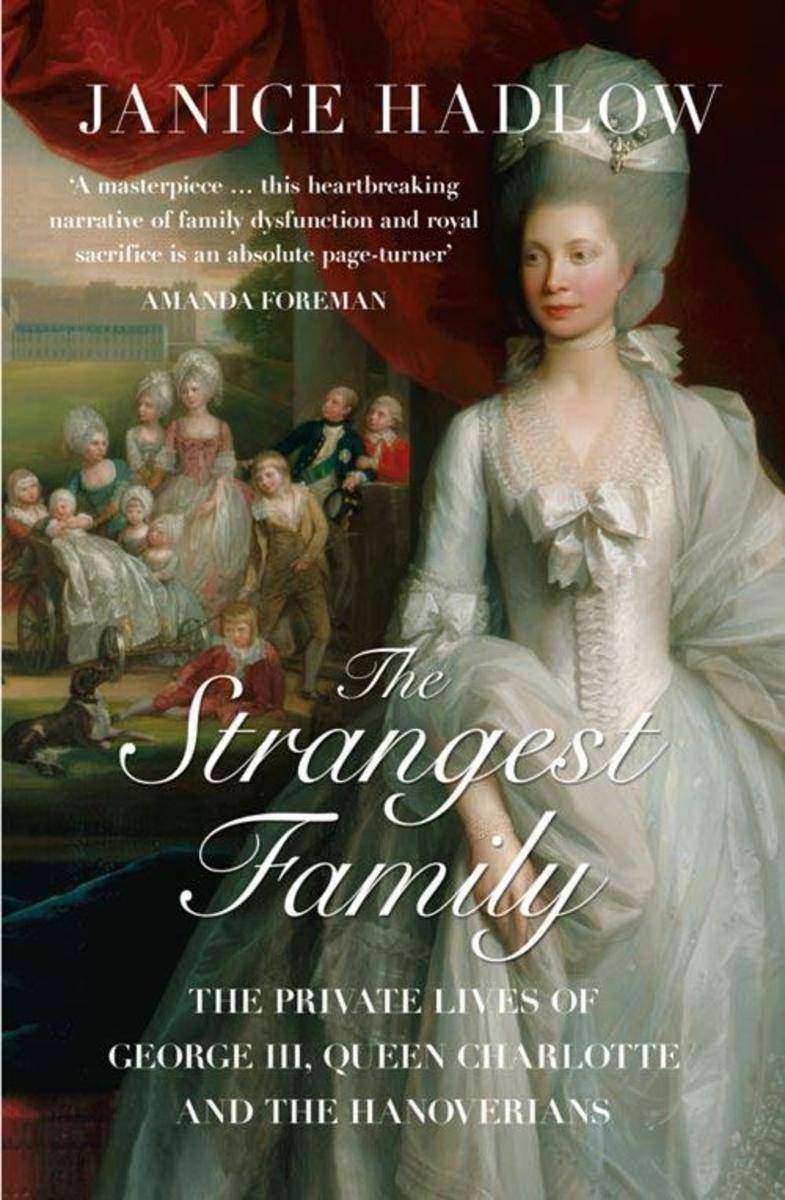
The Strangest Family
¥81.03
An intensely moving account of George III’s doomed attempt to create a happy, harmonious family, written with astonishing emotional force by a stunning new history writer. George III came to the throne in 1760 as a man with a mission. He was determined to break with the extraordinarily dysfunctional home lives of his Hanoverian predecessors. He was sure that as a faithful husband and a loving father, he would be not just a happier man but a better ruler as well. During the early part of his reign it seemed as if, against all the odds, his great family project was succeeding. His wife, Queen Charlotte, shared his sense of moral purpose, and together they raised their fifteen children in a climate of loving attention. But as the children grew older, and their wishes and desires developed away from those of their father, it became harder to maintain the illusion of domestic harmony. ‘The Strangest Family’ is an epic, sprawling family drama, filled with intensely realised characters who leap off the page as we are led deep inside the private lives of the Hanoverians. Written with astonishing emotional force by a stunning new voice in history writing, it is both a window on another world and a universal story that will resonate powerfully with modern readers.
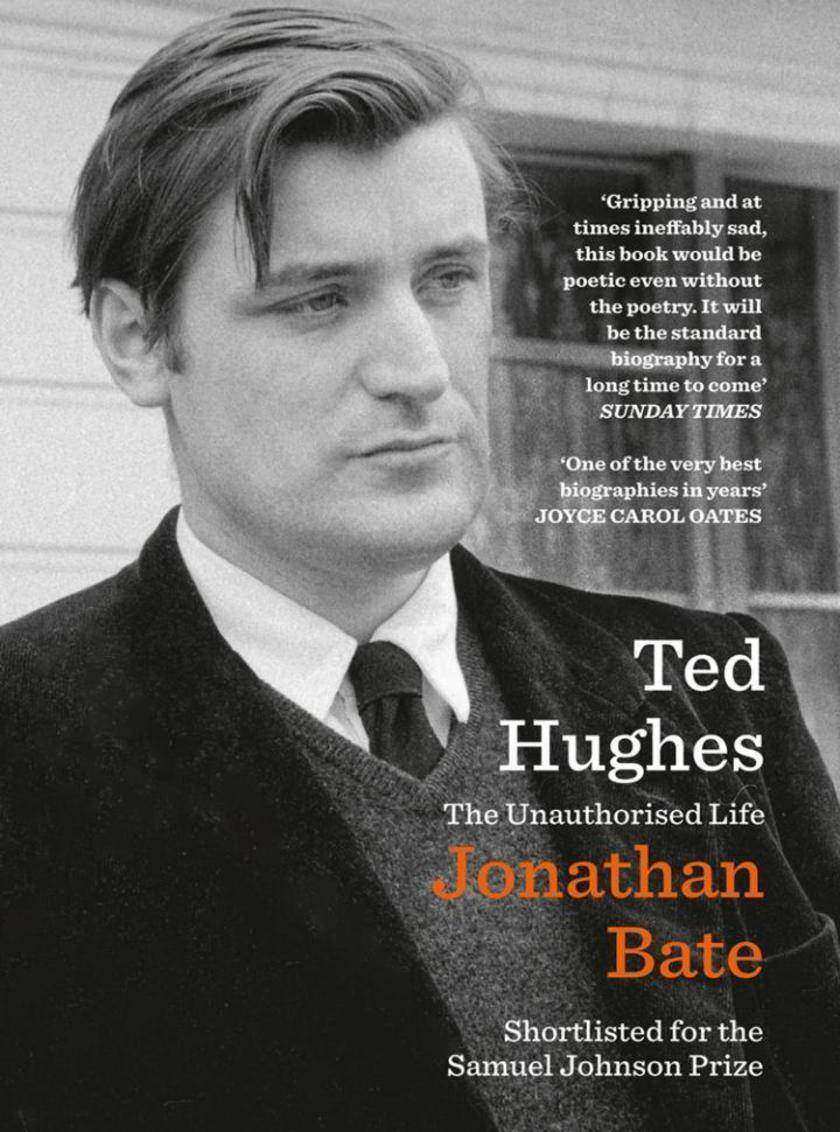
Ted Hughes: The Unauthorised Life
¥81.03
SHORTLISTED FOR THE 2015 SAMUEL JOHNSON PRIZE ‘Gripping and at times ineffably sad, this book would be poetic even without the poetry. It will be the standard biography of Hughes for a long time to come’Sunday Times ‘Captures the great poet in all his wild complexity. Powerful and clarifying, richly layered and compelling’ Melvyn Bragg, Observer Ted Hughes, Poet Laureate, was one of the greatest writers of the twentieth century. He is one of Britain’s most important poets, a poet of claws and cages: Jaguar, Hawk and Crow. Event and animal are turned to myth in his work. Yet he is also a poet of deep tenderness, of restorative memory steeped in the English literary tradition. A poet of motion and force, of rivers, light and redemption, of beasts in brooding landscapes. With an equal gift for poetry and prose, and with a soul as capacious as any poet who has lived, he was also a prolific children’s writer and has been hailed as the greatest English letter-writer since John Keats. With his magnetic personality and an insatiable appetite for friendship, for love and for life, he also attracted more scandal than any poet since Lord Byron. At the centre of this book is Hughes’s lifelong quest to come to terms with the suicide of his first wife, Sylvia Plath, the saddest and most infamous moment in the public history of modern poetry. Ted Hughes left behind him a more complete archive of notes and journals than any other major poet, including thousands of pages of drafts, unpublished poems and memorandum books that make up an almost complete record of Hughes’s inner life, preserved by him for posterity. Renowned scholar Sir Jonathan Bate has spent five years in his archives, unearthing a wealth of new material. Shortlisted for the Samuel Johnson Prize, his book offers for the first time the full story of Ted Hughes's life as it was lived, remembered and reshaped in his art. It is a book that honours, though not uncritically, Ted Hughes’s poetry and the art of life-writing, approached by his biographer with an honesty answerable to Hughes’s own.
The Narcissist Test
¥81.03
What exactly is narcissism? An incurable disease set to ruin your future, a habit to be curbed, or a trait to be nurtured? And how can you tell if your partner, child, or even you are a narcissist? Dr Craig Malkin offers a new picture of narcissism, showing us why being called a ‘narcissist’ isn’t necessarily such a bad thing after all. Narcissism is all around us. We are a selfie-obsessed generation, surviving on a steady diet of watching reality shows that celebrate attention-seeking know-and-do-nothings and posting a whopping 500 million tweets a day to document our every thought and whim. But is narcissism really as bad as we have been led to believe? In this groundbreaking book, clinical psychologist Dr Craig Malkin offers a radically new picture of narcissism, defining it as a spectrum of self-importance, and explaining that everyone falls somewhere on the scale between utter selflessness and total arrogance. He reveals why it is essential to embrace some level of narcissism in order to maintain a healthy sense of self-worth. Feeling special, to a degree, can make us better lovers and partners, courageous leaders, and intrepid explorers. As supportive as it is illuminating, The Narcissist Test is the first and only book to distinguish between healthy and unhealthy narcissism, and offers clear, step-by-step guidance on how to promote the healthy kind in your partner, children, and in yourself. From advice tailored to parents, social media users and even schools, this is the definitive text to help you overcome the bad – and embrace the good – about feeling special. Dr Craig Malkin is a clinical psychologist hailing from Harvard with over two decades of experience helping individuals, couples and families.
The Checkout Girl
¥81.03
How much do you know about what really goes on at your local supermarket? We see them every week and they are privy to some of our most intimate secrets - those we wouldn't even share with our closest friends. To us they are the anonymous helpers for whom nothing is too much trouble. But for them, every customer has a part in a gripping soap-opera of lovers' tiffs, family feuds and extraordinary innuendos - turning the daily life of a checkout girl into a hilariously entertaining farce. As we began to contend with the recession, Tazeen Ahmad realised that the supermarket checkout was the perfect place to gauge how the nation was coping with increasing job cuts, sky-high food prices and a billion pound hole in our economy. The answer, it turns out, was with white bread, ice cream and lots and lots of potatoes. Sworn at, flirted with and at the receiving end of endless customer rants, The Checkout Girl is the deliciously gossipy memoir of life on the supermarket conveyor belt where each one of us has unwittingly had a walk-on part. Reading her story will change the way you shop forever.
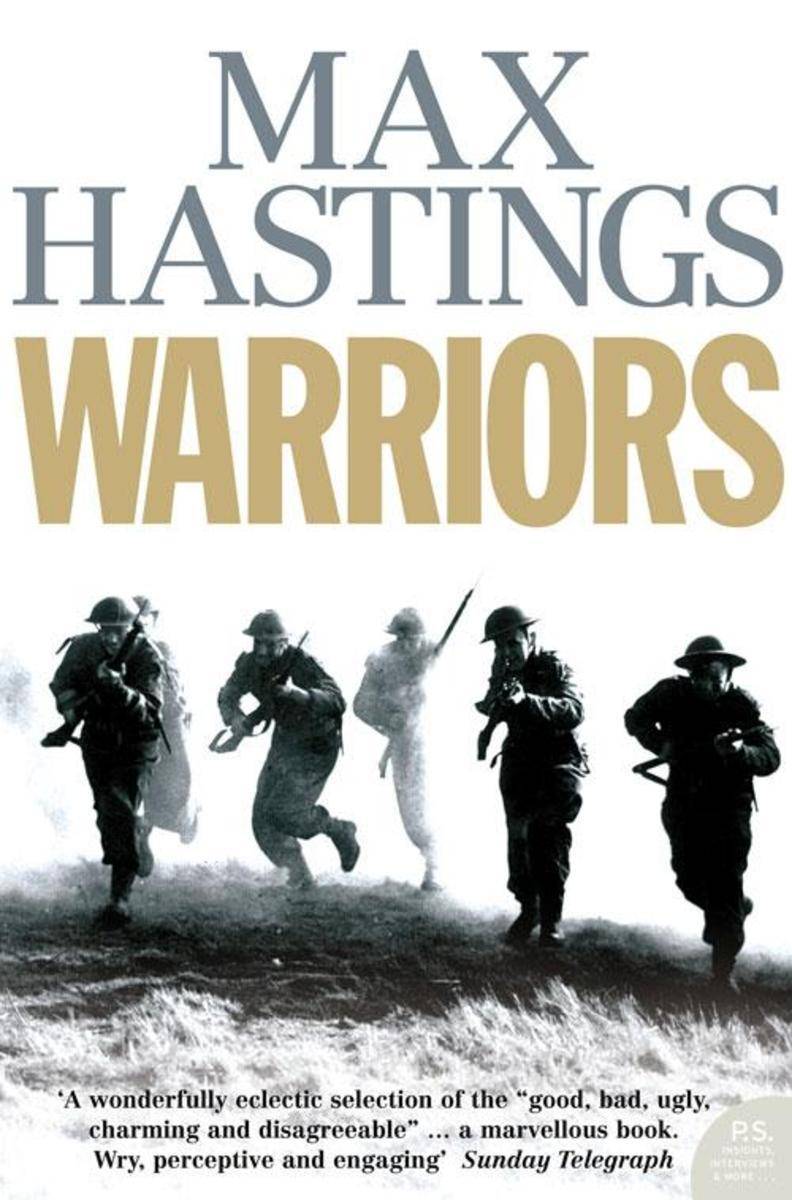
Warriors: Extraordinary Tales from the Battlefield
¥81.03
An exhilarating and uplifting account of the lives of sixteen ‘warriors’ from the last three centuries, hand-picked for their bravery or extraordinary military experience by the eminent military historian, author and ex-editor of the Daily Telegraph, Sir Max Hastings. Over the course of forty years of writing about war, Max Hastings has grown fascinated by outstanding deeds of derring-do on the battlefield (land, sea or air) – and by their practitioners. He takes as his examples sixteen people from different nationalities in modern history – including Napoleon’s ‘blessed fool’ Baron Marcellin de Marbot (the model for Conan Doyle’s Brigadier Gerard); Sir Harry Smith, whose Spanish wife Juana became his military companion on many a campaign in the early 19th-century; Lieutenant John Chard, an unassuming engineer who became the hero of Rorke’s Drift in the Zulu wars; and Squadron Leader Guy Gibson, the ‘dam buster’ whose heroism in the skies of World War II earned him the nation's admiration, but few friends. Every army, in order to prevail on the battlefield, needs a certain number of people capable of courage beyond the norm. In this book Max Hastings investigates what this norm might be – and how it has changed over the centuries. While celebrating feats of outstanding valour, he also throws a beady eye over the awarding of medals for gallantry – and why it is that so often the most successful warriors rarely make the grade as leaders of men.
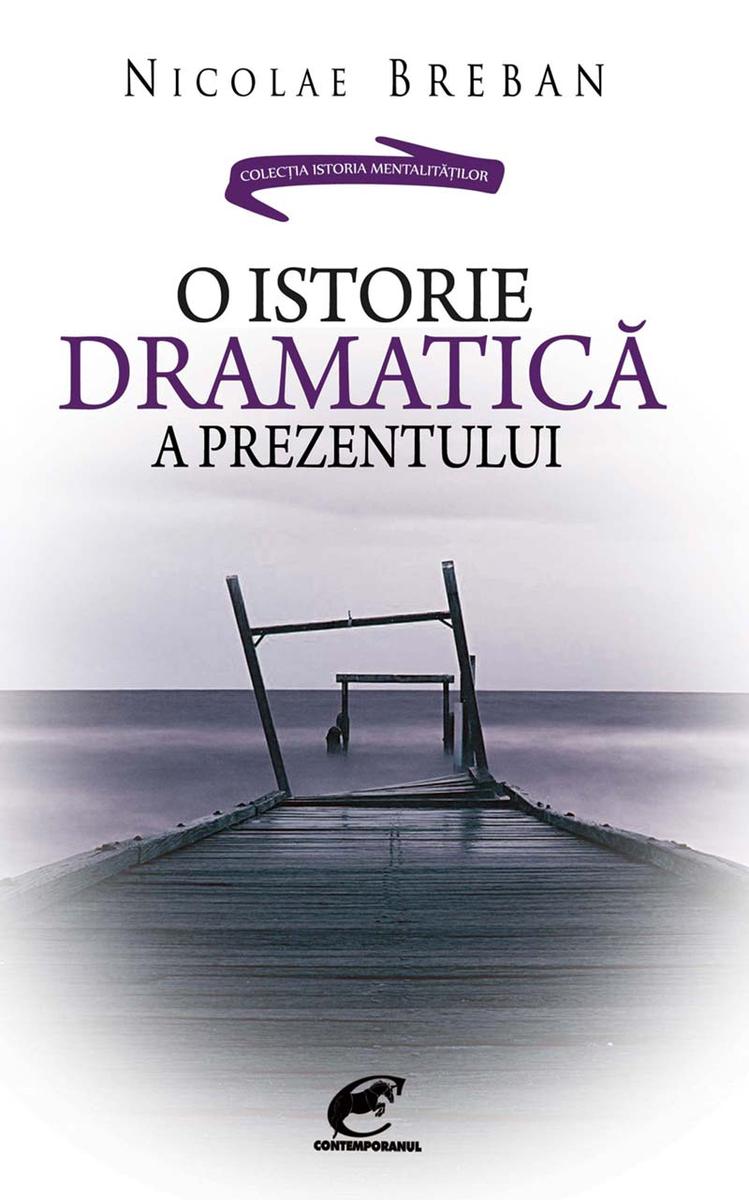
O istorie dramatic? a prezentului
¥80.93
Demersul Antoanetei Olteanu, reputat? traduc?toare de limba rus? ?iexpert? ?n istoria cultural? a Rusiei, se distinge at?t prin calitatea informa?iilor, adesea inedite, c?t ?i prin compozi?ia complex?, care ?mbin? viziunea sintetic? cu o perspectiv? transcultural? exersat?. Cartea se recomand? de la sine at?t cititorului profesionist, care g?se?te aici o serie de date altfel greu accesibile, c?t ?i celui interesat de istoria ?i cultura Europei ?n ansamblu. Dup? cum anun?? ?i subtitlul, lucrarea reconstituie o istorie cultural? a secolului al XIX-lea, realiz?nd, ?n fapt, o fresc? a uneia dintre cele mai captivante perioade din istoria Rusiei, cea imperial?. Datele prezentate acoper? practic toate Aspectele vie?ii politice, sociale, economice ?i culturale ale acestui interval de timp, marcat at?t de aura ?arilor, c?t ?i de nenum?ratele revolte populare. Tabloul evenimentelor majore este ?ntregit cu minu?ioase inventare de titluri nobiliare, cu date economice consemnate cu acribie, cu o expunere vie a panoramei cutumelor sociale, familiale ?i religioase, merg?nd de la modalit??ile de confec?ionare a juc?riilor sau a bijuteriilor p?n? la istorii ale ceaiului sau vodcii. Atmosfera epocii cap?t? un contur des?v?r?it prin citarea unor fragmente din lucr?ri ?tiin?ifice de referin??, din jurnalele de c?l?torie ?i din publicistica vremii, dar ?i din operele marilor scriitori ai vremii, ca Dostoievski, Gogol ?i Tolstoi. Se contureaz?, astfel, o imagine neconven?ional? a Rusiei, o na?iune confruntat? permanent cu tensiunea unei alegeri fundamentale, care pune ?n opozi?ie modelul str?in ?i inegalabila for?? intern?. Autoarei ?i revine meritul de a fi surprins aspectele esen?iale ale acestei tensiuni, cu ample ecouri ?n perioadamodern? ?i cu evidente efecte asupra mentalit??ii contemporane.
OSMEHIVANJE
¥80.93
Bestseller interna?ional Descoperi?i volumul al VI-lea dintr-o serie de c?r?i pentru copii a c?ror popularitate a dep??it orice a?tept?ri! ?Pisicile r?zboinice” s-au v?ndut ?n mai mult de 14 milioane de volume ?n peste 20 de ??ri ?i au ap?rut pe lista ?New York Times” a celor mai v?ndute titluri. De genera?ii ?ntregi, patru clanuri de pisici s?lbatice convie?uiesc ?n p?dure, departe de oameni. Au un cod al onoarei ?i pre?uiesc loialitatea. Se antreneaz? ca r?zboinici pentru a-?i proteja Clanurile. Folosesc remedii naturiste pentru a se vindeca. Respect? legile statornicite de ?nainta?i. Sunt ghidate ?n ac?iunile lor de spiritele str?mo?ilor r?zboinici, reuni?i ?n Clanul Stelelor. Ro?covanul este un fost pisoi de cas? care s-a dovedit a fi puternic ?i descurc?re? ?n s?lb?ticie. Dup? ce a fost acceptat ca ucenic ?n Clanul Tunetului sub numele de Lab? de Foc, a primit titulatura de r?zboinic ?i numele Inim? de Foc. Mai departe, vitejia l-a adus p?n? la pozi?ia de secund ?n clan. Pe m?sur? ce conduc?toarea Stea Albastr? se simte tot mai r?u, Inim? de Foc este nevoit s? preia fr?iele. ?n cele din urm?, cel care fusese c?ndva un pisoi de cas? va ajunge chiar liderul Clanului Tunetului, sub numele de Stea de Foc. Dar, tocmai acum, luptele pentru onoare ?i teritoriu devin din ce ?n ce mai ?ncr?ncenate, iar ?ndoielile ?i tr?darea afecteaz? toate clanurile. Pisicile din p?dure tr?iesc vremuri ?ntunecate... Clanul Tunetului este nevoit s? porneasc? la lupt? ?mpotriva lui Stea de Tigru, conduc?torul Clanului Umbrelor. Comploturile ?i setea lui ne??rmurit? de putere arunc? toate cele patru clanuri ?ntr-un r?zboi s?ngeros. Stea de Foc se preg?te?te s?-?i ?nfrunte du?manul, ?ns? pericolul cel mai mare p?nde?te ?n umbr?, lovind pe nea?teptate. Din r?ndul clanurilor se vor ridica noi eroi, iar unii dintre ace?tia ??i vor g?si sf?r?itul... Cele mai sumbre prevestiri ale str?bunilor r?zboinici din Clanului Stelelor se transform? ?n realitate. Pentru a-?i salva clanul, Stea de Foc trebuie s? ?n?eleag? profe?ia lor: ?Cele patru vor deveni dou?. Leul ?i tigrul se vor ?nfrunta ?n lupt?, iar s?ngele va domni ?n p?dure”. Volumul cuprinde h?r?i ?i simboluri din via?a pisicilor r?zboinice. ?O poveste plin? de aventur?, care v? va ?ine cu sufletul la gur?.” - Publishers Weekly ?Un episod palpitant din aventurile pisicilor r?zoinice, care va fi cu siguran?? pe placul cititorilor.“ - ALA Booklist ?Povestea este mereu surprinz?toare; personajele sunt ?nzestrate cu tabieturi ?i comportamente feline autentice.” - VOYA Din aceea?i serie: Pisicile R?zboinice. Cartea I - ?n inima p?durii Pisicile R?zboinice. Cartea II – Foc ?i ghea?? Pisicile R?zboinice. Cartea III – P?durea secretelor Pisicile R?zboinice. Cartea IV – Furtuna Pisicile R?zboinice. Cartea V – O cale primejdioas? ?n cur?nd, apare seria ?Noua profe?ie”! Genera?ia urm?toare se confrunt? cu o profe?ie sumbr?, care amenin?? nu numai clanurile de pisici, ci ?ntreaga p?dure.
Jur?m?nt de r?t?cire
¥80.93
C?teva dintre calit??ile pe care eu le apreciez cel mai mult la o carte sunt simplitatea scriiturii, lipsa de preten?ii intelectuale (prin intermediul c?rora autorul ar vrea s? arate c?t e el de de?tept) ?i naturale?ea textului, adic? autenticitatea. ?#confuz” are toate aceste calit??i. ?n plus, cartea mai beneficiaz? de c?teva atuuri foarte importante: povestea este una universal?, plin? de ?nt?mpl?ri credibile, care se pot ?nt?mpla oric?rui om ?i care pot avea loc oriunde ?n lume, iar scriitura are o oralitate u?or de identificat ?nc? de la primele pagini. (Adrian Tele?pan) ?#confuz” nu e o carte despre homosexualitate. E o carte despre oameni. Despre drumul fiec?ruia spre el ?nsu?i. Despre puterea de a accepta ce g?se?ti atunci c?nd ajungi la tine. Despre a nu te (mai) min?i. Nu atunci c?nd e?ti singur ?i gol ?i te prive?ti ?n ochii sufletului. Pentru c?, atunci, nu ?i vei mai min?i nici pe al?ii. Iar ?sta e primul pas spre asumare. ?i numai a?a vei putea fi fericit. ?#confuz” e o carte despre fericire. Copile, via?a e prea scurt? pentru a fi nefericit. Vrei s? fii o alt? umbr? care trece indiferent? prin via??? (Laura Nureldin) ?ti?i melodiile alea pe care le auzi o singur? dat? ?i te treze?ti fredon?ndu-le o or? mai t?rziu? E semn c? au intrat ?n tine. Cam a?a e ?i cu cartea asta. Nu e Beethoven. E un c?ntec care pare n?scut la o chitar?, pe plaj?, l?ng? un foc de tab?r?, sub luna plin?. ?l ascul?i z?mbind ?i ??i d? o stare de plin. ??i r?m?ne pe piele ca ni?te fire de nisip. G?ndul nu ??i fuge ?n alt? parte. E?ti acolo, ascul?i ?i admiri sinceritatea omului care improvizeaz? la chitar? f?r? s? ?ncerce s? ??i demonstreze nimic. C?nt? liber despre ceva-ul lui, timpul trece pe nesim?ite, s?dind ?n tine o senza?ie de bine. S? mai c?n?i, Alex! S? mai c?n?i! (Natalie Ester) Dincolo de sui?uri ?i cobor??uri, de momente-surpriz? ?i certuri interminabile, de scene erotice pasionale ?i absurd cotidian, acest roman e un incredibil de reu?it portret al energiei s?lbatice, al confuziei mascate ?n obstina?ie, pe care numai la 20 de ani o po?i tr?i. ?i tu, drag? cititorule, ai fost confuz odat?. ?i ce bine a fost. Lectur? pl?cut?. (Lorena Lupu)
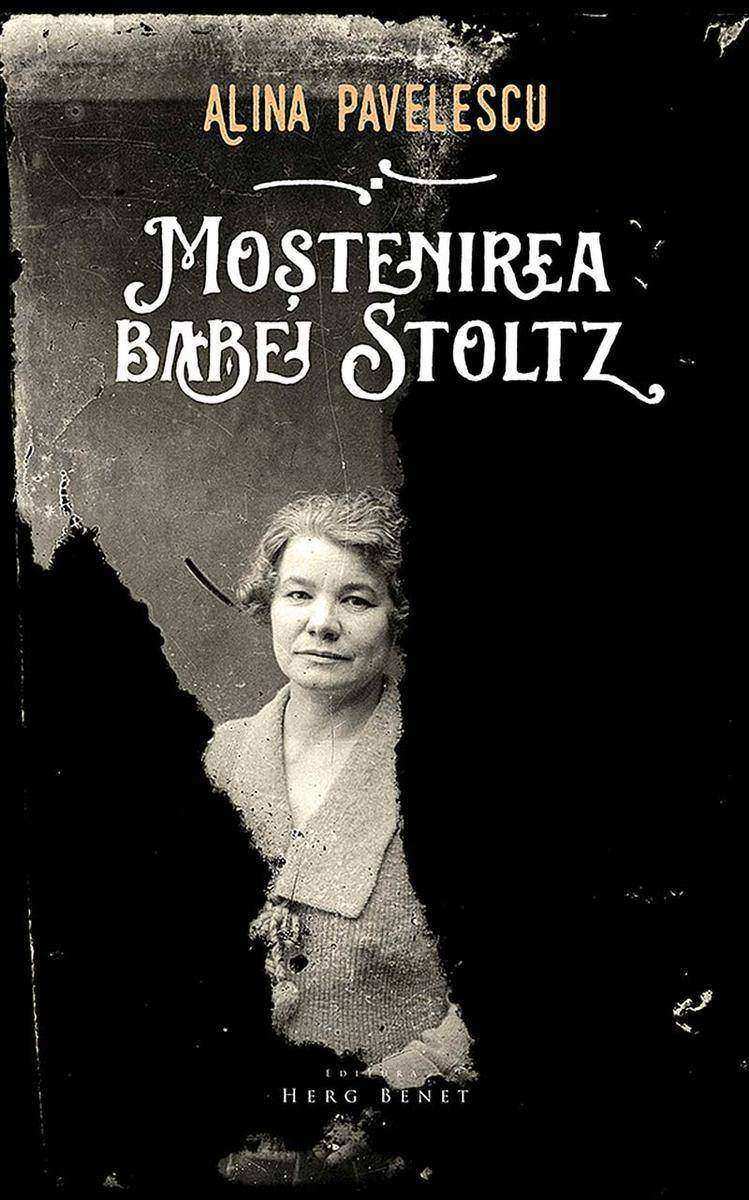
Mo?tenirea babei Stoltz
¥80.93
Motanul, romanul din 1997 al lui Pat Gray, este o alegorie politic? plin? de umor. C?nd animalele se v?d r?mase singure ?n casa p?r?sit? de st?p?ni, huzurul pa?nic de p?n? atunci las? locul luptei pentru supravie?uire ?i putere. Ce ambi?ii are Motanul? Ce pune la cale ?obolanul? Ce g?nde?te meditativul ?oarece? Vom afla din aceast? poveste care a fost pe bun? dreptate comparat? de critici cu Ferma animalelor orwellian?.


