


 购物车
购物车 个人中心
个人中心
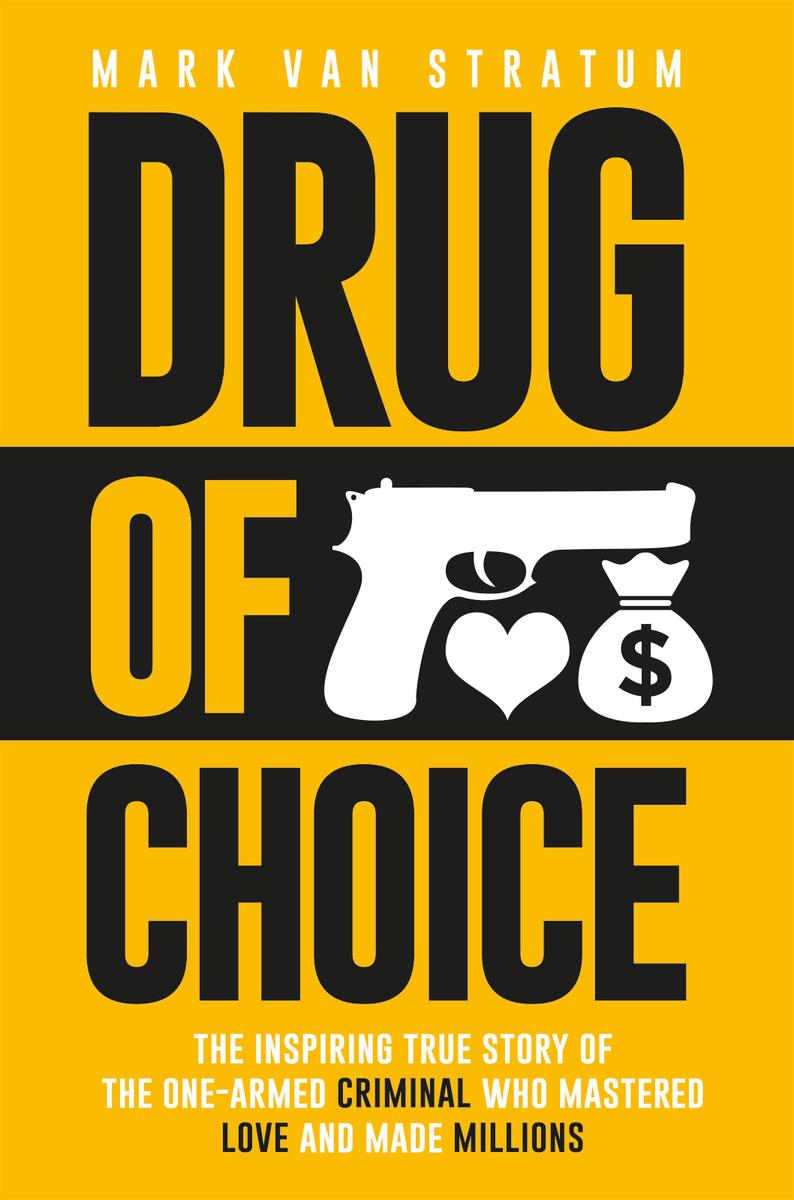
Drug of Choice
¥81.50
If a millionaire told you that he found success after being hit by a train, going to prison, dealing drugs and forgetting friends… would you follow his footsteps? Mark is a successful affiliate marketer with several businesses boasting millions of dollars in profit. He has created a fulfilling life, which he shares with his beautiful fiancé and a world-wide circle of friends.?But his inspiring life of today grew out of a dark and dangerous past.In this gripping tale,?van Stratum brings a once-in-a-lifetime read of his experience growing up with one arm in a small town where he developed a savage temper and a criminal mindset. After a violent robbery by rival drug dealers he had a flash of insight that his life must change, or it would quickly end.After moving to a new country without telling a soul, Mark penetrates the secret world of pick-up artists and learns an incredible skill set that enables him to get the most desired women on the planet. In?Drug of Choice,?Mark offers insightful lessons about the power of choices to change your business, relationships, and life.Drug of Choice:?The Inspiring True Story of the One-Armed Criminal Who Mastered Love and Made Millions?will make you believe again that it is never too late to change.
Being Called to Change
¥81.50
Being Called to Change is the first book in The Transformation Trilogy. This book is to help you understand the nature of change, how to recognize when it's knocking on your door, and then embrace change in your life. To embrace change effectively, and with minimal stress, Being Called to Change lays the groundwork for making lasting, massive changes that stick. Dale helps you understand how to relax more, calm down more and let go of the idea that you need to be in control of everything going on in life. In such a fashion Being Called to Change empowers you to make lasting changes from a place of grounded clarity and understanding. You will unlock the power within yourself to make positive beneficial changes in your life, business and relationships, while reducing the levels of stress that you experience day-to-day.
The Concussion Repair Manual: A Practical Guide to Recovering from Traumatic Bra
¥81.50
Concussion -- the biggest name in today's high-impact sports. As more and more high profile athletes come forward to share their stories of invisible suffering after head injuries, we as a culture are finally acknowledging this silent epidemic. The Concussion Repair Manual is written as a user’s guide for those suffering after head traumas and those that support them. ?It is one-part “textbook,” packed with the leading research on medical technologies for healing the injured brain, and one-part “workbook,” offering a step-by-step method for making and tracking a personalized recovery regimen. Dr. Dan Engle's background and passion for concussion repair stem from a three-decade investigation into the many modalities for healing his own traumas. ?When the usual medical treatments didn’t help, he explored what was possible, found what worked and put them into this manual - "the best of the best" in the medical arena for recovering from sports related head injury. Reviews "A game changer. This book is the most useful piece of literature I have ever read on concussion." - Matt Cook, MDFounder, BioReset Medical "(This) book can also be used as a simple tool to get smarter and think better, even if you haven't had a concussion. Whether you are a physician, a patient or simply an optimal health seeker, this book is a must-have for your personal health library." - Ben Greenfield, Human Performance Consultant, BenGreenfieldFitness.com "Dan's CRM is required reading for concussion patients, their caregivers, and all allied healthcare practitioners who care for these patients. There is a better way and this is it. "- Scott Sherr MD, Founder, Integrative HBOT, Head of Protocol and Innovation at Hyperbaric Medical Solutions, @hmsHBOT About the Author Dr. Dan Engle is Board Certified in Psychiatry and Neurology, with a clinical practice that combines functional medicine, integrative psychiatry, neuro-cognitive restoration and peak performance methods. He lectures and consults globally and is the medical advisor to Onnit Labs, the True Rest Float Centers and several international treatment centers using indigenous plant medicines for healing and recovery.
Sovereignty:The Battle for the Hearts and Minds of Men
¥81.50
Every man is born with just one thing: his sovereignty - his power to respond to his environment and his circumstances. Unfortunately, most men have spent much of their lives giving away that sovereignty. Every time a man passes blame or shirks his responsibility, every time he makes excuses for his performance, and every time he trades his unlimited potential for a little perceived safety and security, he willingly submits himself to the mercy of others. Is it any wonder that men, in general, seem to have lost their way? You don’t have to look very far to recognize that men don’t seem to possess the same amount of vigor and purpose they once did. Take one sobering statistic—the rate of suicide in men—and you begin to see how damaging the effects of the voluntary subjugation of men to their families, their businesses, and their governments can be. It’s not hard to understand why we give up control to others—it’s easy and we’re expected to. Sovereignty: The Battle for the Hearts and Minds of Men?is a call for men to once again rise up and establish themselves as they once were—a revolution if you will. Inside the pages of this book, we’ll uncover the battle each man will inevitably engage in, the external forces fighting against the call to masculinity, and the internal struggle all men must overcome. But make no mistake, this revolution is not a call for men to go their own way and rally against society.?It’s a call for men to become fully the men they are meant to be so they may more adequately take care of themselves and those they are responsible for. Men have always been expected to protect, provide, and preside over themselves, their families, their businesses, and their communities. By embodying the thirteen Sovereign Virtues we detail inside, every man will be more capable of fulfilling his masculine duties and responsibilities. The words in this book go well beyond principle and theory, however, as we build the framework for establishing a battle plan to combat the external and internal threats to our masculine power and give every man the tools, resources, guidance, direction, and ability to reclaim what has always been his: his sovereignty.

Redefining Work-Life Balance: One-Minute Tools to Manage Stress, Achieve More &
¥81.50
Yes - There Is Work-Life Balance! … but it’s probably not what you think. Too many academics and HR departments have defined work-life balance in superficial ways that make it unattainable, undesirable, or both. Common sense dictates that if something you desire is ill-defined or “impossible,” your outcomes will be disappointing and potentially even harmful. ?But sadly, common sense hasn’t been common practice. Redefining Work-Life Balance?is about creating life-altering, positive results. These pages convey a way to deliver powerful results using simple, one-minute tools proven to enhance life balance and enjoyment. The outcome is reduced stress, increased achievement, and more joy every day – for the rest of your life! Discover and enjoy easy-to-learn concepts with practical applications to: Understand what work-life balance really means Avoid the “As soon as…” trap Establish a ‘Way of Living’ Goal - ?A powerful tool for crafting how you live every day Accomplish your work-life priorities faster… and with less stress Find a more rewarding and happier balance in all your relationships ? Master the emotion-decision link with your personal emotional management tool The tools and tactics in Redefining Work-Life Balance were refined while building a light manufacturing business from a small startup to generating over $100,000,000 in sales with a great team of 250+! That success and the success of thousands of clients is made possible by adapting and applying these tools, and respecting that in addition to having a job, each one of us has a life. Create more achievement at work and more enjoyment in life with Redefining Work-Life Balance! Part One of this book begins by dispelling the myth that there is no such thing as work-life balance. Instead, it delivers a proven re-definition that is clear, fulfilling, and attainable, along with a tool set that will enhance the value and positive balance you get from life – today and every day. Part Two is about people and relationships. You will learn two powerful one-minute tools that can be applied to your life immediately. The outcome is having a more rewarding, less stressed, and happier balance with the important individuals in your personal and work life. In each chapter, you will also see examples from people who have generously shared their personal stories and experiences in implementing these tools. Part Three is about achieving the things you want in life. It delivers two tools that supercharge your thinking. You will get more good thinking done with each of these tools in minutes than most people get done in days, weeks, or even a lifetime of typical pondering. You will also discover two balance measurement tools: one gauges your emotional status and reactions, the other illuminates your current emphasis in life and enables you to adjust it easily if it is not where you want it to be. Part Four concludes these pages using your definition of a good work-life balance to clarify your Way of Life goals. These goals are not specific markers to surpass or milestones to accomplish, they are instead way of living goals. What are the most meaningful and important outcomes you want from your life every day? You will be surprised how quickly these meaningful and often life-changing goals become clear with this final tool in the book. My promise to you is that by applying these proven tools, you will create immediate positive outcomes, personally and professionally. More importantly, based on the feedback I have received across demographics, countries, and cultures, I expect that you too will retain and use your favorite tools along with your re-definition of work-life balance to be happier, less stressed, and more fulfilled over your lifetime. Let’s turn the page and redefine work-life balance in a way that works for you!
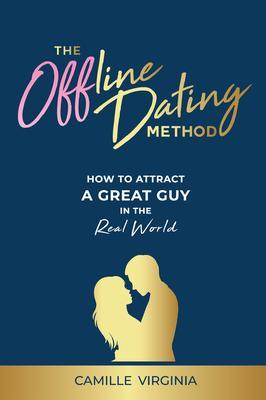
The Offline Dating Method: How to Attract a Great Guy in the Real World
¥81.50
With the modern dating process overrun (yet under-served) by online dating and apps, the woman who connects in the real world gets the man.? In this book, author Camille Virginia draws upon her transformation from a shy girl with social anxiety into a socially confident woman. Without ever going online or using an app, hundreds of men, in everyday places, have asked Camille to go out with them. Through coaching and workshops, she's helped women in over 100 countries learn how to attract their “better half” and become happier? In The Offline Dating Method, Camille shares her step-by-step secrets to success, giving every reader the power to attract great men in the real world and live a more fulfilling life. In this book you will:? Find hundreds of specific and actionable tips (there’s no vague "just be yourself" advice) Follow a proven step-by-step system (there’s no guesswork about what to do next) Create meaningful connections with everyone (men, friends, family, and more).

Creating Community Wherever You Are
¥81.50
How often do you have your neighbors over for dinner? How do you define your community? Where do you feel the most connected in your life? In a world increasingly isolated and separate, community is still readily available—we just have to look around and make the effort. In Creating Community Wherever You Are, Deanna Jaya Nakosteen opens our eyes to what’s possible. When we create community, we create relationships and meaningful connections. When we live our lives with connection and meaning, we broaden our capacity for love. Written with warmth and wisdom from 30-plus years of living in an intentional community, Creating Community Wherever You Are issues an invitation to all of us, no matter where we live, to deepen our connections to one another, the world, and ourselves. ??
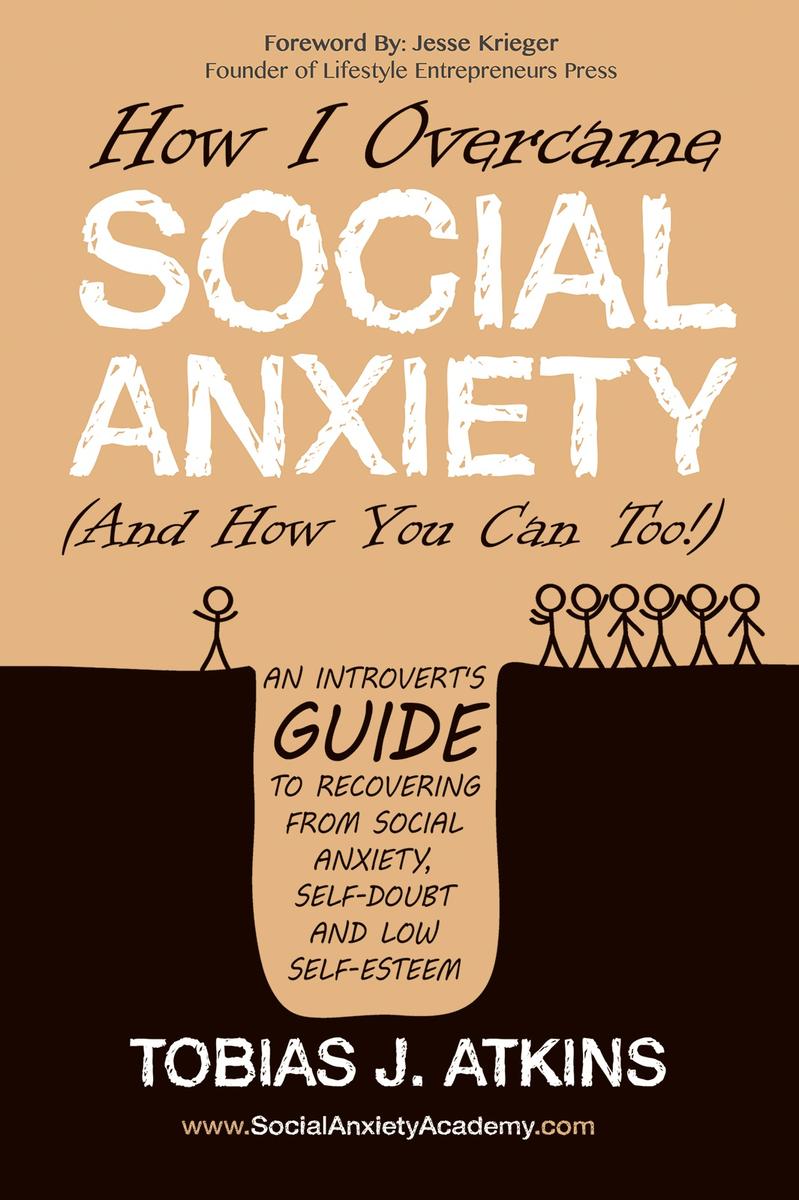
How I Overcame Social Anxiety (And How You Can Too!)
¥81.50
"If you've ever suffered from anxiety problems, you will find the answers in this excellent book." - 5-star review DO YOU FEEL NERVOUS AROUND PEOPLE & DON’T KNOW WHY?Are you tired of worrying what others are thinking of you all the time?Do you feel uncomfortable in public and can’t ever seem to relax around people?Are you tired of that critical voice inside your head that’s always putting you down?Have you tried to overcome your social anxiety & shyness before and nothing worked?Do you believe you’re ‘beyond help’ or ‘born this way’ and things will never change?I suffered from professionally diagnosed social anxiety disorder and generalized anxiety disorder for over a decade. The majority of my 20’s I was on strong antidepressant medication. Instead of being the best, those were the most unhappy years of my life. I know how it feels to live with social anxiety 24/7, 365 days a year. The suffering, the shame, the lack of understanding from family and friends. The feeling that no-one really understands what you’re going through. I understand.?This is why I can help.?This book documents my entire journey through social anxiety; the factors that caused it and the exact steps I took to find my healing and regain control of my life. In this book, you’ll learn:The real causes behind your social anxiety & shyness (it’s not what you think) My step-by-step guide for overcoming social anxiety & shyness (follow what I did)How I learned to stop fearing the opinions and judgments of othersHow to let go of perfectionism and always putting yourself downWhat I learned from spending over $35,000 on alternative therapiesHow to finally start liking and accepting yourselfHow to lower anxiety and self-consciousness in minutes, not yearsThis book provides you with a proven roadmap to overcome social anxiety, explained by someone who has actually gone through the process and found a way out of it.? Readers' reviews: "Top-notch, sincere, and well-written. (...) This book has been incredibly helpful and consistently insightful." "If you've ever suffered from anxiety problems, you will find the answers in this excellent book." "This book is so much better [than others about social anxiety] because of the author's very personal battle with it. It feels like I'm getting advice from a really close friend who knows exactly what I'm going through." From the Author? Hi I'm Tobias.My life has been full of ups and downs. I am a living proof that you can overcome your biggest fears and achieve anything you want in life as long as you just have the courage to take the first step and not give up. I spent most of my teens and twenties depressed, lonely and on strong antidepressants. By age 27, I had given up on ever overcoming my social anxiety & shyness.?Even worse than that, I had given up on myself. I was my own worst enemy, always calling myself harsh names like ‘loser’ and ‘ugly.’ I hated myself and didn’t believe I was worth very much. I thought I was ‘weak’ and ‘broken’ for having social anxiety and felt inferior to just about everyone in the world.?Like most people, I grew up believing the narrative we are sold by society. You were born confident or you weren’t. You were good with people or you weren’t. You either have it or you don’t, and I certainly didn’t, better luck next lifetime. I am here to shatter that myth for you. To show you that you can overcome social anxiety and be anyone you want to be.?My self-improvement articles have been featured on blogs such as Lifehack and Pick The Brain. My passion in life helping others realize their own greatness and live a life of freedom and passion. ?
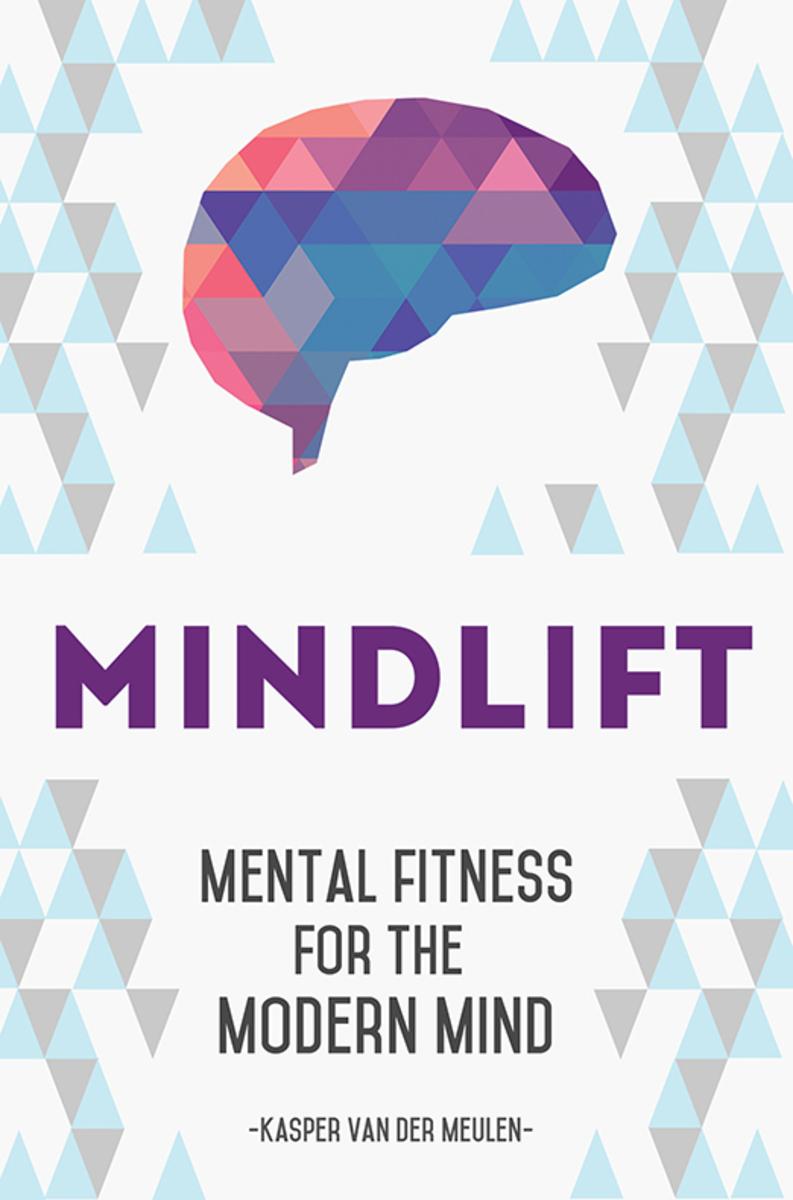
MindLift: Mental Fitness for the Modern Mind
¥81.50
MindLift is your no-nonsense guide?to?increased focused awareness, enhanced mental fitness and limitless personal freedom. Written and laid out in a way that supports your natural ability to focus.The Modern MindWe live in a wonderful era of abundance, high-speed information and hyper-connection, but it also faces us with the challenges of mass-distraction, negative stress and analysis paralysis. In this book you will learn how to leverage the opportunities of the modern world into a lifestyle of laser focus, masterful mindfulness and personal freedom.?Mental FitnessThe mind is a tool that can be developed through training, just like any muscle in the body. This book provides a skill-based approach to personal development and habit creation, by means of dedicated practice in the areas of attention management, rapid learning ability, meditation & mindfulness, mastering stress physiology, re-wilding your life, physical movement and nutritional autonomy.?All this packed into fifty easy-to-use tips, tricks and hacks?and ten simple mindset-shifts!

REIGNITE: Transform From Burned Out to On Fire and Find New Meaning in Your Care
¥81.50
Think about your job or career for a moment. Is your work pleasant, enjoyable, and inspiring? Does it provide you with opportunities to innovate and create using all of your natural talents and abilities? Does work energize you and bring you joy and happiness? Or, do you instead feel emotionally exhausted and cynical with a lack of any sense of personal accomplishment? If so, you are probably burned out. One thing is certain, you cannot live a life of happiness and passion driven purpose if you are burned out. Instead of finding deep satisfaction and happiness in your work it is probably something you have come to dread, like going back to work on Mondays. I should know. I became burned out once. I became burned out at my job as a family physician so I understand burnout. I know firsthand how personally and professionally devastating it can be and how costly it can become to organizations. I also learned what to do about it, how to FIX it! Learn how to transform from being burned out to ON FIRE and find new meaning in your career and life. Within the pages of this book, I will show you how.
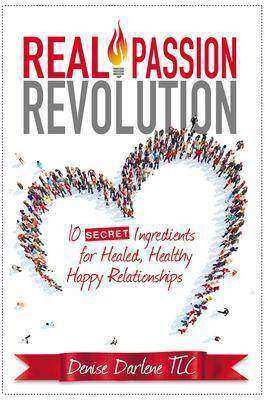
Real Passion Revolution: 10 Secret Ingredients for Healed, Healthy, Happy Relati
¥81.50
Real Passion Revolution?is designed for men and women who are frustrated, disappointed and struggling in their romantic relationships.This book is also invaluable for single persons or new lovers who want to avoid the most common destructive mistakes nearly all couples make - ultimately leading to a failed or unhealthy relationship. This book offers hope and healing for all wounded lovers.Real Passion Revolution?offers the same tools that my lover, Joe, and I use every day to support a Loving, peaceful, safe, authentic, passionate relationship.When applied, these principles will have a significant impact to better your life for a healthier, happier you!Your mission today, should you choose to accept it is to: Transform your life by learning highly unique and effective tools to bring a deep sense of peace, happiness, and passion back into your romantic relationships. Identify and eliminate the hidden fears that govern and derail both your life and your romantic relationship. Heal your inner wounds that cause you and your partner so much conflict and suffering. Learn to be completely authentic and vulnerable in all of your relationships without the fear of judgments or rejection. Become aware of, and avoid, the common, destructive mistakes most couples make in their romantic relationships. Implement the revolutionary, supportive, and empowering Transformation Tips I teach to create the fun, passionate, happily-ever-after relationship you long for. I promise you this:?if you do the work I’m presenting here, your relationships will change radically. Even better than that, My Friend, you will be transformed dramatically - you will be happy, peaceful, and content. You will be healed and on your way to experiencing the relationship you have been longing for.
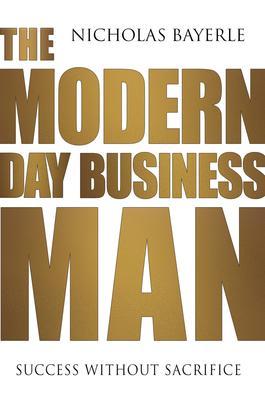
The Modern Day Business Man: Success Without Sacrifice
¥81.50
I Believe as a Man You Are Put on This Earth with a Huge Mission!?This book exists to help equip, motivate, and teach you how to get your unique message out in today’s modern world.?The Modern Day Business Man?is for the leaders of tomorrow who want success without sacrifice. It is for men who want to have it all – vibrant health, thriving relationships, and financial freedom – while upholding a standard of conduct and integrity that inspires everyone around them. ??I went from being sixty pounds overweight, broke, and with zero influence…to creating a seven-figure business, building The Billion Dollar Brotherhood into a community thousands of men strong, and being named a Top 30 Under 30 Influencer – all by my twenty-sixth birthday.?After overcoming the agony of obesity, depression, poverty, and failing out of school, I made a decision to turn my life around. Now it is my mission to help men achieve success without sacrifice in their health, wealth and relationships. Entrepreneurs have always been the catalysts for change in society, and now more than ever, they are role models too. This book is a deep dive into the timeless principles of entrepreneurship that I have learned after investing hundreds of thousands of dollars, interviewing some of the most successful people in the world, and having a Navy Seal for a mentor over the last decade.?The Modern Day Business Man?will teach you how to:?* Get honest with yourself and take ownership of your life, so that you can create the future you really want* Rapidly build real relationships with influential people who will accelerate your journey to success* Prioritize your health and fitness so you can crush it with peak levels of performance and mental clarity in business* Build a business and brand with your spouse that deepens your bonds of trust and brings you closerDo you feel called to play at a bigger level? Are you ready to claim your destiny and live life at the highest level??Then get ready to achieve success without sacrifice as a Modern Day Business Man!
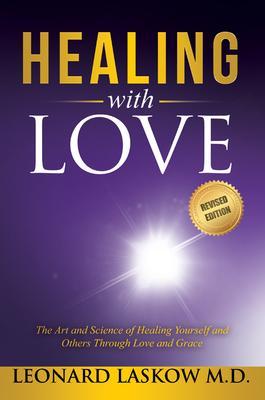
Healing With Love: The Art and Science of Healing Yourself and Others Through Lo
¥81.50
Healing with Love?presents a highly regarded physician’s practical, step-by-step program that shows how to turn on the power of our whole beings — hands, heart, and higher consciousness — to heal ourselves and others. Here are the extraordinary and learnable techniques that have transformed lives around the world. “Love is truth and beyond sentiment. It is the ultimate healer. Healing with Love offers practical insight into the mechanics of restoration of wholeness. I highly recommended it.” Deepak Chopra, M.D. author of Unconditional Love, Quantum Healing, and Perfect Health. “A new medicine is in the making, a form of healing that emphasizes the power of human consciousness. Because legitimate science stands behind this development, it will not go away but demands our full attention. Dr. Laskow last is a ‘real doctor’ who is one of the architects of this mind-based medicine. In this?book?he describes the healing power of love, unity, and wholeness. An important contribution!" - Larry Dossey, M.D., author of Meaning and Medicine.
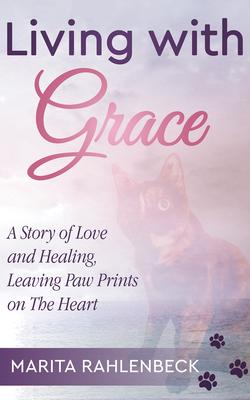
Living with Grace: A Story of Love and Healing, Leaving Paw Prints on the Heart
¥81.50
Are you looking for more Grace in your life? Grace as a word is familiar, but do we really know what grace is and what it takes not only to achieve it but recognize it, in ourselves and others? Living with Grace is a story of how I found Grace through a cat named Grace. Indeed Grace found Grace through her struggle with fear, trust, love, illness, and ultimately death. Join us on the journey of discovery where we both found not only grace but ourselves at the deepest core. This is available for you, too. Shadow us as the story of trauma, trust, forgiveness, and letting go unfolds through the evolutionary stages in the Journey to grace. Learn about The Tapestry and how everyone you meet brings you a thread to weave into your own private Tapestry — and you theirs. Meet Grace. Meet her right where you are in this moment.
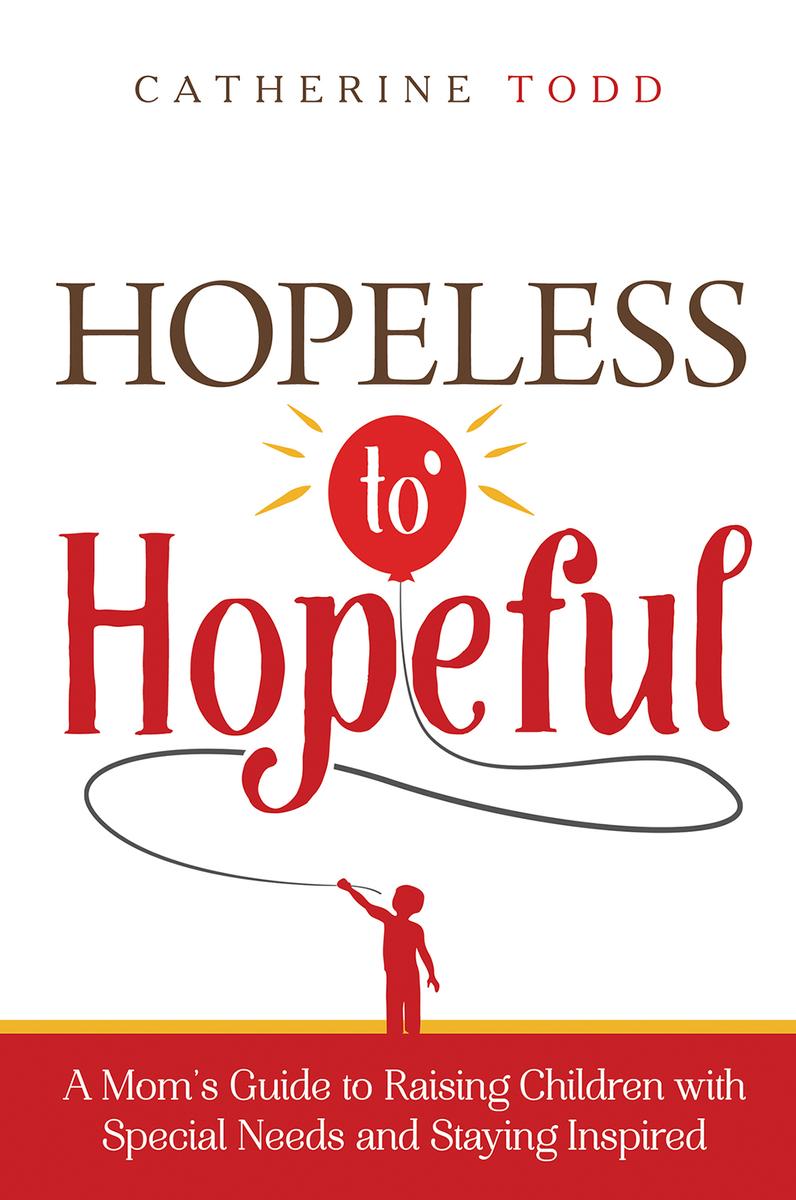
Hopeless to Hopeful
¥81.50
Hopeless to Hopeful: A Mom’s Guide to Raising Children with Special Needs and Staying Inspired is a blueprint for any mom raising a special needs child looking to live a balanced life. Catherine Todd shares the story of two of her children who struggle with autism, ADHD, and anxiety and the journey through their diagnosis. Mom’s parenting special needs children are faced with the ?struggle of finding support for themselves and their child. Maneuvering the IEP meetings, teacher communication, and finding support for both mother and child is often a lonely and isolating process. Hopeless to Hopeful reads like a personal story laced with practical strategies that work, from building a tribe of support for you and your child, to letting go of the guilt that comes with a child’s diagnosis. Moms will learn the importance of modeling an inspired and balanced life for their children, so that their children can create the same life for themselves. Children model what they are shown by their parents, and in Hopeless to Hopeful you will learn how to model a life of hope and inspiration for your children and family.
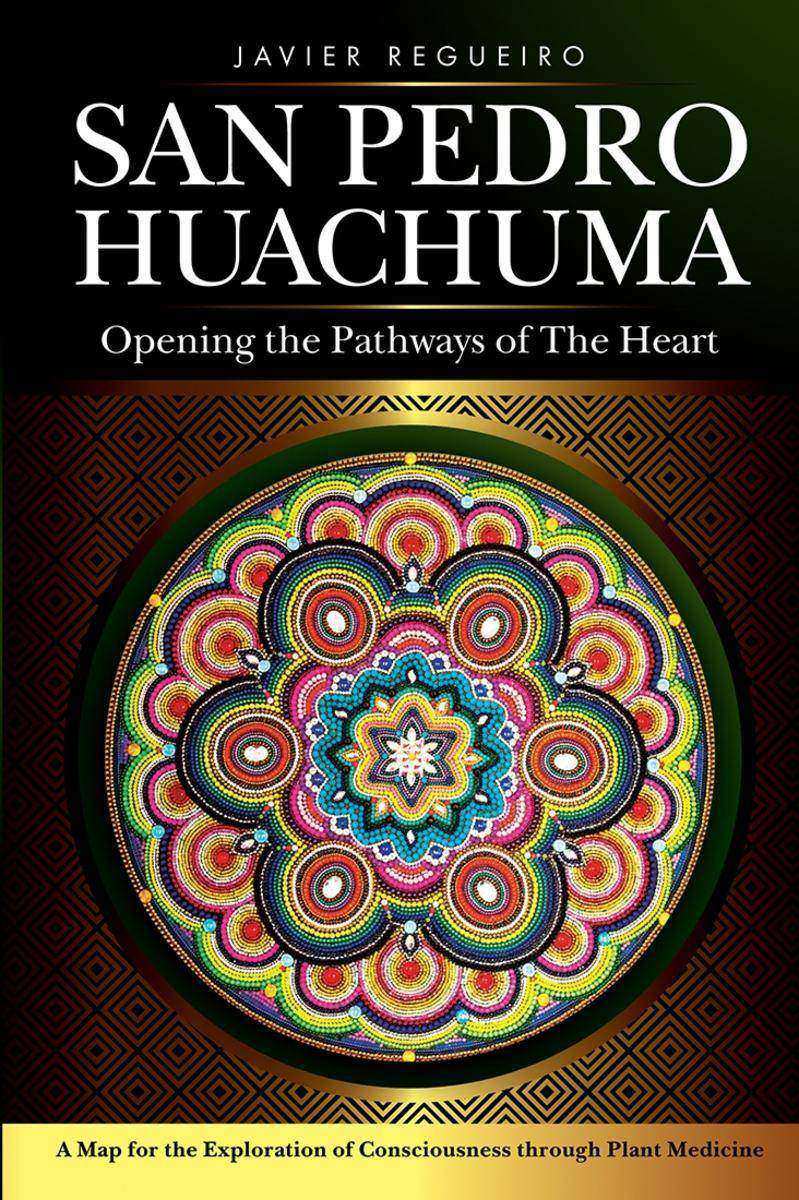
San Pedro Huachuma: Opening the Pathways of the Heart
¥81.50
San Pedro / Huachuma: Opening The Pathways Of The Heart is an invitation to explore and reconnect with our inner landscapes with the help of San Pedro, also known in South America as Huachuma. San Pedro (Echinopsis pachanoi) is a psychoactive cactus native of the Andes, but more importantly it’s an ancestral medicine that has been used for millennia for healing and ceremonial purposes. Our Western psychic and psychological make-up differs radically from that of Andean people, and our needs as modern people differ just as much from the needs of the ancestors and inhabitants of this land. This book intends to bridge such cultural gap in ways that honor the wealth of wisdom gathered through centuries of native studies and experimentation, and at the same time address our present day state of emotional disconnection and spiritual confusion, which are at the root of most physical, emotional, and mental diseases. Javier Regueiro draws a comprehensive and practical map for exploring consciousness using this ancestral medicine by sharing from his extensive knowledge as a plant medicine person, his personal experiences, and those of the many people he has guided over the years using this medicine.
Warren Buffett
¥81.40
Warren Buffett is known as the billionaire investment expert of the century and everyone would love to know the secret of his success. In his own words, Buffett is just a regular guy who likes fast food, honest work, and people he can trust. Throw in incredible instincts, a genius for numbers, meticulous research, and an almost sure-fire investment philosophy, and you begin to understand how he's become a legend in his own time. With just a few thousands of dollars from relatives and friends, and by taking calculated risks with small companies and staying with them, he managed, almost single-handedly, to turn Salomon Brothers around. Giants like Disney, American Express, McDonald's, Gillette, and Coca-Cola have all been affected by Buffett's magic touch, and he owns a chunk of all of them. By thirty-one, BUffett had already made himself a millionaire, and he's worked his way steadily toward the top of the Forbes list. Here is a fascinating portrait of Warren Buffett, known for his investigating genius, his sense of humor, and his mean turn of a phrase. It's an amazing story of a man who carved his own path through American business by doing his homework, backing companies he believed in, and growing rich on their success-a story that will show you that opportunity abounds for anyone willing to go for it.

Hófehérkének meg kell halnia
¥81.34
Hófehérkének meg kell halnia
Something Dreadful Down Below
¥81.34
Just 32-pages each- eBooks for struggling readers power-packed with reading employment. Here are 40 exciting Hi-Lo books with various themes guaranteed to keep your students turning the pages until the very end! Did Jack's disappearance have anything to do with Mr. Devorka's snakes? Maybe Gus didn't know his missing friend as well as he thought he did.

The Dark Lady
¥81.34
Just 32-pages each- eBooks for struggling readers power-packed with reading employment. Here are 40 exciting Hi-Lo books with various themes guaranteed to keep your students turning the pages until the very end! An anonymous e-mail threatens to steal a priceless violin called The Dark Lady. When the culprit is finally revealed, the manager of the symphony orchestra is amazed. It's the last person he would have suspected!
Empty Eyes
¥81.34
Just 32-pages each- eBooks for struggling readers power-packed with reading employment. Here are 40 exciting Hi-Lo books with various themes guaranteed to keep your students turning the pages until the very end! There's something odd about the attendants at the Painted Desert Resort. Brad can't shake the feeling that they never stop watching him.


