


 购物车
购物车 个人中心
个人中心
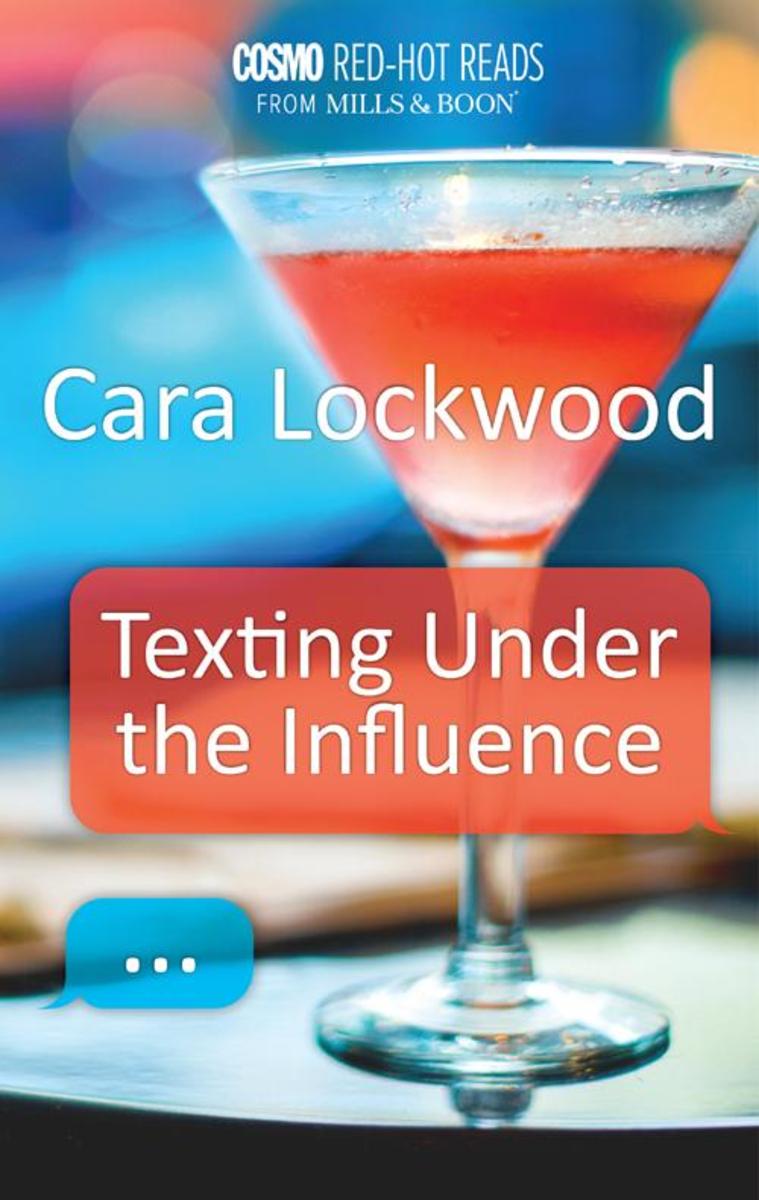
Texting Under the Influence
¥19.13
I Know You Want Me… One last hookup. At least that's what graphic designer Jenna Cho has in mind when she texts her toxic-in-life but amazing-in-bed ex, Jax. When her gorgeous boss Jack responds to the booty call instead, Jenna learns exactly why a girl should never hit send after one too many vodka sodas. Still, faced with Jack's sexy grin and even sexier Irish accent, Jenna thinks maybe she messaged the right man after all–especially when he admits he's been hoping she'd make the first move…

A Kiss To Melt Her Heart (Mills & Boon Medical)
¥31.10
Awakened by his touch… Arriving in Antarctica, young widow Dr Sophie Thompson is looking for a fresh start in life—and definitely not a new man! But, faced with handsome Station Leader Gabe Sullivan, Sophie can’t ignore the flickering feelings of desire she'd thought long extinguished… Gabe turned his back on love a long time ago—yet there’s something about Sophie that makes him question his decision! Could one scorching, unforgettable kiss beneath the sparkling Aurora Australis begin to melt Sophie’s frozen heart?

A Wedding In The Village (Mills & Boon Medical)
¥22.17
Luke is startled to discover that the tenant of his Rome residenza, Minnie Pepino, is young, blond and sensational! There is an immediate attraction between them, but despite her family's premature plans to arrange the wedding of the year, Minnie holds back, unable to let go of her past. But the more time Luke spends with Minnie, he sees that beneath her reserved facade there lies a broken heart and painful memories. Luke is determined to be the one man who can make her life whole again… .

Bound by a Baby Bump (Mills & Boon Cherish)
¥31.10
Nine months to change her life… PA Rachel Archer has every little bit of her life planned down to the letter – it’s the only way she can feel safe. Until gorgeous artist Leo Fairfax tempts her to live on the wild side, just for one night… That night changes both their lives for ever, when they discover Rachel’s pregnant! Now, bound by their beloved baby bump, lone wolf Leo must convince Rachel that not only is he here to stay, but he’s dedicated to winning her heart!

Daring To Date Her Ex (Mills & Boon Medical)
¥29.43
The last man she expected to see… When Dr Thea Coleman catches sight of new consultant Dr Lucas West, it takes every ounce of her self-control not to run from the room! Seven years ago Lucas didn’t ever board their flight to Bangladesh – leaving Thea brokenhearted… Now Lucas is back, and as single dad to an adopted daughter it’s clear he’s changed. But it’s also clear that the attraction between them burns stronger than ever. Thea must now face an impossible decision: does she dare take a chance on love… and date her ex?
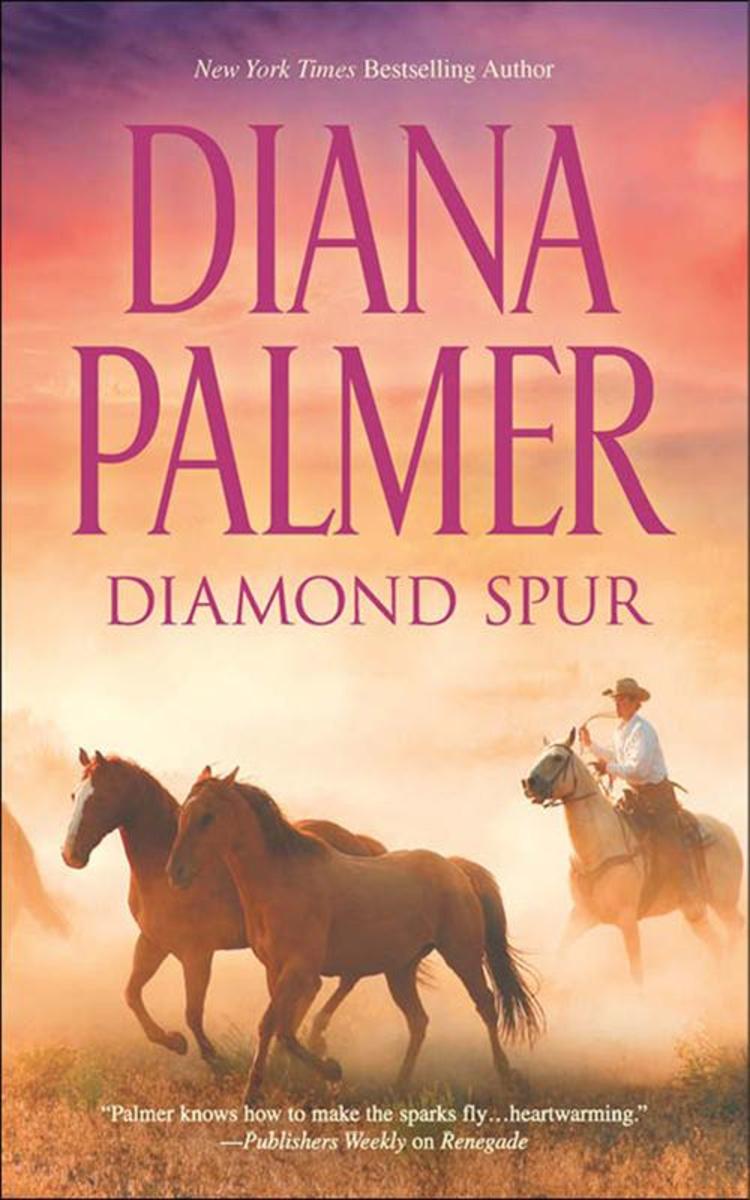
Diamond Spur
¥53.76
New York Times and USA TODAY bestselling author DIANA PALMER serves up one of her most popular Texans–Jason Donavan–in a thrilling story destined to enthrall her many readers! Texas rancher Jason Donavan is known for his temper, his brooding nature and his deep distrust of women. No one at the Diamond Spur ranch can stand his moods–except Kate Whittman. She might be young, but she knows Jason is the only man for her. Kate wants him more than anything, but he offers her only brotherly protection–until she discovers that Jason's desire for her is as strong as hers for him. Ever the gruff cowboy, Jason insists that commitment and love aren't for him. So Kate pursues her own life, away from the man she loves. But just when it seems that her fairy tale is coming true, fate brings her back to Texas. To Jason. And to a dream that she'd almost abandoned…
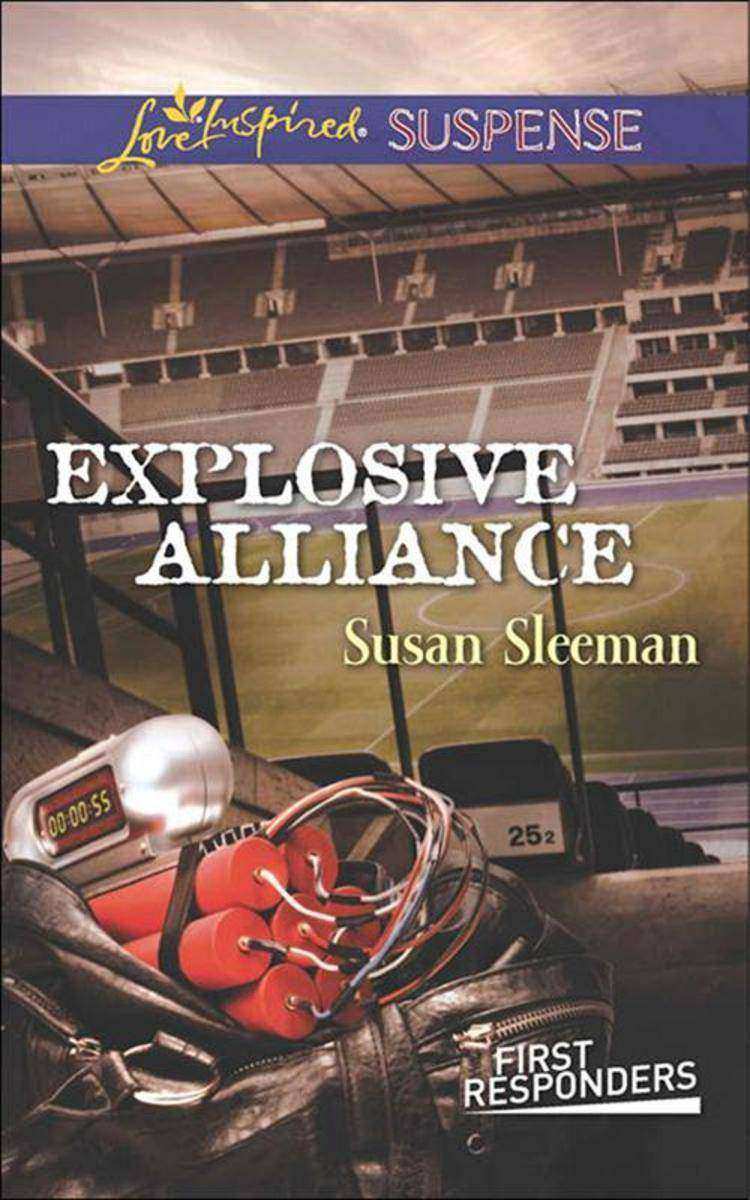
Explosive Alliance (Mills & Boon Love Inspired Suspense) (First Responders, Book
¥31.10
RACE AGAINST TIME The last thing Krista Curry expected to find in a soccer stadium was a time bomb. When she alerts explosives expert Cash Dixon, she becomes a local hero. But the attention could expose her real name–and the infamous past she fought to escape. Cash promises Krista protection from the bomber's retaliation. Yet she hesitates to trust him as she sees his suspicion about her grow with every question she dodges. She can't expect Cash to continue to safeguard her unless she tells him the truth. Now Cash must decide if she's an innocent woman or guilty accomplice. But the clock is ticking down–and the real bomber is still on the loose… First Responders: Brave men and women alert and ready for danger and love.

His Pregnant Texas Sweetheart (Mills & Boon Cherish) (Peach Leaf, Texas, Book 1)
¥29.43
A Father for Her Baby? Katie Bloom’s ex may have left her pregnant, jobless and alone, but she has a plan: find a new career; plan the best Pumpkin Festival the people of Peach Leaf, Texas have ever seen; and create a happy environment for her child-to-be. The only thing Katie desperately wants, but isn’t sure she can get, is Ryan Ford, her childhood best friend and first love, who’s back in town. Their chemistry is off the charts and Katie knows letting Ryan go again isn’t an option... but can she really build a new family in time for her baby?

In the Royal's Bed: Wanted: Royal Wife and Mother / Cinderella: Hired by the Pri
¥37.96
Wanted: Royal Wife and Mother For five years Kelly has been separated from her son, the heir to the Alp de Ciel throne. With her estranged husband’s death, they can finally be reunited – but first she must return to the palace and meet the dangerously tempting Prince Regent, Rafael de Boutaine. Cinderella: Hired by the Prince When gorgeous stranger Ramón offers sensible chef Jenny a job on his yacht, she can’t refuse his offer of adventure. But nothing could have prepared her for Ramón’s revelation once they’re at sea: that he’s not a humble yachtsman, but a secret prince! A Royal Marriage of Convenience International lawyer Nikolai de Montez has discovered that he’s heir to the throne of Alp de Montez – yet, to claim his title, he must marry Rose McCray. And after a sumptuous ceremony a match of duty begins to evolve into a marriage of desire…

Man of His Word (Mills & Boon Heartwarming) (The Georgia Monroes, Book 1)
¥31.10
A promise made has to be a promise kept This small town in rural Georgia is where Kimberly Singleton hopes to find the answers that can save her adopted daughter's life. Daniel Monroe is the key: the charismatic firefighter is the one who helped bring her child into the world. He's a good man from a loving family who makes Kimberly feel like she's finally found a safe haven. But he won't give up his secret. For almost twelve years, Daniel has kept his promise to a terrified young mother. Now Kimberly and her daughter deserve the truth. But how can he break that long-ago vow and stay true to who he is, a man Kimberly can trust…and love?

Scene of the Crime: Killer Cove (Mills & Boon Intrigue)
¥31.10
A MAN RETURNS TO HIS HOMETOWN TO SOLVE A COLD CASE IN NEW YORK TIMES BESTSELLER CARLA CASSIDY’S NEW SCENE OF THE CRIME BOOK. A family tragedy brings Bo McBride back to his Mississippi town two years after a devastating loss made him leave. Now he's back and only Claire Silver is ready to welcome him home. The sassy blond teacher wants his help in finding a killer that has plagued the town…. Although she could only admire him from afar, Claire was always drawn to Bo. Their unofficial investigation is complicated by the passion igniting between them. And by the obsessed stalker who has targeted Claire. With the threat escalating, Bo vows he'll do whatever it takes to protect her. And Claire vows to put her faith in the man ready to risk everything to safeguard her future.

The Pregnancy Secret (Mills & Boon Cherish)
¥25.60
Back in her husband’s arms! Jessica Brennan couldn’t wait to marry gorgeous Kade and fill their rickety house with children. Not being able to live that dream tore them apart. CEO Kade may not have been able to fix their marriage, but he can finally fix up the house. Except working together only rekindles their love… One night with her husband can't hurt can it…? Unless it has dramatic, life-changing consequences!

The Rancher's Lullaby (Mills & Boon American Romance) (Glades County Cowboys, Bo
¥31.10
SERENADING HIS SON The Circle P has always been home to the Judds. That’s why Garrett Judd came back—to take over as temporary ranch manager and to shelter his infant son in the warmth and love of his sprawling family. Bluegrass singer Lisa Rose isn’t part of his long-term plans. But ever since she hit town, the single father has been fighting his attraction to the willowy blonde. Lisa gave up her life on the road to open a music store, but if business doesn't pick up she may not last. Watching the rugged widowed rancher serenade his baby boy plucks at her heartstrings, making her long for something she’ll never have. But as long as Garrett keeps one cowboy boot in the past, they don’t stand a chance of building a future together. Do they?

Swept Into The Rich Man's World (Mills & Boon Cherish)
¥33.84
Rescued by the tycoon next door! An unexpected knock at the door turns reclusive billionaire Patrick Fitzsimon’s life upside down! He’s closed himself off from the world after a family tragedy, but intriguing neighbour Aideen Ryan needs help, and Patrick can’t say no… After a business partnership turned relationship turned disaster, Aideen has sworn off romance. When Patrick whisks her away to Paris on a mission to save her business, she soon finds him equally infuriating and enticing! Aideen’s head may be telling her to keep her distance from Patrick, but her heart begs to draw closer…

Tempted By The Texan (Mills & Boon Desire) (The Good, the Bad and the Texan, Boo
¥31.10
TEMPTED BY THE TEXAN Wealthy rancher Jaron Lambert wants more than just one night with Mariah Stanton, but his dark past and their age difference hold him back. What will it take to push past his boundaries? Mariah’s about to find out… NEEDED: ONE CONVENIENT HUSBAND To collect her inheritance, Eva Atraeus only has three weeks to marry. Billionaire banker Kyle Messena, the trustee of the will and her first love, rejects every potential groom…until he’s the only one left! How convenient…

The Doctor's Baby Dare (Mills & Boon Desire) (Texas Cattleman's Club: Lies and L
¥31.10
A baby in need—and one special nurse—tame a wealthy doctor in this Texas Cattleman’s Club novel from USA TODAY bestselling author Michelle Celmer! Pediatrician Parker Reese likes to play the field and usually has women at his beck and call. Until caring for a newborn in crisis sets him on a collision course with beautiful but standoffish nurse Clare Connelly. He’s willing to wager he can seduce her despite herself. But as they bond over healing the baby, the question becomes: Who’s seducing whom? Soon all bets are off, but can Clare trust her heart to this player or is it just a game?

The Nurse Who Stole His Heart (Mills & Boon Medical) (Wildfire Island Docs, Book
¥31.10
Bound by their little girl Leaving Anahera Kopu was the hardest thing Dr Luke Wilson ever did. He was torn by duty and desire, and his decision devastated them both… Now Luke’s reappearance on Wildfire Island threatens to turn nurse Anahera’s life upside down. She lost her heart to him before, but now she has something even more precious to guard. Their young daughter! Luke doesn’t know he’s a dad, but their child holds the key to unite them. This time…for ever? Wildfire Island Docs Welcome to Paradise!
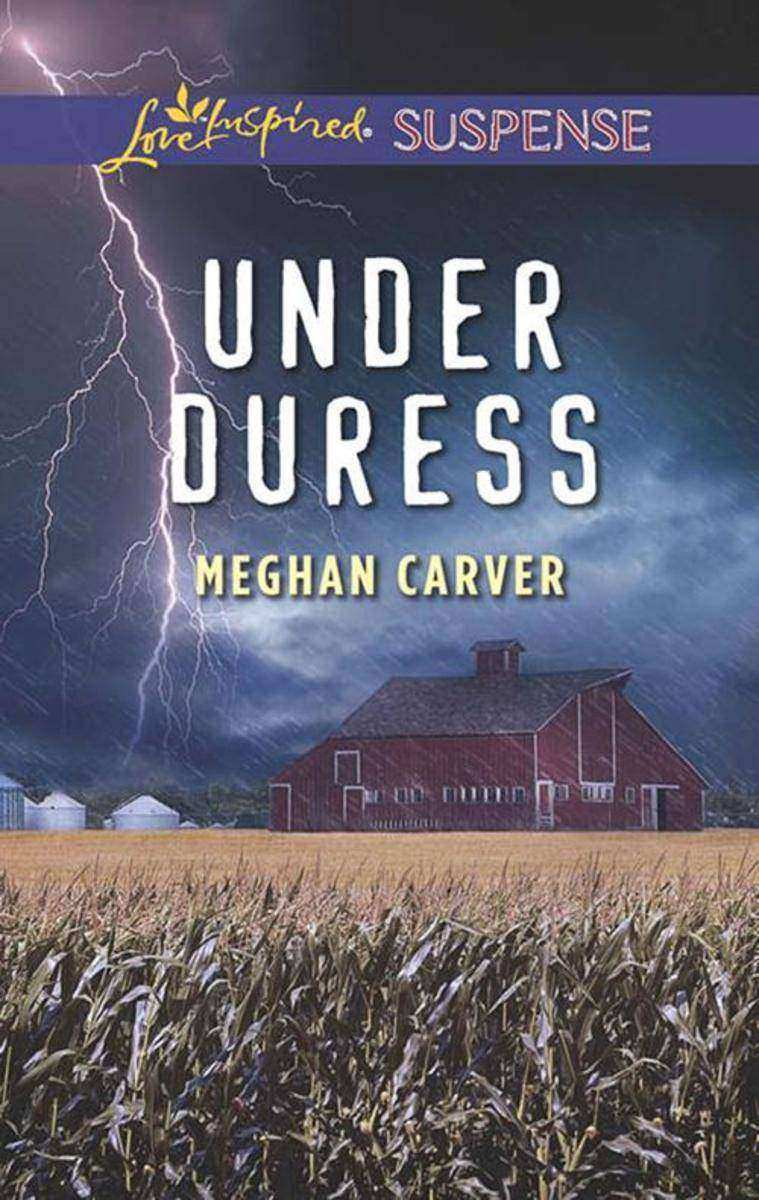
Under Duress (Mills & Boon Love Inspired Suspense)
¥33.84
FAMILY ON THE RUN Criminals are trying to kidnap attorney Samantha Callahan’s adopted daughter, Lily—and she has no idea why. So when bullets start flying, Samantha and Lily speed off in her car…and crash right into help. Ex-cop Reid Palmer is shocked when former law school classmate Samantha rear-ends his car and then climbs in with her daughter and begs him to drive. Now they are on the run, and Reid will do anything to protect them and figure out why kidnappers are after Lily. As they struggle to evade capture, Reid begins to realize that Samantha is more to him than just a woman in trouble. But with the enemies closing in and their motives finally revealed, will Reid be able to make sure justice is served?
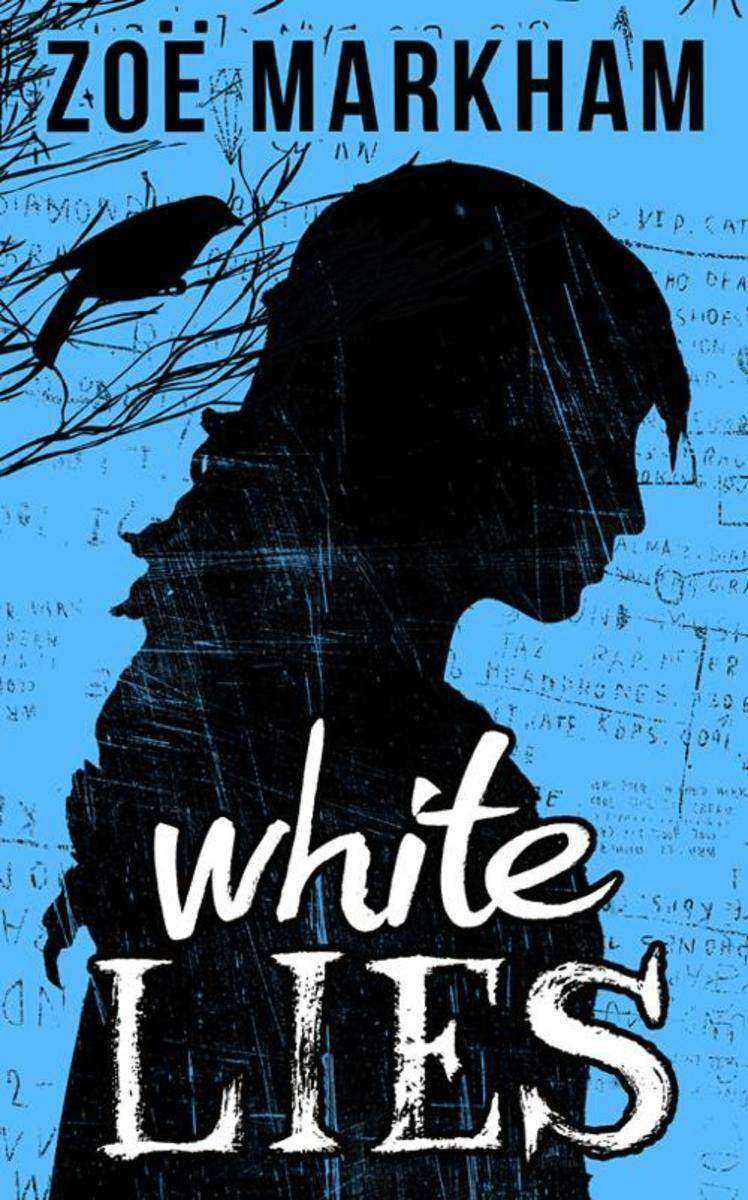
White Lies
¥42.48
‘A wonderful edge of your seat thriller that will have you guessing all the way to the end.’ – Carrie on Goodreads A haunting YA thriller you won't be able to put down, White Lies is a boarding school story – with a shockingly dark twist. Everybody hurts For Abigail, a new school could be the fresh start she so desperately needs. With her parents in the army and her sister Beth too far away to run to, she knows this year needs to be different. She's never been part of the cool crowd and for the first time Abby wants to fit in. And all it takes is just one little white lie…because some truths are too painful to share. Everybody lies But at Cotswold Community College, Abby isn't the only one with a past she'd rather forget. And when she stumbles across a closely-guarded secret, Abigail realises that her one little white lie could reveal everything she’s worked so hard to hide… What readers are saying about White Lies 'I LOVED this one… there is a dark edge to the narrative, a scary feel to some of the events and just that little *something* that touches you on an emotional level when reading that grips you utterly… Add in some truly spooky and dark dealings, a touch of inspiration and a killer twist that I never once saw coming and you have an imaginative, clever and intelligent thriller that just happens to be in the Young Adult market. Pish to that, its better than any one of 150 girl books you might read this year or did last…' – Liz Loves Books ‘The book was a easy and fast read that was layered with suspense making it captivating and gripping that I had to finish it and know what was happening. I thought I had it all figured out… but after reaching the end, I realized how wrong I was. It is an eerie mystery slash slightly horror story that plays with your mind and imagination.’ – Joy on Goodreads ‘I couldn't put it down and it was short enough for me to whizz through… I still couldn't believe the unbelievable dark twist that this book took. It was so gripping and surreal that I'm still captivated by it! I loved the writing style of this author and it's made me incredibly eager to read more books by Ms. Markham.’ – Connie on Goodreads ‘This is a mystery story with some hints of horror that really plays with your mind, especially when you think you’ve got it all figured out. It sets you on edge and makes you really question what is going on – if you’re a fan of the Red Eye series or just general horror/thriller books then this one’s for you!’ – Maia and a Little Moore ‘This wasn't at all what I was expecting, but I was pleasantly surprised. The first thing to catch my attention was Zoe's writing style. Every word seemed to flow with the next making me want to keep reading. Zoe does an incredible job of bringing the character's alive.’ – Rosalie Reyes's review on Goodreads

Tough Justice: Hunted (Part 8 Of 8) (Tough Justice, Book 8)
¥9.71
Justice is worth every sacrifice. Part 8 of 8 in the chilling, high-octane FBI thriller TOUGH JUSTICE from NYT bestselling author Carla Cassidy and Tyler Anne Snell, Carol Ericson and Gail Barrett. Live or die. Her or Moretti. The time is now. The worst has happened; her mark is on the run. But Lara has no clues. No destination. Just fear for those she loves and bone deep belief that he’s coming straight for her. But she knows Moretti – just as he knows her. And when the final clue clicks into place, the hunt is on… Lara will do anything it takes to catch this evil man who has caused the deaths of countless innocent people. With emotions on a knife edge, Lara is running on instinct; on the desperation of unconditional love. With adrenaline pumping, this is it for Lara – with flight not an option, all she can do is fight to the end… Tough Justice: Exposed (Part 1 of 8) by Carla Cassidy Tough Justice: Watched (Part 2 of 8) by Tyler Anne Snell Tough Justice: Burned (Part 3 of 8) by Carol Ericson Tough Justice: Trapped (Part 4 of 8) by Gail Barrett Tough Justice: Twisted (Part 5 of 8) by Gail Barrett Tough Justice: Ambushed (Part 6 of 8) by Carol Ericson Tough Justice: Betrayed (Part 7 of 8) by Tyler Anne Snell Tough Justice: Hunted (Part 8 of 8) by Carla Cassidy
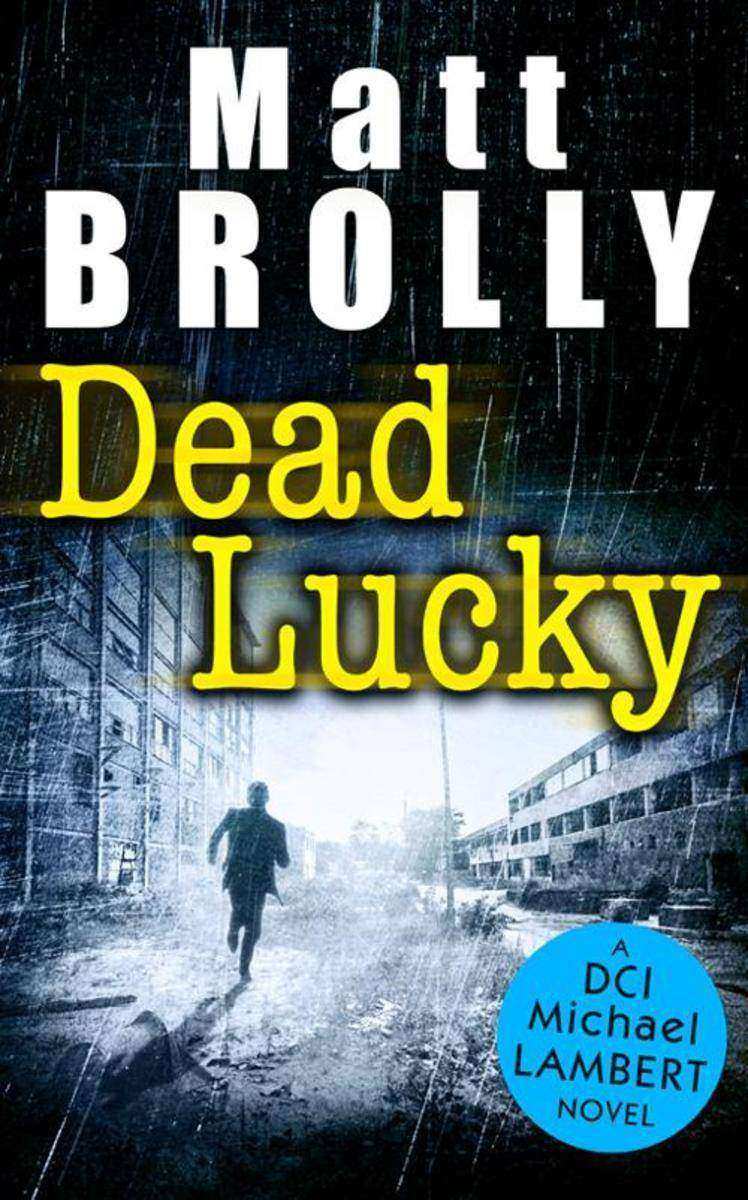
Dead Lucky (DCI Michael Lambert, Book 2)
¥42.48
A fast-paced crime-thriller, full of chilling twists, turns and grisly surprises, Matt Brolly’s Dead Lucky will have you gripped from beginning to end! DCI Michael Lambert is back… When a woman is murdered, the twisted killer forcing her husband to watch her slow and painful death, DCI Michael Lambert knows that his next case might be his toughest yet. And when a second set of killings are discovered, with exactly the same MO, the race is on the find the lethal sociopath before he strikes again. But Lambert never expected to receive an anonymous call from the killer. This time, it’s personal: if Lambert doesn’t find the murderer soon, his own loved ones will be next… The gripping second novel in a thrilling new crime series by Matt Brolly. Perfect for fans of Tony Parsons, Lee Child and Angela Marsons. Praise for Dead Lucky: ‘One of my books of the year… I was blown away by Mr Brolly's plotting and gripping writing style.’ – Elaine (Top 1000 Amazon Reviewer) ‘An extraordinary fast-paced, tense thriller, taking the reader on an suspense filled journey with so many twist and turns it is a stupendous, emotional roller coaster ride!’ – SplashesIntoBooks ‘I was Dead Impressed with the fast paced plot; Dead Curious about who The Watcher was; Dead Impressed the author managed to fool me; Dead Surprised when the killer was revealed and felt the ending was…well…Dead Perfect!’ – CrimeBookJunkie ‘A must read for all lovers of crime books’ – CrimeBookLover ‘Fantastic stuff. A must read for any lovers of crime. Matt Brolly has a cracking series on his hands. ‘ – NorthernCrime ‘A very engrossing police procedural that held my interest and kept me at the edge of my seat.’ – Relax and Read Reviews


