


 购物车
购物车 个人中心
个人中心

Hidden Wealth of Nations
¥147.15
We are well aware of the rise of the 1% as the rapid growth of economic inequality has put the majority of the world's wealth in the pockets of fewer and fewer. One much-discussed solution to this imbalance is to significantly increase the rate at which we tax the wealthy. But with an enormous amount of the world's wealth hidden in tax havens-in countries like Switzerland, Luxembourg, and the Cayman Islands-this wealth cannot be fully accounted for and taxed fairly. No one, from economists to bankers to politicians, has been able to quantify exactly how much of the world's assets are currently hidden-until now. Gabriel Zucman is the first economist to offer reliable insight into the actual extent of the world's money held in tax havens. And it's staggering.In The Hidden Wealth of Nations, Zucman offers an inventive and sophisticated approach to quantifying how big the problem is, how tax havens work and are organized, and how we can begin to approach a solution. His research reveals that tax havens are a quickly growing danger to the world economy. In the past five years, the amount of wealth in tax havens has increased over 25%-there has never been as much money held offshore as there is today. This hidden wealth accounts for at least $7.6 trillion, equivalent to 8% of the global financial assets of households. Fighting the notion that any attempts to vanquish tax havens are futile, since some countries will always offer more advantageous tax rates than others, as well the counter-argument that since the financial crisis tax havens have disappeared, Zucman shows how both sides are actually very wrong. In The Hidden Wealth of Nations he offers an ambitious agenda for reform, focused on ways in which countries can change the incentives of tax havens. Only by first understanding the enormity of the secret wealth can we begin to estimate the kind of actions that would force tax havens to give up their practices.Zucman's work has quickly become the gold standard for quantifying the amount of the world's assets held in havens. In this concise book, he lays out in approachable language how the international banking system works and the dangerous extent to which the large-scale evasion of taxes is undermining the global market as a whole. If we are to find a way to solve the problem of increasing inequality, The Hidden Wealth of Nations is essential reading.

Last Asylum
¥147.15
In the late 1970s, Barbara Taylor, then an acclaimed young historian, began to suffer from severe anxiety. In the years that followed, Taylor's world contracted around her illness. Eventually, her struggles were severe enough to lead to her admission to what had once been England's largest psychiatric institution, the infamous Friern Mental Hospital in North London.The Last Asylum is Taylor's breathtakingly blunt and brave account of those years. In it, Taylor draws not only on her experience as a historian, but also, more importantly, on her own lived history at Friern- once known as the Colney Hatch Lunatic Asylum and today the site of a luxury apartment complex. Taylor was admitted to Friern in July 1988, not long before England's asylum system began to undergo dramatic change: in a development that was mirrored in America, the 1990s saw the old asylums shuttered, their patients left to plot courses through a perpetually overcrowded and underfunded system of community care. But Taylor contends that the emptying of the asylums also marked a bigger loss, a loss of community. She credits her own recovery to the help of a steadfast psychoanalyst and a loyal circle of friends- from Magda, Taylor's manic-depressive roommate, to Fiona, who shares tips for navigating the system and stories of her boyfriend, the "e;Spaceman,"e; and his regular journeys to Saturn. The forging of that network of support and trust was crucial to Taylor's recovery, offering a respite from the "e;stranded, homeless feelings"e; she and others found in the outside world.A vivid picture of mental health treatment at a moment of epochal change, The Last Asylum is also a moving meditation on Taylor's own experience, as well as that of millions of others who struggle with mental illness.
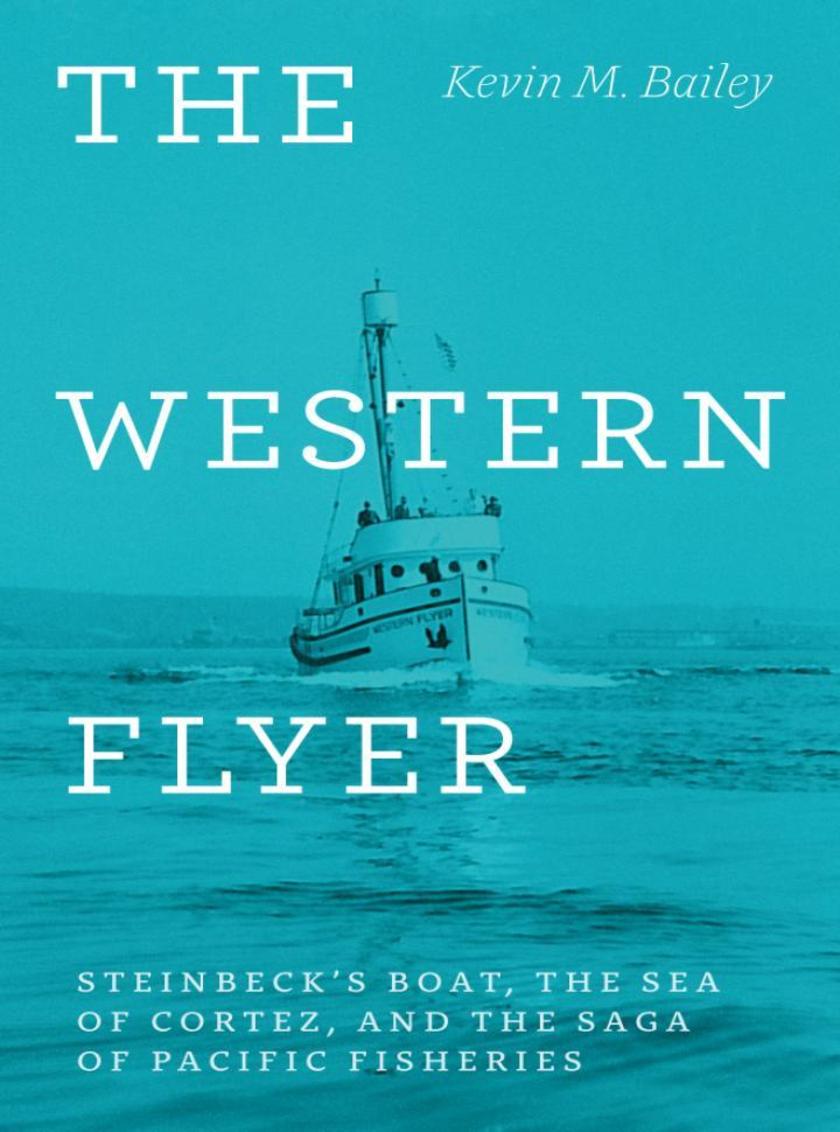
Western Flyer
¥147.15
In January 2010, the Gemini was moored in the Swinomish Slough on a Native American reservation near Anacortes, Washington. Unbeknownst to almost everyone, the rusted and dilapidated boat was in fact the most famous fishing vessel ever to have sailed: the original Western Flyer, immortalized in John Steinbeck's nonfiction classic The Log from the Sea of Cortez.In this book, Kevin M. Bailey resurrects this forgotten witness to the changing tides of Pacific fisheries. He draws on the Steinbeck archives, interviews with family members of crew, and more than three decades of working in Pacific Northwest fisheries to trace the depletion of marine life through the voyages of a single ship. After Steinbeck and his friend Ed Ricketts-a pioneer in the study of the West Coast's diverse sea life and the inspiration behind "e;Doc"e; in Cannery Row-chartered the boat for their now-famous 1940 expedition, the Western Flyer returned to its life as a sardine seiner in California. But when the sardine fishery in Monterey collapsed, the boat moved on: fishing for Pacific ocean perch off Washington, king crab in the Bering Sea off Alaska, and finally wild Pacific salmon-all industries that would also face collapse.As the Western Flyer herself faces an uncertain future-a businessman has bought her, intending to bring the boat to Salinas, California, and turn it into a restaurant feature just blocks from Steinbeck's grave-debates about the status of the California sardine, and of West Coast fisheries generally, have resurfaced. A compelling and timely tale of a boat and the people it carried, of fisheries exploited, and of fortunes won and lost, The Western Flyer is environmental history at its best: a journey through time and across the sea, charting the ebb and flow of the cobalt waters of the Pacific coast.

Nut Country
¥147.15
On the morning of November 22, 1963, President Kennedy told Jackie as they started for Dallas, "e;We're heading into nut country today."e; That day's events ultimately obscured and revealed just how right he was: Oswald was a lone gunman, but the city that surrounded him was full of people who hated Kennedy and everything he stood for, led by a powerful group of ultraconservatives who would eventually remake the Republican party in their own image.In Nut Country, Edward H. Miller tells the story of that transformation, showing how a group of influential far-right businessmen, religious leaders, and political operatives developed a potent mix of hardline anticommunism, biblical literalism, and racism to generate a violent populism-and widespread power. Though those figures were seen as extreme in Texas and elsewhere, mainstream Republicans nonetheless found themselves forced to make alliances, or tack to the right on topics like segregation. As racial resentment came to fuel the national Republican party's divisive but effective "e;Southern Strategy,"e; the power of the extreme conservatives rooted in Texas only grew.Drawing direct lines from Dallas to DC, Miller's captivating history offers a fresh understanding of the rise of the new Republican Party and the apocalyptic language, conspiracy theories, and ideological rigidity that remain potent features of our politics today.

Scientific Babel
¥147.15
English is the language of science today. No matter which languages you know, if you want your work seen, studied, and cited, you need to publish in English. But that hasn't always been the case. Though there was a time when Latin dominated the field, for centuries science has been a polyglot enterprise, conducted in a number of languages whose importance waxed and waned over time-until the rise of English in the twentieth century.?So how did we get from there to hereHow did French, German, Latin, Russian, and even Esperanto give way to EnglishAnd what can we reconstruct of the experience of doing science in the polyglot pastWith Scientific Babel, Michael D. Gordin resurrects that lost world, in part through an ingenious mechanism: the pages of his highly readable narrative account teem with footnotes-not offering background information, but presenting quoted material in its original language. The result is stunning: as we read about the rise and fall of languages, driven by politics, war, economics, and institutions, we actually see it happen in the ever-changing web of multilingual examples. The history of science, and of English as its dominant language, comes to life, and brings with it a new understanding not only of the frictions generated by a scientific community that spoke in many often mutually unintelligible voices, but also of the possibilities of the polyglot, and the losses that the dominance of English entails.?Few historians of science write as well as Gordin, and Scientific Babel reveals his incredible command of the literature, language, and intellectual essence of science past and present. No reader who takes this linguistic journey with him will be disappointed.
After Preservation
¥147.15
From John Muir to David Brower, from the creation of Yellowstone National Park to the Endangered Species Act, environmentalism in America has always had close to its core a preservationist ideal. Generations have been inspired by its ethos-to encircle nature with our protection, to keep it apart, pristine, walled against the march of human development. But we have to face the facts. Accelerating climate change, rapid urbanization, agricultural and industrial devastation, metastasizing fire regimes, and other quickening anthropogenic forces all attest to the same truth: the earth is now spinning through the age of humans. After Preservation takes stock of the ways we have tried to both preserve and exploit nature to ask a direct but profound question: what is the role of preservationism in an era of seemingly unstoppable human development, in what some have called the AnthropoceneBen A. Minteer and Stephen J. Pyne bring together a stunning consortium of voices comprised of renowned scientists, historians, philosophers, environmental writers, activists, policy makers, and land managers to negotiate the incredible challenges that environmentalism faces. Some call for a new, post-preservationist model, one that is far more pragmatic, interventionist, and human-centered. Others push forcefully back, arguing for a more chastened and restrained vision of human action on the earth. Some try to establish a middle ground, while others ruminate more deeply on the meaning and value of wilderness. Some write on species lost, others on species saved, and yet others discuss the enduring practical challenges of managing our land, water, and air.From spirited optimism to careful prudence to critical skepticism, the resulting range of approaches offers an inspiring contribution to the landscape of modern environmentalism, one driven by serious, sustained engagements with the critical problems we must solve if we-and the wild garden we may now keep-are going to survive the era we have ushered in. ?Contributors include: Chelsea K. Batavia, F. Stuart (Terry) Chapin III, Norman L. Christensen, Jamie Rappaport Clark, William Wallace Covington, Erle C. Ellis, Mark Fiege, Dave Foreman, Harry W. Greene, Emma Marris, Michelle Marvier, Bill McKibben, J. R. McNeill, Curt Meine, Ben A. Minteer, Michael Paul Nelson, Bryan Norton, Stephen J. Pyne, Andrew C. Revkin, Holmes Rolston III, Amy Seidl, Jack Ward Thomas, Diane J. Vosick, John A. Vucetich, Hazel , and Donald Worster.?
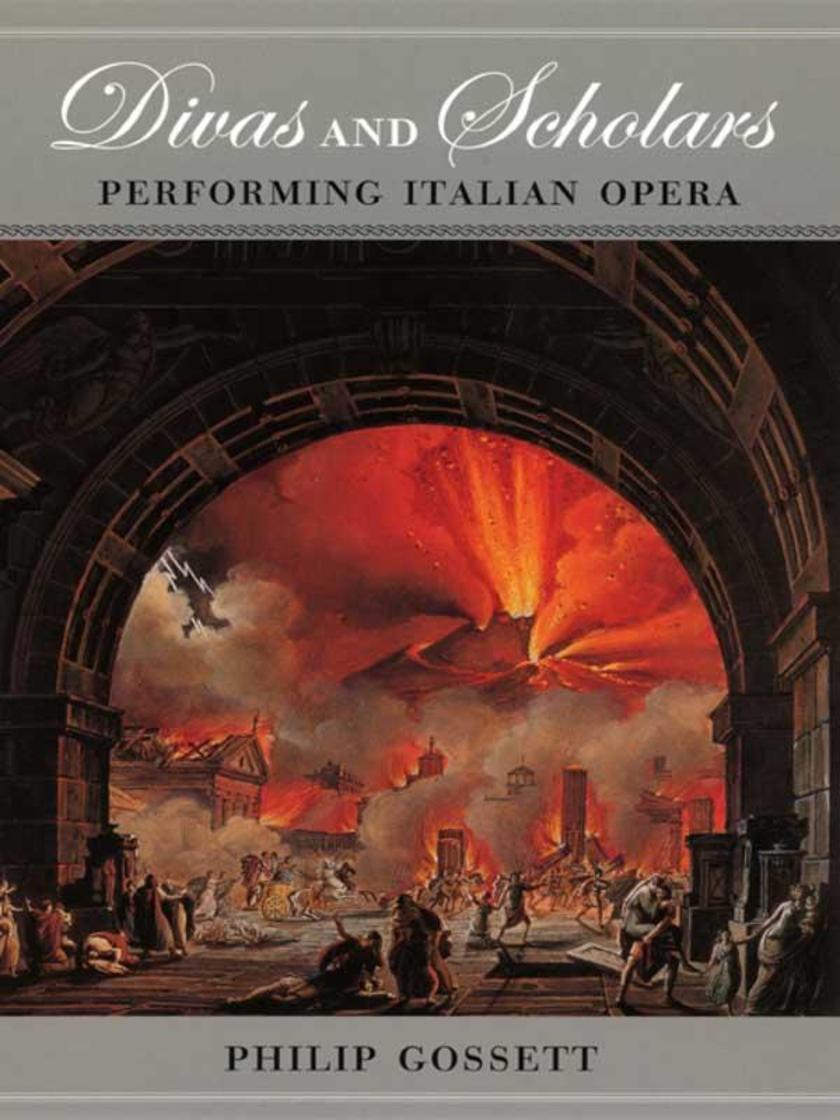
Divas and Scholars
¥147.15
Winner of the 2007 Otto Kinkeldey Award from the American Musicological Society and the 2007 Deems Taylor Award from the American Society of Composers, Authors, and Publishers.Divas and Scholars is a dazzling and beguiling account of how opera comes to the stage, filled with Philip Gossett's personal experiences of triumphant-and even failed-performances and suffused with his towering and tonic passion for music. Writing as a fan, a musician, and a scholar, Gossett, the world's?leading authority on the performance of Italian opera, brings colorfully to life the problems, and occasionally the scandals, that attend the production of some of our most favorite operas.?Gossett begins by tracing the social history of nineteenth-century Italian theaters in order to explain the nature of the musical scores from which performers have long worked. He then illuminates the often hidden but crucial negotiations opera scholars and opera conductors and performers: What does it mean to talk about performing from a critical editionHow does one determine what music to perform when multiple versions of an opera existWhat are the implications of omitting passages from an opera in a performanceIn addition to vexing questions such as these, Gossett also tackles issues of ornamentation and transposition in vocal style, the matters of translation and adaptation, and even aspects of stage direction and set design.?Throughout this extensive and passionate work, Gossett enlivens his history with reports from his own experiences with major opera companies at venues ranging from the Metropolitan and Santa Fe operas to the Rossini Opera Festival at Pesaro. The result is a book that will enthrall both aficionados of Italian opera and newcomers seeking a reliable introduction to it-in all its incomparable grandeur and timeless allure.?
Stone Soup Experiment
¥147.15
The Stone Soup Experiment is a remarkable story of cultural difference, of in-groups, out-groups, and how quickly and strongly the lines between them are drawn. It is also a story about simulation and reality, and how quickly the lines between them can be dismantled.?In a compulsively readable account, Deborah Downing Wilson details a ten-week project in which forty university students were split into two different simulated cultures: the carefree Stoners, and the market-driven Traders. Through their eyes we are granted intimate access to the very foundations of human society: how group identities are formed and what happens when opposing ones come into contact.?The experience of the Stoners and Traders is a profound testament to human sociality. Even in the form of simulation, even as a game, the participants found themselves quickly-and with real conviction-bound to the ideologies and practices of their in-group. The Stoners enjoyed their days lounging, chatting, and making crafts, while the Traders-through a complex market of playing cards-competed for the highest bankrolls. When they came into contact, misunderstanding, competition, and even manipulation prevailed, to the point that each group became so convinced of its own superiority that even after the simulation's end the students could not reconcile. Throughout her riveting narrative, Downing Wilson interweaves fascinating discussions on the importance of play, emotions, and intergroup interaction in the formation and maintenance of group identities, as well as on the dynamic social processes at work when different cultural groups interact. A fascinating account of social experimentation, the book paints a vivid portrait of our deepest social tendencies and the powers they have over how we make friends and enemies alike.?
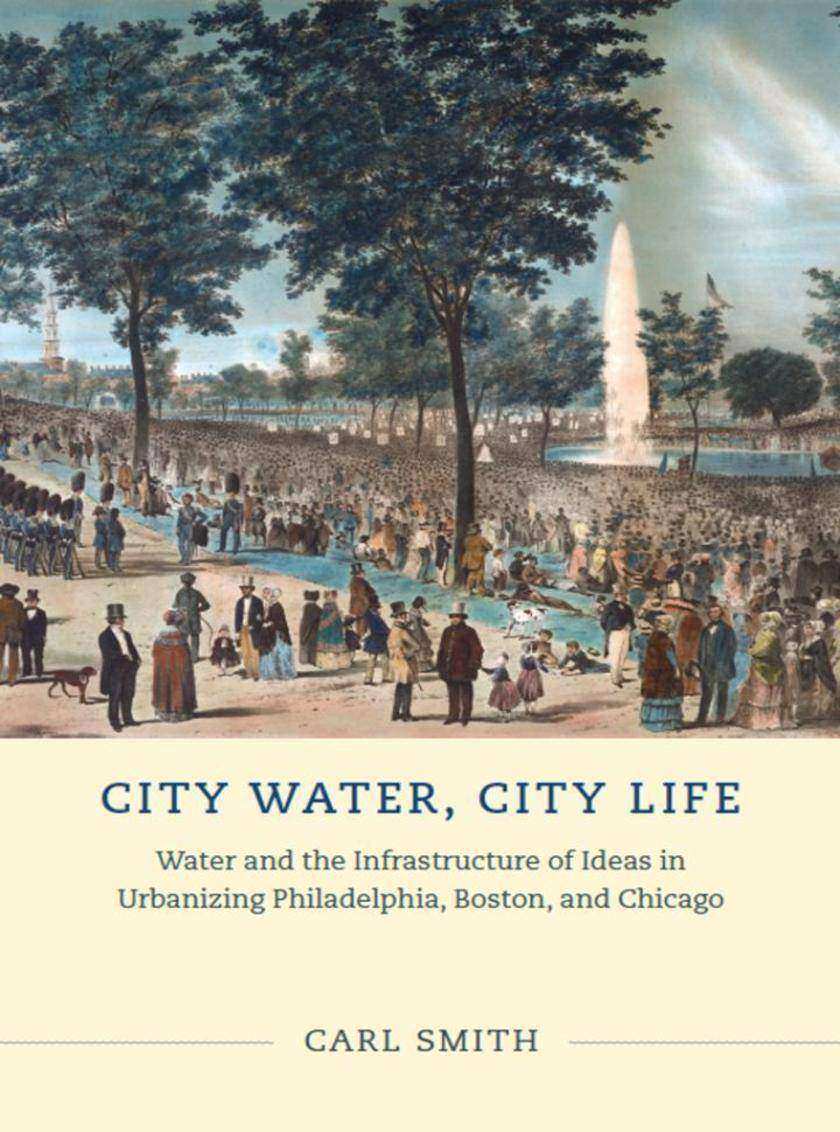
City Water, City Life
¥147.15
A city is more than a massing of citizens, a layout of buildings and streets, or an arrangement of political, economic, and social institutions. It is also an infrastructure of ideas that are a support for the beliefs, values, and aspirations of the people who created the city. In City Water, City Life, celebrated historian Carl Smith explores this concept through an insightful examination of the development of the first successful waterworks systems in Philadelphia, Boston, and Chicago between the 1790s and the 1860s. By examining the place of water in the nineteenth-century consciousness, Smith illuminates how city dwellers perceived themselves during the great age of American urbanization.?But City Water, City Life is more than a history of urbanization.?It is also a refreshing meditation on water as a necessity, as a resource for commerce and industry, and as an essential-and central-part of how we define our civilization.
Players and Pawns
¥147.15
A chess match seems as solitary an endeavor as there is in sports: two minds, on their own, in fierce opposition. In contrast, Gary Alan Fine argues that chess is a social duet: two players in silent dialogue who always take each other into account in their play. Surrounding that one-on-one contest is a community life that can be nearly as dramatic and intense as the across-the-board confrontation.?Fine has spent years immersed in the communities of amateur and professional chess players, and with Players and Pawns he takes readers deep inside them, revealing a complex, brilliant, feisty world of commitment and conflict. Opening with a close look at a typical tournament in Atlantic City, Fine carries us from planning and setup through the climactic final day's match-ups between the weekend's top players, introducing us along the way to countless players and their relationships to the game. At tournaments like that one, as well as in locales as diverse as collegiate matches and community chess clubs, players find themselves part of what Fine terms a "e;soft community,"e; an open, welcoming space built on their shared commitment to the game. Within that community, chess players find both support and challenges, all amid a shared interest in and love of the long-standing traditions of the game, traditions that help chess players build a communal identity.?Full of idiosyncratic characters and dramatic gameplay, Players and Pawns is a celebration of the ever-fascinating world of serious chess.
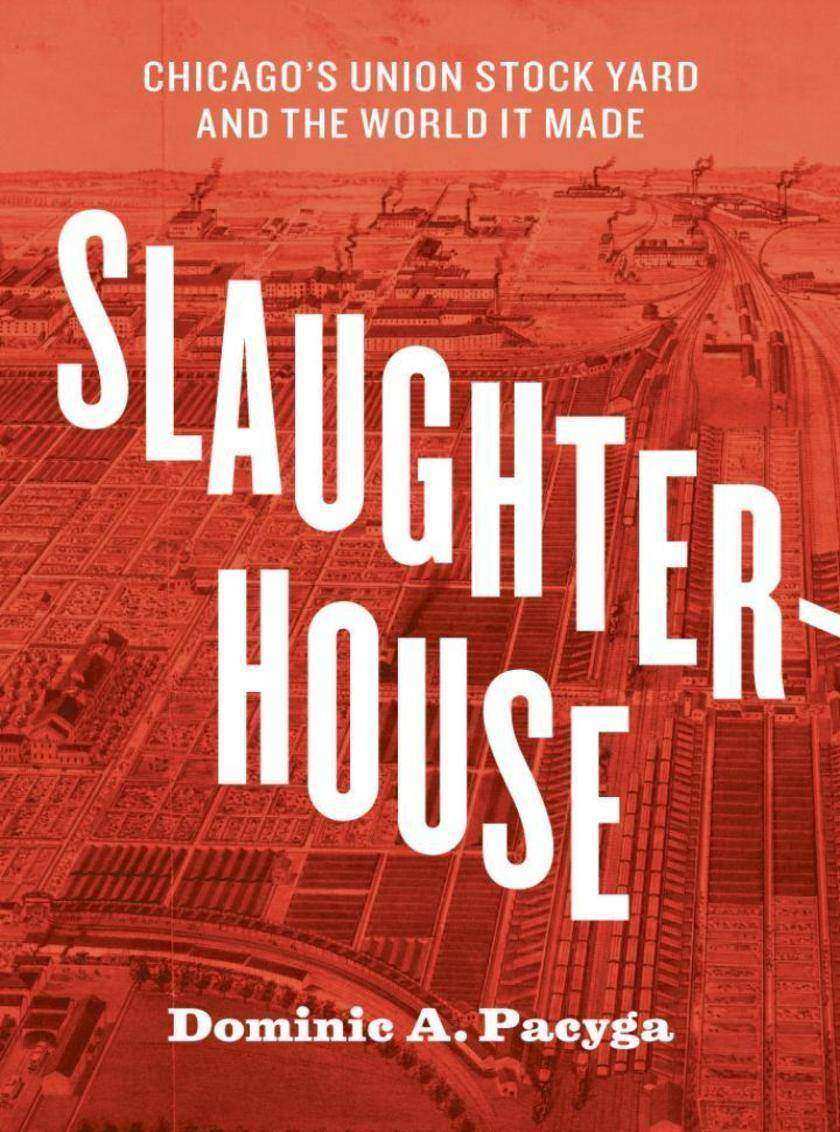
Slaughterhouse
¥147.15
From the minute it opened-on Christmas Day in 1865-it was Chicago's must-see tourist attraction, drawing more than half a million visitors each year. Families, visiting dignitaries, even school groups all made trips to the South Side to tour the Union Stock Yard. There they got a firsthand look at the city's industrial prowess as they witnessed cattle, hogs, and sheep disassembled with breathtaking efficiency. At their height, the kill floors employed 50,000 workers and processed six hundred animals an hour, an astonishing spectacle of industrialized death.Slaughterhouse tells the story of the Union Stock Yard, chronicling the rise and fall of an industrial district that, for better or worse, served as the public face of Chicago for decades. Dominic A. Pacyga is a guide like no other-he grew up in the shadow of the stockyards, spent summers in their hog house and cattle yards, and maintains a long-standing connection with the working-class neighborhoods around them. Pacyga takes readers through the packinghouses as only an insider can, covering the rough and toxic life inside the plants and their lasting effects on the world outside. He shows how the yards shaped the surrounding neighborhoods and controlled the livelihoods of thousands of families. He looks at the Union Stock Yard's political and economic power and its sometimes volatile role in the city's race and labor relations. And he traces its decades of mechanized innovations, which introduced millions of consumers across the country to an industrialized food system.Although the Union Stock Yard closed in 1971, the story doesn't end there. Pacyga takes readers to present day, showing how the manufacturing spirit lives on. Ironically, today the site of the legendary "e;stockyard stench"e; is now home to some of Chicago's most successful green agriculture companies.Marking the 150th anniversary of the opening of the stockyards, Slaughterhouse is an engrossing story of one of the most important-and deadliest-square miles in American history.
Better Bankers, Better Banks
¥147.15
Taking financial risks is an essential part of what banks do, but there's no clear sense of what constitutes responsible risk. Taking legal risks seems to have become part of what banks do as well. Since the financial crisis, Congress has passed copious amounts of legislation aimed at curbing banks' risky behavior. Lawsuits against large banks have cost them billions. Yet bad behavior continues to plague the industry. Why isn't there more changeIn Better Bankers, Better Banks, Claire A. Hill and Richard W. Painter look back at the history of banking and show how the current culture of bad behavior-dramatized by the corrupt, cocaine-snorting bankers of The Wolf of Wall Street-came to be. In the early 1980s, banks went from partnerships whose partners had personal liability to corporations whose managers had no such liability and could take risks with other people's money. A major reason bankers remain resistant to change, Hill and Painter argue, is that while banks have been faced with large fines, penalties, and legal fees-which have exceeded one hundred billion dollars since the onset of the crisis-the banks (which really means the banks'shareholders) have paid them, not the bankers themselves. The problem also extends well beyond the pursuit of profit to the issue of how success is defined within the banking industry, where highly paid bankers clamor for status and clients may regard as inevitable bankers who prioritize their own self-interest. While many solutions have been proposed, Hill and Painter show that a successful transformation of banker behavior must begin with the bankers themselves. Bankers must be personally liable from their own assets for some portion of the bank's losses from excessive risk-taking and illegal behavior. This would instill a culture that discourages such behavior and in turn influence the sorts of behavior society celebrates or condemns.Despite many sensible proposals seeking to reign in excessive risk-taking, the continuing trajectory of scandals suggests that we're far from ready to avert the next crisis. Better Bankers, Better Banks is a refreshing call for bankers to return to the idea that theirs is a noble profession.
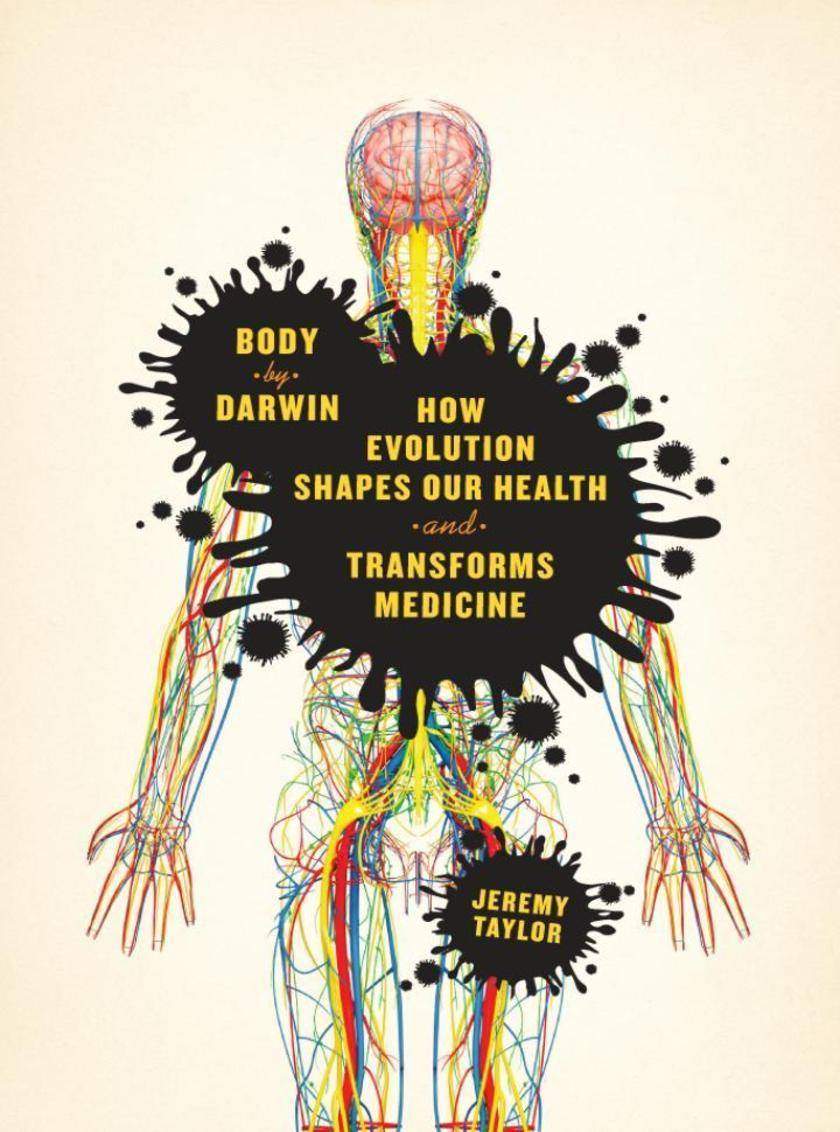
Body by Darwin
¥147.15
We think of medical science and doctors as focused on treating conditions-whether it's a cough or an aching back. But the sicknesses and complaints that cause us to seek medical attention actually have deeper origins than the superficial germs and behaviors we regularly fault. In fact, as Jeremy Taylor shows in Body by Darwin, we can trace the roots of many medical conditions through our evolutionary history, revealing what has made us susceptible to certain illnesses and ailments over time and how we can use that knowledge to help us treat or prevent problems in the future.?In Body by Darwin, Taylor examines the evolutionary origins of some of our most common and serious health issues. To begin, he looks at the hygiene hypothesis, which argues that our obsession with anti-bacterial cleanliness, particularly at a young age, may be making us more vulnerable to autoimmune and allergic diseases. He also discusses diseases of the eye, the medical consequences of bipedalism as they relate to all those aches and pains in our backs and knees, the rise of Alzheimer's disease, and how cancers become so malignant that they kill us despite the toxic chemotherapy we throw at them. Taylor explains why it helps to think about heart disease in relation to the demands of an ever-growing, dense, muscular pump that requires increasing amounts of nutrients, and he discusses how walking upright and giving birth to ever larger babies led to a problematic compromise in the design of the female spine and pelvis. ?Throughout, he not only explores the impact of evolution on human form and function, but he integrates science with stories from actual patients and doctors, closely examining the implications for our health.?As Taylor shows, evolutionary medicine allows us think about the human body and its adaptations in a completely new and productive way. By exploring how our body's performance is shaped by its past, Body by Darwin draws powerful connections between our ancient human history and the future of potential medical advances that can harness this knowledge.
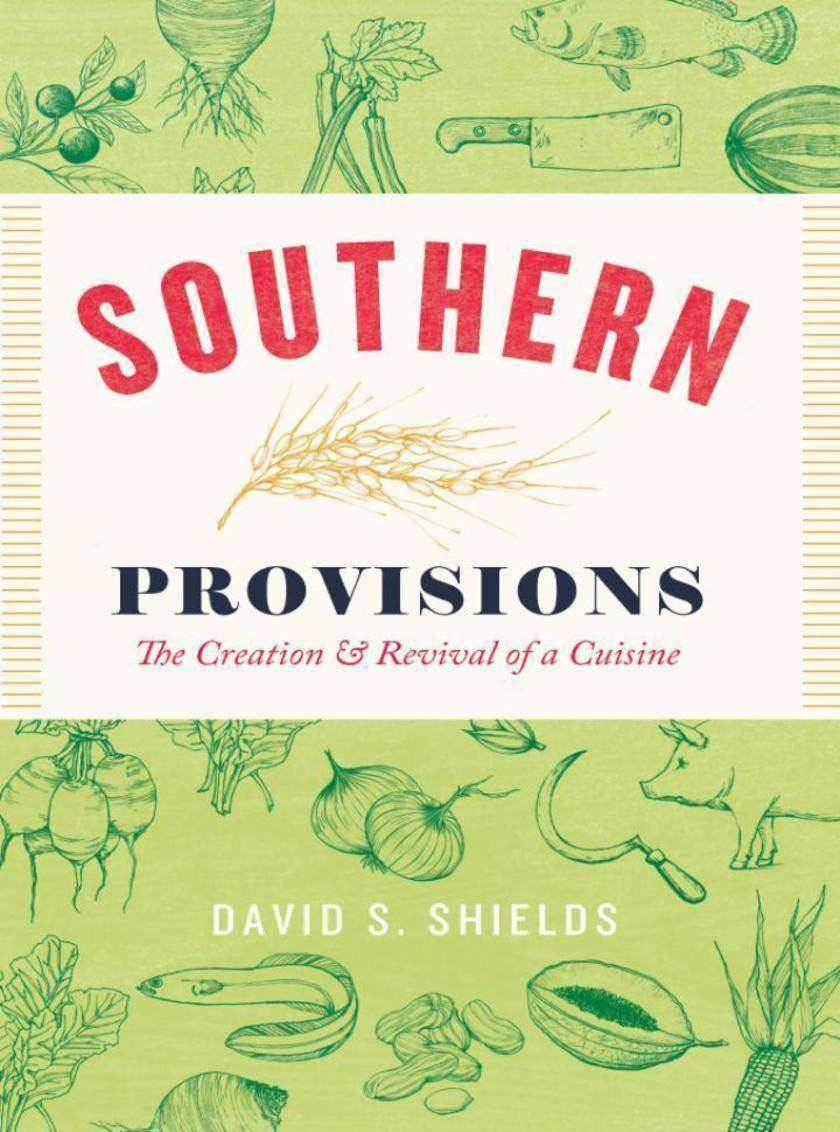
Southern Provisions
¥147.15
Southern food is America's quintessential cuisine. From creamy grits to simmering pots of beans and greens, we think we know how these classic foods should taste. Yet the southern food we eat today tastes almost nothing like the dishes our ancestors enjoyed because the varied crops and livestock that originally defined this cuisine have largely disappeared. Now, a growing movement of chefs and farmers is seeking to change that by recovering the rich flavor and diversity of southern food. At the center of that movement is historian David Shields, who has spent over a decade researching early American agricultural and cooking practices.In Southern Provisions, he reveals how the true ingredients of southern cooking have been all but forgotten and how the lessons of its current restoration and recultivation can be applied to other regional foodways.?Shields's turf is the southern Lowcountry, from the peanut patches of Wilmington, North Carolina to the sugar cane fields of the Georgia Sea Islands and the citrus groves of Amelia Island, Florida, and he takes us on an excursion to this region in order to offer a vivid history of southern foodways, drawing connections among plants, farms, growers, seed brokers, vendors, cooks, and consumers. Shields begins by looking at how professional chefs during the nineteenth century set standards of taste that elevated southern cooking to the level of cuisine. He then turns to the role of food markets in creating demand for ingredients and enabling conversation between producers and preparers. Next, his focus shifts to the field, showing how the key ingredients-rice, sugarcane, sorghum, benne, cottonseed, peanuts, and citrus-emerged and went on to play a significant role in commerce and consumption. Shields concludes with a look at the challenges of reclaiming both farming and cooking traditions.?From Carolina gold rice to white flint corn, the ingredients of authentic southern cooking are returning to fields and dinner plates, and with Shields as our guide, we can satisfy our hunger both for the most flavorful regional dishes and their history.
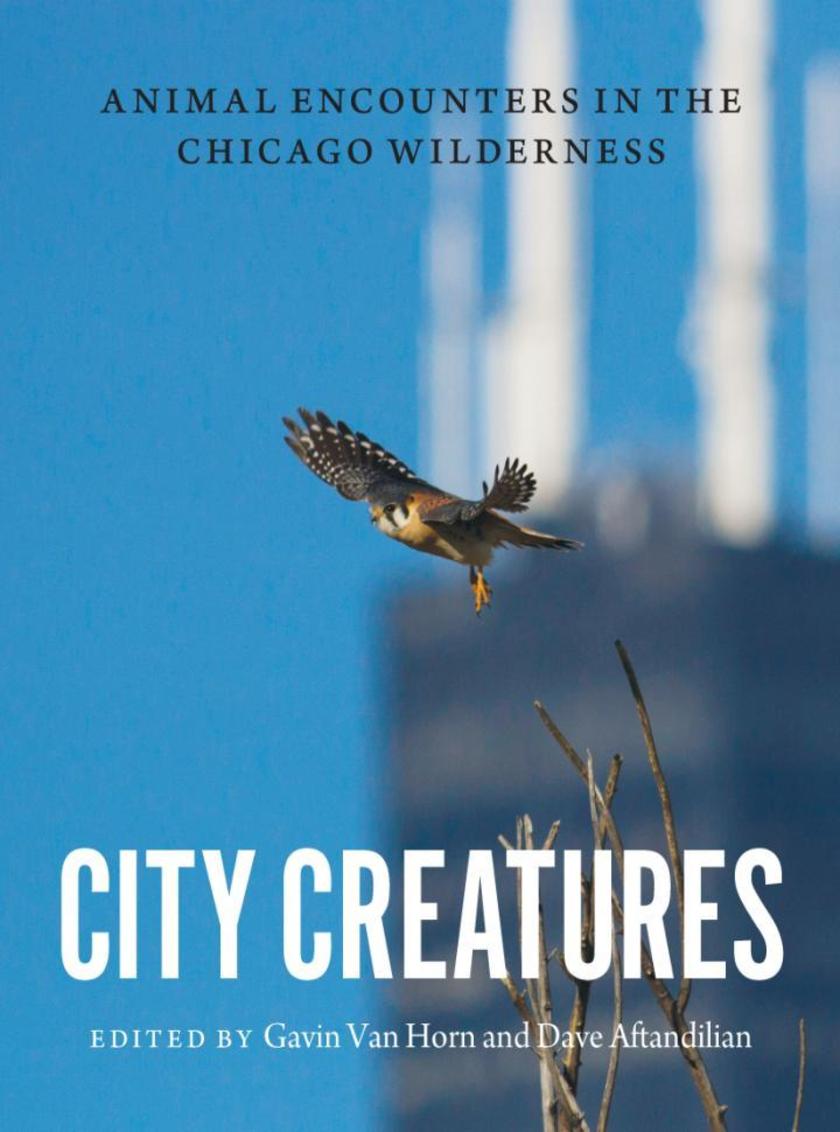
City Creatures
¥147.15
We usually think of cities as the domain of humans-but we are just one of thousands of species that call the urban landscape home. Chicago residents knowingly move among familiar creatures like squirrels, pigeons, and dogs, but might be surprised to learn about all the leafhoppers and water bears, black-crowned night herons and bison, beavers and massasauga rattlesnakes that are living alongside them. City Creatures introduces readers to an astonishing diversity of urban wildlife with a unique and accessible mix of essays, poetry, paintings, and photographs.The contributors bring a story-based approach to this urban safari, taking readers on birding expeditions to the Magic Hedge at Montrose Harbor on the North Side, canoe trips down the South Fork of the Chicago River (better known as Bubbly Creek), and insect-collecting forays or restoration work days in the suburban forest preserves.The book is organized into six sections, each highlighting one type of place in which people might encounter animals in the city and suburbs. For example, schoolyard chickens and warrior wasps populate "e;Backyard Diversity,"e; live giraffes loom at the zoo and taxidermy-in-progress pheasants fascinate museum-goers in "e;Animals on Display,"e; and a chorus of deep-freeze frogs awaits in "e;Water Worlds."e; Although the book is rooted in Chicago's landscape, nature lovers from cities around the globe will find a wealth of urban animal encounters that will open their senses to a new world that has been there all along. Its powerful combination of insightful narratives, numinous poetry, and full-color art throughout will help readers see the city-and the creatures who share it with us-in an entirely new light.
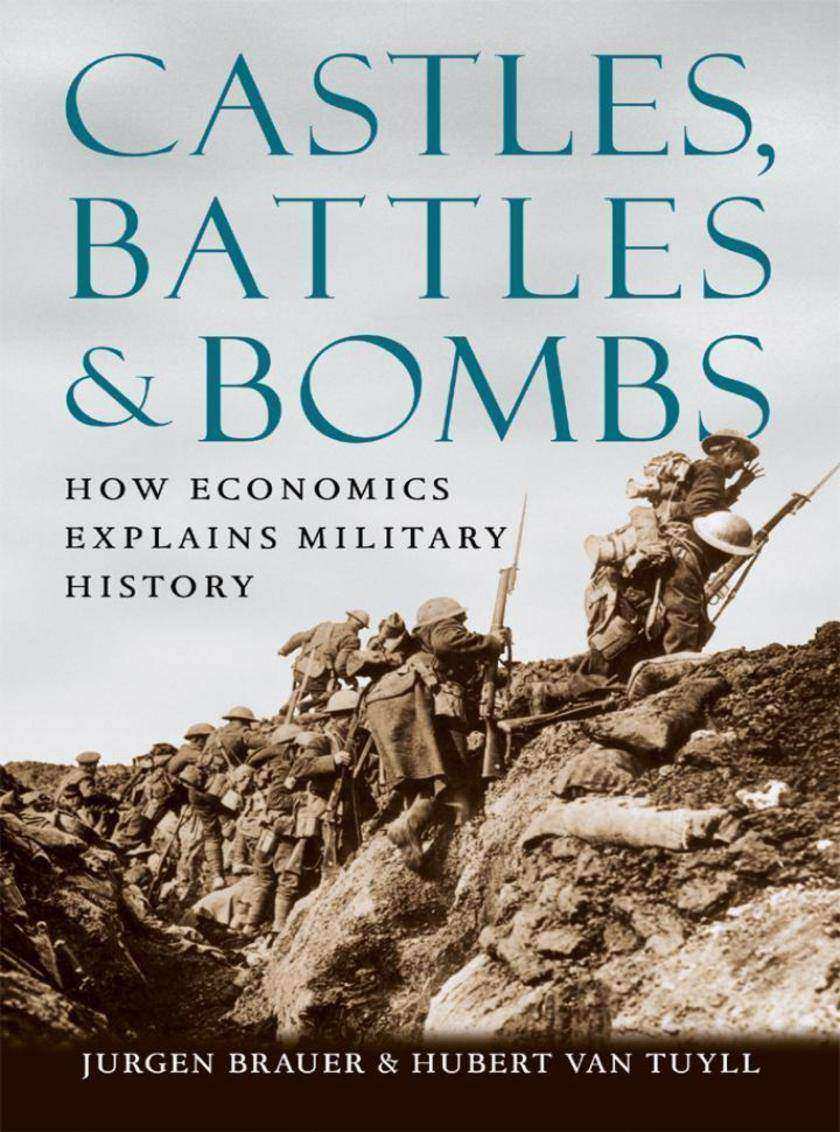
Castles, Battles, and Bombs
¥147.15
Castles, Battles, and Bombs reconsiders key episodes of military history from the point of view of economics-with dramatically insightful results. For example, when looked at as a question of sheer cost, the building of castles in the High Middle Ages seems almost inevitable: though stunningly expensive, a strong castle was far cheaper to maintain than a standing army. The authors also reexamine the strategic bombing of Germany in World War II and provide new insights into France's decision to develop nuclear weapons. Drawing on these examples and more, Brauer and Van Tuyll suggest lessons for today's military, from counterterrorist strategy and military manpower planning to the use of private military companies in Afghanistan and Iraq.?"e;In bringing economics into assessments of military history, [the authors] also bring illumination. . . . [The authors] turn their interdisciplinary lens on the mercenary arrangements of Renaissance Italy; the wars of Marlborough, Frederick the Great, and Napoleon; Grant's campaigns in the Civil War; and the strategic bombings of World War II. The results are invariably stimulating."e;-Martin Walker, Wilson Quarterly?"e;This study is serious, creative, important. As an economist I am happy to see economics so professionally applied to illuminate major decisions in the history of warfare."e;-Thomas C. Schelling, Winner of the 2005 Nobel Prize in Economics
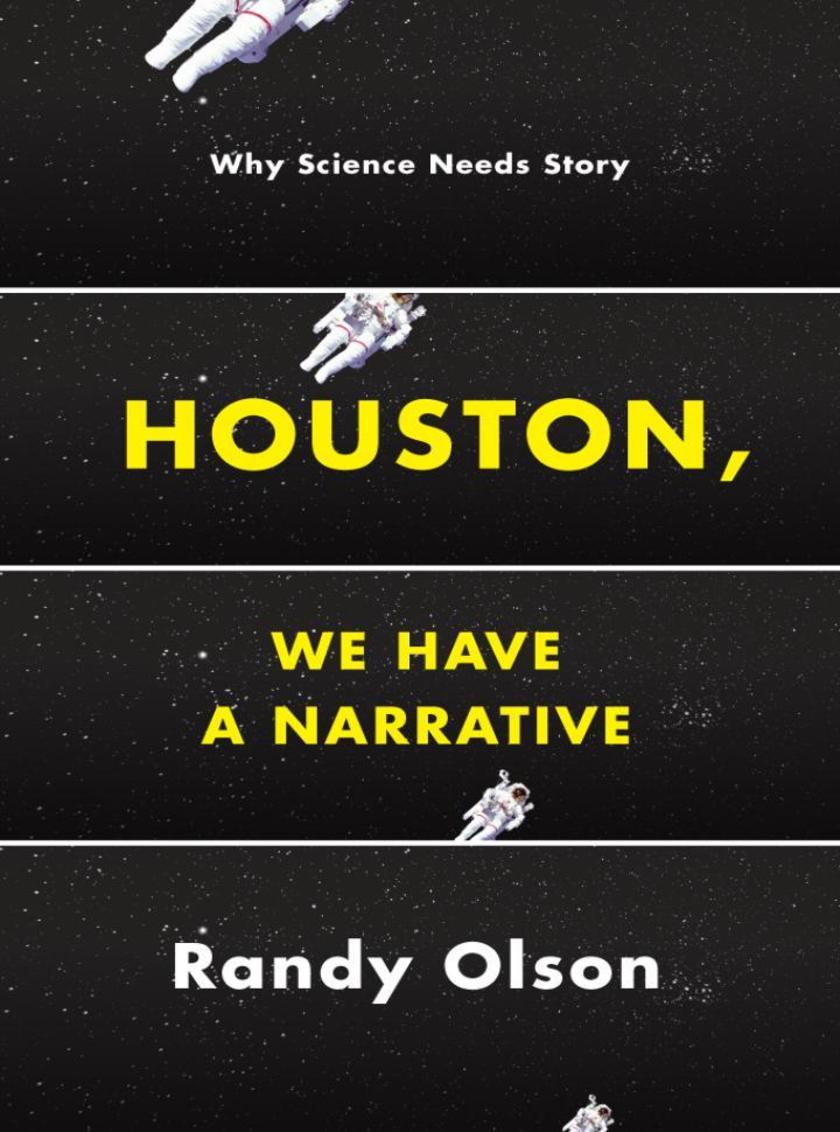
Houston, We Have a Narrative
¥147.15
Ask a scientist about Hollywood, and you'll probably get eye rolls. But ask someone in Hollywood about science, and they'll see dollar signs: moviemakers know that science can be the source of great stories, with all the drama and action that blockbusters require.?That's a huge mistake, says Randy Olson: Hollywood has a lot to teach scientists about how to tell a story-and, ultimately, how to do science better. With Houston, We Have a Narrative, he lays out a stunningly simple method for turning the dull into the dramatic. Drawing on his unique background, which saw him leave his job as a working scientist to launch a career as a filmmaker, Olson first diagnoses the problem: When scientists tell us about their work, they pile one moment and one detail atop another moment and another detail-a stultifying procession of "e;and, and, and."e; What we need instead is an understanding of the basic elements of story, the narrative structures that our brains are all but hardwired to look for-which Olson boils down, brilliantly, to "e;And, But, Therefore,"e; or ABT. At a stroke, the ABT approach introduces momentum ("e;And"e;), conflict ("e;But"e;), and resolution ("e;Therefore"e;)-the fundamental building blocks of story. As Olson has shown by leading countless workshops worldwide, when scientists' eyes are opened to ABT, the effect is staggering: suddenly, they're not just talking about their work-they're telling stories about it. And audiences are captivated.?Written with an uncommon verve and enthusiasm, and built on principles that are applicable to fields far beyond science, Houston, We Have a Narrative has the power to transform the way science is understood and appreciated, and ultimately how it's done.
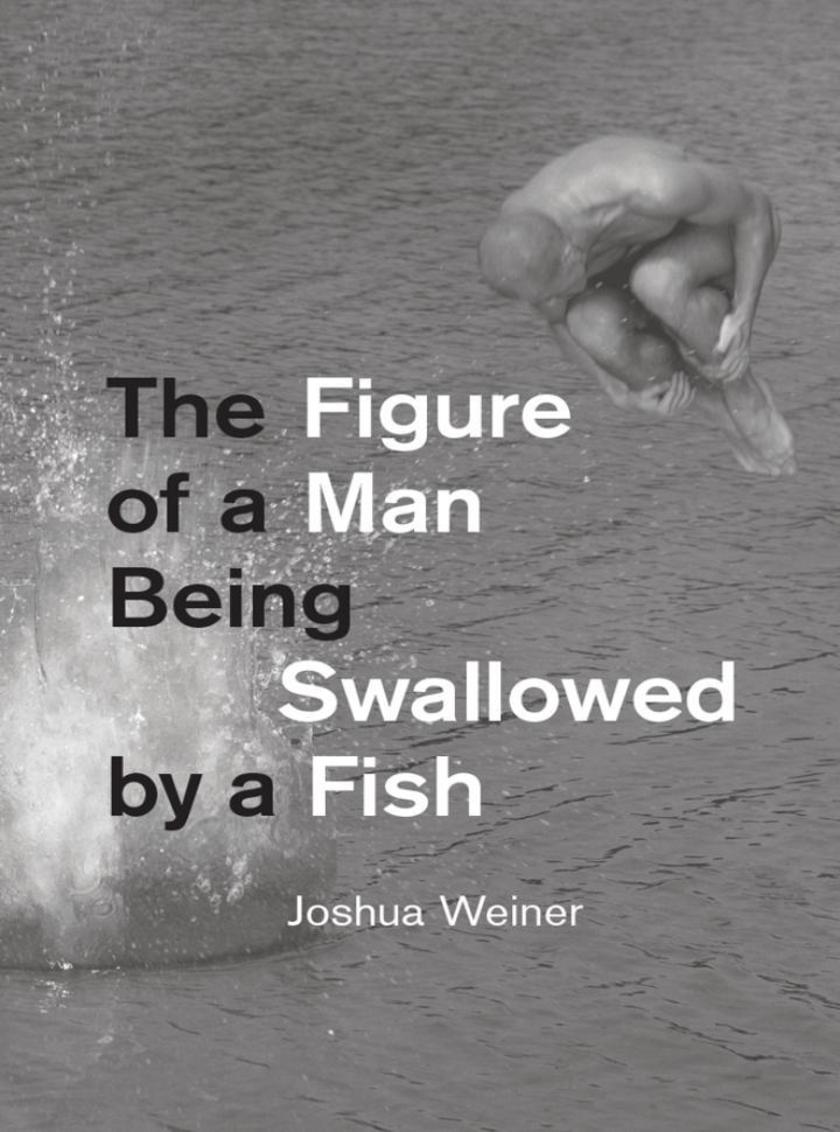
Figure of a Man Being Swallowed by a Fish
¥147.15
At the heart of Weiner's new book is an extended poem with a bold political dimension and great intellectual ambition. It fuses the poet's point of view with Walt Whitman's to narrate a decentered time-traveling collage about Rock Creek, a tributary of the Potomac that runs through Washington, DC. For Weiner, Rock Creek is the location of myriad kinds of movement, streaming, and joining: personal enterprise and financial capital; national politics, murder, sex, and homelessness; the Civil War and collective history; music, spiritual awakening, personal memory, and pastoral vision. The questions that arise from the opening foundational poem inform the others in the collection, which range widely from the dramatic arrival of an uncanny charismatic totem that titles the volume to intimate reflections on family, illness, and dream visions. The virtues of Weiner's earlier books-discursive intelligence, formal control, an eccentric and intriguing ear, and a wide-ranging curiosity matched to variety of feeling-are all present here. But in The Figure of a Man Being Swallowed by a Fish, Weiner has discovered a new poetic idiom, one that is stripped down, rhythmically jagged, and comprehensively philosophical about human limits.
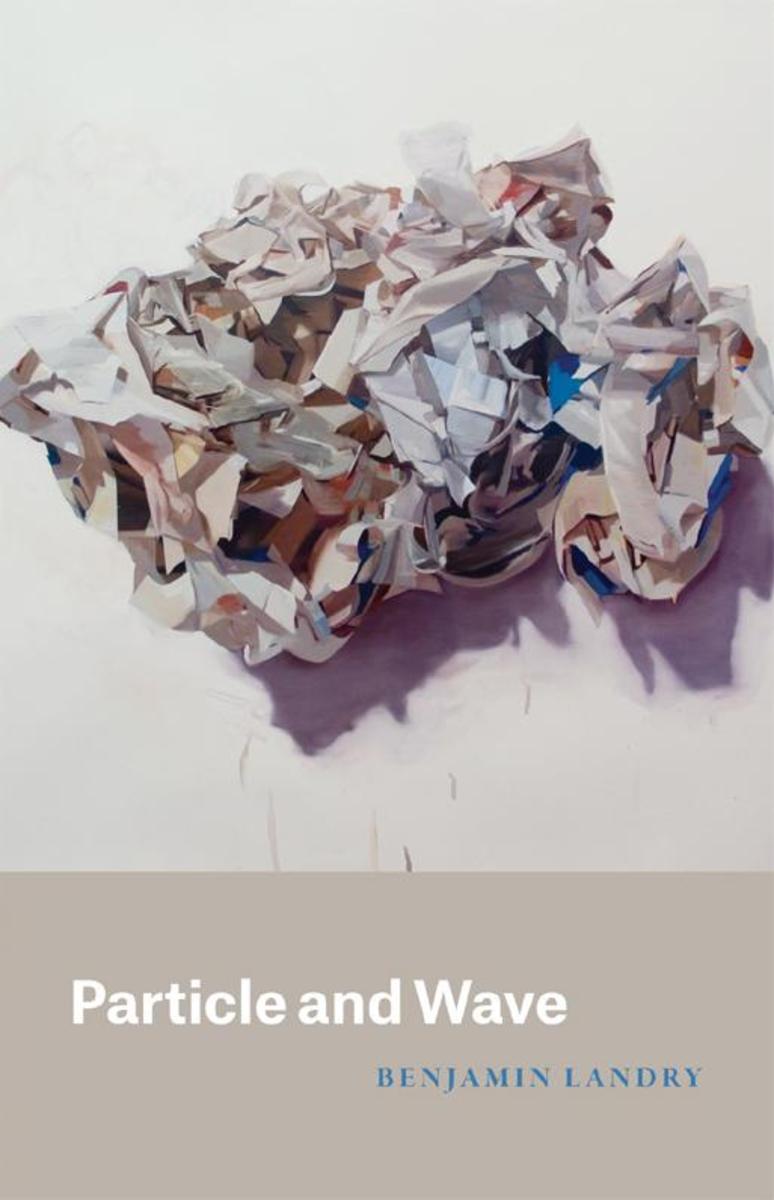
Particle and Wave
¥147.15
Are we aloneIf so, Particle and Wave insists that we need not be lonely. Here the periodic table of elements-a system familiar to many of us from high school chemistry-unfolds in a series of unexpected meanings with connotations public, personal, and existential. Based on a logic that considers the atomic symbol an improvised phoneme, Particle and Wave is keenly attuned to the qualities of voice and concerned with how these improvisations fall on the listening ear. From the most recent housing bust, to the artistic visions of Christo and Jeanne Claude, to the labors of the Curies, to Pliny the Younger's account of the eruption of Vesuvius, culture and world histories are recontextualized through the lens of personal experience. Muscular, precise, structurally varied, and imagistic, these poems engage in lyricism yet resist mere confession. In doing so they project the self as a composite, speaking in a variety of registers, from the nursery rhyme songster, to the ascetic devotee, to the unapologetic sensualist. They welcome all comers and elbow the bounded physical world to make way for a dynamic, new subjectivity.
Love and Saint Augustine
¥147.15
Hannah Arendt began her scholarly career with an exploration of Saint Augustine's concept of caritas, or neighborly love, written under the direction of Karl Jaspers and the influence of Martin Heidegger. After her German academic life came to a halt in 1933, Arendt carried her dissertation into exile in France, and years later took the same battered and stained copy to New York. During the late 1950s and early 1960s, as she was completing or reworking her most influential studies of political life, Arendt was simultaneously annotating and revising her dissertation on Augustine, amplifying its argument with terms and concepts she was using in her political works of the same period. The disseration became a bridge over which Arendt traveled back and forth between 1929 Heidelberg and 1960s New York, carrying with her Augustine's question about the possibility of social life in an age of rapid political and moral change.In Love and Saint Augustine, Joanna Vecchiarelli Scott and Judith Chelius Stark make this important early work accessible for the first time. Here is a completely corrected and revised English translation that incorporates Arendt's own substantial revisions and provides additional notes based on letters, contracts, and other documents as well as the recollections of Arendt's friends and colleagues during her later years.
Calle Florista
¥147.15
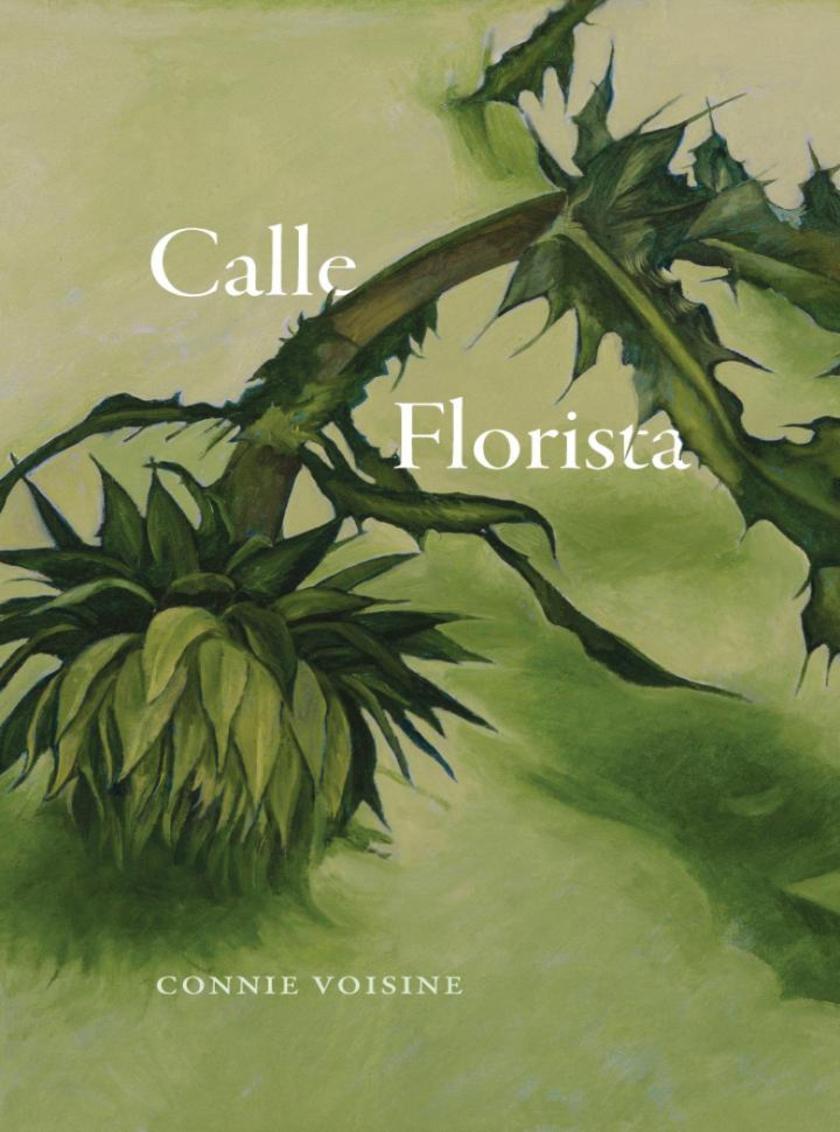
This World and That OneSometimes you defy it,I am not that, watching a strangercry like a dog when she thinks she's aloneat the kitchen window, hands forgottenunder the running tap.The curtains blow out, flap the other side of the sill.In you one hole fills another,stacked like cups.You remember your hands.Connie Voisine's third book of poems centers on the border between the United States and Mexico, celebrating the stunning, severe desert landscape found there. This setting marks the occasion as well for Voisine to explore themes of splitting and friction in both human and political contexts. Whose space is this border, she asks, and what voice can possibly tell the story of this place?In a wry, elegiac mode, the poems of Calle Florista take us both to the edge of our country and the edge of our faith in art and the world. This is mature work, offering us poems that oscillate between the articulation of complex, private sensibilities and the directness of a poet cracking the private self open-and making it vulnerable to the wider world.


