


 购物车
购物车 个人中心
个人中心
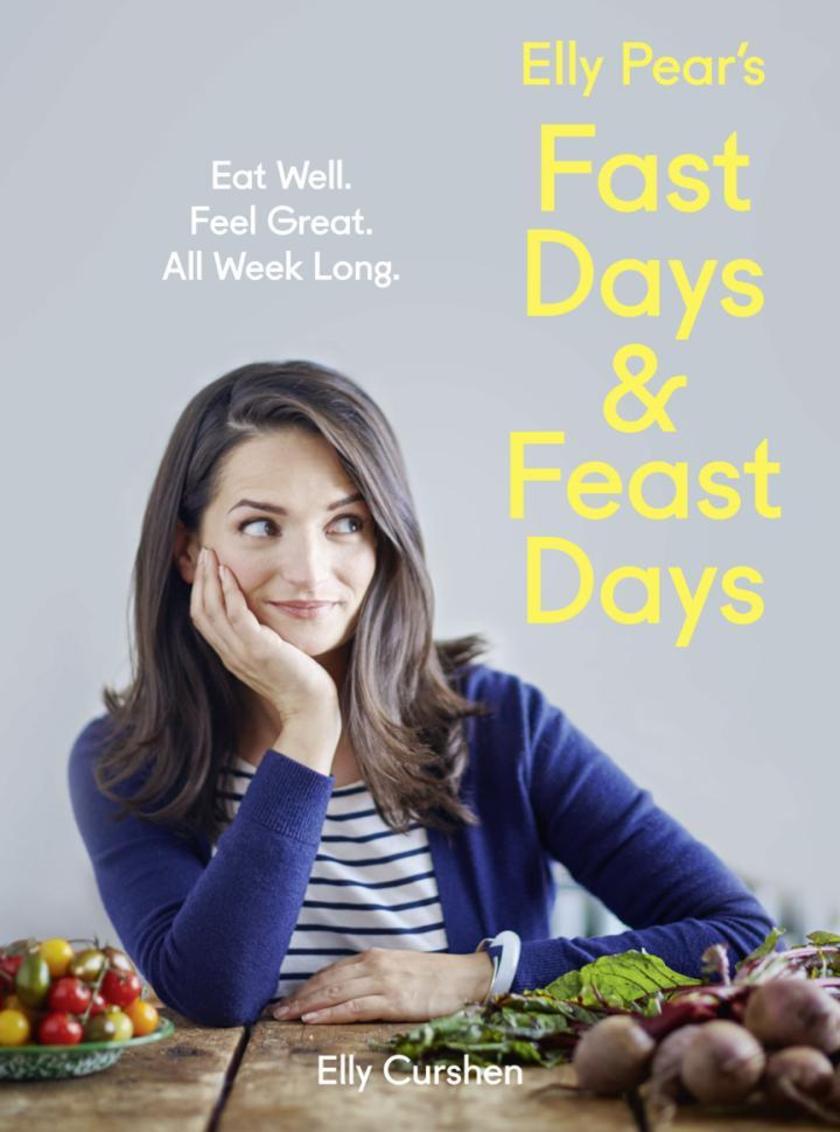
Elly Pear’s Fast Days and Feast Days:Eat Well. Feel Great. All Week Long.
¥147.35
Since opening the hugely popular Pear Café nine years ago, Elly Pear has been on a quest for good food and new ideas. Having found real results sticking to the 5:2 way of eating, Elly shares some of her favourite, most exciting meat-free recipes for eating well and enjoying food on both fast days and feast days. Elly Pear:Fast Days and Feast Days is a collection of more than 100 of Elly’s favourite recipes from both fast days and feast days, her home kitchen and her café, inspired by world cooking but always with an eye on the local greengrocers. With clear and comprehensive advice on shopping well and using your local shops, stocking your fridge and cupboards sensibly and avoiding waste at all costs, this book will guide you to a new way of eating delicious, nutritious food all year round – on fast days and feast days.

Eating Well Made Easy:Deliciously healthy recipes for everyone, every day
¥147.35
It’s everyone’s meal-time dilemma: how to cook quick, easy, tasty meals that are also good for you? Bestselling TV chef Lorraine Pascale’s brilliant new book Eating Well Made Easy shows you how. Lorraine is famous for putting together delicious recipes that are simple and easy to make, and now she’s gone one step further: creating tasty dishes that are not only perfect for busy lifestyles, but are nutritious, too. Understanding how important it is now for both families and individuals to eat healthily every day, Lorraine gives you all the inspiration you need to eat well all week long, without compromising on taste. Rustle up surprisingly simple breakfasts and delicious midweek dinners, and impress your guests at the weekend with recipes that are properly balanced, with nothing processed – and still decadently full of the flavour Lorraine is known for. Stunningly presented with beautiful photography throughout, this essential cookbook is Lorraine’s most comprehensive to date, full of delicious, nutritious fare for every meal time – made easy!

Collins Tracing Your Family History
¥147.35
The new, fully-updated edition of Collins Tracing Your Family History is the definitive handbook for anyone interested in tracing their family’s past. Firmly practical in its approach, yet entertaining in its style, this reference guide is the indispensable companion for all who are seeking a reliable, one-source volume to use while tracking down their family origins. New and up-to-date content helps you make the most of your resources - such as how best to utilise the internet, and informs you about the most recent records released which could be vital to your search for your ancestry. The book gives comprehensive guidance on the full variety of governmental, religious and more obscure records available to the family history sleuth. The guide also contains highly useful advice on how to expand and reinvigorate a search when the trial runs cold – as it inevitably will. Author Anthony Adolph balances detailed instruction and guidance with humorous anecdotes and illuminating history lessons, ensuring an informative and entertaining read.
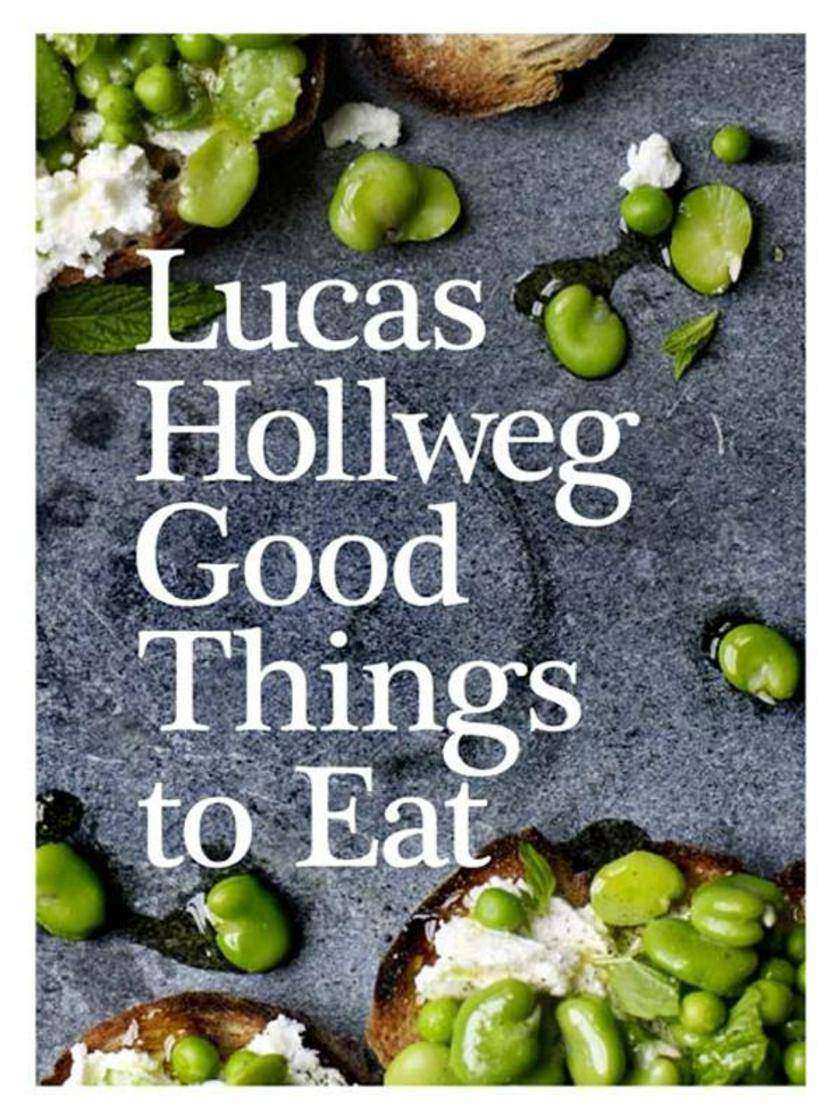
Good Things To Eat
¥147.35
Simple, delicious, unfussy – Sunday Times resident food writer Lucas Hollweg offers good food for real people. Good Things to Eat is just that: great food that focuses on the ever-popular ingredients and types of recipes that home cooks turn to again and again; the dishes that make everyone go 'yum!' From risottos, stews, gratins and things on toast to lamb, fruit, pasta, pies, squashes and puds, Lucas opens up scrumptious new possibilities for the kinds of flavours people know and love. Lucas weaves together his recipes with personal memories, inspiration, gentle advice and the odd joke. His warm, unhurried writing and layman's understanding of what needs explaining and what doesn't, plus his usage of ingredients that people can easily get hold of, ensure he will inspire everyone to make uncomplicated, tasty food – no matter how practised they are in the kitchen. At long last, here is the book his fans have been waiting for. Recipes include: Sea bream with fennel and orange Chicken schnitzel with lemon and thyme Aubergine, courgette and basil gratin Cod with lentils, rocket and salsa verde A bowl of roast quails with spiced yogurt Spiced rack of lamb with butterbean mash Peach, prosciutto and mozzarella salad Veal chops with Roquefort and thyme butter Pot-roast chicken and chicory Beef stew with cinnamon and prunes Raspberry and mint sorbet Autumn mess with blackberries Banana and black pepper tarte tatin A go-with-anything cake (and things to go with it) The 123 cocktail

Nature Near London (Collins Nature Library)
¥147.35
The Collins Nature Library is a new series of classic British nature writing – reissues of long-lost seminal works. The titles have been chosen by one of Britain’s best known and highly acclaimed nature writers, Robert Macfarlane, who has also written new introductions that put these classics into a modern context. Nature Near London is a collection of observational pieces from locations near London at the end of the 19th Century. The depth of knowledge and of familiarity with particular places and particular species gives the impression that each small piece is the product of many years of observation. His style of observation is a work in miniature – cataloguing the most minute details; the dancing of a flower in the wind or the darting of a cautious trout. The chapters centre on a special place, a certain species, geographical feature or habitat – everything from orchards and copses to rivers and streams. Jefferies always explains the typical behaviour of whatever he is describing, and often contrasts what he sees with what one would expect to see in another part of the country, or in a different season. His knowledge of flowers is wide-ranging, and his ability to describe one particular patch of a field in such a specific way brings tremendous variety to the chapters that make up the book. The final chapters are a departure – both from the character of the rest of the book, and from London itself, as Jefferies boards the train to Brighton. Suddenly he is describing people and their relationship to nature, as much as nature itself. The scope widens, less a work in miniature, more surging towards a triumphant end as Jefferies becomes ever more philosophical. 100 years on, the book becomes even more relevant than when it was published – as a reminder of the dangers of unrelenting urbanisation, but also the context of the trend that aims to recreate nature where we need it most – around our cities. Nature near London is a portrait of what we’ve lost, and a reminder of nature’s positive and calming influence. Going along with Jefferies is like taking an afternoon stroll out of the city, without having to leave your armchair.

Easy:100 delicious dishes for every day
¥147.35
Simple, laidback food that bursts with flavour; fresh, inspiring recipes using favourite everyday ingredients - no one does fantastic easy cooking like Bill Granger. Simple, laidback food that bursts with flavour; fresh, inspiring recipes using favourite everyday ingredients - no one does fantastic easy cooking like Bill Granger. Bill Granger has long been a champion of no-fuss food. Bill is a restaurateur and self-taught cook, but also a working father who cooks for his family every night. Easy is inspired by years of getting delicious, satisfying meals on the table quickly using everyday ingredients from the fridge or store cupboard, all in Bill’s inimitable easygoing style. In this stunning new cookbook, Bill takes 16 well-loved and accessible main ingredients – from a chicken breast, fillet of fish, cut of lamb or tin of beans to berries, chocolate and a chunk of good cheese – and offers simple yet original dishes. Easy includes 100 delicious recipes, from satisfying meat and fish, to flavour-packed vegetarian dishes and bakes, bold salads and tasty pasta, and finally mouth-wateringly easy sweet things. Great food. Big Flavours. No worries. That’s what Bill is all about. Recipes include: Chilli Garlic Chicken with Sour Cream Mash Tandoori Fish with Cucumber Tomato Salad Goulash with Gnocchi Lamb with Torn Bread and Apricot Stuffing Fennel Roasted Rack of Pork with Maple Syrup Light Butter Chicken Manchego-Crusted Pork with Romesco Sauce Taleggio and Pancetta Baked Pasta Rice Salad with Broad Beans, Asparagus and Smoked Trout Baked Leek and Goats Cheese Risotto and Apple and Celery Salad Potato, Courgette and Mozzarella Fritters Cinnamon Chocolate Mousse Ginger Pear Upside Down Pudding

Citizen Reporters:S.S. McClure, Ida Tarbell, and the Magazine That That Rewrote
¥160.56
A fascinating history of the rise and fall of influential Gilded Age magazine McClure’s and the two unlikely outsiders at its helm—as well as a timely, full-throated defense of investigative journalism in AmericaThe president of the United States made headlines around the world when he publicly attacked the press, denouncing reporters who threatened his reputation as “muckrakers” and “forces for evil.” The year was 1906, the president was Theodore Roosevelt—and the publication that provoked his fury was McClure’s magazine.One of the most influential magazines in American history, McClure’s drew over 400,000 readers and published the groundbreaking stories that defined the Gilded Age, including the investigation of Standard Oil that toppled the Rockefeller monopoly. Driving this revolutionary publication were two improbable newcomers united by single-minded ambition. S. S. McClure was an Irish immigrant, who, despite bouts of mania, overthrew his impoverished upbringing and bent the New York media world to his will. His steadying hand and star reporter was Ida Tarbell, a woman who defied gender expectations and became a notoriously fearless journalist.The scrappy, bold McClure's group—Tarbell, McClure, and their reporters Ray Stannard Baker and Lincoln Steffens—cemented investigative journalism’s crucial role in democracy. From reporting on labor unrest and lynching, to their exposés of municipal corruption, their reporting brought their readers face to face with a nation mired in dysfunction. They also introduced Americans to the voices of Willa Cather, Arthur Conan Doyle, Robert Louis Stevenson, Joseph Conrad, and many others. Tracing McClure’s from its meteoric rise to its spectacularly swift and dramatic combustion, Citizen Reporters is a thrillingly told, deeply researched biography of a powerhouse magazine that forever changed American life. It’s also a timely case study that demonstrates the crucial importance of journalists who are unafraid to speak truth to power.
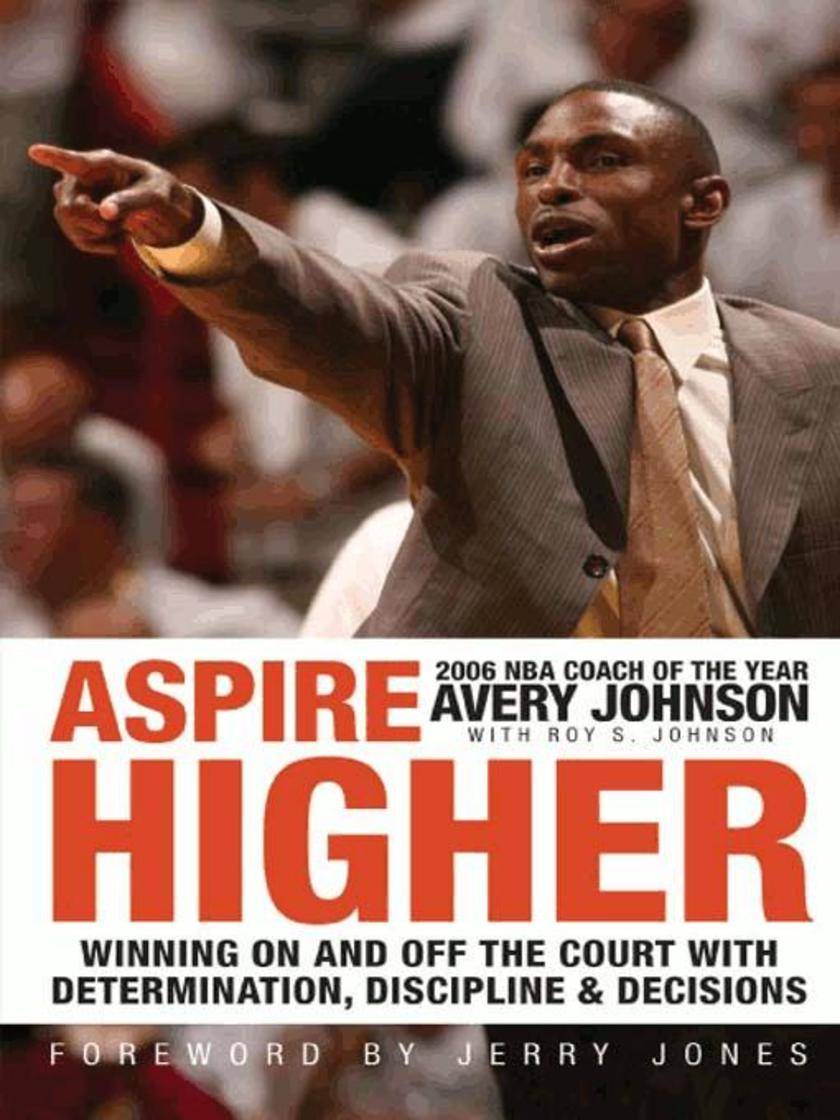
HarperCollins e-books
¥147.25
Avery Johnson is a coach, a teacher, and sometimes even a preacher, but most of all, he is a motivator, driving his team with the same fiery passion that allowed him to earn his championship credentials as an NBA player. Growing up in New Orleans's Lafitte Housing Project, he was never the biggest, fastest, or strongest, but by the strength of his will and character, he persevered. Now he offers the lessons he learned on his journey from the bottom of the bayou to the heights of success in this inspiring book. Aspire Higher is the essential game plan for reaching your goals. Johnson begins by outlining what it takes to get to the top: determination and discipline provide the foundation that allows you to make the right decisions, on the basketball court or in the boardroom. The goal isn't just to be successful, however; it's also about caring for other people along the way. I care about you more than I care about winning, Johnson often tells his players.Avery Johnson's personal and professional experiences illuminate crucial lessons, inspiring readers just as he has inspired teammates and players. His spirited message is for anyone looking for the tools and secrets of success in business, school, sports, and more anyone looking to aspire higher.
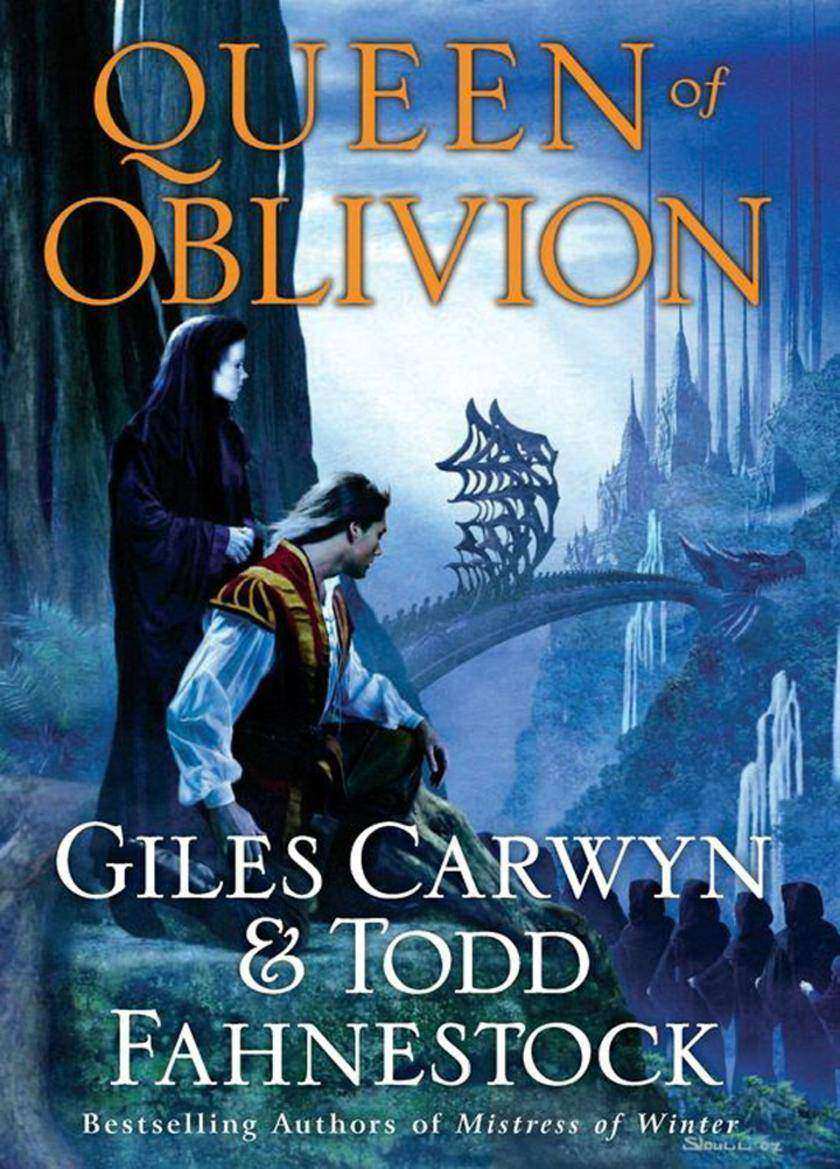
Queen of Oblivion
¥147.25
Journey beyond Ohndarien to the fallen city of Efften in the stunning conclusion to the epic Heartstone TrilogyA fallen hero defies his destiny . . . A scarred sorceress fights for love . . . A vindictive lover clings to hope . . .And a father of lies calls his family home . . ."You must teach a lost child how to love." With his dying words, the Opal Emperor leaves Brophy, the Heir of Autumn, with an impossible choice: betray his heart by seducing the enchantress Arefaine Morgeon, or watch her ruthless ambitions destroy the world.As Brophy fights to stop Arefaine from unleashing the ancient menace trapped within the silver towers of Efften, the sorceress-concubine Shara returns to her beloved city of Ohndarien to find its people enslaved by the same sinister voice leading Arefaine to her doom. Shara and Brophy rush to bring the truth to Arefaine before the horrors of Efften are reborn, but the darkness within their own hearts may prove the greatest threat . . .

HarperCollins e-books
¥147.25
George Washington wrote an astonishing number of letters, both personal and professional. The majority about 140,000 documents are from his years as commander in chief during the Revolutionary War, from 1775 to 1783. This Glorious Struggle presents a selection of Washington's most important and interesting letters from that time, including many that have never been published.Washington's lively and often surprisingly candid notes to his wife and family, friends, Congress, fellow soldiers and even the enemy chronicle his most critical tactical and strategic decisions, while offering a rare glimpse of the extremes of depression and exultation into which he was cast by the fortunes of war. The letters are arranged chronologically and give a dramatic sense of the major phases of the war, from Boston, Trenton, and Valley Forge, to Monmouth and Yorktown. The more personal missives show us a Washington who worried about his wife's well-being and who appreciated a good joke and a well-laid table, not to mention the company of the ladies.This Glorious Struggle brings Washington to vivid life, offering a fresh and intimate sense of this most towering American figure and the critical role he played in the creation of our country.
HarperCollins e-books
¥147.25
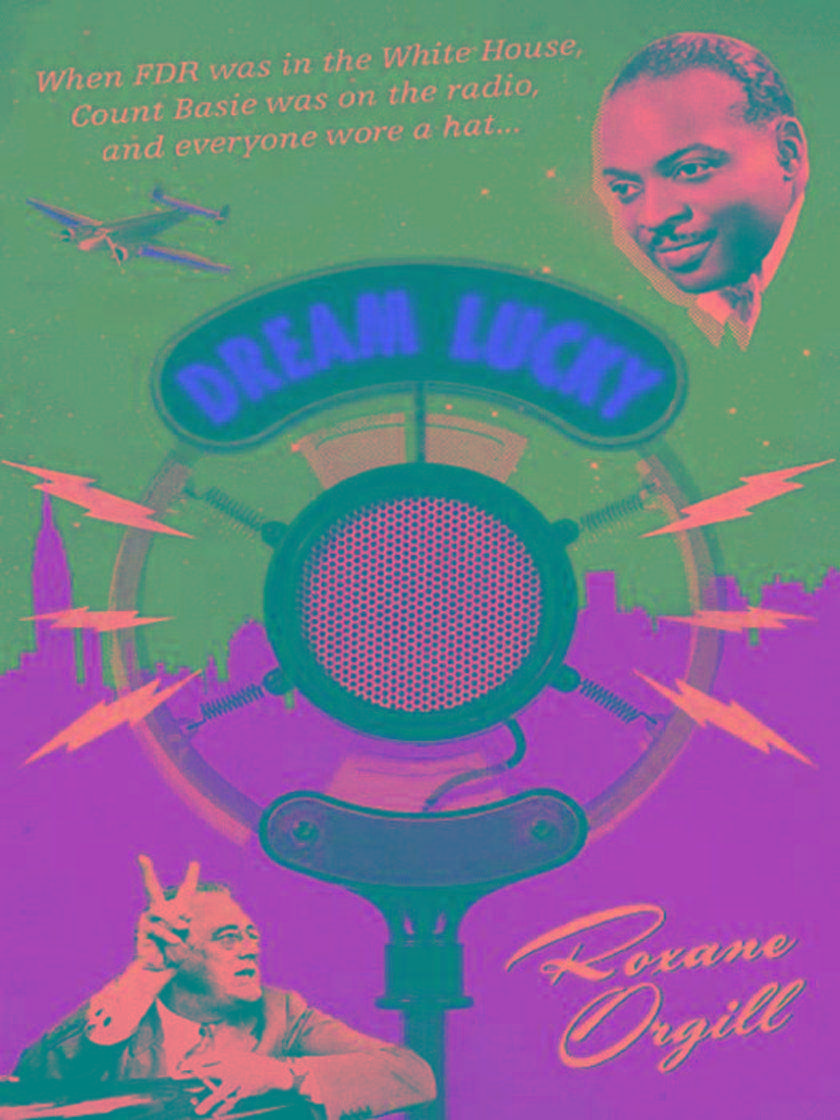
The time: 1936-1938. The mood: Hopeful. It wasn't wartime, not yet. The music: The incomparable Count Basie and Benny Goodman, among others. The setting: Living rooms across America and, most of all, New York City.Dream Lucky covers politics, race, religion, arts, and sports, but the central focus is the period's soundtrack specifically big band jazz and the big-hearted piano player William "Count" Basie. His ascent is the narrative thread of the book how he made it and what made his music different from the rest. But many other stories weave in and out: Amelia Earhart pursues her dream of flying "around the world at its waistline." Adam Clayton Powell, Jr., stages a boycott on 125th Street. And Mae West shocks radio listeners as a naked Eve tempting the snake.Critic Nat Hentoff praises the "precise originality" with which Roxane Orgill writes about music. In Dream Lucky, she magically lets readers hear the past.

Hidden Wealth of Nations
¥147.15
We are well aware of the rise of the 1% as the rapid growth of economic inequality has put the majority of the world's wealth in the pockets of fewer and fewer. One much-discussed solution to this imbalance is to significantly increase the rate at which we tax the wealthy. But with an enormous amount of the world's wealth hidden in tax havens-in countries like Switzerland, Luxembourg, and the Cayman Islands-this wealth cannot be fully accounted for and taxed fairly. No one, from economists to bankers to politicians, has been able to quantify exactly how much of the world's assets are currently hidden-until now. Gabriel Zucman is the first economist to offer reliable insight into the actual extent of the world's money held in tax havens. And it's staggering.In The Hidden Wealth of Nations, Zucman offers an inventive and sophisticated approach to quantifying how big the problem is, how tax havens work and are organized, and how we can begin to approach a solution. His research reveals that tax havens are a quickly growing danger to the world economy. In the past five years, the amount of wealth in tax havens has increased over 25%-there has never been as much money held offshore as there is today. This hidden wealth accounts for at least $7.6 trillion, equivalent to 8% of the global financial assets of households. Fighting the notion that any attempts to vanquish tax havens are futile, since some countries will always offer more advantageous tax rates than others, as well the counter-argument that since the financial crisis tax havens have disappeared, Zucman shows how both sides are actually very wrong. In The Hidden Wealth of Nations he offers an ambitious agenda for reform, focused on ways in which countries can change the incentives of tax havens. Only by first understanding the enormity of the secret wealth can we begin to estimate the kind of actions that would force tax havens to give up their practices.Zucman's work has quickly become the gold standard for quantifying the amount of the world's assets held in havens. In this concise book, he lays out in approachable language how the international banking system works and the dangerous extent to which the large-scale evasion of taxes is undermining the global market as a whole. If we are to find a way to solve the problem of increasing inequality, The Hidden Wealth of Nations is essential reading.

Scientific Babel
¥147.15
English is the language of science today. No matter which languages you know, if you want your work seen, studied, and cited, you need to publish in English. But that hasn't always been the case. Though there was a time when Latin dominated the field, for centuries science has been a polyglot enterprise, conducted in a number of languages whose importance waxed and waned over time-until the rise of English in the twentieth century.?So how did we get from there to hereHow did French, German, Latin, Russian, and even Esperanto give way to EnglishAnd what can we reconstruct of the experience of doing science in the polyglot pastWith Scientific Babel, Michael D. Gordin resurrects that lost world, in part through an ingenious mechanism: the pages of his highly readable narrative account teem with footnotes-not offering background information, but presenting quoted material in its original language. The result is stunning: as we read about the rise and fall of languages, driven by politics, war, economics, and institutions, we actually see it happen in the ever-changing web of multilingual examples. The history of science, and of English as its dominant language, comes to life, and brings with it a new understanding not only of the frictions generated by a scientific community that spoke in many often mutually unintelligible voices, but also of the possibilities of the polyglot, and the losses that the dominance of English entails.?Few historians of science write as well as Gordin, and Scientific Babel reveals his incredible command of the literature, language, and intellectual essence of science past and present. No reader who takes this linguistic journey with him will be disappointed.
Stone Soup Experiment
¥147.15
The Stone Soup Experiment is a remarkable story of cultural difference, of in-groups, out-groups, and how quickly and strongly the lines between them are drawn. It is also a story about simulation and reality, and how quickly the lines between them can be dismantled.?In a compulsively readable account, Deborah Downing Wilson details a ten-week project in which forty university students were split into two different simulated cultures: the carefree Stoners, and the market-driven Traders. Through their eyes we are granted intimate access to the very foundations of human society: how group identities are formed and what happens when opposing ones come into contact.?The experience of the Stoners and Traders is a profound testament to human sociality. Even in the form of simulation, even as a game, the participants found themselves quickly-and with real conviction-bound to the ideologies and practices of their in-group. The Stoners enjoyed their days lounging, chatting, and making crafts, while the Traders-through a complex market of playing cards-competed for the highest bankrolls. When they came into contact, misunderstanding, competition, and even manipulation prevailed, to the point that each group became so convinced of its own superiority that even after the simulation's end the students could not reconcile. Throughout her riveting narrative, Downing Wilson interweaves fascinating discussions on the importance of play, emotions, and intergroup interaction in the formation and maintenance of group identities, as well as on the dynamic social processes at work when different cultural groups interact. A fascinating account of social experimentation, the book paints a vivid portrait of our deepest social tendencies and the powers they have over how we make friends and enemies alike.?
Dawn of Green
¥147.15
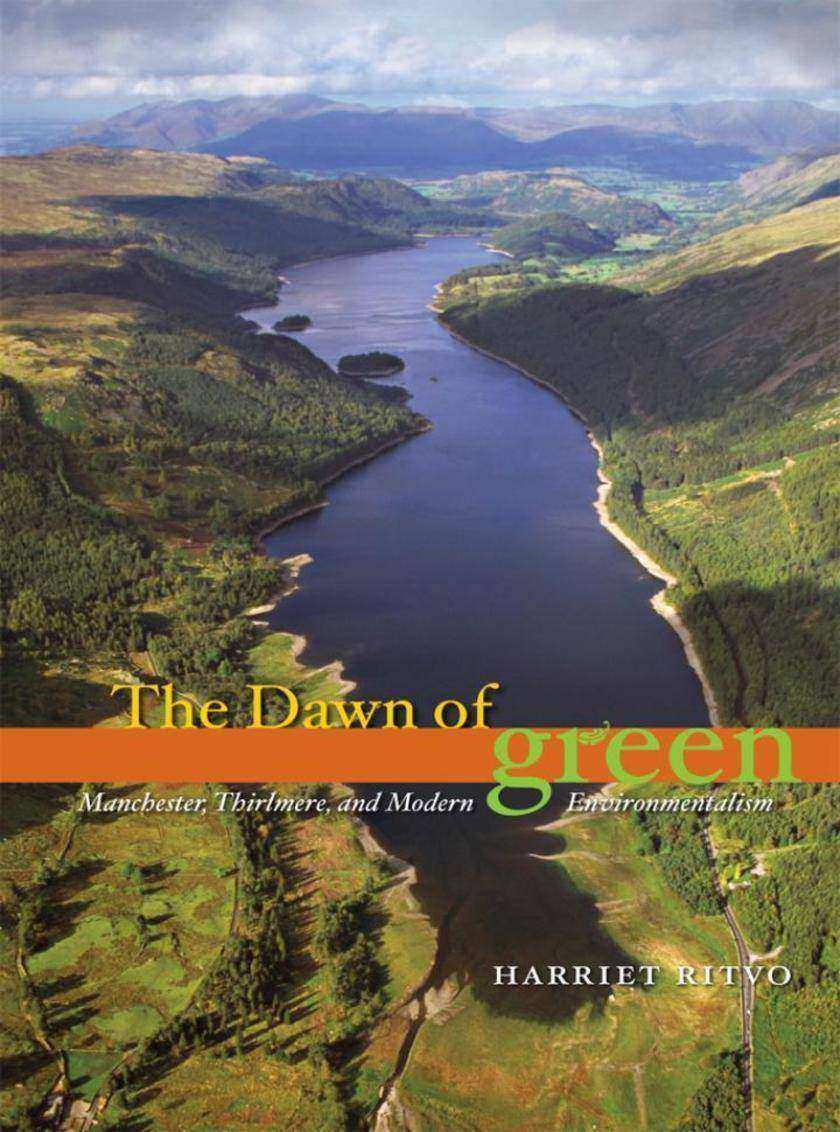
Located in the heart of England's Lake District, the placid waters of Thirlmere seem to be the embodiment of pastoral beauty. But under their calm surface lurks the legacy of a nineteenth-century conflict that pitted industrial progress against natural conservation-and helped launch the environmental movement as we know it. Purchased by the city of Manchester in the 1870s, Thirlmere was dammed and converted into a reservoir, its water piped one hundred miles south to the burgeoning industrial city and its workforce. This feat of civil engineering-and of natural resource diversion-inspired one of the first environmental struggles of modern times. The Dawn of Green re-creates the battle for Thirlmere and the clashes between conservationists who wished to preserve the lake and developers eager to supply the needs of a growing urban population. Bringing to vivid life the colorful and strong-minded characters who populated both sides of the debate, noted historian Harriet Ritvo revisits notions of the natural promulgated by romantic poets, recreationists, resource managers, and industrial developers to establish Thirlmere as the template for subsequent-and continuing-environmental struggles.

Narration
¥147.15
Newly famous in the wake of the publication of her groundbreaking Autobiography of Alice B. Toklas, Gertrude Stein delivered her Narration lectures to packed audiences at the University of Chicago in 1935. Stein had not been back to her home country since departing for France in 1903, and her remarks reflect on the changes in American culture after thirty years abroad.In Stein's trademark experimental prose, Narration reveals the legendary writer's thoughts about the energy and mobility of the American people, the effect of modernism on literary form, the nature of history and its recording, and the inventiveness of the English language-in particular, its American variant. Stein also discusses her ambivalence toward her own literary fame as well as the destabilizing effect that notoriety had on her daily life. Restored to print for a new generation of readers to discover, these vital lectures will delight students and scholars of modernism and twentieth-century literature."e;Narration is a treasure waiting to be rediscovered and to be pirated by jolly marauders of sparkling texts."e;-Catharine Stimpson, NYU

Last Asylum
¥147.15
In the late 1970s, Barbara Taylor, then an acclaimed young historian, began to suffer from severe anxiety. In the years that followed, Taylor's world contracted around her illness. Eventually, her struggles were severe enough to lead to her admission to what had once been England's largest psychiatric institution, the infamous Friern Mental Hospital in North London.The Last Asylum is Taylor's breathtakingly blunt and brave account of those years. In it, Taylor draws not only on her experience as a historian, but also, more importantly, on her own lived history at Friern- once known as the Colney Hatch Lunatic Asylum and today the site of a luxury apartment complex. Taylor was admitted to Friern in July 1988, not long before England's asylum system began to undergo dramatic change: in a development that was mirrored in America, the 1990s saw the old asylums shuttered, their patients left to plot courses through a perpetually overcrowded and underfunded system of community care. But Taylor contends that the emptying of the asylums also marked a bigger loss, a loss of community. She credits her own recovery to the help of a steadfast psychoanalyst and a loyal circle of friends- from Magda, Taylor's manic-depressive roommate, to Fiona, who shares tips for navigating the system and stories of her boyfriend, the "e;Spaceman,"e; and his regular journeys to Saturn. The forging of that network of support and trust was crucial to Taylor's recovery, offering a respite from the "e;stranded, homeless feelings"e; she and others found in the outside world.A vivid picture of mental health treatment at a moment of epochal change, The Last Asylum is also a moving meditation on Taylor's own experience, as well as that of millions of others who struggle with mental illness.
Western Flyer
¥147.15
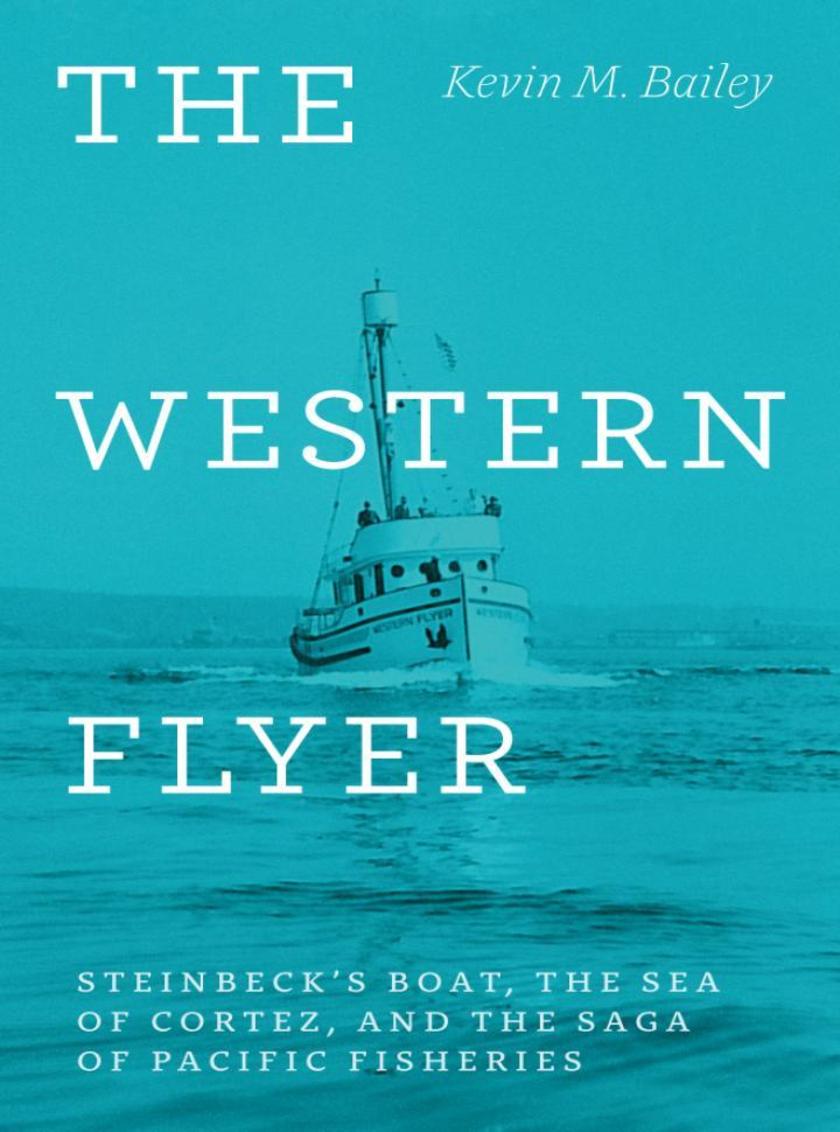
In January 2010, the Gemini was moored in the Swinomish Slough on a Native American reservation near Anacortes, Washington. Unbeknownst to almost everyone, the rusted and dilapidated boat was in fact the most famous fishing vessel ever to have sailed: the original Western Flyer, immortalized in John Steinbeck's nonfiction classic The Log from the Sea of Cortez.In this book, Kevin M. Bailey resurrects this forgotten witness to the changing tides of Pacific fisheries. He draws on the Steinbeck archives, interviews with family members of crew, and more than three decades of working in Pacific Northwest fisheries to trace the depletion of marine life through the voyages of a single ship. After Steinbeck and his friend Ed Ricketts-a pioneer in the study of the West Coast's diverse sea life and the inspiration behind "e;Doc"e; in Cannery Row-chartered the boat for their now-famous 1940 expedition, the Western Flyer returned to its life as a sardine seiner in California. But when the sardine fishery in Monterey collapsed, the boat moved on: fishing for Pacific ocean perch off Washington, king crab in the Bering Sea off Alaska, and finally wild Pacific salmon-all industries that would also face collapse.As the Western Flyer herself faces an uncertain future-a businessman has bought her, intending to bring the boat to Salinas, California, and turn it into a restaurant feature just blocks from Steinbeck's grave-debates about the status of the California sardine, and of West Coast fisheries generally, have resurfaced. A compelling and timely tale of a boat and the people it carried, of fisheries exploited, and of fortunes won and lost, The Western Flyer is environmental history at its best: a journey through time and across the sea, charting the ebb and flow of the cobalt waters of the Pacific coast.

Nut Country
¥147.15
On the morning of November 22, 1963, President Kennedy told Jackie as they started for Dallas, "e;We're heading into nut country today."e; That day's events ultimately obscured and revealed just how right he was: Oswald was a lone gunman, but the city that surrounded him was full of people who hated Kennedy and everything he stood for, led by a powerful group of ultraconservatives who would eventually remake the Republican party in their own image.In Nut Country, Edward H. Miller tells the story of that transformation, showing how a group of influential far-right businessmen, religious leaders, and political operatives developed a potent mix of hardline anticommunism, biblical literalism, and racism to generate a violent populism-and widespread power. Though those figures were seen as extreme in Texas and elsewhere, mainstream Republicans nonetheless found themselves forced to make alliances, or tack to the right on topics like segregation. As racial resentment came to fuel the national Republican party's divisive but effective "e;Southern Strategy,"e; the power of the extreme conservatives rooted in Texas only grew.Drawing direct lines from Dallas to DC, Miller's captivating history offers a fresh understanding of the rise of the new Republican Party and the apocalyptic language, conspiracy theories, and ideological rigidity that remain potent features of our politics today.
Infested
¥147.15
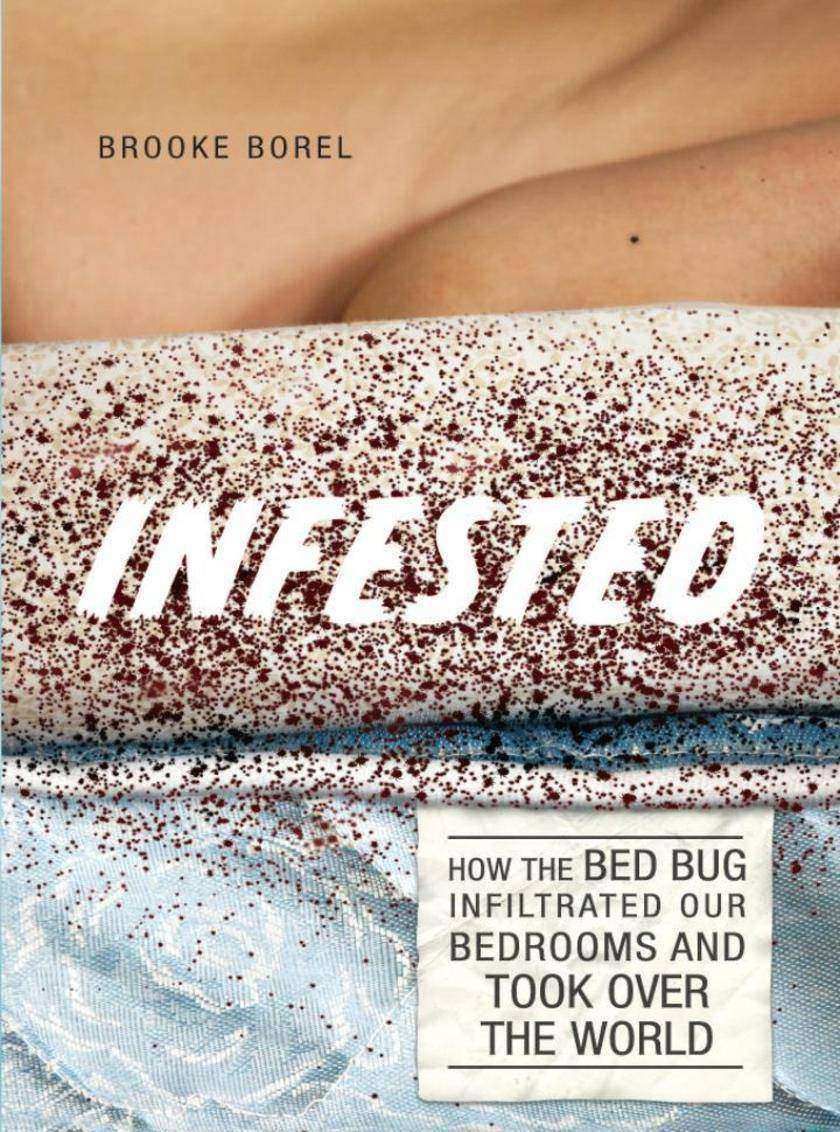
Bed bugs. Few words strike such fear in the minds of travelers. In cities around the world, lurking beneath the plush blankets of otherwise pristine-looking hotel beds are tiny bloodthirsty beasts just waiting for weary wanderers to surrender to a vulnerable slumber. Though bed bugs today have infested the globe, the common bed bug is not a new pest at all. Indeed, as Brooke Borel reveals in this unusual history, this most-reviled species may date back over 250,000 years, wreaking havoc on our collective psyche while even inspiring art, literature, and music-in addition to vexatious red welts.?In Infested, Borel introduces readers to the biological and cultural histories of these amazingly adaptive insects, and the myriad ways in which humans have responded to them. She travels to meet with scientists who are rearing bed bug colonies-even by feeding them with their own blood (ouch!)-and to the stages of musicals performed in honor of the pests. She explores the history of bed bugs and their apparent disappearance in the 1950s after the introduction of DDT, charting how current infestations have flourished in direct response to human chemical use as well as the ease of global travel. She also introduces us to the economics of bed bug infestations, from hotels to homes to office buildings, and the expansive industry that has arisen to combat them.Hiding during the day in the nooks and seams of mattresses, box springs, bed frames, headboards, dresser tables, wallpaper, or any clutter around a bed, bed bugs are thriving and eager for their next victim. By providing fascinating details on bed bug science and behavior as well as a captivating look into the lives of those devoted to researching or eradicating them, Infested is sure to inspire at least a nibble of respect for these tenacious creatures-while also ensuring that you will peek beneath the sheets with prickly apprehension.
Players and Pawns
¥147.15
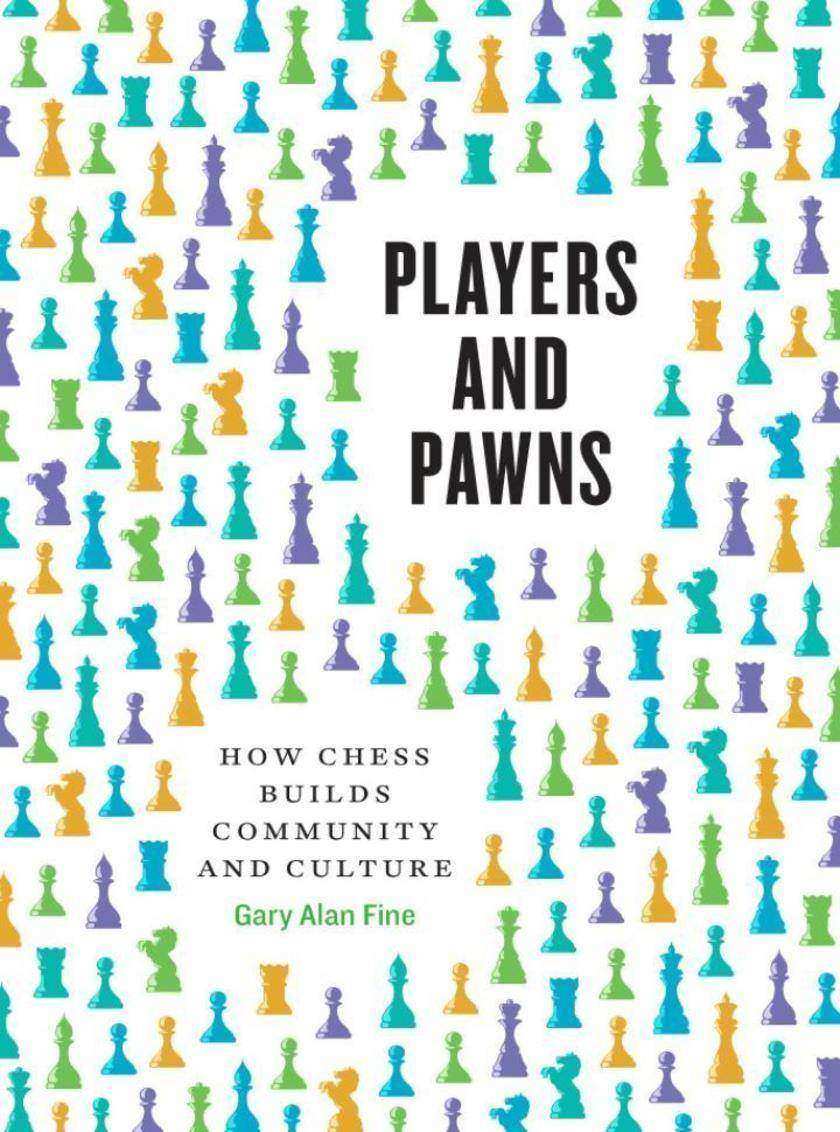
A chess match seems as solitary an endeavor as there is in sports: two minds, on their own, in fierce opposition. In contrast, Gary Alan Fine argues that chess is a social duet: two players in silent dialogue who always take each other into account in their play. Surrounding that one-on-one contest is a community life that can be nearly as dramatic and intense as the across-the-board confrontation.?Fine has spent years immersed in the communities of amateur and professional chess players, and with Players and Pawns he takes readers deep inside them, revealing a complex, brilliant, feisty world of commitment and conflict. Opening with a close look at a typical tournament in Atlantic City, Fine carries us from planning and setup through the climactic final day's match-ups between the weekend's top players, introducing us along the way to countless players and their relationships to the game. At tournaments like that one, as well as in locales as diverse as collegiate matches and community chess clubs, players find themselves part of what Fine terms a "e;soft community,"e; an open, welcoming space built on their shared commitment to the game. Within that community, chess players find both support and challenges, all amid a shared interest in and love of the long-standing traditions of the game, traditions that help chess players build a communal identity.?Full of idiosyncratic characters and dramatic gameplay, Players and Pawns is a celebration of the ever-fascinating world of serious chess.


