


 购物车
购物车 个人中心
个人中心

《辽史》探源--二十四史校订研究丛刊 中华书局出品
¥40.80
元修《辽史》是研治辽代历史*基本也是*重要的文献,独自铸成了当今学界有关契丹王朝历史的主体认知框架,但是学界对元修《辽史》的史料来源和编纂过程的探讨却颇为薄弱。为了彻底厘清元修《辽史》的史源问题,本书首先对《辽史》各部分的文本来源做总体性探讨,其次分专门章节分别考证《辽史》中元代史官编纂因素较多的部分,包括《天祚皇帝纪》《营卫志》《兵卫志》《地理志》《礼志》《乐志》《仪卫志》《食货志》和“西辽事迹”。 本书通过系统地研究元修《辽史》的各部分的文本来源、生成过程、存在问题和史料价值,呈现出《辽史》本身的生命历程,并将元朝史官编纂建构的叙述框架加以离析。同时,本书将《辽史》放置在整个中国古代正史文本生成、流变的大背景下,凸显其普遍性与特殊性意义,对传统的史源学研究作出方法论层面的反思,探索历史学视野下文本批判的可能路径。
中国近三百年疑古思潮史纲
¥40.80
《中国近三百年疑古思潮史纲》以“中国近三百年学术之演进”立题,对近三百年间的疑古思想及疑古运动作了全面考察。全书所谓上起明末清初,下迄抗战前后,按历史顺序,从清初疑古思潮切入,延及乾嘉间的经学、崔述的疑古学、近代及现代疑古思潮,对三百年间这一思想运动的勃兴、发展及其消歇进行全面深入的梳理,并对相关的社会、政治、文化问题作出了个人独到的阐释。对研究中国学术思想史、考古学、近代政治社会及文化史的学者专家将有较大参考价值。

文心与禅心:中国诗学中的空思维与空观念(精) 中华书局出品
¥40.80
“空”是具有深厚哲学渊源、凸显中国诗学民族特色、蕴含着东方诗学精蕴的范畴。它通贯于古代诗文论、词论、曲论和小说理论中,生成、演变、理论内涵极为复杂。《“空”及其文学思想史地位研究》是天津社会科学院田淑晶副研究员的国家社会科学基金项目结项成果。作者从“空”之概念史切,沉潜到文化史和思想史当中,综合多学科的研究方法,考其原始、释其内涵、辨其演变、探讨其在文学思想史上的地位、内在价值及其与佛学的异同;并以古鉴今,指出“空”这一凸显中国诗学民族特色的范畴至今仍是现代文学思想建构的重要思想资源和对西方文学思想的有益补充。

郭实猎与“开放中国”——19世纪上半叶的中西碰撞【中华书局出品】
¥40.80
普鲁士人郭实猎(Karl Gützlaff)是近代中外关系史上的关键人物。他个性倨傲狷急、行事夸张高调。凭借超常的语言天才,他于19世纪30年代初,最先突破清政府海禁,又在之后一直扮演着鸦片商人、英国商务监督、侵华英军及港英政府的翻译、参谋、情报官、殖民官员和传教士等多重角色。他是中国境内第一本中文期刊《东西洋考每月统记传》的编者,是中国最早的内地传道会——汉会的创始人。他以中、英、德、荷等国语言撰写论文和游记,影响很大。他是后人理解19世纪上半叶中西碰撞过程的关键线索,但他的行为和形象却充满矛盾、迷离难辨。关于他的争论至今未消。 本书从新发现的莱顿大学特藏、圣公会档案、荷兰传道会档案等文献手,以英、德、荷、汉等多语种文献互勘,力图重新勾勒郭实猎的历史形象,而揭示他在“放中国”的过程中所发挥的舆论作用和实践层面的影响。

古今之维:问题与方法
¥40.80
本书是关于政治哲学的研究文集。所收入的文章,有些是从阅读引发,有些是演讲整理稿,深入浅出,在强调学术性、思想性、知识性的同时,兼顾行文的可读性与读者的普及面。本书主题涵盖中西方、从古代到近现代,内容涉及一些重要思潮与流派,思想史研究中被广为关注、并产生影响的思想家,诸如康德、韦伯、沃格林等。

数智教育学(当代中国教育学人文库)
¥40.80
人类社会正在数智时代,数字化、网络化、智能化程正在推动科学技术加速变革。人工智能、大数据、互联网、物联网、区块与大模型等技术深度融合,正以空前力量推动社会与教育的变革。特别是人工智能技术正在加速融教育教学全要素全过程。 面对这场深刻而持续的变革,教育教学实践的底层逻辑与源代码正在改写。教育学必须科学回应一系列核心问题:数智时代的教育活动与制度将呈现哪些新特征?社会职业需求的迭代如何重塑人才培养标准?教育场域基础逻辑的重构将催生怎样的新型教育教学生态?课程与教学模式革新会对学习者身心成长产生哪些影响?教师教育体系应如何转型以应对角色重塑的挑战?教育评价的数字化升级、政策治理创新、伦理法律框架重构及教育研究方法转型,也亟待找准新的方向。 《数智教育学》作为国内系统探究数智时代教育根本性变革的理论研究著作,通过深度剖析这些核心问题,为推教育数字化、智能化筑牢理论根基,助力教师、教育研究者与决策者洞悉时代变化,认清严峻挑战,明确努力方向。?
现代中国的历程(增订本)精 中华书局出品
¥40.80
本书辑录了著名历史学家黄仁宇先生在美国、德国以及港台地区发表而未收大陆《黄仁宇全集》的论文、随笔、书评等15篇文字。黄仁宇先生的文字一如既往地保持了纵横中外、从容讲解的风格,以全球史眼光看中国现代化之路,给人带来重要的历史启迪。
南戏域外传播研究(精) 中华书局出品
¥40.80
南戏是中国早成熟的戏曲形式,在中国戏曲史上与文化史上有着重要的地位,也吸引了域外学者的关注,南戏也因此得以在域外传播。本书即以南戏域外传播为对象,集中探究海外学者对南戏的研究、译介、改编等成果,为国内的相关研究提供了独特价值的方法和视角。
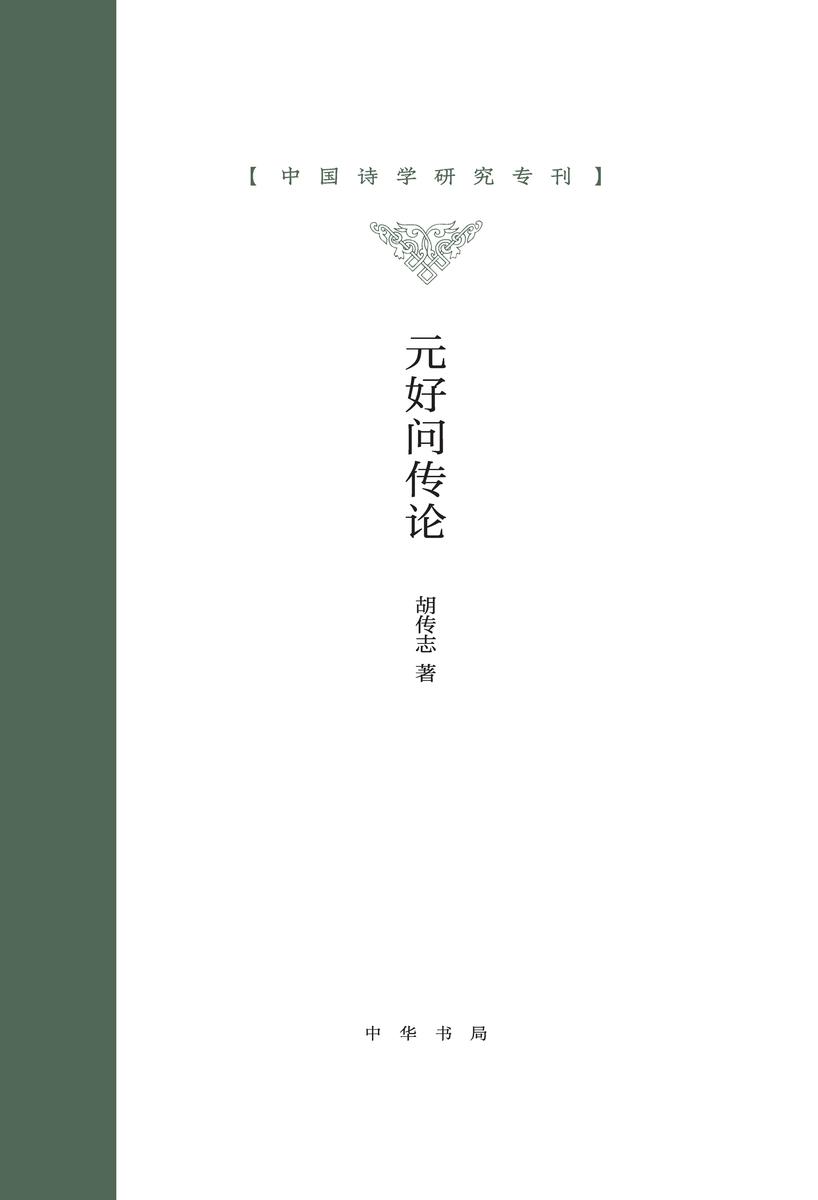
元好问传论--中国诗学研究专刊 (精) 中华书局出品
¥40.80
《元好问传论》是安徽师范大学诗学研究中心“中国诗学研究专刊”丛书之一种,围绕宋金时期文学家、历史学家元好问的生平和作品,对其行多角度的述评、考论,展现出被特殊的历史时代裹挟的这位大文豪的人生际遇与历史贡献。上篇以元好问身世、生平、家庭为中心,结合其作品的解读,系统梳理其生平的疑难问题,并兼及其民族、政治、军事、文学等方面思想,述中带论。下篇以十个专题的形式,以问题为中心,考论结合,深探讨诗、词、文中的薄弱环节,以及他在史学、医学、书法等方面的成就。?

我们为什么爱喝酒
¥40.80
每一滴酒精都对人体有害,但几乎没有一个文明错过酒精,这个现象背后有一些值得推敲的地方。森舸澜在本书中主张,酒精是人类早的随身携带的吐真剂,它带来迅速起效但温和稳定的理性掉线、创造性思维提升,一直是促人类合作、文化传承与创新的关键要素。在没有酒精的地方,代替它的是更加耗时的舞蹈、效果更难以控制的药物等。 基于对跨学科文献的综合梳理,森舸澜毫不夸张地提出:酒精启了现代文明,也助推着人类社会发展。人类对酒精的痴迷不是意外,而是演化的结果。承认酒精的积极意义,我们才能更有效地应对它在现代社会提出的新问题。
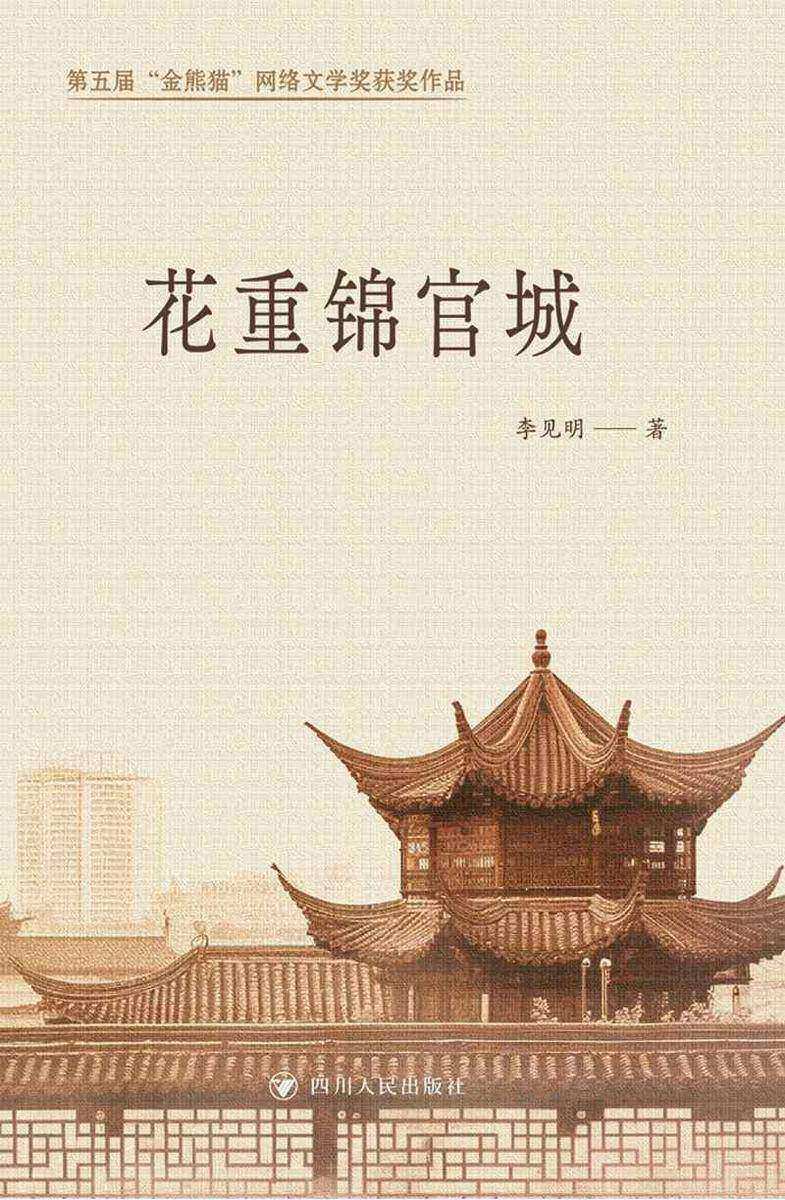
花重锦官城
¥40.80
《花重锦官城》是一部现实题材小说,以成都为地标,以社区治理为内核,围绕社区书记马在舟展开扇面叙述,把老旧小区改造、环境污染防治、城市建设演进等诸多历史事件和社会热点串联起来,塑造了社区基层干部和社会各阶层人物群像,既体现基层工作者推动城市发展为民办实事的巨细和艰辛,又折射各级党员干部不忘初心牢记使命的忠诚和担当,更是展现了在党领导下的社区治理体系的日益完善。
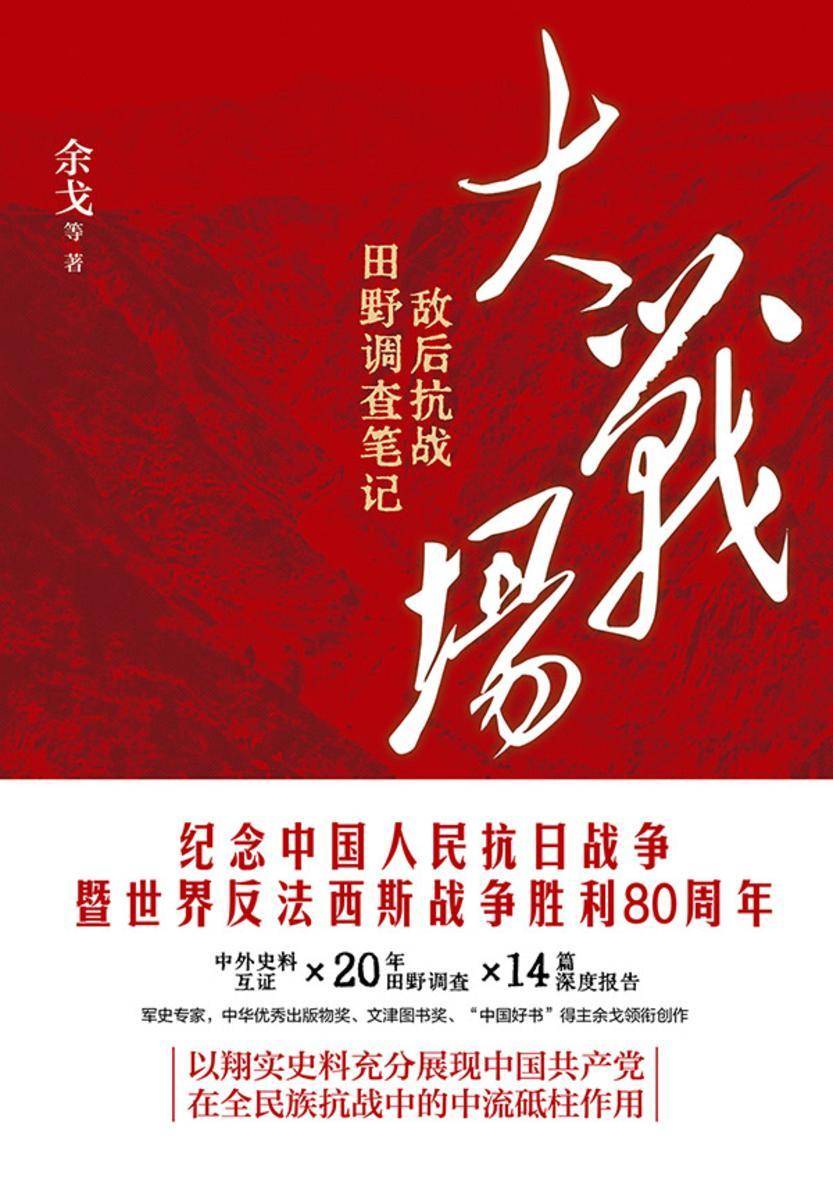
大战场:敌后抗战田野调查笔记(纪念中国人民抗日战争暨世界反法西斯战争胜利80周年)
¥40.80
《大战场》以翔实的史料、客观的视角,通过14篇田野调查报告,再现了中国共产党领导的敌后战场重要战役战斗,彰显了敌后抗战在中国人民抗日战争中的重大价值。 敌后战场的辟,奠定了中国抗战两个战场的战略格局,为迅速扭转战争初期的不利局面发挥了重要作用。敌后战场的坚持斗争,粉碎了日本侵略者“以战养战”“以华制华”的战略图谋,充分展现了中国共产党的中流砥柱作用。 本书作者长期坚持田野调查,深晋冀豫苏鲁等敌后战场战役战斗发生地寻访调研,结合中外史料互证,挖掘鲜为人知的战场记忆,重现了真实的敌后战场。本书有力回了对敌后战场的诋毁抹黑,在相当程度上填补了军战史专业研究的空白。
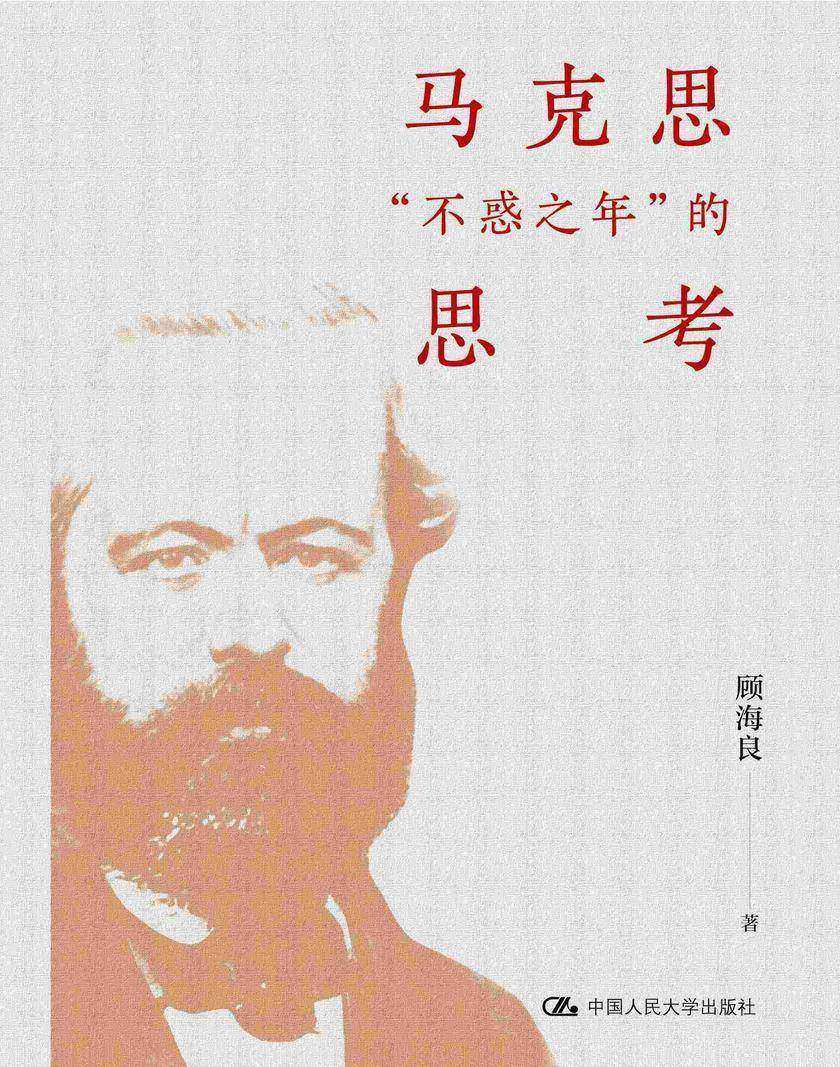
马克思“不惑之年”的思考
¥40.80
20世纪90年代初,当学术界热衷于“青年”马克思和“晚年”马克思的研究时,作者在1993年出版的《马克思“不惑之年”的思考》中,首次以马克思的《1857—1858年经济学手稿》为对象,对“中年”马克思在经济学、哲学、政治学、历史学和社会学等领域中取得的理论成就作出探讨。这部手稿是对马克思“不惑之年”理论思考的真实记录,是马克思从《共产党宣言》到《资本论》发展的思想驿站和重要路标,是系统地理解马克思及其思想体系的重要文本。 本书是我国学术界*早研究马克思这部手稿的专著之一,具有很高的理论价值和学术影响。它的再版一定能够为中国《资本论》研究和中国特色社会主义政治经济学建构提供重要的理论支持和学理支撑。
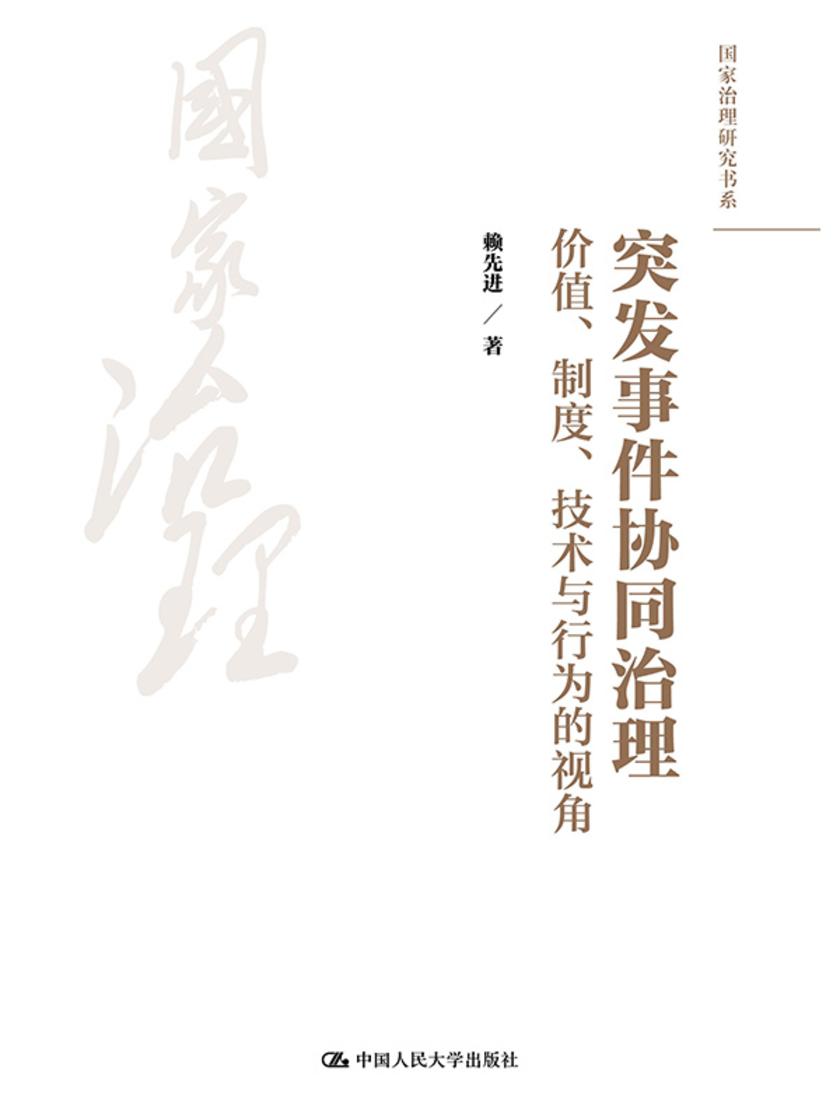
突发事件协同治理:价值、制度、技术与行为的视角(国家治理研究书系)
¥40.80
党的二十大提出要建立大安全大应急框架,完善公共安全体系,推动公共安全治理模式向事前预防转型。要在这一框架下推进我国应急管理体系和能力现代化,迫切需要加强应急协同治理,推动部门之间、地区之间、政企之间、政社之间乃至军地之间的协同合作,共同防范、处置和应对突发事件。《突发事件协同治理:价值、制度、技术与行为的视角》一书论证了应急管理是国家治理重要组成部分的基本逻辑,并从制度、主体、过程、价值、工具五个方面阐明了应急管理现代化的理论内涵。在此基础上,基于大量调研数据,对突发事件中的“非协同现象”进行了较为深入的分析和探讨。全书运用协同治理理论,结合国内外发生的典型突发事件及其应对实践,系统阐述了突发事件协同治理的路径与策略,旨在以突发事件应对与管理的协同效应,对冲和破解突发事件所带来的风险和挑战,降低其对经济社会发展的影响。
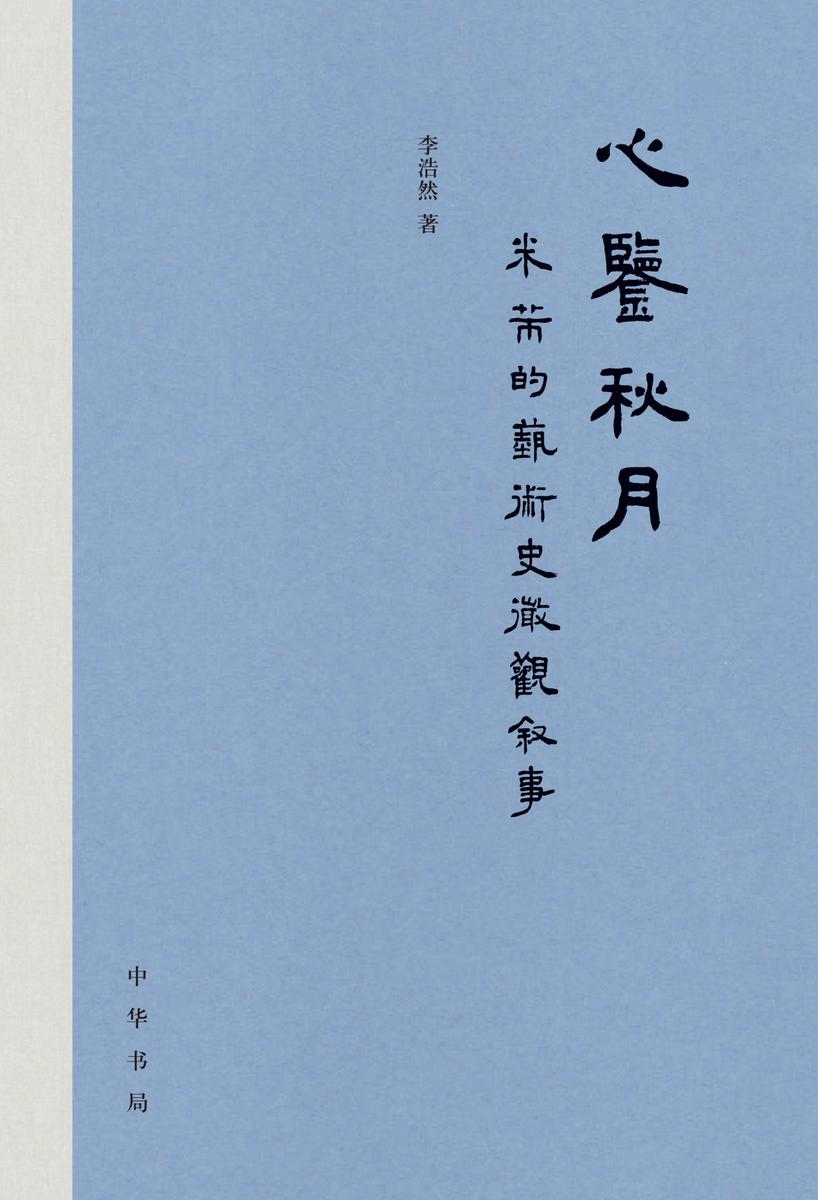
心鉴秋月:米芾的艺术史微观叙事(精) 中华书局出品
¥40.80
中国艺术史的两大叙事体例于唐宋时臻于成熟:一是借用正史体例的艺术通史,二是传衍稗史志怪的私人艺术笔记。由于宋代及以后,以个人见闻、微观叙事见长的艺术笔记,无论是数量,还是学术影响力,都远超体现宏大历史叙事意识的艺术通史。因此,通过著述家及其文本案例,追问艺术史微观叙事勃兴的现象、缘由与价值,就是重审传统艺术史学的一个重要角度。作为著述家,米芾既参与过官方艺术通史的编撰,也因其自由、多变而具创见的五本笔记闻名于史。通过对其生平及著述的考察,米芾在宋前艺术著述的基础上,思考艺术著述的写作体例和艺术史论研究中的叙事对象问题,放弃了以朝代为类目、以艺术家为中心的宏观“叙史”品评体例,逐渐建构起以艺术作品为中心的微观“叙事”模式。
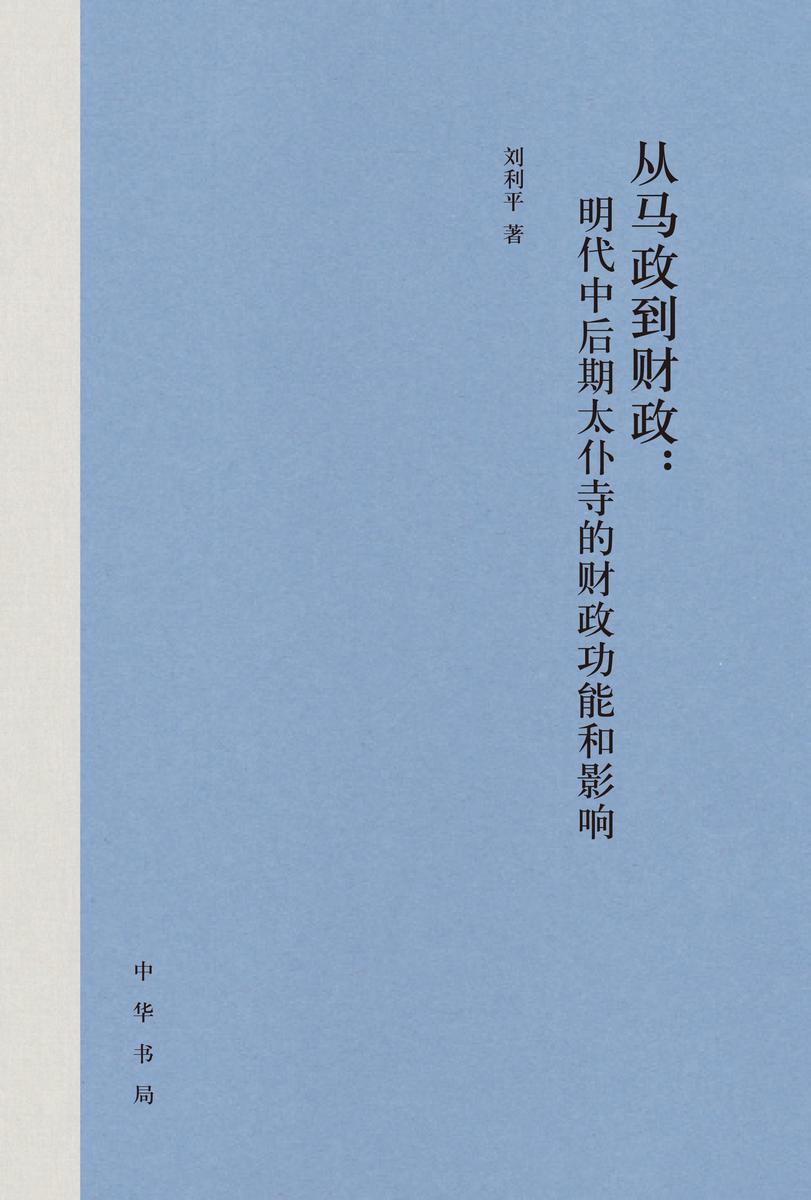
从马政到财政:明代中后期太仆寺的财政功能和影响(精) 中华书局出品
¥40.80
本书主要研究明代中后期太仆寺财政功能的产生及其对国家财政的影响问题。太仆寺历来是管理国家马政的中央行政机构,但自明代中后期始,在赋役折银化的大背景下,马政赋役也启了折银化的过程。两京太仆寺所管辖的南北直隶和河南、山东部分养马府州县的马户差役、牧马草场和马匹等,越来越多地转化为太仆寺的白银收,太仆寺因之逐渐成为钱粮衙门,建常盈库专门管理白银的存放和收支。明中叶以降,随着皇室财政和国家财政的日益恶化,常盈库中盈余的大量白银被朝廷视为缓解各类财政危机的救命稻草,太仆寺因之被日益卷国家财政之中,成为中央财政管理体系中的一个部分,发挥出巨大的财政功能,并对明后期的财政管理及缓解财政危机产生重要影响。本书利用大量一手史料,收集数千个数据,运用数理统计等方法对书中观行严密的分析和论证,结论明确而可靠,是迄今部以财政视角系统研究明代马政的专著。
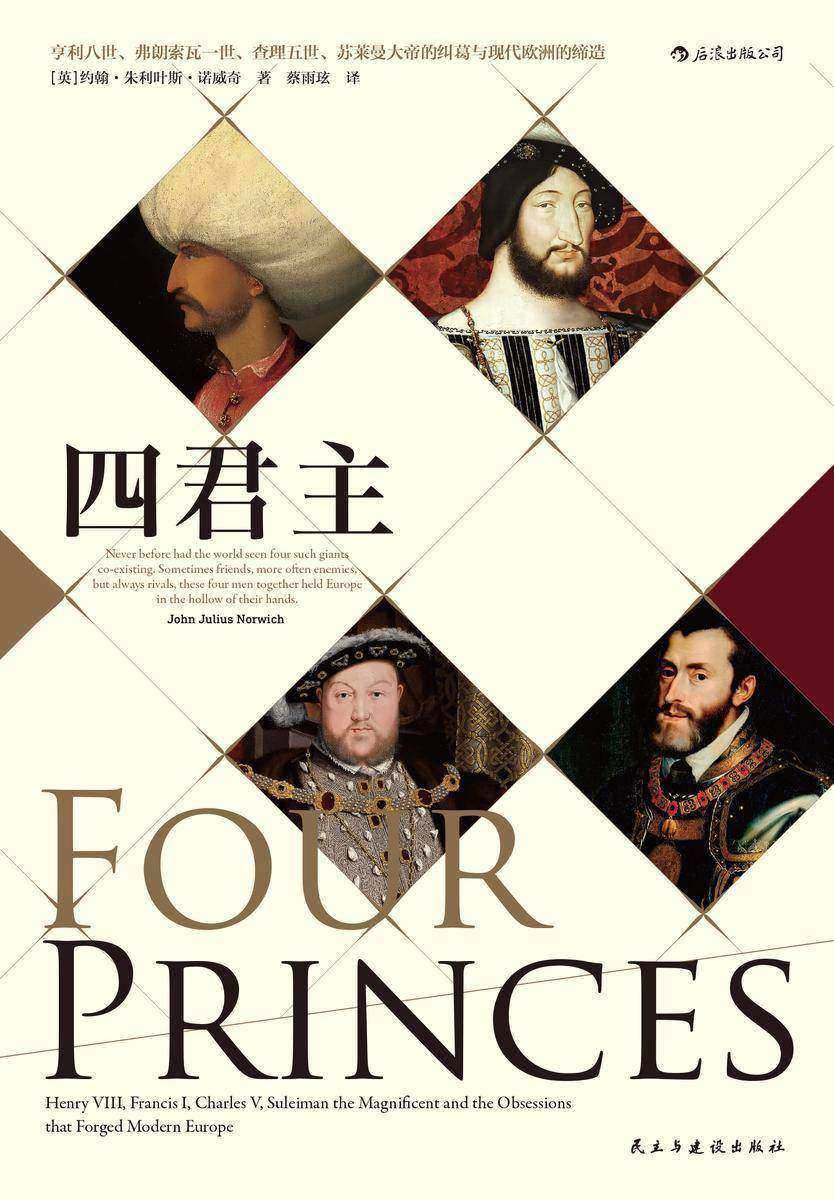
四君主:亨利八世、弗朗索瓦一世、查理五世、苏莱曼大帝
¥40.80
英格兰国王亨利八世、法国国王弗朗索瓦一世、神圣罗马帝国皇帝查理五世和奥斯曼帝国苏丹苏莱曼大帝,这四位伟大的君主出生于同一个十年(1491—1500年)。他们在各自国家的历史上都有着重要意义,而在本书中,约翰·朱利叶斯·诺威奇放大了视角,在文艺复兴和宗教改革的背景下,向我们展示了这四位君主之间的恩怨纠葛是如何为现代欧洲奠定基础的。分来说,他们各不相同,亨利有六任妻子,查理则秉持禁欲主义;四人一并来说,他们曾支配着世界舞台。 本书描绘了令法国和英国几近破产的金缕地之会,讲到了苏莱曼在莫哈奇之战后将敌方的两千个人头堆积如山,提到了安妮·博林的左手有令虔敬之人忌惮的六根手指,提及了马耳他之鹰的真实故事。这些故事让《四君主》成为一部极其生动、有趣的历史著作。

字书字料库的理论、实践与应用(图像版) 中华书局出品
¥40.80
《字书字料库的理论、实践与应用》,柳建钰著。全书共分三编。上编为字书字料库理论篇,中编为字书字料库实践篇,下编为字书字料库应用篇。字书字料库是与语篇字料库相对应的字料库两大类型之一,它是在大规模历代字书文本基础上生成的真实的汉字刻写形态的有序集合,是利用计算机对字书汉字形体行各种分类、统计、检索、综合和比较等研究的基础,它能为汉字学及其他相关学科研究提供高度结构化的字书汉字数据信息。字书字料库建设是当前汉字整理研究工作的迫切需要,是推动汉字学研究信息化的内在要求,也是与语料库语言学并驾齐驱的必然选择。字书字料库在通用规范汉字8105字的构件组合的动态特、结构的层级数、各级构件及其功能、构形模式、布局图式等五方面构形属性的调查研究方面也可以发挥重要作用。
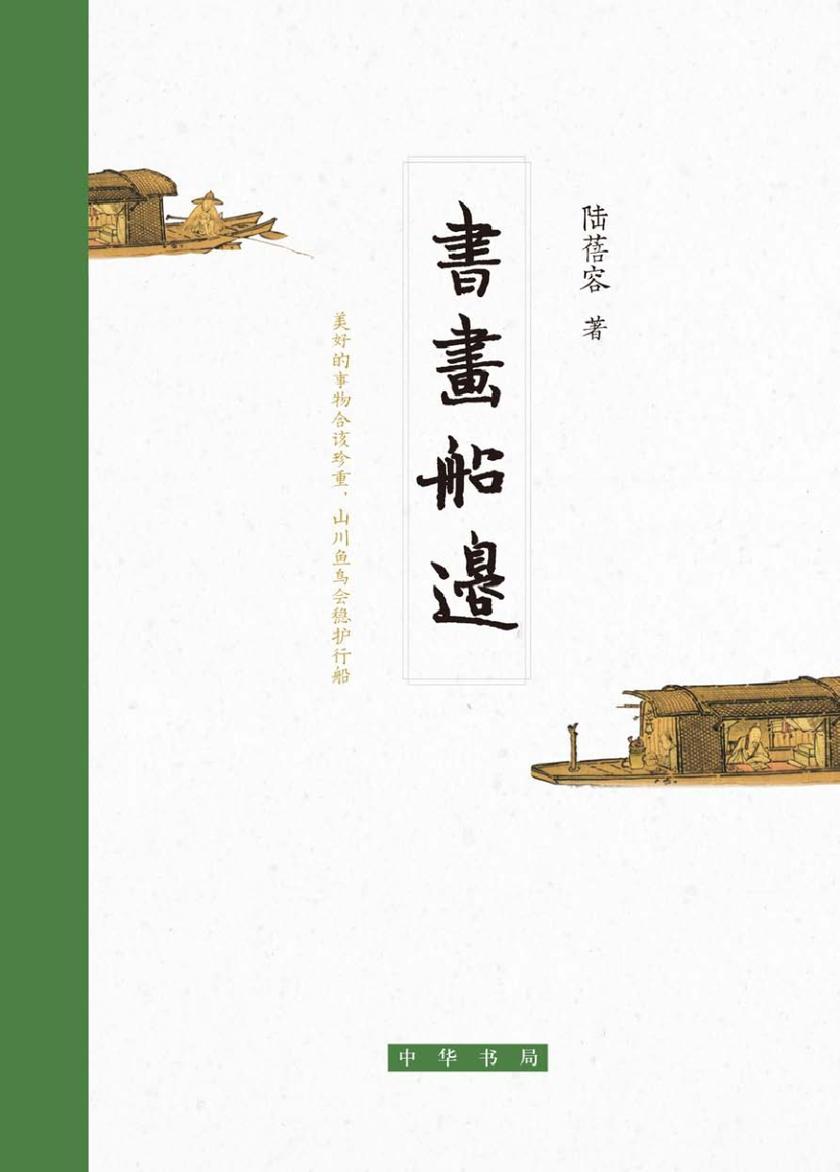
书画船边(精) 中华书局出品
¥40.80
“书画船”代指中国传统文士特有的一种在船上行创作与鉴赏的风雅现象,作者以此为喻,从书山画海中勾勒出一篇篇故事,其间可见画家的心事,作品的含义,典故的变化,收藏家的命运,以至“收藏”本身在历史长河中发展变化的过程。
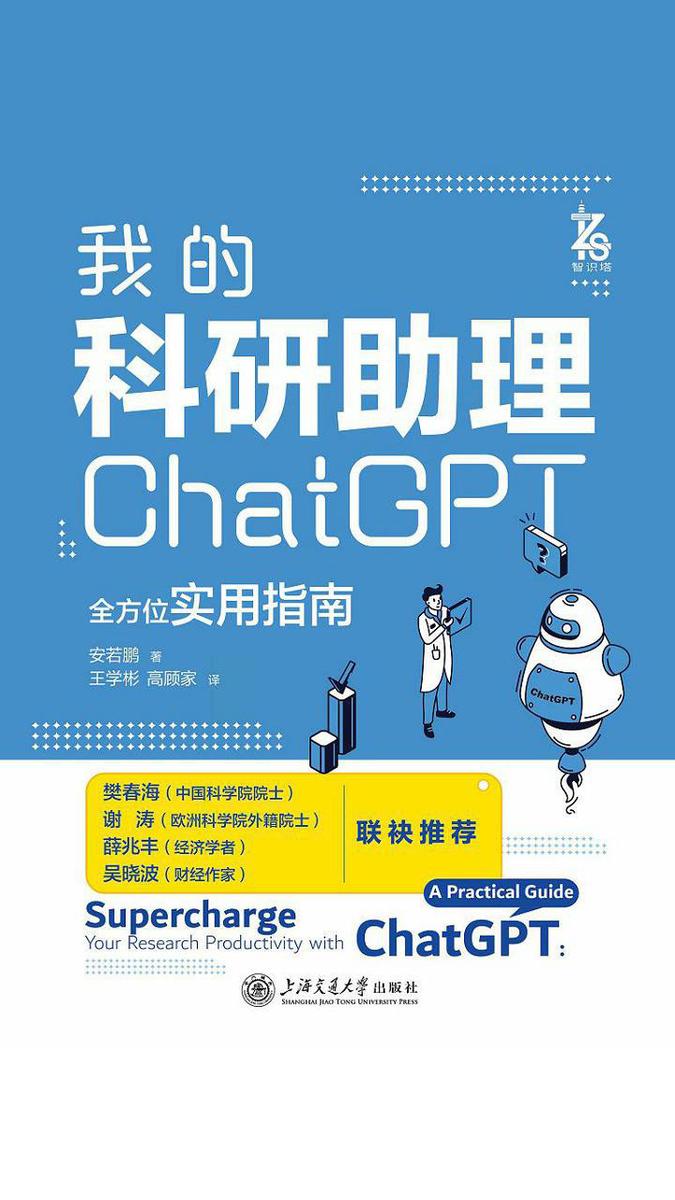
我的科研助理:ChatGPT*实用指南
¥40.80
本书通过近百个实际的研究案例,详细介绍了研究人员如何让ChatGPT成为一位称职的研究助手。利用ChatGPT可以完成以下几方面的工作:①确定研究主题并构建问题。②根据选择的研究问题制定和完善假设。③行文献综述,覆盖系统综述的所有步骤。④选择适当的研究设计和相应的方法论。⑤发可靠且高效的研究工具。⑥收集并处理数据。⑦解释分析定量和定性数据。⑧撰写和修改研究论文。⑨处理同行评审意见。⑩通过大众和社交媒体平台传播研究结果。以上所有任务都可以通过在ChatGPT界面中简单地输提示词来完成。
共同体、未来社会与美好生活
¥40.80
本书由未来社会的前沿问题、未来社会的可能设想、未来社会的当代实践以及有关未来社会理论的探索争鸣等内容构成。其中“前沿问题”部分侧重收录近年来国外有关未来社会的基础理论探讨,以及作为未来社会理论根基的“共同体”、“好生活”等核心思想的文章;“可能设想”部分侧重收录21世纪以来马克思主义理论界对作为资本主义替代方案的共产主义思想的不同理解的文章;“当代实践”部分侧重收录当今世界的共产主义和社会主义运动的实践成果和教训文章;“探索争鸣”部分则侧重反映针对当今资本主义替代方案和社会主义实践的不同观之间的论战和交锋。


