


 购物车
购物车 个人中心
个人中心
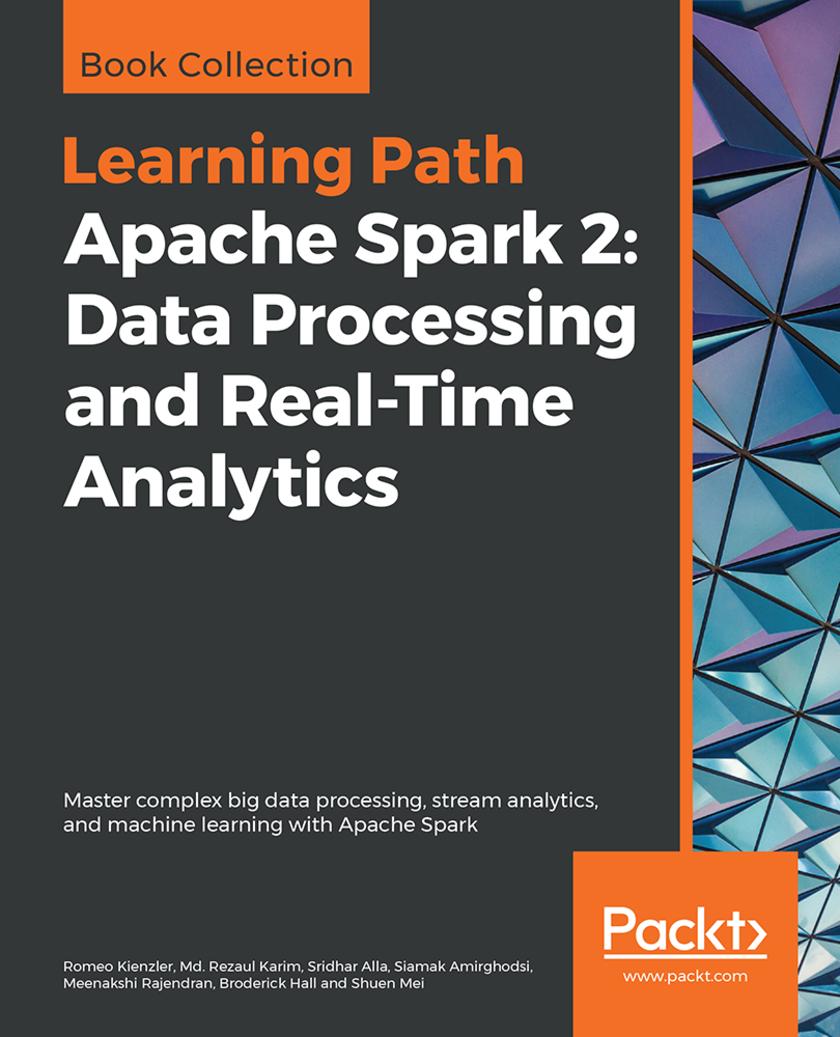
Apache Spark 2: Data Processing and Real-Time Analytics
¥90.46
Build efficient data flow and machine learning programs with this flexible, multi-functional open-source cluster-computing framework Key Features *Master the art of real-time big data processing and machine learning *Explore a wide range of use-cases to analyze large data *Discover ways to optimize your work by using many features of Spark 2.x and Scala Book Description Apache Spark is an in-memory, cluster-based data processing system that provides a wide range of functionalities such as big data processing, analytics, machine learning, and more. With this Learning Path, you can take your knowledge of Apache Spark to the next level by learning how to expand Spark's functionality and building your own data flow and machine learning programs on this platform. You will work with the different modules in Apache Spark, such as interactive querying with Spark SQL, using DataFrames and datasets, implementing streaming analytics with Spark Streaming, and applying machine learning and deep learning techniques on Spark using MLlib and various external tools. By the end of this elaborately designed Learning Path, you will have all the knowledge you need to master Apache Spark, and build your own big data processing and analytics pipeline quickly and without any hassle. This Learning Path includes content from the following Packt products: *Mastering Apache Spark 2.x by Romeo Kienzler *Scala and Spark for Big Data Analytics by Md. Rezaul Karim, Sridhar Alla *Apache Spark 2.x Machine Learning Cookbook by Siamak Amirghodsi, Meenakshi Rajendran, Broderick Hall, Shuen MeiCookbook What you will learn *Get to grips with all the features of Apache Spark 2.x *Perform highly optimized real-time big data processing *Use ML and DL techniques with Spark MLlib and third-party tools *Analyze structured and unstructured data using SparkSQL and GraphX *Understand tuning, debugging, and monitoring of big data applications *Build scalable and fault-tolerant streaming applications *Develop scalable recommendation engines Who this book is for If you are an intermediate-level Spark developer looking to master the advanced capabilities and use-cases of Apache Spark 2.x, this Learning Path is ideal for you. Big data professionals who want to learn how to integrate and use the features of Apache Spark and build a strong big data pipeline will also find this Learning Path useful. To grasp the concepts explained in this Learning Path, you must know the fundamentals of Apache Spark and Scala.
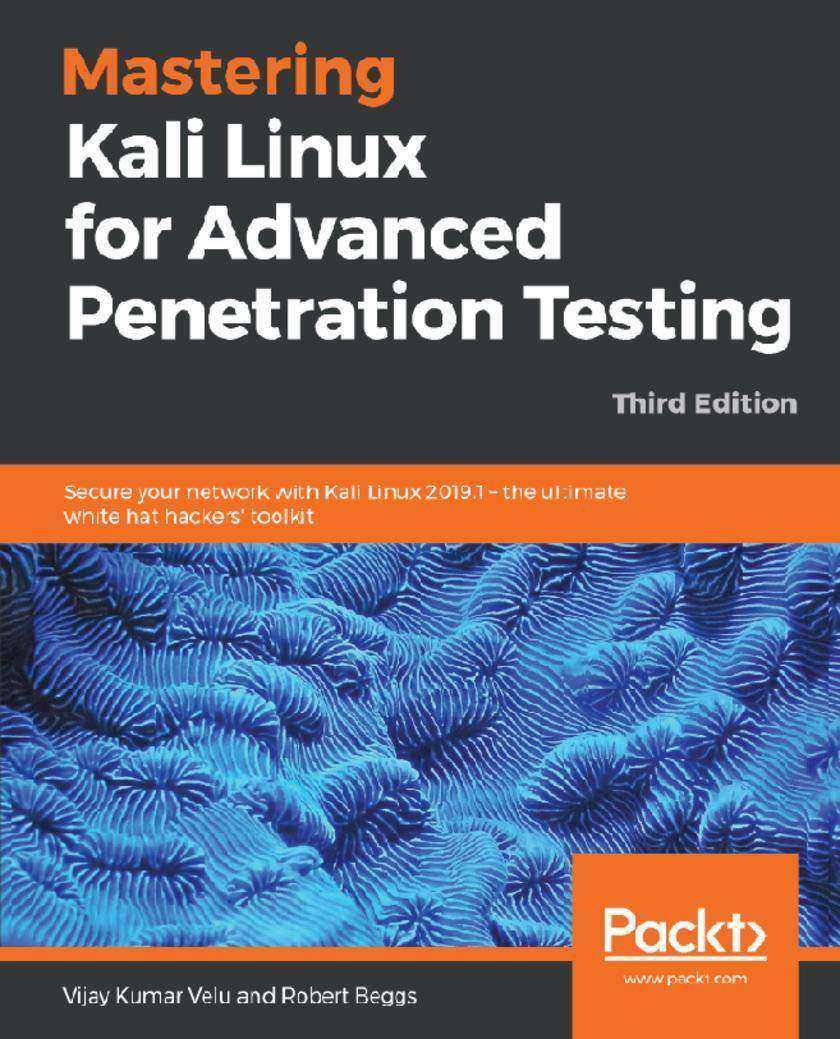
Mastering Kali Linux for Advanced Penetration Testing
¥90.46
A practical guide to testing your infrastructure security with Kali Linux, the preferred choice of pentesters and hackers Key Features * Employ advanced pentesting techniques with Kali Linux to build highly secured systems * Discover various stealth techniques to remain undetected and defeat modern infrastructures * Explore red teaming techniques to exploit secured environment Book Description This book takes you, as a tester or security practitioner, through the reconnaissance, vulnerability assessment, exploitation, privilege escalation, and post-exploitation activities used by pentesters. To start with, you'll use a laboratory environment to validate tools and techniques, along with an application that supports a collaborative approach for pentesting. You'll then progress to passive reconnaissance with open source intelligence and active reconnaissance of the external and internal infrastructure. You'll also focus on how to select, use, customize, and interpret the results from different vulnerability scanners, followed by examining specific routes to the target, which include bypassing physical security and the exfiltration of data using a variety of techniques. You'll discover concepts such as social engineering, attacking wireless networks, web services, and embedded devices. Once you are confident with these topics, you'll learn the practical aspects of attacking user client systems by backdooring with fileless techniques, followed by focusing on the most vulnerable part of the network – directly attacking the end user. By the end of this book, you'll have explored approaches for carrying out advanced pentesting in tightly secured environments, understood pentesting and hacking techniques employed on embedded peripheral devices. What you will learn * Configure the most effective Kali Linux tools to test infrastructure security * Employ stealth to avoid detection in the infrastructure being tested * Recognize when stealth attacks are being used against your infrastructure * Exploit networks and data systems using wired and wireless networks as well as web services * Identify and download valuable data from target systems * Maintain access to compromised systems * Use social engineering to compromise the weakest part of the network - the end users Who this book is for This third edition of Mastering Kali Linux for Advanced Penetration Testing is for you if you are a security analyst, pentester, ethical hacker, IT professional, or security consultant wanting to maximize the success of your infrastructure testing using some of the advanced features of Kali Linux. Prior exposure of penetration testing and ethical hacking basics will be helpful in making the most out of this book.
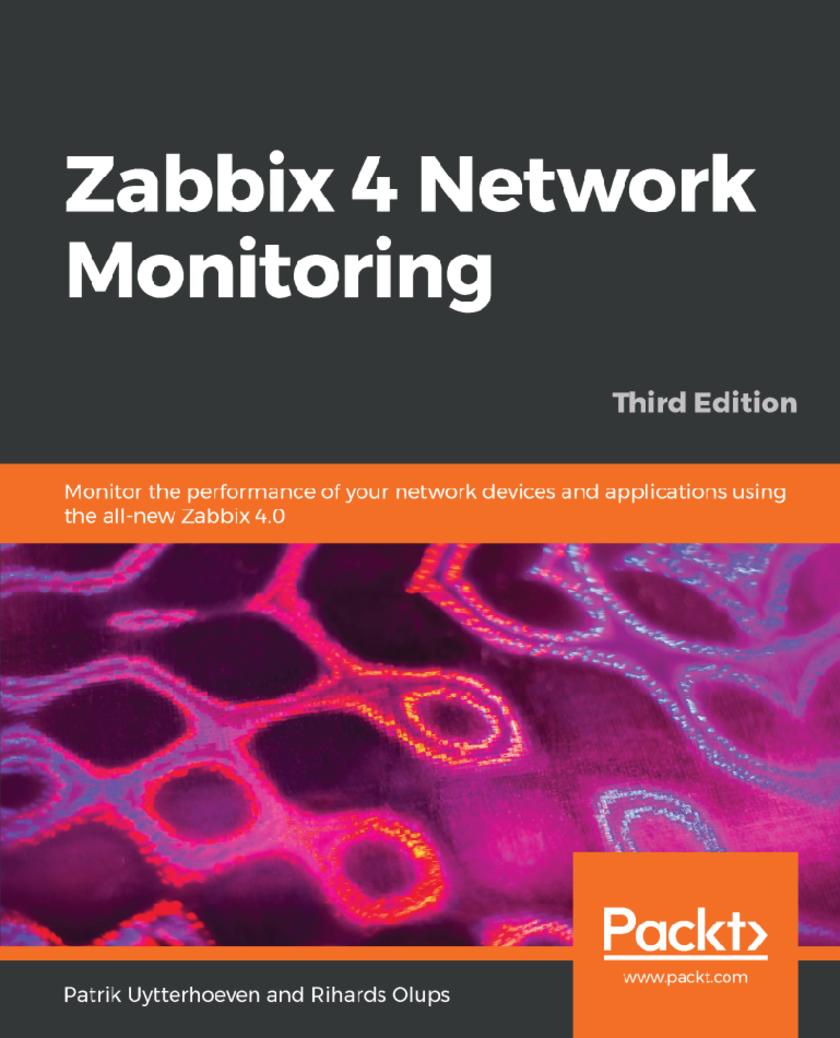
Zabbix 4 Network Monitoring
¥90.46
Gather detailed statistics and deploy impressive business solutions with Zabbix 4.0 Key Features *Experience the full impact of Zabbix 4.0, a useful and increasingly popular tool *Enhance your network’s performance and manage hosts and systems *A step-by-step guide to smarter network monitoring Book Description Zabbix 4 Network Monitoring is the perfect starting point for monitoring the performance of your network devices and applications with Zabbix. Even if you’ve never used a monitoring solution before, this book will get you up and running quickly. You’ll learn to monitor more sophisticated operations with ease and soon feel in complete control of your network, ready to meet any challenges you might face. Starting with the installation, you will discover the new features in Zabbix 4.0. You will then get to grips with native Zabbix agents and Simple Network Management Protocol (SNMP) devices. You will also explore Zabbix's integrated functionality for monitoring Java application servers and VMware. This book also covers notifications, permission management, system maintenance, and troubleshooting, so you can be confident that every potential challenge and task is under your control. If you're working with larger environments, you'll also be able to find out more about distributed data collection using Zabbix proxies. Once you're confident and ready to put these concepts into practice, you will understand how to optimize and improve performance. Troubleshooting network issues is vital for anyone working with Zabbix, so the book also helps you work through any technical snags and glitches you might face. By the end of this book, you will have learned more advanced techniques to fine-tune your system and make sure it is in a healthy state. What you will learn *Install Zabbix server and an agent from source *Manage hosts, users, and permissions while acting upon monitored conditions *Visualize data with the help of ad hoc graphs, custom graphs, and maps *Simplify complex configurations and learn to automate them *Monitor everything from web pages to IPMI devices and Java applications to VMware stats *Configure Zabbix to send alerts including problem severity and time periods *Troubleshoot any network issue Who this book is for If you're new to Zabbix look no further than this book. Zabbix 4 Network Monitoring is for system and network administrators who are looking to put their knowledge to work with Zabbix 4.0.
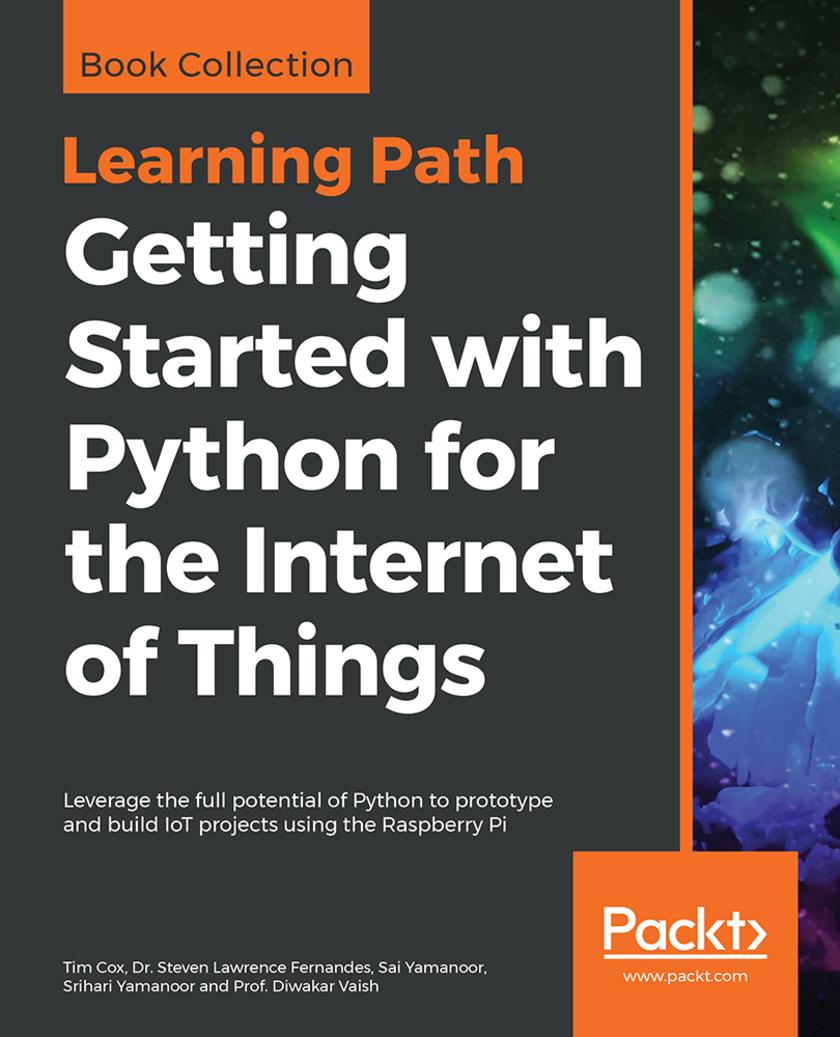
Getting Started with Python for the Internet of Things
¥90.46
Build clever, collaborative, and powerful automation systems with the Raspberry Pi and Python. Key Features * Create your own Pi-Rover or Pi-Hexipod robots * Develop practical applications in Python using Raspberry Pi * Build your own Jarvis, a highly advanced computerized AI Book Description This Learning Path takes you on a journey in the world of robotics and teaches you all that you can achieve with Raspberry Pi and Python. It teaches you to harness the power of Python with the Raspberry Pi 3 and the Raspberry Pi zero to build superlative automation systems that can transform your business. You will learn to create text classifiers, predict sentiment in words, and develop applications with the Tkinter library. Things will get more interesting when you build a human face detection and recognition system and a home automation system in Python, where different appliances are controlled using the Raspberry Pi. With such diverse robotics projects, you'll grasp the basics of robotics and its functions, and understand the integration of robotics with the IoT environment. By the end of this Learning Path, you will have covered everything from configuring a robotic controller, to creating a self-driven robotic vehicle using Python. * Raspberry Pi 3 Cookbook for Python Programmers - Third Edition by Tim Cox, Dr. Steven Lawrence Fernandes * Python Programming with Raspberry Pi by Sai Yamanoor, Srihari Yamanoor * Python Robotics Projects by Prof. Diwakar Vaish What you will learn * Build text classifiers and predict sentiment in words with the Tkinter library * Develop human face detection and recognition systems * Create a neural network module for optical character recognition * Build a mobile robot using the Raspberry Pi as a controller * Understand how to interface sensors, actuators, and LED displays work * Apply machine learning techniques to your models * Interface your robots with Bluetooth Who this book is for This Learning Path is specially designed for Python developers who want to take their skills to the next level by creating robots that can enhance people’s lives. Familiarity with Python and electronics will aid understanding the concepts in this Learning Path.
Mastering TypeScript 3
¥90.46
Master the TypeScript language and its latest features. Explore modern application frameworks and utilize industry best practices in TDD, OOP and UI Design. Key Features * Learn the key features of TypeScript 3 and explore advanced language features through in-depth discussions. * Use TypeScript with modern frameworks including Backbone, Angular, Aurelia, React, and Node. * Explore TDD practices, OOP techniques, and industry best practices to create high-quality, modular, and adaptable applications. Book Description TypeScript is both a language and a set of tools to generate JavaScript. It was designed by Anders Hejlsberg at Microsoft to help developers write enterprise-scale JavaScript. Starting with an introduction to the TypeScript language, before moving on to basic concepts, each section builds on previous knowledge in an incremental and easy-to-understand way. Advanced and powerful language features are all covered, including asynchronous programming techniques, decorators, and generics. This book explores many modern JavaScript and TypeScript frameworks side by side in order for the reader to learn their respective strengths and weaknesses. It will also thoroughly explore unit and integration testing for each framework. Best-of-breed applications utilize well-known design patterns in order to be scalable, maintainable, and testable. This book explores some of these object-oriented techniques and patterns, and shows real-world implementations. By the end of the book, you will have built a comprehensive, end-to-end web application to show how TypeScript language features, design patterns, and industry best practices can be brought together in a real-world scenario. What you will learn * Gain insights into core and advanced TypeScript language features * Integrate existing JavaScript libraries and third-party frameworks using declaration files * Target popular JavaScript frameworks, such as Angular, React, and more * Create test suites for your application with Jasmine and Selenium * Organize your application code using modules, AMD loaders, and SystemJS * Explore advanced object-oriented design principles * Compare the various MVC implementations in Aurelia, Angular, React, and more Who this book is for This guide to the TypeScript that starts with basic concepts, and then builds on this knowledge to introduce more advanced language features and frameworks. No prior knowledge of JavaScript is required, although some prior programming experience is assumed. If you are keen to learn TypeScript, this book will give you all of the necessary knowledge and skills to tackle any TypeScript project. If you are already an experienced JavaScript or TypeScript developer, then this book will take your skills to the next level. Learn how to use TypeScript with a multitude of modern frameworks, and choose the best framework for your project requirements. Investigate techniques for Test Driven Development, explore industry-standard design patterns, and learn how to put together a full production-ready TypeScript application.
Mastering Docker Enterprise
¥90.46
A journey toward containerized applications in production with a cloud-portable, secure, robust and highly available Docker Enterprise platform. Key Features * Get an insider’s view into the container movement and Docker Enterprise * Manage the transformation associated with enterprise container adoption * Walk through the enterprise container adoption journey Book Description While known mostly as the open source engine behind tens of millions of server nodes, Docker also offers commercially supported enterprise tooling known as the Docker Enterprise. This platform leverages the deep roots from Docker Engine - Community (formerly Docker CE) and Kubernetes, but adds support and tooling to efficiently operate a secure container platform at scale. With hundreds of enterprises on board, best practices and adoption patterns are emerging rapidly. These learning points can be used to inform adopters and help manage the enterprise transformation associated with enterprise container adoption. This book starts by explaining the case for Docker Enterprise, as well as its structure and reference architecture. From there, we progress through the PoC,pilot and production stages as a working model for adoption, evolving the platform’s design and configuration for each stage and using detailed application examples along the way to clarify and demonstrate important concepts.The book concludes with Docker’s impact on other emerging software technologies, such as Blockchain and Serverless computing. By the end of this book, you’ll have a better understanding of what it takes to get your enterprise up and running with Docker Enterprise and beyond. What you will learn * Understand why containers are important to an enterprise * Understand the features and components of Docker Enterprise 2 * Find out about the PoC, pilot, and production adoption phases * Get to know the best practices for installing and operating Docker Enterprise * Understand what is important for a Docker Enterprise in production * Run Kubernetes on Docker Enterprise Who this book is for This book is for Software Architects, DevOps Engineers, Tech Ops, Docker professionals, or any IT professional working with Docker and containers who wants to move containerized workloads to production. This book discusses the enterprise adoption of Docker and Kubernetes,therefore a basic understanding of Docker concepts will be helpful.
Building Google Cloud Platform Solutions
¥90.46
Build cost-effective and robust cloud solutions with Google Cloud Platform (GCP) using these simple and practical recipes Key Features * Explore the various service offerings of the GCP * Host a Python application on Google Compute Engine * Securely maintain application states with Cloud Storage, Datastore, and Bigtable Book Description GCP is a cloud computing platform with a wide range of products and services that enable you to build and deploy cloud-hosted applications. This Learning Path will guide you in using GCP and designing, deploying, and managing applications on Google Cloud. You will get started by learning how to use App Engine to access Google's scalable hosting and build software that runs on this framework. With the help of Google Compute Engine, you’ll be able to host your workload on virtual machine instances. The later chapters will help you to explore ways to implement authentication and security, Cloud APIs, and command-line and deployment management. As you hone your skills, you’ll understand how to integrate your new applications with various data solutions on GCP, including Cloud SQL, Bigtable, and Cloud Storage. Following this, the book will teach you how to streamline your workflow with tools, including Source Repositories, Container Builder, and Stackdriver. You'll also understand how to deploy and debug services with IntelliJ, implement continuous delivery pipelines, and configure robust monitoring and alerts for your production systems. By the end of this Learning Path, you'll be well versed with GCP’s development tools and be able to develop, deploy, and manage highly scalable and reliable applications. This Learning Path includes content from the following Packt products: * Google Cloud Platform for Developers Ted Hunter and Steven Porter * Google Cloud Platform Cookbook by Legorie Rajan PS What you will learn * Host an application using Google Cloud Functions * Migrate a MySQL database to Cloud Spanner * Configure a network for a highly available application on GCP * Learn simple image processing using Storage and Cloud Functions * Automate security checks using Policy Scanner * Deploy and run services on App Engine and Container Engine * Minimize downtime and mitigate issues with Stackdriver Monitoring and Debugger * Integrate with big data solutions, including BigQuery, Dataflow, and Pub/Sub Who this book is for This Learning Path is for IT professionals, engineers, and developers who want to implement Google Cloud in their organizations. Administrators and architects planning to make their organization more efficient with Google Cloud will also find this Learning Path useful. Basic understanding of GCP and its services is a must.
Getting Started with Containerization
¥90.46
Choose the smarter way to learn about containerizing your applications and running them in production. Key Features * Deploy and manage highly scalable, containerized applications with Kubernetes * Build high-availability Kubernetes clusters * Secure your applications via encapsulation, networks, and secrets Book Description Kubernetes is an open source orchestration platform for managing containers in a cluster environment. This Learning Path introduces you to the world of containerization, in addition to providing you with an overview of Docker fundamentals. As you progress, you will be able to understand how Kubernetes works with containers. Starting with creating Kubernetes clusters and running applications with proper authentication and authorization, you'll learn how to create high-availability Kubernetes clusters on Amazon Web Services (AWS), and also learn how to use kubeconfig to manage different clusters. Whether it is learning about Docker containers and Docker Compose, or building a continuous delivery pipeline for your application, this Learning Path will equip you with all the right tools and techniques to get started with containerization. By the end of this Learning Path, you will have gained hands-on experience of working with Docker containers and orchestrators, including SwarmKit and Kubernetes. This Learning Path includes content from the following Packt products: * Kubernetes Cookbook - Second Edition by Hideto Saito, Hui-Chuan Chloe Lee, and Ke-Jou Carol Hsu * Learn Docker - Fundamentals of Docker 18.x by Gabriel N. Schenker What you will learn * Build your own container cluster * Run a highly distributed application with Docker Swarm or Kubernetes * Update or rollback a distributed application with zero downtime * Containerize your traditional or microservice-based application * Build a continuous delivery pipeline for your application * Track metrics and logs for every container in your cluster * Implement container orchestration to streamline deploying and managing applications Who this book is for This beginner-level Learning Path is designed for system administrators, operations engineers, DevOps engineers, and developers who want to get started with Docker and Kubernetes. Although no prior experience with Docker is required, basic knowledge of Kubernetes and containers will be helpful.
Mastering Active Directory
¥90.46
Become an expert at managing enterprise identity infrastructure by leveraging Active Directory Key Features * Explore the new features in Active Directory Domain Service * Manage your Active Directory services for Windows Server 2016 effectively * Automate administrative tasks in Active Directory using PowerShell Core 6.x Book Description Active Directory (AD) is a centralized and standardized system that automates networked management of user data, security, and distributed resources and enables inter-operation with other directories. This book will first help you brush up on the AD architecture and fundamentals, before guiding you through core components, such as sites, trust relationships, objects, and attributes. You will then explore AD schemas, LDAP, RMS, and security best practices to understand objects and components and how they can be used effectively. Next, the book will provide extensive coverage of AD Domain Services and Federation Services for Windows Server 2016, and help you explore their new features. Furthermore, you will learn to manage your identity infrastructure for a hybrid cloud setup. All this will help you design, plan, deploy, manage operations, and troubleshoot your enterprise identity infrastructure in a secure and effective manner. You’ll later discover Azure AD Module, and learn to automate administrative tasks using PowerShell cmdlets. All along, this updated second edition will cover content based on the latest version of Active Directory, PowerShell 5.1 and LDAP. By the end of this book, you’ll be well versed with best practices and troubleshooting techniques for improving security and performance in identity infrastructures. What you will learn * Design your Hybrid AD environment by evaluating business and technology requirements * Protect sensitive data in a hybrid environment using Azure Information Protection * Explore advanced functionalities of the schema * Learn about Flexible Single Master Operation (FSMO) roles and their placement * Install and migrate Active Directory from older versions to Active Directory 2016 * Control users, groups, and devices effectively * Design your OU structure in the most effective way * Integrate Azure AD with Active Directory Domain Services for a hybrid setup Who this book is for If you are an Active Directory administrator, system administrator, or network professional who has basic knowledge of Active Directory and is looking to become an expert in this topic, this book is for you.
Mastering Spring Cloud
¥90.46
Learn how to build, test, secure, deploy, and efficiently consume services across distributed systems. About This Book ? Explore the wealth of options provided by Spring Cloud for wiring service dependencies in microservice systems. ? Create microservices utilizing Spring Cloud's Netflix OSS ? Architect your cloud-native data using Spring Cloud. Who This Book Is For This book appeals to developers keen to take advantage of Spring cloud, an open source library which helps developers quickly build distributed systems. Knowledge of Java and Spring Framework will be helpful, but no prior exposure to Spring Cloud is required. What You Will Learn ? Abstract Spring Cloud's feature set ? Create microservices utilizing Spring Cloud's Netflix OSS ? Create synchronous API microservices based on a message-driven architecture. ? Explore advanced topics such as distributed tracing, security, and contract testing. ? Manage and deploy applications on the production environment In Detail Developing, deploying, and operating cloud applications should be as easy as local applications. This should be the governing principle behind any cloud platform, library, or tool. Spring Cloud–an open-source library–makes it easy to develop JVM applications for the cloud. In this book, you will be introduced to Spring Cloud and will master its features from the application developer's point of view. This book begins by introducing you to microservices for Spring and the available feature set in Spring Cloud. You will learn to configure the Spring Cloud server and run the Eureka server to enable service registration and discovery. Then you will learn about techniques related to load balancing and circuit breaking and utilize all features of the Feign client. The book now delves into advanced topics where you will learn to implement distributed tracing solutions for Spring Cloud and build message-driven microservice architectures. Before running an application on Docker container s, you will master testing and securing techniques with Spring Cloud. Style and approach This comprehensive guide covers the advanced features of Spring Cloud and communicates them through a practical approach to explore the underlying concepts of how, when, and why to use them.
Java EE 8 Cookbook
¥90.46
A practical guide for building effective enterprise solutions with Java EE 8 About This Book ? Recipes to get you up-and-running with Java EE 8 application development ? Learn how to apply the major Java EE 8 APIs and specifications ? Implement microservices and Reactive programming with Java EE 8 Who This Book Is For This book is for developers who want to become proficient with Java EE 8 for their enterprise application development. Basic knowledge of Java is assumed What You Will Learn ? Actionable information on the new features of Java EE 8 ? Using the most important APIs with real and working code ? Building server side applications, web services, and web applications ? Deploying and managing your application using the most important Java EE servers ? Building and deploying microservices using Java EE 8 ? Building Reactive application by joining Java EE APIs and core Java features ? Moving your application to the cloud using containers ? Practical ways to improve your projects and career through community involvement In Detail Java EE is a collection of technologies and APIs to support Enterprise Application development. The choice of what to use and when can be dauntingly complex for any developer. This book will help you master this. Packed with easy to follow recipes, this is your guide to becoming productive with Java EE 8. You will begin by seeing the latest features of Java EE 8, including major Java EE 8 APIs and specifications such as JSF 2.3, and CDI 2.0, and what they mean for you. You will use the new features of Java EE 8 to implement web-based services for your client applications. You will then learn to process the Model and Streaming APIs using JSON-P and JSON-B and will learn to use the Java Lambdas support offered in JSON-P. There are more recipes to fine-tune your RESTful development, and you will learn about the Reactive enhancements offered by the JAX-RS 2.1 specification. Later on, you will learn about the role of multithreading in your enterprise applications and how to integrate them for transaction handling. This is followed by implementing microservices with Java EE and the advancements made by Java EE for cloud computing. The final set of recipes shows you how take advantage of the latest security features and authenticate your enterprise application. At the end of the book, the Appendix shows you how knowledge sharing can change your career and your life. Style and approach Task based learning guide to help ease application development with Java EE.
Beginning Server-Side Application Development with Angular
¥90.46
Discover how to rapidly prototype SEO-friendly web applications with Angular Universal About This Book : ? Rapidly build an application that's optimized for search performance ? Develop service workers to make your application truly progressive ? Automatically update metadata and load in content from external APIs Who This Book Is For : This book is ideal for experienced front-end developers who are looking to quickly work through an intelligent example that demonstrates all the key features of server-side development with Angular. You'll need some prior exposure to Angular, as we skim over the basics and get straight to work. What You Will Learn : ? Use the official tools provided by Angular to build an SEO-friendly application ? Create a dynamic web application that maps to current Angular best practices ? Manage your Angular applications with Angular CLI ? Implement server-side rendering for your future web application projects ? Configure service workers to automatically update your application in the background In Detail : Equip yourself with the skills required to create modern, progressive web applications that load quickly and efficiently. This fast-paced guide to server-side Angular leads you through an example application that uses Angular Universal to render application pages on the server, rather than the client. You'll learn how to serve your users views that load instantly, while reaping all the SEO benefits of improved page indexing. With differences of just 200 milliseconds in performance having a measurable impact on your users, it's more important than ever to get server-side right. Style and approach : With this book, you'll be equipped to create modern, SEO-friendly web apps with best practices using Angular CLI. This book focuses on creating a progressive web app using Angular that is optimized for search engines.
PostGIS Cookbook - Second Edition
¥90.46
Create and manage spatial data with PostGIS About This Book ? Import and export geographic data from the PostGIS database using the available tools ? Maintain, optimize, and fine-tune spatial data for long-term viability ? Utilize the parallel support functionality that was introduced in PostgreSQL 9.6 Who This Book Is For This book is for developers who need some quick solutions for PostGIS. Prior knowledge of PostgreSQL and spatial concepts would be an added advantage. What You Will Learn ? Import and export geographic data from the PostGIS database using the available tools ? Structure spatial data using the functionality provided by a combination of PostgreSQL and PostGIS ? Work with a set of PostGIS functions to perform basic and advanced vector analyses ? Connect PostGIS with Python ? Learn to use programming frameworks around PostGIS ? Maintain, optimize, and fine-tune spatial data for long-term viability ? Explore the 3D capabilities of PostGIS, including LiDAR point clouds and point clouds derived from Structure from Motion (SfM) techniques ? Distribute 3D models through the Web using the X3D standard ? Use PostGIS to develop powerful GIS web applications using Open Geospatial Consortium web standards ? Master PostGIS Raster In Detail PostGIS is a spatial database that integrates the advanced storage and analysis of vector and raster data, and is remarkably flexible and powerful. PostGIS provides support for geographic objects to the PostgreSQL object-relational database and is currently the most popular open source spatial databases. If you want to explore the complete range of PostGIS techniques and expose related extensions, then this book is for you. This book is a comprehensive guide to PostGIS tools and concepts which are required to manage, manipulate, and analyze spatial data in PostGIS. It covers key spatial data manipulation tasks, explaining not only how each task is performed, but also why. It provides practical guidance allowing you to safely take advantage of the advanced technology in PostGIS in order to simplify your spatial database administration tasks. Furthermore, you will learn to take advantage of basic and advanced vector, raster, and routing approaches along with the concepts of data maintenance, optimization, and performance, and will help you to integrate these into a large ecosystem of desktop and web tools. By the end, you will be armed with all the tools and instructions you need to both manage the spatial database system and make better decisions as your project's requirements evolve. Style and approach This comprehensive guide uses a problem-solving approach to help you acquire a solid understanding of PostGIS.
Working with Odoo 11 - Third Edition
¥90.46
Transform and modernize your businesses and upgrade your enterprise management skills with Odoo 11, the most comprehensive management software About This Book ? Use project management along with analytics for better reporting ? Build an Odoo module and integrate it with other platforms with this practical guide ? Explore new design and mobile updates from the Odoo enterprise Who This Book Is For This book is for beginners, and will help you learn advanced-level features with Odoo such as creating your own custom modules. You do not need any prior knowledge of Odoo. What You Will Learn ? Configure a functioning customer relationship management system ? Set up a purchasing and receiving system ? Implement manufacturing operations and processes using real-world examples ? Discover the capabilities of Odoo's financial accounting and reporting features ? Integrate powerful human resource applications ? Utilize Odoo's project management application to organize tasks ? Customize Odoo without writing a line of code In Detail Odoo is an all-in-one management software that offers an array of business applications, forming a complete suite of enterprise management applications. Odoo 11 comes with advances on usability, speed, and design. Working with Odoo 11 starts with how to set up Odoo, both online and on your own server. You’ll then configure the basic company settings required to quickly get your first Odoo system up and running. Later, you’ll explore customer relationship management in Odoo and its importance in a modern business environment. You'll then dive into purchasing applications with Odoo, learn some of the primary functionalities of ERP systems for manufacturing operations, and use analytic accounting to provide better reporting. After that, you'll learn how to work with Odoo for mobile, and finally, you will walk through the recent Odoo 11 features with respect to the community and enterprise edition, giving you a complete understanding of what Odoo can do for your business. Style and approach A guide to learning the advanced features of Odoo 11, to enable customization of Odoo modules to suite ones' business needs.
VMware NSX Cookbook
¥90.46
Network virtualization at your fingertips About This Book ? Over 70 practical recipes created by two VCIX-NV certified NSX experts ? Explore best practices to deploy, operate, and upgrade VMware NSX for vSphere ? Leverage NSX REST API using various tools from Python in VMware vRealize Orchestrator Who This Book Is For If you are a security and network administrator and looking to gain an intermediate level for network and security virtualization, then this book is for you. The reader should have a basic knowledge with VMware NSX. What You Will Learn ? Understand, install, and configure VMware NSX for vSphere solutions ? Configure logical switching, routing, and Edge Services Gateway in VMware NSX for vSphere ? Learn how to plan and upgrade VMware NSX for vSphere ? Learn how to use built-in monitoring tools such as Flow Monitoring, Traceflow, Application Rule Manager, and Endpoint Monitoring ? Learn how to leverage the NSX REST API for management and automation using various tools from Python to VMware vRealize Orchestrator In Detail This book begins with a brief introduction to VMware's NSX for vSphere Network Virtualization solutions and how to deploy and configure NSX components and features such as Logical Switching, Logical Routing, layer 2 bridging and the Edge Services Gateway. Moving on to security, the book shows you how to enable micro-segmentation through NSX Distributed Firewall and Identity Firewall and how to do service insertion via network and guest introspection. After covering all the feature configurations for single-site deployment, the focus then shifts to multi-site setups using Cross-vCenter NSX. Next, the book covers management, backing up and restoring, upgrading, and monitoring using built-in NSX features such as Flow Monitoring, Traceflow, Application Rule Manager, and Endpoint Monitoring. Towards the end, you will explore how to leverage VMware NSX REST API using various tools from Python to VMware vRealize Orchestrator. Style and approach The book follows a practical, recipe-based approach and teaches readers how to leverage VMware NSX and implement these recipes directly into their enterprise.
Mastering Microsoft Power BI
¥90.46
Design, create and manage robust Power BI solutions to gain meaningful business insights About This Book ? Master all the dashboarding and reporting features of Microsoft Power BI ? Combine data from multiple sources, create stunning visualizations and publish your reports across multiple platforms ? A comprehensive guide with real-world use cases and examples demonstrating how you can get the best out of Microsoft Power BI Who This Book Is For Business Intelligence professionals and existing Power BI users looking to master Power BI for all their data visualization and dashboarding needs will find this book to be useful. While understanding of the basic BI concepts is required, some exposure to Microsoft Power BI will be helpful. What You Will Learn ? Build efficient data retrieval and transformation processes with the Power Query M Language ? Design scalable, user-friendly DirectQuery and Import Data Models ? Develop visually rich, immersive, and interactive reports and dashboards ? Maintain version control and stage deployments across development, test, and production environments ? Manage and monitor the Power BI Service and the On-premises data gateway ? Develop a fully on-premise solution with the Power BI Report Server ? Scale up a Power BI solution via Power BI Premium capacity and migration to Azure Analysis Services or SQL Server Analysis Services In Detail This book is intended for business intelligence professionals responsible for the design and development of Power BI content as well as managers, architects and administrators who oversee Power BI projects and deployments. The chapters flow from the planning of a Power BI project through the development and distribution of content to the administration of Power BI for an organization. BI developers will learn how to create sustainable and impactful Power BI datasets, reports, and dashboards. This includes connecting to data sources, shaping and enhancing source data, and developing an analytical data model. Additionally, top report and dashboard design practices are described using features such as Bookmarks and the Power KPI visual. BI managers will learn how Power BI’s tools work together such as with the On-premises data gateway and how content can be staged and securely distributed via Apps. Additionally, both the Power BI Report Server and Power BI Premium are reviewed. By the end of this book, you will be confident in creating effective charts, tables, reports or dashboards for any kind of data using the tools and techniques in Microsoft PowerBI. Style and approach This book consists of real-world examples on Power BI that target novices as well as intermediate Power BI users. It goes deep into the technical issues, covers additional protocols, and many more real-live examples.
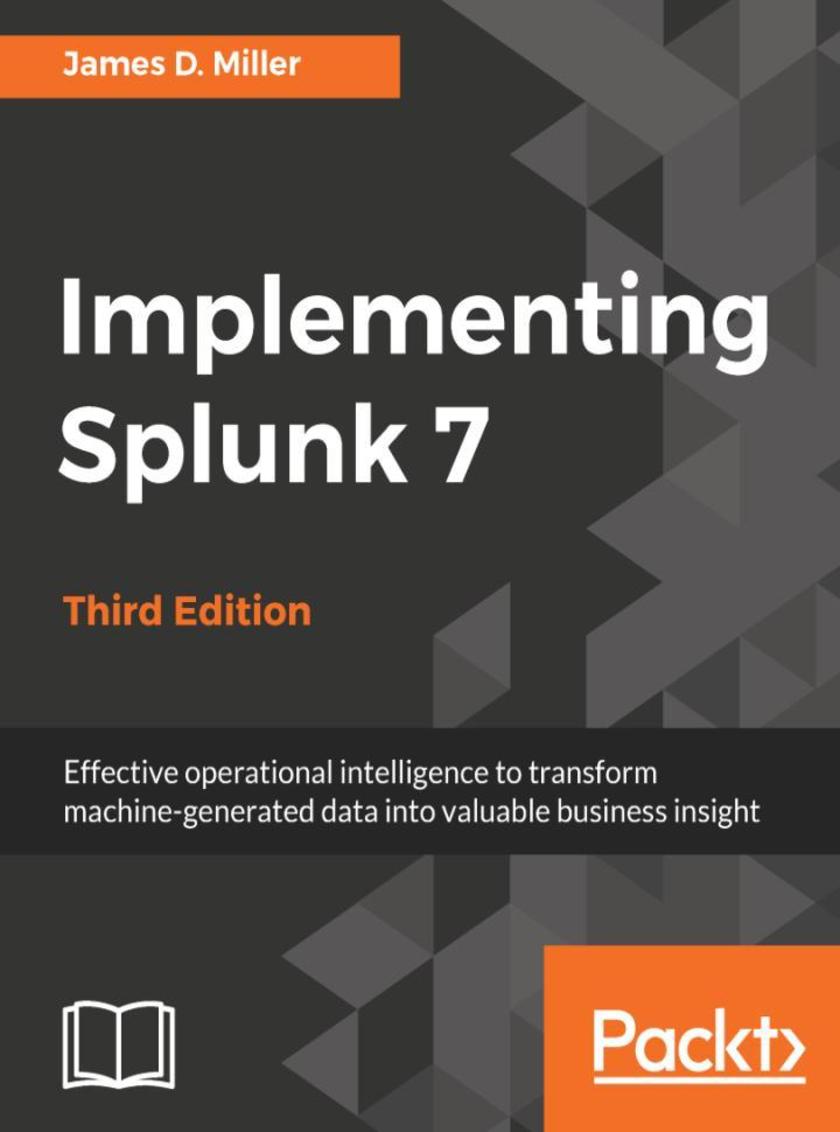
Implementing Splunk 7 - Third Edition
¥90.46
A comprehensive guide to making machine data accessible across the organization using advanced dashboards About This Book ? Enrich machine-generated data and transform it into useful, meaningful insights ? Perform search operations and configurations, build dashboards, and manage logs ? Extend Splunk services with scripts and advanced configurations to process optimal results Who This Book Is For This book is intended for data analysts, business analysts, and IT administrators who want to make the best use of big data, operational intelligence, log management, and monitoring within their organization. Some knowledge of Splunk services will help you get the most out of the book What You Will Learn ? Focus on the new features of the latest version of Splunk Enterprise 7 ? Master the new offerings in Splunk: Splunk Cloud and the Machine Learning Toolkit ? Create efficient and effective searches within the organization ? Master the use of Splunk tables, charts, and graph enhancements ? Use Splunk data models and pivots with faster data model acceleration ? Master all aspects of Splunk XML dashboards with hands-on applications ? Create and deploy advanced Splunk dashboards to share valuable business insights with peers In Detail Splunk is the leading platform that fosters an efficient methodology and delivers ways to search, monitor, and analyze growing amounts of big data. This book will allow you to implement new services and utilize them to quickly and efficiently process machine-generated big data. We introduce you to all the new features, improvements, and offerings of Splunk 7. We cover the new modules of Splunk: Splunk Cloud and the Machine Learning Toolkit to ease data usage. Furthermore, you will learn to use search terms effectively with Boolean and grouping operators. You will learn not only how to modify your search to make your searches fast but also how to use wildcards efficiently. Later you will learn how to use stats to aggregate values, a chart to turn data, and a time chart to show values over time; you'll also work with fields and chart enhancements and learn how to create a data model with faster data model acceleration. Once this is done, you will learn about XML Dashboards, working with apps, building advanced dashboards, configuring and extending Splunk, advanced deployments, and more. Finally, we teach you how to use the Machine Learning Toolkit and best practices and tips to help you implement Splunk services effectively and efficiently. By the end of this book, you will have learned about the Splunk software as a whole and implemented Splunk services in your tasks at projects Style and approach An easy-to-follow, step-by-step guide to help you get to grips with real-world applications of Splunk 7.
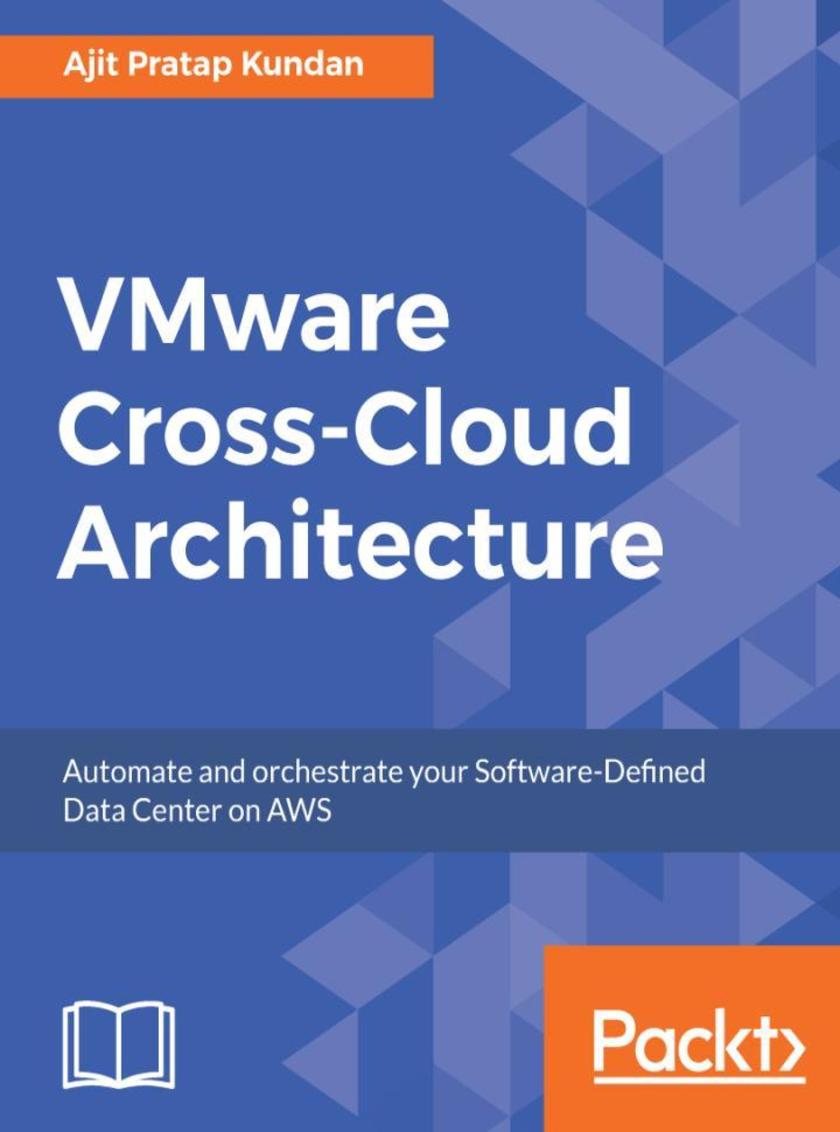
VMware Cross-Cloud Architecture
¥90.46
Enhance your virtualization skills by mastering storage and network virtualization with automation across different Clouds About This Book ? Migrate and build your applications in Hybrid Cloud with VMware Cross Cloud components and services ? Gain in-depth configuration insights of VMware Cross Cloud architecture ? Learn to migrate applications from VMware to AWS and IBM Cloud Who This Book Is For This book is for administrators, Cloud architects and network engineers who want to globalize their infrastructure using VMware and AWS services. An initial setup of workloads and data center is beneficial. What You Will Learn ? Install and configure the Cloud foundation with Cross-Cloud services ? Configure vSphere high availability with the vCenter redundancy setup ? Architect and configure VMware with AWS Cloud ? Deploy VMware components in IBM Soft Layer ? Extend your DR setup with VMware to consume DRaaS ? Design and configure software-defined networking ? Implement compliance regulations to fix violations In Detail Over the past two decades, VMware vSphere has been known as the most trusted and reliable virtualization platform. VMware Cross-Cloud Architecture shows you how to design and configure Cross Cloud Architecture by using VMware Cloud Foundation and vRealize Suite with various use cases across private, public, and hybrid Cloud. This book takes you through everything from a basic understanding of virtualization to advanced aspects of storage and network virtualization, clustering, automation, and management. This book will be your guide to designing all aspects of Cloud. We start with the challenges faced by a traditional data center, define problem statements for you, and then brief you on respective solutions. Moving on, all kinds of virtualization and Cloud offerings from AWS and IBM Soft Layer are introduced and discussed in detail. Then, you'll learn how to design IT infrastructures for new and existing applications with a combination of Cloud Foundation, vRealize Suite, and vSphere enabled with VSAN and NSX. Furthermore, you'll learn how to design and configure high availability, disaster recovery, and apply an appropriate compliance matrix. Toward the end of the book, you will learn how to calculate the TCO/ROI, along with the VMware products packaging and licensing in detail. Style and approach This book follows a step-by-step, practical approach which will help you to have a better understanding of the cloud technology and the steps required to quickly reap its benefits while at the same time lowering your IT implementation risk and cost.
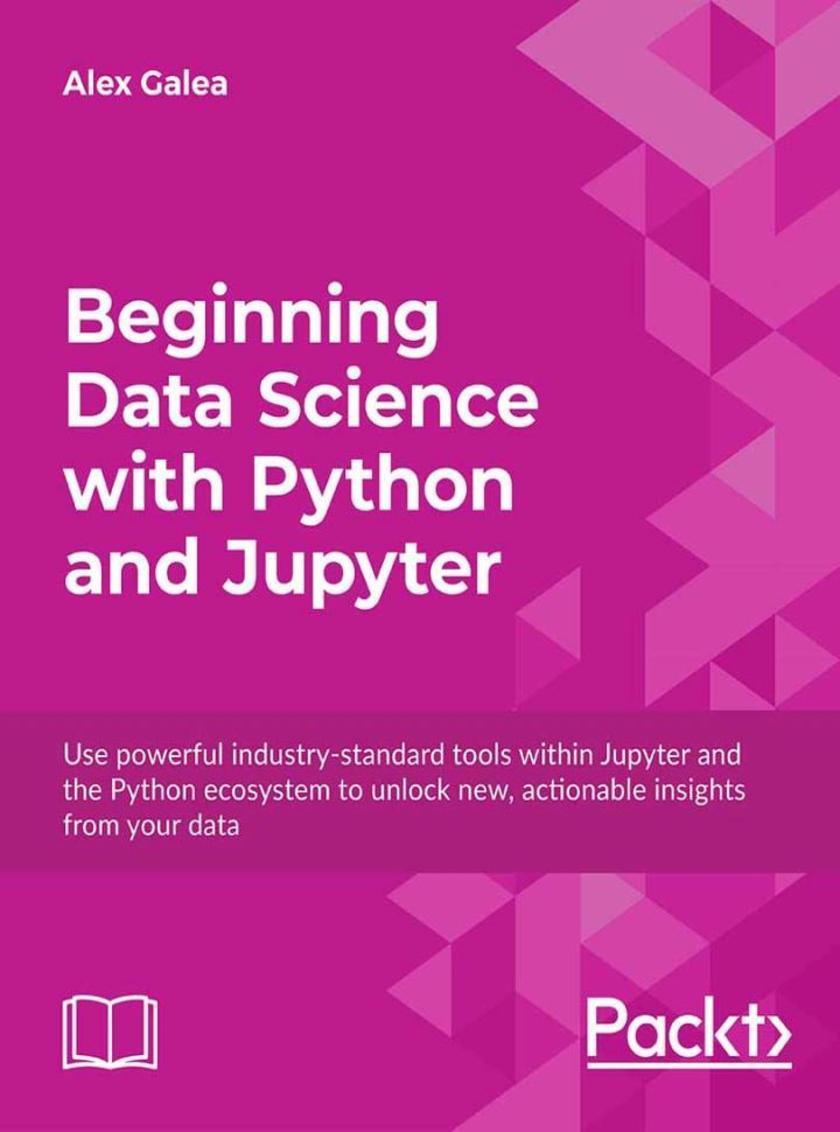
Beginning Data Science with Python and Jupyter
¥90.46
Getting started with data science doesn't have to be an uphill battle. This step-by-step guide is ideal for beginners who know a little Python and are looking for a quick, fast-paced introduction. About This Book ? Get up and running with the Jupyter ecosystem and some example datasets ? Learn about key machine learning concepts like SVM, KNN classifiers and Random Forests ? Discover how you can use web scraping to gather and parse your own bespoke datasets Who This Book Is For This book is ideal for professionals with a variety of job descriptions across large range of industries, given the rising popularity and accessibility of data science. You'll need some prior experience with Python, with any prior work with libraries like Pandas, Matplotlib and Pandas providing you a useful head start. What You Will Learn ? Identify potential areas of investigation and perform exploratory data analysis ? Plan a machine learning classification strategy and train classification models ? Use validation curves and dimensionality reduction to tune and enhance your models ? Scrape tabular data from web pages and transform it into Pandas DataFrames ? Create interactive, web-friendly visualizations to clearly communicate your findings In Detail Get to grips with the skills you need for entry-level data science in this hands-on Python and Jupyter course. You'll learn about some of the most commonly used libraries that are part of the Anaconda distribution, and then explore machine learning models with real datasets to give you the skills and exposure you need for the real world. We'll finish up by showing you how easy it can be to scrape and gather your own data from the open web, so that you can apply your new skills in an actionable context. Style and approach This book covers every aspect of the standard data-workflow process within a day, along with theory, practical hands-on coding, and relatable illustrations.
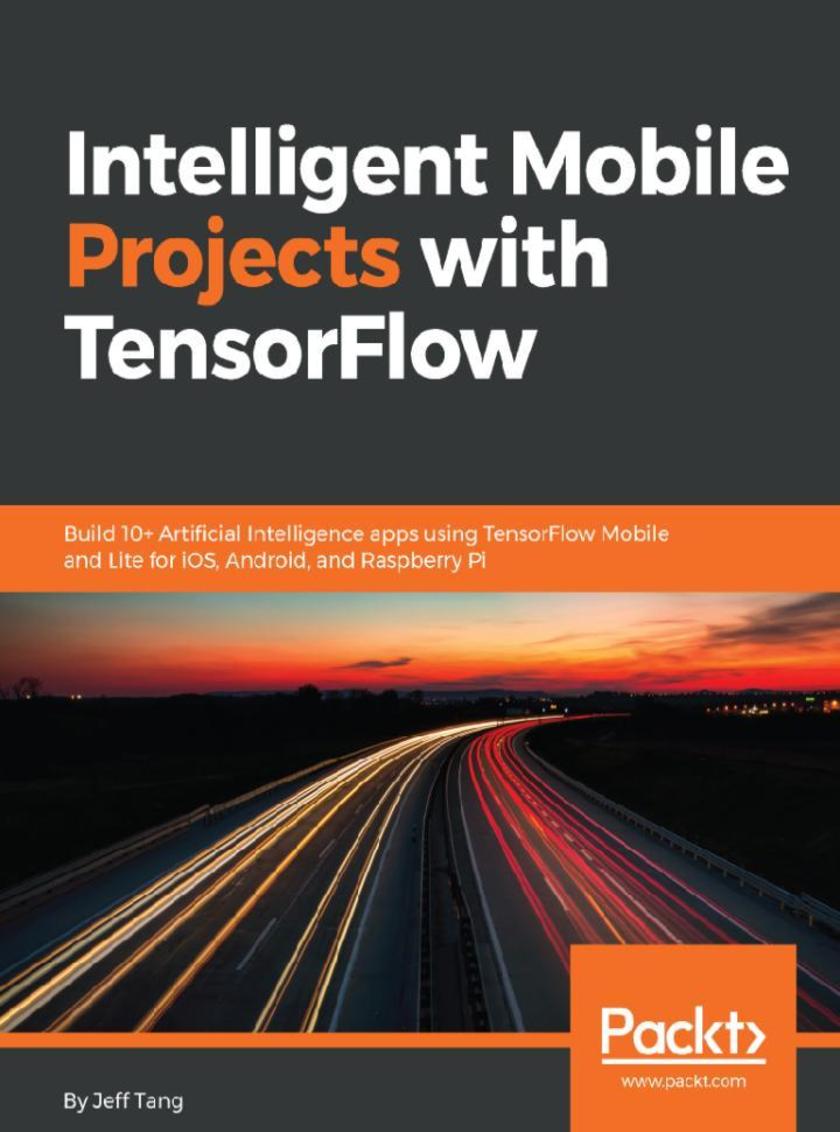
Intelligent Mobile Projects with TensorFlow
¥90.46
Create Deep Learning and Reinforcement Learning apps for multiple platforms with TensorFlow About This Book ? Build TensorFlow-powered AI applications for mobile and embedded devices ? Learn modern AI topics such as computer vision, NLP, and deep reinforcement learning ? Get practical insights and exclusive working code not available in the TensorFlow documentation Who This Book Is For If you're an iOS/Android developer interested in building and retraining others' TensorFlow models and running them in your mobile apps, or if you're a TensorFlow developer and want to run your new and amazing TensorFlow models on mobile devices, this book is for you. You'll also benefit from this book if you're interested in TensorFlow Lite, Core ML, or TensorFlow on Raspberry Pi. What You Will Learn ? Classify images with transfer learning ? Detect objects and their locations ? Transform pictures with amazing art styles ? Understand simple speech commands ? Describe images in natural language ? Recognize drawing with Convolutional Neural Network and Long Short-Term Memory ? Predict stock price with Recurrent Neural Network in TensorFlow and Keras ? Generate and enhance images with generative adversarial networks ? Build AlphaZero-like mobile game app in TensorFlow and Keras ? Use TensorFlow Lite and Core ML on mobile ? Develop TensorFlow apps on Raspberry Pi that can move, see, listen, speak, and learn In Detail As a developer, you always need to keep an eye out and be ready for what will be trending soon, while also focusing on what's trending currently. So, what's better than learning about the integration of the best of both worlds, the present and the future? Artificial Intelligence (AI) is widely regarded as the next big thing after mobile, and Google's TensorFlow is the leading open source machine learning framework, the hottest branch of AI. This book covers more than 10 complete iOS, Android, and Raspberry Pi apps powered by TensorFlow and built from scratch, running all kinds of cool TensorFlow models offline on-device: from computer vision, speech and language processing to generative adversarial networks and AlphaZero-like deep reinforcement learning. You’ll learn how to use or retrain existing TensorFlow models, build your own models, and develop intelligent mobile apps running those TensorFlow models. You'll learn how to quickly build such apps with step-by-step tutorials and how to avoid many pitfalls in the process with lots of hard-earned troubleshooting tips. Style and approach This book takes a practical, project-based approach to teach specifics of mobile development with TensorFlow. Using a reader-friendly approach, this book will provide detailed instructions and also discuss the broader context covered within.
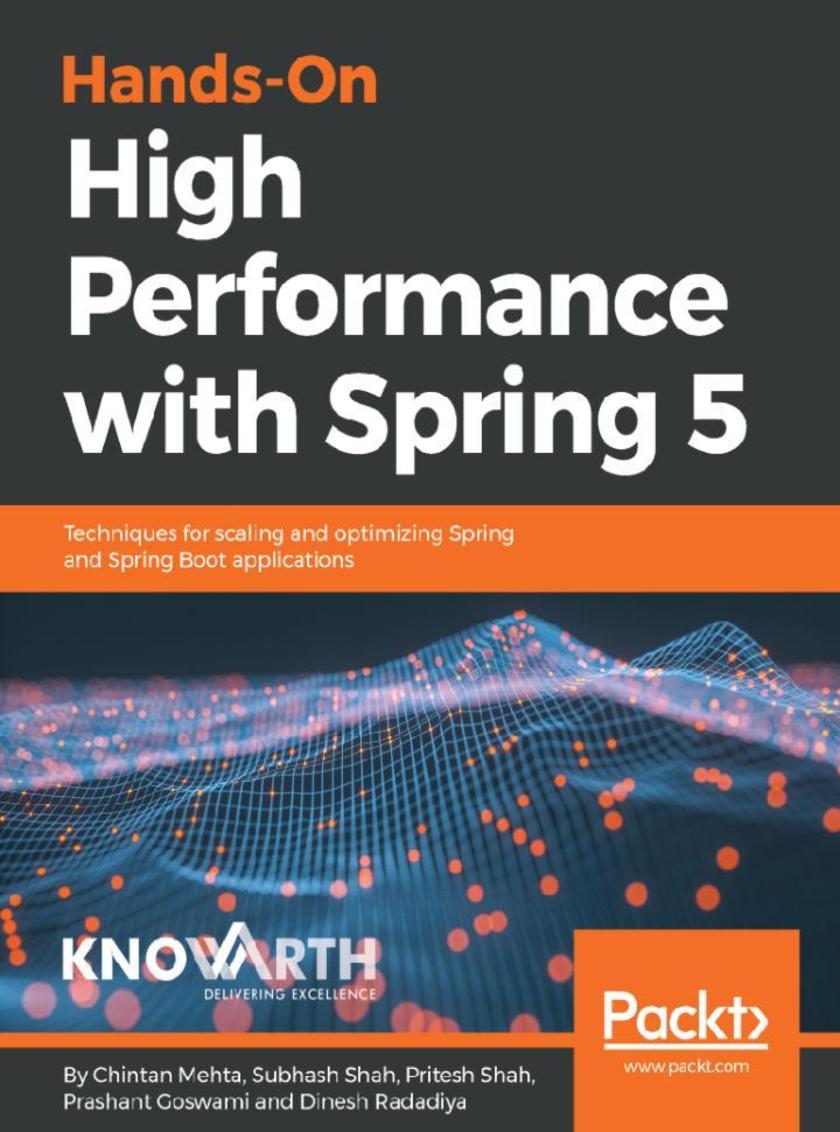
Hands-On High Performance with Spring 5
¥90.46
A hands-on guide to creating, monitoring, and tuning a high performance Spring web application About This Book ? Understand common performance pitfalls and improve your application's performance ? Build and deploy strategies for complex applications using the microservice architecture ? Understand internals of JVM - the core of all Java Runtime Environments Who This Book Is For If you’re a Spring developer who’d like to build high performance applications and have more control over your application's performance in production and development, this book is for you. Some familiarity with Java, Maven, and Eclipse is necessary. What You Will Learn ? Master programming best practices and performance improvement with bean wiring ? Analyze the performance of various AOP implementations ? Explore database interactions with Spring to optimize design and configuration ? Solve Hibernate performance issues and traps ? Leverage multithreading and concurrent programming to improve application performance ? Gain a solid foundation in JVM performance tuning using various tools ? Learn the key concepts of the microservice architecture and how to monitor them ? Perform Spring Boot performance tuning, monitoring, and health checks In Detail While writing an application, performance is paramount. Performance tuning for real-world applications often involves activities geared toward detecting bottlenecks. The recent release of Spring 5.0 brings major advancements in the rich API provided by the Spring framework, which means developers need to master its tools and techniques to achieve high performance applications. Hands-On High Performance with Spring 5 begins with the Spring framework's core features, exploring the integration of different Spring projects. It proceeds to evaluate various Spring specifications to identify those adversely affecting performance. You will learn about bean wiring configurations, aspect-oriented programming, database interaction, and Hibernate to focus on the metrics that help identify performance bottlenecks. You will also look at application monitoring, performance optimization, JVM internals, and garbage collection optimization. Lastly, the book will show you how to leverage the microservice architecture to build a high performance and resilient application. By the end of the book, you will have gained an insight into various techniques and solutions to build and troubleshoot high performance Spring-based applications. Style and approach This book takes a step-by-step approach with focused examples to teach you how to increase application performance.


