


 购物车
购物车 个人中心
个人中心
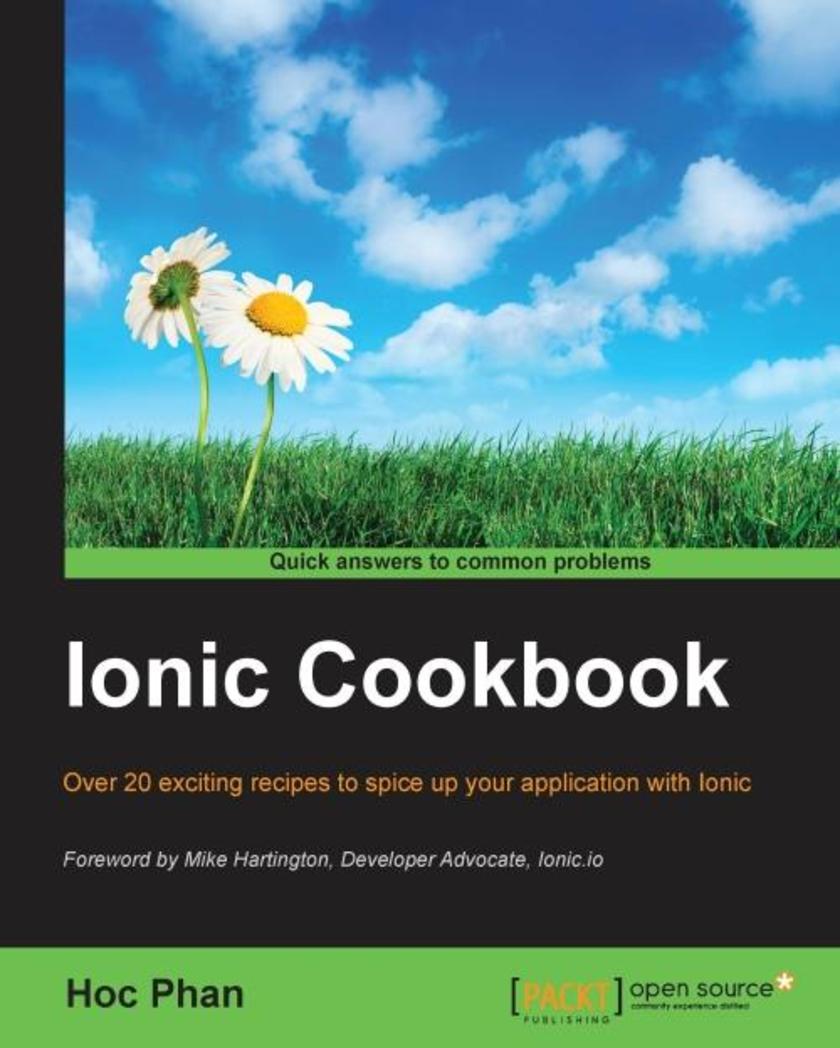
Ionic Cookbook
¥90.46
Over 35 exciting recipes to spice up your application development with IonicAbout This BookLearn how to utilize the robust features of Ionic CLI and its framework to create, develop, and build your mobile appExplore new integrations with various Backend-as-a-Services, along with AngularJS modules, for creative solutionsUse out-of-the-box Ionic functionalities, customize existing components, and add new components with this comprehensive, step-by-step guide Who This Book Is For If you are a front-end developer and want to take advantage of your existing mobile application development skills to develop cross-platform mobile apps, this book is for you. You will build up your Ionic knowledge with in-depth recipes on Angular.js, Cordova, and Sass.What You Will LearnAuthenticate users using an e-mail password, Twitter, Facebook, Google+, and LinkedInRetrieve data and store it using FirebaseAccess native device functionalities such as a camera, contact list, e-mail, and maps using ngCordovaWork with localStorage and SQLite for persistent data access on the client sideCommunicate to and from your app using push notifications or SMSLeverage AngularJS events and Ionic-specific events to communicate across pages, controllers, and directivesCustomize the color and theme of your Ionic appCreate new custom directives as componentsCompile your app for iOS, Android, and Windows Phone In Detail The world of mobile development is extremely fragmented with many platforms, frameworks, and technologies available. Ionic is intended to fill that gap, by enabling developers to build apps that have a native feel to them, using web technologies such as HTML, CSS, and AngularJS. Ionic makes it easy for front-end developers to become app developers. The framework provides superior performance with deep Cordova integration and a comprehensive set of tools for prototyping, backend support, and deployment. Ionic Cookbook takes you through the process of developing a cross-platform mobile app using just HTML5 and the JavaScript-based Ionic. You will start with an introduction to the CLI and then move on to building and running an app. You will explore common features of real-world mobile apps such as authenticating a user, and getting and saving data using either Firebase or Local Storage. Next, the book covers how Ionic integrates with Cordova to support native device features using ngCordova, and you will discover how to take advantage of existing modules around its ecosystem. You will also delve into advanced topics, including how to extend Ionic to create new components. Finally, the book will walk you through customizing the Ionic theme and building the app so that it can be deployed to all platforms.Style and approach This book follows a recipe-based approach to cross-platform mobile app development, where each task is explained in a conversational and easy-to-follow style. Every topic explains individual features or components of Ionic, and provides extra details for readers to come up with custom solutions based on real-world applications.
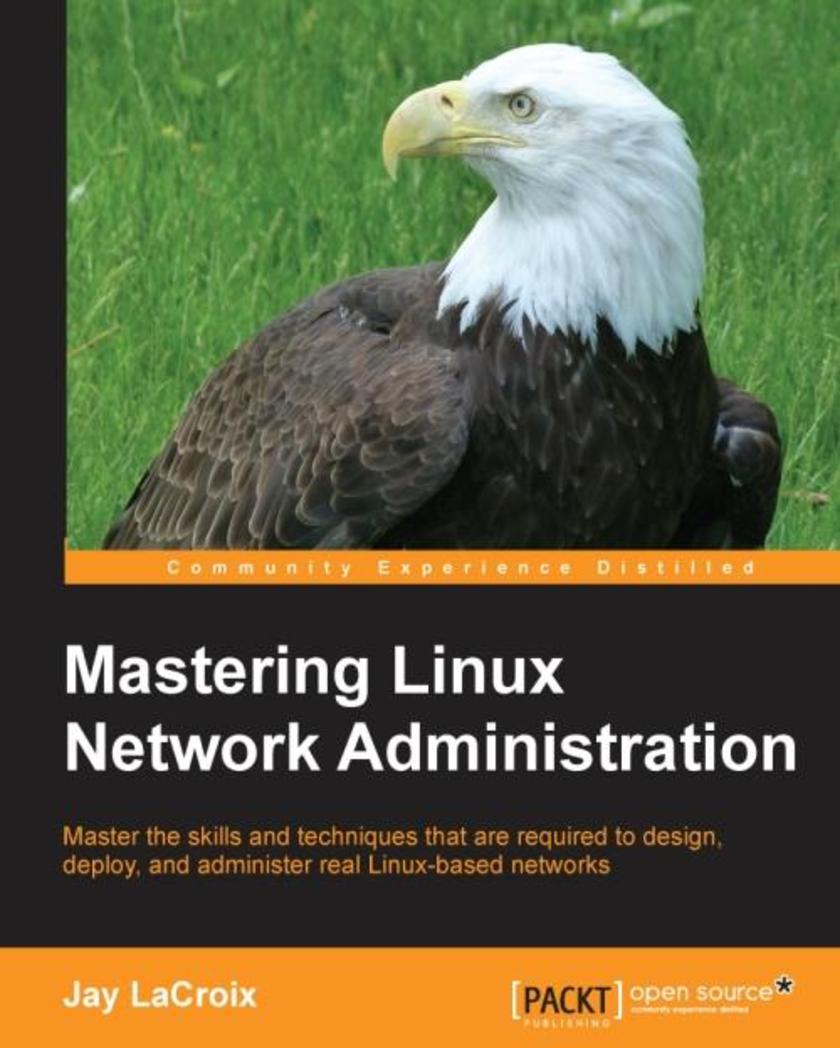
Mastering Linux Network Administration
¥90.46
Master the skills and techniques that are required to design, deploy, and administer real Linux-based networksAbout This BookMaster the art of using Linux and administering network services for enterprise environmentsPerform hands-on activities to reinforce expert-level knowledgeGet full coverage of both the CentOS and Debian systems, including how networking concepts differ for each Who This Book Is For Mastering Linux Network Administration is recommended for those who already understand the basics of using Linux and networking, and would like to push those skills to a higher level through real-world Linux networking scenarios. Whether you intend to run a home office consisting of Linux nodes or a rollout of a Linux network within your organization, this book is a great fit for those that desire to learn how to manage networked systems with the power of Linux.What You Will LearnInstall and configure the Debian and CentOS systemsSet up and configure file serversAdminister networked nodes remotelyDiscover how to monitor system performance for peak healthConfigure network services such as DNS and DHCPHost HTTP content via ApacheTroubleshoot Linux networking issues In Detail Linux is everywhere. Whether you run a home office, a small business, or manage enterprise systems, Linux can empower your network to perform at its very best. Armed with the advanced tools and best practice guidance of this practical guide, you'll be able to mold Linux networks to your will, empowering your systems and their users to take advantage of all that Linux-based networks have to offer. Understand how Linux networks function and get to grips with essential tips and tricks to manage them - whether you're already managing a networks, or even just starting out. With Debian and CentOS as its source, this book will divulge all the details you need to manage a real Linux-based network. With detailed activities and instructions based on real-world scenarios, this book will be your guide to the exciting world of Linux networking.Style and approach This practical guide will walk you through all the core concepts required to manage real Linux-based networks.
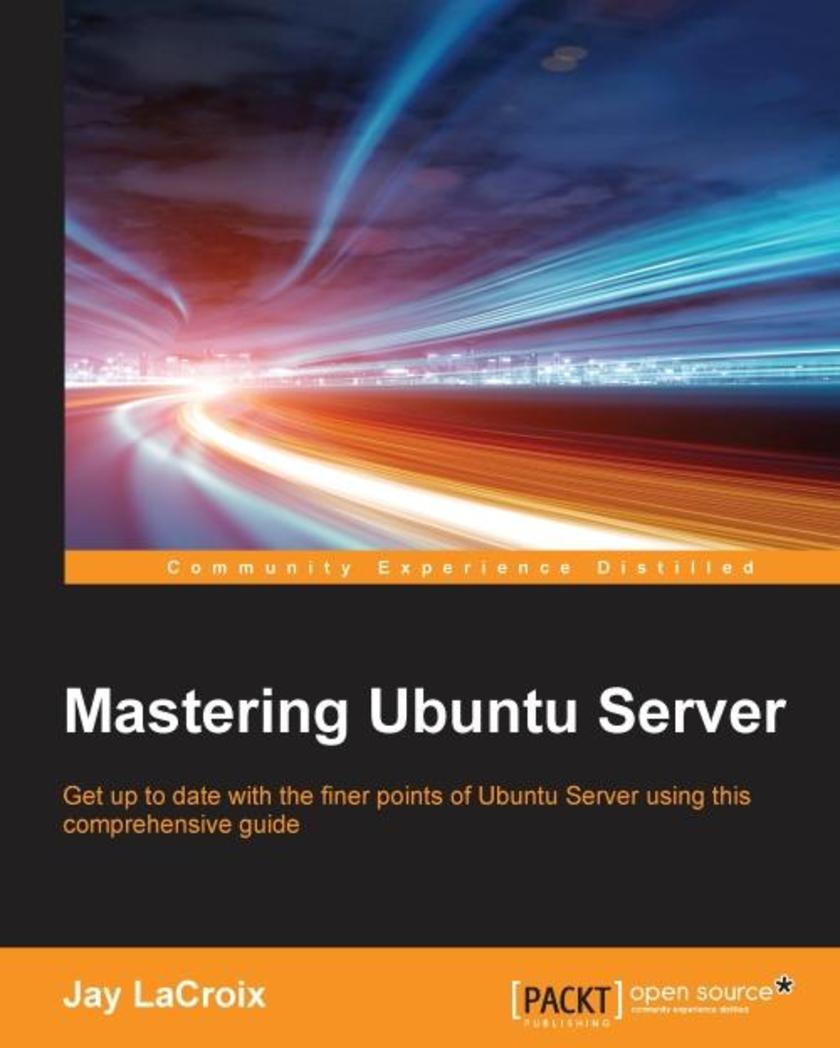
Mastering Ubuntu Server
¥90.46
Get up to date with the finer points of Ubuntu Server using this comprehensive guide About This Book Get well-versed with newly-added features in Ubuntu 16.04 Master the art of installing, managing, and troubleshooting Ubuntu Server A practical easy-to-understand book that will help you enhance your existing skills. Who This Book Is For This book is intended for readers with intermediate or advanced-beginner skills with Linux, who would like to learn all about setting up servers with Ubuntu Server. This book assumes that the reader knows the basics of Linux, such as editing configuration files and running basic commands. What You Will Learn Learn how to manage users, groups, and permissions Encrypt and decrypt disks with Linux Unified Key Setup /Luks Setup SSH for remote access, and connect it to other nodes Understand how to add, remove, and search for packages Use NFS and Samba to share directories with other users Get to know techniques for managing Apache and MariaDB Explore best practices and troubleshooting techniques In Detail Ubuntu is a Debian-based Linux operating system, and has various versions targeted at servers, desktops, phones, tablets and televisions. The Ubuntu Server Edition, also called Ubuntu Server, offers support for several common configurations, and also simplifies common Linux server deployment processes. With this book as their guide, readers will be able to configure and deploy Ubuntu Servers using Ubuntu Server 16.04, with all the skills necessary to manage real servers. The book begins with the concept of user management, group management, as well as file-system permissions. To manage your storage on Ubuntu Server systems, you will learn how to add and format storage and view disk usage. Later, you will also learn how to configure network interfaces, manage IP addresses, deploy Network Manager in order to connect to networks, and manage network interfaces. Furthermore, you will understand how to start and stop services so that you can manage running processes on Linux servers. The book will then demonstrate how to access and share files to or from Ubuntu Servers. You will learn how to create and manage databases using MariaDB and share web content with Apache. To virtualize hosts and applications, you will be shown how to set up KVM/Qemu and Docker and manage virtual machines with virt-manager. Lastly, you will explore best practices and troubleshooting techniques when working with Ubuntu Servers. By the end of the book, you will be an expert Ubuntu Server user well-versed in its advanced concepts. Style and Approach This book is an advanced guide that will show readers how to administer, manage, and deploy Ubuntu server and will also provide expert-level knowledge on advanced security and backup techniques.
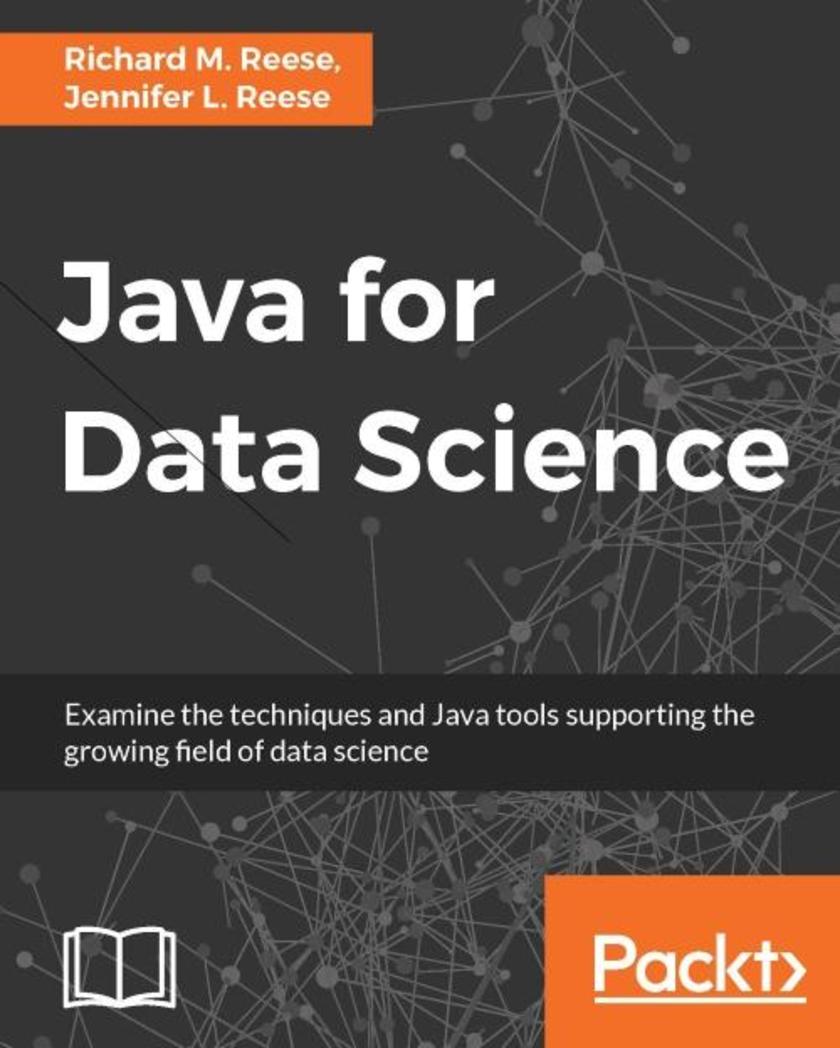
Java for Data Science
¥90.46
Examine the techniques and Java tools supporting the growing field of data science About This Book Your entry ticket to the world of data science with the stability and power of Java Explore, analyse, and visualize your data effectively using easy-to-follow examples Make your Java applications more capable using machine learning Who This Book Is For This book is for Java developers who are comfortable developing applications in Java. Those who now want to enter the world of data science or wish to build intelligent applications will find this book ideal. Aspiring data scientists will also find this book very helpful. What You Will Learn Understand the nature and key concepts used in the field of data science Grasp how data is collected, cleaned, and processed Become comfortable with key data analysis techniques See specialized analysis techniques centered on machine learning Master the effective visualization of your data Work with the Java APIs and techniques used to perform data analysis In Detail Data science is concerned with extracting knowledge and insights from a wide variety of data sources to analyse patterns or predict future behaviour. It draws from a wide array of disciplines including statistics, computer science, mathematics, machine learning, and data mining. In this book, we cover the important data science concepts and how they are supported by Java, as well as the often statistically challenging techniques, to provide you with an understanding of their purpose and application. The book starts with an introduction of data science, followed by the basic data science tasks of data collection, data cleaning, data analysis, and data visualization. This is followed by a discussion of statistical techniques and more advanced topics including machine learning, neural networks, and deep learning. The next section examines the major categories of data analysis including text, visual, and audio data, followed by a discussion of resources that support parallel implementation. The final chapter illustrates an in-depth data science problem and provides a comprehensive, Java-based solution. Due to the nature of the topic, simple examples of techniques are presented early followed by a more detailed treatment later in the book. This permits a more natural introduction to the techniques and concepts presented in the book. Style and approach This book follows a tutorial approach, providing examples of each of the major concepts covered. With a step-by-step instructional style, this book covers various facets of data science and will get you up and running quickly.
Mastering Zendesk
¥90.46
Master the art of providing effective IT services to your customers by leveraging Zendesk About This Book Deep dive into the functionalities of Zendesk and improve your organization's customer services Learn how to expand the capabilities of Zendesk by integrating and extending it with third-party tools A master level guide that manages tickets, channels, and workflows along with advanced security features Who This Book Is For This book is for proficient Zendesk administrators who want to unlock the full potential of their Zendesk environment by gaining a deeper understanding of Zendesk's advanced customization options. What You Will Learn Customize ticket channels such as Email, Twitter, Facebook, and Web-Widget Add business rules to create a more effective and automated Zendesk environment Use Zendesk apps to add more functionality to the Zendesk setup Extend Zendesk with JIRA and Salesforce Create custom metrics within GoodData in order to set up customized and automated reports Learn how to secure and troubleshoot Zendesk In Detail Zendesk is a cloud-based customer service solution that is widely used because it is easy, efficienct, flexible, and low cost. It is highly scalable and is great for organizations of all sizes. If you're a Zendesk administrator and are looking to explore advanced-level concepts, then this book is for you. It covers the core functionalities such as managing users, groups, and the organization, and creating and adding custom fields. You will learn how to add customized ticket channels to your account. Then, you will focus on customizing business rules and extending Zendesk with JIRA and Salesforce. Towards the end, the book emphasizes security and troubleshooting aspects as well as providing tips and tricks to create a more efficient support environment. By the end of this book, you will be able to turn a basic Zendesk setup into a highly customized working environment. Style and approach This advanced guide provides easy to understand examples to ensure you gain expertise with Zendesk.
Artificial Intelligence with Python
¥90.46
Build real-world Artificial Intelligence applications with Python to intelligently interact with the world around you About This Book Step into the amazing world of intelligent apps using this comprehensive guide Enter the world of Artificial Intelligence, explore it, and create your own applications Work through simple yet insightful examples that will get you up and running with Artificial Intelligence in no time Who This Book Is For This book is for Python developers who want to build real-world Artificial Intelligence applications. This book is friendly to Python beginners, but being familiar with Python would be useful to play around with the code. It will also be useful for experienced Python programmers who are looking to use Artificial Intelligence techniques in their existing technology stacks. What You Will Learn Realize different classification and regression techniques Understand the concept of clustering and how to use it to automatically segment data See how to build an intelligent recommender system Understand logic programming and how to use it Build automatic speech recognition systems Understand the basics of heuristic search and genetic programming Develop games using Artificial Intelligence Learn how reinforcement learning works Discover how to build intelligent applications centered on images, text, and time series data See how to use deep learning algorithms and build applications based on it In Detail Artificial Intelligence is becoming increasingly relevant in the modern world where everything is driven by technology and data. It is used extensively across many fields such as search engines, image recognition, robotics, finance, and so on. We will explore various real-world scenarios in this book and you’ll learn about various algorithms that can be used to build Artificial Intelligence applications. During the course of this book, you will find out how to make informed decisions about what algorithms to use in a given context. Starting from the basics of Artificial Intelligence, you will learn how to develop various building blocks using different data mining techniques. You will see how to implement different algorithms to get the best possible results, and will understand how to apply them to real-world scenarios. If you want to add an intelligence layer to any application that’s based on images, text, stock market, or some other form of data, this exciting book on Artificial Intelligence will definitely be your guide! Style and approach This highly practical book will show you how to implement Artificial Intelligence. The book provides multiple examples enabling you to create smart applications to meet the needs of your organization. In every chapter, we explain an algorithm, implement it, and then build a smart application.
Microservices Deployment Cookbook
¥90.46
Master over 60 recipes to help you deliver complete, scalable, microservice-based solutions and see the improved business results immediately About This Book Adopt microservices-based architecture and deploy it at scale Build your complete microservice architecture using different recipes for different solutions Identify specific tools for specific scenarios and deliver immediate business results, correlate use cases, and adopt them in your team and organization Who This Book Is For This book is for developers, ops, and DevOps professionals who would like to put microservices to work and improve products, services, and operations. Those looking to build and deploy microservices will find this book useful, as well as managers and people at CXO level looking to adopt microservices in their organization. Prior knowledge of Java is expected. No prior knowledge of microservices is assumed. What You Will Learn Build microservices using Spring Boot, Wildfly Swarm, Dropwizard, and SparkJava Containerize your microservice using Docker Deploy microservices using Mesos/Marathon and Kubernetes Implement service discovery and load balancing using Zookeeper, Consul, and Nginx Monitor microservices using Graphite and Grafana Write stream programs with Kafka Streams and Spark Aggregate and manage logs using Kafka Get introduced to DC/OS, Docker Swarm, and YARN In Detail This book will help any team or organization understand, deploy, and manage microservices at scale. It is driven by a sample application, helping you gradually build a complete microservice-based ecosystem. Rather than just focusing on writing a microservice, this book addresses various other microservice-related solutions: deployments, clustering, load balancing, logging, streaming, and monitoring. The initial chapters offer insights into how web and enterprise apps can be migrated to scalable microservices. Moving on, you’ll see how to Dockerize your application so that it is ready to be shipped and deployed. We will look at how to deploy microservices on Mesos and Marathon and will also deploy microservices on Kubernetes. Next, you will implement service discovery and load balancing for your microservices. We’ll also show you how to build asynchronous streaming systems using Kafka Streams and Apache Spark. Finally, we wind up by aggregating your logs in Kafka, creating your own metrics, and monitoring the metrics for the microservice. Style and approach This book follows a recipe-driven approach and shows you how to plug and play with all the various pieces, putting them together to build a complete scalable microservice ecosystem. You do not need to study the chapters in order, as you can directly refer to the content you need for your situation.
HBase High Performance Cookbook
¥90.46
Exciting projects that will teach you how complex data can be exploited to gain maximum insights About This Book Architect a good HBase cluster for a very large distributed system Get to grips with the concepts of performance tuning with HBase A practical guide full of engaging recipes and attractive screenshots to enhance your system’s performance Who This Book Is For This book is intended for developers and architects who want to know all about HBase at a hands-on level. This book is also for big data enthusiasts and database developers who have worked with other NoSQL databases and now want to explore HBase as another futuristic scalable database solution in the big data space. What You Will Learn Configure HBase from a high performance perspective Grab data from various RDBMS/Flat files into the HBASE systems Understand table design and perform CRUD operations Find out how the communication between the client and server happens in HBase Grasp when to use and avoid MapReduce and how to perform various tasks with it Get to know the concepts of scaling with HBase through practical examples Set up Hbase in the Cloud for a small scale environment Integrate HBase with other tools including ElasticSearch In Detail Apache HBase is a non-relational NoSQL database management system that runs on top of HDFS. It is an open source, disturbed, versioned, column-oriented store and is written in Java to provide random real-time access to big Data. We’ll start off by ensuring you have a solid understanding the basics of HBase, followed by giving you a thorough explanation of architecting a HBase cluster as per our project specifications. Next, we will explore the scalable structure of tables and we will be able to communicate with the HBase client. After this, we’ll show you the intricacies of MapReduce and the art of performance tuning with HBase. Following this, we’ll explain the concepts pertaining to scaling with HBase. Finally, you will get an understanding of how to integrate HBase with other tools such as ElasticSearch. By the end of this book, you will have learned enough to exploit HBase for boost system performance. Style and approach This book is intended for software quality assurance/testing professionals, software project managers, or software developers with prior experience in using Selenium and Java to test web-based applications. This books also provides examples for C#, Python, and Ruby users.
Mastering Data Mining with Python – Find patterns hidden in your data
¥90.46
Learn how to create more powerful data mining applications with this comprehensive Python guide to advance data analytics techniques About This Book Dive deeper into data mining with Python – don’t be complacent, sharpen your skills! From the most common elements of data mining to cutting-edge techniques, we’ve got you covered for any data-related challenge Become a more fluent and confident Python data-analyst, in full control of its extensive range of libraries Who This Book Is For This book is for data scientists who are already familiar with some basic data mining techniques such as SQL and machine learning, and who are comfortable with Python. If you are ready to learn some more advanced techniques in data mining in order to become a data mining expert, this is the book for you! What You Will Learn Explore techniques for finding frequent itemsets and association rules in large data sets Learn identification methods for entity matches across many different types of data Identify the basics of network mining and how to apply it to real-world data sets Discover methods for detecting the sentiment of text and for locating named entities in text Observe multiple techniques for automatically extracting summaries and generating topic models for text See how to use data mining to fix data anomalies and how to use machine learning to identify outliers in a data set In Detail Data mining is an integral part of the data science pipeline. It is the foundation of any successful data-driven strategy – without it, you'll never be able to uncover truly transformative insights. Since data is vital to just about every modern organization, it is worth taking the next step to unlock even greater value and more meaningful understanding. If you already know the fundamentals of data mining with Python, you are now ready to experiment with more interesting, advanced data analytics techniques using Python's easy-to-use interface and extensive range of libraries. In this book, you'll go deeper into many often overlooked areas of data mining, including association rule mining, entity matching, network mining, sentiment analysis, named entity recognition, text summarization, topic modeling, and anomaly detection. For each data mining technique, we'll review the state-of-the-art and current best practices before comparing a wide variety of strategies for solving each problem. We will then implement example solutions using real-world data from the domain of software engineering, and we will spend time learning how to understand and interpret the results we get. By the end of this book, you will have solid experience implementing some of the most interesting and relevant data mining techniques available today, and you will have achieved a greater fluency in the important field of Python data analytics. Style and approach This book will teach you the intricacies in applying data mining using real-world scenarios and will act as a very practical solution to your data mining needs.
Practical Business Intelligence
¥90.46
Learn to get the most out of your business data to optimize your business About This Book This book will enable and empower you to break free of the shackles of spreadsheets Learn to make informed decisions using the data at hand with this highly practical, comprehensive guide This book includes real-world use cases that teach you how analytics can be put to work to optimize your business Using a fictional transactional dataset in raw form, you’ll work your way up to ultimately creating a fully-functional warehouse and a fleshed-out BI platform Who This Book Is For This book is for anyone who has wrangled with data to try to perform automated data analysis through visualizations for themselves or their customers. This highly-customized guide is for developers who know a bit about analytics but don't know how to make use of it in the field of business intelligence. What You Will Learn Create a BI environment that enables self-service reporting Understand SQL and the aggregation of data Develop a data model suitable for analytical reporting Connect a data warehouse to the analytic reporting tools Understand the specific benefits behind visualizations with D3.js, R, Tableau, QlikView, and Python Get to know the best practices to develop various reports and applications when using BI tools Explore the field of data analysis with all the data we will use for reporting In Detail Business Intelligence (BI) is at the crux of revolutionizing enterprise. Everyone wants to minimize losses and maximize profits. Thanks to Big Data and improved methodologies to analyze data, Data Analysts and Data Scientists are increasingly using data to make informed decisions. Just knowing how to analyze data is not enough, you need to start thinking how to use data as a business asset and then perform the right analysis to build an insightful BI solution. Efficient BI strives to achieve the automation of data for ease of reporting and analysis. Through this book, you will develop the ability to think along the right lines and use more than one tool to perform analysis depending on the needs of your business. We start off by preparing you for data analytics. We then move on to teach you a range of techniques to fetch important information from various databases, which can be used to optimize your business. The book aims to provide a full end-to-end solution for an environment setup that can help you make informed business decisions and deliver efficient and automated BI solutions to any company. It is a complete guide for implementing Business intelligence with the help of the most powerful tools like D3.js, R, Tableau, Qlikview and Python that are available on the market. Style and approach Packed with real-world examples, this pragmatic guide helps you polish your data and make informed decisions for your business. We cover both business and data analysis perspectives, blending theory and practical hands-on work so that you perceive data as a business asset.
Mastering Metasploit - Second Edition
¥90.46
Take your penetration testing and IT security skills to a whole new level with the secrets of Metasploit About This Book Gain the skills to carry out penetration testing in complex and highly-secured environments Become a master using the Metasploit framework, develop exploits, and generate modules for a variety of real-world scenarios Get this completely updated edition with new useful methods and techniques to make your network robust and resilient Who This Book Is For This book is a hands-on guide to penetration testing using Metasploit and covers its complete development. It shows a number of techniques and methodologies that will help you master the Metasploit framework and explore approaches to carrying out advanced penetration testing in highly secured environments. What You Will Learn Develop advanced and sophisticated auxiliary modules Port exploits from PERL, Python, and many more programming languages Test services such as databases, SCADA, and many more Attack the client side with highly advanced techniques Test mobile and tablet devices with Metasploit Perform social engineering with Metasploit Simulate attacks on web servers and systems with Armitage GUI Script attacks in Armitage using CORTANA *ing In Detail Metasploit is a popular penetration testing framework that has one of the largest exploit databases around. This book will show you exactly how to prepare yourself against the attacks you will face every day by simulating real-world possibilities. We start by reminding you about the basic functionalities of Metasploit and its use in the most traditional ways. You’ll get to know about the basics of programming Metasploit modules as a refresher, and then dive into carrying out exploitation as well building and porting exploits of various kinds in Metasploit. In the next section, you’ll develop the ability to perform testing on various services such as SCADA, databases, IoT, mobile, tablets, and many more services. After this training, we jump into real-world sophisticated scenarios where performing penetration tests are a challenge. With real-life case studies, we take you on a journey through client-side attacks using Metasploit and various *s built on the Metasploit framework. By the end of the book, you will be trained specifically on time-saving techniques using Metasploit. Style and approach This is a step-by-step guide that provides great Metasploit framework methodologies. All the key concepts are explained details with the help of examples and demonstrations that will help you understand everything you need to know about Metasploit.
Infrastructure as Code (IAC) Cookbook
¥90.46
Over 90 practical, actionable recipes to automate, test, and manage your infrastructure quickly and effectively About This Book Bring down your delivery timeline from days to hours by treating your server configurations and VMs as code, just like you would with software code. Take your existing knowledge and skill set with your existing tools (Puppet, Chef, or Docker) to the next level and solve IT infrastructure challenges. Use practical recipes to use code to provision and deploy servers and applications and have greater control of your infrastructure. Who This Book Is For This book is for DevOps engineers and developers working in cross-functional teams or operations and would now switch to IAC to manage complex infrastructures. What You Will Learn Provision local and remote development environments with Vagrant Automate production infrastructures with Terraform, Ansible and Cloud-init on AWS, OpenStack, Google Cloud, Digital Ocean, and more Manage and test automated systems using Chef and Puppet Build, ship, and debug optimized Docker containers Explore the best practices to automate and test everything from cloud infrastructures to operating system configuration In Detail Infrastructure as Code (IAC) is a key aspect of the DevOps movement, and this book will show you how to transform the way you work with your infrastructure—by treating it as software. This book is dedicated to helping you discover the essentials of infrastructure automation and its related practices; the over 90 organized practical solutions will demonstrate how to work with some of the very best tools and cloud solutions. You will learn how to deploy repeatable infrastructures and services on AWS, OpenStack, Google Cloud, and Digital Ocean. You will see both Ansible and Terraform in action, manipulate the best bits from cloud-init to easily bootstrap instances, and simulate consistent environments locally or remotely using Vagrant. You will discover how to automate and test a range of system tasks using Chef or Puppet. You will also build, test, and debug various Docker containers having developers’ interests in mind. This book will help you to use the right tools, techniques, and approaches to deliver working solutions for today’s modern infrastructure challenges. Style and approach This is a recipe-based book that allows you to venture into some of the most cutting-edge practices and techniques about IAC and solve immediate problems when trying to implement them.
Mastering Elasticsearch 5.x - Third Edition
¥90.46
Master the intricacies of Elasticsearch 5 and use it to create flexible and scalable search solutions About This Book Master the searching, indexing, and aggregation features in ElasticSearch Improve users’ search experience with Elasticsearch’s functionalities and develop your own Elasticsearch plugins A comprehensive, step-by-step guide to master the intricacies of ElasticSearch with ease Who This Book Is For If you have some prior working experience with Elasticsearch and want to take your knowledge to the next level, this book will be the perfect resource for you.If you are a developer who wants to implement scalable search solutions with Elasticsearch, this book will also help you. Some basic knowledge of the query DSL and data indexing is required to make the best use of this book. What You Will Learn Understand Apache Lucene and Elasticsearch 5’s design and architecture Use and configure the new and improved default text scoring mechanism in Apache Lucene 6 Know how to overcome the pitfalls while handling relational data in Elasticsearch Learn about choosing the right queries according to the use cases and master the *ing module including new default *ing language, painlessly Explore the right way of scaling production clusters to improve the performance of Elasticsearch Master the searching, indexing, and aggregation features in Elasticsearch Develop your own Elasticsearch plugins to extend the functionalities of Elasticsearch In Detail Elasticsearch is a modern, fast, distributed, scalable, fault tolerant, and open source search and analytics engine. Elasticsearch leverages the capabilities of Apache Lucene, and provides a new level of control over how you can index and search even huge sets of data. This book will give you a brief recap of the basics and also introduce you to the new features of Elasticsearch 5. We will guide you through the intermediate and advanced functionalities of Elasticsearch, such as querying, indexing, searching, and modifying data. We’ll also explore advanced concepts, including aggregation, index control, sharding, replication, and clustering. We’ll show you the modules of monitoring and administration available in Elasticsearch, and will also cover backup and recovery. You will get an understanding of how you can scale your Elasticsearch cluster to contextualize it and improve its performance. We’ll also show you how you can create your own analysis plugin in Elasticsearch. By the end of the book, you will have all the knowledge necessary to master Elasticsearch and put it to efficient use. Style and approach This comprehensive guide covers intermediate and advanced concepts in Elasticsearch as well as their implementation. An easy-to-follow approach means you’ll be able to master even advanced querying, searching, and administration tasks with ease.
Go Design Patterns
¥90.46
Learn idiomatic, efficient, clean, and extensible Go design and concurrency patterns by using TDD About This Book A highly practical guide filled with numerous examples unleashing the power of design patterns with Go. Discover an introduction of the CSP concurrency model by explaining GoRoutines and channels. Get a full explanation, including comprehensive text and examples, of all known GoF design patterns in Go. Who This Book Is For The target audience is both beginner- and advanced-level developers in the Go programming language. No knowledge of design patterns is expected. What You Will Learn All basic syntax and tools needed to start coding in Go Encapsulate the creation of complex objects in an idiomatic way in Go Create unique instances that cannot be duplicated within a program Understand the importance of object encapsulation to provide clarity and maintainability Prepare cost-effective actions so that different parts of the program aren’t affected by expensive tasks Deal with channels and GoRoutines within the Go context to build concurrent application in Go in an idiomatic way In Detail Go is a multi-paradigm programming language that has built-in facilities to create concurrent applications. Design patterns allow developers to efficiently address common problems faced during developing applications. Go Design Patterns will provide readers with a reference point to software design patterns and CSP concurrency design patterns to help them build applications in a more idiomatic, robust, and convenient way in Go. The book starts with a brief introduction to Go programming essentials and quickly moves on to explain the idea behind the creation of design patterns and how they appeared in the 90’s as a common "language" between developers to solve common tasks in object-oriented programming languages. You will then learn how to apply the 23 Gang of Four (GoF) design patterns in Go and also learn about CSP concurrency patterns, the "killer feature" in Go that has helped Google develop software to maintain thousands of servers. With all of this the book will enable you to understand and apply design patterns in an idiomatic way that will produce concise, readable, and maintainable software. Style and approach This book will teach widely used design patterns and best practices with Go in a step-by-step manner. The code will have detailed examples, to allow programmers to apply design patterns in their day-to-day coding.
Containerization with LXC
¥90.46
Get acquainted with the world of LXC About This Book Get the most practical and up-to-date resource on LXC and take full advantage of what Linux containers can offer in the day-to-day operations of large-scale applications Learn how to deploy and administer various workloads such as web applications inside LXC Save your organization time and money by building robust and secure containers and by speeding the deployment process of your software Who This Book Is For This book is for Linux engineers and software developers who are looking to deploy applications in a fast, secure, and scalable way for use in testing and production. What You Will Learn Deep dive into the foundations of Linux containers with kernel namespaces and cgroups Install, configure, and administer Linux containers with LXC and libvirt Begin writing applications using Python libvirt bindings Take an in-depth look at container networking Set up monitoring and security with LXC Build and deploy a highly available application with LXC in the cloud In Detail In recent years, containers have gained wide adoption by businesses running a variety of application loads. This became possible largely due to the advent of kernel namespaces and better resource management with control groups (cgroups). Linux containers (LXC) are a direct implementation of those kernel features that provide operating system level virtualization without the overhead of a hypervisor layer. This book starts by introducing the foundational concepts behind the implementation of LXC, then moves into the practical aspects of installing and configuring LXC containers. Moving on, you will explore container networking, security, and backups. You will also learn how to deploy LXC with technologies like Open Stack and Vagrant. By the end of the book, you will have a solid grasp of how LXC is implemented and how to run production applications in a highly available and scalable way. Style and approach A practical guide that introduces the core technologies behind Linux containers and provides a deep dive into installation, configuration, and operations of LXC.
Mastering SaltStack - Second Edition
¥90.46
Take charge of SaltStack to automate and configure your enterprise-grade environments About This Book Automate tasks effectively and take charge of your infrastructure Effectively scale Salt to manage thousands of machines and tackle everyday problems Explore Salt’s inner workings and advance your knowledge of it Who This Book Is For This book is ideal for IT professionals and ops engineers who already manage groups of servers, but would like to expand their knowledge and gain expertise with SaltStack. This book explains the advanced features and concepts of Salt. A basic knowledge of Salt is required in order to get to grips with advanced Salt features. What You Will Learn Automate tasks effectively, so that your infrastructure can run itself Start building more complex concepts Master user-level internals Build scaling strategies Explore monitoring strategies Learn how to troubleshoot Salt and its subcomponents Explore best practices for Salt In Detail SaltStack is a powerful configuration management and automation suite designed to manage servers and tens of thousands of nodes. This book showcases Salt as a very powerful automation framework. We will review the fundamental concepts to get you in the right frame of mind, and then explore Salt in much greater depth. You will explore Salt SSH as a powerful tool and take Salt Cloud to the next level. Next, you’ll master using Salt services with ease in your infrastructure. You will discover methods and strategies to scale your infrastructure properly. You will also learn how to use Salt as a powerful monitoring tool. By the end of this book, you will have learned troubleshooting tips and best practices to make the entire process of using Salt pain-free and easy. Style and approach This book follows a step-by-step conversational tone. Topics are covered in detail through examples and a user-friendly approach.
Bayesian Analysis with Python
¥90.46
Unleash the power and flexibility of the Bayesian framework About This Book Simplify the Bayes process for solving complex statistical problems using Python; Tutorial guide that will take the you through the journey of Bayesian analysis with the help of sample problems and practice exercises; Learn how and when to use Bayesian analysis in your applications with this guide. Who This Book Is For Students, researchers and data scientists who wish to learn Bayesian data analysis with Python and implement probabilistic models in their day to day projects. Programming experience with Python is essential. No previous statistical knowledge is assumed. What You Will Learn Understand the essentials Bayesian concepts from a practical point of view Learn how to build probabilistic models using the Python library PyMC3 Acquire the skills to sanity-check your models and modify them if necessary Add structure to your models and get the advantages of hierarchical models Find out how different models can be used to answer different data analysis questions When in doubt, learn to choose between alternative models. Predict continuous target outcomes using regression analysis or assign classes using logistic and softmax regression. Learn how to think probabilistically and unleash the power and flexibility of the Bayesian framework In Detail The purpose of this book is to teach the main concepts of Bayesian data analysis. We will learn how to effectively use PyMC3, a Python library for probabilistic programming, to perform Bayesian parameter estimation, to check models and validate them. This book begins presenting the key concepts of the Bayesian framework and the main advantages of this approach from a practical point of view. Moving on, we will explore the power and flexibility of generalized linear models and how to adapt them to a wide array of problems, including regression and classification. We will also look into mixture models and clustering data, and we will finish with advanced topics like non-parametrics models and Gaussian processes. With the help of Python and PyMC3 you will learn to implement, check and expand Bayesian models to solve data analysis problems. Style and approach Bayes algorithms are widely used in statistics, machine learning, artificial intelligence, and data mining. This will be a practical guide allowing the readers to use Bayesian methods for statistical modelling and analysis using Python.
Implementing VMware Horizon 7.7
¥90.46
Effectively implement features and components for any computing environment Key Features *Explore the latest features of VMware Horizon 7.7 *Virtualize your desktop infrastructure using new features introduced in Horizon *Implement App Volumes and User Environment Manager in your infrastructure Book Description This third edition of Implementing VMware Horizon 7.7 has been updated to get you up to speed with VMware Horizon 7.7 by showing you how to use its key features and deploying an end-user computing infrastructure for your own organization. The book begins by guiding you on how to deploy all the core requirements for a VMware Horizon infrastructure. It then moves on to show you how to provision and administer end-user computing resources using VMware Horizon. You’ll not only be able to deploy the core VMware Horizon features, but you’ll also be able to implement new features, such as the Just-in-Time Management Platform (JMP) and the Horizon Console. You’ll also focus on the latest features and components of the Horizon platform and learn when and how they are used. By the end of the book, you will have developed a solid understanding of how your organization can benefit from the capabilities VMware Horizon offers and how each of its components is implemented. What you will learn *Work with the different products that make up VMware Horizon *Implement a multi-site VMware Horizon Pod using the Cloud Pod Architecture feature *Deploy and configure VMware Horizon’s optional components *Implement and maintain Microsoft RDSH, Horizon Linux, and Windows Desktop Pools and RDSH Application Pools *Configure and manage Horizon remotely using PowerCLI *Learn about the Microsoft Windows Group Policy templates for Horizon *Understand how to manage the SSL certificates for each of the VMware Horizon components Who this book is for If you’re a system administrator, solutions architect, or desktop engineer looking to level up your skills working with VMware's Horizon ecosystem and want to build a successful deployment strategy for desktops and applications, this book is for you.
Blockchain Developer's Guide
¥90.46
Build real-world projects like a smart contract deployment platform, betting apps, wallet services, and much more using blockchain Key Features *Apply blockchain principles and features for making your life and business better *Understand Ethereum for smart contracts and DApp deployment *Tackle current and future challenges and problems relating to blockchain Book Description Blockchain applications provide a single-shared ledger to eliminate trust issues involving multiple stakeholders. It is the main technical innovation of Bitcoin, where it serves as the public ledger for Bitcoin transactions. Blockchain Developer's Guide takes you through the electrifying world of blockchain technology. It begins with the basic design of a blockchain and elaborates concepts, such as Initial Coin Offerings (ICOs), tokens, smart contracts, and other related terminologies. You will then explore the components of Ethereum, such as Ether tokens, transactions, and smart contracts that you need to build simple DApps. Blockchain Developer's Guide also explains why you must specifically use Solidity for Ethereum-based projects and lets you explore different blockchains with easy-to-follow examples. You will learn a wide range of concepts - beginning with cryptography in cryptocurrencies and including ether security, mining, and smart contracts. You will learn how to use web sockets and various API services for Ethereum. By the end of this Learning Path, you will be able to build efficient decentralized applications. This Learning Path includes content from the following Packt products: *Blockchain Quick Reference by Brenn Hill, Samanyu Chopra, Paul Valencourt *Building Blockchain Projects by Narayan Prusty What you will learn *Understand how various components of the blockchain architecture work *Get familiar with cryptography and the mechanics behind blockchain *Apply consensus protocol to determine the business sustainability *Understand what ICOs and crypto-mining are, and how they work Who this book is for Blockchain Developer's Guide is for you if you want to get to grips with the blockchain technology and develop your own distributed applications. It is also designed for those who want to polish their existing knowledge regarding the various pillars of the blockchain ecosystem. Prior exposure to an object-oriented programming language such as JavaScript is needed.
Hands-On Artificial Intelligence for IoT
¥90.46
Build smarter systems by combining artificial intelligence and the Internet of Things—two of the most talked about topics today Key Features * Leverage the power of Python libraries such as TensorFlow and Keras to work with real-time IoT data * Process IoT data and predict outcomes in real time to build smart IoT models * Cover practical case studies on industrial IoT, smart cities, and home automation Book Description There are many applications that use data science and analytics to gain insights from terabytes of data. These apps, however, do not address the challenge of continually discovering patterns for IoT data. In Hands-On Artificial Intelligence for IoT, we cover various aspects of artificial intelligence (AI) and its implementation to make your IoT solutions smarter. This book starts by covering the process of gathering and preprocessing IoT data gathered from distributed sources. You will learn different AI techniques such as machine learning, deep learning, reinforcement learning, and natural language processing to build smart IoT systems. You will also leverage the power of AI to handle real-time data coming from wearable devices. As you progress through the book, techniques for building models that work with different kinds of data generated and consumed by IoT devices such as time series, images, and audio will be covered. Useful case studies on four major application areas of IoT solutions are a key focal point of this book. In the concluding chapters, you will leverage the power of widely used Python libraries, TensorFlow and Keras, to build different kinds of smart AI models. By the end of this book, you will be able to build smart AI-powered IoT apps with confidence. What you will learn * Apply different AI techniques including machine learning and deep learning using TensorFlow and Keras * Access and process data from various distributed sources * Perform supervised and unsupervised machine learning for IoT data * Implement distributed processing of IoT data over Apache Spark using the MLLib and H2O.ai platforms * Forecast time-series data using deep learning methods * Implementing AI from case studies in Personal IoT, Industrial IoT, and Smart Cities * Gain unique insights from data obtained from wearable devices and smart devices Who this book is for If you are a data science professional or a machine learning developer looking to build smart systems for IoT, Hands-On Artificial Intelligence for IoT is for you. If you want to learn how popular artificial intelligence (AI) techniques can be used in the Internet of Things domain, this book will also be of benefit. A basic understanding of machine learning concepts will be required to get the best out of this book.
Learning Python Networking
¥90.46
Achieve improved network programmability and automation by leveraging powerful network programming concepts, algorithms, and tools Key Features * Deal with remote network servers using SSH, FTP, SNMP and LDAP protocols. * Design multi threaded and event-driven architectures for asynchronous servers programming. * Leverage your Python programming skills to build powerful network applications Book Description Network programming has always been a demanding task. With full-featured and well-documented libraries all the way up the stack, Python makes network programming the enjoyable experience it should be. Starting with a walk through of today's major networking protocols, through this book, you'll learn how to employ Python for network programming, how to request and retrieve web resources, and how to extract data in major formats over the web. You will utilize Python for emailing using different protocols, and you'll interact with remote systems and IP and DNS networking. You will cover the connection of networking devices and configuration using Python 3.7, along with cloud-based network management tasks using Python. As the book progresses, socket programming will be covered, followed by how to design servers, and the pros and cons of multithreaded and event-driven architectures. You'll develop practical clientside applications, including web API clients, email clients, SSH, and FTP. These applications will also be implemented through existing web application frameworks. What you will learn * Execute Python modules on networking tools * Automate tasks regarding the analysis and extraction of information from a network * Get to grips with asynchronous programming modules available in Python * Get to grips with IP address manipulation modules using Python programming * Understand the main frameworks available in Python that are focused on web application * Manipulate IP addresses and perform CIDR calculations Who this book is for If you're a Python developer or a system administrator with Python experience and you're looking to take your first steps in network programming, then this book is for you. If you're a network engineer or a network professional aiming to be more productive and efficient in networking programmability and automation then this book would serve as a useful resource. Basic knowledge of Python is assumed.


