


 购物车
购物车 个人中心
个人中心
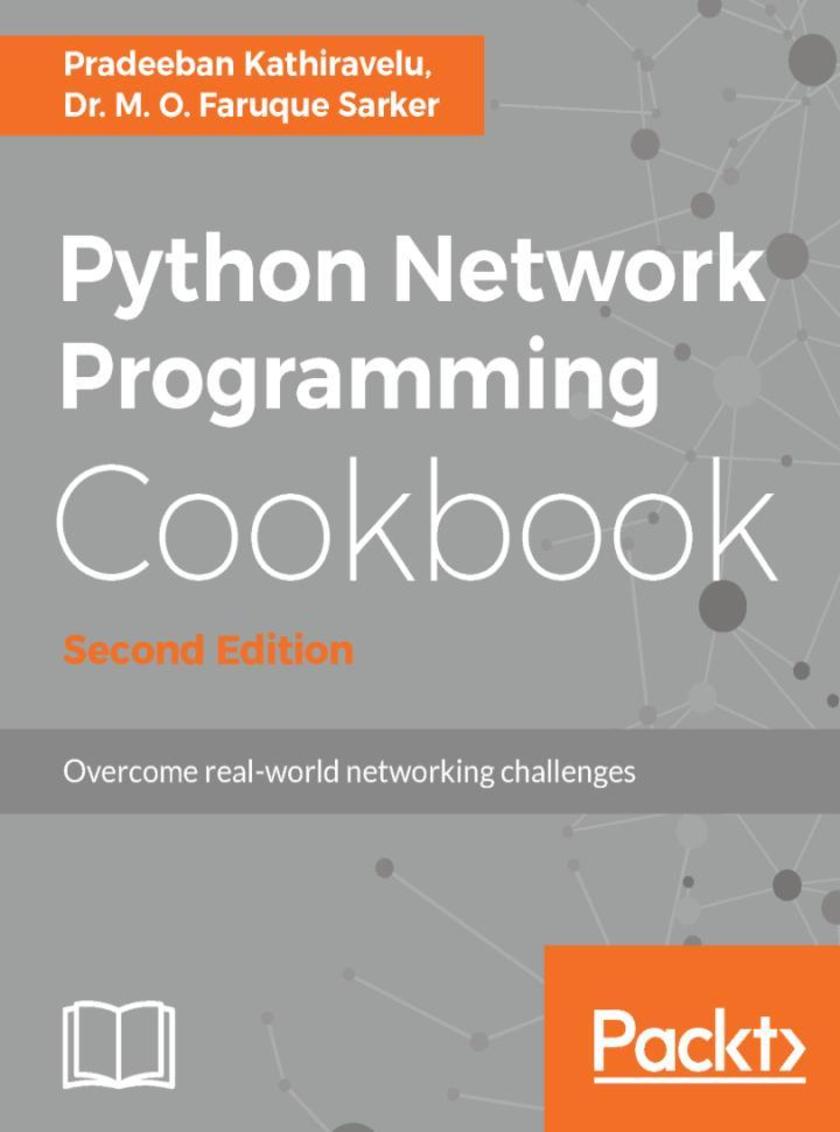
Python Network Programming Cookbook - Second Edition
¥90.46
Discover practical solutions for a wide range of real-world network programming tasks About This Book ? Solve real-world tasks in the area of network programming, system/networking administration, network monitoring, and more. ? Familiarize yourself with the fundamentals and functionalities of SDN ? Improve your skills to become the next-gen network engineer by learning the various facets of Python programming Who This Book Is For This book is for network engineers, system/network administrators, network programmers, and even web application developers who want to solve everyday network-related problems. If you are a novice, you will develop an understanding of the concepts as you progress with this book. What You Will Learn ? Develop TCP/IP networking client/server applications ? Administer local machines' IPv4/IPv6 network interfaces ? Write multi-purpose efficient web clients for HTTP and HTTPS protocols ? Perform remote system administration tasks over Telnet and SSH connections ? Interact with popular websites via web services such as XML-RPC, SOAP, and REST APIs ? Monitor and analyze major common network security vulnerabilities ? Develop Software-Defined Networks with Ryu, OpenDaylight, Floodlight, ONOS, and POX Controllers ? Emulate simple and complex networks with Mininet and its extensions for network and systems emulations ? Learn to configure and build network systems and Virtual Network Functions (VNF) in heterogeneous deployment environments ? Explore various Python modules to program the Internet In Detail Python Network Programming Cookbook - Second Edition highlights the major aspects of network programming in Python, starting from writing simple networking clients to developing and deploying complex Software-Defined Networking (SDN) and Network Functions Virtualization (NFV) systems. It creates the building blocks for many practical web and networking applications that rely on various networking protocols. It presents the power and beauty of Python to solve numerous real-world tasks in the area of network programming, network and system administration, network monitoring, and web-application development. In this edition, you will also be introduced to network modelling to build your own cloud network. You will learn about the concepts and fundamentals of SDN and then extend your network with Mininet. Next, you’ll find recipes on Authentication, Authorization, and Accounting (AAA) and open and proprietary SDN approaches and frameworks. You will also learn to configure the Linux Foundation networking ecosystem and deploy and automate your networks with Python in the cloud and the Internet scale. By the end of this book, you will be able to analyze your network security vulnerabilities using advanced network packet capture and analysis techniques. Style and approach This book follows a practical approach and covers major aspects of network programming in Python. It provides hands-on recipes combined with short and concise explanations on code snippets. This book will serve as a supplementary material to develop hands-on skills in any academic course on network programming. This book further elaborates network softwarization, including Software-Defined Networking (SDN), Network Functions Virtualization (NFV), and orchestration. We learn to configure and deploy enterprise network platforms, develop applications on top of them with Python.
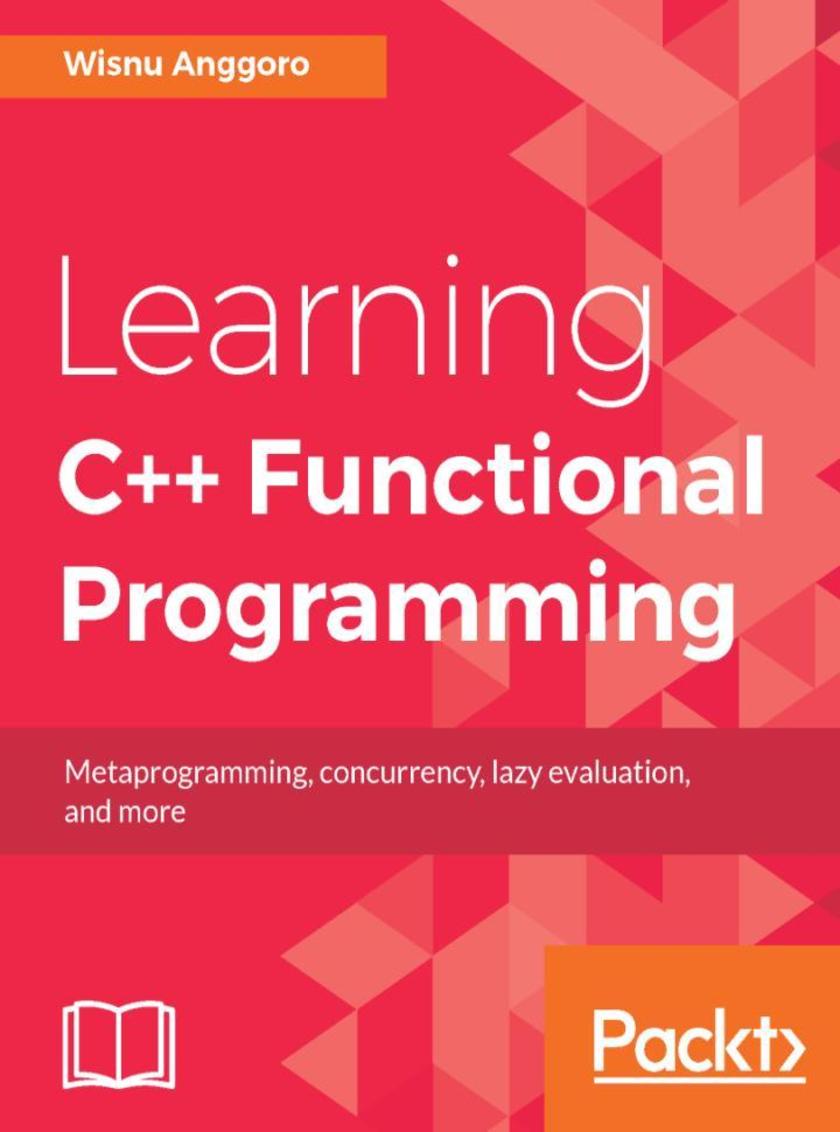
Learning C++ Functional Programming
¥90.46
Apply Functional Programming techniques to C++ to build highly modular, testable, and reusable code About This Book ? Modularize your applications and make them highly reusable and testable ? Get familiar with complex concepts such as metaprogramming, concurrency, and immutability ? A highly practical guide to building functional code in C++ filled with lots of examples and real-world use cases Who This Book Is For This book is for C++ developers comfortable with OOP who are interested in learning how to apply the functional paradigm to create robust and testable apps. What You Will Learn ? Get to know the difference between imperative and functional approaches ? See the use of first-class functions and pure functions in a functional style ? Discover various techniques to apply immutable state to avoid side effects ? Design a recursive algorithm effectively ? Create faster programs using lazy evaluation ? Structure code using design patterns to make the design process easier ? Use concurrency techniques to develop responsive software ? Learn how to use the C++ Standard Template Library and metaprogramming in a functional way to improve code optimization In Detail Functional programming allows developers to divide programs into smaller, reusable components that ease the creation, testing, and maintenance of software as a whole. Combined with the power of C++, you can develop robust and scalable applications that fulfill modern day software requirements. This book will help you discover all the C++ 17 features that can be applied to build software in a functional way. The book is divided into three modules—the first introduces the fundamentals of functional programming and how it is supported by modern C++. The second module explains how to efficiently implement C++ features such as pure functions and immutable states to build robust applications. The last module describes how to achieve concurrency and apply design patterns to enhance your application’s performance. Here, you will also learn to optimize code using metaprogramming in a functional way. By the end of the book, you will be familiar with the functional approach of programming and will be able to use these techniques on a daily basis. Style and approach This book uses a module-based approach, where each module will cover important aspects of functional programming in C++ and will help you develop efficient and robust applications through gaining a practical understanding.
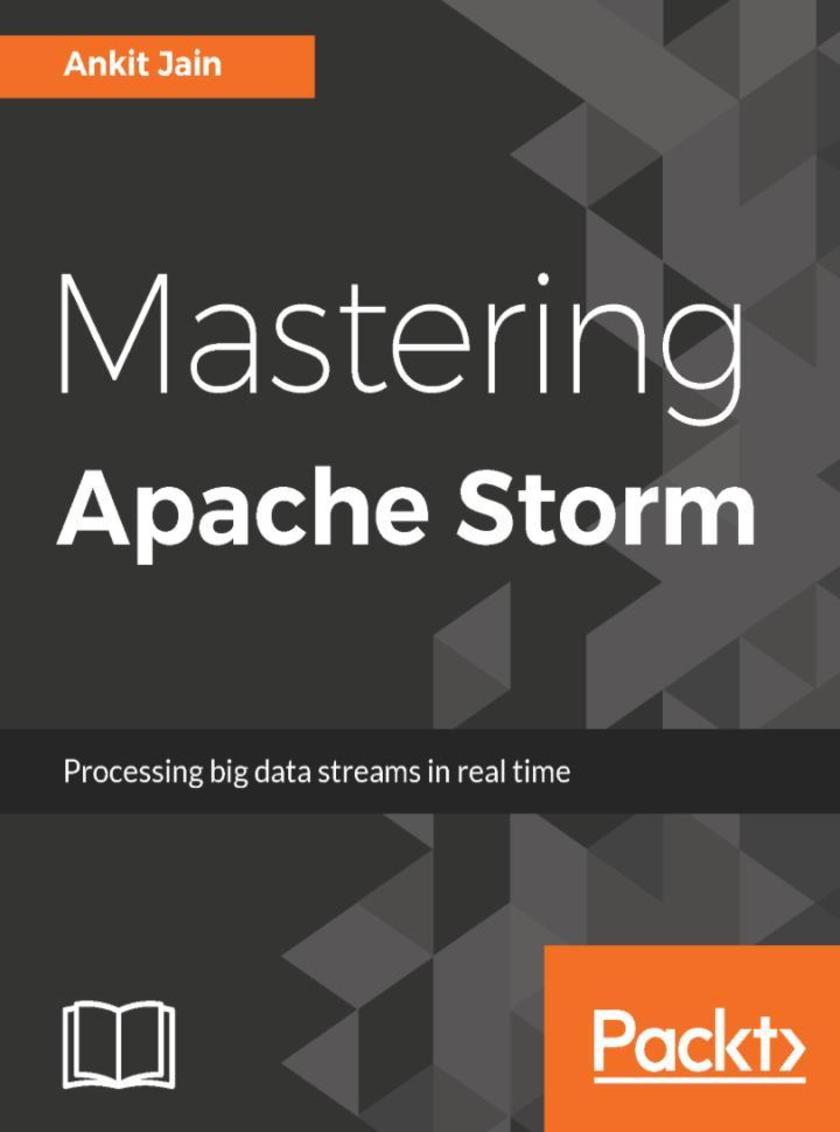
Mastering Apache Storm
¥90.46
Master the intricacies of Apache Storm and develop real-time stream processing applications with ease About This Book ? Exploit the various real-time processing functionalities offered by Apache Storm such as parallelism, data partitioning, and more ? Integrate Storm with other Big Data technologies like Hadoop, HBase, and Apache Kafka ? An easy-to-understand guide to effortlessly create distributed applications with Storm Who This Book Is For If you are a Java developer who wants to enter into the world of real-time stream processing applications using Apache Storm, then this book is for you. No previous experience in Storm is required as this book starts from the basics. After finishing this book, you will be able to develop not-so-complex Storm applications. What You Will Learn ? Understand the core concepts of Apache Storm and real-time processing ? Follow the steps to deploy multiple nodes of Storm Cluster ? Create Trident topologies to support various message-processing semantics ? Make your cluster sharing effective using Storm scheduling ? Integrate Apache Storm with other Big Data technologies such as Hadoop, HBase, Kafka, and more ? Monitor the health of your Storm cluster In Detail Apache Storm is a real-time Big Data processing framework that processes large amounts of data reliably, guaranteeing that every message will be processed. Storm allows you to scale your data as it grows, making it an excellent platform to solve your big data problems. This extensive guide will help you understand right from the basics to the advanced topics of Storm. The book begins with a detailed introduction to real-time processing and where Storm fits in to solve these problems. You’ll get an understanding of deploying Storm on clusters by writing a basic Storm Hello World example. Next we’ll introduce you to Trident and you’ll get a clear understanding of how you can develop and deploy a trident topology. We cover topics such as monitoring, Storm Parallelism, scheduler and log processing, in a very easy to understand manner. You will also learn how to integrate Storm with other well-known Big Data technologies such as HBase, Redis, Kafka, and Hadoop to realize the full potential of Storm. With real-world examples and clear explanations, this book will ensure you will have a thorough mastery of Apache Storm. You will be able to use this knowledge to develop efficient, distributed real-time applications to cater to your business needs. Style and approach This easy-to-follow guide is full of examples and real-world applications to help you get an in-depth understanding of Apache Storm. This book covers the basics thoroughly and also delves into the intermediate and slightly advanced concepts of application development with Apache Storm.
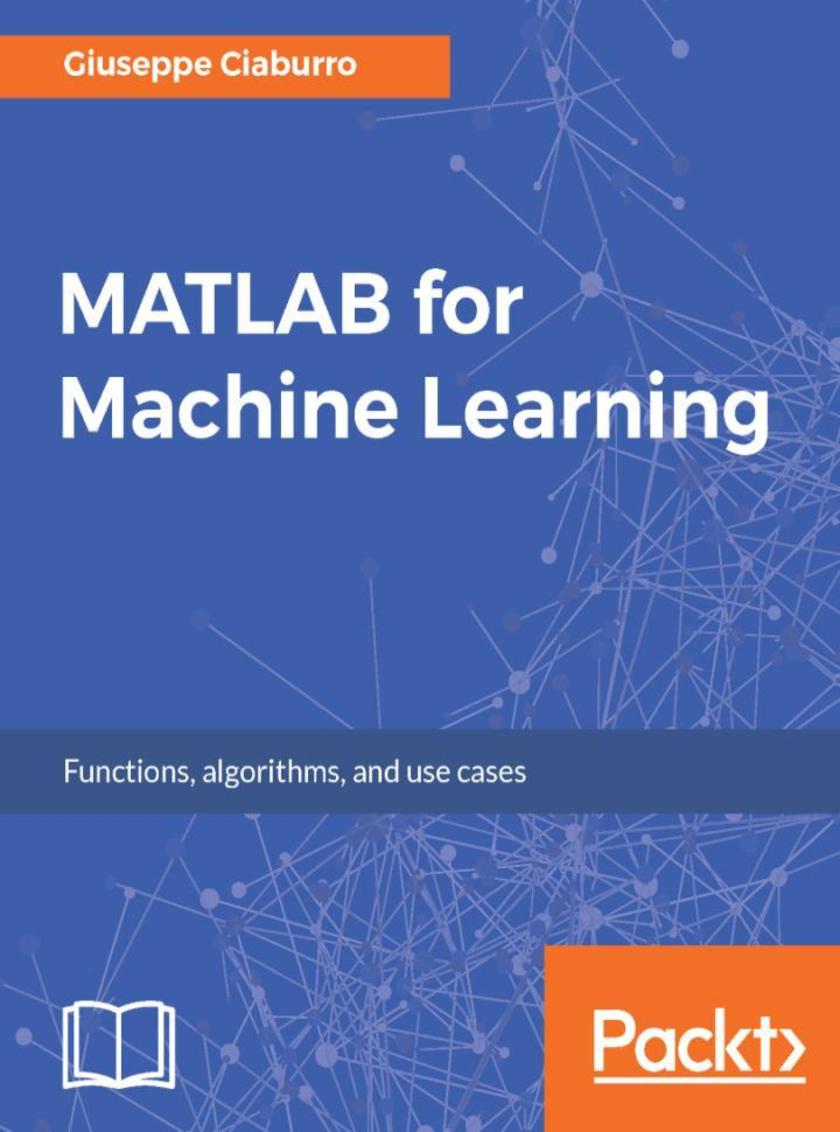
MATLAB for Machine Learning
¥90.46
Extract patterns and knowledge from your data in easy way using MATLAB About This Book ? Get your first steps into machine learning with the help of this easy-to-follow guide ? Learn regression, clustering, classification, predictive analytics, artificial neural networks and more with MATLAB ? Understand how your data works and identify hidden layers in the data with the power of machine learning. Who This Book Is For This book is for data analysts, data scientists, students, or anyone who is looking to get started with machine learning and want to build efficient data processing and predicting applications. A mathematical and statistical background will really help in following this book well. What You Will Learn ? Learn the introductory concepts of machine learning. ? Discover different ways to transform data using SAS XPORT, import and export tools, ? Explore the different types of regression techniques such as simple & multiple linear regression, ordinary least squares estimation, correlations and how to apply them to your data. ? Discover the basics of classification methods and how to implement Naive Bayes algorithm and Decision Trees in the Matlab environment. ? Uncover how to use clustering methods like hierarchical clustering to grouping data using the similarity measures. ? Know how to perform data fitting, pattern recognition, and clustering analysis with the help of MATLAB Neural Network Toolbox. ? Learn feature selection and extraction for dimensionality reduction leading to improved performance. In Detail MATLAB is the language of choice for many researchers and mathematics experts for machine learning. This book will help you build a foundation in machine learning using MATLAB for beginners. You’ll start by getting your system ready with t he MATLAB environment for machine learning and you’ll see how to easily interact with the Matlab workspace. We’ll then move on to data cleansing, mining and analyzing various data types in machine learning and you’ll see how to display data values on a plot. Next, you’ll get to know about the different types of regression techniques and how to apply them to your data using the MATLAB functions. You’ll understand the basic concepts of neural networks and perform data fitting, pattern recognition, and clustering analysis. Finally, you’ll explore feature selection and extraction techniques for dimensionality reduction for performance improvement. At the end of the book, you will learn to put it all together into real-world cases covering major machine learning algorithms and be comfortable in performing machine learning with MATLAB. Style and approach The book takes a very comprehensive approach to enhance your understanding of machine learning using MATLAB. Sufficient real-world examples and use cases are included in the book to help you grasp the concepts quickly and apply them easily in your day-to-day work.
Mastering Machine Learning with Spark 2.x
¥90.46
Unlock the complexities of machine learning algorithms in Spark to generate useful data insights through this data analysis tutorial About This Book ? Process and analyze big data in a distributed and scalable way ? Write sophisticated Spark pipelines that incorporate elaborate extraction ? Build and use regression models to predict flight delays Who This Book Is For Are you a developer with a background in machine learning and statistics who is feeling limited by the current slow and “small data” machine learning tools? Then this is the book for you! In this book, you will create scalable machine learning applications to power a modern data-driven business using Spark. We assume that you already know the machine learning concepts and algorithms and have Spark up and running (whether on a cluster or locally) and have a basic knowledge of the various libraries contained in Spark. What You Will Learn ? Use Spark streams to cluster tweets online ? Run the PageRank algorithm to compute user influence ? Perform complex manipulation of DataFrames using Spark ? Define Spark pipelines to compose individual data transformations ? Utilize generated models for off-line/on-line prediction ? Transfer the learning from an ensemble to a simpler Neural Network ? Understand basic graph properties and important graph operations ? Use GraphFrames, an extension of DataFrames to graphs, to study graphs using an elegant query language ? Use K-means algorithm to cluster movie reviews dataset In Detail The purpose of machine learning is to build systems that learn from data. Being able to understand trends and patterns in complex data is critical to success; it is one of the key strategies to unlock growth in the challenging contemporary marketplace today. With the meteoric rise of machine learning, developers are now keen on finding out how can they make their Spark applications smarter. This book gives you access to transform data into actionable knowledge. The book commences by defining machine learning primitives by the MLlib and H2O libraries. You will learn how to use Binary classification to detect the Higgs Boson particle in the huge amount of data produced by CERN particle collider and classify daily health activities using ensemble Methods for Multi-Class Classification. Next, you will solve a typical regression problem involving flight delay predictions and write sophisticated Spark pipelines. You will analyze Twitter data with help of the doc2vec algorithm and K-means clustering. Finally, you will build different pattern mining models using MLlib, perform complex manipulation of DataFrames using Spark and Spark SQL, and deploy your app in a Spark streaming environment. Style and approach This book takes a practical approach to help you get to grips with using Spark for analytics and to implement machine learning algorithms. We'll teach you about advanced applications of machine learning through illustrative examples. These examples will equip you to harness the potential of machine learning, through Spark, in a variety of enterprise-grade systems.
Learning Redux
¥90.46
Build consistent web apps with Redux by easily centralizing the state of your application. About This Book ? Write applications that behave consistently, run in different environments (client, server and native), and are easy to test ? Take your web apps to the next level by combining the power of Redux with other frameworks such as React and Angular ? Uncover the best practices and hidden features of Redux to build applications that are powerful, consistent, and maintainable Who This Book Is For This book targets developers who are already fluent in JavaScript but want to extend their web development skills to develop and maintain bigger applications. What You Will Learn ? Understand why and how Redux works ? Implement the basic elements of Redux ? Use Redux in combination with React/Angular to develop a web application ? Debug a Redux application ? Interface with external APIs with Redux ? Implement user authentication with Redux ? Write tests for all elements of a Redux application ? Implement simple and more advanced routing with Redux ? Learn about server-side rendering with Redux and React ? Create higher-order reducers for Redux ? Extend the Redux store via middleware In Detail The book starts with a short introduction to the principles and the ecosystem of Redux, then moves on to show how to implement the basic elements of Redux and put them together. Afterward, you are going to learn how to integrate Redux with other frameworks, such as React and Angular. Along the way, you are going to develop a blog application. To practice developing growing applications with Redux, we are going to start from nothing and keep adding features to our application throughout the book. You are going to learn how to integrate and use Redux DevTools to debug applications, and access external APIs with Redux. You are also going to get acquainted with writing tests for all elements of a Redux application. Furthermore, we are going to cover important concepts in web development, such as routing, user authentication, and communication with a backend server After explaining how to use Redux and how powerful its ecosystem can be, the book teaches you how to make your own abstractions on top of Redux, such as higher-order reducers and middleware. By the end of the book, you are going to be able to develop and maintain Redux applications with ease. In addition to learning about Redux, you are going be familiar with its ecosystem, and learn a lot about JavaScript itself, including best practices and patterns. Style and approach This practical guide will teach you how to develop a complex, data-intensive application leveraging the capabilities of the Redux framework.
Mastering Spring 5.0
¥90.46
Develop cloud native applications with microservices using Spring Boot, Spring Cloud, and Spring Cloud Data Flow About This Book ? Explore the new features and components in Spring ? Evolve towards micro services and cloud native applications ? Gain powerful insights into advanced concepts of Spring and Spring Boot to develop applications more effectively ? Understand the basics of Kotlin and use it to develop a quick service with Spring Boot Who This Book Is For This book is for an experienced Java developer who knows the basics of Spring, and wants to learn how to use Spring Boot to build applications and deploy them to the cloud. What You Will Learn ? Explore the new features in Spring Framework 5.0 ? Build microservices with Spring Boot ? Get to know the advanced features of Spring Boot in order to effectively develop and monitor applications ? Use Spring Cloud to deploy and manage applications on the Cloud ? Understand Spring Data and Spring Cloud Data Flow ? Understand the basics of reactive programming ? Get to know the best practices when developing applications with the Spring Framework ? Create a new project using Kotlin and implement a couple of basic services with unit and integration testing In Detail Spring 5.0 is due to arrive with a myriad of new and exciting features that will change the way we’ve used the framework so far. This book will show you this evolution—from solving the problems of testable applications to building distributed applications on the cloud. The book begins with an insight into the new features in Spring 5.0 and shows you how to build an application using Spring MVC. You will realize how application architectures have evolved from monoliths to those built around microservices. You will then get a thorough understanding of how to build and extend microservices using Spring Boot. You will also understand how to build and deploy Cloud-Native microservices with Spring Cloud. The advanced features of Spring Boot will be illustrated through powerful examples. We will be introduced to a JVM language that’s quickly gaining popularity - Kotlin. Also, we will discuss how to set up a Kotlin project in Eclipse. By the end of the book, you will be equipped with the knowledge and best practices required to develop microservices with the Spring Framework. Style and Approach This book follows an end-to-end tutorial approach with lots of examples and sample applications, covering the major building blocks of the Spring framework.
Mastering Python Networking
¥90.46
Become an expert in implementing advanced, network-related tasks with Python. About This Book ? Build the skills to perform all networking tasks using Python with ease ? Use Python for network device automation, DevOps, and software-defined networking ? Get practical guidance to networking with Python Who This Book Is For If you are a network engineer or a programmer who wants to use Python for networking, then this book is for you. A basic familiarity with networking-related concepts such as TCP/IP and a familiarity with Python programming will be useful. What You Will Learn ? Review all the fundamentals of Python and the TCP/IP suite ? Use Python to execute commands when the device does not support the API or programmatic interaction with the device ? Implement automation techniques by integrating Python with Cisco, Juniper, and Arista eAPI ? Integrate Ansible using Python to control Cisco, Juniper, and Arista networks ? Achieve network security with Python ? Build Flask-based web-service APIs with Python ? Construct a Python-based migration plan from a legacy to scalable SDN-based network. In Detail This book begins with a review of the TCP/ IP protocol suite and a refresher of the core elements of the Python language. Next, you will start using Python and supported libraries to automate network tasks from the current major network vendors. We will look at automating traditional network devices based on the command-line interface, as well as newer devices with API support, with hands-on labs. We will then learn the concepts and practical use cases of the Ansible framework in order to achieve your network goals. We will then move on to using Python for DevOps, starting with using open source tools to test, secure, and analyze your network. Then, we will focus on network monitoring and visualization. We will learn how to retrieve network information using a polling mechanism, ?ow-based monitoring, and visualizing the data programmatically. Next, we will learn how to use the Python framework to build your own customized network web services. In the last module, you will use Python for SDN, where you will use a Python-based controller with OpenFlow in a hands-on lab to learn its concepts and applications. We will compare and contrast OpenFlow, OpenStack, OpenDaylight, and NFV. Finally, you will use everything you’ve learned in the book to construct a migration plan to go from a legacy to a scalable SDN-based network. Style and approach An easy-to-follow guide packed with hands-on examples of using Python for network device automation, DevOps, and SDN.
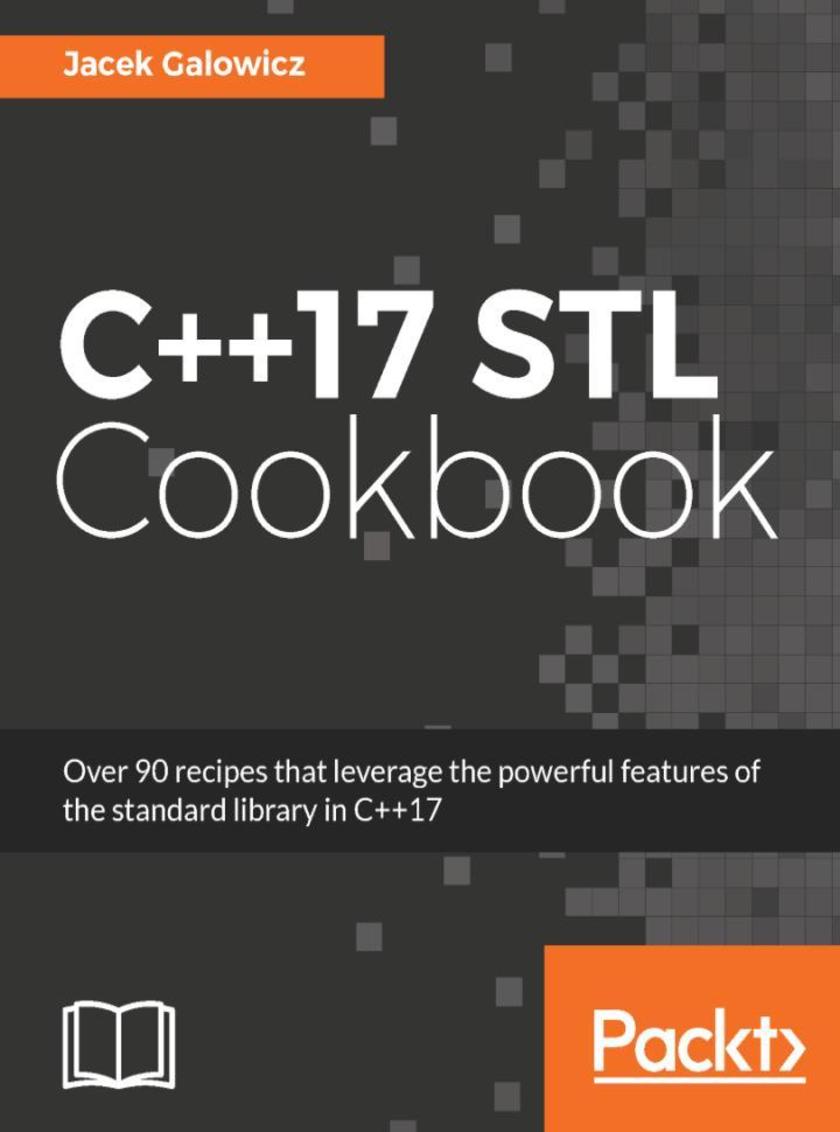
C++17 STL Cookbook
¥90.46
Over 90 recipes that leverage the powerful features of the Standard Library in C++17 About This Book ? Learn the latest features of C++ and how to write better code by using the Standard Library (STL). Reduce the development time for your applications. ? Understand the scope and power of STL features to deal with real-world problems. ? Compose your own algorithms without forfeiting the simplicity and elegance of the STL way. Who This Book Is For This book is for intermediate-to-advanced C++ programmers who want to get the most out of the Standard Template Library of the newest version of C++: C++ 17. What You Will Learn ? Learn about the new core language features and the problems they were intended to solve ? Understand the inner workings and requirements of iterators by implementing them ? Explore algorithms, functional programming style, and lambda expressions ? Leverage the rich, portable, fast, and well-tested set of well-designed algorithms provided in the STL ? Work with strings the STL way instead of handcrafting C-style code ? Understand standard support classes for concurrency and synchronization, and how to put them to work ? Use the filesystem library addition available with the C++17 STL In Detail C++ has come a long way and is in use in every area of the industry. Fast, efficient, and flexible, it is used to solve many problems. The upcoming version of C++ will see programmers change the way they code. If you want to grasp the practical usefulness of the C++17 STL in order to write smarter, fully portable code, then this book is for you. Beginning with new language features, this book will help you understand the language’s mechanics and library features, and offers insight into how they work. Unlike other books, ours takes an implementation-specific, problem-solution approach that will help you quickly overcome hurdles. You will learn the core STL concepts, such as containers, algorithms, utility classes, lambda expressions, iterators, and more, while working on practical real-world recipes. These recipes will help you get the most from the STL and show you how to program in a better way. By the end of the book, you will be up to date with the latest C++17 features and save time and effort while solving tasks elegantly using the STL. Style and approach This recipe-based guide will show you how to make the best use of C++ together with the STL to squeeze more out of the standard language
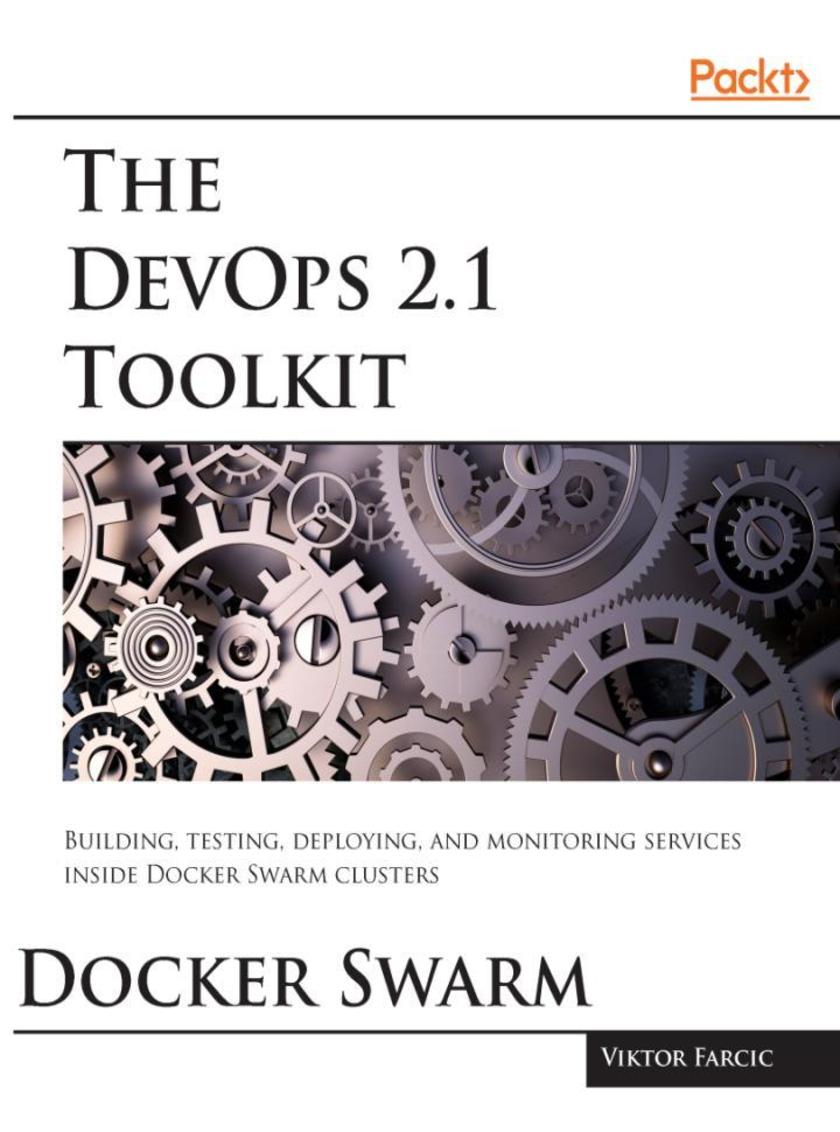
The DevOps 2.1 Toolkit: Docker Swarm
¥90.46
Viktor Farcic's latest book, The DevOps 2.1 Toolkit: Docker Swarm, shows you how to successfully integrate Docker Swarm into your DevOps toolset. About This Book ? Expand your DevOps Toolkit with the DevOps thought leader, Viktor Farcic ? Build, test, deploy, and monitor services inside Docker Swarm clusters ? Translate your understanding to different hosting providers like AWS, Azure, and DigitalOcean ? Go beyond simple deployment to explore how to create a continuous deployment process ? Extend the deep understanding you gained from Viktor's DevOps 2.0 Toolkit book Who This Book Is For This book is for professionals interested in the full microservices life cycle combined with continuous deployment and containers. Target audience could be architects who want to know how to design their systems around microservices. It could be DevOps wanting to know how to apply modern configuration management practices and continuously deploy applications packed in containers. It is for developers who would like to take the process back into their hands as well as for managers who would like to gain a better understanding of the process used to deliver software from the beginning to the end. This book is for everyone wanting to know more about the software development life cycle starting from requirements and design, through the development and testing all the way until deployment and post-deployment phases. We'll create the processes taking into account the best practices developed by and for some of the biggest companies. What You Will Learn ? Learn all aspects of Docker Swarm from building, testing, deploying, and monitoring services inside Docker Swarm clusters, available since Docker 1.12. ? Master the deeper logic of DevOps with Viktor, so that you can successfully apply that logic across any specific set of tools you’re working with. ? Translate a deep understanding to different hosting providers like AWS, Azure, DigitalOcean, among others. ? You’ll go beyond simple deployment: you will explore with Viktor how to create a continuous deployment process. Accomplish zero-downtime deployments, and what to do in case of a failover. ? Know how to run services at scale, how to monitor the systems, and how to make it heal itself. In Detail Viktor Farcic's latest book, The DevOps 2.1 Toolkit: Docker Swarm, takes you deeper into one of the major subjects of his international best seller, The DevOps 2.0 Toolkit, and shows you how to successfully integrate Docker Swarm into your DevOps toolset. Viktor shares with you his expert knowledge in all aspects of building, testing, deploying, and monitoring services inside Docker Swarm clusters. You'll go through all the tools required for running a cluster. You'll travel through the whole process with clusters running locally on a laptop. Once you're confident with that outcome, Viktor shows you how to translate your experience to different hosting providers like AWS, Azure, and DigitalOcean. Viktor has updated his DevOps 2.0 framework in this book to use the latest and greatest features and techniques introduced in Docker. We'll go through many practices and even more tools. While there will be a lot of theory, this is a hands-on book. You won't be able to complete it by reading it on the metro on your way to work. You'll have to read this book while in front of the computer and get your hands dirty. Style and approach We'll go through many practices and even more tools. While there will be a lot of theory, this is a hands-on book. You'll have to read this book while in front of the computer and get your hands dirty. The goal is not to master one particular set of tools, but to learn the logic behind them so that you can apply it to your job in various contexts.
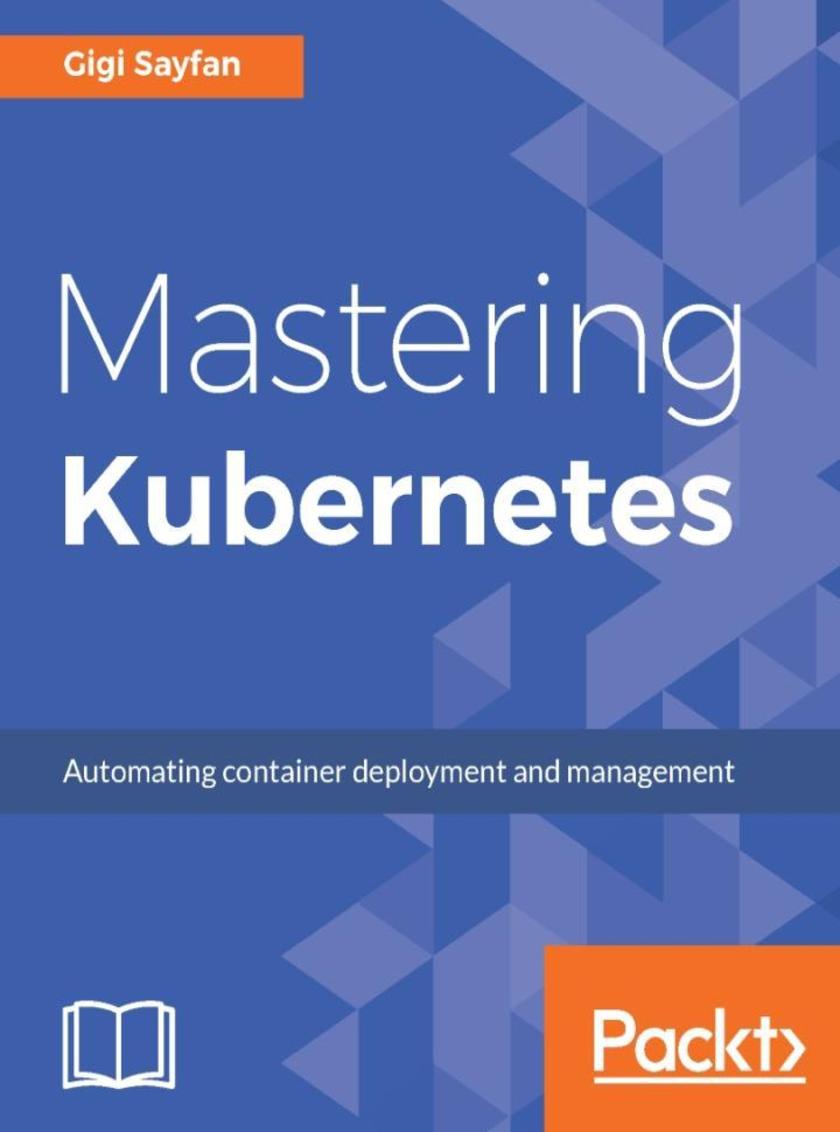
Mastering Kubernetes
¥90.46
Master the art of container management utilizing the power of Kubernetes. About This Book ? This practical guide demystifies Kubernetes and ensures that your clusters are always available, scalable, and up to date ? Discover new features such as autoscaling, rolling updates, resource quotas, and cluster size ? Master the skills of designing and deploying large clusters on various cloud platforms Who This Book Is For The book is for system administrators and developers who have intermediate level of knowledge with Kubernetes and are now waiting to master its advanced features. You should also have basic networking knowledge. This advanced-level book provides a pathway to master Kubernetes. What You Will Learn ? Architect a robust Kubernetes cluster for long-time operation ? Discover the advantages of running Kubernetes on GCE, AWS, Azure, and bare metal ? See the identity model of Kubernetes and options for cluster federation ? Monitor and troubleshoot Kubernetes clusters and run a highly available Kubernetes ? Create and configure custom Kubernetes resources and use third-party resources in your automation workflows ? Discover the art of running complex stateful applications in your container environment ? Deliver applications as standard packages In Detail Kubernetes is an open source system to automate the deployment, scaling, and management of containerized applications. If you are running more than just a few containers or want automated management of your containers, you need Kubernetes. This book mainly focuses on the advanced management of Kubernetes clusters. It covers problems that arise when you start using container orchestration in production. We start by giving you an overview of the guiding principles in Kubernetes design and show you the best practises in the fields of security, high availability, and cluster federation. You will discover how to run complex stateful microservices on Kubernetes including advanced features as horizontal pod autoscaling, rolling updates, resource quotas, and persistent storage back ends. Using real-world use cases, we explain the options for network configuration and provides guidelines on how to set up, operate, and troubleshoot various Kubernetes networking plugins. Finally, we cover custom resource development and utilization in automation and maintenance workflows. By the end of this book, you’ll know everything you need to know to go from intermediate to advanced level. Style and approach Delving into the design of the Kubernetes platform, the reader will be exposed to the advanced features and best practices of Kubernetes. This book will be an advanced level book which will provide a pathway to master Kubernetes
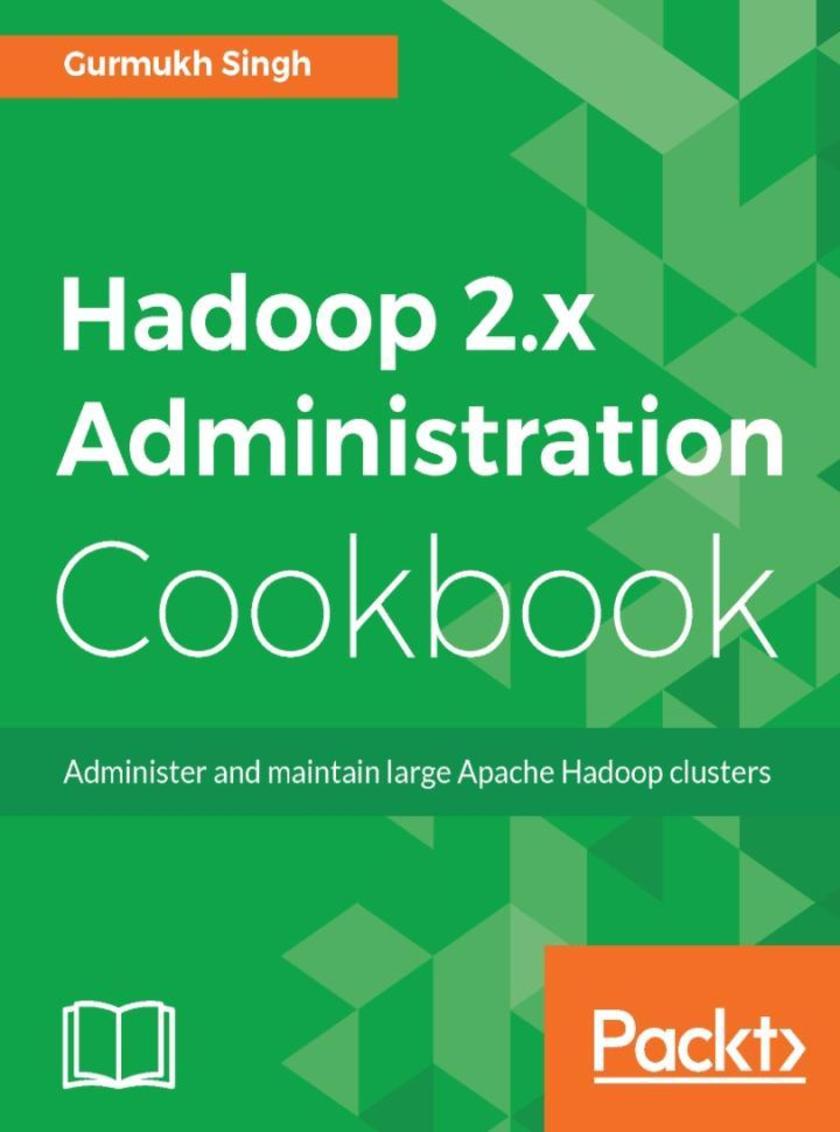
Hadoop 2.x Administration Cookbook
¥90.46
Over 100 practical recipes to help you become an expert Hadoop administrator About This Book ? Become an expert Hadoop administrator and perform tasks to optimize your Hadoop Cluster ? Import and export data into Hive and use Oozie to manage workflow. ? Practical recipes will help you plan and secure your Hadoop cluster, and make it highly available Who This Book Is For If you are a system administrator with a basic understanding of Hadoop and you want to get into Hadoop administration, this book is for you. It’s also ideal if you are a Hadoop administrator who wants a quick reference guide to all the Hadoop administration-related tasks and solutions to commonly occurring problems What You Will Learn ? Set up the Hadoop architecture to run a Hadoop cluster smoothly ? Maintain a Hadoop cluster on HDFS, YARN, and MapReduce ? Understand high availability with Zookeeper and Journal Node ? Configure Flume for data ingestion and Oozie to run various workflows ? Tune the Hadoop cluster for optimal performance ? Schedule jobs on a Hadoop cluster using the Fair and Capacity scheduler ? Secure your cluster and troubleshoot it for various common pain points In Detail Hadoop enables the distributed storage and processing of large datasets across clusters of computers. Learning how to administer Hadoop is crucial to exploit its unique features. With this book, you will be able to overcome common problems encountered in Hadoop administration. The book begins with laying the foundation by showing you the steps needed to set up a Hadoop cluster and its various nodes. You will get a better understanding of how to maintain Hadoop cluster, especially on the HDFS layer and using YARN and MapReduce. Further on, you will explore durability and high availability of a Hadoop cluster. You’ll get a better understanding of the schedulers in Hadoop and how to configure and use them for your tasks. You will also get hands-on experience with the backup and recovery options and the performance tuning aspects of Hadoop. Finally, you will get a better understanding of troubleshooting, diagnostics, and best practices in Hadoop administration. By the end of this book, you will have a proper understanding of working with Hadoop clusters and will also be able to secure, encrypt it, and configure auditing for your Hadoop clusters. Style and approach This book contains short recipes that will help you run a Hadoop cluster efficiently. The recipes are solutions to real-life problems that administrators encounter while working with a Hadoop cluster
Learning Social Media Analytics with R
¥90.46
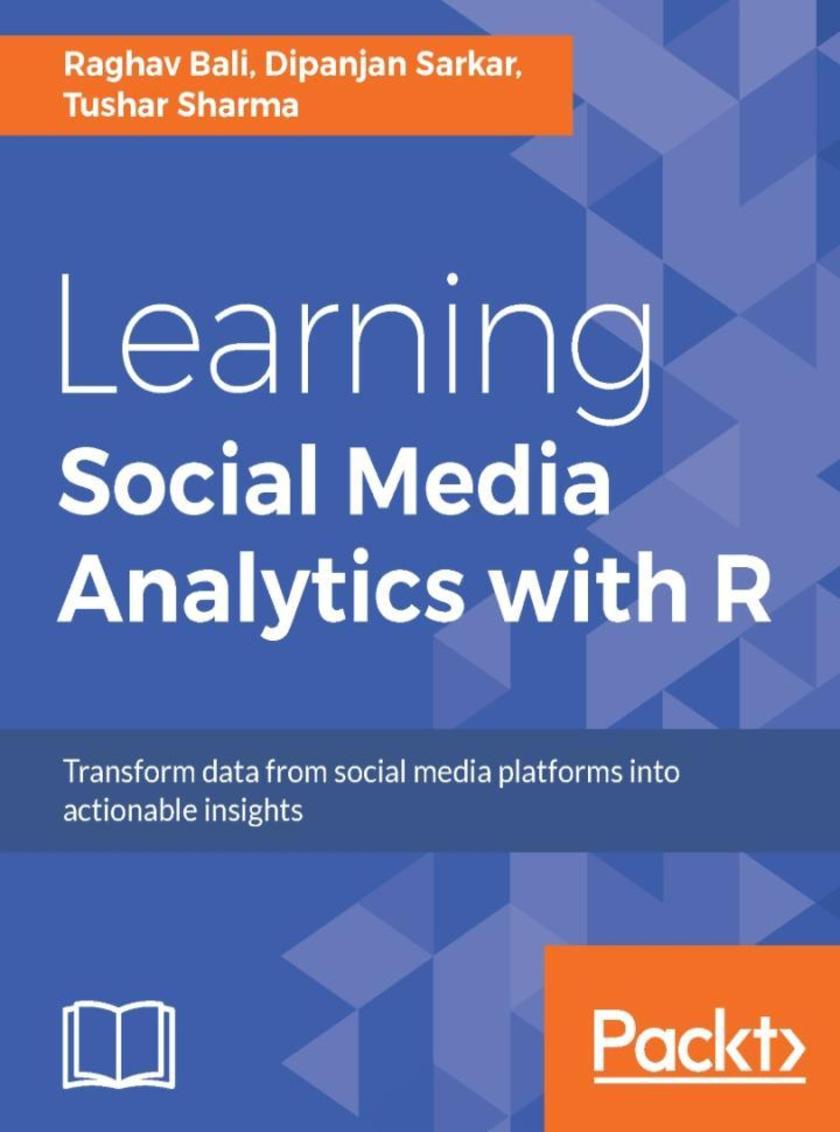
Tap into the realm of social media and unleash the power of analytics for data-driven insights using R About This Book ? A practical guide written to help leverage the power of the R eco-system to extract, process, analyze, visualize and model social media data ? Learn about data access, retrieval, cleaning, and curation methods for data originating from various social media platforms. ? Visualize and analyze data from social media platforms to understand and model complex relationships using various concepts and techniques such as Sentiment Analysis, Topic Modeling, Text Summarization, Recommendation Systems, Social Network Analysis, Classification, and Clustering. Who This Book Is For It is targeted at IT professionals, Data Scientists, Analysts, Developers, Machine Learning Enthusiasts, social media marketers and anyone with a keen interest in data, analytics, and generating insights from social data. Some background experience in R would be helpful, but not necessary, since this book is written keeping in mind, that readers can have varying levels of expertise. What You Will Learn ? Learn how to tap into data from diverse social media platforms using the R ecosystem ? Use social media data to formulate and solve real-world problems ? Analyze user social networks and communities using concepts from graph theory and network analysis ? Learn to detect opinion and sentiment, extract themes, topics, and trends from unstructured noisy text data from diverse social media channels ? Understand the art of representing actionable insights with effective visualizations ? Analyze data from major social media channels such as Twitter, Facebook, Flickr, Foursquare, Github, StackExchange, and so on ? Learn to leverage popular R packages such as ggplot2, topicmodels, caret, e1071, tm, wordcloud, twittR, Rfacebook, dplyr, reshape2, and many more In Detail The Internet has truly become humongous, especially with the rise of various forms of social media in the last decade, which give users a platform to express themselves and also communicate and collaborate with each other. This book will help the reader to understand the current social media landscape and to learn how analytics can be leveraged to derive insights from it. This data can be analyzed to gain valuable insights into the behavior and engagement of users, organizations, businesses, and brands. It will help readers frame business problems and solve them using social data. The book will also cover several practical real-world use cases on social media using R and its advanced packages to utilize data science methodologies such as sentiment analysis, topic modeling, text summarization, recommendation systems, social network analysis, classification, and clustering. This will enable readers to learn different hands-on approaches to obtain data from diverse social media sources such as Twitter and Facebook. It will also show readers how to establish detailed workflows to process, visualize, and analyze data to transform social data into actionable insights. Style and approach This book follows a step-by-step approach with detailed strategies for understanding, extracting, analyzing, visualizing, and modeling data from several major social network platforms such as Facebook, Twitter, Foursquare, Flickr, Github, and StackExchange. The chapters cover several real-world use cases and leverage data science, machine learning, network analysis, and graph theory concepts along with the R ecosystem, including popular packages such as ggplot2, caret,dplyr, topicmodels, tm, and so on.
Docker on Windows
¥90.46
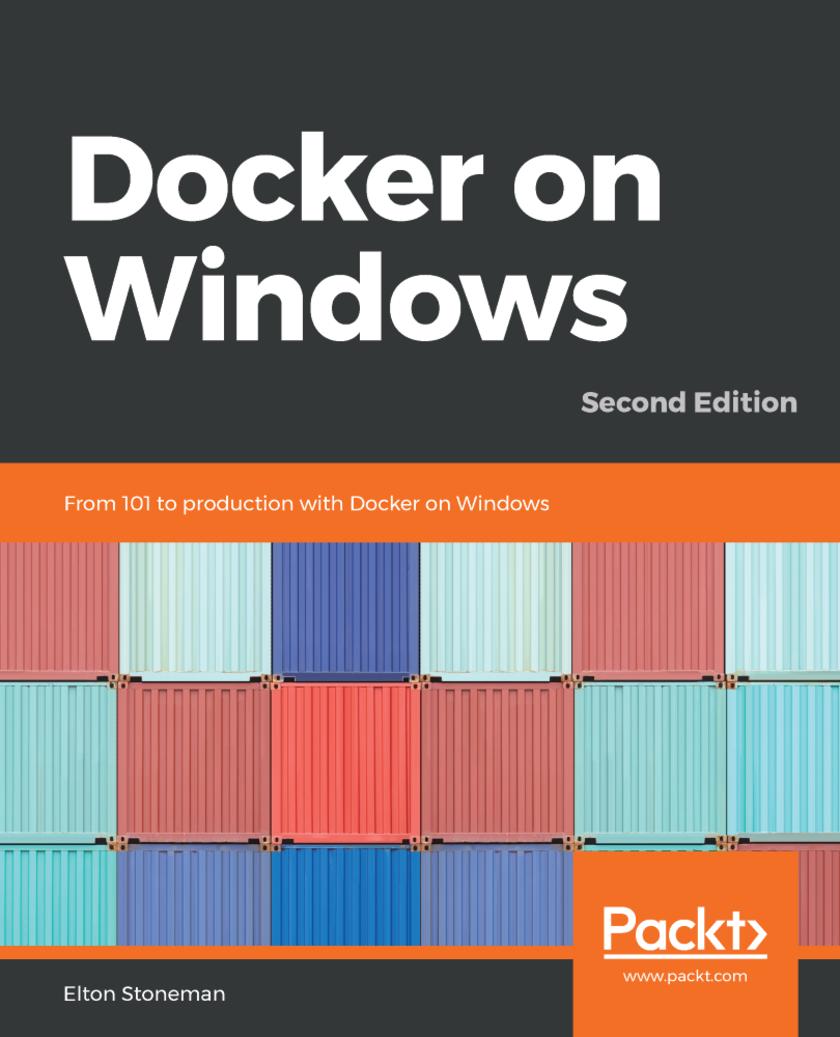
Learn how to run new and old applications in Docker containers on Windows - modernizing the architecture, improving security and maximizing efficiency. Key Features * Run .NET Framework and .NET Core apps in Docker containers for efficiency, security and portability * Design distributed containerized apps, using enterprise-grade open source software from Docker Hub * Build a CI/CD pipeline with Docker, going from source to a production Docker Swarm in the cloud Book Description Docker on Windows, Second Edition teaches you all you need to know about Docker on Windows, from the 101 to running highly-available workloads in production. You’ll be guided through a Docker journey, starting with the key concepts and simple examples of .NET Framework and .NET Core apps in Docker containers on Windows. Then you’ll learn how to use Docker to modernize the architecture and development of traditional ASP.NET and SQL Server apps. The examples show you how to break up legacy monolithic applications into distributed apps and deploy them to a clustered environment in the cloud, using the exact same artifacts you use to run them locally. You’ll see how to build a CI/CD pipeline which uses Docker to compile, package, test and deploy your applications. To help you move confidently to production, you’ll learn about Docker security, and the management and support options. The book finishes with guidance on getting started with Docker in your own projects. You’ll walk through some real-world case studies for Docker implementations, from small-scale on-premises apps to very large-scale apps running on Azure. What you will learn * Understand key Docker concepts: images, containers, registries and swarms * Run Docker on Windows 10, Windows Server 2019, and in the cloud * Deploy and monitor distributed solutions across multiple Docker containers * Run containers with high availability and failover with Docker Swarm * Master security in-depth with the Docker platform, making your apps more secure * Build a Continuous Deployment pipeline, running Jenkins and Git in Docker * Debug applications running in Docker containers using Visual Studio * Plan the adoption of Docker in your organization Who this book is for If you want to modernize an old monolithic application without rewriting it, smooth the deployment to production, or move to DevOps or the cloud, then Docker is the enabler for you. This book gives you a solid grounding in Docker so you can confidently approach all of these scenarios.
Building Computer Vision Projects with OpenCV 4 and C++
¥90.46
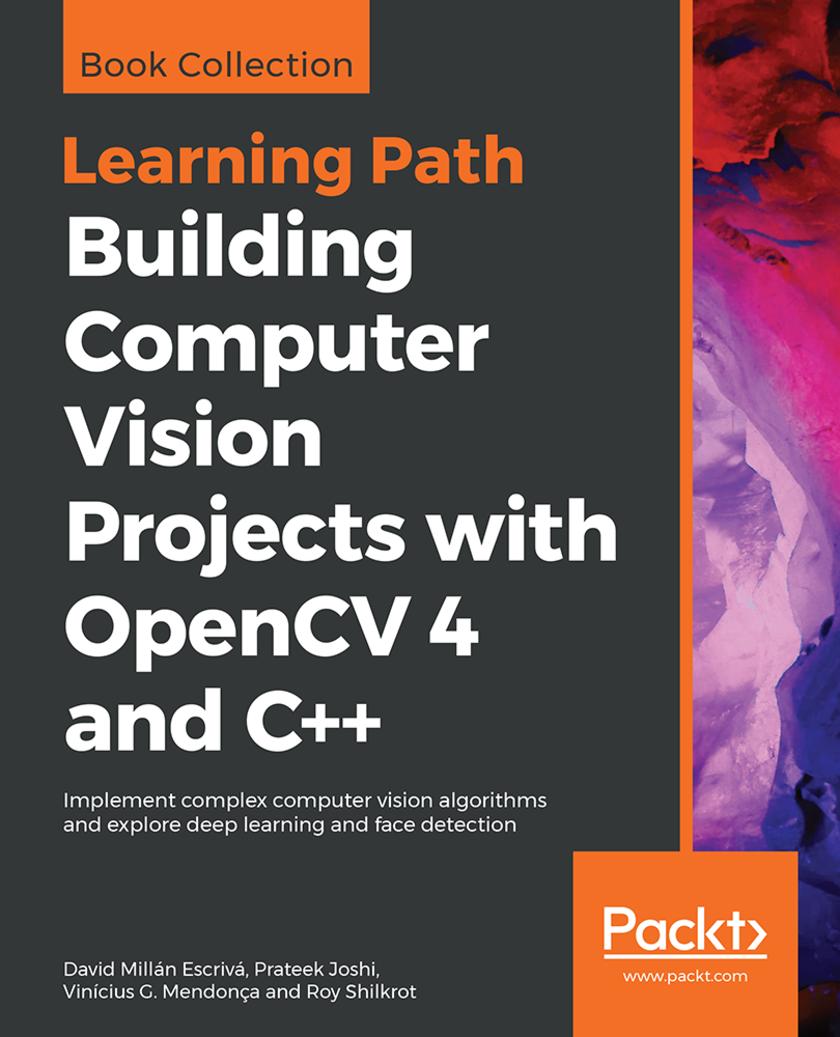
Delve into practical computer vision and image processing projects and get up to speed with advanced object detection techniques and machine learning algorithms Key Features * Discover best practices for engineering and maintaining OpenCV projects * Explore important deep learning tools for image classification * Understand basic image matrix formats and filters Book Description OpenCV is one of the best open source libraries available and can help you focus on constructing complete projects on image processing, motion detection, and image segmentation. This Learning Path is your guide to understanding OpenCV concepts and algorithms through real-world examples and activities. Through various projects, you'll also discover how to use complex computer vision and machine learning algorithms and face detection to extract the maximum amount of information from images and videos. In later chapters, you'll learn to enhance your videos and images with optical flow analysis and background subtraction. Sections in the Learning Path will help you get to grips with text segmentation and recognition, in addition to guiding you through the basics of the new and improved deep learning modules. By the end of this Learning Path, you will have mastered commonly used computer vision techniques to build OpenCV projects from scratch. This Learning Path includes content from the following Packt books: * Mastering OpenCV 4 - Third Edition by Roy Shilkrot and David Millán Escrivá * Learn OpenCV 4 By Building Projects - Second Edition by David Millán Escrivá, Vinícius G. Mendon?a, and Prateek Joshi What you will learn * Stay up-to-date with algorithmic design approaches for complex computer vision tasks * Work with OpenCV's most up-to-date API through various projects * Understand 3D scene reconstruction and Structure from Motion (SfM) * Study camera calibration and overlay augmented reality (AR) using the ArUco module * Create CMake scripts to compile your C++ application * Explore segmentation and feature extraction techniques * Remove backgrounds from static scenes to identify moving objects for surveillance * Work with new OpenCV functions to detect and recognize text with Tesseract Who this book is for If you are a software developer with a basic understanding of computer vision and image processing and want to develop interesting computer vision applications with OpenCV, this Learning Path is for you. Prior knowledge of C++ and familiarity with mathematical concepts will help you better understand the concepts in this Learning Path.
Numerical Computing with Python
¥90.46
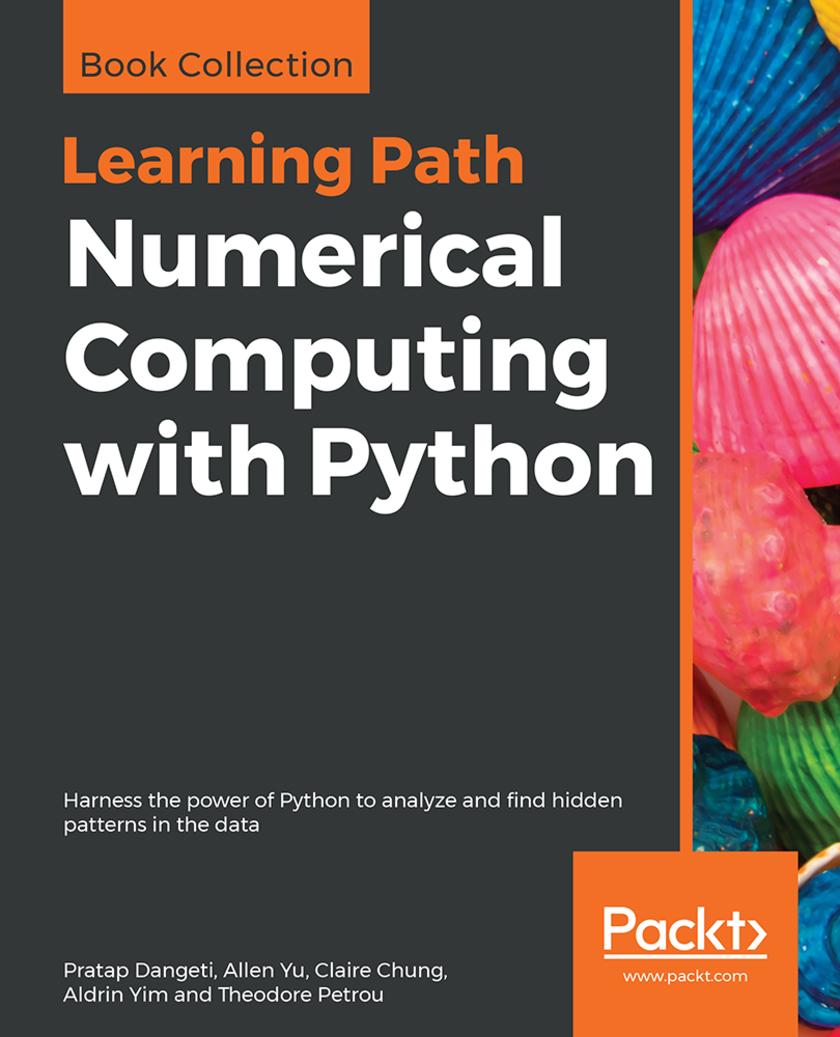
Understand, explore, and effectively present data using the powerful data visualization techniques of Python Key Features *Use the power of Pandas and Matplotlib to easily solve data mining issues *Understand the basics of statistics to build powerful predictive data models *Grasp data mining concepts with helpful use-cases and examples Book Description Data mining, or parsing the data to extract useful insights, is a niche skill that can transform your career as a data scientist Python is a flexible programming language that is equipped with a strong suite of libraries and toolkits, and gives you the perfect platform to sift through your data and mine the insights you seek. This Learning Path is designed to familiarize you with the Python libraries and the underlying statistics that you need to get comfortable with data mining. You will learn how to use Pandas, Python's popular library to analyze different kinds of data, and leverage the power of Matplotlib to generate appealing and impressive visualizations for the insights you have derived. You will also explore different machine learning techniques and statistics that enable you to build powerful predictive models. By the end of this Learning Path, you will have the perfect foundation to take your data mining skills to the next level and set yourself on the path to become a sought-after data science professional. This Learning Path includes content from the following Packt products: *Statistics for Machine Learning by Pratap Dangeti *Matplotlib 2.x By Example by Allen Yu, Claire Chung, Aldrin Yim *Pandas Cookbook by Theodore Petrou What you will learn *Understand the statistical fundamentals to build data models *Split data into independent groups *Apply aggregations and transformations to each group *Create impressive data visualizations *Prepare your data and design models *Clean up data to ease data analysis and visualization *Create insightful visualizations with Matplotlib and Seaborn *Customize the model to suit your own predictive goals Who this book is for If you want to learn how to use the many libraries of Python to extract impactful information from your data and present it as engaging visuals, then this is the ideal Learning Path for you. Some basic knowledge of Python is enough to get started with this Learning Path.

DevOps with Kubernetes
¥90.46
Leverage the power of Kubernetes to build an efficient software delivery pipeline. Key Features * Learn about DevOps, containers, and Kubernetes all within one handy book * A practical guide to container management and orchestration * Learn how to monitor, log, and troubleshoot your Kubernetes applications Book Description Kubernetes has been widely adopted across public clouds and on-premise data centers. As we're living in an era of microservices, knowing how to use and manage Kubernetes is an essential skill for everyone in the IT industry. This book is a guide to everything you need to know about Kubernetes—from simply deploying a container to administrating Kubernetes clusters wisely. You'll learn about DevOps fundamentals, as well as deploying a monolithic application as microservices and using Kubernetes to orchestrate them. You will then gain an insight into the Kubernetes network, extensions, authentication and authorization. With the DevOps spirit in mind, you'll learn how to allocate resources to your application and prepare to scale them efficiently. Knowing the status and activity of the application and clusters is crucial, so we’ll learn about monitoring and logging in Kubernetes. Having an improved ability to observe your services means that you will be able to build a continuous delivery pipeline with confidence. At the end of the book, you'll learn how to run managed Kubernetes services on three top cloud providers: Google Cloud Platform, Amazon Web Services, and Microsoft Azure. What you will learn * Learn fundamental and advanced DevOps skills and tools * Get a comprehensive understanding of containers * Dockerize an application * Administrate and manage Kubernetes cluster * Extend the cluster functionality with custom resources * Understand Kubernetes network and service mesh * Implement Kubernetes logging and monitoring * Manage Kubernetes services in Amazon Web Services, Google Cloud Platform,and Microsoft Azure Who this book is for This book is for anyone who wants to learn containerization and clustering in a practical way using Kubernetes. No prerequisite skills are required, however, essential DevOps skill and public/private Cloud knowledge will accelerate the reading speed. If you're advanced, you can get a deeper understanding of all the tools and technique described in the book.
C# 7 and .NET: Designing Modern Cross-platform Applications
¥90.46
Explore C# and the .NET Core framework to create applications and optimize them with ASP.NET Core 2 Key Features *Get to grips with multi-threaded, concurrent, and asynchronous programming in C# and .NET Core *Develop modern, cross-platform applications with .NET Core 2.0 and C# 7.0 *Create efficient web applications with ASP.NET Core 2. Book Description C# is a widely used programming language, thanks to its easy learning curve, versatility, and support for modern paradigms. The language is used to create desktop apps, background services, web apps, and mobile apps. .NET Core is open source and compatible with Mac OS and Linux. There is no limit to what you can achieve with C# and .NET Core. This Learning Path begins with the basics of C# and object-oriented programming (OOP) and explores features of C#, such as tuples, pattern matching, and out variables. You will understand.NET Standard 2.0 class libraries and ASP.NET Core 2.0, and create professional websites, services, and applications. You will become familiar with mobile app development using Xamarin.Forms and learn to develop high-performing applications by writing optimized code with various profiling techniques. By the end of C# 7 and .NET: Designing Modern Cross-platform Applications, you will have all the knowledge required to build modern, cross-platform apps using C# and .NET. This Learning Path includes content from the following Packt products: *C# 7.1 and .NET Core 2.0 - Modern Cross-Platform Development - Third Edition by Mark J. Price *C# 7 and .NET Core 2.0 High Performance by Ovais Mehboob Ahmed Khan What you will learn *Explore ASP.NET Core to create professional web applications *Master OOP with C# to increase code reusability and efficiency *Protect your data using encryption and hashing *Measure application performance using BenchmarkDotNet *Use design techniques to increase your application’s performance *Learn memory management techniques in .NET Core *Understand tools and techniques to monitor application performance Who this book is for This Learning Path is designed for developers who want to gain a solid foundation in C# and .NET Core, and want to build cross-platform applications. To gain maximum benefit from this Learning Path, you must have basic knowledge of C#.
Tableau 10 Complete Reference
¥90.46
Explore and understand data with the powerful data visualization techniques of Tableau, and then communicate insights in powerful ways Key Features *Apply best practices in data visualization and chart types exploration *Explore the latest version of Tableau Desktop with hands-on examples *Understand the fundamentals of Tableau storytelling Book Description Graphical presentation of data enables us to easily understand complex data sets. Tableau 10 Complete Reference provides easy-to-follow recipes with several use cases and real-world business scenarios to get you up and running with Tableau 10. This Learning Path begins with the history of data visualization and its importance in today's businesses. You'll also be introduced to Tableau - how to connect, clean, and analyze data in this visual analytics software. Then, you'll learn how to apply what you've learned by creating some simple calculations in Tableau and using Table Calculations to help drive greater analysis from your data. Next, you'll explore different advanced chart types in Tableau. These chart types require you to have some understanding of the Tableau interface and understand basic calculations. You’ll study in detail all dashboard techniques and best practices. A number of recipes specifically for geospatial visualization, analytics, and data preparation are also covered. Last but not least, you'll learn about the power of storytelling through the creation of interactive dashboards in Tableau. Through this Learning Path, you will gain confidence and competence to analyze and communicate data and insights more efficiently and effectively by creating compelling interactive charts, dashboards, and stories in Tableau. This Learning Path includes content from the following Packt products: *Learning Tableau 10 - Second Edition by N. Milligan *Getting Started with Tableau 2018.x by Tristan Guillevin What you will learn *Build effective visualizations, dashboards, and story points *Build basic to more advanced charts with step-by-step recipes *Become familiar row-level, aggregate, and table calculations *Dig deep into data with clustering and distribution models *Prepare and transform data for analysis *Leverage Tableau’s mapping capabilities to visualize data *Use data storytelling techniques to aid decision making strategy Who this book is for Tableau 10 Complete Reference is designed for anyone who wants to understand their data better and represent it in an effective manner. It is also used for BI professionals and data analysts who want to do better at their jobs.
QlikView: Advanced Data Visualization
¥90.46
Build powerful data analytics applications with this business intelligence tool and overcome all your business challenges Key Features *Master time-saving techniques and make your QlikView development more efficient *Perform geographical analysis and sentiment analysis in your QlikView applications *Explore advanced QlikView techniques, tips, and tricks to deliver complex business requirements Book Description QlikView is one of the most flexible and powerful business intelligence platforms around, and if you want to transform data into insights, it is one of the best options you have at hand. Use this Learning Path, to explore the many features of QlikView to realize the potential of your data and present it as impactful and engaging visualizations. Each chapter in this Learning Path starts with an understanding of a business requirement and its associated data model and then helps you create insightful analysis and data visualizations around it. You will look at problems that you might encounter while visualizing complex data insights using QlikView, and learn how to troubleshoot these and other not-so-common errors. This Learning Path contains real-world examples from a variety of business domains, such as sales, finance, marketing, and human resources. With all the knowledge that you gain from this Learning Path, you will have all the experience you need to implement your next QlikView project like a pro. This Learning Path includes content from the following Packt products: *QlikView for Developers by Miguel ?ngel García, Barry Harmsen *Mastering QlikView by Stephen Redmond *Mastering QlikView Data Visualization by Karl Pover What you will learn *Deliver common business requirements using advanced techniques *Load data from disparate sources to build associative data models *Understand when to apply more advanced data visualization *Utilize the built-in aggregation functions for complex calculations *Build a data architecture that supports scalable QlikView deployments *Troubleshoot common data visualization errors in QlikView *Protect your QlikView applications and data Who this book is for This Learning Path is designed for developers who want to go beyond their technical knowledge of QlikView and understand how to create analysis and data visualizations that solve real business needs. To grasp the concepts explained in this Learning Path, you should have a basic understanding of the common QlikView functions and some hands-on experience with the tool.
Ceph: Designing and Implementing Scalable Storage Systems
¥90.46
Get to grips with the unified, highly scalable distributed storage system and learn how to design and implement it. Key Features * Explore Ceph's architecture in detail * Implement a Ceph cluster successfully and gain deep insights into its best practices * Leverage the advanced features of Ceph, including erasure coding, tiering, and BlueStore Book Description This Learning Path takes you through the basics of Ceph all the way to gaining in-depth understanding of its advanced features. You’ll gather skills to plan, deploy, and manage your Ceph cluster. After an introduction to the Ceph architecture and its core projects, you’ll be able to set up a Ceph cluster and learn how to monitor its health, improve its performance, and troubleshoot any issues. By following the step-by-step approach of this Learning Path, you’ll learn how Ceph integrates with OpenStack, Glance, Manila, Swift, and Cinder. With knowledge of federated architecture and CephFS, you’ll use Calamari and VSM to monitor the Ceph environment. In the upcoming chapters, you’ll study the key areas of Ceph, including BlueStore, erasure coding, and cache tiering. More specifically, you’ll discover what they can do for your storage system. In the concluding chapters, you will develop applications that use Librados and distributed computations with shared object classes, and see how Ceph and its supporting infrastructure can be optimized. By the end of this Learning Path, you'll have the practical knowledge of operating Ceph in a production environment. This Learning Path includes content from the following Packt products: * Ceph Cookbook by Michael Hackett, Vikhyat Umrao and Karan Singh * Mastering Ceph by Nick Fisk * Learning Ceph, Second Edition by Anthony D'Atri, Vaibhav Bhembre and Karan Singh What you will learn * Understand the benefits of using Ceph as a storage solution * Combine Ceph with OpenStack, Cinder, Glance, and Nova components * Set up a test cluster with Ansible and virtual machine with VirtualBox * Develop solutions with Librados and shared object classes * Configure BlueStore and see its interaction with other configurations * Tune, monitor, and recover storage systems effectively * Build an erasure-coded pool by selecting intelligent parameters Who this book is for If you are a developer, system administrator, storage professional, or cloud engineer who wants to understand how to deploy a Ceph cluster, this Learning Path is ideal for you. It will help you discover ways in which Ceph features can solve your data storage problems. Basic knowledge of storage systems and GNU/Linux will be beneficial.


