


 购物车
购物车 个人中心
个人中心

佛遗教三经
¥18.00
佛教中三本经书《四十二章经》《八大人觉经》《佛遗教经》原文及白话释译。
知道点中国哲学【文化学者余秋雨作序推荐!百家争鸣是怎样的一种盛况?谁是中国位无神论者?哥哥“英雄”弟“好汉”是指哪两个兄弟呢?】
¥18.00
百家争鸣是怎样的一种盛况?谁是中国位无神论者?哥哥“英雄”弟“好汉”是指哪两个兄弟呢?……我们都该知道。
人生的智慧【比鸡汤还要好读的叔本华入门名作。】
¥18.00
一个年轻人,如果过早知道了世界的套路,并使自己适应俗世的追求……这预示着庸俗的天性。 在所有驯服人性的阴谋中,对荣誉感的维持和强调总是非常重要。但对人的幸福来说就完全不同了,而这才是我们的目标。 一个人只有在闲暇的时候才能真正拥有自己,只有内心富足的人,才是真正快乐的人。 《人生的智慧》以箴言的形式解答了人生的困惑,回答了“人是什么”,并基于此给出了让人生获得幸福的原则,被称为“通往幸福的哲学”。本书在常规的内容基础上,另外附加40000字《论人性》,能让读者对叔本华的人生智慧有更丰富的认识。
知道点世界哲学【文化学者余秋雨作序推荐!是谁提出“人不能两次踏进同一条河流”?为什么斯宾诺莎是被骂名包围的哲学家?】
¥18.00
是谁提出“人不能两次踏同一条河流”?为什么斯宾诺莎是被骂名包围的哲学家? 俄罗斯的飞翔的双头鹰国徽有着怎样的历史渊源?……这些我们都该知道。
佛堂讲话
¥18.00
道源法师关于念佛的完整示,包括对念佛的目的、方法、功德等的详细的讲解,为修行净土宗的修行者提供了如何正确念佛的方便法门。
安乐集
¥18.00
本书旨在弘扬西方阿弥陀佛的净土教义,提出了一系列关于净土信仰和往生方法的理论,并大量引证各种经律论释,多达五十余部,以申明净土要义。全书以《观无量寿经》的趣旨,统以贯之,由于道绰时代正逢北周武帝毁佛,形成佛教末法思想的普遍,再加上诸宗派多排斥净土法门,故本书中亦多有论辩,着重于破除异议,使得净土法门在社会上广泛盛行,深社会各阶层中。
般舟三昧经
¥18.00
本经为现存大乘经典中*早时期问世的作品,也是有关弥陀经典中的*早文献,是净土经典的*早先驱。《般舟三昧经》说西方世界须摩提国阿弥陀佛有种种相好威仪庄严,放大光明。若有人一心系念此佛,经过一日夜或七昼夜,就可甚深禅定,面见此佛。 《般舟三昧经》归纳起来说,大体上有三个特:一、以持名念佛,往生净土;二、念佛三昧为一切三昧之王;三、禅净离合,归于净土。这三个特,为本经作为净土思想*先驱的地位和价值。 佛教徒以成佛作为自己修持的*终归宿。“般舟三味”的行持,能令十方诸佛现前。本经以有系统的层次揭“三昧”是确切可得的。

知识密码
¥18.00
部分是形而上学的视角,梳理知识的本质和缘起,介绍帕拉图的"知识就是回忆”、康德形而上学的理论。 第二部分是逻辑学的视角,逻辑是知识的骨骼,知识就是用逻辑工具去统摄经验材料。梳理逻辑工具,帮助读者很快理解知识、发现知识、构建知识体系。从亚里士多德的论证开始,沿着形式逻辑、先验逻辑、数理逻辑、辩证逻辑、和纯粹逻辑的脉络,展现知识的结构和骨骼。 第三部分是理性批判主义的视角,从皮浪的"不做任何决定,悬置判断”开始,沿着怀疑主义、哥白尼革命和波普尔科学证伪的脉络,展现知识的不断肯定、否定和否定之否定的辩证发展规律。
社会思想馆·现代批评系列:赞美闲散(全彩插图版)
¥17.99
《赞美闲散》是伯特兰·罗素极具现实感和锋芒的随笔集。罗素在书中提出一个看似简单、却至今仍然尖锐的问题:当技术已经能够大幅提高生产效率,为什么人们反而越来越忙?为什么劳动被包装成道德美德,而闲暇却被视为懒惰、浪费和不负责任? 罗素所赞美的“闲散”,并不是逃避责任,也不是把劳动交给别人,而是反对让谋生吞噬人的全部生命。他认为,社会真正的进步不应只是生产更多商品,而应让普通人获得更多自由时间。只有当人从持续劳作中暂时停下来,阅读、游戏、友谊、艺术、身体活动和独立思考才可能进入日常生活。 本书也为“无用的知识”辩护。知识的价值并不总能立即换算成职业、利润或实际用途;但正是那些看似无用的阅读、谈话、欣赏和沉思,构成了文明*重要的精神生活。罗素反对盲目崇拜效率,也反对把强力行动本身当作美德。他真正推崇的是冷静思考、思想自由和能够质疑成规的心智。 本版为全彩插图版,通过工人、城市生活、公共活动、阅读和艺术场景,将罗素的思想放回具体生活图景之中。它适合关注反内卷、工作意义、现代生活焦虑和思想自由的读者,也适合希望从清晰、锋利、好读的文字进入罗素思想世界的电子书读者。
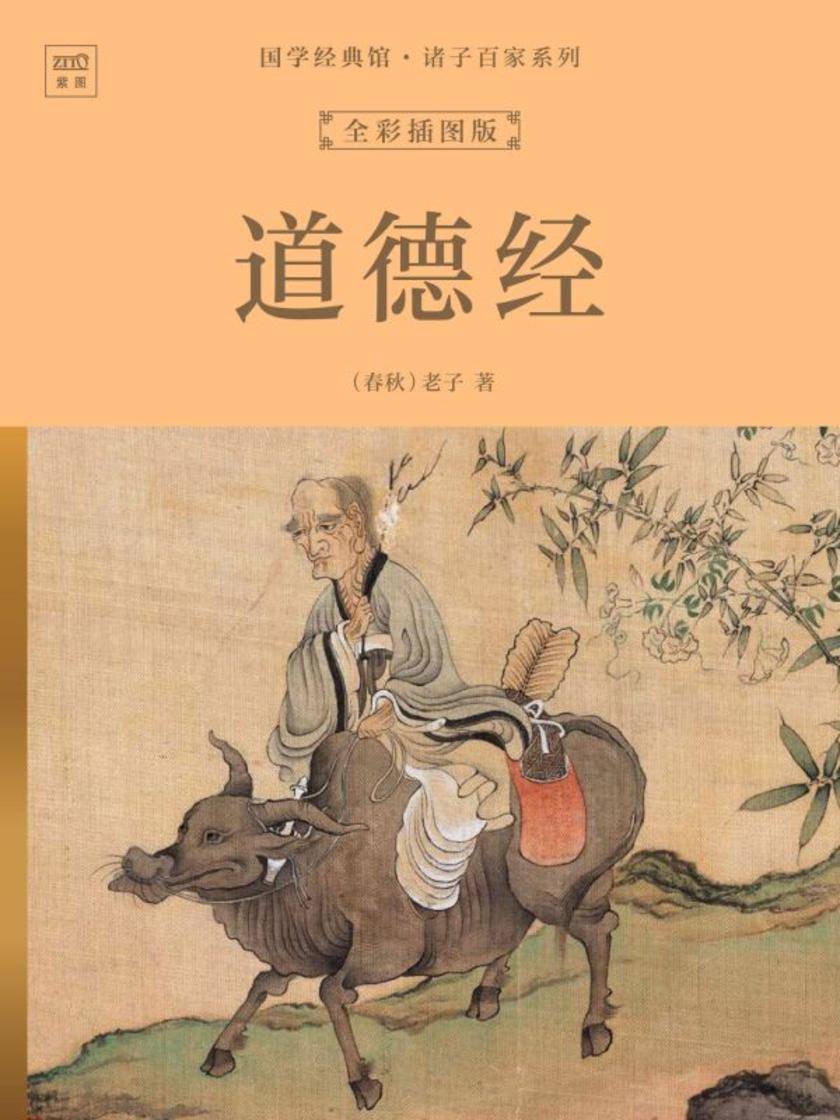
国学经典馆·诸子百家系列:道德经(全彩插图版)
¥17.99
《道德经》相传为春秋时期老子所作,分《道经》《德经》两部分,以简约凝练的语言讨论宇宙本原、万物生成、人生修养与治国之道。书中提出“道法自然”“无为而治”“上善若水”“柔弱胜刚强”等重要观念,强调减少私欲、尊重规律、守住虚静与谦下。它既是道家思想的核心经典,也是中国哲学与传统文化中影响*深远的著作之一。
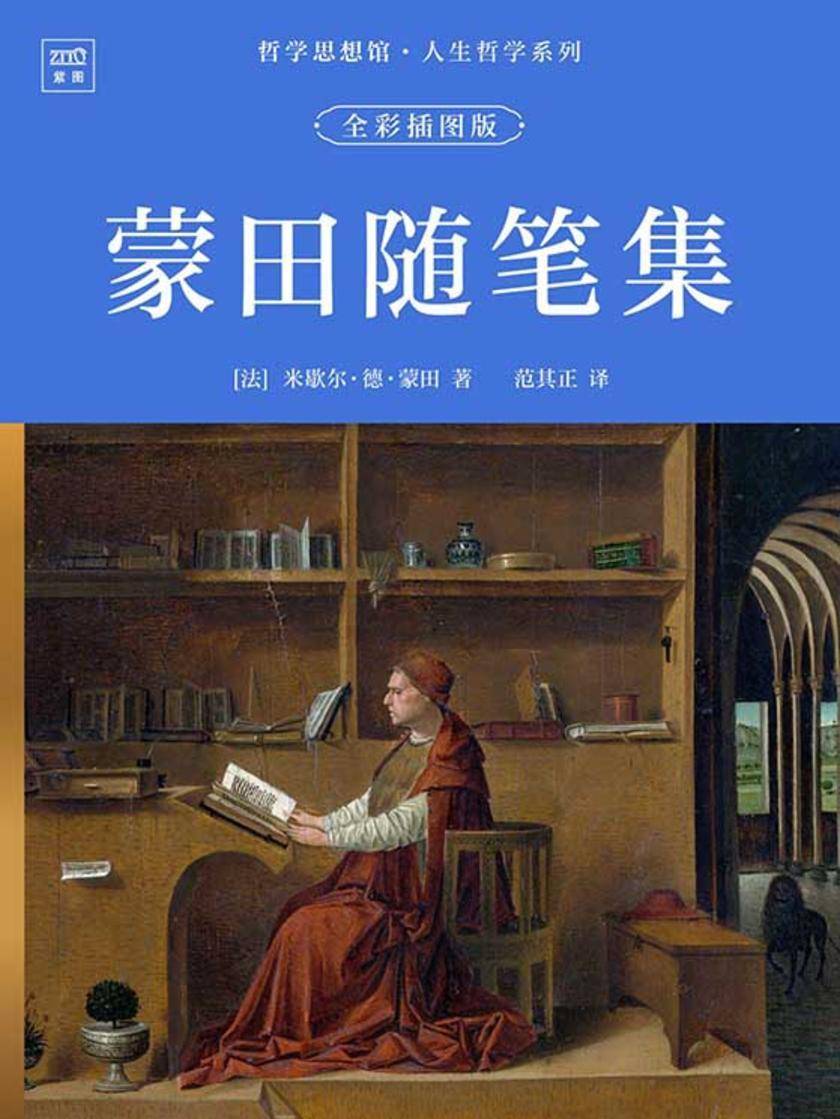
哲学思想馆·人生哲学系列:蒙田随笔集(全彩插图版)
¥17.99
《蒙田随笔集》是法国文艺复兴时期思想家蒙田的代表作。蒙田以“我自己就是这本书的材料”为写作起点,从自身经验出发,谈闲散、行为的反复无常、想象力、痛苦、死亡、年龄、教育、读书、判断与日常生活。他不追求封闭体系,也不提供简单结论,而是在怀疑、辨析和自我观察中不断追问人应怎样认识自己、怎样面对命运、怎样更自由地生活。全书兼具哲学思辨、人生经验和散文魅力。
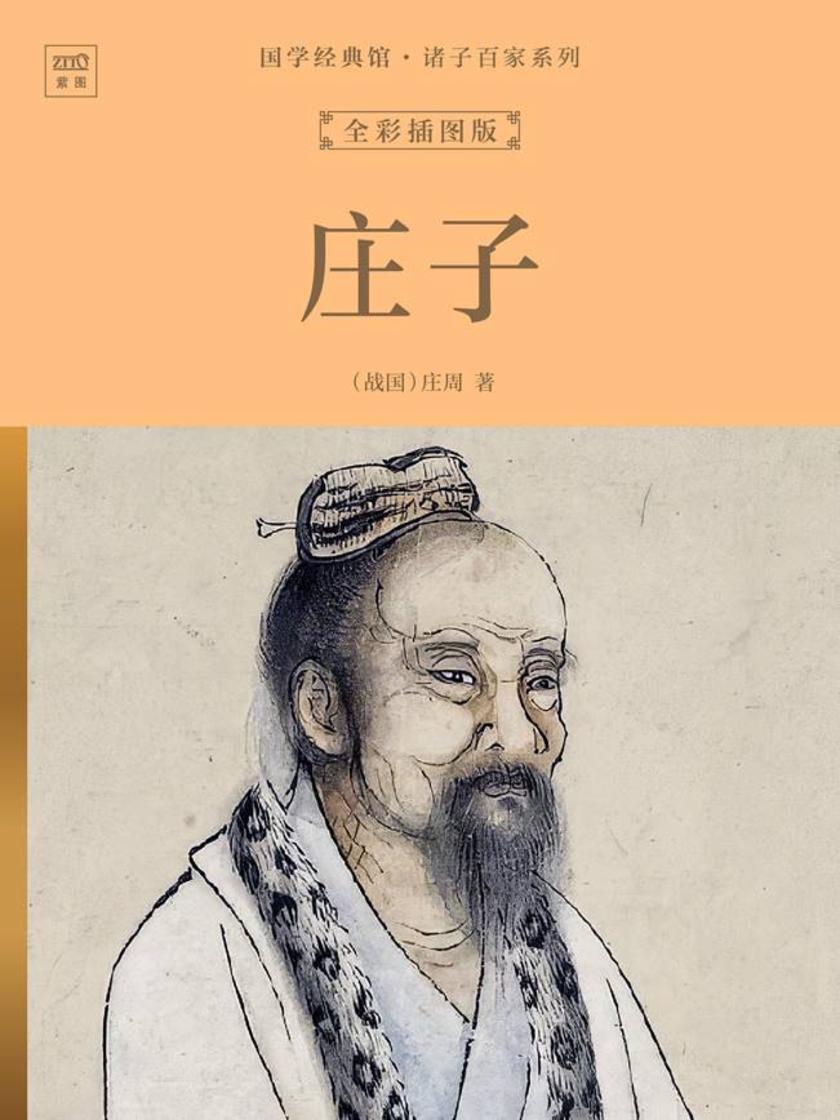
国学经典馆·诸子百家系列:庄子(全彩插图版)
¥17.99
《庄子》是先秦道家经典,传统上分内篇、外篇、杂篇,以寓言、重言、卮言等方式展开思想。全书围绕逍遥、齐物、养生、处世、生死、无用之用、物化与精神自由等主题,塑造鲲鹏、庄周梦蝶、庖丁解牛、濠梁观鱼、藐姑射神人等经典意象。其文字汪洋恣肆,想象奇诡,既批判功名利禄、是非成见和人为束缚,也追求顺应自然、保全本性与超越分别的精神境界。
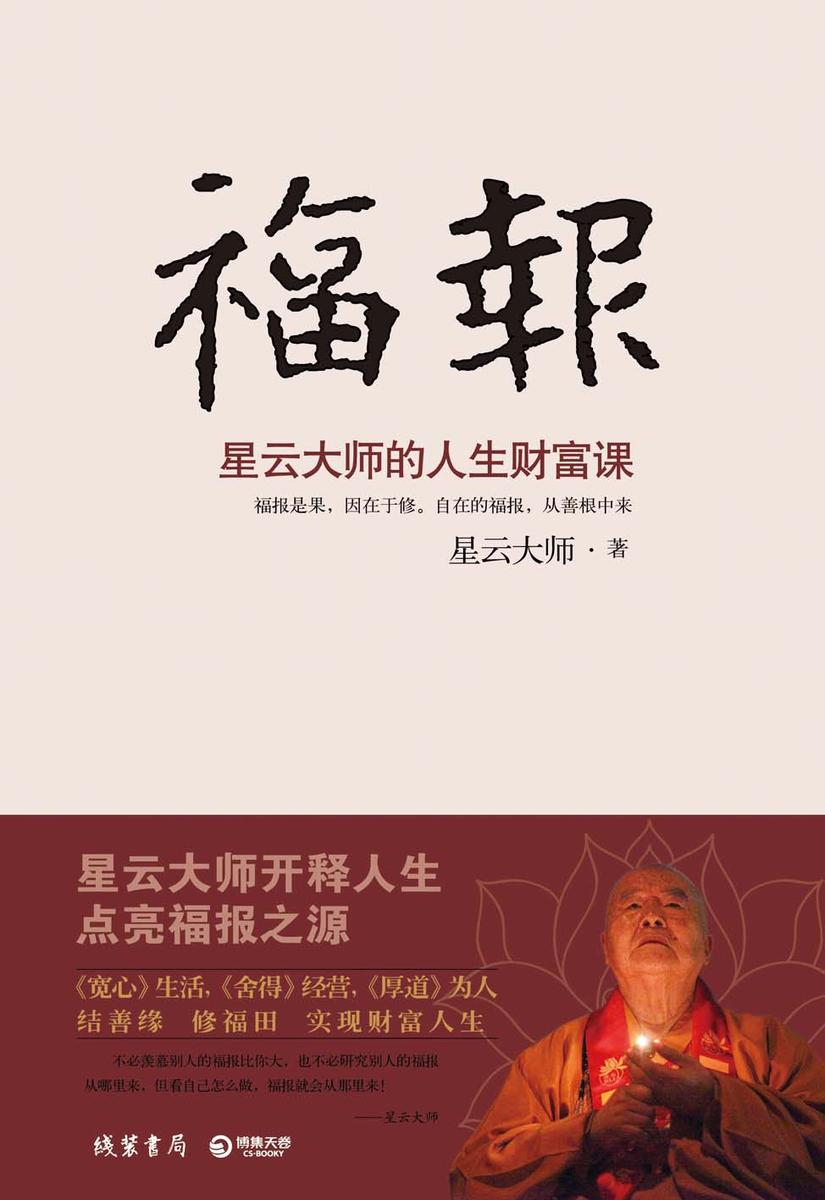
福报:星云大师的人生财富课
¥17.99
这是一本教大家如何修得福报的心灵励志书。在书中,星云大师通过一个个富有哲理的小故事,告诉大家应该怎样通过结善缘,修福田来实现财富人生。在星云大师看来,财富并不只限于金钱,还包括好的人缘、生活的智慧、勤劳、慈悲等,大师结合自己多年的人生经历,启发大家,怎样才会与福报、财富结缘,让自己的人生圆满、富足。
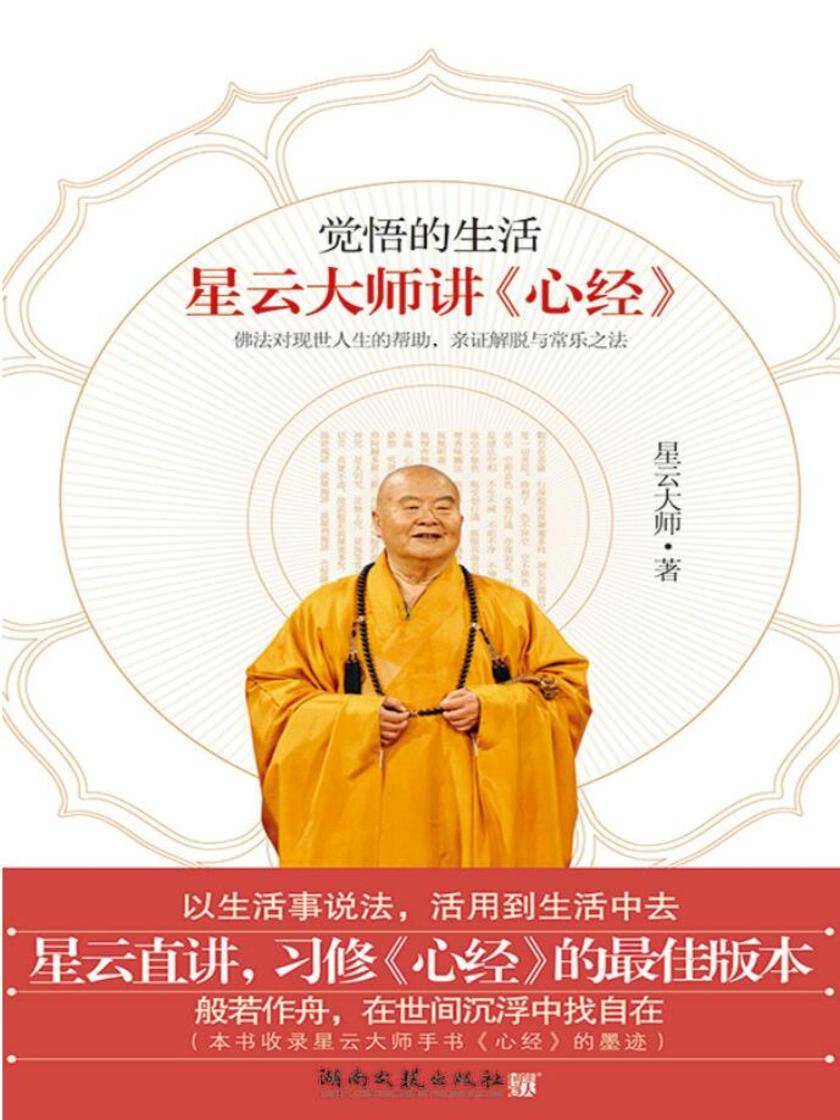
觉悟的生活:星云大师说《心经》
¥17.99
什么是比知识、智能更高的状态?心如何才能自由自在?人如何通达生死而出于生死?种种我们面对生命的处境和疑惑,《心经》都有核心深的解答。星云大师讲《心经》,透过一则又一则生动的故事,以及佛法的真义,让我们了解《心经》、活用《心经》,在生活中成就本然、美好的生命。
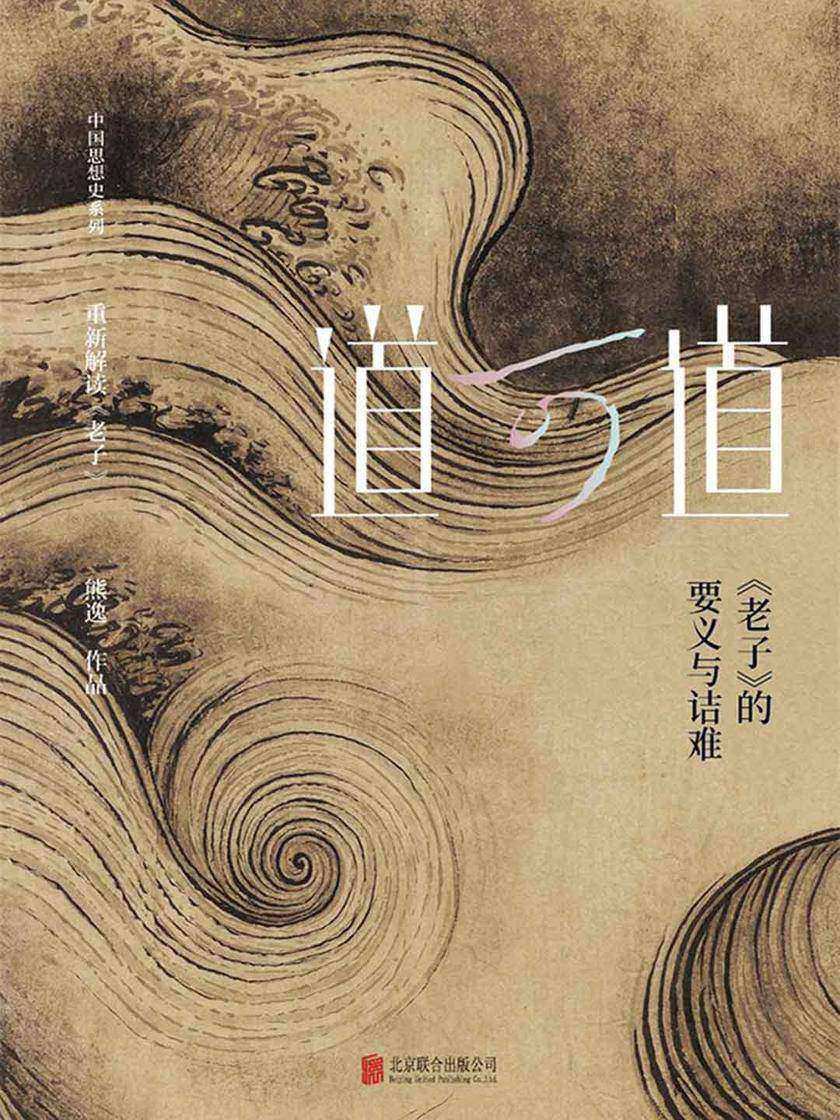
道可道:《老子》的要义与诘难(中国当代思想隐士熊逸,中国思想史系列,聚焦《老子》——一部几乎没有被真正理解过的奇书。)
¥17.99
这本书首先是一本更新换代型的《老子》读本。作者结合*的考古材料和前沿海内外研究成果,以缜密的考据和分析破旧立新,把所有重要的疑难问题都推到了证据和逻辑所能达到的极限,并力图扫清每一个思维死角。 这还是一本充满思辨趣味的书,尤其适合那些怀有纯粹的思辨兴趣的读者。循着作者的分析脉络,我们会得到如*精彩的本格推理小说一般的阅读享受。 这还是一本丰富的文化史。作者以《老子》的文本为线索,从历史上复杂的阐释与实践中勾勒出道家学说恢宏的文化版图,而跨学科地旁征博引又有助于我们以全新的社会科学的眼光,以当代的人文素养,反观两千多年前的古老智慧。
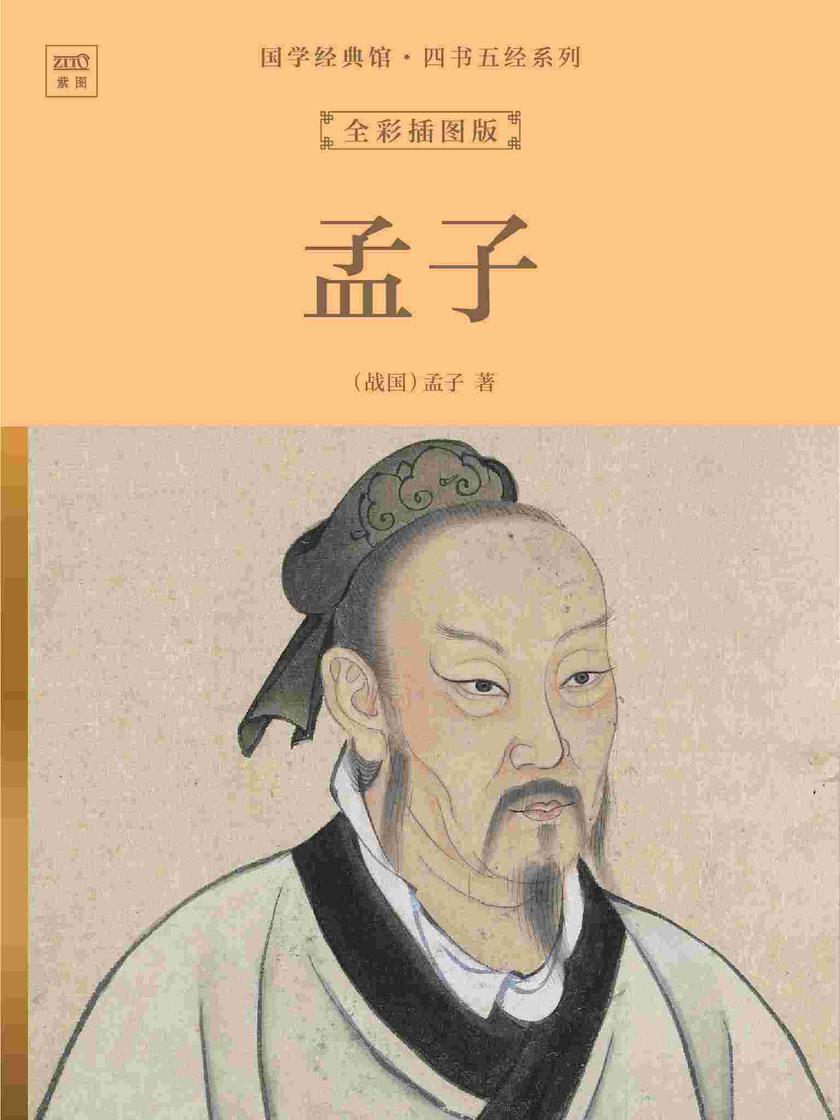
国学经典馆·四书五经系列:孟子(全彩插图版)
¥17.99
《孟子》是记录孟子及其弟子言行、问答和政治辩论的儒家经典,全书分《梁惠王》《公孙丑》《滕文公》《离娄》《万章》《告子》《尽心》等篇。孟子周游列国,与诸侯、大夫和弟子讨论仁政、王道、义利、人性、教化、民生与人格修养。他主张以仁义为政治根本,反对单纯逐利与滥用武力,强调人皆有善端,可以通过存心养性、反求诸己成就道德生命。
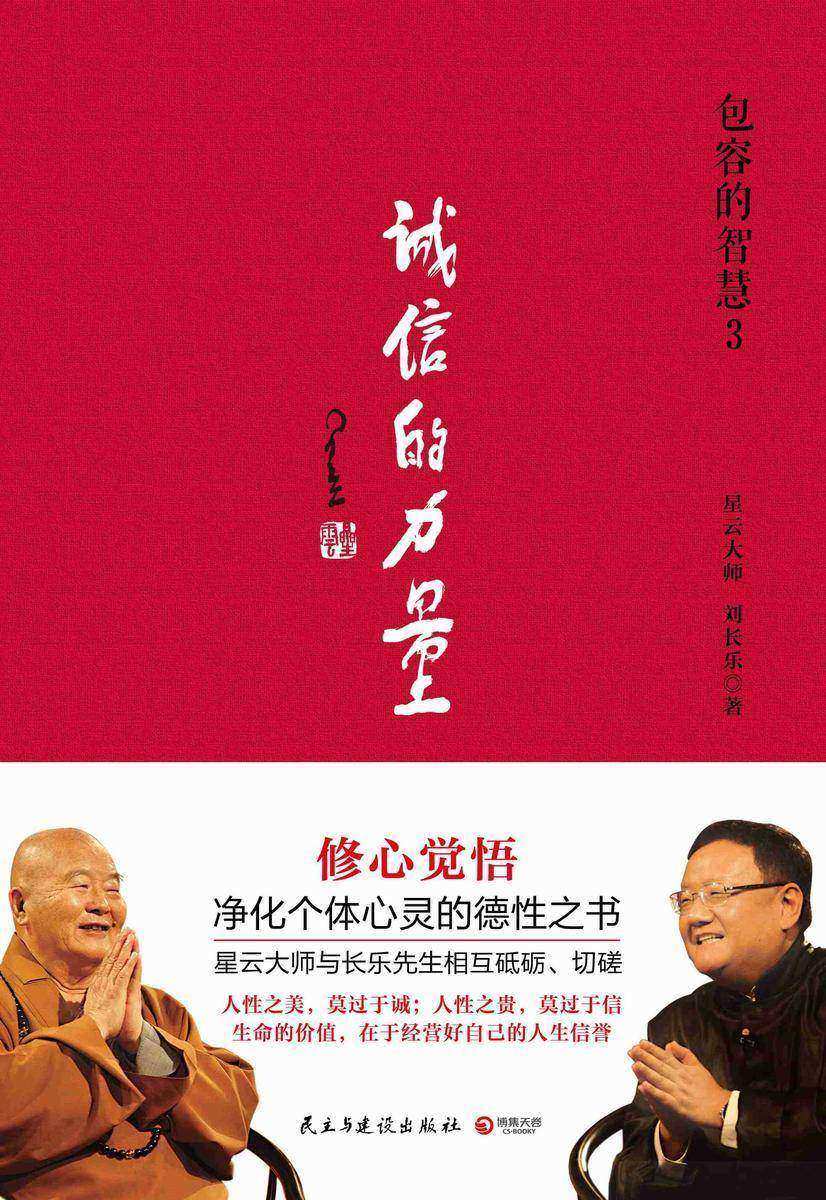
包容的智慧3:诚信的力量
¥17.99
本书是星云大师与凤凰卫视总裁刘长乐继《修好这颗心》《包容的智慧》之后,一步对诚实、信用、慈悲等美好的人性品质,与个人命运和社会发展间的关系行深的探讨,揭示社会个体坚守诚信、心怀善意和仁慈之心,就能够积极地改变个人命运、获得家庭幸福、取得事业成功,而促整个人类社会的良性发展。书中荟萃了东西方古老智慧,集人生哲学和心灵启迪于一身,对净化社会个体心灵、安抚社会浮躁之气有良好而积极的作用。
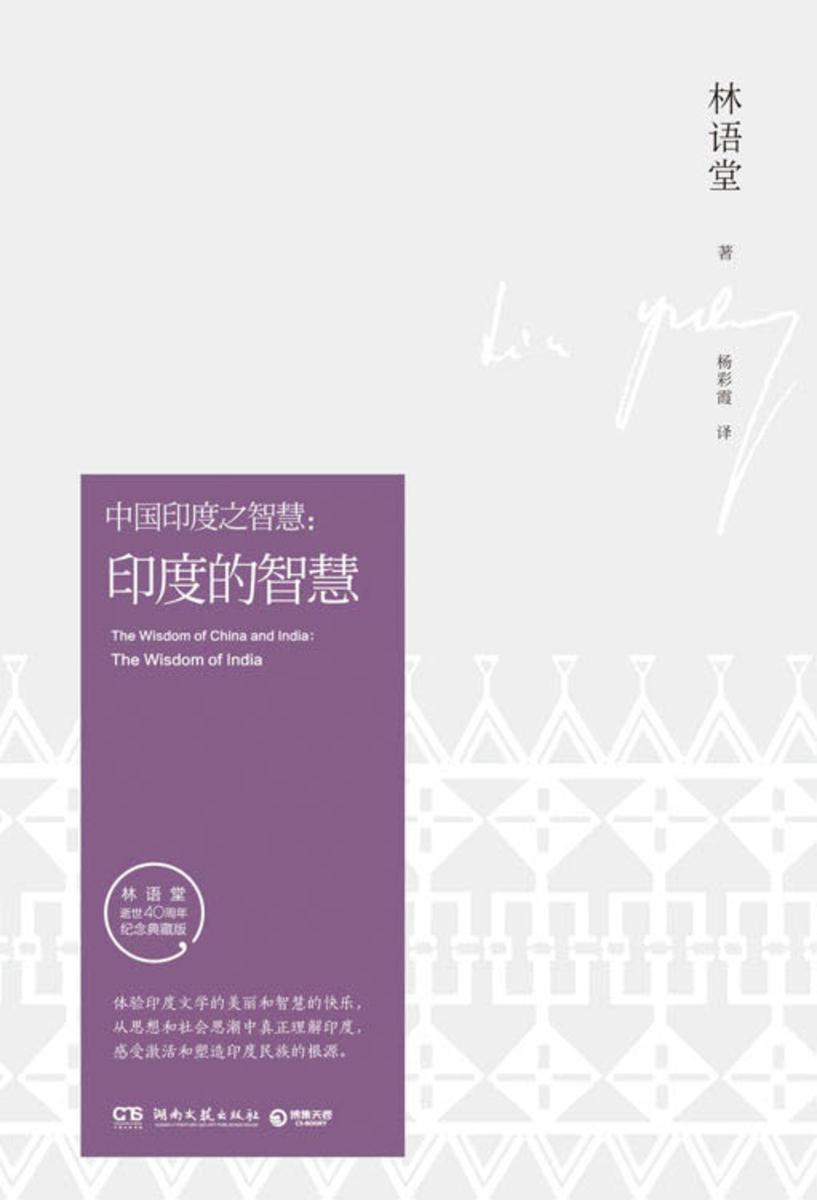
印度的智慧(纪念典藏版)
¥17.99
《中国印度之智慧》撷取了印度、中国文化中颇为精髓和深刻的内容,全书共分两册。《印度的智慧》通过对印度文学、哲学、宗教信仰的展示,让人们一窥印度思想的丰富性和本质精神。《中国的智慧》收录了中国哲学、文学和宗教等方面的代表作,生动全面地介绍了中国的传统文化。林语堂的文学天分和中英文造诣使本书视角独到、视野宽广,两个古老民族的文化积淀和文学述说汇集于此,激荡着读者的心灵。
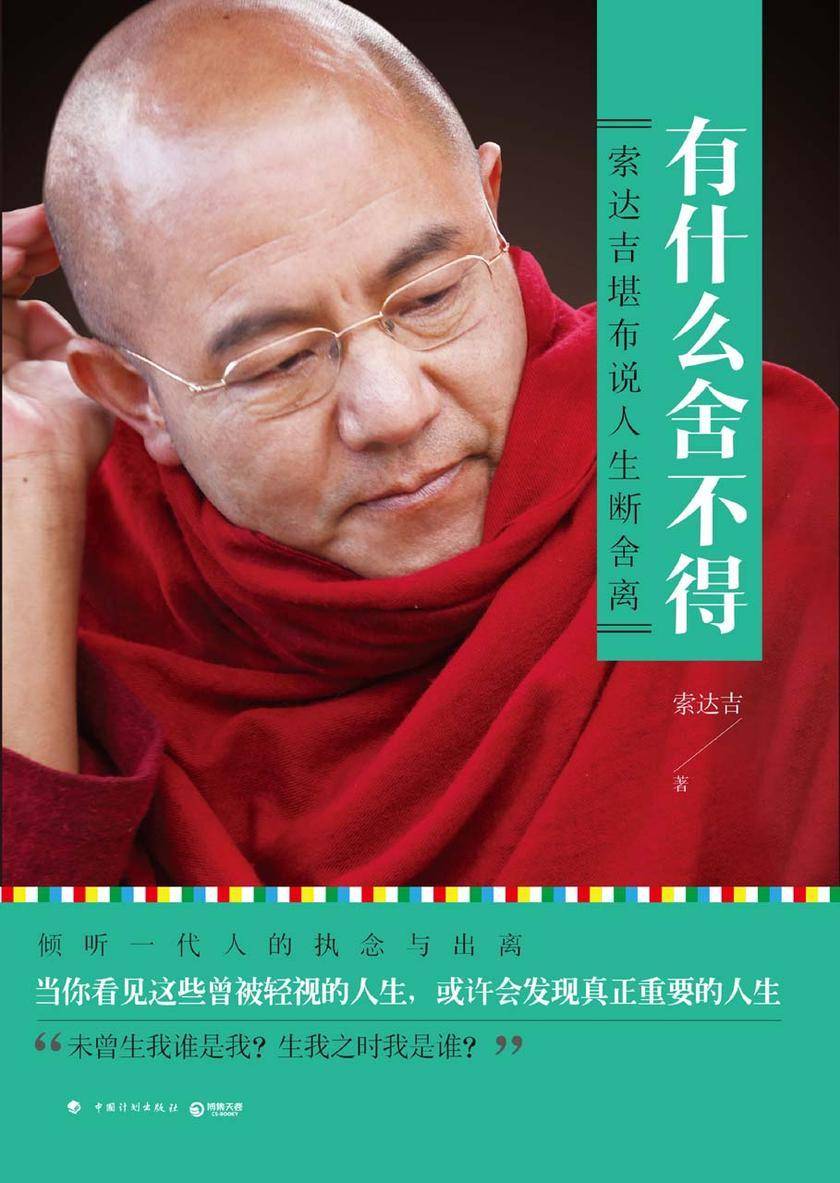
有什么舍不得
¥17.99
本书记录了一个时代的终极思考。 书中,索达吉堪布倾听修行人的讲述,其间给出数语点评,这些场景大部分发生在寂静的山谷、清新的树林、布谷鸟围绕的木屋里。修行人真实的故事,往往伴随着人生的关键转折,站在这个节点上,告别浑浑噩噩的盲从,开始对内心和宇宙的认真求索:“生从何来,死向何去?如何面对疾病和死亡的威胁?这一生,对自他能有多少利益?”每个问题,索达吉堪布都以佛法精髓做出回应,启发你和书中人一起,思考人生的终极意义。
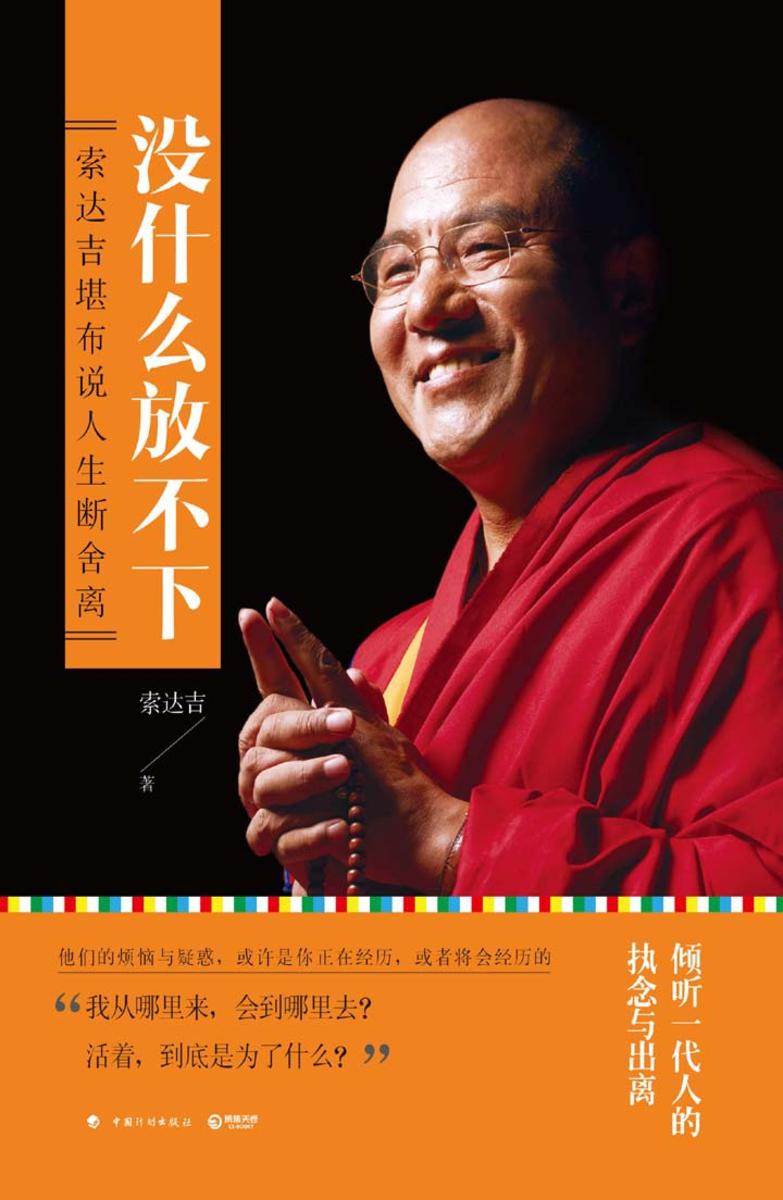
没什么放不下
¥17.99
本书记录了一个时代的终极思考。 书中,索达吉堪布倾听修行人的讲述,其间给出数语点评,这些场景大部分发生在寂静的山谷、清新的树林、布谷鸟围绕的木屋里。修行人真实的故事,往往伴随着人生的关键转折,站在这个节点上,告别浑浑噩噩的盲从,开始对内心和宇宙的认真求索:“人到底应该有一个怎样的活法?我的人生及格吗?怎样才能驾驭命运之车?什么才是科学的态度?”每个问题,索达吉堪布都以佛法精髓做出回应,启发你和书中人一起,思考人生的终极意义。
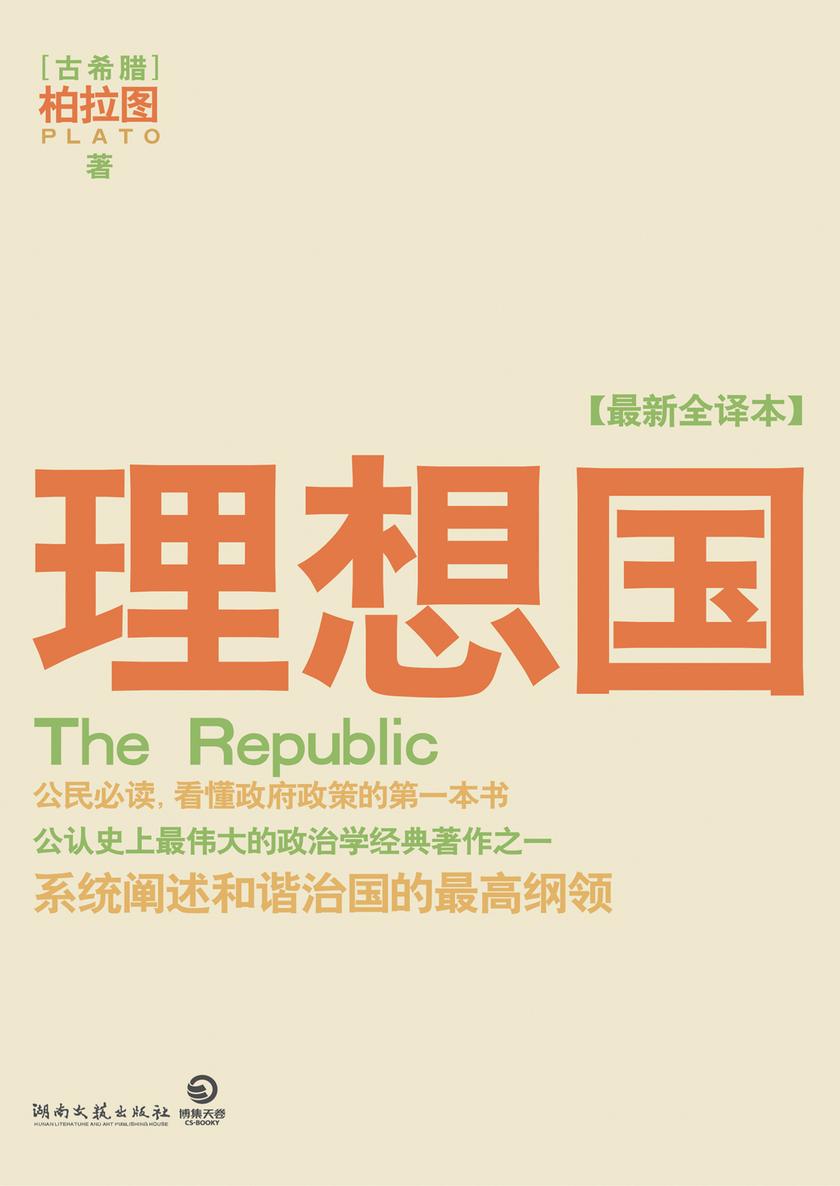
理想国
¥17.99
《理想国》是西方政治思想传统*代表性的作品之一。该书不仅是哲学家的宣言书,而且是哲人政治家所写的治国计划纲要。原书共分十卷,主要涉及国家专政问题、独裁问题、正义非正义问题、善与恶问题、教育问题以及男女平权等诸多问题。全书通过主角苏格拉底与他人极富故事性的辩论、对话,展现了一个系统的理想国家方案。


