


 购物车
购物车 个人中心
个人中心
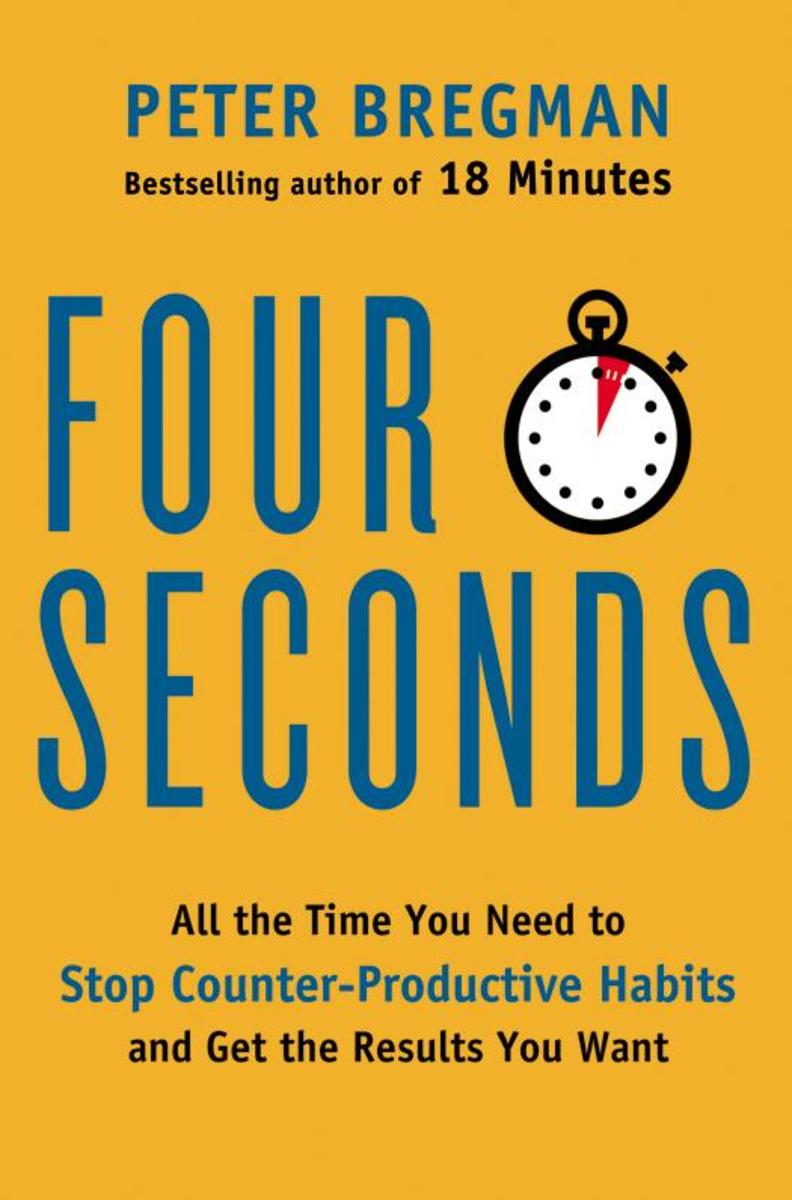
Four Seconds
¥94.10
All too often our best efforts to accomplish the things we want most to do our jobs well, to make meaningful contributions at home and at work, to have satisfying relationships with loved ones, friends, neighbors, and coworkers are built on bad habits that sabotage us. We feel overwhelmed by our increasingly large to-do list, so we automatically multitask to get more done and end up more stressed and more overloaded. We say something with the hopes of impressing the other person, but instead of end them then spend days trying to repair the damage. We give what we think is a pep talk to our team but they walk away demotivated.How can we be most effective and productive in a world that moves too fast and demands so much of us?In Four Seconds, Peter Bregman shows that the answer is to pause for as few as four seconds the length of a deep breath to replace bad habits and reactions with more productive behaviors. In his trademark style of blending personal anecdotes with practical advice, Bregman reveals some of our most common counter-productive tendencies and describes counter-intuitive strategies for acting more intentionally, including: Why setting goals can actually harm your performance How to use strategic disengagement to recover focus and willpower Why listening not arguing is the best strategy for changing someone's mind How taking responsibility for someone else's failure can actually help you succeed Drawn from Bregman's hugely popular Harvard Business Review blog, this engaging and wise book provides simple solutions to create the results you want without the stress.
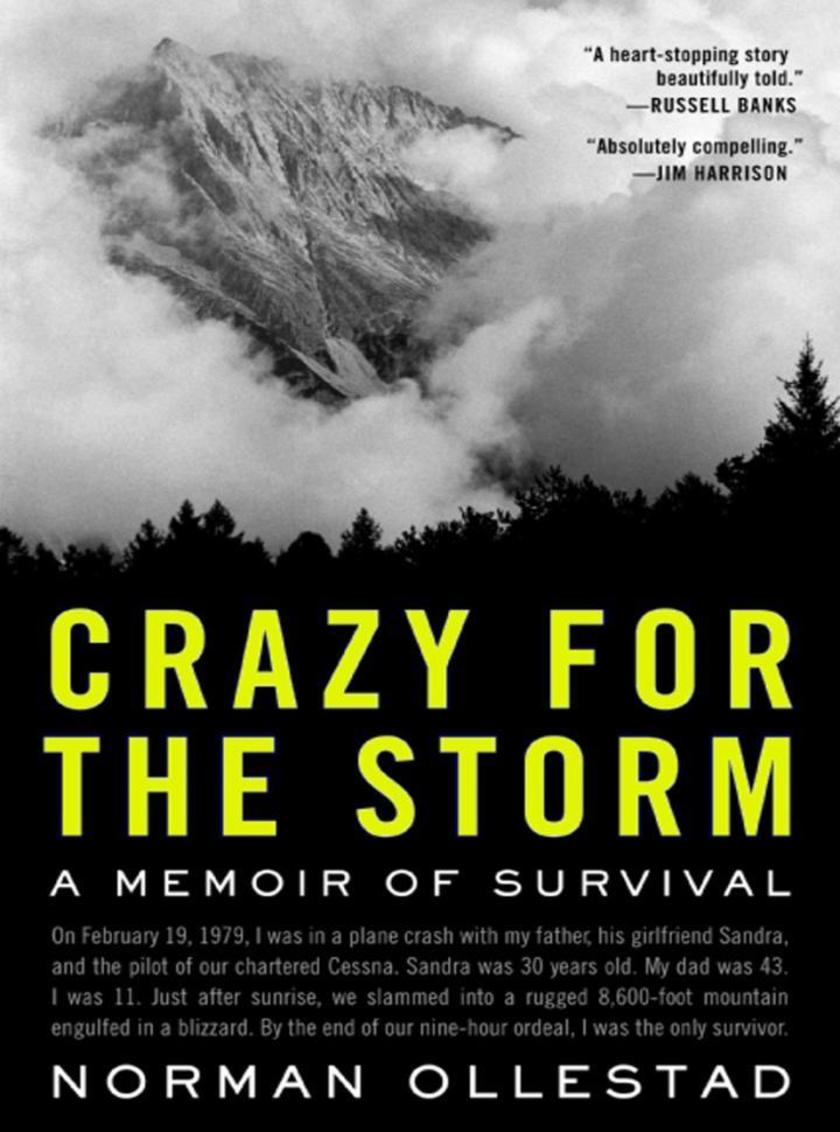
Crazy for the Storm
¥94.10
Dad SaidOlestad, we can do i t all. . . .Why do you make me do thisBecause it's beautiful when it all comes together.I don't think it's ever beautiful.One day.Never.We'll see, my father said. Vamanos.From the age of three, Norman Ollestad was thrust into the world of surfing and competitive downhill skiing by the intense, charismatic father he both idolized and resented. While his friends were riding bikes, playing ball, and going to birthday parties, young Norman was whisked away in pursuit of wild and demanding adventures. Yet it were these exhilarating tests of skill that prepared "Boy Wonder," as his father called him, to become a fearless champion and ultimately saved his life.Flying to a ski championship ceremony in February 1979, the chartered Cessna carrying Norman, his father, his father's girlfriend, and the pilot crashed into the San Gabriel Mountains and was suspended at 8,200 feet, engulfed in a blizzard. "Dad and I were a team, and he was Superman," Ollestad writes. But now Norman's father was dead, and the devastated eleven-year-old had to descend the treacherous, icy mountain alone.Set amid the spontaneous, uninhibited surf culture of Malibu and Mexico in the late 1970s, this riveting memoir, written in crisp Hemingwayesque prose, recalls Ollestad's childhood and the magnetic man whose determination and love infuriated and inspired him and also taught him to overcome the indomitable. As it illuminates the complicated bond between an extraordinary father and his son, Ollestad's powerful and unforgettable true story offers remarkable insight for us all.
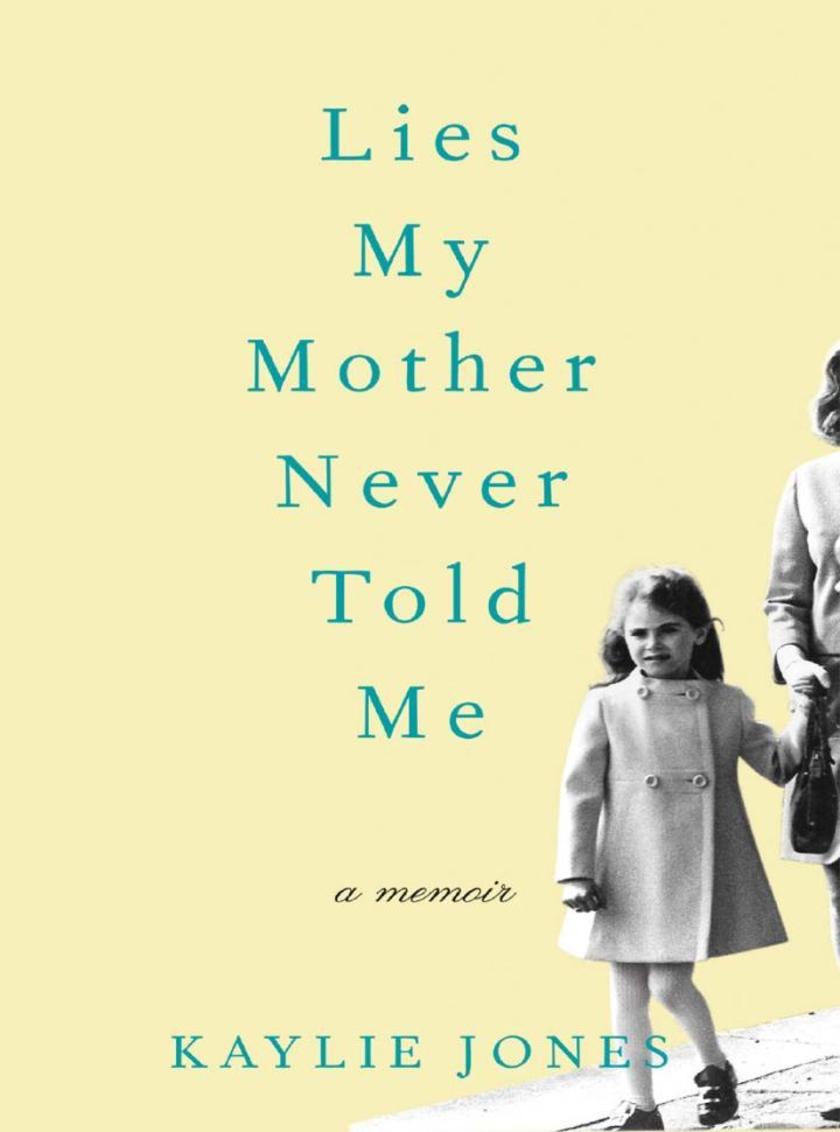
Lies My Mother Never Told Me
¥94.10
Her mother was a brainy knockout with the sultry beauty of Marilyn Monroe, a raconteur whose fierce wit could shock an audience into hilarity or silence. Her father was a distinguished figure in American letters, the National Book Award–winning author of four of the greatest novels of World War II ever written. A daughter of privilege with a seemingly fairy-tale-like life, Kaylie Jones was raised in the Hamptons via France in the 1960s and '70s, surrounded by the glitterati who orbited her famous father, James Jones. Legendary for their hospitality, her handsome, celebrated parents held court in their home around an antique bar an eighteenth-century wooden pulpit taken from a French village church playing host to writers, actors, movie stars, film directors, socialites, diplomats, an emperor, and even the occasional spy. Kaylie grew up amid such family friends as William Styron, Irwin Shaw, James Baldwin, and Willie Morris, and socialized with the likes of Truman Capote, Norman Mailer, George Plimpton, and Kurt Vonnegut.Her beloved father showed young Kaylie the value of humility, hard work, and education, with its power to overcome ignorance, intolerance, and narrow-mindedness, and instilled in her a love of books and knowledge. From her mother, Gloria, she learned perfect posture, the twist, the fear of abandonment, and soul-shattering cruelty. Two constants defined Kaylie's childhood: literature and alcohol. "Only one word was whispered in the house, as if it were the worst insult you could call someone," she writes, "alcoholic was a word my parents reserved for the most appalling and shameful cases drunks who made public scenes or tried to kill themselves or ended up in the street or in an institution. If you could hold your liquor and go to work, you were definitely not an alcoholic." When her father died from heart failure complicated by years of drinking, sixteen-year-old Kaylie was broken and lost. For solace she turned to his work, looking beyond the man she worshipped to discover the artist and his craft, determined that she too would write. Her loss also left her powerless to withstand her mother's withering barbs and shattering criticism, or halt Gloria's further descent into a bottle one of the few things mother and daughter shared. From adolescence, Kaylie too used drink as a refuge, a way to anesthetize her sadness, anger, and terror. For years after her father's death, she denied the blackouts, the hangovers, the lost days, the rage, the depression. Broken and bereft, she began reading her father's novels and those writers who came before and after him and also pursued her own writing. With this, she found the courage to open the door on the truth of her own addiction.Lies My Mother Never Told Me is the mesmerizing and luminously told story of Kaylie's battle with alcoholism and her struggle to flourish despite the looming shadow of a famous father and an emotionally abusive and damaged mother. Deeply intimate, brutally honest, yet limned by humor and grace, it is a beautifully written tale of personal evolution, family secrets, second chances, and one determined woman's journey to find her own voice and the courage to embrace a life filled with possibility, strength, and love.
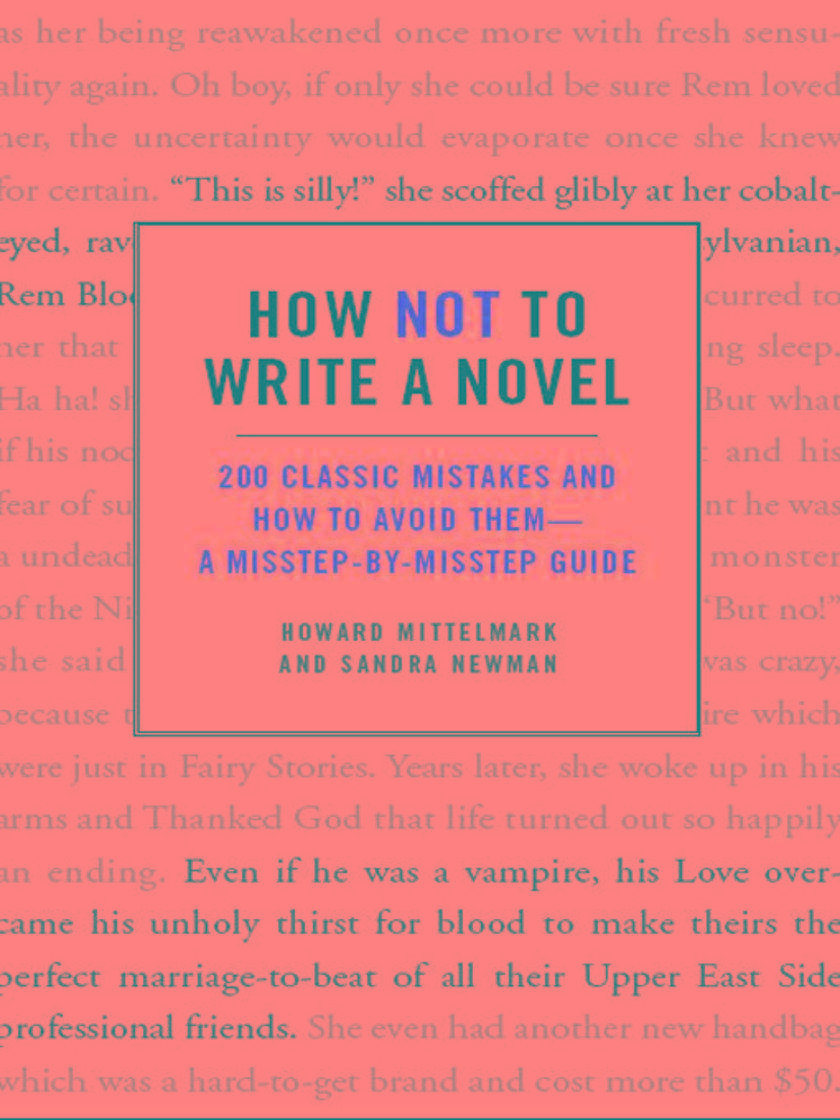
How Not to Write a Novel
¥94.10
"What do you think of my fiction book writing?" the aspiring novelist extorted. "Darn," the editor hectored, in turn. "I can not publish your novel! It is full of what we in the business call 'really awful writing.'" "But how shall I absolve this dilemmaI have already read every tome available on how to write well and get published!" The writer tossed his head about, wildly."It might help," opined the blonde editor, helpfully, "to ponder how NOT to write a novel, so you might avoid the very thing!" Many writing books offer sound advice on how to write well. This is not one of those books. On the contrary, this is a collection of terrible, awkward, and laughably unreadable excerpts that will teach you what to avoid at all costs if you ever want your novel published. In How Not to Write a Novel, authors Howard Mittelmark and Sandra Newman distill their 30 years combined experience in teaching, editing, writing, and reviewing fiction to bring you real advice from the other side of the query letter. Rather than telling you how or what to write, they identify the 200 most common mistakes unconsciously made by writers and teach you to recognize, avoid, and amend them. With hilarious "mis-examples" to demonstrate each manu*-mangling error, they'll help you troubleshoot your beginnings and endings, bad guys, love interests, style, jokes, perspective, voice, and more. As funny as it is useful, this essential how-NOT-to guide will help you get your manu* out of the slush pile and into the bookstore.

How to Write
¥94.10
Uniquely fusing practical advice on writing with his own insights into the craft, Pulitzer Prize-winning author Richard Rhodes constructs beautiful prose about the issues would-be writers are most afraid to articulate: How do I dare writeWhere do I beginWhat do I do with this story I have to tell that fills and breaks my heartRich with personal vignettes about Rhode's sources of inspiration, How to Write is also a memoir of one of the most original and celebrated writers of our day.
Unbelievable
¥94.10
From The Sixth Sense to Medium, Ghost Whisperer to Ghost Hunters, the paranormal stirs heated debate, spawning millions of believers and skeptics alike. Nearly half of us say we believe in ghosts, and two-thirds of us believe in life after death. What would you make of rain barrels that refill themselvesPsychic horsesMind-reading Cold War spiesFor a group of scientists at the Duke Parapsychology Lab under the leadership of Dr. J. B. Rhine considered the Einstein of the paranormal such mysteries demanded further investigation. From 1930 to 1980, these dedicated men and women attempted to test the bizarre, the frightening, and the unexplainable against the rigors of science, ultimately finding proof that the human mind possesses telepathic powers.
The Official CIA Manual of Trickery and Deception
¥94.10
Magic or spycraftIn 1953, against the backdrop of the Cold War, the CIA initiated a top-secret program, code-named MKULTRA, to counter Soviet mind-control and interrogation techniques. Realizing that clandestine officers might need to covertly deploy newly developed pills, potions, and powders against the adversary, the CIA hired America's most famous magician, John Mulholland, to write two manuals on sleight of hand and undercover communication techniques. In 1973, virtually all documents related to MKULTRA were destroyed. Mulholland's manuals were thought to be among them until a single surviving copy of each, complete with illustrations, was recently discovered in the agency's archives.The manuals reprinted in this work represent the only known complete copy of Mulholland's instructions for CIA officers on the magician's art of deception and secret communications.
Why Science Does Not Disprove God
¥94.10
The renowned science writer, mathematician, and bestselling author of Fermat's Last Theorem masterfully refutes the overreaching claims of the "New Atheists," providing millions of educated believers with a clear, engaging explanation of what science really says, how there's still much space for the Divine in the universe, and why faith in both God and empirical science are not mutually exclusive In recent years a highly publicized coterie of scientists and thinkers, including Richard Dawkins, the late Christopher Hitchens, and Lawrence Krauss, have vehemently contended that breakthroughs in modern science have disproven the existence of God, asserting we must accept that the creation of the universe came out of nothing, that religion is evil, that evolution fully explains the dazzling complexity of life, and more. However, in this much-needed book, veteran science journalist Amir Aczel profoundly disagrees and convincingly demonstrates that science has not, as yet, provided any definitive proof refuting the existence of God. Based on interviews with eleven Nobel Prize winners and many other prominent physicists, biologists, anthropologists, and psychologists, as well as leading theologians and spiritual leaders, Why Science Does Not Disprove God is a fascinating tour through the history of science and a brilliant and incisive analysis of the religious implications of our ever-increasing understanding of life and the universe. Throughout, Aczel reminds us that science, at its best, is about the dispassionate pursuit of truth not a weapon in cultural debates. Respectful of both science and faith and argued from the perspective of no single religious tradition Aczel's book is an essential corrective that should be read by all.
The Little Big Things
¥94.10
#131 The Case of the Two-Cent CandyYears ago, I wrote about a retail store in the Palo Alto environs a good one, which had a box of two-cent candies at the checkout. I subsequently remember that "little" parting gesture of the two-cent candy as a symbol of all that is Excellent at that store. Dozens of people who have attended seminars of mine from retailers to bankers to plumbing-supply-house owners have come up to remind me, sometimes 15 or 20 years later, of "the two-cent candy story," and to tell me how it had a sizable impact on how they did business, metaphorically and in fact.Well, the Two-Cent Candy Phenomenon has struck again with oomph and in the most unlikely of places.For years Singapore's "brand" has more or less been Southeast Asia's "place that works." Its legendary operational efficiency in all it does has attracted businesses of all sorts to set up shop there. But as "the rest" in the geographic neighborhood closed the efficiency gap, and China continued to rise-race-soar, Singapore decided a couple of years ago to "rebrand" itself as not only a place that works but also as an exciting, "with it" city. (I was a participant in an early rebranding conference that also featured the likes of the late Anita Roddick, Deepak Chopra, and Infosys founder and superman N. R. Narayana Murthy.)Singapore's fabled operating efficiency starts, as indeed it should, at ports of entry the airport being a prime example. From immigration to baggage claim to transportation downtown, the services are unmatched anywhere in the world for speed and efficiency.Saga . . . Immigration services in Thailand, three days before a trip to Singapore, were a pain. ("Memorable.") And entering Russia some months ago was hardly a walk in the park, either. To be sure, and especially after 9/11, entry to the United States has not been a process you'd mistake for arriving at Disneyland, nor marked by an attitude that shouted "Welcome, honored guest."Singapore immigration services, on the other hand:The entry form was a marvel of simplicity. The lines were short, very short, with more than adequate staffing.The process was simple and unobtrusive.And:The immigration officer could have easily gotten work at Starbucks; she was all smiles and courtesy.And:Yes!Yes!And . . . yes!There was a little candy jar at each Immigration portal!The "candy jar message" in a dozen ways:"Welcome to Singapore, Tom!! We are absolutely beside ourselves with delight that you have decided to come here!"Wow!Wow!Wow!Ask yourself . . . now:What is my (personal, department, project, restaurant, law firm) "Two-Cent Candy"?Does every part of the process of working with us/me include two-cent candies?Do we, as a group, "think two-cent candies"?Operationalizing: Make "two-centing it" part and parcel of "the way we do business around here." Don't go light on the so-called substance but do remember that . . . perception is reality . . . and perception is shaped by two-cent candies as much as by that so-called hard substance.Start: Have your staff collect "two-cent candy stories" for the next two weeks in their routine "life" transactions. Share those stories. Translate into "our world." And implement.Repeat regularly.Forever.(Recession or no recession you can afford two cents.)(In fact, it is a particularly Brilliant Idea for a recession you doubtless don't maximize Two-Cent Opportunities. And what opportunities they are.)
You'll See It When You Believe It
¥94.10
Dr. Wayne W. Dyer, psychotherapist, lecturer, and world'famous author of the phenomenal bestseller, Your Erroneous Zones, now takes us to new plateaus of selfawareness in his most powerful book yet. You'll See It When You Believe It will show you how, by tapping the truly amazing power that lies within you, you can direct the course of your own destiny. Using examples from his own highly successful experiences, Wayne Dyer will convince you that, with his proven techniques, you can make your most impossible dreams come true. Believe that you have the power to: Make your life anything you wish it to be; Set real goals and achieve them; Turn obstacles into opportunities; Rid yourself of guilt and inner turmoil; Develop a strong inner confidence; Dramatically improve relationships; Choose a life of abundance; Spend every day doing the things you love to do.

Lost in Shangri-La
¥94.10
On May 13, 1945, twenty-four American servicemen and WACs boarded a transport plane for a sightseeing trip over Shangri-La, a beautiful and mysterious valley deep within the jungle-covered mountains of Dutch New Guinea.Unlike the peaceful Tibetan monks of James Hilton's bestselling novel Lost Horizon, this Shangri-La was home to spear-carrying tribesmen, warriors rumored to be cannibals. But the pleasure tour became an unforgettable battle for survival when the plane crashed. Miraculously, three passengers pulled through. Margaret Hastings, barefoot and burned, had no choice but to wear her dead best friend's shoes. John McCollom, grieving the death of his twin brother also aboard the plane, masked his grief with stoicism. Kenneth Decker, too, was severely burned and suffered a gaping head wound.Emotionally devastated, badly injured, and vulnerable to the hidden dangers of the jungle, the trio faced certain death unless they left the crash site. Caught between man-eating headhunters and enemy Japanese, the wounded passengers endured a harrowing hike down the mountainside a journey into the unknown that would lead them straight into a primitive tribe of superstitious natives who had never before seen a white man or woman.Drawn from interviews, declassified U.S. Army documents, personal photos and mementos, a survivor's diary, a rescuer's journal, and original film footage, Lost in Shangri-La recounts this incredible true-life adventure for the first time. Mitchell Zuckoff reveals how the determined trio dehydrated, sick, and in pain traversed the dense jungle to find help; how a brave band of paratroopers risked their own lives to save the survivors; and how a cowboy colonel attempted a previously untested rescue mission to get them out.By trekking into the New Guinea jungle, visiting remote villages, and rediscovering the crash site, Zuckoff also captures the contemporary natives remembrances of the long-ago day when strange creatures fell from the sky. A riveting work of narrative nonfiction that vividly brings to life an odyssey at times terrifying, enlightening, and comic, Lost in Shangri-La is a thrill ride from beginning to end.
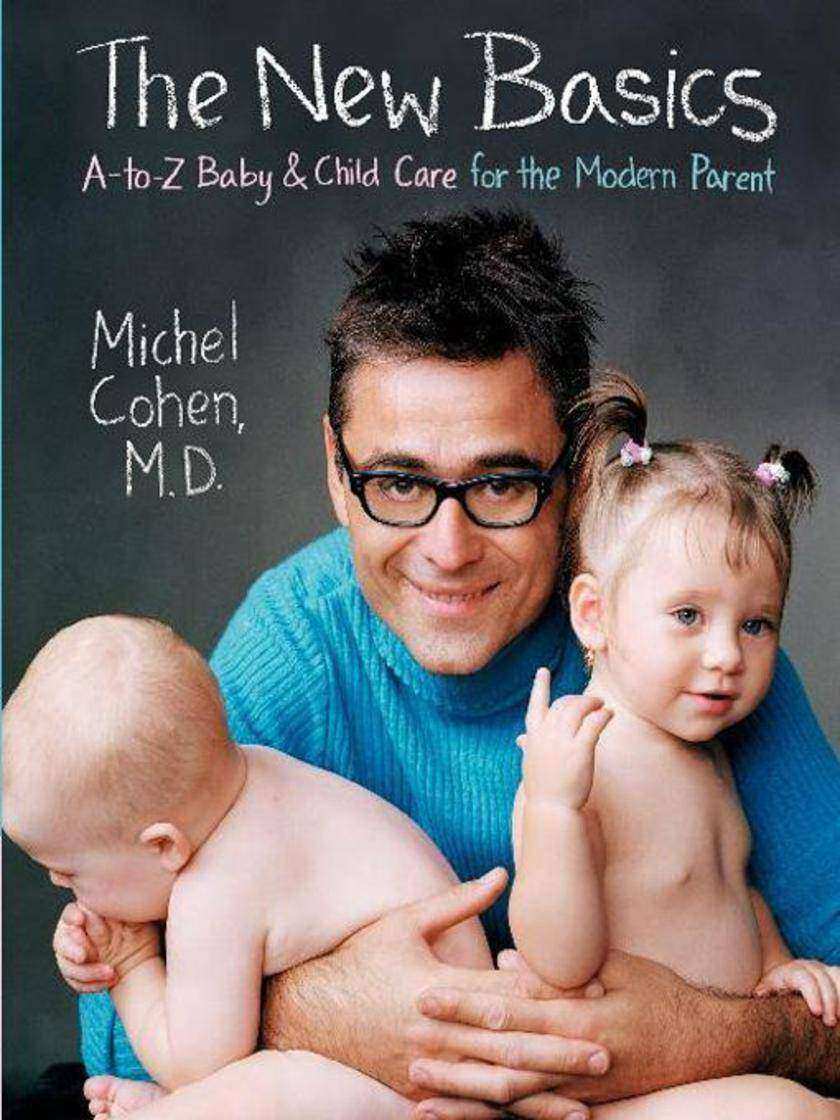
The New Basics
¥94.10
Dr. Michel Cohen, named by the New York Post as the hip, "must-have" pediatrician, has an important message for parents: Don't worry so much. In an easy-reference alphabetical format, The New Basics clearly lays out the concerns you may face as aparent and explains how to solve them -- without fuss, without stress, and without harming your child by using unnecessary medicines or interventions.With sensitivity and love, Dr. Michel describes proven techniques for keeping your children healthy and happy without driving yourself crazy. He will show you how to set positive habits for sleeping and eating and how to treat ailments early and effectively. You'll learn when antibiotics are helpful and when they can be harmful. If you're having trouble breast feeding, pumping, or bottle weaning, Dr. Michel has the advice to set you back on track. If after several months your baby is still not sleeping through the night, The New Basics will provide you with tried-and-true methods to help ease this difficult transition for babies and parents.Dr. Michel recognizes that you're probably asking the same questions his own patients' parents frequently ask, so he includes a section called "Real Questions from Real Parents" throughout the book. You'll find important answers about treating asthma, head injuries, fevers, stomach bugs, colic, earaches, and other ailments. More than just a book on how to care for your child's physical well-being, The New Basics also covers such parenting challenges as biting, hitting, ADD, separation anxiety, how to prevent the terrible twos (and threes and fours ...), and preparing your child for a new sibling.
The Son of Laughter
¥94.10
Rich in family drama, passion, and human affinity, critically acclaimed author Frederick Buechner's contemporary retelling of this captivating and timeless biblical saga revitalizes the ancient story of Jacob, delighted our senses and modern sensibilities and gracing us with his exceptional eloquence and wit.
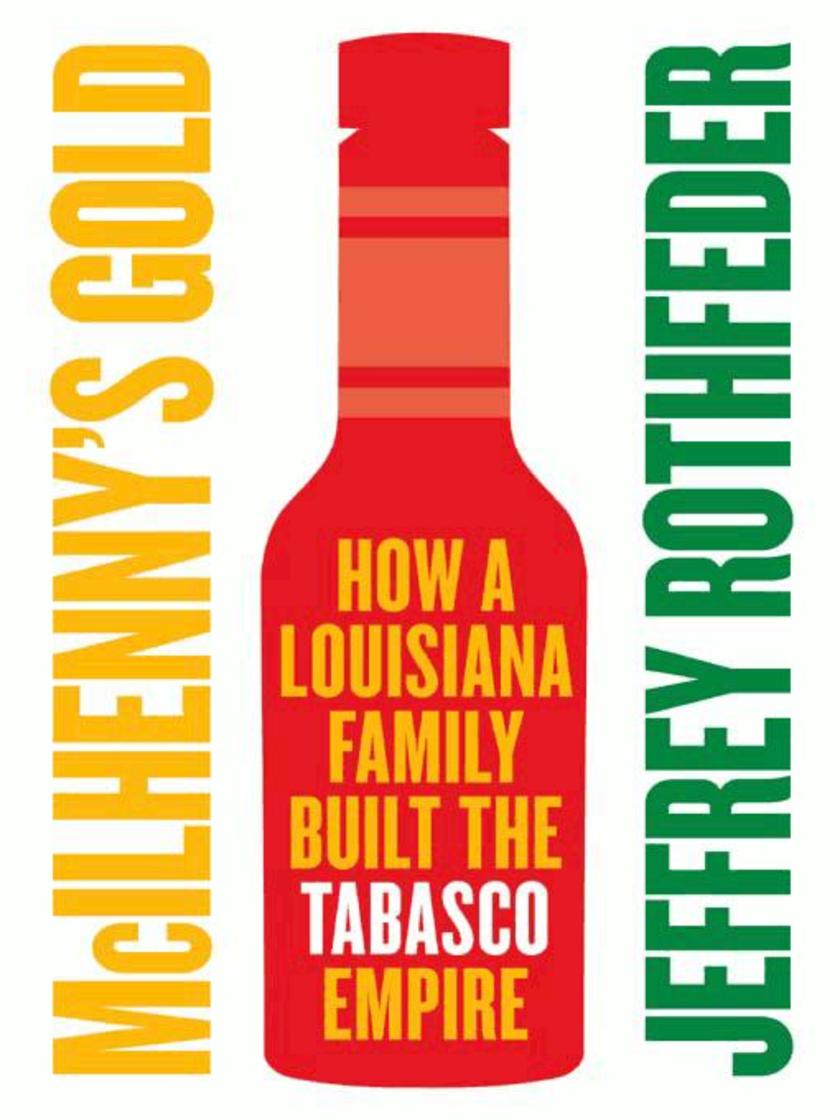
McIlhenny's Gold
¥94.10
In this fascinating history, Jeffrey Rothfeder tells how, from a simple idea the outgrowth of a handful of peppers planted on an isolated island on the Gulf of Mexico a secretive family business emerged that would produce one of the best-known products in the world. A delectable and satisfying read for both Tabasco fans and business buffs, McIlhenny's Gold is the untold story of the continuing success of an eccentric, private company; a lively history of one of the most popular consumer products of all times; and an exploration of our desire to test the limits of human tolerance for fiery foods.
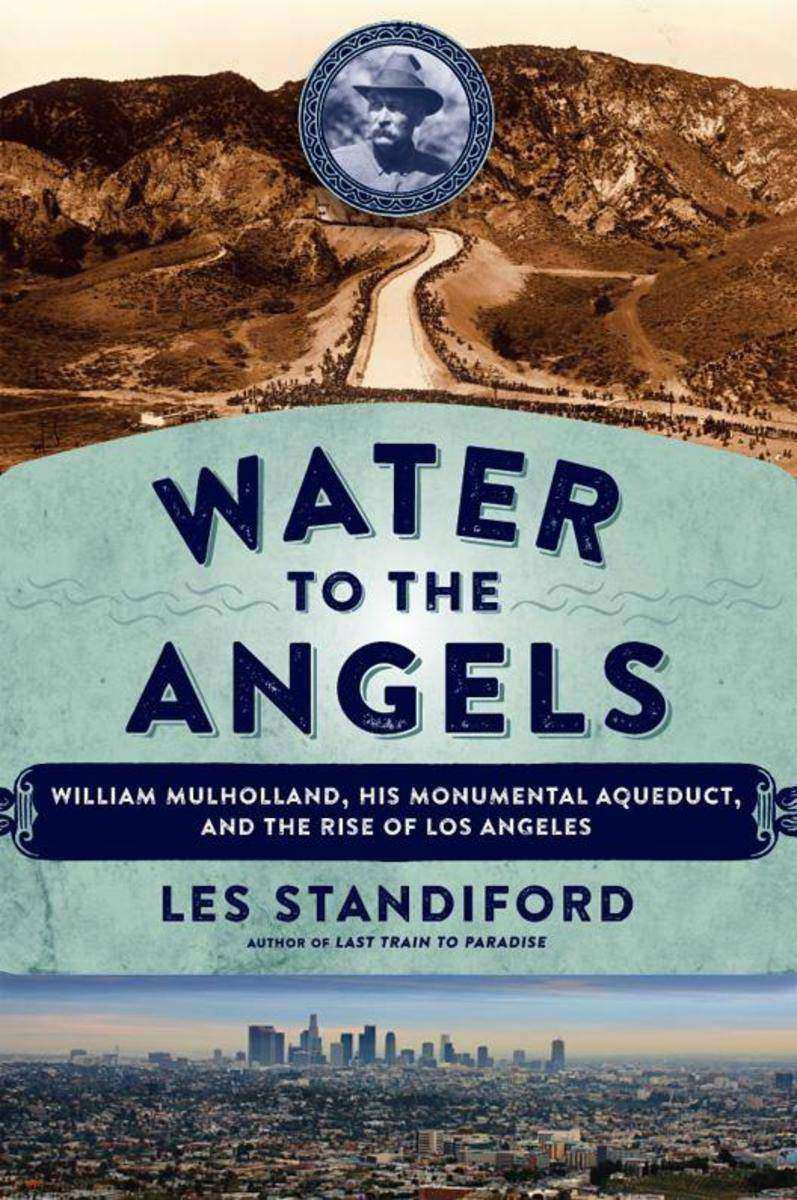
Water to the Angels
¥94.10
In 1907, Irish immigrant William Mulholland designed and began to build one of the greatest civil engineering feats in history: the aqueduct that carried water 233 miles from the Sierra Nevada Mountains to Los Angeles allowing this small, resource-challenged desert city to grow into a modern global metropolis. Drawing on new research, Les Standiford vividly captures the larger-than-life engineer and the breathtaking scope of his six-year, $23 million project that would transform a region, a state, and a nation at the dawn of its greatest century.Mulholland, a penniless Dublin immigrant who made his way west as a stowaway on a passenger ship, personifies the American rags-to-riches tale, working from a position as a ditchdigger to become chief engineer of the Los Angeles Water Company. Confronted with a decade-long drought that threatened his adopted city's future, the self taught Mulholland found the answer in the rushing snow melt from the Eastern Sierra Nevada Mountains, nearly 250 miles away. He proposed to build an aqueduct that would outdo any such ever conceived, one that would carry an entire river from its source to Los Angeles, through mountains, over chasms, and across an alternately freezing and blistering terra incognita, because he believed it was the city's only hope.The project brought a simmering-to-this-day firestorm of protest from residents of California's Owens Valley where the waters would be taken, as well as an all-out onslaught from political opponents and vested interests in Los Angeles, who were fearful of losing their stranglehold on the city's yield. But after nine years of struggle, including the efforts of thousands of workmen many of whom lost their lives and the use of engineering techniques and strategies never previously employed, Mulholland turned the gates and loosed the waters that brought an unprecedented wave of development and prosperity to his city and the region.Though the landmark film Chinatown touched on the subject, Mulholland was characterized there as Hollis Mulwray, a colorless pipsqueak easily dispatched by archvillain and developer Noah Cross (John Houston). In real life, however, Mulholland was every bit the equal of any of his foes, a colorful, brook-no-nonsense man of the people who accomplished a feat like no other and became a hero in the process. Water to the Angels is not only a book that provides insight into the seeds of significant ecological concerns of this day, it is also a stirring story of accomplishment against all odds, all the more captivating for being true.As Robert Towne, author of the screenplay for Chinatown suggests, the subject is timeless. "I found the ubiquity of water in everyone's lives to be compelling. Everybody needs water."At a time when the importance of water is being recognized as never before considered by many experts to be the essential resource of the twenty-first century Water to the Angels brings into focus the vigor of a fabled era, the might of a larger-than-life individual, and the scale of a priceless construction project, and sheds critical light on a past that offers insights for our future.

Bloody Crimes
¥94.10
On the morning of April 2, 1865, Jefferson Davis, president of the Confederacy, received a telegram from General Robert E. Lee. There is no more time the Yankees are coming, it warned. Shortly before midnight, Davis boarded a train from Richmond and fled the capital, setting off an intense and thrilling chase in which Union cavalry hunted the Confederate president. Two weeks later, President Lincoln was assassinated, and the nation was convinced that Davis was involved in the conspiracy that led to the crime. Lincoln's murder, autopsy, and White House funeral transfixed the nation. His final journey began when soldiers placed his corpse aboard a special train that would carry him home on the 1,600-mile trip to Springfield. Along the way, more than a million Americans looked upon their martyr's face, and several million watched the funeral train roll by. It was the largest and most magnificent funeral pageant in American history.To the Union, Davis was no longer merely a traitor. He became a murderer, a wanted man with a $100,000 bounty on his head. Davis was hunted down and placed in captivity, the beginning of an intense and dramatic odyssey that would transform him into a martyr of the South's Lost Cause. The saga that began with Manhunt continues with the suspenseful and electrifying Bloody Crimes. James Swanson masterfully weaves together the stories of two fallen leaders as they made their last expeditions through the bloody landscape of a wounded nation.

My Journey with Farrah
¥94.10
Alana Stewart and Farrah Fawcett went through it all together. Friends for thirty years, they were an essential part of each other's lives since first meeting at a dinner party in the 1970s. During that time, they supported each other through the trials of Hollywood life while also raising their families, keeping in close contact. But in the fall of 2006, a test of their friendship arose unlike any other they'd faced: Farrah was diagnosed with aggressive rectal cancer. She was determined to fight, and Alana was determined to help her. Together, they were relentless in their pursuit of a cure, traveling halfway around the world as they sought every mainstream, alternative, and experimental therapy available. In all, they spent the better part of the next three years together - Alana by her friend's side as they struggled hand in hand with the unknown. Now, in these intimate and personal diaries, Alana shares her thoughts on the events of the last three years, documenting the journey she and Farrah embarked on as they prayed for a miracle. Reflecting back on the three decades they shared, Alana details what she's learned about her friend and herself as they battled through the trials of this illness. From the importance of selflessness, to the undeniable value of faith, to the remarkable resilience of the human spirit, Alana's day-to-day entries reveal a side of these two friends that the world has never seen. Even in the face of this debilitating disease, Farrah's courage and determination continues to teach us about life . . . and love. Writing candidly about aging, marriage, motherhood, and faith--all topics she and Farrah dealt with together over the years - Alana provides a moving tribute to a woman, once Hollywood's golden girl, and an inspiring celebration of life. My Journey with Farrah is the story of two courageous women who stood by each other through good times, bad times, and now the most trying of times. It is a book that will make people laugh, cry, and rejoice in the power of friendship.

You've GOT to Read This Book!
¥94.10
There's nothing better than a book you can't put down or better yet, a book you'll never forget. This book puts the power of transformational reading into your hands. Jack Canfield, cocreator of the bestselling Chicken Soup for the Soul series, and self-actualization pioneer Gay Hendricks have invited notable people to share personal stories of books that changed their lives. What book shaped their outlook and habitsHelped them navigate rough seasSpurred them to satisfaction and successThe contributors include Dave Barry, Stephen Covey, Malachy McCourt, Jacquelyn Mitchard, Mark Victor Hansen, John Gray, Christiane Northrup, Bernie Siegel, Craig Newmark, Michael E. Gerber, Lou Holtz, and Pat Williams, to name just a few. Their richly varied stories are poignant, energizing, and entertaining.Author and actor Malachy McCourt tells how a tattered biography of Gandhi, stumbled on in his youth, offered a shining example of true humility and planted the seeds that would help support his sobriety decades later. Bestselling author and physician Bernie Siegel, M.D., tells how William Saroyan's The Human Comedy helped him realize that, in order to successfully treat his patients with life-threatening illnesses, "I had to help them live not just prevent them from dying."Actress Catherine Oxenberg reveals how, at a life crossroads and struggling with bulimia, a book taught her the transforming difference one person could make in the life of another and why that person for her was Richard Burton.Rafe Esquith, the award-winning teacher whose inner-city students have performed Shakespeare all over the world, recounts his deep self-doubt in the midst of his success and how reading To Kill a Mockingbird strengthened him to continue teaching.Beloved librarian and bestselling author Nancy Pearl writes how, at age ten, Robert Heinlein's science fiction book Space Cadet impressed on her the meaning of personal integrity and gave her a vision of world peace she'd never imagined possible. Two years later, she marched in her first civil rights demonstration and learned that there's always a way to make "a small contribution to intergalactic harmony."If you're looking for insight and illumination or simply for that next great book to read You've Got to Read This Book! has treasures in store for you.
HarperCollins e-books
¥94.10
On the morning of February 24, 1942, on the Black Sea near Istanbul, an explosion ripped through a decrepit former cattle barge filled with Jewish refugees. One man clung fiercely to a piece of deck, fighting to survive. Nearly eight hundred others -- among them, more than one hundred children -- perished.In Death on the Black Sea, the story of the Struma, its passengers, and the events that led to its destruction are investigated and fully revealed in two vivid, parallel accounts, set six decades apart. One chronicles the international diplomatic maneuvers and callousness that resulted in the largest maritime loss of civilian life during World War II. The other recounts a recent attempt to locate the Struma at the bottom of the Black Sea, an effort initiated and pursued by the grandson of two of the victims. A vivid reconstruction of a grim exodus aboard a doomed ship, Death on the Black Sea illuminates a forgotten episode of World War II and pays tribute to the heroes, past and present, who keep its memory alive.
Profits Aren't Everything, They're the Only Thing
¥94.10
When small- and medium-sized business owners first hear George Cloutier's rules, they often think he's a madman. His controversial rules for doing business rules that aren't taught at Harvard Business School include:The best family business has one member.Weekends are for working, not playing golf or coaching.Never pay your vendors on time.Wear your control freak badge with pride.Quit denial: if your business is failing during a recession, it's your fault. As the founder and CEO of American Management Services, Cloutier has emerged as "the leading advocate for small business" (Reuters), having spent over thirty years guiding business owners through the tough choices that line the road to profitability. He and his company have worked with more than six thousand companies, averting certain ruin for some and generating seemingly impossible growth and profitability for others.Cloutier graduated from Harvard College and Harvard Business School, but the lessons in this book aren't from there. Unlike his classmates, most of whom headed straight to Wall Street, Cloutier has been on the docks at 2 a.m. counting heads of lettuce for food distributors to make sure nothing would disappear without a waybill. He's spent long, overnight hours in truck stops, making sure sticky fingers stayed out of the tills. Cloutier and his colleagues at American Management Services become personal pitt bulls to the CEOs who hire them, doing whatever it takes to bring their clients' businesses back into long-term profitability.Profits Aren't Everything, They're the Only Thing is the long- overdue wake-up call for 23 million small- and midsize business owners across America. This book serves up the hard-boiled, unadulterated truth to aspiring and established entrepreneurs, without apologies. His no-nonsense advice may be hard to hear at times, but it works.
A Sportsman's Notebook:Stories
¥94.10
Twenty-five beautifully written stories, penned in exile, evocatively depicting life on a manor in feudal Russia and examining the conflicts between serfs and landlordsA Sportsman’s Notebook, Ivan Turgenev’s first literary masterpiece, is a sweeping portrayal of the magnificent nineteenth–century Russian countryside and the harsh lives of those who inhabited it. In a powerful and gripping series of sketches, a hunter wanders through the vast landscape of steppe and forest in search of game, encountering a varied cast of peasants, landlords, bailiffs, overseers, horse traders, and merchants. He witnesses both feudal tyranny and the submission of the tyrannized, against a backdrop of the sublime and pitiless terrain of rural Russia.These exquisitely rendered stories, now with a stirring introduction from Daniyal Mueenuddin, were not only universally popular with the reading public but, through the influence they exerted on important members of the Tsarist bureaucracy, contributed to the major political event of mid–nineteenth–century Russia: the Great Emancipation of the serfs in 1861. Rarely has a book that offers such undiluted literary pleasure also been so strong a force for significant social change, one that continues to speak to readers centuries later.


