


 购物车
购物车 个人中心
个人中心

杂著(方立天文集 第十卷)
¥43.06
《杂著》内容共有五部分:“序言、前言和创刊词”和“书评”,主要是为20世纪90年代以来部分中国佛教与中国哲学论著所作的序言和评论,它从一个侧面反映了佛学和中国哲学学术研究的展。《杂著》中“追念前贤 ”部分记录了几位老师对作者的教育、扶持和恩德。作者方立天五十多年来的治学体会,则汇集在书中的“治学”部分。另有十多篇文章,因不易归属,故列后一部分“其他”之中。
被困住的人:中年人生的觉醒与重启
¥43.00
年岁渐长, 我们本以为生命会日益清晰,能从昏暗中洞察世事本质,却发现它愈发模糊不清; 本以为会离起点越走越远,却发现人或许穷尽一生环游世界,*终不过是为了回到*初的地方; 本以为能凭借理解和意志获得更大的自由,却发现自己被无形的力量牢牢困住……那些曾以为可以抛在身后的过往,正以意想不到的方式潜入生活,操纵着我们的选择。 本书试图探究这些矛盾。 这些无形的力量,荣格心理学称之为“核心情结”。它承载着我们童年早期那些充满情感的经历,扭曲了我们看待世界的方式。我们带着这种“创痛视野”做出抉择,却误以为自己足够清醒,而这正是矛盾的源头。 本书召唤我们从困顿中醒来。它邀请我们踏上一段名为“个体化”的旅程:在人生午后,试着审视自己的生活,直面内心的阴影,放下年少时对野心与自尊的执着,学会“爱命运”——不管人生处于怎样的境地,勇敢的人都会拥抱并热爱自己的命运。人有权力来塑造自己的命运。 当我们把人生的叙事权交还给有意识的自我,主动构建一种“必要的虚构”——那些凝聚着我们情感与希望的内在意向,我们便开始真正成为自己命运的执笔人。因为我们真正的职责,不是顺应世界,而是成为自己。

日有所思:打破思考僵局的种子
¥43.00
在这个人人都在表达的时代,“思考”似乎已经成为一种稀缺能力。我们习惯于快速判断,却忽略了思考背后的盲;我们追求效率,却忘了深度;我们沉浸于“观”,却放弃了“思维”。 众所周知,亚当·格兰特思考了很多关于“思考”的问题。如何思考,为什么思考,我们是否在批判性地思考,他启发了数百万人思考和再思考。新作虽然采用了新的写作方式,但形式依旧非常“格兰特”。 他在书中分享了许多洞见——有关我们如何拥有更自在的人生状态,有关我们如何理解人际关系中的索取与付出,有关我们如何成为合格的父母、更好的领导者,有关如何更睿智地对待工作,有关如何让自己变得更有创见并能对不同的观求同存异。 书不在厚薄,观不在长短。一页一则小观,简练但掷地有声。
畅行英语
¥43.00
《畅行英语》包含英语概况单元、正文单元及附录。英语概况单元简要介绍世界各地的英语变体、英语口语的语言特征与语域、英语语音、非语言交际与跨文化意识等。正文单元含常用句、对话、语言文化知识等板块,精选127个高频日常交际场景,涵盖礼仪礼节、社会交往、态度表达、遇到麻烦、海外之旅、交通出行、酒店住宿、做客、逛街物、外出就餐、电话往来、学校生活、健康休闲、会议、问题咨询等15个主题。附录设有身体语言、常用分类词汇、总词汇表。内容设置合理,帮助读者快速掌握英语的常用口语表达。本书编写采用中外专家合作的方式,外籍专家编写了全书对话文本并审校了所有例句。
活出自我的勇气:“自我分析之父”荣格的心灵哲学
¥43.00
现在也许可以说是一个自由但充满焦虑的时代。从生活方式的选择变多来看,人们是自由的。但选择这条路,另一条路就会被堵住;即使做出选择,也无法保证这一条路一定是正确的——在可以自由选择的情况下,人们反而面临“选择困境”。 法国哲学家让-弗朗索瓦·利奥塔尔将这样的情况称为“宏大叙事的终结”,即大众共有的价值观(宏大叙事)失去了力量,人们互相认可各自不同的价值观,同时摸索共存的道路。 在这样的状态下,人们拥有选择生活方式的自由,但是不知道究竟要怎样做才能获得内心的安宁和幸福。例如,在“男主外,女主内”的价值感被普遍受的时代,人们只要遵循这样的规则,就能在一定程度上获得内心的稳定感,但是在当下,诸如此类的很多价值观已经被动摇,人们失去了明确的标准。 在自由可能造成的严重后果面前,人们踌躇不定,变得焦虑不安。要在这样自由但焦虑的时代里摸索适合自己的生活和工作方式,荣格心理学或许会有帮助。荣格心理学的魅力也是它的特征,即重视“个性”,它并不会教我们“正确答案”,而是像一位引路人——引导并告诉在无路之地探索道路的我们,每个人背负的包袱里装的是什么,我们该怎样使用它们,并从中得到什么。这正是对我们的个性加深理解,为生活赋予意义,让人生变得更丰富的一步。 本书将模仿荣格的方法,在书中穿插作者自身的经历,启一趟围绕荣格心理学展的旅程。希望能为读者提供一座桥梁,在这个焦虑的时代里去了解自己的个性,为生活的选择与可能性带来一些启发。
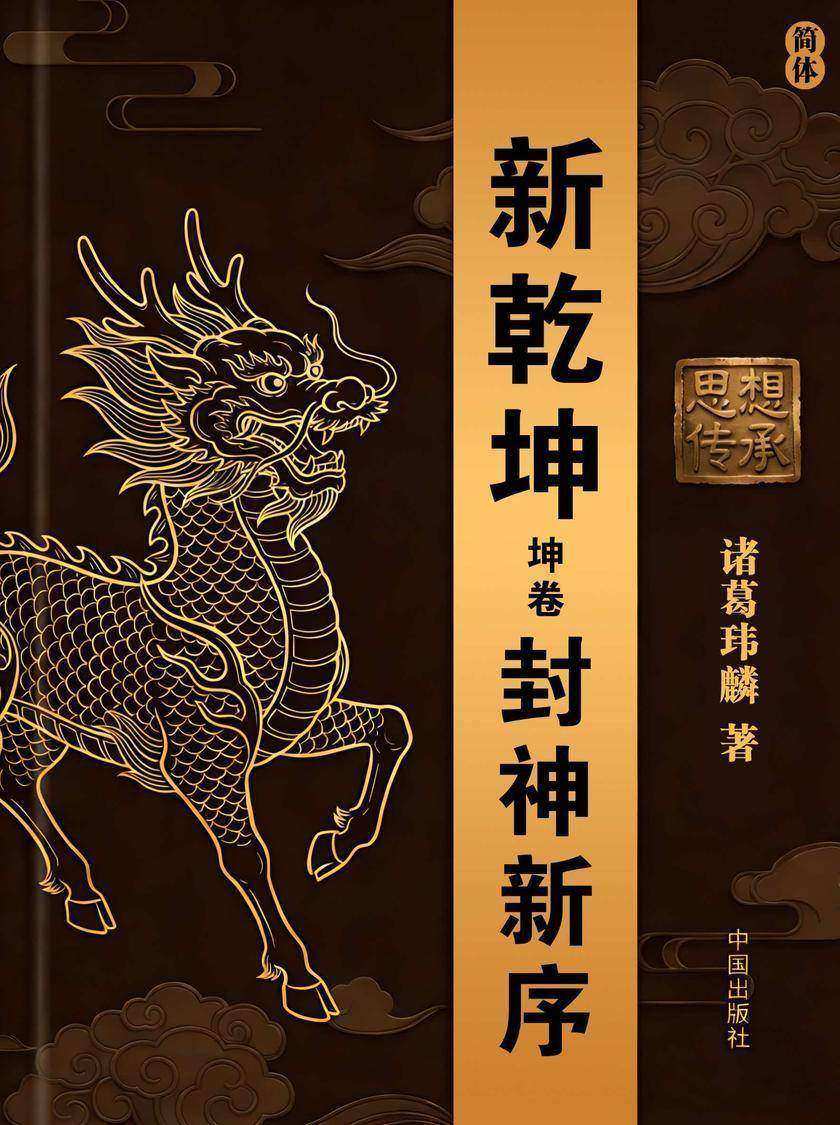
新乾坤·坤卷:封神新序
¥43.00
写这本书,一来是为了填补华夏儿女长久以来的信仰空缺,光复华夏文明的正统内核;二来是为了给全世界立一个文明新标杆,打破宗教对立的死局,让全人类找到共同的价值遵循。希望每一位翻开这本书的朋友,都能读懂这套*朴素的道理:真正的大道,从来不在分别与对立里,而在利他向善的功德里。愿我们都能循道而行,共护人间清朗,同赴万世太平。
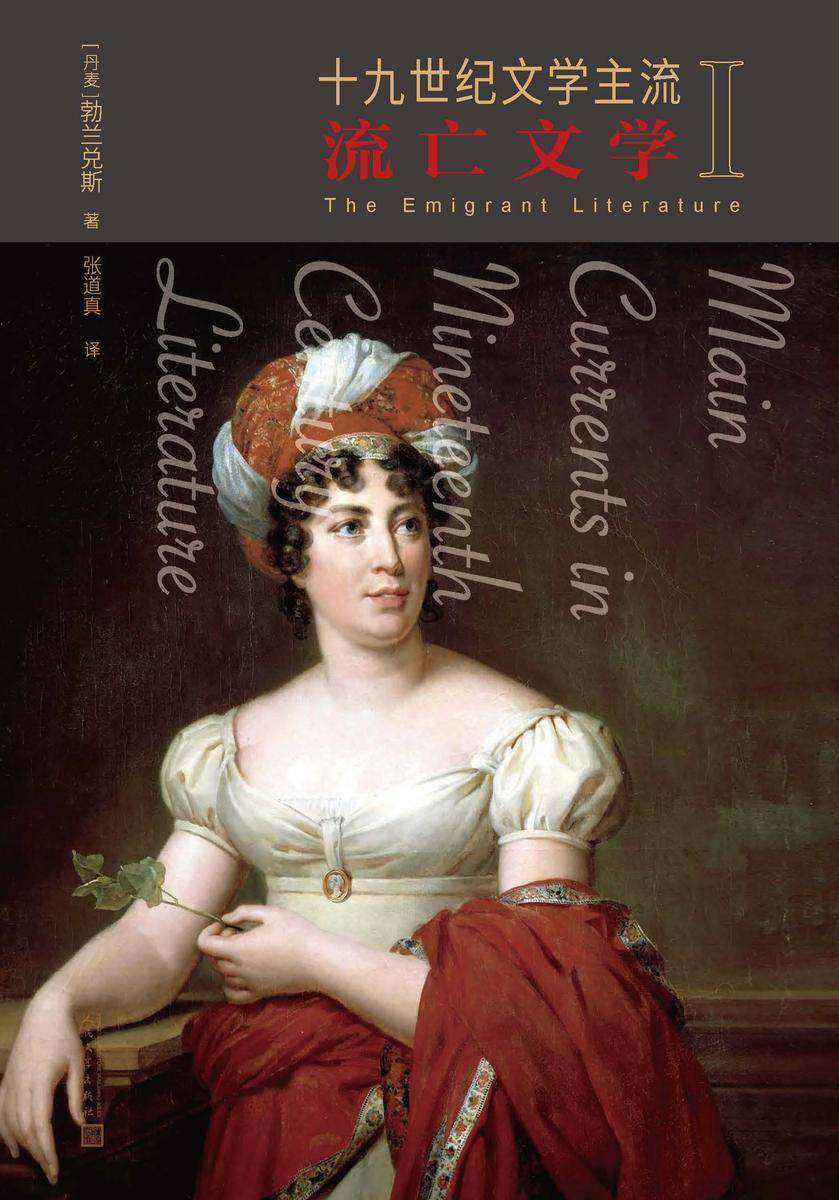
十九世纪文学主流.Ⅰ,流亡文学
¥43.00
勃兰兑斯在哥本哈根大学的讲演汇编成《十九世纪文学主流》,纵论法、德、英诸国浪漫主义和民主主义运动,涉及文艺、宗教、政治等。这部里程碑式巨制波澜壮阔,诗情如炽,不啻十九世纪上半叶欧洲文学之《史记》,亦是比较文学经典,闪耀着批判的光芒,张扬着追求社会公平步的理想主义精神。 《流亡文学》聚焦十八、十九世纪之交的法国,那个风云激荡的时代充满血与火,也催生了一批流亡作家,如夏布多里昂、贡斯当、斯塔尔夫人等,他们在流亡岁月里,坚持着独立思考和对精神自由的追求。 ......
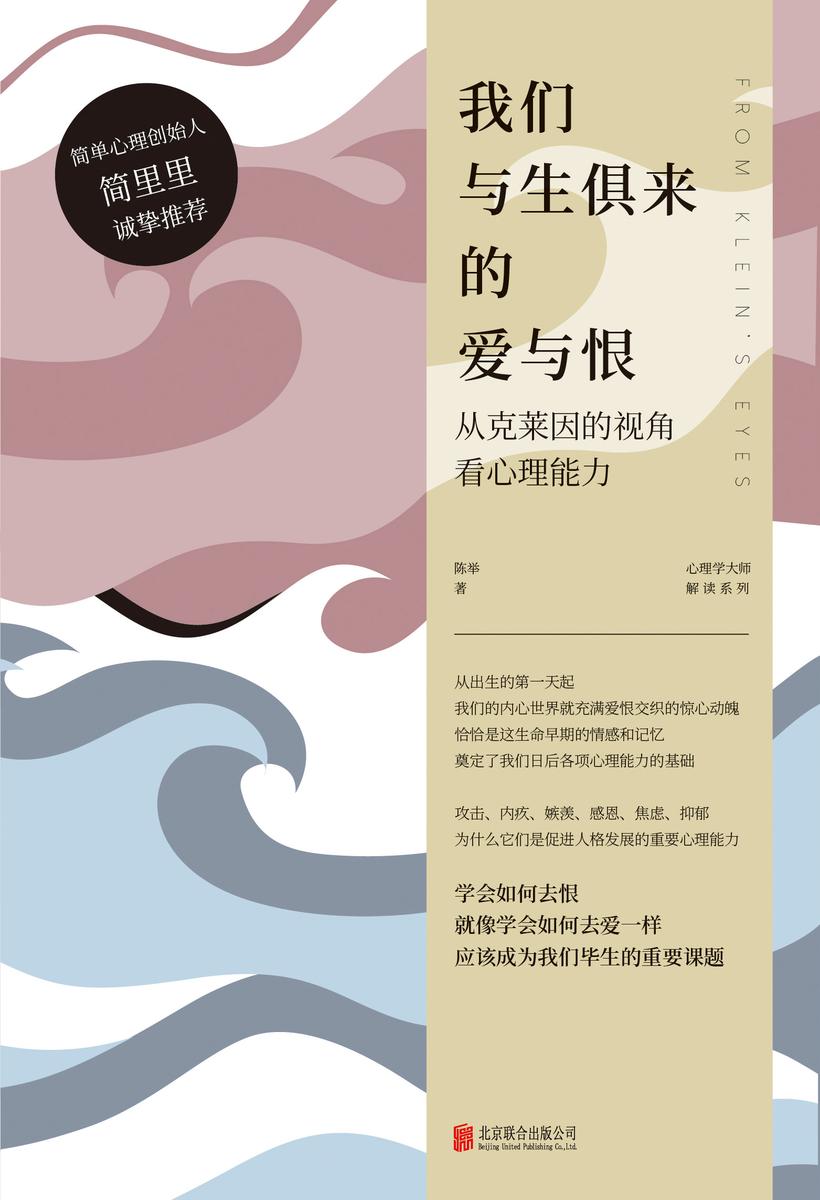
我们与生俱来的爱与恨:从克莱因的视角看心理能力
¥43.00
— 什么样的母婴关系会养育出偏执、、有躁郁倾向的孩子? — 我们为什么会焦虑,又为什么会抑郁? — 对客体的选择有无意识层面的动机吗,我们为什么会选择这样的朋友、伴侣和工作? — 为什么有时候对方什么都没说,却能在我们心里诱发出相应的反应? — 无法拥有稳定的情感关系、不容分说的破坏欲、不由自主地通过贬低去操控他人、在本该发挥的时候总是错失良机、不会生气的老好人,它们分别对应着怎样的心理困境? “成人在生命后期每次经历哀伤时,童年早期的哀悼就会重来一遍。”生命早期的情感和记忆,我们未必能记得,但它们奠定了我们各项心理能力的基础,决定了我们会以怎样的模式去回应焦虑、丧失、分离,如何处理我们的爱与恨,是否具备自发的良知、恰当的攻性,能否在他人身上看到自己从而拥有同理心,等等。 与众多心理学家不同的是,克莱因认为婴儿从出生起就拥有自我,尽管这时候的自我并不成熟,但它无时无刻不在通过幻想,将各种好与坏的体验转化为思考:吮吸乳汁变成了拥有富足的生命之源,饥饿变成了有待消灭的残害自己的敌人。婴儿的内心世界非但不是宁静的,还充满了爱与恨的此起彼伏,自我就在这样的爱恨冲突中始发展了。母亲作为我们生命中的个重要客体,她对爱与恨的回应与容纳能力,在很大程度上影响了我们自我整合的发展。 透过克莱因的眼睛,我们得以理解本能的情感与冲动,看到让我们羞愧的情绪有存在的必要和积极的一面,也看到我们能够通过整合爱恨冲突,实现更好的心理能力和更健全的人格。
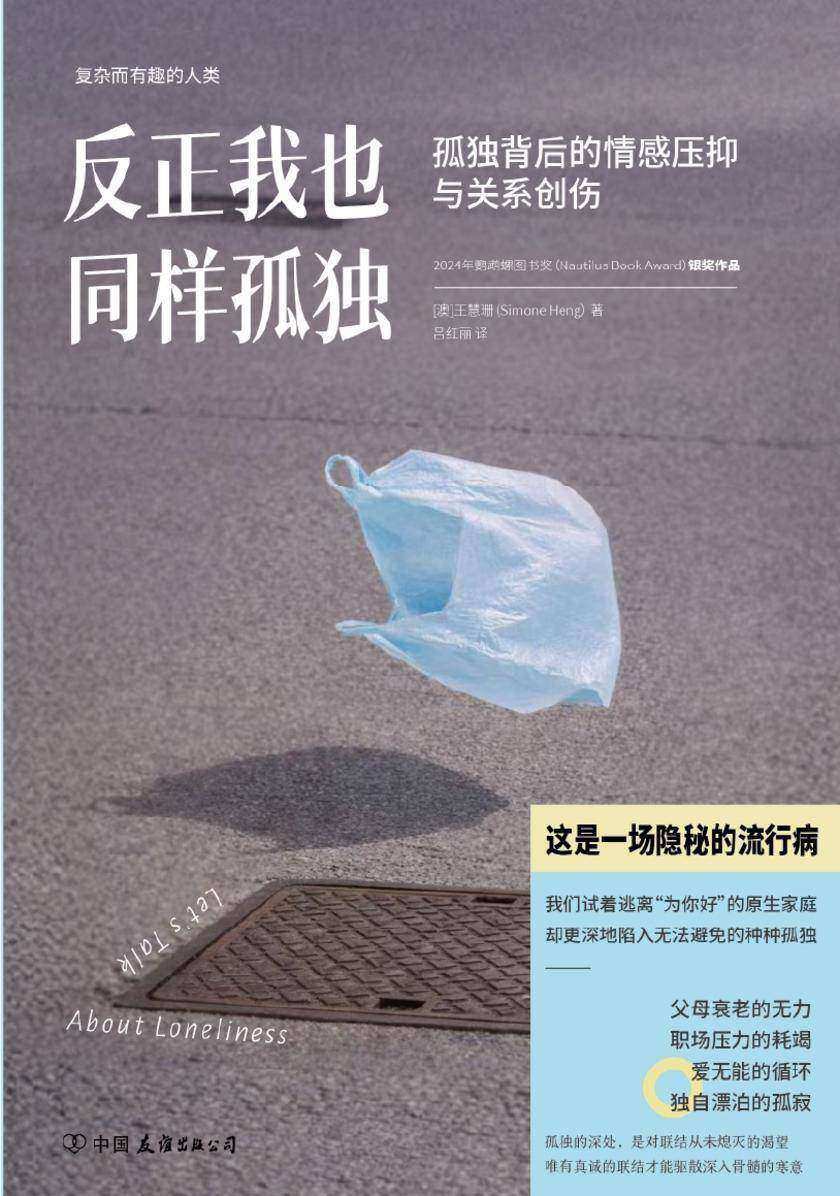
反正我也同样孤独:孤独背后的情感压抑与关系创伤
¥43.00
2018年,信诺保险公司对两万名美国人进行了调查,近半数受访者表示“经常”或“时有”孤独感。孤独如流行病般蔓延的背后,交织着多重时代与个体的困境:数字互联空前发达,人们看似全网在线、互联无界,却难以与人建立情感联结,孤独在虚拟的点赞与评论里悄然滋生;疫情隔离的日子早已远去,但被迫独处的寂寞烙印并未消退,那些独自度过的长夜、错过的相聚,都成了心底挥之不去的怅惘;更有根植于个人成长历程的隐秘创伤——你是否还记得童年时那个快乐、充满热情与创造力的自己?不知从什么时候起,身边某位至亲或照顾者的言语与态度,慢慢变得苛刻起来,那些细碎的否定如水滴穿石般在你的身上留下印记。即便成年后努力逃离,却在父母老去、职场受挫、爱无能或漂泊无依时,仍被刺骨的孤独感笼罩——它仿佛从未离开。 本书是一位孤独亲历者的自我剖白,也是一份穿越迷雾的联结指南。它将帮助你识别孤独背后的情感缺口与时代困境,了解孤独的真相,并通过具体可行的步骤,引领你开始与自己、与他人、与世界建立内心真正渴望的联结。从“同样孤独”走向“彼此懂得”,让孤独成为相遇的起点。 愿本书如指引方向的箭头,为你标出生命中爱与人际联结的汇入之处,也愿本书能推动你探索出适合自己的方式,驱散深入骨髓的孤独寒意,并重塑自我。
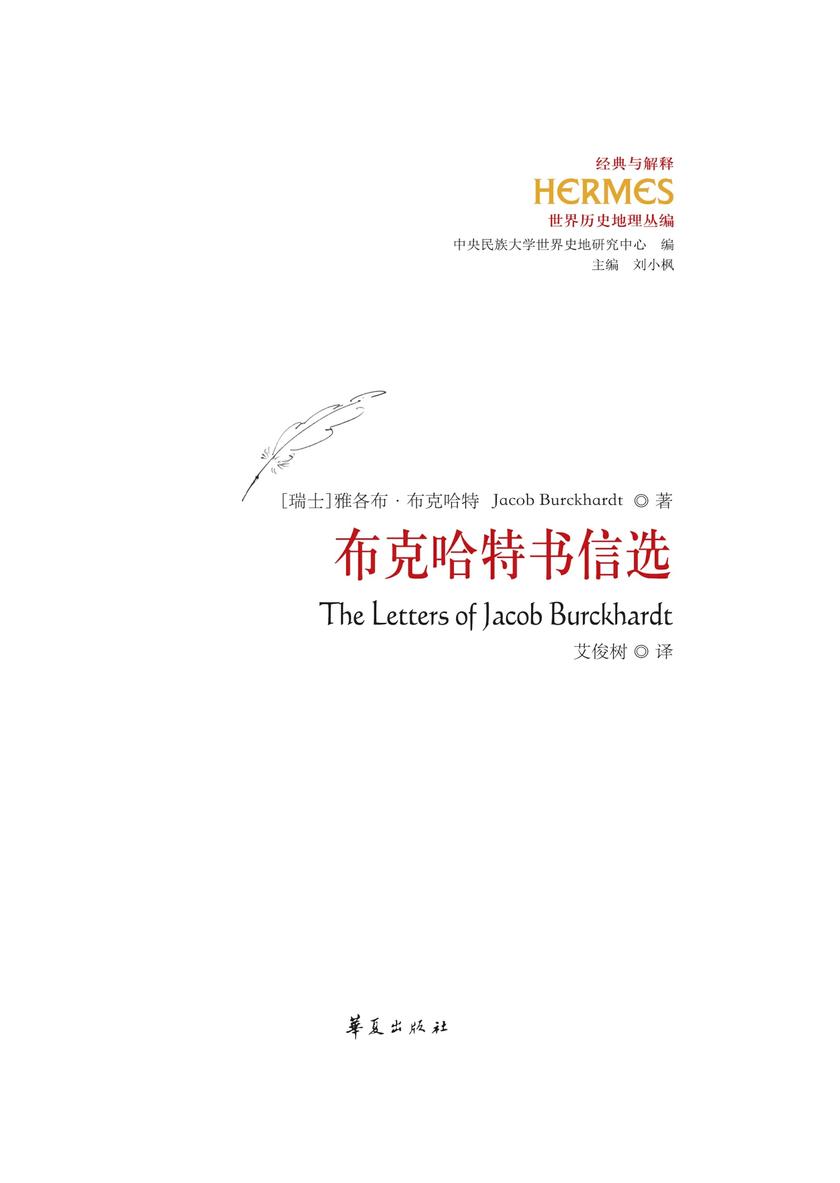
布克哈特书信选
¥43.00
作为十九世纪最“不合时宜”的学者之一,布克哈特的思想主题是对欧洲“现代性”及其伴生的文明危机的诊断。出于对古典人文传统的捍卫,他拒绝使用任何现代学科范式来将其思想体系化,而是采取一种隐微式言说,将自身思考融贯在其著作、讲稿以及生前所留下的上千篇书信中。 本书精选了布克哈特书信中最具代表性的181篇,其中包括1879年伦敦旅居期间的9篇日记,全景式地展现了布克哈特从20岁至去世前夕的生活与思考。

I型人格:一本书*解析MBTI中的内倾型人格
¥43.00
你是I人吗? 你曾有过“要是变得外向就好了”的念头吗? 属于内倾型人格的我们真的就“社恐”、无趣、没有职场优势,需要改变吗? 作为E人,又该如何更好地与I人相处呢? “I型人格”的“I”指的是“introverted”——内倾型人格;而“E型人格”的“E”指的是“extroverted”——外倾型人格。这种说法来自于荣格MBTI十六型人格,而I和E是十六型人格中的第一种维度。据统计,日常生活中具有内倾型人格特质的人占人口的30%-50%。I人并非社会的极少数,与E人一样,他们无处不在。即便如此,仍然有许多I人觉得自己与世界格格不,很难被他人理解与认同。 身为一名典型I人,作者在本书中结合人格心理学的经典理论与现代研究成果,带领我们走内倾型人格的内心世界,去了解为什么很多人无法理解甚至误解内倾型人格特质?I人们又该怎样正视自身的人格特质,看到自己的优? 社交准则:或许I人有时看上去过于安静、不善社交,但实际上是他们有着与E人不同的社交需求与方式——他们的友谊关系精而深,倾向于一对一的真诚交谈。在社会活动之后,他们需要通过独处来恢复被消耗的能量。 亲密关系:I人更喜欢慢节奏的相处;I人可能不太擅长谈论自己,他们表达情感的方式也可能没有那么浪漫,但他们的感情真挚而强烈,会以内敛而务实的方式来表达爱意。 职场优势:不同于E人的热情、外向、自信,I人更擅长独立思考、精通自己的所长、倾听他人与内省自身,他们反而可以成为极为优秀的领导者。 本书是一本“赋权宣言”,引导内倾型人格了解并纳自己——有勇气拒绝不想参与的社交活动,有底气对不合理的评价翻个白眼,收获更自如的亲密关系,也更明白自己的职场优势。同时,也希望本书能够成为破人格壁垒的一块砖,让拥有不同人格特质的E人们更了解身边的I人,破对I人的刻板印象。
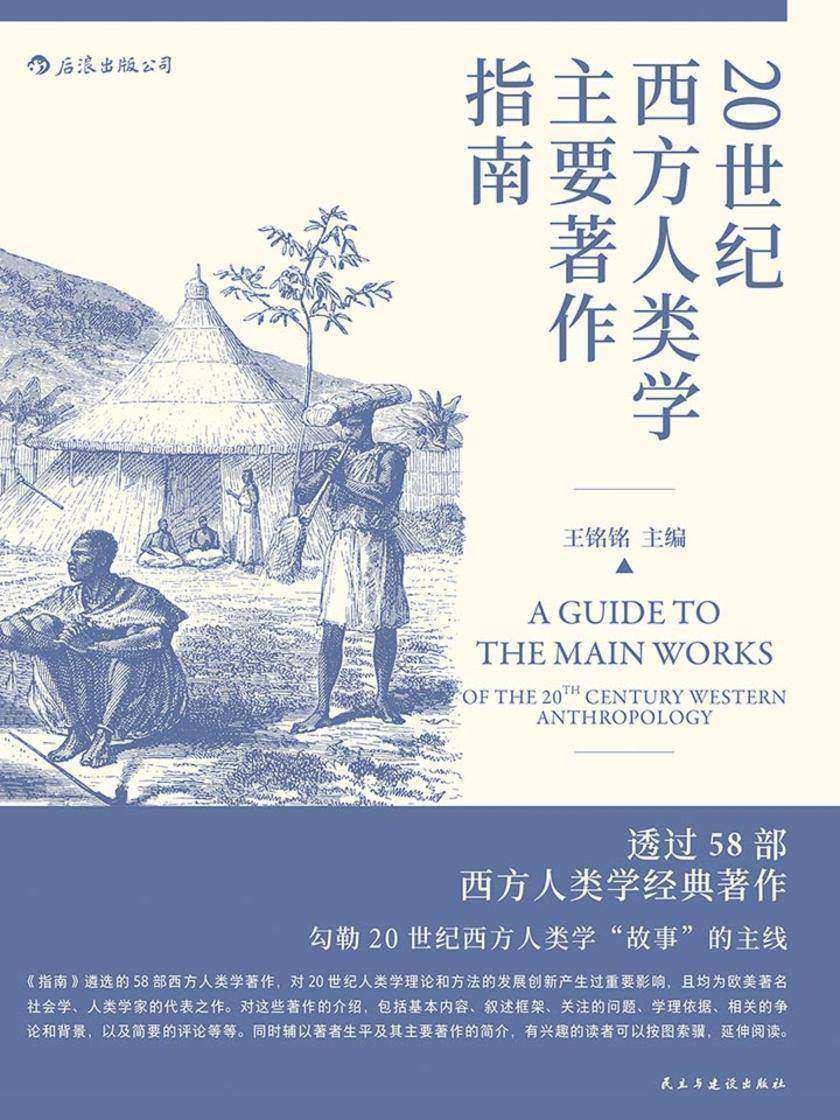
20世纪西方人类学主要著作指南(58部经典著作,勾勒20世纪西方人类学“故事”的主线。)
¥43.00
20世纪人类学在两次世界大战中完成了从古典向现代的蜕变。60年代以来,其面目的多元化一步加深,近年来虽有不少出色的研究,却没有了之前作为学派的中坚力量,导致学术理路芜杂不精,更使学习者感到困惑。 ? ? 本书便是以改变人类学现状这一使命为编辑宏旨,对20世纪的著作遗产加以整理,意在梳理学术脉络,为读者提供科学的人类学门阅读指南,使读者准确把握人类学思潮的流变。作为一部导读性的编著之作,本书勾勒出了20世纪西方人类学“故事”的主线。
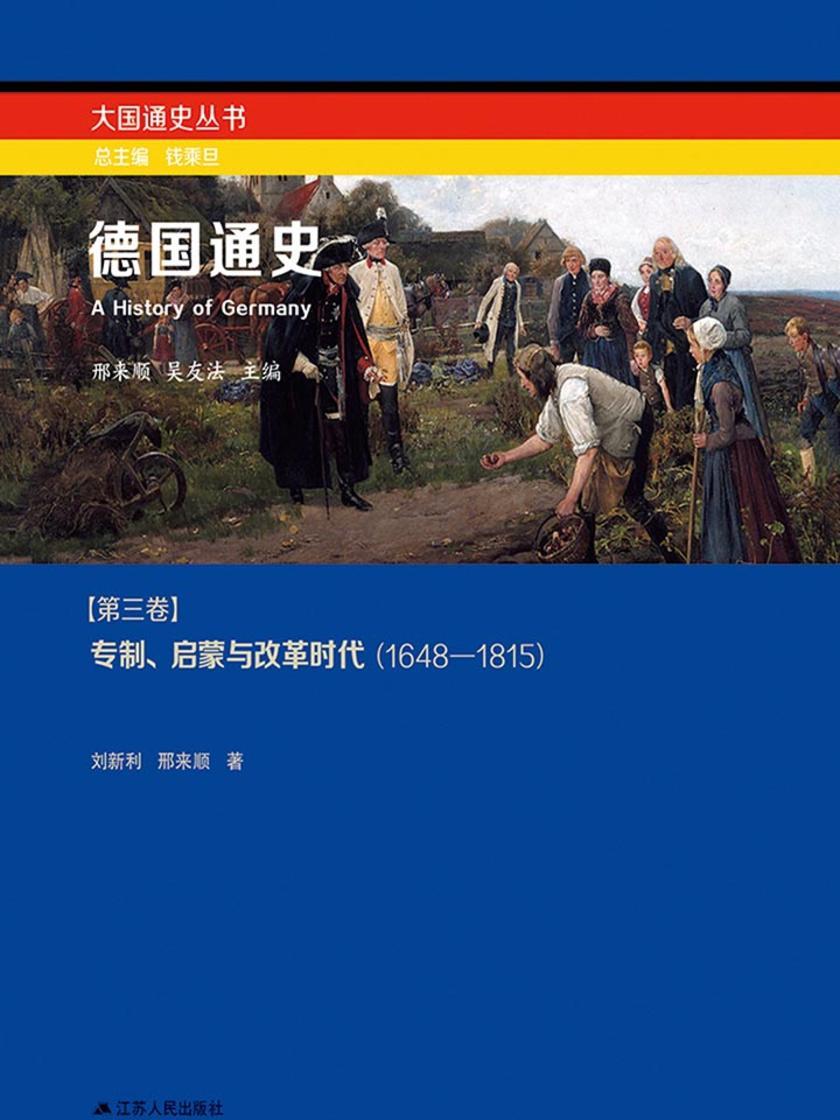
德国通史第三卷:专制、启蒙与改革时代(1648-1815)
¥43.00
第三卷:专制、启蒙与改革时代(1648—1815) 本卷叙述17世纪中叶到19世纪初的德国历史,德国经历了从传统向现代转型的阵痛。这一时期属于向“现代”社会过渡的近代中期历史,把法国革命的成果和平地移植到德国,渐进式地实现了传统封建社会与现代资本主义社会的和平对接,德国由此进一步奠定了近代独特发展道路的政治、思想文化和社会基础。这是德国历史发展道路独特性的进一步凸显阶段。
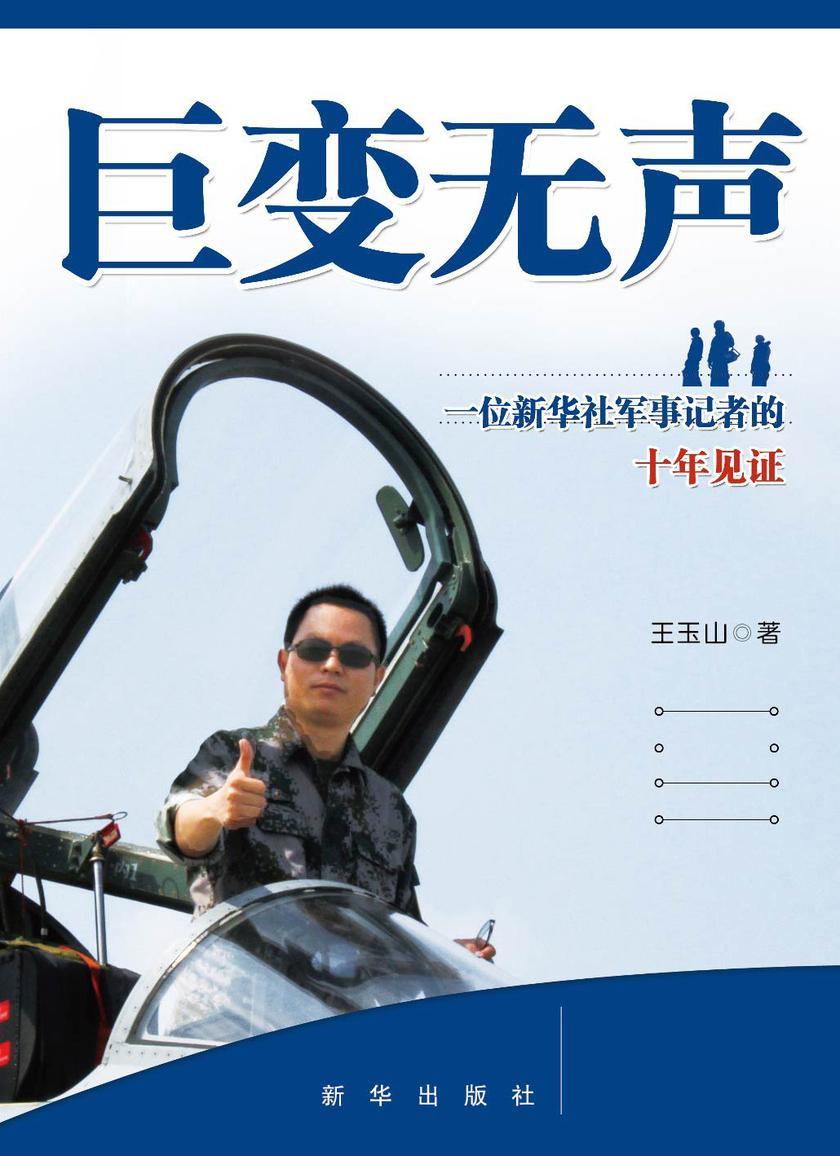
巨变无声:一位新华社军事记者的十年见证
¥43.00
本书收录了作者2007年至2017年采写的部分全国全军重大典型和重大事件的新闻作品。分为时代先锋、八一群像、中流砥柱、红色气质、仰望星空和新华评论等篇,全景式地记录了全国全军重要历史节的军人、军事,采英撷华,大气厚重,充分展示了英雄模范的时代风采和人民军队的崭新风貌。
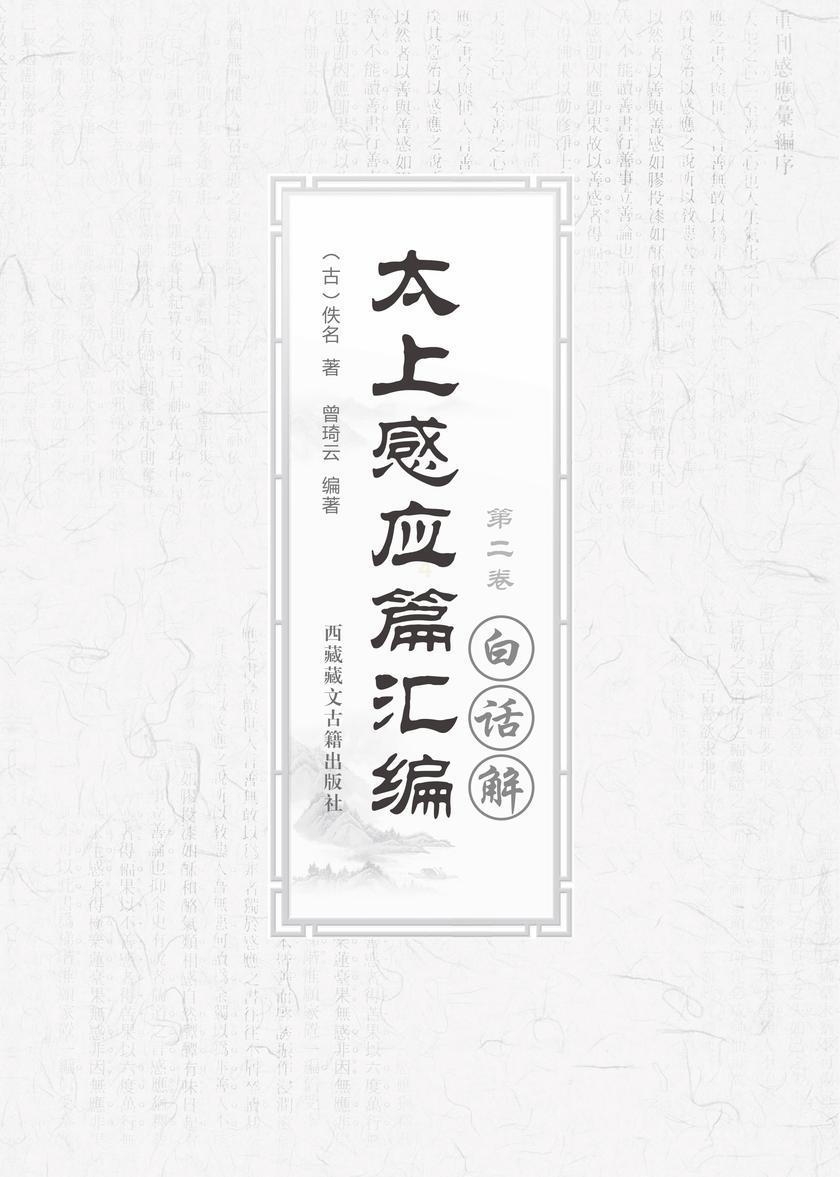
太上感应篇汇编白话解(第二卷)
¥43.00
《太上感应篇汇编》对道家经典《太上感应篇》原文行逐句分析,并举出古今案例来作证,讲述事理圆融,文字简洁优美。本书为汇编原文加注标,对生僻字词以及人名、地名、典故、引文等行注释并译成现代白话文,对原文中史实还不够详细的内容作了“译者补充”。 本书历经数百年白话再版面世,中国社科院宗教所黄夏年先生和中央党校刘余莉教授分别为本书作序。

传统中国研究集刊 第二十二辑
¥43.00
《传统中国研究集刊》2006年创刊,是一本有较高学术质量的不定期学术集刊。本辑为第二十二辑,收录论文十五篇,分“专稿”“经子研究”“史学研究”“文献考证”“名家学述”,为众多学者研究中国传统政治、经济、社会、风俗礼仪等方面的zui新研究成果,见解深刻,颇有新意。
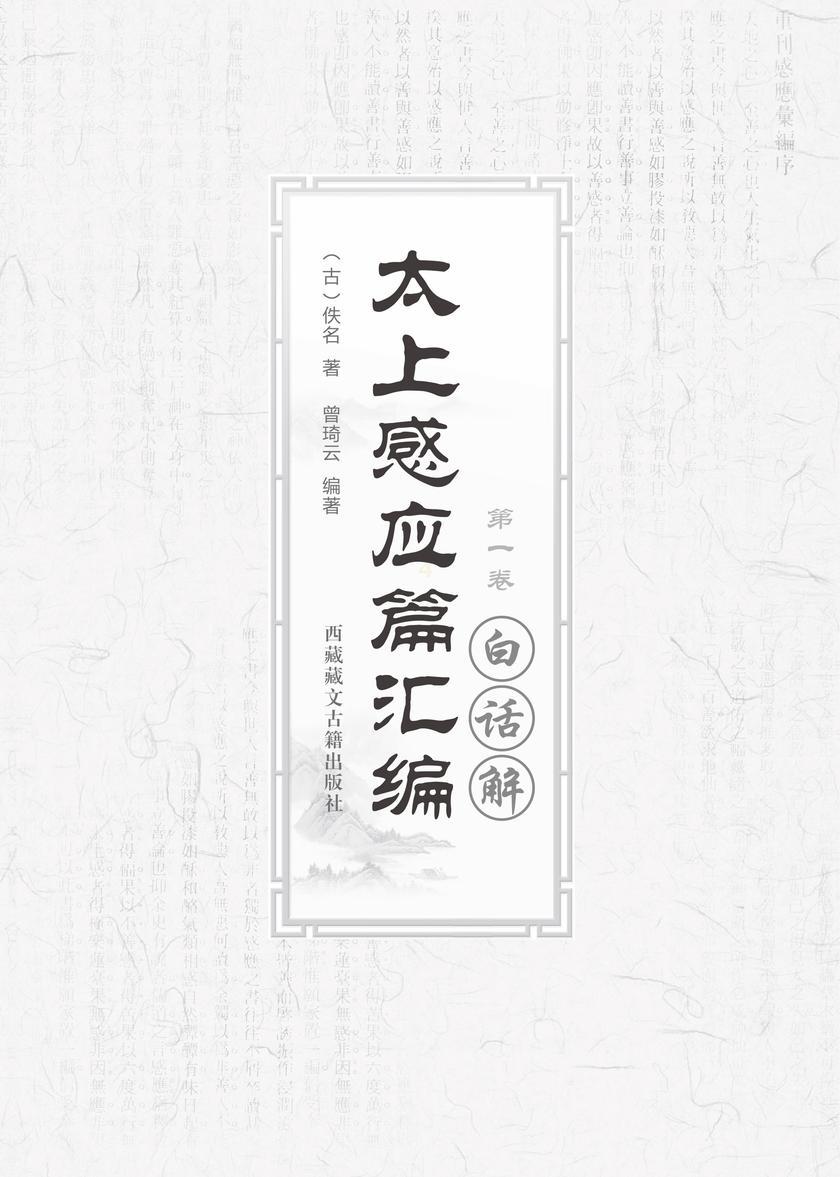
太上感应篇汇编白话解(第一卷)
¥43.00
《太上感应篇汇编》对道家经典《太上感应篇》原文进行逐句分析,并举出古今案例来作证,讲述事理圆融,文字简洁优美。本书为汇编原文加注标点,对生僻字词以及人名、地名、典故、引文等进行注释并译成现代白话文,对原文中史实还不够详细的内容作了“译者补充”。 本书历经数百年白话再版面世,中国社科院宗教所黄夏年先生和中央党校刘余莉教授分别为本书作序。
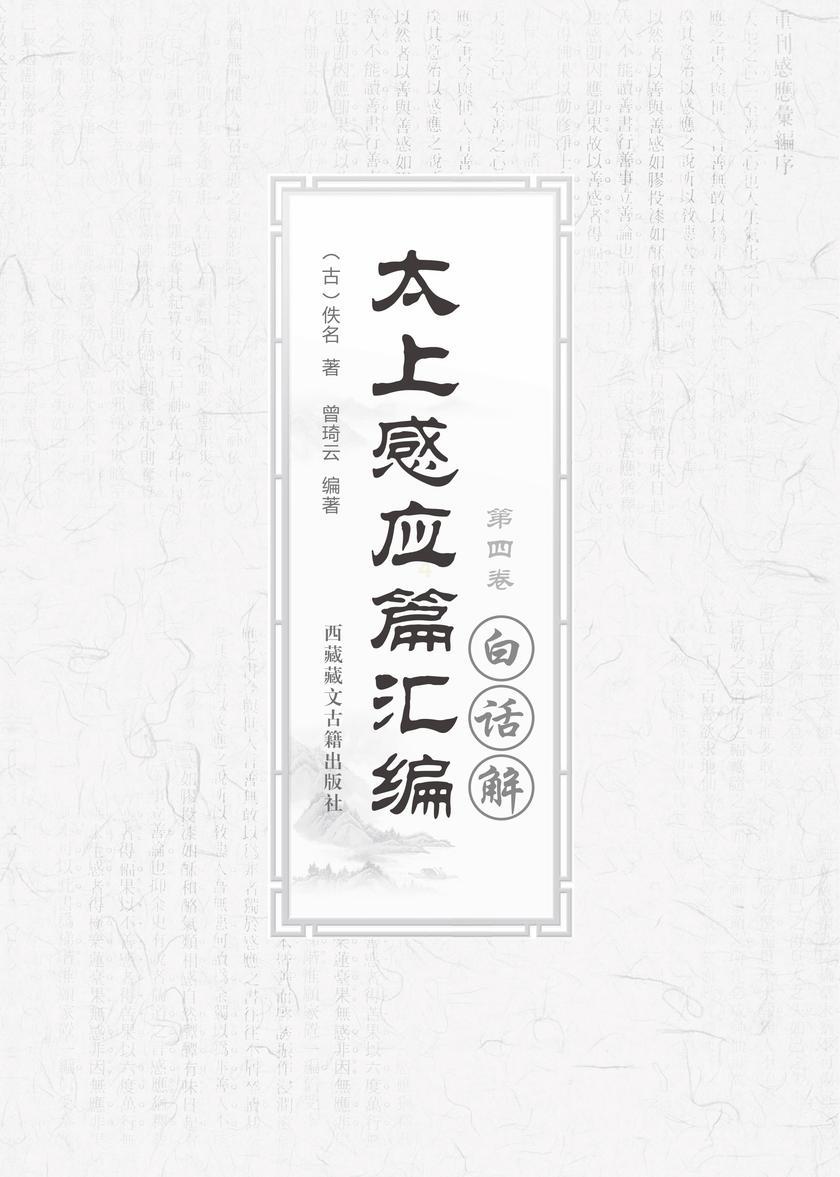
太上感应篇汇编白话解(第四卷)
¥43.00
《太上感应篇汇编》对道家经典《太上感应篇》原文行逐句分析,并举出古今案例来作证,讲述事理圆融,文字简洁优美。本书为汇编原文加注标,对生僻字词以及人名、地名、典故、引文等行注释并译成现代白话文,对原文中史实还不够详细的内容作了“译者补充”。 本书历经数百年白话再版面世,中国社科院宗教所黄夏年先生和中央党校刘余莉教授分别为本书作序。

定格:激荡年代的小城大事
¥43.00
这是一部收集回忆瞬间的作品,一位资深记者用镜头将过去50年间的城市街景与居民生活一一记录。在那个照相金贵而稀缺的年代,这些画面不仅是这位记者的人生旅程,更是这座城市、几代人的征途写照,定格了一段精彩跌宕的时代变迁与民生大事。 经历过二十世纪七八十年代的人们,也许会追忆旧日时光;新生于繁华新世纪的人们,也许想了解父辈的光辉岁月。厘清我们来时的道路,才会更珍惜现在,更坚定未来的方向。 七十年代匆忙的晨光、扬尘的集市、挑水的担子、漏雨的屋顶;八十年代的广场、新楼、市场与老街;九十年代拆毁的旧屋,最后的手艺铺子,老虎灶与洋快餐;千禧年按下了加速键,热闹的商品经济、人口流动与新兴潮流。年华流转不自知,时光容易把人抛,我们所处的世界发生了太多变化,需要在某一刻驻足,将这些时代与人的记忆细细收起,缓缓珍藏。

心灵的教育
¥43.00
.

识字有捷径 诵读有方法:综合识字与经典诵读:上下
¥43.00
“读书破万卷,识字是基础。”作者深谙儿童心理发展特点和教育规律,将三十年一线教学经验与深厚的汉字文化积累熔于一炉,为儿童精心酿制既好消化又营养丰富的蜂王浆—《识字有捷径、诵读有方法》。 ●采用溯源识字,有趣易懂,记得准、不出错。 ●采用字族识字,学会一个字,记住一串字。 ●采用歌诀乐读法读文言经典,背得快、记得牢、理解深。


