


 购物车
购物车 个人中心
个人中心
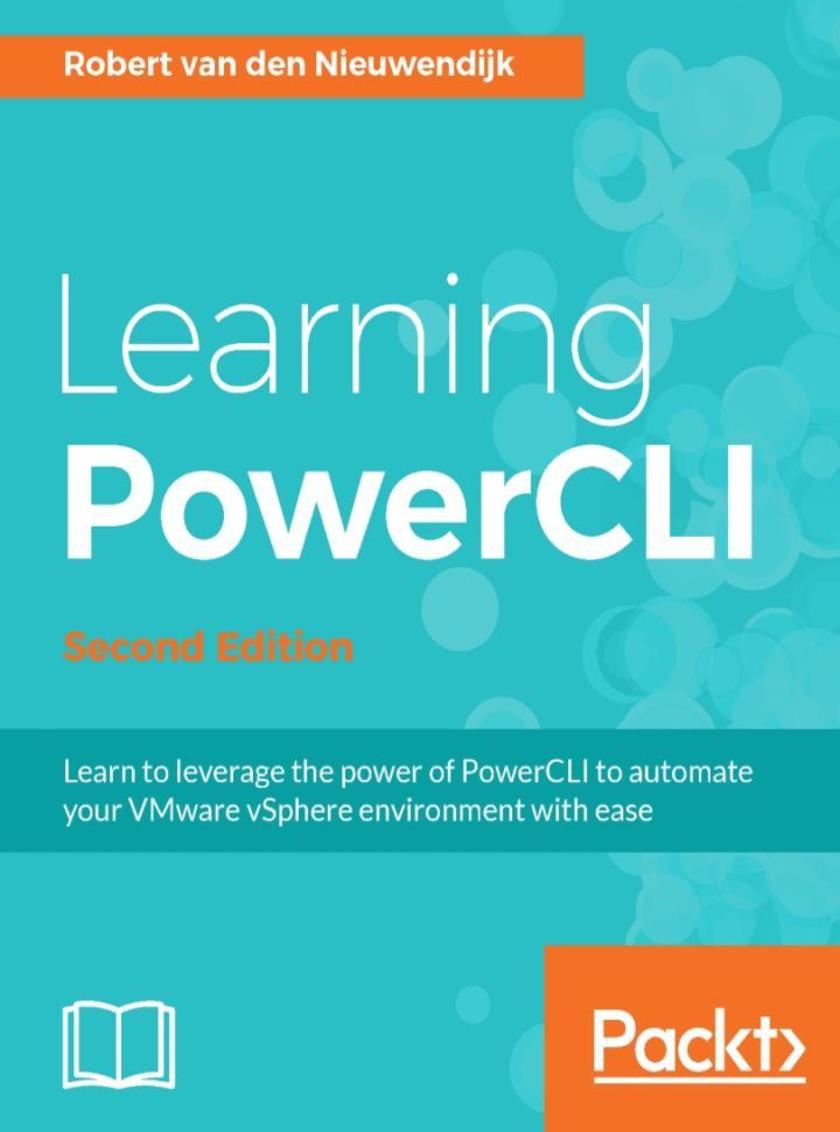
Learning PowerCLI - Second Edition
¥90.46
Learn to leverage the power of PowerCLI to automate your VMware vSphere environment with ease About This Book This is first book on the market that will enlighten you on the latest version of PowerCLI and how to implement it Effectively manage virtual machines, networks, and reports with the latest features of PowerCLI A comprehensive and practical book on automating VMware vSphere Who This Book Is For This book is ideal for you if you want to learn how to automate your VMware vSphere or vCloud infrastructure by getting the most out of PowerCLI. It’s assumed that you have some experience in administrating a vSphere or vCloud environment. Knowledge of Microsoft’s Windows PowerShell is not a prerequisite. What You Will Learn Explore PowerShell and PowerCLI cmdlets and their output objects See how to manage virtual machines and work with virtual networks Manage vCloud Director from PowerCLI Use Site Recovery Manager from PowerCLI to create a disaster recovery solution Manage NSX and vRealize Automation using REST API with PowerCLI Create and configure vSphere HA and DRS clusters Use vSphere Update Manager with PowerCLI to create patch baselines and scan hosts Explore reporting techniques to retrieve log files In Detail VMware vSphere PowerCLI, a free extension to Microsoft Windows PowerShell, enables you to automate the management of a VMware vSphere or vCloud environment. This book will show you how to automate your tasks and make your job easier. Starting with an introduction to the basics of PowerCLI, the book will teach you how to manage your vSphere and vCloud infrastructure from the command line. To help you manage a vSphere host overall, you will learn how to manage vSphere ESXi hosts, host profiles, host services, host firewall, and deploy and upgrade ESXi hosts using Image Builder and Auto Deploy. The next chapter will not only teach you how to create datastore and datastore clusters, but you’ll also work with profile-driven and policy-based storage to manage your storage. To create a disaster recovery solution and retrieve information from vRealize Operations, you will learn how to use Site Recovery Manager and vRealize Operations respectively. Towards the end, you’ll see how to use the REST APIs from PowerShell to manage NSX and vRealize Automation and create patch baselines, scan hosts against the baselines for missing patches, and re-mediate hosts. By the end of the book, you will be capable of using the best tool to automate the management and configuration of VMware vSphere. Style and approach This comprehensive book will teach system administrators everything about PowerCLI 6 and how to utilize it to automate VMware vSphere.
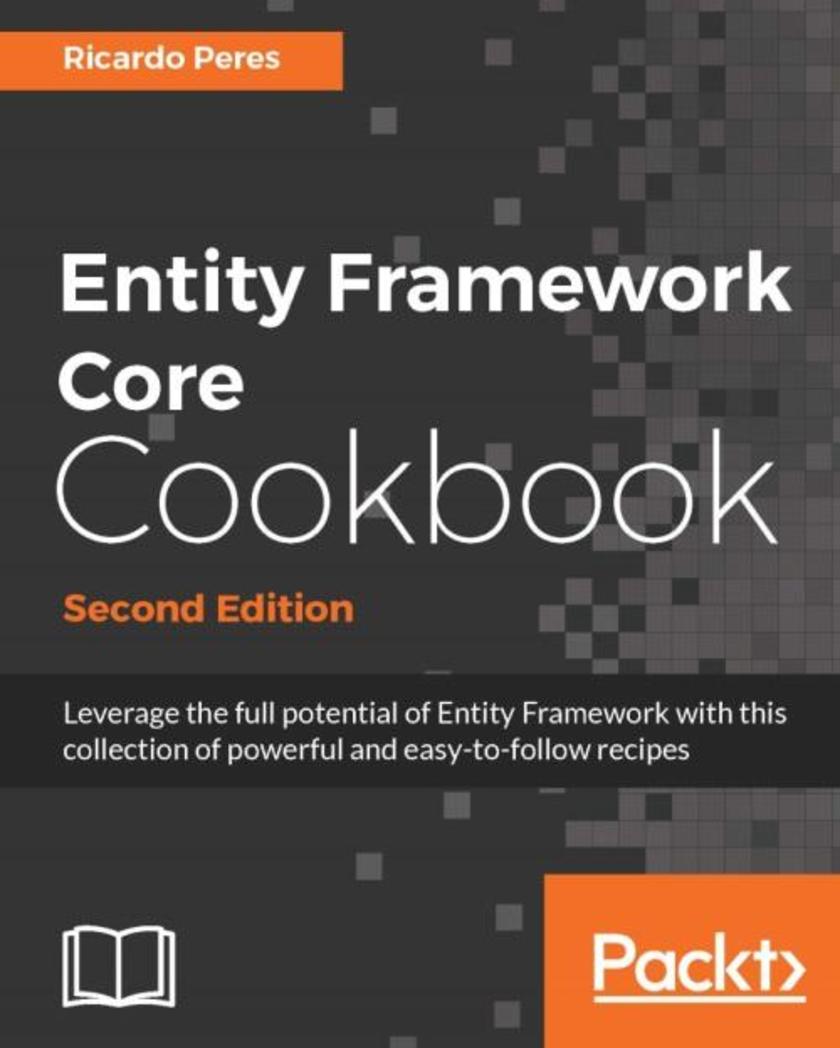
Entity Framework Core Cookbook - Second Edition
¥90.46
Leverage the full potential of Entity Framework with this collection of powerful and easy-to-follow recipes About This Book Learn how to use the new features of Entity Framework Core 1 Improve your queries by leveraging some of the advanced features Avoid common pitfalls Make the best of your .NET APIs by integrating with Entity Framework Who This Book Is For This book is for .NET developers who work with relational databases on a daily basis and understand the basics of Entity Framework, but now want to use it in a more efficient manner. You are expected to have some prior knowledge of Entity Framework. What You Will Learn Master the technique of using sequence key generators Validate groups of entities that are to be saved / updated Improve MVC applications that cover applications developed using ASP.NET MVC Core 1 Retrieve database information (table, column names, and so on) for entities Discover optimistic concurrency control and pessimistic concurrency control. Implement Multilatency on the data side of things. Enhance the performance and/or scalability of Entity Framework Core Explore and overcome the pitfalls of Entity Framework Core In Detail Entity Framework is a highly recommended Object Relation Mapping tool used to build complex systems. In order to survive in this growing market, the knowledge of a framework that helps provide easy access to databases, that is, Entity Framework has become a necessity. This book will provide .NET developers with this knowledge and guide them through working efficiently with data using Entity Framework Core. You will start off by learning how to efficiently use Entity Framework in practical situations. You will gain a deep understanding of mapping properties and find out how to handle validation in Entity Framework. The book will then explain how to work with transactions and stored procedures along with improving Entity Framework using query libraries. Moving on, you will learn to improve complex query scenarios and implement transaction and concurrency control. You will then be taught to improve and develop Entity Framework in complex business scenarios. With the concluding chapter on performance and scalability, this book will get you ready to use Entity Framework proficiently. Style and approach Filled with rich code-based examples, this book takes a recipe-based approach that will teach .NET developers to improve their understanding of Entity Framework and help them effortlessly apply this knowledge in everyday situations.
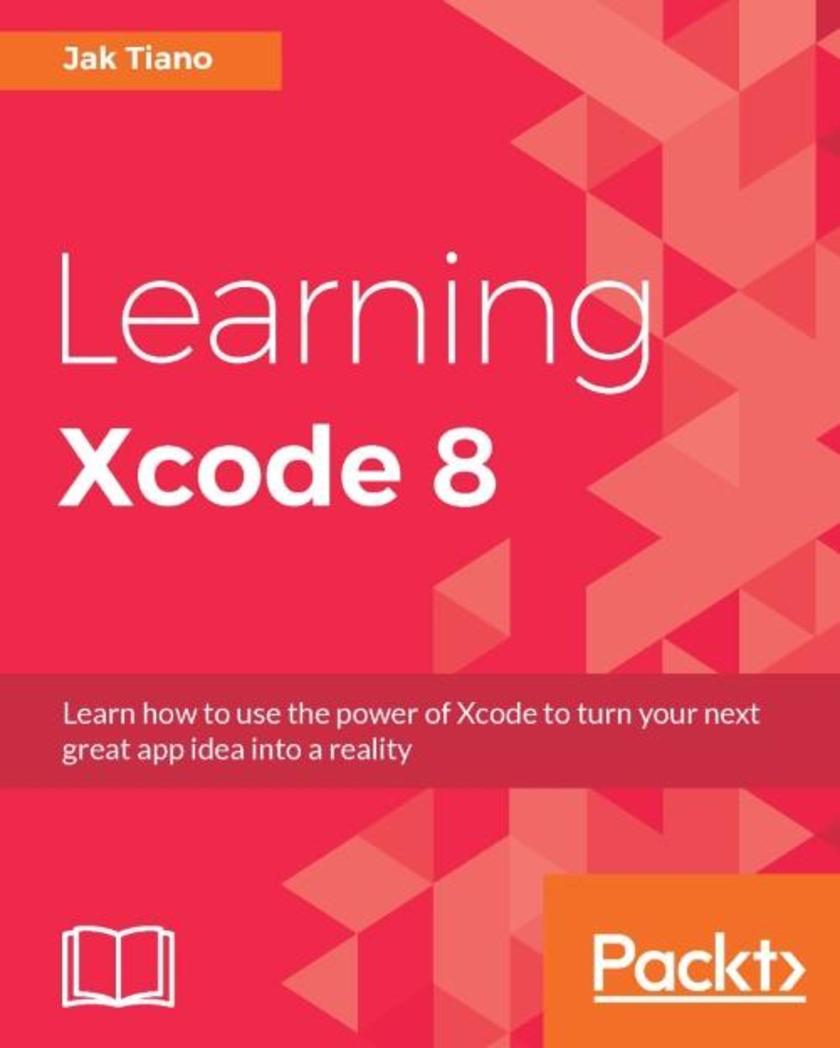
Learning Xcode 8
¥90.46
Learn how to use the power of Xcode to turn your next great app idea into a reality About This Book Learn the theory and tools behind app development using Swift 3 and Xcode 8 Build a fully featured iOS app, including a companion app for the Apple Watch Optimize, debug, and ultimately release your app on Test Flight and the App Store Who This Book Is For This book is intended for programmers looking to get a jump-start into the world of iOS development. Whether you’re a young student who has only spent a few months with Java, or a seasoned developer who has spent their career developing for a different platform, all that is expected is a basic understanding of a programming language such as C++, C#, or Java. What You Will Learn Understand the most important features of the Xcode IDE Write Swift 3 code for application data models and view controllers Prepare visual layouts for an iOS application using storyboards, size classes, and auto-layout Integrate many common technologies into an app, such as multi-touch gestures, CoreData, and notifications Build companion applications for the Apple Watch with watchOS 3 Debug applications using Xcode’s suite of debugging tools, and prevent bugs with unit testing Optimize an application using Xcode 8’s profiling tools and asset catalogs Distribute a beta application through TestFlight, and a finished application through the App Store In Detail Over the last few years, we’ve seen a breakthrough in mobile computing and the birth of world-changing mobile apps. With a reputation as one of the most user-centric and developer-friendly platforms, iOS is the best place to launch your next great app idea. As the official tool to create iOS applications, Xcode is chock full of features aimed at making a developer’s job easier, faster, and more fun. This book will take you from complete novice to a published app developer, and covers every step in between. You’ll learn the basics of iOS application development by taking a guided tour through the Xcode software and Swift programming language, before putting that knowledge to use by building your first app called “Snippets.” Over the course of the book, you will continue to explore the many facets of iOS development in Xcode by adding new features to your app, integrating gestures and sensors, and even creating an Apple Watch companion app. You’ll also learn how to use the debugging tools, write unit tests, and optimize and distribute your app. By the time you make it to the end of this book, you will have successfully built and published your first iOS application. Style and approach This easy-to-follow guide presents topics in a hands-on lecture format where concepts are introduced and explained, then used in an example as reinforcement. The first third of the book covers the separate building blocks of development, while the second two thirds cover the development of an app from start to finish.
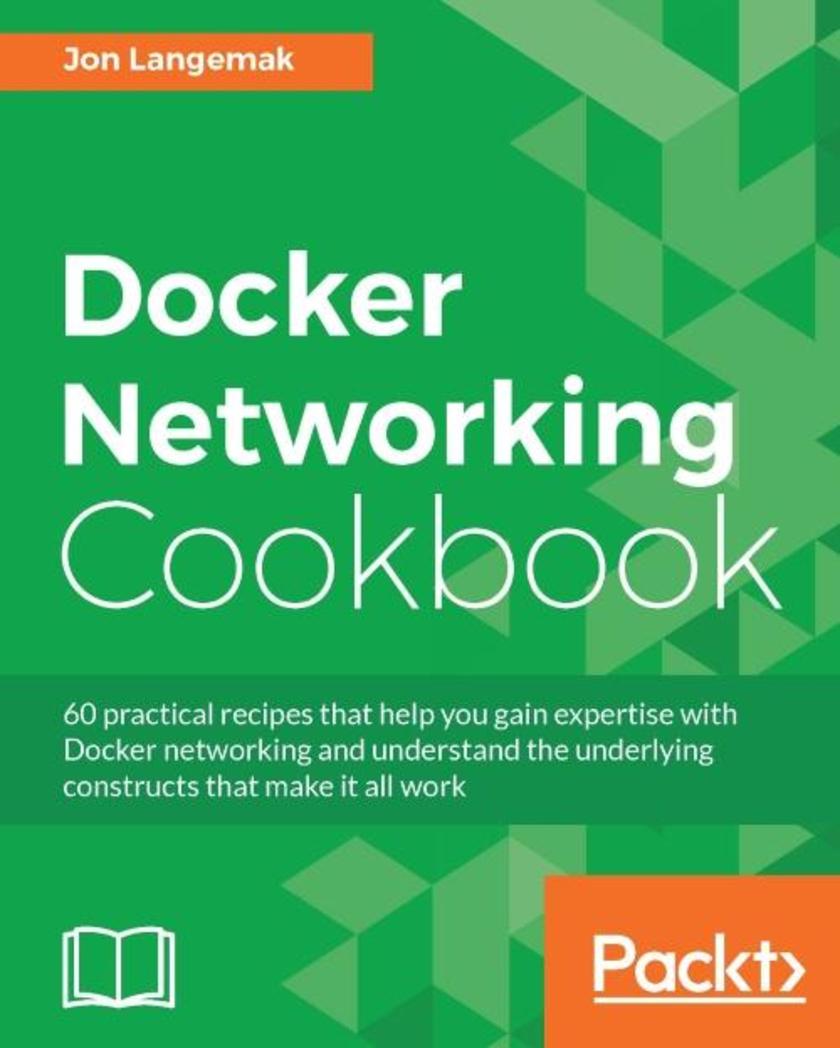
Docker Networking Cookbook
¥90.46
60 practical recipes that help you gain expertise with Docker networking and understand the underlying constructs that make it all work About This Book Enhance your Docker networking skills and protect your organization using advanced networking functions Learn how to use third party tools to extend Docker networking This practical and recipe-based book demonstrates the different ways in which you can network containers leveraging the Docker engine. Who This Book Is For The book is for system administrators as well as developers who are well versed with the concepts of Docker and have basic knowledge of Docker networking. You should also have sound knowledge of networking in general. What You Will Learn Configure Linux networking primitives used by Docker networking Build and deploy user-defined Docker networks Examine the different options for resolving and linking containers Implement custom networks for Docker to consume Discover third-party networking plugins such as Weave and Flannel Work through solutions to secure Docker containers and networks Observe methodologies for troubleshooting container networks Explore advanced and experimental Docker networking features In Detail Networking functionality in Docker has changed considerably since its first release, evolving to offer a rich set of built-in networking features, as well as an extensible plugin model allowing for a wide variety of networking functionality. This book explores Docker networking capabilities from end to end. Begin by examining the building blocks used by Docker to implement fundamental containing networking before learning how to consume built-in networking constructs as well as custom networks you create on your own. Next, explore common third-party networking plugins, including detailed information on how these plugins inter-operate with the Docker engine. Consider available options for securing container networks, as well as a process for troubleshooting container connectivity. Finally, examine advanced Docker networking functions and their relevant use cases, tying together everything you need to succeed with your own projects. Style and approach This practical recipe-based book will take readers to next level of Docker networking. It covers relevant use cases and the advanced features of Docker
Tableau 10 Business Intelligence Cookbook
¥90.46
Create powerful, effective visualizations to help analyze your data with Tableau 10 by your side About This Book Cook your favorite Tableau 10 business intelligence recipe with the help of this easy-to-follow book Build beautiful, interactive dashboards and visualizations in Tableau 10 that help you make informed decisions This rich collection of independent recipes cover everything needed to become an advanced Tableau user and get an edge over other Tableau users Who This Book Is For This book is targeted to business, data, and analytics professionals who want to build rich interactive visualizations using Tableau. Familiarity with previous versions of Tableau would be helpful, but is not necessary. What You Will Learn Become familiar with the Tableau interface Build basic to more advanced charts with step-by-step recipes Use filters, calculated fields, parameters, and actions to add interactivity to charts and dashboards Prepare and transform data for analysis using Tableau’s built-in tools and functions Create effective and compelling dashboards and story points Leverage Tableau’s mapping capabilities to visualize location and shape data Integrate analytics and forecasting to enhance data analysis Get to know tips and tricks to work more quickly and effectively in Tableau Increase your confidence and competence in creating rich, interactive visualizations in Tableau In Detail Tableau is a software tool that can speed up data analysis through its rich visualization capabilities, and help uncover insights for better and smarter decision making. This book is for the business, technology, data and analytics professionals who use and analyze data and data-driven approaches to support business operations and strategic initiatives in their organizations. This book provides easy-to-follow recipes to get the reader up and running with Tableau 10, and covers basic to advanced use cases and scenarios. The book starts with building basic charts in Tableau and moves on to building more complex charts by incorporating different Tableau features and interactivity components. There is an entire chapter dedicated to dashboard techniques and best practices. A number of recipes specifically for geospatial visualization, analytics, and data preparation are also covered. By the end of this book, you’ll have gained confidence and competence to analyze and communicate data and insights more efficiently and effectively by creating compelling interactive charts, dashboards, and stories in Tableau. Style and approach This book is a collection of independent recipes that cover a wide range of options for data visualization on offer with Tableau. With the help of the recipes in this book, you can explore Tableau and pick the business intelligence solution that’s best suited for your needs.
Beginning C++ Programming
¥90.46
C++ has come a long way and is now adopted in several contexts. Its key strengths are its software infrastructure and resource-constrained applications, including desktop applications, servers, and performance-critical applications, not to forget its importance in game programming. Despite its strengths in these areas, beginners usually tend to shy away from learning the language because of its steep learning curve. The main mission of this book is to make you familiar and comfortable with C++. You will finish the book not only being able to write your own code, but more importantly, you will be able to read other projects. It is only by being able to read others' code that you will progress from a beginner to an advanced programmer. This book is the first step in that progression. The first task is to familiarize you with the structure of C++ projects so you will know how to start reading a project. Next, you will be able to identify the main structures in the language, functions, and classes, and feel confident being able to identify the execution flow through the code. You will then become aware of the facilities of the standard library and be able to determine whether you need to write a routine yourself, or use an existing routine in the standard library. Throughout the book, there is a big emphasis on memory and pointers. You will understand memory usage, allocation, and
HoloLens Beginner’s Guide
¥90.46
"Key Features?Start developing immersive and interactive apps for Microsoft HoloLens ?Explore the Windows Universal Development platform for HoloLens development ?Leverage the full set of HoloLens sensors to create mesmerizing apps"
Learning Windows Server Containers
¥90.46
"About This Book ?Discover the secret to building highly portable apps that run on any machine with Windows Server 2016 anywhere, from laptops, desktop servers, and public or private clouds, without any changes to the code ?Build your company cost-effective, container-based apps that support large-scale, virtual cloud environments ?The most up-to-date help on the market, offering developers expert guidance in building and shipping high-quality apps, and also helping admins create infrastructure that's simple to maintain Who This Book Is For This book is for application developers with a basic programming knowledge of C#, ASP.NET, and PowerShell. IT Administrators or DevOps engineers with basic PowerShell experience can benefit by extending their learning to use PowerShell to manage containers on Windows environments and use additional management tools. What You Will Learn ?Build and deploy ASP.NET web applications as Windows Containers on Windows 10 (Desktop) and Azure using Visual Studio 2015, Docker, and PowerShell ?Build and manage custom images using Windows Server Core base OS image and Docker CLI, publish images to Docker, tag images, author Docker files, and so on ?Create enterprise-scale, production-grade container environments using Redis Cache containers and SQL Server containers with storage volumes, set up custom container networks, continuous integration, and deployment pipelines using VSTS, Azure, and Git ?Deploy a composite container environment using Docker Compose on Windows ?Learn to build applications using Microsoft's thinnest server platform - Nano Servers. Build custom Nano Server images and Nano Containers using Windows PowerShell and "
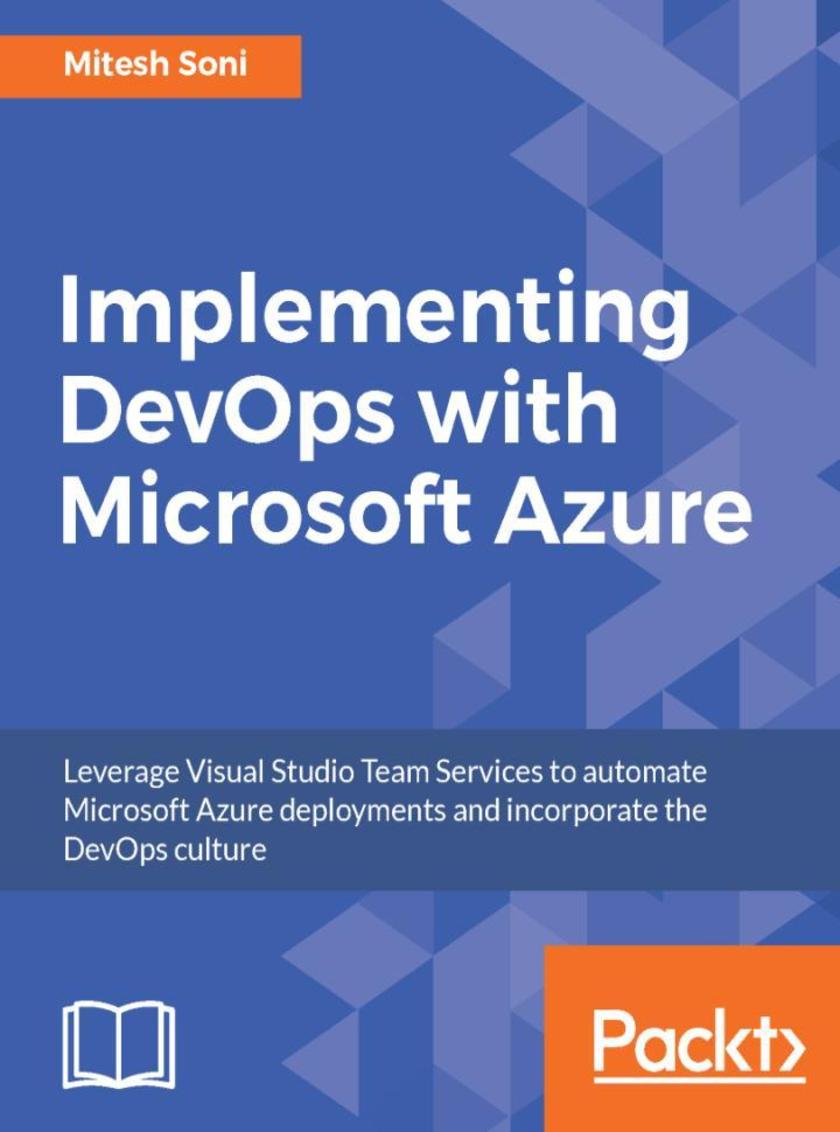
Implementing DevOps with Microsoft Azure
¥90.46
"Accelerate and Automate Build, Deploy, and Management of applications to achieve High Availability. About This Book ?This guide highlights tools that offer development and deployment environments for application services ?Secure and continuously monitor your web application in order to make it highly available ?Use Visual Studio Team Services for Continuous Integration and Continuous Development to expedite your application life cycle management process ?Use Microsoft Azure App Services (Azure Web Apps / Azure Websites), PaaS offering from Microsoft to deploy web application Who This Book Is For This book is for DevOps engineers, system administrators, and developers (.net) who want to implement DevOps for their organization. You do not need to have any knowledge of VSTS or Azure App Services (Azure Web Apps / Azure Websites). What You Will Learn ?Explore the features of PaaS and aPaaS in DevOps ?Use Visual Studio Team Services (VSTS) to manage versions of code and integrating VSTS with Eclipse IDE ?Understand and configure Continuous Integration in VSTS ?Review Unit Test Execution for Automated Testing ?Create different environments that can be used to continuous deploy a web application ?Configure Roll-based Access to enable secure access for Azure Web Apps ?Create and configure the App Service Environment to enhance security ?Understand the execution of the end-to-end automation process ?Conduct Performance Testing using JMeter ?Discover the different monitoring options available in Microsoft Azure Portal In Detail This book will teach you all about the Visual Studio Team Services and Microsoft Azure PaaS offerings that support Continuous Integration, Continuous Delivery, Continuous Deployment, and execution in the cloud with high availability, disaster recovery, and security. You will first be given a tour of all the concepts and tools that Microsoft Azure has to offer and how these can be used in situations to cultivate the DevOps culture. You'll be taught how to use and manage Visual Studio Team Services (VSTS) and about the structure of the sample application used throughout the book. You will become familiar with the nitty gritty of Continuous Integration and Continuous Development with VSTS and Microsoft Azure Apps. You will not only learn how to create App service environments, but also how to compare Azure Web Apps and App Service Environments to deploy web applications in a more secure environment. Once you have completed Continuous Integration and created the Platform for application deployment, you will learn more about the final stepping stone in achieving end-to-end automation using approval-based Continuous Delivery and Deployment. You will then learn about Continuous Monitoring, using the monitoring and notification options provided by Microsoft Azure and Visual Studio Team Services. Style and Approach This book is an easy-to-follow guide filled with examples and real-world applications for gaining an in-depth understanding of Microsoft Azure and Visual Studio. This book will help you leverage Microsoft Azure and Visual Studio using real-world examples. "
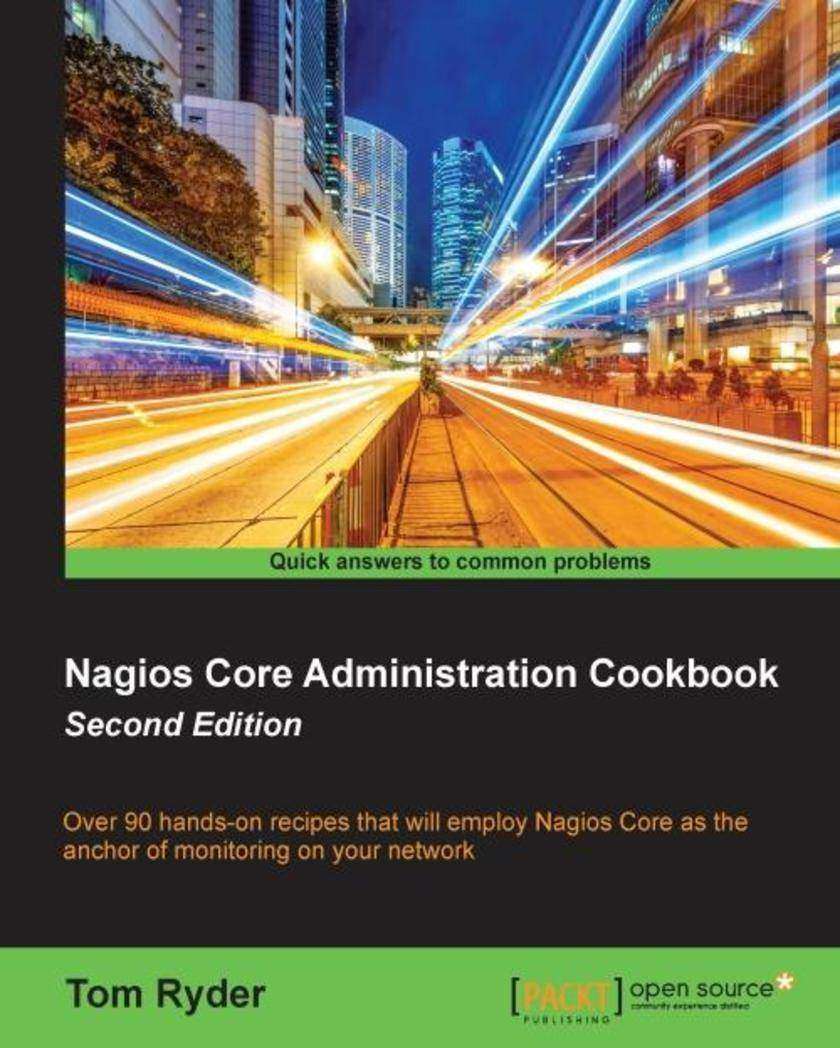
Nagios Core Administration Cookbook - Second Edition
¥90.46
Over 90 hands-on recipes that will employ Nagios Core as the anchor of monitoring on your networkAbout This BookMaster the advanced configuration techniques of Nagios Core to model your network better by improving hosts, services, and contactsFilter and improve the notifications that Nagios Core sends in response to failed checks, which can greatly assist you when diagnosing problemsPull Nagios Core's data into a database to write clever custom reports of your own deviseWho This Book Is ForIf you are a network or system administrator and are looking for instructions and examples on working with Nagios Core, then this book is for you. Some basic shell command-line experience is required, and some knowledge of *ing would be helpful when we discuss how plugins work.What You Will LearnManage the configuration of Nagios Core with advanced techniques to achieve fine detail in your checksFind, install, and even write your own check pluginsFilter notifications to send them to the right people or programs at the right timeWork around difficult network accessibility issues and delegate checks to other machinesTweak a Nagios Core server to achieve both high performance and redundancy in case of disasterProcess the results of checks performed by other machines to monitor backups and similar processesExtend Nagios Core to allow advanced *ing, reporting, and network visualization behaviorIn DetailNagios Core is an open source monitoring framework suitable for any network that ensures both internal and customer-facing services are running correctly and manages notification and reporting behavior to diagnose and fix outages promptly. It allows very fine configuration of exactly when, where, what, and how to check network services to meet both the uptime goals of your network and systems team and the needs of your users.This book shows system and network administrators how to use Nagios Core to its fullest as a monitoring framework for checks on any kind of network services, from the smallest home network to much larger production multi-site services. You will discover that Nagios Core is capable of doing much more than pinging a host or to see whether websites respond.The recipes in this book will demonstrate how to leverage Nagios Core's advanced configuration, *ing hooks, reports, data retrieval, and extensibility to integrate it with your existing systems, and to make it the rock-solid center of your network monitoring world.Style and approachEach chapter contains a set of step-by-step recipes to perform an example of a commonly performed task related to network administration. The book begins by focusing closely on the properties and configuration of Nagios Core itself, and gradually moves on to other pieces of software that can support, manage, and extend the system.
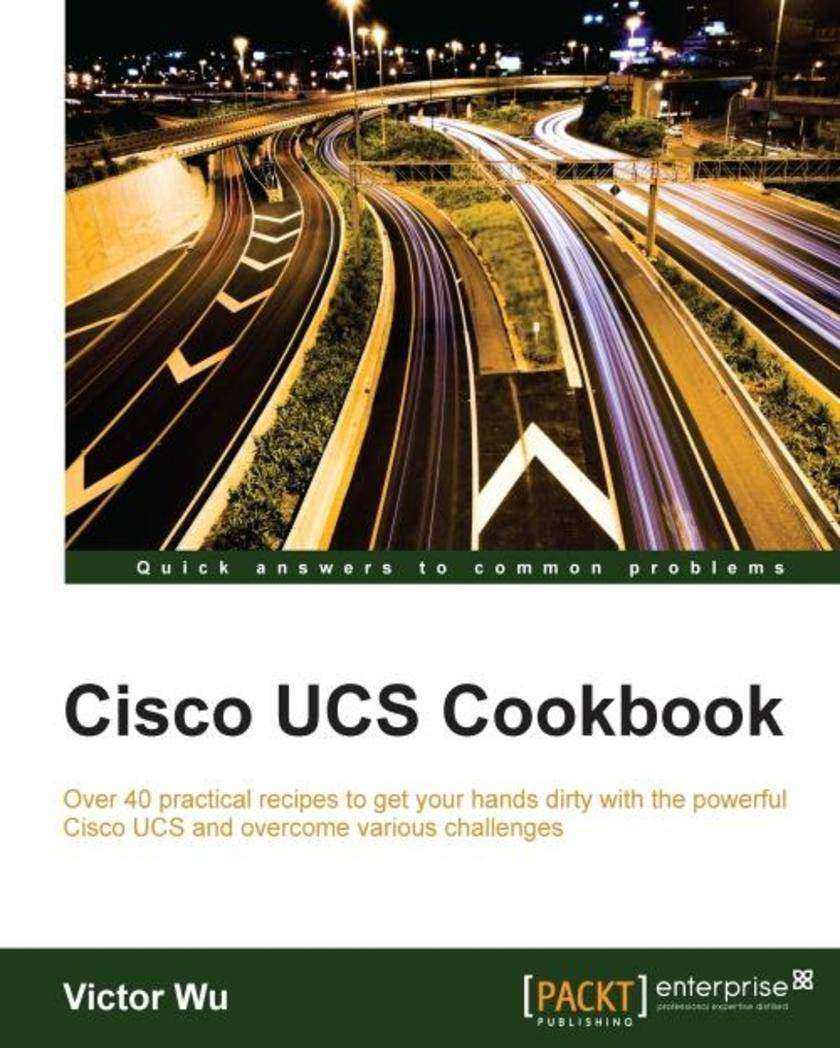
Cisco UCS Cookbook
¥90.46
Over 40 practical recipes to get your hands dirty with the powerful Cisco UCS and overcome various challenges About This Book Master the skills of minimizing cost, enabling your business to work faster by reducing cycle times for reporting and improving overall revenue Work through hands-on recipes for efficient deployment approaches, see computing techniques, and explore new operational models with UCS Render a better work-flow management, ensure effective monitoring, and learn new deployment paradigms for the operational infrastructure with the help of this book Who This Book Is For This book is for competent system/network or storage administrators who are working with Cisco UCS, but now want to learn new ways to compute UCS. What You Will Learn Familiarize yourself with information on the latest information on memory management practices, virtualization architectures, and the specific technical advantages of UCS Get a concrete understanding of integrating processes and techniques to ensure effective convergence of LAN/SAN Get to know the best practices of Cisco UCS, EMC Storage, and VMware vSphere Master migrating data from other band servers or Blade to Cisco UCS Comprehend how to replicate and back up UCS to remote sites UCS Assimilate innovative techniques to deploy UCS to leverage its full potential Gather information on installing and configuring automatic and manual Pinning Discover ways to integrate a system in Cisco UCS In Detail Cisco Unified Computing System (UCS) is a data center server platform that is used for computing, deploying, and storing resources in data center environments. This cookbook aims to teach you about various tasks you can implement to improve your existing method of configuring and deploying UCS. You will start by learning how to upgrade your firmware on Brocade and Cisco Fibre Channel Switch and will move on to enhance your knowledge of LAN connectivity. We will then discuss how to configure Windows 2008 and 2012 local boot in Cisco UCS. Next, you will learn how to install the operating system on Cisco UCS and use Cisco UCS Power Calculator to calculate the UCS consumption. Finally, we’ll take a look at backup solutions. By the end of the book, you will know several ways to build and compute in data center environment using Cisco UCS. Style and approach This guide explains every task in a conversational and easy-to-follow style. You can open this book up to the task you want to learn and will be able to perform that task by the end of the recipe.
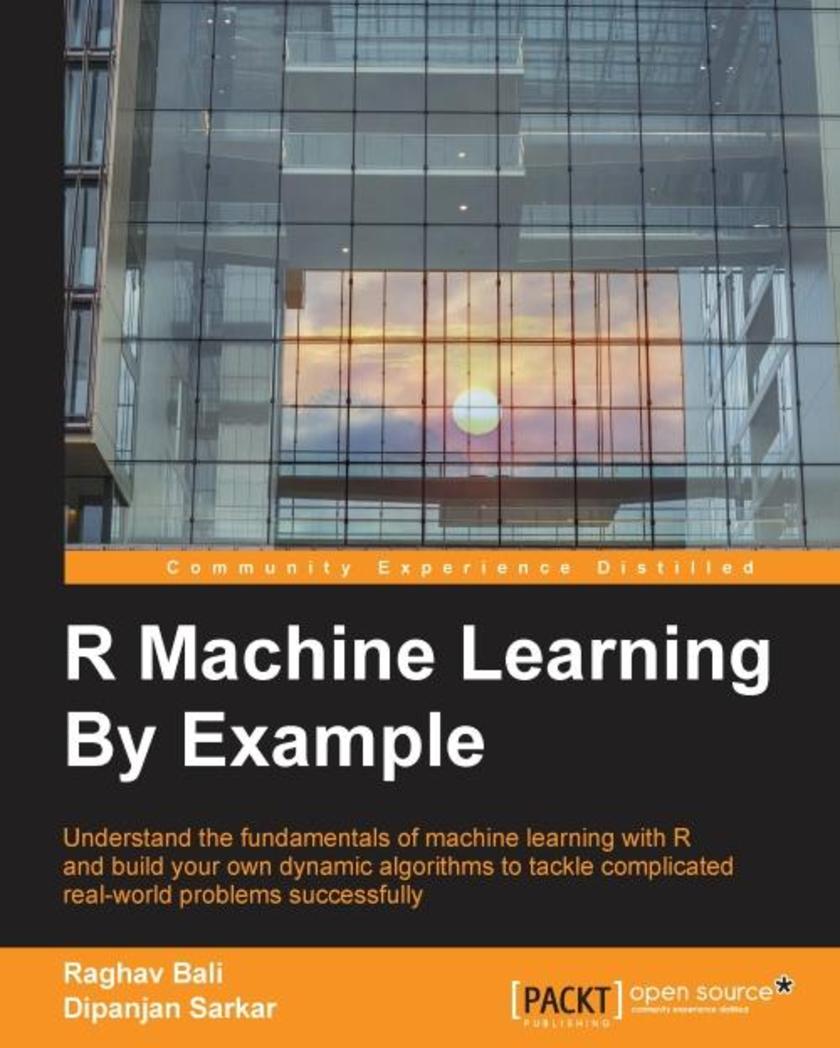
R Machine Learning By Example
¥90.46
Understand the fundamentals of machine learning with R and build your own dynamic algorithms to tackle complicated real-world problems successfully About This Book Get to grips with the concepts of machine learning through exciting real-world examples Visualize and solve complex problems by using power-packed R constructs and its robust packages for machine learning Learn to build your own machine learning system with this example-based practical guide Who This Book Is For If you are interested in mining useful information from data using state-of-the-art techniques to make data-driven decisions, this is a go-to guide for you. No prior experience with data science is required, although basic knowledge of R is highly desirable. Prior knowledge in machine learning would be helpful but is not necessary. What You Will Learn Utilize the power of R to handle data extraction, manipulation, and exploration techniques Use R to visualize data spread across multiple dimensions and extract useful features Explore the underlying mathematical and logical concepts that drive machine learning algorithms Dive deep into the world of analytics to predict situations correctly Implement R machine learning algorithms from scratch and be amazed to see the algorithms in action Write reusable code and build complete machine learning systems from the ground up Solve interesting real-world problems using machine learning and R as the journey unfolds Harness the power of robust and optimized R packages to work on projects that solve real-world problems in machine learning and data science In Detail Data science and machine learning are some of the top buzzwords in the technical world today. From retail stores to Fortune 500 companies, everyone is working hard to making machine learning give them data-driven insights to grow their business. With powerful data manipulation features, machine learning packages, and an active developer community, R empowers users to build sophisticated machine learning systems to solve real-world data problems. This book takes you on a data-driven journey that starts with the very basics of R and machine learning and gradually builds upon the concepts to work on projects that tackle real-world problems. You’ll begin by getting an understanding of the core concepts and definitions required to appreciate machine learning algorithms and concepts. Building upon the basics, you will then work on three different projects to apply the concepts of machine learning, following current trends and cover major algorithms as well as popular R packages in detail. These projects have been neatly divided into six different chapters covering the worlds of e-commerce, finance, and social-media, which are at the very core of this data-driven revolution. Each of the projects will help you to understand, explore, visualize, and derive insights depending upon the domain and algorithms. Through this book, you will learn to apply the concepts of machine learning to deal with data-related problems and solve them using the powerful yet simple language, R. Style and approach The book is an enticing journey that starts from the very basics to gradually pick up pace as the story unfolds. Each concept is first defined in the larger context of things succinctly, followed by a detailed explanation of their application. Each topic is explained with the help of a project that solves a real real-world problem involving hands-on work thus giving you a deep insight into the world of machine learning.
Mastering JBoss Drools 6
¥90.46
Discover the power of Drools 6 and Business Rules for developing complex scenarios in your applications About This Book Implement and model different rules using the DRL full syntax Model complex business decisions and domain models in order to automate and improve your operational decisions with the Drools framework A practical, fast-paced, hands-on guide to help you use the different components provided by the Drools Rule Engine Who This Book Is For This book is for Java developers and architects who need to have a deep understanding of how to create or integrate your applications with the Drools Rules Framework. The book assumes that you know the Java language well and also have experience with some widely used frameworks, such as Spring. You should also know the basics of Maven-based applications. What You Will Learn Automate your application’s decisions, such as promotion applying, discount policies, fraud detection, and more. Quickly get started with writing your first rules using the DRL full syntax. Discover the power of the new syntax components of the rule language. Define inferences in your business rules to simplify complex decisions. Write decision tables, templates,domain-specific languages, and scorecards, and learn how to map them to the Drools framework. Harness the full operational power of Drools through all of its configuration points. Use Drools configurations and architectures for different environments and scenarios. In Detail Mastering JBoss Drools 6 will provide you with the knowledge to develop applications involving complex scenarios. You will learn how to use KIE modules to create and execute Business Rules, and how the PHREAK algorithm internally works to drive the Rule Engine decisions. This book will also cover the relationship between Drools and jBPM, which allows you to enrich your applications by using Business Processes. You will be briefly introduced to the concept of complex event processing (Drools CEP) where you will learn how to aggregate and correlate your data based on temporal conditions. You will also learn how to define rules using domain-specific languages, such as spreadsheets, database entries, PMML, and more. Towards the end, this book will take you through the integration of Drools with the Spring and Camel frameworks for more complex applications. Style and approach Approached from a developer’s perspective, the book teaches you all the advanced concepts of Business Rules applicable examples with helpful screenshots, diagrams, tutorials, and examples.
Mastering Wireshark
¥90.46
Analyze data network like a professional by mastering Wireshark - From 0 to 1337 About This Book Master Wireshark and train it as your network sniffer Impress your peers and get yourself pronounced as a network doctor Understand Wireshark and its numerous features with the aid of this fast-paced book packed with numerous screenshots, and become a pro at resolving network anomalies Who This Book Is For Are you curious to know what’s going on in a networkDo you get frustrated when you are unable to detect the cause of problems in your networksThis is where the book comes into play. Mastering Wireshark is for developers or network enthusiasts who are interested in understanding the internal workings of networks and have prior knowledge of using Wireshark, but are not aware about all of its functionalities. What You Will Learn Install Wireshark and understand its GUI and all the functionalities of it Create and use different filters Analyze different layers of network protocols and know the amount of packets that flow through the network Decrypt encrypted wireless traffic Use Wireshark as a diagnostic tool and also for network security analysis to keep track of malware Troubleshoot all the network anomalies with help of Wireshark Resolve latencies and bottleneck issues in the network In Detail Wireshark is a popular and powerful tool used to analyze the amount of bits and bytes that are flowing through a network. Wireshark deals with the second to seventh layer of network protocols, and the analysis made is presented in a human readable form. Mastering Wireshark will help you raise your knowledge to an expert level. At the start of the book, you will be taught how to install Wireshark, and will be introduced to its interface so you understand all its functionalities. Moving forward, you will discover different ways to create and use capture and display filters. Halfway through the book, you’ll be mastering the features of Wireshark, analyzing different layers of the network protocol, looking for any anomalies. As you reach to the end of the book, you will be taught how to use Wireshark for network security analysis and configure it for troubleshooting purposes. Style and approach Every chapter in this book is explained to you in an easy way accompanied by real-life examples and screenshots of the interface, making it easy for you to become an expert at using Wireshark.
Learning Predictive Analytics with Python
¥90.46
Gain practical insights into predictive modelling by implementing Predictive Analytics algorithms on public datasets with PythonAbout This BookA step-by-step guide to predictive modeling including lots of tips, tricks, and best practicesGet to grips with the basics of Predictive Analytics with PythonLearn how to use the popular predictive modeling algorithms such as Linear Regression, Decision Trees, Logistic Regression, and ClusteringWho This Book Is ForIf you wish to learn how to implement Predictive Analytics algorithms using Python libraries, then this is the book for you. If you are familiar with coding in Python (or some other programming/statistical/*ing language) but have never used or read about Predictive Analytics algorithms, this book will also help you. The book will be beneficial to and can be read by any Data Science enthusiasts. Some familiarity with Python will be useful to get the most out of this book, but it is certainly not a prerequisite.What You Will LearnUnderstand the statistical and mathematical concepts behind Predictive Analytics algorithms and implement Predictive Analytics algorithms using Python librariesAnalyze the result parameters arising from the implementation of Predictive Analytics algorithmsWrite Python modules/functions from scratch to execute segments or the whole of these algorithmsRecognize and mitigate various contingencies and issues related to the implementation of Predictive Analytics algorithmsGet to know various methods of importing, cleaning, sub-setting, merging, joining, concatenating, exploring, grouping, and plotting data with pandas and numpyCreate dummy datasets and simple mathematical simulations using the Python numpy and pandas librariesUnderstand the best practices while handling datasets in Python and creating predictive models out of themIn DetailSocial Media and the Internet of Things have resulted in an avalanche of data. Data is powerful but not in its raw form - It needs to be processed and modeled, and Python is one of the most robust tools out there to do so. It has an array of packages for predictive modeling and a suite of IDEs to choose from. Learning to predict who would win, lose, buy, lie, or die with Python is an indispensable skill set to have in this data age.This book is your guide to getting started with Predictive Analytics using Python. You will see how to process data and make predictive models from it. We balance both statistical and mathematical concepts, and implement them in Python using libraries such as pandas, scikit-learn, and numpy.You’ll start by getting an understanding of the basics of predictive modeling, then you will see how to cleanse your data of impurities and get it ready it for predictive modeling. You will also learn more about the best predictive modeling algorithms such as Linear Regression, Decision Trees, and Logistic Regression. Finally, you will see the best practices in predictive modeling, as well as the different applications of predictive modeling in the modern world.Style and approachAll the concepts in this book been explained and illustrated using a dataset, and in a step-by-step manner. The Python code snippet to implement a method or concept is followed by the output, such as charts, dataset heads, pictures, and so on. The statistical concepts are explained in detail wherever required.
Cocos2d Cross-Platform Game Development Cookbook - Second Edition
¥90.46
Develop games for iOS and Android using Cocos2d with the aid of over 70 step-by-step recipesAbout This BookLearn to efficiently use Cocos2d to develop cross-platform games, and have them work on iOS as well as AndroidGet acquainted with industry-wide professional tools such as Glyph Designer, Texture Packer, and Physics Editor, as well as using the Swift/ Sprite builder implementation of Cocos2dUse the easy-to-follow recipes to develop as well as deploy games to the Playstore and the App StoreWho This Book Is ForThis book is for intermediate game developers and especially the ones who are generally curious to find out what’s new in Cocos2d v 3.3.What You Will LearnBuild custom sprites with custom animations for the gameBuild interactivity into your game by adding gestures and touch interactionsUnderstand AI enemy programming and path finding to make games more excitingAdd physics to your game to make it more lively and interactiveGet familiar with the Swift and Sprite builder implementations along with Objective-C programmingPerform hassle-free deployment of games built in iOS onto AndroidAdd effects and particle systems to make the game more colorfulIn DetailCocos2d is the world’s leading game development framework for developing iOS games. With the introduction of Swift and Spritebuilder, it has become easier than ever to develop the games of your dreams without much effort. With Cocos2d, you can also deploy the game on Android, thereby maximizing profit and reducing development and porting costs.The book starts off with a detailed look at how to implement sprites and animations into your game to make it livelier. You will then learn to add scenes to the game such as the gameplay scene and options scene and create menus and buttons in these scenes, as well as creating transitions between them. From there on, you will get an understanding of how to program user interactions such as tapping, holding, and swiping. You’ll then add accelerometer inputs and physics to the scene, and make objects respond back to the inputs. A game is practically incomplete without audio being added, so this will be covered next.The next section will include ways to add Artificial Intelligence to enemies in the game, allowing them to patrol, chase, and shoot in a projectile manner. You will then learn to use NSUserDefault to save and load game progress, and create and access files using JSON, Plist, and XML files for custom storage and retrieval of data. Then you will learn to add dynamic lighting to your game and will use industry-wide tools such as Texture Packer, Glyph Designer, Physics Editor, Particle Designer, and Sprite Illuminator to create more visually appealing and performance-optimized games.Towards the end of the book, we dive into Apple’s latest programming language—Swift, highlighting the major differences between Objective C and Swift. The book culminates with taking your existing game developed for iOS and porting it to Android, showing you how to install the Android Xcode plugin as well.Style and approachThe book is written in an extremely lucid and step-by-step manner; it can be understood easily by anyone. The topics included are broken down into individual chapters so you can refer to the specific chapter to get answers on the subject you are interested in.
Mastering Puppet - Second Edition
¥90.46
Master Puppet for configuration management of your systems in an enterprise deploymentAbout This BookThis book is an advanced guide to using and deploying Puppet 4 in your organization with a special focus on issues faced in larger enterprise deploymentsFrom an experienced author, learn to deal with scaling, performance, and multiple developers with the help of real-world examplesThis is the most up-to-date guide on Puppet, and covers the advanced concepts of Puppet 4Who This Book Is ForThis book is for those who have intermediate knowledge of Puppet and are looking to deploy it in their environment. Some idea how to write simple modules for configuration management with Puppet is a prerequisite for this book.What You Will LearnScale out your Puppet infrastructure using proxying techniquesAutomate your code promotion workflow using Git and r10kSolve real-world problems using public modules from the Puppet ForgeUse Hiera to separate the data of your configuration from the code of your configurationWrite your own custom facts in RubyExtend Puppet with your own custom facts, modules, and typesUse exported resources to orchestrate change between machinesDebug a puppetserver using Java techniquesIn DetailPuppet is a configuration management system and a language. It was written for and by system administrators to manage large numbers of systems efficiently and prevent configuration drifts.Mastering Puppet deals with the issues faced when scaling out Puppet to handle large numbers of nodes. It will show you how to fit Puppet into your enterprise and allow many developers to work on your Puppet code simultaneously. In addition, you will learn to write custom facts and roll your own modules to solve problems. Next, popular options for performing reporting and orchestration tasks will be introduced in this book. Moving over to troubleshooting techniques, which will be very useful. The concepts presented are useful to any size organization.By the end of the book, you will know how to deal with problems of scale and exceptions in your code, automate workflows, and support multiple developers working simultaneously.Style and approachThis book is a step-wise guide packed with examples to help you configure complex systems in Puppet.
Test-Driven Java Development - Second Edition
¥90.46
This book will teach the concepts of test driven development in Java so you can build clean, maintainable and robust code About This Book ? Explore the most popular TDD tools and frameworks and become more proficient in building applications ? Create applications with better code design, fewer bugs, and higher test coverage, enabling you to get them to market quickly ? Implement test-driven programming methods into your development workflows Who This Book Is For If you're an experienced Java developer and want to implement more effective methods of programming systems and applications, then this book is for you. What You Will Learn ? Explore the tools and frameworks required for effective TDD development ? Perform the Red-Green-Refactor process efficiently, the pillar around which all other TDD procedures are based ? Master effective unit testing in isolation from the rest of your code ? Design simple and easily maintainable code by implementing different techniques ? Use mocking frameworks and techniques to easily write and quickly execute tests ? Develop an application to implement behavior-driven development in conjunction with unit testing ? Enable and disable features using feature toggles In Detail Test-driven development (TDD) is a development approach that relies on a test-first procedure that emphasizes writing a test before writing the necessary code, and then refactoring the code to optimize it.The value of performing TDD with Java, one of the longest established programming languages, is to improve the productivity of programmers and the maintainability and performance of code, and develop a deeper understanding of the language and how to employ it effectively. Starting with the basics of TDD and understanding why its adoption is beneficial, this book will take you from the first steps of TDD with Java until you are confident enough to embrace the practice in your day-to-day routine.You'll be guided through setting up tools, frameworks, and the environment you need, and we will dive right into hands-on exercises with the goal of mastering one practice, tool, or framework at a time. You'll learn about the Red-Green-Refactor procedure, how to write unit tests, and how to use them as executable documentation.With this book, you'll also discover how to design simple and easily maintainable code, work with mocks, utilize behavior-driven development, refactor old legacy code, and release a half-finished feature to production with feature toggles.You will finish this book with a deep understanding of the test-driven development methodology and the confidence to apply it to application programming with Java. Style and approach An easy-to-follow, hands-on guide to building applications through effective coding practices. This book covers practical examples by introducing different problems, each one designed as a learning exercise to help you understand each aspect of TDD.
Learning Robotic Process Automation
¥90.46
Design RPA solutions to perform a wide range of transactional tasks with minimal cost and maximum ROI About This Book ? A beginner's guide to learn Robotic Process Automation and its impact on the modern world ? Design, test, and perform enterprise automation task with UiPath ? Create Automation apps and deploy them to all the computers in your department. Who This Book Is For If you would like to pursue a career in Robotic Process Automation or improve the efficiency of your businesses by automating common tasks, then this book is perfect for you. Prior programming knowledge of either Visual Basic or C# will be useful. What You Will Learn ? Understand Robotic Process Automation technology ? Learn UiPath programming techniques to deploy robot configurations ? Explore various data extraction techniques ? Learn about integrations with various popular applications such as SAP and MS Office ? Debug a programmed robot including logging and exception handling ? Maintain code version and source control ? Deploy and control Bots with UiPath Orchestrator In Detail Robotic Process Automation (RPA) enables automating business processes using software robots. Software robots interpret, trigger responses, and communicate with other systems just like humans do. Robotic processes and intelligent automation tools can help businesses improve the effectiveness of services faster and at a lower cost than current methods. This book is the perfect start to your automation journey, with a special focus on one of the most popular RPA tools: UiPath. Learning Robotic Process Automation takes you on a journey from understanding the basics of RPA to advanced implementation techniques. You will become oriented in the UiPath interface and learn about its workflow. Once you are familiar with the environment, we will get hands-on with automating different applications such as Excel, SAP, Windows and web applications, screen and web scraping, working with user events, as well as understanding exceptions and debugging. By the end of the book, you'll not only be able to build your first software bot, but also you'll wire it to perform various automation tasks with the help of best practices for bot deployment. Style and approach This book will help you kick-start your automation journey with a special focus on one of the most popular RPA tools: UiPath.
Kotlin Programming By Example
¥90.46
Enhance your Kotlin programming skills by building 3 real-world applications About This Book ? Build three full-fledged, engaging applications from scratch and learn to deploy them ? Enhance your app development and programming activities with Kotlin’s powerful and intuitive tools and utilities. ? Experience the gentle learning curve, expressiveness, and intuitiveness of Kotlin, as you develop your own applications Who This Book Is For This book is for those who are new to Kotlin or are familiar with the basics, having dabbled with Java until now. Basic programming knowledge is mandatory. What You Will Learn ? Learn the building blocks of the Kotlin programming language ? Develop powerful RESTful microservices for Android applications ? Create reactive Android applications efficiently ? Implement an MVC architecture pattern and dependency management using Kotlin ? Centralize, transform, and stash data with Logstash ? Secure applications using Spring Security ? Deploy Kotlin microservices to AWS and Android applications to the Play Store In Detail Kotlin greatly reduces the verbosity of source code. With Google having announced their support for Kotlin as a first-class language for writing Android apps, now's the time learn how to create apps from scratch with Kotlin Kotlin Programming By Example takes you through the building blocks of Kotlin, such as functions and classes. You’ll explore various features of Kotlin by building three applications of varying complexity. For a quick start to Android development, we look at building a classic game, Tetris, and elaborate on object-oriented programming in Kotlin. Our next application will be a messenger app, a level up in terms of complexity. Before moving onto the third app, we take a look at data persistent methods, helping us learn about the storage and retrieval of useful applications. Our final app is a place reviewer: a web application that will make use of the Google Maps API and Place Picker. By the end of this book, you will have gained experience of of creating and deploying Android applications using Kotlin. Style and approach Here we will build three exciting projects in Kotlin which will demonstrate how to effectively use Kotlin language constructs
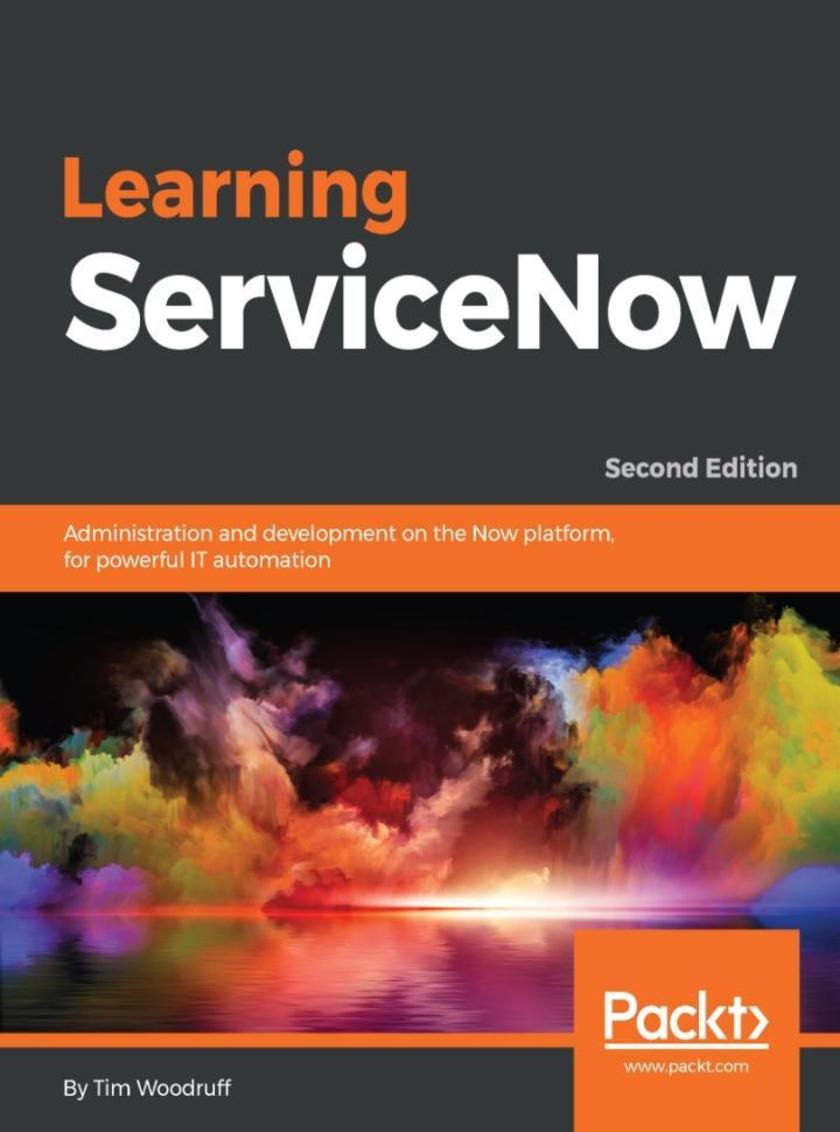
Learning ServiceNow
¥90.46
IT service management automation at your fingertips About This Book ? Learn to leverage ServiceNow’s capabilities for improved IT automation by following step-by-step, practical instructions ? Build core administration, development, and maintenance skills with IT service management in ServiceNow ? Improve your workflow efficiency by designing and creating responsive and automated workflows, business logic, and front-end automation Who This Book Is For This book is for IT professionals and administrators who are planning to or are already trying to implement ServiceNow in their organization for Enterprise IT service management tasks. Some familiarity with web technologies (JavaScript) would be helpful. Prior ServiceNow experience is not necessary. What You Will Learn ? Read and write clear, effective code for the ServiceNow platform ? Identify and avoid common pitfalls and missteps that could seriously impact future progress and upgradeability ? Use debugging tools to troubleshoot when things go wrong ? Discover tips and tricks from top ServiceNow developers, architects, and administrators. Find out what the pros wish they knew when they were starting out In Detail This book is an updated version of Learning ServiceNow, that will cover the new and updated features of the ServiceNow platform. It will show you how to put important ServiceNow features to work in the real world, while introducing key concepts via examples of managing and automating IT services. It'll help you build a solid foundation of knowledge, and will demonstrate how to effectively implement and configure modules within ServiceNow. We'll show you how to configure and administer your instance, and then move on to building strong user interfaces and creating powerful workflows. We also cover other key elements of ServiceNow, such as notifications, security, reporting, and custom development. You will learn how to improve and automate your business' workflow and processes. By the end of this book, you will be able to successfully configure and manage ServiceNow like a pro. Style and approach This book is a step-by-step practical tutorial to help you quickly deploy and configure ServiceNow in your organization. It guides you through the process of building applications and understanding the underlying systems, to help you become a more effective ServiceNow/ITSM administrator and/or developer.


