


 购物车
购物车 个人中心
个人中心
Macbeth
¥8.67
Demagóg, ?rült, gazember? Népvezér, próféta, mártír? E két véglet k?z?tt ingadozott Szálasi Ferenc megítélése kortársai szemében. Az utókor azonban k?zel sem ilyen megosztott személyét illet?en, Szálasi a 20. századi magyar t?rténelem talán legelutasítottabb alakja. K?tetünkben arra keressük a választ, miként vált azzá. Miért lépett egyáltalán a politika színpadára otthagyva ezzel a biztos karriert kínáló katonaságot? Milyen célok vezették? Mit gondolt és mit tett politikusként? Szálasi életútjának állomásairól számos egykori dokumentum vall, ami lehet?séget ad, hogy t?bb, olykor lényegesen eltér? néz?pontokból vizsgálhassuk ugyanazt az eseményt. K?nyvünkben megkíséreljük a sok esetben részrehajló – vagy éppen elfogult – kortársak írásai alapján áttekinteni Szálasi életútját: a katonáét, az ideológusét, a politikusét – gyermekkorától egészen haláláig. Végül pedig azt is bemutatjuk, miként viszonyul hozzá az utókor. A k?tetet életrajzi kronológia, válogatott bibliográfia, valamint térképek teszik teljessé. PAKSA RUDOLF 1981-ben született Ajkán, az ELTE-n doktorált t?rténelemb?l és 2009 októberét?l az MTA BTK T?rténettudományi Intézetének a munkatársa. ?rdekl?dési területe a modern kori magyar t?rténelem; kutatásai súlypontja a 19–20. századi historiográfia, a régi E?tv?s Collegium, valamint a Horthy-kori széls?jobboldali irányzatok.
The Mysterious Island
¥8.67
Hard Times – For These Times (commonly known as "Hard Times") is the tenth novel by Charles Dickens, first published in 1854. The book appraises English society and highlights the social and economic pressures of the times. Hard Times is unusual in several respects. It is by far the shortest of Dickens' novels, barely a quarter of the length of those written immediately before and after it. Also, unlike all but one of his other novels, Hard Times has neither a preface nor illustrations. Moreover, it is his only novel not to have scenes set in London. Instead the story is set in the fictitious Victorian industrial Coketown, a generic Northern English mill-town, in some ways similar to Manchester, though smaller. Coketown may be partially based on 19th-century Preston. One of Dickens's reasons for writing Hard Times was that sales of his weekly periodical, Household Words, were low, and it was hoped the novel's publication in instalments would boost circulation – as indeed proved to be the case. Since publication it has received a mixed response from critics. Critics such as George Bernard Shaw and Thomas Macaulay have mainly focused on Dickens's treatment of trade unions and his post–Industrial Revolution pessimism regarding the divide between capitalist mill owners and undervalued workers during the Victorian era. F. R. Leavis, a great admirer of the book, included it—but not Dickens' work as a whole—as part of his Great Tradition of English novels. ***‘Now, what I want is, Facts. Teach these boys and girls nothing but Facts. Facts alone are wanted in life. Plant nothing else, and root out everything else. You can only form the minds of reasoning animals upon Facts: nothing else will ever be of any service to them. This is the principle on which I bring up my own children, and this is the principle on which I bring up these children. Stick to Facts, sir!’ ? ?The scene was a plain, bare, monotonous vault of a school-room, and the speaker’s square forefinger emphasized his observations by underscoring every sentence with a line on the schoolmaster’s sleeve. The emphasis was helped by the speaker’s square wall of a forehead, which had his eyebrows for its base, while his eyes found commodious cellarage in two dark caves, overshadowed by the wall. The emphasis was helped by the speaker’s mouth, which was wide, thin, and hard set. The emphasis was helped by the speaker’s voice, which was inflexible, dry, and dictatorial. The emphasis was helped by the speaker’s hair, which bristled on the skirts of his bald head, a plantation of firs to keep the wind from its shining surface, all covered with knobs, like the crust of a plum pie, as if the head had scarcely warehouse-room for the hard facts stored inside. The speaker’s obstinate carriage, square coat, square legs, square shoulders,—nay, his very neckcloth, trained to take him by the throat with an unaccommodating grasp, like a stubborn fact, as it was,—all helped the emphasis. ‘In this life, we want nothing but Facts, sir; nothing but Facts!’The speaker, and the schoolmaster, and the third grown person present, all backed a little, and swept with their eyes the inclined plane of little vessels then and there arranged in order, ready to have imperial gallons of facts poured into them until they were full to the brim.
Csongor és Tünde
¥8.67
Apokrif evangélium vagy egyszer? imak?nyv? Hamisítvány vagy hiteles t?rténeti emlék? Elfeledett írás vagy szuperbiztos kód, esetleg mesterséges nyelv? Magyar, román, szanszkrit, latin, netalán t?r?k? A Rohonci kódex hírnevét kül?n?s kett?sség jellemzi: helyet kapott a világt?rténelem megfejtetlen írásainak illusztris társaságában, mik?zben a legutóbbi id?kig komoly kísérlet nem t?rtént rejtélyes jeleinek elolvasására. L?NG BENEDEK k?nyve egy izgalmas nyomozás t?rténete, amelyet a szerz? e Budapesten ?rz?tt, titokzatos és gazdagon illusztrált kódex megfejtése érdekében folytatott. A fiatal tudományt?rténész minden részletre kiterjed?, alapos vizsgálata során az olvasó beavatást nyerhet a máig megfejtetlen, rejtélyes k?nyvek világába, a titkosírások és a kódok t?rténetébe, valamint a rejtjelfejtés hagyományos és modern módszereibe is. Láng Benedek 1974-ben született Budapesten. T?rténészként végzett az ELTE b?lcsészkarán, jelenleg a Budapesti M?szaki és Gazdaságtudományi Egyetemen oktat humán és társadalomtudományi tárgyakat. Kutatóként az elfogadott és elutasított tudomány határterületei érdeklik mind t?rténeti, mind elméleti szempontból. Ez utóbbi kérdésk?rr?l t?bb k?nyve is megjelent. Budapesten él, n?s, két gyermek apja.
Pride and Prejudice
¥8.67
Meddig él velünk a kommunista diktatúra emléke? ?s mit kezdjünk vele, ha már nem tudjuk elfelejteni? – így fogalmazhatók meg r?viden Kukorelly Endre Rom cím? k?nyvének alapkérdései. Pontosabb volna egyes szám els? személyben kérdezni, hiszen a k?nyv mindvégig így és innen beszél k?z?s t?rténetünkr?l: már ezzel elhárítva a hamis k?z?sségiség mítoszait és nyomasztó beszédmódjait. Ironikusan, ?nironikusan rákérdez arra, amit ma a térség legszívesebben elfelejtene, illetve amir?l kínzóan ostoba ?nigazoló t?rténeteket gyárt. Kukorelly Endre kikezdi ezt a fárasztó, ?nigazoló retorikát, ám a k?nyv beszél?je nem áltatja az olvasót, hogy ? kívülálló lenne, aki már akkor is átlátott a szitán. Nem, csak éppen meg?rizte ízlését és humorát, ami talán elég ahhoz, hogy hitelesen beszélhessen az ízléstelenség és kedélytelenség világáról. Ami nem csak a múlt.?
Dorothy and the Wizard in Oz
¥8.67
Kijárat az Adriára cím? nagysiker? munkája után Lovas Ildikó újabb regénye a mai divatos n?irodalommal száll szembe, a test, az érzékiség nyelvét nem radikalizálja tovább, hanem ?visszavesz” bel?le, mivel rendkívüli tudatossággal újra és újra az ártatlanság nyelvén akar szólni. A Spanyol menyasszony az erotikus krimi és a klasszikus lányregény mesteri ?tv?zete. A regény két síkon játszódik, az egyik az én-elbeszél? kiskamaszkoráig vezet vissza, míg a másik a neves orvos-író Csáth Géza feleségének, Jónás Olgának az utolsó napját beszéli el, abból próbálja megfejteni az író és felesége kegyetlenül túlf?t?tt, és tragédiába torkolló kapcsolatát.
William Shakespeare Complete Works – World’s Best Collection: 220+ Plays, Sonnet
¥8.09
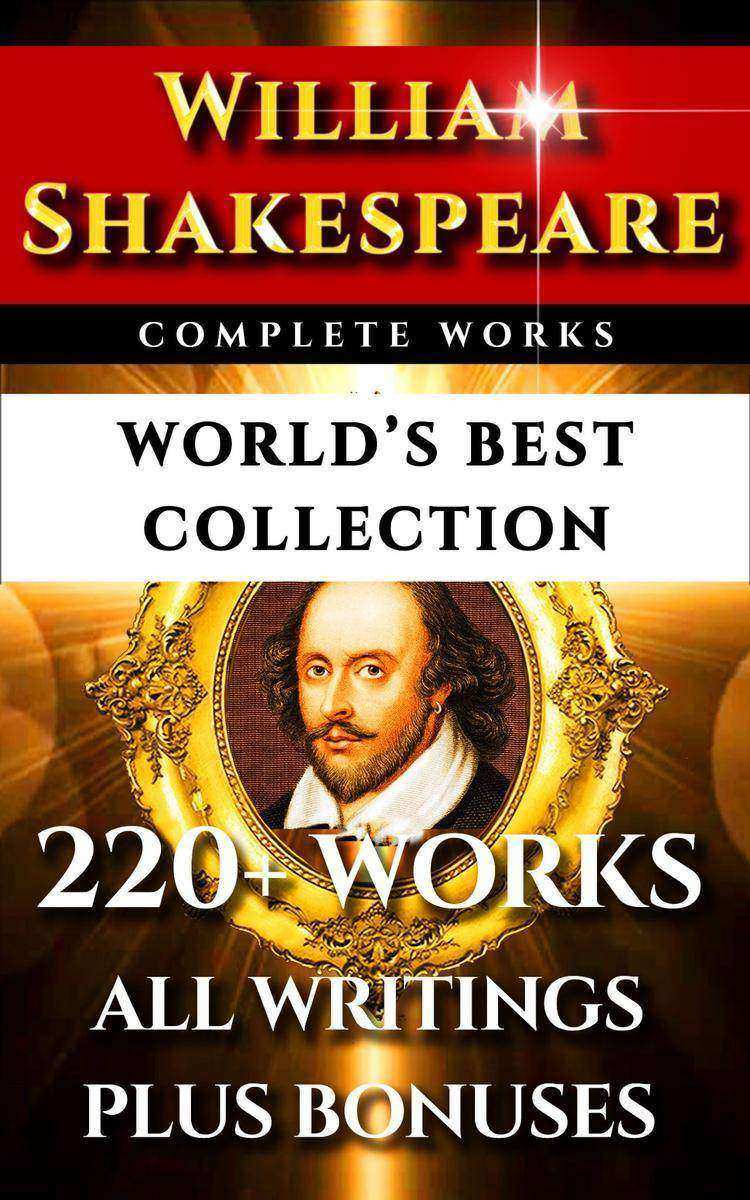
William Shakespeare Complete Works World's Best Collection This is the world’s best William Shakespeare collection, including the most complete set of Shakespeare’s works available plus many free bonus materials. William Shakespeare Shakespeare is the first name we think of when we think of English literature. His works have an absolutely timeless quality. The ‘Must-Have’ Complete Collection In this irresistible collection you get a full set of Shakespeare’s work, including not only all his plays, poetry, annotations and commentaries on those, but also his rare, hard-to-find Apocryphal Plays. Apocryphal Plays The Apocryphal Plays, as they are known, were not as widely published as Shakespeare’s well-known works, due to not being included in the famous ‘First Folio’ published by his fellow actors. As a result, they are extremely sought-after. Electrifying argument rages over them, often being discussed more than Shakespeare’s more familiar works. The Most Famous Commentaries This ultimate collection also contains some of the most famous commentaries on Shakespeare’s works, from some of the most celebrated literature experts in history: Samuel Johnson - known as the most quoted man after Shakespeare, Johnson’s famous ‘Preface to Shakespeare’ is one of the authorities on The Bard. He also created amazing Annotations of Shakespeare’s plays. All are included. William Hazlitt - We include hs in depth analysis, Characters Of Shakespeare’s Plays, explores each play and its players. Samuel Taylor Coleridge -?His Critical Analysis is considered highly influential and extremely insightful. Shakespeare Biographies This collection also included 2 full length biographies: Life Of Shakespeare By Sidney Lee A Study In Shakespeare By Algernon Charles Swinburne Bonuses In addition, you also receive in this collection: Life of Shakespeare – A quick biography about Shakespeare’s intriguing life. Apocryphal Explanation - Commentary about the fascinating Apocryphal Plays. Get It Now This is the best Shakespeare collection you can get, so get it now and start enjoying and being inspired by his world! Works Included: Comedies, including: Merchant Of Venice Midsummer Night’s Dream Much Ado About Nothing Twelfth Night Histories, including: Henry V Richard Iii Henry Viii Tragedies, including: Romeo & Juliet Titus Andronicus Julius Caesar Macbeth Hamlet Othello Apocrypha, Including: Thomas Cromwell Edward Iii Sir Thomas More Mucedrous Merry Devil Of Edmonton All Poems and Sonnets
Homer's Odyssey
¥8.09
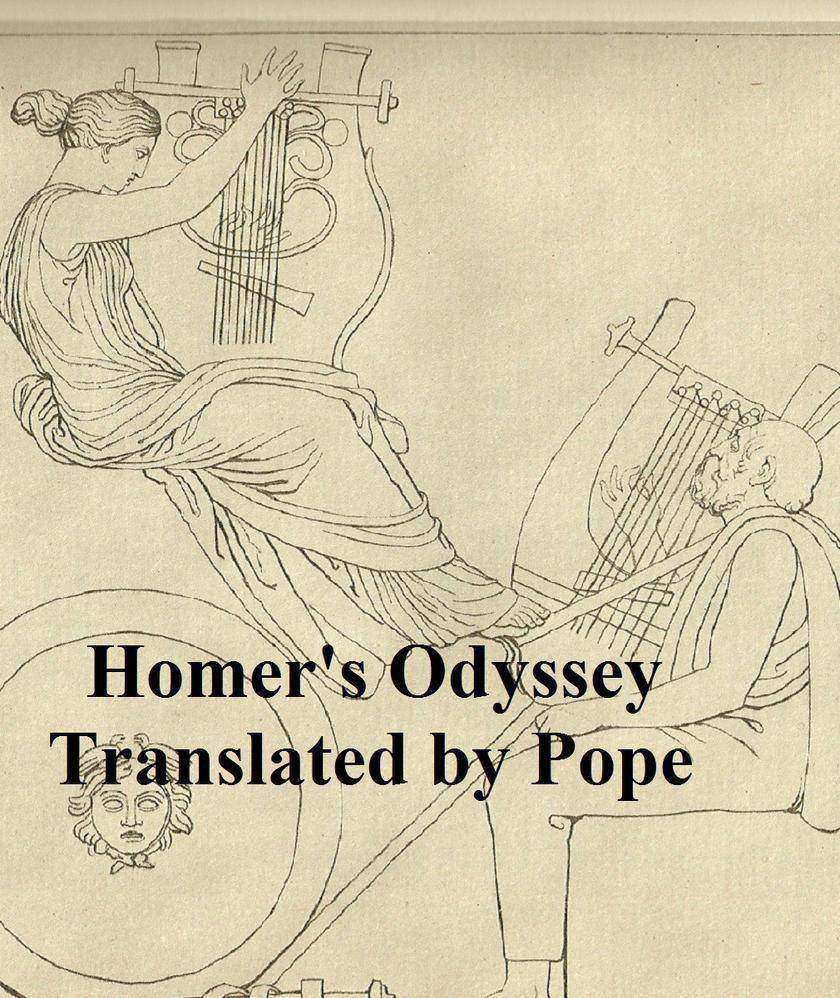
Verse translation, in rhyming couplets. According to Wikipedia: "Homer is a legendary ancient Greek epic poet, traditionally said to be the author of the epic poems the Iliad and the Odyssey. The ancient Greeks generally believed that Homer was a historical individual, but modern scholars are skeptical: no reliable biographical information has been handed down from classical antiquity, and the poems themselves manifestly represent the culmination of many centuries of oral story-telling and a well-developed "formulaic" system of poetic composition."
The Alchemist
¥8.09
The Alchemist
The Complete Poems of Paul Laurence Dunbar
¥8.09
According to Wikipedia: "Paul Laurence Dunbar (June 27, 1872– February 9, 1906) was a seminal African American poet of the late 19th and early 20th centuries. Dunbar gained national recognition for his 1896 Ode to Ethiopia, one poem in the collection Lyrics of Lowly Life."
Henry VI Part 1, with line numbers
¥8.09
The classic Shakespeare history play, with line numbers. According to Wikipedia: "William Shakespeare (baptised 26 April 1564 – died 23 April 1616) was an English poet and playwright, widely regarded as the greatest writer in the English language and the world's pre-eminent dramatist. He is often called England's national poet and the "Bard of Avon" (or simply "The Bard"). His surviving works consist of 38 plays, 154 sonnets, two long narrative poems, and several other poems. His plays have been translated into every major living language, and are performed more often than those of any other playwright."
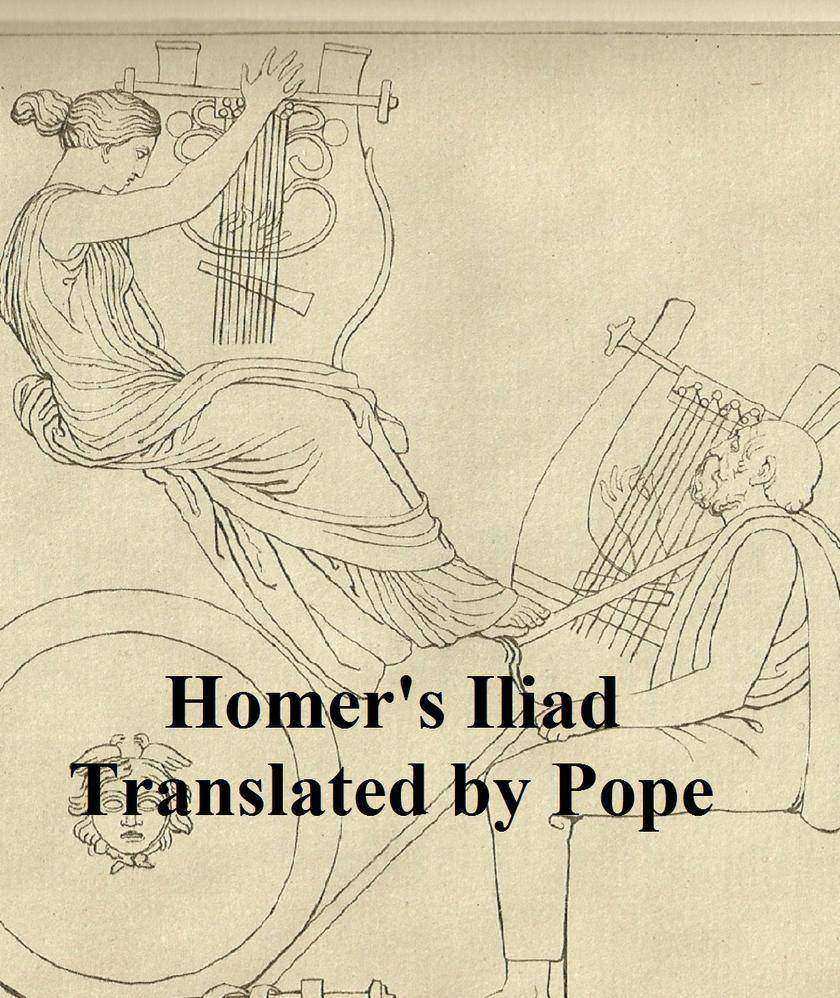
Homer's Iliad
¥8.09
Alexander Pope's verse translation (rhyming couplets). With 28 illustrations by John Flaxman. According to Wikipedia: "Homer is a legendary ancient Greek epic poet, traditionally said to be the author of the epic poems the Iliad and the Odyssey. The ancient Greeks generally believed that Homer was a historical individual, but modern scholars are skeptical: no reliable biographical information has been handed down from classical antiquity, and the poems themselves manifestly represent the culmination of many centuries of oral story-telling and a well-developed "formulaic" system of poetic composition. According to Martin West, "Homer" is "not the name of a historical poet, but a fictitious or constructed name." The poems are now widely regarded as the culmination of a long tradition of orally composed poetry, but the way in which they reached their final written form, and the role that an individual poet, or poets, played in this process is disputed... Alexander Pope (21 May 1688 – 30 May 1744) was an 18th-century English poet, best known for his satirical verse and for his translation of Homer. Famous for his use of the heroic couplet, he is the third-most frequently quoted writer in The Oxford Dictionary of Quotations, after Shakespeare and Tennyson... John Flaxman R.A. (6 July 1755 – 7 December 1826) was a British sculptor and draughtsman, and a leading figure in British and European Neoclassicism. Early in his career he worked as a modeller for Josiah Wedgwood's pottery. He spent several years in Rome, where he produced his first book illustrations. He was a prolific maker of funerary monuments."
Middlemarch
¥8.09
Hamlet is commonly regarded as one of the greatest plays ever written. Drawing on Danish chronicles and the Elizabethan vogue for revenge tragedy, Shakespeare created a play that is at once a philosophic treatise, a family drama, and a supernatural thriller. In the wake of his father’s death, Prince Hamlet finds that his Uncle Claudius has swiftly taken the throne and married his mother, Queen Gertrude. The ghost of the dead king then appears and charges Claudius with ‘murder most foul.’ Hamlet is called to revenge his father’s death: but will he be able to act before it is too late?
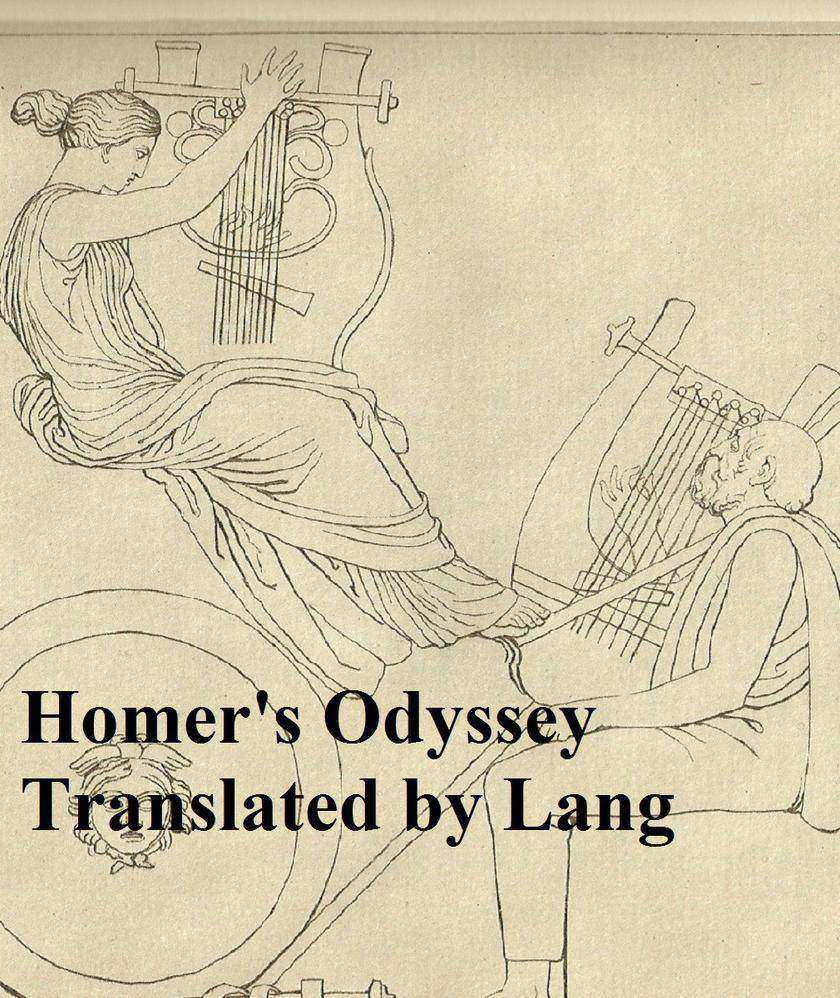
Homer's Odyssey
¥8.09
Verse translation. According to Wikipedia: "Homer is a legendary ancient Greek epic poet, traditionally said to be the author of the epic poems the Iliad and the Odyssey. The ancient Greeks generally believed that Homer was a historical individual, but modern scholars are skeptical: no reliable biographical information has been handed down from classical antiquity, and the poems themselves manifestly represent the culmination of many centuries of oral story-telling and a well-developed "formulaic" system of poetic composition."
Lady Windermere's Fan
¥8.09
This Tribeca Press edition includes the full original text as well as exclusive images exclusive to this edition and an easy to use interactive table of contents.
Lady Windermere's Fan
¥8.09
Lady Windermere's Fan
Man and Superman
¥8.09
Man and Superman
The Burning Wheel
¥8.09
The Burning Wheel
Fathers and Sons by Ivan Turgenev - Delphi Classics (Illustrated)
¥8.09
This eBook features the unabridged text of ‘Fathers and Sons by Ivan Turgenev - Delphi Classics (Illustrated)’ from the bestselling edition of ‘The Collected Works of Ivan Turgenev’. Having established their name as the leading publisher of classic literature and art, Delphi Classics produce publications that are individually crafted with superior formatting, while introducing many rare texts for the first time in digital print. The Delphi Classics edition of Turgenev includes original annotations and illustrations relating to the life and works of the author, as well as individual tables of contents, allowing you to navigate eBooks quickly and easily. eBook features: * The complete unabridged text of ‘Fathers and Sons by Ivan Turgenev - Delphi Classics (Illustrated)’ * Beautifully illustrated with images related to Turgenev’s works * Individual contents table, allowing easy navigation around the eBook * Excellent formatting of the text Please visit www.delphiclassics.com to learn more about our wide range of titles
Smoke by Ivan Turgenev - Delphi Classics (Illustrated)
¥8.09
This eBook features the unabridged text of ‘Smoke by Ivan Turgenev - Delphi Classics (Illustrated)’ from the bestselling edition of ‘The Collected Works of Ivan Turgenev’. Having established their name as the leading publisher of classic literature and art, Delphi Classics produce publications that are individually crafted with superior formatting, while introducing many rare texts for the first time in digital print. The Delphi Classics edition of Turgenev includes original annotations and illustrations relating to the life and works of the author, as well as individual tables of contents, allowing you to navigate eBooks quickly and easily. eBook features: * The complete unabridged text of ‘Smoke by Ivan Turgenev - Delphi Classics (Illustrated)’ * Beautifully illustrated with images related to Turgenev’s works * Individual contents table, allowing easy navigation around the eBook * Excellent formatting of the text Please visit www.delphiclassics.com to learn more about our wide range of titles
The Alchemist
¥8.09
The Alchemist is a comedy by English playwright Ben Jonson. First performed in 1610 by the King's Men, it is generally considered Jonson's best and most characteristic comedy; Samuel Taylor Coleridge claimed that it had one of the three most perfect plots in literature. The play's clever fulfilment of the classical unities and vivid depiction of human folly have made it one of the few Renaissance plays (except the works of Shakespeare) with a continuing life on stage (except for a period of neglect during the Victorian era).
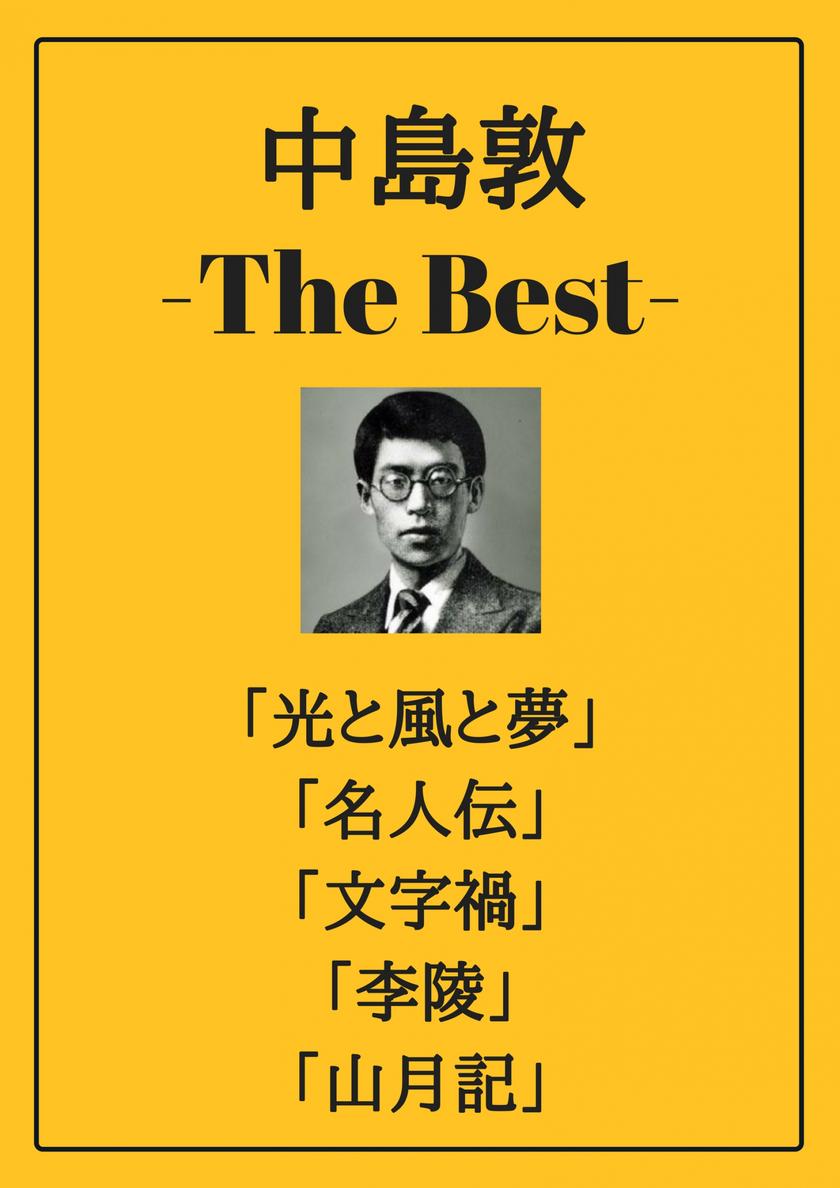
中島敦 ザベスト:光と風と夢、名人伝、文字禍、李陵、山月記
¥8.09
中島敦 ザベスト:光と風と夢、名人伝、文字禍、李陵、山月記


