


 购物车
购物车 个人中心
个人中心
Leben und Tod K?nigs Richard des Zweyten
¥8.09
Die Shakespeare-Geschichte spielt Richard II in deutscher ?bersetzung. Laut Wikipedia: "K?nig Richard der Zweite ist ein Geschichtsstück von William Shakespeare, vermutlich um 1595 geschrieben. Es basiert auf dem Leben von K?nig Richard II. Von England (regiert 1377-1399) und ist der erste Teil einer Tetralogie , von einigen Gelehrten als Henriad bezeichnet, gefolgt von drei Stücken über Richards Nachfolger: Henry IV, Teil 1, Henry IV, Teil 2 und Henry V. Es wurde vielleicht nicht als eigenst?ndige Arbeit geschrieben. "
Wie Es Euch Gefallt - As You Like It
¥8.09
Shakespeare-Kom?die, in deutscher ?bersetzung. Laut Wikipedia: "As You Like It" handelt es sich um eine Pastoralkom?die von William Shakespeare, die vermutlich im Jahr 1599 oder Anfang 1600 geschrieben und erstmals im First Folio 1623 ver?ffentlicht wurde. Die erste Aufführung des Stücks ist ungewiss, obwohl eine Aufführung im Wilton House in 1603 wurde als eine M?glichkeit vorgeschlagen, wie Sie es m?gen, folgt seine Heldin Rosalind, wie sie Verfolgung in Hof ihres Onkels flieht, begleitet von ihrer Cousine Celia und Touchstone der Hofnarr, um Sicherheit und schlie?lich Liebe im Wald von Arden zu finden.
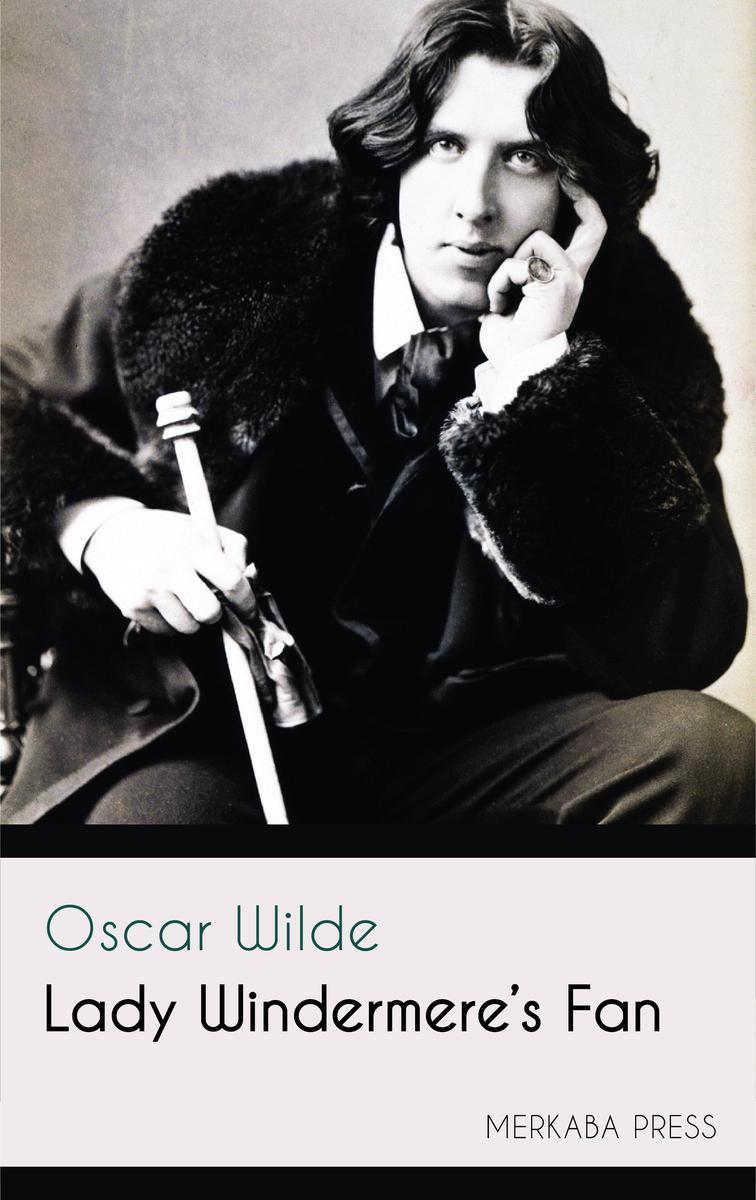
Lady Windermere's Fan
¥8.09
Lady Windermere's Fan
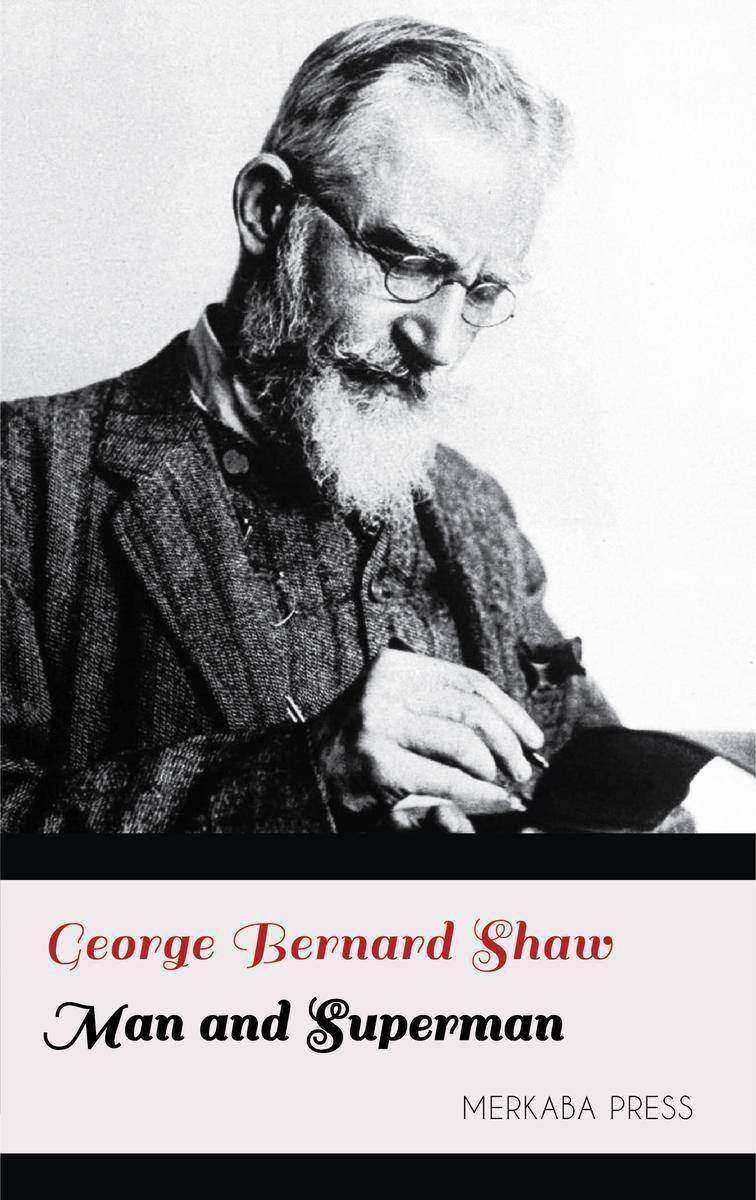
Man and Superman
¥8.09
Man and Superman
The Burning Wheel
¥8.09
The Burning Wheel
Byron's Complete Poetry
¥8.09
Byron's Complete Poetry
The Song of the Stone Wall
¥8.09
The Song of the Stone Wall
Renaissance in Italy: The Catholic Reaction
¥8.09
According to Wikipedia: "John Addington Symonds (5 October 1840 - 19 April 1893) was an English poet and literary critic… Meanwhile he was occupied with his major work, Renaissance in Italy, which appeared in seven volumes at intervals between 1875 and 1886. The Renaissance had been the subject of Symonds' prize essay at Oxford, and this had aroused a desire to produce a more complete picture of the reawakening of art and literature in Europe... He practically made his home at Davos. A charming picture of his life there is drawn in Our Life in the Swiss Highlands (1891). Symonds became a citizen of the town; he took part in its municipal business, made friends with the peasants and shared their interests. There he wrote most of his books: biographies of Shelley (1878), Philip Sidney (1886), Ben Jonson (1886) and Michelangelo (1893), several volumes of poetry and essays, and a translation of the Autobiography of Benvenuto Cellini (1887). There, too, he completed his study of the Renaissance, the work for which he is mainly remembered."
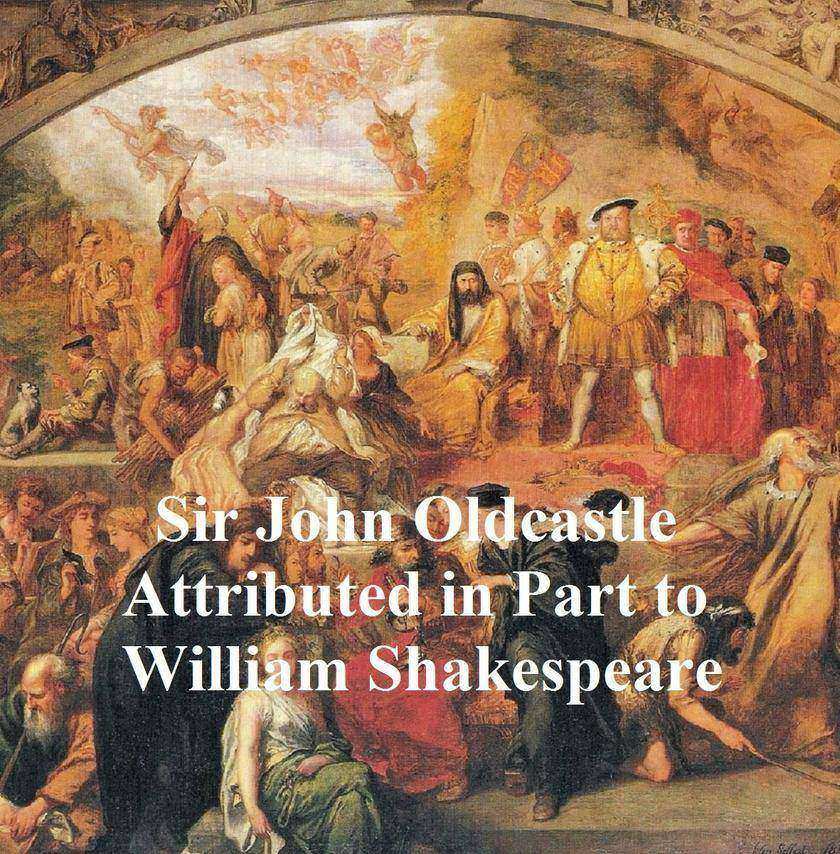
The True and Honorable History of the Life of Sir John Oldcastle, Shakespeare Ap
¥8.09
Elizabethan play, sometimes attributed in part to Shakespeare. According to Wikipedia: "William Shakespeare (baptised 26 April 1564 – died 23 April 1616) was an English poet and playwright, widely regarded as the greatest writer in the English language and the world's pre-eminent dramatist. He is often called England's national poet and the "Bard of Avon" (or simply "The Bard"). His surviving works consist of 38 plays, 154 sonnets, two long narrative poems, and several other poems. His plays have been translated into every major living language, and are performed more often than those of any other playwright."
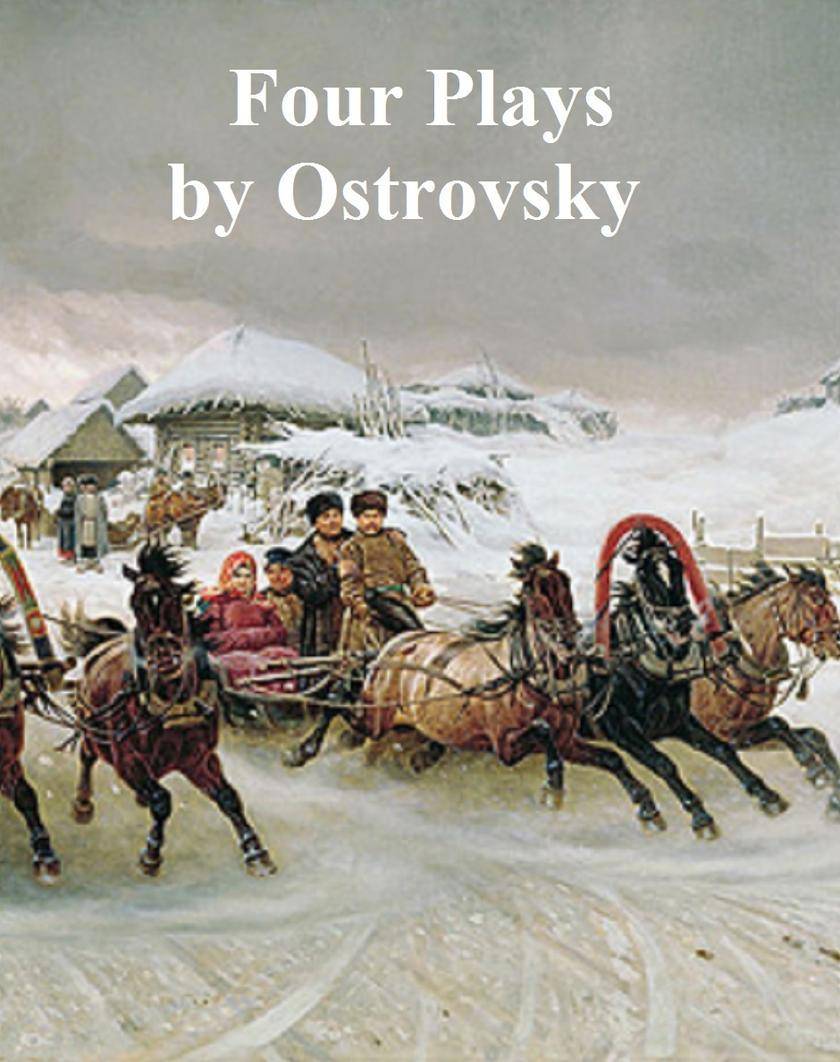
Four Plays
¥8.09
Four classic Russian plays. According to the introduction, "ALEXANDER NIKOLAYEVICH Ostrovsky (1823-86) is the great Russian dramatist of the central decades of the nineteenth century, of the years when the realistic school was all-powerful in Russian literature, of the period when Turgenev, Dostoyevsky, and Tolstoy created a literature of prose fiction that has had no superior in the world's history. His work in the drama takes its place beside theirs in the novel. Obviously inferior as it is in certain ways, it yet sheds light on an important side of Russian life that they left practically untouched."
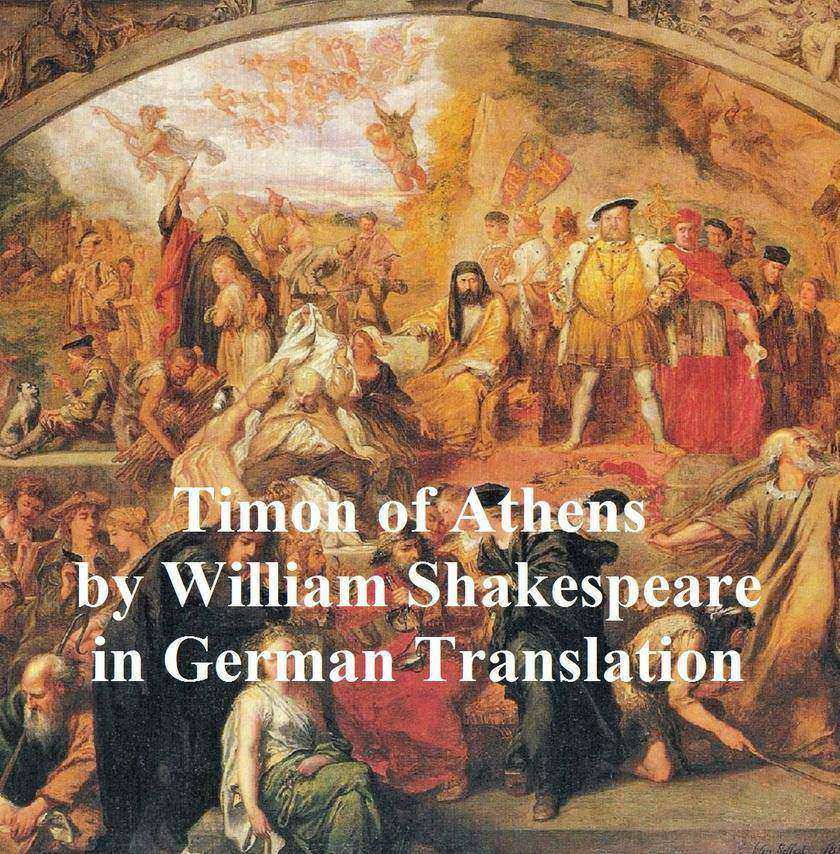
Timon von Athen/Timon of Athens
¥8.09
Shakespeare-Trag?die, in deutscher ?bersetzung. Laut Wikipedia: "Das Leben von Timon von Athen ist ein Stück von William Shakespeare über das Schicksal eines Atheners namens Timon (und wahrscheinlich auch von dem gleichnamigen Philosophen beeinflusst), allgemein als eines seiner dunkelsten und schwierige Arbeiten. "
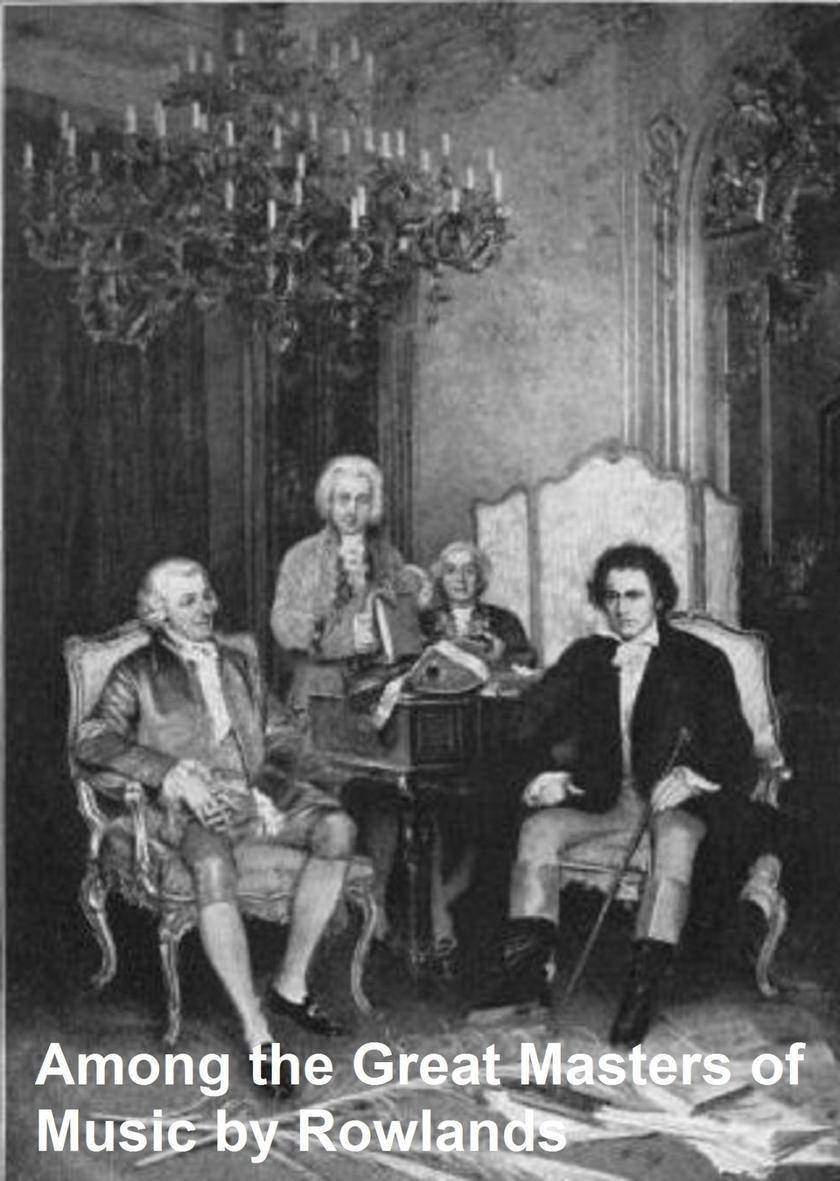
Among the Great Masters of Music
¥8.09
First published in 1906. 32 illustrations. Chapters cover: St. Cecilia, Palestrina, Lulli, Stradivarius, Tartini, Bach, Handel, Bluck, Mozart, Linley, Haydn, Web, Beethoven, Schubert, Rouget de Lisle, Paganini, Mendelssohn, Chopin, Meyerbeer, Wagner, and Liszt.

Back to Methuselah
¥8.09
According to Wikipedia: "Back to Methuselah (A Metabiological Pentateuch), by George Bernard Shaw consists of a preface (An Infidel Half Century) and a series of five plays: In the Beginning: B.C. 4004 (In the Garden of Eden), The Gospel of the Brothers Barnabas: Present Day, The Thing Happens: A.D. 2170, Tragedy of an Elderly Gentleman: A.D. 3000, and As Far as Thought Can Reach: A.D. 31,920. All were written during 1918-20, published simultaneously by Constable (London) and Brentano's (New York) in 1921, and first performed in the United States in 1922 by the New York Theatre Guild at the old Garrick Theatre and, in Britain, at the Birmingham Repertory Theatre in 1923." According to Wikipedia: "George Bernard Shaw (26 July 1856 – 2 November 1950) was an Irish playwright and a co-founder of the London School of Economics. Although his first profitable writing was music and literary criticism, in which capacity he wrote many highly articulate pieces of journalism, his main talent was for drama, and he wrote more than 60 plays. Nearly all his writings deal sternly with prevailing social problems, but have a vein of comedy to make their stark themes more palatable. Shaw examined education, marriage, religion, government, health care, and class privilege. He was most angered by what he perceived as the exploitation of the working class, and most of his writings censure that abuse. An ardent socialist, Shaw wrote many brochures and speeches for the Fabian Society. He became an accomplished orator in the furtherance of its causes, which included gaining equal rights for men and women, alleviating abuses of the working class, rescinding private ownership of productive land, and promoting healthy lifestyles."
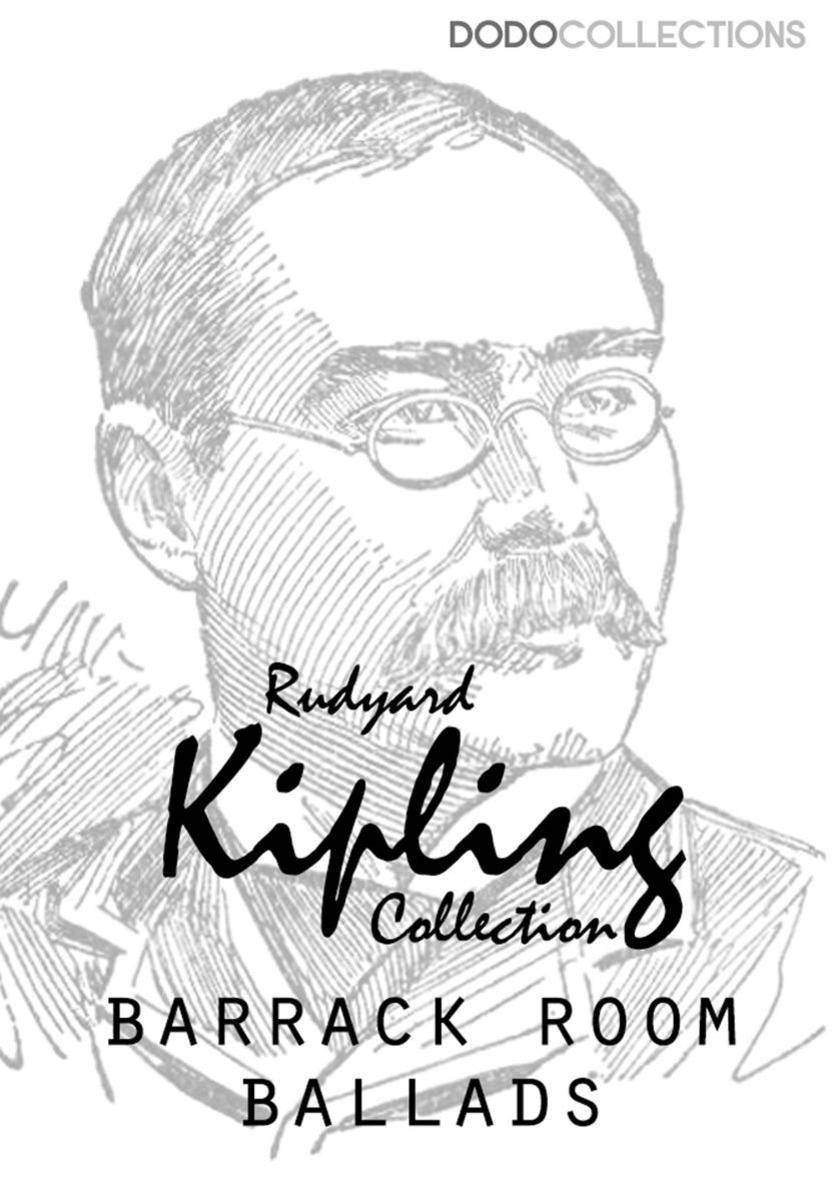
Barrack Room Ballads
¥8.09
Dodo Collections brings you another classic from Rudyard Kipling, ‘Barrack Room Ballads.’ ? The Barrack-Room Ballads is a series of songs and poems by Rudyard Kipling, dealing with the late-Victorian British Army and mostly written in a vernacular dialect. ? The series contains some of Kipling's most well-known work, including the poems "Gunga Din", "Tommy" and "Danny Deever", and helped consolidate his early fame as a poet. ? Joseph Rudyard Kipling was an English short-story writer, poet, and novelist. He wrote tales and poems of British soldiers in India and stories for children. He was born in Bombay, in the Bombay Presidency of British India, and was taken by his family to England when he was five years old. ? Kipling's works of fiction include The Jungle Book (1894), Kim (1901), and many short stories, including "The Man Who Would Be King" (1888). His poems include "Mandalay" (1890), "Gunga Din" (1890), "The Gods of the Copybook Headings" (1919), "The White Man's Burden" (1899), and "If—" (1910). He is regarded as a major innovator in the art of the short story; his children's books are classics of children's literature; and one critic described his work as exhibiting "a versatile and luminous narrative gift". ? Kipling was one of the most popular writers in England, in both prose and verse, in the late 19th and early 20th centuries. Henry James said: "Kipling strikes me personally as the most complete man of genius (as distinct from fine intelligence) that I have ever known." In 1907, he was awarded the Nobel Prize in Literature, making him the first English-language writer to receive the prize, and its youngest recipient to date Among other honours, he was sounded out for the British Poet Laureateship and on several occasions for a knighthood, all of which he declined.
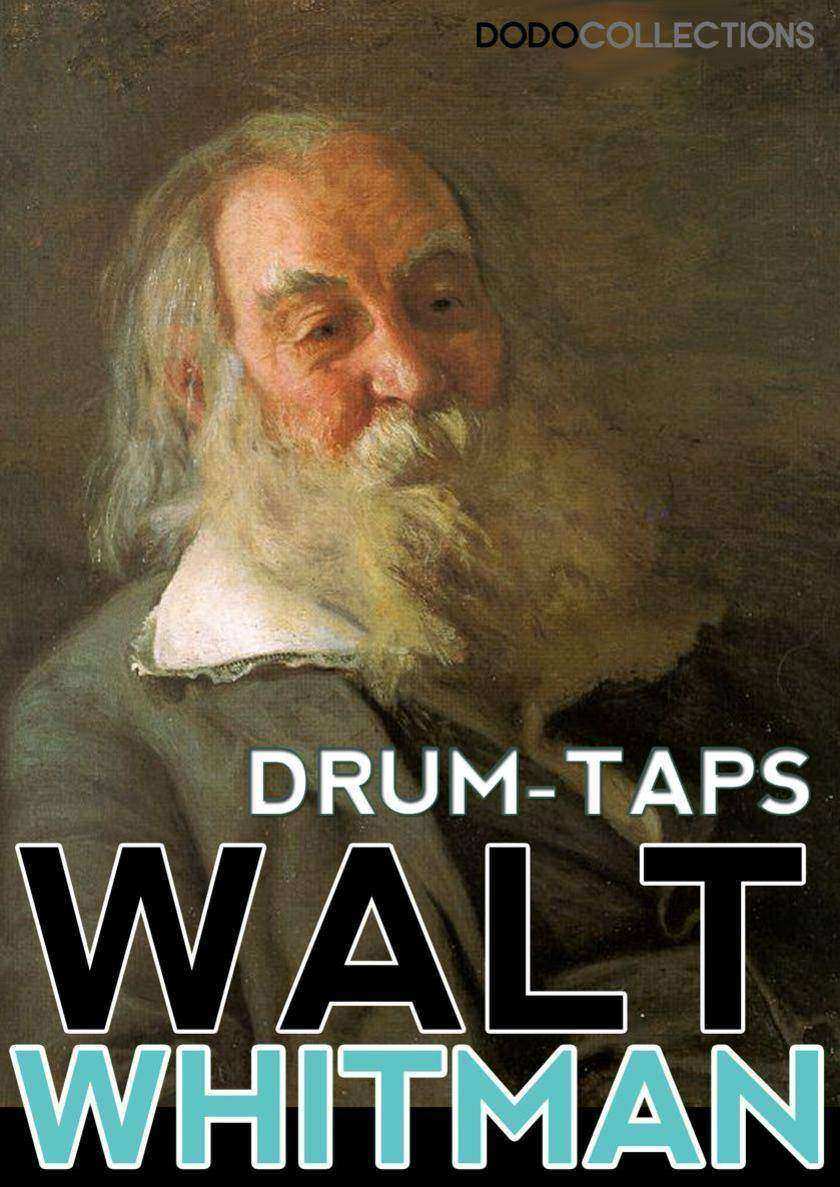
Drum-Taps
¥8.09
Dodo Collections brings you another classic from Walt Whitman, ‘Drum-Taps’. Drum-taps is a collection of poetry by Walt Whitman first published in 1865. The collection originally consisted of 53 poems (not including the 18 poems of Sequel to Drum-Taps added later in the year). Walter "Walt" Whitman (May 31, 1819 – March 26, 1892) was an American poet, essayist and journalist. A humanist, he was a part of the transition between transcendentalism and realism, incorporating both views in his works. Whitman is among the most influential poets in the American canon, often called the father of free verse. His work was very controversial in its time, particularly his poetry collection Leaves of Grass, which was described as obscene for its overt sexuality. Born in Huntington on Long Island, Whitman worked as a journalist, a teacher, a government clerk, and—in addition to publishing his poetry—was a volunteer nurse during the American Civil War. Early in his career, he also produced a temperance novel, Franklin Evans (1842). Whitman's major work, Leaves of Grass, was first published in 1855 with his own money. The work was an attempt at reaching out to the common person with an American epic. He continued expanding and revising it until his death in 1892. After a stroke towards the end of his life, he moved to Camden, New Jersey, where his health further declined. When he died at age 72, his funeral became a public spectacle. Whitman's sexuality is often discussed alongside his poetry. Though biographers continue to debate his sexuality, he is usually described as either homosexual or bisexual in his feelings and attractions. However, there is disagreement among biographers as to whether Whitman had actual sexual experiences with men. Whitman was concerned with politics throughout his life. He supported the Wilmot Proviso and opposed the extension of slavery generally. His poetry presented an egalitarian view of the races, though his attitude in life reflected many of the racial prejudices common to nineteenth-century America and his opposition to slavery was not necessarily based on belief in the equality of races per se. At one point he called for the abolition of slavery, but later he saw the abolitionist movement as a threat to democracy.
La Mechante Femme Mise a la Raison (The Taming of the Shrew in French)
¥8.09
Comédie de Shakespeare, traduite en fran?ais par Fran?ois Pierre Guillaume Guizot (1787 - 1874), historien fran?ais et homme d'?tat. Publié en 1862. Selon Wikipedia: "La Mégère apprivoisée est une comédie de William Shakespeare, qui aurait été écrite entre 1590 et 1591. La pièce commence par un dispositif d'encadrement, souvent appelé l'Induction, dans lequel un malicieux Nobleman trompe un bricoleur bourré du nom de Sly pour lui faire croire qu'il est lui-même un noble.Le noble a ensuite joué pour la diversion de Sly.Le complot principal dépeint la parade de Petruchio, un gentilhomme de Vérone, et Katherina, la musaraigne obstinée et opini?tre. Initialement, Katherina est une participante involontaire dans la relation, mais Petruchio la tempère avec divers tourments psychologiques - le ?domptage? - jusqu'à ce qu'elle devienne une épouse docile et obéissante.La sous-intrigue présente une compétition entre les prétendants de la s?ur plus désirable de Katherina, Bianca. "
Timon of Athens/ Timon von Athen, Bilingual edition
¥8.09
The Shakespeare tragedy, in English, with line numbers, and translated to German. According to Wikipedia: "The Life of Timon of Athens is a play by William Shakespeare about the fortunes of an Athenian named Timon (and probably influenced by the philosopher of the same name, as well), generally regarded as one of his most obscure and difficult works. Originally grouped with the tragedies, it is generally considered such, but some scholars group it with the problem plays."
Le Roi Henri VIII (Henry VIII in French)
¥8.09
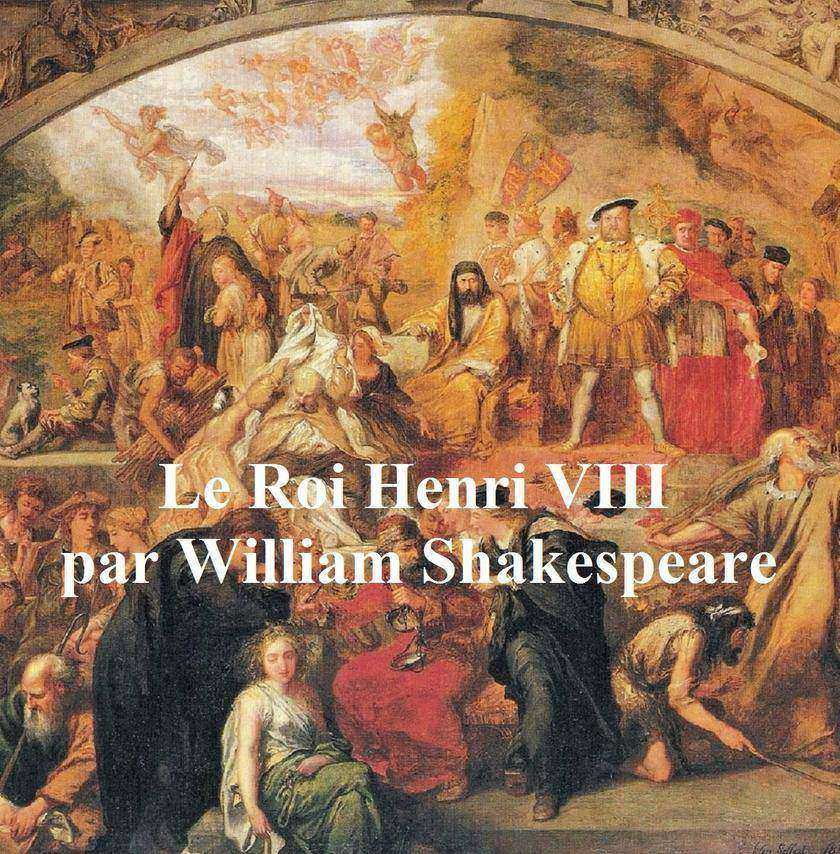
La pièce d'histoire de Shakespeare, Henry VIII, dans la traduction fran?aise. Selon Wikipédia: "La célèbre histoire de la vie du roi Henry VIII est une pièce d'histoire de William Shakespeare et (prétendument) John Fletcher, basée sur la vie d'Henry VIII d'Angleterre. dans les documents contemporains, le titre Henry VIII n'apparaissait pas avant la publication de la pièce dans le premier folio de 1623. L'évidence stylistique indique que la pièce a été écrite par Shakespeare en collaboration avec son successeur, John Fletcher, ou révisée par lui. de la fin des romans dans sa structure.Il est noté pour avoir plus de directions de scène que l'un des autres jeux de Shakespeare. "
Libretti of 19 operas
¥8.09
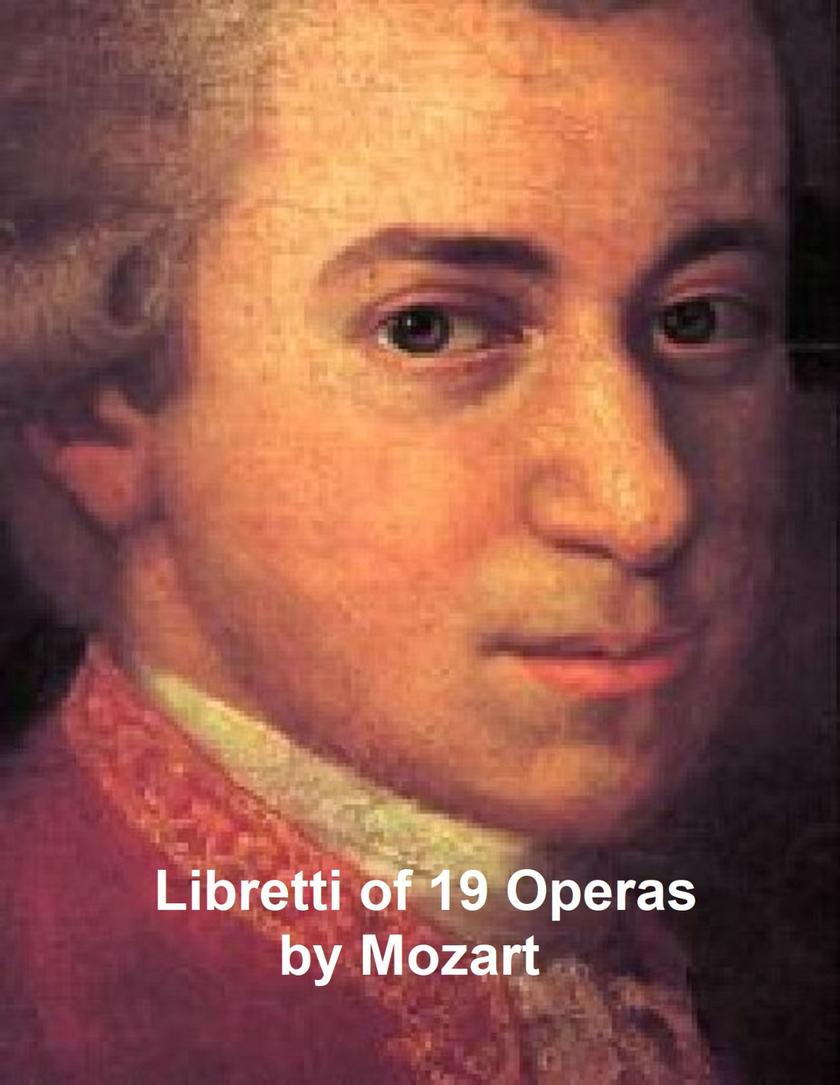
This file includes: Apollo et Hyacinthus (in Latin); Ascanio in Alba (in Italian); Bastien und Bastienne (in German); Cosi fan tutte (in Italian); Die Entführung aus dem Serail (in German); Die G?rtnerin aus Liebe (in German); Die Zauberfloete (in German); Don Giovanni o l'empio punito (in Italian); Idomeneo Re di Creta (in Italian); Il re pastore (in Italian); Il sogno di Scipione (in Italian); La Clemenza di Tito (in Italian); La finta semplice (in Italian); Le Nozze di Figaro (in Italian); Lo sposo deluso (in Italian); L'oca del Cairo (in Italian); Lucio Silla (in Italian); Mitridate, re di Ponto (in Italian); and Zaide (in German). According to Wikipedia: "Wolfgang Amadeus Mozart (27 January 1756 – 5 December 1791), was a prolific and influential composer of the Classical era. He composed over 600 works, many acknowledged as pinnacles of symphonic, concertante, chamber, piano, operatic, and choral music. He is among the most enduringly popular of classical composers. Mozart showed prodigious ability from his earliest childhood in Salzburg. Already competent on keyboard and violin, he composed from the age of five and performed before European royalty; at 17 he was engaged as a court musician in Salzburg, but grew restless and traveled in search of a better position, always composing abundantly. While visiting Vienna in 1781, he was dismissed from his Salzburg position. He chose to stay in the capital, where he achieved fame but little financial security. During his final years in Vienna, he composed many of his best-known symphonies, concertos, and operas, and the Requiem... His influence on subsequent Western art music is profound. Beethoven wrote his own early compositions in the shadow of Mozart, of whom Joseph Haydn wrote that "posterity will not see such a talent again in 100 years."
Five Plays
¥8.09
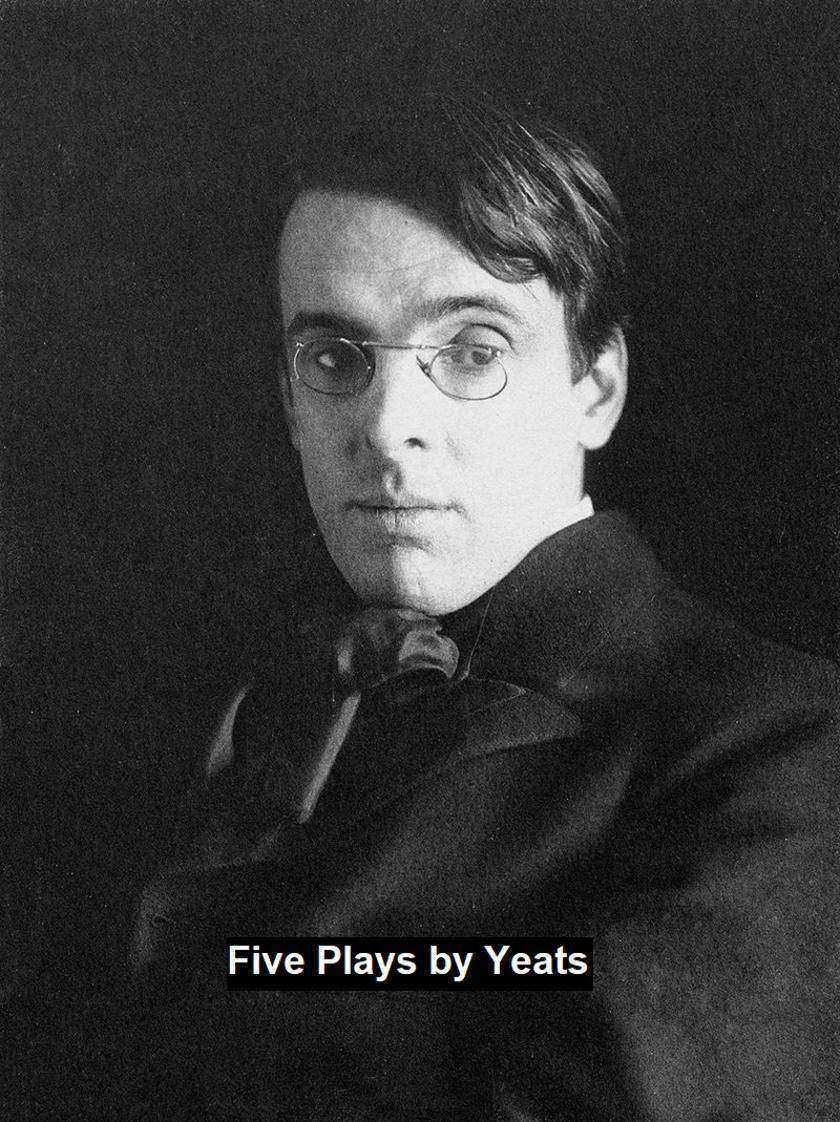
This file includes: The Land of Heart's Desire, The Countess Cathleen, The Unicorn and the Stars, Cathleen Ni Houlihan, and The Hour-Glass. According to Wikipedia: "William Butler Yeats (13 June 1865 - 28 January 1939) was an Irish poet, dramatist, and one of the foremost figures of 20th century literature. A pillar of both the Irish and British literary establishments, in his later years Yeats served as an Irish Senator for two terms. He was a driving force behind the Irish Literary Revival, and along with Lady Gregory and Edward Martyn founded the Abbey Theatre, serving as its chief during its early years. In 1923, he was awarded a Nobel Prize in Literature for what the Nobel Committee described as "inspired poetry, which in a highly artistic form gives expression to the spirit of a whole nation." He was the first Irishman so honored. Yeats is generally considered one of the few writers whose greatest works were completed after being awarded the Nobel Prize; such works include The Tower (1928) and The Winding Stair and Other Poems (1929). Yeats was born and educated in Dublin, but spent his childhood in County Sligo. He studied poetry in his youth, and from an early age was fascinated by both Irish legends and the occult. Those topics feature in the first phase of his work, which lasted roughly until the turn of the century. His earliest volume of verse was published in 1889, and those slowly paced and lyrical poems display debts to Edmund Spenser and Percy Bysshe Shelley, as well as to the lyricism of the Pre-Raphaelite poets. From 1900, Yeats' poetry grew more physical and realistic. He largely renounced the transcendental beliefs of his youth, though he remained preoccupied with physical and spiritual masks, as well as with cyclical theories of life."
The Years Between
¥8.09
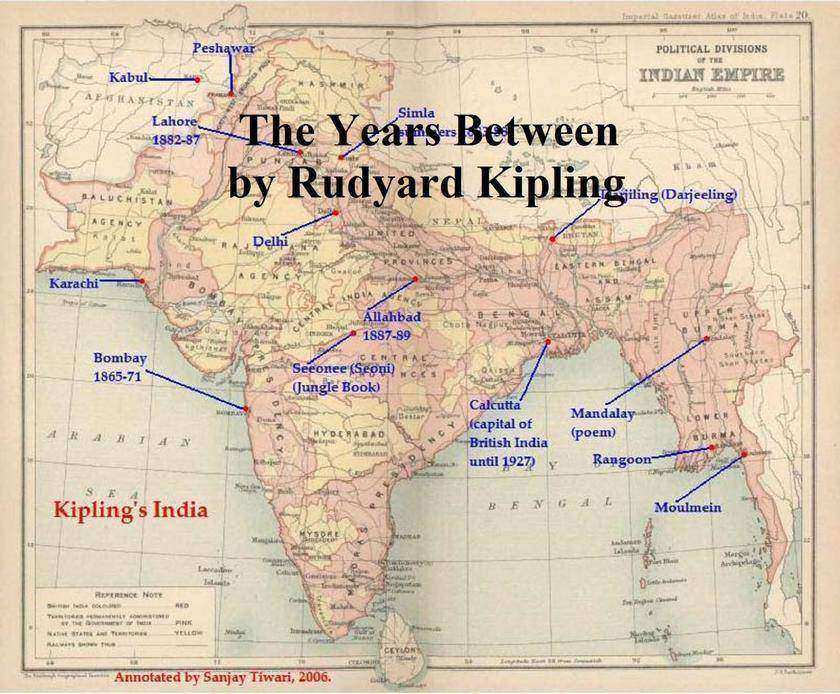
Verse written during and about World War I. According to Wikipedia: "Joseph Rudyard Kipling (1865 – 1936) was an English author and poet. Born in Bombay, British India (now Mumbai), he is best known for his works The Jungle Book (1894) and Rikki-Tikki-Tavi (1902), his novel, Kim (1901); his poems, including Mandalay (1890), Gunga Din (1890), If— (1910); and his many short stories, including The Man Who Would Be King (1888). He is regarded as a major "innovator in the art of the short story"; his children's books are enduring classics of children's literature; and his best works speak to a versatile and luminous narrative gift. Kipling was one of the most popular writers in English, in both prose and verse, in the late 19th and early 20th centuries.[2] The author Henry James said of him: "Kipling strikes me personally as the most complete man of genius (as distinct from fine intelligence) that I have ever known." In 1907, he was awarded the Nobel Prize in Literature, making him the first English language writer to receive the prize, and to date he remains its youngest recipient. Among other honours, he was sounded out for the British Poet Laureateship and on several occasions for a knighthood, all of which he declined."


