


 购物车
购物车 个人中心
个人中心
The Acharnians
¥40.79
The protagonist, Dikaiopolis, miraculously obtains a private peace treaty with The Spartans and he enjoys the benefits of peace in spite of opposition from some of his fellow Athenians.
Peace
¥40.79
Trygaeus, a middle-aged Athenian, miraculously brings about a peaceful end to the Peloponnesian War, thereby earning the gratitude of farmers while bankrupting various tradesmen who had profited from the hostilities. He celebrates his triumph by marrying Harvest, a companion of Festival and Peace, all of whom he has liberated from a celestial prison.
The Wasps
¥40.79
The play begins with a strange scene—a large net has been spread over a house, the entry is barricaded and two slaves are sleeping in the street outside. A third man is positioned at the top of an exterior wall with a view into the inner courtyard but he too is asleep. The two slaves wake and we learn from their banter that they are keeping guard over a 'monster'. The man asleep above them is their master and the monster is his father—he has an unusual disease.

A Midsummer Night's Dream
¥18.88
“Midsummer Night's Dream” is Shakespeare's classic tale of two couples who can't quite pair up to everyone's satisfaction. Demetrius and Lysander love Hermia. ??Hermia loves Lysander but has been promised to Demetrius by her father. Hermia's best friend Helena loves Demetrius, but in his obsession for Hermia Demetrius barely even notices her smitten friend. ??When Hermia and Lysander plan to elope all four find themselves in the forest late at night where the fairy Puck and his lord Oberon wreck havoc on the humans with a love potion that causes the victim to fall in love with the first thing they see upon waking.??- Some Books of Shakespeare:?- Romeo and Juliet (1597)?- Hamlet (1599)?- Macbeth (1606)?- Julius Caesar (1599)?- Othello (1603)?- The Merchant of Venice (1598)?- Much Ado About Nothing (1600)?- King Lear (1606)?- The Taming of the Shrew (1594)?- The Comedy of Errors (1594)
Visual Grammar: No Mistakes Grammar, Volumes I, II, and III
¥106.19
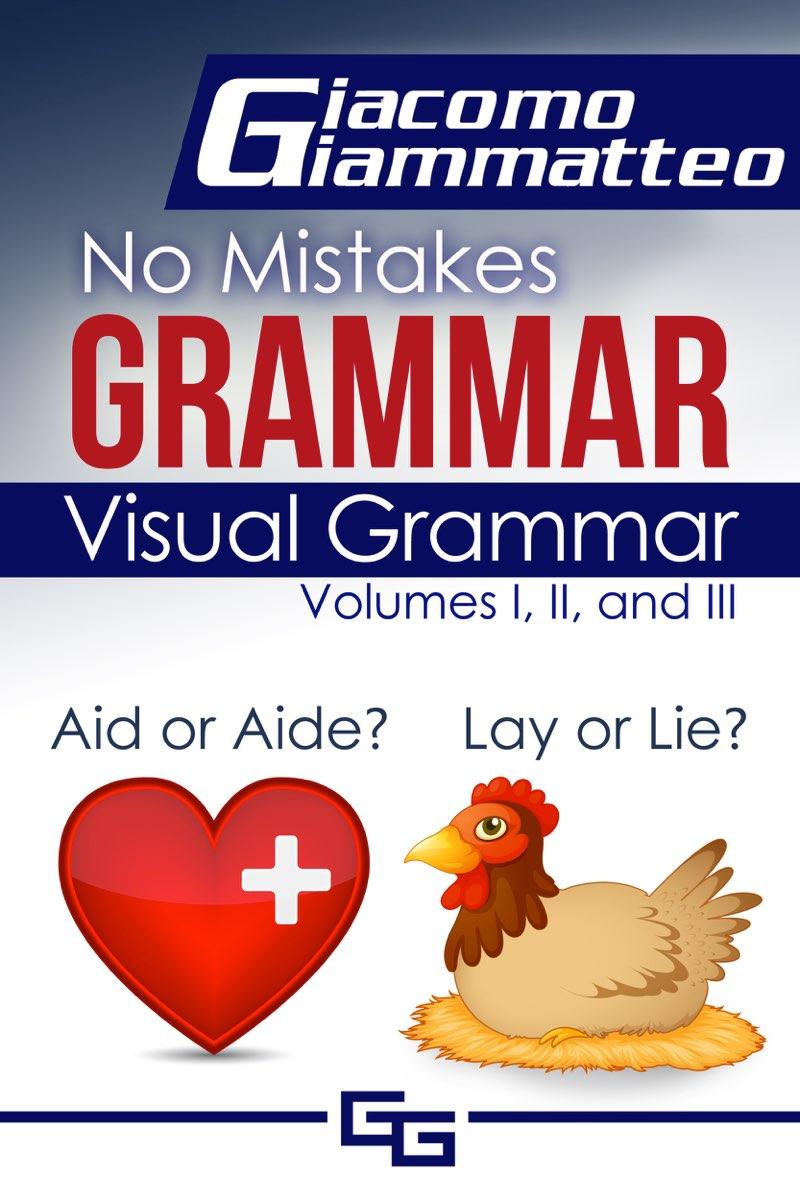
This book is a combination of No Mistakes Grammar volumes I, II, and III. But it’s so much more. It has some new material, but it also has about 200 pictures. That’s right—pictures. This is one of the world’s first, if not the first, visual grammar book. Most people learn better with pictures. With Visual Grammar, you get images that show examples of the words you’re learning. Not every word has a picture but a lot of them do. This book includes misused words, redundancies, absolutes, flat adverbs, eponyms, idiomatic expressions, Latin phrases, and more. ?

I Have Before Me A Remarkable Document Given To Me By A Young Lady From Rwanda
¥40.79
Inspired by the real life experiences of Rwandan refugees in the UK, the play tells the story of two people from entirely different worlds who meet at a Refugee Centre in London: Juliette is a young Rwandan asylum seeker, detemined to write a book on the genocide that killed her famiily; Simon is a middle-aged failing novelist, whose job is to help people write. The play follows their funny and touching relationship and tackles issues that face many refugees who live in the UK today. Nominated as Time Out Critics’ Choice, the play has been broadcast by the BBC World Service and was toured nationally by iceandfire in Autumn 2004 with the support of the Arts Council England.

Galveston Architecture: A Visual Journey
¥245.17
Galveston Architecture: A Visual Journey is a photographic journey of the architecture and history of select 100 buildings in Galveston, Texas, with photographs by Pino Shah, World Heritage Photographer and narratives by Galveston Historical Foundation (GHF). The book includes full illustrations of 100 buildings re ecting Greek Revival, Victorian, Italianate and Mid-century Modern architectural styles from 1840s through 1990s. Pino Shah is a world heritage photographer based in McAllen, Texas and Ahmedabad, India. Galveston Historical Foundation preserves and revitalizes the architectural, cultural and maritime heritage of Galveston Island. The Foundation is a 501 (c) (3) non-pro t charitable corporation.
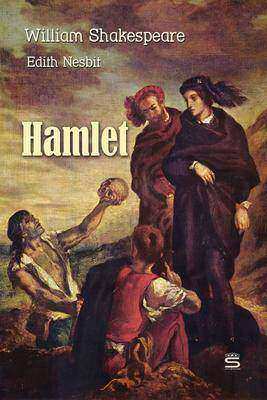
Hamlet
¥38.62
This edition of 'Hamlet' is an adaptation of Shakespeare's eponymous play 'The Tragedy of Hamlet, Prince of Denmark'. Set in Denmark, the story dramatises the revenge Prince Hamlet is called to wreak upon his uncle, Claudius, by the ghost of Hamlet's father, King Hamlet. Narrated in plain modern English, capturing the very essence and key elements of the original Shakespeare's drama.
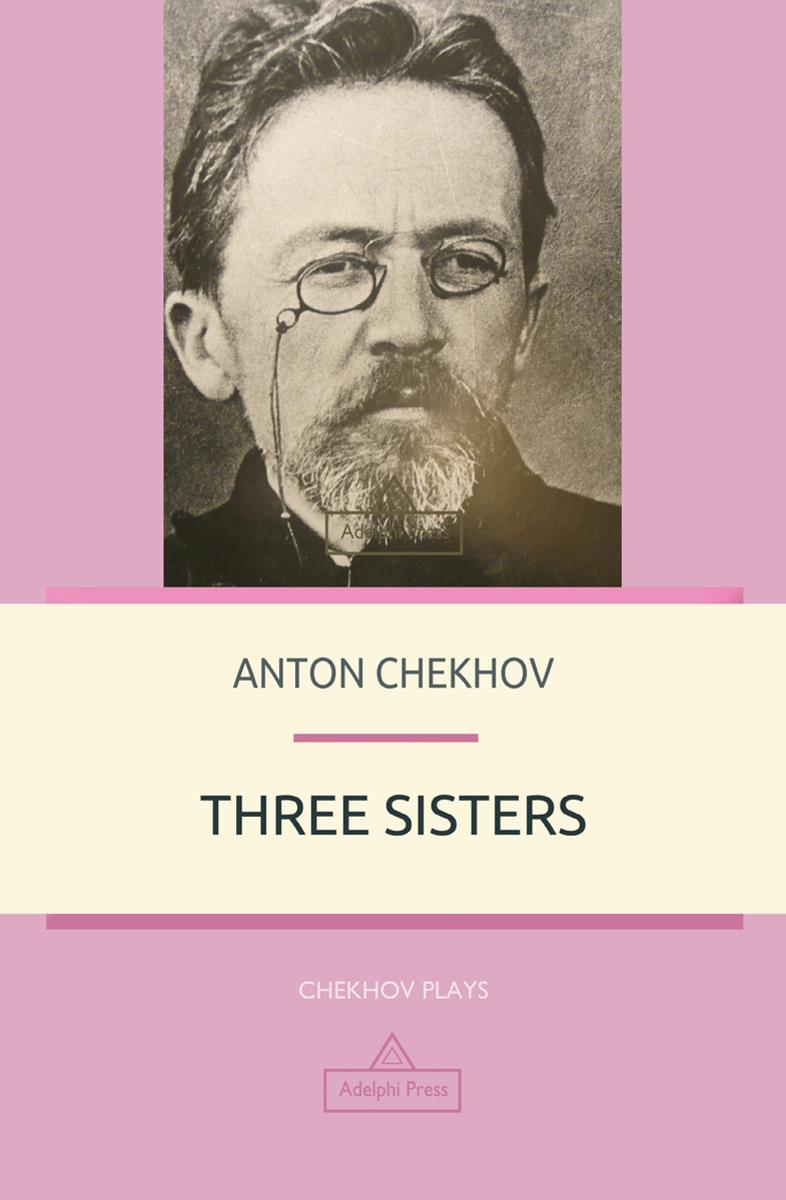
Three Sisters
¥24.44
Three Sisters was written for the Moscow Art Theatre and was directed by Staniskavski himself on first opening. The play is often included in Chekhov's list of four outstanding plays and part of the classic repertoire of many world theatres. The play follows Chekhovian tradition of subtle character development and humour which often makes it a challenge for both performers and directors.

Невидимець. Машина часу
¥5.72
A obra encadeia associa??es entre os valores técnicos da língua e os valores estéticos da literatura. Realiza, ent?o, duas abordagens complementares, defi nida a unidade língua/literatura como uma díade com polos inseparáveis – a língua sustentando um código limitativo e prescritivo; a literatura alimentando a reprodu??o artística do sistema linguístico –, da fus?o de ambas resultando um efeito de sentido.

У полум’?: 7 крок?в до найяскрав?шого життя
¥22.74
Aganetha Smart, a 104 éves egykori olimpikon futón? elfeledve él egy nyugdíjasotthonban. Gy?zelmével annak idején mindenkit leny?g?z?tt: a kanadai versenyz? abban az évben nyert aranyat, amikor el?sz?r szerepelhettek n?i atléták az olimpián. Sorsát azonban legalább ennyire meghatározták az els? világháború komor évei, valamint vágya, hogy szembeszálljon korának konvencióival. Egy napon két idegen keresi fel, akik dokumentumfilmet készítenek a régi id?k n?i sportolóiról. A múlt eseményeit megismerve lassan megértjük, miként segített az aranyérem Aganethának megszabadulni a titkokkal terhelt családi ház béklyóitól. ?m a hajdani bajnokn?nek még egy kihívással szembe kell néznie: a filmesek talán nem is azok, mint akiknek mutatják magukat… Carrie Snydert valós t?rténelmi helyzetek inspirálták, hogy megírja fordulatokban gazdag regényét, a becsvágy és a n?i emancipáció t?rténetét, amelyb?l kiderül, hogyan képes határait átlépve a saját életét élni egy n?.

The Trespasser
¥8.01
Egy t?kéletes férfi és egy kül?nleges lány. Vajon mit rejthet a hibátlan álca? William, a milliárdos üzletember Seattle-be utazik, hogy megtalálja elhunyt nevel?apja egyetlen vér szerinti gyermekét, akit ténylegesen megillet a férfira hagyott ?r?kség. Mik?zben piszkos módszereivel a valódi ?r?k?s után kutat, ?sszehozza a sors egy dacos, szemtelen, fiatal lánnyal, aki egyedi szépségével azonnal megbabonázza ?t. William felrúgva saját szabályait, enged Jessica csábításának. Ahogy egyre k?zelebb kerülnek egymáshoz, William ráj?n, hogy Jessica nem egy átlagos lány, a múltját s?tét titkok rejtik, ami után a férfi hiába nyomoz, folyton zsákutcába fut.Mer?ben eltér? személyiségük, életvitelük és a k?ztük lév? korkül?nbség nehéz d?ntés elé állítja ?ket. Megéri ennyit szenvedni egy boldog kapcsolat lehet?sége miatt? Ha fény derül minden titokra, képesek lesznek ugyanúgy nézni egymásra, mint azel?tt?Lilly Shade t?rténete nemcsak arra bizonyíték, hogy nincsenek véletlenek, de arra is, hogy a sors sem mindig kegyes. A t?kéletes nem valódi, és ami annak látszik, csupán álca. Az ilyen álcák pedig a legs?tétebb titkokat rejtegetik.
Samson and Delilah
¥8.01
Ervin, ?va és Csaba t?rténete folytatódik. A F?pap és a praetoriánusok serege már nem fenyegetik ?ket, helyettük azonban egy gyilkos klán, egy természetimádó szekta és egy minden dimenziót uralni akaró entitás háborújának frontvonalában találják magukat. A tét pedig nem kevesebb, mint a F?ld j?v?je. Vajon az emberiség ki tud lépni a saját árnyékából, vagy végleg elenyészik? H?seink meg tudnak birkózni a rájuk váró akadályokkal? Bízhatnak-e az új sz?vetségeseikben? ?s egymásban??rmány, árulás, átalakulás és áldozathozatal. A világunk sorsa most d?l el!

Szoros emberfogás
¥57.31
"Ugyanabban az id?ben, és ugyanazon a napon, amelyen a nemzetek megszentégtelenítették, ugyanakkor szentelték fel a templomot énekszóvel, lantok, hárfák és cintányérok kíséretével. Az egész nép arcra borult, imádta és áldotta at Eget, hogy szerencséssé tette útjukat. Az oltár újraszentelését nyolc napig végezték, és ?r?mmel áldoztak ég?álozatokat és dícs?it? áldozatokat a szabadulásért. A templom homlokzatát aranykoszorúkkal és -pajzsocskákkal díszítették fel, megújították a kapukat és a papi kamrákat, és ajtókkal láttál el ?ket. Igen nagy ?r?m t?lt?tte le a népet, mivel sikerült elhárítaniuk magukról a nemzetek gyalázatát. Júdás és testvérei Izrael egész gyülekezetével együtt elhatározták, hogy évr?l évre megünnepilik az oltár újraszentelésének napjait a maga idején a Kiszlév hónap huszon?t?dik napjától kezdve nyolc napon át vidámsággal és ?r?mmel."? A Makkabeusok els? k?nyve Izrael népe t?rténelmének olyan fejezetét mutatja be, amikor az ?s?k hitéért való harc egyben a nemzeti ?nrendelkezésért való küzdelmet is jelentett a hellenizmus globális trendjével szemben.?

Maidanul cu dragoste
¥0.01
Organizarea, activitatea ?i orientarea ?n coresponden?? diplomatic? rom?n? ?i note ale SSIVolumul are ca subiect principal organizarea, activitatea ?i orientarea emigra?iei politice din fostul Imperiu Rus ?n Europa, considerat? ca un pericol permanent la adresa regimului comunist, emigra?ie ai c?rei lideri au f?cut obiectul ?ncerc?rilor permanente de terorizare, lichidare sau discreditare.Documentele selectate, ?n cea mai mare parte, din Arhiva Diplomatic?, reprezint? rapoarte ale lega?iilor ?i oficiilor consulare rom?ne din Atena, Belgrad, Berlin, Berna, Bratislava, Budapesta, Istanbul, Lisabona, Madrid, Paris, Praga, Roma, Rusciuk, Skopje, Sofia, Stockholm, Vichy sau Zagreb, precum ?i note ale Serviciului Special de Informa?ii, c?tre Ministerul Afacerilor Str?ine, ?n timpul campaniei germano-rom?ne ?mpotriva Uniunii Sovietice. Sursele reflect? nu doar starea de fapt ?i de spirit a emigran?ilor, for?a?i s? aleag? ?ntre regimul totalitar comunist ?i cel nazist, dar ?i pozi?ia Bucure?tiului fa?? de problemele rus? ?i ucrainean?, cu profunde implica?ii geopolitice.
Mo? Teac?
¥0.01
Publica?ii, documente, scrisori ?i fotografii?n anul 1920, ?ntr-o lupt? inegal? cu trupele bol?evice, ?n fruntea Brig?zii a 2-a de Mitraliere a Armatei Na?ionale Ucrainene, locotenent-colonelul Hnat Porohivski s-a retras pe malul drept al Nistrului. Participant la Primul R?zboi Mondial, lider al emigran?ilor ucraineni care s-au salvat din fostul Imperiu Rus ?n Rom?nia, ?n anul 1931 absolv? ?coala Superioar? de ?tiin?e Administrative din Bucure?ti, iar ?n 1940 devine comisar al guvernului ucrainean ?n exil pentru statele balcanice.Din anul 1930 lucreaz? pentru Serviciul Secret de Informa?ii al Armatei Rom?ne, sub numele conspirativ Ciobanu, loialitatea sa fiind determinat? nu doar de orientarea antisovietic?, dar ?i de ospitalitatea oferit?. Lu?nd parte la lupte din primele zile ale r?zboiului rom?no-sovietic, sub numele conspirativ Dobrescu, ?n calitate de ofi?er superior al Agenturii Frontului de Est, a condus Biroul de Studii, Documentare ?i Centralizare.Volumul reprezint? un prim pas de recuperare a memoriei celui c?ruia i se datoreaz?, ?n mare parte, renumele de care s-a bucurat emigra?ia politic? ucrainean? din Rom?nia, rezisten?a acesteia ?n fa?a asaltului de distrugere ?i divizare, men?inerea pozi?iei de ostilitate fa?? de comunism ?i de imperialism.

Abaddon kapuja
¥73.49
ARCHITECTURE seems to me to be the most wonderful of all the arts. We may not love it as much as others, when we are young perhaps we cannot do so, because it is so great and so grand; but at any time of life one can see that in Architecture some of the most marvellous achievements of men are displayed. The principal reason for saying this is that Architecture is not an imitative art, like Painting and Sculpture. The first picture that was ever painted was a portrait or an imitation of something that the painter had seen. So in Sculpture, the first statue or bas-relief was an attempt to reproduce some being or object that the sculptor had seen, or to make a work which combined portions of several things that he had observed; but in Architecture this was not true. No temples or tombs or palaces existed until they had first taken form in the mind and imagination of the builders, and were created out of space and nothingness, so to speak. Thus Painting and Sculpture are imitative arts, but Architecture is a constructive art; and while one may love pictures or statues more than the work of the architect, it seems to me that one must wonder most at the last. We do not know how long the earth has existed, and in studying the most ancient times of which we have any accurate knowledge, we come upon facts which prove that men must have lived and died long before the dates of which we can speak exactly. The earliest nations of whose Architecture we can give an account are called heathen nations, and their art is called Ancient or Heathen Art, and this comes down to the time when the Roman Emperor Constantine was converted to Christianity, and changed the Roman Capitol from Rome to Constantinople in the year of our Lord 328. The buildings and the ruins which still remain from these ancient times are in Egypt, Assyria, Persia, Judea, Asia Minor, Greece, Etruria, and Rome. Many of these have been excavated or uncovered, as, during the ages that have passed since their erection, they had been buried away from sight by the accumulation of earth about them. These excavations are always going on in various countries, and men are ever striving to learn more about the wonders of ancient days; and we may hope that in the future as marvellous things may be revealed to us as have been shown in the past. EGYPT: As we consider the Architecture of Egypt, the Great Pyramid first attracts attention on account of its antiquity and its importance. This was built by Cheops, who is also called Suphis, about 3000 years before Christ. At that distant day the Egyptians seem to have been a nation of pyramid-builders, for even now, after all the years that have rolled between them and us, we know of more than sixty of these mysterious monuments which have been opened and explored. Of all these the three pyramids at Ghizeh are best known, and that of Cheops is the most remarkable among them. Those of you who have studied the history of the wars of Napoleon I. will remember that it was near this spot that he fought the so-called Battle of the Pyramids, and that in addressing his soldiers he reminded them that here the ages looked down upon them, thus referring to the many years during which this great pyramid had stood on the border of the desert, as if watching the flight of Time and calmly waiting to see what would happen on the final day of all earthly things. There have been much speculation and many opinions as to the use for which these pyramids were made, but the most general belief is that they were intended for the tombs of the powerful kings who reigned in Egypt and caused them to be built.The pyramid of Cheops was four hundred and eighty feet and nine inches high, and its base was seven hundred and sixty-four feet square. It is so difficult to understand. CLARA ERSKINE CLEMENTAUTHOR OF "HANDBOOK OF LEGENDARY AND MYTHOLOGICAL ART," "PAINTERS, SCULPTORS, ENGRAVERS, ARCHITECTS AND THEIR WORKS," "ARTISTS OF THE NINETEENTH CENTURY"
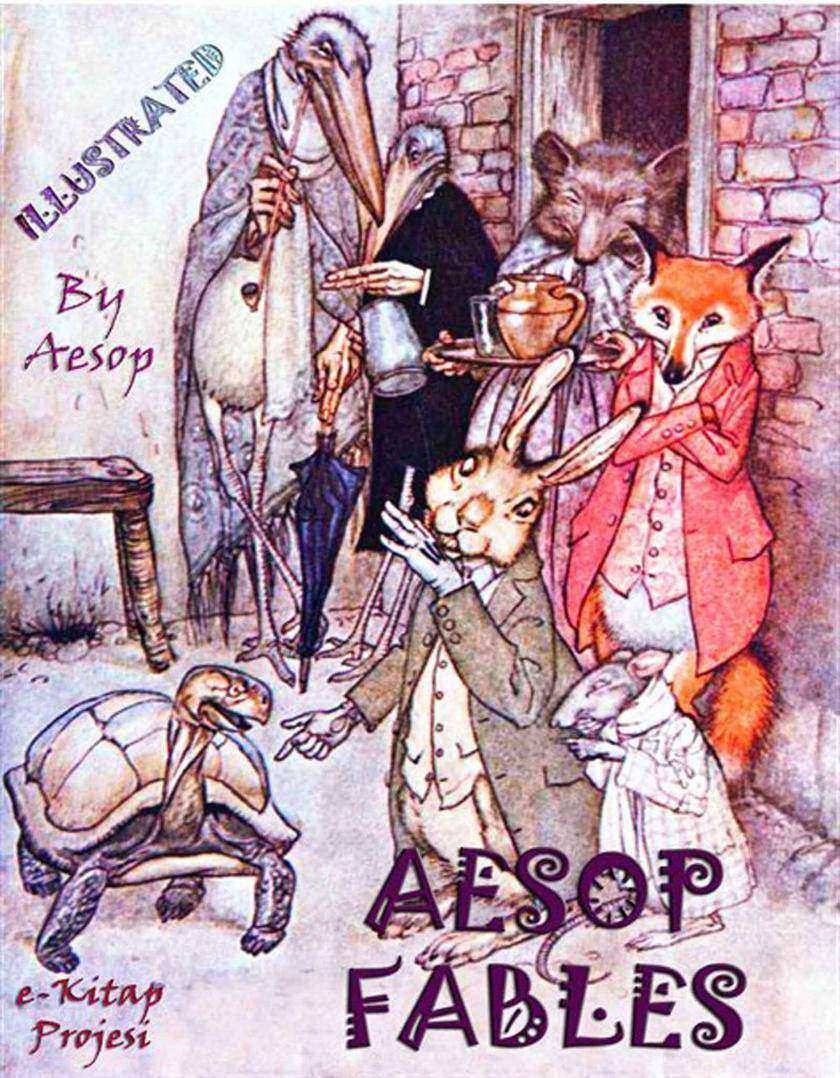
Aesop Fables: {Illustrated}
¥24.44
This book, re-edited and illustrated by e-kitap projesi and published again in ebook format. In this book, telling that Boyhood stories of the Most famous persons in the world, and so These 21 famous persons lay out from Christopher Colombus –The pre-founder of the America- to Otto von Bismarc. For example: “When he was sixteen Napoleon and his best friend, a boy named Desmazis, were ordered to join the regiment of La Fère which was then quartered in the south of France. Napoleon was glad of this change which brought him nearer to his island home, and he also felt that he would now learn something of actual warfare. The two boys were taken to their regiment in charge of an officer who stayed with them from the time they left Paris until the carriage set them down at the garrison town. The regiment of La Fère was one of the best in the French army, and the boy immediately took a great liking to everything connected with it. He found the officers well educated and anxious to help him. He declared the blue uniform with red facings to be the most beautiful uniform in the world. He had to work hard, still studying mathematics, chemistry, and the laws of fortification, mounting guard with the other subalterns, and looking after his own company of men. He seemed very young to be put in charge of grown soldiers, but his great ability had brought about this extraordinarily rapid promotion. He had a room in a boarding-house kept by an old maid, but took his meals at the Inn of the Three Pigeons. Now that he was an officer he began to be more interested in making a good appearance before people. He took dancing lessons and suddenly blossomed out into much popularity among the garrison. Older people could not help but see his great strength of character, and time and again it was predicted that he would rise high in the army.”

K?zel a t?zh?z
¥71.69
This book, in affectionate tribute to the gallant courage, rugged indepen-dence and wonderful endurance of those adventurous souls who formed the vanguard of civilization in the early history of the Territory of Arizona and the remainder of the Great West, is DEDICATED TO JOHN H. CADY and?BASIL D. WOON ?/ ?PATAGONIA, ARIZONA, NINETEEN-FIFTEEN. When I first broached the matter of writing his autobiography to John H. Cady, two things had struck me particularly. One was that of all the literature about Arizona there was little that attempted to give a straight, chronological and intimate description of events that occurred during the early life of the Territory, and, second, that of all the men I knew, Cady was best fitted, by reason of his extraordinary experiences, remarkable memory for names and dates, and seniority in pioneership, to supply the work that I felt lacking. Some years ago, when I first came West, I happened to be sitting on the observation platform of a train bound for the orange groves of Southern California. A lady with whom I had held some slight conversation on the journey turned to me after we had left Tucson and had started on the long and somewhat dreary journey across the desert that stretches from the "Old Pueblo" to "San Berdoo," and said: "Do you know, I actually used to believe all those stories about the 'wildness of the West.' I see how badly I was mistaken." She had taken a half-hour stroll about Tucson while the train changed crews and had been impressed by the—to the casual observer—sleepiness of the ancient town. She told me that never again would she look on a "wild West" moving picture without wanting to laugh. She would not believe that there had ever been a "wild West"—at least, not in Arizona. And yet it is history that the old Territory of Arizona in days gone by was the "wildest and woolliest" of all the West, as any old settler will testify.

Bernard Brooks' Adventures: Illustrated
¥4.58
The dominant motives in Calderon's dramas are characteristically national: fervid loyalty to Church and King, and a sense of honor heightened almost to the point of the fantastic. Though his plays are laid in a great variety of scenes and ages, the sentiment and the characters remain essentially Spanish; and this intensely local quality has probably lessened the vogue of Calderon in other countries. In the construction and conduct of his plots he showed great skill, yet the ingenuity expended in the management of the story did not restrain the fiery emotion and opulent imagination which mark his finest speeches and give them a lyric quality which some critics regard as his greatest distinction. Of all Calderon's works, "Life is a Dream" may be regarded as the most universal in its theme. It seeks to teach a lesson that may be learned from the philosophers and religious thinkers of many ages—that the world of our senses is a mere shadow, and that the only reality is to be found in the invisible and eternal. The story which forms its basis is Oriental in origin, and in the form of the legend of "Barlaam and Josaphat" was familiar in all the literatures of the Middle Ages. Combined with this in the plot is the tale of Abou Hassan from the "Arabian Nights," the main situations in which are turned to farcical purposes in the Induction to the Shakespearean "Taming of the Shrew." But with Calderon the theme is lifted altogether out of the atmosphere of comedy, and is worked up with poetic sentiment and a touch of mysticism into a symbolic drama of profound and universal philosophical significance. LIFE IS A DREAM DRAMATIS PERSONAE Basilio King of Poland.Segismund his Son.Astolfo his Nephew.Estrella his Niece.Clotaldo a General in Basilio's Service.Rosaura a Muscovite Lady.Fife her Attendant. Chamberlain, Lords in Waiting, Officers,Soldiers, etc., in Basilio's Service. The Scene of the first and third Acts lies on the Polish frontier: of the second Act, in Warsaw. As this version of Calderon's drama is not for acting, a higher and wider mountain-scene than practicable may be imagined for Rosaura's descent in the first Act and the soldiers' ascent in the last. The bad watch kept by the sentinels who guarded their state-prisoner, together with much else (not all!) that defies sober sense in this wild drama, I must leave Calderon to answer for; whose audience were not critical of detail and probability, so long as a good story, with strong, rapid, and picturesque action and situation, was set before them. about author: Pedro Calderon de la Barca was born in Madrid, January 17, 1600, of good family. He was educated at the Jesuit College in Madrid and at the University of Salamanca; and a doubtful tradition says that he began to write plays at the age of thirteen. His literary activity was interrupted for ten years, 1625-1635, by military service in Italy and the Low Countries, and again for a year or more in Catalonia. In 1637 he became a Knight of the Order of Santiago, and in 1651 he entered the priesthood, rising to the dignity of Superior of the Brotherhood of San Pedro in Madrid. He held various offices in the court of Philip IV, who rewarded his services with pensions, and had his plays produced with great splendor. He died May 5, 1681. At the time when Calderon began to compose for the stage, the Spanish drama was at its height. Lope de Vega, the most prolific and, with Calderon, the greatest, of Spanish dramatists, was still alive; and by his applause gave encouragement to the beginner whose fame was to rival his own. The national type of drama which Lope had established was maintained in its essential characteristics by Calderon, and he produced abundant specimens of all its varieties. Of regular plays he has left a hundred and twenty; of "Autos Sacramentales," the peculiar Spanish allegorical development of the medieval mystery, we have seventy-three; besides a considerable number of farces.

Vigyázz, mit kívánsz!
¥45.53
RUINS OF ANCIENT CITIES, WITH GENERAL AND PARTICULAR ACCOUNTS OF THEIR RISE, FALL, AND PRESENT CONDITION. - BY CHARLES BUCKE This Volume contain these cities; Abydos, Abydus, ?gesta, ?ina, Agrigentum, Alba Longa, Alcantara, Alexandria, Amisus, Antioch, Argos, Ariammene, Arsinoe, Artaxata, Artemita, Athens, Babylon, Balbec, Byzantium, Cairo (Old), Cann?, Capua, Carthage, Catanea, Chalcedon, Ch?ronea, Corduba, Corcyra (Corfu), Corinth, Ctesiphon, Delphos, Ecbatana, Eleusis, Elis, Ephesus, Gerasa (Djerash), Granada, Gnidos, Heliopolis, Herculaneum, Hierapolis, Isfahan, Italica, Jerusalem, Laced?mon, Or Sparta, Laodicea, Leuctra, Magnesia, Mantinea, Marathon, Megalopolis, Megara, Memphis. Of chance or change, oh! let not man complain;Else shall he never, never, cease to wail;For from the imperial dome, to where the swainRears his lone cottage in the silent dale,All feel the assault of fortune's fickle gale.Art, empire, earth itself, to change are doom'd;Earthquakes have raised to heaven the humble vale;And gulfs the mountains' mighty mass entomb'd;And where the Atlantic rolls wide continents have bloom'd. {BEATTIE.} The reader is requested to observe, that, though the plan of this work is entirely his own, the compiler of it does not put it forth as in any way original in respect to language or description. It is, in fact, a much better book, than if it had been what is strictly called original, (which, indeed, must have involved an utter impossibility:) for it is a selection of some of the best materials the British Museum could furnish; sometimes worked up in his own language; and sometimes—and, indeed, very frequently—in that of others: the compiler having, at an humble distance and with unequal steps, followed the plan which M. Rollin proposed to himself, when he composed his celebrated history of ancient times.—"To adorn and enrich my own," says that celebrated writer, "I will be so ingenuous as to confess, that I do not scruple, nor am ashamed, to rifle whereever I come; and that I often do not cite the authors from whom I transcribe, because of the liberty I take to make some slight alterations. I have made the best use in my power of the solid reflections that occur in the Bishop of Meaux's Universal History, which is one of the most beautiful and most useful books in our language. I have also received great assistance from the learned Dean Prideaux's 'Connexion of the Old and New Testament,' in which he has traced and cleared up, in an admirable manner, the particulars relating to ancient history. I shall take the same liberty with whatever comes in my way, that may suit my design, and contribute to its perfection. I am very sensible, that it is not so much for a person's reputation to make use of other men's labours, and that it is in a manner renouncing the name and quality of author. But I am not over-fond of that title, and shall be extremely well pleased, and think myself very happy, if I can but deserve the name of a good compiler; and supply my readers with a tolerable history, who will not be over-solicitous to inquire what hand it comes from, provided they are but pleased with it."


