


 购物车
购物车 个人中心
个人中心

In the Name of the People
¥107.81
Are our 'democracies' truly democratic? In the Name of the People examines the myth of modern democracy and finds it wanting. The various oligarchies of the world blame the madness of modern life on the greed and stupidity of ordinary people: this book argues that, on the contrary, elites indulge a limitless greed for power and wealth under cover of 'giving the people what they want'. As a coda to his short book, Ivo Mosley examines what true democracy has meant over the last two and a half millennia, and examines how it could be incorporated into current political structures to give them meaning, life and accountability.
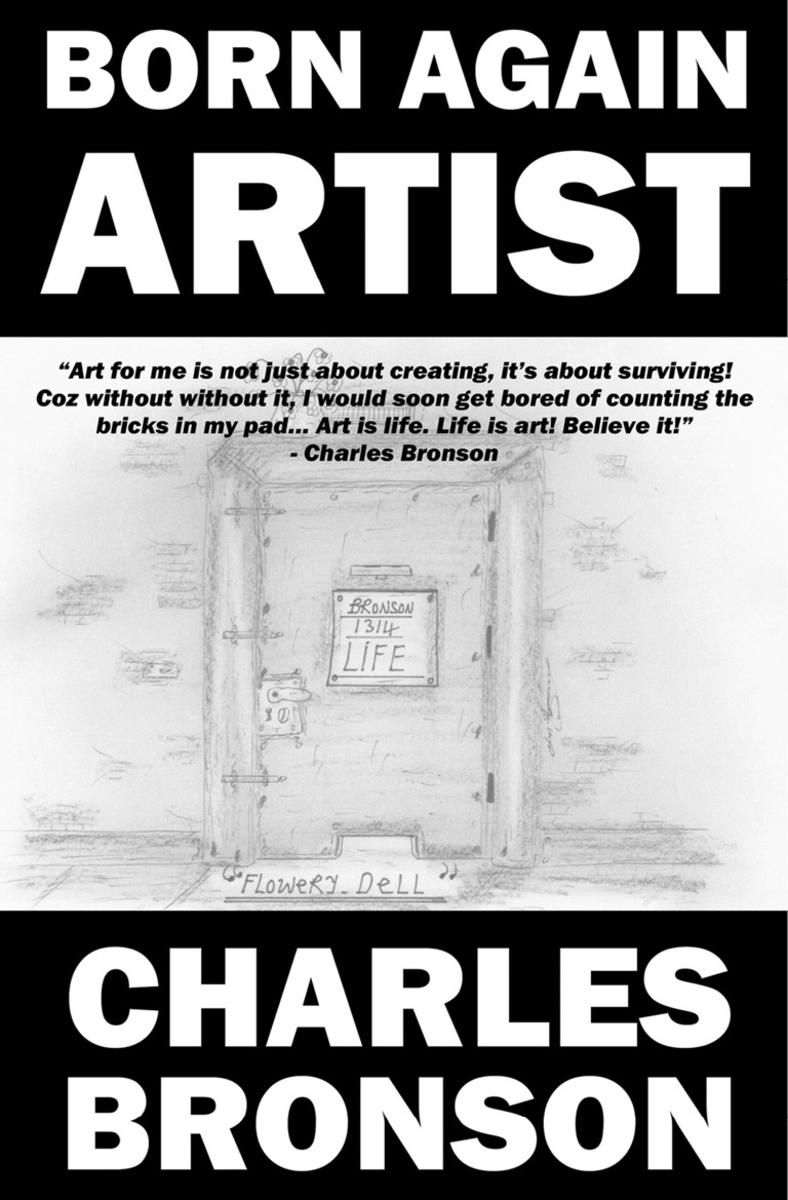
Born Again Artist
¥58.76
From Charles Bronson himself:It's back. It's crazy. It's mind blowing. It's on the edge. It's total bonkers! It's dark. It's brain explosive material. Hell ... it's me ... I'm back!I never really disappeared ... I'm always here. You just can't see me in the darkness. I live in a box in the shadows. I only slip out to create my dreams; then slip back away unseen, unheard. It's like sticking your tongue into a bear's ear ... you know you shouldn't, but you can't help yourself. It's like jumping off a cliff with the next doors cat ... it's not good. Half way down you wish you had gone to bed with a mug of hot chocolate and a copy of 'Born Again Artist' with some fig rolls.Hells bells, enjoy!
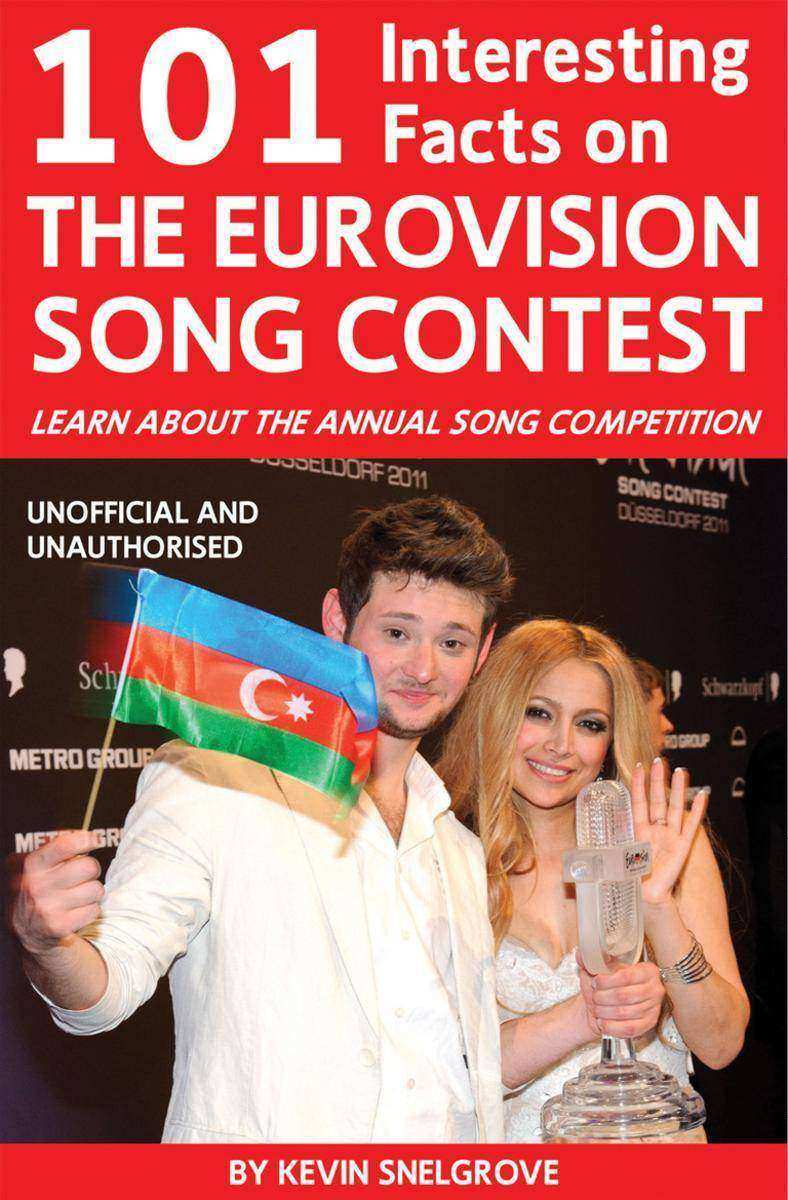
101 Interesting Facts on The Eurovision Song Contest
¥24.43
Are you a fan of the Eurovision Song Contest? Do you follow all the pre-show build-up and eagerly tune in to watch the contest on television when the big night arrives? Can you remember all the past winners, and losers, who have provided so many golden Eurovision moments? If so, you won't want to be without 101 Interesting Facts on the Eurovision Song Contest. Find out when and where the very first Eurovision Song Contest was held, how many countries took part and what the contest was originally called. Gen up on which country has finished in first and last place the greatest number of times and all the famous artists who have participated in the contest through the years. This book is full of fascinating Eurovision trivia about the performers, compares and participating countries as well as all statistics about the contest, to delight even the most knowledgeable Eurovision fans. If you enjoy the annual singing spectacular that is the Eurovision Song Contest, this book is for you.
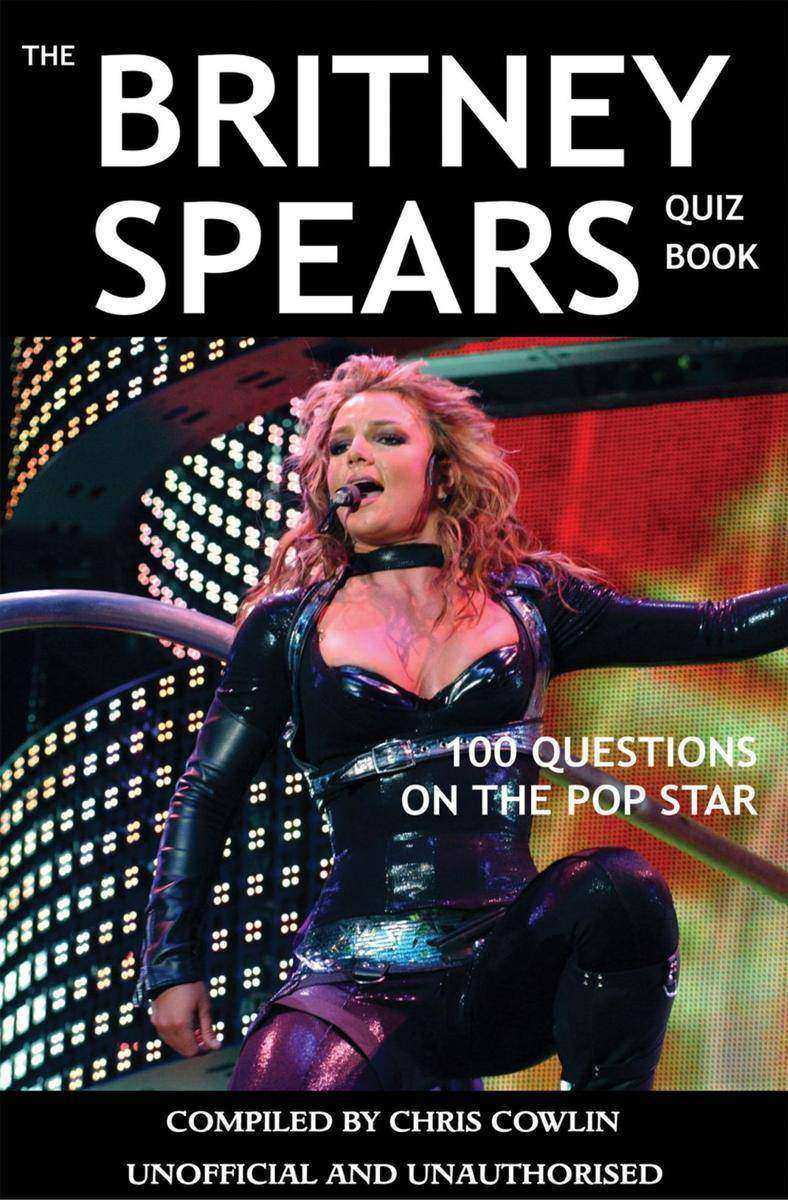
Britney Spears Quiz Book
¥24.43
Are you an expert on Britney Spears? Have you followed every dramatic twist and turn in the amazing Britney Spears story from child wannabe to controversial princess of pop? Are you familiar with Britney's early work before finding international acclaim and stardom? And would you like to find out more about the blond schoolgirl who went on to become a global icon? If so The Britney Spears Quiz Book is just what you need. Packed with fascinating facts this quiz book covers the phenomenal success of the young Britney through to more troubled times. With 100 questions about the chart topping hits, awards and nominations, career highlights and low points, as well as many personal details, you are certain to learn something new about your favourite celebrity. This book is a fitting tribute to the woman listed by Forbes as the third most mentioned musician on the Internet and who is purported to be the best-selling female artist of the first decade of the 21st century. If you are a fan of Britney, you will love this quiz book.
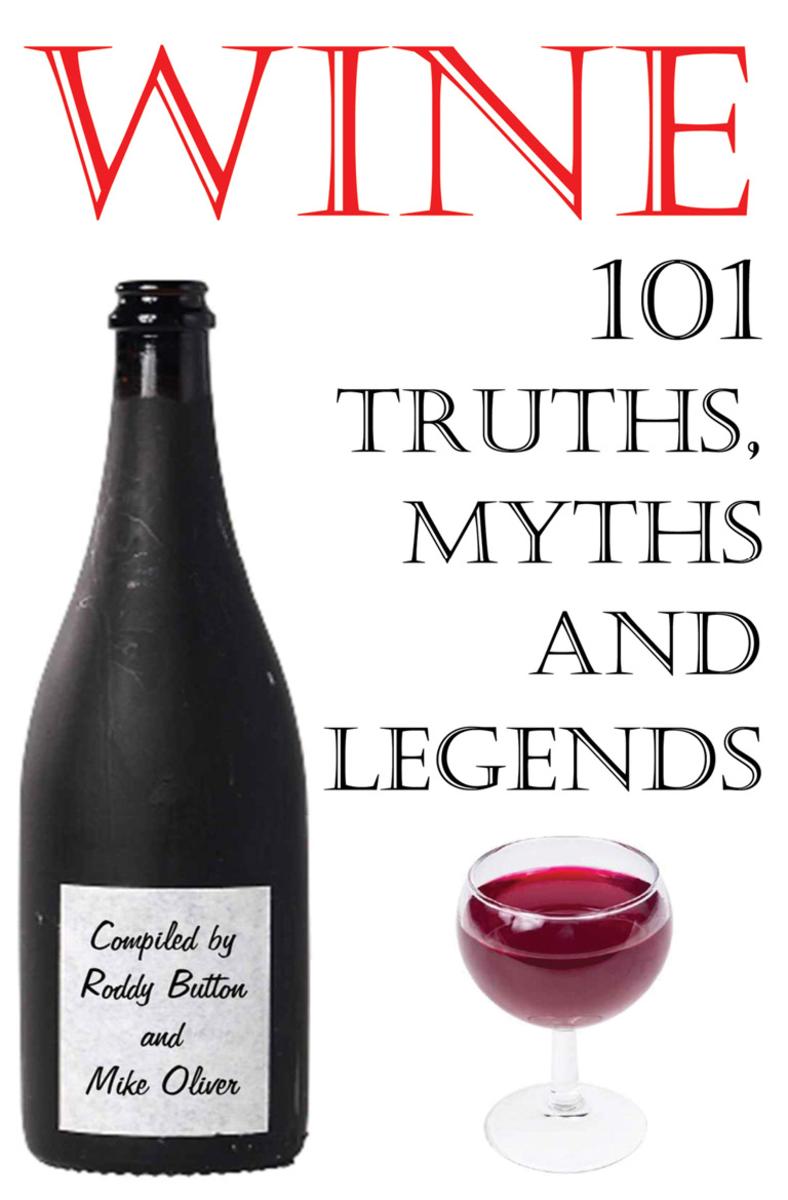
Wine - 101 Truths, Myths and Legends
¥24.43
Are you a wine connoisseur? Do you prefer to try different makes and vintages or do you have a firm favourite? At the weekend, do you like to open a bottle (or two!) to enjoy with family and friends? Whatever your wine drinking habits, if you like wine, you are certain to enjoy this new trivia book. Do you know how the American 'Starboard' wine came to be named? What did the eminent scientist William Lemeck discover about champagne? Who said, "e;Whether wine is a nourishment, medicine or poison is a matter of dosage."e;? The answers can all be found in Wine - 101 Truths, Myths and Legends.With sections on names of wines, champagne, colour, history, labels, quotes, cost, and much more, you can't help but find out some fascinating new facts about wine and the myths and legends surrounding it. Whether red, white or rose is your tipple, and even if you only ever drink champagne, if you like wine and are interested in the facts and figures associated with its production, you won't want to without this book.
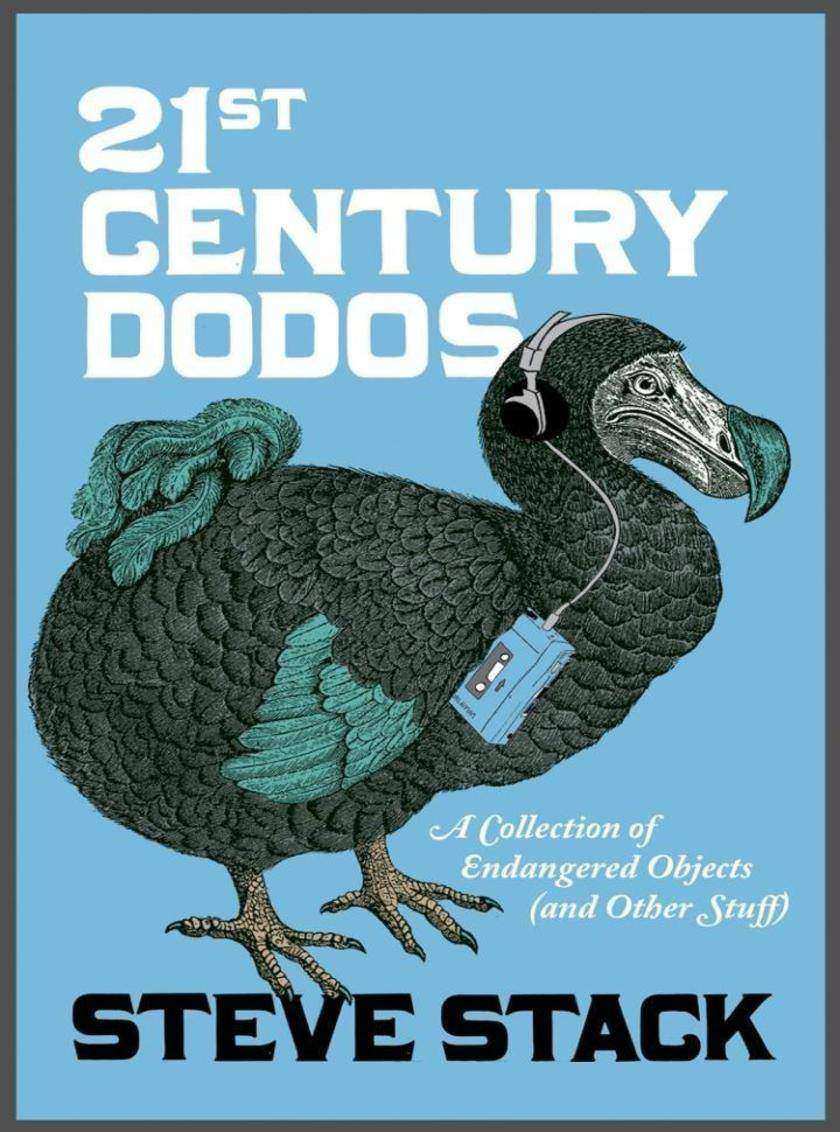
21st Century Dodos: A Collection of Endangered Objects (and Other Stuff)
¥39.04
A REVISED AND UPDATED EBOOK EDITION WITH ALL NEW READERS’ DODOS! We’ve all heard of the list of endangered animals, but no one has ever pulled together a list of endangered inanimate objects. Until now, that is. Steve Stack has catalogued well over one hundred objects, traditions, cultural icons and, well, other stuff that is at risk of extinction. Some of them have vanished already. Cassette tapes, rotary dial phones, half-day closing, milk bottle deliveries, Concorde, handwritten letters, typewriters, countries that no longer exist, white dog poo… …all these and many more are big a fond farewell in this nostalgic, and sometimes irreverent, trip down memory lane.
Talk to the Hand
¥66.22
A battle-cry for civilised behaviour from the author of the multi-million selling Eats, Shoots and Leaves. "Talk to the hand 'cause the face ain't listening," the saying goes. When did the world get to be so rude? When did society become so inconsiderate? It's a topic that has been simmering for years, and Lynne Truss says that it has now reached boiling point. Taking on the boorish behaviour that has become a point of pride for some, Talk to the Hand is a rallying cry for courtesy. Like Eats, Shoots and Leaves, Talk to the Hand is a spirited conversation, not a stuffy guidebook. It is not about forks, for a start. Why hasn't your nephew ever thanked you for that perfect Christmas present? What makes your builder think he can treat you like dirt in your own home? When you phone a utility with a complaint (and have negotiated the switchboard), why can't you ever speak to a person who is authorised to apologise? What accounts for the appalling treatment you receive in shops? Most important, what will it take to roll back a culture that applauds rudeness and finds it so amusing? For anyone who's fed up with the brutality inflicted by modern manners (and is naturally too scared to confront the actual yobs), Talk to the Hand is a colourful call to arms from the wittiest defender of the civilised world.
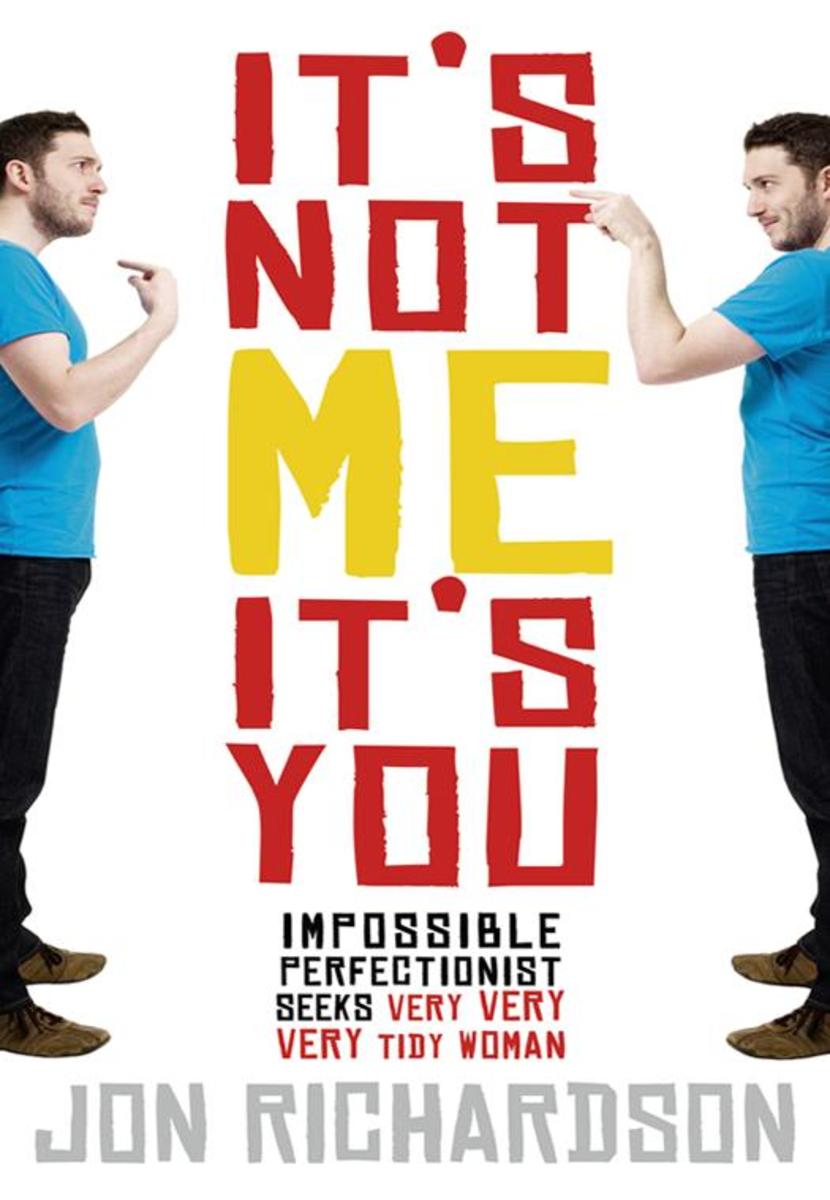
It’s Not Me, It’s You!: Impossible perfectionist, 27, seeks very very very tidy
¥69.26
‘I loved Jon’s book. It’s even better than the real thing because you can’t hear his voice.’ Michael McIntyre A control freak looks for love (women who leave wet teaspoons in sugar bowls need not apply). ‘I haven’t woken up with a cup of tea by the bed for seven years. It seems such a small thing but it’s one of a thousand things I miss about having someone around to take care of me. I have spent my entire adult life getting things the way I want them and all I want now is someone to give it all up for.’ Is your filing faultless? Your CDs, apostrophes, cutlery all in the right places? Can you eat a biscuit in the correct way? Then Jon Richardson (single for seven years and counting) could be your ideal man… Living alone in a one bedroom flat in Swindon, Jon has had far too much time on his hands to think. In fact to obsess. About almost everything. Jon’s obssessive compulsive personality disorder has seen him arrange the coins in his pockets in ascending size and colour code his bookshelves. It takes him less than 90 seconds to locate a receipt for a pair of shoes he bought in 1997. Over to the filing cabinet and R for receipts, S for shoes. But Jon doesn’t want to be like this, in fact he would quite like to share his life with someone. But who could that someone be? Someone like himself, a quarrelsome perfectionist only with breasts and less body hair? Absolutely not. But who exactly is Jon looking for and where will he find her? Faced with a loveless future filled with his own peculiar quirks and perfectionism, Jon sets about his search for The One. The question is, will he mind her keeping the knives to the left of the forks in the cutlery drawer or organising the CDs by genre and not alphabetically?
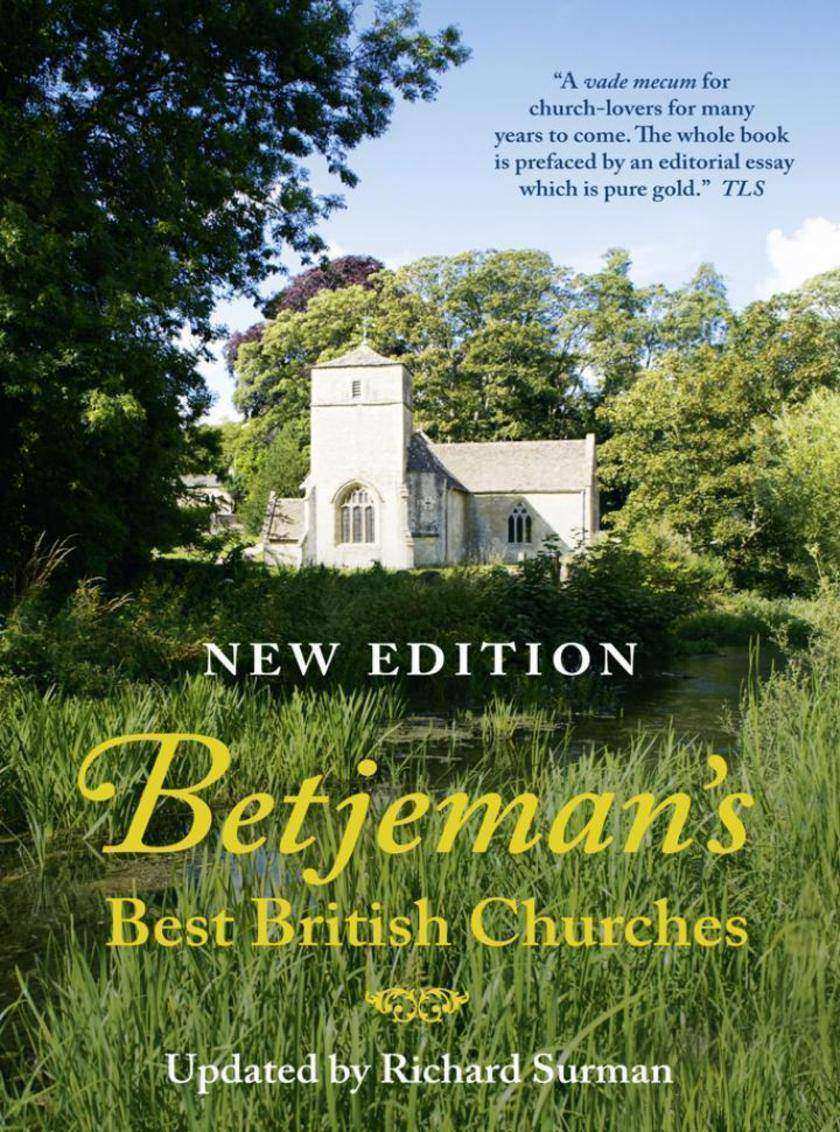
Betjeman’s Best British Churches
¥154.02
A beautiful and practical up-to-date guide to over two thousand of Britain’s best parish churches. Although now most famous for his poetry, Sir John Betjeman’s great passion was churches. For over fifty years his guide, regularly updated, has been the eminent authority and the most distinguished guide to the best churches to visit. This edition, in full colour throughout and illustrated with over 350 specially commissioned photographs, covers over 2,500 of the very best churches in England, Scotland and Wales. Fully updated by bestselling author Richard Surman, this is the most complete and up to date guide to Britain’s church heritage.
Sew and Save
¥63.27
An excellent, nostalgic gift from a bygone era when hard times were no excuse for shabby dressing. Contains practical tips to repair and improve clothes to save money. Travel back to the forties when a war-torn Europe was still no excuse to dress shabbily and the one thing you didn't ration was fashion. In this exclusive reproduction of a genuine archive copy, retro domestic goddess Joanna Chase prescribes ways to avoid fashion fauz pax in money-tight scenarios - whether the cause is a lack of coupons - or a credit crunch. In this book you will learn: o How to make the most out of every last inch of fabric o How to transform old skirts into brand spanking new outfits o How to make clothes out of old furnishings o How to turn your old dresses into ones that fit for your children o How to plan a whole families wardrobe in demand With this book, repackaged in a charming, nostalgic cover, as much a fashion accessory as a practical advice guide, you will learn all this and much much more. Uniform with this guide: Food Facts for the Kitchen Front o Make your Garden Feed You o The archive collection- because good advice never goes out of date.
Collins Complete Photography Course
¥110.46
A practical, affordable and accessible home photography tutor. This inspiring project-based course book covers everything from basic composition to the latest digital darkroom techniques. Learn at your own pace as this practical, comprehensive course helps you develop your key photographic techniques. Contents include: step-by-step projects on exposure, aperture, lenses, light, filters, colour, black and white and image enhancement; plus professional secrets and stunning shots from around the world. The fully interactive and project-based approach of Collins Complete Photography Course will help you to raise both your camera confidence and your level of photography.

The Organic Garden
¥100.06
The Organic Garden redefines what it means to be an organic gardener. This practical and thought-provoking handbook is both a manual of organic practice and a starting point for ethical living. The meaning of 'organic' is changing fast, becoming more and more an umbrella term for all things environmental: from ethical consumerism, waste recycling and self-sufficiency to new trends in wildlife-friendly, sustainable and forest gardening. The Organic Garden shows how these popular new areas of green living are relevant to the ordinary gardener and demonstrates simple, achievable ways in which you can use these ideas to transform your garden. Includes: ? Essentials of organic practice ? Gardening for wildlife and ornament ? Gardening for food ? Ethical choices at the garden centre ? Shed’s Dead – how to create an ecological shed and explore alternatives for outdoor living ? Gardening beyond the garden – allotments, conservation volunteering, community gardening ? Climate change and today’s gardener
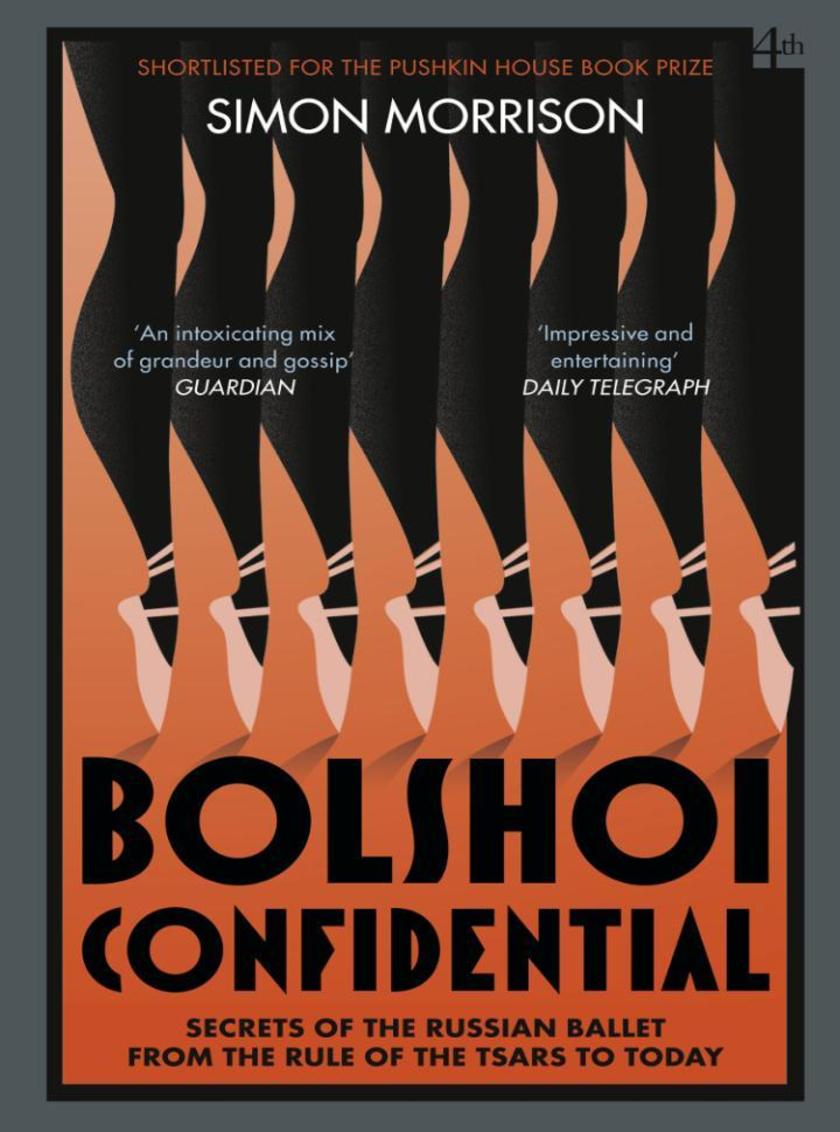
Bolshoi Confidential: Secrets of the Russian Ballet from the Rule of the Tsars t
¥73.58
Simon Morrison is a professor of music at Princeton University, a contributor to the New York Times and the New York Review of Books, and the author of, most recently, The Love and Wars of Lina Prokofiev. He lives in Princeton, New Jersey.

Unicorn Being a Jerk
¥84.16
A Hilarious Expose of the Secret Lives of Unicorns, Based on the Popular Online Comic!In Unicorn Being a Jerk, author/illustrator C.W. Moss reveals - through approximately 55 colorful illustrations and accompanying captions - that unicorns are not the majestic creatures we think they are but are in fact jerks whose petty, selfish antics include stomping on children's sandcastles, feeding pigs to bacon, and parking in handicap spots at the mall. In the vein of The Book of Bunny Suicides, this humor book will be required reading for all those unsuspecting unicorn fans out there who will come face to face with the ugly reality of this mythical creature.
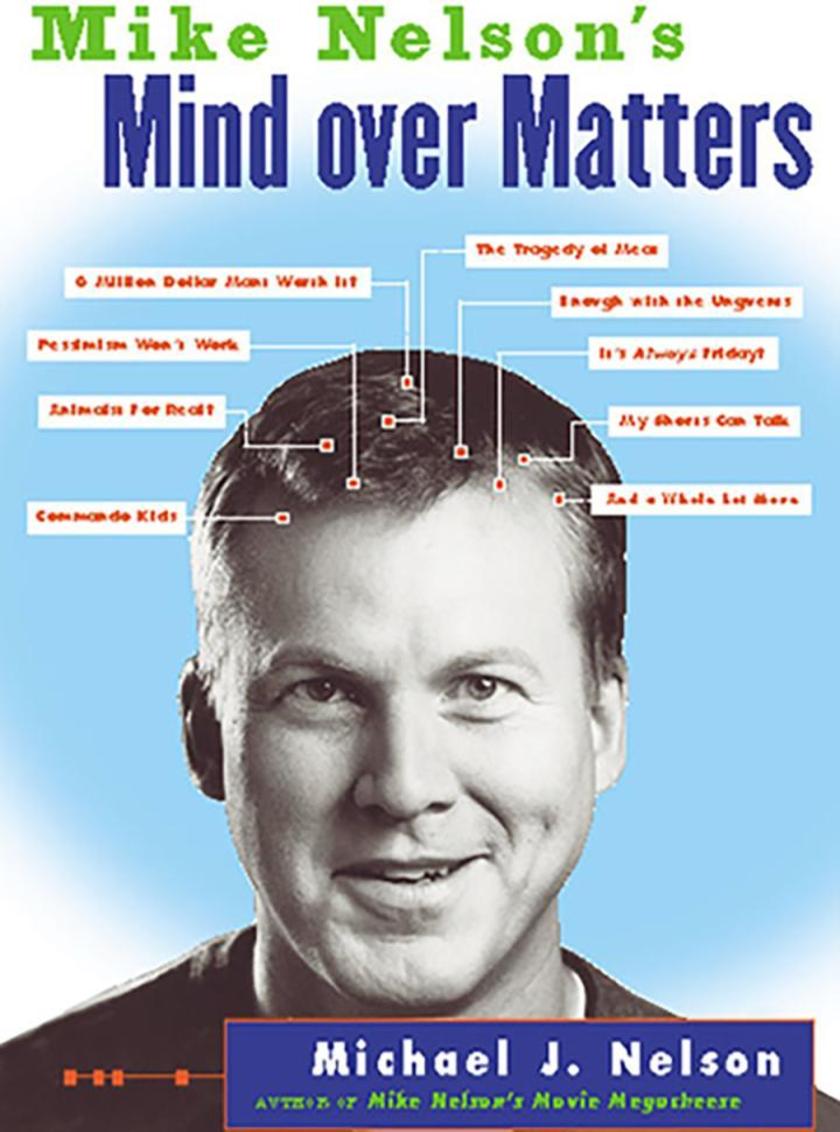
Mike Nelson's Mind over Matters
¥88.56
Why do some people retain cute baby-talk names for their relatives (like "Num-Num" and "Pee-Paw") well into middle ageHow should a reasonable person respond when Olivia Newton-John sings, "Have you never been mellow?" Who's responsible for the sorry state of men's fashion, and is it the same guy who invented the jerkinIs there any future in being a MidwesternerCan you really enjoy your lunch when the restaurant is decorated to look like an African plainHow come women keep dozens of bottles and jars of moisturizers, unguents, and lotions around -- all of them half emptyIn more than 50 hilarious all-new essays, one of America's brightest young humorists -- the head writer and on-air host of the legendary TV series Mystery Science Theater 3000 -- finds the fun in all aspects of the human condition, no matter how absurd. Join Mike Nelson on an angst-filled visit to a health spa; shopping sessions at Home Depot and Radio Shack; adventures in the very amateur musical theater; a gut-busting discourse on the history of television; ruminations on his roles as husband, father, and citizen; and much, much more.
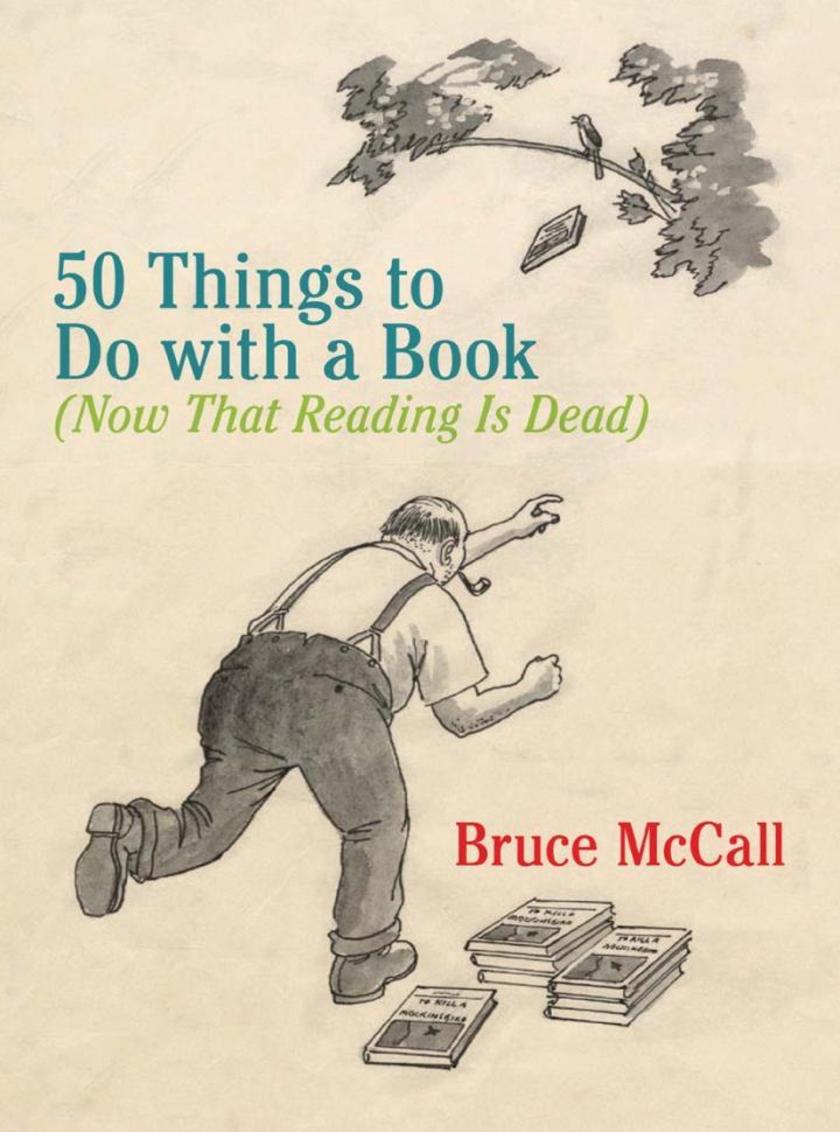
50 Things to Do with a Book
¥95.52
Reading may be dead, but books are alive and well What good are books, you may be wondering, if we're not going to read themWhat are we even doing in this bookstoreNot to worry! It turns out that there are literally thousands of things to do with these chunky stacks of bound tree pulp. Fun, exciting, adventurous, creative things. In fact, this familiar rectangular object suddenly offers enough dazzling new interactive possibilities to, yes, fill a book. This book. From re-creating world wonders to settling marital disputes, entertaining dinner guests to channeling your inner secret agent, here are fifty wonderfully zany things to do with all your favorite books.

Awesome Sh*t My Drill Sergeant Said
¥110.71
Welcome to basic training, soldier.Now meet your worst nightmare . . . your drill sergeant.Even if you've never served in the military, you know the drill sergeant. The mere sight of his fatigues and the iconic "Round Brown" campaign hat strikes fear into the bravest of hearts. Drill sergeants inflict pain, demand discipline, and aren't afraid of power, aggression, and using fear as a motivational tool. But unless you've witnessed one firsthand with your face in the mud doing pushups, you might not know one other fact . . . drill sergeants are some of the FUNNIEST people on the planet!After his deployment in Afghanistan, Dan Caddy began swapping great drill sergeant stories by e-mail and social media with other veterans. Now, in Awesome Sh*t My Drill Sergeant Said, Caddy shares the best-of-the-best quotes, one-liners, stories, and top-ten lists proving once and for all that drill sergeants are the world's most underrated comedians and philosophers. If you have ever suffered a hard-ass manager (in uniform or not), these often profane, sometimes profound, yet always entertaining rants from real life soldiers will add a much-needed dose of humor to your day. Now stop laughing and drop and give me fifty.
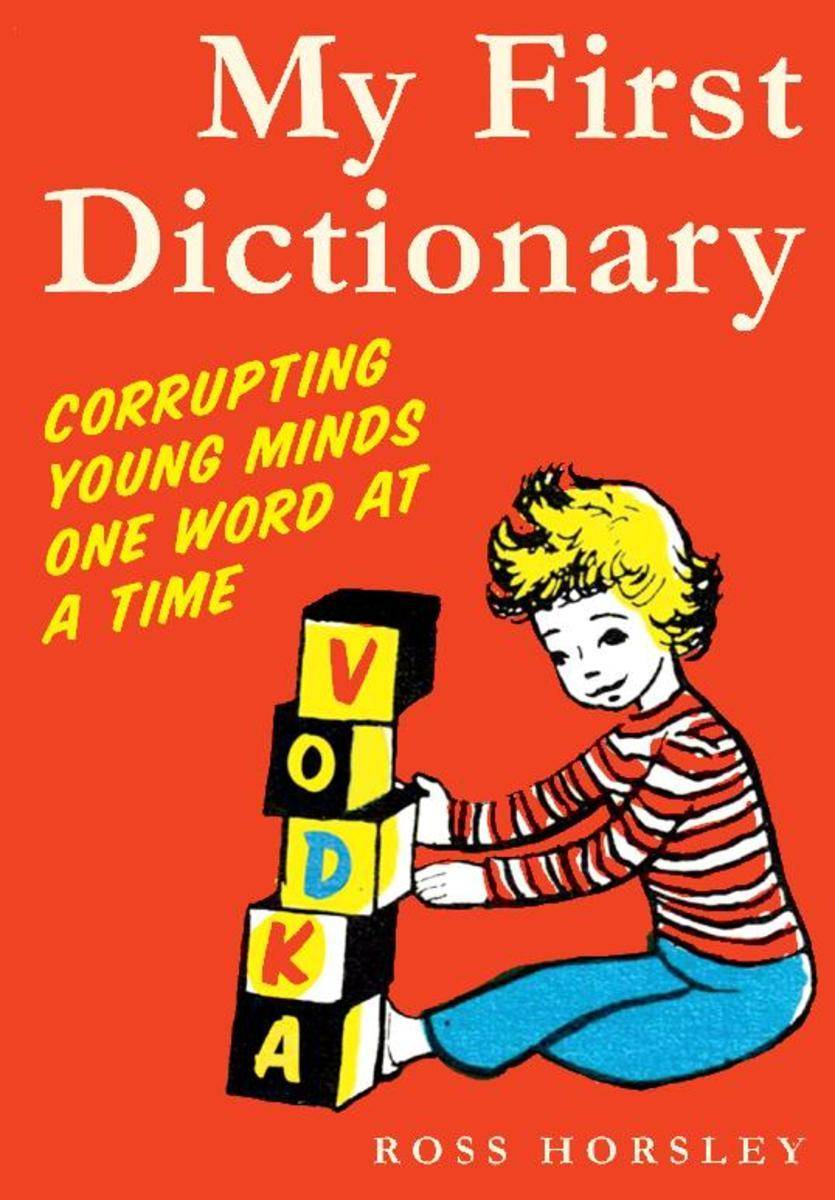
My First Dictionary
¥84.16
Hello, boys and girls, and welcome to the wonderful world of words! You've learned the basics from apple to zebra but what about all those mysterious new terms you've heard the grown-ups whispering when you were supposed to be tucked up snugly in bedWhat makes Mommy so bitterWhere does Daddy conceal the door to his secret S&M dungeon dungeonAnd why is everyone laughing about Grandma's latest delusionMy First Dictionary answers these questions, and includes many other useful definitions, such as:A burden is a source of worry or stress. Old people are usually burdens.Father is nostalgic. He is remembering the happier times before you were born.A puppy is a young dog. Connie gets a puppy every time she agrees not to tell. Daddy calls them hush puppies.A zigzag is a jagged line. We can tell that Mother has been drinking when she drives in a zigzag pattern. Carry a copy of My First Dictionary in your schoolbag and you'll never be at a loss for words again!
Babyhood
¥83.03
I'm going to be totally honest with you. This is not a "how-to," a "when-to," or a "what-to-expect" book. It's not even endorsed by anyone remotely connected to the medical profession. "But if I have only one book to buy," you ask, "shouldn't I go for the helpful one?"Let's compare:Those know-it-all books tell you how to care for a newborn child.My book describes how tired I am.Those books give you essential information you can use in a life-threatening emergency.My book has some very amusing anecdotes about poop.So really, it's up to you.
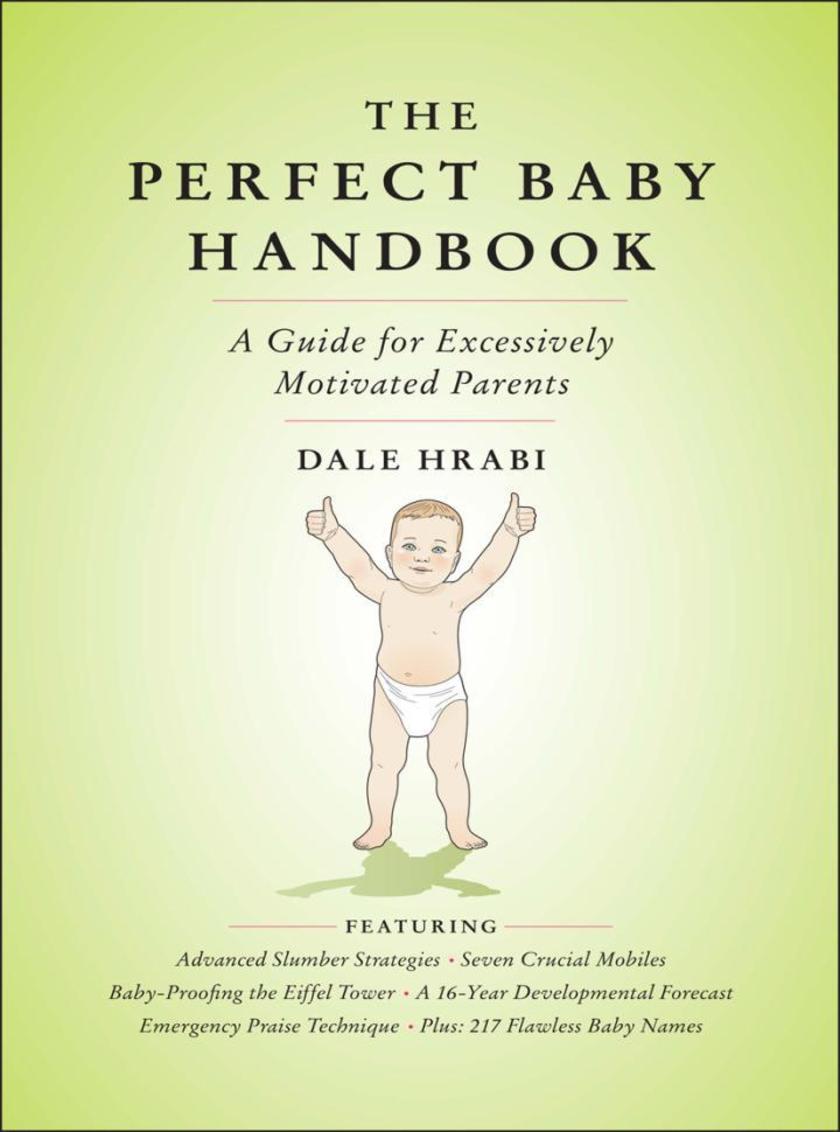
The Perfect Baby Handbook
¥95.39
New parents are hipper, more educated, and more sophisticated than ever, but they're also highly competitive--a lethal combination when turbocharged by the anxieties of raising a baby. And for many couples, it's not just any baby, but the perfect baby. These excessively motivated parents will not sabotage Junior's future by denying him Mandarin lessons, a nursery chandelier (just like the one Gwyneth's kids enjoy), or advanced infant yoga. A hilarious, highly visual satire of childrearing manuals, The Perfect Baby Handbook provides much-needed comic relief from the pressures of modern parenting, and gives comfort to moms and dads who can say with a sigh of relief, At least, we're not this bad.
If the Gods Had Meant Us to Vote They Would Have Given Us Candidates
¥78.60
If anything, in this presidential election special, he's madder than ever!In his earlier bestseller, There's Nothing in the Middle of the Road but Yellow Stripes and Dead Armadillos, Hightower only began to tap into the deep yearning that Americans have for a new politics that speaks to them from a real-world, kitchen-table perspective. Now, with the year 2000 being an especially significant marker for contemplating our country's direction, not only for the new year but for the new century and the new millennium, it's time for citizens to reclaim their political, economic, and cultural heritage.Leading the way with his hilariously irreverent yet profoundly serious book is our name-naming, podium-pounding, point-them-in-the-right-direction populist, Hightower himself. He whacks conventional wisdom right upside the head,showing,with startling facts and compelling personal stories, that despite a so-called period of prosperity, America's middle class is getting mugged, and that far from being ordained by the gods,globalization is globaloney! Hightower rips the mass off of the candidates, the parties, the consultants, and especially the moneyed powers whoa re supporting all of the leading presidential hopefuls. he's mad about them all--but what he's maddest about, what really gets his goat,is that they are all the same! To paraphrase Jim, American politicians are alike because they don't come cheap. In fact, they're all very expansive. which is why only the rich can own them and why their allegiance is definitely not to regular,worka-day citizens.No one is spared in this insightful and engaging blend of horror and success stories, hard-hitting commentary, laugh-out-loud humor, useful facts, and sparkling language. An equal opportunity muckraker and conscientious agitator for "We the people," Hightower inspires us to take charge again, to build a new politics, and, together, to build a better tomorrow. Jim Hightower's If the Gods Had Meant Us to Vote They Would Have Given Us Candidates proves yet again that his is a uniquely wise and peerlessly singular voice in the maelstrom of political prattle.


