


 购物车
购物车 个人中心
个人中心
犹太哲学史(修订版)(上、下卷)
¥154.80
犹太哲学史(修订版)(上、下卷)
中国梦·少年梦:纪念“六一”国际儿童节人大附小师生美术作品展:汉英对照
¥154.80
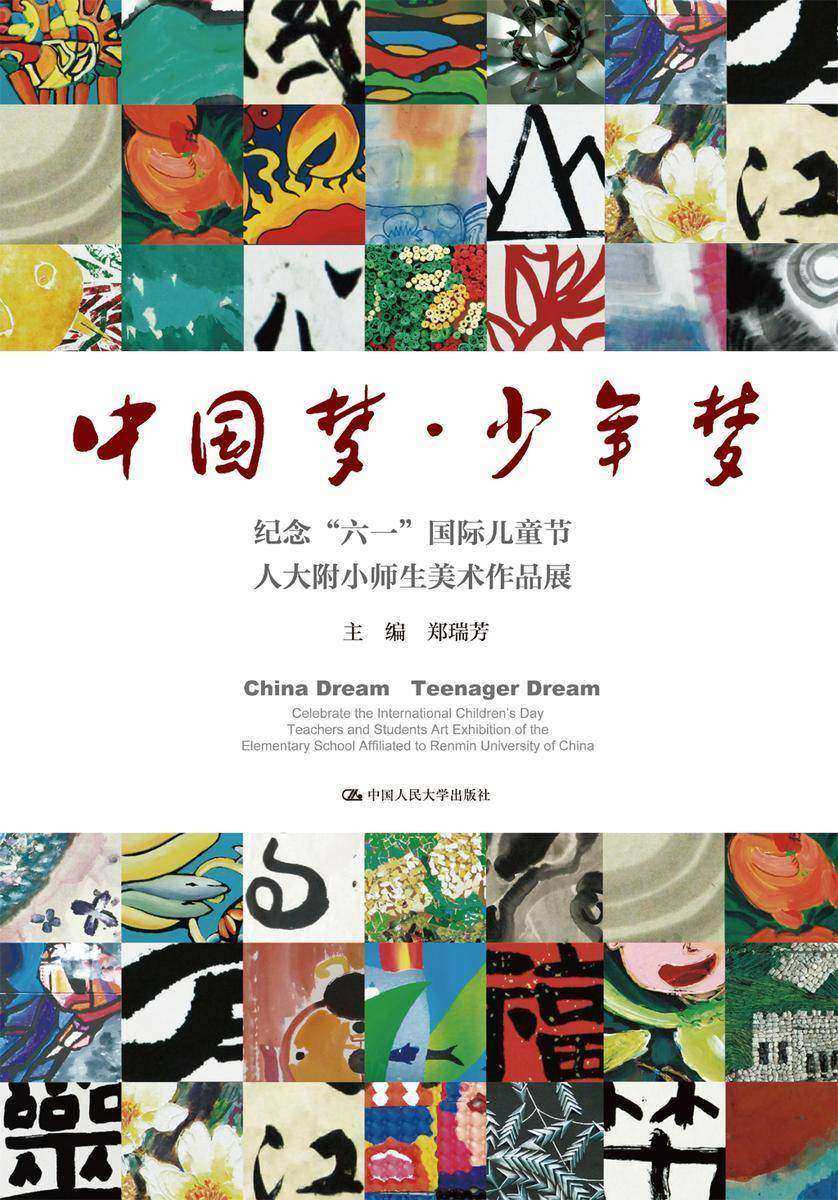
今年是中国人民大学附属小学60周年校庆年,在“六一”国际儿童节到来之际,“中国梦少年梦——纪念六一国际儿童节人大附小师生美术作品展”在国际博物馆展出,展出分为四个部分:梦之源、梦之心、梦之远、梦之魂,此本画册将还原展出的主题和内容。此书将包含将展示在国博展出的3160件作品。
Money-Driven Medicine
¥154.80
Why is medical care in the United States so expensiveFor decades, Americans have taken it as a matter of faith that we spend more because we have the best health care system in the world. But as costs levitate, that argument becomes more difficult to make. Today, we spend twice as much as Japan on health care—yet few would argue that our health care system is twice as good. Instead, startling new evidence suggests that one out of every three of our health care dollars is squandered on unnecessary or redundant tests; unproven, sometimes unwanted procedures; and overpriced drugs and devices that, too often, are no better than the less expensive products they have replaced. How did this happenIn Money-Driven Medicine, Maggie Mahar takes the reader behind the scenes of a $2 trillion industry to witness how billions of dollars are wasted in a Hobbesian marketplace that pits the industry's players against each other. In remarkably candid interviews, doctors, hospital administrators, patients, health care economists, corporate executives, and Wall Street analysts describe a war of "all against all" that can turn physicians, hospitals, insurers, drugmakers, and device makers into blood rivals. Rather than collaborating, doctors and hospitals compete. Rather than sharing knowledge, drugmakers and device makers divide value. Rather than thinking about long-term collective goals, the imperatives of an impatient marketplace force health care providers to focus on short-term fiscal imperatives. And so investments in untested bleeding-edge medical technologies crowd out investments in information technology that might, in the long run, not only reduce errors but contain costs. In theory, free market competition should tame health care inflation. In fact, Mahar demonstrates, when it comes to medicine, the traditional laws of supply and demand do not apply. Normally, when supply expands, prices fall. But in the health care industry, as the number and variety of drugs, devices, and treatments multiplies, demand rises to absorb the excess, and prices climb. Meanwhile, the perverse incentives of a fee-for-service system reward health care providers for doing more, not less. In this superbly written book, Mahar shows why doctors must take responsibility for the future of our health care industry. Today, she observes, "physicians have been stripped of their standing as professionals: Insurers address them as vendors ('Dear Health Care Provider'), drugmakers and device makers see them as customers (someone you might take to lunch or a strip club), while . . . consumers (aka patients) are encouraged to see their doctors as overpaid retailers. . . . Before patients can reclaim their rightful place as the center—and indeed as the raison d'être—of our health care system," Mahar suggests, "we must once again empower doctors . . . to practice patient-centered medicine—based not on corporate imperatives, doctors' druthers, or even patients' demands," but on the best scientific research available.

案例刑法研究(总论)(上下卷)(第二版)
¥154.80
本书以专题为经线,以问题为纬线,较好地将案例分析和理论叙述相结合,完整地呈现刑法总论的基本原理。可以说,《案例刑法研究(总论)》一书是刑法案例类著作的升级版,对于直观和生动地掌握刑法基本理论具有重要参考价值。本次修订,针对《刑法修正案(十一)》行了调整,并增加了指导案例。
剑桥欧洲经济史(剑桥经济史系列)
¥154.80
本书从泛欧洲的角度,按主题而非按国别来编写现代欧洲的统一经济史。每章均由该领域的两位或三位杰出专家所写,涵盖了欧洲的三大区域(北欧、南欧以及中东欧)。全书分为两大部分,分别介绍了1700—1870年和1870—2000年两个时期。每一部分中的各章都是建立在现代经济史的主题——总增长与周期、部门分析和生活水平——的基础之上的。本书使用数量方法,使经济分析更加准确,但这种数量方法采用了本科生很容易理解的方式,便于读者理解与吸收。本书既适合经济学相关专业的教师和学生作为教科书使用,也适合对经济史感兴趣的一般读者阅读。
中国民法典的理论创新
¥154.80
《民法典》是中华民法思想、民法理论和民法智慧之集大成者,具有鲜明的中国特色、实践特色、时代特色。《民法典》实现了哪些重大的理论创新?如何构建中国民法学自主知识体系?如何总结《民法典》中的中国元素并以《民法典》为平台与域外法治实现文明对话和互监?这些议题是本书所力求回答的核心问题。本书遴选了《民法典》编纂前后发表的部分代表性学术论文,系统梳理和深入阐释了《民法典》的理论突破与制度创新,以呈现出中国民法典理论创新研究的完整脉络,促进具有中国特色、中国风格、中国气派的中国民法学自主知识体系的加快构建。
基于用韵空间分布综合评价法的初唐诗文韵部研究--国家社科基金后期资助项目【中华书局出品】
¥154.80
本书引“空间分布”核心理念,提出“通用韵部的确定性”问题,使用用韵空间分布综合评价法,对初唐诗文韵部及其演变行了新的探索和研究。全书归纳出初唐诗文韵系43部,论证其通用性质。通过比较相关韵系,判定诸家韵系的语音性质,或推断彼此是否存在渊源关系,或观察不同方法的联系与区别。还分析揭示了初唐诗文通用韵系及其演变的特。本书的突出特色在于以空间分布为视角、以用韵空间分布数据为论据研究诗文用韵。本书的主要创新是创设了诗文韵部研究新方法——用韵空间分布综合评价法。本书为断代诗文通用韵部及基础方言等课题研究提供了一种新思路、方法和模式。
中国兽药研究与应用全书--兽用抗生素替代物及应用
¥154.69
本书详细介绍了当前用于减少或替代兽用抗菌药物的各类技术和产品及其应用。主要包括天然植物用于减抗、替抗,饲用微生物制剂用于减抗、替抗,酶制剂用于减抗、替抗,饲用多糖和寡糖用于减抗、替抗,饲用生物活性肽用于减抗、替抗,饲用有机酸、有机微量元素用于减抗、替抗,其他饲用抗菌药物替代物用于减抗、替抗,兽用中药用于减抗、替抗,噬菌体用于减抗、替抗。同时也介绍了应用于减抗、替抗的主要技术,主要包括药剂技术用于减抗、替抗,联合增效技术用于减抗、替抗,合理用药技术用于减抗、替抗。本书系统性、先性、理论性和实践指导性较强,是高等院校动物药学、动物医学、动物科学、动物营养等专业教师、学生,相关专业科研人员,兽药企业研发人员,养殖临床一线工作人员的良好参考读物。
Above the Line:Living and Leading with Heart
¥168.37
常识告诉我们,你总是可以选择你对待事件的反应。 但是,正如企业顾问Stephen Klemich和临床心理学家Mara Klemich所主张的那样,除非你意识到自己为什么要做出选择,以及内心和大脑如何共同塑造你的行为,否则你根本无法改变根深蒂固的行为模式,这也就是为什么人们总是会重复自己犯过的错误和消极的行为。本书对此进行了深入的探讨并提出改变的可行办法,让你可以对自己和周围做的世界出积极的影响。 A leadership consultant and neuropsychologist identify the universal habits of the heart and mind—the keys to unlocking our true potential, creating our best selves and?eliminating behavior patterns that hold us back.?Why is it so hard for leaders to coach employees who are struggling? Why do we repeat the same mistakes and negative behaviors? Common wisdom says you always have a choice in how you react or respond. But, as corporate consultant Stephen Klemich and clinical psychologist Mara Klemich contend, until you recognize why you make choices, and how the heart and the brain work together to shape your behavior, you can’t change long-ingrained patterns and discover your best self.The Klemichs have developed a model backed by extensive research and data, and paired it with character-led personal development, to help you answer the "Why?" and eliminate behavior that is “below the line.” In Above the Line, they argue that that the quality of your life flows from the attitudes of your heart. Offering wise, compassionate, and practical advice, this book explores the deep, fundamental drivers of human behavior that exist within your heart—the seat of your character. It reveals that all of these behaviors can be explained by four principles—humility, love, pride, and fear—which influence every facet of your life, for better or for worse.We are all designed for greatness, but so often our best self is pitted against our worst. The pressures of life are pulling our character below the line while our authentic self is drawing us to live above the line. When you fully understand that the four principles are at the root of your behavior, you can begin the journey to become your best self and navigate life more effectively and successfully. Filled with proven strategies, Above the Line will create lasting changes in your behavior and improve your life personally and professionally—so you can make a positive impact on the world around you.
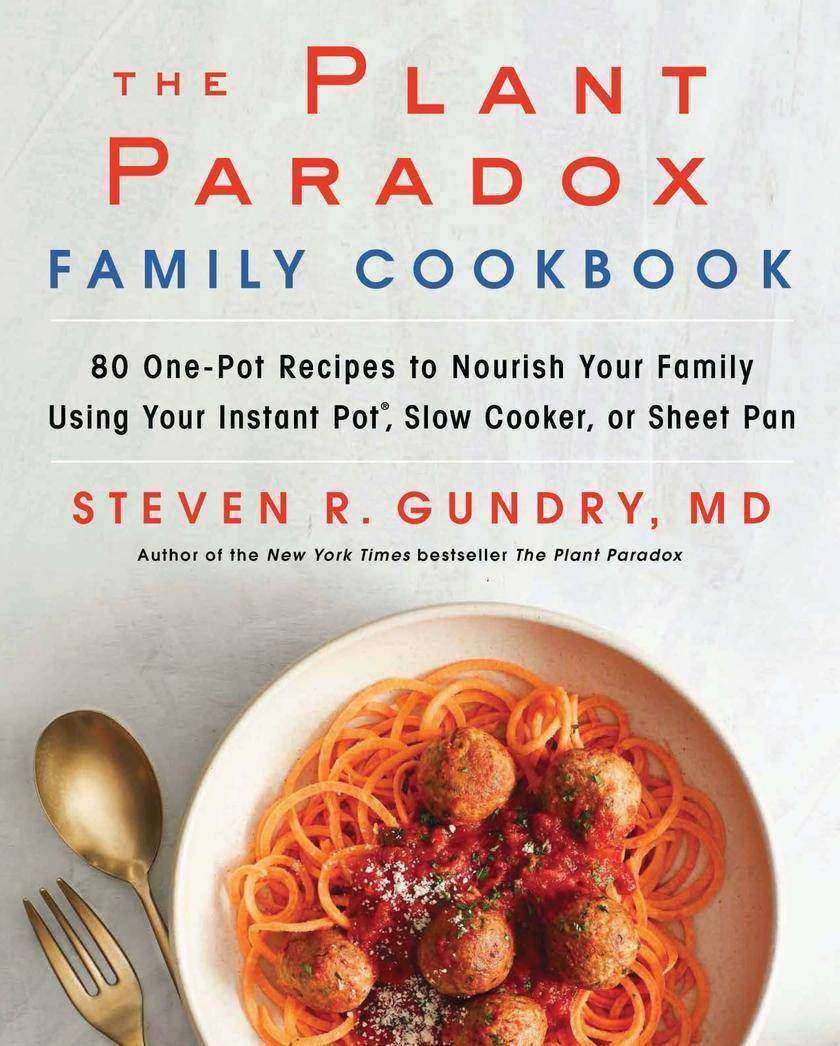
80 One-Pot Recipes to Nourish Your Family Using Your Instant Pot, Slow Cooker, o
¥168.37
From the New York Times bestselling author of The Plant Paradox comes a guide to one-pot cooking for the whole family, with a special focus how to make the Plant Paradox program kid-friendly.Since the publication of The Plant Paradox in 2017, hundreds of thousands of people have embraced Dr. Gundry’s nutritional protocol—and experienced life-changing results. But most of Dr. Gundry’s readers aren’t cooking for themselves alone. “How can I extend this way of eating to my entire family? And is it safe for my kids?” are the questions he is most often asked.In The Plant Paradox Family Cookbook, Dr. Gundry reassures parents as he sets the record straight, providing an overview of children’s nutritional needs and explaining how we can help our kids thrive on the Plant Paradox program—a diet low in lectins. Dr. Gundry offers shocking evidence of how the Plant Paradox program is not only “safe” for kids, but also the best possible way to set them up for a lifetime of health and responsible eating. As research continues to bear out, a healthy microbiome—or “gut”—is the cornerstone of human health. The foods we eat at the beginning of our lives have a long-term impact on the makeup of our microbiome. Lectin-containing foods—such as grains, legumes, certain fruits and vegetables, and conventional dairy—damage it by creating holes in the gut wall and triggering the kind of systemic inflammation that lays the groundwork for disease. And yet, many of the foods we are routinely told to feed our children—think milk, whole grain bread, peanut butter—have an incredibly high lectin content.The Plant Paradox Family Cookbook includes more than 80 recipes that make cooking for a family a breeze. And since pressure cooking is the best and easiest way to reduce lectin content in foods like grains and beans, the majority of the quick and easy recipes are Instant-Pot friendly. From weeknight dinners to make-ahead breakfasts to snacks and even lunchbox-ready meals, The Plant Paradox Family Cookbook will help the whole family experience the incredible benefits of the Plant Paradox program.
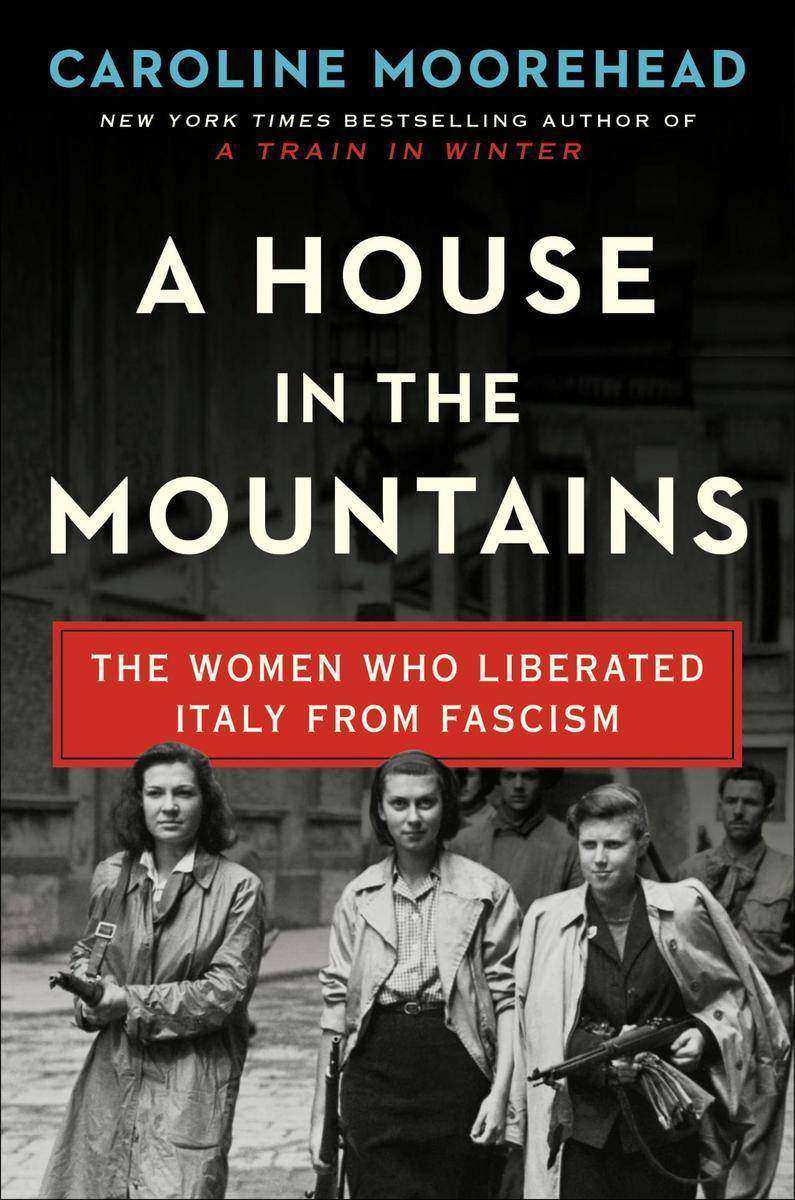
A House in the Mountains:The Women Who Liberated Italy from Fascism
¥168.37
The acclaimed author of A Train in Winter returns with the final volume in her Resistance Quartet—the powerful and inspiring true story of the women of the partisan resistance who fought against Italy’s fascist regime during World War II.In the late summer of 1943, when Italy broke with the Germans and joined the Allies after suffering catastrophic military losses, an Italian Resistance was born. Four young Piedmontese women—Ada, Frida, Silvia and Bianca—living secretly in the mountains surrounding Turin, risked their lives to overthrow Italy’s authoritarian government. They were among the thousands of Italians who joined the Partisan effort to help the Allies liberate their country from the German invaders and their Fascist collaborators. What made this partisan war all the more extraordinary was the number of women—like this brave quartet—who swelled its ranks.The bloody civil war that ensued pitted neighbor against neighbor, and revealed the best and worst in Italian society. The courage shown by the partisans was exemplary, and eventually bound them together into a coherent fighting force. But the death rattle of Mussolini’s two decades of Fascist rule—with its corruption, greed, and anti-Semitism—was unrelentingly violent and brutal. Drawing on a rich cache of previously untranslated sources, prize-winning historian Caroline Moorehead illuminates the experiences of Ada, Frida, Silvia, and Bianca to tell the little-known story of the women of the Italian partisan movement fighting for freedom against fascism in all its forms, while Europe collapsed in smoldering ruins around them.A House in the Mountains features black-and-white photographs throughout.
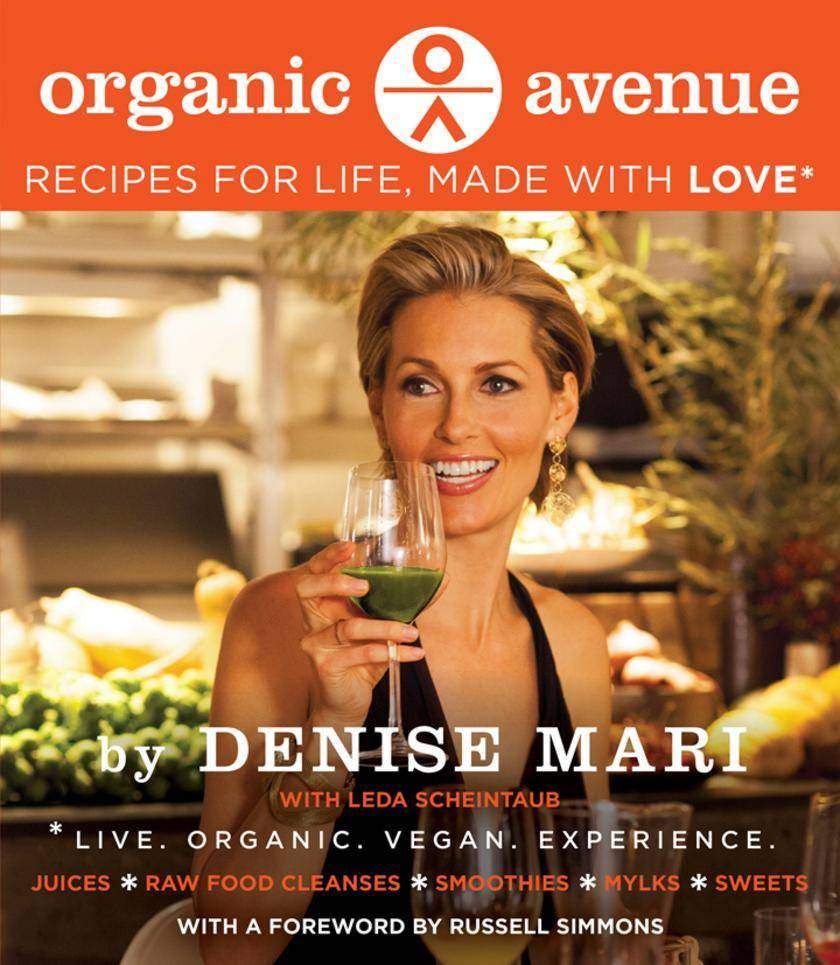
Organic Avenue
¥154.39
Feel the LOVE* *Live. Organic. Vegan. Experience.Organic Avenue founder Denise Mari went from peddling her fresh juices out of her Lower East Side, Manhattan, apartment to opening a booming business that became famous for its fabulous cleanses. Her delicious, sustainable, and compassionate food is a favorite of stars like Gwyneth Paltrow and Jennifer Aniston. Now, in this stunning book, Denise shares Organic Avenue's never-before-published recipes, including adaptable juice-cleanse programs: LOVE* Easy for beginners, LOVE* Fast for those who have cleansed before, and LOVE* Deep for "experts." All cleanses can lead to bright eyes, glowing skin, weight loss, improved stamina, positive thinking, inner calmness, and mental clarity. Enjoy the juices and elixirs, and inventive soups, smoothies, salads, entrees, snacks, and desserts—made with pure, nutrient-rich, organic, and raw ingredients—that have transformed Organic Avenue into one of today's hottest brands. Feel good and live well with DIY access to the recipes and philosophy for clean living.
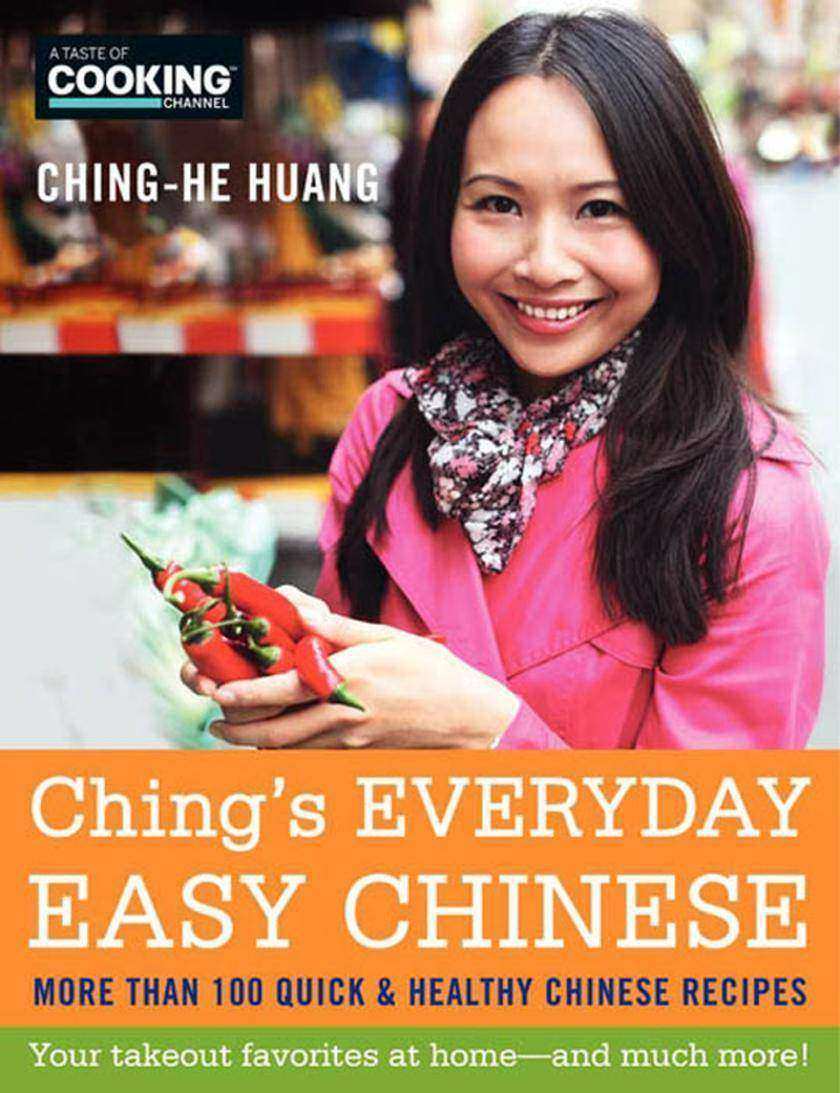
Ching's Everyday Easy Chinese
¥154.39
Enjoy fresh, simple, delicious, and satisfying Chinese food including many takeout classics without ever leaving home! With her trademark passion and deep appreciation for Chinese cooking, Cooking Channel star Ching-He Huang brings her charm and expertise to an eager audience with this outstanding cookbook. Ching fuses Chinese and Western cultures to create one hundred quick dishes full of natural ingredients and bursting with flavor. Ching Everyday Easy Chinese makes it simple for home cooks to prepare their favorite Chinese dishes faster, cheaper, and more healthfully than their local restaurant. Enjoy a diverse selection of favorite recipes for every occasion and taste, including: Traditional Hot and Sour Soup Five-Spice Salted Shrimp with Hot Cilantro Sauce Crispy Sweet Chili Beef Pancakes Kung Po Chicken Black Pepper Beef and Rainbow Vegetable Stir-Fry Singapore Noodles Egg and Asparagus Fried Rice Interspersed with entertaining personal stories and suggestions for exciting variations on classic recipes, Ching Everyday Easy Chinese takes readers on a culinary journey that delightfully blends ancient and modern, yin and yang, experimentation and intuition and ends with perfectly balanced and tantalizing fare that will inspire even the most stalwart takeout devotees.
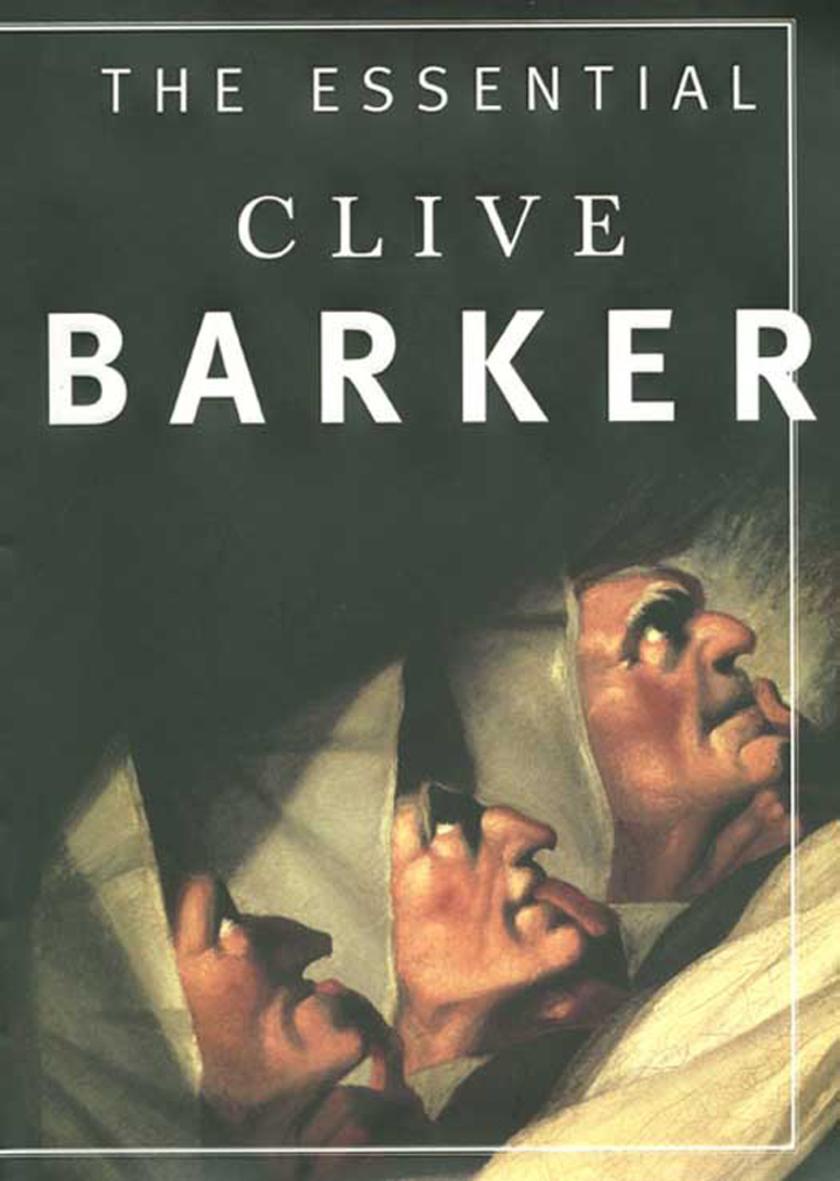
The Essential Clive Barker
¥154.39
"I wonder if the reverse is not also in some way true. That the artist is constantly working on an elaborate and fantasticated self-portrait, but at the end has drawn, unbeknownst, a picture of the world." -- Clive Barker, "Private Legends: An Introduction"Clive Barker, award-winning and New York Times bestselling author, playwright, artist, producer, director, screenwriter, and one of the world's master storytellers, writing in the haunting and moving traditions of Poe and Dickens, invites us to join him on a dazzling, wondrous journey through the worlds of his imagination and to experience visions, dreams, love, terror, heaven and hell, and revenge.As we read, we discover and explore the dream-sea Quiddity and the islands of Ephemeris; the five Dominions of the Imajica, of which the Earth is but an imperfect facet; the rapturous world woven into an ancient, threadbare carpet in a derelict house in Liverpool; Hood's Holiday House where each day contains four seasons and children's wishes may come true; the Sky Room of Galilee, where the creation of the universe may be witnessed; and the clubs and bars of San Francisco and New York, in which all manner of sexual adventures lie in wait.In these stories, the real and the miraculous are within a breath of one another, life gives way to death, and death to life; doorways open into other states of existence, and each doorway leads us back to our own dreams and fears.The Essential Clive Barker is an irresistible narrative compendium that superbly represents the impressive quality and range of Barker's fiction, spanning more than twenty years of writing. It contains more than seventy excerpts from novels and plays and four full-length short stories, all personally selected by Barker, and offers a privileged insight into a remarkable writer and his art.
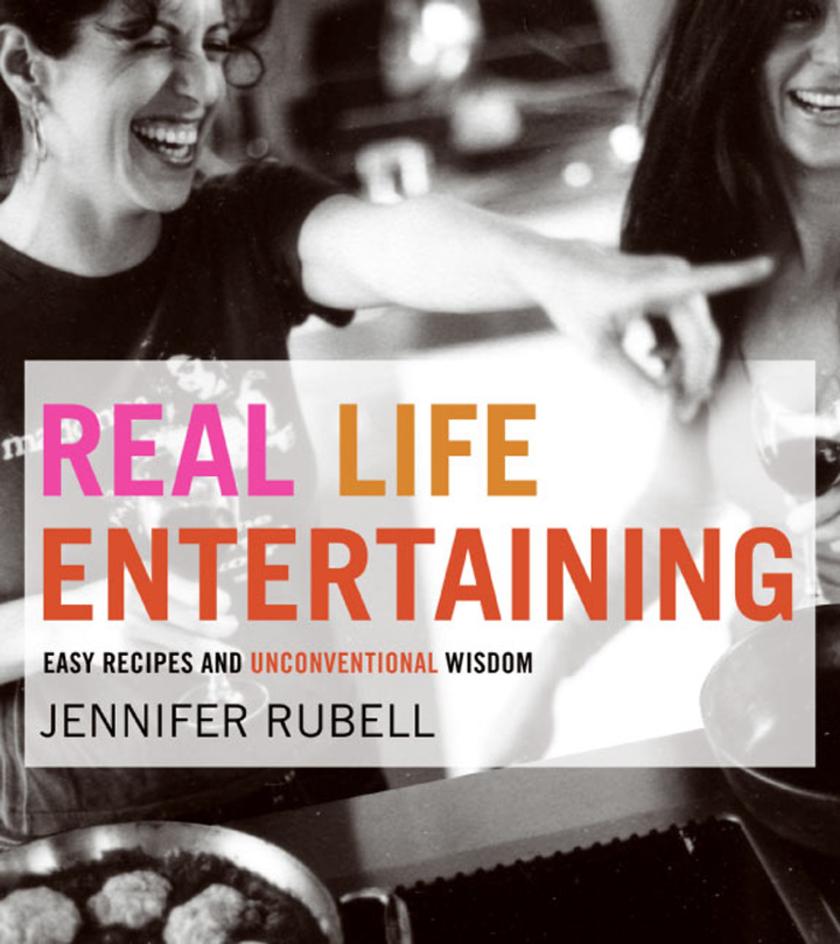
Real Life Entertaining
¥154.39
Forget the perfectly pressed linen. Forget the name cards at every guest's place. Forget the full bar, the four-course meal, and all the fussy little details that supposedly make parties divine. Who has the house, the money, or the time to throw that kind of party, anyway?In Real Life Entertaining, Jennifer Rubell offers break-the-rules entertaining ideas and quick, easy, stylish recipes for last-minute drop-in dinners, sit-down meals, brunches, buffets, and one-pot meals. Conventional wisdom says it's rude to invite someone to dinner on the same day. Jennifer's real life wisdom says it's never rude to invite guests to your home. The worst that will happen is that they'll be busy and say no. Conventional wisdom says never serve the same meal that you offered guests the last time. Jennifer says if you've got a signature dish, flaunt it!Jennifer incorporates her relaxed, lively style into a variety of festive themes, from an evening of red wine and bruschetta, to a New York-style brunch, to a one-pot meal of the easiest -- and tastiest! -- meatballs you'll ever make. The recipes are simple and the ingredients lists are short, so you can whip up party-friendly fare such as Thai Chicken Wings, Sesame-Mint Pita Chips, and Grilled Shrimp with Garlic and Citrus in mere minutes.With Jennifer's expert party tricks, plus full-color photographs throughout, Real Life Entertaining is the ultimate go-to party guide. Jennifer will show you how to get your guests to pitch in and how to make sure that you have as much fun as the people you've invited. Never again will you panic at the prospect of a party.
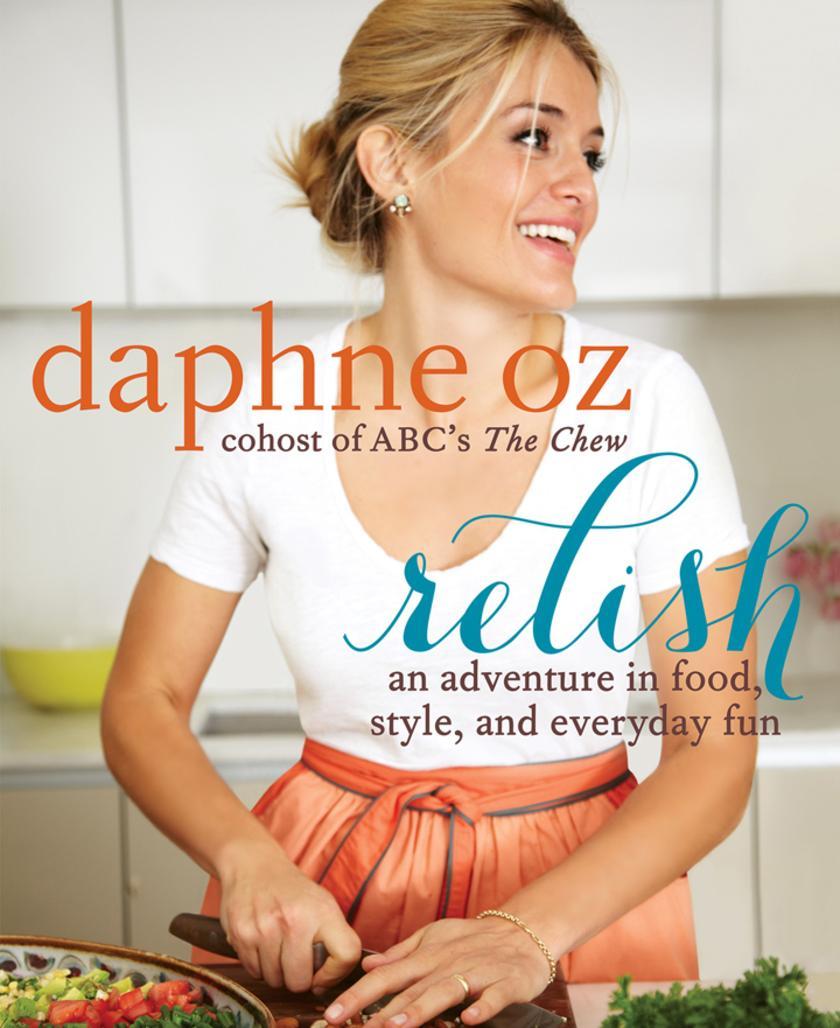
Relish
¥154.39
Dive into the relish life!Daphne Oz, cohost of ABC's hit lifestyle show The Chew, shares the concerns of women everywhere: How can I eat food that is delicious and nutritious, live in a home that feels like mine, develop my personal style, find purpose and love in my life, get out and see the world, and still have me time left overIn short, how do I start living a life worth relishing?In Relish, Daphne shares her essential and practical advice for happy, healthy eating and delicious living—perfect for everyone who wants to start leading a better life right now. Filled with beautiful food and entertaining photos, real-world decorating ideas for achievable inspiration, and lots of creative lifestyle imagery, Relish offers easy ways to fill your life with fun.Relish Food—Life should be delicious! Enjoy happy eating and stress-free entertaining with more than fifty of Daphne's favorite, fail-proof recipes—the ones she turns to again and again: Banana-Pecan Buttermilk Pancakes; Chocolate Mint Chip Smoothie; Grilled Cantaloupe and Vegetable Salad; Chile Jam Chicken; or Spaghetti with Staten Island Special (Marinara) Sauce. And save room for desserts like Strawberry Cake with Caramel Fleur de Sel Whipped Cream Frosting or Chocolate Fudge Pops. Then raise a toast with inspired, festive drinks to suit the occasion, whether it's a Grapefruit Thyme Spritz or Spiced Winter Wine.Relish Style—Life should be beautiful! Daphne makes it easy to cultivate a stylish existence at home, in your wardrobe, and in your beauty kit with expert decorating, styling, and makeup tricks that will simplify your life and help you achieve the professional look on a budget.Relish Life—Life should be full! Getting the most out of life means figuring out how to balance navigating your career, relationships, and playtime with vision and joy. Sharing from her personal experience, Daphne offers simple strategies to help you work smart, play hard, skip town, and enjoy the ride!With Daphne, the goal is not perfection—it is to keep reaching and maximizing the moment. Relish will inspire you to improve every area of your life by making the process easy, inviting, and, above all, fun!
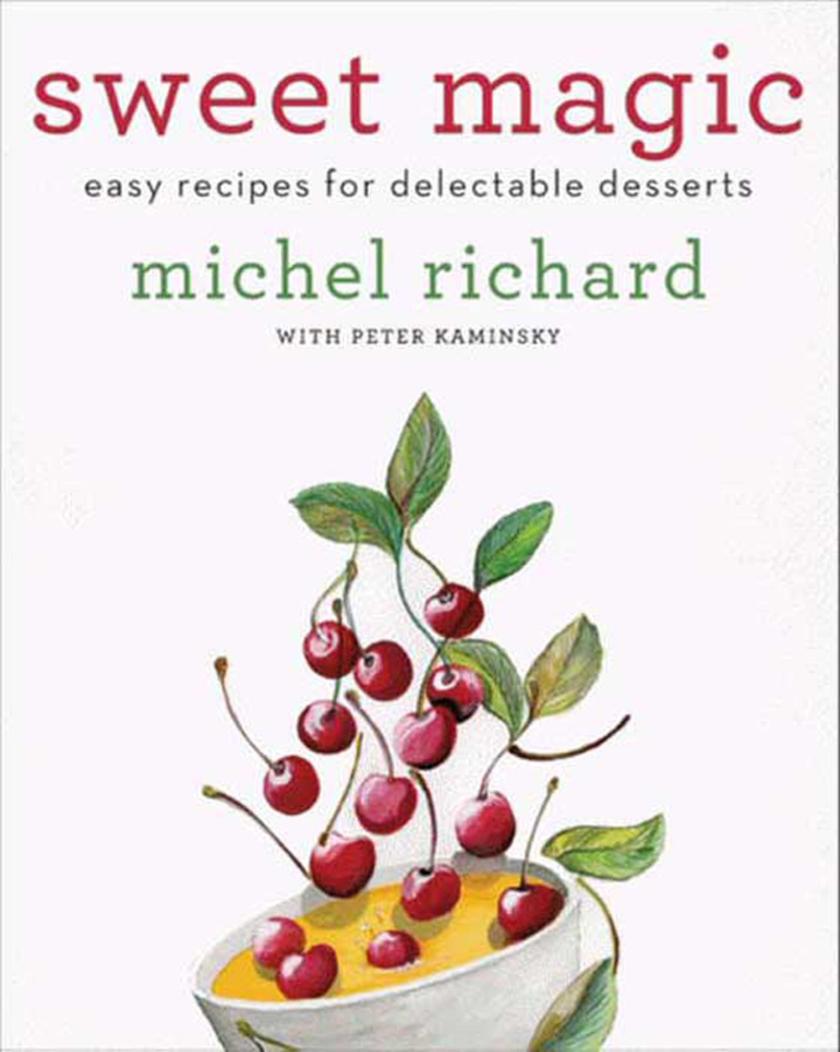
Sweet Magic
¥154.39
Long before award-winning chef Michel Richardmade his first c?te de boeuf or prepared hisfirst foie gras terrine, he was a pastry chef. InLos Angeles, pastry lovers lined up outside his bakeshopon Wilshire Boulevard, waiting to enjoy the breadsand treats they’d heard were the best in town, maybeeven better than anything in Paris. Now, in this outstandingcollection, the superstar chef returns to hisfirst love, the food that made him famous—desserts.Here are mouthwatering, foolproof recipes forAmerican favorites such as pecan pie and poundcake; Richard’s personal inventions, such as FloatingIslands with Melted Chocolate Morsels and the "coffeecloud"; reinvented French classics, such as profiterolesand the Christmas log (b?che de No?l); fruitfavorites, including tarts and Pavlovas; and, of course,plenty of cookies.Going beyond traditional cookbooks, Sweet Magicshares Richard’s insights into the thinking and craftbehind every aspect of dessert, with brief essaysthat explore, explain, and entice—highlighted by thechef’s own playful illustrations.Creating exquisite dishes with only a few simpleingredients—butter, eggs, sugar, flour, chocolate—demands the instincts of an artist and the soul of amagician. Sweet Magic will unlock the inner dessertwizard in every home chef, guiding both newcomersand old hands past common missteps, to seduce themost flavor and texture from every ingredient.
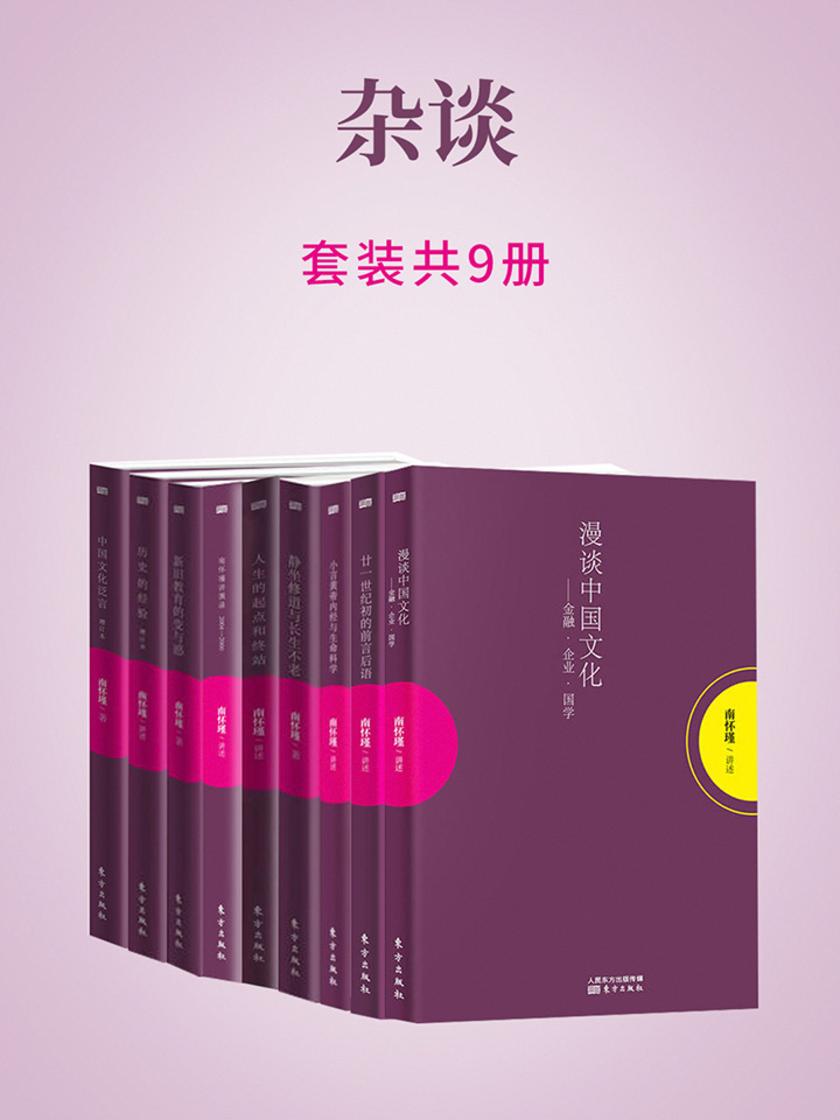
杂谈(南怀瑾独家授权定本种子书)
¥154.20
汇集了南怀瑾先生关于历史、教育、生命科学、文化等方面的杂谈、漫谈。南先生除了对儒佛道三学钻研精深,亦兼通诸子百家、诗词曲赋、天文历法、医学养生等,对中国文化中的诸多问题都有深刻体认。本套书虽多“杂谈”,但这只是方便的说法,其实随处可见南先生的博闻强记和人生智慧。
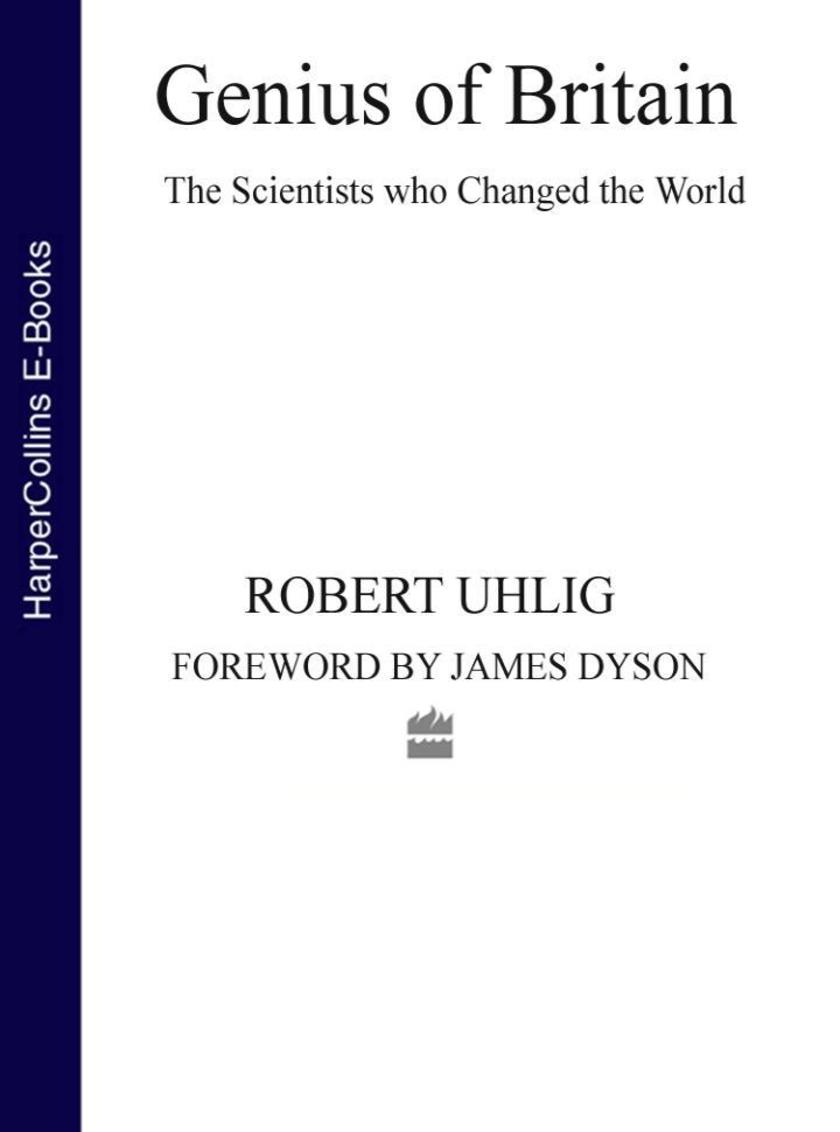
Genius of Britain (Text Only)
¥154.12
It’s one of the fundamental things that makes us human: wondering why the world is the way it is. For some of us, it is enough merely to wonder. For most, basic explanations of why and how we came to be here satisfy a casual curiosity. But for a special few – the British geniuses featured in this book – entire lives are dominated by posing questions that no one has asked before, and then finding the answers.That’s what this book is about: the lives and achievements of the Britons who discovered and decoded the mysteries of the universe. Men and women who changed our perception of ourselves and of our surroundings from a belief in mystical superstitions to rational understandings of our existence. Household names such as Isaac Newton, Charles Darwin and Michael Faraday, but also lesser-known geniuses such as J.J. Thompson, John Hunter and Fred Hoyle.This history of British science and its scientists begins in the late seventh century, when Vikings were overrunning the last vestiges of Roman culture. Only a few monks in the north-east of England were keeping scientific enquiry alive by studying and translating classical Greek and Roman philosophical works of nature, medicine, astronomy and arithmetic. But in this tiny pocket of philosophical learning the course was being set for the unimaginably rich and fascinating journeys of scientific exploration that continue to this day.
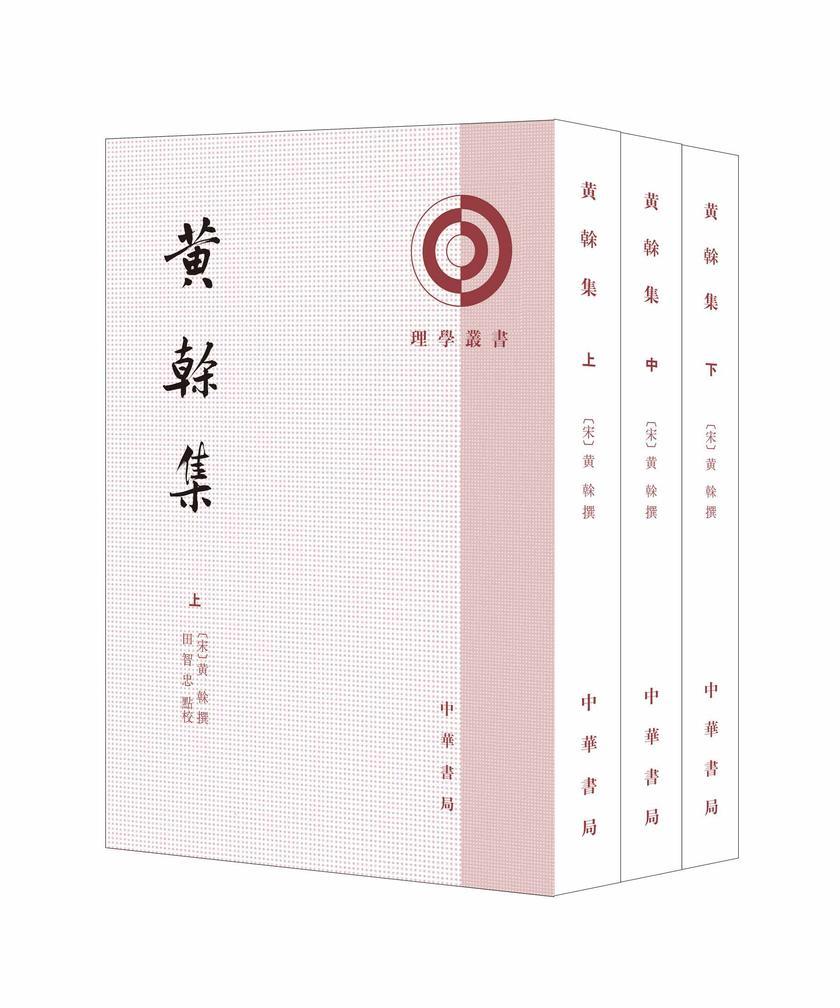
黄榦集--理学丛书【试读本】
免费
《黄榦集》是对南宋著名理学家、朱熹女婿兼弟子黄榦著作的汇编点校,包括《文集》四十卷、《语录》二卷、《年谱》一卷、《附集》一卷,以及佚文和附录,涵盖诗歌、书信、题跋、婚书、祝文、奏文、讲义、经说、策问、公劄、公状、行状、志铭、祭文、杂著、判语等众多类型的作品。 本次整理,《文集》、《语录》、《年谱》、《附集》以元延祐二年重修本《勉斋先生黄文肃公文集》为底本,以傅增湘校本、《四库全书》本、《全宋文》等为参校本。佚文辑录汇总了历代文献所引用的但不见于黄榦文集的黄榦著作,附录则汇编了后人提及黄榦的一些重要材料和朝鲜王朝时期部分学者对黄榦思想的学术性讨论等,极为珍贵。本书是一部有关黄榦文集的*、深度的整理著作。
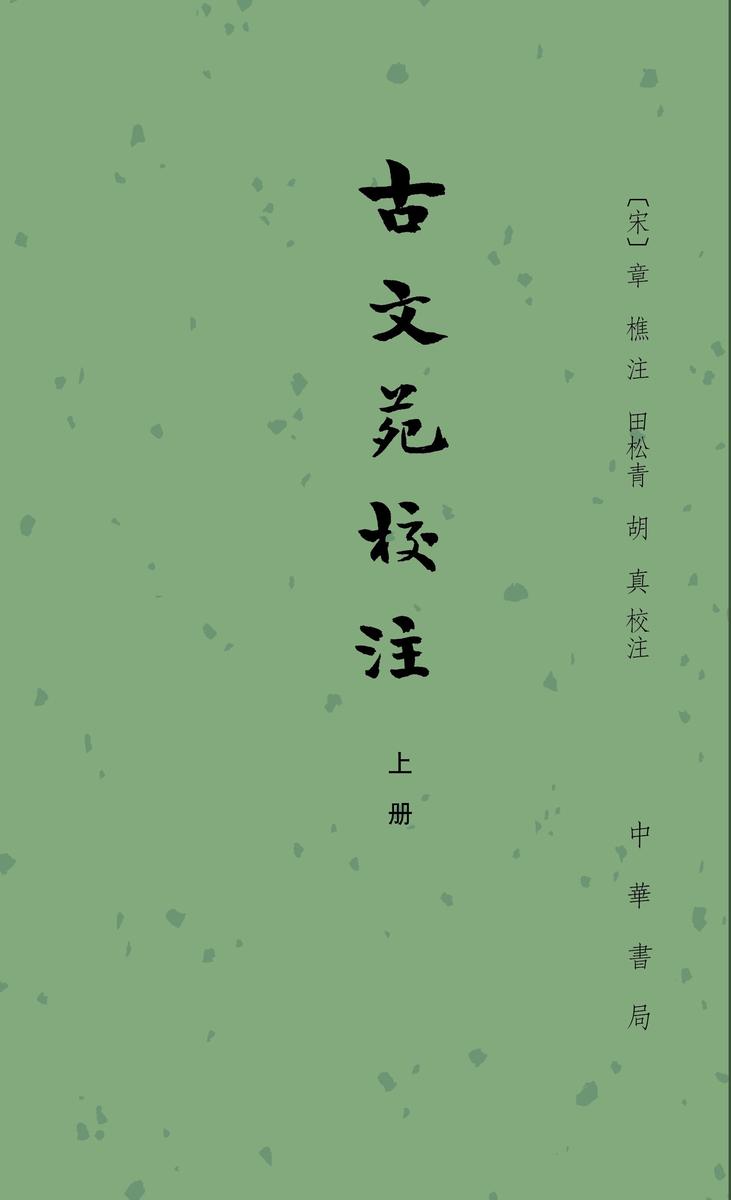
古文苑校注【试读本】
免费
《古文苑》是一部通代诗文选集,体例类似《昭明文选》,所选篇目的时代也为唐前,而二者内容却基本上没有重复,故《古文苑》可视为《昭明文选》的续编、补编,具有重要的文献价值。该书至今尚无整理本供读者使用。田松青、胡真二先生今以宋端平三年常州军刻淳祐六年盛如杞重修本《古文苑》为底本,以淳熙六年婺州韩元吉刻本、成化十八年张世用刻本、《岱南阁丛书》本、《守山阁丛书》本为校本,兼取多种古籍为参校本,进行深度整理。一方面对《古文苑》的文字进行校订标点,一方面对章樵注进行了*深入的梳理,并做了严整的补注工作。


