


 购物车
购物车 个人中心
个人中心
Meteor: Full-Stack Web Application Development
¥152.59
Learn how to create mobile and full-stack web applications in JavaScript by getting a deeper insight into Meteor About This Book This step-by-step tutorial will show you how to build fast, complex web applications Over 65 hands-on recipes help you build and deploy elegant web applications Optimize your web application for production use Who This Book Is For If you are a web developer who is familiar with Meteor and has basic knowledge of web development, and you now want to explore new paradigms of single-page, real-time applications, this course is perfectly suited for you. What You Will Learn Secure your site with Meteor best practices Create reactive templates that update themselves when data changes Add routing to a single-page application and make it appear like a real website Make your own Meteor packages and see how to make them public Rapidly build robust, responsive user interfaces Publish your own reusable custom packages Optimize your site for load speed with advanced publishers and subscribers Master the intricacies of front-end development using Jeet, Bootstrap, CSS animations, and more Leverage the aggregation framework to produce results with big data Optimize your site for search engine visibility In Detail Meteor is best JavaScript development platform and is packed with collections of libraries and packages bound together in a tidy way to take care of everything from development to production, making your web development easier. This course follows a learning path divided into three modules. Each module is a mini course in its own right, taking your knowledge to a new level as you progress. The first module takes you from the installation of Meteor to building a fully working web blog (including back end) to create and edit posts. Your path will begin with the basic concepts and folder structure of a Meteor project, learning how Meteor templates work to test packages, and seeing the application itself. The second module is a cookbook that starts with simple recipes designed for quick reference, and culminating advanced recipes that walk you through building and deploying a complete application. The cookbook covers all the major areas of Meteor development, including lesser-known and undocumented features too. With all the important concepts covered in the previous modules, the third module will get you equipped with simple solutions to boost your development skills. You’ll learn about mapping of real-world data and optimizing it, how to optimize and secure web applications and how to deploy and maintain it without breaking its features. Throughout the module, you will put your skills into practice and build an online shop from scratch. This Learning Path combines some of the best that Packt has to offer in one complete, curated package. It includes content from the following Packt products: Building Single-page Web Apps with Meteor, Fabian Vogelsteller Meteor Cookbook, Isaac Strack Meteor Design Patterns, Marcelo Reyna Style and approach This practical handbook has a step-by-step approach to help you improve your developer skills and efficiently built web applications using Meteor.
Puppet: Mastering Infrastructure Automation
¥152.59
Start pulling the strings of your IT infrastructure effectively with Puppet – learn how to configure, customize and manage your systems more intelligently in an enterprise deployment. About This Book ? Step-by-step instructions to jump start your Puppet deployment and automate your IT configurations ? Design, implement, and deploy Puppet in your infrastructure and tackle everyday IT infrastructure challenges ? Gain expert understanding of Puppet's latest and most advanced features Who This Book Is For If you're an experienced IT professional and a new Puppet user, this course will provide you with all you need to know to go from installation to advanced automation. What You Will Learn ? Write and employ individual Puppet manifests ? Understand how Puppet implements system abstraction ? Use Puppet to manage network, cloud, and virtualization devices ? Manage and test the Puppet code workflow ? Tweak, hack, and adapt the Puppet extension points ? Use exported resources to orchestrate change between machines ? Debug a puppetserver using Java techniques In Detail Puppet is a configuration management tool that allows you to automate all your IT configurations, giving you control. It was written for and by system administrators to manage large numbers of systems efficiently and prevent configuration drifts. Puppet gives you control of what you do to each node, when you do it, and how you do it.This Learning Path will take you from the basics of Puppet to extending it and then mastering it. We will start off with a primer on Puppet, its installation and get a sneak peek under its hood. We will then move on to designing and deploying your Puppet architecture, learning best practices for writing reusable and maintainable code, and executing, testing, and deploying Puppet across your systems. Finally, we will deal with problems of scale and exceptions in your code, automate workflows, and support multiple developers working simultaneously.This course is based on the following books: 1. Puppet 4 Essentials - Second Edition 2. Extending Puppet - Second Edition 3. Mastering Puppet - Second Edition Style and approach This learning path follows a practical approach, starting from the basic commands to advanced aspects. Through a series of examples you will learn the most important skills essential to manage your IT infrastructure effectively.
Go: Building Web Applications
¥152.59
Build real-world, production-ready solutions by harnessing the powerful features of Go About This Book An easy-to-follow guide that provides everything a developer needs to know to build end-to-end web applications in Go Write interesting and clever, but simple code, and learn skills and techniques that are directly transferable to your own projects A practical approach to utilize application scaffolding to design highly scalable programs that are deeply rooted in go routines and channels Who This Book Is For This book is intended for developers who are new to Go, but have previous experience of building web applications and APIs. What You Will Learn Build a fully featured REST API to enable client-side single page apps Utilize TLS to build reliable and secure sites Learn to apply the nuances of the Go language to implement a wide range of start-up quality projects Create websites and data services capable of massive scale using Go's net/http package, exploring RESTful patterns as well as low-latency WebSocket APIs Interact with a variety of remote web services to consume capabilities ranging from authentication and authorization to a fully functioning thesaurus Explore the core syntaxes and language features that enable concurrency in Go Understand when and where to use concurrency to keep data consistent and applications non-blocking, responsive, and reliable Utilize advanced concurrency patterns and best practices to stay low-level without compromising the simplicity of Go itself In Detail Go is an open source programming language that makes it easy to build simple, reliable, and efficient software. It is a statically typed language with syntax loosely derived from that of C, adding garbage collection, type safety, some dynamic-typing capabilities, additional built-in types such as variable-length arrays and key-value maps, and a large standard library. This course starts with a walkthrough of the topics most critical to anyone building a new web application. Whether it’s keeping your application secure, connecting to your database, enabling token-based authentication, or utilizing logic-less templates, this course has you covered. Scale, performance, and high availability lie at the heart of the projects, and the lessons learned throughout this course will arm you with everything you need to build world-class solutions. It will also take you through the history of concurrency, how Go utilizes it, how Go differs from other languages, and the features and structures of Go's concurrency core. It will make you feel comfortable designing a safe, data-consistent, and high-performance concurrent application in Go. This course is an invaluable resource to help you understand Go's powerful features to build simple, reliable, secure, and efficient web applications. Style and approach This course is a step-by-step guide, which starts off with the basics of go programming to build web applications and will gradually move on to cover intermediate and advanced topics. You will be going through this smooth transition by building interesting projects along with the authors, discussing significant options, and decisions at each stage, while keeping the programs lean, uncluttered, and as simple as possible.
Learning DevOps: Continuously Deliver Better Software
¥152.59
Learn to use some of the most exciting and powerful tools to deliver world-class quality software with continuous delivery and DevOps About This Book Get to know the background of DevOps so you understand the collaboration between different aspects of an IT organization and a software developer Deploy top-quality software and ensure software maintenance and release management with this practical guide This course covers some of the most exciting technology available to DevOps engineers, and demonstrates multiple techniques for using them Real-world and realistic examples are provided to help you as you go about the implementation and adoption of continuous delivery and DevOps Who This Book Is For This course is for developers who want to understand how the infrastructure that builds today's enterprises works, and how to painlessly and regularly ship quality software. What You Will Learn Set up and familiarize yourself with all the tools you need to be efficient with DevOps Design an application that is suitable for continuous deployment systems with DevOps in mind Test the code using automated regression testing with Jenkins Selenium Managing the lifecycle of hosts, from creation to ongoing management using Puppet Razor Find out how to manage, use, and work with Code in the Git version management system See what traps, pitfalls, and hurdles to look out for as you implement continuous delivery and DevOps In Detail Harness the power of DevOps to boost your skill set and make your IT organization perform better. If you’re keen to employ DevOps techniques to better your software development, this course contains all you need to overcome the day-to-day complications of managing complex infrastructures the DevOps way. Start with your first module – Practical DevOps - that encompasses the entire flow from code from testing to production. Get a solid ground-level knowledge of how to monitor code for any anomalies, perform code testing, and make sure the code is running smoothly through a series of real-world exercise, and develop practical skills by creating a sample enterprise Java application. In the second module, run through a series of tailored mini-tutorials designed to give you a complete understanding of every DevOps automation technique. Create real change in the way you deliver your projects by utilizing some of the most commendable software available today. Go from your first steps of managing code in Git to configuration management in Puppet, monitoring using Sensu, and more. In the final module, get to grips with the continuous delivery techniques that will help you reduce the time and effort that goes into the delivery and support of software. This Learning Path combines some of the best that Packt has to offer in one complete, curated package. It includes content from the following Packt products: Practical DevOps by Joakim Verona DevOps Automation Cookbook by Michael Duffy Continuous Delivery and DevOps : A Quickstart Guide - Second Edition by Paul Swartout Style and approach This course is an easy to follow project based guide for all those with a keen interest in deploying world-class software using some of the most effective and remarkable technologies available.
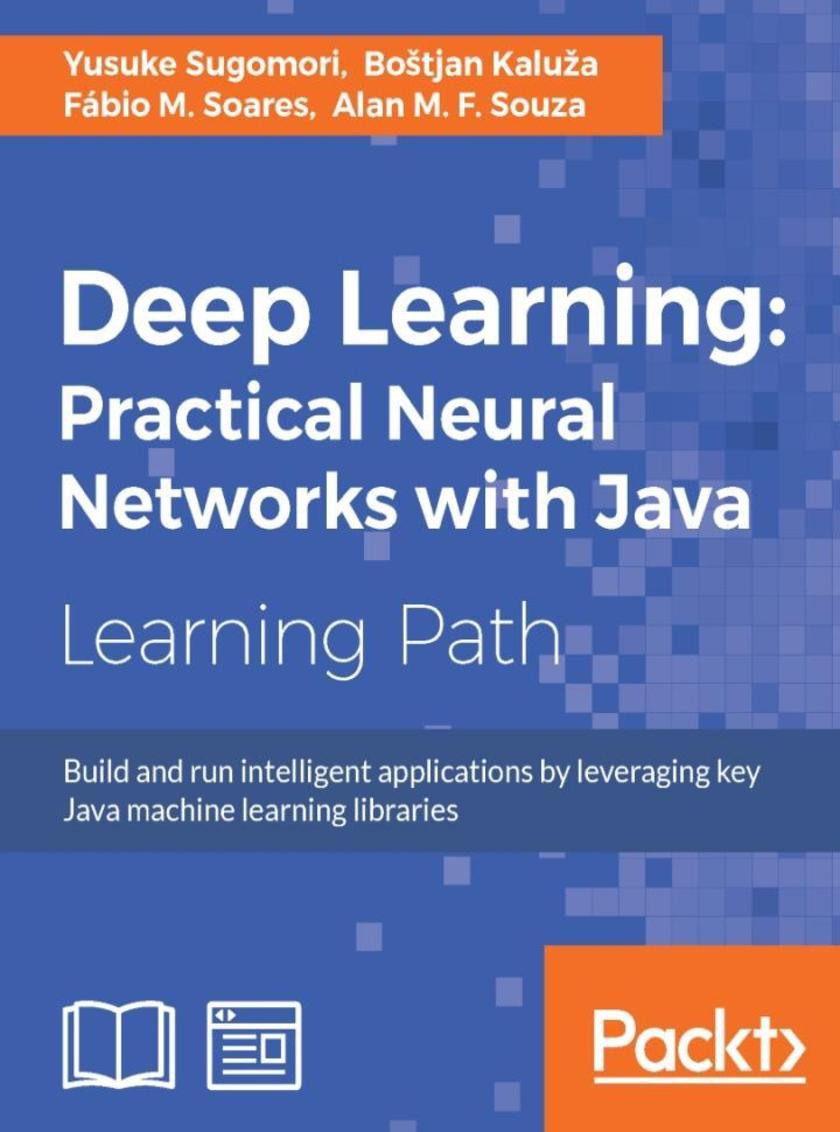
Deep Learning: Practical Neural Networks with Java
¥152.59
Build and run intelligent applications by leveraging key Java machine learning libraries About This Book ? Develop a sound strategy to solve predictive modelling problems using the most popular machine learning Java libraries. ? Explore a broad variety of data processing, machine learning, and natural language processing through diagrams, source code, and real-world applications ? This step-by-step guide will help you solve real-world problems and links neural network theory to their application Who This Book Is For This course is intended for data scientists and Java developers who want to dive into the exciting world of deep learning. It will get you up and running quickly and provide you with the skills you need to successfully create, customize, and deploy machine learning applications in real life. What You Will Learn ? Get a practical deep dive into machine learning and deep learning algorithms ? Explore neural networks using some of the most popular Deep Learning frameworks ? Dive into Deep Belief Nets and Stacked Denoising Autoencoders algorithms ? Apply machine learning to fraud, anomaly, and outlier detection ? Experiment with deep learning concepts, algorithms, and the toolbox for deep learning ? Select and split data sets into training, test, and validation, and explore validation strategies ? Apply the code generated in practical examples, including weather forecasting and pattern recognition In Detail Machine learning applications are everywhere, from self-driving cars, spam detection, document search, and trading strategies, to speech recognitionStarting with an introduction to basic machine learning algorithms, this course takes you further into this vital world of stunning predictive insights and remarkable machine intelligence. This course helps you solve challenging problems in image processing, speech recognition, language modeling. You will discover how to detect anomalies and fraud, and ways to perform activity recognition, image recognition, and text. You will also work with examples such as weather forecasting, disease diagnosis, customer profiling, generalization, extreme machine learning and more. By the end of this course, you will have all the knowledge you need to perform deep learning on your system with varying complexity levels, to apply them to your daily work. The course provides you with highly practical content explaining deep learning with Java, from the following Packt books: 1. Java Deep Learning Essentials 2. Machine Learning in Java 3. Neural Network Programming with Java, Second Edition Style and approach This course aims to create a smooth learning path that will teach you how to effectively use deep learning with Java with other de facto components to get the most out of it. Through this comprehensive course, you’ll learn the basics of predictive modelling and progress to solve real-world problems and links neural network theory to their application
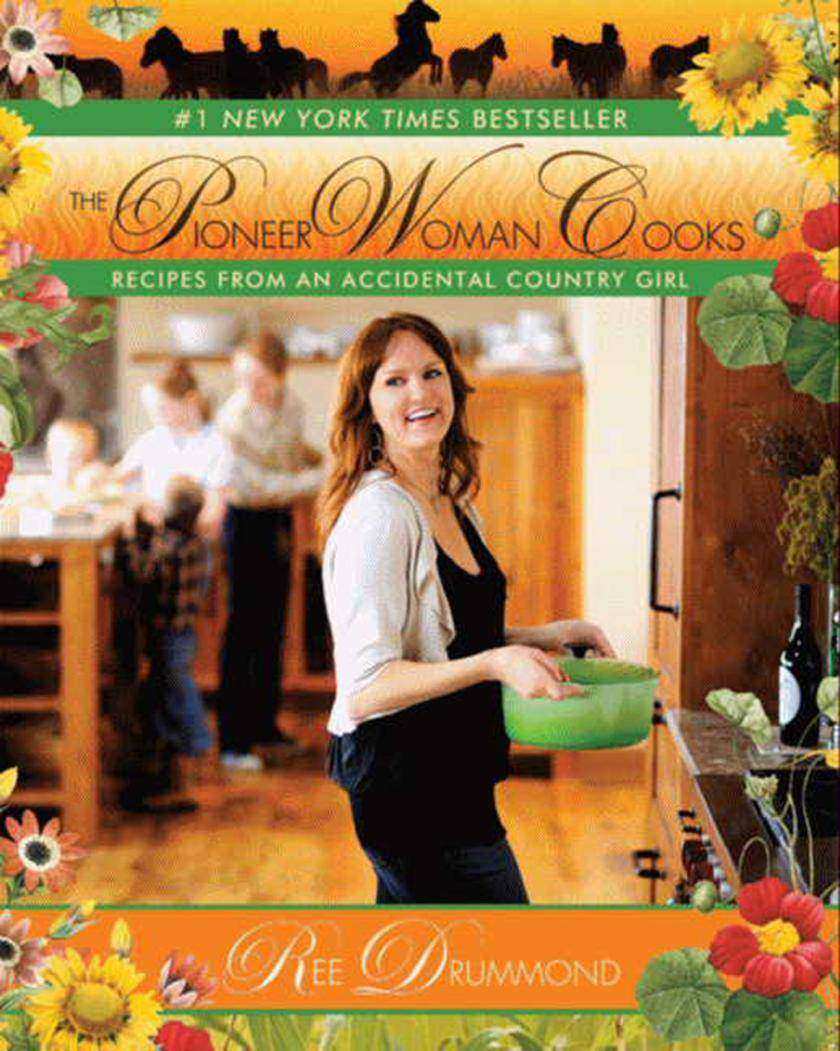
The Pioneer Woman Cooks
¥152.31
My name is Ree. Some folks know me as The Pioneer Woman. After years of living in Los Angeles, I made a pit stop in my hometown in Oklahoma on the way to a new, exciting life in Chicago. It was during my stay at home that I met Marlboro Man, a mysterious cowboy with steely blue eyes and a muscular, work-honed body. A strict vegetarian, I fell hard and fast, and before I knew it we were married and living on his ranch in the middle of nowhere, taking care of animals, and managing a brood of four young children. I had no idea how I'd wound up there, but I knew it was exactly where I belonged.The Pioneer Woman Cooks is a homespun collection of photography, rural stories, and scrumptious recipes that have defined my experience in the country. I share many of the delicious cowboy-tested recipes I've learned to make during my years as an accidental ranch wife—including Rib-Eye Steak with Whiskey Cream Sauce, Lasagna, Fried Chicken, Patsy's Blackberry Cobbler, and Cinnamon Rolls—not to mention several "cowgirl-friendly" dishes, such as Sherried Tomato Soup, Olive Cheese Bread, and Crème Br?lée. I show my recipes in full color, step-by-step detail, so it's as easy as pie to follow along.You'll also find colorful images of rural life: cows, horses, country kids, and plenty of chaps-wearing cowboys.I hope you get a kick out of this book of mine. I hope it makes you smile. I hope the recipes bring you recognition, accolades, and marriage proposals. And I hope it encourages even the most harried urban cook to slow down, relish the joys of family, nature, and great food, and enjoy life.
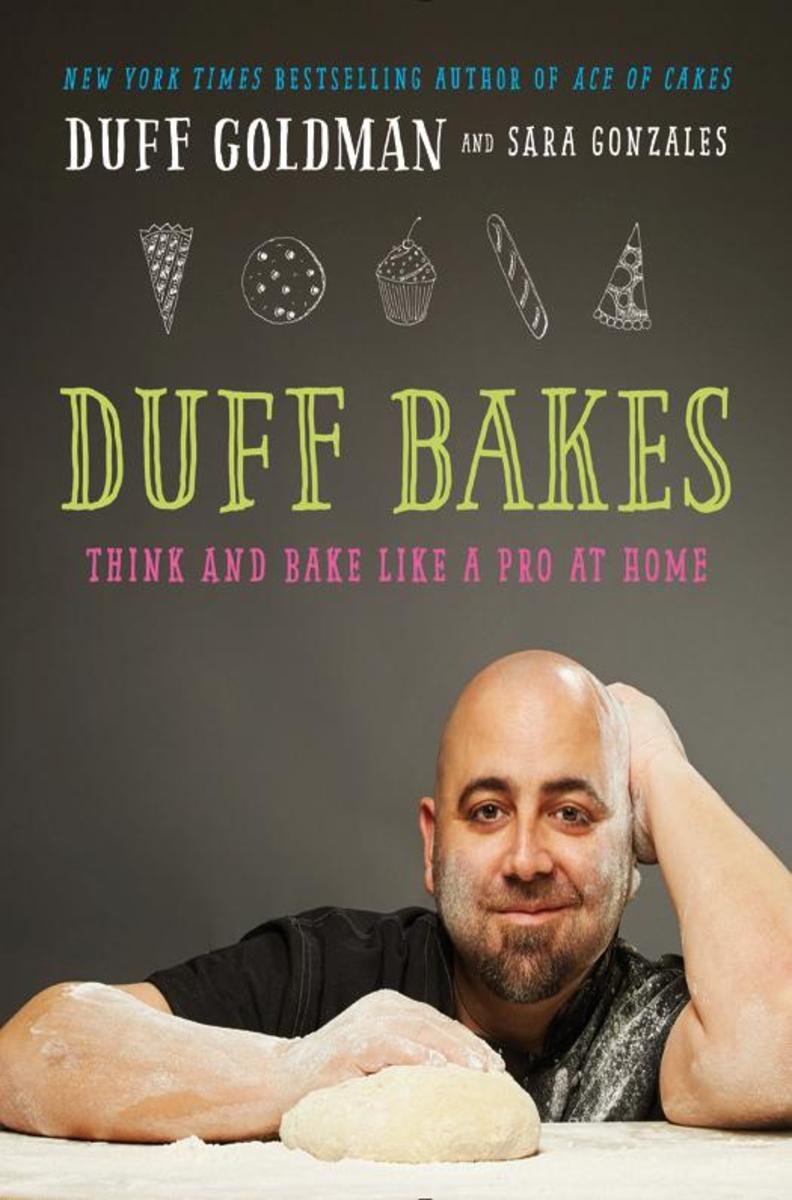
Duff Bakes
¥152.31
An inviting, down-to-earth, full-color baking book filled with 130 recipes for irresistible must-bake favorites, from cakes to cookies to brownies to muffins to breads, from the New York Times bestselling star of Food Network’s hit series Ace of Cakes and owner of Charm City Cakes and Duff’s Cake Mix.Duff Goldman may dazzle fans with his breathtaking cake decorating, but behind the rigged-up gravity-defying cakes and fancy fondant is a true pastry chef who understands the fundamentals of making incredibly delicious baked goods at home.In Duff Bakes, he truly gives home bakers the down-to-earth essentials they need for creating mouthwatering favorites. Inside you’ll find the perfect muffin recipe to eat straight while waiting for your morning bus, an easy pizza dough recipe for a quick weeknight dinner, and cookie recipes for every occasion. Filled with Duff’s engaging earthiness and hilarious personality, Duff Bakes includes chapters on different types of pastry dough, a variety of cookies, brownies, muffins, bread, biscuits, pies, cakes and cake decorating, gluten-free and vegan desserts, and much more.Duff provides 130 recipes for a diverse range of goodies, including nutter butter cookies, white chocolate blondies, apple streusel muffins, cereal bars, bacon jalapeno biscuits, banana bourbon cream pie, zucchini lemon cake, and savory bread pudding. Here are a few classics as well, like a re-make of the childhood favorite, Twinkies. Duff Bakes will help both novices and seasoned bakers master the best, most delicious home baked goods, build on their baking successes, hone their skills, and understand the science behind the fundamentals of baking.
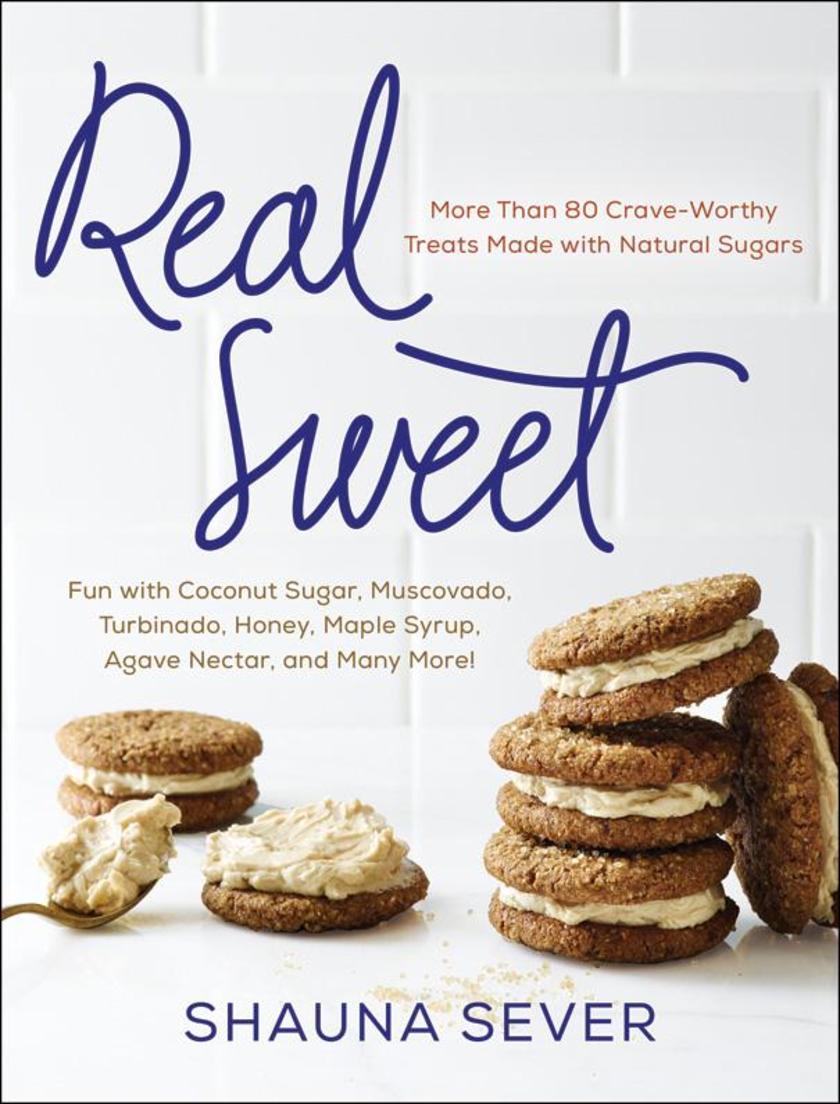
Real Sweet
¥152.31
Fall in love with the magic of natural sugars!From honey and pure maple syrup to smoky muscovado, exotic coconut sugar, and more, there's a world of white-sugar alternatives just waiting to add mind-blowing flavor to your home baking. Real Sweet is the first naturally sweet baking book that's more "hip" than "hippie"—chockablock with eighty-plus recipes ranging from family-friendly favorites to dinner-party showstoppers. This irresistible collection includes Breakfast Cookies; Dark, Fudgy Muscovado Brownies; Raw Sugar and Mascarpone Caramels; and Maple Cream, Chocolate, and Walnut Tart—all without a speck of refined white sugar!Cookbook author and blogger Shauna Sever brings her fresh, modern, and charmingly funny style to this natural-sugars primer, along with tricks for converting your favorite white-sugar recipes, making Real Sweet the go-to inspiration source for the exciting range of natural and unrefined sugars and sweeteners on the market today.

Emma évszázada
¥152.06
Emma évszázada
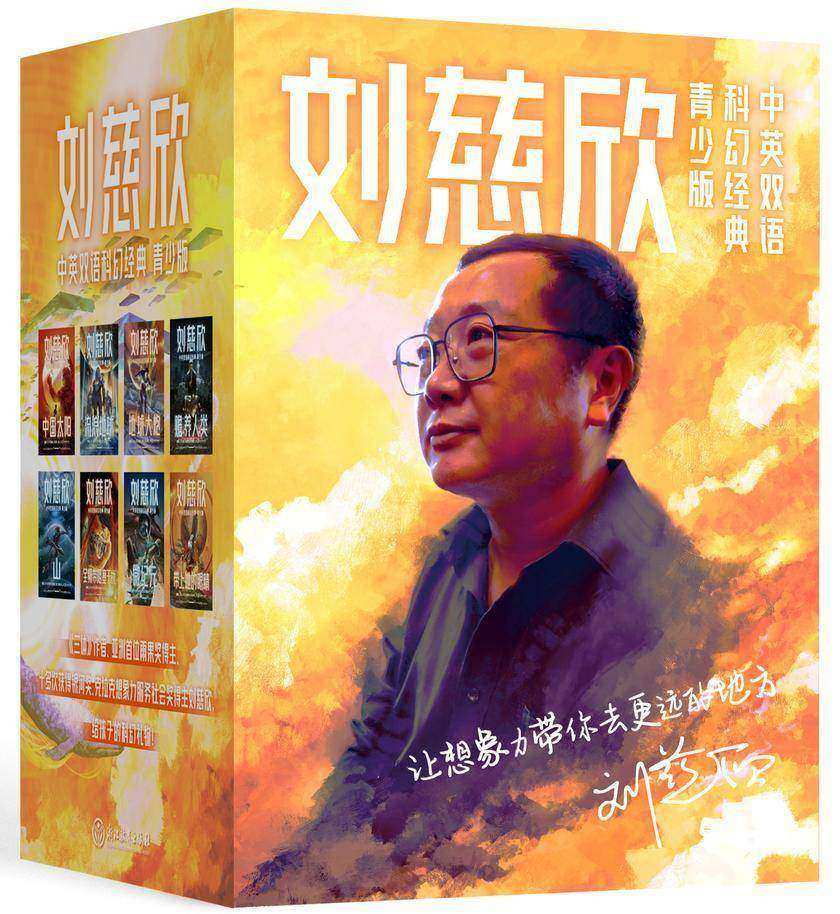
刘慈欣中英双语科幻经典青少版(1-8)
¥152.00
精选21部刘慈欣代表性、获奖众多的科幻经典作品!读刘慈欣原汁原味的科幻小说,畅游中国科幻人宏大的幻想世界!刘慈欣的作品主题深邃,情节曲折,情感充沛,感染力强,结合现实,从科幻小说中阐发对现代科技甚至未来科技的思考和探索。知名科幻画家、华语科幻星云奖、银河奖美术奖获得者鲨鱼丹倾情创作全套封面,高端设计,给孩子好的科幻礼物!

宁航一:密室杀人小说集(全5册)
¥151.99
死者已经出现,凶手就在我们中间,噩梦,开始了…… 这是一场考验智慧和勇气的游戏,获胜者将赢得巨大的利益和生存的权利,而违反游戏规则的人,将接受以死亡为代价的惩罚。 14个悬疑小说作家被离奇地“邀请”到一个神秘的场所,诡异莫名、恐怖骇人的事件接二连三地发生在他们身上。身为悬疑推理小说家的他们也无法解释,死亡的威胁无时无刻不在笼罩着他们。当人数日趋减少的时候,人们终于发现了一个惊人的“规律”和秘密…… “死亡游戏”已经开始,隐藏在他们身边的“主办者”是谁?TA究竟有何目的?14天之后,剩下的人能够活着出去吗?谜底将在很后一刻揭开…… 让人头皮发麻的诡异事件,欲罢不能的游戏!请记住,从翻开本书的页起,你,就是游戏的参与者!
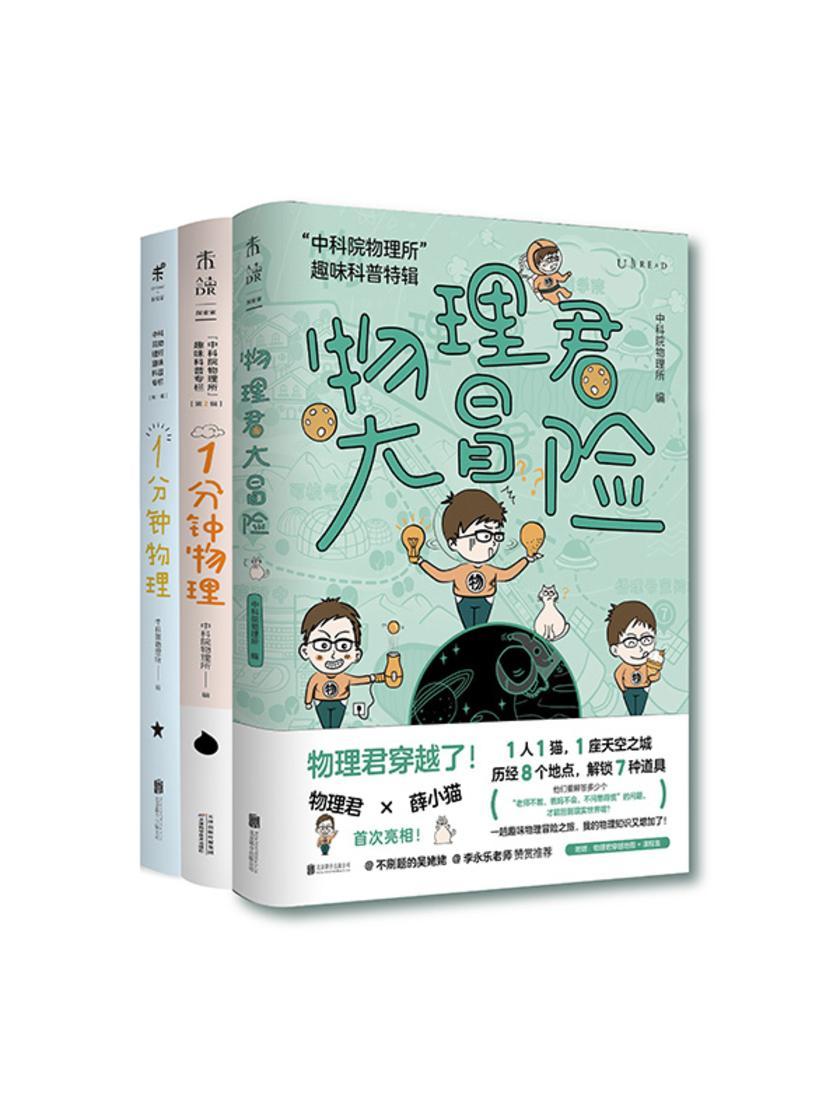
中科院物理所趣味科普三部曲(套装共3册)
¥151.80
《1分钟物理(第1辑)》 你是否有一些念念不忘,却又不知道该问谁的问题? 在这本精彩的科普问答集里,你将看到“物理君”如何机智解答 238 个来自网友的脑洞趣题,每1分钟,你都能 get 1 个新的知识点,体验科学带来的乐趣。 《1分钟物理(第2辑)》 本辑内容由之前的5个主题升级为10大版块,涵盖声、光、电、热、宇宙、自然、脑洞等方方面面,不论喜欢还是痛恨、向往还是害怕物理的你都能get到属于你的知识点。 《物理君大冒险》 “物理君”深夜做完实验,路过M楼时,突然听到井盖处有小猫的叫声,循声过去却被一股神秘力量拉进了井中……醒来后,物理君发现自己穿越到一座悬浮在太空的岛上,他必须经过岛上的8个地点、8道关卡,到达悟理学院才能找到回现实世界的方法。他将碰到哪些难题呢…… 中科院物理所趣味科普书又出大招,这次“物理君”形象亲自来到台前,通过更好玩的故事和更丰富的插图,把“老师不教、爸妈不会、不问憋得慌”的问题融入穿越情节中。书中包含了在家里、路上、餐桌上、学校里、电子产品里、天气里等生活场景中可能遇到的200多个问题。通过一趟趣味物理冒险之旅,你的物理知识又会增加了!
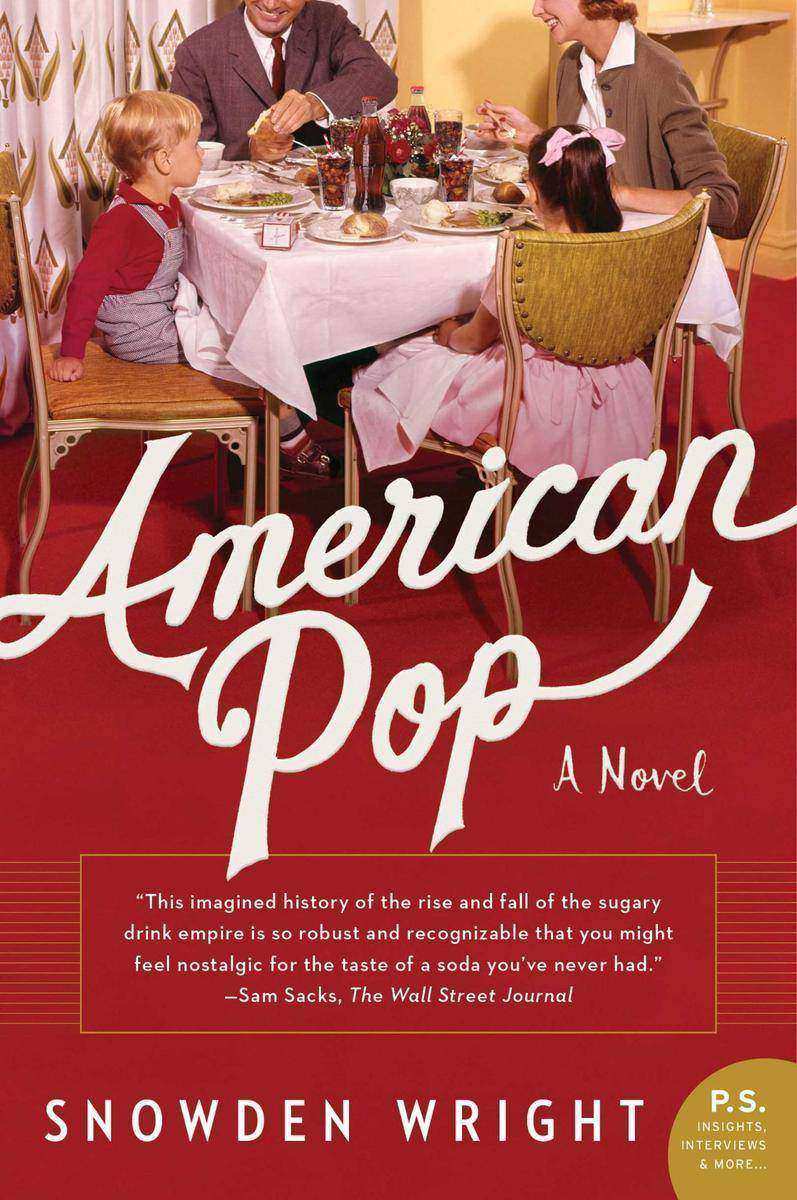
American Pop:A Novel
¥151.74
AN NPR BEST BOOK OF THE YEAR “Mr. Wright’s imagined history of the rise and fall of the sugary drink empire is so robust and recognizable that you might feel nostalgic for the taste of a soda you’ve never had.” – Sam Sacks, The Wall Street Journal NAMED A MOST ANTICIPATED BOOK BY Parade • Cosmopolitan • Town & Country • AARP • InStyle • Garden & Gun • Vol. 1 BrooklynThe story of a family.The story of an empire. The story of a nation.Moving from Mississippi to Paris to New York and back again, a saga of family, ambition, passion, and tragedy that brings to life one unforgettable Southern dynasty—the Forsters, founders of the world’s first major soft-drink company—against the backdrop of more than a century of American cultural history. The child of immigrants, Houghton Forster has always wanted more—from his time as a young boy in Mississippi, working twelve-hour days at his father’s drugstore; to the moment he first laid eyes on his future wife, Annabelle Teague, a true Southern belle of aristocratic lineage; to his invention of the delicious fizzy drink that would transform him from tiller boy into the founder of an empire, the Panola Cola Company, and entice a youthful, enterprising nation entering a hopeful new age.Now the heads of a preeminent American family spoken about in the same breath as the Hearsts and the Rockefellers, Houghton and Annabelle raise their four children with the expectation they’ll one day become world leaders. The burden of greatness falls early on eldest son Montgomery, a handsome and successful politician who has never recovered from the horrors and heartbreak of the Great War. His younger siblings Ramsey and Lance, known as the “infernal twins,” are rivals not only in wit and beauty, but in their utter carelessness with the lives and hearts of others. Their brother Harold, as gentle and caring as the twins can be cruel, is slowed by a mental disability—and later generations seem equally plagued by misfortune, forcing Houghton to seriously consider who should control the company after he’s gone.An irresistible tour de force of original storytelling, American Pop blends fact and fiction, the mundane and the mythical, and utilizes techniques of historical reportage to capture how, in Nathaniel Hawthorne’s words, “families are always rising and falling in America,” and to explore the many ways in which nostalgia can manipulate cultural memory—and the stories we choose to tell about ourselves.

Sharpe 3-Book Collection 6: Sharpe’s Honour, Sharpe’s Regiment, Sharpe’s Siege
¥151.66
Major Sharpe finds himself a fugitive, hunted by enemy and ally alike. Major Richard Sharpe awaits the opening shots of the army’s campaign with grim expectancy. For victory depends on the increasingly fragile alliance between Britain and Spain – an alliance that must be maintained at any cost. Pierre Ducos, the wily French intelligence officer, sees a chance both to destroy the alliance and to achieve a personal revenge on Richard Sharpe. And when the lovely spy, La Marquesa, takes a hand in the game, Sharpe finds himself enmeshed in a web of political intrigue for which his military expertise has left him fatally unprepared. Soldier, hero, rogue – Sharpe is the man you always want on your side. Born in poverty, he joined the army to escape jail and climbed the ranks by sheer brutal courage. He knows no other family than the regiment of the 95th Rifles whose green jacket he proudly wears.
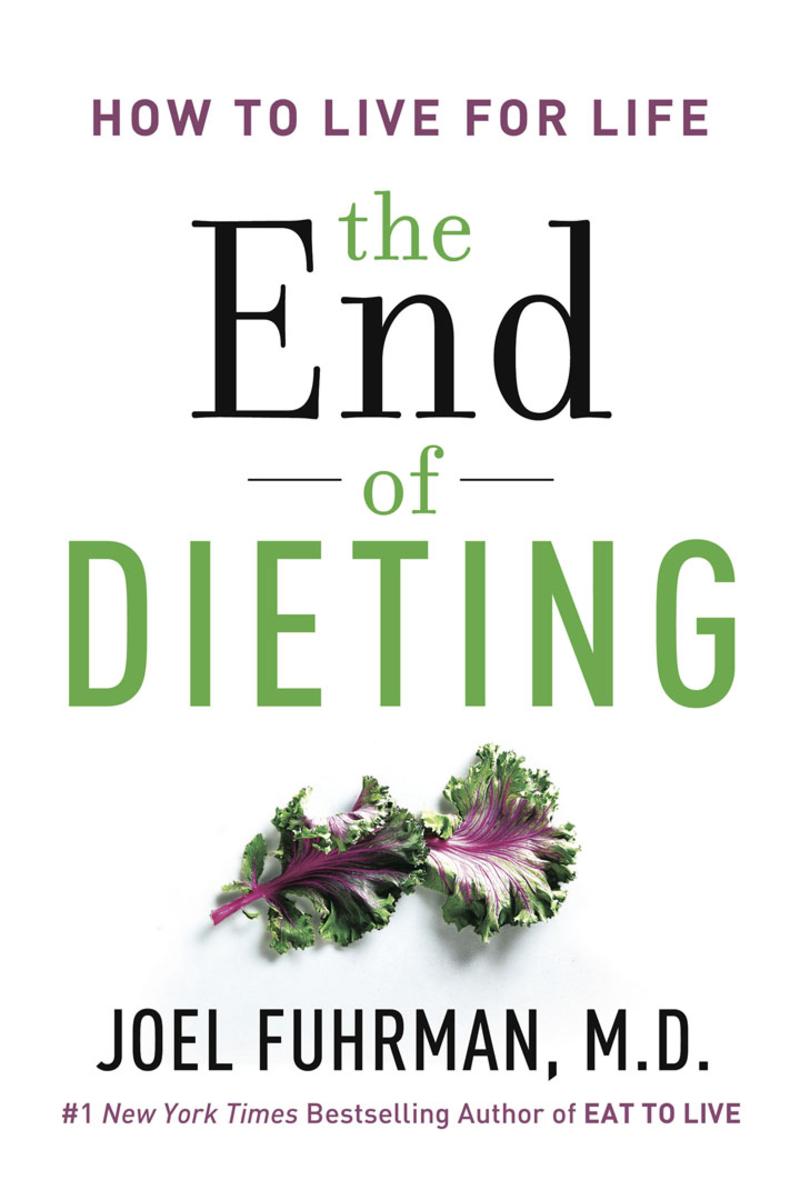
The End of Dieting
¥151.53
Eat as much as you want, whenever you want. Welcome to the end of dieting.We're fatter, sicker, and hungrier than ever, and the billion-dollar diet industry—with its trendy weight-loss protocols and eat-this-notthat ratios of fat, carbs, and protein—offers only temporary short-term solutions at the expense of our permanent long-term health. As a result, we're trapped in a cycle of food addiction, toxic hunger, and overeating.In The End of Dieting, Joel Fuhrman, M.D., a board-certified doctor and the New York Times bestselling author of Eat to Live and The End of Diabetes, shows us how to break free from this vicious cycle once and for all. Dr. Fuhrman lays out in full all the dietary and nutritional advice necessary to eat our way to a healthier and happier life. At the center of his revolutionary plan is his trademark health formula: Health = Nutrients/Calories. Foods high in nutrient density, according to Dr. Fuhrman, are more satisfying than foods high in calories. They eliminate our cravings for fat, sweets, and carbs. The more nutrient-dense food we consume, the more our bodies can function as the self-healing machines they're designed to be. Weight drops, diseases reverse course and disappear, and our lives become longer and healthier.The End of Dieting is the book we have been waiting for—a proven, effective, and sustainable approach to eating that lets us prevent and reverse disease, lose weight, and reclaim our right to excellent health.

Secrets From the Eating Lab
¥151.53
Is Your Diet Making You Fat?From her Health and Eating Laboratory at the University of Minnesota, Professor Traci Mann researches self-control and dieting. And what she has discovered is groundbreaking: not only do diets not work, they often result in weight gain. We are losing the battle of the bulge because our bodies and brains are not hardwired to resist food—in fact, the very idea of it works against our biological imperative to survive.In Secrets from the Eating Lab, Mann challenges assumptions—including those that make up the foundation of the weight loss industry—about how diets work and why they fail. As Mann explains, most weight loss plans are reliant on the notion of willpower—and willpower is an illusion. Moreover, even when we are able to successfully lose weight, our bodies fight our efforts, seeking to regain the weight we've worked so hard to lose. In the end, we become chronic "yo-yo" dieters, destined to lose and regain the same pounds time and again. The diet industry is well aware of these facts and has tellingly built their business model on the concept of the "repeat customer"; they know we'll be back.The result of more than two decades of research, Secrets from the Eating Lab presents cutting-edge science and offers exciting new insights into the American obesity epidemic and our relationship with food. From redefining "comfort food" to reconsidering healthy food labeling that, ironically, makes us less inclined to make healthy choices, Mann presents an arsenal of simple, common-sense strategies that take advantage of human nature instead of fighting it—helping you to achieve a healthy and sustainable weight.
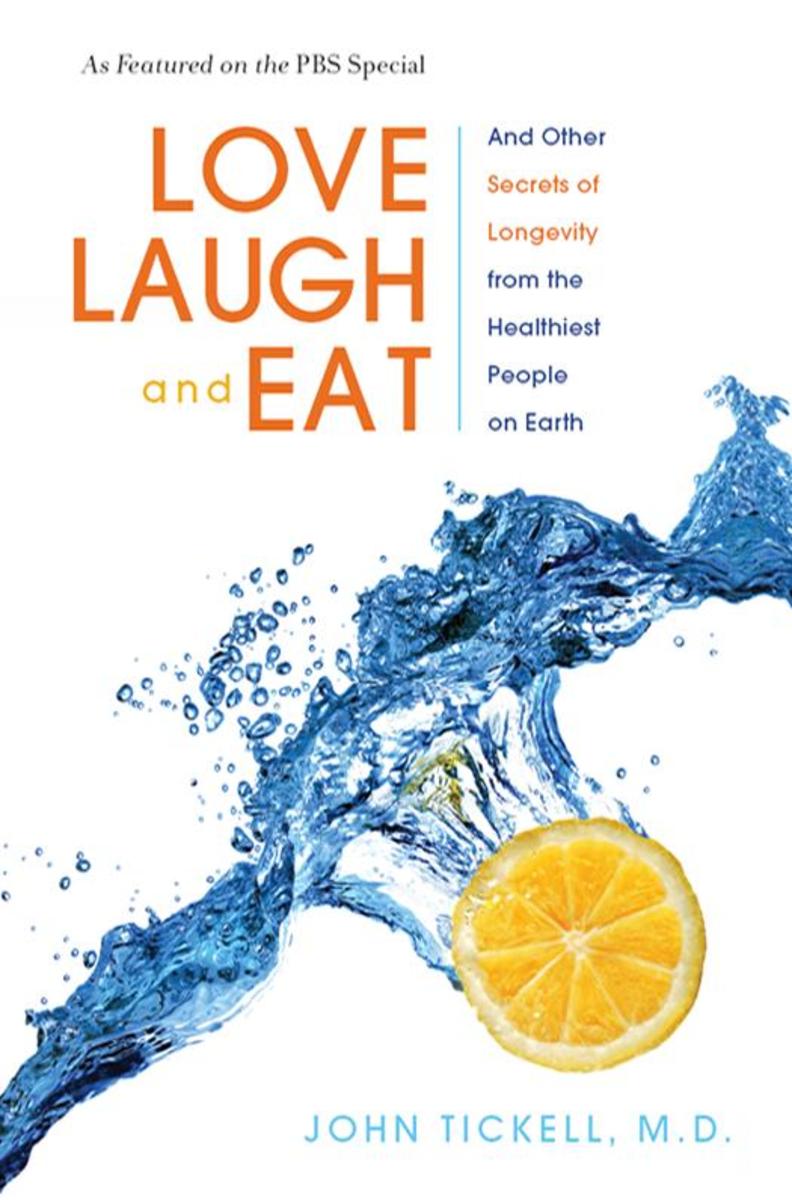
Love, Laugh, and Eat
¥151.53
PBS host, weight-loss expert, and renowned authority on longevity, Dr. John Tickell shares the secret to a long life: moderation. Moderation in everything except love, laughter, and fish (and a few vegetables!).Based on common sense, sound science, and good food, Love, Laugh, and Eat is an easy-to-follow guide that will help put the bounce back in your step and add years to your life. With his characteristic wit and medical expertise, Dr. Tickell lays out his proven Activity, Coping, and Eating (ACE) program, which simultaneously works out your body, your brain, and your mouth—the three keys to a healthy life—through physical activity and stress-management techniques and his revolutionary Four Simple Rules of Nutrition. He also serves up a seven-day detoxification plan and a series of delicious, manageable, and satisfying meal plans that actually work, as well as his eight Fall-Safe Snacks to keep you energized morning, noon, and night.Through Dr. Tickell's Love, Laugh, and Eat program you will:Look better Sleep better Feel better Love betterInspiring and engaging, Love, Laugh, and Eat is the approach to healthy living and longevity you've been waiting for. Healthy living has never been so easy—or so much fun.
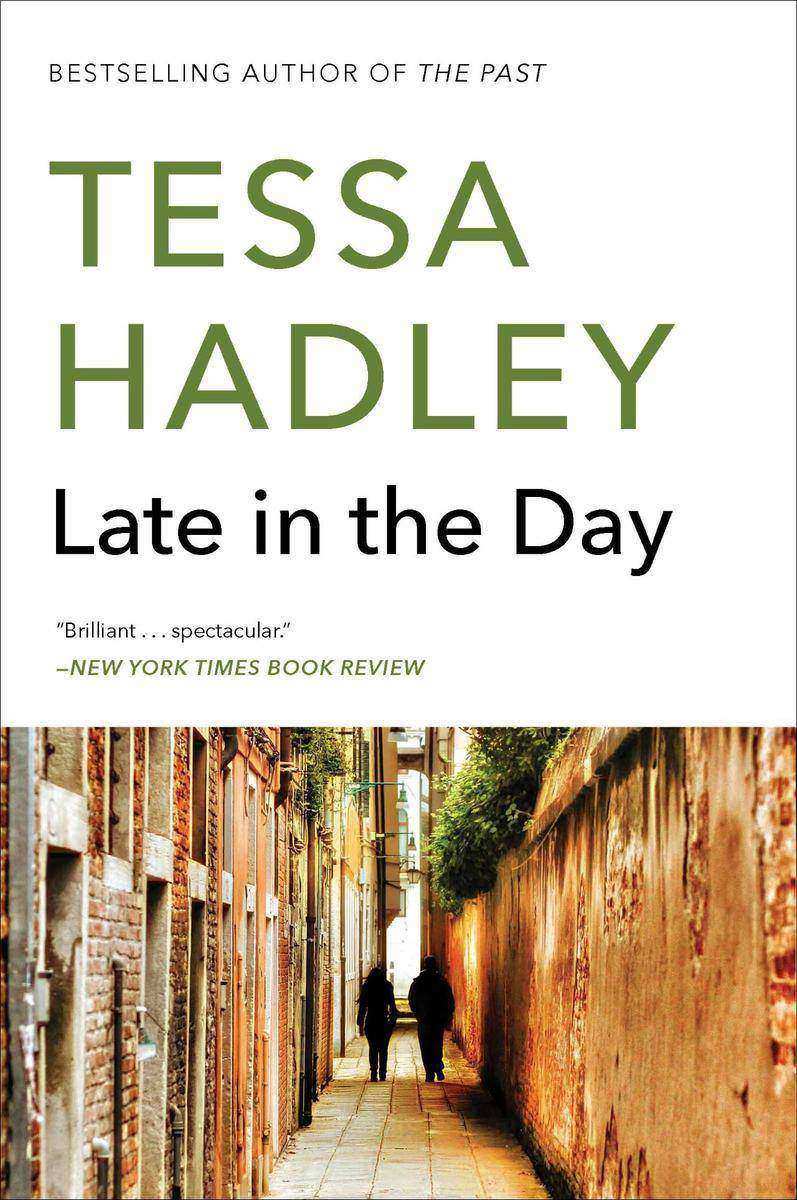
Late in the Day:A Novel
¥151.53
“With each new book by Tessa Hadley, I grow more convinced that she’s one of the greatest stylists alive.”—Ron Charles, Washington PostNew York Times Book Review Editors' Choice |A Parnassus First Editions Club Pick | Powell’s Indispensable Book Club Pick | A Washington Post Notable Book | A Slate Best Book of the Year | A Boston Globe Best Book of the Year | A Bookpage Best Book of the YearThe lives of two close-knit couples are irrevocably changed by an untimely death in the latest from Tessa Hadley, the acclaimed novelist and short story master who “recruits admirers with each book” (Hilary Mantel).Alexandr and Christine and Zachary and Lydia have been friends since they first met in their twenties. Thirty years later, Alex and Christine are spending a leisurely summer’s evening at home when they receive a call from a distraught Lydia: she is at the hospital. Zach is dead.In the wake of this profound loss, the three friends find themselves unmoored; all agree that Zach, with his generous, grounded spirit, was the irreplaceable one they couldn’t afford to lose. Inconsolable, Lydia moves in with Alex and Christine. But instead of loss bringing them closer, the three of them find over the following months that it warps their relationships, as old entanglements and grievances rise from the past, and love and sorrow give way to anger and bitterness.Late in the Day explores the complex webs at the center of our most intimate relationships, to expose how, beneath the seemingly dependable arrangements we make for our lives, lie infinite alternate configurations. Ingeniously moving between past and present and through the intricacies of her characters’ thoughts and interactions, Tessa Hadley once again “crystallizes the atmosphere of ordinary life in prose somehow miraculous and natural” (Washington Post).

The Heap:A Novel
¥151.53
“As intellectually playful as the best of Thomas Pynchon and as sardonically warm as the best of Kurt Vonnegut, The Heap is both a hilarious send-up of life under late capitalism and a moving exploration of the peculiar loneliness of the early 21st century. A masterful and humane gem of a novel.” —Shaun Hamill, author of A Cosmology of MonstersBlending the piercing humor of Alexandra Kleeman and the jagged satire of Black Mirror, an audacious, eerily prescient debut novel that chronicles the rise and fall of a massive high-rise housing complex, and the lives it affected before - and after - its demise.Standing nearly five hundred stories tall, Los Verticalés once bustled with life and excitement. Now this marvel of modern architecture and nontraditional urban planning has collapsed into a pile of rubble known as the Heap. In exchange for digging gear, a rehabilitated bicycle, and a small living stipend, a vast community of Dig Hands removes debris, trash, and bodies from the building’s mountainous remains, which Orville Anders burrows into the bowels of the Heap to find his brother Bernard, the beloved radio DJ of Los Verticalés, who is alive and miraculously broadcasting somewhere under the massive rubble. For months, Orville has lived in a sea of campers that surrounds the Heap, working tirelessly to free Bernard—the only known survivor of the imploded city—whom he speaks to every evening, calling into his radio show.The brothers’ conversations are a ratings bonanza, and the station’s parent company, Sundial Media, wants to boost its profits by having Orville slyly drop brand names into his nightly talks with Bernard. When Orville refuses, his access to Bernard is suddenly cut off, but strangely, he continues to hear his own voice over the airwaves, casually shilling products as “he” converses with Bernard.What follows is an imaginative and darkly hilarious story of conspiracy, revenge, and the strange life and death of Los Verticalés that both captures the wonderful weirdness of community and the bonds that tie us together.
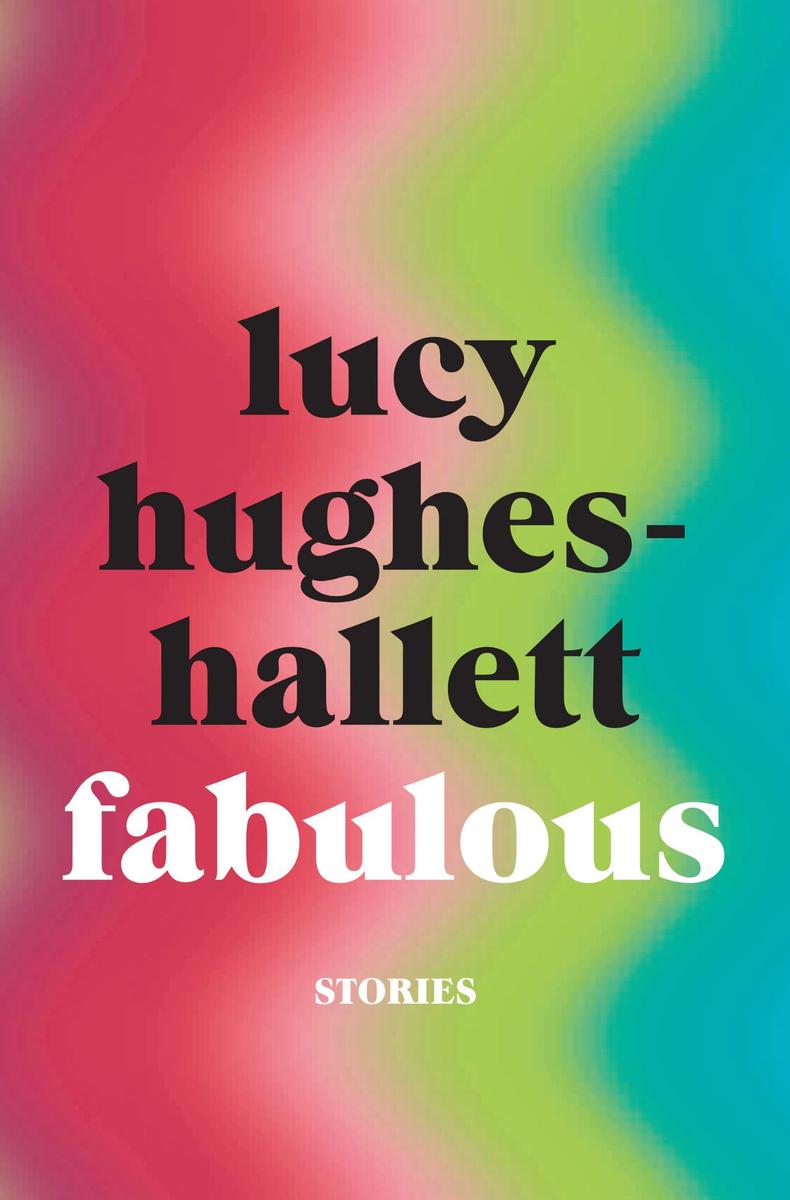
Fabulous:Stories
¥151.53
一本幽默诙谐的现代社会寓言小说集,记录了普通人平凡却又跌宕起伏的生活。 From the?author of the “sophisticated and erudite”?Peculiar Ground?(Boston Globe),?comes a collection of classic, witty fables, elegantly updated for our modern times.It's in the nature of myth to be infinitely adaptable.Each of these startlingly original stories is set in modern Britain. Their characters include a people-trafficking gang-master and a prostitute, a migrant worker and a cocksure estate agent, an elderly musician doubly befuddled by dementia and the death of his wife, a pest-controller suspected of paedophilia and a librarian so well-behaved that her parents wonder anxiously whether she’ll ever find love.They’re ordinary people, preoccupied, as we all are now, by the deficiencies of the health service, by criminal gangs and homelessness, by the pitfalls of dating in the age of #metoo. All of their stories, though, are inspired by ones drawn from Graeco-Roman myth, from the Bible or from folk-lore.The ancients invented myths to express what they didn’t understand. These witty fables, elegantly written and full of sharp-eyed observation of modern life, are also visionary explorations of potent mysteries and strange passions, charged with the hallucinatory beauty and horror of their originals.

一辈子够用的英语学习大全集:单词、会话、语法一个都不少!(单词+句型+语法全3册)(试读本)
免费
《一辈子够用的英语万用单词20000》 本套书包括两本,一本单词书、一本会话书,旨在综合提高英语能力。其一,《一辈子够用的英语万用单词20000》是由台湾著名教育专家李文昊先生耗时3年完成的,旨在造一本真正实用、好用、有趣,能用一辈子的单词书。全书分为22个单元,话题涉及到个人、精神、居家、饮食、社交活动、休闲娱乐等22个单元,涵盖了生活中的每一个场景常用到的单词,并且把每一个主要单词的同义词、近义词、相关词、反义词一一行统计,从而达到能举一反三的效果。另外,本书采用韩国时尚的版式设计,简单有趣的线条图,不仅能加深对该单词的印象,还让枯燥的学习顿时充满了乐趣,从而让你爱上学英语。其二,《*中国人读的英语会话书》分为三个篇章。篇:短句篇,介绍了基础的一个单词一直到几个单词组成的小句子,并且每个句子都有对话实例、句子分析,让你真切地体会到什么场合用这句话;第二篇,情境篇,把英语学习贯彻到具体的生活场景中,教你如何用英语招呼、表达自己的情感等;第三篇,句型篇,引大量的*句型,从而帮助大家迅速增大句子量。只要记住这些句型,那么你的口语会话能力就会在短时间内得到明显的提升。不管你是初学者还是学了多年的学习者,这本书都会让你觉得英语学习不是那么枯燥乏味,让你在不知不觉中提高你的英语水平。《一辈子够用的英语万用会话10000句》 本书以“日常生活和工作中的常用表达”为着眼,筛选出各种不同的口语表达短句,分门别类,一应俱全。书中将人们日常生活领域划分为17 个部分,从衣食住行到休闲娱乐等等,基本上涵盖了生活的方方面面。此外,每个部分又细分为若干场景,场景以对话篇,并配有插图、单词、短语以增强内容的丰富性和趣味性。对话后面是本书的重,即在类似的情景下使用的核心句型。全书以史蒂文为核心人物,通过他的生活、工作、学习、休闲娱乐等引出生活场景和日常会话,贴近生活,实用性强。《30天学会全部语法》 语法学不好是很多英语学习者难以学好英语的关键之一。为了帮助学习者彻底学好英语,从根本上了解英语的结构,作者根据自己多年教学经验,总结了所有的语法内容,写了这本语法书。本书分成了两大部分:词法和句法。部分词法,分成了18个单元,也就是18天的学习时间,这一部分详细讲解了音标及其发音规则、名词、动词、情态动词、助动词、形容词、副词、虚拟语气……第二部分句法,分成了12个单元,也就是12天的学习时间,这一部分主要详细讲解了句子结构、简单句、四大句型、名词性从句、定语从句、状语从句、插语、倒装句、强调句……总之,本书系统、完整地总结了学英语的语法知识,让读者,从局部到整体,完全掌握。


